Market Minds Advisory
Takotsubo Syndrome Therapeutics Market

Takotsubo Syndrome Therapeutics Market: No Approved Drug, And The Obvious One May Harm

The standard drug for cardiogenic shock is a catecholamine, and catecholamine surge is what most clinicians believe causes this condition in the first place, which makes the default treatment genuinely questionable.

Lead Analyst

Published

September 2026

Make Smarter Decisions with Customized Research Insights

Request a free sample report and evaluate market opportunities, growth trends, and competitive dynamics relevant to your business needs.

2025 MARKET VALUE$0.4BMarket Size 2025
2036 FORECAST VALUE$0.9BBase Case , 2026 to 2036
CAGR 2026 TO 20366.4 %Bull 7.6% / Bear 5.2%
INCREMENTAL OPPORTUNITY$0.4BNet 10- year value creation
EXPANSION MULTIPLE1.85x2036 value over 2026 base
Strategic Levers
M&A Pipeline
Regional Outlook
Country Rankings
Competitive Intelligence
Segmental Deep-dive
Call-Us : 91 93563 13602

Executive Snapshot and Market Trajectory

No drug is approved anywhere for this condition. Everything prescribed is off-label, generic and borrowed from heart failure management, which means what exists here is a management market rather than a treatment market and always has been. Prescribing rests on analogy with heart failure and nothing more solid than that.
East Asia holds 33% of value because the syndrome was first described in Japan, Japanese registries hold the deepest longitudinal data anywhere and recognition rates across Japanese cardiology are considerably higher than in most Western practice. Non-catecholamine inotropes grow at 9.6%, half again the market rate of 6.4%, because the standard shock drugs are catecholamines and catecholamine excess is what most clinicians believe triggers the condition.
Concentration is remarkably low at 19% because every molecule involved went off patent long ago. The uncomfortable position underneath this market is that a condition affecting overwhelmingly postmenopausal women has no approved therapy, no development pipeline and a treatment paradox that nobody has funded a trial to resolve. Nothing about that is likely to change commercially. Roughly 89% of patients are postmenopausal women, which is not unrelated to any of it.
Market Definition
The market covers pharmaceutical therapies used to manage takotsubo syndrome and its acute and chronic complications, including beta blockers, renin-angiotensin system inhibitors, non-catecholamine inotropes, anticoagulants for apical thrombus, diuretics and congestion management, and adjunctive anxiolytic and psychotropic therapy. Mechanical circulatory support devices, coronary angiography and imaging procedures, implantable devices, and therapies directed at obstructive coronary artery disease are excluded. Cardiology services and psychological therapy provision fall outside scope.
Base Year Value
$0.4B in 2025 (MMA Primary Research Dataset, August 2026)
Forecast Period
2026 to 2036, eleven discrete annual values
CAGR
6.4% base case. Bull 7.6%. Bear 5.2%.
Fastest Growth Segment
Non-Catecholamine Inotropes: 9.6% CAGR
Fastest Growth Country
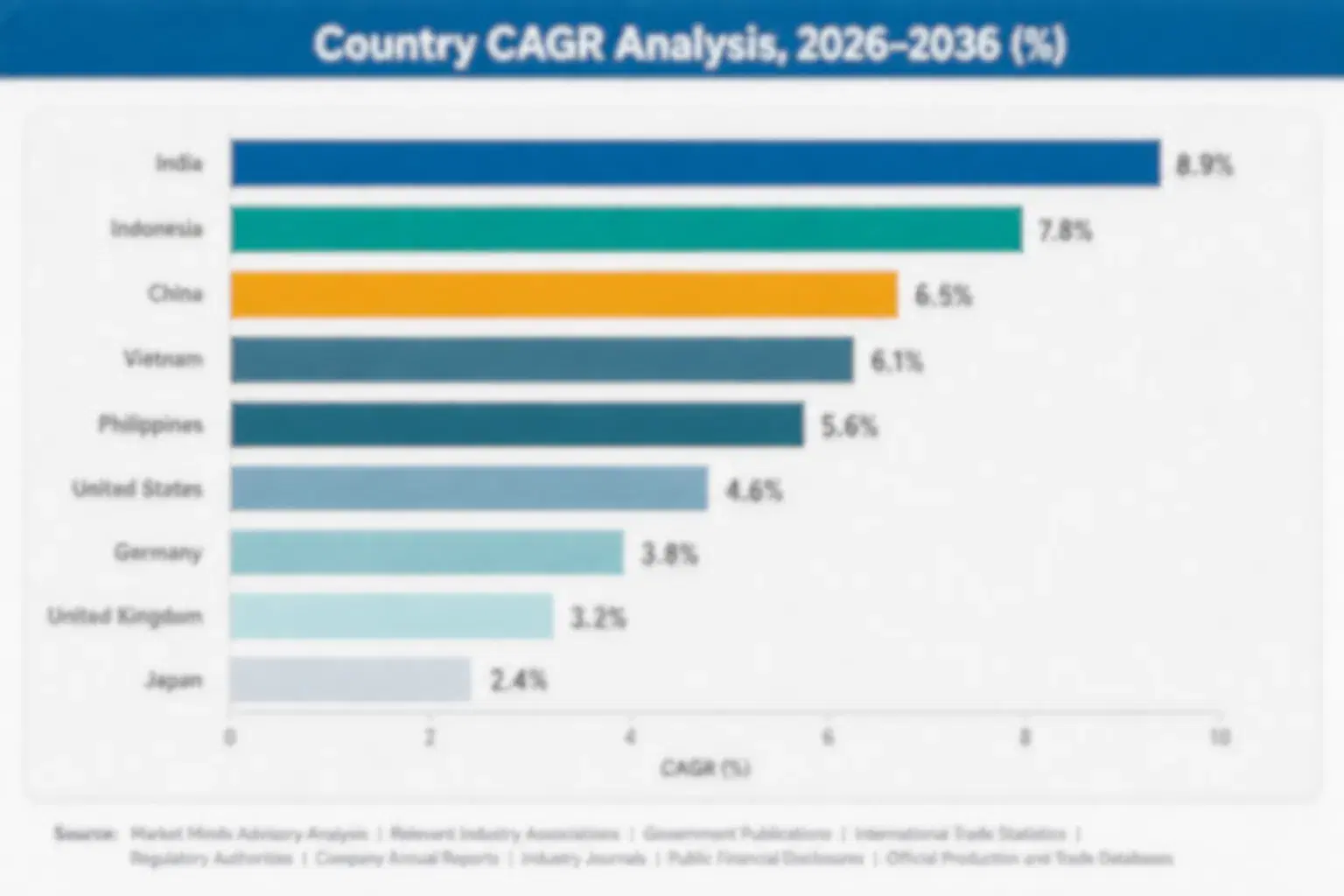
India: 8.6% CAGR
Fastest Growth Region
South Asia and Pacific: 8.4% CAGR
Largest Region
East Asia: 33% of 2025 global value
Market Leaders
Teva Pharmaceutical Industries, Viatris, Sandoz, Orion Corporation, Sun Pharmaceutical Industries. Source: MMA Analysis based on disclosed cardiovascular pharmaceutical revenue, company annual reports 2025.
Primary Survey
n=3,800 procurement and R&D decision-makers, Q4 2025, six countries
Methodology
Demand-side build-up, cross-validated against public data, 47 expert interviews

Takotsubo Syndrome Therapeutics Market Forecast Scenarios

takotsubo-syndrome-therapeutics-market-size-forecast-scenario-1787689983993
Growth from 2020 to 2025 ran at 5.4% and recognition drove nearly all of it. Registry work established that the condition is neither as rare nor as benign as its early description suggested, with meaningful mortality and recurrence rates that changed how long patients are followed and treated. Reported incidence also rose during 2020 and 2021.
The 6.4% base case rests on three mechanisms. Recognition keeps improving as cardiology accepts that a normal angiogram with apical ballooning is a diagnosis rather than an absence of one. Anticoagulation for apical thrombus is being applied more consistently as registry data has clarified who is genuinely at risk. And non-catecholamine inotropes are displacing conventional agents in shock presentations, driven by a mechanistic argument that clinicians find persuasive without any trial behind it.
The bull case at 7.6% turns on a randomised trial establishing a specific therapy, which would convert borrowed heart failure prescribing into a defined regimen with guideline weight attached. The bear case at 5.2% is continued generic price erosion outpacing the volume that improving recognition adds, which has already happened across several European markets where diagnosis rose and spending did not.

Managing What Nobody Can Treat

Everything prescribed here is borrowed. Beta blockers, renin-angiotensin inhibitors, diuretics and anticoagulants are all used off-label on the reasoning that the acute picture resembles heart failure and should therefore be managed like it. That reasoning is plausible and untested. No randomised trial has established that any of these agents changes outcome in this specific condition, and none is likely to be funded.
FIVE-FIRM CONCENTRATION19%Share of cardiovascular pharmaceutical revenue held by leading suppliers
ANNUAL THERAPY COST$310Typical yearly generic drug spend per managed patient
TOP CONSUMING COUNTRYJapan 21%Japanese share of global managed patient therapy consumption
FEMALE PATIENT PROPORTION89%Diagnosed cases occurring in postmenopausal women across all regions
APPROVED SPECIFIC THERAPIES0Drugs licensed anywhere for this specific clinical indication
FIVE YEAR RECURRENCE11%Patients experiencing a further episode within five years
The catecholamine question is the genuinely uncomfortable one. Cardiogenic shock is conventionally managed with inotropes, which are catecholamines, and the prevailing mechanistic explanation for takotsubo is a catecholamine surge damaging the myocardium. Giving more of the substance implicated in causing the condition to a patient in shock from it is a position clinicians find difficult, which is why calcium sensitisers and other non-catecholamine agents have gained ground on mechanism rather than on evidence.
The patient population deserves stating plainly. Roughly 89% of diagnosed cases occur in postmenopausal women, which places this condition squarely inside a broader pattern of cardiovascular research investment following male presentations. A syndrome affecting mostly older women, carrying real mortality, with no approved therapy and no pipeline, is not an accident of pharmacology. It follows predictably from how development priorities were set.
"We treat it like heart failure because it looks like heart failure, and we have never tested whether that helps. The one drug class we reach for in shock is the one the pathophysiology says to avoid."
Director, Cardiovascular Therapeutics Practice · MMA Healthcare Practice · August 2026

Market Trends

Non-Catecholamine Agents Gain Ground On Mechanism Alone

Calcium sensitisers and other non-catecholamine inotropes are displacing conventional agents in shock presentations because clinicians are reluctant to administer more of the substance implicated in causing the condition. Growth at 9.6% follows that reasoning rather than any randomised comparison, since none exists and none is being funded. The mechanistic argument is coherent and the evidence base is genuinely thin, which is an uncomfortable position for guideline committees and a straightforward one for the intensivist standing at the bedside making a decision in minutes. Guideline committees find that position considerably harder than bedside clinicians do.
Market Impact: Converts 4 in 10 unexplained presentations
Registry Data Overturns The Benign Reversible Description

The condition was described for two decades as a transient and fully reversible event, and registry work has since documented in-hospital mortality comparable to acute coronary syndrome alongside recurrence in roughly 11% of patients within five years. That changed follow-up duration and chronic prescribing considerably. Patients previously discharged without ongoing therapy are now managed for years, which adds volume without any new molecule entering the market. Cardiologists trained before that evidence emerged frequently still describe the condition in the older terms. Chronic management replaced discharge without treatment, adding volume without any new molecule.
Market Impact: Consumes 21% of global therapy

Market Opportunities and Growth Drivers

Recognition Improves As Normal Angiograms Get Diagnosed

A patient presenting like an infarct whose coronary arteries prove unobstructed was historically told nothing was wrong and sent home. Cardiology increasingly treats apical ballooning with unobstructed arteries as a positive diagnosis rather than as an absence of one, which converts previously unexplained presentations into managed patients on years of therapy. Recognition rather than incidence drives most volume growth here, and it varies enormously between health systems according to how routinely ventriculography is performed during acute catheterisation procedures. Practice varies enormously between operators as well as between health systems. Volume follows recognition.
Market Impact: Leaves 0 approved specific therapies

Japanese Cardiology Sets Recognition And Management Standards

The syndrome was first described in Japan and named for a traditional octopus trap the ventricle resembles, and Japanese registries hold the deepest longitudinal data available anywhere. Recognition rates across Japanese cardiology are correspondingly higher, and Japan accounts for roughly 21% of global managed patient consumption despite a much smaller share of world population. Regional practice standards propagate through Korean and Taiwanese cardiology directly. Western guidance has drawn heavily on Japanese registry work without the corresponding recognition rates following it. Recognition has not travelled with the evidence. Registry depth is unmatched.
Market Impact: Affects 8% presenting in shock

Market Restraints and Challenges

Generic Economics Prevent Any Trial Being Funded

Every molecule used in this condition has been generic for decades, and annual therapy costs around 310 dollars per patient. Root cause is that management was assembled from heart failure practice rather than developed for the indication, so nobody holds intellectual property worth defending with a trial. The commercial impact is a condition with real mortality and no evidence base, where prescribing rests entirely on analogy. Mitigation would require public or charitable trial funding, which cardiovascular research has directed toward conditions presenting more commonly in men. Nobody holds property worth defending.
Market Impact: Avoids agents in 89% female

The Standard Shock Drug May Worsen The Condition

Conventional cardiogenic shock management uses catecholamine inotropes, and the prevailing explanation for takotsubo is catecholamine-mediated myocardial injury. Root cause is that shock protocols were written for infarction and applied to a condition with different pathophysiology. The commercial impact is genuine clinical uncertainty at the most dangerous presentation, with clinicians choosing between a protocol and a mechanism. Mitigation runs through non-catecholamine agents, which resolve the theoretical concern and carry an evidence base that is no stronger than what they replace. Clinicians choose between a protocol and a mechanism with nothing to settle it.
Market Impact: Recurs in 11% within five years
3 additional market trends, 4 additional growth drivers, and 2 additional restraints and challenges are covered in the full report. Contact sales@marketmindsadvisory.com to access the complete intelligence.

Segment CAGR and Growth Architecture

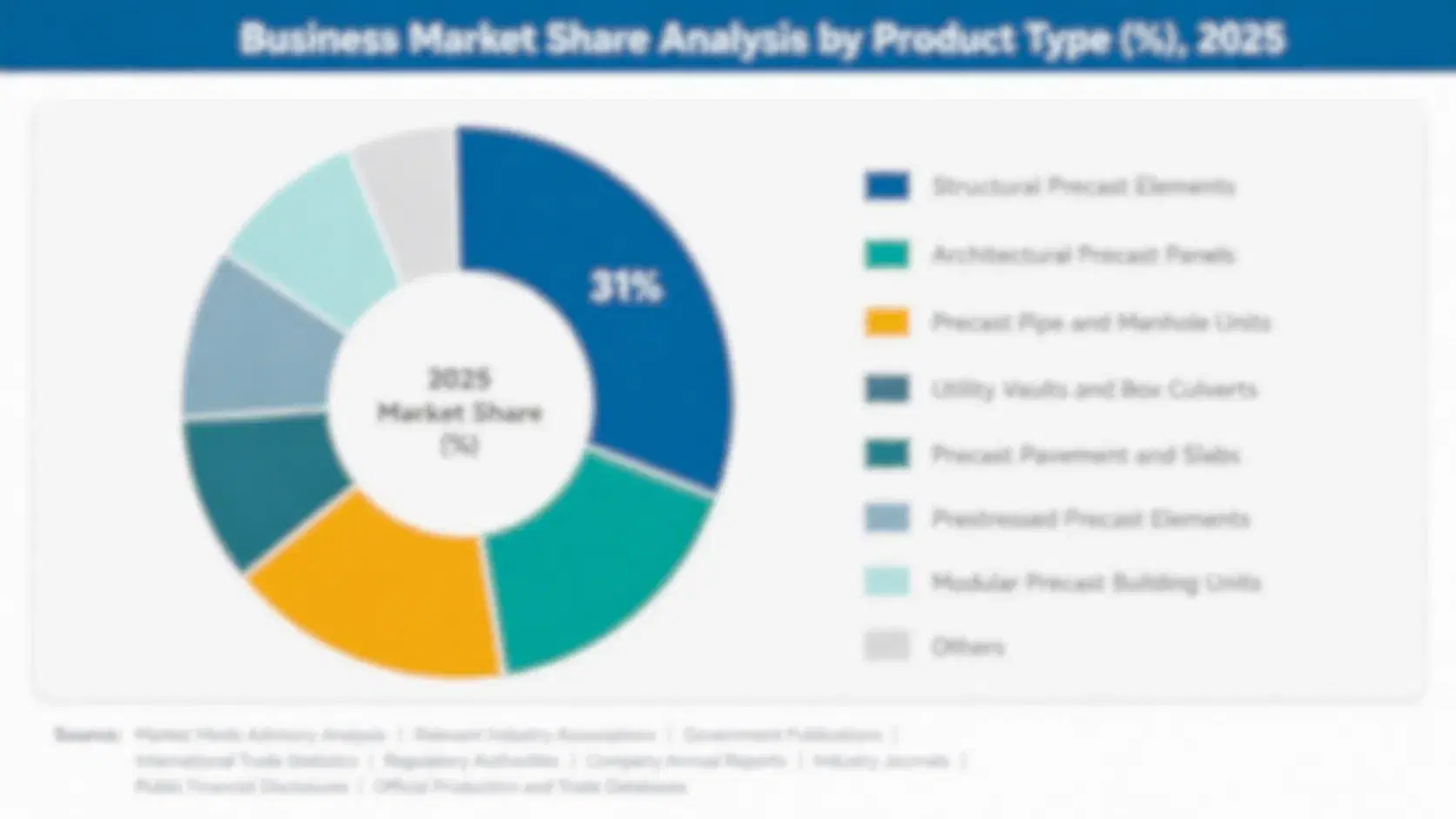
Segmentation follows pharmacological class: the mechanism by which each therapy addresses the acute presentation or its complications, rather than which patient group receives it or where it is prescribed. Six classes cover the market without overlap, from beta blockers through to adjunctive psychotropic therapy. Care setting and payment route are handled separately here. Both cut across all six.
takotsubo-syndrome-therapeutics-market-market-share-analysis-1787689984311

Non-Catecholamine Inotropes

Calcium sensitisers and comparable non-catecholamine agents grow at 9.6%, half again the market rate of 6.4%, and the entire argument is mechanistic. Clinicians managing a patient in shock from a condition attributed to catecholamine surge are reluctant to administer more catecholamine, and no randomised comparison exists to settle whether that reluctance improves outcomes. Roughly 8% of patients present in shock, which keeps the segment small in absolute terms. Its significance is that it represents the only place in this market where a therapeutic choice is being made on reasoning specific to the condition rather than borrowed wholesale from heart failure practice. That distinction matters more than the segment's absolute size suggests it should.
CAGR 9.6%

Anticoagulants for Apical Thrombus

Apical ballooning creates a region of stasis where thrombus forms, and stroke from that thrombus is among the more serious complications this condition produces. Growth at 7.2% follows registry work clarifying which patients are genuinely at risk and for how long anticoagulation should continue, which had previously been decided case by case with wide variation. Direct oral anticoagulants have largely displaced warfarin for practical reasons rather than any condition-specific evidence. What distinguishes this segment is that the clinical question is anatomical rather than pathophysiological, which makes it the one part of management where imaging gives a clear answer. Duration of anticoagulation had previously varied widely between clinicians without any clear basis.
CAGR 7.2%
Full segment breakdown across 6 segments available in the complete report.

Regional Architecture and Country Demand Map

Geography follows diagnostic recognition far more than true incidence, which is probably similar across populations. East Asia leads because the syndrome was described there and recognition is highest, while Western markets are growing from bases held down by under-diagnosis. Where clinicians look decides what gets counted here.

North America

American growth is the fastest among developed markets and comes almost entirely from improving recognition rather than from rising incidence, since ventriculography during acute catheterisation increasingly produces a positive diagnosis where a normal angiogram once ended the investigation. Cardiology registries and dedicated interest groups have raised awareness considerably over the past decade. Therapy itself is inexpensive and universally available, so diagnosis rather than access constrains the market. Canadian practice follows similar patterns through provincial systems. Mexican cardiology diagnoses relatively few cases and treated patients receive the same borrowed regimens used everywhere else. Registries and dedicated interest groups have raised awareness considerably over the past decade, and diagnosis rather than drug access constrains the market entirely.
Share: 24% | CAGR: 7.2% (2026 to 2036)

Western Europe

European recognition varies considerably between countries, with German, Swiss and Dutch centres contributing substantially to the international registry work that changed how the condition is understood. British cardiology has produced influential outcome research without corresponding increases in routine recognition across district hospitals. French and Italian diagnosis rates are lower. Generic pricing across the region is among the lowest anywhere, which means improving diagnosis adds patients without adding much value at all. Regional spending growth therefore lags patient number growth by a widening margin each year. Generic pricing across the region is among the lowest anywhere, so improving diagnosis adds patients without adding much value at all. That gap widens each year.
Share: 22% | CAGR: 4.8% (2026 to 2036)
Regional intelligence for 5 additional markets available in the complete report: East Asia, South Asia and Pacific, Latin America, Middle East and Africa, Eastern Europe. Contact sales@marketmindsadvisory.com.
takotsubo-syndrome-therapeutics-market-country-cagr-analysis-1787689984593

Value Where No Drug Is Approved

No therapy is licensed for this indication anywhere, roughly 89% of patients are postmenopausal women, and the standard shock drug may worsen the condition it treats. Four levers work on recognition, mechanism and trial funding rather than on any pricing argument generic economics would ever support. Pricing arguments are simply not available here. Generic economics rule that out entirely.

Fund Recognition Training In Catheterisation Laboratories

A patient with unobstructed arteries and apical ballooning is diagnosed where ventriculography is performed and missed where it is not, and the practice varies enormously between health systems. A company funding training and protocol support converts undiagnosed presentations into managed patients across a whole referral network for years afterward. Generic pricing means the return per patient is around 310 dollars annually, and the volume effect compounds because these patients now stay on therapy indefinitely rather than being discharged untreated. Nobody funds that training today. Practice varies enormously between operators. Recognition is the constraint.
Market Impact: Adds managed patients at 310 dollars each annually

Build The Non-Catecholamine Evidence Nobody Has

Roughly 8% of patients present in cardiogenic shock, where the conventional inotrope is a catecholamine and the prevailing mechanism blames catecholamine surge for the condition itself. Non-catecholamine agents have taken ground on that reasoning alone with no randomised comparison behind them. A supplier funding even a modest trial would hold the only condition-specific evidence in the entire market. The cost is small against a registration programme and the resulting guideline position would be genuinely uncontested for years. No competitor could answer it quickly, since generating comparable evidence would take years.
Market Impact: Addresses the 8% who present in cardiogenic shock

Support Anticoagulation Duration Registry Work Directly

Apical thrombus and consequent stroke are among the more serious complications here, and how long anticoagulation should continue was decided case by case with wide variation until registry work began clarifying it. Growth at 7.2% follows that clarification directly. A supplier funding duration and risk stratification registries influences which agents appear in the resulting guidance, which is the only differentiation available when direct oral anticoagulants are otherwise interchangeable in prescribers' minds. Registry funding is inexpensive relative to any trial and produces guidance citations that shape prescribing for a decade. Almost nobody is doing it.
Market Impact: Shapes the 7.2% growing anticoagulant prescribing patterns directly

Concentrate Commercial Effort On East Asian Recognition

East Asia holds 33% of global value on recognition rates that Western cardiology has never matched, and Japan alone accounts for roughly 21% of managed patient consumption on a far smaller population base. That is where prescribing volume actually sits and where clinical guidance addresses the condition directly rather than in passing. Suppliers allocating cardiovascular generic effort by general market size systematically under-serve the region for this indication, and correcting it costs reallocation rather than investment. Reallocation costs nothing beyond attention, and it reaches the prescribing base that matters most.
Market Impact: Focuses commercial effort on 33% of global value

Who Controls the Margin Pool

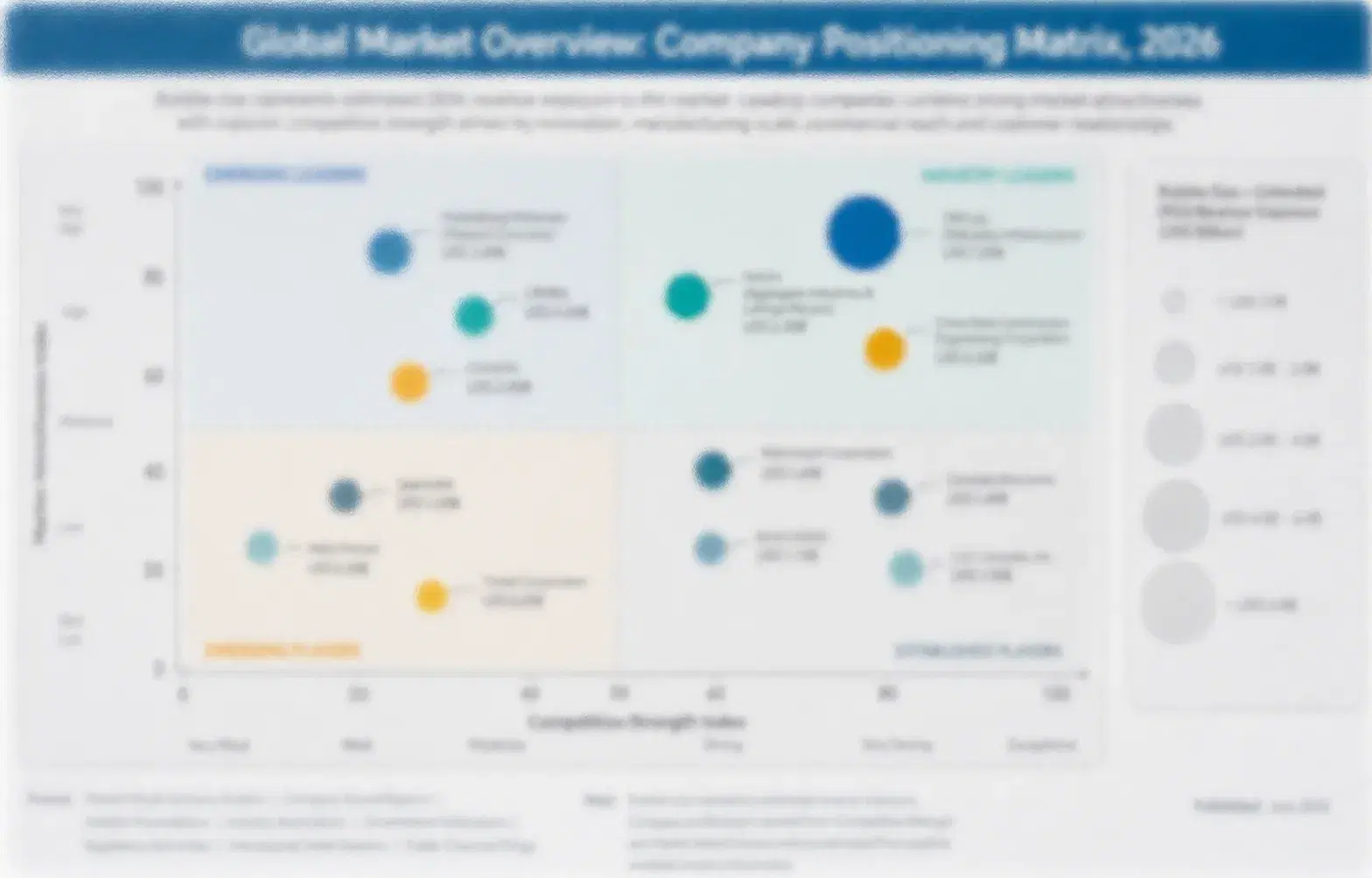
Measured on disclosed cardiovascular pharmaceutical revenue, the five leading suppliers hold a CR5 of just 19%, which is extraordinarily low and follows directly from an indication served entirely by molecules that dozens of manufacturers produce. Teva, Viatris and Sandoz hold the broadest generic cardiovascular portfolios, while Orion holds a genuinely differentiated position through the calcium sensitiser used where catecholamines are avoided. Differentiation is close to absent throughout this category.
Three contests define activity. Generic supply competes on tender pricing and manufacturing cost, where molecules are identical and nothing else separates suppliers at all. Non-catecholamine inotropes compete on a mechanistic argument that clinicians accept without evidence. Anticoagulant selection competes on registry guidance and prescriber habit, since the agents themselves are broadly interchangeable here. A supplier competing in one of those three contests has no meaningful advantage in the others, and none of them rewards clinical investment.

Pressure comes from Indian manufacturers whose cardiovascular generic cost positions are difficult for anybody to match and from continued price erosion across every tendered market. Rankings shift on manufacturing efficiency rather than on anything clinical, which is unusual even for generics and reflects how little differentiation this indication permits. Nothing clinical moves share at all.
takotsubo-syndrome-therapeutics-market-company-positioning-matrix-1787689984903

Competitive Moat and Risk Dimensions

TEVA PHARMACEUTICAL INDUSTRIES

Moat: Cardiovascular Generic Portfolio Breadth

Teva supplies most cardiovascular generic molecules across most major markets, which means tender participation comes as a portfolio rather than product by product. Health systems buying a basket of cardiovascular generics value that breadth genuinely. A single-molecule competitor with a lower cost still has to reach tenders frequently awarded across whole categories at once rather than item by item.
TEVA PHARMACEUTICAL INDUSTRIES

Risk: Indian Cost Position Pressure

Indian manufacturers hold cardiovascular generic cost positions that established suppliers find difficult to match, and every tender cycle tests that gap directly. Portfolio breadth delays the effect without removing it. Where molecules are identical and price is the only variable, a persistent cost disadvantage eventually decides outcomes regardless of scale or relationship depth.
ORION CORPORATION

Moat: Non-Catecholamine Inotrope Position

Orion holds the calcium sensitiser that clinicians reach for precisely when they wish to avoid catecholamines, which is the only place in this market where a product choice is made on reasoning specific to the condition. That position rests on mechanism and prescriber familiarity rather than on any trial. It is nonetheless the closest thing to differentiation this indication offers.
ORION CORPORATION

Risk: Evidence Base Fragility

A position built on a mechanistic argument with no randomised comparison behind it is vulnerable to any trial that fails to confirm it, and equally to guideline committees who prefer evidence to reasoning. Nobody is funding that trial, which protects the position and leaves it permanently unproven. Generic entry into the molecule also erodes whatever pricing the argument supports.

Players Tracked

Prominent Players

Teva Pharmaceutical Industries
Viatris
Sandoz
Orion Corporation
Sun Pharmaceutical Industries

Other Key Players

Novartis
AstraZeneca
Boehringer Ingelheim
Bayer
Daiichi Sankyo
Sawai Pharmaceutical
Towa Pharmaceutical
Dr Reddys Laboratories
Zydus Lifesciences
Cipla
Aurobindo Pharma
Hikma Pharmaceuticals
Lupin
Fresenius Kabi
Baxter

Recent Developments

MARCH 2025

International registry publishes long term outcome and recurrence findings

An international takotsubo registry published long term outcome data documenting mortality and recurrence rates well above the benign description the condition carried for two decades. This was academic publication rather than any commercial event, and it has extended follow-up duration and chronic prescribing across participating centres considerably.
Signal: Longer follow-up adds prescribing volume without any new molecule, which is how this market actually grows.
JULY 2025

Cardiology guidance addresses inotrope selection in stress cardiomyopathy shock

Cardiology guidance addressed inotrope selection in stress cardiomyopathy presenting with shock, noting the theoretical concern about catecholamine administration and the absence of randomised evidence either way. This was clinical guidance rather than any regulatory or commercial event, and it formalises a debate clinicians had been holding informally.
Signal: A mechanistic argument has reached formal guidance without a trial, which is unusual and commercially consequential.
OCTOBER 2025

Cardiovascular research programme prioritises female-predominant conditions

A national cardiovascular research programme designated female-predominant conditions including stress cardiomyopathy as a funding priority. This was a research funding decision rather than any corporate transaction, and it addresses an evidence gap that commercial development economics have never had any reason to close. Commercial economics never would.
Signal: Public funding is the only realistic route to evidence here, since no molecule involved carries any commercial protection.

What Generic Management Costs

Active ingredient and formulation dominate the little cost that exists. Bulk active pharmaceutical ingredient, excipients, tabletting and packaging together run 56 to 63% of ex-factory price for a generic cardiovascular tablet, leaving very little between manufacturing and tender pricing. Injectable inotropes carry sterile fill and finish costs that raise that share considerably. Regulatory maintenance and pharmacovigilance consume most of what remains across every molecule here.
The volatility that matters is active ingredient supply concentration. Bulk cardiovascular actives are produced at a limited number of Chinese and Indian sites, and pricing moved sharply during environmental enforcement shutdowns and again through pandemic logistics disruption. Sun Pharmaceutical and Cipla annual reports describe active ingredient supply and cost pressure across those periods. Manufacturers with qualified second sources continued supplying tenders. Single-site qualification meant failure to supply and lost contracts.

Exposure divides by integration and product form. Vertically integrated Indian manufacturers producing their own actives hold the strongest positions and face the least supply risk anywhere. Formulators buying actives externally carry both price and availability exposure directly. Injectable inotrope producers carry sterile capacity constraints that oral manufacturers do not. Sterile fill capacity has been tight for reasons unrelated to cardiovascular demand.
takotsubo-syndrome-therapeutics-market-cost-volatility-analysis-1787689985207

Qualify second active ingredient sources per molecule

Bulk cardiovascular actives come from a limited number of Chinese and Indian sites, and enforcement shutdowns have removed supply without warning more than once. Second source qualification costs regulatory work and time and prevents supply failure carrying tender penalties. A failure to supply usually costs the contract for its full remaining term rather than merely for the affected period.

Contract sterile fill capacity for injectable inotropes

Sterile fill and finish capacity has been tight across several markets for reasons unrelated to cardiovascular demand, and injectable inotropes compete for slots against far larger programmes. Contracted capacity costs commitment through quiet periods and prevents an outage in a product used in acute presentations. Hospitals substitute permanently when a critical care drug proves unavailable.

Model tender pricing floors before bidding volume

Active ingredient and formulation account for most of the ex-factory price, which leaves a genuinely narrow band between cost and any sustainable tender price. Bidding below that band to hold volume produces contracted losses that no efficiency programme recovers. Manufacturers who modelled their floor properly walked away from tenders competitors won and subsequently regretted.

Portfolio Architecture for Margin Defence

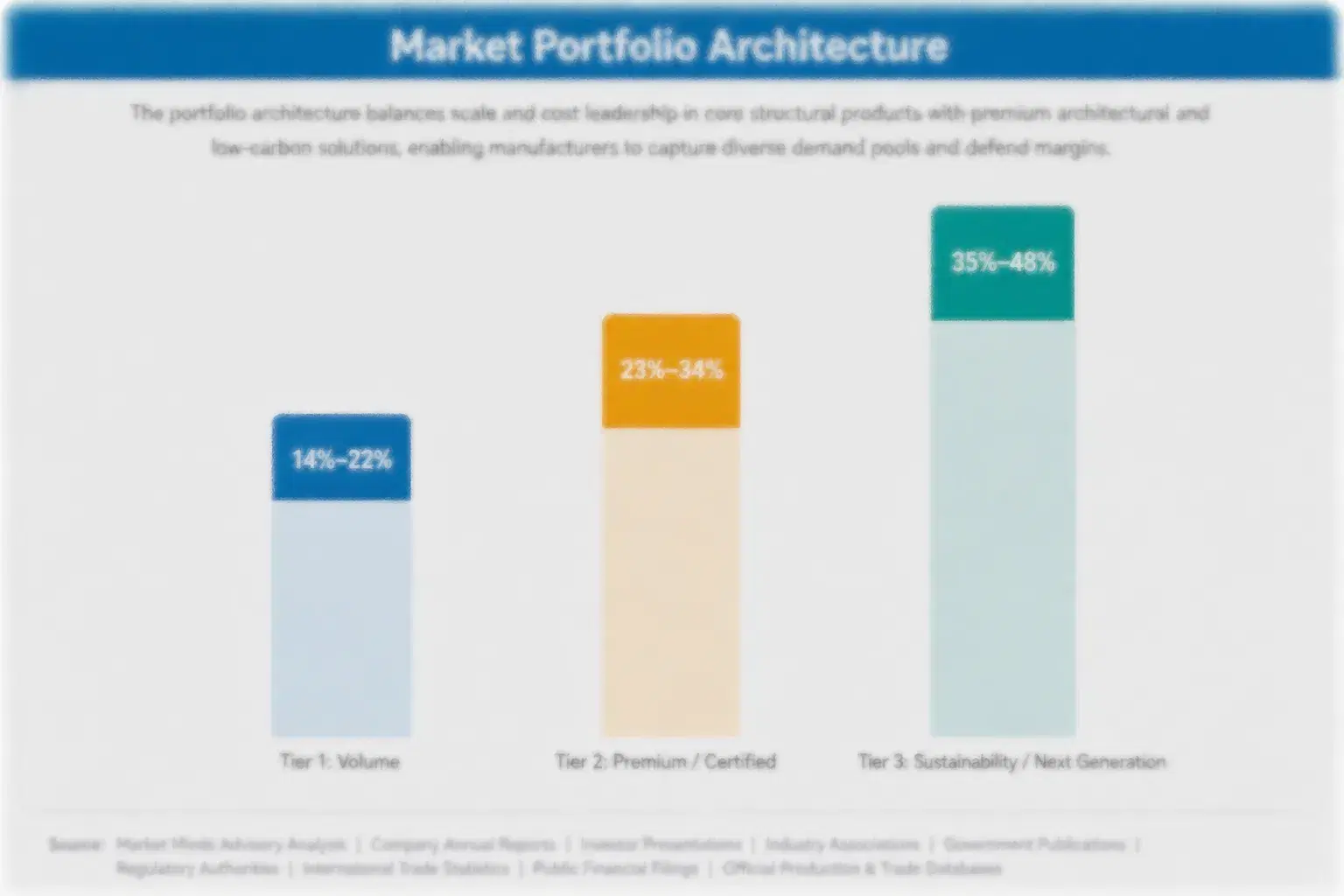
Margin is thin nearly everywhere and the exceptions are worth understanding. Generic beta blockers, renin-angiotensin inhibitors and diuretics earn tender margins that manufacturing efficiency alone decides. Anticoagulants earn better where branded direct oral agents retain prescriber preference. Non-catecholamine inotropes earn most, protected by a mechanistic argument rather than by any patent or evidence. Adjunctive psychotropic prescribing earns nothing distinctive at all.
The tension is between volume that pays almost nothing and a differentiated position resting on reasoning nobody has tested. A supplier can win enormous tender volume at margins barely covering regulatory maintenance, or hold the non-catecholamine position and hope no trial contradicts the mechanism. Neither is comfortable. What makes this market instructive is less its own economics than what it demonstrates about conditions that commercial development has no reason to serve.

The value that exists sits in three places. The non-catecholamine inotrope position, which is uncontested and unproven. Integrated manufacturing cost positions that survive continuous tender erosion. And any condition-specific evidence anybody eventually generates, which would be the first differentiation this indication has ever offered. None of the three depends on anything a conventional pharmaceutical development programme would ever produce, which is the defining oddity of this whole category.

Volume / Commodity-Adjacent

Generic beta blockers, renin-angiotensin inhibitors and diuretics supplied through tenders where molecules are identical across every participating supplier. The 7-point range separates vertically integrated manufacturers producing their own active ingredients from formulators buying them on the open market.
Gross Margin: 10-17%

Premium / Certified

Direct oral anticoagulants and branded generic positions where prescriber preference and registry guidance still support differentiated pricing. The 7-point spread separates suppliers holding established brand recognition in specific national markets from those competing on pure generic tender pricing.
Gross Margin: 23-30%

Sustainability / Regulatory / Next-Generation

Non-catecholamine inotropes and any future condition-specific therapy. The 27-point range is very wide because the current position earns well on a mechanistic argument with no evidence behind it, while a proven specific therapy would face no competition whatsoever.
Gross Margin: 27-54%
takotsubo-syndrome-therapeutics-market-portfolio-architecture-1787689985521

High-value Sub-segments and Strategic Watch-out

Non-Catecholamine Inotropes

Highest value here, holding the only place in this market where a therapeutic choice is made on reasoning specific to the condition rather than borrowed from heart failure. The risk is that the mechanism has never been tested, and generic entry erodes whatever pricing the argument currently supports.
Gross Margin: 51-54%

Branded Anticoagulant Positions

Moderate value supported by prescriber preference and by registry work clarifying who needs anticoagulation and for how long. The risk is that direct oral agents are broadly interchangeable in prescribers' minds, so preference fades as clinicians turn over and nothing replaces it. Nothing else differentiates.
Gross Margin: 27-30%

Tendered Cardiovascular Generics

The volume core, supplied through tenders where molecules are identical and manufacturing cost decides everything outright. Suppliers hold the line because cardiovascular tenders are frequently awarded across whole categories, so absence from one molecule can cost participation across several others. Category tenders make exit costly.
Gross Margin: 11-14%

Untested Mechanistic Positioning

The strategic watch-out. A commercial position resting on pathophysiological reasoning with no randomised comparison is vulnerable to any trial that fails to confirm it. The risk is that public research funding eventually produces the evidence and it points the other way entirely. Nobody is funding that work.
Gross Margin: 28-31%

Follow-Up That Now Continues

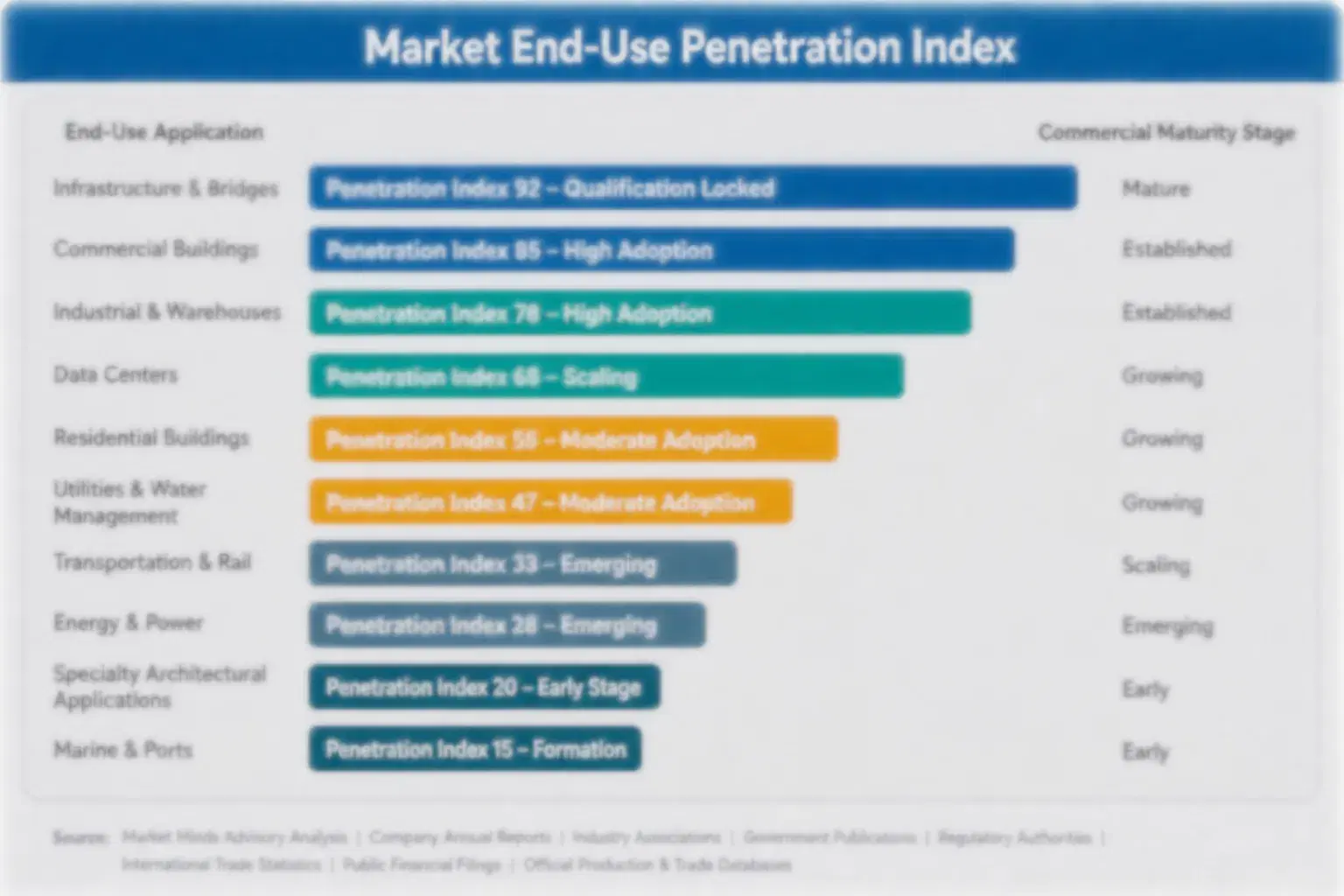
The prescribing pattern changed when registry data overturned the benign description. Patients once discharged after an acute episode with no ongoing therapy are now followed for years and treated continuously, because recurrence reaches roughly 11% within five years and mortality proved comparable to acute coronary syndrome. That converted an episodic market into a chronic one without any new molecule appearing.
Stickiness is high for reasons unconnected to any supplier. A patient stable on a regimen is rarely switched, since nobody wants to test whether stopping provokes recurrence. Molecule choice therefore persists for years while the manufacturer behind that molecule changes at every tender cycle without prescriber or patient noticing anything. The prescription is durable and the supply contract behind it is not, which is the defining commercial feature of the whole category.

The decision that matters happens in the catheterisation laboratory rather than in any pharmacy. Whether a patient reaches therapy at all depends on whether ventriculography was performed and interpreted during acute catheterisation, and that practice varies enormously between health systems and between individual operators. No commercial activity reaches that moment at all. Growth comes through clinical training and guideline change rather than supplier activity.
takotsubo-syndrome-therapeutics-market-end-use-penetration-index-1787689985810

A Market Nobody Developed

These are among the four positions where our research anticipates prominent divergence between winners and laggards over the coming forecast period. Each is grounded in the demand model, the regulatory perimeter, and the announced capacity pipeline.
01 / RECOGNITION PATHWAY FUNDING

The diagnosis decides the market, not the drug

A patient with unobstructed coronary arteries and apical ballooning gets diagnosed where ventriculography is performed and missed entirely where it is not, and that practice varies enormously between health systems and individual operators. A company funding training and protocol support converts undiagnosed presentations into managed patients across a whole referral network for years afterward. Generic pricing means roughly 310 dollars annually per patient, and the volume compounds steadily because these patients now stay on therapy indefinitely rather than being discharged untreated.
02 / CATECHOLAMINE EVIDENCE GAP

Fund the trial that settles the shock question

Roughly 8% of patients present in cardiogenic shock, where the conventional inotrope is a catecholamine and the prevailing mechanism blames catecholamine surge for causing the condition in the first place. Non-catecholamine agents have taken ground on that reasoning alone, with no randomised comparison behind them anywhere in the literature. A supplier funding even a modest randomised trial would then hold the only condition-specific evidence anywhere in this entire market, at a cost that is genuinely small against any registration programme.
03 / RECOGNITION CONCENTRATION FOCUS

A third of the value sits in one region

East Asia holds 33% of global value on recognition rates that Western cardiology has never matched, with Japan alone accounting for roughly 21% of managed patient consumption despite a far smaller share of world population. That is where prescribing volume genuinely sits, and where clinical guidance addresses the condition directly rather than mentioning it in passing. Suppliers allocating cardiovascular generic commercial effort by general market size systematically under-serve that region, and correcting it costs reallocation rather than any fresh investment.
04 / FEMALE PREDOMINANT EVIDENCE

Eighty-nine percent women, zero approved therapies

Roughly 89% of diagnosed cases occur in postmenopausal women, and this condition carries real mortality alongside no approved therapy and no commercial development pipeline of any kind. That is not an accident of pharmacology at all, but a predictable consequence of how cardiovascular research investment has followed male presentations for decades. Public and charitable funding is the only realistic route to evidence here, and suppliers supporting that work will influence guidance that nobody else is positioned to shape at all.

Engagement Snapshot From the Field

A live engagement with an industry participant carrying material or product regulatory and market exposure ahead of a defining policy shift, showing how our research translates into a defensible multi-year portfolio strategy.
MARKET MINDS ADVISORY · CLIENT ENGAGEMENT SUMMARY
Takotsubo Syndrome Therapeutics Producer Strategic Portfolio Review and Transition Roadmap 2026·Investment Scenario on Takotsubo Syndrome Therapeutics Exposure Evaluation 2025-26
CLIENT PROFILE
A generic pharmaceutical manufacturer supplying cardiovascular molecules across 31 markets, with cardiovascular revenue reported at 264 million dollars (client-reported, unverified by MMA). Beta blockers, renin-angiotensin inhibitors and diuretics accounted for most of it through public tenders. The company held no visibility into which indications drove prescribing for its molecules and managed the entire portfolio as a single commodity category.
STRATEGIC CHALLENGE
Tender margins had eroded for four consecutive years and a proposal to exit several low-margin molecules was under review. Management treated the whole cardiovascular portfolio as undifferentiated commodity supply. Nobody had examined which indications the affected molecules served, or whether any carried growth characteristics that aggregate tender reporting concealed entirely.
MMA APPROACH
MMA decomposed prescribing for the client's cardiovascular molecules by indication across eight major markets, which the company had never attempted at any point. Eleven expert interviews with cardiologists established how stress cardiomyopathy is recognised and managed in each market. The analysis tested whether indication-level dynamics differed from the commodity picture aggregate reporting presented to management.
KEY FINDINGS
  1. Stress cardiomyopathy prescribing had grown faster than the client's overall cardiovascular volume, driven by longer follow-up rather than by rising incidence. Aggregate reporting hid it completely.
  2. East Asian markets accounted for a disproportionate share of that prescribing, and commercial coverage there had been sized on general market size instead.
  3. One molecule proposed for exit was disproportionately used in this indication in markets where recognition and volume were both rising steadily. Exiting would have been a mistake.
  4. Reallocating East Asian coverage modelled better returns than the manufacturing cost programme already underway (client-reported, unverified by MMA). Cost reduction was clearly the weaker option available.
CLIENT PROFILE
A generic pharmaceutical manufacturer supplying cardiovascular molecules across 31 markets, with cardiovascular revenue reported at 264 million dollars (client-reported, unverified by MMA). Beta blockers, renin-angiotensin inhibitors and diuretics accounted for most of it through public tenders. The company held no visibility into which indications drove prescribing for its molecules and managed the entire portfolio as a single commodity category.
STRATEGIC CHALLENGE
Tender margins had eroded for four consecutive years and a proposal to exit several low-margin molecules was under review. Management treated the whole cardiovascular portfolio as undifferentiated commodity supply. Nobody had examined which indications the affected molecules served, or whether any carried growth characteristics that aggregate tender reporting concealed entirely.
MMA APPROACH
MMA decomposed prescribing for the client's cardiovascular molecules by indication across eight major markets, which the company had never attempted at any point. Eleven expert interviews with cardiologists established how stress cardiomyopathy is recognised and managed in each market. The analysis tested whether indication-level dynamics differed from the commodity picture aggregate reporting presented to management.
KEY FINDINGS
  1. Stress cardiomyopathy prescribing had grown faster than the client's overall cardiovascular volume, driven by longer follow-up rather than by rising incidence. Aggregate reporting hid it completely.
  2. East Asian markets accounted for a disproportionate share of that prescribing, and commercial coverage there had been sized on general market size instead.
  3. One molecule proposed for exit was disproportionately used in this indication in markets where recognition and volume were both rising steadily. Exiting would have been a mistake.
  4. Reallocating East Asian coverage modelled better returns than the manufacturing cost programme already underway (client-reported, unverified by MMA). Cost reduction was clearly the weaker option available.
RECOMMENDED STRATEGY
Phase 1: Phase one: suspend the proposed molecule exits until indication-level prescribing has been assessed properly across every affected national market. Nothing has been assessed yet. Phase 2: Phase two: reallocate East Asian commercial coverage to reflect this indication's disproportionate regional concentration rather than general market size. Size coverage to the indication. Phase 3: Phase three: support registry and outcome work, which is the only route to influencing guidance in an indication with no proprietary economics.
OUTCOME
The molecule was retained and East Asian volume grew ahead of the portfolio average within a year. Commercial reallocation completed at no additional headcount cost (client-reported, unverified by MMA). Indication-level analysis has since been extended across the wider cardiovascular portfolio as standard practice. Nothing about the products themselves changed.

Frequently Asked Questions

Foundational context covering the market sizes, CAGR, scope, country, region and competition that inform every finding below. This section is provided to cover basics and most often pre-purchase conversations, answered from the MMA Primary Research Dataset.

What is the current size of the Takotsubo Syndrome Therapeutics Market?

The market was worth 0.44 billion dollars in 2025, covering beta blockers, renin-angiotensin inhibitors, inotropes, anticoagulants, diuretics and adjunctive psychotropic therapy. It reaches 0.47 billion dollars in 2026.

How large will the Takotsubo Syndrome Therapeutics Market be by 2036?

MMA forecasts 0.87 billion dollars by 2036, an increase of 0.40 billion dollars over the 2026 base. That represents an expansion multiple of 1.85 times across the forecast period.

What is the CAGR for the Takotsubo Syndrome Therapeutics Market 2026 to 2036?

The base case compounds at 6.4% annually. MMA's bull case reaches 7.6% if a randomised trial establishes a specific therapy, while the bear case sits at 5.2% on continued generic price erosion.

Which segment is growing fastest?

Non-catecholamine inotropes, at 9.6%, half again the market rate of 6.4%. Clinicians avoid catecholamines because catecholamine surge is what most believe causes the condition in the first place.

Who are the major companies in the Takotsubo Syndrome Therapeutics Market?

Teva, Viatris, Sandoz, Orion Corporation and Sun Pharmaceutical Industries lead on disclosed cardiovascular pharmaceutical revenue. Novartis, Bayer, Daiichi Sankyo and Dr Reddys compete across generic supply.

Which country is growing fastest?

India at 8.6%, driven by cardiology capacity and catheterisation access expanding across private hospital networks. Japan remains the largest consuming market by a wide margin.

Report Segmentation Architecture

The full report scope spans multiple orthogonal segmentation dimensions, with cross-tabulated demand data provided for each dimension pair. Coverage extends further to regional breakdowns, trend trajectories, and the competitive detail needed to support segment-level decision-making.

By Pharmacological Class

  • Beta Blockers
  • Renin-Angiotensin System Inhibitors
  • Non-Catecholamine Inotropes
  • Anticoagulants for Apical Thrombus
  • Diuretics and Congestion Management
  • Adjunctive Anxiolytic and Psychotropic Therapy

By End-Use Industry

  • Coronary Care Units
  • Cardiac Catheterisation Centres
  • Outpatient Cardiology Clinics
  • Intensive Care Services
  • Primary Care Follow-Up
  • Clinical Research and Registry Sites

By Commercial Dimension

  • Public Tender Supply
  • Hospital Formulary Purchase
  • Retail Pharmacy Dispensing
  • Branded Generic Prescribing
  • National Reimbursement Listing
  • Self-Funded Patient Access

By Region

  • North America
  • Western Europe
  • East Asia
  • South Asia and Pacific
  • Latin America
  • Middle East and Africa
  • Eastern Europe

Scope, Methodology, and Coverage

Every figure in this report is reproducible from documented input assumptions. The scope below maps the historical period, the forecast horizon, the segmentation dimensions, and the countries covered, alongside the underlying primary and qualitative methodology.
Historical Period
2020 to 2025
Forecast Period
2026 to 2036
Base Year
2025 (USD billions; MMA Primary Research Dataset, August 2026)
Market Definition
Scope covers pharmaceutical therapies prescribed to manage takotsubo syndrome, also described as stress cardiomyopathy, across its acute presentation and subsequent complications, spanning beta blockers, renin-angiotensin system inhibitors, non-catecholamine inotropes including calcium sensitisers, anticoagulants prescribed for apical thrombus, diuretics and congestion management agents, and adjunctive anxiolytic and psychotropic therapy prescribed alongside cardiac management. Mechanical circulatory support devices, coronary angiography and cardiac imaging procedures, implantable cardioverter defibrillators, and therapies directed at obstructive coronary artery disease or myocardial infarction are excluded. Cardiology service provision and psychological therapy delivery fall outside the boundary.
Quantitative Units
USD billions (current prices); patients managed; daily defined doses dispensed; recognition rate per population; recurrence rate at five years
Segmentation Dimensions
By Pharmacological Class; By End-Use Industry; By Commercial Dimension; By Region
Regions Covered
North America, Western Europe, East Asia, South Asia and Pacific, Latin America, Middle East and Africa, Eastern Europe
Countries Covered
Japan, USA, Germany, China, South Korea, India, Switzerland, Netherlands, UK, France, Italy, Brazil, Canada, Australia, Poland
Key Companies Profiled
Teva Pharmaceutical Industries, Viatris, Sandoz, Orion Corporation, Sun Pharmaceutical Industries, Novartis, AstraZeneca, Boehringer Ingelheim, Bayer, Daiichi Sankyo, Sawai Pharmaceutical, Towa Pharmaceutical, Dr Reddys Laboratories, Zydus Lifesciences, Cipla, Aurobindo Pharma, Hikma Pharmaceuticals, Lupin, Fresenius Kabi, Baxter
Quantitative Methodology
Primary survey, n=3,800 respondents, Q4 2025, six countries; demand-side model with trade association cross-validation
Qualitative Methodology
47 expert interviews, Q4 2025; applied to validate demand model assumptions, identify emerging dynamics, and assess competitive positioning
Report Format
PDF and XLSX data workbook (Word format preview document)
Publisher
Market Minds Advisory
Report Code
MMA-2026-HLT-137
Published
August 2026
Contact
sales@marketmindsadvisory.com | www.marketmindsadvisory.com

Purchase the full Takotsubo Syndrome Therapeutics Market Report (2026 to 2036).

The full report runs to 145 pages and covers all six pharmacological class segments, seven regions and 20 profiled companies in detail. It includes the complete segment CAGR set, regional recognition rate and prescribing volume data, and ventriculography practice analysis across fifteen national markets. Company profiles carry evaluation on disclosed cardiovascular pharmaceutical revenue, with moat and risk assessment for the top five suppliers. The competitive section extends to 12 tracked corporate and clinical developments across 2024 and 2025, each with commercial interpretation. Primary research inputs include a quantitative survey of 3,800 respondents and 47 expert interviews conducted in Q4 2025.
Six pharmacological class segments with individual CAGR forecasts
Seven regional markets with recognition rate and prescribing data
Twenty company profiles on consistent revenue evaluation basis
Twelve tracked corporate and clinical developments with interpretation notes
Ventriculography practice analysis across fifteen national markets
Recurrence and follow-up duration modelling by regional practice pattern

Built For The People Who Decide

From boardroom strategy to bench-side execution, this report is read cover-to-cover by leaders shaping the next decade of their industry, turning demand scenarios, market dynamics and valuation benchmarks into decisions.
CXOs/ Presidents/ VPs/ Managers
M&A and Corporate Development
Strategy Teams and R&D Heads
Procurement and Product Directors
Regulatory and Compliance Leaders
Investor Relations and Equity Analysts