Market Minds Advisory
Synthetic Hemostatic and Wound Care Products Market

Synthetic Hemostatic and Wound Care Products Market: Defined By What It Refuses To Contain

This whole category exists because the alternatives are made from donated human plasma or slaughtered animals, and a synthetic sits on a shelf at room temperature with nobody asking where it came from.

Lead Analyst

Published

September 2026

Make Smarter Decisions with Customized Research Insights

Request a free sample report and evaluate market opportunities, growth trends, and competitive dynamics relevant to your business needs.

2025 MARKET VALUE$5.6BMarket Size 2025
2036 FORECAST VALUE$12.5BBase Case , 2026 to 2036
CAGR 2026 TO 20367.6 %Bull 8.8% / Bear 6.4%
INCREMENTAL OPPORTUNITY$6.5BNet 10- year value creation
EXPANSION MULTIPLE2.08x2036 value over 2026 base
Strategic Levers
M&A Pipeline
Regional Outlook
Country Rankings
Competitive Intelligence
Segmental Deep-dive
Call-Us : 91 93563 13602

Executive Snapshot and Market Trajectory

The defining feature of a synthetic hemostat is what it does not contain. No donated plasma, no bovine collagen, no porcine gelatin, no cold chain and no viral screening file. Those are supply and acceptability advantages, and they decide purchasing more often than performance data.
North America takes 30% of value on procedure pricing and adoption depth, which is genuinely where this market sits rather than a default assumption. The more interesting regional fact is that material acceptability matters most across South Asia and the Middle East, where animal-derived and donor-derived products face objections that no clinical argument resolves. Antimicrobial-loaded synthetic dressings grow at 11.4%, half again the market rate of 7.6%.
Concentration is moderate at 49% across two businesses that share almost nothing. Surgical hemostats are chosen in about three seconds by a surgeon with a bleeding field, judged on handling rather than on any trial. Chronic wound dressings are bought by formularies on cost per healed wound. The same companies sell both and the commercial logic reverses completely between them. Whichever half a company came from is the half it still serves properly.
Market Definition
The market covers synthetic and non-biologic products used to achieve surgical hemostasis and to manage acute and chronic wounds, including synthetic surgical sealants, cyanoacrylate tissue adhesives, oxidized cellulose hemostats, synthetic hemostatic powders and granules, synthetic foam and film dressings, and antimicrobial-loaded synthetic dressings. Fibrin sealants, thrombin, collagen and gelatin hemostats, alginate and other naturally derived dressings, skin substitutes and regenerative tissue products, and negative pressure wound therapy pumps are excluded. Surgical instruments and nursing services fall outside scope.
Base Year Value
$5.6B in 2025 (MMA Primary Research Dataset, August 2026)
Forecast Period
2026 to 2036, eleven discrete annual values
CAGR
7.6% base case. Bull 8.8%. Bear 6.4%.
Fastest Growth Segment
Antimicrobial-Loaded Synthetic Dressings: 11.4% CAGR
Fastest Growth Country
India: 10.0% CAGR
Fastest Growth Region
South Asia and Pacific: 9.6% CAGR
Largest Region
North America: 30% of 2025 global value
Market Leaders
Baxter, Johnson and Johnson MedTech, Becton Dickinson, Integra LifeSciences, 3M. Source: MMA Analysis based on disclosed surgical hemostasis and advanced wound care revenue, company annual reports 2025.
Primary Survey
n=3,800 procurement and R&D decision-makers, Q4 2025, six countries
Methodology
Demand-side build-up, cross-validated against public data, 47 expert interviews

Synthetic Hemostatic and Wound Care Products Market Forecast Scenarios

synthetic-hemostatic-and-wound-care-products-marke-size-forecast-scenario-1787689980352
Growth from 2020 to 2025 ran at 6.6% and two separate forces drove it. Elective surgical volumes collapsed through 2020 and recovered over roughly eighteen months, taking hemostat consumption with them in both directions. Meanwhile antimicrobial stewardship programmes expanded steadily, which pushed wound infection management toward topical antimicrobial dressings and away from systemic antibiotic courses that stewardship committees increasingly restrict.
The 7.6% base case rests on three mechanisms. Antimicrobial stewardship keeps tightening, and every restriction on systemic antibiotics moves infection management toward topical dressings that require no prescribing approval. Synthetic materials keep displacing biologics wherever supply reliability, room temperature storage or material acceptability matter more than incremental performance. And surgical volumes across Asia keep rising as capacity expands faster than population ageing alone would produce. Each mechanism operates entirely independently of the other two.
The bull case at 8.8% turns on antimicrobial resistance pressure making topical management a formal standard rather than a preference, which would move enormous chronic wound volumes onto loaded dressings. The bear case at 6.4% is hospital cost containment targeting hemostat waste, since prophylactic opening and discard rates are high enough that any serious audit would reduce unit consumption sharply.

Chosen In Three Seconds

A surgical hemostat is reached for during active bleeding, which means the selection happens in roughly three seconds by a surgeon whose attention is entirely elsewhere. What decides it is whether the product can be applied one-handed into a wet field and whether it stays where it is placed. Comparative clinical trials exist and influence formulary listing rather than the moment of use. Suppliers investing in trials rather than familiarity underperform their own evidence.
FIVE-FIRM CONCENTRATION49%Share of hemostasis and wound care revenue held by leaders
HEMOSTAT UNIT PRICE$185Typical cost of one synthetic hemostatic agent application
TOP CONSUMING COUNTRYUSA 27%American share of global synthetic hemostat value consumed
OPENED AND DISCARDED23%Hemostat units opened prophylactically and never actually used
SELECTION DECISION TIME3 secondsTypical time a surgeon spends choosing during active bleeding
ROOM TEMPERATURE SHELF LIFE36 monthsStorage life without refrigeration or cold chain handling requirements
Waste in this category is substantial and almost nobody measures it. Roughly 23% of hemostat units are opened prophylactically and discarded unused, because a surgeon anticipating a difficult dissection opens what might be needed rather than waiting. That inflates consumption above clinical use, and suppliers benefit from the waste and do not raise it.
The wound care half operates on opposite logic entirely. A chronic wound dressing is selected by a formulary committee evaluating cost per healed wound across months of community nursing, with the individual dressing price almost irrelevant to that calculation. Purchasing is deliberate, evidence-driven and slow. Companies running both businesses through one commercial organisation reliably serve one properly, and the one they serve is whichever half the company originally came from.
"The surgeon picks the hemostat the way you pick a spanner mid-repair. All that trial data is for the committee, and the committee is not in the room when it matters."
Director, Surgical Hemostasis and Wound Care Practice · MMA Medical Devices Practice · August 2026

Market Trends

Antimicrobial Stewardship Pushes Infection Management Topical

Every restriction a stewardship committee places on systemic antibiotic prescribing moves wound infection management toward topical antimicrobial dressings, which require no prescribing approval and carry no resistance liability at the same scale. Growth at 11.4% follows that displacement rather than any rise in wound prevalence. It is an unusual driver, since one product class is expanding specifically because another is being deliberately restricted. Silver, iodine and polyhexanide loaded synthetic dressings all benefit, and stewardship pharmacists have become an audience that wound care companies never previously addressed. Nobody in wound care calls on them.
Market Impact: Adds 2.4 million annual procedures

Material Acceptability Drives Synthetic Preference Beyond The West

Bovine and porcine derived hemostats face religious and cultural objections across large populations, and donor-derived products carry both cost and screening requirements that some health systems cannot support. A synthetic carries none of that, stores at room temperature for around 36 months and needs no cold chain. Those are the deciding features in South Asia, the Middle East and much of Africa, and they are almost never the features Western suppliers lead with. Companies presenting comparative hemostasis data into those markets are answering a question nobody asked. The features that matter go unmentioned.
Market Impact: Avoids 3 cold chain dependencies

Market Opportunities and Growth Drivers

Surgical Volume Growth Across Asian Health Systems

Operating theatre capacity across China, India and Southeast Asia continues expanding faster than population ageing alone would produce, and every additional procedure consumes hemostatic products whether or not bleeding proves difficult. Prophylactic opening means consumption rises slightly ahead of procedure counts. Domestic manufacturers supply much of that volume at price points Western suppliers cannot approach, particularly in oxidized cellulose and powder formats where the technology is mature. Growth here is a capacity story rather than a clinical adoption story, which makes it unusually predictable to forecast. Capacity rather than adoption drives it.
Market Impact: Wastes 23% of opened units

Supply Reliability Favours Synthetics Over Biologic Alternatives

Fibrin sealants and thrombin depend on plasma supply, donor screening and cold chain distribution, all of which failed to meet demand at various points since 2020 and left surgeons without products they had specified. Synthetics carry none of those dependencies and ship from ordinary warehouse stock. Hospitals that experienced a biologic shortage frequently converted permanently rather than returning afterward, since the disruption cost more than any performance difference was worth. Supply reliability has therefore become a purchasing criterion that formulary committees now write into tender documents explicitly. Conversions after a shortage rarely reverse.
Market Impact: Decides usage in 3 seconds

Market Restraints and Challenges

Prophylactic Opening Inflates Consumption And Invites Audit

Roughly 23% of hemostat units are opened before they are needed and discarded unused, which represents a cost hospitals could remove without any clinical consequence at all. Root cause is that a surgeon anticipating difficulty opens what might be required rather than waiting for bleeding to develop. The commercial impact is that reported unit consumption overstates clinical demand, and any serious hospital audit reduces volume sharply. Mitigation for suppliers means smaller unit sizes and staged presentation, which reduces waste and reduces their own revenue simultaneously. No supplier has moved first on this.
Market Impact: Displaces 5 day antibiotic courses

Surgeon Selection Ignores The Evidence Companies Fund

Hemostat choice happens in roughly three seconds during active bleeding, decided by handling and familiarity rather than by any comparative data. Root cause is that the decision environment gives no opportunity to weigh evidence, and habit formed during training substitutes for it entirely. The commercial impact is that trial investment influences formulary listing and barely influences use, so a product can be listed everywhere and reached for nowhere. Mitigation runs through theatre presence, training and product handling design, which several suppliers underfund relative to clinical research. Research spending buys listings rather than usage.
Market Impact: Stores 36 months without refrigeration
3 additional market trends, 4 additional growth drivers, and 2 additional restraints and challenges are covered in the full report. Contact sales@marketmindsadvisory.com to access the complete intelligence.

Segment CAGR and Growth Architecture

Segmentation follows product class: what form the product takes and how it acts on tissue, rather than which procedure uses it or who purchases it. Six classes cover the market without overlap, from synthetic sealants through to antimicrobial-loaded dressings. Clinical setting and purchasing route are treated separately, since both cut across every class here.
synthetic-hemostatic-and-wound-care-products-marke-market-share-analysis-1787689980631

Antimicrobial-Loaded Synthetic Dressings

Silver, iodine and polyhexanide loaded synthetic dressings grow at 11.4%, half again the market rate of 7.6%, and the driver is unusual: they expand because systemic antibiotics are being restricted rather than because wounds are becoming more common. Stewardship committees limiting prescribing leave clinicians needing an infection management option that requires no approval, and a loaded dressing is exactly that. Evidence for clinical benefit is more contested than the growth rate suggests, particularly on whether silver improves healing rather than merely reducing bioburden. Suppliers overstating that distinction risk a reversal if stewardship guidance eventually turns against topical antimicrobials too. Stewardship guidance could eventually turn against topical antimicrobials as well, which would reverse the entire driver.
CAGR 11.4%

Synthetic Hemostatic Powders and Granules

Powders and granules apply to irregular bleeding surfaces that a sheet or pad cannot conform to, and they can be delivered through a laparoscopic port where a folded pad cannot. Growth at 10.2% follows minimally invasive surgery more than any general hemostat adoption. Handling is the whole product here, since a powder that scatters in a wet field or clogs its applicator gets abandoned within seconds and never gets picked up again by that surgeon. Manufacturers who tested applicator behaviour in realistic conditions hold accounts, and those who tested on a bench rather than in a body do not. A surgeon who abandons a powder mid-procedure does not pick it up again, and no evidence recovers that account afterward.
CAGR 10.2%
Full segment breakdown across 6 segments available in the complete report.

Regional Architecture and Country Demand Map

Geography follows surgical spending and material acceptability, and those pull in different directions. North America leads on procedure pricing and adoption depth, East Asia grows on capacity expansion, and South Asia and the Middle East favour synthetics for reasons that are cultural rather than clinical.

North America

North America leads at 30% on procedure pricing and adoption depth, and this is a case where the default answer happens to be the correct one rather than an assumption worth challenging. Surgeon preference carries unusual weight in product selection, and theatre presence by supplier representatives is more common here than anywhere else. Prophylactic opening rates are high because unit cost sits below the perceived risk of not having a product ready. Canadian purchasing runs through provincial contracts with tighter control. Mexican surgical consumption is growing through private hospital expansion serving both domestic and medical tourism demand. Surgeon preference carries more weight in selection here than in any other market, which rewards theatre presence over comparative evidence considerably.
Share: 30% | CAGR: 6.8% (2026 to 2036)

Western Europe

European purchasing runs through formulary and tender processes that constrain surgeon preference more than American practice does, which shifts selection toward products with published comparative evidence and away from handling familiarity. German and French surgical volumes are substantial and hemostat use per procedure is lower than American levels. British wound care purchasing is centralised through community services with rigorous cost per healed wound assessment. Nordic systems apply antimicrobial stewardship particularly strictly, which has advanced loaded dressing adoption. Regional pricing discipline is severe and has compressed supplier margins considerably across the past decade. Formulary processes constrain surgeon preference more than American practice does, which shifts selection toward published evidence and away from handling familiarity.
Share: 23% | CAGR: 6.0% (2026 to 2036)
Regional intelligence for 5 additional markets available in the complete report: East Asia, South Asia and Pacific, Latin America, Middle East and Africa, Eastern Europe. Contact sales@marketmindsadvisory.com.
synthetic-hemostatic-and-wound-care-products-marke-country-cagr-analysis-1787689980929

Winning The Three Second Decision

Selection happens in about three seconds by handling, roughly 23% of units are opened and discarded, and material acceptability decides purchasing across whole regions. Four levers work on familiarity, waste, positioning and stewardship access rather than on comparative evidence that the moment of use ignores. Comparative evidence reaches none of those four problems at the moment of use.

Fund Theatre Presence Over Comparative Trials

A surgeon reaches for a hemostat in roughly three seconds during active bleeding, deciding on handling and familiarity rather than on any published comparison. Trial investment moves formulary listing and barely moves use, which is why products listed everywhere can be reached for nowhere. Funding theatre presence, training and applicator handling design changes the outcome directly. The spend is clinical support headcount rather than research, and several suppliers have the balance between those two exactly the wrong way round. Selection takes about 3 seconds and no trial reaches it. Familiarity built during training does.
Market Impact: Wins the whole 3 second selection decision outright

Design Unit Sizes Around Prophylactic Opening

Roughly 23% of hemostat units are opened before they are needed and thrown away, which is a cost hospitals will eventually audit and remove. A supplier offering smaller staged presentations reduces that waste and reduces its own volume at the same time, which is why nobody has done it. The company that moves first holds the argument with procurement when the audit arrives, and audits of this kind arrive eventually. Getting ahead of it converts a coming revenue loss into a commercial position. Audits of this kind arrive eventually. Nobody has moved first yet.
Market Impact: Addresses the 23% of discarded hemostat unit waste

Lead With Material Acceptability Outside The West

Bovine and porcine derived hemostats face objections across large populations in South Asia, the Middle East and Africa that no clinical evidence will ever address. Synthetics avoid the issue completely and store at room temperature for around 36 months without cold chain. Those are the deciding features in those markets and almost no Western supplier leads with them, presenting comparative hemostasis data instead. Reframing the proposition costs nothing beyond changing what the commercial organisation says first, and it reaches buyers competitors are talking past entirely. Competitors are talking past those buyers entirely.
Market Impact: Serves a 36 month storage life without refrigeration

Reach Antimicrobial Stewardship Committees Directly Instead

Loaded dressings grow at 11.4% because stewardship committees restrict systemic antibiotics, leaving clinicians needing an infection option requiring no prescribing approval. Those committees are pharmacist-led and have never been an audience for wound care companies, who call on tissue viability nurses and procurement instead. Reaching them puts a dressing into a stewardship protocol rather than onto a formulary list, which is a far stronger position. The requirement is a different call plan rather than any product change at all. A protocol position is considerably stronger than a formulary listing, and it costs a call plan rather than a product.
Market Impact: Supports the 11.4% fastest growing dressing segment properly

Who Controls the Margin Pool

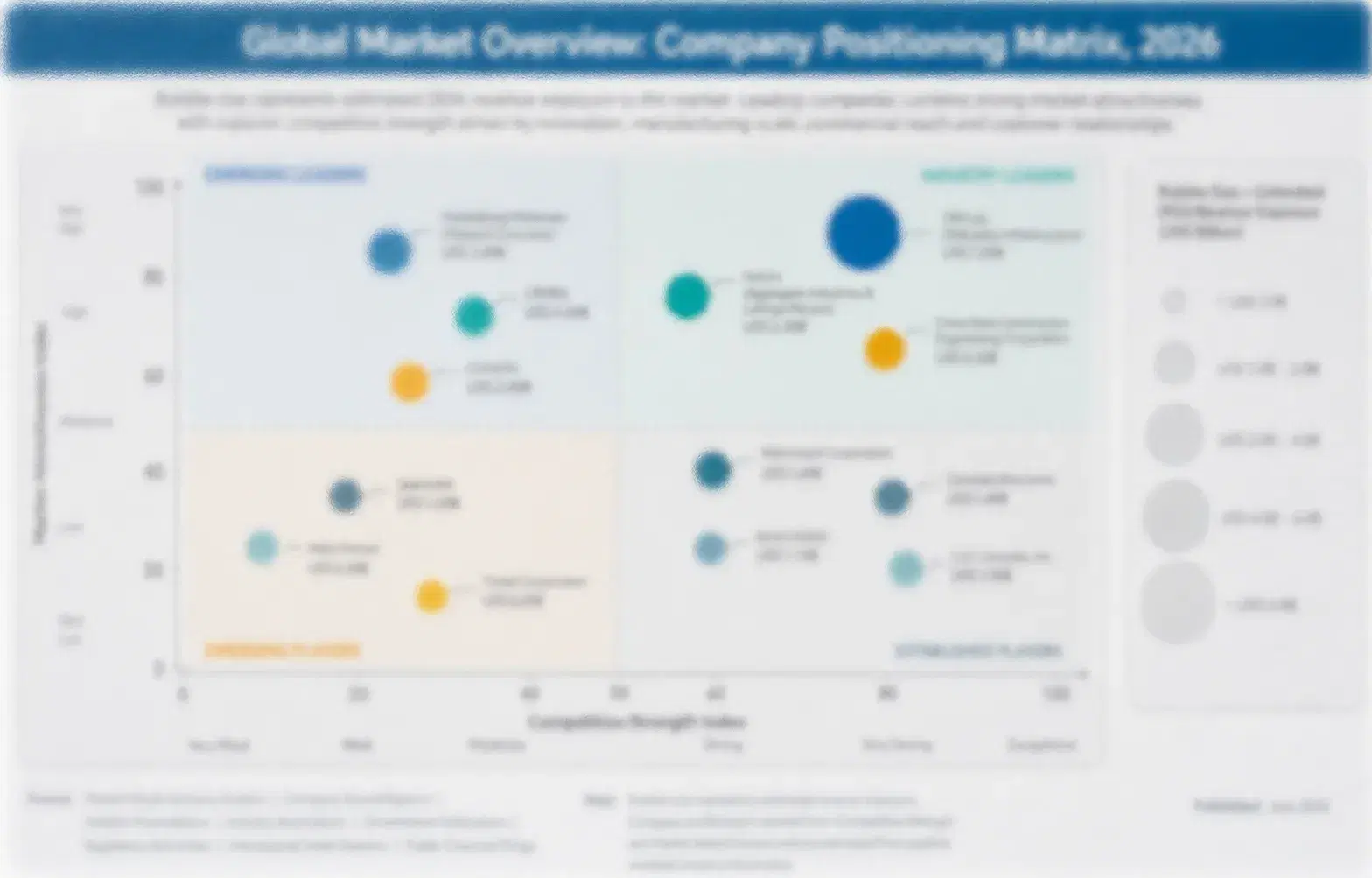
Measured on disclosed surgical hemostasis and advanced wound care revenue, the five leading suppliers hold a CR5 of 49%, which is moderate and spans companies whose strengths sit in quite different halves of the category. Baxter and Johnson and Johnson MedTech lead surgical hemostasis, while 3M, Smith and Nephew and Convatec dominate chronic wound care. Very few compete credibly across both. Very few organisations hold both capabilities credibly.
Three contests define activity. Surgical hemostats compete on handling and theatre familiarity, where the decision takes seconds and evidence plays almost no part. Chronic wound dressings compete on cost per healed wound before formulary committees who evaluate deliberately. Antimicrobial loaded products increasingly compete before stewardship pharmacists, who are a new audience for everybody involved. Those three audiences sit inside the same hospital and evaluate on entirely unrelated criteria, which almost no single commercial organisation covers well.

Pressure comes from domestic Chinese and Indian manufacturers whose oxidized cellulose and powder products meet clinical requirements at prices imports cannot approach. Rankings shift wherever material acceptability or supply reliability rather than performance decides a tender, and both criteria are appearing in tender documents more frequently each year. Tenders increasingly score both explicitly.
synthetic-hemostatic-and-wound-care-products-marke-company-positioning-matrix-1787689981247

Competitive Moat and Risk Dimensions

BAXTER

Moat: Surgical Hemostasis Portfolio Depth

Baxter offers hemostats across sealants, powders and matrices, which lets a theatre standardise on one supplier for a range of bleeding situations rather than stocking several. Surgeons who learned the handling of one product in that range adopt the others readily. A single-product competitor must displace a familiarity that extends across a whole product family rather than one item.
BAXTER

Risk: Biologic Portfolio Overlap

Holding both biologic and synthetic hemostats means the supply reliability and material acceptability arguments that favour synthetics cut against part of the company's own range. A pure synthetic competitor makes those arguments freely. Defending both positions requires a commercial message that avoids the very distinction customers in several regions care about most.
3M

Moat: Wound Care Formulary Reach

3M reaches community wound services and hospital formularies across a broad dressing portfolio supported by cost per healed wound evidence that took years to assemble. Formulary committees value that breadth because it simplifies contracting across a whole wound pathway. A specialist competitor with a better single dressing still competes against a supplier already contracted for everything around it.
3M

Risk: Surgical Theatre Access Gap

Surgical hemostat selection happens in the operating theatre in seconds and depends on representative presence and surgeon familiarity rather than on formulary contracting. A wound care organisation built around committee selling has no natural route into that moment. The faster growing hemostat formats are therefore largely closed to a company whose strength lies elsewhere entirely.

Players Tracked

Prominent Players

Baxter
Johnson and Johnson MedTech
Becton Dickinson
Integra LifeSciences
3M

Other Key Players

Smith and Nephew
Convatec
Coloplast
Molnlycke Health Care
Medtronic
Teleflex
Advanced Medical Solutions
Artivion
B. Braun
Stryker
Hemostasis LLC
Sanyou Medical
Guangzhou Bioseal
Aegis Lifesciences
Datt Mediproducts

Recent Developments

FEBRUARY 2025

Hospital group writes supply reliability into hemostat tender criteria

A hospital group added supply reliability and storage requirements to its hemostat tender criteria alongside clinical performance, a procurement policy decision rather than any corporate transaction. Biologic shortages had previously left surgeons without specified products, and the group treated that disruption as a purchasing risk rather than a clinical one.
Signal: Supply dependency is being scored in tenders, which favours synthetics regardless of any comparative performance argument.
JUNE 2025

Stewardship programme adopts topical antimicrobial dressings into protocol

An antimicrobial stewardship programme incorporated topical antimicrobial dressings into its wound infection protocol as an alternative to systemic antibiotic courses. This was a clinical protocol decision rather than any commercial agreement, and it places dressing selection with pharmacists rather than with tissue viability nursing teams.
Signal: Stewardship pharmacists are becoming the decision makers, and wound care organisations are not calling on them at all.
OCTOBER 2025

Indian manufacturer expands synthetic hemostat production capacity

An Indian medical device manufacturer expanded synthetic hemostat production capacity through organic investment rather than any acquisition. The expansion targets domestic and regional demand where bovine-derived products face acceptability objections and where room temperature storage is a practical necessity rather than a convenience. Storage decides usability.
Signal: Regional manufacturers are building around acceptability and storage, which Western suppliers still treat as secondary features.

What These Products Cost

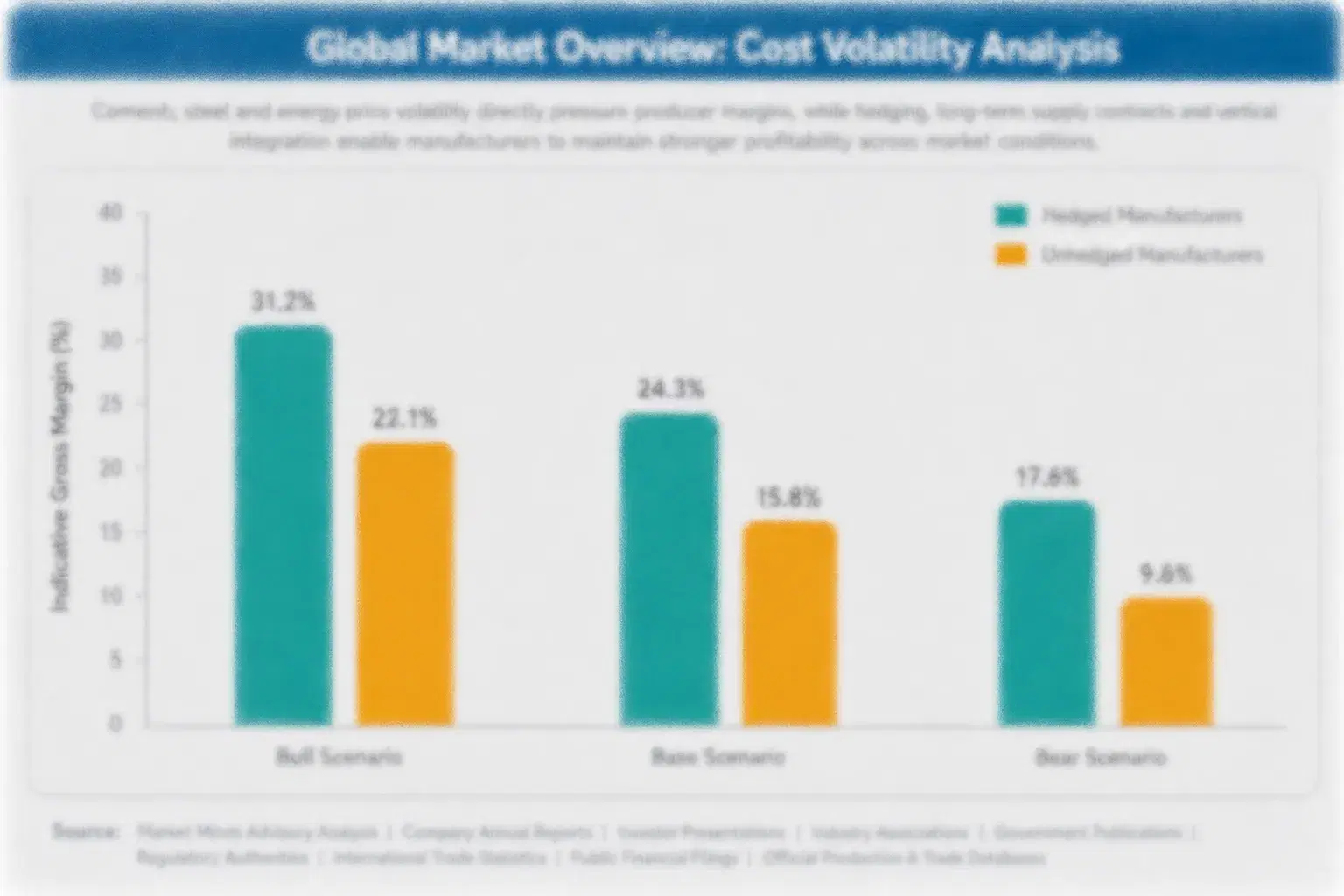
Polymer chemistry and conversion dominate. Synthetic polymer feedstock, crosslinking chemistry, sterile conversion and packaging together run 28 to 34% of selling price for a synthetic hemostat, with sterile conversion rather than raw material the largest element. Loaded dressings add silver, iodine or polyhexanide, which is a modest material cost carried by a considerably higher price. Oxidized cellulose carries pulp and oxidation processing that behaves more like a chemical operation.
The volatility that matters is silver and sterilisation rather than base polymer. Silver pricing moved sharply through 2024 and 2025 on industrial demand unrelated to healthcare, and ethylene oxide sterilisation capacity tightened in several markets following facility closures over emissions concerns. 3M and Convatec disclosures describe input and sterilisation cost pressure across that period. Suppliers holding contracted sterilisation slots continued shipping. Spot capacity users faced delays that cost tender positions.

Exposure divides by product class and sterilisation route. Loaded dressing producers carry silver price exposure that base dressing makers do not. Hemostat manufacturers carry sterile conversion cost as their largest single element, which makes sterilisation capacity a genuine constraint rather than a line item. Manufacturers using radiation rather than ethylene oxide avoided the capacity squeeze entirely.
synthetic-hemostatic-and-wound-care-products-marke-cost-volatility-analysis-1787689981578

Contract sterilisation capacity rather than buying spot

Ethylene oxide capacity tightened in several markets after facility closures over emissions concerns, and suppliers relying on spot slots faced delays that cost tender positions they could not recover. Contracted capacity costs money through quiet periods and prevents the specific failure that loses a contract for its full term. Sterile conversion is the largest single cost element anyway.

Validate radiation sterilisation as a second route

Manufacturers validated for radiation sterilisation avoided the ethylene oxide capacity squeeze entirely, generally because of decisions taken years earlier for unrelated reasons. Validating a second route costs regulatory work and time and removes a single point of failure that regulatory pressure on emissions makes increasingly likely. The cost looks unnecessary until a facility closes somewhere.

Hedge silver exposure across loaded dressing ranges

Silver pricing moves on industrial demand that has nothing to do with healthcare, and loaded dressing margins absorb it directly where contracts are fixed. Forward positions cost flexibility and protect the fastest growing segment here from a commodity nobody in wound care can forecast. Producers without any hedge have watched margin move with a metals market they do not follow.

Portfolio Architecture for Margin Defence

Margin follows whether the buyer can substitute without noticing. Oxidized cellulose is mature, widely made and priced against Chinese and Indian manufacturers who meet the requirement adequately. Synthetic sealants earn better on handling familiarity and application specificity. Powders earn more still where laparoscopic delivery limits alternatives. Loaded antimicrobial dressings earn most, protected by stewardship protocol positions that take time to establish and hold firmly afterward.
The tension is that hemostats and chronic wound dressings reward opposite organisations. Hemostats need theatre presence, surgeon relationships and applicator engineering. Dressings need formulary evidence, community nursing relationships and now stewardship pharmacy access. Companies holding both consistently serve one properly, and the resource allocation argument between them is settled by heritage rather than by where growth actually sits. Competitors focused entirely on one half have taken share from generalists in both.

High-value pools sit in three places. Antimicrobial loaded dressings written into stewardship protocols. Powder and granule formats suited to laparoscopic delivery, where handling limits the field. And synthetic positioning in markets where material acceptability and room temperature storage decide purchasing outright rather than marginally. None of the three is where most established suppliers currently concentrate their commercial investment.

Volume / Commodity-Adjacent

Oxidized cellulose hemostats and basic synthetic foam and film dressings available from many manufacturers at adequate performance. The 7-point range separates suppliers with contracted sterilisation capacity and integrated conversion from those exposed to spot sterilisation and external polymer conversion.
Gross Margin: 38-45%

Premium / Certified

Synthetic surgical sealants, cyanoacrylate adhesives and hemostatic powders where handling design and applicator performance genuinely differentiate. The 7-point spread separates suppliers with theatre presence and surgeon familiarity from those relying on formulary listing and comparative evidence alone.
Gross Margin: 52-59%

Sustainability / Regulatory / Next-Generation

Antimicrobial loaded dressings and synthetics positioned on material acceptability in restricted markets. The 22-point range is wide because stewardship protocol positions command strong pricing while acceptability-driven volume competes against domestic manufacturers at accessible price points.
Gross Margin: 49-71%
synthetic-hemostatic-and-wound-care-products-marke-portfolio-architecture-1787689981988

High-value Sub-segments and Strategic Watch-out

Stewardship Protocol Dressings

Highest value and fastest growth at 11.4%, protected by protocol positions with stewardship pharmacists that take time to establish and hold firmly once written. The risk is evidence, since clinical benefit beyond bioburden reduction is more contested than the growth rate would suggest. That contest is unresolved.
Gross Margin: 68-71%

Laparoscopic Delivery Powders

Strong value where powder delivery through a port limits alternatives and applicator handling decides adoption within seconds of first use. The risk is that a powder scattering or clogging in a wet field gets abandoned permanently by that surgeon, with no second opportunity. Handling decides everything.
Gross Margin: 57-60%

Oxidized Cellulose Hemostats

The volume core, mature and widely manufactured with Chinese and Indian producers meeting requirements at prices imports cannot match anywhere. Suppliers hold the line because theatre presence built on this volume carries higher value formats into the same operating rooms afterward. Volume buys the access.
Gross Margin: 39-42%

Evidence Led Hemostat Positioning

The strategic watch-out. Comparative trial investment moves formulary listing while surgeon selection happens in seconds on handling alone, so a product can be listed everywhere and used nowhere. The risk is continued research spending that produces listings rather than actual consumption. Listings are not usage.
Gross Margin: 50-53%

Habits Formed In Training

Hemostat consumption recurs with surgical volume and never accumulates, since every product is used or discarded within one procedure. That makes revenue predictable from theatre schedules rather than from any purchasing decision, and prophylactic opening at roughly 23% means consumption runs slightly ahead of clinical need. Chronic wound dressings recur across months of community nursing for a single patient.
Stickiness depends on where the preference formed. A surgeon who learned a hemostat's handling during training reaches for it for a career, and no formulary listing changes what happens during active bleeding. A dressing written into a stewardship protocol holds until the protocol is revised. Formulary listings for standard dressings move on tender cycles and price, since community nursing applies whatever is stocked rather than expressing preference.

The people deciding have multiplied in ways suppliers have not matched. Surgeons decide hemostats in theatre, procurement decides what is stocked, formulary committees decide chronic wound listings, and stewardship pharmacists now decide antimicrobial dressing protocols. Four distinct audiences with different criteria sit inside the same hospital, and most commercial organisations here are built to call on one or two of them properly.
synthetic-hemostatic-and-wound-care-products-marke-end-use-penetration-index-1787689982304

Where These Products Get Chosen

These are among the four positions where our research anticipates prominent divergence between winners and laggards over the coming forecast period. Each is grounded in the demand model, the regulatory perimeter, and the announced capacity pipeline.
01 / THEATRE PRESENCE INVESTMENT

Evidence lists the product, familiarity uses it

A surgeon reaches for a hemostat in roughly three seconds during active bleeding, deciding entirely on handling and familiarity rather than on any published comparative evidence whatsoever. Trial investment moves formulary listing and barely moves actual use, which is exactly why products listed everywhere can end up reached for almost nowhere. Funding theatre presence, surgeon training and applicator handling design changes that outcome directly, and a number of suppliers currently have the balance between those two things precisely the wrong way round.
02 / WASTE AUDIT PREPARATION

Twenty-three percent gets opened and binned

Roughly 23% of hemostat units are opened prophylactically before they are needed and then discarded entirely unused, which is a cost hospitals will eventually audit and remove from their theatre budgets. A supplier offering smaller staged presentations reduces that waste and reduces its own volume simultaneously, which is precisely why nobody has yet done it voluntarily. The company that moves first holds the argument with procurement when the audit finally arrives, converting a coming revenue loss into a genuine commercial position.
03 / ACCEPTABILITY LED POSITIONING

Say what the product does not contain

Bovine and porcine derived hemostats face religious and cultural objections across large populations in South Asia, the Middle East and Africa that no amount of clinical evidence will ever address or overcome. Synthetics avoid the issue completely and store at room temperature for around 36 months without any cold chain requirement at all. Those are the deciding features in those markets, and almost no Western supplier leads with them, presenting comparative hemostasis data to buyers asking an entirely different question.
04 / STEWARDSHIP COMMITTEE ACCESS

Pharmacists now choose the antimicrobial dressing

Loaded dressings are growing at 11.4% because stewardship committees restrict systemic antibiotic prescribing, leaving clinicians needing an infection management option that requires no prescribing approval at all. Those committees are pharmacist-led and have never been an audience for wound care companies, which call on tissue viability nurses and procurement departments instead. Reaching them puts a dressing into a clinical protocol rather than merely onto a formulary list, and the requirement is a different call plan rather than any product change.

Engagement Snapshot From the Field

A live engagement with an industry participant carrying material or product regulatory and market exposure ahead of a defining policy shift, showing how our research translates into a defensible multi-year portfolio strategy.
MARKET MINDS ADVISORY · CLIENT ENGAGEMENT SUMMARY
Synthetic Hemostatic and Wound Care Products Producer Strategic Portfolio Review and Transition Roadmap 2026·Investment Scenario on Synthetic Hemostatic and Wound Care Products Exposure Evaluation 2025-26
CLIENT PROFILE
A surgical hemostasis manufacturer supplying synthetic sealants, powders and oxidized cellulose across 27 markets, with reported revenue of 288 million dollars (client-reported, unverified by MMA). Roughly 62% came from Western markets where the company invested heavily in comparative clinical trials. Its emerging market presence was distributor-led with the same comparative performance materials translated and nothing else changed.
STRATEGIC CHALLENGE
Trial investment had produced formulary listings across most target hospitals without corresponding usage growth, and emerging market performance lagged domestic competitors badly. Management was planning a further comparative study programme. Nobody had established why listed products were not being used, or what emerging market buyers were actually evaluating. Both assumptions were untested.
MMA APPROACH
MMA observed hemostat selection in operating theatres across six hospitals and interviewed sixteen surgeons, procurement leads and distributors about how selection actually happens. The analysis separated listing from usage, which the company's reporting combined. Emerging market buyer criteria were assessed directly rather than inferred from distributor feedback that had never been questioned.
KEY FINDINGS
  1. Products listed on formulary were frequently not reached for during procedures, because surgeons selected on handling familiarity formed during training rather than on listing.
  2. Roughly a quarter of opened units in the observed theatres were discarded unused, a cost nobody in either the hospital or the company tracked.
  3. Emerging market distributors reported that buyers asked about animal-derived content and storage requirements before performance, and the materials addressed neither. Performance came third at best.
  4. Redirecting the planned study budget toward theatre presence modelled materially higher usage growth than further evidence would (client-reported, unverified by MMA). Further evidence would change nothing.
CLIENT PROFILE
A surgical hemostasis manufacturer supplying synthetic sealants, powders and oxidized cellulose across 27 markets, with reported revenue of 288 million dollars (client-reported, unverified by MMA). Roughly 62% came from Western markets where the company invested heavily in comparative clinical trials. Its emerging market presence was distributor-led with the same comparative performance materials translated and nothing else changed.
STRATEGIC CHALLENGE
Trial investment had produced formulary listings across most target hospitals without corresponding usage growth, and emerging market performance lagged domestic competitors badly. Management was planning a further comparative study programme. Nobody had established why listed products were not being used, or what emerging market buyers were actually evaluating. Both assumptions were untested.
MMA APPROACH
MMA observed hemostat selection in operating theatres across six hospitals and interviewed sixteen surgeons, procurement leads and distributors about how selection actually happens. The analysis separated listing from usage, which the company's reporting combined. Emerging market buyer criteria were assessed directly rather than inferred from distributor feedback that had never been questioned.
KEY FINDINGS
  1. Products listed on formulary were frequently not reached for during procedures, because surgeons selected on handling familiarity formed during training rather than on listing.
  2. Roughly a quarter of opened units in the observed theatres were discarded unused, a cost nobody in either the hospital or the company tracked.
  3. Emerging market distributors reported that buyers asked about animal-derived content and storage requirements before performance, and the materials addressed neither. Performance came third at best.
  4. Redirecting the planned study budget toward theatre presence modelled materially higher usage growth than further evidence would (client-reported, unverified by MMA). Further evidence would change nothing.
RECOMMENDED STRATEGY
Phase 1: Phase one: halt the planned comparative study programme and redirect that budget into theatre presence and surgeon handling training instead. Phase 2: Phase two: rebuild emerging market materials around material acceptability and room temperature storage, which is what those buyers actually evaluate. Phase 3: Phase three: develop smaller staged unit presentations ahead of the hospital waste audits that opened and discarded rates will eventually provoke.
OUTCOME
Theatre presence was funded in four markets and usage at listed accounts rose materially within a year without any new evidence. Emerging market materials were rebuilt and distributor conversion improved sharply (client-reported, unverified by MMA). Staged presentations entered development and have since been raised proactively with two procurement groups.

Frequently Asked Questions

Foundational context covering the market sizes, CAGR, scope, country, region and competition that inform every finding below. This section is provided to cover basics and most often pre-purchase conversations, answered from the MMA Primary Research Dataset.

What is the current size of the Synthetic Hemostatic and Wound Care Products Market?

The market was worth 5.6 billion dollars in 2025, covering synthetic sealants, cyanoacrylate adhesives, oxidized cellulose, hemostatic powders and synthetic dressings. It reaches 6.03 billion dollars in 2026.

How large will the Synthetic Hemostatic and Wound Care Products Market be by 2036?

MMA forecasts 12.54 billion dollars by 2036, an increase of 6.51 billion dollars over the 2026 base. That represents an expansion multiple of 2.08 times across the forecast period.

What is the CAGR for the Synthetic Hemostatic and Wound Care Products Market 2026 to 2036?

The base case compounds at 7.6% annually. MMA's bull case reaches 8.8% if topical antimicrobial management becomes a formal standard, while the bear case sits at 6.4% on hemostat waste audits.

Which segment is growing fastest?

Antimicrobial-loaded synthetic dressings, at 11.4%, half again the market rate of 7.6%. They expand because systemic antibiotics are being restricted rather than because wounds are increasing.

Who are the major companies in the Synthetic Hemostatic and Wound Care Products Market?

Baxter, Johnson and Johnson MedTech, Becton Dickinson, Integra LifeSciences and 3M lead on disclosed hemostasis and advanced wound care revenue. Smith and Nephew, Convatec, Molnlycke and Teleflex compete strongly.

Which country is growing fastest?

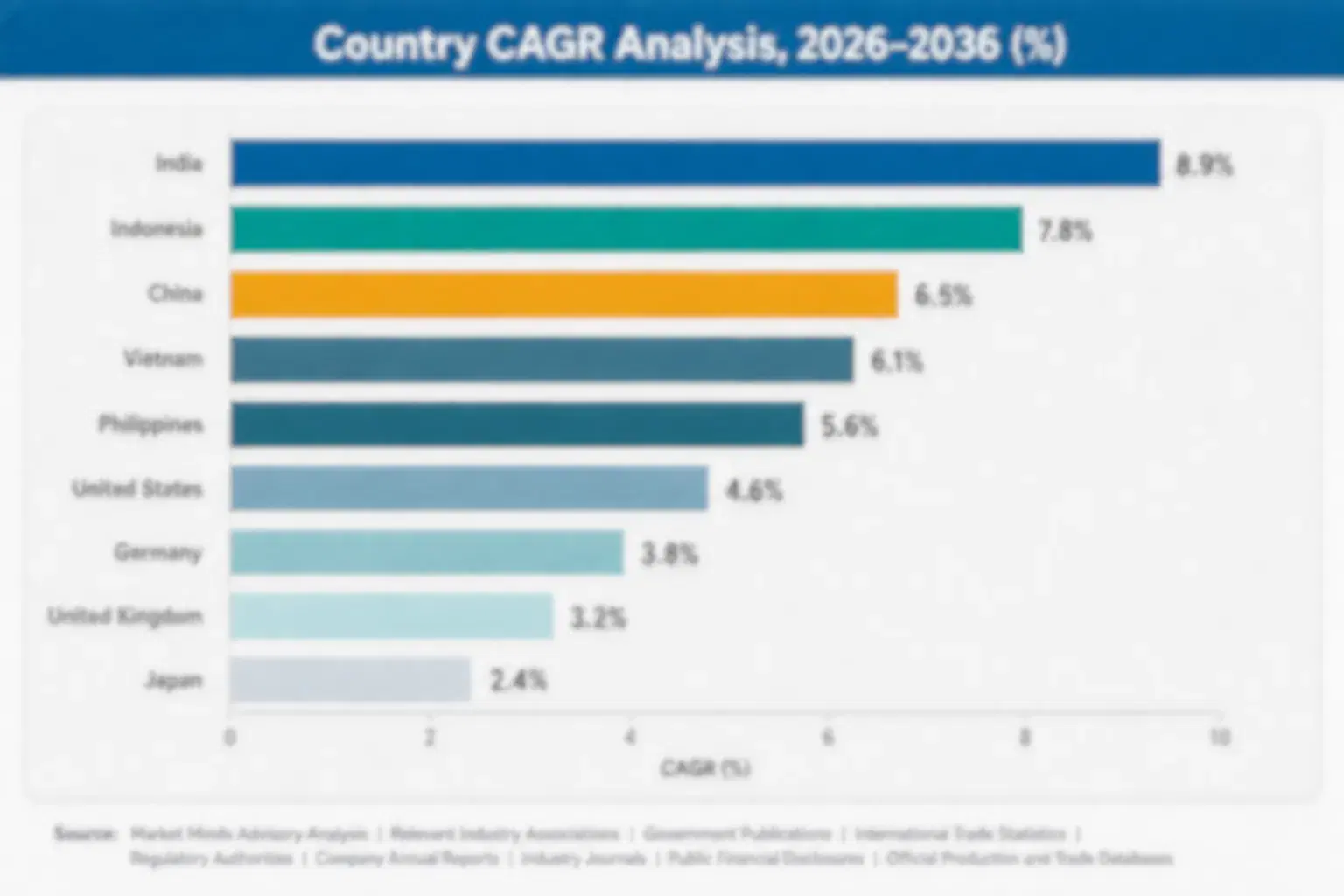
India at 10.0%, driven by surgical capacity expansion and by material acceptability objections to animal-derived products that synthetics avoid entirely. China follows on procedure volume.

Report Segmentation Architecture

The full report scope spans multiple orthogonal segmentation dimensions, with cross-tabulated demand data provided for each dimension pair. Coverage extends further to regional breakdowns, trend trajectories, and the competitive detail needed to support segment-level decision-making.

By Product Class

  • Synthetic Surgical Sealants
  • Cyanoacrylate Tissue Adhesives
  • Oxidized Cellulose Hemostats
  • Synthetic Hemostatic Powders and Granules
  • Synthetic Foam and Film Dressings
  • Antimicrobial-Loaded Synthetic Dressings

By End-Use Industry

  • Hospital Operating Theatres
  • Ambulatory Surgical Centres
  • Emergency and Trauma Services
  • Community Wound Care Services
  • Long Term Care Facilities
  • Military and Prehospital Care

By Commercial Dimension

  • Hospital Formulary Contract
  • Group Purchasing Agreement
  • Public Tender Procurement
  • Stewardship Protocol Listing
  • Distributor Supplied Market
  • Direct Theatre Placement

By Region

  • North America
  • Western Europe
  • East Asia
  • South Asia and Pacific
  • Latin America
  • Middle East and Africa
  • Eastern Europe

Scope, Methodology, and Coverage

Every figure in this report is reproducible from documented input assumptions. The scope below maps the historical period, the forecast horizon, the segmentation dimensions, and the countries covered, alongside the underlying primary and qualitative methodology.
Historical Period
2020 to 2025
Forecast Period
2026 to 2036
Base Year
2025 (USD billions; MMA Primary Research Dataset, August 2026)
Market Definition
Scope covers synthetic and non-biologic products used to achieve surgical hemostasis and to manage acute and chronic wounds, spanning synthetic polyethylene glycol and polymer surgical sealants, cyanoacrylate tissue adhesives, oxidized regenerated cellulose hemostats, synthetic hemostatic powders and granules including polysaccharide and mineral based formats, synthetic foam and film dressings, and antimicrobial-loaded synthetic dressings using silver, iodine or polyhexanide. Fibrin sealants, thrombin, collagen and gelatin based hemostats, alginate and other naturally derived dressings, skin substitutes and regenerative tissue products, and negative pressure wound therapy pumps and canisters are excluded. Surgical instruments, sutures and nursing services fall outside the boundary.
Quantitative Units
USD billions (current prices); units consumed; procedures supported; dressings applied; opened and discarded rate
Segmentation Dimensions
By Product Class; By End-Use Industry; By Commercial Dimension; By Region
Regions Covered
North America, Western Europe, East Asia, South Asia and Pacific, Latin America, Middle East and Africa, Eastern Europe
Countries Covered
USA, China, Germany, Japan, India, France, UK, South Korea, Brazil, Italy, Canada, Spain, Saudi Arabia, Australia, Poland
Key Companies Profiled
Baxter, Johnson and Johnson MedTech, Becton Dickinson, Integra LifeSciences, 3M, Smith and Nephew, Convatec, Coloplast, Molnlycke Health Care, Medtronic, Teleflex, Advanced Medical Solutions, Artivion, B. Braun, Stryker, Hemostasis LLC, Sanyou Medical, Guangzhou Bioseal, Aegis Lifesciences, Datt Mediproducts
Quantitative Methodology
Primary survey, n=3,800 respondents, Q4 2025, six countries; demand-side model with trade association cross-validation
Qualitative Methodology
47 expert interviews, Q4 2025; applied to validate demand model assumptions, identify emerging dynamics, and assess competitive positioning
Report Format
PDF and XLSX data workbook (Word format preview document)
Publisher
Market Minds Advisory
Report Code
MMA-2026-MED-154
Published
August 2026
Contact
sales@marketmindsadvisory.com | www.marketmindsadvisory.com

Purchase the full Synthetic Hemostatic and Wound Care Products Market Report (2026 to 2036).

The full report runs to 180 pages and covers all six product class segments, seven regions and 20 profiled companies in detail. It includes the complete segment CAGR set, regional surgical volume and wound prevalence data, and theatre selection observation analysis across six hospital settings. Company profiles carry evaluation on disclosed surgical hemostasis and advanced wound care revenue, with moat and risk assessment for the top five suppliers. The competitive section extends to 15 tracked corporate developments across 2024 and 2025, each with commercial interpretation. Primary research inputs include a quantitative survey of 3,800 respondents and 47 expert interviews conducted in Q4 2025.
Six product class segments with individual CAGR forecasts
Seven regional markets with surgical volume and prevalence data
Twenty company profiles on consistent revenue evaluation basis
Fifteen tracked corporate developments with commercial interpretation notes
Theatre selection observation analysis across six hospital settings
Material acceptability requirements mapped by region and population

Built For The People Who Decide

From boardroom strategy to bench-side execution, this report is read cover-to-cover by leaders shaping the next decade of their industry, turning demand scenarios, market dynamics and valuation benchmarks into decisions.
CXOs/ Presidents/ VPs/ Managers
M&A and Corporate Development
Strategy Teams and R&D Heads
Procurement and Product Directors
Regulatory and Compliance Leaders
Investor Relations and Equity Analysts