

Market Minds Advisory
Synthetic Dye (Red 40 / Red 3) Replacement Colorants Market

Synthetic Dye (Red 40 / Red 3) Replacement Colorants Market: Synthetic Dye (Red 40 / Red 3) Replacement Colorants Market. Regulatory Deadlines, Stability Limits, and Biotech Reds Reshape Food Colour.

Red dye replacement is a race between regulatory deadlines and colour chemistry, where fading, pH sensitivity, raw material supply, and cost decide which colour houses win reformulation contracts from food and beverage brands.

Lead Analyst

Published

September 2026

Make Smarter Decisions with Customized Research Insights

Request a free sample report and evaluate market opportunities, growth trends, and competitive dynamics relevant to your business needs.

2025 MARKET VALUE$2.6BMarket Size 2025
2036 FORECAST VALUE$7.1BBase Case , 2026 to 2036
CAGR 2026 TO 20369.6 %Bull 10.9% / Bear 8.3%
INCREMENTAL OPPORTUNITY$4.3BNet 10- year value creation
EXPANSION MULTIPLE2.50x2036 value over 2026 base
Strategic Levers
M&A Pipeline
Regional Outlook
Country Rankings
Competitive Intelligence
Segmental Deep-dive
Call-Us : 91 93563 13602

Executive Snapshot and Market Trajectory.

Red 40 is cheap, bright, and stable in nearly everything, which is exactly why replacing it hurts. Regulators, states, and brand pledges now force reformulation, and colour houses that solved fading in acidic drinks and baked goods hold the contracts that everyone else is scrambling to win.
Fermentation-derived and biotech colorants grow fastest, because they promise red shades with better stability and steady supply than crop-based pigments, while anthocyanin colorants follow as purple carrot and sweet potato scale. North America holds the largest share, since United States federal and state deadlines and brand pledges concentrate there, with Western Europe and East Asia following. India leads country growth. Beverages and confectionery lead volume. Trials never end.
The industry is concentrated, with a few colour houses, flavour groups, and specialist extractors competing on stability, shade range, and secure raw material supply. The Red 3 deadline in January 2027, state school food laws, and warning label rules shape recipes, while crop swings and extraction costs squeeze margins. Large houses hold farm contracts. Startups seek fermentation partners. Brands demand price parity that chemistry rarely allows. Deadlines set the pace for brands.
Market Definition
Synthetic dye replacement colorants comprise colours from natural, nature-derived, and fermentation-derived sources sold to replace Red 40, Red 3, and related synthetic red, pink, orange, and purple shades in foods and beverages, including anthocyanin-based, betalain and beet-based, carotenoid-based, carmine and cochineal-based, fermentation-derived and biotech, and spirulina and algae-blended colorants, sold to food, beverage, confectionery, and bakery manufacturers. The scope excludes synthetic dyes themselves, colours for cosmetics and pharmaceuticals, and non-red colour families sold alone.
Base Year Value
$2.6B in 2025 (MMA Primary Research Dataset, September 2026)
Forecast Period
2026 to 2036, eleven discrete annual values
CAGR
9.6% base case. Bull 10.9%. Bear 8.3%.
Fastest Growth Segment
Fermentation-Derived and Biotech Colorants: 15.2% CAGR
Fastest Growth Country
India: 12.4% CAGR
Fastest Growth Region
South Asia and Pacific: 11.6% CAGR
Largest Region
North America: 42% of 2025 global value
Market Leaders
Sensient Technologies, Oterra, GNT Group, Givaudan, Kalsec. Source: MMA Analysis, company annual reports.
Primary Survey
n=3,800 procurement and R&D decision-makers, Q4 2025, six countries
Methodology
Demand-side build-up, cross-validated against public data, 47 expert interviews

Synthetic Dye (Red 40 / Red 3) Replacement Colorants Market Forecast Scenarios

synthetic-dye-red-40-red-3-replacement-colorants-m-size-forecast-scenario-1789788741061
From 2020 to 2025, replacement colorants moved from a clean-label niche toward a regulatory compliance market. Retailer policies in Europe, growing state action in the United States, and consumer concern about hyperactivity claims pushed brands to trial natural reds, while stability failures and higher costs kept most conversions partial. Growth ran slightly below today's pace, and orders concentrated in confectionery and beverages.
The base case rests on three commercial mechanisms. First, the Red 3 food deadline in January 2027 and state laws force reformulation across candy, bakery, and beverage ranges. Second, large brands with dye-free pledges convert their portfolios in waves, which secures multi-year colour contracts. Third, fermentation and improved extraction lift stability, which widens applications into acidic drinks and baked goods. Each mechanism compounds, and none needs a breakout year. Producers plan capacity around all three drivers.
The bull case needs fermentation-derived red at cost near natural pigments, which would let brands convert quickly at scale. The bear case is a regulatory delay or a raw material shortage combined with brand fatigue, which would slow reformulation and push some buyers to keep synthetic dyes where rules allow. Buyers would then slow reformulation budgets.

Stability and Shade Match Decide Red Replacement Winners

Replacing Red 40 means matching a bright, stable red in products with very different chemistry. Anthocyanins from purple carrot and sweet potato give reds in acidic drinks but shift toward blue as acidity falls, beet betalains fade with heat and light, carotenoids give oranges but not cherry reds, and carmine is stable but insect-derived. Each source solves part of the problem. Each source solves part of it.
MARKET CONCENTRATION41% CR5Leading five colour houses hold a substantial combined share
COST MULTIPLE5xNatural red costs multiples of synthetic dye per kilogram
RAW MATERIAL SHARE46%Portion of cost of goods taken by agricultural raw materials
BEVERAGE SHARE28%Portion of total demand sold to beverage manufacturers
REFORMULATION TIME12 monthsTypical time to reformulate and test a coloured product
SHELF LIFE18 monthsTypical shelf life of liquid natural colour concentrates
Application testing decides value. Colour houses run beverage, confectionery, and bakery laboratories that test pigments across pH, heat, light, and shelf life, and they blend sources to hold shade. A colour that fades in a clear bottle costs a brand more than the pigment. Suppliers with application scientists and secure farm contracts win because reformulation errors cost brands retailer penalties and recalls.
Buyers judge replacement colours on shade match, stability, price, allergen and vegan status, and supply security. Brand owners want a single supplier to handle regulatory documents, while retailers want dye-free labelling that holds up under audit. Private label follows quickly once branded products convert, which caps premiums outside high-stability and biotech systems and pushes colour houses toward long contracts. Trials rarely end.
"Replacing Red 40 is not a colour problem, it is a stability problem in disguise. The houses that win will be the ones that can keep a red red for twelve months in a clear acidic bottle, because a brand will pay double for colour that does not fade on the shelf."
Practice Lead, Food Colour and Ingredient Systems Practice · MMA Natural and Fermentation-Derived Food Colorants Practice · September 2026

Market Trends

Fermentation-Derived Reds Promise Stability and Supply Independence From Crops

Startups and colour houses now brew betalain, Monascus, and other red pigments in fermenters, aiming for steady supply and better stability than crop-based colours. Precision fermentation avoids crop yield swings and land use, and pilot plants produce tonnes of pigment for food trials. Costs remain 2 to 4 times natural extracts today, though scale lowers them yearly. Regulators must approve each new pigment, which takes two to four years, so early movers with filed petitions hold an advantage. Brands sign development agreements to secure first access. Pilot volumes remain small today.
Market Impact: Red 3 food deadline: January 2027
Anthocyanin Colours From Purple Carrot and Sweet Potato Scale

Purple carrot, purple sweet potato, and red radish supply anthocyanin colours that deliver pink and red shades in candy, beverages, and dairy. Colour houses contract farms in Europe, China, and North America to secure supply, and process improvements raise colour strength per kilogram of vegetable. Anthocyanins shift toward blue at neutral pH, so suppliers add acidulants, co-pigments, and encapsulation. Confectioners adopt them first because hard candy and gummies tolerate acid, and volumes rise as large brands complete reformulation ahead of 2027. Suppliers also test stability across shelf life to give brands confidence before large conversions begin.
Market Impact: pledges target 2027 for many brands

Market Opportunities and Growth Drivers

Federal and State Rules Force Red Dye Reformulation Now

The United States FDA revoked authorisation for Red No. 3 in food, with compliance due by January 2027, and announced in April 2025 that it would work with industry to phase out petroleum-based dyes by the end of 2026. California, West Virginia, and Texas passed laws that ban dyes in school foods or require warning labels. Brands with national distribution must comply with the strictest rule, so reformulation spreads across whole portfolios. Colour houses report a surge in trial requests and multi-year supply talks with candy and beverage brands. Filings rise every month.
Market Impact: natural red costs 5x Red 40

Large Brand Pledges and Retailer Policies Extend Dye-Free Demand Globally

Kraft Heinz, General Mills, Mars, Nestle, and several retailers announced plans to remove artificial dyes from many products, with many targets set for 2027 or earlier. Retailers in the United Kingdom and Europe already restrict azo dyes in own label. Each pledge covers dozens of products and thousands of tonnes of finished food, and colour houses secure multi-year contracts before conversions begin. Brands that convert early can market dye-free labels, and those that delay face shelf-space risk in premium retail across markets. Colour houses report multi-year talks with several global brands at once.
Market Impact: conversions need 1,000+ tonnes

Market Restraints and Challenges

Stability, Shade, and Cost Gaps Slow Acidic and Baked Conversion

Natural reds often fade in clear acidic drinks, bleed in icings, or shift shade when baked, and they cost about five times as much as Red 40 per kilogram of colour. Brands must accept softer shades, higher price, or shorter shelf life. The root cause is that synthetic dyes are simple, stable molecules while natural pigments are complex and reactive. Mitigations include encapsulation, blending, co-pigments, light-blocking packaging, and fermentation-derived pigments, though each adds cost and needs 12 months of testing. Reformulation teams also report that colour drift appears late, after packaging trials have already finished.
Market Impact: brewed reds cost 2-4x natural extracts

Raw Material Supply and Crop Weather Risk Limit Natural Scale

Purple carrot, beet, paprika, and cochineal supplies depend on weather, farm acreage, and insect farming in Peru, so prices swing with harvests. A large brand conversion can require thousands of tonnes of vegetable, which exceeds current contract acreage. The root cause is that colour crops compete with food crops for land and water. Colour houses respond with multi-year farm contracts, breeding programmes, and fermentation partnerships, though acreage takes two to three seasons to expand and shortages can delay reformulation deadlines. Weather events in a single region can also remove a season of supply, so buyers hold safety stock.
Market Impact: anthocyanin volumes rise ahead of 2027
3 additional market trends, 2 additional growth drivers, and 3 additional restraints and challenges are covered in the full report. Contact sales@marketmindsadvisory.com to access the complete intelligence.

Segment CAGR and Growth Architecture

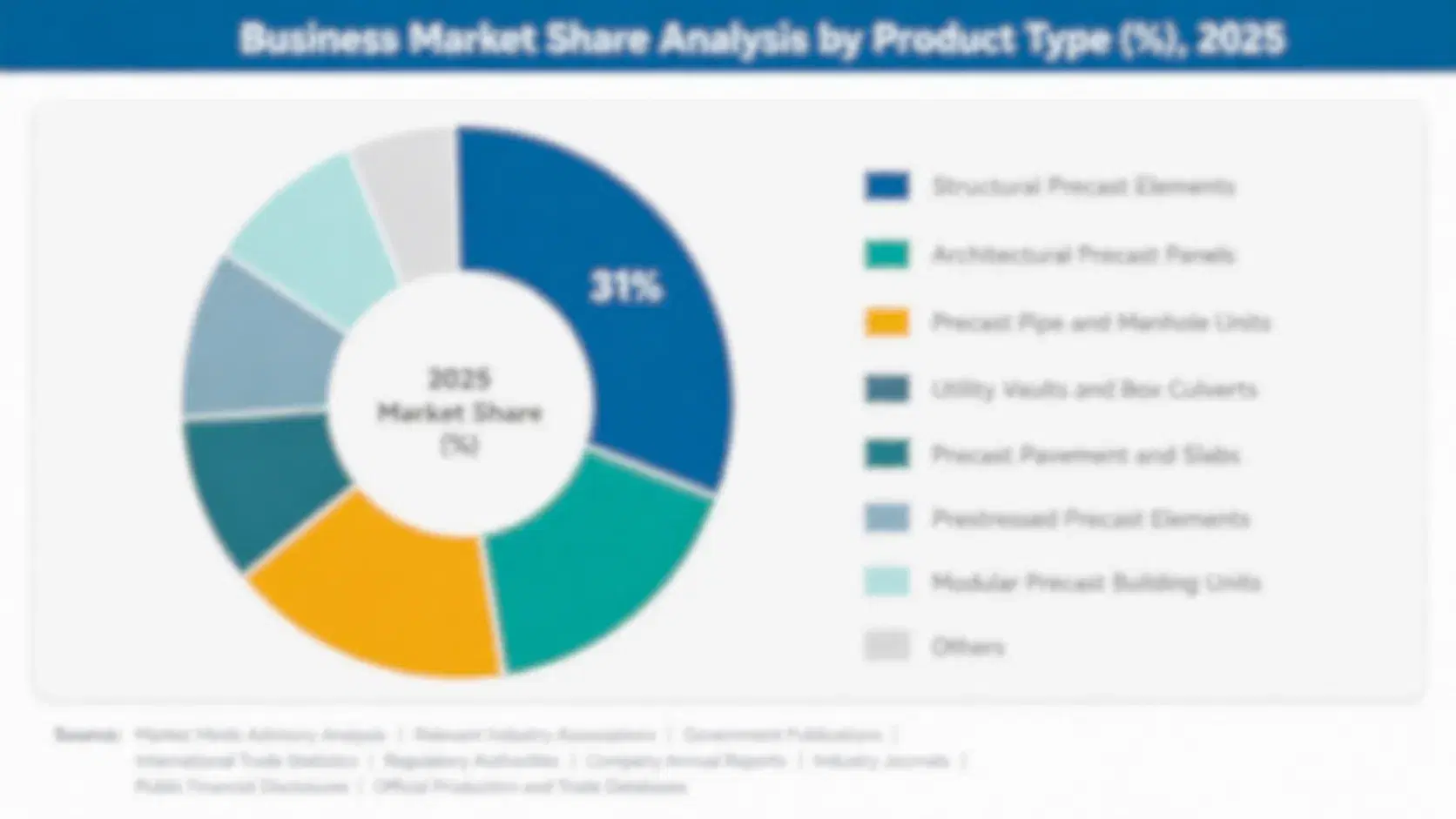
Replacement colorants are segmented by colour source and chemistry, which sets stability, cost, and supply risk. Six segments cover anthocyanin-based, betalain and beet-based, carotenoid-based, carmine and cochineal-based, fermentation-derived and biotech, and spirulina and algae-blended colorants. Two segments grow fastest, and each depends on a different driver, either supply independence or confectionery and beverage adoption.
synthetic-dye-red-40-red-3-replacement-colorants-m-market-share-analysis-1789788741343

Fermentation-Derived and Biotech Colorants

Fermentation-derived and biotech colorants are the fastest-growing segment, at 15.2% a year, about 1.58 times the overall market rate. Startups and colour houses brew betalain, Monascus, and other reds in fermenters, aiming for stability and steady supply without crop swings. Prices run 2 to 4 times natural extracts today, and regulatory approval takes two to four years for each pigment. Brands sign development agreements to secure first access, and suppliers with filed petitions and pilot plants lead. Cost reduction through scale is the main lever, and early volume comes from confectionery and beverages. Confectioners and beverage brands test small volumes first, and larger orders follow after regulators approve each pigment in each market.
CAGR 15.2%

Anthocyanin-Based Colorants

Anthocyanin-based colorants grow at 11.6% a year, because purple carrot, purple sweet potato, and red radish give bright pink and red shades in candy, beverages, and dairy. Colour houses contract farms in Europe, China, and North America, and process improvements raise strength per kilogram. Prices run 3 to 5 times Red 40 per unit of colour. The main constraint is pH, since anthocyanins turn blue at neutral levels, so suppliers add acidulants and encapsulation. Confectioners adopt them first, and beverage makers follow as shelf life data improves. Dairy and ice cream makers use them in pink yoghurts and frozen desserts, and suppliers sell blends that stay red in acidic fruit fillings.
CAGR 11.6%
Full segment breakdown across 6 segments available in the complete report.

Regional Architecture and Country Demand Map

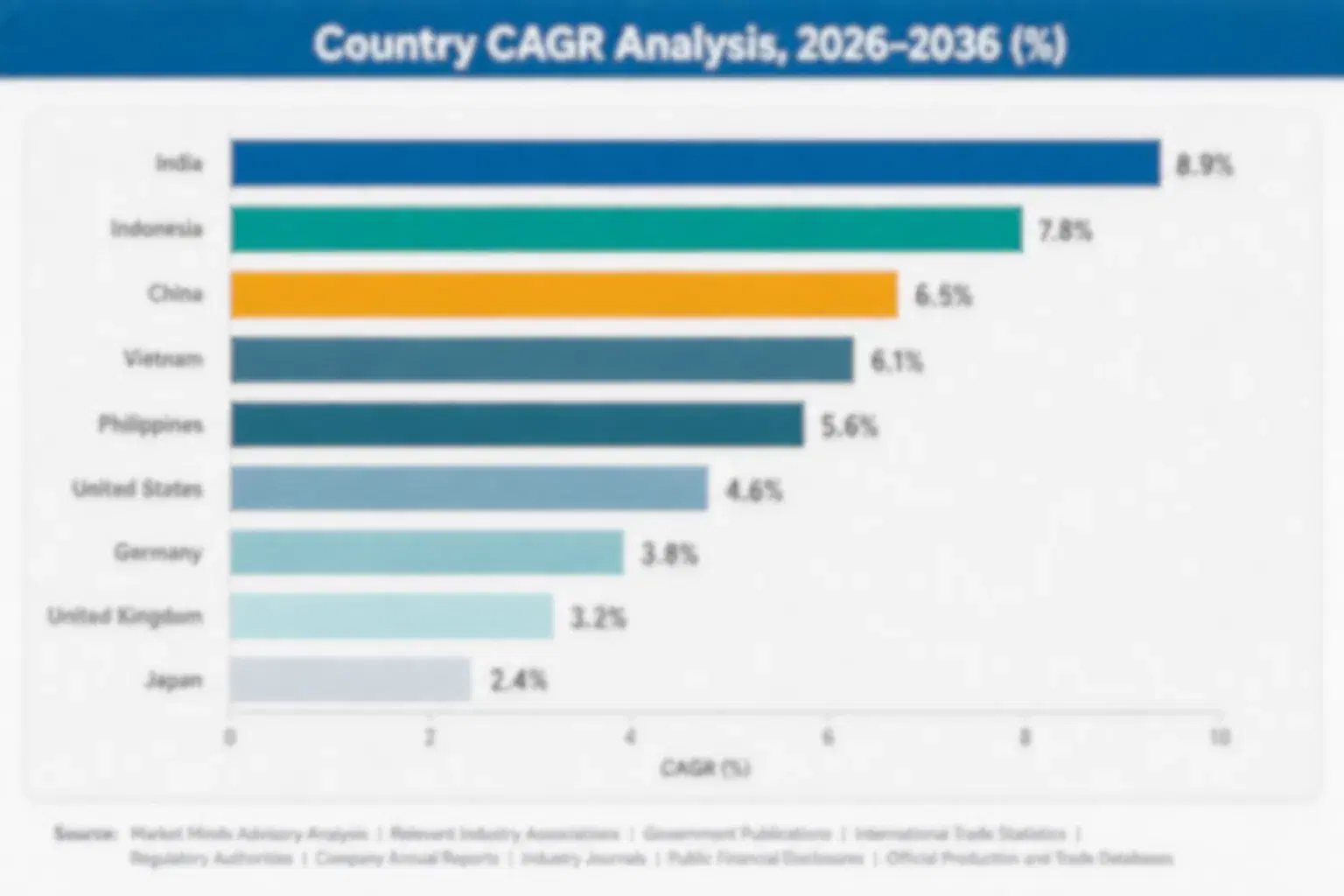
Replacement colorant value follows regulatory deadlines, brand pledges, and packaged food volume. North America leads through federal and state rules, Western Europe through retailer standards, and East Asia through beverage and confectionery makers, while South Asia and Pacific grows fastest from a smaller base. Startups add supply.

North America

North America holds 42% share, above its usual band, because the United States has the Red 3 food deadline of January 2027, state school food and warning label laws, federal phase-out plans, and the largest brand pledges, so reformulation demand is concentrated here. Sensient, Kalsec, GNT, Oterra, and ADM lead. Candy, cereal, beverage, and bakery makers drive volume, and Canada and Mexico add export-linked demand. North America and Western Europe hold the top two positions because both combine large packaged food brands with strict buyer standards. Growth stays high while deadlines drive conversion, and supply security restrains scale. Candy makers in Pennsylvania and Illinois convert gummies first, and warehouse retailers publish dye-free purchasing rules.
Share: 42% | CAGR: 10.5% (2026 to 2036)

Western Europe

Western Europe holds 22% share, with the United Kingdom, Germany, France, Italy, and Spain leading through retailer policies that already restrict azo dyes and warning labels required in the European Union for certain colours. Oterra, GNT, Givaudan, and DSM-Firmenich lead. Brands here converted early, so the base is mature and growth stays below the global rate. Demand focuses on higher-stability systems, vegan certification, and sustainable sourcing, and the region leads in fermentation research and regulatory dossiers for new pigments in the European Food Safety Authority process. Retailers in the United Kingdom and Germany have pushed dye-free own label for years, and Italian and Spanish confectioners keep buying carotenoid and anthocyanin systems for export.
Share: 22% | CAGR: 8.4% (2026 to 2036)
Regional intelligence for 5 additional markets available in the complete report: East Asia, South Asia and Pacific, Latin America, Middle East and Africa, Eastern Europe. Contact sales@marketmindsadvisory.com.
synthetic-dye-red-40-red-3-replacement-colorants-m-country-cagr-analysis-1789788741637

Four Margin Routes for Replacement Colour Suppliers

Margin in replacement colorants comes from stability engineering, supply security, contract structure, and application support rather than volume alone. The routes below apply to global colour houses, specialist extractors, and fermentation startups, and each can be started inside one planning cycle, with clear measures in gross margin points, price per kilogram of colour, and plant utilisation across the calendar year.

Selling Stable Anthocyanin Systems to Confectionery and Beverage Brands

Anthocyanin systems sell at 3 to 5 times Red 40 per unit of colour, and brands accept the price when suppliers deliver shade match and shelf life. Colour houses that build application laboratories, add acidulants and encapsulation, and publish stability data across pH and light report margin gains of 5 to 8 points on those lines. Contracts fix demand early, which lets suppliers sign farm agreements for purple carrot and sweet potato, while brands reward proven systems with multi-year specification across product portfolios. Brands audit stability data before approval, so documented trials also shorten specification cycles.
Market Impact: stable systems lift blended margin 5 to 8 points

Signing Development Agreements for Fermentation-Derived Red Pigments

Fermentation-derived reds sell at 2 to 4 times natural extracts today, but brands pay for early access to supply that avoids crop swings. Suppliers that sign development agreements with large brands, file regulatory petitions early, and fund pilot plants can secure volume commitments before commercial scale. Approval takes two to four years, so payback runs five to seven years, though contracted volumes and premium pricing protect returns, and partnerships with colour houses cut route-to-market cost and technical risk. Partnerships with colour houses also give startups regulatory expertise and distribution that they lack alone.
Market Impact: early agreements secure volume before 2-4 year approvals

Locking Farm Contracts to Secure Vegetable Colour Raw Materials

Raw agricultural materials take about 46% of cost of goods, and large brand conversions need thousands of tonnes of purple carrot, beet, and paprika. Colour houses that sign three-year farm contracts, support breeding, and share yield data cut cost swings by roughly half and avoid shortages that delay customer launches. Contract acreage takes two to three seasons to expand, so early commitment matters, and suppliers with secured supply win specification from brands that cannot risk missed deadlines. Brands also value verified farm data because it supports their sustainability reports and retailer audits.
Market Impact: farm contracts halve cost swings and secure 3-year supply

Adding Index Clauses and Multi-Year Terms to Brand Contracts

Brand contracts that fix prices for 12 months leave colour houses exposed when crop prices move 20% to 40%, so index-linked clauses protect two to four points of margin. Suppliers that offer multi-year terms with transparent formulas win larger volumes and reduce renewal disputes. Brands accept clauses because supply security matters more than small price swings during a reformulation wave, and the approach stabilises gross margin at 34% to 42% across cycles. Contracts also give brands predictable budgets, and suppliers can plan farm acreage and extraction capacity around known volumes across each season.
Market Impact: index clauses protect 2-4 points of gross margin

Who Controls the Margin Pool

The replacement colorant industry is concentrated, with a CR5 of 41%, and many regional extractors and startups sit outside the leading five. This assessment measures participants on estimated natural and biotech red colour sales, held constant across all players. Sensient Technologies leads through its broad colour portfolio and application laboratories, while Oterra, GNT Group, Givaudan, and Kalsec follow with a moderate gap between the leader and the challengers.
Competition runs on four dimensions today: stability across pH and light, shade range, raw material security, and application support for brand reformulation teams. Large colour houses win on farm contracts and laboratories, while specialists win on single-source pigments and speed. Regional extractors copy standard beet and paprika colours quickly, so premiums outside high-stability and biotech systems erode within a year and price competition appears at annual tender.

Emerging pressure comes from fermentation startups, flavour groups moving into colour, and brand owners that consider backward integration into pigments. Rankings shift where a supplier secures fermentation access, expands farm acreage, or wins specification from large brands before deadlines. Regional extractors in India and China can move up quickly, since local raw materials and short lead times matter more than global brand scale.
synthetic-dye-red-40-red-3-replacement-colorants-m-company-positioning-matrix-1789788741934

Competitive Moat and Risk Dimensions

SENSIENT TECHNOLOGIES

Moat: Broad Portfolio and Application Laboratories

Sensient Technologies is a leading global colour supplier with synthetic and natural colour portfolios, application laboratories, and manufacturing sites across the United States, Europe, and Asia. Its broad range lets brands source blends from one partner, while decades of regulatory experience and long customer relationships support specification and repeat contracts across candy, beverages, and bakery.
SENSIENT TECHNOLOGIES

Risk: Synthetic Exposure and Transition Cost

Sensient still earns revenue from synthetic colours that face phase-out, so conversion reduces some legacy sales. Natural colours carry higher raw material costs and lower margins per kilogram, and farm contracts require capital. Specialists and fermentation startups also compete for the highest-stability applications where brands pay most.
OTERRA

Moat: Natural Colour Specialisation, Farm Network

Oterra is a natural colour specialist that grew from the Chr. Hansen natural colours business, with farm partnerships, extraction plants, and application laboratories in Europe, the Americas, and Asia. Its focus on natural colours gives it deep technical knowledge, and its contracted vegetable supply supports large brand conversions where security of supply decides awards.
OTERRA

Risk: Single-Category Crop Dependence

Oterra depends on natural sources, so weather, harvest swings, and raw material inflation hit margins directly. Its narrower portfolio leaves it exposed if brands choose fermentation-derived pigments or if larger groups bundle colours with flavours and offer lower prices across contracts each year. Customers may also dual-source.

Players Tracked

Prominent Players

Sensient Technologies
Oterra
GNT Group
Givaudan
Kalsec

Other Key Players

DSM-Firmenich
Symrise
Sethness Roquette
Roha
Fiorio Colori
Kerry Group
Archer-Daniels-Midland
Cargill
Tate & Lyle
Ingredion
Lycored
Phytolon
Chromologics
Michroma
Dohler

Recent Developments

JANUARY 2026

Sensient Expands Natural Red Colour Capacity Ahead of United States Deadlines

Sensient Technologies announced added natural red colour capacity for confectionery and beverage customers preparing for the Red 3 food deadline and phase-out plans. It is organic capacity expansion, and it tests whether large brands will commit multi-year volumes before reformulation deadlines. Investment figures were not disclosed.
Signal: Confirms leading colour houses are building capacity ahead of United States deadlines rather than waiting for orders.
FEBRUARY 2026

GNT Signs Multi-Year Anthocyanin Supply Agreement With Confectionery Group

GNT Group signed a multi-year supply agreement with a confectionery group to provide anthocyanin colours from purple carrot for candy ranges, including farm contract support. It is a supply agreement, not an acquisition, and it tests price acceptance among brands moving away from synthetic reds. Volumes were not disclosed.
Signal: Shows brands are locking in farm-backed supply for natural colours before reformulation demand strains raw materials.
MARCH 2026

Oterra Opens United States Application Laboratory for Bakery and Beverage Colours

Oterra opened an application laboratory in the United States to test natural colours in bakery and beverage products for brand customers. It is an organic investment, and it tests whether local technical support can shorten reformulation time from 12 months toward nine. Investment figures were not disclosed.
Signal: Indicates natural colour specialists are moving technical capacity closer to United States brands facing near-term deadlines.

What Drives Replacement Colour Costs

Agricultural raw materials account for roughly 46% of cost of goods, extraction, concentration, and energy about 14%, solvents and carriers 10%, and packaging six percent. Quality assurance and regulatory work take another six percent. Purple carrot and sweet potato come from Europe, China, and the United States, beet from Europe, paprika from Spain, India, and China, and cochineal from Peru, so origin exposure varies by colour.
The clearest recent shock came from drought. European Commission Joint Research Centre crop monitoring reported that the 2022 drought cut yields of carrots, beet, and peppers in several countries, and colour raw material prices rose by an estimated 15% to 30%. Suppliers raised prices by 8% to 15%, drew down inventories, and delayed some contracts, which squeezed gross margin by two to four points through the following year.

The competitive disadvantage falls on small extractors, which buy raw materials from spot markets and cannot secure farm contracts. Large houses sign multi-year farm agreements and spread costs across many colours, while brands push price parity that chemistry rarely allows. Exposure also varies by geography, since Asian suppliers sit close to raw materials and European and North American suppliers pay freight and tariffs.
synthetic-dye-red-40-red-3-replacement-colorants-m-cost-volatility-analysis-1789788742326

Signing Multi-Year Farm Contracts and Supporting Crop Breeding

Colour houses sign three-year farm contracts for purple carrot, beet, and paprika, and fund breeding for higher pigment content. Multi-year contracts cut cost swings by roughly half, though acreage takes two to three seasons to expand. Contracts require working capital and agronomy support, which large houses can provide and small extractors usually cannot. Terms usually run three years.

Using Encapsulation and Blending to Raise Colour Strength Per Kilogram

Suppliers use encapsulation, co-pigments, and source blends to raise colour strength per kilogram of vegetable, which lowers raw material use by 10% to 20% per unit of colour. The main risk is shade drift, so application laboratories test blends across pH, heat, and light before release. Sales data guides the mix. Trials continue every quarter.

Passing Costs Through Index-Linked Clauses in Brand Contracts

Colour houses negotiate price adjustment clauses linked to published raw material indexes, with quarterly resets and caps for customers. Clauses protect two to four points of margin, and brands accept transparent formulas because they reduce annual disputes. Small suppliers seldom win such terms, and clauses need reliable data and trust between both parties. Data quality matters.

Portfolio Architecture for Margin Defence

Margins run from thin returns on standard beet and paprika colours sold to distributors and private label programmes to strong returns on stable anthocyanin systems and fermentation-derived pigments sold to large brands under multi-year contracts. Three tiers separate volume products, certified premium lines, and next-generation formats, and each tier draws on different buyer groups, raw materials, and contract terms.
The tension between volume and premium is sharp. Volume lines protect plant utilisation and distributor relationships but face constant price pressure from regional extractors, while premium lines earn higher margins on smaller volumes and depend on stability data, farm contracts, and regulatory dossiers. Suppliers that run only volume struggle to fund laboratories, while suppliers that run only premium lack the tonnage to keep extraction plants full through the year.

High-value pools concentrate in stable anthocyanin systems for confectionery and beverages, fermentation-derived reds for early adopter brands, and customised blends for bakery and dairy. They gather where buyers pay for shade match, stability, or supply security rather than weight of colour. Large candy, beverage, and cereal brands add further value, since these buyers ask for documented specifications, regulatory support, and reorder under multi-year agreements.

Volume / Commodity-Adjacent Tier

Standard beet, paprika, and carmine colours sold in bulk to distributors and private label programmes, with thin margins, raw material cost exposure, and constant price competition from regional extractors, where buyers switch on price, delivery terms, and shade tolerance.
Gross Margin: 22%-32%

Premium / Certified Tier

Anthocyanin and carotenoid systems with specified shade, stability data, and vegan and allergen documentation, sold to confectionery, beverage, and bakery brands that require regulatory support, reliable delivery, and stable supply across seasons and reformulation programmes.
Gross Margin: 32%-44%

Sustainability / Regulatory / Next-Generation Tier

Fermentation-derived and encapsulated reds backed by pilot plants, regulatory petitions, and development agreements, sold to large brands that pay premiums for supply independence, stability, and dye-free labelling under multi-year specification and volume commitments.
Gross Margin: 38%-56%
synthetic-dye-red-40-red-3-replacement-colorants-m-portfolio-architecture-1789788742628

High-value Sub-segments and Strategic Watch-out

Fermentation-Derived and Biotech Colorants

Fermentation-derived and biotech colorants combine the fastest growth with strong pricing, since brands pay 2 to 4 times natural extracts for supply independence and stability. Regulatory approval and pilot plants limit competition, and suppliers with filed petitions win development agreements. Volume compounds once approved. Prices hold.
Gross Margin: 38%-56%

Anthocyanin-Based Colorants

Anthocyanin-based colorants deliver strong growth and healthy pricing, since confectioners and beverage makers pay premiums for pink and red shades that match Red 40 in acidic products. Farm contracts and stability data form the entry barrier, and suppliers with proven systems win specification. Trust compounds.
Gross Margin: 32%-44%

Betalain and Beet-Based Colorants

Betalain and beet-based colorants form the volume core, sold to dairy, bakery, and confectionery makers at moderate margins. Growth is steady, at about 9.0% a year, though heat and light sensitivity limit baked uses. Raw material cost, drying capacity, and encapsulation decide profit, and brands use them for pink shades.
Gross Margin: 22%-32%

Carmine and Cochineal-Based Colorants

Carmine and cochineal-based colorants are the strategic watch-out, since insect-derived pigments face vegan, halal, kosher, and consumer resistance despite excellent stability. Suppliers should test demand with premium and export brands before scaling, because label rules, supply concentration in Peru, and price swings can erode margin quickly.
Gross Margin: 26%-38%

Why Colour Buyers Keep Ordering

Replacement colour demand behaves like an annuity once a brand specifies a colour system. Confectionery and beverage brands sign multi-year agreements, reorder monthly, and rarely switch a validated supplier, because a change of pigment can alter shade, stability, and label wording and require new testing. Distributors add predictability, and retailers use dye-free policies to fix supplier lists, so successful systems earn steadier orders than launches driven by promotion alone.
Adoption stickiness differs by vertical. Confectionery is the deepest, since candy shades are central to brand identity and colour is validated across shelf life and packaging. Beverages are almost as loyal, because clear bottles expose colour fading and require heavy testing. Bakery and dairy are shallower and switch on price, while private label buyers follow tender rounds and reformulate in waves after branded products convert.

Buyer profiles are shifting between generations of procurement. Older buyers specify shade and price and trust established suppliers, while younger buyers add clean-label, vegan, and sustainability requirements. Health-conscious brands add a third group that wants dye-free labels and short ingredient lists. Suppliers that publish stability data, share farm origin, and use technical webinars for reformulation teams win these buyers.
synthetic-dye-red-40-red-3-replacement-colorants-m-end-use-penetration-index-1789788742900

MMA Verdict on Replacement Colour Strategy

These are among the four positions where our research anticipates prominent divergence between winners and laggards over the coming forecast period. Each is grounded in the demand model, the regulatory perimeter, and the announced capacity pipeline.
01 / BIOTECH RED STRATEGY

Sign Development Agreements for Fermentation-Derived Reds Before Approvals Complete

Fermentation-derived and biotech colorants grow at 15.2% a year, about 1.58 times the market rate, and they carry premiums of 2 to 4 times natural extracts, so early agreements secure volume before commercial scale arrives. Winners file regulatory petitions early, fund pilot plants, and sign development agreements with large brands that want supply independence from crops. Suppliers that wait will find first access committed to rivals, and approval timelines of two to four years will protect those incumbents for many years.
02 / STABILITY ENGINEERING STRATEGY

Build Application Laboratories to Deliver Stable Reds in Acidic Drinks

Natural reds often fade in clear acidic drinks, bleed in icings, or shift shade when baked, so brands pay for suppliers who can prove stability across pH, heat, light, and shelf life. Colour houses should build application laboratories, add encapsulation and co-pigments, and publish shelf life data before reformulation waves reach peak volume. Those that rely on generic beet and paprika colours will lose specification to rivals with proven systems when the January 2027 deadline arrives for United States foods.
03 / RAW MATERIAL SECURITY STRATEGY

Lock Three-Year Farm Contracts to Secure Purple Carrot and Beet Supply

Raw materials take about 46% of cost of goods, and large brand conversions need thousands of tonnes of vegetables that exceed current contract acreage in most regions. Suppliers should sign three-year farm contracts, fund breeding, and share yield data with growers each season, because acreage takes two to three seasons to expand and shortages can delay customer launches. Houses that delay will face crop swings of 20% to 40% and lose specification from brands that cannot risk missed deadlines or delayed launches.
04 / CONTRACT STRUCTURE STRATEGY

Add Index Clauses and Multi-Year Terms to Protect Margin During Conversion

Fixed 12-month contracts leave colour houses exposed to sudden losses when crop prices move 20% or more, so index-linked clauses protect two to four points of gross margin. Suppliers should offer multi-year terms with transparent formulas, because brands accept clauses when supply security matters more than small price swings during a reformulation wave with tight deadlines. Those that keep fixed prices will absorb cost spikes, shrink margins, or lose accounts to competitors that hedge raw materials forward with confidence and clear terms.

Engagement Snapshot From the Field

A live engagement with an industry participant carrying material or product regulatory and market exposure ahead of a defining policy shift, showing how our research translates into a defensible multi-year portfolio strategy.
MARKET MINDS ADVISORY · CLIENT ENGAGEMENT SUMMARY
Synthetic Dye (Red 40 / Red 3) Replacement Colorants Producer Strategic Portfolio Review and Transition Roadmap 2026·Investment Scenario on Synthetic Dye (Red 40 / Red 3) Replacement Colorants Exposure Evaluation 2025-26
CLIENT PROFILE
The client is a mid-sized North American confectionery manufacturer with annual sales near $540 million (client-reported, unverified by MMA), four plants, and a portfolio of gummies, hard candy, and chocolate-coated snacks coloured mainly with Red 40 and other synthetic dyes. It sold through mass retail, convenience stores, and school channels, and faced state rules and retailer requests.
STRATEGIC CHALLENGE
Retailers requested dye-free ranges by 2027, two state laws affected school channel sales, and natural red prototypes faded within four months on shelf. Management needed to decide whether to adopt anthocyanin systems, wait for fermentation-derived reds, or reformulate selectively, with limited technical staff and only two plants able to run new colour systems.
MMA APPROACH
MMA analysed sales and formulation data across 85 products, interviewed 12 retail buyers, eight colour suppliers, and six food technologists, and ran shelf life trials of anthocyanin, beet, and carotenoid systems in three product lines. It modelled cost and margin under colour scenarios, tested supplier claims against pilot results, and ranked options by payback and execution risk.
KEY FINDINGS
  1. Anthocyanin systems could cover 55% of red and pink volume within 24 months at cost 22% above Red 40 systems (client-reported, unverified by MMA).
  2. Encapsulated colours with light-blocking packaging could extend shelf life from four months to 10 months in gummies and hard candy sold through mass retail.
  3. School channel sales worth about $60 million faced restrictions from state laws, and early reformulation could protect most of that revenue (client-reported, unverified by MMA).
  4. A multi-year supply agreement with farm-backed contracts could cap colour cost swings at about 10% a year compared with 30% under spot buying.
CLIENT PROFILE
The client is a mid-sized North American confectionery manufacturer with annual sales near $540 million (client-reported, unverified by MMA), four plants, and a portfolio of gummies, hard candy, and chocolate-coated snacks coloured mainly with Red 40 and other synthetic dyes. It sold through mass retail, convenience stores, and school channels, and faced state rules and retailer requests.
STRATEGIC CHALLENGE
Retailers requested dye-free ranges by 2027, two state laws affected school channel sales, and natural red prototypes faded within four months on shelf. Management needed to decide whether to adopt anthocyanin systems, wait for fermentation-derived reds, or reformulate selectively, with limited technical staff and only two plants able to run new colour systems.
MMA APPROACH
MMA analysed sales and formulation data across 85 products, interviewed 12 retail buyers, eight colour suppliers, and six food technologists, and ran shelf life trials of anthocyanin, beet, and carotenoid systems in three product lines. It modelled cost and margin under colour scenarios, tested supplier claims against pilot results, and ranked options by payback and execution risk.
KEY FINDINGS
  1. Anthocyanin systems could cover 55% of red and pink volume within 24 months at cost 22% above Red 40 systems (client-reported, unverified by MMA).
  2. Encapsulated colours with light-blocking packaging could extend shelf life from four months to 10 months in gummies and hard candy sold through mass retail.
  3. School channel sales worth about $60 million faced restrictions from state laws, and early reformulation could protect most of that revenue (client-reported, unverified by MMA).
  4. A multi-year supply agreement with farm-backed contracts could cap colour cost swings at about 10% a year compared with 30% under spot buying.
RECOMMENDED STRATEGY
Phase 1: Phase 1 (Months 1-6): Select two colour suppliers, run shelf life trials, and reformulate the school channel range with anthocyanin systems and light-blocking packaging. Phase 2: Phase 2 (Months 7-18): Convert gummies and hard candy across two plants, sign multi-year farm-backed supply agreements, and add index clauses to retailer contracts. Phase 3: Phase 3 (Months 19-30): Extend dye-free ranges to chocolate-coated snacks, evaluate fermentation-derived reds, and use dye-free labels in premium retail negotiations.
OUTCOME
Within 30 months, dye-free products reached 63% of sales, school channel volume was retained, and colour cost per unit rose only 9% after price actions (client-reported, unverified by MMA). The client secured two additional retail listings and avoided shelf removals, while its main colour supplier named it a priority partner for new systems.

Frequently Asked Questions

Foundational context covering the market sizes, CAGR, scope, country, region and competition that inform every finding below. This section is provided to cover basics and most often pre-purchase conversations, answered from the MMA Primary Research Dataset.

What is the current size of the Synthetic Dye (Red 40 / Red 3) Replacement Colorants Market?

The global synthetic dye replacement colorants market was valued at $2.6 billion in 2025. Growth is supported by regulatory deadlines, brand pledges, and fermentation-derived pigment development across major markets.

How large will the Synthetic Dye (Red 40 / Red 3) Replacement Colorants Market be by 2036?

The market is projected to reach $7.13 billion by 2036, up from $2.85 billion in 2026. The increase of $4.28 billion reflects reformulation waves, biotech reds, and wider stability improvements.

What is the CAGR for the Synthetic Dye (Red 40 / Red 3) Replacement Colorants Market 2026 to 2036?

The market is forecast to grow at a 9.6% CAGR from 2026 to 2036. The bull case reaches 10.9% and the bear case 8.3%, depending on regulatory timing and fermentation costs.

Which segment is growing fastest?

Fermentation-Derived and Biotech Colorants is the fastest-growing segment at 15.2% CAGR, roughly 1.58 times the overall market rate. Anthocyanin-Based Colorants follows as the second-fastest segment at 11.6% CAGR each year.

Who are the major companies in the Synthetic Dye (Red 40 / Red 3) Replacement Colorants Market?

Major companies include Sensient Technologies, Oterra, GNT Group, Givaudan, and Kalsec. DSM-Firmenich, Symrise, Sethness Roquette, Roha, and fermentation startups also hold meaningful positions in several regions.

Which country is growing fastest?

India is the fastest-growing country at a 12.4% CAGR, driven by packaged sweets, beverage reformulation for export, and rising health concern. China and Vietnam follow through confectionery and beverage growth.

Report Segmentation Architecture

The full report scope spans multiple orthogonal segmentation dimensions, with cross-tabulated demand data provided for each dimension pair. Coverage extends further to regional breakdowns, trend trajectories, and the competitive detail needed to support segment-level decision-making.

By Primary Market Dimension

  • Anthocyanin-Based Colorants
  • Betalain and Beet-Based Colorants
  • Carotenoid-Based Colorants
  • Carmine and Cochineal-Based Colorants
  • Fermentation-Derived and Biotech Colorants
  • Spirulina and Algae-Blended Colorants

By End-Use Industry

  • Confectionery and Candy
  • Beverages
  • Bakery and Cereal
  • Dairy and Frozen Desserts
  • Snacks and Savoury Foods

By Commercial Dimension

  • Direct Brand Contracts
  • Food Ingredient Distributors
  • Private Label Programmes
  • Contract Manufacturers
  • Development and Licensing Agreements

By Region

  • North America
  • Western Europe
  • East Asia
  • South Asia and Pacific
  • Latin America
  • Middle East and Africa
  • Eastern Europe

Scope, Methodology, and Coverage

Every figure in this report is reproducible from documented input assumptions. The scope below maps the historical period, the forecast horizon, the segmentation dimensions, and the countries covered, alongside the underlying primary and qualitative methodology.
Historical Period
2020 to 2025
Forecast Period
2026 to 2036
Base Year
2025 (USD billions; MMA Primary Research Dataset, September 2026)
Market Definition
Synthetic dye replacement colorants comprise colours from natural, nature-derived, and fermentation-derived sources sold to replace Red 40, Red 3, and related synthetic red, pink, orange, and purple shades in foods and beverages, including anthocyanin-based, betalain and beet-based, carotenoid-based, carmine and cochineal-based, fermentation-derived and biotech, and spirulina and algae-blended colorants, sold to food, beverage, confectionery, and bakery manufacturers. The scope excludes synthetic dyes themselves, colours for cosmetics and pharmaceuticals, and non-red colour families sold alone.
Quantitative Units
USD billions (current prices); kilotonnes for volume references
Segmentation Dimensions
By Colour Source and Chemistry; By End-Use Industry; By Commercial Dimension; By Region
Regions Covered
North America, Western Europe, East Asia, South Asia and Pacific, Latin America, Middle East and Africa, Eastern Europe
Countries Covered
USA, Canada, Mexico, Brazil, Peru, Argentina, Chile, UK, Germany, France, Italy, Spain, Poland, Romania, Turkey, Israel, South Africa, UAE, Japan, South Korea, China, India, Australia, and additional markets relevant to this sector
Key Companies Profiled
Sensient Technologies, Oterra, GNT Group, Givaudan, Kalsec, DSM-Firmenich, Symrise, Sethness Roquette, Roha, Fiorio Colori, Kerry Group, Archer-Daniels-Midland, Cargill, Tate & Lyle, Ingredion, Lycored, Phytolon, Chromologics, Michroma, Dohler
Quantitative Methodology
Primary survey, n=3,800 respondents, Q4 2025, six countries; demand-side model with trade association cross-validation
Qualitative Methodology
47 expert interviews, Q4 2025; applied to validate demand model assumptions, identify emerging dynamics, and assess competitive positioning
Report Format
PDF and XLSX data workbook (Word format preview document)
Publisher
Market Minds Advisory
Report Code
MMA-2026-CHM-377
Published
September 2026
Contact
sales@marketmindsadvisory.com | www.marketmindsadvisory.com

Purchase the full Synthetic Dye (Red 40 / Red 3) Replacement Colorants Market Report (2026 to 2036).

The full report delivers a detailed assessment of global synthetic dye replacement colorants through 2036, covering segment, regional, and country forecasts, competitive benchmarking of leading suppliers, and input cost analysis. It combines MMA primary research, including a six-country survey of 3,800 respondents and 47 expert interviews, with public regulatory and company data. Analysts also model deadline scenarios, raw material price paths, and fermentation cost curves. Clients receive segment margin ranges, channel maps, and a case study on reformulation strategy. Supplier and buyer contact frameworks are also included for negotiation planning.
Ten-year segment and regional demand forecasts
Raw material and extraction cost tracking
Competitive benchmarking of top twenty suppliers
Food dye regulation and deadline tracker by country
Regional demand mechanism comparative analysis included
Quarterly primary survey data update access

Built For The People Who Decide

From boardroom strategy to bench-side execution, this report is read cover-to-cover by leaders shaping the next decade of their industry, turning demand scenarios, market dynamics and valuation benchmarks into decisions.
CXOs/ Presidents/ VPs/ Managers
M&A and Corporate Development
Strategy Teams and R&D Heads
Procurement and Product Directors
Regulatory and Compliance Leaders
Investor Relations and Equity Analysts