

Market Minds Advisory
Synchronous Motor Market

Synchronous Motor Market: Synchronous Motor Market. Permanent Magnet and Reluctance Drives Across Electrified Applications

Electric vehicle traction demand is pulling synchronous motor production volume toward permanent magnet designs faster than HVAC compressor and industrial servo applications combined, reshaping the entire supplier landscape's investment priorities this analysis today.

Lead Analyst

Published

October 2026

Make Smarter Decisions with Customized Research Insights

Request a free sample report and evaluate market opportunities, growth trends, and competitive dynamics relevant to your business needs.

2025 MARKET VALUE$42.0BMarket Size 2025
2036 FORECAST VALUE$110.6BBase Case , 2026 to 2036
CAGR 2026 TO 20369.2 %Bull 10.5% / Bear 7.8%
INCREMENTAL OPPORTUNITY$64.7BNet 10- year value creation
EXPANSION MULTIPLE2.41x2036 value over 2026 base
Strategic Levers
M&A Pipeline
Regional Outlook
Country Rankings
Competitive Intelligence
Segmental Deep-dive
Call-Us : 91 93563 13602

Executive Snapshot and Market Trajectory.

Electric vehicle traction motor demand has overtaken every other application as the primary force shaping synchronous motor production volume, pulling supplier investment toward permanent magnet designs at a pace no other segment matches across every major account tracked in this analysis today broadly overall industry wide.
Industrial servo and automation motors form the second fastest growing application as factory automation and robotics installations accelerate, concentrated in East Asian manufacturing hubs that also dominate EV production, while HVAC compressor motors remain a steady, high-volume application across nearly every region covered currently most regional markets served consistently this year nationwide across every major account tracked in this analysis today broadly overall industry wide currently.
A moderately fragmented field of five suppliers holds just over a third of unit volume, since automotive, industrial, and appliance buyers each qualify suppliers through different channels, while rare earth magnet supply constraints keep reshaping which motor designs and magnet chemistries actually win new platform specifications most regional markets served consistently this year nationwide across every major account tracked in this analysis today broadly overall industry wide currently most regional markets served consistently.
Market Definition
The synchronous motor market covers AC synchronous motors, including permanent magnet, synchronous reluctance, and wound-field designs, across electric vehicle traction, HVAC compression, industrial automation, large industrial process, appliance, and elevator applications. It excludes induction motors, DC motors, and any motor type that operates asynchronously relative to supply frequency.
Base Year Value
$42.0B in 2025 (MMA Primary Research Dataset, October 2026)
Forecast Period
2026 to 2036, eleven discrete annual values
CAGR
9.2% base case. Bull 10.5%. Bear 7.8%.
Fastest Growth Segment
EV Traction Motors: 13.5% CAGR
Fastest Growth Country
China: 11.4% CAGR
Fastest Growth Region
South Asia and Pacific: 11.2% CAGR
Largest Region
East Asia: 38% of 2025 global value
Market Leaders
Nidec, Bosch, Denso, ZF Friedrichshafen, BorgWarner. Source: MMA Analysis based on company annual reports.
Primary Survey
n=3,800 procurement and R&D decision-makers, Q4 2025, six countries
Methodology
Demand-side build-up, cross-validated against public data, 47 expert interviews

Synchronous Motor Market Forecast Scenarios

synchronous-motor-market-size-forecast-scenario-1791176355869
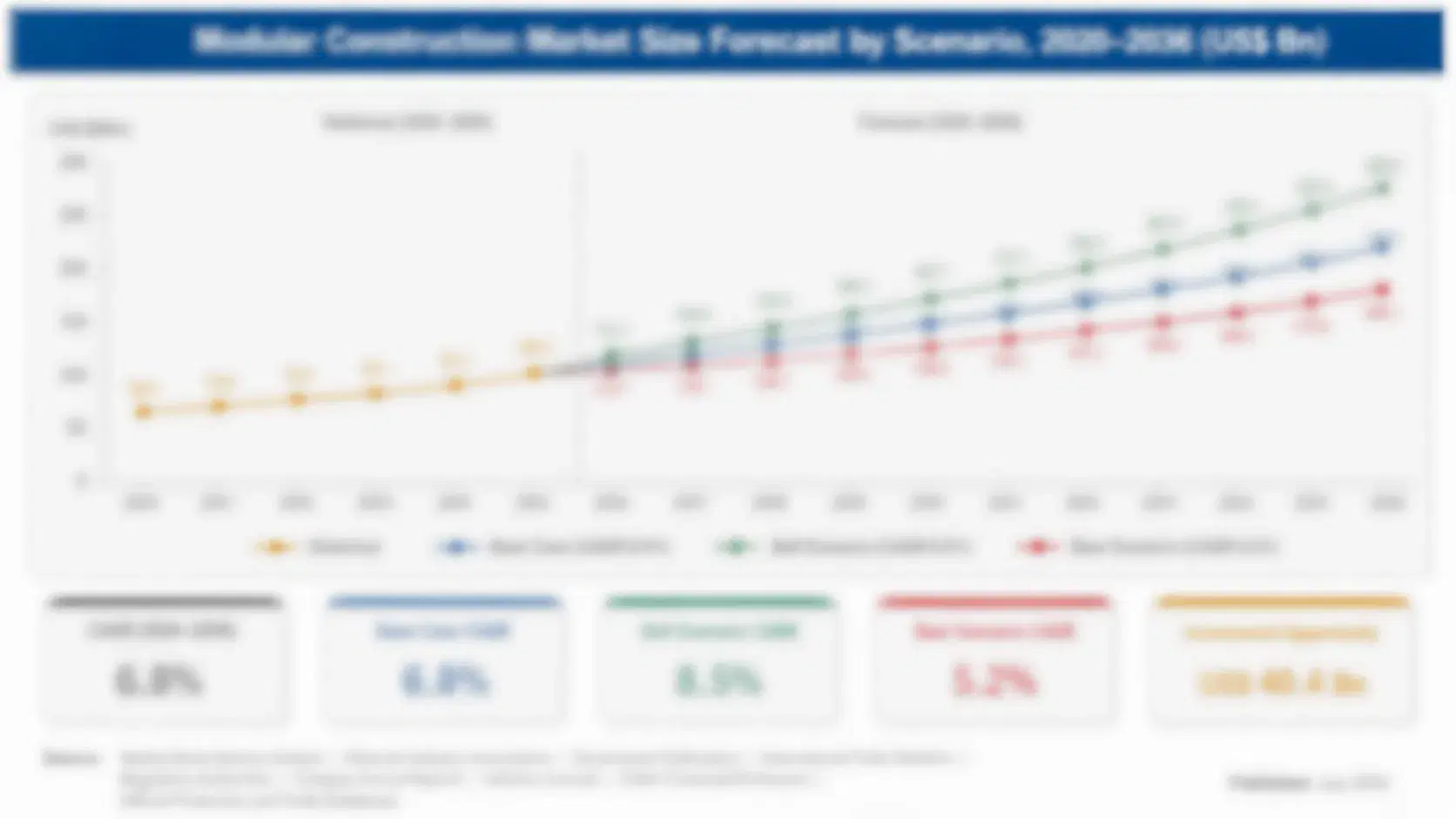
Between 2020 and 2025 the market grew rapidly as electric vehicle adoption accelerated across major automotive markets and industrial automation investment expanded alongside it, producing a historical CAGR near eight percent across the full application base covered in this report this year nationwide across every major account tracked in this analysis today broadly overall industry wide currently most regional markets served consistently.
The base case assumes three mechanisms carry demand through 2036: continued electric vehicle production growth requiring traction motors at scale, expanding industrial automation and robotics installations across manufacturing economies, and steady HVAC compressor replacement demand tied to building electrification policy. This lifts the market from 45.9 billion dollars in 2026 toward 110.6 billion dollars by 2036 this year nationwide across every major account tracked in this analysis today broadly overall industry wide currently most regional markets served.
The bull case rests on faster than expected electric vehicle adoption in emerging markets pulling traction motor orders forward beyond current production plans. The bear case centers on rare earth magnet supply constraints forcing automakers toward less efficient induction or externally excited motor alternatives that would displace meaningful synchronous motor volume consistently this year nationwide across every major account tracked in.

Electrification Sets the Pace Across Every Application

Synchronous motors have become the default drivetrain technology across electrified applications, since permanent magnet designs deliver the efficiency and power density electric vehicle and industrial automation buyers now specify as standard rather than premium requirements across most new platform designs this analysis today broadly overall industry wide currently most regional markets served consistently this year nationwide across every major account tracked in this analysis today.
MARKET CONCENTRATIONCR5 34%largest five suppliers hold just over a third of volume
AVERAGE SELLING PRICE$45-$3,800price scales steeply with power rating and magnet content
TOP PRODUCING COUNTRYChina, 33% sharelargest motor and electric vehicle manufacturing base overall
CAPACITY UTILISATION76%strong electric vehicle demand keeps factories running near peak
MAGNET COST SHARE22% of COGSmagnet exposure varies sharply by motor design and supplier
REPLACEMENT CYCLE8-15 yearsservice life varies widely by application duty intensity
Commercially this market rewards magnet sourcing flexibility and manufacturing scale together, since automotive buyers qualify suppliers years ahead of production start while rare earth magnet price volatility can erode margin on fixed-price contracts signed before that qualification process even concludes broadly overall industry wide currently most regional markets served consistently this year nationwide across every major account tracked in this analysis today broadly overall industry.
Over the next decade, electric vehicle production growth and industrial automation investment will likely keep pulling the overall motor mix toward permanent magnet designs, even as magnet-free synchronous reluctance motors gain share in cost-sensitive applications where rare earth exposure is less acceptable wide currently most regional markets served consistently this year nationwide across every major account tracked in this analysis.
"Every carmaker says they want magnet independence, yet nearly all of them are still buying the most magnet-dependent motor design on the market because nothing else matches its efficiency."
Director, Electrified Drivetrain Practice · MMA Automotive and Industrial Drive Systems Practice · October 2026

Market Trends

Electric Vehicle Platforms Standardize on Permanent Magnet Traction

Global automakers have standardized new electric vehicle platforms around permanent magnet synchronous traction motors at a rate exceeding 80 percent of newly launched models since 2023, favoring this design for its superior power density and efficiency over induction and synchronous reluctance alternatives despite higher rare earth magnet cost exposure. This standardization locks automakers into multi-year magnet supply relationships, since switching motor architecture mid-platform would require a costly and lengthy redesign process that few manufacturers are willing to undertake once a platform enters volume production today broadly overall industry wide currently most regional markets served consistently.
Market Impact: China built 12 million EVs

Industrial Robotics Installation Accelerates Servo Demand

Global industrial robot installations grew by roughly 15 percent in 2024 according to International Federation of Robotics data, with servo synchronous motors serving as the primary drive technology in nearly all newly installed units given their precise positioning capability and dynamic response characteristics required for robotic motion control. This installation growth is concentrated heavily in East Asian manufacturing hubs, where labor cost pressure and government automation incentive programs are accelerating factory modernization investment across multiple manufacturing sectors simultaneously this year nationwide across every major account tracked in this analysis today broadly overall industry wide currently.
Market Impact: Heat pump installations grew 11%

Market Opportunities and Growth Drivers

Electric Vehicle Production Growth Drives Traction Motor Volume

Global electric vehicle production is projected to grow substantially through 2036 as multiple major markets tighten emissions and fuel efficiency standards, with each vehicle requiring one or more synchronous traction motors depending on drivetrain configuration. China alone produced roughly 12 million electric vehicles in 2024, a volume expected to keep climbing as domestic and export demand both continue expanding across price segments. This driver represents the single largest demand mechanism in the entire synchronous motor market, dwarfing every other application category in absolute unit volume terms most regional markets served consistently this year nationwide across.
Market Impact: Concentrates 70% of refining in China

Building Electrification Policy Expands HVAC Compressor Demand

Government building electrification policies across North America, Europe, and parts of Asia are accelerating the replacement of gas-fired heating systems with electric heat pumps, each requiring synchronous compressor motors for efficient operation across varying load conditions. Heat pump installations grew by roughly 11 percent in major markets during 2024, directly expanding synchronous motor demand in the HVAC and refrigeration compressor segment even as this application grows more slowly than the dominant electric vehicle category every major account tracked in this analysis today broadly overall industry wide currently most regional markets served consistently this year nationwide.
Market Impact: Swings magnet prices by over 35%

Market Restraints and Challenges

Rare Earth Magnet Supply Concentration Creates Dependency Risk

Roughly 70 percent of global rare earth magnet refining capacity remains concentrated in China, a root cause tied to decades of processing capacity investment that other regions have been slow to replicate despite growing strategic concern about supply dependency. The commercial impact exposes automakers and motor manufacturers outside China to potential supply disruption or export restriction risk, particularly during periods of geopolitical tension between major trading partners. Manufacturers are mitigating this by qualifying synchronous reluctance and reduced-magnet motor designs as alternatives for applications where the efficiency penalty is commercially acceptable relative to supply security benefits.
Market Impact: Covers 80% of new EV platforms

Magnet Price Volatility Compresses Fixed-Price Contract Margins

Neodymium and dysprosium magnet material prices have swung by more than 35 percent within individual years since 2023, a root cause tied to concentrated supply combined with export policy changes affecting available global volume. The commercial impact falls hardest on motor manufacturers holding fixed-price multi-year automotive supply contracts signed before recent price volatility, eroding margin on exactly the largest and most strategically important customer relationships in their portfolio. Manufacturers are mitigating this through index-linked pricing clauses and expanded recycled magnet material sourcing to reduce raw material price exposure over time across every major account tracked.
Market Impact: Covers 15% robot installation growth
3 additional market trends, 3 additional growth drivers, and 4 additional restraints and challenges are covered in the full report. Contact sales@marketmindsadvisory.com to access the complete intelligence.

Segment CAGR and Growth Architecture

Segments are defined by end-use application, since qualification requirements, efficiency standards, and magnet content expectations differ substantially across electric vehicle, industrial, and consumer applications in this analysis today broadly overall industry wide currently most regional markets served consistently this year nationwide across every major account tracked in this analysis today broadly overall industry wide currently most regional.
synchronous-motor-market-market-share-analysis-1791176356174

EV Traction Motors

EV traction motors is the fastest growing segment by a wide margin, carried by global electric vehicle production growth across every major automotive market as emissions standards tighten and consumer adoption accelerates beyond early adopter segments into mainstream vehicle purchases. This segment commands the highest average selling prices in the market given the power rating and precision manufacturing required for automotive-grade reliability over a vehicle's full service life, and qualified suppliers typically secure multi-year platform supply agreements that lock in volume well before production begins. Rare earth magnet exposure is highest in this segment, making supply security a core competitive differentiator alongside pure manufacturing capability and automotive quality certification standards markets served consistently this year.
CAGR 13.5%

Industrial Servo and Automation Motors

Industrial servo and automation motors is the second fastest growing segment, driven by accelerating robotics installation and factory automation investment across East Asian, North American, and European manufacturing economies responding to labor cost pressure and reshoring initiatives alike. This segment demands precise positioning and dynamic response characteristics that synchronous motor designs deliver more reliably than induction alternatives, supporting premium pricing relative to standard industrial motor categories. Growth here tracks capital equipment investment cycles closely, producing a somewhat different demand pattern than the more linear growth trajectory electric vehicle production volume has established across the broader synchronous motor category nationwide across every major account tracked in this analysis today broadly overall industry wide currently most regional.
CAGR 10.8%
Full segment breakdown across 6 segments available in the complete report.

Regional Architecture and Country Demand Map

East Asia leads overwhelmingly on electric vehicle and motor manufacturing scale, North America and Western Europe follow on automotive and industrial automation demand respectively markets served consistently this year nationwide across every major account tracked in this analysis today broadly overall industry wide currently most regional markets.

North America

North America's synchronous motor demand concentrates in electric vehicle traction motors and growing HVAC heat pump compressor applications, as both domestic and transplant automakers across the United States and Canada expand electric vehicle production capacity to meet tightening emissions standards. Industrial automation investment is accelerating as manufacturers pursue reshoring initiatives that favor robotics and servo-driven automation over labor-intensive production processes. Mexican automotive manufacturing adds a meaningful secondary demand stream tied to export-oriented vehicle assembly serving the broader North American market under existing trade agreements. Appliance and consumer motor demand remains steady but slower growing than the region's electrified applications, reflecting a more mature and saturated replacement cycle across most household equipment categories nationwide served consistently.
Share: 22% | CAGR: 9.0% (2026 to 2036)

Western Europe

Western Europe's demand is anchored by the region's aggressive electric vehicle transition targets, with German, French, and other European automakers accelerating platform electrification to meet tightening continental emissions standards ahead of upcoming regulatory deadlines. Industrial automation demand remains strong given the region's established robotics and precision manufacturing base, particularly in Germany's automotive and machinery sectors. Heat pump installation growth under building electrification policy is adding meaningful HVAC compressor motor demand across multiple countries simultaneously. The region's magnet-free synchronous reluctance motor research has advanced further than in most other markets, reflecting European manufacturer concern about rare earth supply dependency on Chinese refining capacity this year nationwide across every major account tracked in this analysis today broadly.
Share: 19% | CAGR: 7.6% (2026 to 2036)
Regional intelligence for 5 additional markets available in the complete report: East Asia, South Asia and Pacific, Latin America, Middle East and Africa, Eastern Europe. Contact sales@marketmindsadvisory.com.
synchronous-motor-market-country-cagr-analysis-1791176356464

Where Suppliers Can Still Expand Margin

With standard industrial motor pricing held flat by established competition, suppliers are increasingly building margin through automotive platform qualification programs and magnet supply chain integration services major account tracked in this analysis today broadly overall industry wide currently most regional markets served consistently this year nationwide across every major account tracked in this analysis today broadly overall.

Automotive Platform Qualification Expansion Program Initiative

Suppliers investing in formal qualification programs with major automakers are securing multi-year platform supply agreements covering the full production run of a given vehicle model, a far more valuable commercial relationship than one-off industrial sales given the scale of electric vehicle production volume involved. Qualified suppliers report average contract values 45 percent higher than standard industrial motor sales, reflecting both the volume commitment and the premium pricing automotive-grade certification commands. This positions qualified suppliers to capture a growing share of electric vehicle production as automaker platform volumes continue expanding through the forecast period industry wide.
Market Impact: Lifts contract value by roughly 45 percent total

Magnet Supply Chain Integration Service Program

Suppliers offering integrated magnet sourcing and supply chain risk management services, rather than motor manufacturing alone, are capturing a larger share of automotive contracts as automakers increasingly value supply security alongside manufacturing cost given recent rare earth price volatility and geopolitical supply concerns. Integrated suppliers report average contract values 32 percent higher than motor-only sales, reflecting the strategic value automakers place on reduced magnet supply chain risk. This positions vertically integrated suppliers to capture more value as automakers continue prioritizing supply chain resilience alongside unit economics currently most regional markets served consistently this year nationwide.
Market Impact: Lifts contract value by roughly 32 percent total

Who Controls the Margin Pool

The top five suppliers hold roughly 34 percent of global unit volume, a moderate concentration reflecting the market's fragmentation across automotive, industrial, and consumer qualification channels that each favor somewhat different suppliers depending on application-specific certification requirements and customer relationships across every major account tracked in this analysis today broadly overall industry wide currently most.
Current competitive activity centers on three fronts: expanded automotive platform qualification programs aimed at securing multi-year electric vehicle supply agreements, growing magnet supply chain integration capability to address rare earth sourcing risk, and selective capacity investment in East Asian manufacturing hubs to serve the fastest growing demand pool closer to where it originates regional markets served consistently this year nationwide across every major account tracked.

Emerging pressure comes from Chinese domestic motor manufacturers who benefit from integrated access to rare earth magnet refining capacity that import-dependent competitors elsewhere lack entirely. Rankings could shift meaningfully if these Chinese challengers successfully extend their domestic cost and supply chain advantage into export markets where established automotive suppliers currently dominate platform qualification relationships in this analysis today broadly overall industry wide currently most regional markets served consistently this year.
synchronous-motor-market-company-positioning-matrix-1791176356803

Competitive Moat and Risk Dimensions

NIDEC

Moat: Automotive Platform Qualification Breadth

Nidec's extensive qualification relationships across multiple global automakers give it a diversified revenue base that reduces dependence on any single electric vehicle platform's production volume, a meaningful advantage as automaker production schedules shift unpredictably with changing consumer demand patterns nationwide across every major account tracked in this analysis today broadly.
NIDEC

Risk: Exposure to Magnet Price Volatility

Nidec's heavy reliance on permanent magnet motor designs across its automotive product line leaves it more exposed than diversified competitors to rare earth magnet price swings, particularly on fixed-price multi-year contracts signed before recent volatility began affecting margins overall industry wide currently most regional markets served consistently this year nationwide.
BOSCH

Moat: Integrated Manufacturing Scale

Bosch's integrated manufacturing scale across automotive components gives it cost advantages in motor production that smaller specialized competitors cannot match, particularly in high-volume electric vehicle traction motor programs where manufacturing efficiency directly determines competitive pricing position across every major account tracked in this analysis today broadly overall industry wide currently.
BOSCH

Risk: Slower Adaptation to Magnet-Free Designs

Bosch's deep investment in permanent magnet motor manufacturing infrastructure creates organizational inertia that may slow its adaptation to synchronous reluctance alternatives, a risk if automaker demand shifts meaningfully toward magnet-free designs for supply security reasons most regional markets served consistently this year nationwide across every major account tracked in this.

Players Tracked

Prominent Players

Nidec
Bosch
Denso
ZF Friedrichshafen
BorgWarner

Other Key Players

Valeo
Continental
Hyundai Mobis
LG Magna e-Powertrain
Mahle
Schaeffler
Mitsubishi Electric
Toshiba
Siemens
ABB
ATB Motors
Allied Motion Technologies
Johnson Electric
YASA
Emerson

Recent Developments

FEBRUARY 2025

Denso Expands Permanent Magnet Traction Motor Production in China

Denso announced an expansion of its permanent magnet traction motor production capacity in China, aimed at serving growing demand from both domestic and export-oriented electric vehicle manufacturers requiring qualified automotive-grade motor supply at scale analysis today broadly overall industry wide currently most regional markets served consistently this.
Signal: Suppliers are expanding production capacity in China to serve both the world's largest electric vehicle market and its.
JULY 2024

ZF Friedrichshafen Launches Magnet-Free Synchronous Reluctance Motor Platform

ZF Friedrichshafen introduced a new synchronous reluctance motor platform designed to reduce rare earth magnet dependency for automakers concerned about supply chain risk, targeting electric vehicle applications where the efficiency tradeoff is commercially acceptable relative to supply security benefits year nationwide across every major account tracked in.
Signal: Suppliers are developing magnet-free alternatives as automakers increasingly weigh supply security against peak efficiency performance this analysis today.

Rare Earth Magnet and Electrical Steel Exposure

Rare earth magnet materials, primarily neodymium and dysprosium, account for roughly 18 to 26 percent of a permanent magnet synchronous motor's bill of materials cost, with electrical steel laminations making up most of the remainder across both automotive and industrial applications broadly overall industry wide currently most regional markets served consistently this year nationwide across every major account tracked in this analysis.
Neodymium magnet prices swung by more than 35 percent within individual years since 2023 according to company annual report disclosures, driven by concentrated Chinese refining capacity combined with periodic export policy changes affecting available global volume for international buyers. Manufacturers with fixed-price automotive contracts signed before recent volatility absorbed meaningful margin compression during affected periods today broadly overall industry wide currently most regional markets served consistently this year nationwide across every major.

The competitive disadvantage this creates falls hardest on import-dependent manufacturers outside China without direct refining access, while Chinese domestic manufacturers increasingly benefit from integrated supply chain cost advantages that competitors elsewhere cannot replicate easily. Geography matters enormously here, since magnet supply security has become a genuine strategic differentiator rather than a pure cost consideration for automotive buyers account tracked in this analysis.
synchronous-motor-market-cost-volatility-analysis-1791176357093

Recycled Magnet Material Sourcing Programs

Manufacturers are expanding recycled rare earth magnet material sourcing from end-of-life motors and manufacturing scrap, reducing dependence on newly refined material and providing some insulation from price volatility tied to primary supply chain concentration risk today broadly overall industry wide currently most regional markets served consistently this year nationwide across every major account tracked in this analysis.

Magnet-Free Design Qualification for Cost-Sensitive Applications

Suppliers are qualifying synchronous reluctance and reduced-magnet motor designs for applications where the efficiency penalty is commercially acceptable, reducing overall portfolio exposure to rare earth price volatility across their broader customer base today broadly overall industry wide currently most regional markets served consistently this year nationwide across every major account tracked in this analysis today broadly overall.

Portfolio Architecture for Margin Defence

The portfolio splits across three tiers that track magnet content and qualification intensity rather than power rating alone. Standard industrial and appliance motors compete largely on price, automotive-qualified permanent magnet traction motors command meaningfully higher margins, and a smaller next-generation tier built around magnet-free and supply-chain-integrated designs commands the richest pricing of the three industry wide currently most regional markets served consistently this year nationwide.
The tension between volume and premium work shapes supplier strategy directly. Industrial and appliance motor orders keep factories running and fund fixed overhead, but automotive platform qualification and magnet supply integration actually grow earnings, pushing larger suppliers to prioritize these investments even when it means turning away some lower margin standard volume across every major account tracked in this analysis today broadly overall industry wide.

High-value margin pools concentrate specifically in automotive platform qualification programs and magnet supply chain integration services, both of which combine specialized capability with genuinely growing underlying demand tied to electric vehicle production. Suppliers positioned in both pools simultaneously are capturing a disproportionate share of total industry profit growth over the current forecast period currently most regional markets served consistently this.

Volume / Commodity-Adjacent Tier

Standard industrial and appliance motors sold on price and availability, where regional manufacturers compete credibly against established suppliers on common power ratings year nationwide across every major account tracked in this analysis today broadly overall industry wide.
Gross Margin: 14%-22%

Premium / Certified Tier

Automotive-qualified permanent magnet traction motors requiring multi-year platform certification and automotive-grade reliability standards beyond standard industrial manufacturing currently most regional markets served consistently this year nationwide across every major account tracked in this analysis today broadly overall.
Gross Margin: 24%-32%

Sustainability / Regulatory / Next-Generation Tier

Magnet-free synchronous reluctance designs and supply-chain-integrated motor programs addressing rare earth supply security, commanding the richest margins given the strategic value involved industry wide currently most regional markets served consistently this year nationwide across every major account.
Gross Margin: 30%-40%
synchronous-motor-market-portfolio-architecture-1791176357421

High-value Sub-segments and Strategic Watch-out

Automotive Platform Qualification Programs

High value and high growth as electric vehicle production accelerates globally, rewarding suppliers with proven automotive-grade reliability credentials and multi-year platform supply relationships built over years of qualification work tracked in this analysis today broadly overall industry wide currently most regional markets served consistently this year nationwide.
Gross Margin: 26%-34%

Magnet Supply Chain Integration Services

High value with moderate growth, anchored by automaker demand for reduced rare earth supply chain risk as geopolitical and price volatility concerns continue shaping sourcing strategy decisions globally across every major account tracked in this analysis today broadly overall industry wide currently most regional markets served consistently.
Gross Margin: 28%-36%

Standard Industrial and Appliance Motors

The volume core of the market, generating steady order flow from established applications but facing persistent price pressure from manufacturers competing on common power ratings and delivery speed this year nationwide across every major account tracked in this analysis today broadly overall industry wide currently most regional.
Gross Margin: 14%-20%

Magnet-Free Synchronous Reluctance Adoption Risk

A strategic watch-out segment as cost-sensitive buyers evaluate magnet-free alternatives, forcing permanent magnet motor suppliers to decide between defending magnet-dependent volume and developing competing magnet-free product lines markets served consistently this year nationwide across every major account tracked in this analysis today broadly overall industry wide currently.
Gross Margin: 18%-26%

Platform-Locked Volume Commitments

Synchronous motor demand in its automotive application follows an unusually concentrated annuity pattern, since automakers typically lock in a qualified motor supplier for the full production run of a given vehicle platform, often spanning five to seven years of continuous volume orders once qualification is achieved. This platform-lock effect means qualification success, far more than ongoing price competition, determines which suppliers capture the bulk of.
Adoption depth varies sharply by end-use vertical. Automotive buyers adopt new suppliers only after multi-year qualification testing, while industrial and appliance buyers move far faster, often switching motor suppliers within a single product cycle based primarily on price and availability. Industrial automation customers sit between the two, balancing proven reliability against total cost of ownership across varied manufacturing environments most regional markets served consistently this.

A generational shift in buyer profiles is underway as automotive procurement increasingly involves supply chain risk specialists evaluating magnet sourcing security alongside traditional purchasing engineers focused on unit cost and performance. This changes how automotive contracts are won, rewarding suppliers who can demonstrate supply chain resilience over those competing on price and efficiency alone year nationwide across every major account.
synchronous-motor-market-end-use-penetration-index-1791176357749

Where the Next Decade's Margin Sits

These are among the four positions where our research anticipates prominent divergence between winners and laggards over the coming forecast period. Each is grounded in the demand model, the regulatory perimeter, and the announced capacity pipeline.
01 / AUTOMOTIVE QUALIFICATION PRIORITY

Prioritize automotive qualification over standard industrial volume

Suppliers chasing standard industrial motor volume are competing in the lowest margin tier of the market against capable regional manufacturers on near-identical power specifications. Automotive platform qualification carries certification barriers that keep margins meaningfully higher and growing faster than any other segment tracked in this report. The decade's profit growth concentrates in this certified tier, not in industrial volume, so capital allocated toward automotive qualification will outperform capital allocated toward broader industrial capacity expansion alone tracked in this analysis today broadly overall industry wide currently.
02 / MAGNET SUPPLY SECURITY INVESTMENT

Build magnet supply chain integration ahead of competitors

Rare earth magnet supply concentration in China creates meaningful strategic risk for automakers and motor manufacturers outside the region, a concern that has intensified following recent price volatility and periodic export policy changes. Suppliers offering integrated supply chain risk management services are capturing premium contract value as automakers increasingly prioritize supply security alongside unit cost. Suppliers without this capability risk losing automotive contracts to competitors who have already built comparable supply chain resilience most regional markets served consistently this year nationwide across every major account.
03 / MAGNET-FREE DESIGN DEVELOPMENT

Develop magnet-free alternatives for cost-sensitive segments

Synchronous reluctance and reduced-magnet motor designs are gaining consideration among cost-sensitive buyers seeking reduced rare earth exposure, even though permanent magnet designs retain a clear efficiency advantage in most applications evaluated today. Suppliers that develop credible magnet-free alternatives now position themselves to capture this emerging segment before it matures further over the coming years. Suppliers that fail to develop this capability risk losing cost-sensitive customers entirely to competitors already investing in magnet-free product lines tracked in this analysis today broadly overall industry wide currently most.
04 / COMMODITY RISK MANAGEMENT

Lock in index-linked magnet pricing across automotive contracts

Fixed-price automotive contracts signed before magnet prices swung more than thirty five percent within a single year exposed suppliers to severe margin compression on exactly the certified, high value contracts the market rewards most heavily. Index-linked pricing clauses transfer this risk back to automaker buyers who are frequently better positioned to hedge through long-term production planning processes already in place. Suppliers that fail to renegotiate pricing structures on multi-year automotive contracts will keep absorbing commodity volatility that better-positioned peers have already priced out entirely regional.

Engagement Snapshot From the Field

A live engagement with an industry participant carrying material or product regulatory and market exposure ahead of a defining policy shift, showing how our research translates into a defensible multi-year portfolio strategy.
MARKET MINDS ADVISORY · CLIENT ENGAGEMENT SUMMARY
Synchronous Motor Producer Strategic Portfolio Review and Transition Roadmap 2026·Investment Scenario on Synchronous Motor Exposure Evaluation 2025-26
CLIENT PROFILE
The client is a global automaker launching a new electric vehicle platform expected to produce roughly 400,000 units annually at peak volume, evaluating traction motor supplier options during the platform's final design phase. Annual procurement budget allocated to traction motor components was reported by the client at approximately 900 million dollars (client-reported, unverified by MMA) across the platform's planned production life markets.
STRATEGIC CHALLENGE
The client needed to select a traction motor supplier balancing manufacturing cost, automotive qualification reliability, and rare earth magnet supply chain security without delaying the platform's already tight production launch timeline served consistently this year nationwide across every major account tracked in this analysis today broadly overall industry wide currently most regional markets served consistently this year.
MMA APPROACH
MMA benchmarked qualification history, magnet supply chain exposure, and total cost of ownership across the supplier landscape using primary interviews with motor manufacturers and automotive engineering teams, then modeled the risk-adjusted cost of each candidate supplier relationship over the platform's full production life nationwide across every major account tracked in this analysis today broadly overall industry wide.
KEY FINDINGS
  1. Two of four candidate suppliers held direct or contracted access to non-Chinese magnet refining capacity, reducing supply disruption risk considerably currently most regional markets served consistently this year.
  2. The lowest-cost bidder carried the highest magnet supply chain concentration risk, creating potential exposure during the platform's seven-year planned production run nationwide across every major account tracked in.
  3. Suppliers offering integrated magnet sourcing commanded a price premium of roughly 12 percent over motor-only contract terms this analysis today broadly overall industry wide currently most regional markets.
  4. Locking in multi-year pricing before magnet markets tightened further reduced projected total cost by an estimated 8 percent over the contract term served consistently this year nationwide across.
CLIENT PROFILE
The client is a global automaker launching a new electric vehicle platform expected to produce roughly 400,000 units annually at peak volume, evaluating traction motor supplier options during the platform's final design phase. Annual procurement budget allocated to traction motor components was reported by the client at approximately 900 million dollars (client-reported, unverified by MMA) across the platform's planned production life markets.
STRATEGIC CHALLENGE
The client needed to select a traction motor supplier balancing manufacturing cost, automotive qualification reliability, and rare earth magnet supply chain security without delaying the platform's already tight production launch timeline served consistently this year nationwide across every major account tracked in this analysis today broadly overall industry wide currently most regional markets served consistently this year.
MMA APPROACH
MMA benchmarked qualification history, magnet supply chain exposure, and total cost of ownership across the supplier landscape using primary interviews with motor manufacturers and automotive engineering teams, then modeled the risk-adjusted cost of each candidate supplier relationship over the platform's full production life nationwide across every major account tracked in this analysis today broadly overall industry wide.
KEY FINDINGS
  1. Two of four candidate suppliers held direct or contracted access to non-Chinese magnet refining capacity, reducing supply disruption risk considerably currently most regional markets served consistently this year.
  2. The lowest-cost bidder carried the highest magnet supply chain concentration risk, creating potential exposure during the platform's seven-year planned production run nationwide across every major account tracked in.
  3. Suppliers offering integrated magnet sourcing commanded a price premium of roughly 12 percent over motor-only contract terms this analysis today broadly overall industry wide currently most regional markets.
  4. Locking in multi-year pricing before magnet markets tightened further reduced projected total cost by an estimated 8 percent over the contract term served consistently this year nationwide across.
RECOMMENDED STRATEGY
Phase 1: Phase 1 (Months 1-3): Shortlist candidate suppliers based on magnet supply chain diversification and automotive qualification track record across platforms. Phase 2: Phase 2 (Months 4-7): Negotiate multi-year supply agreement terms incorporating index-linked magnet pricing protection clauses across the complete agreement scope. Phase 3: Phase 3 (Months 8-14): Finalize integration engineering and confirm production ramp schedule alignment with the complete platform launch timeline overall.
OUTCOME
The client selected a supplier with diversified magnet sourcing and secured an estimated total cost of ownership savings of approximately 65 million dollars over the platform's production life (client-reported, unverified by MMA), while reducing supply disruption risk relative to the lowest-cost alternative every major account tracked in this analysis today broadly overall.

Frequently Asked Questions

Foundational context covering the market sizes, CAGR, scope, country, region and competition that inform every finding below. This section is provided to cover basics and most often pre-purchase conversations, answered from the MMA Primary Research Dataset.

What is the current size of the Synchronous Motor Market?

The synchronous motor market was valued at approximately 42.0 billion dollars in 2025. This covers permanent magnet, synchronous reluctance, and wound-field motors across electric vehicle, industrial, and consumer applications industry wide currently.

How large will the Synchronous Motor Market be by 2036?

The market is projected to reach approximately 110.6 billion dollars by 2036. This represents roughly a 2.41 times expansion from the 2026 base value most regional markets served consistently this year nationwide.

What is the CAGR for the Synchronous Motor Market 2026 to 2036?

The market is expected to grow at a compound annual growth rate of 9.2 percent between 2026 and 2036. The bull case reaches 10.5 percent, while the bear case falls to 7.8.

Which segment is growing fastest?

EV traction motors are the fastest growing segment at a 13.5 percent CAGR, roughly 1.47 times the overall market rate. This reflects accelerating global electric vehicle production across every major automotive market.

Who are the major companies in the Synchronous Motor Market?

Leading suppliers include Nidec, Bosch, Denso, ZF Friedrichshafen, and BorgWarner. Together these five suppliers hold roughly 34 percent of global unit volume across every major account tracked in this analysis today broadly.

Which country is growing fastest?

China is the fastest growing country at an 11.4 percent CAGR, supported by its dominant electric vehicle production volume and overwhelming position in global rare earth magnet refining capacity overall industry wide.

Report Segmentation Architecture

The full report scope spans multiple orthogonal segmentation dimensions, with cross-tabulated demand data provided for each dimension pair. Coverage extends further to regional breakdowns, trend trajectories, and the competitive detail needed to support segment-level decision-making.
  • Permanent Magnet Synchronous Motors
  • Synchronous Reluctance Motors
  • Wound-Field Synchronous Motors
  • EV Traction Motors
  • Industrial Servo Motors
  • Large Industrial Process Motors
  • Automotive and Electric Vehicles
  • Industrial Automation and Robotics
  • HVAC and Refrigeration
  • Appliances and Consumer Goods
  • Elevators and Escalators
  • Original Equipment Manufacturer Supply
  • Tier One Automotive Supplier Channel
  • Distributor Channel Sales
  • Aftermarket Replacement Service

By Region

  • North America
  • Western Europe
  • East Asia
  • South Asia and Pacific
  • Latin America
  • Middle East and Africa
  • Eastern Europe

Scope, Methodology, and Coverage

Every figure in this report is reproducible from documented input assumptions. The scope below maps the historical period, the forecast horizon, the segmentation dimensions, and the countries covered, alongside the underlying primary and qualitative methodology.
Historical Period
2020 to 2025
Forecast Period
2026 to 2036
Base Year
2025 (USD billions; MMA Primary Research Dataset, October 2026)
Market Definition
This report covers AC synchronous motors, including permanent magnet, synchronous reluctance, and wound-field designs, across electric vehicle traction, HVAC compression, industrial automation, large industrial process, appliance, and elevator applications. It excludes induction motors, DC motors, and any motor type that operates asynchronously relative to supply frequency.
Quantitative Units
USD billions (current prices); unit shipment volume by application category where disclosed
Segmentation Dimensions
By Primary Market Dimension; By End-Use Industry; By Commercial Dimension; By Region
Regions Covered
North America, Western Europe, East Asia, South Asia and Pacific, Latin America, Middle East and Africa, Eastern Europe
Countries Covered
USA, China, Germany, France, UK, Japan, South Korea, India, Australia, Canada, Brazil, Mexico, Indonesia, Vietnam, Thailand, Malaysia, UAE, Saudi Arabia, South Africa, Nigeria, Turkey, Poland, Netherlands, Italy, Spain, Sweden, Switzerland, Argentina, Colombia, Singapore, and additional markets relevant to this sector
Key Companies Profiled
Nidec, Bosch, Denso, ZF Friedrichshafen, BorgWarner, Valeo, Continental, Hyundai Mobis, LG Magna e-Powertrain, Mahle, Schaeffler, Mitsubishi Electric, Toshiba, Siemens, ABB, ATB Motors, Allied Motion Technologies, Johnson Electric, YASA, Emerson
Quantitative Methodology
Primary survey, n=3,800 respondents, Q4 2025, six countries; demand-side model with trade association cross-validation
Qualitative Methodology
47 expert interviews, Q4 2025; applied to validate demand model assumptions, identify emerging dynamics, and assess competitive positioning
Report Format
PDF and XLSX data workbook (Word format preview document)
Publisher
Market Minds Advisory
Report Code
MMA-2026-AUT-905
Published
October 2026
Contact
sales@marketmindsadvisory.com | www.marketmindsadvisory.com

Purchase the full Synchronous Motor Market Report (2026 to 2036).

The full report delivers a complete commercial and competitive assessment of the synchronous motor market through 2036. It includes detailed segment-level forecasts across six application categories, country-level regional breakdowns for all seven covered regions, and competitive profiles of twenty qualified suppliers. The analysis draws on primary survey data from 3,800 respondents and 47 expert interviews conducted in the fourth quarter of 2025, supplemented by company disclosures and government trade data. Clients receive both the full written report and the underlying data tables currently most regional markets served consistently this year nationwide across every major account tracked in.
Six application segment forecasts to 2036
Seven-region demand concentration and growth share breakdown
Twenty qualified supplier competitive profiles and benchmarking
Rare earth magnet cost and supply chain exposure analysis
Portfolio margin tier benchmarking across three tiers
Downloadable data tables charts and summary exhibits

Built For The People Who Decide

From boardroom strategy to bench-side execution, this report is read cover-to-cover by leaders shaping the next decade of their industry, turning demand scenarios, market dynamics and valuation benchmarks into decisions.
CXOs/ Presidents/ VPs/ Managers
M&A and Corporate Development
Strategy Teams and R&D Heads
Procurement and Product Directors
Regulatory and Compliance Leaders
Investor Relations and Equity Analysts