Market Minds Advisory
Sweet Potato Flour Market

Sweet Potato Flour Market: Sweet Potato Flour Market. Gluten-Free Baking and Natural Colorant Demand Reshape Root Crop Ingredient Economics.

Sweet potato flour is moving from a staple into gluten-free baking, infant nutrition, and natural colorant use, while tuber supply seasonality, drying energy cost, and varietal quality decide which processors win contracts with food makers.

Lead Analyst

Published

September 2026

Make Smarter Decisions with Customized Research Insights

Request a free sample report and evaluate market opportunities, growth trends, and competitive dynamics relevant to your business needs.

2025 MARKET VALUE$1.1BMarket Size 2025
2036 FORECAST VALUE$2.3BBase Case , 2026 to 2036
CAGR 2026 TO 20367.0 %Bull 8.3% / Bear 5.7%
INCREMENTAL OPPORTUNITY$1.1BNet 10- year value creation
EXPANSION MULTIPLE1.97x2036 value over 2026 base
Strategic Levers
M&A Pipeline
Regional Outlook
Country Rankings
Competitive Intelligence
Segmental Deep-dive
Call-Us : 91 93563 13602

Executive Snapshot and Market Trajectory.

Sweet potato flour is a regional staple finding global uses. Bakers want it for gluten-free structure and natural sweetness, infant food makers value its beta-carotene, and colorant suppliers prize purple varieties for anthocyanin content. Demand is broadening, yet supply still depends on seasonal tubers and uneven varietal quality.
Purple-fleshed flour is growing fastest, helped by natural colorant demand and premium bakery and snack launches, while orange-fleshed flour serves infant cereals and nutrition programs. East Asia holds the largest share because China, Japan, and Korea combine tuber supply with established drying and milling capacity, and North America leads premium gluten-free and clean-label demand through specialty retail and food makers. Indonesia and Vietnam add milling capacity for export. Purple grades stay tightly supplied.
Competition mixes starch and ingredient majors, colorant specialists, and regional millers. Advantage comes from varietal control, consistent moisture and color, and food safety documentation rather than price. Regulation shapes the field through natural colorant approvals, heavy metal and mycotoxin limits, and gluten-free labeling rules, which reward suppliers with traceable grower networks and audited drying and milling facilities. Buyers reward documented traceability, consistent color, and reliable delivery.
Market Definition
Sweet potato flour is the milled powder of dried sweet potato tubers, produced from raw, steam-cooked, or pre-gelatinized roots of orange, purple, yellow, and cream-fleshed varieties, and sold to food manufacturers, bakeries, infant nutrition brands, and retailers. The scope excludes sweet potato starch, fresh and frozen sweet potato, sweet potato fries and chips, vine and leaf products, and finished baked goods.
Base Year Value
$1.1B in 2025 (MMA Primary Research Dataset, September 2026)
Forecast Period
2026 to 2036, eleven discrete annual values
CAGR
7.0% base case. Bull 8.3%. Bear 5.7%.
Fastest Growth Segment
Purple-Fleshed Sweet Potato Flour: 10.0% CAGR
Fastest Growth Country
Indonesia: 10.4% CAGR
Fastest Growth Region
South Asia and Pacific: 9.2% CAGR
Largest Region
East Asia: 38% of 2025 global value
Market Leaders
Ingredion, Cargill, Sensient Technologies, GNT Group, Kerry Group. Source: MMA Analysis, company annual reports.
Primary Survey
n=3,800 procurement and R&D decision-makers, Q4 2025, six countries
Methodology
Demand-side build-up, cross-validated against public data, 47 expert interviews

Sweet Potato Flour Market Forecast Scenarios

sweet-potato-fly-market-size-forecast-scenario-1789752434796
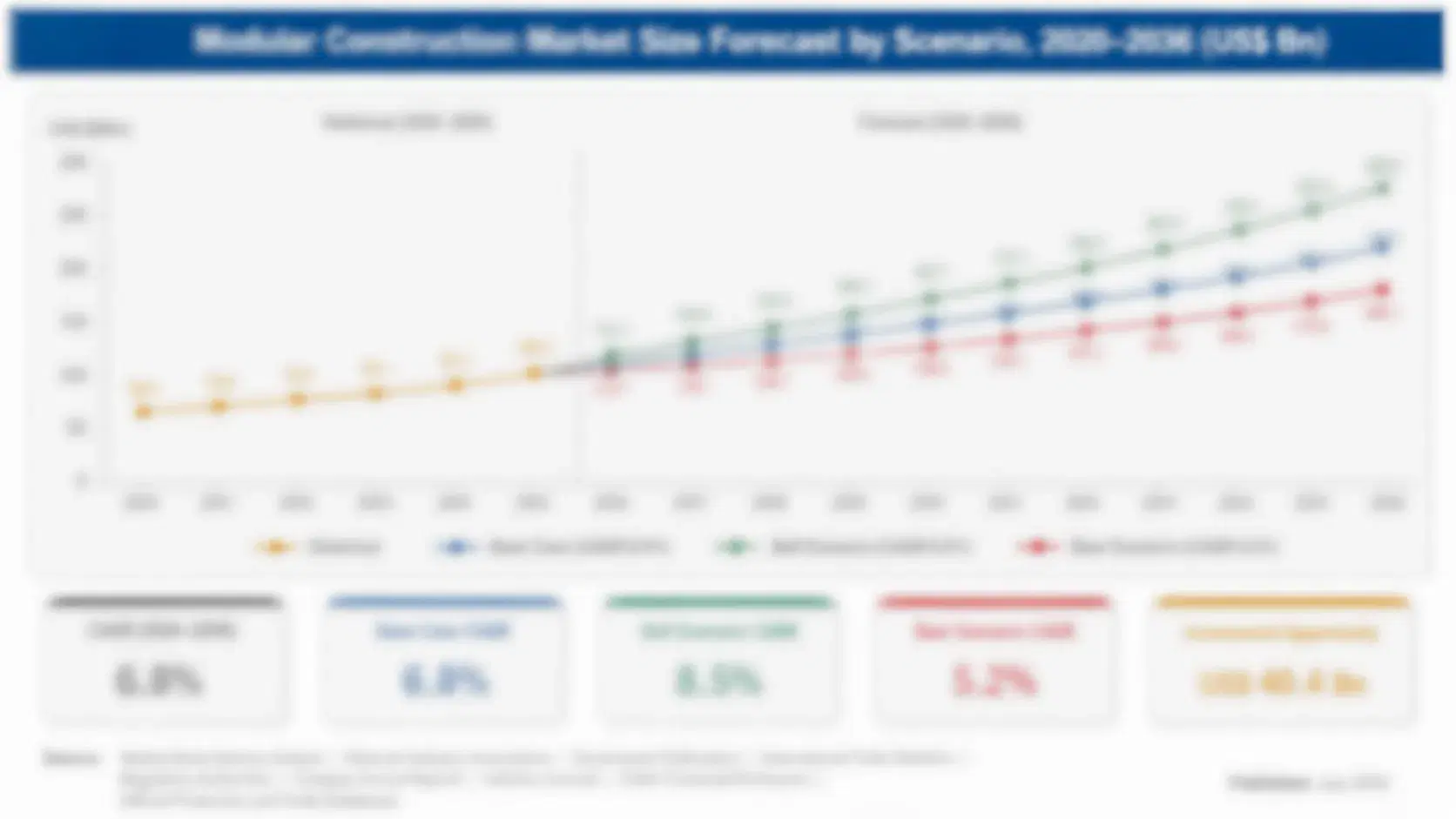
Between 2020 and 2025, sweet potato flour grew steadily from a small base, as gluten-free and clean-label launches, infant cereal fortification, and natural colorant demand widened the buyer pool beyond Asian and African food traditions. Growth averaged 6.2% a year, with purple and orange grades outpacing white flour, though weather-hit tuber harvests and inconsistent quality slowed volume growth in some years.
The base case assumes 7.0% annual growth through 2036, built on three named mechanisms: wider use of sweet potato flour in gluten-free bread, tortillas, and snacks, expansion of biofortified orange-fleshed programs in African and South Asian nutrition schemes, and growing demand for anthocyanin-rich purple flour as a natural colorant in confectionery and beverages. New drying capacity in China, Vietnam, and Nigeria adds supply without disrupting prices. Each mechanism reinforces the others over time.
The bull case, at 8.3%, needs faster gluten-free adoption and stable tuber harvests, along with wider natural colorant approvals. The bear case, at 5.7%, reflects weak harvests, energy price spikes, and substitution toward cheaper cassava, rice, and corn flours in baking and snack formulations. Either scenario leaves the underlying demand base intact, though pricing and mix would differ noticeably from the base path.

Varietal Control and Drying Cost Determine Flour Margins

Sweet potato flour is made by washing, peeling or steaming, slicing, drying, and milling tubers, and the process determines color, flavor, and starch behavior. Tubers are about 70% water, so processors must dry large volumes of wet raw material and plants sit close to growing regions. Yield, moisture, and varietal consistency drive both cost and customer acceptance.
MARKET CONCENTRATION22% CR5Leading five suppliers hold a modest combined share
AVERAGE SELLING PRICE$2,900 per tonnePurple grades sell well above white and cream flour
TOP PRODUCING COUNTRY55% shareChina supplies over half of world sweet potato output
TUBER COST SHARE42% of COGSRaw tuber price dominates processor cost and margin swings
DRYING ENERGY SHARE16% of COGSFuel for drying and milling adds substantial processing cost
FLOUR YIELD24%Roughly one quarter of tuber weight ends up as flour
Buyers use the flour in very different ways. Bakers blend it with other flours for moisture and mild sweetness, infant food makers use orange grades for beta-carotene, snack producers add it to extruded and fabricated products, and colorant makers extract anthocyanins from purple grades. Specifications cover particle size, moisture, color value, and microbial limits, and pre-gelatinized grades dissolve instantly for beverages and baby cereals.
The industry is fragmented and geographically split. Chinese, Japanese, and Korean processors run large milling plants, African and South Asian producers focus on local nutrition programs and small mills, and Western ingredient houses buy from Asia and blend for branded products. Harvest variability, energy costs, and food safety compliance shape investment, and consolidation is starting as large ingredient groups acquire regional millers to secure supply.
"Most buyers still treat sweet potato flour as one commodity. It is really three: a nutrition ingredient, a bakery ingredient, and a colorant. The processors who price it that way will earn very different margins from those who do not."
Practice Lead, Food Ingredients and Root Crop Products Practice · MMA Food Ingredients and Root Crop Products Practice · September 2026

Market Trends

Gluten-Free Bakery and Snack Reformulation Pulls Sweet Potato Flour In

Gluten-free bakers and snack makers are turning to sweet potato flour for moisture retention, mild sweetness, and soft texture in breads, tortillas, pancakes, and extruded snacks. Sweet potato blends reduce the gumminess of rice and tapioca formulations, and brands promote nutrition and color. Suppliers offer tailored particle sizes and blends, and manufacturers run reformulation programs that lock in annual volume commitments as gluten-free products expand in major retail channels. Retailers report that sweet potato blends lift moisture retention by several days of shelf life, and that lowers returns of unsold bread, which gives bakeries a cost argument beyond ingredient positioning.
Market Impact: 30% of children lack vitamin A

Natural Colorant Demand Lifts Purple Sweet Potato Flour Volumes

Consumers and regulators are pushing food makers to replace synthetic dyes with plant-based colors, and purple sweet potato flour and extracts deliver stable red, purple, and blue shades from anthocyanins. Confectionery, dairy, beverage, and bakery producers are reformulating with purple grades, which command premiums of 30% to 50% over white flour. Suppliers expand purple acreage and drying capacity, and colorant specialists sign supply agreements to secure raw material. Regulators in the European Union and United States have approved anthocyanin sources as colorants, and large confectioners have committed to remove artificial dyes, which gives suppliers visibility on multi-year volumes.
Market Impact: specialty orders grow 14% annually

Market Opportunities and Growth Drivers

Orange-Fleshed Nutrition Programs Create Steady Procurement Demand in Africa

Biofortified orange-fleshed sweet potato flour supplies beta-carotene, and nutrition programs in Africa and South Asia use it in porridge, biscuits, and complementary foods for children. Vitamin A deficiency affects roughly 30% of children under five in parts of sub-Saharan Africa, according to WHO estimates, and government and donor programs fund processing units and school feeding. Procurement contracts give millers steady demand and support local supply chains. Donor agencies and national governments fund mill equipment and school feeding contracts, and orange flour is blended with legumes to raise protein, which lets programs meet nutrition targets at lower cost per child.
Market Impact: harvests swing 15% in key regions

Clean-Label and High-Fiber Positioning Lifts Premium Sweet Potato Flour Launches

Food makers and retailers are adding root vegetable and plant-based ingredients to products positioned around fiber, low glycemic response, and clean labels, and sweet potato flour fits those claims. Low-fat, high-fiber, and mineral-rich positioning suits health-oriented bakery, snack, and cereal launches, and brands advertise the ingredient on pack. Demand from North America and Europe is rising, and importers report specialty retail orders growing faster than mass-market volume. Glycemic response studies on sweet potato flour show slower blood sugar rise than refined wheat flour, and brands cite those results on pack, while dietitians recommend it to consumers managing weight.
Market Impact: up to 8% of lots rejected

Market Restraints and Challenges

Seasonal Tuber Supply and Poor Storage Disrupt Milling Schedules

Sweet potatoes are harvested seasonally and stored poorly, and drought or flooding cut yields in China, Nigeria, and the United States in recent years, according to USDA and national statistical office reports. The root cause is heavy dependence on rain-fed smallholder production and limited storage. Lower yields raise tuber prices and idle mills. Processors respond with contract farming, curing and storage facilities, and irrigation support. Storage losses of 20% to 30% are common in smallholder systems, and mills that run only during harvest carry idle fixed cost for months, so unit cost rises when tuber availability drops below plant capacity.
Market Impact: gluten-free demand up 12% annually

Inconsistent Varietal Quality and Food Safety Failures Reduce Buyer Confidence

Varietal quality and food safety vary widely, and flour lots can fail on moisture, color, aflatoxin, or heavy metal limits, according to buyer audits. The root cause is fragmented smallholder supply, uneven drying, and limited testing capacity. Rejected lots cost margin and customers. Processors respond with grower training, standardized drying protocols, third-party audits, and investment in laboratory testing and traceability systems. Buyers such as infant food makers test every lot, and a single failure can suspend an account for a year, so millers without laboratories rely on outside testing that adds days to delivery and cost to each shipment.
Market Impact: purple premiums reach 30-50%
3 additional market trends, 4 additional growth drivers, and 3 additional restraints and challenges are covered in the full report. Contact sales@marketmindsadvisory.com to access the complete intelligence.

Segment CAGR and Growth Architecture

Sweet potato flour is segmented by tuber variety, because flesh color, pigment content, starch profile, and flavor determine price, functionality, and buyer type more directly than milling method does. Purple-fleshed flour attracts the most new investment as colorant makers and premium bakery brands convert natural color and nutrition claims into multi-year purchase specifications. Purple leads on pigment value.
sweet-potato-fly-market-market-share-analysis-1789752435071

Purple-Fleshed Sweet Potato Flour

Purple-fleshed sweet potato flour is the fastest-growing segment, made from anthocyanin-rich varieties and sold to confectionery, dairy, beverage, and bakery makers that want natural color and antioxidant positioning. Buyers pay premiums of 30% to 50% over white flour and specify color value and pigment stability. Purple acreage is limited and yields are lower than orange or white varieties, so processors that sign grower contracts early secure supply, and colorant specialists integrate backward into processing. Pigment content varies by variety and season, so suppliers blend lots to hit a target color value. Confectionery and beverage buyers audit stability under heat and light, and processors that publish test data win shortlists faster than those relying on brochure claims.
CAGR 10.0%

Orange-Fleshed Sweet Potato Flour

Orange-fleshed sweet potato flour is the second-fastest segment, made from beta-carotene-rich varieties used in infant cereals, complementary foods, biscuits, and bakery products. Demand comes from nutrition programs in Africa and South Asia and from premium baby food brands in developed markets. Flour is often blended with legumes and cereals to improve protein content, and buyers require strict microbial and mycotoxin limits, which favors processors with certified drying and milling facilities. Public procurement contracts run one to two years, and tenders favor suppliers with local mills and certified laboratories. Premium baby food brands in Europe and North America pay higher prices for traceable organic orange flour, and volumes there are smaller but steadier than program demand.
CAGR 8.6%
Full segment breakdown across 6 segments available in the complete report.

Regional Architecture and Country Demand Map

Sweet potato flour value follows tuber geography and drying capacity. East Asia leads through Chinese volume and Japanese premium demand, North America and Western Europe drive gluten-free and colorant use, and Indonesia is the fastest-growing consumer as milling capacity expands. Africa is an emerging producer region.

North America

North America holds 22% share, led by the United States, where North Carolina, Mississippi, and Louisiana grow sweet potatoes and where gluten-free bakers, snack brands, and infant food makers buy flour for clean-label products. Specialty retail, natural food chains, and online channels drive premium demand, and colorant specialists source purple grades from Asia. Labor cost and storage capacity shape competitiveness, while Canadian and Mexican buyers add cross-border volume. Health-oriented retailers stock sweet potato flour in gluten-free aisles, and colorant buyers in the Midwest confectionery belt test purple grades. Import documentation and sanitary rules add lead time, so buyers often hold safety stock and prefer suppliers that can ship consistent lots on a monthly schedule.
Share: 22% | CAGR: 7.5% (2026 to 2036)

Western Europe

Western Europe holds 18% share, with Germany, France, the United Kingdom, and the Netherlands buying sweet potato flour for gluten-free bakery, infant cereals, and natural colorants. Regulation on synthetic dyes and strict food safety standards favor certified suppliers, while retailers promote plant-based and clean-label lines. Spain and Portugal grow sweet potatoes, though most flour is imported from Asia and Africa, so freight cost and traceability documentation matter to buyers. Bakeries in Germany and the United Kingdom lead gluten-free demand, while French confectioners test purple color to replace synthetic dyes. EU novel food and contaminant rules add compliance cost, and buyers audit suppliers for heavy metals and mycotoxins, which favors documented larger exporters over small mills.
Share: 18% | CAGR: 5.5% (2026 to 2036)
Regional intelligence for 5 additional markets available in the complete report: East Asia, South Asia and Pacific, Latin America, Middle East and Africa, Eastern Europe. Contact sales@marketmindsadvisory.com.
sweet-potato-fly-market-country-cagr-analysis-1789752435363

Four Margin Levers for Sweet Potato Flour Millers

Margin in sweet potato flour comes from moving beyond white commodity flour toward purple, orange, and pre-gelatinized grades that buyers cannot easily replace. Processors that secure varietal acreage, cut drying energy, certify food safety, and build tailored blends for bakers earn more per tonne than millers competing only on price. Each route needs different capital.

Securing Purple Varieties Through Multi-Year Grower Contracts

Purple flour earns premiums of 30% to 50% over white grades, but purple tubers yield less per hectare and acreage is limited. Processors that sign three to five year grower contracts and supply planting material lock in raw material before rivals, and colorant buyers reward certainty with annual agreements. The approach needs working capital and agronomy support, yet it protects margin when demand from natural colorant makers outpaces supply. Suppliers of planting material also gain loyalty, because growers return to the processor that funds cuttings and training, and that reduces poaching by competing buyers who offer higher spot prices.
Market Impact: purple grades earn 30% to 50% premiums per tonne

Cutting Drying Energy Cost Through Efficient Dryers and Solar

Drying and milling can consume 16% of cost of goods, so heat recovery, modern belt dryers, and solar-assisted drying deliver direct margin gains. Plants that upgrade report energy savings of 15% to 25%, and lower emissions support customer sustainability targets. Payback runs three to five years, and processors with strong balance sheets use these projects to widen cost advantages over small mills. Some millers also burn peel and dried residue as biomass for heat, which cuts fuel purchases further and gives them a credible sustainability story when buyers request emissions data from suppliers each year, particularly in Europe.
Market Impact: efficient dryers save 15% to 25% of energy

Developing Tailored Gluten-Free Blends for Bakery Customers

Gluten-free bakers and snack makers pay 10% to 20% more per tonne for blends tuned to particle size, water absorption, and gelatinization behavior. Suppliers with application laboratories shorten customer trials and win recurring volume. The investment is modest compared with a new dryer, yet it builds switching costs, since food makers rarely reformulate after a recipe is approved and shelf testing is complete. Trials typically last six to eight weeks and involve sample bakes on the customer's own lines, so suppliers with pilot equipment can respond within days and secure approvals ahead of slower rivals.
Market Impact: tailored blends earn 10% to 20% higher prices

Certifying Food Safety to Access Infant Nutrition Buyers

Infant food makers and nutrition programs reject lots that fail mycotoxin, heavy metal, or microbial limits, and award contracts only to audited suppliers. Processors that invest in washing, controlled drying, laboratory testing, and certification win accounts priced roughly 12% higher and avoid costly recalls. The investment is a few percent of revenue, yet it opens contracts that uncertified small mills cannot reach. Infant nutrition contracts also run three to five years with fixed specifications, which gives millers volume visibility for capacity planning, and buyers frequently co-fund laboratory equipment in return for priority allocation during tight harvest seasons.
Market Impact: certified suppliers earn roughly 12% higher prices on contracts

Who Controls the Margin Pool

The sweet potato flour industry is fragmented, with the top five suppliers holding about 22% of global market participation, the basis used throughout this section. Ingredion, Cargill, Sensient Technologies, GNT Group, and Kerry Group lead through blending, colorant, and distribution capability, while regional millers in China, Japan, Indonesia, and Nigeria supply local food makers and export buyers. The gap between leaders and challengers is moderate.
Competition centers on three dimensions: access to tuber acreage and varietal control, drying efficiency and consistent quality, and technical service for bakers, infant food makers, and colorant users. Leaders sign multi-year contracts with food manufacturers and invest in application laboratories, while challengers compete on price and flexible order sizes. Certifications for organic, gluten-free, and food safety add another layer of differentiation.

Emerging pressure comes from Asian millers exporting purple and orange grades directly to Western buyers, from cassava and rice flour substitutes, and from food makers integrating backward into tuber processing. Rankings shift where suppliers win colorant contracts, secure varietal acreage, or suffer harvest shocks. Acquisitions of regional millers and licensing of proprietary varieties will reorder positions faster than organic capacity growth.
sweet-potato-fly-market-company-positioning-matrix-1789752435703

Competitive Moat and Risk Dimensions

INGREDION

Moat: Texture Systems and Global Distribution

Ingredion combines starch and flour expertise with global distribution to food manufacturers, giving it technical credibility on texture, gluten-free formulation, and clean-label systems. Its application laboratories help bakers and snack makers develop recipes around root crop flours, and its scale supports sourcing, quality testing, and long-term contracts that smaller rivals struggle to match.
INGREDION

Risk: Small Line in Large Portfolio

Sweet potato flour is a small line inside a broad ingredient portfolio dominated by corn, tapioca, and specialty starches, so it competes for capital and attention with larger categories. Regional millers can move faster on new varieties and flexible orders, and Ingredion depends partly on outside tuber supply whose quality it cannot fully control.
SENSIENT TECHNOLOGIES

Moat: Natural Colorant Expertise and Formulation

Sensient Technologies is a leading supplier of natural colors and understands anthocyanin stability, extraction, and formulation for confectionery, beverages, and dairy. That expertise lets it convert purple sweet potato material into consistent color systems and secure customers seeking synthetic dye replacement, while global regulatory teams help clients meet color approval rules across regions.
SENSIENT TECHNOLOGIES

Risk: Agricultural Supply Dependence

Sensient relies on purple tubers grown by third parties, so harvest swings and rising acreage costs can lift raw material prices and limit color volumes. Competing natural color sources such as carrot, spirulina, and red cabbage offer alternatives, and buyers can switch if purple sweet potato prices rise or supply becomes inconsistent.

Players Tracked

Prominent Players

Ingredion
Cargill
Sensient Technologies
GNT Group
Kerry Group

Other Key Players

Roquette Freres
Tereos
Avebe
Emsland Group
Archer Daniels Midland
Bob's Red Mill Natural Foods
Nestle
Hain Celestial
Ardent Mills
Bunge
Olam Agri
Wilmar International
Nisshin Seifun Group
Kagome
Danone

Recent Developments

FEBRUARY 2026

GNT Group Expands Purple Sweet Potato Color Capacity in Asia

GNT Group completed an organic capacity expansion at an Asian processing site, adding drying and extraction lines for purple sweet potato color concentrates. The project is internal capital spending, not an acquisition. It raises output for confectionery and beverage customers and reduces reliance on outside contract processors.
Signal: Shows colorant suppliers investing in purple sweet potato capacity to serve synthetic dye replacement demand across Europe.
NOVEMBER 2025

Kerry Group Signs Sweet Potato Flour Supply Agreement

Kerry Group signed a multi-year supply agreement with an Indonesian miller for orange and purple sweet potato flour. The deal is a commercial contract, not an equity stake. It secures volume and quality specifications, and gives the miller predictable demand that supports investment in drying capacity and testing.
Signal: Confirms multi-year contracts are becoming standard for supplying sweet potato flour to global ingredient blenders and food makers.
MAY 2026

Cargill Acquires Regional Root Crop Flour Miller

Cargill completed the acquisition of a root crop flour miller producing sweet potato and cassava flour for bakery and snack customers. The purchase adds drying and milling capacity, grower relationships, and food safety certification. Management said the plant will follow Cargill quality systems and expand purple and orange lines.
Signal: Reflects large ingredient groups buying regional millers to secure supply and broaden root crop flour portfolios.

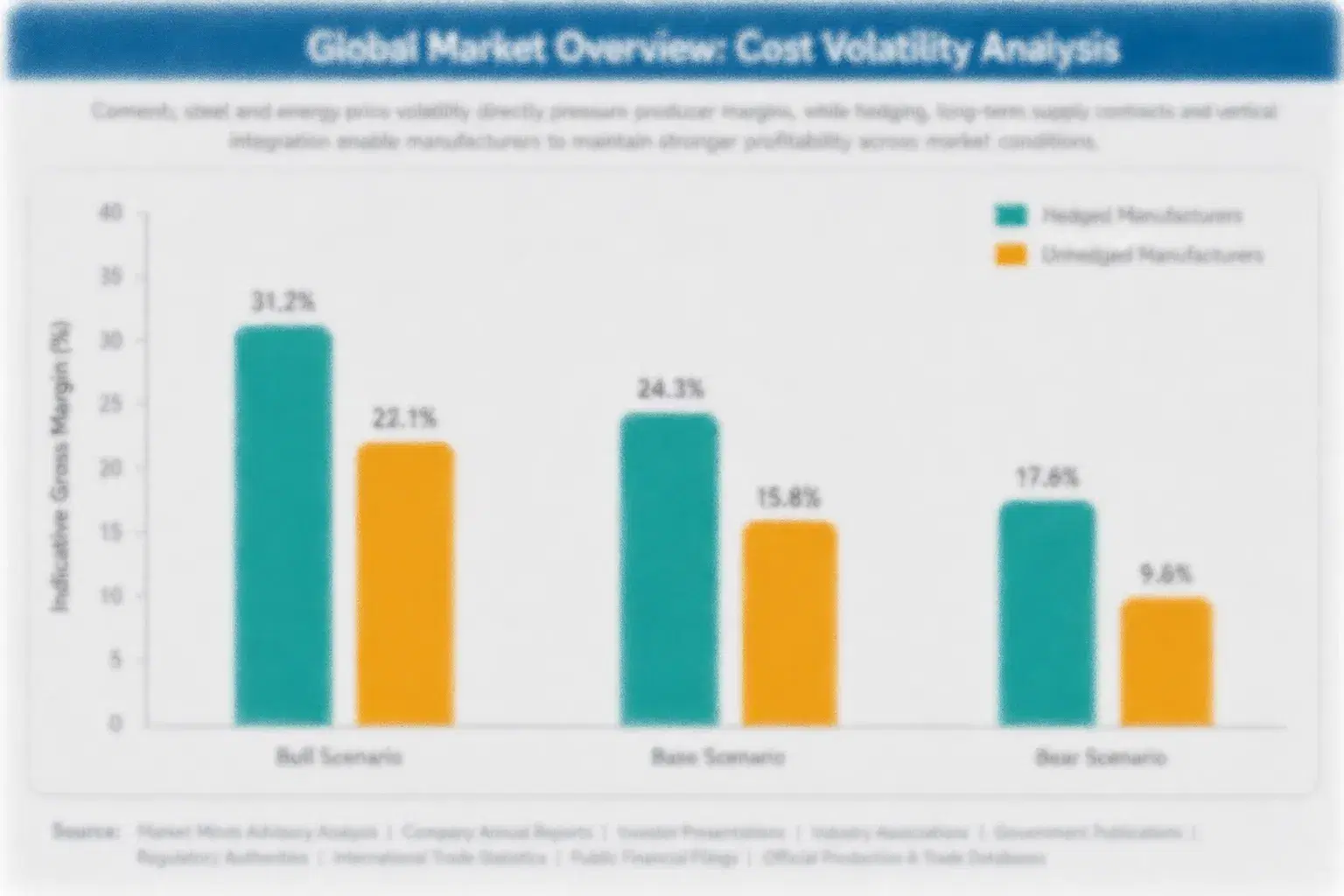
What Drives Sweet Potato Flour Costs

Raw tubers account for roughly 42% of cost of goods, sourced from contract growers in China, Vietnam, Indonesia, Nigeria, and the United States. Drying and milling energy adds about 16%, with labor, packaging, testing, and freight making up most of the remainder, so tuber prices and fuel costs together determine gross margin for most processors. Crop costs vary by region.
European gas and electricity prices spiked in 2022, according to European Commission energy market reports, and higher fuel and fertilizer costs raised tuber prices in Asia and Africa, while USDA data showed rising labor and storage costs for North Carolina sweet potato growers. Millers reported sharply higher energy bills and raw material prices, added surcharges to contracts, and delayed shipments until harvest supplies recovered and prices stabilized.

Exposure varies by player type and geography. Integrated processors with contract farms and modern dryers absorb shocks better than small mills buying spot tubers and fuel. Chinese and Vietnamese plants benefit from lower labor cost, while African millers face high energy and logistics costs, and Western blenders pass through price changes by contract but must manage inventory risk when harvests swing sharply.
sweet-potato-fly-market-cost-volatility-analysis-1789752435977

Signing Multi-Year Grower Contracts and Providing Planting Material

Processors negotiate three to five year agreements with growers, supply improved planting material, and provide agronomy support to lift yields. Contracts reduce spot exposure and improve plant scheduling, though they lock in prices when harvests are strong. Growers gain predictable income and better varieties, which builds loyalty and protects processors against poaching by rival buyers.

Investing in Efficient Dryers and Solar-Assisted Drying

Modern belt dryers, heat recovery, and solar-assisted drying cut fuel use per tonne of flour, and some plants burn biomass residues for heat. Savings of 15% to 25% are common, and lower emissions support customer sustainability targets. Capital cost is meaningful, but payback usually arrives within a few years when energy prices remain elevated.

Building Curing and Storage Facilities Near Growing Regions

Curing and storage extend tuber life from weeks to months, smoothing plant schedules and reducing distress sales at harvest. Facilities need capital and management skill, and small millers may share storage through cooperatives. Processors with storage can buy at lower harvest prices and run plants year-round, which improves utilization and protects margins against seasonal price spikes.

Portfolio Architecture for Margin Defence

Margins run from thin returns on white commodity flour to strong profits on purple, orange, and pre-gelatinized grades sold with certification, with gross margin roughly doubling between the volume tier and the top tier. Varietal control, technical service, and tailored particle profiles add pricing power over the same root crop, and buyers pay for consistency because a bad batch can ruin a full bakery run or infant cereal lot.
Volume and premium pull in different directions. White and cream flour sells in large lots to price-sensitive bakers and local processors at thin margins and faces pressure from cassava and rice flours. Purple, orange, and certified grades sell in smaller lots at much higher margins but need separate acreage, testing, and application support, so processors must choose how much capital to commit to premium positioning.

High-value pools concentrate in purple flour for natural colorants, orange flour for infant and nutrition products, and pre-gelatinized grades for beverages and instant foods. These segments benefit from recurring orders, documented specifications, and limited competition from small mills. Processors combining varietal acreage, drying efficiency, and food safety certification hold advantages that are difficult to copy quickly, especially when buyers audit suppliers annually.

Volume / Commodity-Adjacent Tier

White and cream-fleshed flour for local bakeries, snack makers, and institutional buyers, sold on price through distributors, with thin margins, seasonal supply, and competition from cassava and rice flours worldwide.
Gross Margin: 12%-20%

Premium / Certified Tier

Orange and yellow-fleshed flour with audited grower networks and food safety certification, sold under annual contracts to infant food makers and bakers that require documented quality, consistent moisture, and reliable delivery throughout the year.
Gross Margin: 22%-32%

Sustainability / Regulatory / Next-Generation Tier

Purple-fleshed and pre-gelatinized flour with defined pigment content and application support, positioned for synthetic dye replacement, gluten-free formulations, and clean-label products across developed and emerging markets, supported by proprietary varieties.
Gross Margin: 30%-42%
sweet-potato-fly-market-portfolio-architecture-1789752436283

High-value Sub-segments and Strategic Watch-out

Purple-Fleshed Sweet Potato Flour

Purple-fleshed flour combines the fastest growth with strong pricing, as colorant and premium bakery buyers pay for natural pigment. Acreage is scarce and yields lower, which protects margins, though suppliers must lock in growers early and document color stability to honor annual contracts and keep premium customers.
Gross Margin: 30%-42%

Orange-Fleshed Sweet Potato Flour

Orange-fleshed flour offers solid growth and healthy premiums, because infant food makers and nutrition programs pay for beta-carotene and safety documentation. Certified drying and testing build barriers, while donor procurement cycles create volume swings, so suppliers need diversified customers across governments and branded food makers.
Gross Margin: 25%-35%

White and Cream-Fleshed Flour

White and cream-fleshed flour remains the volume core, moving the largest tonnage to local bakers and snack makers at modest prices. Margins depend on tuber cost, drying energy, and utilization, and buyers negotiate hard, so returns rely on cost discipline and scale rather than differentiation or premium product features.
Gross Margin: 12%-20%

Substitute Gluten-Free Flours

Cassava, rice, and corn flours are the main strategic watch-out, since they target the same gluten-free and binder uses at lower cost and with established supply. If sweet potato prices spike or harvests fail, food makers may switch, slowing flour growth and pressuring supplier pricing in some categories.
Gross Margin: n/a (substitution risk)

Why Food Makers Stay With Suppliers

Sweet potato flour demand behaves like an annuity once a food maker approves a supplier. Color value, moisture, particle size, and flavor are tied to a specific flour profile, so switching means new trials, possible line adjustments, and risk of consumer complaints. Annual agreements reinforce repeat orders, and buyers often accept modest price increases to protect supply continuity and consistent quality across production runs.
Stickiness varies by end-use vertical. Infant food and colorant makers show the deepest loyalty because regulatory dossiers and color specifications depend on a specific supplier's product. Bakers and snack makers switch more often, since price and availability dominate, though tailored blends build switching costs. Nutrition program procurement rebids frequently, making that group the most price sensitive and least attractive for long-term capacity planning.

Buyer profiles are changing. Younger product developers and retail buyers emphasize natural color, plant-based positioning, and traceable sourcing, and they favor suppliers that document origin and grower welfare. Older buyers anchor on price and familiar cereal flours. Suppliers must serve both groups, but growth concentrates among brands seeking clean-label, gluten-free, and naturally colored products that meet health and sustainability commitments.
sweet-potato-fly-market-end-use-penetration-index-1789752436670

MMA Verdict on Sweet Potato Flour

These are among the four positions where our research anticipates prominent divergence between winners and laggards over the coming forecast period. Each is grounded in the demand model, the regulatory perimeter, and the announced capacity pipeline.
01 / VARIETAL ACREAGE SECURITY

Lock In Purple Tuber Acreage Before Rivals Do

Purple-fleshed flour grows about 1.43 times faster than the market and earns premiums of 30% to 50% per tonne, but supply depends on scarce acreage and lower yields. Processors that sign three to five year grower contracts now will hold pricing power as colorant makers replace synthetic dyes across confectionery and beverages. MMA recommends committing within the next 18 months, before competitors secure the best growers and premiums become harder to defend, which is why early action matters more than the exact equipment choice.
02 / DRYING ENERGY EFFICIENCY

Invest in Efficient Dryers to Defend Margin Against Fuel Volatility

Drying and milling can reach 16% of cost of goods, and energy prices spiked sharply in 2022, compressing margins for exposed mills. Modern dryers, heat recovery, and solar assistance cut energy use by 15% to 25% and pay back within three to five years. MMA advises prioritizing efficiency projects at plants with the highest fuel exposure, because savings compound each year and strengthen contract negotiations, and mills that wait risk paying for higher energy while rivals with modern dryers undercut delivered prices in tight markets.
03 / BAKERY APPLICATION DEVELOPMENT

Build Application Labs for Gluten-Free Bakery Customers

Tailored gluten-free blends earn 10% to 20% higher prices when tuned to particle size and absorption, and once a recipe is approved, food makers rarely reformulate. Application laboratories and pilot bakeries shorten customer trials and create switching costs that protect volume. MMA recommends starting with two anchor bakery customers, then extending the range as performance data builds and reference recipes attract further inquiries, and the laboratory investment is small next to a new dryer while protecting volume that competitors would otherwise attack.
04 / FOOD SAFETY CERTIFICATION

Certify Mills to Access Infant Nutrition Contracts

Infant food makers and nutrition programs reject lots that fail mycotoxin, heavy metal, or microbial limits and award contracts only to audited suppliers. Certification costs a few percent of revenue but earns prices roughly 12% higher and opens accounts that small mills cannot reach. MMA regards certification as the cheapest insurance against market access loss, especially for African and South Asian millers targeting export and branded food customers, and buyers increasingly ask for third-party audit reports before any sample order is placed.

Engagement Snapshot From the Field

A live engagement with an industry participant carrying material or product regulatory and market exposure ahead of a defining policy shift, showing how our research translates into a defensible multi-year portfolio strategy.
MARKET MINDS ADVISORY · CLIENT ENGAGEMENT SUMMARY
Sweet Potato Flour Producer Strategic Portfolio Review and Transition Roadmap 2026·Investment Scenario on Sweet Potato Flour Exposure Evaluation 2025-26
CLIENT PROFILE
The client is a mid-sized Asian sweet potato flour miller with two plants and roughly $36 million in annual revenue (client-reported, unverified by MMA), selling white and orange flour to local bakers, snack makers, and distributors. About 80% of volume was white flour, gross margin sat near 15% (client-reported, unverified by MMA), and the company had no export certification or purple varietal supply.
STRATEGIC CHALLENGE
Cheaper cassava and rice flours were eroding prices, and fuel and tuber costs had compressed margin, while Western buyers asked for purple and certified orange flour the client could not supply. Leadership needed a plan that lowered drying cost, moved volume toward premium grades, and secured varietal supply without overextending capital. The board wanted a decision within a year.
MMA APPROACH
MMA benchmarked 10 millers on cost structure and variety mix, interviewed colorant buyers, bakers, and infant food procurement leads about specifications and prices, and modeled the economics of efficient dryers, a purple flour line, and food safety certification under bull, base, and bear tuber and fuel scenarios across both plants.
KEY FINDINGS
  1. Efficient dryers and heat recovery could cut drying energy by about 20% and pay back within four years at current fuel prices.
  2. Purple flour sold at premiums of about 40% and two colorant buyers indicated they would sign annual contracts if acreage was secured.
  3. Certified orange flour would earn roughly 12% higher prices and required laboratory testing capacity that the client did not yet have, according to interviews.
  4. White flour volume would remain necessary to fill plants, so the client should keep local bakery contracts at about 50% of volume.
CLIENT PROFILE
The client is a mid-sized Asian sweet potato flour miller with two plants and roughly $36 million in annual revenue (client-reported, unverified by MMA), selling white and orange flour to local bakers, snack makers, and distributors. About 80% of volume was white flour, gross margin sat near 15% (client-reported, unverified by MMA), and the company had no export certification or purple varietal supply.
STRATEGIC CHALLENGE
Cheaper cassava and rice flours were eroding prices, and fuel and tuber costs had compressed margin, while Western buyers asked for purple and certified orange flour the client could not supply. Leadership needed a plan that lowered drying cost, moved volume toward premium grades, and secured varietal supply without overextending capital. The board wanted a decision within a year.
MMA APPROACH
MMA benchmarked 10 millers on cost structure and variety mix, interviewed colorant buyers, bakers, and infant food procurement leads about specifications and prices, and modeled the economics of efficient dryers, a purple flour line, and food safety certification under bull, base, and bear tuber and fuel scenarios across both plants.
KEY FINDINGS
  1. Efficient dryers and heat recovery could cut drying energy by about 20% and pay back within four years at current fuel prices.
  2. Purple flour sold at premiums of about 40% and two colorant buyers indicated they would sign annual contracts if acreage was secured.
  3. Certified orange flour would earn roughly 12% higher prices and required laboratory testing capacity that the client did not yet have, according to interviews.
  4. White flour volume would remain necessary to fill plants, so the client should keep local bakery contracts at about 50% of volume.
RECOMMENDED STRATEGY
Phase 1: Phase 1 (Months 1-6): Install efficient dryers at both plants and sign purple tuber grower contracts covering 600 hectares, with monthly reviews. Phase 2: Phase 2 (Months 7-15): Commission a purple flour line and complete food safety certification with laboratory testing capacity, with buyer audits scheduled. Phase 3: Phase 3 (Months 16-30): Launch tailored blends and export orange and purple grades to Japan, Korea, and Europe while tracking margin monthly.
OUTCOME
Within 30 months, the client moved about 30% of volume into purple and certified orange grades and raised gross margin from 15% to an estimated 24% (client-reported, unverified by MMA). Drying energy cost fell 19%, two colorant contracts were signed, and revenue reached roughly $46 million (client-reported, unverified by MMA) without adding a third plant.

Frequently Asked Questions

Foundational context covering the market sizes, CAGR, scope, country, region and competition that inform every finding below. This section is provided to cover basics and most often pre-purchase conversations, answered from the MMA Primary Research Dataset.

What is the current size of the Sweet Potato Flour Market?

The global sweet potato flour market was valued at $1.1 billion in 2025. This covers milled and pre-gelatinized sweet potato flour sold to food makers, bakeries, and retailers.

How large will the Sweet Potato Flour Market be by 2036?

MMA projects the market will reach approximately $2.3 billion by 2036. This represents cumulative growth of roughly $1.1 billion over the full ten-year forecast window.

What is the CAGR for the Sweet Potato Flour Market 2026 to 2036?

The market is forecast to grow at a 7.0% compound annual rate between 2026 and 2036. The bull case reaches 8.3% while the bear case falls to 5.7%.

Which segment is growing fastest?

Purple-Fleshed Sweet Potato Flour is the fastest-growing segment at 10.0% CAGR, roughly 1.43 times the overall market rate. Orange-Fleshed Sweet Potato Flour follows as the second-fastest segment at 8.6%.

Who are the major companies in the Sweet Potato Flour Market?

Leading companies include Ingredion, Cargill, Sensient Technologies, GNT Group, and Kerry Group. These five suppliers together hold an estimated 22% of total global market participation today.

Which country is growing fastest?

Indonesia is the fastest-growing major market, expanding at approximately 10.4% CAGR each year. Rising domestic snack demand and new milling capacity for export are driving this above-market growth.

Report Segmentation Architecture

The full report scope spans multiple orthogonal segmentation dimensions, with cross-tabulated demand data provided for each dimension pair. Coverage extends further to regional breakdowns, trend trajectories, and the competitive detail needed to support segment-level decision-making.

By Primary Market Dimension

  • Purple-Fleshed Sweet Potato Flour
  • Orange-Fleshed Sweet Potato Flour
  • Yellow-Fleshed Sweet Potato Flour
  • Cream and White-Fleshed Flour
  • Red-Skinned Japanese-Type Flour
  • Specialty Bred Variety Flour

By End-Use Industry

  • Bakery and Gluten-Free Foods
  • Snacks and Extruded Products
  • Infant and Clinical Nutrition
  • Natural Colorants and Beverages
  • Institutional and Nutrition Programs

By Commercial Dimension

  • Direct Food Manufacturer Contracts
  • Ingredient Distributor Channels
  • Retail Branded Programs
  • Institutional Procurement Programs

By Region

  • North America
  • Western Europe
  • East Asia
  • South Asia and Pacific
  • Latin America
  • Middle East and Africa
  • Eastern Europe

Scope, Methodology, and Coverage

Every figure in this report is reproducible from documented input assumptions. The scope below maps the historical period, the forecast horizon, the segmentation dimensions, and the countries covered, alongside the underlying primary and qualitative methodology.
Historical Period
2020 to 2025
Forecast Period
2026 to 2036
Base Year
2025 (USD billions; MMA Primary Research Dataset, September 2026)
Market Definition
Sweet potato flour is the milled powder of dried sweet potato tubers, produced from raw, steam-cooked, or pre-gelatinized roots of orange, purple, yellow, and cream-fleshed varieties, and sold to food manufacturers, bakeries, infant nutrition brands, and retailers. The scope excludes sweet potato starch, fresh and frozen sweet potato, sweet potato fries and chips, vine and leaf products, and finished baked goods.
Quantitative Units
USD billions (current prices); metric tons for volume references
Segmentation Dimensions
By Tuber Variety and Flesh Color; By End-Use Industry; By Commercial Dimension; By Region
Regions Covered
North America, Western Europe, East Asia, South Asia and Pacific, Latin America, Middle East and Africa, Eastern Europe
Countries Covered
USA, Canada, Mexico, Brazil, Peru, Argentina, Germany, France, UK, Netherlands, Spain, Portugal, Poland, Romania, Ukraine, China, Japan, South Korea, India, Indonesia, Vietnam, Philippines, Australia, Nigeria, Uganda, Malawi, Ethiopia, Tanzania, UAE, Saudi Arabia, and additional markets relevant to this sector
Key Companies Profiled
Ingredion, Cargill, Sensient Technologies, GNT Group, Kerry Group, Roquette Freres, Tereos, Avebe, Emsland Group, Archer Daniels Midland, Bob's Red Mill Natural Foods, Nestle, Hain Celestial, Ardent Mills, Bunge, Olam Agri, Wilmar International, Nisshin Seifun Group, Kagome, Danone
Quantitative Methodology
Primary survey, n=3,800 respondents, Q4 2025, six countries; demand-side model with trade association cross-validation
Qualitative Methodology
47 expert interviews, Q4 2025; applied to validate demand model assumptions, identify emerging dynamics, and assess competitive positioning
Report Format
PDF and XLSX data workbook (Word format preview document)
Publisher
Market Minds Advisory
Report Code
MMA-2026-AGR-248
Published
September 2026
Contact
sales@marketmindsadvisory.com | www.marketmindsadvisory.com

Purchase the full Sweet Potato Flour Market Report (2026 to 2036).

The full report delivers a detailed assessment of global sweet potato flour production, varietal mix, and competitive positioning through 2036. It includes segment forecasts by tuber variety and flesh color, country-level data for all seven world regions, and profiles of the twenty companies most relevant to milling and ingredient supply. Analysts also receive input cost modeling and portfolio margin benchmarking built from MMA's primary research dataset. A scenario planning module lets subscribers stress-test bull and bear assumptions against harvest and energy outcomes. Quarterly updates keep the whole dataset current throughout.
Ten-year segment and regional demand forecasts
Tuber acreage and drying capacity tracking
Competitive benchmarking of top twenty suppliers
Harvest and energy cost sensitivity modeling tools
Regional demand mechanism comparative analysis included
Quarterly primary survey data update access

Built For The People Who Decide

From boardroom strategy to bench-side execution, this report is read cover-to-cover by leaders shaping the next decade of their industry, turning demand scenarios, market dynamics and valuation benchmarks into decisions.
CXOs/ Presidents/ VPs/ Managers
M&A and Corporate Development
Strategy Teams and R&D Heads
Procurement and Product Directors
Regulatory and Compliance Leaders
Investor Relations and Equity Analysts