Market Minds Advisory
Sugar Support Effervescent Market

Sugar Support Effervescent Market: Sugar Support Effervescent Market. Glucose Claims, Botanical Actives, and Dissolvable Formats Reshape Metabolic Supplement Demand.

Blood sugar support is moving from capsules into effervescent tablets and powders as botanical actives, sugar-free sweetening, and glucose monitor data collide with tightening health claim rules and consumer doubt about what supplements prove.

Lead Analyst

Published

September 2026

Make Smarter Decisions with Customized Research Insights

Request a free sample report and evaluate market opportunities, growth trends, and competitive dynamics relevant to your business needs.

2025 MARKET VALUE$1.9BMarket Size 2025
2036 FORECAST VALUE$5.1BBase Case , 2026 to 2036
CAGR 2026 TO 20369.4 %Bull 10.7% / Bear 8.1%
INCREMENTAL OPPORTUNITY$3.0BNet 10- year value creation
EXPANSION MULTIPLE2.46x2036 value over 2026 base
Strategic Levers
M&A Pipeline
Regional Outlook
Country Rankings
Competitive Intelligence
Segmental Deep-dive
Call-Us : 91 93563 13602

Executive Snapshot and Market Trajectory.

Effervescent tablets dissolve into a drink, which makes them easier to take than capsules and easier to sell as a daily ritual. In blood sugar support, that ritual matters, because buyers stay only if the product tastes acceptable and they believe it is working.
Berberine and botanical blends grow fastest, driven by prediabetic adults, weight-management shoppers, and pharmacists who recommend dissolvable formats to people who dislike large pills, while chromium and mineral products anchor volume through long-standing European claims. Western Europe holds the largest share because effervescent supplements are a pharmacy staple in Germany, Spain, France, and Italy, and North America follows through online retail. India leads country growth. Glucose monitors are creating informed buyers. Supply stays tight.
Competition mixes pharmaceutical consumer health groups, supplement specialists, direct sellers, and private label brands. Advantage comes from clinical evidence, palatable formulation, and pharmacy relationships rather than price alone. Regulation shapes returns, since European Union claim lists, United States structure-function rules, and advertising enforcement decide what brands may say. Buyers reward products with credible data, low sugar, and honest labels. Small lots dominate trade. Certification adds cost but earns premiums.
Market Definition
Sugar support effervescent products are tablets, powders, and granules that dissolve in water and are formulated to support healthy blood glucose metabolism, including botanical, mineral, antioxidant, fiber, and multi-ingredient formulas sold through pharmacy, retail, direct, and online channels. The scope excludes capsule and tablet supplements, prescription anti-diabetic drugs, general vitamin effervescents without a glucose claim, and medical foods used under clinical supervision.
Base Year Value
$1.9B in 2025 (MMA Primary Research Dataset, September 2026)
Forecast Period
2026 to 2036, eleven discrete annual values
CAGR
9.4% base case. Bull 10.7%. Bear 8.1%.
Fastest Growth Segment
Berberine and Botanical Glucose Blends: 13.6% CAGR
Fastest Growth Country
India: 12.8% CAGR
Fastest Growth Region
South Asia and Pacific: 11.4% CAGR
Largest Region
Western Europe: 30% of 2025 global value
Market Leaders
Bayer, Haleon, Nestle Health Science, Opella Healthcare, Nature's Bounty. Source: MMA Analysis, company annual reports.
Primary Survey
n=3,800 procurement and R&D decision-makers, Q4 2025, six countries
Methodology
Demand-side build-up, cross-validated against public data, 47 expert interviews

Sugar Support Effervescent Market Forecast Scenarios

sugar-support-effervescent-market-size-forecast-scenario-1789769987824
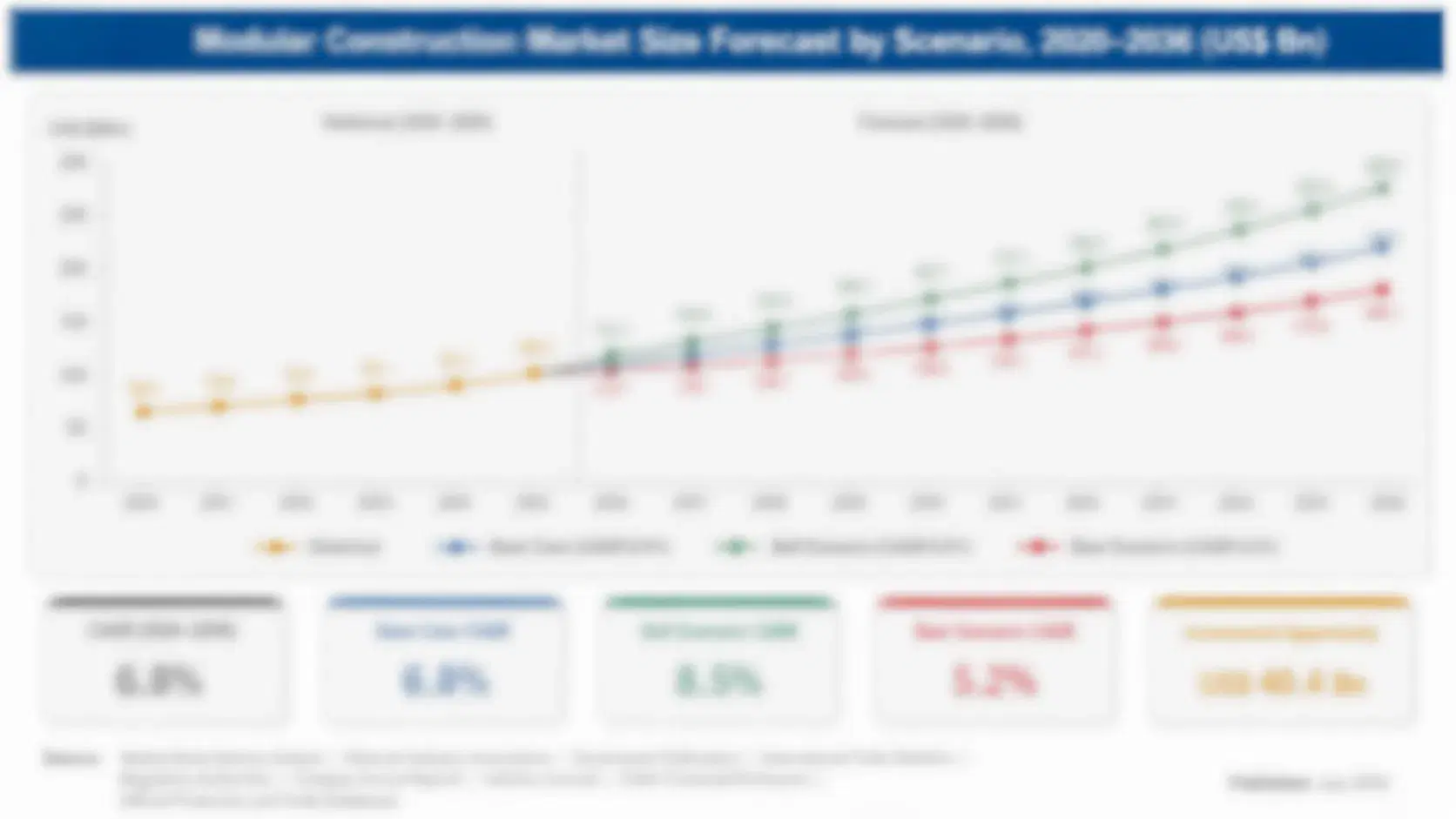
From 2020 to 2025, sugar support effervescents grew as prediabetes awareness rose, consumer glucose monitors reached mainstream shoppers, and pharmacy chains expanded metabolic health shelves. Growth averaged 8.4% a year, with botanical blends outpacing mineral products, though ingredient inflation in 2022 and 2023, tightening claim enforcement, and returns from disappointed first-time buyers slowed growth in several markets.
The base case assumes 9.4% annual growth through 2036, built on three named mechanisms: rising prediabetes and diabetes diagnosis rates that widen the buyer pool each year, pharmacist and clinician recommendation of dissolvable formats that improve adherence among older adults and pill-averse buyers, and better formulation technology, including taste masking, sugar-free sweeteners, and moisture-barrier packaging, that lifts repeat purchase. Digital health apps support retention. Each mechanism reinforces the others. Growth compounds as adoption deepens.
The bull case, at 10.7%, needs approved glucose claims for botanical actives in more markets and wider monitor adoption. The bear case, at 8.1%, reflects claim crackdowns, ingredient shortages, and shoppers returning to capsules. Either path leaves the demand base intact, though mix and pricing would shift. Investors should weight the base case most heavily given current evidence.

Clinical Evidence and Taste Decide Effervescent Glucose Winners

Effervescent glucose support products combine actives with an acid and carbonate base, usually citric acid and sodium bicarbonate, so the tablet fizzes and dissolves in water. The actives include berberine, cinnamon extract, chromium, alpha-lipoic acid, and fibers. Sugar-free sweeteners and flavours make the drink palatable. The main engineering problem is keeping the tablet dry, which means moisture-barrier tubes and strict handling. Dryness is critical.
MARKET CONCENTRATION31% CR5Leading five brands hold a moderate combined share
AVERAGE PACK PRICE$18 per tubeGlucose effervescents sell at a premium to vitamins
PHARMACY CHANNEL SHARE46%Portion of sales made through pharmacy and drugstore shelves
ACTIVE SHARE OF COGS36%Botanical and mineral actives are the largest cost line
SIX MONTH REPEAT RATE38%Buyers returning to the same product within half a year
DAILY DOSE FORMAT1 tabletStandard dissolvable serving taken once daily in water
Buyers come from several groups. Prediabetic adults buy for prevention, older adults follow pharmacist advice, weight-management shoppers combine the product with diet plans, and diabetic patients use it alongside medication after speaking with their doctor. Retailers stock these products in pharmacies, supermarkets, online stores, and direct selling networks, and many run clinical studies to support shelf claims. Trial rates are high.
Structure sits between pharmaceutical consumer health groups, supplement specialists, and private label. Bayer, Haleon, Opella Healthcare, and Nestle Health Science hold scale and pharmacy relationships, Nature's Bounty and direct sellers lead in retail and online channels, and pharmacies copy winning products under their own labels. Health claim rules, advertising enforcement, and ingredient sourcing shape investment across the category. Private label is rising.
"In glucose support, the format is not the product. A great effervescent tablet with a weak ingredient story will fizz out in six months, while a well-evidenced active in an ordinary capsule can outsell it."
Practice Lead, Consumer Health and Dietary Supplements Practice · MMA Dietary Supplements and Metabolic Health Practice · September 2026

Market Trends

Berberine and Botanical Actives Replace Chromium-Only Formulas in Glucose Support

Berberine, cinnamon bark, bitter melon, and gymnema extracts are displacing chromium-only products because shoppers associate them with stronger effects, and clinical trials have shown reductions in fasting glucose of 10% to 15% for berberine at 500 milligrams three times daily. Brands now design effervescent tablets that carry 300 to 500 milligrams of berberine plus cinnamon and chromium, and social media interest in glucose control raised sales sharply in 2024. Berberine sourcing from China and India is the constraint, and prices rose 30% in 2023. Regulators in Europe and North America review safety and interaction data.
Market Impact: 530 million adults live with diabetes
Glucose Monitor Data Turns Supplement Buyers Into Informed Testers

Consumer continuous glucose monitors and wellness apps let shoppers see whether a supplement changes their readings, which raises expectations and rewards brands with real evidence. Over-the-counter monitors cleared in the United States in 2024 reached millions of users, according to FDA clearance records, and brands are partnering with app makers to offer test-and-learn programs. Products that show measurable benefit gain loyal households, while those that fail are exposed quickly online. Brands respond by funding small trials of 60 to 120 participants and publishing results, and pharmacies use monitor data to recommend specific formats to customers.
Market Impact: pharmacist advice drives 30% of purchases

Market Opportunities and Growth Drivers

Rising Prediabetes and Diabetes Prevalence Widens the Addressable Buyer Base

The International Diabetes Federation estimates more than 530 million adults live with diabetes worldwide, and hundreds of millions more have impaired glucose tolerance, which creates a large group seeking preventive support. National programs in the United States, India, China, and Germany promote lifestyle prevention, and pharmacists increasingly advise on supplements alongside diet changes. Households managing the condition buy daily, not occasionally, which makes effervescents an annuity-style purchase once a product is accepted. Older adults value dissolvable formats because swallowing difficulty affects one in five people above 65, and brands pair clinical claims with pharmacy availability to capture this demand consistently.
Market Impact: trials cost $200,000-500,000 each

Pharmacy Channel Strength Supports Recommendation of Dissolvable Supplement Formats

Pharmacies account for nearly half of effervescent supplement sales, and pharmacists influence choice through shelf placement and personal advice, according to national pharmacy association data in Germany, Spain, and Italy. Consumers view effervescent tablets as closer to medicines than capsules, which supports pricing and trust. Pharmacy chains such as Boots, Doctor Morra, and DM run private label ranges and loyalty programs, and brands train staff on glucose science. In markets where pharmacist recommendation drives 30% of supplement purchases, well-evidenced products gain access to end-cap displays and digital pharmacy platforms that reach millions of customers monthly.
Market Impact: repeat rates trail capsules by 15-25%

Market Restraints and Challenges

Health Claim Restrictions and Enforcement Limit Glucose Product Marketing

The European Commission permits only a small list of authorized claims, such as chromium contributing to normal macronutrient metabolism and maintenance of normal blood glucose levels, and it rejects most botanical glucose claims, according to European Commission claims register data. The root cause is limited human evidence and variability between extracts. In the United States, the FDA and Federal Trade Commission police disease claims. Brands face relabeling costs, litigation risk, and marketplace delistings. Mitigation includes funding clinical trials, using approved wording, and focusing on lifestyle messaging, though trials cost $200,000 to $500,000 each and delay launches.
Market Impact: berberine doses reach 300-500 mg

Taste, Moisture, and Safety Concerns Reduce Repeat Purchase

Effervescent tablets can taste bitter when berberine or cinnamon is present, and sugar-free sweeteners leave aftertastes that shoppers dislike, so repeat rates trail other formats. The root cause is that actives are bitter and the format leaves no room to hide them in capsules. Moisture damages tablets, and berberine carries interaction warnings with diabetes drugs, which pushes cautious buyers away. Mitigation includes taste masking, flavour systems, desiccant packaging, and clear labeling, though these steps add 8% to 12% to unit cost, and safety events attract regulator and press attention quickly.
Market Impact: monitor programs reach 1 million users
3 additional market trends, 4 additional growth drivers, and 2 additional restraints and challenges are covered in the full report. Contact sales@marketmindsadvisory.com to access the complete intelligence.

Segment CAGR and Growth Architecture

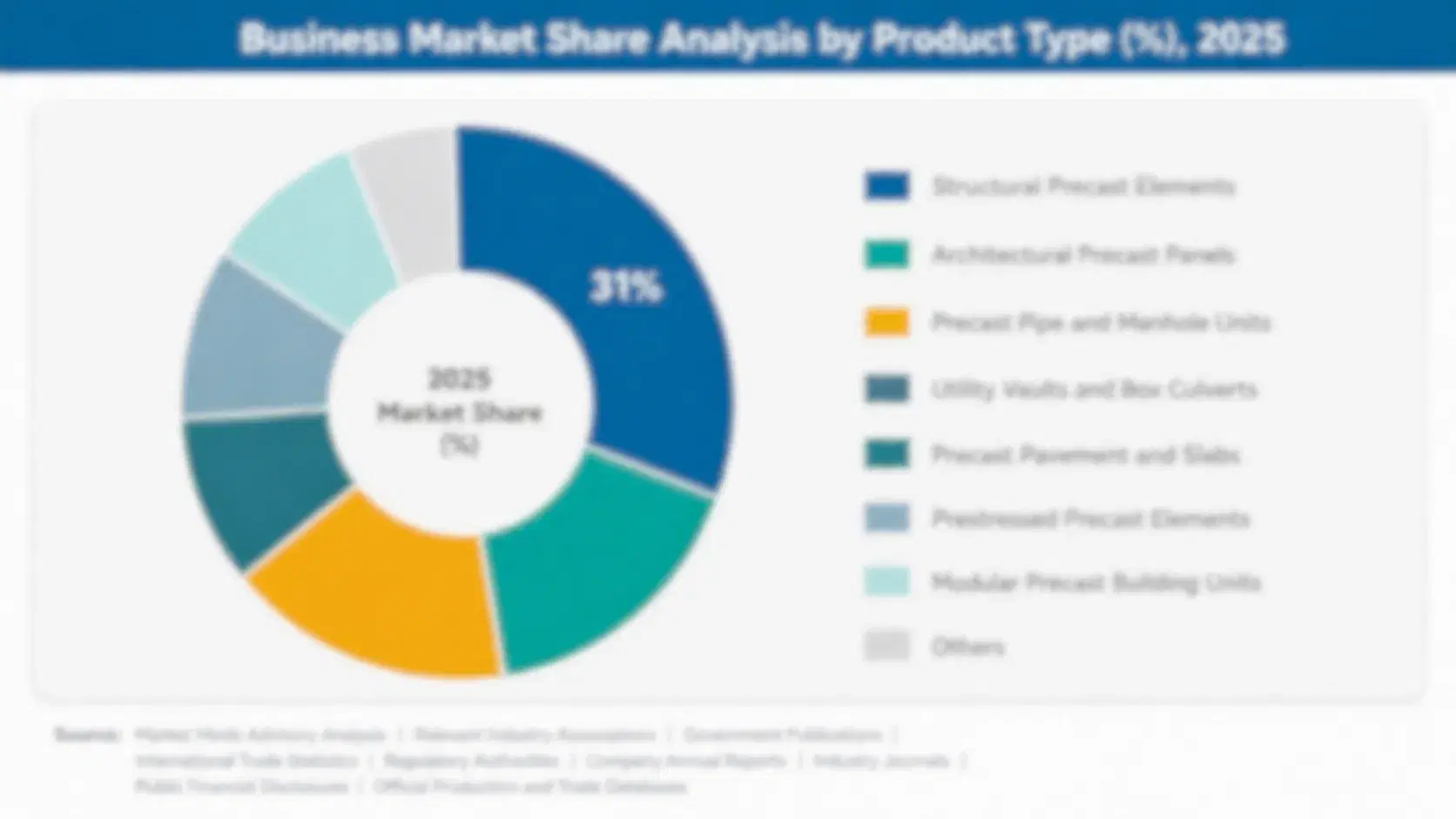
Sugar support effervescents are segmented by active ingredient system, because evidence base, claim status, cost, and buyer group differ more sharply between botanical, mineral, antioxidant, fiber, and multi-ingredient formulas than they do by pack format. Berberine and botanical blends attract the most investment as brands convert consumer interest and early clinical data into premium shelf space and pharmacy recommendations.
sugar-support-effervescent-market-market-share-analysis-1789769988105

Berberine and Botanical Glucose Blends

Berberine and botanical glucose blends are the fastest-growing segment, combining berberine with cinnamon, bitter melon, gymnema, or banaba extracts in effervescent tablets that carry 300 to 500 milligrams of active per serving. Prediabetic adults and weight-management shoppers buy them because clinical trials show meaningful reductions in fasting glucose and consumers hear about berberine through social media. Costs run higher because extracts are expensive and taste masking is difficult, so early adoption came from premium brands. Suppliers with standardised extracts, third-party testing, and stable supply win listings, and pharmacies give them prominent shelf space. Pilot production runs typically last two quarters before pharmacy chains commit to national listings and long-term supply agreements.
CAGR 13.6%

Multi-Ingredient Metabolic Formulas

Multi-ingredient metabolic formulas are the second-fastest segment, combining chromium, alpha-lipoic acid, vitamin D, zinc, and botanical extracts in one effervescent tablet aimed at general metabolic health. Older adults, clinician-guided buyers, and pharmacy shoppers choose them because one daily drink replaces several pills, and marketing emphasises broad wellness rather than a single claim. Formulation is complex because ingredients react in water and affect taste, so brands with strong technical teams win. Prices run 20% to 30% above single-ingredient products, and private label copies appear quickly as recipes become known. Chromium and lipoic acid interact with taste, so technical teams run stability studies before launch, and pharmacists ask for clear guidance on dosing and interactions.
CAGR 11.2%
Full segment breakdown across 6 segments available in the complete report.

Regional Architecture and Country Demand Map

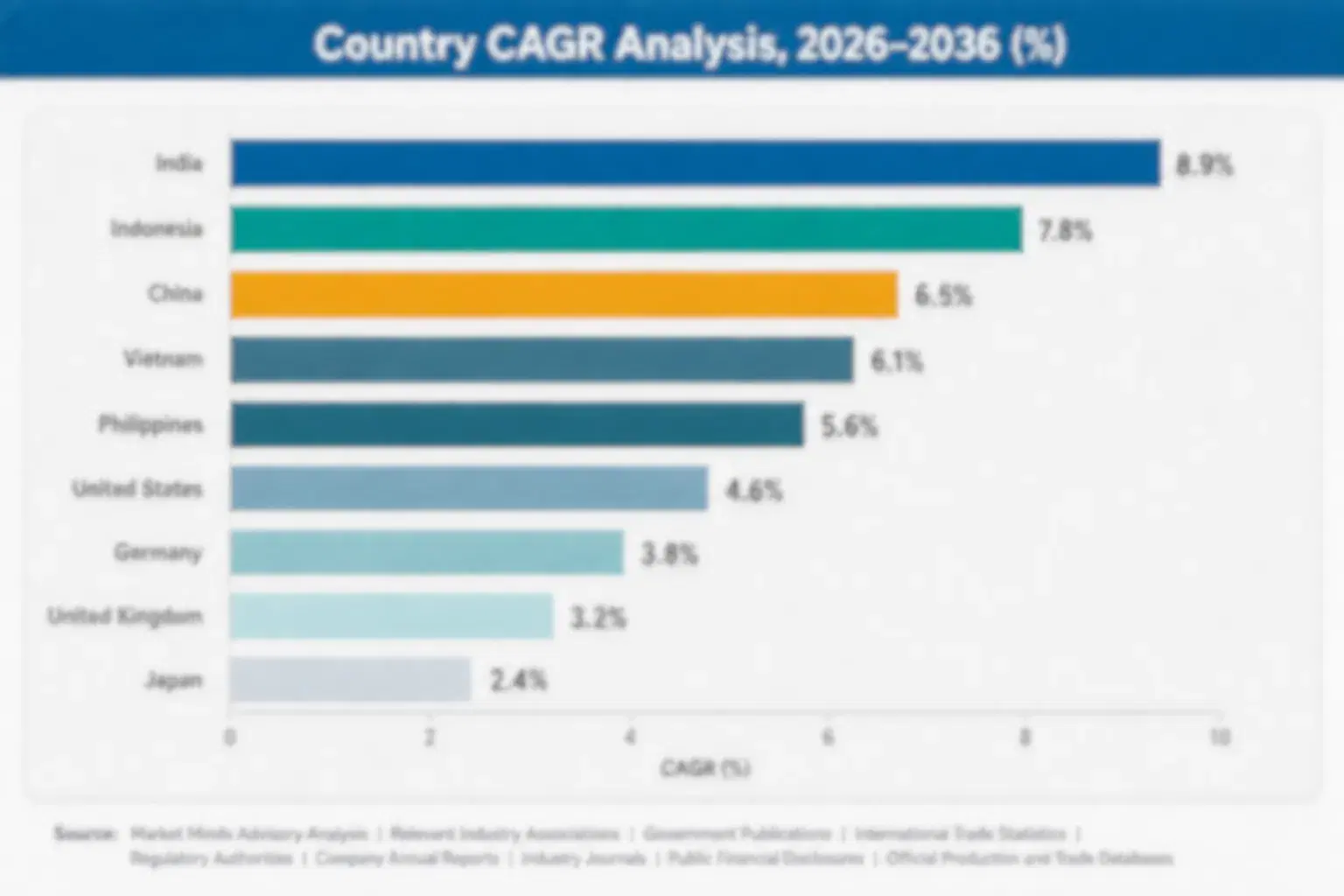
Sugar support effervescent value follows pharmacy culture, diabetes prevalence, and supplement spending. Western Europe leads through Germany, Spain, Italy, and France, North America follows through online retail and drugstores, and India is the fastest-growing country as diabetes awareness and pharmacy access expand rapidly across the country.

North America

North America holds 26% share, with the United States accounting for most sales through Amazon, CVS, Walgreens, and Walmart, where effervescent powders and tablets compete with capsules in a crowded supplement aisle. More than 38 million Americans have diabetes and about 98 million have prediabetes, according to Centers for Disease Control and Prevention data, and berberine interest surged on social media. Nature's Bounty, Pharmavite, and Haleon lead branded sales. FDA and FTC claim enforcement, safety scrutiny, and capsule dominance restrain returns, though online subscription growth keeps expansion close to the global rate. Canadian natural health product rules add licensing steps. Costco and Kroger also expand metabolic health shelves, and Canadian pharmacies list imported brands.
Share: 26% | CAGR: 9.2% (2026 to 2036)

Western Europe

Western Europe holds 30% share, above its usual band, because effervescent tablets are a traditional pharmacy format in Germany, Spain, France, and Italy, so the region has the deepest installed shopper base and retail infrastructure for the category. Bayer, Opella Healthcare, Zambon, and Menarini lead sales, and pharmacy chains such as DM, Boots, and Farmacias hold strong shelf control. European Commission claim rules limit botanical messaging, which holds growth below the global rate, though pharmacist recommendation and older adult demand support steady volume. British and Nordic shoppers add online demand, and Dutch drugstores expand private label ranges in the category. French parapharmacies and Italian farmacie also expand dedicated blood sugar shelves in high-footfall stores.
Share: 30% | CAGR: 7.9% (2026 to 2036)
Regional intelligence for 5 additional markets available in the complete report: East Asia, South Asia and Pacific, Latin America, Middle East and Africa, Eastern Europe. Contact sales@marketmindsadvisory.com.
sugar-support-effervescent-market-country-cagr-analysis-1789769988400

Four Margin Routes for Glucose Effervescent Brands

Margin in sugar support effervescents comes from moving beyond generic mineral tablets toward evidenced botanical formulas, pharmacy partnerships, and subscription programs that shoppers and clinicians trust. Brands that fund clinical trials, secure extract supply, and tie products to monitor data or pharmacist recommendation earn more per tube than sellers competing on price and claims alone.

Funding Small Clinical Trials to Support Premium Pricing and Listings

A trial of 60 to 120 participants costs $200,000 to $500,000 but lets brands publish results, which supports shelf prices 20% to 30% above untested competitors. Pharmacies give tested products better placement and pharmacists recommend them more readily, so volumes rise by 10% to 15% in the first year after publication. Brands that share results with monitor apps build trust with prediabetic buyers. Trials also protect against claim disputes, and repeat studies each time the formula changes keep the evidence current and defensible under regulator review across major markets. Reviews stay annual.
Market Impact: trials support 20% to 30% price premiums for tablets

Securing Standardised Berberine and Botanical Extract Supply Contracts

Botanical extracts are 36% of cost of goods and berberine prices rose 30% in 2023, so brands that sign annual contracts with standardised extract suppliers in China and India secure quality and cost. Contracts cost 3% to 6% above spot in normal years but avoid spikes and rejected lots that cost 6 to 10 margin points. Third-party testing of each batch adds 1% to 2% to cost, and buyers value documented purity. Suppliers that share dossiers help brands defend claims, and contracts renew annually with agreed price bands and volume commitments.
Market Impact: extract contracts protect 6 to 10 margin points

Building Pharmacy Chain Partnerships and Pharmacist Education Programs

Pharmacies deliver nearly half of category sales, so brands that sign chain partnerships and run pharmacist education programs gain shelf space, staff recommendation, and loyalty programme reach. Programs cost 4% to 8% of sales but lift conversion by 15 to 25% compared with unsupported shelf placement. Contracts run one to two years with listing fees and promotional calendars, and brands supply training, samples, and clinical summaries. Pharmacies favour products with evidence and clean labels, and once a brand becomes the recommended choice, switching requires retraining staff and rebuilding shelf planograms.
Market Impact: pharmacy programs lift conversion 15% to 25% over shelves

Launching Subscription Programs With Monitor App Integration

Subscription programs raise repeat rates and lifetime value, with subscribers buying 25% to 35% more units per year than one-time buyers. Brands that integrate with monitor apps can show users their own glucose response and adjust reminders, which lowers churn by 10 to 15 points. Direct sales earn gross margins 10 to 15 points higher than wholesale pharmacy sales, though fulfilment and marketing cost 15% to 20% of revenue. Subscription data also guides recipe and pack decisions, and brands that combine subscription with pharmacy availability reach households that neither channel would capture alone.
Market Impact: subscriptions add 10 to 15 gross margin points overall

Who Controls the Margin Pool

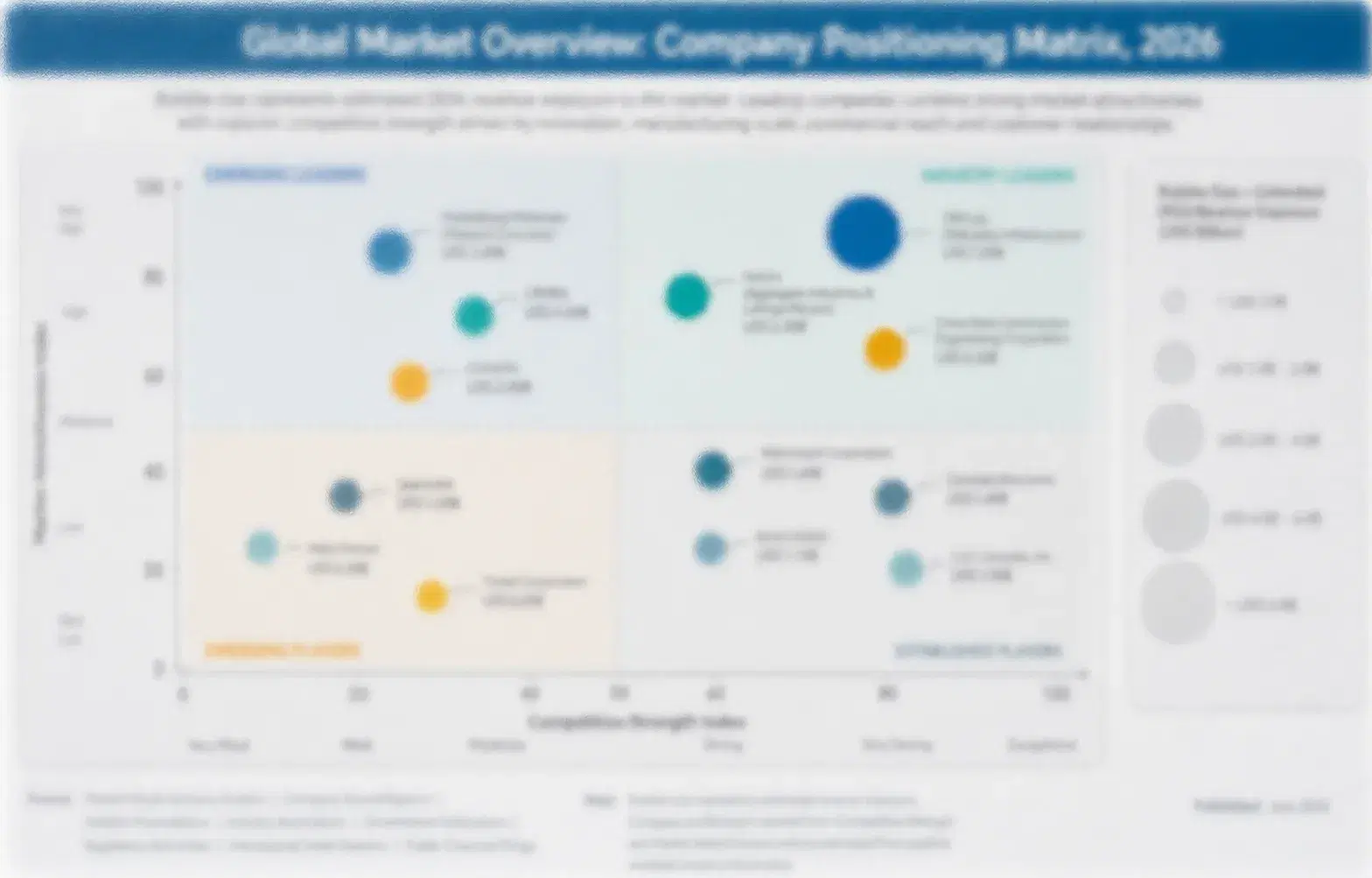
The sugar support effervescent industry is moderately fragmented, with the top five brands holding about 31% of global revenue, the basis used throughout this section. Bayer, Haleon, Nestle Health Science, Opella Healthcare, and Nature's Bounty lead through pharmacy relationships, brand trust, and distribution reach, while many specialist supplement brands, direct sellers, and private label lines compete for the remaining shelf space.
Competition centers on three dimensions: clinical and safety evidence measured by published trials and approved claims, formulation technology that delivers actives at acceptable taste and stability, and channel access across pharmacies, online marketplaces, direct sales, and monitor app partnerships. Leaders sign pharmacy programs and fund trials, while challengers compete on clean labels and niche claims. Private label copies successful recipes within months. Price gaps remain narrow.

Emerging pressure comes from private label lines matching recipes at 20% lower prices, from glucose monitor makers building branded supplement programs, and from pharmaceutical groups extending into metabolic wellness. Rankings shift where brands secure verified claims, win pharmacy programs, or lose share to cheaper copies. Acquisitions of specialist brands and ingredient partnerships will reorder positions faster than organic growth, particularly as buyers look for products that show real glucose results.
sugar-support-effervescent-market-company-positioning-matrix-1789769988717

Competitive Moat and Risk Dimensions

BAYER

Moat: Pharmacy Trust and Effervescent Heritage

Bayer's consumer health business has deep pharmacy relationships in Europe and North America and a long history in effervescent formats, giving it credibility with pharmacists and older adults. Its research capability, regulatory teams, and distribution reach let it launch evidenced products across many countries quickly, and its brand recognition supports premium pricing and prominent shelf placement in major pharmacy chains.
BAYER

Risk: Slow Pace in Botanical Trends

Bayer's regulatory caution and pharmaceutical positioning can slow launches of botanical blends, so social-media-driven brands often reach shoppers first. Berberine safety concerns could damage trust in its consumer health lines, and private label competitors can match its formats at lower prices in price-sensitive pharmacy channels.
HALEON

Moat: Global Consumer Health Distribution

Haleon owns leading consumer health brands, including effervescent vitamin and mineral products, with distribution in more than 100 countries and strong relationships with pharmacy chains and retailers. Its marketing scale, consumer insight, and product development capability allow it to test and roll out new formats across regions, and its shopper data supports category management with pharmacies.
HALEON

Risk: Portfolio Focus and Brand Fit

Haleon must balance many categories and may prioritise pain relief and oral health over glucose support, limiting investment. Specialist brands with strong clinical stories can win the metabolic niche, and any safety or claim dispute could harm the trust of health-oriented shoppers across its wider portfolio.

Players Tracked

Prominent Players

Bayer
Haleon
Nestle Health Science
Opella Healthcare
Nature's Bounty

Other Key Players

Pharmavite
Amway
Herbalife
Abbott
Perrigo
Jamieson Wellness
Zambon
Stada
Menarini
Vitabiotics
Solgar
Arkopharma
Dabur
Himalaya Wellness
Blackmores

Recent Developments

FEBRUARY 2026

Opella Healthcare Expands Effervescent Production Capacity in Spain

Opella Healthcare completed an organic expansion of effervescent tablet production capacity in Spain, adding lines with humidity control and moisture-barrier tube filling. The project is internal capital spending. It raises output for pharmacy brands, reduces co-manufacturing dependence, and supports launches of new metabolic health tablets.
Signal: Shows consumer health groups now investing in dedicated effervescent capacity to serve growing metabolic supplement demand.
NOVEMBER 2025

Nestle Health Science Signs Data Partnership With Glucose Monitor Maker

Nestle Health Science signed a data partnership with a continuous glucose monitor maker, allowing app users to test their responses to supplements and receive product suggestions. The deal is a commercial partnership. It gives the company real-world evidence, supports claims, and opens a direct channel to prediabetic households.
Signal: Confirms supplement makers are tying products to monitor data to prove glucose benefits and win loyal households.
MAY 2025

Bayer Reformulates European Effervescent Range With Lower-Sweetener Systems

Bayer reformulated part of its European effervescent range with lower-sweetener systems and improved flavour masking, responding to shopper complaints about aftertaste and retailer sugar reduction targets. The change is an organic reformulation. It supports repeat purchase, protects shelf access, and lays groundwork for future botanical glucose line extensions.
Signal: Shows taste and sweetener quality becoming a competitive requirement rather than an option for effervescent supplement brands.

What Drives Effervescent Formulation Costs

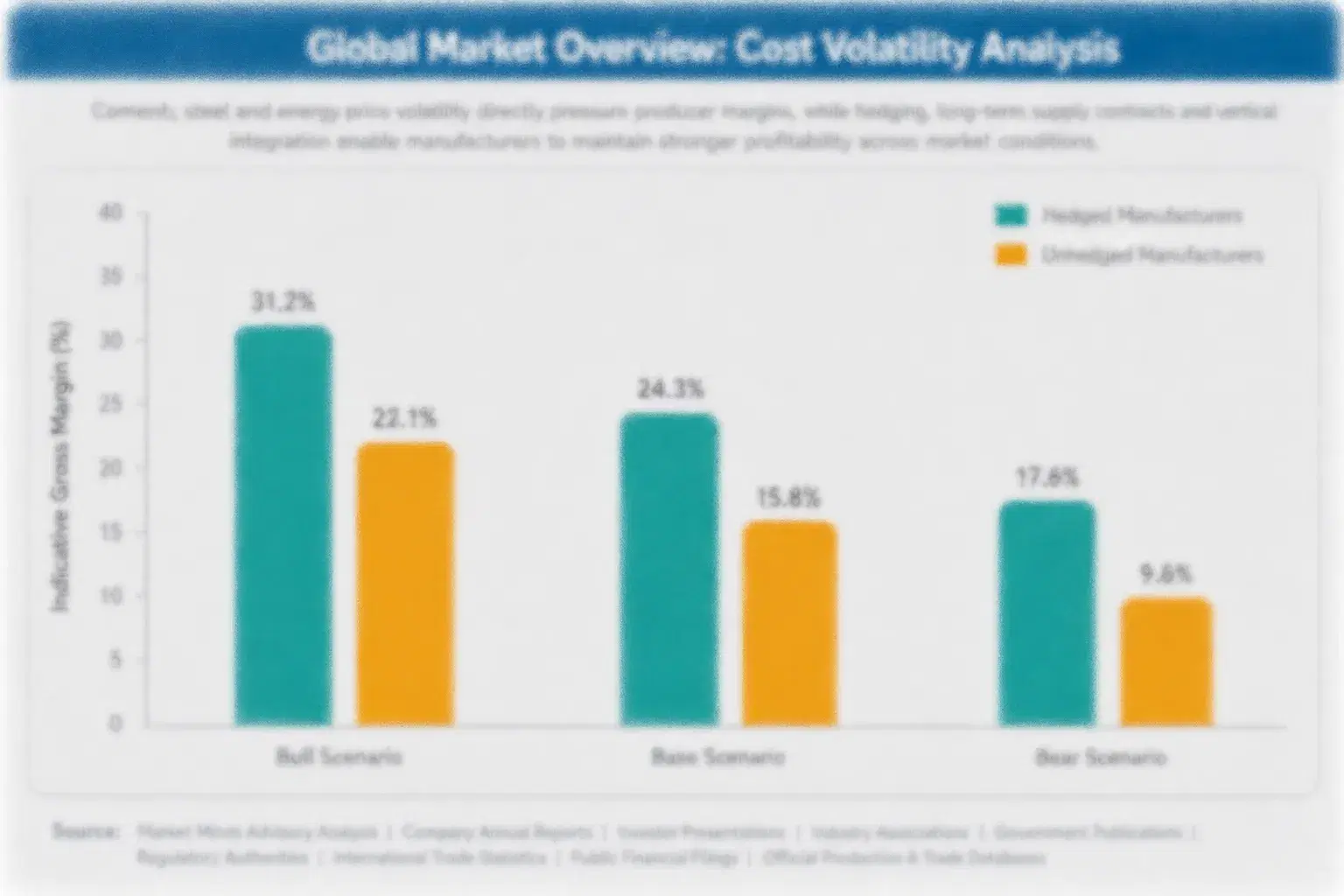
Botanical and mineral actives account for roughly 36% of cost of goods, with berberine and cinnamon extracts sourced mainly from China and India and chromium and minerals from Europe and North America. Excipients, sweeteners, flavours, moisture-barrier tubes, labour, and freight add most of the remainder, so extract price, tube packaging cost near 22% of COGS, and yield loss together determine margin for brands. Currency swings matter too.
Berberine prices rose about 30% in 2023, according to Chinese Ministry of Commerce export data and Haleon Annual Report 2023 commentary on ingredient inflation, as demand surged and Chinese supplies tightened. Brands with fixed-price contracts absorbed losses, others added surcharges or reformulated, and some paused launches. Margins narrowed as retailers resisted price increases and shortened promotional windows for the following quarters. Suppliers passed through part of the increase over two quarters.

Exposure varies by player type and geography. Global groups with contracts, multiple suppliers, and owned production absorb shocks better than small brands buying spot extracts and using co-packers. North American brands face import tariffs and testing costs, European brands face energy and packaging cost, and premium evidenced products pass costs through more easily than price-sensitive private label tablets.
sugar-support-effervescent-market-cost-volatility-analysis-1789769989026

Contracting Standardised Extracts Across Several Suppliers

Brands sign annual and multi-year supply agreements with extract producers in China and India and a European backup, mixing fixed and index-linked prices. Spreading suppliers reduces exposure to a single shortage, and quality clauses secure standardised berberine content and heavy metal limits. Forward buying lets brands plan promotions and avoid emergency purchases during price spikes in the market.

Reformulating With Lower-Cost Actives and Blended Sweeteners

R&D teams test blends of lower-cost actives, such as cinnamon and chromium alongside reduced berberine doses, and mixed sweeteners to hold taste while cutting cost by 5% to 10%. Blends also improve stability and reduce dependence on one extract. The approach needs pilot runs and sensory panels, but it lowers cost variability and improves supply security.

Sharing Ingredient Cost Through Retailer Pricing Formulas

Large pharmacy chains and brands agree to formulas linking shelf price to published extract indices plus a fixed margin, so cost swings are shared rather than absorbed by brands. Quarterly resets keep buyers informed and reduce disputes. Premium evidenced products use annual pricing, since customers value stable supply and predictable shelf prices over the year.

Portfolio Architecture for Margin Defence

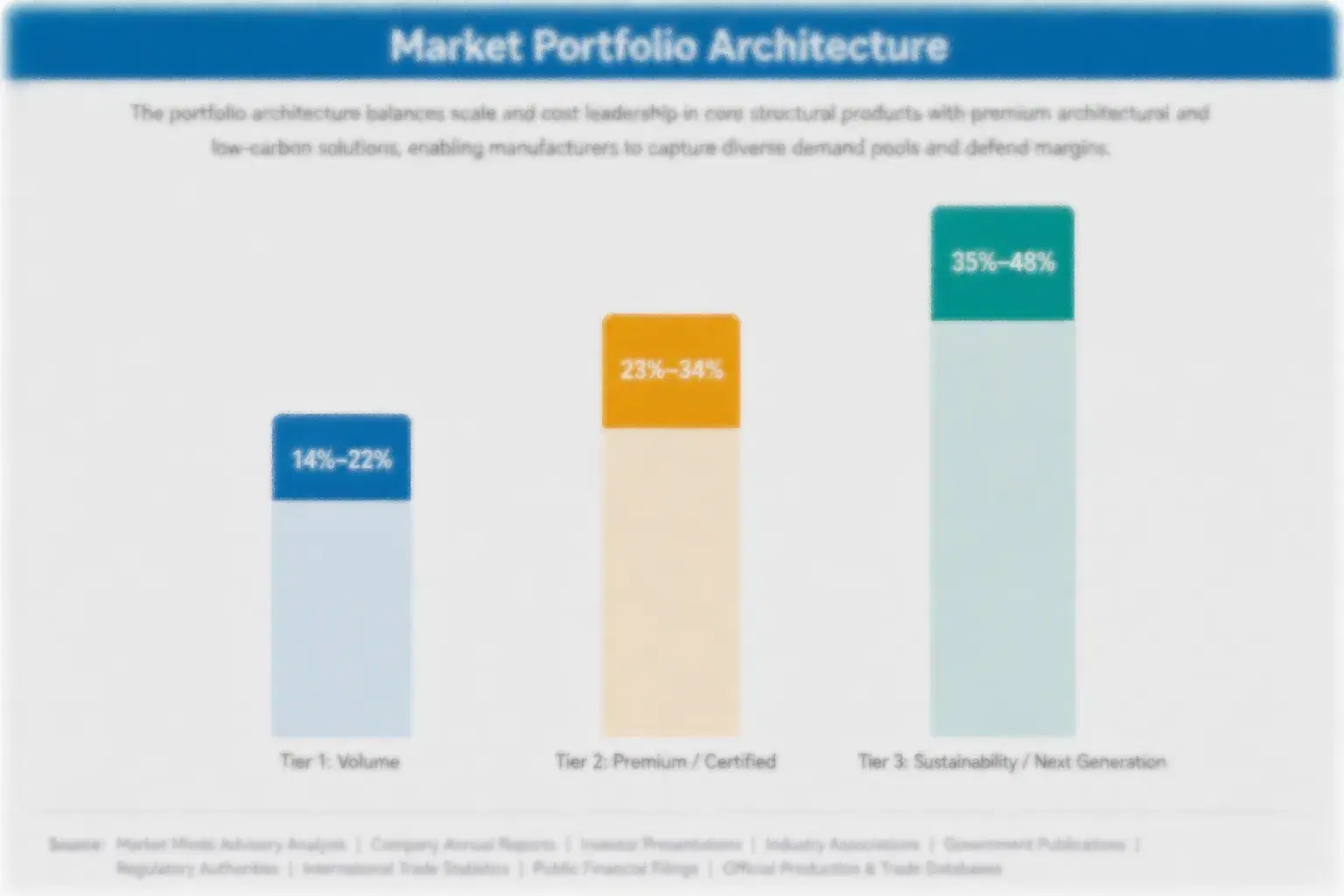
Margins run from thin returns on mineral effervescents sold on promotion to strong profits on evidenced botanical and multi-ingredient lines sold with pharmacist support and monitor data, with gross margin roughly doubling between the volume tier and the top tier. Clinical evidence, taste technology, and channel partnerships add pricing power over the same base of acids and carbonates, and buyers pay more when a claim is backed by published results.
Volume and premium pull in different directions. Mineral and vitamin effervescents sell in large volumes to price-conscious pharmacies and private label buyers at thin margins and face constant copy pressure. Evidenced botanical and multi-ingredient tablets sell in smaller volumes at much higher margins but need extract sourcing, trials, and taste masking, so brands must choose how much capital to commit to premium positioning and how quickly to move.

High-value pools concentrate in berberine and botanical blends, multi-ingredient metabolic formulas backed by trials, and subscription and pharmacy channels serving prediabetic households. These segments benefit from repeat purchase, clinician endorsement, and limited competition from private label. Brands that combine evidence, ingredient supply, and channel partnerships hold advantages that are difficult to replicate quickly.

Volume / Commodity-Adjacent Tier

Mineral and vitamin effervescent tablets with basic glucose messaging sold through pharmacies and private label, with thin margins, ingredient price exposure, and constant promotional pressure, where shoppers switch on price and differences are small.
Gross Margin: 38%-48%

Premium / Certified Tier

Effervescent tablets with standardised botanical extracts, third-party testing, and approved claims, sold under pharmacy programs and to retailers that require documented evidence, consistent supply, and reliable delivery across the year.
Gross Margin: 50%-60%

Sustainability / Regulatory / Next-Generation Tier

Berberine blends, multi-ingredient metabolic formulas, and monitor-linked subscriptions with clinical data and personalised guidance, positioned for prediabetic households and pharmacist-guided buyers across major markets, supported by trials and retailer programs.
Gross Margin: 58%-70%
sugar-support-effervescent-market-portfolio-architecture-1789769989220

High-value Sub-segments and Strategic Watch-out

Berberine and Botanical Glucose Blends

Berberine and botanical blends combine the fastest growth with strong pricing, as prediabetic adults and weight-management shoppers pay premiums for stronger perceived effects. Extract supply and taste masking limit competition, and brands with clinical data and third-party testing win pharmacy programs and long-term listings. Repeat orders follow.
Gross Margin: 58%-70%

Multi-Ingredient Metabolic Formulas

Multi-ingredient metabolic formulas offer high value with moderate growth, since older adults, clinician-guided buyers, and pharmacy shoppers pay steady premiums for one convenient daily drink. Formulation complexity and private label copies pressure price, though technical expertise and clinical support help brands defend margin. Watch pricing closely.
Gross Margin: 50%-62%

Chromium and Mineral Effervescents

Chromium and mineral effervescents form the volume core, sold to pharmacies and general shoppers who want mild glucose support with long-standing European claims. Margins are moderate and exposed to copy pressure, but steady demand supports scale, and makers with large production lines and pharmacy contracts hold cost advantages.
Gross Margin: 36%-48%

Fiber and Prebiotic Effervescents

Fiber and prebiotic effervescents are a strategic watch-out, used for satiety and gut health with indirect glucose benefits but limited by taste, gas side effects, and weaker claim support. Changing consumer preferences could restrict volume, so brands should track evidence and margins carefully as formulas evolve.
Gross Margin: 32%-52%

Why Buyers Keep the Daily Tablet

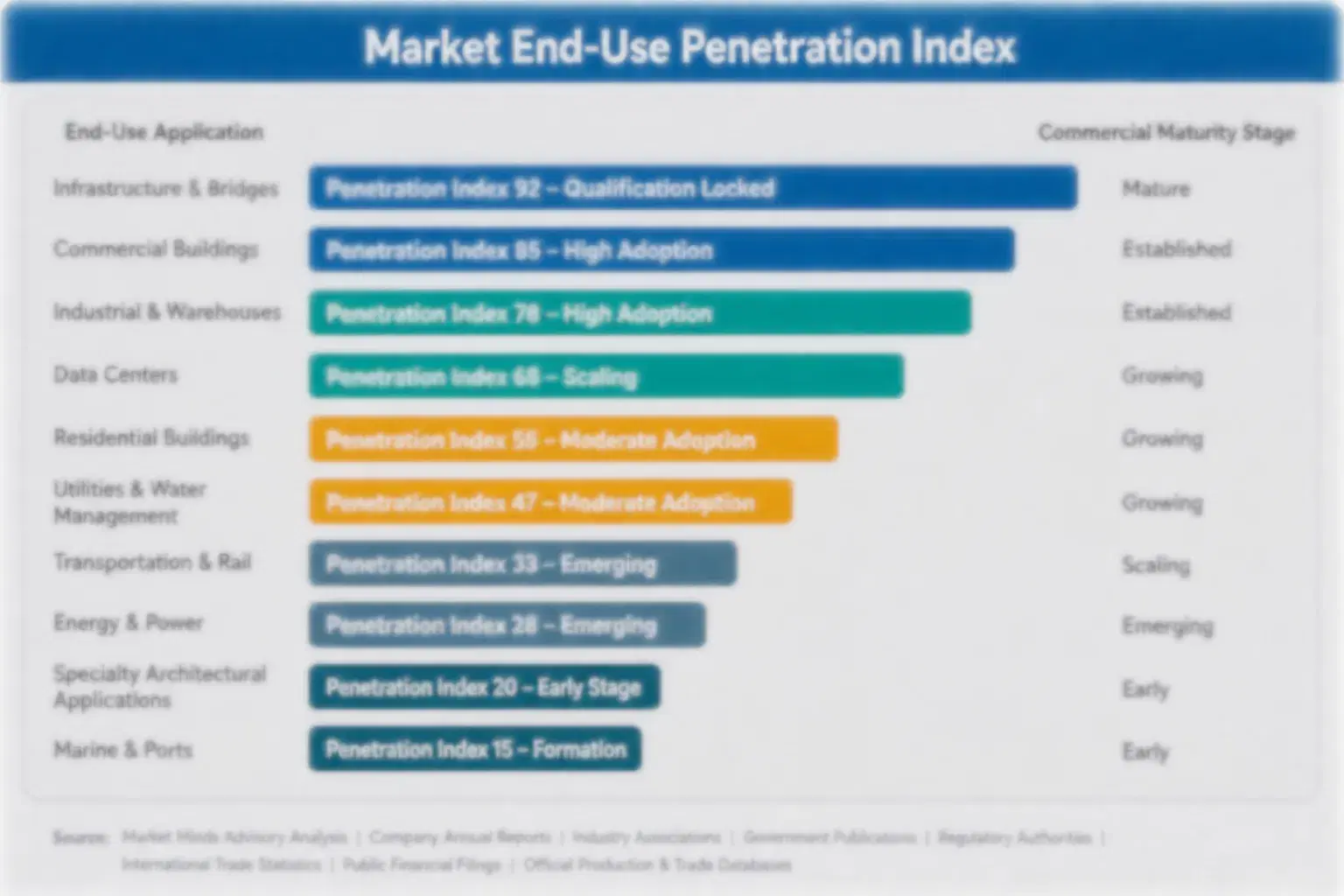
Demand for glucose effervescents behaves like an annuity once a household finds a product that tastes acceptable and fits a daily routine. Prediabetic and diabetic shoppers buy monthly and rarely experiment, because a disappointing product costs time as well as money. Brands that win one household often keep it for years, and subscription and pharmacy programs lock in monthly volumes with modest price changes rather than open promotions.
Stickiness varies by vertical. Diabetic households and pharmacist-guided buyers are the deepest, since professional advice and personal data reinforce brand choice. Weight-management shoppers are next, driven by metabolic and satiety claims, while general wellness buyers are shallower and switch when promotions or new launches appear. Clinics and corporate wellness programs sign annual purchase agreements and rarely change suppliers mid-contract.

Buyer profiles are shifting. Older buyers relied on doctors, pharmacists, and printed advice, while younger prediabetic and wellness shoppers use monitors, apps, and social media to test products themselves. They compare glucose curves, share results, and switch quickly if a product disappoints, so brands that publish data, work with app makers, and answer questions openly keep loyalty across age groups.
sugar-support-effervescent-market-end-use-penetration-index-1789769989403

MMA Verdict on Glucose Effervescent Strategy

These are among the four positions where our research anticipates prominent divergence between winners and laggards over the coming forecast period. Each is grounded in the demand model, the regulatory perimeter, and the announced capacity pipeline.
01 / CLINICAL EVIDENCE STRATEGY

Fund Small Trials Before Regulators and Retailers Demand Proof

Trials of 60 to 120 participants cost $200,000 to $500,000 and support shelf prices 20% to 30% above untested competitors. Claim enforcement is rising in Europe and the United States, so published evidence protects listings. MMA recommends funding trials for every lead formula within 18 months and sharing results through pharmacy and app partners, because brands with independent evidence win pharmacy programs and clinician recommendations, while untested competitors face delisting and price pressure, and early publication builds trust that later entrants struggle to match.
02 / BOTANICAL PORTFOLIO INVESTMENT

Build Berberine Lines Before Private Label Catches Up

Berberine and botanical blends grow at 13.6% a year, about 1.45 times the market rate, and earn gross margins of 58% to 70%. Extract contracts protect 6 to 10 margin points. MMA advises securing annual standardised extract supply and launching two berberine-based effervescent lines within 24 months, because shoppers who adopt a working product rarely switch, and early brands gain shelf space, data, and reference customers that late entrants cannot easily replicate, while data from those launches also improves negotiations with extract suppliers.
03 / PHARMACY CHANNEL STRATEGY

Partner With Pharmacy Chains and Fund Pharmacist Education

Pharmacies deliver nearly half of category sales, and education programs lift conversion by 15% to 25% at a cost of 4% to 8% of sales. Pharmacists trust evidence. MMA recommends signing two chain partnerships and running pharmacist training in three countries over the next two years, since brands that become the recommended choice gain shelf space, loyalty reach, and stronger negotiating positions with retailers, while repeat purchase rises as customers receive consistent advice from staff, and lower marketing costs follow.
04 / TASTE AND STABILITY DISCIPLINE

Close the Taste Gap Before Scaling Distribution Across Pharmacies

Repeat rates trail capsules by 15% to 25% because of bitterness and aftertaste, and reformulation adds 8% to 12% to unit cost. Trial without repeat wastes marketing spend. MMA advises funding sensory panels, taste masking, and moisture-barrier packaging trials before expanding into new retailers, because a product that tastes acceptable earns second and third purchases, and every point of repeat rate gained is worth more than an equal point of distribution, while pharmacy shelf space follows sales velocity and returns.

Engagement Snapshot From the Field

A live engagement with an industry participant carrying material or product regulatory and market exposure ahead of a defining policy shift, showing how our research translates into a defensible multi-year portfolio strategy.
MARKET MINDS ADVISORY · CLIENT ENGAGEMENT SUMMARY
Sugar Support Effervescent Producer Strategic Portfolio Review and Transition Roadmap 2026·Investment Scenario on Sugar Support Effervescent Exposure Evaluation 2025-26
CLIENT PROFILE
The client is a mid-sized European supplement manufacturer with two plants and roughly $140 million in annual revenue (client-reported, unverified by MMA), selling vitamin and mineral effervescents mostly through pharmacy chains. Gross margin sat near 41% (client-reported, unverified by MMA), and private label products had taken share in its core lines for three consecutive years.
STRATEGIC CHALLENGE
Growth in core lines had stalled, two pharmacy chains asked for evidenced glucose products the client did not have, and larger competitors were launching berberine blends with monitor partnerships. Leadership needed a plan that justified trial and extract investment, protected shelf space, and lifted margin without overspending on capacity. The board wanted a decision within nine months, before the next pharmacy review cycle began.
MMA APPROACH
MMA benchmarked nine brands on evidence, pricing, and channel mix, interviewed pharmacists, chain buyers, and prediabetic shoppers about purchase drivers, and modeled the economics of a clinical trial, a botanical line, pharmacy programs, and subscription sales under bull, base, and bear scenarios. Analysts also reviewed the client's plant capacity, retailer contracts, and formula library.
KEY FINDINGS
  1. A trial of 90 participants would cost about $350,000 and support premium pricing of 20% to 25%, according to pharmacy buyer interviews.
  2. A berberine-based line using existing tablet presses with modest taste-masking upgrades of about $1.5 million (client-reported, unverified by MMA) could reach 15% of revenue within three years.
  3. A monitor app partnership would give the client direct reach to 300,000 households and cut acquisition costs by roughly one third, based on partner discussions.
  4. Subscription and pharmacy education programs would add 8% of revenue at margins 12 points above wholesale, though fulfilment needed new capability in the first two years.
CLIENT PROFILE
The client is a mid-sized European supplement manufacturer with two plants and roughly $140 million in annual revenue (client-reported, unverified by MMA), selling vitamin and mineral effervescents mostly through pharmacy chains. Gross margin sat near 41% (client-reported, unverified by MMA), and private label products had taken share in its core lines for three consecutive years.
STRATEGIC CHALLENGE
Growth in core lines had stalled, two pharmacy chains asked for evidenced glucose products the client did not have, and larger competitors were launching berberine blends with monitor partnerships. Leadership needed a plan that justified trial and extract investment, protected shelf space, and lifted margin without overspending on capacity. The board wanted a decision within nine months, before the next pharmacy review cycle began.
MMA APPROACH
MMA benchmarked nine brands on evidence, pricing, and channel mix, interviewed pharmacists, chain buyers, and prediabetic shoppers about purchase drivers, and modeled the economics of a clinical trial, a botanical line, pharmacy programs, and subscription sales under bull, base, and bear scenarios. Analysts also reviewed the client's plant capacity, retailer contracts, and formula library.
KEY FINDINGS
  1. A trial of 90 participants would cost about $350,000 and support premium pricing of 20% to 25%, according to pharmacy buyer interviews.
  2. A berberine-based line using existing tablet presses with modest taste-masking upgrades of about $1.5 million (client-reported, unverified by MMA) could reach 15% of revenue within three years.
  3. A monitor app partnership would give the client direct reach to 300,000 households and cut acquisition costs by roughly one third, based on partner discussions.
  4. Subscription and pharmacy education programs would add 8% of revenue at margins 12 points above wholesale, though fulfilment needed new capability in the first two years.
RECOMMENDED STRATEGY
Phase 1: Phase 1 (Months 1-6): Fund one clinical trial, secure standardised berberine supply, and reformulate two core tablets with improved taste masking. Phase 2: Phase 2 (Months 7-18): Launch a berberine-based line, sign a monitor app partnership, and start pharmacist education programs in two chains. Phase 3: Phase 3 (Months 19-30): Add subscription sales, scale the botanical line, and review pricing formulas quarterly with each pharmacy chain.
OUTCOME
Within 30 months, botanical and evidenced lines reached about 22% of revenue, and gross margin rose from 41% to about 50% (client-reported, unverified by MMA). Two pharmacy chains added the products to health programs, monitor partnership sales met plan, and the board approved a second production line for the following year.

Frequently Asked Questions

Foundational context covering the market sizes, CAGR, scope, country, region and competition that inform every finding below. This section is provided to cover basics and most often pre-purchase conversations, answered from the MMA Primary Research Dataset.

What is the current size of the Sugar Support Effervescent Market?

The global sugar support effervescent market was valued at $1.9 billion in 2025. This covers botanical, mineral, antioxidant, fiber, and multi-ingredient glucose support tablets and powders sold through pharmacy, retail, and online channels.

How large will the Sugar Support Effervescent Market be by 2036?

MMA projects the market will reach approximately $5.1 billion by 2036. This represents cumulative growth of roughly $3.0 billion over the full ten-year forecast window.

What is the CAGR for the Sugar Support Effervescent Market 2026 to 2036?

The market is forecast to grow at a 9.4% compound annual rate between 2026 and 2036. The bull case reaches 10.7% while the bear case falls to 8.1%.

Which segment is growing fastest?

Berberine and Botanical Glucose Blends is the fastest-growing segment at 13.6% CAGR, roughly 1.45 times the overall market rate. Multi-Ingredient Metabolic Formulas follows as the second-fastest segment at 11.2% CAGR each year.

Who are the major companies in the Sugar Support Effervescent Market?

Leading companies include Bayer, Haleon, Nestle Health Science, Opella Healthcare, and Nature's Bounty. These five brands together hold an estimated 31% of total global market revenue, based on MMA analysis of company disclosures.

Which country is growing fastest?

India is the fastest-growing major market, expanding at approximately 12.8% CAGR each year. Rising diabetes awareness and expanding pharmacy and online access are driving this above-market growth across the country.

Report Segmentation Architecture

The full report scope spans multiple orthogonal segmentation dimensions, with cross-tabulated demand data provided for each dimension pair. Coverage extends further to regional breakdowns, trend trajectories, and the competitive detail needed to support segment-level decision-making.

By Primary Market Dimension

  • Berberine and Botanical Glucose Blends
  • Multi-Ingredient Metabolic Formulas
  • Chromium and Mineral Effervescents
  • Alpha-Lipoic Acid and Antioxidant Effervescents
  • Fiber and Prebiotic Effervescents
  • Effervescent Powders and Granules

By End-Use Industry

  • Prediabetic Adults
  • Diabetic Patients Using Adjunct Support
  • Older Adult and Pharmacist-Guided Buyers
  • Weight-Management Consumers
  • Corporate and Clinical Wellness Programs

By Commercial Dimension

  • Pharmacy and Drugstore Channels
  • Supermarket and Mass Retail
  • Online and Subscription Sales
  • Direct Selling Networks

By Region

  • North America
  • Western Europe
  • East Asia
  • South Asia and Pacific
  • Latin America
  • Middle East and Africa
  • Eastern Europe

Scope, Methodology, and Coverage

Every figure in this report is reproducible from documented input assumptions. The scope below maps the historical period, the forecast horizon, the segmentation dimensions, and the countries covered, alongside the underlying primary and qualitative methodology.
Historical Period
2020 to 2025
Forecast Period
2026 to 2036
Base Year
2025 (USD billions; MMA Primary Research Dataset, September 2026)
Market Definition
Sugar support effervescent products are tablets, powders, and granules that dissolve in water and are formulated to support healthy blood glucose metabolism, including botanical, mineral, antioxidant, fiber, and multi-ingredient formulas sold through pharmacy, retail, direct, and online channels. The scope excludes capsule and tablet supplements, prescription anti-diabetic drugs, general vitamin effervescents without a glucose claim, and medical foods used under clinical supervision.
Quantitative Units
USD billions (current prices); million units for volume references
Segmentation Dimensions
By Active Ingredient System; By End-Use Industry; By Commercial Dimension; By Region
Regions Covered
North America, Western Europe, East Asia, South Asia and Pacific, Latin America, Middle East and Africa, Eastern Europe
Countries Covered
USA, Canada, Mexico, Brazil, Argentina, Colombia, Germany, France, Spain, Italy, UK, Poland, Czechia, Turkey, Saudi Arabia, UAE, Egypt, South Africa, China, Japan, South Korea, India, Australia, and additional markets relevant to this sector
Key Companies Profiled
Bayer, Haleon, Nestle Health Science, Opella Healthcare, Nature's Bounty, Pharmavite, Amway, Herbalife, Abbott, Perrigo, Jamieson Wellness, Zambon, Stada, Menarini, Vitabiotics, Solgar, Arkopharma, Dabur, Himalaya Wellness, Blackmores
Quantitative Methodology
Primary survey, n=3,800 respondents, Q4 2025, six countries; demand-side model with trade association cross-validation
Qualitative Methodology
47 expert interviews, Q4 2025; applied to validate demand model assumptions, identify emerging dynamics, and assess competitive positioning
Report Format
PDF and XLSX data workbook (Word format preview document)
Publisher
Market Minds Advisory
Report Code
MMA-2026-HLT-310
Published
September 2026
Contact
sales@marketmindsadvisory.com | www.marketmindsadvisory.com

Purchase the full Sugar Support Effervescent Market Report (2026 to 2036).

The full report delivers a detailed assessment of global sugar support effervescent demand, formulation mix, and competitive positioning through 2036. It includes segment forecasts by active ingredient system, country-level data for all seven world regions, and profiles of the twenty companies most relevant to the category. Analysts also receive input cost modeling and portfolio margin benchmarking built from MMA's primary research dataset. A scenario planning module lets subscribers stress-test bull and bear assumptions against claim rules and extract prices. Quarterly updates keep the whole dataset current throughout the subscription year.
Ten-year segment and regional demand forecasts
Extract price tracking by origin and grade
Competitive benchmarking of top twenty brands
Health claim rule and enforcement modeling
Regional demand mechanism comparative analysis included
Quarterly primary survey data update access

Built For The People Who Decide

From boardroom strategy to bench-side execution, this report is read cover-to-cover by leaders shaping the next decade of their industry, turning demand scenarios, market dynamics and valuation benchmarks into decisions.
CXOs/ Presidents/ VPs/ Managers
M&A and Corporate Development
Strategy Teams and R&D Heads
Procurement and Product Directors
Regulatory and Compliance Leaders
Investor Relations and Equity Analysts