

Market Minds Advisory
Sugar-Free Lollipops Market

Sugar-Free Lollipops Market: Sugar-Free Lollipops Market. Polyol Limits, Natural Sweeteners, and Dental Health Claims Reshape Reduced-Sugar Confectionery.

Sugar-free lollipops are shifting from polyol hard candy toward stevia and monk fruit recipes as sugar levies, dental health messaging, and erythritol safety headlines force confectioners to prove taste, digestive tolerance, and label credibility.

Lead Analyst

Published

September 2026

Make Smarter Decisions with Customized Research Insights

Request a free sample report and evaluate market opportunities, growth trends, and competitive dynamics relevant to your business needs.

2025 MARKET VALUE$1.4BMarket Size 2025
2036 FORECAST VALUE$2.8BBase Case , 2026 to 2036
CAGR 2026 TO 20366.4 %Bull 7.7% / Bear 5.1%
INCREMENTAL OPPORTUNITY$1.3BNet 10- year value creation
EXPANSION MULTIPLE1.86x2036 value over 2026 base
Strategic Levers
M&A Pipeline
Regional Outlook
Country Rankings
Competitive Intelligence
Segmental Deep-dive
Call-Us : 91 93563 13602

Executive Snapshot and Market Trajectory.

A lollipop is a slow-release sweet, and that is exactly why dentists dislike the sugared version. Sugar-free versions promise the same lingering flavour without the acid attack, but polyols upset stomachs and natural sweeteners taste odd, so formulation skill decides who keeps shoppers.
Stevia and monk fruit sweetened lollipops grow fastest, driven by parents, diabetics, and dental practices that recommend reduced-sugar treats, while polyol-based hard candy anchors volume through established mainstream brands. North America holds the largest share because sugar-free candy is a mature aisle with strong dental and diabetic demand, and Western Europe follows through Spanish, Italian, and Nordic brands. India leads country growth. Checkout displays and online stores add reach.
Competition is concentrated among a few global confectioners, with specialist natural brands and private label lines competing at the edges. Advantage comes from taste engineering, sweetener sourcing, and retail shelf access rather than price alone. Regulation shapes returns, since sugar levies, polyol warning labels, and dental claim rules decide what brands may print. Buyers reward products that taste like real candy and do not cause digestive trouble. Supply stays tight. Weather remains the wild card.
Market Definition
Sugar-free lollipops are hard-boiled and pressed candies on a stick, or on a handle, formulated without added sucrose and sweetened with polyols, erythritol, xylitol, stevia, monk fruit, or rare sugars, sold through grocery, convenience, pharmacy, and online channels. The scope excludes sugared lollipops, sugar-free chewing gum, hard candy without a stick, chocolate, and medicated throat lozenges sold as drugs.
Base Year Value
$1.4B in 2025 (MMA Primary Research Dataset, September 2026)
Forecast Period
2026 to 2036, eleven discrete annual values
CAGR
6.4% base case. Bull 7.7%. Bear 5.1%.
Fastest Growth Segment
Stevia and Monk Fruit Sweetened Lollipops: 10.1% CAGR
Fastest Growth Country
India: 9.8% CAGR
Fastest Growth Region
South Asia and Pacific: 8.4% CAGR
Largest Region
North America: 30% of 2025 global value
Market Leaders
Perfetti Van Melle, August Storck, Mondelez International, Tootsie Roll Industries, Lotte Wellfood. Source: MMA Analysis, company annual reports.
Primary Survey
n=3,800 procurement and R&D decision-makers, Q4 2025, six countries
Methodology
Demand-side build-up, cross-validated against public data, 47 expert interviews

Sugar-Free Lollipops Market Forecast Scenarios

sugar-free-lollipops-market-size-forecast-scenario-1789769984280
From 2020 to 2025, sugar-free lollipops grew as sugar levies spread, parents sought lower-sugar treats, and pharmacies and dentists promoted xylitol and stevia products. Growth averaged 5.6% a year, with natural sweetener lines outpacing polyol candy, though a 2023 erythritol safety study, sweetener cost swings, and taste complaints slowed trial among cautious shoppers in several major markets.
The base case assumes 6.4% annual growth through 2036, built on three named mechanisms: wider sugar taxes and retailer sugar reduction targets that push confectioners to reformulate treats sold at checkouts and in children's aisles, dental and diabetic recommendation that keeps sugar-free candy in professional advice channels, and better sweetener technology, including stevia and monk fruit blends with taste modifiers, that improves flavour and reduces digestive side effects. Impulse sales stay steady. Each mechanism reinforces the others.
The bull case, at 7.7%, needs approved dental claims and stable sweetener supply. The bear case, at 5.1%, reflects further sweetener safety headlines, labeling restrictions, and shoppers returning to sugared candy. Either path leaves the demand base intact, though mix and pricing would shift noticeably across the forecast window. Investors should weight the base case most heavily given current evidence.

Taste Engineering and Digestive Tolerance Decide Sugar-Free Candy Winners

Sugar-free lollipops start as a cooked syrup of isomalt, maltitol, xylitol, or a blend, boiled to a hard glass, then flavoured, coloured, and moulded onto sticks. Natural sweetened versions use erythritol or bulking agents with stevia or monk fruit. The result must stay clear, resist stickiness, and avoid a cooling aftertaste. Moisture control during storage is the main technical problem, which is why packaging matters.
MARKET CONCENTRATION44% CR5Leading five confectioners hold a large combined share
AVERAGE PRICE PER POP$0.35Sugar-free lollipops sell at a premium to sugared
CHECKOUT CHANNEL SHARE32%Portion of unit sales made at checkout and convenience
SWEETENER SHARE OF COGS38%Sweeteners are the largest single ingredient cost line
POLYOL TOLERANCE LIMIT20 gApproximate daily intake before laxative effects often appear
REFORMULATION CYCLE36 monthsTypical interval between major recipe revisions for leading brands
Buyers come from several groups. Parents buy sugar-free pops for children and dentist waiting rooms, diabetic and prediabetic adults buy for portion control, and weight-conscious shoppers use them to manage cravings. Retailers stock these lines at checkouts, in candy aisles, in pharmacies, and online, and dental practices distribute xylitol pops as treats and giveaways. Impulse purchase drives most volume.
Structure is concentrated at the top and fragmented below. Perfetti Van Melle, August Storck, Mondelez International, and Tootsie Roll hold scale, distribution, and mould capacity, while natural brands such as Zollipops and YumEarth lead on clean labels and specialty retailers, and grocers add private label. Sugar levies, polyol warning labels, and sweetener safety debates shape investment, and reformulation has become a standard part of portfolio planning.
"Sugar-free candy is judged in the first thirty seconds. If the pop tastes flat, cooling, or chemical, no dental claim will bring the shopper back, so the winner is whoever buys the best sweetener blend, not whoever markets the loudest."
Practice Lead, Confectionery and Reduced-Sugar Foods Practice · MMA Confectionery and Sugar-Free Foods Practice · September 2026

Market Trends

Stevia and Monk Fruit Blends Replace Polyols in Premium Recipes

Confectioners are moving from maltitol and sorbitol hard candy toward erythritol bulked pops sweetened with stevia or monk fruit, because polyols cause digestive discomfort at doses above 20 grams a day and carry warning labels in several markets. Stevia and monk fruit can be 200 to 300 times sweeter than sugar, so blends use small quantities with bulking fibers and taste modifiers to hide bitterness. Zollipops, YumEarth, and Perfetti's natural lines use these systems, and premium prices run 30% to 60% above polyol candy. Sweetener producers such as Cargill, PureCircle, and Tate and Lyle supply blends and application support.
Market Impact: 50 countries apply sugar levies
Dental Health Programs Turn Xylitol Lollipops Into Professional Recommendation Products

Dental practices, school programs, and pharmacies increasingly hand out or recommend xylitol lollipops because xylitol reduces cavity-causing bacteria and does not feed acid production, according to peer-reviewed dental research and national dental association guidance. Xylitol pops sell at 40% to 80% above regular sugar-free candy, and suppliers offer bulk packs of 100 to 500 pieces for clinics. Finland, Sweden, and Estonia run xylitol programs in schools, and European dental chains add branded pops to waiting rooms. Claims remain tightly regulated, so brands use factual wording such as sweetened with xylitol and tooth-friendly rather than treatment language.
Market Impact: 530 million adults live with diabetes

Market Opportunities and Growth Drivers

Sugar Taxes and Retailer Targets Push Confectioners Toward Sugar-Free Recipes

More than 50 countries apply sugar-sweetened product levies or front-of-pack warnings, and several retailers set targets to cut sugar in own-label and children's ranges, according to World Health Organization policy tracking. Mexico, Chile, and the United Kingdom restrict marketing of high-sugar confectionery near children, and checkout sweets face specific scrutiny. Lollipops are a natural target because they are sold to children and last many minutes in the mouth. Confectioners that offer sugar-free ranges keep access to checkout displays and promotional space, and those without them risk losing listings as retailers reset candy aisles.
Market Impact: reformulation adds 5-10% to unit cost

Diabetes and Prediabetes Prevalence Sustains Demand for Portion-Controlled Sweet Treats

The International Diabetes Federation estimates more than 530 million adults live with diabetes, and hundreds of millions more manage prediabetes, which creates steady demand for sugar-free treats that satisfy cravings without raising glucose. Sugar-free lollipops deliver about two to four grams of polyol carbohydrate per piece, compared with 10 grams of sugar in a sugared pop. Pharmacy chains and diabetes associations recommend them as low-calorie snacks, and online diabetic food stores sell multipacks. Households buy repeatedly once a brand is trusted, and the low unit price makes trial easy for shoppers who are wary of other reduced-sugar products.
Market Impact: repeat rates trail sugared by 15-25%

Market Restraints and Challenges

Erythritol Safety Headlines and Polyol Side Effects Reduce Shopper Confidence

A 2023 study in Nature Medicine linked high blood erythritol levels to greater risk of cardiovascular events, and although it did not prove causation, media coverage pushed some shoppers away from erythritol products, according to peer-reviewed literature. The root cause is limited long-term human data and the widespread use of erythritol in sugar-free foods. Polyols also cause bloating at higher doses. Mitigation includes blends with stevia and allulose, reduced erythritol content, and clear serving labels, though reformulation costs 5% to 10% per unit, and regulators are reviewing safety data, which keeps uncertainty high.
Market Impact: natural pops sell at 30-60% premiums

Aftertaste and Texture Compromises Limit Repeat Purchase Among Mainstream Shoppers

Sugar-free lollipops often taste cooling, bitter, or slightly chemical, and hard candy made with polyols can turn sticky or crystallise in humid climates, so repeat purchase trails sugared candy. The root cause is that sugar provides sweetness, bulk, and shelf stability that sweeteners cannot fully replace in a hard glass matrix. Trial rates are healthy but repeat rates run 15% to 25% below sugared pops, according to MMA primary research. Mitigation includes flavour masking, blended sweetener systems, moisture-barrier wrappers, and tighter humidity control, though each step adds cost and testing time.
Market Impact: clinic packs hold 100-500 pieces
3 additional market trends, 4 additional growth drivers, and 2 additional restraints and challenges are covered in the full report. Contact sales@marketmindsadvisory.com to access the complete intelligence.

Segment CAGR and Growth Architecture

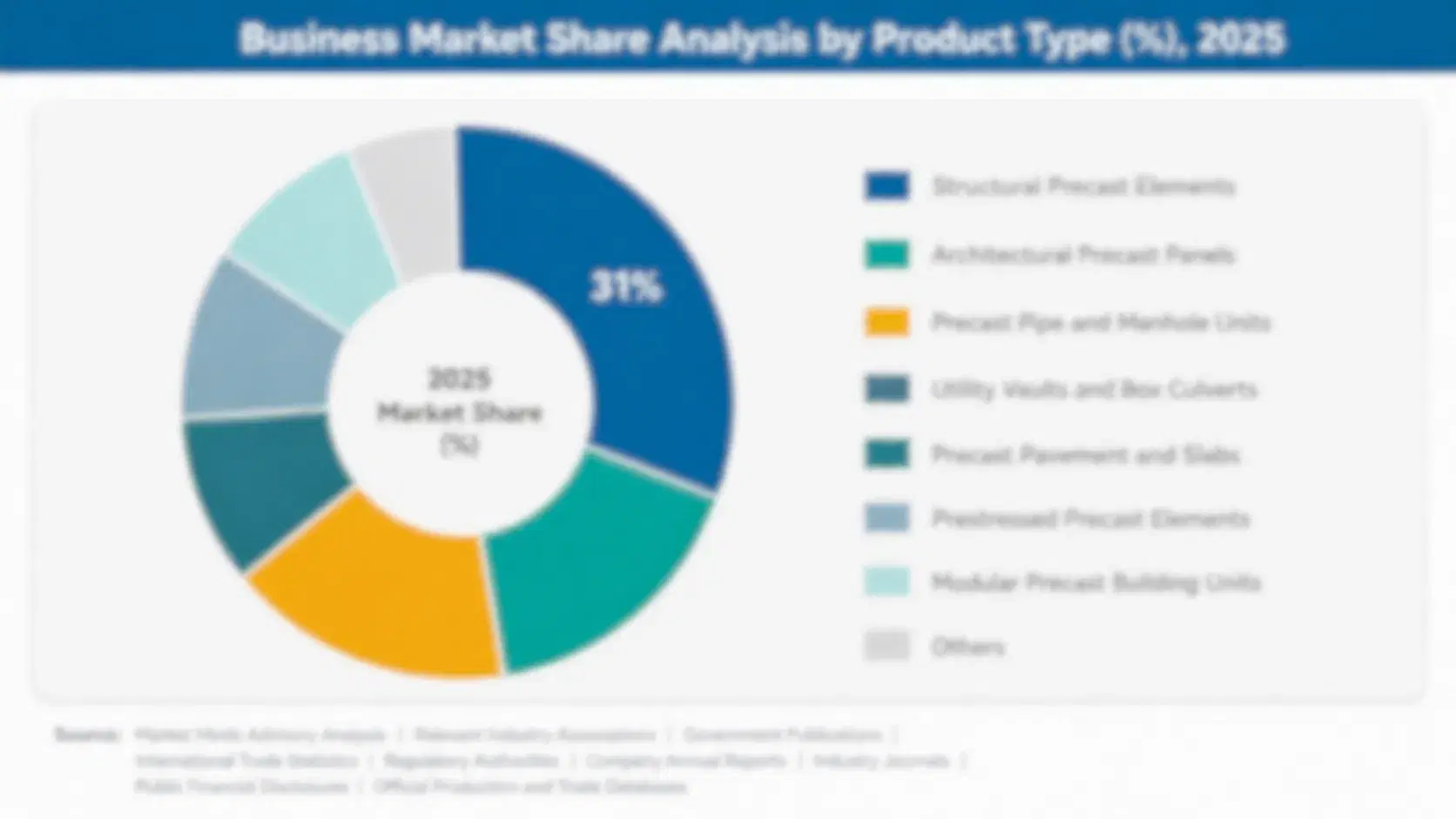
Sugar-free lollipops are segmented by sweetening system, because sweetener chemistry, digestive tolerance, cost, claim status, and buyer group differ more sharply between polyols, xylitol, erythritol blends, stevia and monk fruit systems, and rare sugars than they do by shape or flavour. Stevia and monk fruit sweetened lollipops attract the most investment as confectioners convert clean-label demand into premium shelf space.
sugar-free-lollipops-market-market-share-analysis-1789769984539

Stevia and Monk Fruit Sweetened Lollipops

Stevia and monk fruit sweetened lollipops are the fastest-growing segment, made with plant-derived high-intensity sweeteners blended with erythritol, fibers, or allulose to provide bulk and a clean sweet profile. Parents, diabetic adults, and natural food shoppers buy them because labels read as plant-based and avoid polyol warnings. Costs run higher because sweetener blends and taste modifiers are expensive, so adoption started with premium brands. Confectioners with proven flavour masking, stable supply of stevia and monk fruit, and strong specialty retail relationships win listings, and retailers give them eye-level checkout space. Pilot runs typically last two seasons before retailers commit to national checkout programs and long-term supply agreements with brand owners.
CAGR 10.1%

Erythritol and Blend-Based Lollipops

Erythritol and blend-based lollipops are the second-fastest segment, using erythritol with xylitol, isomalt, or stevia to deliver a sugar-like taste with fewer digestive effects than maltitol or sorbitol. Grocery shoppers, diabetic households, and dental practices choose them, and erythritol's low calorie count and tooth-friendly profile support marketing. Production uses standard candy cooking lines with modest process changes. Safety headlines have slowed growth, so brands blend erythritol with other sweeteners to reduce dose per piece, and buyers watch labels closely while retailers demand documentation on sweetener content. Retailers also ask for documentation of sweetener content per piece, so brands publish serving guidance, run humidity tests, and hold retained samples for complaints and audits.
CAGR 8.5%
Full segment breakdown across 6 segments available in the complete report.

Regional Architecture and Country Demand Map

Sugar-free lollipop value follows sugar policy, candy consumption habits, and dental and diabetic health awareness. North America leads through the United States and Canada, Western Europe follows through Spain, Italy, and the Nordics, and India is the fastest-growing country as packaged candy and diabetes awareness expand together.

North America

North America holds 30% share, with the United States accounting for most sales through Walmart, Kroger, Walgreens, and Amazon, where sugar-free pops sit in candy aisles, checkout displays, and dental office giveaways. More than 38 million Americans have diabetes, and dentists distribute xylitol pops widely. Tootsie Roll, Mondelez, Zollipops, and YumEarth lead branded sales, and private label grows in club stores. Erythritol headlines, FDA labeling rules, and taste complaints restrain returns, though clean-label demand and school wellness policies keep growth close to the global rate. Canadian pharmacies and Mexican imports add regional volume. Costco and Sam's Club multipacks add club volume, and pharmacy chains list tooth-friendly ranges beside checkout displays each season.
Share: 30% | CAGR: 6.2% (2026 to 2036)

Western Europe

Western Europe holds 27% share, above its usual band, because Chupa Chups was born in Spain, Perfetti Van Melle and August Storck operate large plants in Italy, the Netherlands, and Germany, and Nordic dental programs promote xylitol pops, so the category has deeper roots and brand infrastructure than elsewhere. Sugar levies in the United Kingdom, France, and Ireland push reformulation, while polyol warning labels under European Union rules hold growth below the global rate. Pharmacy chains and supermarkets list tooth-friendly ranges, and Cloetta and Haribo add specialty and private label lines. British and Dutch retailers also expand checkout reduced-sugar sections. German drugstores such as dm and Rossmann also list xylitol pops beside dental care products.
Share: 27% | CAGR: 5.0% (2026 to 2036)
Regional intelligence for 5 additional markets available in the complete report: East Asia, South Asia and Pacific, Latin America, Middle East and Africa, Eastern Europe. Contact sales@marketmindsadvisory.com.
sugar-free-lollipops-market-country-cagr-analysis-1789769984830

Four Margin Routes for Sugar-Free Candy Brands

Margin in sugar-free lollipops comes from moving beyond polyol hard candy toward natural sweetener systems, dental partnerships, and multipack and online formats that shoppers and professionals trust. Brands that invest in taste engineering, secure sweetener supply, and tie products to clinics or health programs earn more per piece than sellers competing on price and checkout space alone.

Reformulating Polyol Candy Into Stevia and Monk Fruit Premium Lines

Natural sweetened lollipops sell at 30% to 60% above polyol candy, so brands that reformulate with stevia, monk fruit, and bulking fibers capture more margin per piece and escape polyol warning labels. Reformulation costs $300,000 to $1 million per range including sensory panels and pilot runs, and it typically recovers within three seasons when listed in natural and specialty retailers. Ingredient blends cost 15% to 25% more than maltitol, but premium pricing offsets the increase. Retailers value clean-label ranges, and repeat rates improve when digestive complaints fall, which supports steady shelf space and reduces returns.
Market Impact: natural sweeteners earn 30% to 60% price premiums

Building Dental Practice and Pharmacy Channels for Xylitol Lollipops

Dental practices and pharmacies buy xylitol lollipops in bulk packs of 100 to 500 pieces at prices 40% to 80% above standard sugar-free candy, giving brands high-margin volume with low marketing cost. Programs need dental association endorsement, clear factual claims, and simple ordering, and they cost 3% to 6% of sales in samples and education. Dentists hand out pops to children, which builds early brand familiarity and repeat purchase at home. Contracts run one to two years, and brands with clinic partnerships gain credibility that helps them win retail listings and school program tenders.
Market Impact: dental channels earn 40% to 80% price premiums

Securing Long-Term Stevia, Monk Fruit, and Erythritol Supply Contracts

Sweeteners are 38% of cost of goods, and price swings of 20% to 30% can erase margin, so brands that sign annual contracts with stevia, monk fruit, and erythritol suppliers secure cost and quality. Contracts cost 2% to 5% above spot in normal years but avoid spikes that cost 5 to 8 margin points. Dual sourcing across China and Paraguay reduces risk, and suppliers share application support. Third-party purity testing adds 1% to 2% to cost, and buyers value documented specifications. Contract terms of one to three years give confectioners planning certainty for production and promotions.
Market Impact: sweetener contracts protect 5 to 8 margin points

Selling Multipacks and Subscriptions Through Online and Club Channels

Multipacks of 20 to 100 pieces sold online and through club stores earn gross margins 8 to 12 points above single-piece checkout sales, and subscription customers buy 25% to 35% more units per year. Fulfilment and marketing cost 12% to 18% of revenue, but repeat purchase and data on preferences guide recipe and flavour decisions. Diabetic and dental-conscious households value convenience, and online sellers reach shoppers that grocery aisles miss. Brands that combine checkout presence with online subscription build reliable baseline volume and reduce dependence on impulse buying alone, which improves forecasting for production and sweetener purchasing.
Market Impact: multipacks add 8 to 12 gross margin points

Who Controls the Margin Pool

The sugar-free lollipop industry is concentrated at the top and fragmented below, with the top five confectioners holding about 44% of global revenue, the basis used throughout this section. Perfetti Van Melle, August Storck, Mondelez International, Tootsie Roll Industries, and Lotte Wellfood lead through mould capacity, distribution reach, and brand recognition, while many natural brands and private label lines compete for shelf space.
Competition centers on three dimensions: taste and texture engineering measured by consumer panels and repeat rates, sweetener sourcing that secures stevia, monk fruit, xylitol, and erythritol at stable cost, and channel access across checkouts, pharmacies, dental practices, and online stores. Leaders sign retailer programs and invest in formulation, while challengers compete on clean labels and niche claims. Private label copies successful recipes within months. Price gaps remain narrow.

Emerging pressure comes from natural brands winning premium shelf space, from private label lines matching recipes at 20% lower prices, and from sweetener safety debates that could reshape recipes overnight. Rankings shift where brands secure clean formulations, win dental and pharmacy programs, or lose share to cheaper copies. Acquisitions of natural brands and sweetener partnerships will reorder positions faster than organic growth.
sugar-free-lollipops-market-company-positioning-matrix-1789769985115

Competitive Moat and Risk Dimensions

PERFETTI VAN MELLE

Moat: Global Lollipop Brand and Scale

Perfetti Van Melle owns Chupa Chups, one of the most recognised lollipop brands worldwide, and operates plants in Europe, Asia, and the Americas with distribution in more than 150 countries. Its moulding capacity, flavour library, and retail relationships let it launch sugar-free and natural ranges quickly across regions, and its brand recognition supports checkout display placement in major retail chains.
PERFETTI VAN MELLE

Risk: Sugary Portfolio Baggage

Perfetti's largest volumes still come from sugared candy, so sugar-free ranges compete internally for investment and shelf space. Natural brands with cleaner positioning can win health-conscious shoppers, and sugar levies or marketing limits in key markets could reduce its impulse sales at the very checkouts where it is strongest.
AUGUST STORCK

Moat: European Hard Candy Manufacturing Expertise

August Storck is a German family-owned confectioner known for hard candy brands such as Werther's Original and Riesen, with strong plants, product development, and retail relationships in Europe and North America. Its sugar-free hard candy know-how, cooking technology, and quality control give it an advantage in polyol and blended sweetener recipes, and its private ownership supports long-term investment in reformulation.
AUGUST STORCK

Risk: Limited Lollipop Focus

Storck's core strength is hard candy and caramels rather than lollipops on sticks, so it has less brand recognition in children's checkout displays. Larger rivals and natural specialists can outspend it in marketing, and polyol safety concerns could damage trust in its sugar-free lines across key European and North American markets.

Players Tracked

Prominent Players

Perfetti Van Melle
August Storck
Mondelez International
Tootsie Roll Industries
Lotte Wellfood

Other Key Players

The Hershey Company
Mars Wrigley
Ferrara Candy Company
Zollipops
YumEarth
SmartSweets
Project 7
Cloetta
Haribo
Meiji
Morinaga
Ricolino
Dulces Vero
Dulces de la Rosa
Candy Kittens

Recent Developments

MARCH 2026

Perfetti Van Melle Expands Sugar-Free Lollipop Moulding Capacity in Italy

Perfetti Van Melle completed an organic expansion of sugar-free lollipop moulding and packing capacity in Italy, adding lines with humidity control and moisture-barrier wrapping. The project is internal capital spending. It raises output of stevia-sweetened and polyol-free ranges, improves shelf life, and supports launches across European and North American retailers.
Signal: Shows global lollipop makers now investing in dedicated sugar-free capacity to serve reduced-sugar candy demand growth.
OCTOBER 2025

Mondelez Signs Multi-Year Sweetener Supply Agreements for Reduced-Sugar Candy

Mondelez International signed multi-year supply agreements with stevia and monk fruit producers, covering volumes, purity specifications, and price formulas for reduced-sugar confectionery. The deals are commercial contracts. They give its candy plants steadier supply, share cost risk with suppliers, and support reformulation of children's and checkout ranges across several markets.
Signal: Confirms confectioners are now locking in natural sweetener supply through multi-year agreements to protect reformulation plans.
MAY 2025

Zollipops Extends Distribution Into Major United States Grocery and Dental Channels

Zollipops extended distribution of its tooth-friendly sugar-free lollipops into additional United States grocery chains and dental supply distributors, backed by dentist sampling programs. The move is a distribution expansion, not an acquisition. It widens access to family shoppers, builds professional endorsement, and tests demand for premium natural lollipops.
Signal: Shows natural specialist brands now using dental channels and grocery listings to compete with global confectioners.

What Drives Lollipop Formulation Costs

Sweeteners account for roughly 38% of cost of goods, with isomalt and polyols produced mainly in Germany and Belgium, and stevia, monk fruit, and erythritol sourced from China, Paraguay, and India. Flavours, colours, sticks, wrappers, energy, labour, and freight add most of the remainder, so sweetener price, packaging cost near 20% of COGS, and cooking yield together drive margin for confectioners. Currency swings also matter.
Polyol and isomalt prices rose sharply in 2022 as energy costs and sugar beet processing costs climbed across Europe, according to Sudzucker Annual Report 2022/23, while erythritol prices later fell as Chinese capacity expanded. Brands with fixed-price contracts absorbed losses, others added surcharges, and some paused launches. Margins narrowed as retailers resisted price increases and shortened promotional windows for the following quarters. Suppliers passed through part of the increase over two quarters.

Exposure varies by player type and geography. Global confectioners with long-term contracts, multiple suppliers, and owned plants absorb shocks better than small natural brands buying spot sweeteners and using co-packers. European brands face energy and polyol cost, North American brands face tariffs and freight risk, and premium natural lines pass costs through more easily than price-sensitive private label candy.
sugar-free-lollipops-market-cost-volatility-analysis-1789769985435

Contracting Sweeteners Across Several Suppliers and Regions

Confectioners sign annual and multi-year supply agreements with sweetener producers in Europe, China, and Paraguay, mixing fixed and index-linked prices. Spreading suppliers reduces exposure to a single shortage or price spike, and quality clauses secure purity and residue limits. Forward buying lets brands plan promotions and avoid emergency purchases during price swings in the market.

Reformulating With Blended Sweeteners and Lower-Cost Bulking Agents

R&D teams test blends of erythritol, fibers, and small doses of stevia or monk fruit to hold taste while cutting cost by 5% to 10%. Blends also reduce polyol dose per piece and lower digestive complaints. The approach needs pilot runs and sensory panels, but it lowers cost variability and improves supply security across the year.

Sharing Sweetener Cost Through Retailer Pricing Formulas

Large retailers and brands agree to formulas linking shelf price to published sweetener indices plus a fixed margin, so cost swings are shared rather than absorbed by brands. Quarterly resets keep buyers informed and reduce disputes. Premium natural lines use annual pricing, since customers value stable supply and predictable shelf prices over the year.

Portfolio Architecture for Margin Defence

Margins run from thin returns on polyol candy sold on checkout promotion to strong profits on natural sweetened and dental-channel lines sold with clean labels and professional endorsement, with gross margin roughly doubling between the volume tier and the top tier. Taste engineering, channel partnerships, and label credibility add pricing power over the same cooking and moulding lines, and buyers pay more when the product avoids digestive trouble.
Volume and premium pull in different directions. Polyol lollipops sell in large volumes to price-conscious retailers and private label buyers at thin margins and face constant copy pressure. Natural sweetened and xylitol pops sell in smaller volumes at much higher margins but need sweetener sourcing, flavour masking, and professional relationships, so brands must choose how much capital to commit to premium positioning and how fast.

High-value pools concentrate in stevia and monk fruit sweetened pops, xylitol pops for dental channels, and subscription and multipack sales serving diabetic households. These segments benefit from repeat purchase, professional endorsement, and limited competition from private label. Brands that combine formulation skill, sweetener supply, and channel partnerships hold advantages that are difficult to replicate quickly.

Volume / Commodity-Adjacent Tier

Polyol-based sugar-free lollipops sold at checkouts and in candy aisles through supermarkets and private label, with thin margins, sweetener price exposure, and constant promotional pressure, where shoppers switch on price and brand differences are small.
Gross Margin: 30%-40%

Premium / Certified Tier

Sugar-free lollipops with clean labels, verified ingredient specifications, and tooth-friendly claims, sold under retailer programs and to pharmacy chains that require documented sweetener content, consistent supply, and reliable delivery across the year.
Gross Margin: 40%-50%

Sustainability / Regulatory / Next-Generation Tier

Stevia and monk fruit sweetened pops, xylitol dental packs, and subscription multipacks with formulation support and professional endorsement, positioned for diabetic households, dentists, and health-conscious parents across major markets, supported by consumer trials and retailer programs.
Gross Margin: 46%-58%
sugar-free-lollipops-market-portfolio-architecture-1789769985786

High-value Sub-segments and Strategic Watch-out

Stevia and Monk Fruit Sweetened Lollipops

Stevia and monk fruit pops combine the fastest growth with strong pricing, as parents and diabetic households pay premiums for clean labels and fewer digestive effects. Sweetener supply and flavour masking limit competition, and brands with proven taste and specialty retailer relationships win long-term listings. Repeat purchase follows.
Gross Margin: 46%-58%

Erythritol and Blend-Based Lollipops

Erythritol and blend-based pops offer solid value with moderate growth, since grocery shoppers and dental practices pay steady premiums for sugar-like taste with fewer digestive effects. Safety headlines and copy pressure restrain price, though blending with other sweeteners and clear labeling help brands defend margin. Watch pricing.
Gross Margin: 38%-50%

Polyol-Based Hard Candy Lollipops

Polyol-based lollipops form the volume core, sold at checkouts and in candy aisles to shoppers who want a familiar sugar-free treat at low cost. Margins are moderate and exposed to sweetener swings, but steady demand supports scale, and makers with large mould lines and retailer contracts hold cost advantages.
Gross Margin: 28%-40%

Allulose and Rare Sugar Lollipops

Allulose and rare sugar lollipops are a strategic watch-out, offering sugar-like taste but limited by regulatory status differences, high ingredient cost, and small production volumes. Changing approvals could expand or restrict use, so confectioners should track regulatory decisions and supplier capacity carefully as the category evolves.
Gross Margin: 30%-52%

Why Shoppers Keep Choosing One Pop

Demand for sugar-free lollipops behaves like an annuity once a household finds a product that tastes acceptable and causes no digestive trouble. Diabetic and dental-conscious shoppers buy repeatedly and rarely experiment, because a bad experience costs more than the price of a pack. Brands that win one household often keep it for years, and dental practices and multipack subscriptions lock in volumes with modest price changes rather than open promotions.
Stickiness varies by vertical. Dental practices and diabetic households are the deepest, since professional advice and health needs reinforce brand choice. Parents buying for children are next, driven by sugar concerns and habit, while general impulse buyers at checkouts are shallower and switch when a new flavour or promotion appears. Institutional buyers such as schools and clinics sign annual supply agreements and rarely change suppliers mid-contract.

Buyer profiles are shifting. Older buyers relied on dentist advice, pharmacists, and familiar brands, while younger parents and prediabetic shoppers use apps, ingredient scanners, and social media to check labels themselves. They compare sweeteners, share reviews, and switch quickly if a product disappoints, so brands that publish ingredient details and respond openly to concerns keep loyalty across age groups.
sugar-free-lollipops-market-end-use-penetration-index-1789769986132

MMA Verdict on Sugar-Free Candy Strategy

These are among the four positions where our research anticipates prominent divergence between winners and laggards over the coming forecast period. Each is grounded in the demand model, the regulatory perimeter, and the announced capacity pipeline.
01 / NATURAL SWEETENER REFORMULATION

Move Polyol Ranges to Stevia and Monk Fruit Before Labels Tighten

Stevia and monk fruit pops grow at 10.1% a year, about 1.58 times the market rate, and sell at 30% to 60% above polyol candy. Reformulation costs $300,000 to $1 million per range. MMA recommends reformulating the top two ranges within 24 months and testing blends with consumer panels, because polyol warnings and erythritol headlines are pushing cautious shoppers toward natural systems, and brands that move early gain shelf space, repeat customers, and supplier priority that late movers struggle to match.
02 / DENTAL CHANNEL STRATEGY

Build Dental Practice and Pharmacy Programs Around Xylitol Packs

Dental buyers pay 40% to 80% above standard sugar-free candy for bulk packs of 100 to 500 pieces, at a cost of 3% to 6% of sales. Dentists build habits in children. MMA advises signing two dental supply distributors and one national dental association partnership over the next two years, since professional endorsement lowers acquisition cost, supports retail listings, and gives brands credible claims, while clinics reorder steadily once a supplier proves reliable and easy to work with every month.
03 / SWEETENER SUPPLY DISCIPLINE

Contract Sweeteners Across Suppliers Before Price Swings Erase Margin

Sweeteners are 38% of cost of goods, and price swings of 20% to 30% can erase 5 to 8 margin points. Multi-year contracts cost 2% to 5% above spot but protect supply and quality. MMA recommends contracting at least 60% of annual sweetener needs across two regions and testing blends that reduce dependence on any one ingredient within two years, because confectioners that keep plants running through shortages win permanent shelf space from rivals that cannot, and steady sourcing protects planning.
04 / TASTE PARITY DISCIPLINE

Close the Taste Gap Before Scaling Distribution Across Retailers

Repeat rates trail sugared pops by 15% to 25% because of aftertaste and texture, and reformulation adds 5% to 10% to unit cost. Trial without repeat wastes marketing spend. MMA advises funding sensory panels, humidity controls, and blended sweetener trials before expanding into new retailers, because a product that tastes ordinary earns second and third purchases, and every point of repeat rate gained is worth more than an equal point of distribution, while retailers reward sales velocity with better placement.

Engagement Snapshot From the Field

A live engagement with an industry participant carrying material or product regulatory and market exposure ahead of a defining policy shift, showing how our research translates into a defensible multi-year portfolio strategy.
MARKET MINDS ADVISORY · CLIENT ENGAGEMENT SUMMARY
Sugar-Free Lollipops Producer Strategic Portfolio Review and Transition Roadmap 2026·Investment Scenario on Sugar-Free Lollipops Exposure Evaluation 2025-26
CLIENT PROFILE
The client is a mid-sized European confectionery manufacturer with two plants and roughly $95 million in annual revenue (client-reported, unverified by MMA), selling sugared and polyol lollipops mostly through supermarkets and convenience stores. Gross margin sat near 33% (client-reported, unverified by MMA), and sugar levy costs had reduced volumes in two markets for two years.
STRATEGIC CHALLENGE
Sales of sugared lines were falling, two retail buyers asked for natural sweetened sugar-free ranges the client did not have, and larger competitors were launching stevia pops with dental partnerships. Leadership needed a plan that justified reformulation and sweetener investment, protected checkout space, and lifted margin without overspending on plant changes. The board wanted a decision within nine months, before the next retailer reset.
MMA APPROACH
MMA benchmarked nine brands on formulation, pricing, and channel mix, interviewed retailers, dentists, and parents about purchase drivers, and modeled the economics of reformulation, a natural range, dental channel programs, and subscription sales under bull, base, and bear scenarios. Analysts also reviewed the client's plant capacity, retailer contracts, and recipe library.
KEY FINDINGS
  1. Reformulating two polyol ranges with stevia blends would cost about $600,000 and support premium pricing of 30% to 40%, according to retailer interviews.
  2. A natural sweetened range using existing moulding lines with modest cooking upgrades of about $1.2 million (client-reported, unverified by MMA) could reach 15% of revenue within three years.
  3. A dental distributor partnership would give the client access to 2,000 practices and cut acquisition costs by roughly one third, based on partner discussions.
  4. Multipack and online sales would add 6% of revenue at margins 10 points above checkout sales, though fulfilment needed new capability in the first two years.
CLIENT PROFILE
The client is a mid-sized European confectionery manufacturer with two plants and roughly $95 million in annual revenue (client-reported, unverified by MMA), selling sugared and polyol lollipops mostly through supermarkets and convenience stores. Gross margin sat near 33% (client-reported, unverified by MMA), and sugar levy costs had reduced volumes in two markets for two years.
STRATEGIC CHALLENGE
Sales of sugared lines were falling, two retail buyers asked for natural sweetened sugar-free ranges the client did not have, and larger competitors were launching stevia pops with dental partnerships. Leadership needed a plan that justified reformulation and sweetener investment, protected checkout space, and lifted margin without overspending on plant changes. The board wanted a decision within nine months, before the next retailer reset.
MMA APPROACH
MMA benchmarked nine brands on formulation, pricing, and channel mix, interviewed retailers, dentists, and parents about purchase drivers, and modeled the economics of reformulation, a natural range, dental channel programs, and subscription sales under bull, base, and bear scenarios. Analysts also reviewed the client's plant capacity, retailer contracts, and recipe library.
KEY FINDINGS
  1. Reformulating two polyol ranges with stevia blends would cost about $600,000 and support premium pricing of 30% to 40%, according to retailer interviews.
  2. A natural sweetened range using existing moulding lines with modest cooking upgrades of about $1.2 million (client-reported, unverified by MMA) could reach 15% of revenue within three years.
  3. A dental distributor partnership would give the client access to 2,000 practices and cut acquisition costs by roughly one third, based on partner discussions.
  4. Multipack and online sales would add 6% of revenue at margins 10 points above checkout sales, though fulfilment needed new capability in the first two years.
RECOMMENDED STRATEGY
Phase 1: Phase 1 (Months 1-6): Reformulate two polyol ranges with stevia blends, run consumer panels, and secure annual sweetener supply contracts. Phase 2: Phase 2 (Months 7-18): Upgrade cooking lines, launch a natural sweetened range, and sign a dental distributor partnership in two countries this year. Phase 3: Phase 3 (Months 19-30): Add multipack and online sales, scale the natural range, and review pricing formulas quarterly with each major retailer.
OUTCOME
Within 30 months, natural and dental-channel lines reached about 24% of revenue, and gross margin rose from 33% to about 41% (client-reported, unverified by MMA). Two retailers added the products to reduced-sugar sections, dental partnership sales met plan, and the board approved a second moulding line for the following year.

Frequently Asked Questions

Foundational context covering the market sizes, CAGR, scope, country, region and competition that inform every finding below. This section is provided to cover basics and most often pre-purchase conversations, answered from the MMA Primary Research Dataset.

What is the current size of the Sugar-Free Lollipops Market?

The global sugar-free lollipops market was valued at $1.4 billion in 2025. This covers polyol, xylitol, erythritol, stevia, and monk fruit sweetened lollipops sold through grocery, pharmacy, and online channels.

How large will the Sugar-Free Lollipops Market be by 2036?

MMA projects the market will reach approximately $2.8 billion by 2036. This represents cumulative growth of roughly $1.3 billion over the full ten-year forecast window.

What is the CAGR for the Sugar-Free Lollipops Market 2026 to 2036?

The market is forecast to grow at a 6.4% compound annual rate between 2026 and 2036. The bull case reaches 7.7% while the bear case falls to 5.1%.

Which segment is growing fastest?

Stevia and Monk Fruit Sweetened Lollipops is the fastest-growing segment at 10.1% CAGR, roughly 1.58 times the overall market rate. Erythritol and Blend-Based Lollipops follows as the second-fastest segment at 8.5% CAGR each year.

Who are the major companies in the Sugar-Free Lollipops Market?

Leading companies include Perfetti Van Melle, August Storck, Mondelez International, Tootsie Roll Industries, and Lotte Wellfood. These five confectioners together hold an estimated 44% of total global market revenue, based on MMA analysis of company disclosures.

Which country is growing fastest?

India is the fastest-growing major market, expanding at approximately 9.8% CAGR each year. Rising packaged candy consumption and diabetes awareness are driving this above-market growth across the country.

Report Segmentation Architecture

The full report scope spans multiple orthogonal segmentation dimensions, with cross-tabulated demand data provided for each dimension pair. Coverage extends further to regional breakdowns, trend trajectories, and the competitive detail needed to support segment-level decision-making.

By Primary Market Dimension

  • Stevia and Monk Fruit Sweetened Lollipops
  • Erythritol and Blend-Based Lollipops
  • Polyol-Based Hard Candy Lollipops
  • Xylitol-Based Lollipops
  • Isomalt-Based Lollipops
  • Allulose and Rare Sugar Lollipops

By End-Use Industry

  • Children and Family Consumption
  • Diabetic and Prediabetic Consumers
  • Dental Practice and School Programs
  • Weight-Conscious Adults
  • Institutional and Promotional Buyers

By Commercial Dimension

  • Supermarket and Checkout Retail
  • Pharmacy and Drugstore Channels
  • Online and Subscription Sales
  • Private Label Programs

By Region

  • North America
  • Western Europe
  • East Asia
  • South Asia and Pacific
  • Latin America
  • Middle East and Africa
  • Eastern Europe

Scope, Methodology, and Coverage

Every figure in this report is reproducible from documented input assumptions. The scope below maps the historical period, the forecast horizon, the segmentation dimensions, and the countries covered, alongside the underlying primary and qualitative methodology.
Historical Period
2020 to 2025
Forecast Period
2026 to 2036
Base Year
2025 (USD billions; MMA Primary Research Dataset, September 2026)
Market Definition
Sugar-free lollipops are hard-boiled and pressed candies on a stick, or on a handle, formulated without added sucrose and sweetened with polyols, erythritol, xylitol, stevia, monk fruit, or rare sugars, sold through grocery, convenience, pharmacy, and online channels. The scope excludes sugared lollipops, sugar-free chewing gum, hard candy without a stick, chocolate, and medicated throat lozenges sold as drugs.
Quantitative Units
USD billions (current prices); billion pieces for volume references
Segmentation Dimensions
By Sweetening System; By End-Use Industry; By Commercial Dimension; By Region
Regions Covered
North America, Western Europe, East Asia, South Asia and Pacific, Latin America, Middle East and Africa, Eastern Europe
Countries Covered
USA, Canada, Mexico, Brazil, Argentina, Chile, Spain, Italy, Germany, UK, France, Poland, Turkey, Saudi Arabia, UAE, Egypt, South Africa, China, Japan, South Korea, India, Australia, and additional markets relevant to this sector
Key Companies Profiled
Perfetti Van Melle, August Storck, Mondelez International, Tootsie Roll Industries, Lotte Wellfood, The Hershey Company, Mars Wrigley, Ferrara Candy Company, Zollipops, YumEarth, SmartSweets, Project 7, Cloetta, Haribo, Meiji, Morinaga, Ricolino, Dulces Vero, Dulces de la Rosa, Candy Kittens
Quantitative Methodology
Primary survey, n=3,800 respondents, Q4 2025, six countries; demand-side model with trade association cross-validation
Qualitative Methodology
47 expert interviews, Q4 2025; applied to validate demand model assumptions, identify emerging dynamics, and assess competitive positioning
Report Format
PDF and XLSX data workbook (Word format preview document)
Publisher
Market Minds Advisory
Report Code
MMA-2026-AGR-311
Published
September 2026
Contact
sales@marketmindsadvisory.com | www.marketmindsadvisory.com

Purchase the full Sugar-Free Lollipops Market Report (2026 to 2036).

The full report delivers a detailed assessment of global sugar-free lollipop demand, sweetener mix, and competitive positioning through 2036. It includes segment forecasts by sweetening system, country-level data for all seven world regions, and profiles of the twenty companies most relevant to the category. Analysts also receive input cost modeling and portfolio margin benchmarking built from MMA's primary research dataset. A scenario planning module lets subscribers stress-test bull and bear assumptions against sweetener rules and ingredient prices. Quarterly updates keep the whole dataset current throughout the subscription year.
Ten-year segment and regional demand forecasts
Sweetener price tracking by origin and grade
Competitive benchmarking of top twenty confectioners
Sugar levy and labeling rule modeling
Regional demand mechanism comparative analysis included
Quarterly primary survey data update access

Built For The People Who Decide

From boardroom strategy to bench-side execution, this report is read cover-to-cover by leaders shaping the next decade of their industry, turning demand scenarios, market dynamics and valuation benchmarks into decisions.
CXOs/ Presidents/ VPs/ Managers
M&A and Corporate Development
Strategy Teams and R&D Heads
Procurement and Product Directors
Regulatory and Compliance Leaders
Investor Relations and Equity Analysts