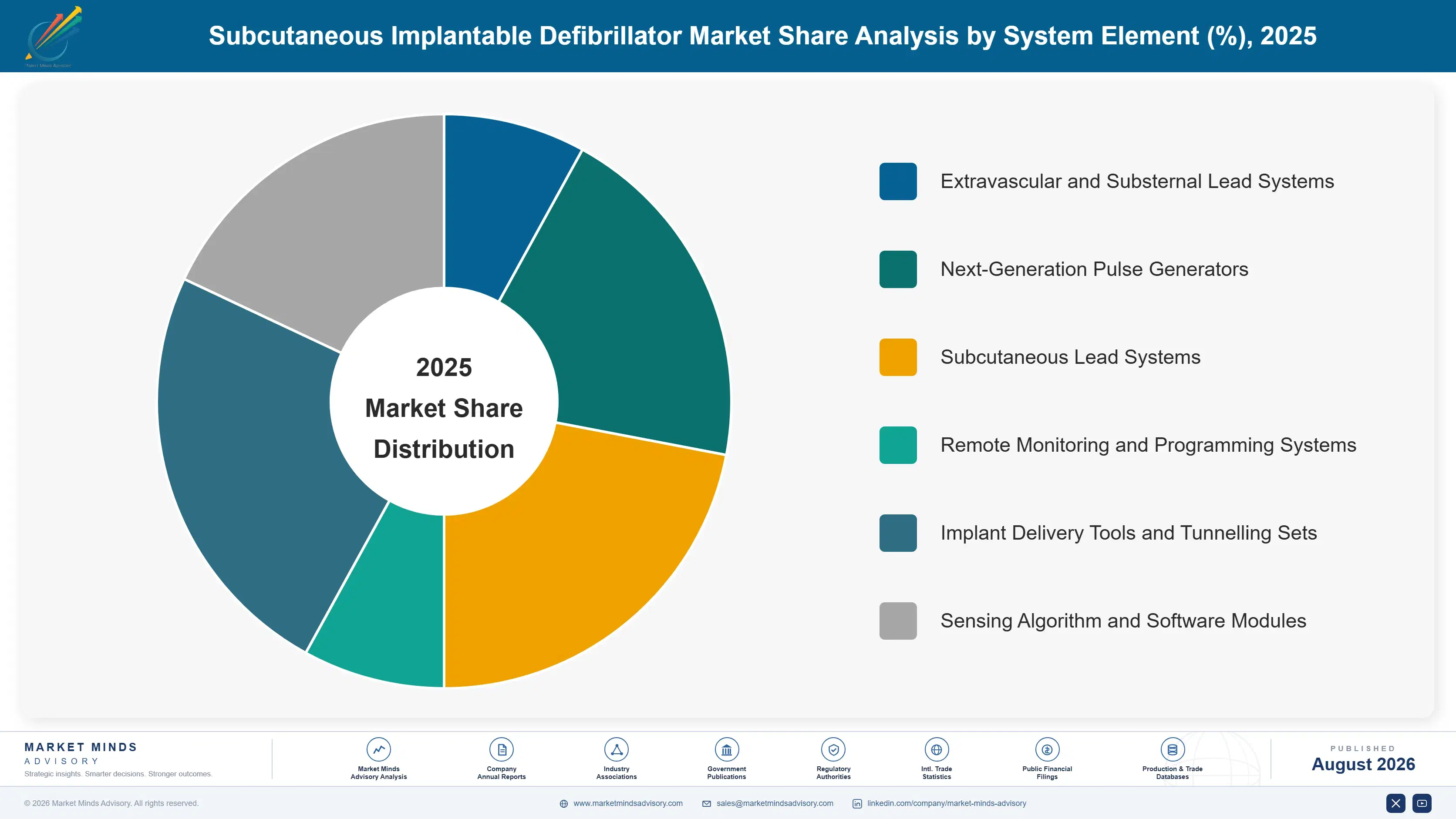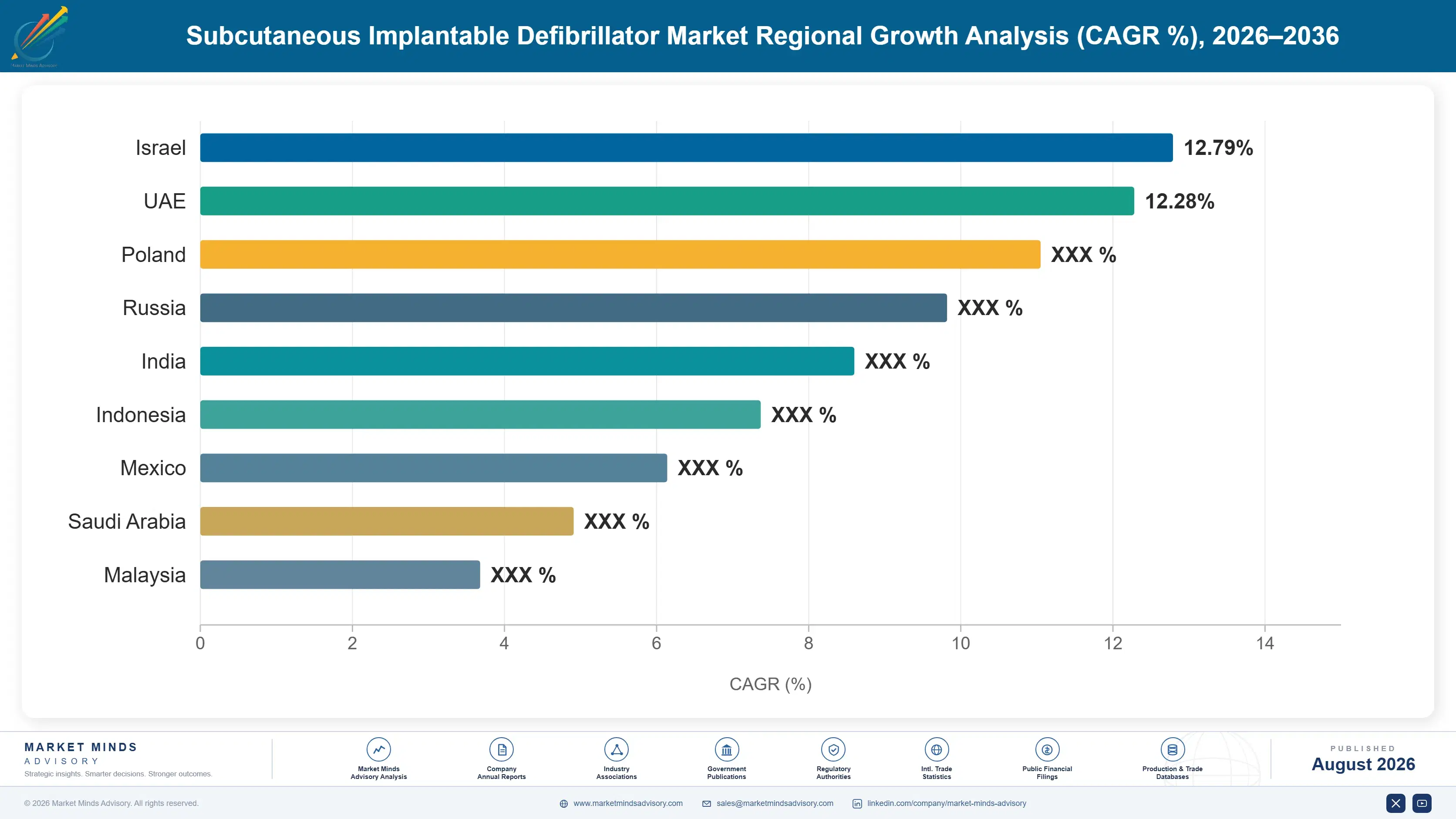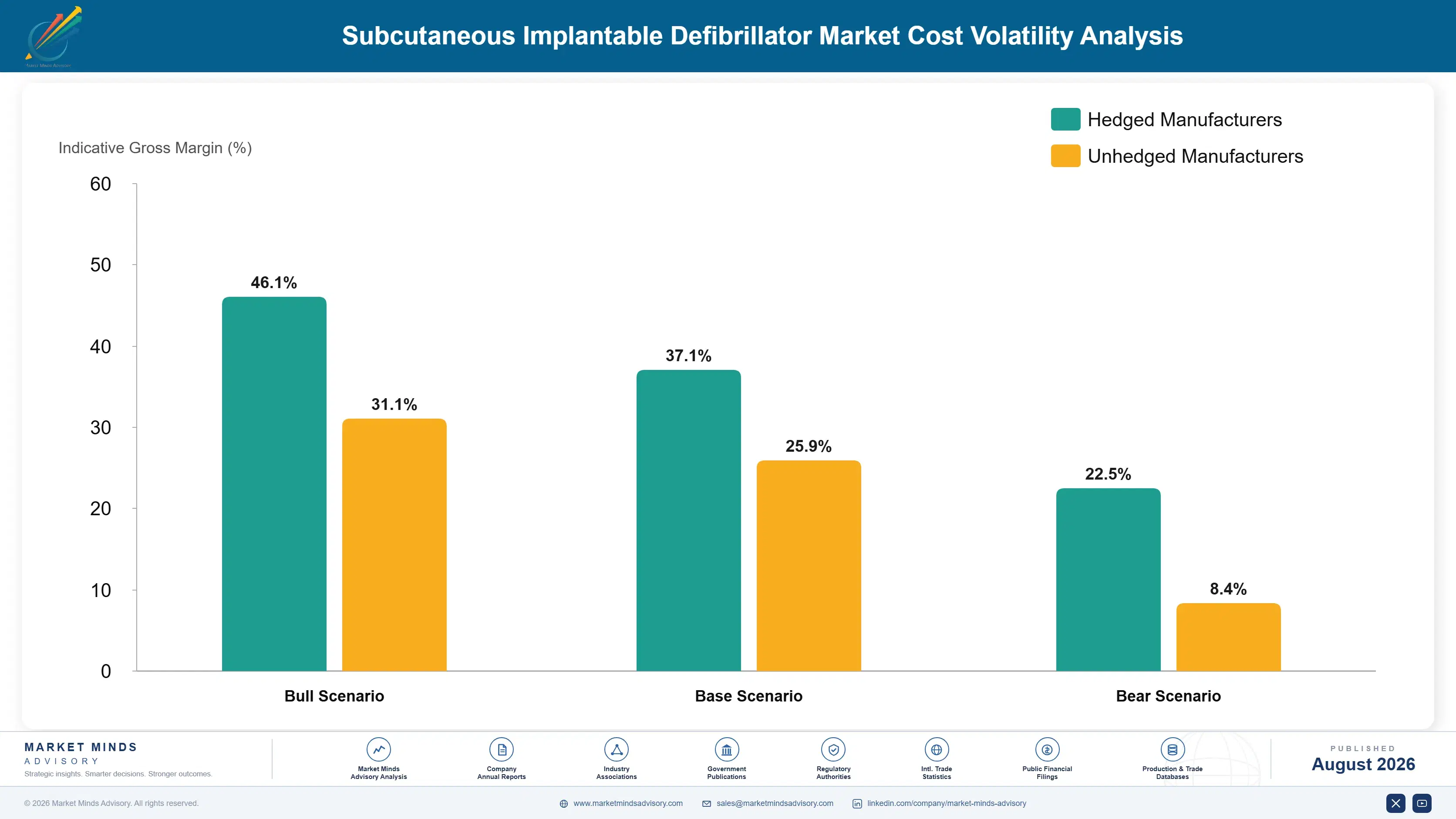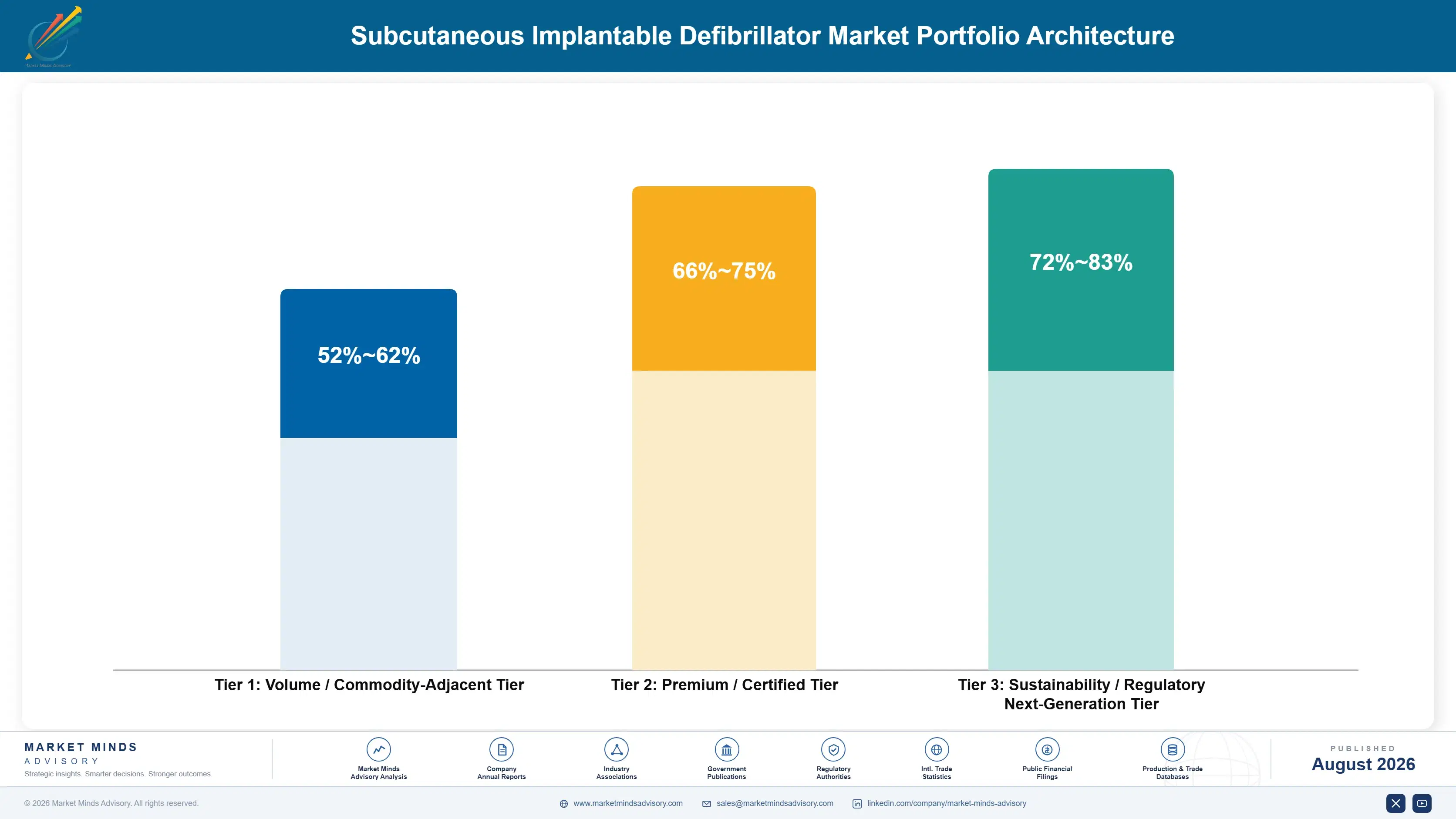
Extravascular architecture restores pacing to a lead-free approach
The original subcutaneous design traded away antitachycardia and backup pacing, which excluded any patient who might need either. Substernal lead placement recovered that capability while still keeping hardware out of the bloodstream, and regulatory approvals have accumulated across the United States, Europe and Japan since 2022. The commercial effect is larger than the clinical one. Physicians who previously ruled out lead avoidance on pacing grounds now have to make an active choice instead, and roughly a third of the transvenous population falls into that previously excluded group. That is a selection decision, not an exclusion.
Market Impact: Places 18% of implants below 40