Market Minds Advisory
Strapping Supplies Market

Strapping Supplies Market Size, Growth Drivers and Forecast 2026-2036

Worker injury liability and steel price volatility are pushing heavy industrial shippers toward polyester and composite strapping, reshaping a conservative materials category once selected almost entirely on unit cost alone.

Lead Analyst

Bilal Shaikh

Published

November 2026

Make Smarter Decisions with Customized Research Insights

Request a free sample report and evaluate market opportunities, growth trends, and competitive dynamics relevant to your business needs.

2025 MARKET VALUE$5.8BMarket Size 2025
2036 FORECAST VALUE$9.1BBase Case , 2026 to 2036
CAGR 2026 TO 20364.2 %Bull 5.3% / Bear 3.1%
INCREMENTAL OPPORTUNITY$3.1BNet 10- year value creation
EXPANSION MULTIPLE1.51x2036 value over 2026 base
Strategic Levers
M&A Pipeline
Regional Outlook
Country Rankings
Competitive Intelligence
Segmental Deep-dive
Call-Us : 91 93563 13602

Strapping Supplies Market Outlook

Steel strapping still dominates by tonnage, but worker safety liability and steel price swings are pushing heavy industrial shippers toward polyester and composite alternatives at a pace the category has not seen in decades. Buyers who once chose purely on cost now weigh injury exposure as a first-order factor.
Paper and biodegradable strapping is growing fastest off a small base as retailers push plastic reduction targets into their own supplier packaging specifications, while polyester strapping holds the second-fastest growth rate as steel-to-PET conversion accelerates across steel, lumber, and brick manufacturing accounts seeking to cut recordable injury rates. East Asia ships the largest volume on manufacturing and export packaging scale, while South Asia and Pacific posts the fastest regional growth as export capacity expands.
Competition splits between global strapping system manufacturers selling machines, tools, and consumable strap together, and regional strap-only converters competing purely on resin or steel cost. Steel price volatility is accelerating the conversion case for buyers tired of repricing contracts every quarter, while safety regulators in several jurisdictions are tightening recordable injury reporting in ways that specifically flag manual steel strapping incidents. Buyers now expect both.
Market Definition
The strapping supplies market covers steel, polyester, polypropylene, composite woven cord, and paper or biodegradable strap used to unitize, bundle, and secure palletized or baled loads, along with the tensioning, sealing, and tooling accessories used to apply it. It excludes stretch and shrink film wrapping, void-fill protective packaging, and corrugated or wooden crating used for primary load containment.
Base Year Value
$5.8B in 2025 (MMA Primary Research Dataset, October 2026)
Forecast Period
2026 to 2036, eleven discrete annual values
CAGR
4.2% base case. Bull 5.3%. Bear 3.1%.
Fastest Growth Segment
Paper and Biodegradable Strapping: 8.5% CAGR
Fastest Growth Country
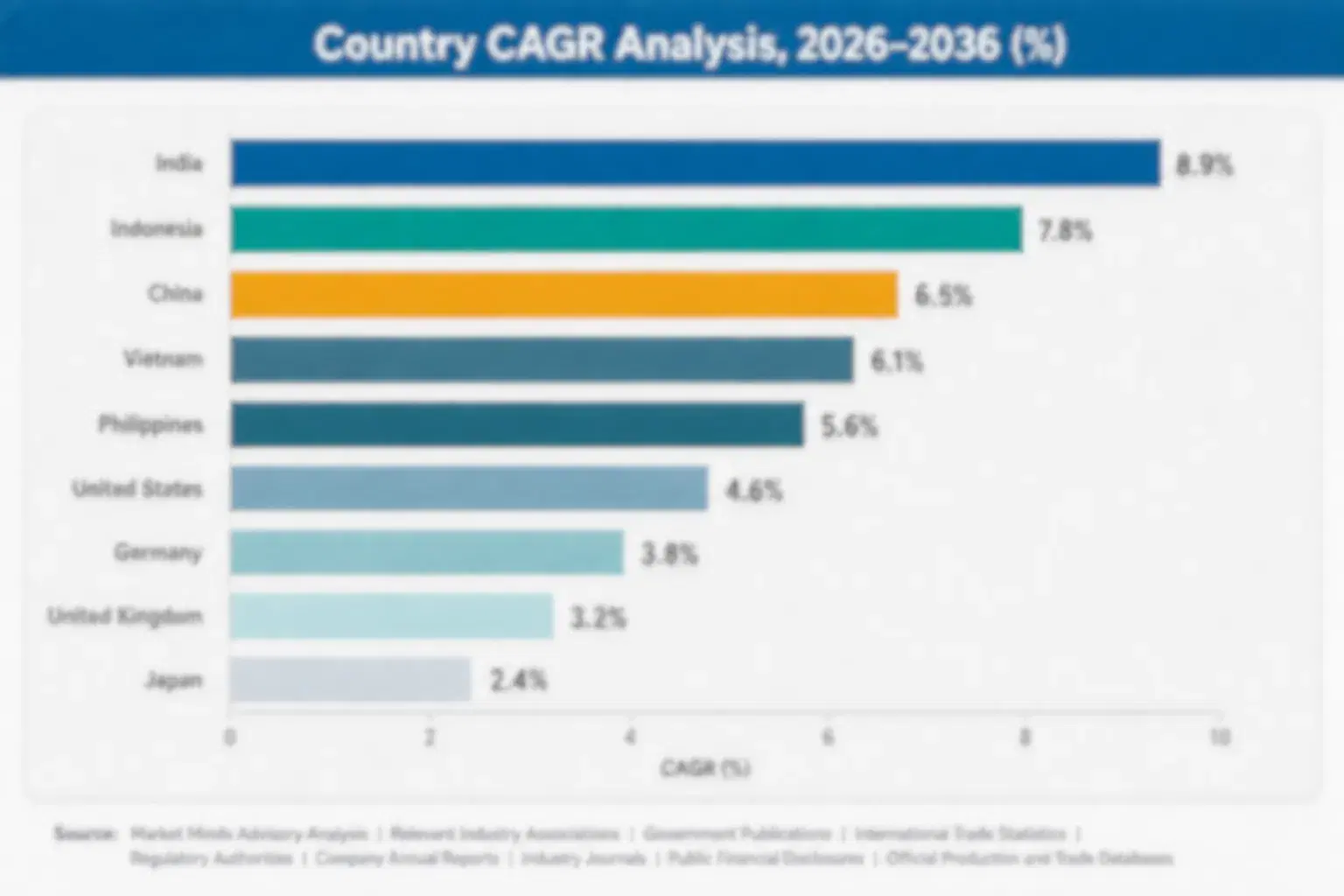
Indonesia: 6.8% CAGR
Fastest Growth Region
South Asia and Pacific: 6.2% CAGR
Largest Region
East Asia: 29% of 2025 global value
Market Leaders
Signode Industrial Group, Samuel Strapping Systems, FROMM Holding, Mosca GmbH, and Teufelberger Group lead by strap volume and installed tooling base. Source: MMA Analysis based on company annual reports.
Primary Survey
n=3,800 procurement and R&D decision-makers, Q4 2025, six countries
Methodology
Demand-side build-up, cross-validated against public data, 47 expert interviews

Strapping Supplies Growth Scenarios to 2036

strapping-supplies-market-size-forecast-scenario-1791462807302
Between 2020 and 2025 the market grew at an estimated 3.6% annually, tracking industrial production and export manufacturing volume closely, with steel-to-polyester conversion accelerating meaningfully only in the final two years as safety liability concerns gained board-level attention at large industrial shippers facing rising injury costs. Early movers among larger steel producers began conversion pilots years before regulators made the pressure explicit.
The base case assumes 4.2% compound growth through 2036, driven by three reinforcing mechanisms: first, continued steel-to-polyester and steel-to-composite conversion as safety regulators tighten injury reporting requirements around manual steel strap handling; second, export manufacturing capacity expansion across South and Southeast Asia that lifts baseline strap demand regardless of material mix; and third, retailer plastic-reduction mandates pulling a small but fast-growing share toward paper and biodegradable strap formats. rewarding manufacturers who serve both the conversion opportunity and the baseline growth.
The bull case rests on a major regulator mandating restrictions on manual steel strapping that pull conversion volume forward sharply across affected industries. The bear case centers on a prolonged global manufacturing slowdown that compresses baseline unitization volume even as material mix continues shifting toward higher-value polyester and composite formats, Both outcomes hinge on a major regulatory shift.

Material Conversion Economics in a Mature Category

Three forces are reshaping a category long dominated by simple unit-cost comparison: worker safety liability that specifically penalizes manual steel strapping incidents, steel price volatility that keeps resetting the conversion economics case in polyester's favor, and retailer sustainability mandates pulling a growing niche toward paper and biodegradable formats entirely. No single mechanism dominates alone, which is why manufacturers increasingly need credibility across safety, cost, and sustainability together. Much of this also feeds into the strapping tapes market, which MMA expects to grow at 6.0% a year through 2036.
MARKET CONCENTRATION (CR5)44%Top five manufacturers hold under half of global strap volume
AVERAGE PRICE PER KILOGRAM$1.85Blended average across steel, polyester, and composite strap types
TOP PRODUCING COUNTRY SHARE33%China leads global strap manufacturing output across every material
CAPACITY UTILIZATION70%Manufacturers run extrusion and rolling lines below full capacity
INPUT SHARE OF COGS61%Raw material input dominates total strap production cost structure
AVERAGE TOOLING REPLACEMENT CYCLE5-7 yearsTensioners and sealers run long before full replacement needed
Commercially, the market still rewards manufacturers who sell machines, tools, and consumable strap together under a single account relationship, since a buyer locked into a specific tensioner or sealer platform faces real switching costs when considering a competing strap supplier for the consumable alone. Manufacturers without a comparable tooling platform increasingly find themselves relegated to smaller, strap-only accounts.
Over the next decade, expect continued steel-to-polyester conversion across heavy industrial accounts, growing composite strap adoption in lumber and brick manufacturing where worker safety concerns run highest, and a persistent but still-small paper and biodegradable segment serving retailers under direct plastic-reduction pressure from their own sustainability commitments. rewarding manufacturers investing in material science and compliance documentation ahead of when any account requests it. That demand is tracked in the polyester straps market, which MMA expects to expand at 6.5% a year to USD 2.9 billion by 2036.
"Buyers used to pick strapping the way they pick screws: by the pound, by the supplier who answered the phone fastest. Safety liability has turned it into a material science decision almost overnight."
Director, Industrial Packaging Practice · MMA Industrial Packaging / Unitization Materials Practice · October 2026

Strapping Supplies Adoption Trends

Steel-to-Polyester Conversion Accelerating Across Heavy Industry

Large steel, lumber, and brick manufacturers are converting strapping specifications from steel to polyester at an accelerating pace, driven by worker injury liability concerns that steel strap's sharp edges and high recoil tension create during manual application and cutting. Polyester strap now matches steel's tensile strength for most unitization applications while carrying meaningfully lower injury risk and no recycling cost at the receiving dock, a combination that has made conversion an easy safety and cost case simultaneously rather than a trade-off buyers previously had to weigh. Several large shippers have mandated conversion across their supplier base following injury incidents. For a connected opportunity, MMA values the moving supplies market at USD 8.5 billion in 2025.
Market Impact: Cuts recordable injuries roughly 30%

Retailer Plastic-Reduction Mandates Lifting Paper Strap Demand

Major retailers pursuing plastic-reduction commitments are extending those targets into their own inbound packaging specifications, requiring suppliers to use paper or biodegradable strapping rather than polypropylene or polyester for certain palletized shipments entering distribution centers. The shift remains confined mostly to retail-facing supply chains rather than heavy industrial unitization, since paper strap cannot yet match polyester's tensile strength for genuinely heavy loads, but the segment is growing from a small base as more retailers follow early movers already enforcing the requirement. Converters investing early in compliant paper strap formulations are capturing preferred-supplier status with these retail accounts specifically. This dynamic also shapes the strapping devices market, valued by MMA at USD 0.5 billion in 2025 and expected to reach USD 0.98 billion by 2036.
Market Impact: Adds roughly 4% baseline volume yearly

Strapping Supplies Strategic Opportunities

Safety Regulators Tightening Manual Strapping Injury Reporting

Occupational safety regulators in several jurisdictions have tightened recordable injury reporting requirements specifically around manual steel strapping incidents, including lacerations and recoil injuries during tensioning and cutting, giving large industrial shippers a direct compliance incentive to convert toward lower-risk polyester or composite formats. Several major steel and lumber producers have cited rising recordable injury rates tied specifically to manual steel strapping as the deciding factor in board-approved conversion programs covering their entire supplier base, not merely a pilot facility or single product line. Insurance underwriters are beginning to factor strap material into liability premium pricing. The same pressures carry over to the pre-packaged medical supplies market, where MMA forecasts USD 9.9 billion by 2036 at a 6.8% CAGR.
Market Impact: Limits conversion on 15% of loads

Export Manufacturing Growth Lifts Baseline Strap Demand

Export manufacturing capacity expansion across South and Southeast Asia is lifting baseline strap demand across every material type, since nearly every palletized or baled export shipment requires some form of unitization strapping regardless of which specific material ultimately wins the broader conversion debate playing out in heavy industrial accounts. This baseline volume growth means even steel strap, which is losing share within the material mix, continues to see absolute demand grow in the fastest-expanding export manufacturing regions where new capacity keeps coming online. Equipment lessors report strapping demand as one of the more reliable indicators of export manufacturing capacity utilization.
Market Impact: Adds $2,000 to $4,000 conversion cost

Strapping Supplies Cost and Adoption Hurdles

Polyester Strap Trails Steel on Extreme-Load Applications

Polyester strap still trails steel strap on tensile strength for the heaviest unitization applications, including structural steel coil and certain lumber bundle configurations where loads exceed what current polyester formulations can safely secure without failure risk during transport. The root cause is that polyester's molecular structure cannot yet match steel's tensile strength at comparable strap width without adding bulk that complicates existing tensioning tool compatibility. Manufacturers are mitigating the gap by developing higher-denier polyester formulations and hybrid composite constructions specifically targeting these extreme-load applications that steel has historically owned exclusively.
Market Impact: Conversion volume up roughly 9% yearly

Tooling Switching Costs Slow Full Material Conversion

Converting from steel to polyester or composite strap often requires replacing tensioning and sealing tools entirely, since steel strap tooling cannot process plastic strap formats, creating a real capital cost barrier that slows full conversion even at accounts otherwise committed to the transition for safety reasons. The root cause is that tool manufacturers have historically built dedicated platforms per material type rather than universal tooling, forcing a buyer to choose rather than gradually transition. Equipment makers are mitigating the barrier by introducing dual-compatible tooling platforms that process both steel and polyester strap on a single tensioner.
Market Impact: Paper strap share up 2 points
3 additional market trends, 3 additional growth drivers, and 2 additional restraints and challenges are covered in the full report. Contact sales@marketmindsadvisory.com to access the complete intelligence.

Strapping Supplies Segment Growth Rates

The market segments by strap material type rather than by application or industry vertical, since material choice drives both tensile performance and tooling compatibility more directly than the industry a given shipment happens to serve. Five material segments span the market today. Each segment carries distinct tensile and regulatory exposure buyers now evaluate explicitly.
strapping-supplies-market-market-share-analysis-1791462807570

Paper and Biodegradable Strapping

Paper and biodegradable strapping remains the smallest segment by volume but is growing fastest as retailers extend plastic-reduction commitments into their own inbound packaging specifications, requiring compliant strap formats for certain palletized shipments entering distribution centers. Retail fulfillment and consumer goods accounts are the primary buyers, typically specifying the material directly rather than delegating the choice to a logistics provider. Tensile strength limitations keep this segment out of genuinely heavy industrial applications for now, concentrating growth specifically within retail-facing supply chains where load weights stay within what current paper formulations can reliably secure without failure during transit handling. Converters investing early in tensile improvements that extend paper strap into heavier load categories stand to capture outsized share.
CAGR 8.5%

Polyester (PET) Strapping

Polyester strapping is converting share from steel strapping across heavy industrial accounts as buyers weigh worker safety liability alongside steel price volatility, two pressures now pointing in the same commercial direction simultaneously. Steel, lumber, and brick manufacturers are the primary converting accounts, often mandating the switch across their entire supplier base following specific injury incidents or steel cost spikes at their own facilities. Growth here trails only paper and biodegradable strap in percentage terms, but represents far more absolute volume given the segment's much larger existing base and the scale of heavy industrial conversion already underway across multiple manufacturing sectors. Tooling compatibility remains the single biggest practical barrier slowing the remaining conversion opportunity across smaller accounts still running steel-only equipment.
CAGR 6.8%
Full segment breakdown across 5 segments available in the complete report.

Where Strapping Supplies Demand Is Growing

East Asia ships the largest strap volume on sheer manufacturing and export packaging scale, while South Asia and Pacific posts the fastest regional growth as export manufacturing capacity expands, and North America leads on material conversion toward polyester and composite formats. Western Europe pairs conversion with strict plastic rules.

North America

Worker safety liability concerns are driving North America's steel-to-polyester conversion faster than any other region tracked, as large steel, lumber, and brick manufacturers across the industrial Midwest and South face rising recordable injury reporting requirements specifically tied to manual steel strapping incidents. Several major producers have mandated conversion across their entire supplier base following specific injury events at their own facilities, pulling regional polyester strap demand upward faster than organic industrial production growth alone would produce. Canada mirrors the pattern at smaller scale, concentrated around its own lumber and steel manufacturing base, while retailer plastic-reduction mandates are simultaneously lifting a smaller but growing paper strap segment across both countries' consumer goods supply chains.
Share: 24% | CAGR: 4.8% (2026 to 2036)

Western Europe

Regulatory pressure around both worker safety and plastic packaging waste shapes Western Europe's strap material mix more than any other single factor, as the EU Packaging and Packaging Waste Regulation pushes retail-facing accounts toward paper and recycled-content formats while separate occupational safety directives accelerate industrial steel-to-polyester conversion in parallel. Germany anchors regional volume through its large steel and heavy manufacturing base, while France and the UK contribute meaningful retail-facing paper strap demand tied to large grocery and consumer goods distribution networks. This dual regulatory pressure has made Western Europe the most materially diverse region tracked, even though its overall growth rate trails every region except Eastern Europe given its mature, slow-growing industrial base.
Share: 20% | CAGR: 2.8% (2026 to 2036)
Regional intelligence for 5 additional markets available in the complete report: East Asia, South Asia and Pacific, Latin America, Middle East and Africa, Eastern Europe. Contact sales@marketmindsadvisory.com.
strapping-supplies-market-country-cagr-analysis-1791462807859

Capturing Margin in a Converting Category

Commodity steel strap margin has compressed as steel price volatility squeezes converters from both directions, so the real commercial opportunity sits in capturing conversion accounts early, bundling tooling with consumable strap, and securing the safety-driven switching decisions happening across heavy industrial accounts right now. Manufacturers treating conversion sales and tooling breadth as core strategy capture disproportionate new contract volume.

Winning Steel-to-Polyester Conversion Accounts Ahead of Rivals

Manufacturers that win a heavy industrial account's conversion decision early typically lock in a multi-year consumable strap relationship worth meaningfully more than a comparable steel strap contract, since the buyer rarely revisits material choice again absent a major cost or safety event. Signode and Samuel Strapping Systems have both built dedicated conversion sales teams specifically to identify accounts facing rising injury liability exposure, and early movers report winning conversion accounts at close rates roughly 40% higher than their broader new-account win rate across the existing steel strap customer base. This advantage compounds since buyers rarely reopen the decision.
Market Impact: Wins conversion accounts at a 40% higher rate

Bundling Dual-Compatible Tooling With Strap Supply

Offering dual-compatible tensioning tools that process both steel and polyester strap removes the capital cost barrier that otherwise slows a buyer's full material conversion, letting a manufacturer capture the consumable relationship immediately rather than waiting through a lengthy tooling replacement budget cycle. Manufacturers bundling tooling with a multi-year strap supply agreement report meaningfully longer average contract terms than a strap-only sale, since switching tooling mid-contract would forfeit the bundled pricing advantage entirely. Manufacturers report this bundled structure extends average contract length by roughly 2 years compared with a strap-only agreement sold separately.
Market Impact: Extends contract terms by roughly 2 extra years

Developing Compliant Paper Strap for Retail Accounts

Converters investing early in paper and biodegradable strap formulations that meet retailer plastic-reduction specifications are capturing preferred-supplier status at accounts now enforcing the requirement across their inbound supply chain, a smaller but fast-growing niche commanding a meaningful price premium over commodity polypropylene strap given limited current supplier capacity. Early movers report this premium running roughly 15 to 20% above comparable plastic strap, a margin retailers accept because documented compliance shields them from their own sustainability reporting exposure. Several large retailers now explicitly favor pre-qualified paper strap suppliers in their formal request-for-proposal scoring criteria over commodity plastic alternatives.
Market Impact: Commands roughly 15 to 20% premium over plastic

Selling Safety Compliance Documentation as a Service Layer

Manufacturers offering documented injury-reduction data and safety compliance reporting alongside strap supply are winning conversion decisions faster at large industrial accounts where safety officers, not just procurement teams, now influence the material choice directly. This documentation service commands a modest premium over strap alone, and it deepens the account relationship meaningfully since a buyer relying on a supplier's compliance reporting for its own regulatory filings faces real switching costs if it considers moving to a competitor later. Manufacturers report this documentation layer adds roughly $0.05 per kilogram in effective premium pricing across accounts that value it most.
Market Impact: Adds roughly $0.05 per kilogram in premium pricing

Strapping Supplies Profit Pools

Market concentration sits at a modest CR5 of 44%, reflecting a fragmented converter base across many regional steel and resin specialists, with Signode and Samuel Strapping Systems holding the broadest combined tooling and consumable portfolios ahead of mid-tier challengers like FROMM and Mosca. That gap has widened as smaller specialists struggle to fund comparable conversion sales capability.
Current competitive activity centers on three fronts: dedicated conversion sales teams targeting steel accounts facing rising safety liability, dual-compatible tooling development that removes the capital barrier to full material switching, and paper strap formulation work racing to meet retailer plastic-reduction deadlines. Manufacturers increasingly compete on total account conversion speed rather than per-kilogram strap price alone. Pricing power increasingly follows whichever manufacturer can prove the fastest, lowest-friction path to full material conversion.

Emerging pressure comes from regional Asian steel and resin converters offering lower-cost commodity strap without the tooling and compliance documentation layer that incumbents rely on for margin, appealing to price-sensitive accounts across South and Southeast Asia not yet subject to meaningful safety liability pressure. Rankings could shift meaningfully if a challenger successfully bundles dual-compatible tooling at commodity pricing before incumbents fully capture the conversion accounts they are currently chasing across heavy industry.
strapping-supplies-market-company-positioning-matrix-1791462808191

How Strapping Supplies Suppliers Compete

SIGNODE INDUSTRIAL GROUP

Moat: Broadest Tooling and Strap Portfolio

Signode sells tooling and consumable strap together across every material type, letting it offer accounts a single vendor relationship through a full material conversion rather than requiring a separate tooling purchase, a breadth that smaller single-material converters cannot easily match given the engineering investment required across multiple strap chemistries.
SIGNODE INDUSTRIAL GROUP

Risk: Steel Business Faces Gradual Decline

Signode's substantial legacy steel strapping business faces a gradually shrinking addressable base as conversion accelerates industrywide, and the revenue it must replace from polyester and composite growth needs to outpace steel's decline meaningfully just to maintain overall company growth rates. Diversifying fast enough into polyester and composite to offset this decline remains Signode's single biggest strategic priority.
SAMUEL STRAPPING SYSTEMS

Moat: Deep Heavy Industrial Account Relationships

Samuel Strapping Systems holds long-standing relationships across steel, lumber, and brick manufacturing accounts that give it early visibility into conversion decisions before competitors, letting it position dual-compatible tooling proposals ahead of a formal competitive bid process most rivals never see until it is already underway.
SAMUEL STRAPPING SYSTEMS

Risk: Narrower Geographic Footprint Than Rivals

Samuel Strapping Systems holds a smaller installed base outside North America than global competitors like Signode or Mosca, leaving it more exposed to a single region's industrial cycle and safety regulatory calendar rather than a globally diversified revenue mix across multiple jurisdictions. International expansion into Asia and Latin America remains a priority to reduce this concentration risk.

Players Tracked

Prominent Players

Signode Industrial Group
Samuel Strapping Systems
FROMM Holding
Mosca GmbH
Teufelberger Group

Other Key Players

Cordstrap
Dynaric Inc.
Polychem Corporation
M.J. Maillis Group
Strapex
Catena Group
Nefab Group
Intertape Polymer Group
Loscam
Gordian Straps
Pac Strapping Products
Interflex Group
Illinois Tool Works
Southern Packaging and Storage
Transpak Inc.

Recent Developments

JUNE 2025

Signode Launches Dual-Compatible Tensioning Platform

Signode launched a new tensioning tool platform capable of processing both steel and polyester strap on the same device, aiming to remove the capital cost barrier that has historically slowed full material conversion at accounts still running mixed material inventories. aiming to shorten the capital decision slowing full conversion.
Signal: Signals universal tooling becoming a standard competitive requirement rather than a specialty product offering. across both large and mid-size manufacturers.
NOVEMBER 2024

Samuel Strapping Systems Expands Polyester Production Capacity

Samuel Strapping Systems announced expanded polyester strap production capacity at an existing North American facility, responding to conversion demand from steel and lumber accounts that has outpaced its prior production capability for several consecutive quarters. aiming to meet continued conversion-driven demand across its North American customer base.
Signal: Signals capacity constraints on polyester strap becoming a genuine bottleneck across the converter industry broadly. as demand outpaces supply broadly.
FEBRUARY 2026

FROMM Holding Acquires Paper Strap Formulation Specialist

FROMM Holding acquired a specialty converter with existing compliant paper strap formulation work, absorbing completed retailer qualifications rather than developing equivalent paper strap chemistry through its own internal development process. a move letting FROMM offer retail accounts a pre-qualified option immediately rather than waiting through internal testing.
Signal: Signals acquisition replacing organic development as the faster path to retailer-compliant paper strap coverage. across the broader strapping industry generally.

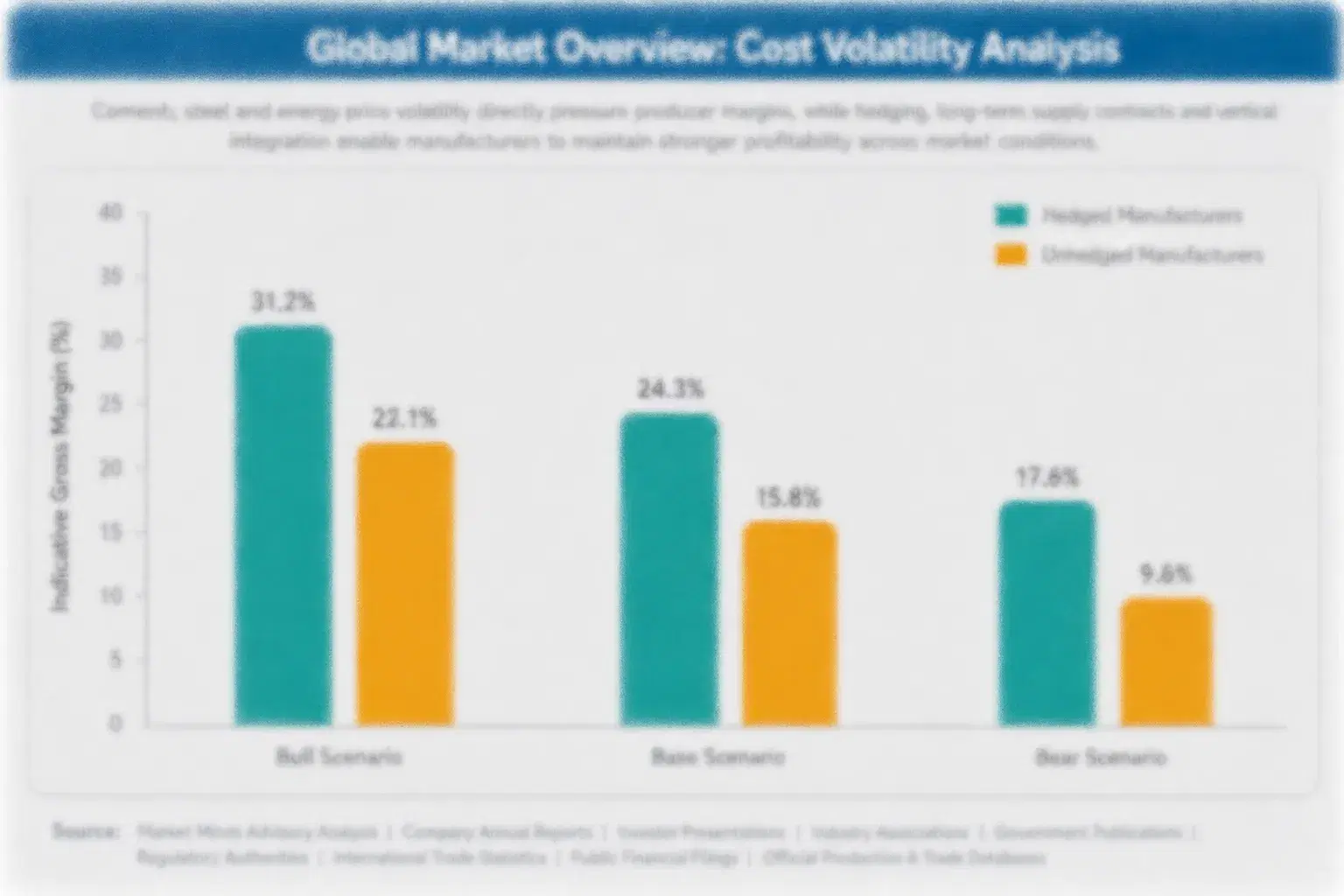
Steel and Resin Markets Both Matter Here

Raw material accounts for roughly 58 to 65% of total strap cost of goods sold, with steel strap exposed directly to hot-rolled coil pricing and polyester or polypropylene strap exposed to polyethylene terephthalate and propylene feedstock pricing, two entirely separate commodity cycles that rarely move in the same direction at the same time. Composite strap exposure sits between these two cycles, blending resin and fiber feedstock costs.
The 2022 global ethylene and propylene supply disruption following Gulf Coast hurricane damage pushed polyester and polypropylene resin costs up sharply within months according to EIA data, while separate steel tariff actions in several major markets simultaneously pushed steel strap input costs higher, creating a rare period where both major strap material categories faced input cost pressure at once rather than one offsetting the other.

Manufacturers concentrated in a single material carry more exposure to that material's specific feedstock cycle than diversified manufacturers selling across steel, polyester, and composite simultaneously, since a diversified manufacturer can shift sales emphasis toward whichever material currently carries the more favorable input cost position without losing the underlying account relationship entirely. Larger diversified manufacturers can redirect capacity between materials faster than smaller single-line converters.
strapping-supplies-market-cost-volatility-analysis-1791462808556

Multi-Material Portfolios as a Natural Feedstock Hedge

Manufacturers selling across steel, polyester, and composite simultaneously can shift account recommendations toward whichever material currently carries the more favorable input cost position, a hedge that single-material specialists cannot replicate without entering an entirely new production process. giving a diversified manufacturer an effective margin cushion that a steel-only or resin-only specialist simply cannot access during a one-sided cost spike.

Multi-Year Steel and Resin Hedging Contracts

Larger manufacturers lock in steel and resin pricing through multi-year supply agreements directly with mills and petrochemical producers, insulating strap cost from short-term spot market volatility and letting them offer customers more predictable pricing across multi-year strap supply contracts. though committing to fixed pricing ahead of demand carries risk if spot prices later fall below the rate.

Regional Production to Cut Import and Tariff Exposure

Building strap production capacity closer to major industrial and export manufacturing clusters reduces exposure to import tariffs and freight cost volatility on finished strap, particularly valuable for manufacturers serving Latin America and Eastern Europe facing persistent trade friction. several large manufacturers have announced new regional production lines specifically to shorten these supply chains and reduce transport cost exposure.

Portfolio Architecture for Margin Defence

The market organizes into three tiers: a volume tier built on commodity steel and polypropylene strap sold on price and basic tensile performance, a premium tier built on polyester and composite formats that command a conversion-driven price premium tied to safety and performance, and a sustainability tier built on paper and biodegradable formats still working through broad tensile certification across most industrial accounts.
Volume tier competition remains intensely price-driven, with manufacturers competing on cents per kilogram and little room for margin expansion absent a shift in customer safety priorities. Premium tier demand is growing meaningfully faster as safety liability and steel price volatility both push procurement toward polyester and composite formats, creating real tension for manufacturers deciding how quickly to shift production capacity away from reliable steel-tier revenue.

High-value margin pools concentrate specifically around bundled tooling and strap conversion contracts sold to large industrial accounts facing active safety liability pressure, a pool that rewards manufacturers with broad material and tooling breadth and penalizes single-material specialists regardless of how strong steel's underlying unit economics still look in isolation. That gap is unlikely to narrow soon given how slowly single-material specialists are broadening their own tooling and account coverage.

Volume / Commodity-Adjacent Tier

Commodity steel and polypropylene strap sold largely on price and basic tensile performance to cost-sensitive accounts without meaningful safety liability exposure driving procurement yet. though even this tier increasingly faces pressure as safety liability concerns spread into smaller accounts previously indifferent to material choice.
Gross Margin: 14-20%

Premium / Certified Tier

Polyester and composite strap commanding a conversion-driven price premium tied to safety performance and tensile reliability, serving accounts under active liability pressure. a tier capturing a growing share of total industry revenue as conversion accelerates across more heavy industrial accounts each year.
Gross Margin: 24-30%

Sustainability / Regulatory / Next-Generation Tier

Paper and biodegradable strap formats still completing broad tensile certification, targeting retailer plastic-reduction demand ahead of wider industrial readiness. with volumes still modest today but expected to scale meaningfully once broader tensile certification closes the gap with plastic alternatives.
Gross Margin: 26-33%
strapping-supplies-market-portfolio-architecture-1791462808894

High-value Sub-segments and Strategic Watch-out

Bundled Tooling and Conversion Contracts

Combines the fastest contract value growth with the strongest account retention in the category, as large industrial accounts consolidate tooling and strap under one vendor relationship, and early winners tend to retain the account for many years. Every major manufacturer now actively chases this pool through dedicated sales teams.
Gross Margin: 27-33%

Polyester and Composite Consumable Strap

Commands strong margin and growing volume together as safety liability and steel price volatility both favor these formats over commodity steel, though tensile performance requirements keep rising across the heaviest industrial applications. making continuous tensile innovation an ongoing cost of participation rather than a single conversion event manufacturers complete once.
Gross Margin: 24-29%

Commodity Steel and Polypropylene Strap

Represents the bulk of unit volume shipped today but carries the thinnest margin in the category, facing continuous downward price pressure and gradual share loss to higher-margin conversion formats across every region. with little prospect of margin recovery absent a meaningful shift in underlying customer safety or sustainability priorities.
Gross Margin: 12-17%

Legacy Steel-Only Tooling Installed Base

A genuine strategic watch-out: accounts still running steel-only tooling face a capital decision point as safety liability pressure mounts, stranding manufacturers slow to offer dual-compatible conversion tooling of their own. manufacturers offering early dual-compatible tooling support are best positioned to retain these accounts before competitors close the gap.
Gross Margin: 15-20%

Conversion Decisions Anchor Long Account Relationships

Once an account converts material and tooling, the resulting supply relationship behaves like an annuity for years afterward, since switching strap material again requires a buyer to requalify tensile performance and potentially replace tooling a second time, a costly process most procurement and safety teams avoid absent a serious new cost or injury event prompting reconsideration. That annuity quality is why manufacturers invest heavily in winning the conversion decision.
Adoption depth varies meaningfully by industry vertical: steel and lumber manufacturers converting for safety reasons adopt polyester comprehensively across their entire facility, retail-facing consumer goods accounts adopt paper strap selectively for specific plastic-reduction-mandated shipments only, and smaller general manufacturing accounts remain largely price-driven and slower to convert absent direct liability pressure of their own. Manufacturers misjudging account type often over-invest in safety documentation smaller accounts never requested.

Buyer profiles are shifting generationally as strapping material decisions move from pure procurement authority toward safety and operations teams who weigh injury liability and total cost of ownership alongside unit price, a change that rewards manufacturers able to speak credibly to both safety outcomes and cost in the same sales conversation. rewarding manufacturers who translate tensile data into terms a safety officer readily understands.
strapping-supplies-market-end-use-penetration-index-1791462809176

Where MMA Sees the Opportunity

These are among the four positions where our research anticipates prominent divergence between winners and laggards over the coming forecast period. Each is grounded in the demand model, the regulatory perimeter, and the announced capacity pipeline.
01 / STEEL-TO-POLYESTER CONVERSION SALES

Back manufacturers building dedicated conversion sales capability

Steel-to-polyester conversion is becoming the clearest growth opportunity in a historically flat category, as safety liability pressure gives manufacturers a genuine commercial opening beyond simple price competition. Manufacturers with dedicated conversion sales teams are identifying and winning these accounts faster than rivals waiting for buyers to initiate the conversation themselves. We expect this advantage to compound further as more industrial accounts face tightening injury reporting requirements, rewarding manufacturers who built conversion capability early with first access to the largest remaining steel accounts.
02 / DUAL-COMPATIBLE TOOLING INVESTMENT

Prioritize tooling that removes the capital barrier to conversion

Dual-compatible tooling is shifting from a niche product into table-stakes competitive infrastructure as more accounts weigh partial conversion against the capital cost of replacing tooling entirely. Manufacturers offering this tooling capture the consumable relationship immediately rather than waiting through a buyer's lengthy capital budget cycle for new equipment. We expect laggard manufacturers without comparable tooling to lose meaningful conversion opportunities as this capability becomes a standard procurement checkpoint across more accounts, with early movers already winning accounts competitors have not yet approached.
03 / PAPER STRAP FORMULATION CAPACITY

Expand paper strap capability ahead of retailer mandate deadlines

Paper and biodegradable strap formulation work is shifting from a niche sustainability project into an explicit retailer scorecard requirement at an increasing number of large consumer goods accounts. Converters completing compliant formulation work early capture preferred-supplier status well before competitors begin their own qualification process in earnest. We expect this segment to keep outgrowing every other material category in percentage terms, even though its absolute volume remains modest, and laggards should expect meaningful share loss as leading retailers extend compliance into broader supplier scorecards.
04 / SINGLE-MATERIAL CONCENTRATION RISK

Watch manufacturers overexposed to one feedstock across their range

Manufacturers concentrated in a single strap material carry meaningfully more feedstock exposure than diversified competitors able to shift emphasis across steel, polyester, and composite as relative input costs move independently. A sharp spike in either steel or resin pricing, as occurred in 2022 across both simultaneously, disproportionately compresses margin at single-material specialists relative to diversified rivals. We consider this concentration risk a genuine competitive vulnerability, and manufacturers diversifying early across materials are best positioned to weather the next feedstock cost shock without ceding share.

Engagement Snapshot From the Field

A live engagement with an industry participant carrying material or product regulatory and market exposure ahead of a defining policy shift, showing how our research translates into a defensible multi-year portfolio strategy.
MARKET MINDS ADVISORY · CLIENT ENGAGEMENT SUMMARY
Strapping Supplies Producer Strategic Portfolio Review and Transition Roadmap 2026·Investment Scenario on Strapping Supplies Exposure Evaluation 2025-26
CLIENT PROFILE
The client operates a regional steel service center network across five facilities in the industrial Midwest, processing and shipping coil and bundled steel products that require heavy-duty strapping for secure transport (client-reported, unverified by MMA). The client had run steel strapping exclusively across all five facilities for more than two decades, inherited from long-standing operational practice rather than any recent material evaluation.
STRATEGIC CHALLENGE
Corporate safety leadership mandated a facility-wide reduction in recordable manual handling injuries within twelve months following two serious strapping-related incidents, while operations leadership worried that converting away from steel strap would compromise load security on the heaviest coil shipments the business depended on for its largest accounts. Both leadership groups needed a single plan each could sign off on before the next safety audit cycle.
MMA APPROACH
MMA benchmarked injury rates and strap material mix across the client's five facilities against industry peers already converted to polyester and composite formats, modeled tensile performance requirements against the client's actual shipment weight distribution, and built a facility-by-facility conversion plan that preserved steel strap only for the small subset of loads genuinely exceeding polyester's tensile capability.
KEY FINDINGS
  1. Roughly 80% of the client's shipments by volume fell within tensile specifications that polyester or composite strap could already safely secure (client-reported, unverified by MMA).
  2. Facilities at peer companies already converted to polyester reported recordable manual handling injury rates roughly 35% lower than the client's own steel-strap-only facilities.
  3. Dual-compatible tooling allowed a phased conversion without a full tooling replacement cycle, reducing projected conversion capital cost by an estimated 40% versus full tooling replacement.
  4. The remaining 20% of heaviest shipments justified continued steel strap use, avoiding an all-or-nothing conversion mandate that operations leadership had originally worried would be required.
CLIENT PROFILE
The client operates a regional steel service center network across five facilities in the industrial Midwest, processing and shipping coil and bundled steel products that require heavy-duty strapping for secure transport (client-reported, unverified by MMA). The client had run steel strapping exclusively across all five facilities for more than two decades, inherited from long-standing operational practice rather than any recent material evaluation.
STRATEGIC CHALLENGE
Corporate safety leadership mandated a facility-wide reduction in recordable manual handling injuries within twelve months following two serious strapping-related incidents, while operations leadership worried that converting away from steel strap would compromise load security on the heaviest coil shipments the business depended on for its largest accounts. Both leadership groups needed a single plan each could sign off on before the next safety audit cycle.
MMA APPROACH
MMA benchmarked injury rates and strap material mix across the client's five facilities against industry peers already converted to polyester and composite formats, modeled tensile performance requirements against the client's actual shipment weight distribution, and built a facility-by-facility conversion plan that preserved steel strap only for the small subset of loads genuinely exceeding polyester's tensile capability.
KEY FINDINGS
  1. Roughly 80% of the client's shipments by volume fell within tensile specifications that polyester or composite strap could already safely secure (client-reported, unverified by MMA).
  2. Facilities at peer companies already converted to polyester reported recordable manual handling injury rates roughly 35% lower than the client's own steel-strap-only facilities.
  3. Dual-compatible tooling allowed a phased conversion without a full tooling replacement cycle, reducing projected conversion capital cost by an estimated 40% versus full tooling replacement.
  4. The remaining 20% of heaviest shipments justified continued steel strap use, avoiding an all-or-nothing conversion mandate that operations leadership had originally worried would be required.
RECOMMENDED STRATEGY
Phase 1: Phase 1 (Months 1 to 4): Install dual-compatible tooling across all five facilities, enabling both steel and polyester strap processing on existing equipment. Phase 2: Phase 2 (Months 5 to 9): Convert the roughly 80% of shipments within polyester's tensile range, prioritizing facilities with the highest recent injury incident rates first. Phase 3: Phase 3 (Months 10 to 12): Finalize steel strap retention protocols for the remaining heaviest shipment category and document safety outcomes for corporate reporting.
OUTCOME
Within twelve months the client reported recordable manual handling injuries down roughly 32% network-wide, meeting corporate safety leadership's reduction mandate, with total conversion capital cost coming in roughly 38% below a full tooling replacement estimate (client-reported, unverified by MMA). Operations leadership confirmed load security held steady across every converted shipment category throughout the transition.

Frequently Asked Questions

Foundational context covering the market sizes, CAGR, scope, country, region and competition that inform every finding below. This section is provided to cover basics and most often pre-purchase conversations, answered from the MMA Primary Research Dataset.

What is the current size of the Strapping Supplies Market?

The strapping supplies market reached an estimated $5.80 billion globally in 2025. This covers steel, polyester, polypropylene, composite, and paper strap along with the tooling used to apply it.

How large will the Strapping Supplies Market be by 2036?

MMA projects the market will reach approximately $9.11 billion by 2036, roughly 1.51 times its 2026 base of $6.04 billion as material conversion continues across heavy industry.

What is the CAGR for the Strapping Supplies Market 2026 to 2036?

The market is projected to grow at a 4.2% compound annual growth rate between 2026 and 2036, with a bull case of 5.3% and a bear case of 3.1%.

Which segment is growing fastest?

Paper and biodegradable strapping is growing fastest at an 8.5% CAGR, roughly 2.02 times the overall market rate, though it remains the smallest segment by absolute volume.

Who are the major companies in the Strapping Supplies Market?

Signode Industrial Group, Samuel Strapping Systems, FROMM Holding, Mosca GmbH, and Teufelberger Group lead the market, together holding an estimated 44% combined share based on strap volume and tooling base.

Which country is growing fastest?

Indonesia is growing fastest at an estimated 6.8% CAGR as its export manufacturing base expands rapidly across textiles, furniture, and processed commodities. Vietnam and India follow closely as regional export manufacturing capacity continues to expand.

Strapping Supplies Segments Covered

The full report scope spans multiple orthogonal segmentation dimensions, with cross-tabulated demand data provided for each dimension pair. Coverage extends further to regional breakdowns, trend trajectories, and the competitive detail needed to support segment-level decision-making.

By Strap Material Type

  • Steel Strapping
  • Polyester (PET) Strapping
  • Polypropylene (PP) Strapping
  • Composite Woven Cord Strapping
  • Paper and Biodegradable Strapping

By End-Use Industry

  • Steel and Metal Fabrication
  • Lumber and Building Materials
  • Brick and Masonry
  • Retail and Consumer Goods
  • General Manufacturing and Logistics

By Commercial Dimension

  • Bundled Tooling and Strap Contracts
  • Strap-Only Consumable Sales
  • Distributor and Reseller Channel
  • Direct Industrial Account Sales

By Region

  • North America
  • Western Europe
  • East Asia
  • South Asia and Pacific
  • Latin America
  • Middle East and Africa
  • Eastern Europe

Scope, Methodology, and Coverage

Every figure in this report is reproducible from documented input assumptions. The scope below maps the historical period, the forecast horizon, the segmentation dimensions, and the countries covered, alongside the underlying primary and qualitative methodology.
Historical Period
2020 to 2025
Forecast Period
2026 to 2036
Base Year
2025 (USD billions; MMA Primary Research Dataset, October 2026)
Market Definition
This report covers steel, polyester, polypropylene, composite woven cord, and paper or biodegradable strap used to unitize, bundle, and secure palletized or baled loads, along with the tensioning, sealing, and tooling accessories used to apply it. It excludes stretch and shrink film wrapping, void-fill protective packaging, and corrugated or wooden crating used for primary load containment.
Quantitative Units
USD billions (current prices); strap volume in metric tons; installed tooling units
Segmentation Dimensions
By Strap Material Type; By End-Use Industry; By Commercial Dimension; By Region
Regions Covered
North America, Western Europe, East Asia, South Asia and Pacific, Latin America, Middle East and Africa, Eastern Europe
Countries Covered
USA, China, Germany, France, UK, Japan, South Korea, India, Australia, Canada, Brazil, Mexico, Indonesia, Vietnam, Thailand, Malaysia, UAE, Saudi Arabia, South Africa, Nigeria, Turkey, Poland, Netherlands, Italy, Spain, Sweden, Switzerland, Argentina, Colombia, Singapore, and additional markets relevant to this sector
Key Companies Profiled
Signode Industrial Group, Samuel Strapping Systems, FROMM Holding, Mosca GmbH, Teufelberger Group, Cordstrap, Dynaric Inc., Polychem Corporation, M.J. Maillis Group, Strapex, Catena Group, Nefab Group, Intertape Polymer Group, Loscam, Gordian Straps, Pac Strapping Products, Interflex Group, Illinois Tool Works, Southern Packaging and Storage, Transpak Inc.
Quantitative Methodology
Primary survey, n=3,800 respondents, Q4 2025, six countries; demand-side model with trade association cross-validation
Qualitative Methodology
47 expert interviews, Q4 2025; applied to validate demand model assumptions, identify emerging dynamics, and assess competitive positioning
Report Format
PDF and XLSX data workbook (Word format preview document)
Publisher
Market Minds Advisory
Report Code
MMA-2026-PAC-947
Published
October 2026
Contact
sales@marketmindsadvisory.com | www.marketmindsadvisory.com

Purchase the full Strapping Supplies Market Report (2026 to 2036).

The full report delivers a complete market model for the strapping supplies market, including segment-level and regional forecasts through 2036 alongside the five-year historical base across every material type. It profiles twenty manufacturers, benchmarking competitive positioning on tooling breadth, conversion sales capability, and strap volume shipped. The report quantifies the steel-to-polyester conversion opportunity by industry vertical and models bundled tooling contract economics against strap-only sales. A dedicated input cost chapter tracks steel and resin feedstock exposure by material type. Buyers receive a downloadable data workbook alongside the narrative report.
Segment and regional forecasts through 2036
Twenty-manufacturer competitive benchmarking on tooling breadth
Steel-to-polyester conversion opportunity sizing by vertical
Bundled tooling and strap contract economics modeling
Steel and resin feedstock exposure and mitigation chapter
Downloadable data workbook with full regional detail

Built For The People Who Decide

From boardroom strategy to bench-side execution, this report is read cover-to-cover by leaders shaping the next decade of their industry, turning demand scenarios, market dynamics and valuation benchmarks into decisions.
CXOs/ Presidents/ VPs/ Managers
M&A and Corporate Development
Strategy Teams and R&D Heads
Procurement and Product Directors
Regulatory and Compliance Leaders
Investor Relations and Equity Analysts