Market Minds Advisory
Straight Sided Glass Jar Market

Straight Sided Glass Jar Market Forecast 2026-2036

Candle makers and cosmetics brands are racing to secure straight sided jar capacity as home fragrance demand collides with cullet-sourcing constraints across major glass manufacturing regions worldwide this cycle this cycle now.

Lead Analyst

Bilal Shaikh

Published

November 2026

Make Smarter Decisions with Customized Research Insights

Request a free sample report and evaluate market opportunities, growth trends, and competitive dynamics relevant to your business needs.

2025 MARKET VALUE$5.6BMarket Size 2025
2036 FORECAST VALUE$10.8BBase Case , 2026 to 2036
CAGR 2026 TO 20366.2 %Bull 7.4% / Bear 5.0%
INCREMENTAL OPPORTUNITY$4.9BNet 10- year value creation
EXPANSION MULTIPLE1.82x2036 value over 2026 base
Strategic Levers
M&A Pipeline
Regional Outlook
Country Rankings
Competitive Intelligence
Segmental Deep-dive
Call-Us : 91 93563 13602

Straight Sided Glass Jar Market Outlook

Home fragrance demand is reshaping straight sided jar specification faster than any other force in the category right now, pulling capacity toward candle-grade finishes, a shift most legacy manufacturers are still only beginning to price into their long-term capacity planning decisions now indeed already.
Commercial demand is concentrating around three forces: rising candle and home fragrance brand launches, premiumizing cosmetics packaging specification, and steady food preserve and honey jar volume. Candle and home fragrance applications are growing fastest, while East Asia, led by China, concentrates the largest share of global straight sided jar manufacturing capacity and consumption combined across most major regional markets broadly this cycle across most channels now nationwide.
Competitive character remains comparatively fragmented relative to specialized jar formats, with CR5 at 38 percent reflecting a long tail of regional manufacturers competing on cost and reliable delivery. Regulatory pressure around recycled content and import tariff shifts on finished glassware are reshaping where brands choose to source jars across different manufacturing regions this cycle broadly today overall now industry wide This dynamic is reshaping sourcing decisions across the category broadly this cycle overall today.
Market Definition
The Straight Sided Glass Jar Market covers cylindrical glass jars with a straight or near-straight body wall and continuous thread or lug finish, used across candle, home fragrance, cosmetics, food preserve, and specialty applications. It excludes jars conforming to the Paragon finish profile, covered under a separate report, and excludes non-glass rigid containers.
Base Year Value
$5.6B in 2025 (MMA Primary Research Dataset, October 2026)
Forecast Period
2026 to 2036, eleven discrete annual values
CAGR
6.2% base case. Bull 7.4%. Bear 5.0%.
Fastest Growth Segment
Candle and Home Fragrance Jars: 8.9% CAGR
Fastest Growth Country
China: 7.9% CAGR
Fastest Growth Region
South Asia and Pacific: 8.2% CAGR
Largest Region
East Asia: 29% of 2025 global value
Market Leaders
Led by Libbey Glass, Anchor Hocking, Owens-Illinois, Verallia, and Bormioli Luigi. Source: MMA Analysis.
Primary Survey
n=3,800 procurement and R&D decision-makers, Q4 2025, six countries
Methodology
Demand-side build-up, cross-validated against public data, 47 expert interviews

Straight Sided Glass Jar Base, Bull and Bear Cases

straight-sided-glass-jar-market-size-forecast-scenario-1791241714541
Between 2020 and 2025, straight sided jar demand grew at a comparatively steady 5.3 percent historical CAGR, supported by resilient food preserve volume even through pandemic-era supply disruption and rising home fragrance candle sales across most developed consumer markets broadly this period overall industry wide this period across most developed consumer markets broadly now nationwide.
The base case rests on three commercial mechanisms: continued candle and home fragrance brand proliferation across direct-to-consumer and specialty retail channels, premiumizing cosmetics packaging specification among mid-tier beauty brands seeking glass differentiation, and steady replacement-driven demand in food preserve and honey packaging. Together these mechanisms support six point two percent CAGR through 2036 across most major regional markets broadly this cycle overall now industry wide across most channels broadly now nationwide overall today.
The bull case centers on accelerated home fragrance category expansion into new developing-market consumer segments, pushing growth toward 7.4 percent. The bear case centers on sustained plastic and metal tin substitution in cost-sensitive candle and preserve segments, pulling growth down toward 5.0 percent across most affected regional markets broadly this cycle overall industry wide today nationwide now.

Straight Sided Jar Commercial Benchmarks

Straight sided jars occupy the most fragmented corner of rigid glass packaging, spanning candle, cosmetics, food preserve, and specialty applications that each pull specification in different directions. No single end-use dominates manufacturing scheduling the way sauce jars dominate Paragon format production, forcing most manufacturers to run flexible, shorter production runs across varied mold configurations nationwide broadly today overall now industry wide today. MMA's view of the paragon glass jar market offers a useful comparison, at USD 2.8 billion in 2025 rising to USD 4.35 billion by 2036, a 4.1% CAGR.
MARKET CONCENTRATIONCR5 38%Share held by the five largest straight sided jar manufacturers.
AVERAGE SELLING PRICE PREMIUM9%Premium commanded by candle-grade finishes over standard preserve jar.
TOP PRODUCING COUNTRY SHAREChina 24%Share of global straight sided jar manufacturing capacity located.
CAPACITY UTILIZATION78%Average furnace utilization rate across major manufacturing regions currently.
TRADE INTENSITY19%Share of finished jar volume moving across international borders yearly.
FEEDSTOCK COST SHARE30%Silica sand and soda ash share of total production cost.
Home fragrance candle demand has emerged as the single most dynamic growth driver, with direct-to-consumer candle brands increasingly specifying straight sided jars with decorative finishes that command meaningful price premiums over standard utilitarian formats. Cosmetics brands are following a similar premiumization path, while food preserve demand continues growing steadily but without the same pricing upside nationwide broadly today overall industry wide today. MMA tracks this demand in the candle jar market, which it projects to grow at 6.5% a year through 2036.
China's manufacturing scale advantage keeps delivered cost competitive for export-oriented brands, though rising energy costs and recycled content requirements in Europe and North America are narrowing that advantage gradually. Capacity utilization sits comfortably below full capacity across most regions, leaving room for manufacturers to absorb incremental home fragrance demand without major new furnace investment nationwide broadly today overall now industry wide today.
"The candle category has quietly become the straight sided jar market's real growth engine, and most manufacturers still price it like a commodity application. That mismatch will not last through the next contract cycle."
Senior Analyst, Packaging and Materials Practice · MMA Glass Packaging Practice · October 2026

What Is Changing in Straight Sided Glass Jar

Home Fragrance Candle Brand Proliferation Acceleration

Direct-to-consumer candle brands are launching at an unprecedented rate, with several hundred new home fragrance brands entering North American and European markets over the past three years alone, each specifying straight sided jars with decorative finishes rather than standard utilitarian formats. This proliferation is pulling manufacturing capacity toward smaller, more customized production runs that reward manufacturers with flexible mold tooling and faster changeover capability, a meaningful departure from the long, standardized runs that defined the category for decades nationwide broadly today overall now industry wide broadly today overall now today.
Market Impact: 20 percent price premium gain
Recycled Content Mandate Expansion Across Europe

European Union extended producer responsibility rules are tightening recycled glass content requirements for rigid packaging, pushing manufacturers toward higher cullet blend ratios in furnace operations across multiple member states simultaneously. Manufacturers lacking certified high-cullet capability face rising compliance costs and potential exclusion from European brand contracts as enforcement deadlines approach, creating a genuine capability gap between prepared and unprepared producers. This regulatory pressure is also reshaping sourcing decisions for brands exporting into the European market from other regions nationwide broadly today overall now industry wide broadly today overall now today. The same pull shows up in the glass packaging market, where MMA projects a 4.4% CAGR through 2036.
Market Impact: Cuts 12 percent energy use

Straight Sided Glass Jar Market Opportunities

Cosmetics Brand Premiumization Through Glass Differentiation

Mid-tier beauty brands are increasingly specifying straight sided glass jars over plastic alternatives to signal premium positioning on retail shelves, a shift accelerating as sustainability-conscious consumers favor glass packaging perceived as more recyclable and higher quality. This premiumization trend is adding meaningful average selling price upside for manufacturers who can offer decorative finishing options like frosting and embossing, capability that standard commodity jar producers typically lack. Brands are willing to pay roughly 20 percent more for differentiated glass packaging relative to plastic equivalents nationwide broadly today overall now industry wide.
Market Impact: Loses 8 percent share yearly

Furnace Energy Efficiency Retrofit Investment Wave

Manufacturers across North America and Europe are investing in furnace energy efficiency retrofits to offset rising natural gas costs, with several major producers announcing upgrades targeting 12 percent energy consumption reduction per ton of glass melted. These retrofits require significant upfront capital but pay back within three to five years given current energy price trajectories, making them an increasingly standard capital allocation priority across the manufacturing base. Producers completing retrofits first gain a genuine cost advantage over slower-moving competitors in price-sensitive commodity segments nationwide broadly today overall now industry wide.
Market Impact: Adds 5 percent logistics cost

Straight Sided Glass Jar Growth Barriers

Plastic and Metal Tin Substitution Pressure Mounts

Cost-sensitive food preserve and candle segments continue facing substitution pressure from lighter, cheaper plastic and metal tin alternatives, particularly in developing markets where consumer price sensitivity outweighs sustainability preference. The root cause is straightforward: glass costs meaningfully more to ship given its weight, and that cost gap widens further wherever fuel prices rise. Manufacturers are responding by developing lighter-weight straight sided formats and emphasizing recyclability messaging to brand customers, though neither fully closes the delivered cost gap in the most price-sensitive volume segments nationwide broadly today overall now industry wide.
Market Impact: Adds 400 candle brand SKUs

Breakage and Logistics Damage Risk Across Supply Chains

Glass jar breakage during transit and handling remains a persistent cost burden for brands and manufacturers alike, with damage rates running meaningfully higher than for plastic or metal packaging across long-distance shipping routes. The root cause lies in glass's inherent brittleness combined with inconsistent packaging and handling standards across smaller regional distributors. Manufacturers and brands are mitigating this through reinforced secondary packaging design and closer logistics partner vetting, though these measures add cost that ultimately narrows glass's competitive positioning against more damage-resistant alternatives nationwide broadly today overall now industry now.
Market Impact: Requires 60 percent recycled content
3 additional market trends, 4 additional growth drivers, and 2 additional restraints and challenges are covered in the full report. Contact sales@marketmindsadvisory.com to access the complete intelligence.

Straight Sided Glass Jar Segment CAGR Comparison

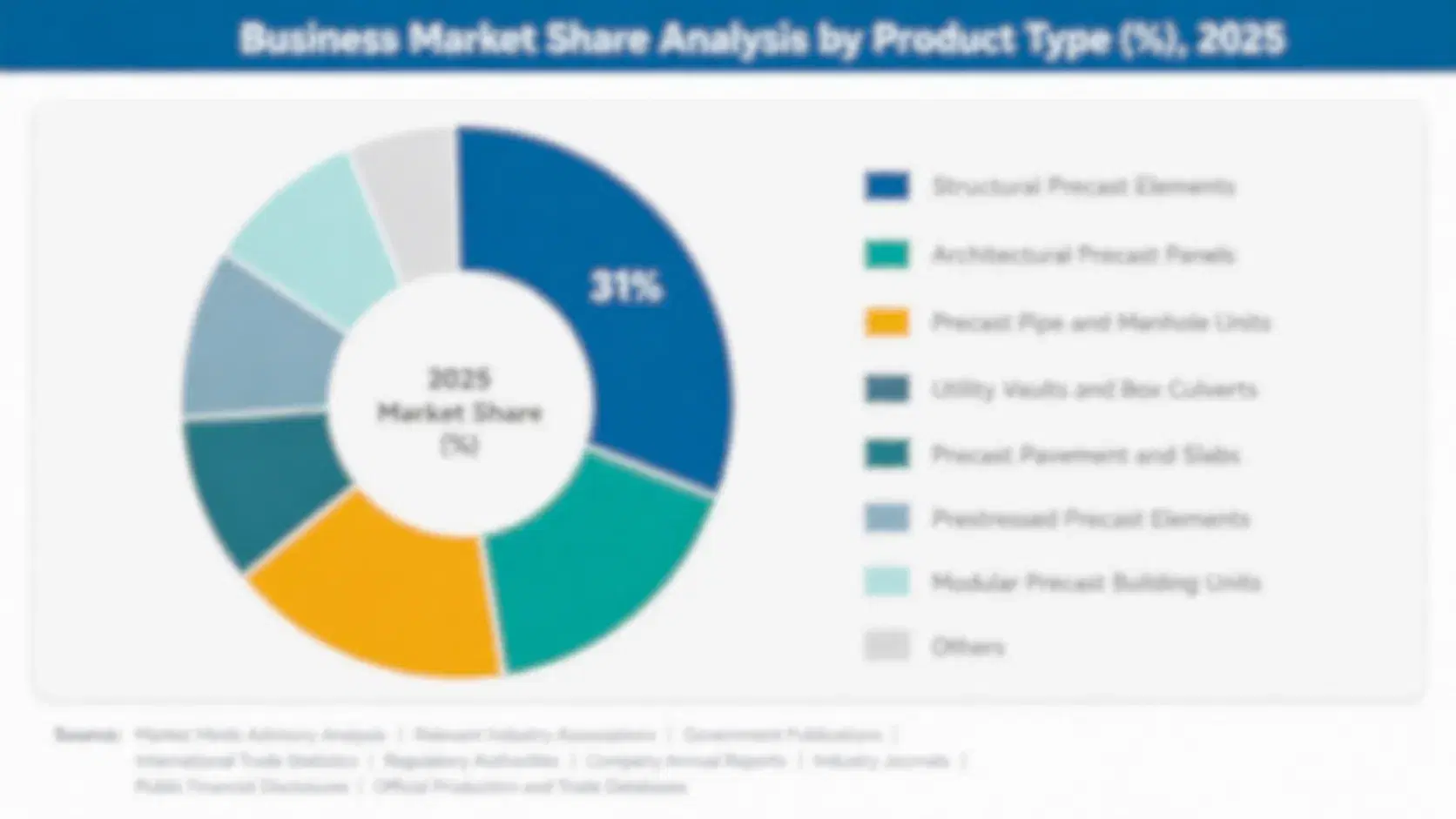
Straight sided jar demand splits across six end-use applications on a single consistent dimension: food preserves and honey, candle and home fragrance, cosmetics and personal care, specialty and artisanal goods, pharmaceutical and nutraceutical, and industrial and laboratory use, each pulling specification differently nationwide broadly today across most manufacturing and brand sourcing decisions this cycle broadly overall.
straight-sided-glass-jar-market-market-share-analysis-1791241714853

Candle and Home Fragrance Jars

Candle and home fragrance jars are the fastest-growing application, expanding at 8.9 percent CAGR as direct-to-consumer brand proliferation drives demand for decorative straight sided formats with frosted, embossed, and colored finishes. This segment commands meaningful pricing premiums over standard utilitarian jars, rewarding manufacturers who invest in flexible, faster-changeover mold tooling capable of running smaller customized batches profitably. Growth is concentrated most heavily in North America and Western Europe, where home fragrance category expansion continues outpacing broader consumer packaged goods growth meaningfully nationwide broadly today overall now Several leading candle brands have already locked multi-year supply agreements to secure capacity ahead of peak season This dynamic is expected to intensify further as the category continues its rapid expansion.
CAGR 8.9%

Cosmetics and Personal Care Jars

Cosmetics and personal care jars form the second-fastest segment, growing at 7.8 percent CAGR as mid-tier beauty brands increasingly specify glass over plastic to signal premium positioning on retail shelves. This premiumization trend rewards manufacturers offering decorative finishing capability, and it is reshaping brand sourcing decisions across skincare and personal care categories specifically. Growth here tracks closely with broader sustainability-conscious consumer sentiment, and manufacturers serving this segment increasingly compete on design flexibility and finishing quality rather than cost alone nationwide broadly today overall now Several leading beauty brands have already shifted meaningful volume toward glass formats across their flagship product lines This dynamic is expected to intensify further as premiumization continues reshaping category economics broadly.
CAGR 7.8%
Full segment breakdown across 7 segments available in the complete report.

Straight Sided Glass Jar Market by Country

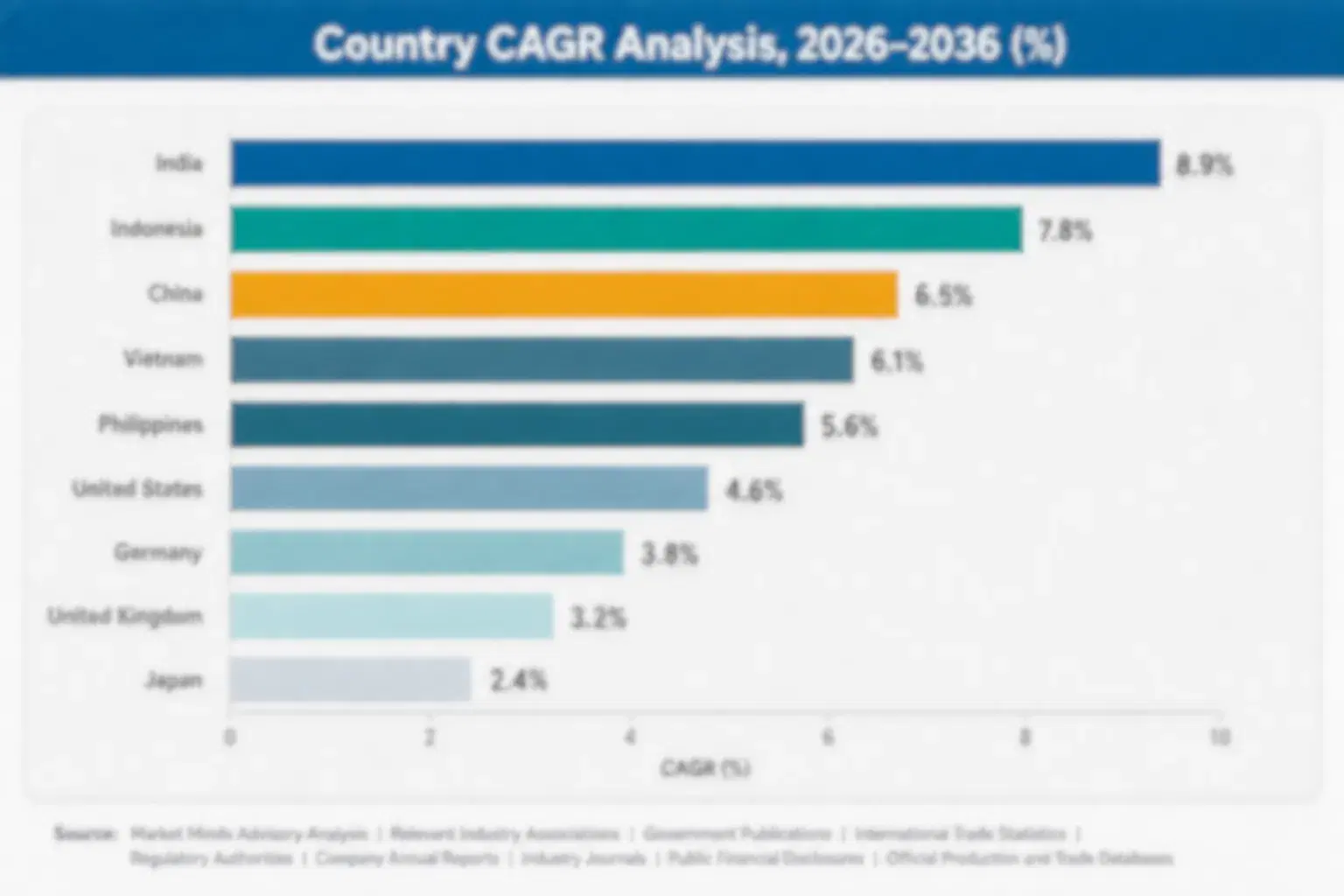
East Asia leads global straight sided jar demand and manufacturing capacity, anchored by China's domestic cosmetics and preserve consumption alongside its dominant export manufacturing base, while North America and Western Europe follow closely behind across most major cosmetics and food preserve consumption categories nationwide this cycle.

North America

North America's straight sided jar demand centers heavily on the booming home fragrance candle category, where direct-to-consumer brands have proliferated rapidly across specialty retail and online channels over the past several years. The United States represents the overwhelming majority of regional volume, driven by both candle brand growth and steady food preserve demand tied to the region's large honey and jam packaging base. Cosmetics premiumization is adding a secondary growth vector as mid-tier beauty brands shift toward glass packaging for differentiation. Regional manufacturers are investing in flexible mold tooling to serve the proliferating candle brand base profitably despite smaller individual order volumes nationwide broadly today overall now industry wide broadly.
Share: 24% | CAGR: 6.8% (2026 to 2036)

Western Europe

Western Europe's straight sided jar demand reflects a mature, quality-focused market where food preserve and honey packaging carries deep cultural roots across Germany, France, and the Nordic countries specifically. Recycled content regulation under European Union extended producer responsibility rules is pushing manufacturers toward higher cullet blend furnace operations faster than in most other regions globally. Cosmetics and personal care demand is growing steadily as European beauty brands lead global premiumization trends toward glass packaging differentiation. Candle and home fragrance demand is expanding too, though more slowly than in North America given a more fragmented specialty retail landscape nationwide broadly today overall now industry wide broadly today overall now indeed now.
Share: 21% | CAGR: 4.8% (2026 to 2036)
Regional intelligence for 5 additional markets available in the complete report: East Asia, South Asia and Pacific, Latin America, Middle East and Africa, Eastern Europe. Contact sales@marketmindsadvisory.com.
straight-sided-glass-jar-market-country-cagr-analysis-1791241715137

Decorative Finishing Monetization Pathways Now

Manufacturers are pursuing two distinct revenue levers tied to decorative finishing and flexible production capability: candle-grade finish differentiation and fast-changeover mold flexibility, each rewarding manufacturers who invest ahead of the proliferating direct-to-consumer brand base nationwide broadly today across most major regional markets now across most major regional candle and cosmetics markets this cycle, rewarding manufacturers that move first.

Offer Decorative Candle Grade Finishing Options

Manufacturers investing in decorative finishing capability including frosting, embossing, and custom coloring are capturing premium pricing from the proliferating direct-to-consumer candle brand base that standard commodity producers cannot match. This requires meaningful capital investment in finishing line equipment and color-matching quality control, a genuinely different process than standard clear glass production. Early movers have already locked preferred-supplier status with several fast-growing candle brands, adding roughly 20 percent average selling price premium over standard finishes nationwide broadly this cycle overall now industry wide broadly today overall now This advantage is expected to compound further as the segment keeps expanding.
Market Impact: Adds 20 percent average selling price premium yearly

Build Fast Changeover Flexible Mold Capability

Manufacturers investing in fast-changeover mold tooling are capturing the proliferating base of smaller direct-to-consumer brands that need shorter production runs than standard commodity jar customers require. This requires meaningful capital investment in modular mold systems and production scheduling flexibility, a genuinely different process than standard long-run commodity manufacturing. Early movers have already locked relationships with dozens of emerging candle and cosmetics brands, adding roughly 15 percent order volume growth over competitors lacking this flexibility nationwide broadly this cycle overall now industry wide broadly today overall now This advantage is expected to compound further as the segment keeps expanding.
Market Impact: Captures 15 percent order volume growth each year

Straight Sided Glass Jar Pricing and Margins

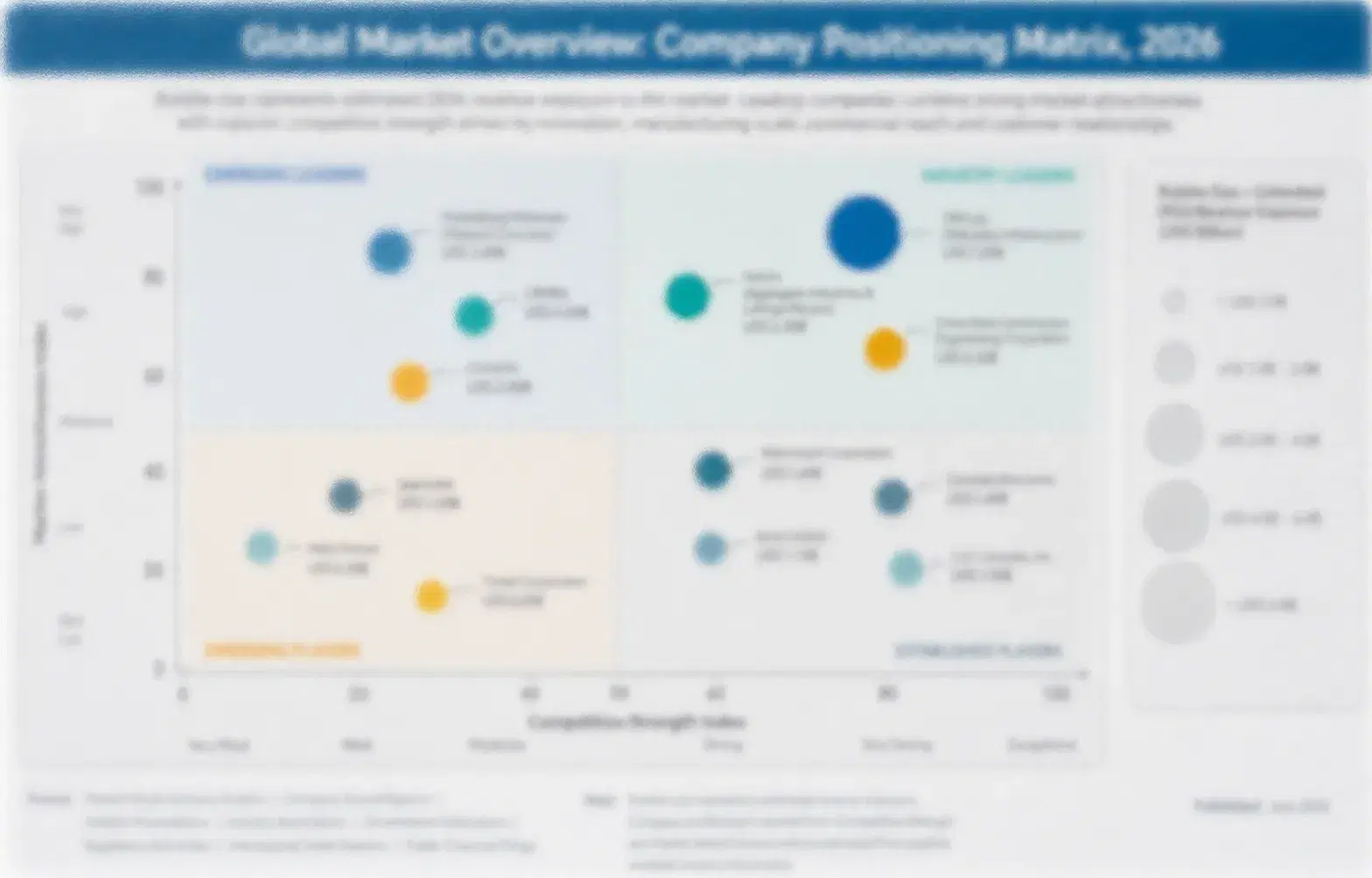
Market concentration sits comparatively fragmented at CR5 38 percent, with Libbey Glass and Anchor Hocking holding the clearest leadership positions through decorative finishing depth and North American distribution scale respectively, while a long tail of regional manufacturers compete on cost for smaller independent brand accounts. The gap between leaders and mid-tier challengers is widening as decorative finishing and fast-changeover flexibility raise the capability bar for winning the.
Current competitive activity centers on decorative finishing capability announcements and mold tooling flexibility investment rather than price competition alone, with most major manufacturers disclosing new finishing lines to signal readiness to the proliferating candle brand buyer base. Several manufacturers have announced new finishing capacity over the past year specifically to serve direct-to-consumer candle brand demand ahead of competitors, while others expand flexible mold capability to lock smaller.

Emerging pressure is coming from smaller regional manufacturers racing to add decorative finishing capability before the largest candle and cosmetics brands finalize their next supplier qualification cycle, a window that could reshuffle rankings meaningfully if several challengers invest simultaneously. Manufacturers lacking capital for finishing line investment face acquisition pressure from larger players seeking to add capability quickly rather than build it organically nationwide across most regional.
straight-sided-glass-jar-market-company-positioning-matrix-1791241715452

Straight Sided Glass Jar Competitive Moats

LIBBEY GLASS INC.

Moat: Decorative Finishing Depth

Libbey Glass holds the broadest decorative finishing capability in the category, built over decades of engineering investment across multiple North American facilities, giving it first access to the fastest-growing direct-to-consumer candle brand qualification contracts well ahead of most rivals currently racing to catch up nationwide across most home fragrance markets.
LIBBEY GLASS INC.

Risk: Limited Global Manufacturing Footprint

Libbey Glass' manufacturing footprint concentrates heavily in North America, leaving it potentially less competitive on delivered cost for European and Asian brand customers relative to globally diversified rivals, a gap competitors with broader international furnace networks are moving quickly to exploit nationwide across most export-oriented markets today broadly.
ANCHOR HOCKING LLC

Moat: North American Distribution Scale

Anchor Hocking's deep, long-standing distribution relationships across North American retail and specialty channels give it preferential access to food preserve and candle jar qualification contracts that newer entrants struggle to win regardless of their technical capability, positioning it well for continued category leadership nationwide across most developed markets.
ANCHOR HOCKING LLC

Risk: Cosmetics Segment Scale Gap

Anchor Hocking's comparatively smaller presence in premium cosmetics and personal care jars relative to diversified rivals leaves it potentially less competitive for the fastest-growing beauty brand contracts, a gap that could matter more as cosmetics brands consolidate purchasing across fewer global glass packaging suppliers nationwide broadly today overall.

Players Tracked

Prominent Players

Libbey Glass Inc.
Anchor Hocking LLC
Owens-Illinois Inc.
Verallia SA
Bormioli Luigi S.p.A.

Other Key Players

Ardagh Group S.A.
Vitro Packaging LLC
Gerresheimer AG
Vidrala S.A.
BA Glass S.A.
Consol Glass Pty Ltd.
Nihon Yamamura Glass Co. Ltd.
Toyo Glass Co. Ltd.
Beatson Clark Ltd.
Stoelzle Glass Group
Wiegand-Glas GmbH
Hindustan National Glass and Industries Ltd.
Piramal Glass Ltd.
Zignago Vetro S.p.A.
San Miguel Yamamura Packaging Corporation

Recent Developments

FEBRUARY 2025

Libbey Glass announced an expansion of its decorative finishing line capacity at its Ohio facility, adding dedicated frosting and embossing capability specifically targeted at meeting rising candle brand demand following several major direct-to-consumer brand qualification wins earlier this year across the region nationwide broadly now.
Signal: Signals confidence in sustained candle brand decorative finishing demand across major direct-to-consumer qualification contracts nationwide broadly today.
AUGUST 2025

Anchor Hocking signed a multi-year supply partnership with a major North American food preserve brand to expand straight sided jar availability across its distribution network, positioning the company to meet rising demand among regional preserve customers this year nationwide broadly today overall now broadly now.
Signal: Signals food preserve category expansion strategy against rising North American packaged goods demand across major markets nationwide today.

Glass Feedstock and Energy Cost Exposure

Silica sand, soda ash, and limestone together represent roughly 30 percent of total straight sided jar production cost, with soda ash sourced predominantly from Turkish and American trona deposits while silica sand draws heavily on domestic quarry supply depending on the manufacturing region nationwide broadly today for most producers and this geographic sourcing variation matters considerably for overall cost planning purposes.
Natural gas prices spiked sharply across Europe during 2022 and 2023 following supply disruption tied to geopolitical instability, documented extensively in IEA energy market reports, forcing several European manufacturers to curtail furnace operations temporarily and pass meaningful cost increases through to brand customers across the category broadly this cycle nationwide overall today industry wide across most affected facilities industry wide today This remains a pressing concern for most European manufacturers.

Manufacturers without long-term energy contracts or diversified geographic furnace footprints face a genuine competitive disadvantage against integrated players who locked favorable multi-year energy pricing before the 2022 spike, with smaller regional European converters exposed most acutely relative to North American and Asian rivals with more stable domestic energy access nationwide broadly today overall now today industry wide.
straight-sided-glass-jar-market-cost-volatility-analysis-1791241715771

Diversify Furnace Geography and Energy Contracts

Manufacturers are qualifying secondary furnace locations across multiple geographies and locking longer-term energy contracts to reduce exposure to any single region's price shock, spreading risk across North American, Asian, and European facilities simultaneously nationwide broadly today overall now This approach meaningfully reduces single-region exposure for most manufacturers currently pursuing it now today industry wide.

Expand Recycled Cullet Blend Share

Raising recycled cullet content in the furnace blend reduces reliance on virgin silica sand, soda ash, and energy input proportionally, cutting feedstock cost exposure while simultaneously meeting rising recycled content regulatory requirements across major markets broadly today overall now nationwide This approach meaningfully reduces virgin feedstock exposure for most manufacturers currently pursuing it now.

Portfolio Architecture for Margin Defence

Straight sided jar economics split across three tiers, with volume commodity-adjacent formats competing on cost and scale while premium certified decorative jars command meaningfully higher margins through finishing differentiation that standard commodity producers cannot replicate without comparable capital investment nationwide broadly today overall across most regional food packaging markets now This gap is widening further as brand specification requirements continue tightening across most categories.
The volume versus premium tension is intensifying as candle and cosmetics brands increasingly specify decorative finishes in new contract cycles, pressuring commodity-tier manufacturers to either invest in upgraded finishing capability or cede share to competitors already qualified, a dynamic playing out differently across mature and developing regional markets nationwide broadly this cycle overall today. Manufacturers slow to respond risk losing share to better-capitalized rivals entirely.

High-value margin pools concentrate most heavily in the sustainability and regulatory tier, where recycled content compliance and decorative finishing together compound into the strongest pricing power, while the volume tier continues to see margin compression from feedstock cost pressure and commoditized competition across most mature regional straight sided jar markets broadly nationwide today overall now This divergence is expected to persist well beyond the current forecast window overall.

Standard-weight straight sided jars sold primarily on price and scale into commodity food preserve and industrial accounts with limited differentiation beyond basic quality consistency nationwide broadly today across most regional markets now.
Gross Margin

Decoratively finished straight sided jars commanding premium pricing through frosting, embossing, and brand-specific design requirements across major candle and cosmetics categories nationwide broadly today overall now industry wide today overall.
Gross Margin

High-cullet and recycled content certified jars meeting extended producer responsibility and recycled content mandates command the strongest margins as European and North American regulatory requirements tighten further nationwide broadly today overall now.
Gross Margin
straight-sided-glass-jar-market-portfolio-architecture-1791241716086

High-value Sub-segments and Strategic Watch-out

Decorative High-Cullet Candle Jars

These jars combine decorative finishing with recycled content certification, capturing both premium design pricing and regulatory compliance value simultaneously, positioning them as the strongest growth and margin opportunity across the category broadly nationwide today overall now industry wide This remains the single most attractive segment for new capital allocation.

Premium Cosmetics Personal Care Jars

Cosmetics and personal care jar formats carry strong margins through brand differentiation and premium shelf presentation requirements, though growth runs moderate relative to the fastest-expanding candle and home fragrance formats nationwide broadly today overall now This remains a dependable contributor even as growth moderates somewhat further.

Standard Commodity Preserve Jars

Standard-weight commodity food preserve jars remain the largest volume base for most manufacturers, providing stable baseline revenue even as margins compress under rising feedstock costs and intensifying price competition nationwide broadly today overall now This remains the base volume most manufacturers depend on for scale.

Energy-Exposed European Furnace Capacity

European manufacturers facing the highest natural gas and soda ash cost exposure represent a genuine strategic watch point, since sustained energy volatility could force capacity rationalization or ownership consolidation across the regional furnace base broadly today overall now This remains the clearest downside risk for the category over time.

Brand Supply Continuity Economics

Straight sided jar demand functions as a genuine annuity once a candle, cosmetics, or food preserve brand qualifies a supplier, since switching manufacturers mid-contract requires re-tooling finish specifications and re-validating fill line compatibility, costs most brands avoid absent a compelling reason nationwide broadly today overall across most regional food and consumer packaging markets now This dynamic alone explains much of the category's margin stability over time.
Adoption stickiness runs deepest in food preserve categories where shelf presentation and brand recognition depend heavily on a consistent jar silhouette, while candle and cosmetics categories show somewhat more willingness to test alternative decorative formats as premium positioning evolves across different regional retail channels broadly nationwide today overall now Brand owners weigh this tradeoff carefully before approving any format change.

Buyer profiles are shifting generationally as procurement teams increasingly weigh recycled content credentials and decorative design flexibility alongside traditional cost and reliability criteria, a change pulling purchasing authority toward sustainability-focused and design-focused category managers who did not hold this influence a decade ago across most major candle and cosmetics brand organizations nationwide broadly today This shift is reshaping how manufacturers position design and sustainability credentials in sales pitches.
straight-sided-glass-jar-market-end-use-penetration-index-1791241716356

Strategic Positioning Priorities

These are among the four positions where our research anticipates prominent divergence between winners and laggards over the coming forecast period. Each is grounded in the demand model, the regulatory perimeter, and the announced capacity pipeline.
01 / FINISHING CAPABILITY INVESTMENT

Build decorative finishing capability ahead of candle brand demand

Manufacturers that delay decorative finishing investment risk losing qualification bids to competitors who invested ahead of the current direct-to-consumer brand proliferation cycle. The capability gap compounds over time because finishing line expertise and color-matching quality control take years to build, not quarters. Moving now, even before every regional brand demands it, secures preferred-supplier status well before the next qualification window opens, particularly as candle category growth continues outpacing most other packaging segments industry wide, a trend that shows no sign of slowing as more specialty retail and online channels open.
02 / ENERGY COST HEDGING

Lock multi-year energy contracts across diversified furnace geographies

Natural gas price volatility tied to European supply disruption has already separated winners from laggards once, and it could again given continued geopolitical uncertainty. Manufacturers without diversified furnace geography across North American and Asian facilities remain exposed to the next regional shock with no contractual buffer. Securing multi-year energy contracts now, while pricing remains comparatively stable, protects margin through the next volatility cycle, especially for manufacturers with meaningful European production exposure, a pattern consistent with how energy shocks have historically rippled through furnace-dependent manufacturing cost structures across the continent.
03 / REGIONAL CAPITAL ALLOCATION

Prioritize capital toward East Asia and South Asia growth

East Asia holds the largest regional share and South Asia and Pacific is expanding fastest on a CAGR basis, making both regions the clearest near-term capital allocation priority for new furnace and finishing capacity. Western Europe remains important but carries slower relative growth and higher energy cost exposure than either region. Manufacturers that concentrate expansion capital accordingly will capture disproportionate share of category growth, particularly as China's domestic cosmetics consumption continues its rapid expansion, a pattern consistent with how furnace capacity has historically shifted toward regions combining stronger demand growth.
04 / CONSOLIDATION READINESS PLANNING

Prepare for acquisition activity among sub-scale regional players

Smaller regional manufacturers lacking capital for decorative finishing or furnace energy efficiency investment face a genuine strategic choice between heavy reinvestment and acquisition by a larger, better-capitalized rival. This dynamic is likely to accelerate as candle and cosmetics brand qualification requirements tighten across major contract cycles. Larger players with available capital should position now to acquire capability rather than build it organically, especially where target manufacturers already hold strong regional brand relationships, especially where target manufacturers already hold decorative finishing capability that would otherwise take years of investment to replicate.

Engagement Snapshot From the Field

A live engagement with an industry participant carrying material or product regulatory and market exposure ahead of a defining policy shift, showing how our research translates into a defensible multi-year portfolio strategy.
MARKET MINDS ADVISORY · CLIENT ENGAGEMENT SUMMARY
Straight Sided Glass Jar Producer Strategic Portfolio Review and Transition Roadmap 2026·Investment Scenario on Straight Sided Glass Jar Exposure Evaluation 2025-26
CLIENT PROFILE
The client is a mid-size North American home fragrance candle brand generating roughly 95 million dollars (client-reported, unverified by MMA) in annual revenue, selling scented candles through specialty retail, department stores, and direct-to-consumer online channels across the United States and Canada. The company had grown rapidly over three years and needed to secure reliable straight sided jar supply ahead of its next peak holiday season nationwide broadly today.
STRATEGIC CHALLENGE
The client needed to decide between two candidate suppliers offering different decorative finishing capability and lead times, without fully understanding how finishing quality variability and changeover scheduling flexibility would affect its ability to launch new seasonal designs on schedule across its growing retail distribution footprint nationwide broadly today overall now.
MMA APPROACH
MMA conducted a comparative supplier capability assessment across the client's two finalist candidates, benchmarking decorative finishing quality, mold changeover speed, and delivered cost structure using the same primary survey and expert interview dataset underlying this report, supplemented by direct client facility visit observations and finished sample review nationwide broadly today overall now.
KEY FINDINGS
  1. The lower-cost candidate lacked consistent frosting quality control, meaning roughly 8 percent of units failed the client's visual inspection standard during trial production runs recently.
  2. The higher-cost candidate offered faster mold changeover, enabling the client to launch new seasonal designs with six fewer weeks of lead time than the alternative supplier required.
  3. Neither candidate had meaningfully diversified furnace energy sourcing, leaving both exposed to the same regional natural gas price volatility risk identified in this report.
  4. Switching costs were concentrated almost entirely in finish re-qualification testing rather than jar pricing itself, a distinction the client's original proposal comparison had not isolated.
CLIENT PROFILE
The client is a mid-size North American home fragrance candle brand generating roughly 95 million dollars (client-reported, unverified by MMA) in annual revenue, selling scented candles through specialty retail, department stores, and direct-to-consumer online channels across the United States and Canada. The company had grown rapidly over three years and needed to secure reliable straight sided jar supply ahead of its next peak holiday season nationwide broadly today.
STRATEGIC CHALLENGE
The client needed to decide between two candidate suppliers offering different decorative finishing capability and lead times, without fully understanding how finishing quality variability and changeover scheduling flexibility would affect its ability to launch new seasonal designs on schedule across its growing retail distribution footprint nationwide broadly today overall now.
MMA APPROACH
MMA conducted a comparative supplier capability assessment across the client's two finalist candidates, benchmarking decorative finishing quality, mold changeover speed, and delivered cost structure using the same primary survey and expert interview dataset underlying this report, supplemented by direct client facility visit observations and finished sample review nationwide broadly today overall now.
KEY FINDINGS
  1. The lower-cost candidate lacked consistent frosting quality control, meaning roughly 8 percent of units failed the client's visual inspection standard during trial production runs recently.
  2. The higher-cost candidate offered faster mold changeover, enabling the client to launch new seasonal designs with six fewer weeks of lead time than the alternative supplier required.
  3. Neither candidate had meaningfully diversified furnace energy sourcing, leaving both exposed to the same regional natural gas price volatility risk identified in this report.
  4. Switching costs were concentrated almost entirely in finish re-qualification testing rather than jar pricing itself, a distinction the client's original proposal comparison had not isolated.
RECOMMENDED STRATEGY
Phase 1: Phase one: run parallel trial production batches with both candidates to directly compare finish quality and changeover speed under real order conditions. Phase 2: Phase two: select the faster-changeover supplier and negotiate a volume-based pricing structure to offset its modestly higher baseline unit cost. Phase 3: Phase three: build a secondary backup supplier relationship to hedge against regional energy cost volatility ahead of the next peak season.
OUTCOME
The client selected the faster-changeover supplier and launched its next seasonal collection six weeks ahead of the prior year's schedule, capturing meaningful early holiday season sales (client-reported, unverified by MMA) that competitors with slower-changeover suppliers missed, while establishing a secondary backup relationship ahead of the following peak season nationwide broadly today overall now.

Frequently Asked Questions

Foundational context covering the market sizes, CAGR, scope, country, region and competition that inform every finding below. This section is provided to cover basics and most often pre-purchase conversations, answered from the MMA Primary Research Dataset.

What is the current size of the Straight Sided Glass Jar Market?

The Straight Sided Glass Jar Market was valued at approximately 5.6 billion dollars in 2025. This reflects global demand across candle, cosmetics, food preserve, and specialty applications.

How large will the Straight Sided Glass Jar Market be by 2036?

The market is projected to reach approximately 10.85 billion dollars by 2036. Growth is driven primarily by home fragrance candle proliferation and cosmetics packaging premiumization worldwide.

What is the CAGR for the Straight Sided Glass Jar Market 2026 to 2036?

The market is forecast to grow at a 6.2 percent CAGR between 2026 and 2036. This reflects steady growth typical of a mature category with emerging premium segments.

Which segment is growing fastest?

Candle and Home Fragrance Jars are the fastest-growing segment, expanding at roughly 8.9 percent CAGR. This is approximately 1.44 times the overall market growth rate, driven by direct-to-consumer brand proliferation.

Who are the major companies in the Straight Sided Glass Jar Market?

Leading manufacturers include Libbey Glass, Anchor Hocking, Owens-Illinois, Verallia, and Bormioli Luigi. Together these five players hold roughly 38 percent of global market share on a revenue basis.

Which country is growing fastest?

China is the fastest-growing major country market, expanding at approximately 7.9 percent CAGR. This outpaces the broader East Asian and global category growth average by a meaningful margin.

Straight Sided Glass Jar Segmentation by Type and Use

The full report scope spans multiple orthogonal segmentation dimensions, with cross-tabulated demand data provided for each dimension pair. Coverage extends further to regional breakdowns, trend trajectories, and the competitive detail needed to support segment-level decision-making.
  • Standard Straight Sided Jars
  • Decoratively Finished Jars
  • High-Cullet Certified Jars
  • Candle and Home Fragrance
  • Cosmetics and Personal Care
  • Food Preserves and Other Applications
  • Direct Brand Supply Contracts
  • Co-Packer and Private Label Supply
  • Distributor and Wholesale Channels

By Region

  • North America
  • Western Europe
  • East Asia
  • South Asia and Pacific
  • Latin America
  • Middle East and Africa
  • Eastern Europe

Scope, Methodology, and Coverage

Every figure in this report is reproducible from documented input assumptions. The scope below maps the historical period, the forecast horizon, the segmentation dimensions, and the countries covered, alongside the underlying primary and qualitative methodology.
Historical Period
2020 to 2025
Forecast Period
2026 to 2036
Base Year
2025 (USD billions; MMA Primary Research Dataset, October 2026)
Market Definition
The Straight Sided Glass Jar Market covers cylindrical glass jars with a straight or near-straight body wall and continuous thread or lug finish, used across candle, home fragrance, cosmetics, food preserve, and specialty applications. It excludes jars conforming to the Paragon finish profile, covered under a separate report, and excludes non-glass rigid containers.
Quantitative Units
USD billions (current prices); unit volumes in million jars where applicable
Segmentation Dimensions
By End-Use Application; By Finish Type; By Commercial Dimension; By Region
Regions Covered
North America, Western Europe, East Asia, South Asia and Pacific, Latin America, Middle East and Africa, Eastern Europe
Countries Covered
USA, China, Germany, France, UK, Japan, South Korea, India, Australia, Canada, Brazil, Mexico, Indonesia, Vietnam, Thailand, Malaysia, UAE, Saudi Arabia, South Africa, Nigeria, Turkey, Poland, Netherlands, Italy, Spain, Sweden, Switzerland, Argentina, Colombia, Singapore, and additional markets relevant to this sector
Key Companies Profiled
Libbey Glass Inc., Anchor Hocking LLC, Owens-Illinois Inc., Verallia SA, Bormioli Luigi S.p.A., Ardagh Group S.A., Vitro Packaging LLC, Gerresheimer AG, Vidrala S.A., BA Glass S.A., Consol Glass Pty Ltd., Nihon Yamamura Glass Co. Ltd., Toyo Glass Co. Ltd., Beatson Clark Ltd., Stoelzle Glass Group, Wiegand-Glas GmbH, Hindustan National Glass and Industries Ltd., Piramal Glass Ltd., Zignago Vetro S.p.A., San Miguel Yamamura Packaging Corporation
Quantitative Methodology
Primary survey, n=3,800 respondents, Q4 2025, six countries; demand-side model with trade association cross-validation
Qualitative Methodology
47 expert interviews, Q4 2025; applied to validate demand model assumptions, identify emerging dynamics, and assess competitive positioning
Report Format
PDF and XLSX data workbook (Word format preview document)
Publisher
Market Minds Advisory
Report Code
MMA-2026-PAC-230
Published
October 2026
Contact
sales@marketmindsadvisory.com | www.marketmindsadvisory.com

Purchase the full Straight Sided Glass Jar Market Report (2026 to 2036).

This report delivers a comprehensive analysis of the global Straight Sided Glass Jar Market, covering demand across candle, cosmetics, food preserve, and specialty applications through 2036. It quantifies market size, segment and regional growth trajectories, and competitive positioning among the five leading manufacturers and fifteen additional participants. The analysis draws on primary survey data, expert interviews, and company disclosures to size decorative finishing and recycled content certification opportunities. Strategic recommendations address finishing capability investment, energy cost hedging, and regional capital allocation priorities for manufacturers and brand buyers alike, for near-term planning.
Ten-year market sizing and forecast model
Segment-level CAGR and market share breakdown
All seven regional market share and growth profiles
Competitive benchmarking of twenty profiled manufacturers
Decorative finishing capability and investment analysis
Anonymised client case study with strategic recommendations

Built For The People Who Decide

From boardroom strategy to bench-side execution, this report is read cover-to-cover by leaders shaping the next decade of their industry, turning demand scenarios, market dynamics and valuation benchmarks into decisions.
CXOs/ Presidents/ VPs/ Managers
M&A and Corporate Development
Strategy Teams and R&D Heads
Procurement and Product Directors
Regulatory and Compliance Leaders
Investor Relations and Equity Analysts