Market Minds Advisory
Spray Booth Ventilation System Market

Spray Booth Ventilation System Market: Spray Booth Ventilation System Market. Global Demand, Technology, and Competitive Outlook 2026 to 2036

Tightening VOC enforcement and collision repair shop consolidation are forcing body shops and manufacturers to replace legacy spray booths faster than normal cycles, favoring certified wet-scrubber and modular designs over cheaper uncertified alternatives.

Lead Analyst

Published

October 2026

Make Smarter Decisions with Customized Research Insights

Request a free sample report and evaluate market opportunities, growth trends, and competitive dynamics relevant to your business needs.

2025 MARKET VALUE$2.1BMarket Size 2025
2036 FORECAST VALUE$4.1BBase Case , 2026 to 2036
CAGR 2026 TO 20366.3 %Bull 7.5% / Bear 5.1%
INCREMENTAL OPPORTUNITY$1.9BNet 10- year value creation
EXPANSION MULTIPLE1.84x2036 value over 2026 base
Strategic Levers
M&A Pipeline
Regional Outlook
Country Rankings
Competitive Intelligence
Segmental Deep-dive
Call-Us : 91 93563 13602

Executive Snapshot and Market Trajectory.

Spray booth replacement demand is increasingly regulatory rather than discretionary, as VOC capture requirements push body shops and manufacturers toward certified wet-scrubber and modular systems ahead of normal equipment replacement cycles across every major developed market. That shift is compressing normal replacement timelines across both independent and multi-location operators alike.
Collision repair shop consolidation under large multi-location operators is concentrating purchasing power among fewer buyers who specify standardized booth designs across their networks, while general industrial manufacturers in East Asia drive the largest absolute volume through furniture, appliance, and auto parts coating lines. Modular and portable booth designs are growing fastest as smaller independent shops seek lower-cost compliance paths without committing to permanent fixed installations.
Competitive intensity is rising as global industrial finishing majors like Dürr and Eisenmann push downstream into smaller installations traditionally served by regional specialists, while certified emissions performance increasingly separates credible suppliers from budget manufacturers competing on price alone. Regulatory divergence between North American, European, and Asian emissions standards is forcing suppliers to maintain multiple certified product lines rather than a single global design, raising fixed engineering costs for every participant regardless of scale.
Market Definition
The spray booth ventilation system market covers enclosed airflow and filtration systems used for automotive refinishing, industrial coating, and manufacturing paint application, including downdraft, side-draft, cross-draft, and modular configurations. It excludes standalone spray guns, paint materials, and powder coating curing ovens sold separately from the booth structure.
Base Year Value
$2.1B in 2025 (MMA Primary Research Dataset, October 2026)
Forecast Period
2026 to 2036, eleven discrete annual values
CAGR
6.3% base case. Bull 7.5%. Bear 5.1%.
Fastest Growth Segment
Modular and Portable Spray Booths for Small-Shop Deployment: 8.9% CAGR
Fastest Growth Country
India: 9.0% CAGR
Fastest Growth Region
South Asia and Pacific: 8.4% CAGR
Largest Region
East Asia: 30% of 2025 global value
Market Leaders
Global Finishing Solutions, Blowtherm, Junair Spraybooths, Thermal Engineering Corporation, ITW Binks. Source: MMA Primary Research Dataset, July 2026.
Primary Survey
n=3,800 procurement and R&D decision-makers, Q4 2025, six countries
Methodology
Demand-side build-up, cross-validated against public data, 47 expert interviews

Spray Booth Ventilation System Market Forecast Scenarios

spray-booth-ventilation-system-market-size-forecast-scenario-1791084787018
The 2020 to 2025 period saw steady replacement-driven growth as collision repair volumes recovered from pandemic disruption and manufacturers slowly upgraded aging booth fleets, with the historical rate settling at 5.3%, below where tightening emissions enforcement is now pushing the category. Manufacturers used that period to rationalize product lines, consolidating around fewer certified platforms capable of meeting the broadest range of regional emissions standards simultaneously.
The base case assumes continued expansion driven by three mechanisms: VOC emissions enforcement forcing certified wet-scrubber adoption across developed markets, collision repair shop consolidation standardizing booth specifications across multi-location operators, and East Asian manufacturing expansion in furniture, appliance, and auto parts coating lines sustaining the largest absolute volume base through the forecast period. Suppliers able to execute on all three mechanisms at once are best positioned to outgrow the category.
The bull case rests on accelerated emissions enforcement timelines pulling replacement demand forward across North America and Europe simultaneously. The bear case centers on collision repair shop consolidation slowing capital spending as larger operators extend existing booth life through retrofits rather than full replacement. Either scenario reshapes near-term capital planning for manufacturers and buyers alike across every major regional market tracked in this report.

Emissions Compliance Reshapes Booth Replacement Economics

Booth replacement decisions increasingly hinge on certification status rather than age alone. Shops operating uncertified booths face mounting compliance risk as regional regulators tighten enforcement, pushing even functionally adequate equipment into early replacement cycles well ahead of schedule. That compliance risk is reshaping capital budgeting conversations well before equipment reaches the end of its mechanical service life.
CERTIFIED BOOTH SHARE46%measured against current regional emissions certification standards fully
AVERAGE INSTALLATION COST$35,000 to $180,000varies substantially by booth size and configuration type
TOP PRODUCING REGION SHARE30%East Asia share of total global manufacturing output
SYSTEM REPLACEMENT CYCLE12 to 18 yearstypical booth structure and filtration component expected service span
RETROFIT VERSUS NEW SHARE38%installations completed as retrofit rather than new build
FILTER REPLACEMENT FREQUENCY3 to 6 monthsdepends heavily on booth usage intensity and coating type
Manufacturing remains concentrated in East Asia, where general industrial coating demand across furniture, appliance, and auto parts production dwarfs any single developed market. European and North American suppliers compete there primarily on certified emissions performance rather than price, a dimension domestic Asian manufacturers are rapidly closing. Domestic Asian manufacturers increasingly win large industrial contracts on documented certification rather than price advantage alone. That gap is narrowing each year.
Collision repair consolidation is the category's quiet but consequential shift. Multi-location operators increasingly standardize booth specifications across their networks, concentrating purchasing power among fewer buyers who negotiate volume pricing and extended service contracts that independent shops could never access on their own. Independent shops without comparable scale increasingly struggle to match the service terms that larger buyers can secure directly from suppliers.
"Everyone still talks about this market like it's about paint quality. It's actually about who can prove their emissions numbers fastest when the inspector shows up."
Senior Analyst, Industrial Finishing Systems Practice · MMA Construction and Industrial Equipment Practice · October 2026

Market Trends

VOC Emissions Enforcement Accelerates Certified Booth Replacement

Regional air quality regulators across North America and Europe are tightening VOC capture requirements for coating operations, forcing shops operating uncertified booths into accelerated replacement cycles. The EPA's updated area source rules for automotive refinishing now require documented capture efficiency above 85% for new and retrofitted installations, a threshold many legacy booths cannot meet without substantial filtration upgrades. Shops failing inspection face fines and potential closure, pushing replacement decisions forward by several years in some cases. Compliance consultants report that inspection failure rates have risen noticeably since the updated thresholds took effect in most tracked jurisdictions.
Market Impact: Sustains utilization above 70% at peak
Collision Repair Consolidation Standardizes Booth Specifications

Large multi-location collision repair operators are increasingly standardizing booth specifications across their networks to simplify maintenance contracts and bulk procurement. Operators managing more than fifty locations now negotiate standardized equipment packages directly with manufacturers, bypassing regional distributors entirely. This consolidation trend is reshaping which suppliers can compete for large fleet contracts, favoring manufacturers with national service networks over regional specialists lacking comparable installation capacity. Manufacturers serving fleet accounts increasingly maintain dedicated national account teams to manage these standardized procurement relationships across every served territory. Regional distributors increasingly report longer sales cycles as a result.
Market Impact: Adds capacity across 1,200+ new lines

Market Opportunities and Growth Drivers

Automotive Collision Repair Volume Sustains Replacement Demand

Collision repair volumes have recovered steadily since 2022, with insurance-funded repair claims sustaining consistent booth utilization across body shop networks. Higher utilization accelerates filter and component wear, pulling forward replacement timelines for shops operating near capacity. Shops report utilization rates exceeding 70% during peak claim periods, a level that strains aging booth filtration systems designed for lower-intensity use. This sustained demand base gives booth manufacturers a more predictable revenue floor than cyclical new construction would provide alone. Manufacturers are responding with higher-durability filtration components engineered specifically for sustained high-utilization operating conditions.
Market Impact: Retrofit costs exceed $80,000 per shop

East Asian Manufacturing Expansion Drives Volume Growth

Furniture, appliance, and auto parts manufacturers across China and Southeast Asia continue expanding coating line capacity to serve both domestic and export demand, sustaining the largest absolute volume base in the global market. New manufacturing facilities increasingly specify larger cross-draft and side-draft systems capable of handling higher throughput than the smaller booths common in mature markets. This volume growth gives regional manufacturers like Taikisha a scale advantage that developed-market suppliers struggle to replicate without local production. Export-oriented manufacturing growth across Vietnam and Indonesia is adding further incremental volume beyond China's already substantial base.
Market Impact: Raises costs by 15 to 20%

Market Restraints and Challenges

High Retrofit Cost Deters Independent Shop Compliance

Independent collision repair shops without access to multi-location capital resources struggle to fund certified booth retrofits, which can cost upward of $80,000 depending on filtration requirements. The root cause is limited financing access for small business owners operating on thin margins between insurance reimbursement rates and labor costs. The commercial impact falls hardest on independent shops competing against consolidated chains with better financing terms. Several manufacturers are piloting equipment leasing programs to spread retrofit costs over multi-year terms rather than requiring full upfront capital investment from smaller operators. Early pilots suggest defaults stay manageable when tied to repair claim revenue.
Market Impact: Requires 85% minimum capture efficiency

Regulatory Divergence Raises Manufacturer Compliance Costs

Differing emissions standards across North America, Europe, and Asia force manufacturers to maintain multiple certified product lines rather than a single global design, raising engineering and testing costs considerably. The root cause is the absence of harmonized international emissions standards for coating equipment. The commercial impact shows up most clearly for mid-size manufacturers lacking the engineering budget of majors like Dürr and Eisenmann. Industry trade groups are lobbying for mutual recognition agreements to reduce duplicate certification testing costing an estimated $15 million annually across major markets. Suppliers estimate the duplicate testing burden alone adds meaningful overhead to new product launches.
Market Impact: Fleet contracts now exceed 50 locations
3 additional market trends, 4 additional growth drivers, and 2 additional restraints and challenges are covered in the full report. Contact sales@marketmindsadvisory.com to access the complete intelligence.

Segment CAGR and Growth Architecture

Five segments, defined by airflow configuration, cover the spray booth ventilation market: downdraft, side-draft, cross-draft, modular and portable, and water-wash wet-scrubber systems. Modular and wet-scrubber designs carry the fastest growth, driven respectively by small-shop compliance economics and emissions capture requirements. The remaining three segments anchor stable demand across standard collision repair and industrial manufacturing replacement cycles.
spray-booth-ventilation-system-market-market-share-analysis-1791084787193

Modular and Portable Spray Booths for Small-Shop Deployment

Modular and portable spray booths offer independent shops a lower-cost compliance path than permanent fixed installations, using prefabricated panel systems that can be assembled, relocated, or expanded without the structural commitment of traditional booths. That flexibility has made them the preferred choice for smaller operators facing emissions enforcement deadlines but lacking capital for full facility renovation. Manufacturers serving this segment increasingly compete on installation speed and financing availability rather than on the airflow performance specifications that matter more in high-volume industrial applications. Growth is concentrated among independent collision repair shops and small industrial fabricators retrofitting existing buildings rather than constructing new dedicated coating facilities. Field data from recent small-shop retrofits shows installation timelines compressing as panel suppliers expand regional inventory.
CAGR 8.9%

Water-Wash Wet-Scrubber Systems for VOC Capture Compliance

Water-wash wet-scrubber systems use water curtains to capture overspray particulates and VOC emissions, achieving capture efficiencies that dry-filter systems increasingly cannot match under tightening regulatory thresholds. Adoption is concentrated among larger industrial manufacturers and multi-location collision repair operators with the capital to invest in higher-complexity filtration infrastructure. The segment carries meaningfully higher installation and maintenance costs than dry-filter alternatives, but compliance certainty increasingly outweighs the cost premium as enforcement intensifies. Suppliers with proven certification track records are winning disproportionate share of large fleet contracts in this segment specifically. Suppliers with established certification track records increasingly win multi-year fleet procurement contracts over newer entrants lacking comparable documentation. Industrial buyers in particular favor proven compliance history when awarding large contracts.
CAGR 7.6%
Full segment breakdown across 5 segments available in the complete report.

Regional Architecture and Country Demand Map

East Asian manufacturing scale and North American regulatory enforcement together anchor global demand, while South Asia and Pacific closes the gap fastest as regional auto and furniture manufacturing expands. National programs and manufacturing scale drive that geographic pattern across the forecast period ahead. East Asia leads on absolute volume.

East Asia

China's enormous general manufacturing base across furniture, appliance, and auto parts coating lines gives East Asia the largest share of any region, a position built on decades of export-oriented industrial expansion rather than collision repair demand alone. Domestic manufacturers like Taikisha have scaled production to serve this base directly, increasingly competing with European majors for large industrial contracts. Japan and South Korea add further volume through automotive OEM paint shop construction, where Dürr and Eisenmann compete directly against domestic suppliers on certified emissions performance for new vehicle assembly plants. South Korea adds further demand through its electronics and auto parts manufacturing sector, where coating line throughput requirements continue rising steadily each year across nearly every major production facility.
Share: 30% | CAGR: 7.3% (2026 to 2036)

North America

Stringent EPA emissions enforcement and a mature, highly consolidated collision repair industry make North America the second-largest region, with replacement demand increasingly driven by compliance deadlines rather than discretionary upgrades. Multi-location collision repair chains standardize booth specifications across hundreds of locations, concentrating purchasing power among a handful of national accounts that manufacturers compete aggressively to retain. Independent shops without that negotiating leverage face the steepest compliance cost burden in the region, particularly in states with the most aggressive local air quality enforcement. Canada contributes a smaller but steady share, driven primarily by its own automotive parts manufacturing sector rather than collision repair volume comparable to the much larger United States market.
Share: 26% | CAGR: 5.8% (2026 to 2036)
Regional intelligence for 5 additional markets available in the complete report: Western Europe, South Asia and Pacific, Latin America, Middle East and Africa, Eastern Europe. Contact sales@marketmindsadvisory.com.
spray-booth-ventilation-system-market-country-cagr-analysis-1791084787373

Where Booth Supplier Margins Actually Concentrate

Margin concentration in spray booth ventilation follows certification credibility and fleet account access more than brand recognition or raw equipment specification. Suppliers that solve compliance risk for large multi-location buyers capture durable pricing power that independent shop-focused competitors cannot match. The widening gap between certified and uncertified suppliers is becoming the clearest predictor of durable pricing power above commodity levels.

Secure National Collision Repair Fleet Account Contracts

Suppliers that win standardized equipment contracts with multi-location collision repair operators capture recurring replacement volume across dozens or hundreds of locations rather than competing shop by shop. This requires building national installation and service capacity that smaller regional competitors cannot match, typically requiring $2 million to $4 million in service infrastructure investment. Suppliers that secure these contracts gain multi-year revenue visibility that independent-shop-focused competitors lack entirely, insulating them from single-location demand volatility. Suppliers lacking this capacity are increasingly relegated to serving only single-location independent shops, a shrinking share of total addressable procurement spend.
Market Impact: Secures $2 million to $4 million in contracts

Build Leasing Programs For Independent Shop Retrofits

Suppliers that offer equipment leasing programs capture independent shop retrofit demand that upfront capital requirements would otherwise push toward deferred compliance or competitor financing. This requires partnering with equipment finance providers to structure multi-year lease terms suited to shops operating on thin margins, typically extending payback periods beyond the 12 to 18 months independent shops can otherwise afford. Early movers in this channel report win rates meaningfully above suppliers requiring full upfront payment at installation. First movers in leasing also gain preferred positioning with shops planning multi-year compliance upgrades tied to phased enforcement deadlines across their states.
Market Impact: Lifts win rate by roughly 15 to 20 points

Who Controls the Margin Pool

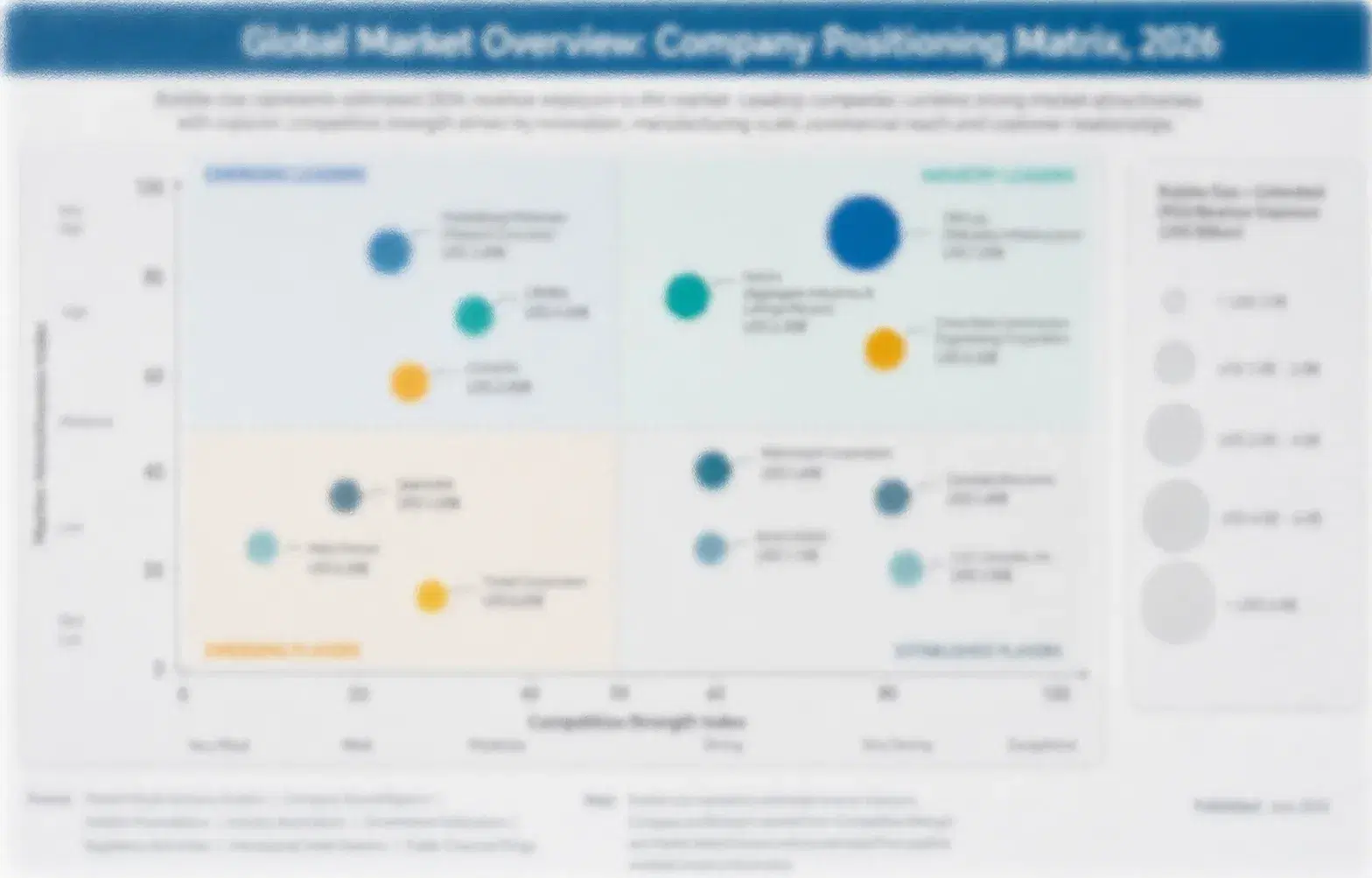
The top five suppliers hold a combined 28% share on a reported installed unit shipment basis, a fragmentation that reflects how regionally specialized this industry remains outside large automotive OEM contracts. Global Finishing Solutions leads among independent shop and mid-size industrial buyers in North America, but its gap over challengers like Blowtherm and Junair narrows considerably in international markets where local service presence matters more than global brand recognition.
Current competitive activity centers on certification investment and fleet account acquisition rather than product innovation. Suppliers are racing to secure standardized equipment contracts with multi-location collision repair operators while simultaneously building leasing infrastructure to capture independent shop retrofit demand. Large industrial finishing majors like Durr and Eisenmann are pushing downstream into smaller installations traditionally served by regional specialists.

Rankings are most likely to shift where certification credibility and service network reach determine fleet account wins rather than equipment specification alone. Suppliers without national installation capacity risk losing share to better-resourced rivals even where their booth technology is comparable. Expect continued consolidation among smaller regional manufacturers lacking the balance sheet to fund certification and leasing investment simultaneously.
spray-booth-ventilation-system-market-company-positioning-matrix-1791084787553

Competitive Moat and Risk Dimensions

GLOBAL FINISHING SOLUTIONS

Moat: Dominant North American Service Network

GFS built its North American collision repair relationships over decades, giving it installation and service reach that smaller regional rivals cannot match across a comparably large footprint. That network strength supports its leading position in multi-location fleet account contracts. Fleet account buyers increasingly cite that reach as the deciding factor when selecting a primary equipment partner for multi-year contracts.
GLOBAL FINISHING SOLUTIONS

Risk: Limited International Manufacturing Presence

GFS's manufacturing and service strength concentrates heavily in North America, leaving it exposed as East Asian and European competitors with local production capacity increasingly win contracts in markets where GFS lacks comparable installation infrastructure or certification credibility. As certification increasingly determines large contract eligibility, GFS risks ceding higher-margin international volume to better-positioned global rivals.
DURR AG

Moat: Automotive OEM Engineering Depth

Durr's deep engineering relationships with automotive OEMs give it a durable edge winning large new assembly plant paint shop contracts that smaller competitors lack the technical scale to bid on credibly, particularly for the largest global vehicle manufacturers expanding capacity. That technical depth lets Durr command premium pricing other suppliers cannot credibly match on comparable OEM projects.
DURR AG

Risk: Overexposed To Automotive Capital Cycles

Durr's revenue concentration in automotive OEM capital spending leaves it more exposed than diversified competitors to cyclical downturns in vehicle manufacturing investment, a risk that collision-repair-focused suppliers with recurring replacement revenue do not carry to the same degree. That concentration leaves Durr more exposed than diversified rivals with recurring collision repair replacement revenue to cushion cyclical automotive swings.

Players Tracked

Prominent Players

Global Finishing Solutions
Blowtherm
Junair Spraybooths
Thermal Engineering Corporation
ITW Binks

Other Key Players

Saima S.p.A.
Eurosider
Nordson Corporation
Graco Inc.
Wagner Group
Durr AG
Eisenmann SE
Giffin Inc.
Col-Met Spray Booths
Accudraft Spray Booths
Garmat USA
CS Unitec
Spraybake
DeVilbiss Automotive Refinishing
Taikisha Ltd

Recent Developments

JANUARY 2026

Global Finishing Solutions announced an organic capacity expansion at its Wisconsin manufacturing facility, adding production lines dedicated to modular booth systems for independent shop retrofit demand, targeting completion within twelve months of the expansion announcement. The expansion follows rising order backlogs from independent shop distributors across several target states.
Signal: Majors are scaling modular production capacity well ahead of currently confirmed independent shop retrofit demand signals.
AUGUST 2025

Blowtherm entered a supply agreement with a regional equipment finance provider across three European markets to bundle leasing options with certified wet-scrubber retrofit installations, extending financing terms previously unavailable to smaller independent operators. The agreement marks one of the first formal bank-backed financing structures tied directly to certified retrofit installations.
Signal: Financing partnerships are quickly becoming the core competitive battleground across the entire European retrofit market segment.

Steel and Filtration Media Exposure

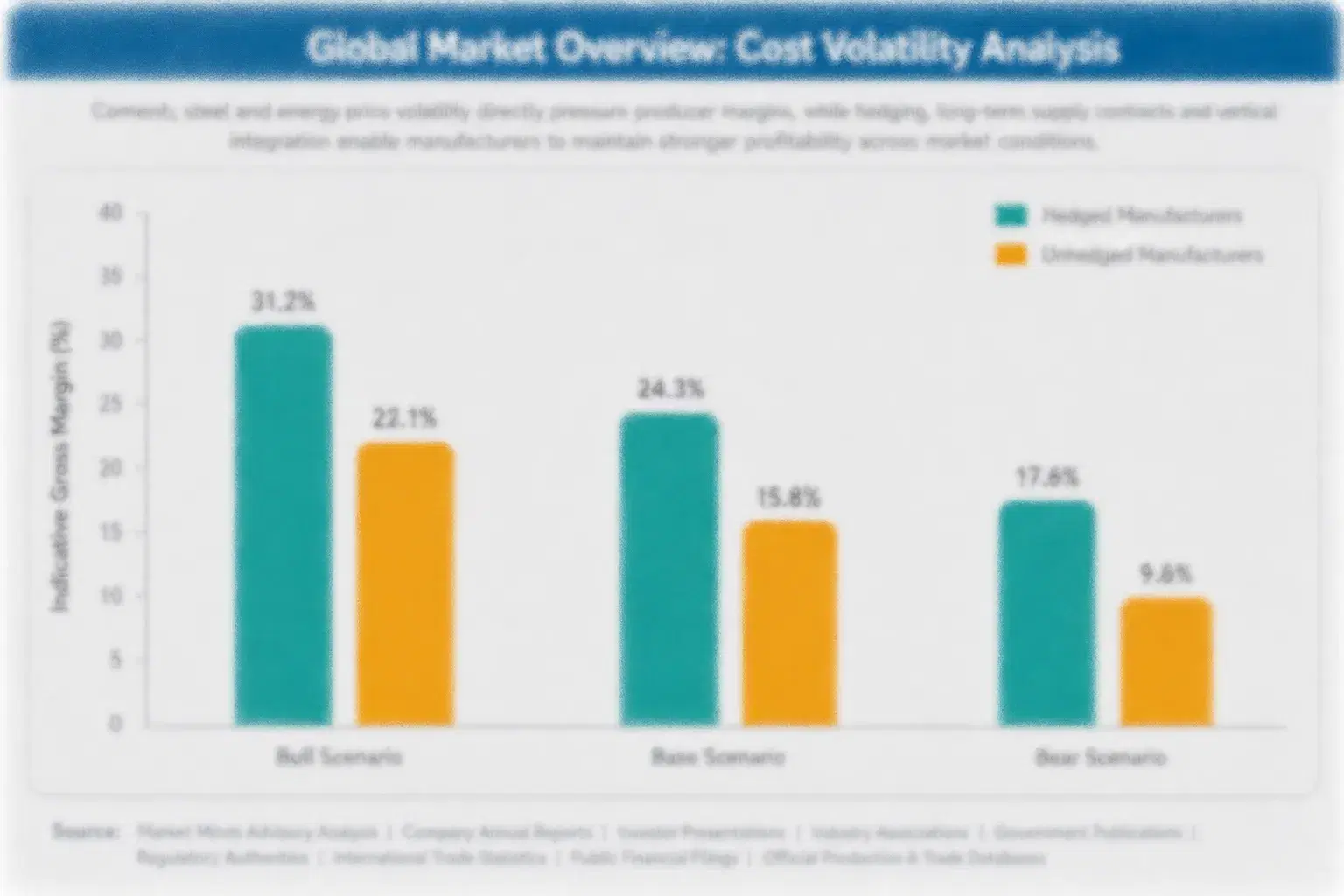
Galvanized steel panels and filtration media together account for roughly 40% of spray booth cost of goods sold, with steel sourced predominantly from domestic mills in each manufacturing region and specialized filter media increasingly imported from a concentrated group of nonwoven fabric producers. Filtration media manufacturing concentrates among a small group of nonwoven fabric producers, giving them meaningful pricing power over booth manufacturers during tight raw material periods.
Steel prices spiked sharply during 2024 as tariff actions and reduced Chinese export volume collided with steady construction demand, with the US Census Bureau's steel mill shipment data showing elevated domestic pricing persisting through the back half of the year, squeezing booth manufacturer margins across the industry. Several manufacturers absorbed the increase rather than passing it through immediately, compressing margins through the back half of the year before pricing adjustments took hold across most contracts.

Smaller regional manufacturers carry disproportionate exposure to steel volatility because they lack the hedging infrastructure and multiyear supply contracts that majors like Durr and Eisenmann negotiate directly with steel producers. That gap compounds the disadvantage these smaller players already face on manufacturing scale, pushing some toward lighter-gauge panel designs to manage cost exposure. That gap is widening.
spray-booth-ventilation-system-market-cost-volatility-analysis-1791084787740

Multiyear Steel Supply Contracts

Major manufacturers are negotiating multiyear fixed-price steel supply agreements directly with domestic mills to insulate margins from spot price volatility. Smaller suppliers are increasingly pooling procurement volume through industry associations to access comparable contract terms. Several large buyers are also exploring direct long-term supply relationships with mills to secure volume commitments. Buyers are also diversifying supplier relationships regionally.

Lighter-Gauge Panel Design Standards

Several manufacturers are shifting toward lighter-gauge steel panel designs that reduce material content without sacrificing structural integrity meaningfully. Adoption remains concentrated among mid-tier suppliers lacking the scale to negotiate favorable long-term steel contracts directly. Early field data suggests these lighter designs perform comparably in standard applications but require reinforcement in heavy-duty industrial use. Trials continue expanding.

Portfolio Architecture for Margin Defence

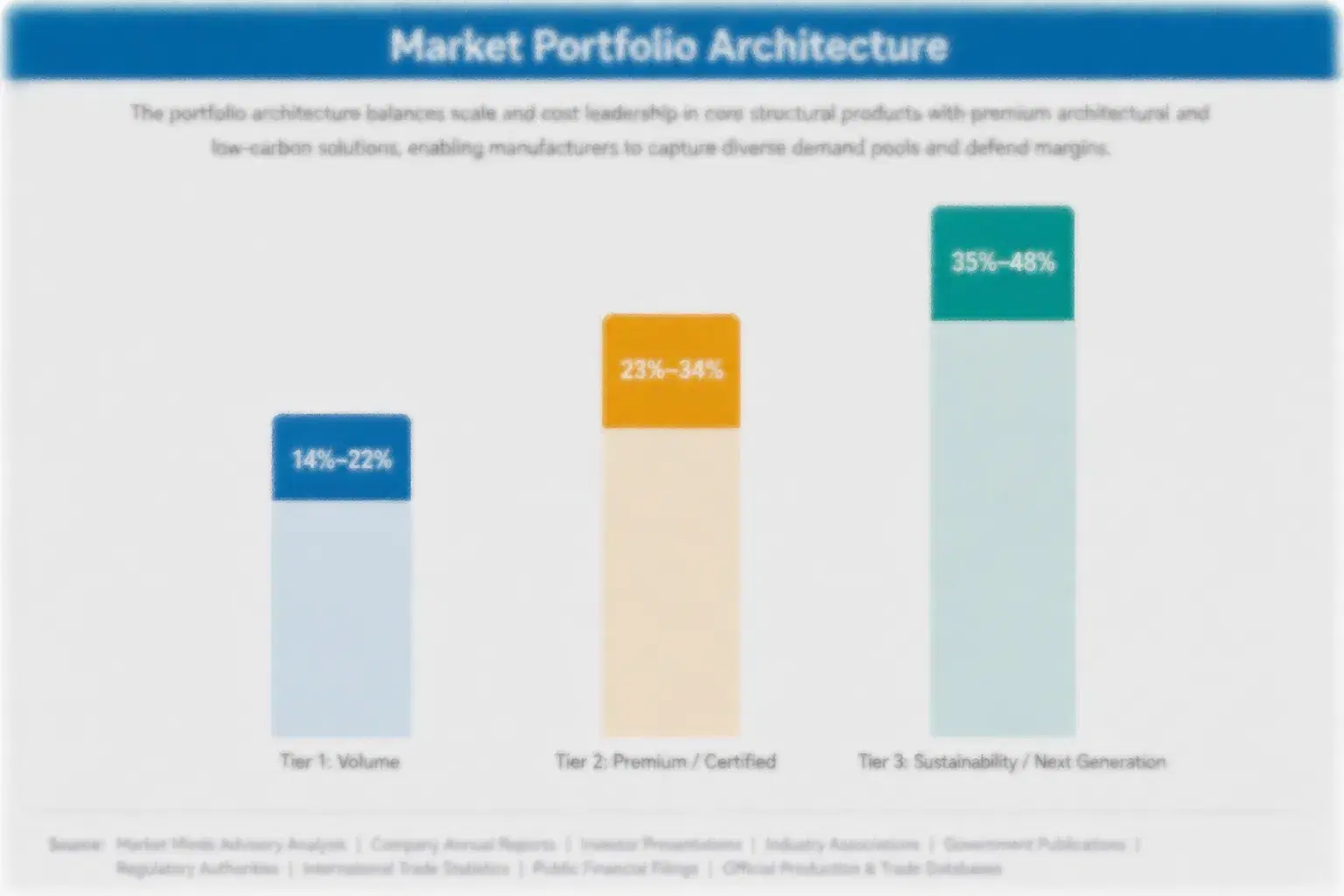
Portfolio economics in spray booth ventilation split along a volume-versus-certification axis, distinct from a pure premium-versus-commodity divide common in other industrial equipment categories. Gross margins vary considerably depending on whether a supplier competes on installed base price or on certified emissions credentials that command fleet account procurement preference. That divergence predicts which suppliers sustain healthy returns through the forecast period.
Volume-tier downdraft and modular systems serving independent shops carry thin margins sustained only through manufacturing scale, while certified wet-scrubber and cross-draft systems serving industrial and large fleet buyers command meaningfully higher margins tied to compliance value rather than material cost alone. Suppliers caught between both tiers, lacking scale and certification credentials, face the steepest margin compression.

High-value margin pools concentrate in large fleet account contracts and OEM automotive paint shop installations tied to emissions certification, a segment still small relative to total unit volume but growing faster than any other portfolio tier. Suppliers positioned only in commodity independent-shop segments will find their addressable margin pool shrinking as certification requirements tighten further. Suppliers positioned only in commodity independent-shop segments risk becoming price-takers dependent on volume growth alone.

Standard downdraft and modular booths sold largely on price to independent shops, carrying gross margins around 14 to 20% amid intense regional competition and minimal product differentiation. Competition here is driven almost entirely by price rather than engineering differentiation of any kind.
Gross Margin

Certified wet-scrubber and cross-draft systems meeting current emissions thresholds, commanding gross margins of 26 to 34% from fleet accounts and industrial buyers requiring documented compliance. Buyers increasingly require documented certification before awarding procurement contracts of meaningful size.
Gross Margin

Systems specified for OEM automotive paint shops and advanced emissions mandates, carrying margins of 30 to 40% tied directly to certification depth rather than material cost alone. Suppliers positioned early here are best placed to capture rising OEM and fleet retrofit demand.
Gross Margin
spray-booth-ventilation-system-market-portfolio-architecture-1791084787931

High-value Sub-segments and Strategic Watch-out

Modular and Portable Spray Booths for Small-Shop Deployment

Highest-value, fastest-growing pool as independent shops seek lower-cost compliance paths ahead of enforcement deadlines, rewarding suppliers with proven leasing infrastructure and installation speed. Suppliers with proven leasing infrastructure already in place are capturing most of this growth opportunity across served territories. Order backlogs already extend well into next year.

Water-Wash Wet-Scrubber Systems for VOC Capture Compliance

High-value but more moderate growth pool serving large industrial and fleet buyers, where documented capture efficiency matters more to buyers than lowest unit cost or installation speed alone. Growth here tracks large industrial capital spending cycles more closely than overall collision repair volume trends. Wins here tend to be sticky.

Downdraft Spray Booths for Standard Collision Repair

Volume core of the market, sustained by ongoing collision repair replacement cycles, where manufacturing scale and national service reach matter more than premium specification. Service network reach into dispersed independent shop geography increasingly matters more than brand recognition alone. Program contracts extend multiple years forward typically.

Cross-Draft Spray Booths for Large Industrial Parts

Strategic watch-out segment as large industrial buyers increasingly specify custom engineered systems, leaving standard cross-draft suppliers dependent on smaller industrial accounts for volume. Suppliers unable to diversify into certified large-part segments risk losing share permanently to custom engineered competitors. Diversification timelines are already compressing noticeably.

Compliance-Driven Replacement Economics

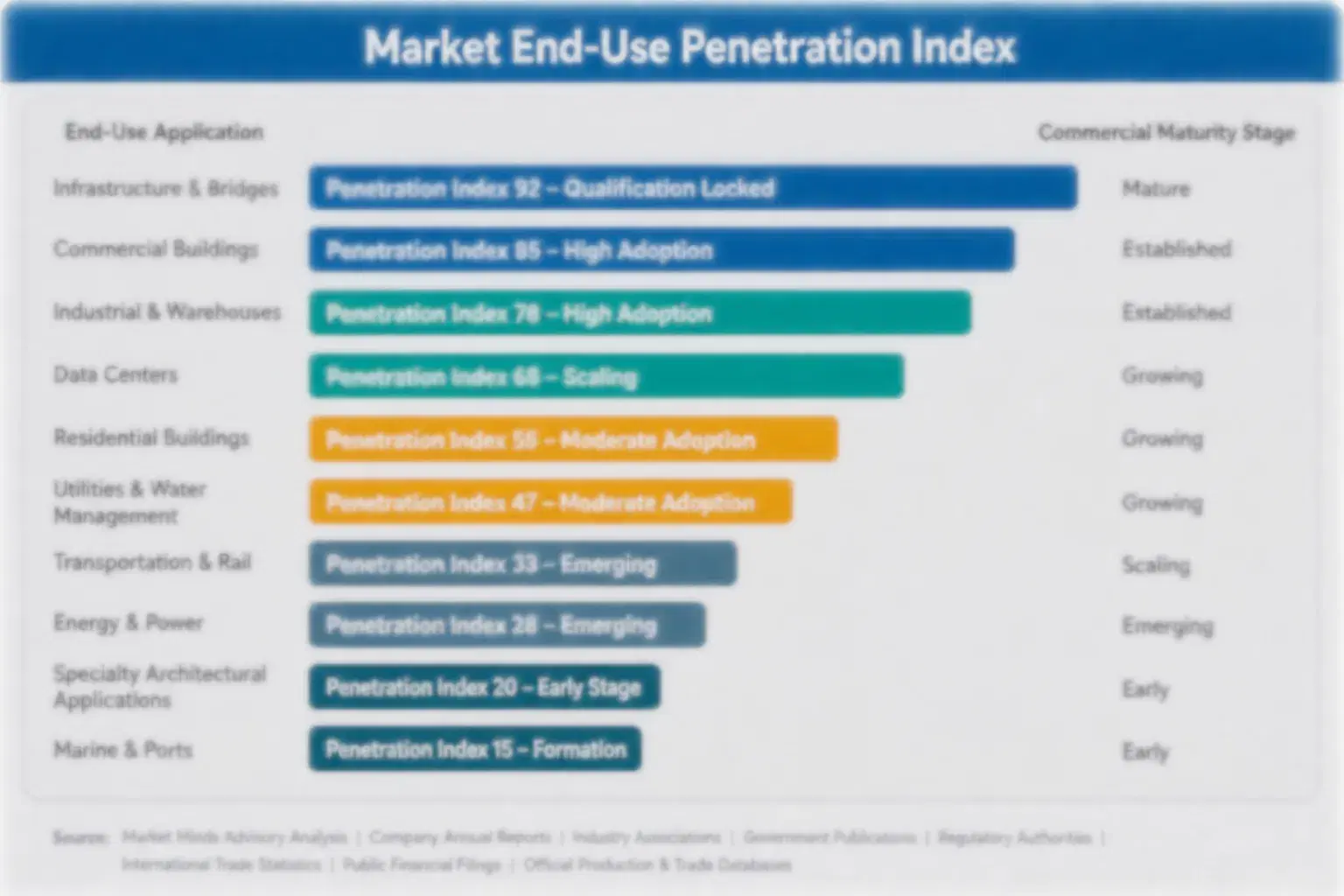
Spray booth ventilation systems behave more like regulated capital equipment than a discretionary annuity revenue stream, since most manufacturers capture value primarily at installation and major retrofit rather than through recurring service contracts. The twelve to eighteen year replacement cycle means repeat purchase behavior tracks regulatory enforcement timing as much as equipment age. That contrasts with technology categories chasing recurring software revenue.
Adoption stickiness varies sharply by end-use vertical. Independent collision repair shops show minimal switching behavior once a supplier relationship forms, since replacement typically happens with the same brand for service continuity. Multi-location fleet operators show stronger price sensitivity at contract renewal, while OEM automotive buyers favor long-term engineering relationships with majors like Durr over switching suppliers between projects. Automotive OEM buyers show the strongest loyalty, maintaining relationships across multiple platform generations.

Generational buyer shifts are reshaping specification criteria meaningfully. Younger shop owners and facility managers increasingly research certification documentation and total compliance cost before purchase, a contrast with earlier buyers who relied heavily on installer recommendation alone. That shift favors suppliers with transparent certification records over those competing purely on installed base reputation. Younger buyers also expect digital documentation and remote monitoring capability earlier generations never required.
spray-booth-ventilation-system-market-end-use-penetration-index-1791084788116

The MMA Outlook

These are among the four positions where our research anticipates prominent divergence between winners and laggards over the coming forecast period. Each is grounded in the demand model, the regulatory perimeter, and the announced capacity pipeline.
01 / FLEET ACCOUNT CAPTURE

Build national service capacity before accounts consolidate

Multi-location collision repair operators are increasingly allocating standardized equipment contracts to suppliers who already have national installation and service infrastructure in place, not to whoever offers the lowest unit price at the point of sale. Suppliers that wait for consolidation to finish will find contracts already locked into incumbent relationships built over the preceding several renewal cycles. Building that service capacity now, even at modest regional scale initially, secures a seat at the table before the largest operators finalize their preferred supplier lists entirely.
02 / CERTIFICATION INVESTMENT TIMING

Secure emissions certification ahead of enforcement deadlines

Regulatory enforcement timelines are close enough now that certification testing, which routinely runs nine to twelve months per product line, leaves little room for suppliers who have not yet started the process. Waiting until enforcement begins guarantees exclusion from fleet account bids for at least one full contract cycle, a gap competitors will use to lock in multi-year relationships. Suppliers serious about fleet account demand need certification testing underway now, not once enforcement makes the cost of delay impossible to ignore.
03 / STEEL COST HEDGING

Lock multiyear steel contracts before the next volatility cycle

Steel price volatility has already squeezed margins once this decade, and nothing about current tariff policy or mill capacity suggests the underlying tightness has resolved. Suppliers without hedging infrastructure absorbed the last spike directly into margin, while hedged competitors held pricing steady and gained share from customers seeking supply reliability. Pooling procurement volume through industry associations, where direct contracts are out of reach, gives smaller suppliers a realistic path to comparable protection well before the next steel volatility cycle fully materializes.
04 / LEASING CHANNEL DEVELOPMENT

Build leasing infrastructure to capture independent shop demand

Independent shops facing compliance deadlines but lacking upfront capital represent a large pool of deferred demand that leasing infrastructure can capture faster than competitors relying purely on cash sales. Suppliers that partner with equipment finance providers now capture retrofit volume that would otherwise flow to whichever competitor builds comparable financing first. That volume advantage compounds over time as satisfied lease customers become reference accounts for future independent shop sales across the same served region and across nearby territories as well.

Engagement Snapshot From the Field

A live engagement with an industry participant carrying material or product regulatory and market exposure ahead of a defining policy shift, showing how our research translates into a defensible multi-year portfolio strategy.
MARKET MINDS ADVISORY · CLIENT ENGAGEMENT SUMMARY
Spray Booth Ventilation System Producer Strategic Portfolio Review and Transition Roadmap 2026·Investment Scenario on Spray Booth Ventilation System Exposure Evaluation 2025-26
CLIENT PROFILE
The client is a multi-location collision repair operator running over eighty facilities across the Midwest, reporting annual revenue of approximately two hundred ten million dollars (client-reported, unverified by MMA). The operator faced a fragmented mix of booth equipment inherited through acquisitions and needed a standardization strategy ahead of upcoming compliance deadlines. The operator viewed standardization as critical to simplifying maintenance budgeting across its network.
STRATEGIC CHALLENGE
The operator's facilities maintenance team favored a phased replacement approach prioritizing the oldest equipment first, while its finance team pushed for a single bulk procurement deal to maximize volume pricing leverage across all locations simultaneously. Disagreement over the approach was delaying the capital budgeting decision ahead of looming enforcement deadlines in several states.
MMA APPROACH
MMA benchmarked four qualified suppliers against documented certification compliance, national service capacity, and leasing flexibility using MMA's primary survey dataset covering comparable multi-location fleet transitions. The team modeled total compliance cost under phased versus bulk procurement scenarios to quantify the financial tradeoff before the operator finalized its capital plan. MMA also reviewed warranty claim histories across comparable multi-location deployments in neighboring regions.
KEY FINDINGS
  1. Bulk procurement secured meaningfully better per-unit pricing than phased replacement, but required larger upfront capital commitment than the finance team initially modeled.
  2. Two of four suppliers evaluated lacked sufficient national service capacity to support installation timelines across all eighty facilities within the compliance window.
  3. Leasing structures reduced the bulk procurement capital requirement substantially while still capturing most of the volume pricing advantage identified. This advantage held even accounting for upfront financing costs across the full contract term.
  4. Facilities in states with the most aggressive enforcement timelines needed prioritized installation scheduling regardless of the overall procurement structure chosen. This prioritization required careful sequencing of installation crews across the network.
CLIENT PROFILE
The client is a multi-location collision repair operator running over eighty facilities across the Midwest, reporting annual revenue of approximately two hundred ten million dollars (client-reported, unverified by MMA). The operator faced a fragmented mix of booth equipment inherited through acquisitions and needed a standardization strategy ahead of upcoming compliance deadlines. The operator viewed standardization as critical to simplifying maintenance budgeting across its network.
STRATEGIC CHALLENGE
The operator's facilities maintenance team favored a phased replacement approach prioritizing the oldest equipment first, while its finance team pushed for a single bulk procurement deal to maximize volume pricing leverage across all locations simultaneously. Disagreement over the approach was delaying the capital budgeting decision ahead of looming enforcement deadlines in several states.
MMA APPROACH
MMA benchmarked four qualified suppliers against documented certification compliance, national service capacity, and leasing flexibility using MMA's primary survey dataset covering comparable multi-location fleet transitions. The team modeled total compliance cost under phased versus bulk procurement scenarios to quantify the financial tradeoff before the operator finalized its capital plan. MMA also reviewed warranty claim histories across comparable multi-location deployments in neighboring regions.
KEY FINDINGS
  1. Bulk procurement secured meaningfully better per-unit pricing than phased replacement, but required larger upfront capital commitment than the finance team initially modeled.
  2. Two of four suppliers evaluated lacked sufficient national service capacity to support installation timelines across all eighty facilities within the compliance window.
  3. Leasing structures reduced the bulk procurement capital requirement substantially while still capturing most of the volume pricing advantage identified. This advantage held even accounting for upfront financing costs across the full contract term.
  4. Facilities in states with the most aggressive enforcement timelines needed prioritized installation scheduling regardless of the overall procurement structure chosen. This prioritization required careful sequencing of installation crews across the network.
RECOMMENDED STRATEGY
Phase 1: Pursue bulk procurement with the supplier offering the strongest national service capacity, financed through a multiyear leasing structure. This structure balances cost savings against capital constraints effectively. Phase 2: Prioritize installation scheduling for facilities in the most aggressive enforcement states ahead of the broader network rollout. This sequencing minimizes regulatory exposure during the transition period. Phase 3: Negotiate a standardized maintenance contract covering all locations to simplify ongoing compliance documentation and filter replacement. This simplifies audits and reduces administrative overhead considerably.
OUTCOME
The operator selected a single supplier under a leasing-financed bulk procurement agreement, completing priority-state installations ahead of enforcement deadlines and reporting lower per-facility compliance cost than the phased approach would have achieved (client-reported, unverified by MMA). The operator's leadership credited the standardized approach with avoiding compliance penalties entirely across the rollout period.

Frequently Asked Questions

Foundational context covering the market sizes, CAGR, scope, country, region and competition that inform every finding below. This section is provided to cover basics and most often pre-purchase conversations, answered from the MMA Primary Research Dataset.

What is the current size of the Spray Booth Ventilation System Market?

The global spray booth ventilation system market reached $2.1 billion in 2025. Demand concentrates in East Asian general manufacturing alongside North America's regulated collision repair industry.

How large will the Spray Booth Ventilation System Market be by 2036?

MMA projects the market will reach $4.11 billion by 2036, nearly 1.84 times its 2026 value. VOC emissions enforcement and collision repair consolidation both contribute to that expansion.

What is the CAGR for the Spray Booth Ventilation System Market 2026 to 2036?

The market is forecast to grow at a compound annual rate of 6.3% between 2026 and 2036. That builds on a 2020 to 2025 historical rate of 5.3%, reflecting recent regulatory acceleration.

Which segment is growing fastest?

Modular and portable spray booths for small-shop deployment lead at an 8.9% CAGR. That is 1.41 times the overall market growth rate, driven by independent shop compliance economics.

Who are the major companies in the Spray Booth Ventilation System Market?

Global Finishing Solutions, Blowtherm, Junair Spraybooths, Thermal Engineering Corporation, and ITW Binks hold leading positions. Combined, the top five account for 28% of the market on a reported unit shipment basis.

Which country is growing fastest?

India leads country-level growth at a 9.0% CAGR. Expanding automotive manufacturing and a growing collision repair network are driving that pace well ahead of other major markets.

Report Segmentation Architecture

The full report scope spans multiple orthogonal segmentation dimensions, with cross-tabulated demand data provided for each dimension pair. Coverage extends further to regional breakdowns, trend trajectories, and the competitive detail needed to support segment-level decision-making.
  • Downdraft Spray Booths
  • Side-Draft Spray Booths
  • Cross-Draft Spray Booths
  • Modular and Portable Spray Booths
  • Water-Wash Wet-Scrubber Systems
  • Automotive Collision Repair
  • Automotive OEM Manufacturing
  • General Industrial Coating
  • Aerospace and Specialty Manufacturing
  • Direct Fleet Account Sales
  • Independent Shop Retail Channel
  • Equipment Leasing and Financing Channel
  • Distributor and Installer Network Channel

By Region

  • North America
  • Western Europe
  • East Asia
  • South Asia and Pacific
  • Latin America
  • Middle East and Africa
  • Eastern Europe

Scope, Methodology, and Coverage

Every figure in this report is reproducible from documented input assumptions. The scope below maps the historical period, the forecast horizon, the segmentation dimensions, and the countries covered, alongside the underlying primary and qualitative methodology.
Historical Period
2020 to 2025
Forecast Period
2026 to 2036
Base Year
2025 (USD billions; MMA Primary Research Dataset, October 2026)
Market Definition
The spray booth ventilation system market covers enclosed airflow and filtration systems used for automotive refinishing, industrial coating, and manufacturing paint application, including downdraft, side-draft, cross-draft, and modular configurations. It excludes standalone spray guns, paint materials, and powder coating curing ovens sold separately from the booth structure.
Quantitative Units
USD billions, installed unit shipments where disclosed
Segmentation Dimensions
Airflow configuration, end-use industry, commercial distribution channel
Regions Covered
North America, Western Europe, East Asia, South Asia and Pacific, Latin America, Middle East and Africa, Eastern Europe
Countries Covered
United States, Canada, Germany, Italy, United Kingdom, China, Japan, South Korea, India, Brazil, Mexico, South Africa
Key Companies Profiled
Global Finishing Solutions, Blowtherm, Junair Spraybooths, Thermal Engineering Corporation, ITW Binks, and 15 additional profiled participants
Quantitative Methodology
Primary survey, n=3,800 respondents, Q4 2025, six countries; demand-side model with trade association cross-validation
Qualitative Methodology
47 expert interviews, Q4 2025; applied to validate demand model assumptions, identify emerging dynamics, and assess competitive positioning
Report Format
PDF and XLSX data workbook (Word format preview document)
Publisher
Market Minds Advisory
Report Code
MMA-2026-CON-312
Published
October 2026
Contact
sales@marketmindsadvisory.com | www.marketmindsadvisory.com

Purchase the full Spray Booth Ventilation System Market Report (2026 to 2036).

This report delivers a comprehensive assessment of the global spray booth ventilation system market across all seven MMA-tracked regions. It covers market sizing, segmentation, competitive benchmarking, and input cost exposure through 2036, with particular attention to emissions certification dynamics and fleet account consolidation. Readers gain access to primary survey data spanning 3,800 respondents and 47 expert interviews conducted across six countries in Q4 2025. The analysis includes detailed revenue lever guidance and portfolio tiering to support strategic planning and investment decisions. It is designed for strategy and investment teams evaluating entry, expansion, or divestment decisions in this category.
Ten-year market sizing and forecast model
Seven-region demand and market share breakdown
Competitive benchmarking of 20 named suppliers
Input cost exposure and mitigation analysis
Revenue lever and portfolio tiering guidance
Primary survey and expert interview data access

Built For The People Who Decide

From boardroom strategy to bench-side execution, this report is read cover-to-cover by leaders shaping the next decade of their industry, turning demand scenarios, market dynamics and valuation benchmarks into decisions.
CXOs/ Presidents/ VPs/ Managers
M&A and Corporate Development
Strategy Teams and R&D Heads
Procurement and Product Directors
Regulatory and Compliance Leaders
Investor Relations and Equity Analysts