Market Minds Advisory
Spirulina Beverages Market

Spirulina Beverages Market: Spirulina Beverages Market. Blue Extract Colour, Contaminant Testing, and Heat Stability Reshape Algae Drink Value.

Spirulina beverages trade on a vivid blue colour and a wellness story, but contaminant testing, extract supply concentration, heat and acid stability, and taste decide which brands and suppliers turn algae curiosity into repeat purchase.

Lead Analyst

Published

September 2026

Make Smarter Decisions with Customized Research Insights

Request a free sample report and evaluate market opportunities, growth trends, and competitive dynamics relevant to your business needs.

2025 MARKET VALUE$0.8BMarket Size 2025
2036 FORECAST VALUE$2.7BBase Case , 2026 to 2036
CAGR 2026 TO 203611.2 %Bull 12.5% / Bear 9.9%
INCREMENTAL OPPORTUNITY$1.8BNet 10- year value creation
EXPANSION MULTIPLE2.89x2036 value over 2026 base
Strategic Levers
M&A Pipeline
Regional Outlook
Country Rankings
Competitive Intelligence
Segmental Deep-dive
Call-Us : 91 93563 13602

Executive Snapshot and Market Trajectory.

Spirulina is a microalga that made its name as a green powder nobody could finish. The blue extract changed that. Phycocyanin lets a drink look like the sky and carry a health claim in the same sip, and brands are competing on the colour more than the algae.
Blue spirulina and phycocyanin drinks grow fastest, since brands want a natural blue colour that photographs well and carries a wellness story. North America holds the largest share, because United States functional beverage brands and cafes concentrate demand there, with East Asia and Western Europe following. India leads country growth. Colour sets trial. Purity sets safety. Price sets scale. Taste sets repeat. Stability sets shelf life.
Competition is fragmented, with a Japanese colour specialist, a German natural colour group, a United States flavour and colour company, and two spirulina growers competing alongside Chinese producers and beverage start-ups on colour intensity, heat stability, and price per kilogram. Biomass and extract costs, contaminant testing, and colour rules shape margins, while beverage brands demand traceability and consistent colour shade batch to batch. Colour houses own formulation. Growers own biomass. Brands own the shelf.
Market Definition
Spirulina beverages comprise ready-to-drink and ready-to-mix beverages that use spirulina biomass or spirulina-derived phycocyanin extract as a defining functional or colour ingredient, including blue spirulina drinks, green spirulina smoothies and shots, fortified sparkling waters, sports and protein drinks, and powder mixes, sold through retail, cafes, and online channels. The scope excludes spirulina supplements in capsule or tablet form, colour used in confectionery, and other microalgae drinks.
Base Year Value
$0.8B in 2025 (MMA Primary Research Dataset, September 2026)
Forecast Period
2026 to 2036, eleven discrete annual values
CAGR
11.2% base case. Bull 12.5%. Bear 9.9%.
Fastest Growth Segment
Blue Spirulina and Phycocyanin Drinks: 16.4% CAGR
Fastest Growth Country
India: 14.0% CAGR
Fastest Growth Region
South Asia and Pacific: 13.2% CAGR
Largest Region
North America: 30% of 2025 global value
Market Leaders
DIC Lifetec, GNT Group, Sensient Technologies, Cyanotech, Earthrise Nutritionals. Source: MMA Analysis, company annual reports.
Primary Survey
n=3,800 procurement and R&D decision-makers, Q4 2025, six countries
Methodology
Demand-side build-up, cross-validated against public data, 47 expert interviews

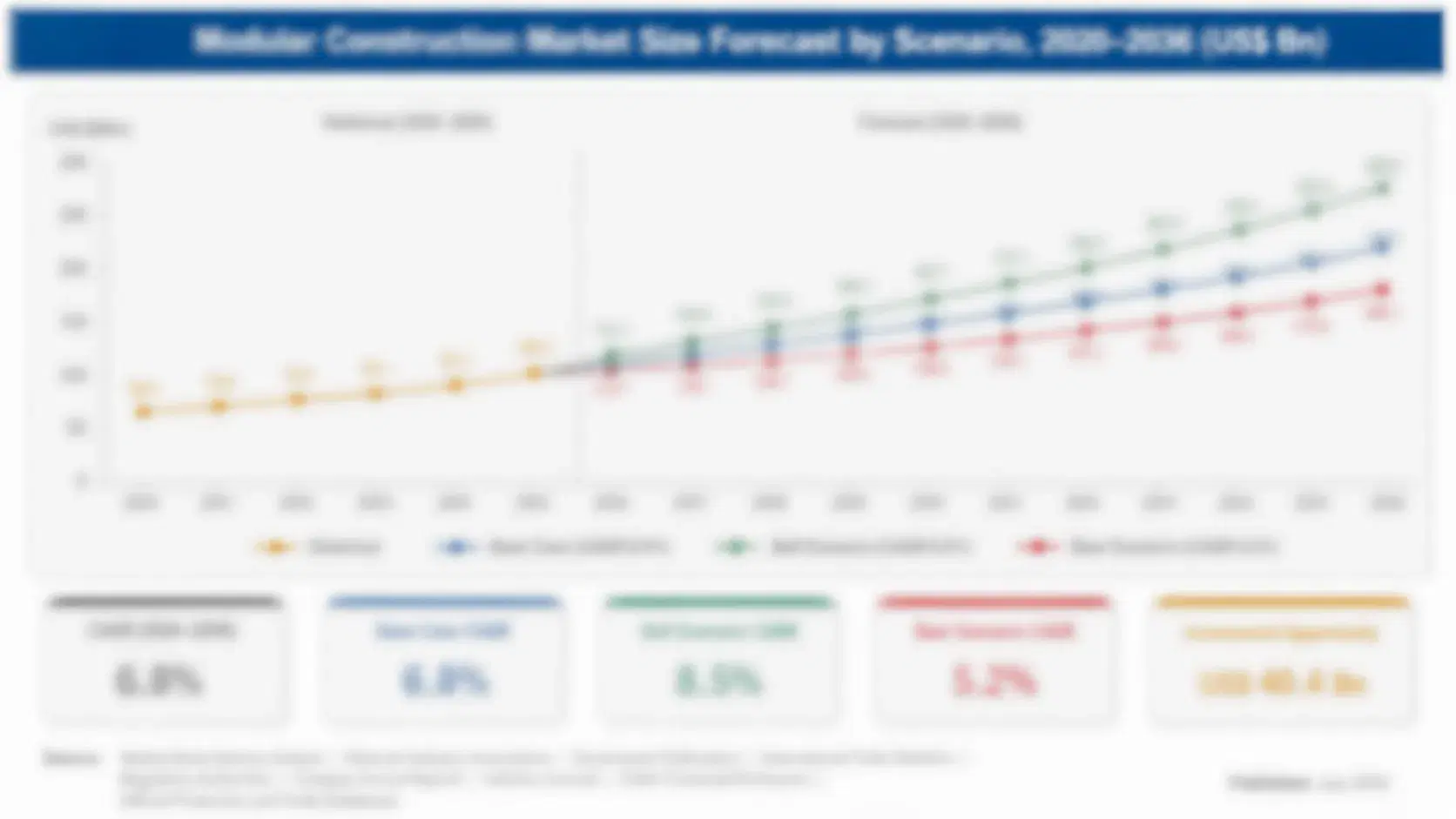
Spirulina Beverages Market Forecast Scenarios

spirulina-beverages-market-size-forecast-scenario-1789811280427
From 2020 to 2025, spirulina beverages grew from a small base as blue latte and smoothie trends spread through cafes, natural colour rules pushed brands away from synthetic dyes, and sports and wellness drinks added algae. Extract prices, packaging, and testing costs rose from 2021, and suppliers raised prices in steps. Growth ran a little below the forecast pace as fading colour and taste issues limited
The base case rests on three commercial mechanisms. First, brands replace synthetic blue dyes with phycocyanin as rules and shopper preferences favour natural colour. Second, wellness cafes and functional beverage brands widen spirulina drinks from a niche to mainstream ranges. Third, rising incomes in India, East Asia, and Australia expand demand for algae-based functional drinks. Each mechanism compounds slowly, and none needs a breakout year. Suppliers plan biomass, extraction, and testing around all three.
The bull case needs stable extract supply and proven heat-stable blue, which would lift volumes and let brands hold prices. The bear case is a run of contamination recalls combined with supply shocks in China, which would squeeze margins, delay launches, and push brands back to other natural colours. Buyers reward consistency over novelty. Batch records decide renewal.

Colour Stability, Contaminant Testing, and Extract Supply Decide Spirulina Winners

Spirulina beverages span several production models. Growers cultivate spirulina in open ponds or controlled photobioreactors, harvest and dry the biomass, and mill it into powder or extract the blue pigment phycocyanin with water and filtration. Beverage makers then blend biomass or extract into juices, sparkling waters, shots, or powders, and each ingredient lot needs testing for heavy metals, microcystins, and microbes. Supply reliability decides supplier rankings.
MARKET CONCENTRATION24% CR5Leading five suppliers hold a small combined share
BLUE EXTRACT PRICE$250/kgTypical delivered price per kilogram of blue spirulina extract
RAW MATERIAL COST SHARE36%Portion of goods cost taken by biomass and extract
TYPICAL DAILY DOSE3 gCommon daily spirulina serving used in wellness drinks
TESTING COST SHARE8%Portion of goods cost taken by contaminant testing
HEAT STABILITY LIMIT65 CHighest processing temperature blue pigment survives without fading
Colour stability, contaminant testing, and extract supply decide value. Buyers judge spirulina drinks by colour, taste, safety, and price, so a supplier needs stable blue, clean biomass, and secure extract supply. Colour houses own formulation, while growers own biomass. Suppliers with tested, traceable, heat-stable ingredients win because a single contaminated lot or faded shelf can end a brand relationship. Margins follow sourcing discipline.
Buyers judge spirulina drinks on colour, taste, safety, functional story, and price per serving. Cafes want vivid colour and reliable supply for signature drinks, while retail shoppers want clean labels and familiar flavours. Price sensitivity is moderate, since buyers accept premiums for natural colour but compare with matcha and fruit drinks, which pushes brands toward blends, limited editions.
"Blue spirulina sells on how it looks, but it survives on how it tests. Brands that photograph well and fade on the shelf lose the buyer twice. The suppliers that win will sell stability and safety records, not just pigment."
Senior Analyst, Botanical Ingredients and Functional Beverages Practice · MMA Spirulina and Phycocyanin Functional Beverages Practice · September 2026

Market Trends

Blue Spirulina Replaces Synthetic Dyes and Anchors Wellness Drinks

Beverage brands are using phycocyanin extract to replace synthetic blue dyes and to create blue lattes, sparkling waters, and smoothies that carry a wellness story. Regulators and retailers in the United States and Europe favour natural colours, and the Food and Drug Administration lists spirulina extract as a colour additive for many food uses. Blue extract earns gross margins of 42% to 56% in drinks against 28% to 36% for green spirulina. The trend needs heat-stable pigment and testing, and it rewards colour houses with formulation support and secure supply. Brand teams review suppliers every season.
Market Impact: natural blue demand grows 12-18% yearly

Spirulina Enters Sports, Protein, and Sparkling Functional Drinks

Sports nutrition and functional beverage brands add spirulina for plant protein, colour, and micronutrients, and launch sparkling waters and protein shakes with algae claims. A typical serving delivers 1 to 3 grams of spirulina and 4 to 8 grams of protein at a cost of $0.10 to $0.30. Younger buyers seeking plant-based nutrition drive trial, and gyms and cafes give shelf space. The trend needs taste masking and clean labels, and it rewards suppliers with deodorised biomass and technical support for flavour and colour. Test records protect future sales. Cost control separates leaders from followers.
Market Impact: cafe spirulina drinks grow 10-14% yearly

Market Opportunities and Growth Drivers

Natural Colour Rules and Synthetic Dye Phase-Outs Lift Phycocyanin Demand

Consumer goods groups and retailers are removing synthetic dyes from food and drinks, and regulators in the United States and Europe are tightening rules on artificial colours, which lifts demand for natural blues. Phycocyanin is one of few natural blue colours with strong intensity, and demand from beverages, confectionery, and dairy has grown 12% to 18% a year. Suppliers invest in extraction and stability, and beverage brands reformulate to keep colour without dyes. The driver supports premiums for stable blue and pushes small growers toward extraction partnerships. Clear labelling builds buyer trust.
Market Impact: one recall costs $100,000+

Plant-Based Nutrition and Wellness Cafes Widen Spirulina Trial

Wellness cafes, juice bars, and functional beverage brands in the United States, Europe, Japan, and Australia feature spirulina in smoothies, shots, and lattes, and social media amplifies vivid colours. Plant-based diets and interest in microalgae as sustainable protein add demand. Retail shoppers try spirulina drinks in single-serve formats before buying powders, and repeat purchase builds when taste and safety are reliable. The driver adds new buyers each year and supports premium prices, though it depends on trust in ingredient quality and clear labelling. Small growers feel every contamination scare. Traceability compounds over time.
Market Impact: blue fades above 65 degrees Celsius

Market Restraints and Challenges

Contaminant Risk and Testing Costs Threaten Safety and Margins

Spirulina grown in open ponds can carry heavy metals and cyanotoxins, and one contaminated lot can trigger recalls that cost $100,000 or more and end a retail relationship. The root cause is open cultivation, variable water quality, and complex supply chains from many growers. Testing adds about 8% to cost of goods. Mitigation includes lot-by-lot testing for lead, arsenic, and microcystins, controlled cultivation, and batch records that retailers can audit, though small growers and importers struggle to fund them. Buyers reward consistency over novelty. Batch records decide renewal. Supply reliability decides supplier rankings.
Market Impact: blue extract earns 42-56% gross margin

Heat and Acid Instability and Taste Issues Limit Formulation Options

Phycocyanin fades above 65 degrees Celsius and below pH 4.5, so hot-filled and acidic drinks lose the blue that sold them, and spirulina biomass can taste earthy or fishy. The root cause is the protein-based nature of the pigment and the biomass flavour compounds. Brands respond with cold-fill or high-pressure processing, stabilising sugars and antioxidants, deodorised biomass, and flavour masking, though these steps add 5% to 12% to cost and demand extensive shelf-life testing before launch. Margins follow sourcing discipline. Brand teams review suppliers every season. Test records protect future sales. Cost control separates leaders from followers.
Market Impact: spirulina adds $0.10-0.30 per serving
3 additional market trends, 2 additional growth drivers, and 4 additional restraints and challenges are covered in the full report. Contact sales@marketmindsadvisory.com to access the complete intelligence.

Segment CAGR and Growth Architecture

Spirulina beverages are segmented by product form and use, which shows where colour, nutrition, and pricing power sit. Five segments cover blue spirulina and phycocyanin drinks, spirulina fortified sparkling and functional waters, green spirulina smoothies and shots, spirulina sports and protein beverages, and powder and ready-to-mix drinks. Two segments grow fastest on colour and functional demand.
spirulina-beverages-market-market-share-analysis-1789811280709

Blue Spirulina and Phycocyanin Drinks

Blue Spirulina and Phycocyanin Drinks is the fastest-growing segment at 16.4% a year, about 1.46 times the overall market rate. Brands use phycocyanin extract to create vivid blue lattes, waters, and smoothies that replace synthetic dyes and carry a wellness story, and drinks earn gross margins of 42% to 56%. Heat and acid stability are the main constraints, since colour fades above 65 degrees Celsius and below pH 4.5. Suppliers with stable pigment and formulation support win, while brands with untested blue face returns and lost trust. Clear labelling builds buyer trust. Small growers feel every contamination scare. Traceability compounds over time. Buyers reward consistency over novelty. Batch records decide renewal. Supply reliability decides supplier rankings.
CAGR 16.4%

Spirulina-Fortified Sparkling and Functional Waters

Spirulina-Fortified Sparkling and Functional Waters grow at 12.4% a year, because clear, lightly flavoured waters with small doses of spirulina extract deliver colour and a functional story without the taste of green powder, and retailers give them shelf space beside flavoured waters and soft drinks. Cans and bottles price at $2 to $4 for single serves. Colour stability and carbonation effects are the main constraints, since acids and heat change shade. Brands respond with cold-fill lines and testing, and suppliers with technical support hold price better. Margins follow sourcing discipline. Brand teams review suppliers every season. Test records protect future sales. Cost control separates leaders from followers. Clear labelling builds buyer trust.
CAGR 12.4%
Full segment breakdown across 5 segments available in the complete report.

Regional Architecture and Country Demand Map

Spirulina beverage value follows functional drink brands, natural colour rules, and cultivation hubs. North America leads through wellness brands and dye phase-outs, East Asia follows through production and extraction, Western Europe holds a mature share, and South Asia and Pacific grows fastest. Small growers feel every contamination scare.

North America

North America holds 30% share, with the United States and Canada leading through functional beverage brands, wellness cafes, and natural colour reformulation as synthetic dyes are phased out. Cyanotech, Earthrise Nutritionals, Sensient Technologies, Vital Proteins, and Suja Life lead, and buyers reach spirulina drinks through natural retail, cafes, and online channels. Growth runs slightly below the global rate as the base matures, though blue colour and sparkling waters add value. Contaminant scrutiny, colour additive rules, and extract cost restrain margins. Traceability compounds over time. Buyers reward consistency over novelty. Batch records decide renewal. Supply reliability decides supplier rankings. Margins follow sourcing discipline. Brand teams review suppliers every season. Test records protect future sales.
Share: 30% | CAGR: 11.0% (2026 to 2036)

East Asia

East Asia holds 26% share, with China, Japan, South Korea, and Taiwan leading through the world's largest spirulina production, phycocyanin extraction in Japan and China, and growing functional beverage demand. DIC Lifetec, Fuqing King Dnarmsa, Far East Bio-Tec, and local beverage makers lead. Growth runs above the global rate as blue extract and health drinks expand. Local approval rules, price competition from Chinese extract, and contaminant scrutiny restrain margins, and Japanese buyers demand strict quality. Cost control separates leaders from followers. Clear labelling builds buyer trust. Small growers feel every contamination scare. Traceability compounds over time. Buyers reward consistency over novelty. Batch records decide renewal. Supply reliability decides supplier rankings. Margins follow sourcing discipline.
Share: 26% | CAGR: 12.2% (2026 to 2036)
Regional intelligence for 5 additional markets available in the complete report: Western Europe, South Asia and Pacific, Latin America, Middle East and Africa, Eastern Europe. Contact sales@marketmindsadvisory.com.
spirulina-beverages-market-country-cagr-analysis-1789811281066

Four Margin Routes for Spirulina Drink Suppliers

Margin in spirulina beverages comes from stable blue colour, tested supply, extract diversification, and formulation support rather than biomass volume alone. The routes below apply to colour houses, spirulina growers, and beverage brands, and each can start inside one planning cycle, with clear measures in gross margin points, lot rejection rates, and colour retention at 12 months.

Selling Heat-Stable Blue Extract With Formulation Support

Blue extract earns gross margins of 42% to 56% in drinks against 28% to 36% for green spirulina, and suppliers that provide heat-stable, acid-tolerant grades with formulation support report gross margin gains of 6 to 10 points on those lines. Application laboratories cost $300,000 to $800,000. Cafes and brands add volume. Pilot supply to two beverage brands typically confirms demand within one quarter, before wider listings and multi-year agreements follow. Test records protect future sales. Cost control separates leaders from followers. Clear labelling builds buyer trust. Small growers feel every contamination scare.
Market Impact: stable blue grades lift gross margin by 6-10 points

Testing Every Lot for Metals and Cyanotoxins With Auditable Records

One contaminated lot can trigger recalls costing $100,000 or more, and testing adds about 8% to cost of goods, so suppliers that test every lot for lead, arsenic, and microcystins, prefer controlled cultivation, and keep auditable batch records protect retailer accounts worth 30% of sales. Third-party laboratories cost $200 to $600 per lot. Small importers can share testing through cooperatives. Suppliers should publish test summaries to buyers each quarter. Traceability compounds over time. Buyers reward consistency over novelty. Batch records decide renewal. Supply reliability decides supplier rankings. Margins follow sourcing discipline. Brand teams review suppliers every season.
Market Impact: lot testing protects retailer accounts worth 30% of sales

Qualifying Extract Producers in Several Countries and Holding Safety Stock

Biomass and extract take about 36% of cost of goods, and Chinese supply dominates phycocyanin, so trade, energy, and weather can move prices by 20% to 50% within a year. Suppliers that qualify producers in three countries, contract multi-year volumes, and hold three months of safety stock cut cost volatility by roughly half. Safety stock ties up 10% to 20% of working capital. Suppliers that skip planning lose contracts in shortages. Test records protect future sales. Cost control separates leaders from followers. Clear labelling builds buyer trust. Small growers feel every contamination scare.
Market Impact: diversified extract supply cuts cost volatility by roughly 50%

Using Cold-Fill and High-Pressure Processing to Protect Colour on Shelf

Phycocyanin fades above 65 degrees Celsius and below pH 4.5, so brands that use cold-fill or high-pressure processing, stabilise with sugars and antioxidants, and test shelf-life colour for 12 months cut returns and fading complaints by 40% to 60%. High-pressure processing adds 5% to 12% to cost. Contract processors avoid capital costs of $1 million or more. Brands should keep clear colour standards and audit batches monthly. Traceability compounds over time. Buyers reward consistency over novelty. Batch records decide renewal. Supply reliability decides supplier rankings. Margins follow sourcing discipline. Brand teams review suppliers every season.
Market Impact: stability testing cuts fading returns by 40-60% yearly

Who Controls the Margin Pool

The spirulina beverages market is fragmented, with a CR5 of 24%, and Chinese extract producers, small growers, and beverage start-ups sit outside the leading five. This assessment measures participants on estimated spirulina and phycocyanin ingredient sales value for beverages, held constant across all players. DIC Lifetec leads through blue pigment quality, while GNT Group, Sensient Technologies, Cyanotech, and Earthrise Nutritionals follow, with a clear gap between the leader and the
Competition runs on four dimensions today: colour intensity and heat stability, contaminant testing and traceability, extract supply, and price per kilogram. Colour houses win on formulation know-how and regulatory support, while growers win on biomass and cost. Imitators copy grades slowly because stability data takes time, so premiums outside proven stability erode over years, and price competition appears in annual contracts. Test records protect future sales.

Emerging pressure comes from other natural blues such as butterfly pea flower and gardenia, precision fermentation of blue pigments, and Chinese extractors offering lower prices. Rankings shift where a supplier secures stable extract, wins a major beverage brand, or documents a new stability grade. Regional growers in India and Chile can move up quickly.
spirulina-beverages-market-company-positioning-matrix-1789811281370

Competitive Moat and Risk Dimensions

DIC LIFETEC

Moat: Blue Pigment Quality and Stability

DIC Lifetec is a Japanese producer of Linablue phycocyanin extracts and cultivates spirulina under controlled conditions, which gives it pigment quality, heat stability, and safety records that rivals struggle to match. Its application laboratories and regulatory expertise support beverage brands worldwide, and its long relationships with confectionery and beverage makers give it pricing power and repeat contracts.
DIC LIFETEC

Risk: Cost Base and Chinese Competition

DIC Lifetec has a higher cost base than Chinese producers, so price competition squeezes margins in commodity grades. Yen swings raise input costs, and competing natural blues from other plants and fermentation attract brands seeking cheaper options, while supply of controlled cultivation capacity limits its growth speed.
CYANOTECH

Moat: Controlled Cultivation and Hawaiian Origin

Cyanotech cultivates Hawaiian spirulina in controlled ponds and sells biomass, powder, and extract to beverage and supplement brands, with contaminant testing and quality records that support premium positioning. Its origin story, US-based production, and certifications appeal to brands that fear imported supply chain risk, and its scale in cultivation gives it cost advantages over small growers.
CYANOTECH

Risk: Scale Limits and Energy Costs

Cyanotech is small against global colour houses, so it has less formulation reach and purchasing scale. Hawaiian energy and labour costs are high, and Chinese producers undercut on price, while a contamination event or weather disruption at its ponds could interrupt supply and damage its premium positioning.

Players Tracked

Prominent Players

DIC Lifetec
GNT Group
Sensient Technologies
Cyanotech
Earthrise Nutritionals

Other Key Players

Parry Nutraceuticals
Givaudan
Novonesis
Roquette
Algalif
Algae Health Sciences
E3Live
Nutrex Hawaii
Sunwarrior
Suja Life
REBBL
Sambazon
Fuqing King Dnarmsa
Far East Bio-Tec
Symrise

Recent Developments

JANUARY 2026

DIC Lifetec Expands Controlled Cultivation and Extraction Capacity for Blue Spirulina

DIC Lifetec announced organic expansion of controlled cultivation and extraction capacity for blue spirulina to serve beverage customers. It is a capacity expansion, not an acquisition, and it tests whether premium producers can add supply against Chinese competition. Investment figures were not disclosed. Cost control separates leaders from followers.
Signal: Confirms that premium colour producers are adding controlled cultivation capacity to serve demand for stable blue beverage ingredients.
FEBRUARY 2026

GNT Group Launches Heat-Stable Blue Spirulina Colour for Hot-Fill Beverages

GNT Group launched a heat-stable blue spirulina colour designed for hot-fill and acidic beverages, using stabilisers to hold shade through processing. It is a product launch, and it tests whether colour houses can solve fading in mainstream drinks. Sales volumes were not disclosed. Clear labelling builds buyer trust.
Signal: Suggests colour houses are launching heat-stable blue grades to open hot-fill and acidic beverage formats faster.
MARCH 2026

Sensient Technologies Signs Multi-Year Spirulina Extract Supply Agreement

Sensient Technologies signed a multi-year spirulina extract supply agreement with a controlled cultivation producer to secure volume and quality. It is a supply agreement, not an acquisition, and it tests whether long contracts can protect margins against extract price swings. Contract volumes were not disclosed. Traceability compounds over time.
Signal: Indicates colour majors are locking in extract supply through long contracts to reduce price volatility and traceability risk.

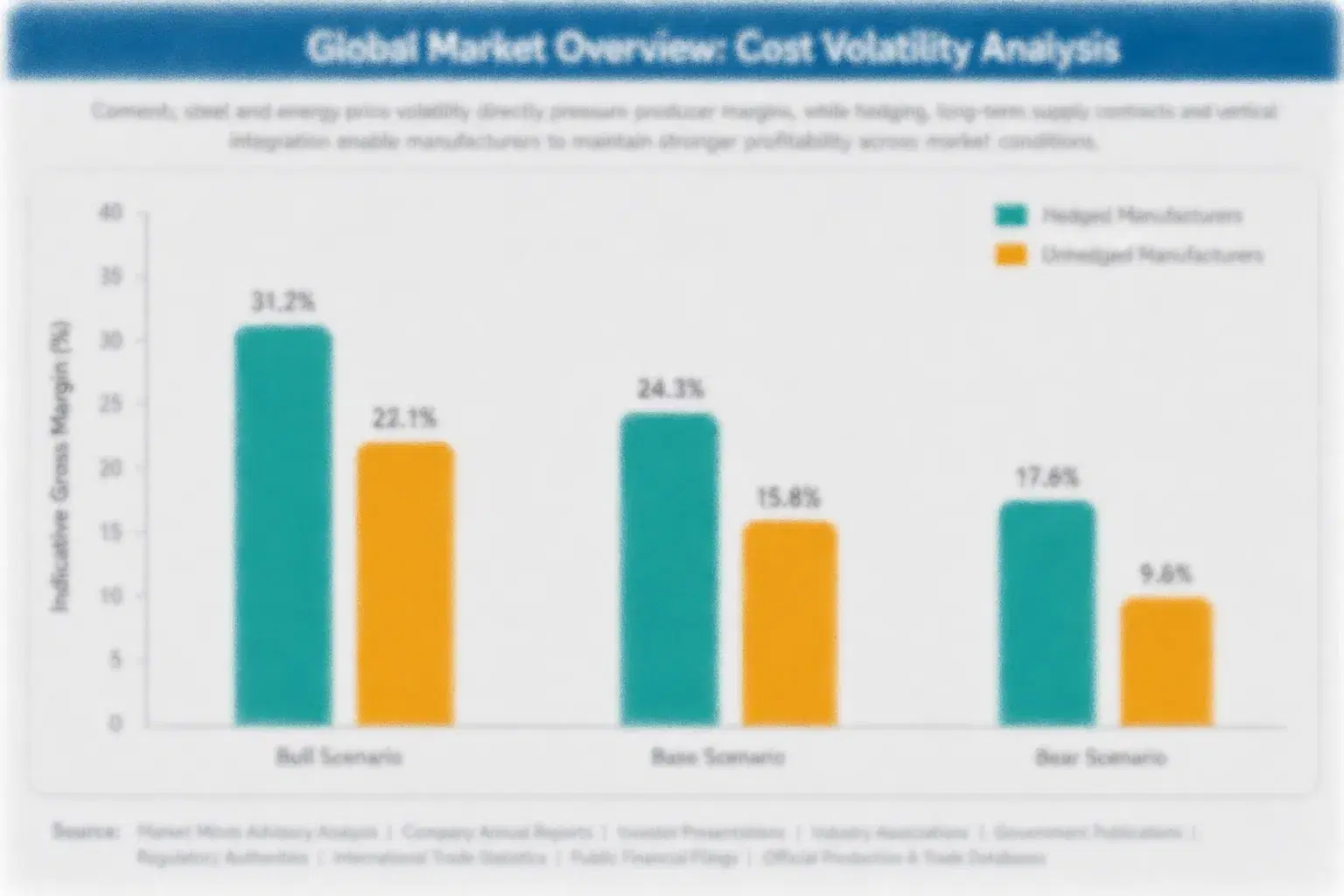
What Drives Spirulina Beverage Ingredient Costs

Spirulina biomass and phycocyanin extract account for roughly 36% of cost of goods, packaging about 22%, other beverage ingredients such as juice and sweeteners about 14%, extraction and processing about 10%, freight and cold chain about 10%, and contaminant testing and quality assurance about 8%. Biomass comes mainly from China, the United States, India, and Thailand, and extract from a few specialist processors.
The clearest recent shock came from extract supply and energy. The United States Department of Agriculture Foreign Agricultural Service reported trade and cost swings in Chinese algae products, and the International Energy Agency reported energy price spikes that lifted drying and extraction costs, while Sensient Technologies and Cyanotech reported in annual documents that raw material and energy costs weighed on margins. Suppliers raised prices by 6% to 12%.

The competitive disadvantage falls on small growers and importers, which buy extract in small lots at spot prices and cannot fund lot testing across many batches. Large colour houses sign long contracts, run application laboratories, and spread testing cost across many products. Exposure also varies by geography, since Western suppliers bear higher labour and energy costs while Asian suppliers face trade and trust issues.
spirulina-beverages-market-cost-volatility-analysis-1789811281670

Qualifying Extract Producers Across Countries and Holding Safety Stock

Suppliers qualify extract producers in three countries, contract multi-year volumes, and hold three months of safety stock. Diversification cuts cost swings and shortage risk by roughly half, though it needs volume commitments and working capital that only larger suppliers usually provide. Terms often run two years, delivery reliability matters, and buyers should approve early. Supply reliability decides supplier rankings.

Testing Every Lot and Publishing Summaries to Buyers

Suppliers test every lot for heavy metals, microcystins, and microbes and publish summaries to buyers each quarter. Testing costs about 8% of cost of goods but avoids recalls costing $100,000 or more. The main challenge is laboratory access, so suppliers use accredited third-party laboratories and share results across customers. Margins follow sourcing discipline. Brand teams review suppliers every season.

Using Cold-Fill and Contract Processors to Protect Colour

Brands use cold-fill lines and high-pressure processing through contract processors to protect blue colour and avoid capital costs of $1 million or more. Contract processing adds cost per bottle but lowers risk. The main challenge is scheduling and validation, so brands book capacity months ahead and test shelf-life colour for 12 months. Test records protect future sales.

Portfolio Architecture for Margin Defence

Margins run from thin returns on green spirulina powder and basic mixes sold in bulk to strong returns on blue extract, deodorised biomass, and sparkling functional waters sold with test data. Three tiers separate volume products, certified premium lines, and next-generation formats, and each tier draws on different buyer groups, cultivation methods, and testing terms. Clear labelling builds buyer trust.
The tension between volume and premium is sharp. Volume lines protect drying capacity and brand relationships but face constant price pressure from Chinese suppliers, while premium lines earn higher margins on smaller volumes and depend on stability, testing, and formulation support. Suppliers that run only volume struggle to fund testing, while suppliers that run only premium lack the scale to hold biomass contracts and absorb supply shocks. Small growers feel every contamination scare.

High-value pools concentrate in heat-stable blue extract and deodorised biomass sold to beverage brands, cafes, and functional food makers. They gather where buyers pay for colour, safety, and consistency rather than kilograms. Sports nutrition brands, wellness cafes, and natural colour programmes add further value, since these buyers ask for reliable supply and audit-ready data, and they renew contracts without shopping on price.

Volume / Commodity-Adjacent Tier

Green spirulina powder and basic mix ingredients sold in bulk to smoothie makers and supplement brands, with thin margins, biomass and energy cost exposure, and constant price competition, where buyers switch on price, purity, and delivery terms.
Gross Margin: 20%-30%

Premium / Certified Tier

Controlled-cultivation spirulina and stable blue extract with lot-level testing, batch records, and quality certification, sold to beverage brands and cafes that require reliable supply, audit-ready data, and stable pricing across contract periods. Traceability compounds over time.
Gross Margin: 36%-52%

Sustainability / Regulatory / Next-Generation Tier

Heat-stable, acid-tolerant blue grades and deodorised biomass with life cycle data, low-energy extraction, and clear provenance, sold to brands that pay premiums for hot-fill compatibility, cleaner taste, and stronger sustainability claims. Buyers reward consistency over novelty.
Gross Margin: 40%-56%
spirulina-beverages-market-portfolio-architecture-1789811281962

High-value Sub-segments and Strategic Watch-out

Blue Spirulina and Phycocyanin Drinks

Blue spirulina and phycocyanin drinks combine the fastest growth with strong pricing, since brands pay premiums for natural blue colour and a wellness story, and gross margins reach 42% to 56%. Stability and testing limit competition, and suppliers with formulation support win. Volume compounds as dye phase-outs spread.
Gross Margin: 42%-56%

Spirulina-Fortified Sparkling and Functional Waters

Spirulina-fortified sparkling and functional waters deliver solid growth and healthy pricing, since clear, lightly flavoured drinks avoid the green taste and sell at $2 to $4. Colour stability forms the entry barrier, and brands with cold-fill lines win. Repeat purchase builds through wellness retail and cafes.
Gross Margin: 36%-50%

Green Spirulina Smoothies and Shots

Green spirulina smoothies and shots form the traditional core, sold through juice bars and retail at moderate margins. Growth is steady, at about 10.6% a year, as buyers seek nutrient-dense drinks. Taste, biomass cost, and retailer negotiation decide profit, and brands use the segment to anchor wellness ranges.
Gross Margin: 28%-40%

Spirulina Powder and Ready-to-Mix Drinks

Spirulina powder and ready-to-mix drinks are the strategic watch-out, since taste, mixing difficulty, and low convenience keep growth near 8.8% a year and margins tight. Brands should test single-serve sachets and deodorised biomass before scaling, because retailer delisting and price competition can erode margin quickly. Batch records decide renewal.
Gross Margin: 22%-34%

Why Brands Keep Their Spirulina Suppliers

Spirulina ingredient demand behaves like an annuity attached to every beverage recipe. Once a brand qualifies a blue grade and prints its colour on a label, it repeats the purchase every batch, and switching means new stability tests and possible colour drift. Buyers use last year's supplier performance to fix renewals, so successful suppliers earn steadier volume than launches driven by price alone. Supply reliability decides supplier rankings.
Adoption stickiness differs by end-use vertical. Premium functional beverage brands and cafes are the deepest, since colour and safety records affect every label, and they change only when supply, stability, or testing fails. Sports nutrition brands are almost as loyal once recipes are set. Mass smoothie and supplement buyers are shallower and switch on price, while private label programmes follow tender cycles.

Buyer profiles are shifting between generations. Older procurement teams choose spirulina for nutrition and cost and trust established growers, while younger brand teams care about natural blue colour, plant protein, and social proof shared online. Wellness cafes add a third group that wants vivid drinks. Suppliers that publish test data and offer formulation kits win these buyers and keep them as ranges
spirulina-beverages-market-end-use-penetration-index-1789811282333

MMA Verdict on Spirulina Beverage Strategy

These are among the four positions where our research anticipates prominent divergence between winners and laggards over the coming forecast period. Each is grounded in the demand model, the regulatory perimeter, and the announced capacity pipeline.
01 / BLUE COLOUR POSITIONING

Build Heat-Stable Blue Drinks Before Murky Green Powders Lose Premium Shelf Space

Blue spirulina and phycocyanin drinks grow at 16.4% a year, about 1.46 times the overall market rate, and brands that pair heat-stable blue colour with a clean wellness story earn gross margins of 42% to 56% against 28% to 36% for green spirulina drinks. Winners will invest in pigment stability, acidity-tolerant recipes, and clear labelling of phycocyanin content. Brands that keep selling murky green powders will fight on price, and rivals with vivid, stable blue will take the premium cafe and functional shelf.
02 / CONTAMINANT TESTING DISCIPLINE

Test Every Lot Before One Contaminated Batch Ends Retail Relationships and Trust

Spirulina grown in open ponds can carry heavy metals and cyanotoxins, and one contaminated lot can trigger recalls that cost $100,000 or more and end a retail relationship. Suppliers should test every lot for lead, arsenic, and microcystins, prefer controlled cultivation, and keep batch records that retailers can audit. Those that skip testing to save 8% of cost will face recalls and delistings, and rivals with tested, traceable biomass will keep the accounts that cannot tolerate safety risk as scrutiny rises.
03 / EXTRACT SUPPLY DIVERSIFICATION

Qualify Extract Producers in Several Countries Before Concentrated Supply Shocks Raise Costs

Biomass and extract take about 36% of cost of goods, and Chinese supply dominates phycocyanin, so trade policy, energy prices, and one region's weather can move extract prices by 20% to 50% within a year. Suppliers should qualify producers in at least three countries, contract multi-year volumes, and hold three months of safety stock. Those that rely on one origin will absorb shocks or lose contracts, and rivals with diversified supply and stock will hold price and colour consistency through every disruption.
04 / STABILITY FORMULATION STRATEGY

Prove Heat and Acid Stability Before Faded Blue Drinks Trigger Returns

Phycocyanin fades above 65 degrees Celsius and below pH 4.5, so hot-filled and acidic drinks lose the blue that sold them, and returns and reformulations follow. Brands should use cold-fill or high-pressure processing, stabilise with sugars and antioxidants, and test shelf-life colour for at least 12 months. Those that launch untested blue drinks will face fading, returns, and lost trust, and rivals with proven stability will hold the cafes and retailers that need reliable colour on every shelf across seasons.

Engagement Snapshot From the Field

A live engagement with an industry participant carrying material or product regulatory and market exposure ahead of a defining policy shift, showing how our research translates into a defensible multi-year portfolio strategy.
MARKET MINDS ADVISORY · CLIENT ENGAGEMENT SUMMARY
Spirulina Beverages Producer Strategic Portfolio Review and Transition Roadmap 2026·Investment Scenario on Spirulina Beverages Exposure Evaluation 2025-26
CLIENT PROFILE
The client is a mid-sized United States functional beverage brand with annual sales near $55 million (client-reported, unverified by MMA), a portfolio of sparkling waters and juice shots sold through natural retailers, cafes, and online subscriptions. It used a synthetic blue dye in two lines, bought spirulina from one importer, and had no stability data for natural blue.
STRATEGIC CHALLENGE
A retailer had asked for synthetic dye removal within 12 months, an early blue spirulina trial had faded within eight weeks, and extract prices had risen by 26%. Management needed to decide whether to switch to phycocyanin, change colour, or invest in testing, with limited capital and one co-packer. Margins follow sourcing discipline.
MMA APPROACH
MMA analysed sales and complaint data across 16 products, interviewed 10 retail buyers, six extract suppliers, and five co-packers, and ran a buyer survey on colour, taste, and price across three regions. It modelled margin by product and channel, tested stability and supply scenarios, and ranked options by payback period and execution risk.
KEY FINDINGS
  1. A heat-stable blue extract with cold-fill could hold colour for 12 months and reach 11% of sales in two years at margins near 46% (client-reported, unverified by MMA).
  2. Lot-by-lot testing at 7% of ingredient cost could avoid recalls and protect retailer accounts worth 28% of sales. Brand teams review suppliers every season.
  3. A second extract supplier in another country could cut supply disruption risk by about half and reduce price exposure. Test records protect future sales.
  4. A subtle mint and lime flavour could mask spirulina taste and lift repeat rates from 31% to about 46%. Cost control separates leaders from followers.
CLIENT PROFILE
The client is a mid-sized United States functional beverage brand with annual sales near $55 million (client-reported, unverified by MMA), a portfolio of sparkling waters and juice shots sold through natural retailers, cafes, and online subscriptions. It used a synthetic blue dye in two lines, bought spirulina from one importer, and had no stability data for natural blue.
STRATEGIC CHALLENGE
A retailer had asked for synthetic dye removal within 12 months, an early blue spirulina trial had faded within eight weeks, and extract prices had risen by 26%. Management needed to decide whether to switch to phycocyanin, change colour, or invest in testing, with limited capital and one co-packer. Margins follow sourcing discipline.
MMA APPROACH
MMA analysed sales and complaint data across 16 products, interviewed 10 retail buyers, six extract suppliers, and five co-packers, and ran a buyer survey on colour, taste, and price across three regions. It modelled margin by product and channel, tested stability and supply scenarios, and ranked options by payback period and execution risk.
KEY FINDINGS
  1. A heat-stable blue extract with cold-fill could hold colour for 12 months and reach 11% of sales in two years at margins near 46% (client-reported, unverified by MMA).
  2. Lot-by-lot testing at 7% of ingredient cost could avoid recalls and protect retailer accounts worth 28% of sales. Brand teams review suppliers every season.
  3. A second extract supplier in another country could cut supply disruption risk by about half and reduce price exposure. Test records protect future sales.
  4. A subtle mint and lime flavour could mask spirulina taste and lift repeat rates from 31% to about 46%. Cost control separates leaders from followers.
RECOMMENDED STRATEGY
Phase 1: Phase 1 (Months 1-6): Qualify a second extract supplier, begin lot testing, and run 12-month colour stability trials. Clear labelling builds buyer trust. Phase 2: Phase 2 (Months 7-18): Launch blue spirulina sparkling water through a cold-fill co-packer and remove synthetic dye from two lines. Small growers feel every contamination scare. Phase 3: Phase 3 (Months 19-30): Add a second flavour, extend to two further retailers, and review colour retention and margin quarterly. Traceability compounds over time.
OUTCOME
Within 30 months, blue spirulina products reached 13% of sales, colour complaints fell by 70%, and gross margin on the range rose to 44% (client-reported, unverified by MMA). The client removed synthetic dye, added two retailers, and buyers named its blue water a preferred natural colour drink. Buyers reward consistency over novelty.

Frequently Asked Questions

Foundational context covering the market sizes, CAGR, scope, country, region and competition that inform every finding below. This section is provided to cover basics and most often pre-purchase conversations, answered from the MMA Primary Research Dataset.

What is the current size of the Spirulina Beverages Market?

The global spirulina beverages market was valued at $0.85 billion in 2025. Growth is supported by natural blue colour, wellness cafes, and plant-based nutrition despite contaminant risk and stability issues.

How large will the Spirulina Beverages Market be by 2036?

The market is projected to reach $2.73 billion by 2036, up from $0.94 billion in 2026. The increase of $1.79 billion reflects blue extract, functional waters, and emerging market demand.

What is the CAGR for the Spirulina Beverages Market 2026 to 2036?

The market is forecast to grow at an 11.2% CAGR from 2026 to 2036. The bull case reaches 12.5% and the bear case 9.9%, depending on extract supply and safety records.

Which segment is growing fastest?

Blue Spirulina and Phycocyanin Drinks is the fastest-growing segment at 16.4% CAGR, roughly 1.46 times the overall market rate. Spirulina-Fortified Sparkling and Functional Waters follows as the second-fastest segment at 12.4% CAGR each year.

Who are the major companies in the Spirulina Beverages Market?

Major companies include DIC Lifetec, GNT Group, Sensient Technologies, Cyanotech, and Earthrise Nutritionals. Parry Nutraceuticals, Givaudan, Roquette, Algalif, and Suja Life also hold meaningful positions.

Which country is growing fastest?

India is the fastest-growing country at a 14.0% CAGR, driven by spirulina cultivation, rising wellness demand, and expanding extraction capacity. Thailand and Australia follow through wellness cafes and export supply.

Report Segmentation Architecture

The full report scope spans multiple orthogonal segmentation dimensions, with cross-tabulated demand data provided for each dimension pair. Coverage extends further to regional breakdowns, trend trajectories, and the competitive detail needed to support segment-level decision-making.

By Primary Market Dimension

  • Blue Spirulina and Phycocyanin Drinks
  • Spirulina-Fortified Sparkling and Functional Waters
  • Green Spirulina Smoothies and Shots
  • Spirulina Sports and Protein Beverages
  • Powder and Ready-to-Mix Drinks

By End-Use Industry

  • Home Consumption
  • Wellness Cafes and Juice Bars
  • Sports and Fitness Use
  • Plant-Based Nutrition Use
  • Gifting and Seasonal Use

By Commercial Dimension

  • Natural and Health Food Retail
  • Supermarkets and Hypermarkets
  • Cafes and Foodservice
  • Online and Subscription
  • Ingredient Distributors

By Region

  • North America
  • East Asia
  • Western Europe
  • South Asia and Pacific
  • Latin America
  • Middle East and Africa
  • Eastern Europe

Scope, Methodology, and Coverage

Every figure in this report is reproducible from documented input assumptions. The scope below maps the historical period, the forecast horizon, the segmentation dimensions, and the countries covered, alongside the underlying primary and qualitative methodology.
Historical Period
2020 to 2025
Forecast Period
2026 to 2036
Base Year
2025 (USD billions; MMA Primary Research Dataset, September 2026)
Market Definition
Spirulina beverages comprise ready-to-drink and ready-to-mix beverages that use spirulina biomass or spirulina-derived phycocyanin extract as a defining functional or colour ingredient, including blue spirulina drinks, green spirulina smoothies and shots, fortified sparkling waters, sports and protein drinks, and powder mixes, sold through natural retail, supermarkets, cafes, and online channels. The scope excludes spirulina supplements in capsule or tablet form, colour used in confectionery, and other microalgae drinks.
Quantitative Units
USD billions (retail sales value); million units for volume references
Segmentation Dimensions
By Product Form; By End-Use Occasion; By Commercial Dimension; By Region
Regions Covered
North America, East Asia, Western Europe, South Asia and Pacific, Latin America, Middle East and Africa, Eastern Europe
Countries Covered
United States, Canada, Germany, France, United Kingdom, Netherlands, Spain, Poland, China, Japan, South Korea, India, Australia, Thailand, Indonesia, Brazil, Chile, South Africa, United Arab Emirates, and additional markets relevant to this sector
Key Companies Profiled
DIC Lifetec, GNT Group, Sensient Technologies, Cyanotech, Earthrise Nutritionals, Parry Nutraceuticals, Givaudan, Novonesis, Roquette, Algalif, Algae Health Sciences, E3Live, Nutrex Hawaii, Sunwarrior, Suja Life, REBBL, Sambazon, Fuqing King Dnarmsa, Far East Bio-Tec, Symrise
Quantitative Methodology
Primary survey, n=3,800 respondents, Q4 2025, six countries; demand-side model with trade association cross-validation
Qualitative Methodology
47 expert interviews, Q4 2025; applied to validate demand model assumptions, identify emerging dynamics, and assess competitive positioning
Report Format
PDF and XLSX data workbook (Word format preview document)
Publisher
Market Minds Advisory
Report Code
MMA-2026-AGR-450
Published
September 2026
Contact
sales@marketmindsadvisory.com | www.marketmindsadvisory.com

Purchase the full Spirulina Beverages Market Report (2026 to 2036).

The full report delivers a detailed assessment of global spirulina beverages through 2036, covering segment, regional, and country forecasts, competitive benchmarking of leading suppliers, and input cost analysis. It combines MMA primary research, including a six-country survey of 3,800 respondents and 47 expert interviews, with public regulatory and company data. Analysts also model extract supply scenarios, stability adoption, and dye phase-out paths. Clients receive segment margin ranges, channel maps, and a case study on reformulation strategy. Buyer and distributor contact frameworks are also included for negotiation planning.
Ten-year segment and regional demand forecasts
Biomass, extract, and packaging price tracking
Competitive benchmarking of top twenty spirulina suppliers
Colour additive and contaminant rule tracker
Regional demand mechanism comparative analysis included
Quarterly primary survey data update access

Built For The People Who Decide

From boardroom strategy to bench-side execution, this report is read cover-to-cover by leaders shaping the next decade of their industry, turning demand scenarios, market dynamics and valuation benchmarks into decisions.
CXOs/ Presidents/ VPs/ Managers
M&A and Corporate Development
Strategy Teams and R&D Heads
Procurement and Product Directors
Regulatory and Compliance Leaders
Investor Relations and Equity Analysts