Market Minds Advisory
Spelt Milk Market

Spelt Milk Market: Spelt Milk Market. Ancient Grain Positioning, Barista Formats, and Grain Supply Limits Shape Plant Drink Value.

Spelt milk turns an ancient grain into a clean-label plant drink, yet gluten content, oat price competition, and thin grain supply decide whether it stays a German-speaking niche or becomes a global category.

Lead Analyst

Published

September 2026

Make Smarter Decisions with Customized Research Insights

Request a free sample report and evaluate market opportunities, growth trends, and competitive dynamics relevant to your business needs.

2025 MARKET VALUE$0.5BMarket Size 2025
2036 FORECAST VALUE$1.4BBase Case , 2026 to 2036
CAGR 2026 TO 203610.5 %Bull 11.8% / Bear 9.2%
INCREMENTAL OPPORTUNITY$0.9BNet 10- year value creation
EXPANSION MULTIPLE2.71x2036 value over 2026 base
Strategic Levers
M&A Pipeline
Regional Outlook
Country Rankings
Competitive Intelligence
Segmental Deep-dive
Call-Us : 91 93563 13602

Executive Snapshot and Market Trajectory.

Spelt milk is the oat milk story told with a smaller field. It uses an ancient grain with a nutty flavour and a clean-label pitch, and it sells mostly in the German-speaking markets that grow the crop. Growth still depends on persuading shoppers to try another grain.
Barista and foodservice spelt milk grows fastest, since cafes want a distinctive plant option with stable foam and a regional grain story. Western Europe holds the largest share because Germany, Austria, and Switzerland grow and drink spelt, while North America and Eastern Europe follow. Grain supply sets scale. Barista sets premium. Oat sets the price ceiling for every brand. Shoppers reward consistency over novelty. Retail contracts decide renewal.
Competition is concentrated, with a French plant dairy group, a French organic food group, a German organic drink specialist, and two retailers with organic own label competing on clean labels, taste, and price alongside oat and almond suppliers. Regulation covers organic standards and gluten labelling. Specialists own provenance. Retailers own shelves. Consistency wins reorders. Shoppers reward consistency over novelty. Retail contracts decide renewal. Supply reliability decides brand rankings. Margins follow sourcing discipline.
Market Definition
The spelt milk market covers plant-based drinks made from spelt grain by enzymatic hydrolysis of hulled spelt, sold chilled or ambient in cartons and bottles through retail, foodservice, and online channels, including unsweetened, sweetened and flavored, barista and foodservice, organic, and spelt blend and concentrate spelt milk. The scope excludes oat, wheat, rice, and other grain drinks where spelt is a minor ingredient, spelt flour, fermented grain drinks, and dairy milk.
Base Year Value
$0.5B in 2025 (MMA Primary Research Dataset, September 2026)
Forecast Period
2026 to 2036, eleven discrete annual values
CAGR
10.5% base case. Bull 11.8%. Bear 9.2%.
Fastest Growth Segment
Barista and Foodservice Spelt Milk: 13.0% CAGR
Fastest Growth Country
Australia: 13.2% CAGR
Fastest Growth Region
South Asia and Pacific: 12.7% CAGR
Largest Region
Western Europe: 46% of 2025 global value
Market Leaders
Danone, Ecotone, Natumi, Alnatura, dm-drogerie markt. Source: MMA Analysis, company annual reports.
Primary Survey
n=3,800 procurement and R&D decision-makers, Q4 2025, six countries
Methodology
Demand-side build-up, cross-validated against public data, 47 expert interviews

Spelt Milk Market Forecast Scenarios

spelt-milk-market-size-forecast-scenario-1789824537494
From 2020 to 2025, spelt milk grew from a small base as German-speaking retailers listed organic spelt drinks, barista formats reached cafes, and shoppers looking for alternatives to oat and almond tried ancient grains. Grain and packaging costs rose from 2022, and brands passed on part of the rise. Growth ran slightly below the forecast pace as oat prices fell
The base case rests on three commercial mechanisms. First, plant milk shoppers looking for variety try spelt as a clean-label alternative to oat and almond. Second, barista and foodservice ranges bring spelt into cafes that want distinctive menu options. Third, organic retail expansion in North America, Australia, and Eastern Europe widens distribution beyond German-speaking markets. Brands plan grain contracts, enzyme processing, and retailer listings around all three, and formats follow. Retail buyers review suppliers every season.
The bull case needs secure grain supply and faster listings in North America and Australia, which would lift volume and margins. The bear case is oat price cuts combined with a spelt harvest shortfall, which would squeeze margins and slow trial. Batch records protect future sales. Cost control separates leaders from followers. Clear labelling builds shopper trust.

Grain Provenance, Barista Formats, and Oat Competition Decide Spelt Milk Winners

The spelt milk market spans a supply chain from farm to carton. Farmers grow hulled spelt, mills dehull and grind it, and plants mix the flour with water and enzymes that break starch into sugars, separate solids, standardise oil and protein, and treat the drink by ultra-high temperature processing. Cartons then move through organic retailers, supermarkets, cafes, and online channels. Batch records protect future sales.
MARKET CONCENTRATION38% CR5Leading five brands hold a moderate combined share
ORGANIC SHARE72%Portion of category value sold with organic certification
GRAIN COST SHARE24%Portion of goods cost taken by spelt grain
PACKAGING COST SHARE28%Portion of goods cost taken by cartons and closures
PLANT MILK SHARE2%Portion of plant milk sales held by spelt drinks
AMBIENT SHELF LIFE12 monthsTypical unopened shelf life of ultra-high temperature spelt milk
Grain supply, flavour, and provenance decide value. Shoppers judge spelt drinks on nutty taste, texture, clean labels, and price against oat and almond, so a brand needs secure organic grain, enzyme skill, and retailer trust. Specialists own provenance and organic credibility, while global groups own reach. Brands with contracted farms, consistent taste, and reliable delivery win because retailers reorder only from suppliers that never leave an empty shelf.
Shoppers judge spelt milk on taste, ingredient list, price, and origin. Organic shoppers want simple ingredients, cafe owners want stable foaming, and parents want familiar grains for children. Price sensitivity is high because oat is cheaper, which pushes brands toward organic positioning, barista formats, regional grain stories, and retailer own label ranges. Cost control separates leaders from followers. Clear labelling builds shopper trust.
"Spelt milk will never out-sell oat. It does not need to. It needs a few hundred cafes and a few thousand organic shelves to prove that consumers will pay for a regional grain story. Provenance is the only edge that oat cannot copy at scale."
Senior Analyst, Plant-Based Foods Practice · MMA Spelt Milk Practice · September 2026

Market Trends

Barista Spelt Milk Enters Cafes Seeking Distinctive Plant Milk Options

Independent cafes and specialty chains add spelt milk beside oat, soy, and almond, and barista formulations with added oil and stabilisers hold foam in hot drinks. Barista and foodservice spelt milk grows about 13% a year and sells at premiums of 15% to 30% over retail cartons. The trend needs foam stability research and consistent supply, and it rewards brands that provide staff training and cafe support. Small brands feel every price swing. Distribution reach compounds over time. Shoppers reward consistency over novelty. Retail contracts decide renewal. Supply reliability decides brand rankings.
Market Impact: plant milk sales grow 6-8% yearly
Regional Grain Provenance and Clean Labels Support Premium Organic Spelt

Brands promote spelt grown in Swabia, Alpine valleys, and other regions, and use short ingredient lists of spelt, water, and sunflower oil with no added sugar. Organic spelt milk holds about 72% of category value and grows about 11.4% a year. The trend needs traceability, audits, and scarce organic grain, and it rewards brands with direct farm relationships and clear origin storytelling on packs. Margins follow sourcing discipline. Retail buyers review suppliers every season. Batch records protect future sales. Cost control separates leaders from followers. Clear labelling builds shopper trust. Small brands feel every price swing.
Market Impact: spelt flour contains about 15% protein

Market Opportunities and Growth Drivers

Plant-Based Milk Growth Creates Room for Alternative Grain Drinks

Plant-based milk sales grow 6% to 8% a year in Europe and North America, and about 30% of Western adults say they are reducing dairy. Oat leads, but shoppers seek variety in flavour and nutrition, and retailers expand plant milk shelves with new grains. The driver sustains trial and rewards spelt brands with distinctive taste, organic credentials, and packaging that stands out among crowded plant milk sections. Distribution reach compounds over time. Shoppers reward consistency over novelty. Retail contracts decide renewal. Supply reliability decides brand rankings. Margins follow sourcing discipline. Retail buyers review suppliers every season.
Market Impact: protein only 0.5-1 gram

Ancient Grain Nutrition Perception Supports Premium Positioning With Health Shoppers

Spelt is viewed as a traditional grain with more protein and minerals than modern wheat, and shoppers associate ancient grains with digestibility. Spelt contains about 15% protein by weight in flour form though the drink itself is low in protein. The driver supports premium pricing among organic shoppers and rewards brands that avoid overstating health claims while communicating grain provenance and simple ingredients. Batch records protect future sales. Cost control separates leaders from followers. Clear labelling builds shopper trust. Small brands feel every price swing. Distribution reach compounds over time. Shoppers reward consistency over novelty.
Market Impact: spelt grain costs 20-40% more

Market Restraints and Challenges

Gluten Content and Low Protein Limit Appeal Beyond Niche Shoppers

Spelt contains gluten, so it is unsuitable for people with coeliac disease, and the drink contains only about 0.5 to 1 gram of protein per 100 millilitres, far below soy. The root cause is grain chemistry. Brands respond with protein blends, clear allergen labelling, and positioning for taste rather than nutrition, though limited protein keeps spelt milk out of fitness and child nutrition programmes and caps its addressable buyers. Retail contracts decide renewal. Supply reliability decides brand rankings. Margins follow sourcing discipline. Retail buyers review suppliers every season. Batch records protect future sales.
Market Impact: barista spelt grows 13% yearly

Oat Price Competition and Thin Organic Grain Supply Squeeze Margins

Oat drinks hold about 40% of plant milk sales and sell at lower prices, while spelt drinks hold about 2% and depend on a small organic spelt acreage. The root cause is scale, since oat grows widely and spelt is regional. Brands respond with barista premiums, farm contracts, and retailer own label, but spelt grain costs 20% to 40% more than oat and gross margins of 20% to 28% leave little room for promotion. Cost control separates leaders from followers. Clear labelling builds shopper trust. Small brands feel every price swing. Distribution reach compounds over time.
Market Impact: organic spelt milk grows 11.4% yearly
3 additional market trends, 2 additional growth drivers, and 4 additional restraints and challenges are covered in the full report. Contact sales@marketmindsadvisory.com to access the complete intelligence.

Segment CAGR and Growth Architecture

The spelt milk market is segmented by product type, which shows where foodservice, certification, and formulation create pricing power. Five segments cover unsweetened, sweetened and flavored, barista and foodservice, organic, and spelt blend and concentrate spelt milk. Two segments grow fastest on cafe demand and organic conversion across Europe, North America, and Australia. Shoppers reward consistency over novelty.
spelt-milk-market-market-share-analysis-1789824537799

Barista and Foodservice Spelt Milk

Barista and Foodservice Spelt Milk is the fastest-growing segment at 13.0% a year, about 1.24 times the overall market rate. Cafes want a distinctive plant option with stable foam and a regional grain story, and premiums of 15% to 30% over retail cartons support gross margins of 24% to 32%. Foam stability and consistent supply are the main constraints, since chains reject inconsistent batches. Brands with technical support win. Retail contracts decide renewal. Supply reliability decides brand rankings. Margins follow sourcing discipline. Retail buyers review suppliers every season. Batch records protect future sales. Cost control separates leaders from followers. Clear labelling builds shopper trust. Small brands feel every price swing. Distribution reach compounds over time.
CAGR 13.0%

Organic Spelt Milk

Organic Spelt Milk grows at 11.4% a year, because organic shoppers in Germany, Austria, Switzerland, and now North America and Australia prefer short ingredient lists and traceable grain, and buyers accept premiums of 20% to 35% over conventional plant milk. Organic grain supply and audit cost are the main constraints, since certified spelt acreage is small. Brands with contracted farms and clear labelling hold price better than followers. Shoppers reward consistency over novelty. Retail contracts decide renewal. Supply reliability decides brand rankings. Margins follow sourcing discipline. Retail buyers review suppliers every season. Batch records protect future sales. Cost control separates leaders from followers. Clear labelling builds shopper trust. Small brands feel every price swing.
CAGR 11.4%
Full segment breakdown across 5 segments available in the complete report.

Regional Architecture and Country Demand Map

Western Europe leads by a wide margin because German-speaking countries grow and drink spelt, while North America follows through natural food retail. Eastern Europe holds an above-band share on regional grain supply, and South Asia and Pacific, East Asia, Middle East and Africa, and Latin America hold small shares.

Western Europe

Western Europe holds 46% share, far above its usual band, because Germany, Austria, Switzerland, and France grow the spelt and buy most spelt drinks through organic retailers and drugstore chains, with Danone, Ecotone, Natumi, Alnatura, and dm-drogerie markt leading. Growth trails the global rate as the home market matures. Oat competition, organic grain cost, and retailer own label restrain margins, and shoppers judge price closely. Distribution reach compounds over time. Shoppers reward consistency over novelty. Retail contracts decide renewal. Supply reliability decides brand rankings. Margins follow sourcing discipline. Retail buyers review suppliers every season. Batch records protect future sales. Cost control separates leaders from followers. Clear labelling builds shopper trust. Small brands feel every price swing.
Share: 46% | CAGR: 8.8% (2026 to 2036)

North America

North America holds 18% share, below its usual band, because spelt drinks sell through natural food stores and specialty cafes while oat, almond, and soy dominate mainstream plant milk. Eden Foods, Pacific Foods, and imported European brands supply the region. Growth tracks the global rate as barista formats spread. Grain import cost, oat competition, and low shopper awareness restrain margins, and cafes decide whether spelt earns a permanent place. Distribution reach compounds over time. Shoppers reward consistency over novelty. Retail contracts decide renewal. Supply reliability decides brand rankings. Margins follow sourcing discipline. Retail buyers review suppliers every season. Batch records protect future sales. Cost control separates leaders from followers. Clear labelling builds shopper trust.
Share: 18% | CAGR: 10.0% (2026 to 2036)
Regional intelligence for 5 additional markets available in the complete report: Eastern Europe, South Asia and Pacific, East Asia, Middle East and Africa, Latin America. Contact sales@marketmindsadvisory.com.
spelt-milk-market-country-cagr-analysis-1789824538087

Four Margin Routes for Spelt Milk Brands

Margin in spelt milk comes from barista formats, organic grain control, provenance storytelling, and packaging efficiency rather than volume alone. The routes below apply to specialists, global plant dairy groups, and retailer own label suppliers, and each can start inside one planning cycle, with clear measures in gross margin points, grain cost per litre.

Building Barista Spelt Formulations With Cafe Training and Support Programmes

Barista spelt milk sells at premiums of 15% to 30% over retail cartons and earns gross margins of 24% to 32% against 18% to 24%, so brands that develop foam-stable formulations, train baristas, and sign chain and independent cafe contracts report gross margin gains of 4 to 7 points on the mix. Development costs $300,000 to $900,000. Cafes add volume. A pilot with 50 cafes confirms demand. Small brands feel every price swing. Distribution reach compounds over time. Shoppers reward consistency over novelty. Retail contracts decide renewal. Supply reliability decides brand rankings.
Market Impact: barista ranges lift gross margin by 4-7 points

Contracting Organic Spelt Farms Before Oat Competition Squeezes Grain Supply

Spelt grain costs 20% to 40% more than oat and certified acreage is small, so brands that sign three-year contracts with organic farms, pay premiums for delivery, and share audit costs secure supply and cut spot purchases by roughly half. Farm premiums cost 5% to 10% over market. Brands should sign 20 farms in year one and audit records annually. Margins follow sourcing discipline. Retail buyers review suppliers every season. Batch records protect future sales. Cost control separates leaders from followers. Clear labelling builds shopper trust. Small brands feel every price swing.
Market Impact: farm contracts cut spot grain purchases by roughly 50%

Selling Regional Provenance Stories to Organic Shoppers and Premium Retailers

Organic shoppers pay 20% to 35% more for traceable grain, so brands that print farm region on packs, publish harvest data, and run in-store tastings win premium organic retailers and lift repeat purchase by 8% to 12%. Provenance programmes cost $100,000 to $300,000 a year. Brands should start with two retailers and track sell-through monthly before national rollout across organic chains. Distribution reach compounds over time. Shoppers reward consistency over novelty. Retail contracts decide renewal. Supply reliability decides brand rankings. Margins follow sourcing discipline. Retail buyers review suppliers every season. Batch records protect future sales.
Market Impact: provenance stories lift repeat purchase by 8-12% at retailers

Adding Protein Blends to Widen Appeal Beyond Niche Organic Shoppers

Spelt drinks contain only 0.5 to 1 gram of protein per 100 millilitres, so brands that blend pea or oat protein to reach 3 grams can enter fitness and family channels and lift addressable buyers by 20% to 30%. Reformulation costs $500,000 to $1.5 million. Brands should keep a pure spelt line for provenance shoppers and label blends clearly to protect trust. Cost control separates leaders from followers. Clear labelling builds shopper trust. Small brands feel every price swing. Distribution reach compounds over time. Shoppers reward consistency over novelty. Retail contracts decide renewal.
Market Impact: protein blends lift addressable buyers by 20-30% across channels

Who Controls the Margin Pool

The spelt milk market is moderately concentrated, with a CR5 of 38%, and regional brands, organic specialists, and retailer own label suppliers sit outside the leading five. This assessment measures participants on estimated spelt drink sales volume, held constant across all players. Danone leads through plant dairy reach and organic brands, while Ecotone, Natumi, Alnatura, and dm-drogerie markt follow, with a clear gap between the leader and the challengers.
Competition runs on four dimensions today: organic grain supply, taste and texture, barista performance, and retailer relationships. Specialists win on provenance and organic credibility, while global groups win on reach and marketing. Imitators copy popular formats quickly, so premiums outside proven quality erode within a season, and price competition appears in retailer negotiations and own label tenders. Supply reliability decides brand rankings. Margins follow sourcing discipline.

Emerging pressure comes from oat and almond suppliers launching ancient grain lines, retailer own label spelt drinks, and hybrid grain blends. Rankings shift where a brand wins a retailer listing, secures organic spelt supply, or launches a distinctive barista range. Regional brands can move up quickly, since provenance and local trust matter more than global scale.
spelt-milk-market-company-positioning-matrix-1789824538366

Competitive Moat and Risk Dimensions

DANONE

Moat: Plant Dairy Reach and Brands

Danone sells plant-based drinks under leading brands across Europe and North America, including spelt and other grain ranges, and runs research on plant-based formulation. Its distribution reach, brand recall, and retailer relationships give it shelf advantages, and its investment in barista and organic ranges supports growth as shoppers look for variety beyond oat and soy.
DANONE

Risk: Niche Product Focus

Danone treats spelt as a small line within a large plant-based portfolio, so investment in grain contracts competes with larger oat, soy, and almond priorities. Specialists with deeper provenance stories can win organic shoppers, and price competition from own label limits margins. Retail buyers review suppliers every season.
ECOTONE

Moat: Organic Specialist Credibility

Ecotone is a European organic food group whose brands sell plant drinks, cereals, and organic staples through organic and mainstream retail in France and beyond. Its organic focus, retailer relationships, and sourcing networks give it credibility with committed organic shoppers, and its range of grain drinks supports repeat purchase across the category.
ECOTONE

Risk: Scale and Grain Access

Ecotone is smaller than global food groups and depends on organic grain contracts whose cost rises with demand. Larger rivals can bundle plant drinks into wider listings, and retailer own label organic ranges undercut price, while limited spelt acreage restricts scale. Batch records protect future sales. Cost control separates leaders from followers.

Players Tracked

Prominent Players

Danone
Ecotone
Natumi
Alnatura
dm-drogerie markt

Other Key Players

Oatly Group
Vitasoy International
Califia Farms
Nestlé
Unilever
Kerry Group
Rude Health
Sanitarium Health Food Company
Eden Foods
Pacific Foods
Lidl
Aldi
REWE Group
Tesco
Lantmännen

Recent Developments

JANUARY 2026

Ecotone Launches Barista Spelt Drink for French and German Cafes With Foam Stability

Ecotone launched a barista spelt drink for French and German cafes, with added oil and stabilisers for foam stability in hot drinks. It is a product launch, and it tests whether spelt can win cafe listings against oat and soy. Sales volumes were not disclosed. Retail contracts decide renewal.
Signal: Confirms that organic specialists are building barista formulations to enter cafes dominated by oat and soy suppliers.
FEBRUARY 2026

Danone Expands Organic Spelt Drink Listings Across Retail Chains in Central Europe

Danone expanded organic spelt drink listings across retail chains in Central Europe, adding cartons in supermarkets and drugstores. It is a distribution expansion, not an acquisition, and it tests whether mainstream retail can grow spelt beyond organic shops. Sales volumes were not disclosed. Supply reliability decides brand rankings.
Signal: Indicates global groups are moving spelt drinks from organic shops into mainstream retail to widen trial beyond committed shoppers.
MARCH 2026

Natumi Signs Multi-Year Organic Spelt Supply Agreements With German Farms

Natumi signed multi-year organic spelt supply agreements with German farms, fixing prices and delivery windows for part of its annual needs. It is a supply agreement programme, not an acquisition, and it tests whether long contracts can protect supply and margins. Contract volumes were not disclosed.
Signal: Suggests organic specialists are contracting directly with farms to secure scarce spelt grain against rising oat competition.

What Drives Spelt Milk Production Costs

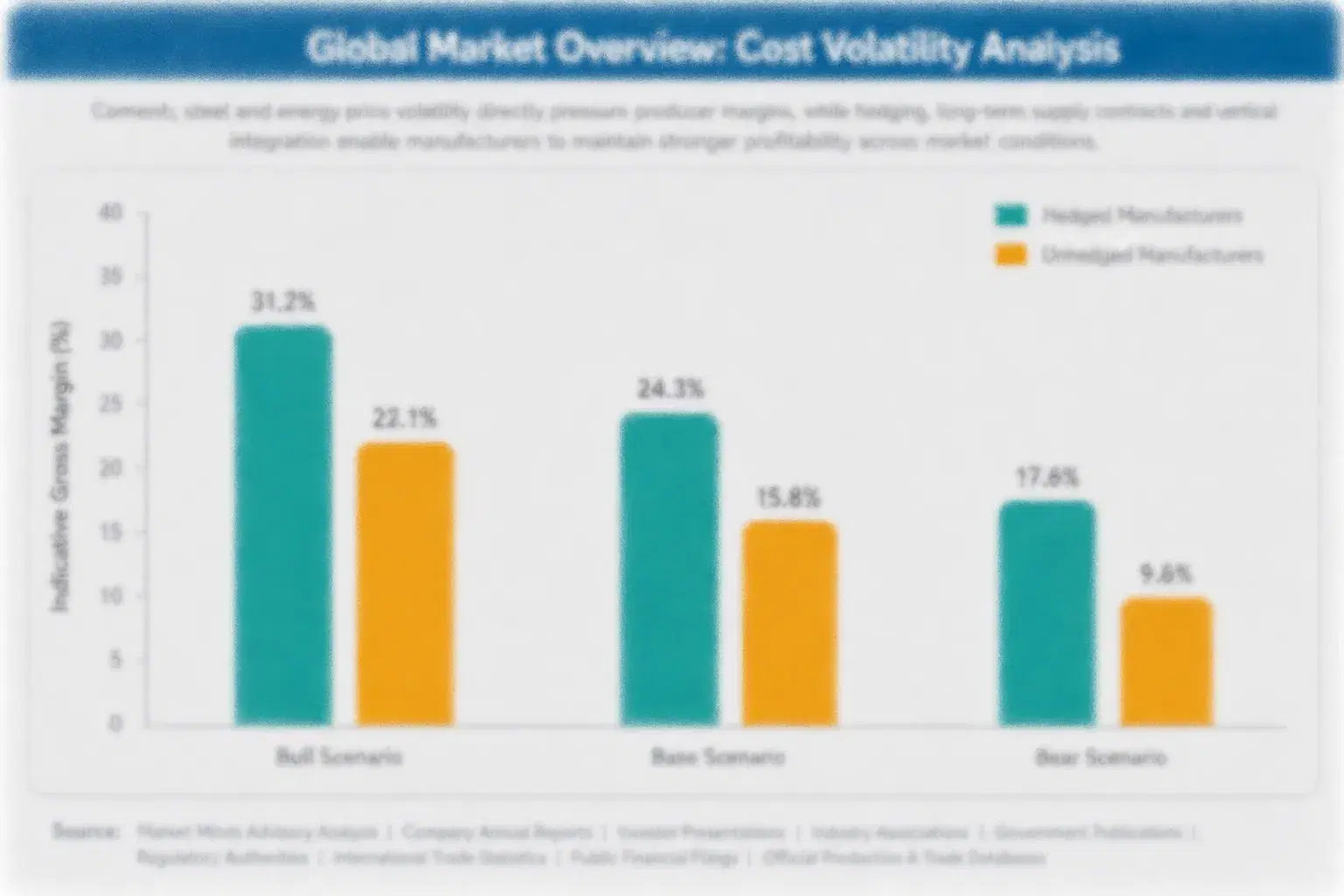
Organic spelt grain accounts for roughly 24% of cost of goods, packaging including cartons and closures about 28%, enzymes, oil, and stabilisers about 6%, energy for hydrolysis and ultra-high temperature treatment about 8%, and labour, logistics, certification, and compliance about 34%. Spelt comes mainly from farms in Germany, Austria, Switzerland, and Eastern Europe. Margins follow sourcing discipline. Retail buyers review suppliers every season.
The clearest recent shock came from grain and packaging. Eurostat cereal data showed European grain prices rising sharply in 2022, and Oatly Group reported in its annual filing that higher raw material and packaging costs squeezed margins. Brands raised prices by 6% to 12% and cut promotions, while some shoppers traded down to oat and own label plant drinks. Batch records protect future sales. Cost control separates leaders from followers.

The competitive disadvantage falls on small brands, which buy grain on spot terms, cannot fund audited farm programmes, and rely on a few retailers. Large groups own purchasing scale, sign long contracts, and spread cost across many plant milks. Exposure also varies by geography, since German-speaking brands sit close to farms while importers pay freight and duty. Clear labelling builds shopper trust.
spelt-milk-market-cost-volatility-analysis-1789824538655

Contracting Organic Spelt Farms Across Regions

Brands contract organic spelt with farms across Germany, Austria, and Eastern Europe, fix part of annual needs at agreed prices, and dual-source key regions. Multi-region contracts cut grain supply swings by roughly a third, though they need volume commitments and audit teams that only larger brands usually provide. Farm loyalty matters. Small brands feel every price swing.

Writing Price Adjustment Clauses Into Retail Contracts

Brands write price adjustment clauses into retail contracts that adjust prices with grain and packaging indices. Index clauses cut margin swings by 10% to 20% in volatile years. The main challenge is retailer acceptance, so brands publish index sources, offer caps and floors, and pair pricing with promotions. Distribution reach compounds over time. Shoppers reward consistency over novelty.

Shifting Mix Toward Barista and Organic Ranges

Brands shift mix toward barista and organic ranges that carry premiums of 15% to 35% over conventional plant milk. Mix shifts lift gross margin by 4 to 7 points but need foam research and audited supply. The main challenge is scale, so brands phase investment against cafe and retailer commitments. Retail contracts decide renewal. Supply reliability decides brand rankings.

Portfolio Architecture for Margin Defence

Margins run from thin returns on unsweetened spelt milk sold under retailer own label to strong returns on barista and organic ranges sold with clear provenance. Three tiers separate volume products, certified premium lines, and next-generation formats, and each tier draws on different shopper groups, grain supply, and channel terms. Cost control separates leaders from followers. Clear labelling builds shopper trust.
The tension between volume and premium is sharp. Volume spelt milk protects plant utilisation and retailer relationships but faces constant price pressure from oat and own label, while premium barista and organic ranges earn higher margins on smaller volumes and depend on grain supply, foam stability, and brand trust. Brands that run only volume struggle to fund farm contracts, while brands that run only premium lack the scale to hold retailer listings.

High-value pools concentrate in barista and foodservice spelt milk sold to cafes and in organic spelt milk sold to committed organic shoppers. They gather where buyers pay for foam stability, provenance, and clean labels rather than litres. Spelt blends and concentrates add further value, since food makers ask for consistent grain flavour. Small brands feel every price swing.

Volume / Commodity-Adjacent Tier

Unsweetened and sweetened spelt milk sold under retailer own label and standard brands through supermarkets, with thin margins, grain and packaging cost exposure, and constant price competition from oat, where shoppers switch on price.
Gross Margin: 14%-20%

Premium / Certified Tier

Organic spelt milk with certified grain, short ingredient lists, and provenance labelling, sold to organic retailers and premium grocers that require reliable supply, stable pricing, and strong brand recall. Distribution reach compounds over time.
Gross Margin: 20%-28%

Sustainability / Regulatory / Next-Generation Tier

Barista, protein-blended, and concentrate spelt products with foam stability, lower carbon claims, and recyclable packaging, sold to cafes and food makers that pay premiums for consistent performance and stronger sustainability credentials. Shoppers reward consistency over novelty.
Gross Margin: 24%-32%
spelt-milk-market-portfolio-architecture-1789824538948

High-value Sub-segments and Strategic Watch-out

Barista and Foodservice Spelt Milk

Barista and foodservice spelt milk combines the fastest growth with strong pricing, since cafes pay 15% to 30% premiums for a distinctive plant option with stable foam. Technical support and consistent supply limit competition, and brands with cafe teams win. Volume compounds as cafes widen plant milk menus.
Gross Margin: 24%-32%

Organic Spelt Milk

Organic spelt milk delivers solid growth and healthy pricing, since organic shoppers pay 20% to 35% premiums for traceable grain and short ingredient lists. Organic grain supply and audit cost form the entry barrier, and brands with contracted farms win. Repeat purchase builds through weekly household shopping routines.
Gross Margin: 20%-28%

Unsweetened Spelt Milk

Unsweetened spelt milk forms the volume core, sold through supermarkets and organic retailers at thin margins. Volumes grow steadily, and value grows about 9.2% a year through organic retail expansion. Grain cost, packaging price, and retailer terms decide profit, and brands anchor plant utilisation on the segment.
Gross Margin: 14%-20%

Sweetened and Flavored Spelt Milk

Sweetened and flavored spelt milk is the strategic watch-out, since added sugar conflicts with clean-label positioning, growth of about 8.0% a year is below the market, and oat brands dominate flavoured ranges. Brands should test low-sugar recipes before scaling, because retailer delisting and slow rotation can cut margin quickly.
Gross Margin: 12%-20%

Why Shoppers Keep Reordering Spelt Milk

Spelt milk demand behaves like an annuity attached to breakfast and coffee routines. Once a household or a cafe finds a spelt drink whose taste and stability it likes, it repeats the purchase every week, and switching means new taste risk and possible disappointment. Buyers use last month's performance and availability to fix renewals, so successful brands earn steadier volume than launches driven by promotion alone.
Adoption stickiness differs by end-use vertical. Committed organic households are the deepest, since spelt fits their ingredient standards, and they change only when price or availability fails. Cafes follow technical specifications. Casual plant milk shoppers are shallower and switch on price and novelty, while food makers buy concentrates on specification and contract cycles. Retail contracts decide renewal. Supply reliability decides brand rankings. Margins follow sourcing discipline.

Buyer profiles are shifting between generations. Older shoppers in German-speaking countries choose spelt as a familiar grain from health food shops, while younger buyers care about barista performance, carbon claims, provenance, and social media reviews. Cafe owners add a third group that demands consistency. Brands that publish farm origin and offer samples win younger buyers and keep them as habits evolve.
spelt-milk-market-end-use-penetration-index-1789824539252

MMA Verdict on Spelt Milk Strategy

These are among the four positions where our research anticipates prominent divergence between winners and laggards over the coming forecast period. Each is grounded in the demand model, the regulatory perimeter, and the announced capacity pipeline.
01 / BARISTA CHANNEL POSITIONING

Build Barista Formulations and Train Cafes Before Oat Suppliers Lock Every Menu

Barista and Foodservice Spelt Milk grows at 13.0% a year, about 1.24 times the overall market rate, and brands that develop foam-stable formulations and train baristas earn gross margins of 24% to 32% against 14% to 20% for unsweetened retail milk. Winners will invest in foam research, cafe training, and reliable supply that chains can specify. Brands that stay in retail cartons will fight on price against oat, and rivals with cafe programmes will capture the fastest-growing accounts and the loyal drinkers.
02 / ORGANIC GRAIN SECURITY

Contract Organic Spelt Farms Before Oat Competition and Thin Acreage Squeeze Supply

Spelt grain costs 20% to 40% more than oat and certified acreage is small, while organic spelt milk grows at 11.4% a year and holds 72% of category value. Brands should sign three-year contracts with organic farms, pay delivery premiums, share audit costs, and sign 20 farms in year one, cutting spot purchases by roughly half. Those that rely on spot grain will lose supply in poor harvests, and rivals with contracted farms will hold price, certification, and shelf space.
03 / PROVENANCE STORYTELLING STRATEGY

Print Farm Origin and Harvest Data Before Own Label Copies the Story

Organic shoppers pay 20% to 35% more for traceable grain and provenance programmes lift repeat purchase by 8% to 12%, while retailer own label is already copying organic claims. Brands should print farm region on packs, publish harvest data, run in-store tastings with two retailers first, and track sell-through monthly, accepting programme costs of $100,000 to $300,000 a year. Those that stay generic will compete on price with own label, and provenance brands will hold organic shelves and the loyal shoppers who read origin labels.
04 / PROTEIN BLEND STRATEGY

Test Protein Blends Before Low Protein Keeps Spelt Out of Family Channels

Spelt drinks contain only 0.5 to 1 gram of protein per 100 millilitres, far below soy, which keeps them out of fitness and family channels and caps addressable buyers. Brands should blend pea or oat protein to reach 3 grams, keep a pure spelt line for provenance shoppers, label blends clearly, and budget $500,000 to $1.5 million for reformulation, lifting addressable buyers by 20% to 30%. Those that ignore protein will stay niche, and blended rivals will win families as well.

Engagement Snapshot From the Field

A live engagement with an industry participant carrying material or product regulatory and market exposure ahead of a defining policy shift, showing how our research translates into a defensible multi-year portfolio strategy.
MARKET MINDS ADVISORY · CLIENT ENGAGEMENT SUMMARY
Spelt Milk Producer Strategic Portfolio Review and Transition Roadmap 2026·Investment Scenario on Spelt Milk Exposure Evaluation 2025-26
CLIENT PROFILE
The client is a mid-sized European organic drinks producer with annual sales near €95 million (client-reported, unverified by MMA), a portfolio of oat, soy, and spelt drinks sold through organic retailers, drugstores, and cafes. It had no barista spelt range, bought grain on short contracts, and had two retailers accounting for 54% of spelt sales. Retail buyers review suppliers every season.
STRATEGIC CHALLENGE
Oat drinks were undercutting spelt by 25%, organic spelt grain costs had risen 30% in two years, and rivals were winning cafe listings with barista formats. Management needed to decide whether to build barista ranges, contract farms, or blend protein, with limited capital and one carton filling line. Batch records protect future sales.
MMA APPROACH
MMA analysed sales, cost, and supply data across 14 products, interviewed 10 retail, cafe, and drugstore buyers, six equipment vendors, and five farm cooperatives, and ran a shopper survey on taste, provenance, and price across three countries. It modelled margin by product and customer, tested grain price scenarios, and ranked options by payback and execution risk.
KEY FINDINGS
  1. A barista range could reach 14% of spelt sales in three years at margins near 29% (client-reported, unverified by MMA). Cost control separates leaders from followers.
  2. Three-year contracts with 20 organic farms could cut spot grain purchases by half and stabilise supply. Clear labelling builds shopper trust. Small brands feel every price swing.
  3. Provenance labelling and in-store tastings could lift repeat purchase by 10% at two organic retail chains. Distribution reach compounds over time. Shoppers reward consistency over novelty.
  4. A protein blend line could add 6% of sales among family shoppers at premiums near 15% over pure spelt. Retail contracts decide renewal. Supply reliability decides brand rankings.
CLIENT PROFILE
The client is a mid-sized European organic drinks producer with annual sales near €95 million (client-reported, unverified by MMA), a portfolio of oat, soy, and spelt drinks sold through organic retailers, drugstores, and cafes. It had no barista spelt range, bought grain on short contracts, and had two retailers accounting for 54% of spelt sales. Retail buyers review suppliers every season.
STRATEGIC CHALLENGE
Oat drinks were undercutting spelt by 25%, organic spelt grain costs had risen 30% in two years, and rivals were winning cafe listings with barista formats. Management needed to decide whether to build barista ranges, contract farms, or blend protein, with limited capital and one carton filling line. Batch records protect future sales.
MMA APPROACH
MMA analysed sales, cost, and supply data across 14 products, interviewed 10 retail, cafe, and drugstore buyers, six equipment vendors, and five farm cooperatives, and ran a shopper survey on taste, provenance, and price across three countries. It modelled margin by product and customer, tested grain price scenarios, and ranked options by payback and execution risk.
KEY FINDINGS
  1. A barista range could reach 14% of spelt sales in three years at margins near 29% (client-reported, unverified by MMA). Cost control separates leaders from followers.
  2. Three-year contracts with 20 organic farms could cut spot grain purchases by half and stabilise supply. Clear labelling builds shopper trust. Small brands feel every price swing.
  3. Provenance labelling and in-store tastings could lift repeat purchase by 10% at two organic retail chains. Distribution reach compounds over time. Shoppers reward consistency over novelty.
  4. A protein blend line could add 6% of sales among family shoppers at premiums near 15% over pure spelt. Retail contracts decide renewal. Supply reliability decides brand rankings.
RECOMMENDED STRATEGY
Phase 1: Phase 1 (Months 1-6): Sign farm contracts, plan barista formulations, and design provenance labels. Margins follow sourcing discipline. Retail buyers review suppliers every season. Phase 2: Phase 2 (Months 7-24): Launch barista spelt to 50 cafes, run retailer tastings, and test protein blends. Batch records protect future sales. Phase 3: Phase 3 (Months 25-42): Scale barista and organic ranges, extend farm contracts, and review margin quarterly. Cost control separates leaders from followers.
OUTCOME
Within 42 months, barista and organic ranges reached 19% of spelt sales, spot grain purchases fell by 47%, and gross margin on the range rose to 25% (client-reported, unverified by MMA). The client signed 120 cafes, cut top-two retailer share to 44%, and raised filling line utilisation to 80%.

Frequently Asked Questions

Foundational context covering the market sizes, CAGR, scope, country, region and competition that inform every finding below. This section is provided to cover basics and most often pre-purchase conversations, answered from the MMA Primary Research Dataset.

What is the current size of the Spelt Milk Market?

The spelt milk market was valued at $0.45 billion in 2025. Growth is supported by barista formats, organic demand, and provenance premiums despite oat price competition and thin grain supply.

How large will the Spelt Milk Market be by 2036?

The market is projected to reach $1.35 billion by 2036, up from $0.50 billion in 2026. The increase of $0.85 billion reflects barista ranges, organic conversion, and retail expansion beyond German-speaking markets.

What is the CAGR for the Spelt Milk Market 2026 to 2036?

The market is forecast to grow at a 10.5% CAGR from 2026 to 2036. The bull case reaches 11.8% and the bear case 9.2%, depending on grain supply and oat price competition.

Which segment is growing fastest?

Barista and Foodservice Spelt Milk is the fastest-growing segment at 13.0% CAGR, roughly 1.24 times the overall market rate. Organic Spelt Milk follows as the second-fastest segment at 11.4% CAGR each year.

Who are the major companies in the Spelt Milk Market?

Major companies include Danone, Ecotone, Natumi, Alnatura, and dm-drogerie markt. Oatly Group, Vitasoy International, Califia Farms, Nestlé, and Unilever also hold meaningful positions in plant milk.

Which country is growing fastest?

Australia is the fastest-growing country in this market at a 13.2% CAGR, driven by organic retail growth and cafe culture. Germany and Switzerland remain the largest markets.

Report Segmentation Architecture

The full report scope spans multiple orthogonal segmentation dimensions, with cross-tabulated demand data provided for each dimension pair. Coverage extends further to regional breakdowns, trend trajectories, and the competitive detail needed to support segment-level decision-making.

By Primary Market Dimension

  • Unsweetened Spelt Milk
  • Sweetened and Flavored Spelt Milk
  • Barista and Foodservice Spelt Milk
  • Organic Spelt Milk
  • Spelt Blends and Concentrates

By End-Use Industry

  • Households and Home Use
  • Cafes and Coffee Chains
  • Food Manufacturing
  • Schools and Institutions
  • Hotels and Catering

By Commercial Dimension

  • Organic Retailers and Health Stores
  • Supermarkets and Drugstores
  • Foodservice Distributors
  • Online and Subscription Sales
  • Private Label and Store Brand Supply

By Region

  • Western Europe
  • North America
  • Eastern Europe
  • South Asia and Pacific
  • East Asia
  • Middle East and Africa
  • Latin America

Scope, Methodology, and Coverage

Every figure in this report is reproducible from documented input assumptions. The scope below maps the historical period, the forecast horizon, the segmentation dimensions, and the countries covered, alongside the underlying primary and qualitative methodology.
Historical Period
2020 to 2025
Forecast Period
2026 to 2036
Base Year
2025 (USD billions; MMA Primary Research Dataset, September 2026)
Market Definition
The spelt milk market covers plant-based drinks made from spelt grain by enzymatic hydrolysis of hulled spelt, sold chilled or ambient in cartons and bottles through retail, foodservice, and online channels, including unsweetened, sweetened and flavored, barista and foodservice, organic, and spelt blend and concentrate spelt milk. The scope excludes oat, wheat, rice, and other grain drinks where spelt is a minor ingredient, spelt flour, fermented grain drinks, and dairy milk.
Quantitative Units
USD billions (sales value); million litres for volume references
Segmentation Dimensions
By Product Type; By End-Use Industry; By Commercial Dimension; By Region
Regions Covered
Western Europe, North America, Eastern Europe, South Asia and Pacific, East Asia, Middle East and Africa, Latin America
Countries Covered
Germany, Austria, Switzerland, France, Poland, Czech Republic, United States, Canada, Australia, New Zealand, Japan, and additional markets relevant to this sector
Key Companies Profiled
Danone, Ecotone, Natumi, Alnatura, dm-drogerie markt, Oatly Group, Vitasoy International, Califia Farms, Nestlé, Unilever, Kerry Group, Rude Health, Sanitarium Health Food Company, Eden Foods, Pacific Foods, Lidl, Aldi, REWE Group, Tesco, Lantmännen
Quantitative Methodology
Primary survey, n=3,800 respondents, Q4 2025, six countries; demand-side model with trade association cross-validation
Qualitative Methodology
47 expert interviews, Q4 2025; applied to validate demand model assumptions, identify emerging dynamics, and assess competitive positioning
Report Format
PDF and XLSX data workbook (Word format preview document)
Publisher
Market Minds Advisory
Report Code
MMA-2026-AGR-513
Published
September 2026
Contact
sales@marketmindsadvisory.com | www.marketmindsadvisory.com

Purchase the full Spelt Milk Market Report (2026 to 2036).

The full report delivers a detailed assessment of the spelt milk market through 2036, covering product, end-use, and channel forecasts, competitive benchmarking of leading brands, and input cost analysis. It combines MMA primary research, including a six-country survey of 3,800 respondents and 47 expert interviews, with public statistical and company data. Analysts also model grain price scenarios, organic acreage paths, and barista adoption. Clients receive segment margin ranges, channel maps, and a case study on portfolio strategy. Farm contract and cafe programme frameworks are also included for planning.
Ten-year product and channel demand forecasts
Grain, packaging, and energy cost tracking
Competitive benchmarking of top twenty plant milk suppliers
Organic certification and grain supply tracker
Regional demand mechanism comparative analysis included
Quarterly primary survey data update access

Built For The People Who Decide

From boardroom strategy to bench-side execution, this report is read cover-to-cover by leaders shaping the next decade of their industry, turning demand scenarios, market dynamics and valuation benchmarks into decisions.
CXOs/ Presidents/ VPs/ Managers
M&A and Corporate Development
Strategy Teams and R&D Heads
Procurement and Product Directors
Regulatory and Compliance Leaders
Investor Relations and Equity Analysts