
Market Minds Advisory
test-Specialty Polymers Market

Specialty Polymers Market: The Decade of Performance Substitution, 2026 to 2036

Specialty polymers sit at the intersection of metal replacement, electrification, and regulatory pressure on legacy resins. This report quantifies an eleven-year demand trajectory shaped by aerospace re-shoring,

Lead Analyst

Published

August 2026

Make Smarter Decisions with Customized Research Insights

Request a free sample report and evaluate market opportunities, growth trends, and competitive dynamics relevant to your business needs.

2025 MARKET VALUE$112.4BMarket Size 2025
2036 FORECAST VALUE$231.7BBase Case , 2026 to 2036
CAGR 2026 TO 20366.8 %Bull 8.0% / Bear 5.5 %
INCREMENTAL OPPORTUNITY$111.7BNet 10- year value creation
EXPANSION MULTIPLE1.93x2036 value over 2026 base
Strategic Levers
M&A Pipeline
Regional Outlook
Country Rankings
Competitive Intelligence
Semiconductor Wet Process
Call-Us : 91 93563 13602

Executive snapshot and market trajectory.

Seven segments are tracked internally. Two are released in this preview. The fastest-growing segment compounds at 1.35x the market base CAGR, a gap driven almost entirely by the volume ramp at three new PEEK plants in Europe and Asia, and by the certification of bio-based grades into automotive and packaging supply chains.
The global specialty polymers market is entering a high-growth phase, underpinned by accelerating demand from end-use industries such as automotive lightweighting, advanced electronics, medical devices, and high-performance coatings. These engineered materials, encompassing fluoropolymers, liquid crystal polymers, polyetheretherketone, polyphenylene sulfide, and other high-value thermoplastics, are increasingly displacing traditional metals and conventional plastics across mission-critical applications. The market is propelled by tightening performance requirements and the global shift toward material innovation across industries.
From a regional standpoint, Asia-Pacific dominates consumption volumes, led by China, Japan, and South Korea as major manufacturing hubs for semiconductors, EVs, and consumer electronics. North America and Europe retain technological leadership in high-margin polymer grades, particularly in aerospace, defense, and medical-grade applications. As sustainability mandates intensify globally, bio-based and recyclable specialty polymer variants are gaining traction, prompting leading producers such as Solvay, Arkema, BASF, and Celanese to accelerate R&D pipelines and strategic capacity expansions.
Market Definition
Engineered polymeric materials sold at unit prices above $5/kg with formulation, certification, or processing characteristics not available in commodity resins. Includes high-performance thermoplastics, fluoropolymers, liquid crystal polymers, conductive polymers, specialty polyamides, specialty polycarbonates, and bio-based engineered grades.
Market Definition
$112.4B in 2025 (MMA Primary Research Dataset, April 2026)
Base Year Value
2026 to 2036, eleven discrete annual values
Forecast Period
6.8% base case. Bull 8.0%. Bear 5.5%.
CAGR
High-Performance Thermoplastics (PEEK, PEKK, PPS, PSU): 9.2% CAGR
Fastest Growth Segment
Vietnam: 9.4% CAGR
Fastest Growth Country
South Asia and Pacific: 8.6% CAGR
Fastest Growth Region
East Asia: 28% of 2025 global value
Largest Region
Solvay, SABIC, Arkema, Evonik Industries, Celanese
Primary Survey
n=3,800 procurement and R&D decision-makers, Q4 2025, six countries
Methodology
Demand-side build-up, cross-validated against ACC, Cefic, SEMI, and OICA application volume data, 47 expert interviews

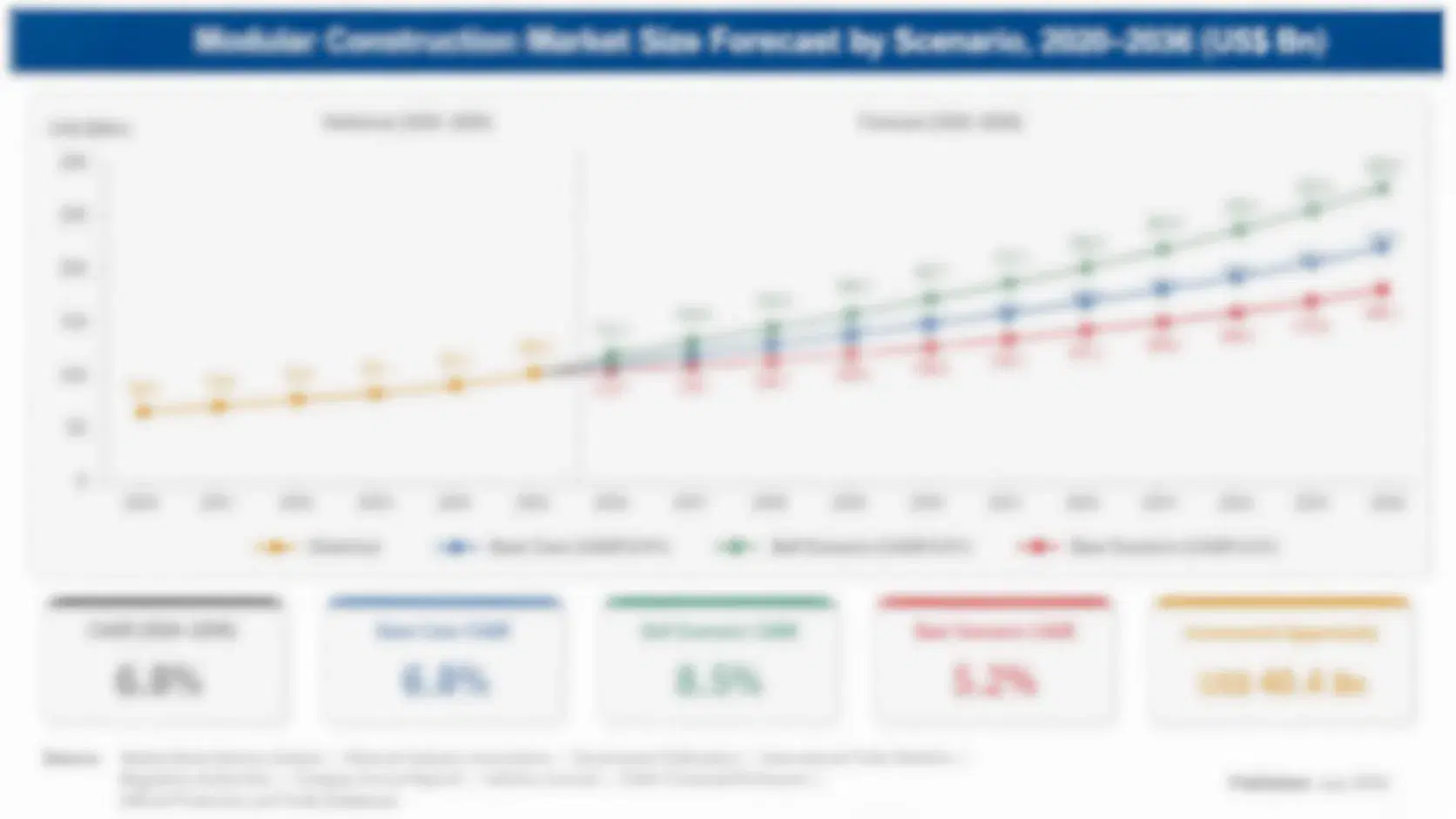
Specialty Polymer Market Forecast Scenarios

specialty-test-polymers-market-test-size-forecast-scenario-1787656880791
Under the base-case scenario, continued electrification of the automotive sector, stable semiconductor capex expansion in Asia-Pacific, and incremental penetration of high-performance polymers into 5G infrastructure are expected to sustain healthy market momentum. Pricing is anticipated to normalize as supply-chain disruptions ease, with productivity gains from advanced polymerization technologies helping offset moderate raw material cost inflation.
The optimistic outlook is shaped by accelerated EV adoption, rapid scale-up of AI-driven data center infrastructure driving demand for high-thermal-stability polymers, and meaningful cost reductions in bio-based specialty polymer manufacturing. Regulatory tailwinds, particularly growing restrictions on legacy fluoropolymers in Europe, are expected to stimulate innovation in next-generation alternatives and unlock new application areas in sustainable packaging and circular economy-linked materials.
The downside scenario reflects risks from prolonged geopolitical tensions disrupting Asian supply chains, overcapacity in commodity polymer segments suppressing specialty polymer pricing power, and slower-than-expected commercialization of bio-based alternatives. Trade policy friction between major economies could fragment the global specialty polymer supply ecosystem, particularly for advanced fluoropolymers and engineering thermoplastics critical to defense and semiconductor manufacturing.

The demand thesis

Two forces define the demand thesis: metal-to-polymer substitution across aerospace, automotive, and medical devices, and the industrial process layer underneath digitalisation — every fab, every gigafactory, every data centre cooling loop pulls fluoropolymers, conductive polymers, or specialty polyamides at concentrations legacy resins cannot meet.
GLOBAL PRODUCERS280Companies with material specialty polymer revenue
EV POLYMER CONTENT+38%Per vehicle vs. ICE equivalent (kg basis)
AEROSPACE BACKLOG14,800Aircraft on order, Boeing and Airbus combined
PEEK CAPACITY12.5ktAnnounced global nameplate by 2028
FAB CAPEX PIPELINE$528BAnnounced 2024 to 2030, semiconductor
PFAS RESTRICTION10,000+Substances under proposed EU restriction
Metal-to-polymer substitution in aerospace, automotive, and medical devices is the first pillar. Weight reduction targets and corrosion economics now favour PEEK, PPS, and high-flow polyamides over aluminium and stainless steel in specific component classes. Boeing's 787 platform set the precedent at roughly 50% composite content by weight. Successor platforms and the next-generation single-aisle programmes carry the assumption forward.
The industrial process layer is the second pillar. The semiconductor industry alone uses fluoropolymers for ultra-pure chemical handling at volumes that scale linearly with wafer starts, and announced fab capacity through 2030 implies a step-change in pull demand that suppliers have already begun pricing into multi-year offtake contracts.
"The interesting question is not whether specialty polymers grow. It is whether suppliers can hold pricing once the EU PFAS file lands and three of the top five fluoropolymer producers have to choose between reformulation, exit, or a regulated phase-out window. The market has been priced for harmony. It will not be that."
Senior Analyst · MMA Specialty Materials Practice · April 2026

Market Trends

Immuno-Oncology Pipelines Drive Humanized Model Demand

Immuno-oncology and cell therapy drug developers increasingly require humanized mouse models with functioning human immune system components to test therapies designed to engage human immune mechanisms, a biological requirement standard mouse strains cannot fulfill given fundamental differences in immune biology. This is pushing pharmaceutical researchers to work directly with specialized model developers on custom humanized strains rather than purchasing standardized inbred stock. Suppliers with proven humanized model development capability and validated characterization data are capturing disproportionate share of this fast-growing demand pool, while suppliers offering only standard breeding stock face a genuine differentiation challenge as immuno-oncology research expands.
Market Impact: Adds $180M cell therapy demand
China's Contract Research Sector Scales Model Demand

China's rapidly expanding domestic contract research organization sector is scaling pharmaceutical research activity that requires proportional animal model supply, as growing numbers of Chinese biotechs and multinational pharmaceutical companies establish research operations within the country to access cost-competitive research capacity. Each new contract research facility represents a substantial, recurring model procurement relationship, since ongoing drug development programs require continuous model supply across a multi-year research timeline rather than one-time purchases. Suppliers with established China manufacturing presence and proven genetic engineering capability are capturing disproportionate share of this fast-growing demand pool relative to competitors serving the market purely through imports.
Market Impact: Raises model validation requirements 40%

Market Opportunities and Growth Drivers

Expanding Cell and Gene Therapy Pipeline Activity

Growing cell and gene therapy drug development activity is driving demand for specialized animal models capable of supporting the unique preclinical testing requirements these novel therapeutic modalities demand, including models engineered to accept human cell grafts or express specific human genetic sequences relevant to a given therapy's mechanism. Each new cell or gene therapy program typically requires model development work specific to that program's biological target, creating a discrete, high-value engagement rather than a standardized product purchase. Suppliers with proven custom model development capability are capturing disproportionate share of this demand pool relative to competitors offering only standardized model catalogs.
Market Impact: Constrains supply to 25%

Regulatory Emphasis on Predictive Preclinical Models Grows

Regulatory agencies are increasingly emphasizing the use of more predictive preclinical models that better anticipate human clinical trial outcomes, reflecting broader industry recognition that traditional animal models sometimes fail to predict human drug response accurately, particularly for immune-mediated and genetically targeted therapies. Each drug program facing this regulatory expectation must justify its model selection with stronger scientific rationale than previously required, favoring suppliers who can provide validated, disease-relevant models over generic standard strains. Suppliers with proven model validation data and published characterization studies are capturing disproportionate share of this regulatory-driven demand relative to competitors lacking comparable scientific documentation.
Market Impact: Delays programs 8 to 14 months

Market Restraints and Challenges

Ethical and Regulatory Constraints Limit Non-Human Primate Supply

Non-human primate models face genuine ethical scrutiny and complex regulatory sourcing requirements that constrain supply precisely as demand grows among biologics and gene therapy developers requiring primate safety data before human trials proceed. The root cause is that primate breeding capacity has not scaled proportionally with rising demand, given the ethical considerations and lengthy breeding timelines involved in expanding supply relative to faster-breeding rodent species. This creates persistent supply constraints and elevated pricing that complicate research budgeting and timeline planning. Suppliers are responding by expanding breeding capacity in regulated regions and investing in alternative models that could reduce primate dependency.
Market Impact: Lifts humanized model share toward 29%

Custom Model Development Timelines Delay Research Programs

Developing new genetically engineered or humanized model strains typically requires eight to fourteen months of breeding and validation work before a model is ready for research use, a timeline that can delay pharmaceutical research programs waiting on a specific custom model. The root cause is that genetic engineering and subsequent multi-generational breeding to establish a stable, characterized strain requires biological time that cannot be compressed regardless of financial investment. This extends program timelines considerably relative to research using readily available standard models. Suppliers are responding by expanding pre-validated catalogs and offering faster-turnaround engineering services using newer gene editing technologies.
Market Impact: Adds contract research demand worth $220M
Full segment breakdown across 7 segments available in the complete report, including fluoropolymers, liquid crystal polymers, conductive polymers, specialty polyamides, and specialty polycarbonates.

Segment CAGR and growth architecture.

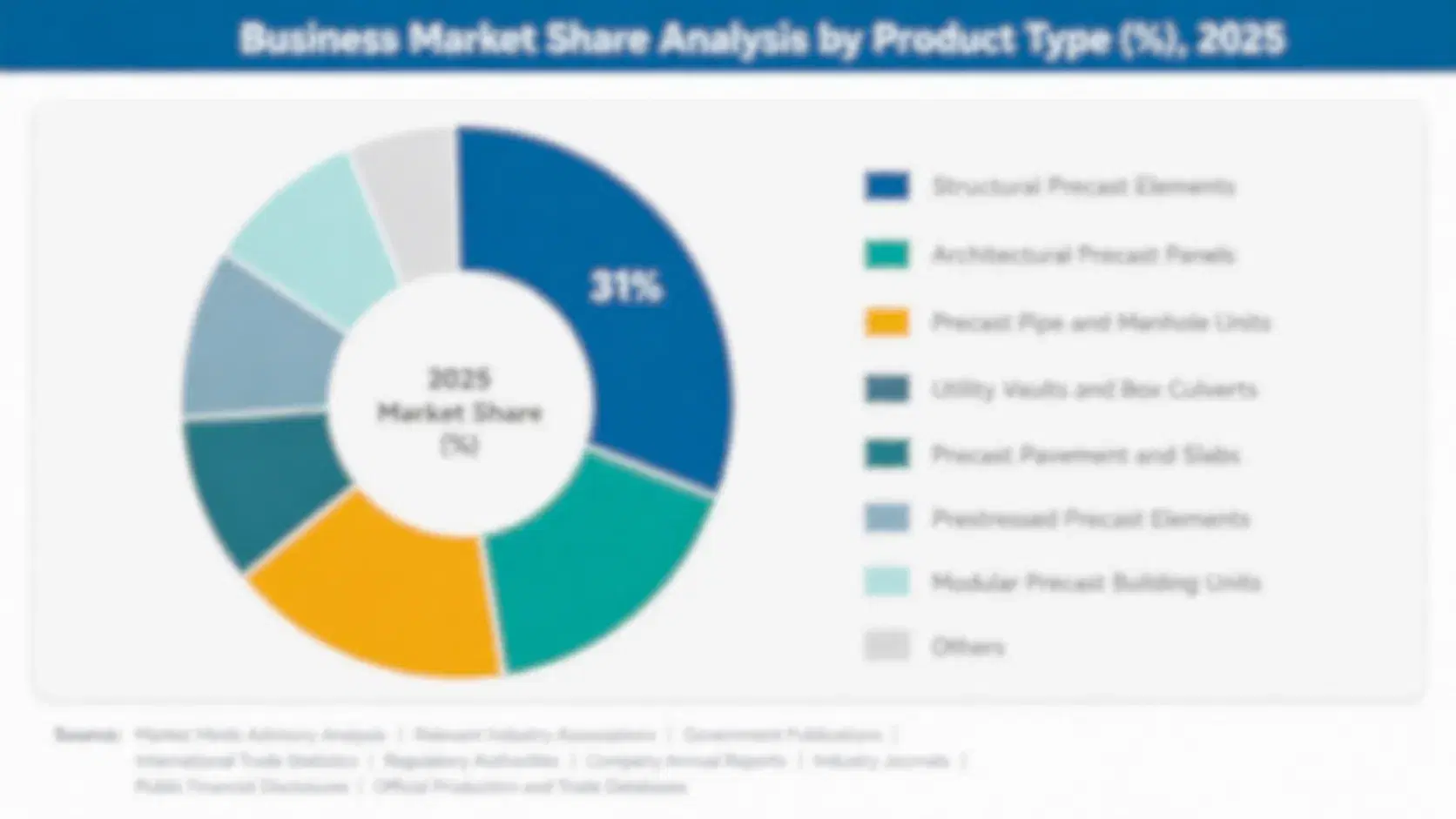
Seven segments are tracked internally. Two are released in this preview. The fastest-growing segment compounds at 1.35x the market base CAGR, a gap driven almost entirely by the volume ramp at three new PEEK plants in Europe and Asia, and by the certification of bio-based grades into automotive and packaging supply chains.
specialty-test-polymers-market-test-market-share-analysis-1787656881386

Genetically Engineered and Humanized Mouse Models

Genetically engineered and humanized mouse models are growing fastest, at roughly 10.8% annually, as immuno-oncology and cell therapy developers require models with functioning human immune components that standard mouse strains cannot provide given fundamental species differences in immune biology. Adoption concentrates among pharmaceutical researchers developing therapies that specifically engage human immune mechanisms, where model biology directly determines whether preclinical testing generates clinically relevant data. Unit prices run considerably higher than standard mice, reflecting both the genetic engineering investment required and the extensive characterization work most suppliers now provide as standard practice rather than an optional service. Suppliers with proven humanized model development capability are capturing disproportionate share of new pharmaceutical engagements, positioning humanized models as an increasingly standard research tool.
CAGR 10.8%

Non-Human Primate Models

Non-human primate models are growing at roughly 8.9% annually, driven by expanding biologics and gene therapy pipeline activity that requires primate safety and efficacy data given the closer physiological similarity these models offer to human biology for certain therapeutic mechanisms. Demand concentrates among biologics developers navigating regulatory requirements for primate toxicology data before advancing therapies into clinical trials, particularly for novel modalities lacking established rodent model precedent. This segment faces genuine supply constraints given breeding capacity limitations and ethical sourcing considerations, sustaining elevated pricing that continues driving revenue growth even as unit volume growth remains comparatively modest. Suppliers with established, ethically sourced breeding capacity are capturing disproportionate share of this constrained but growing demand pool.
CAGR 8.9%
Full segment breakdown across 7 segments available in the complete report, including fluoropolymers, liquid crystal polymers, conductive polymers, specialty polyamides, and specialty polycarbonates.

Regional architecture and country demand map.

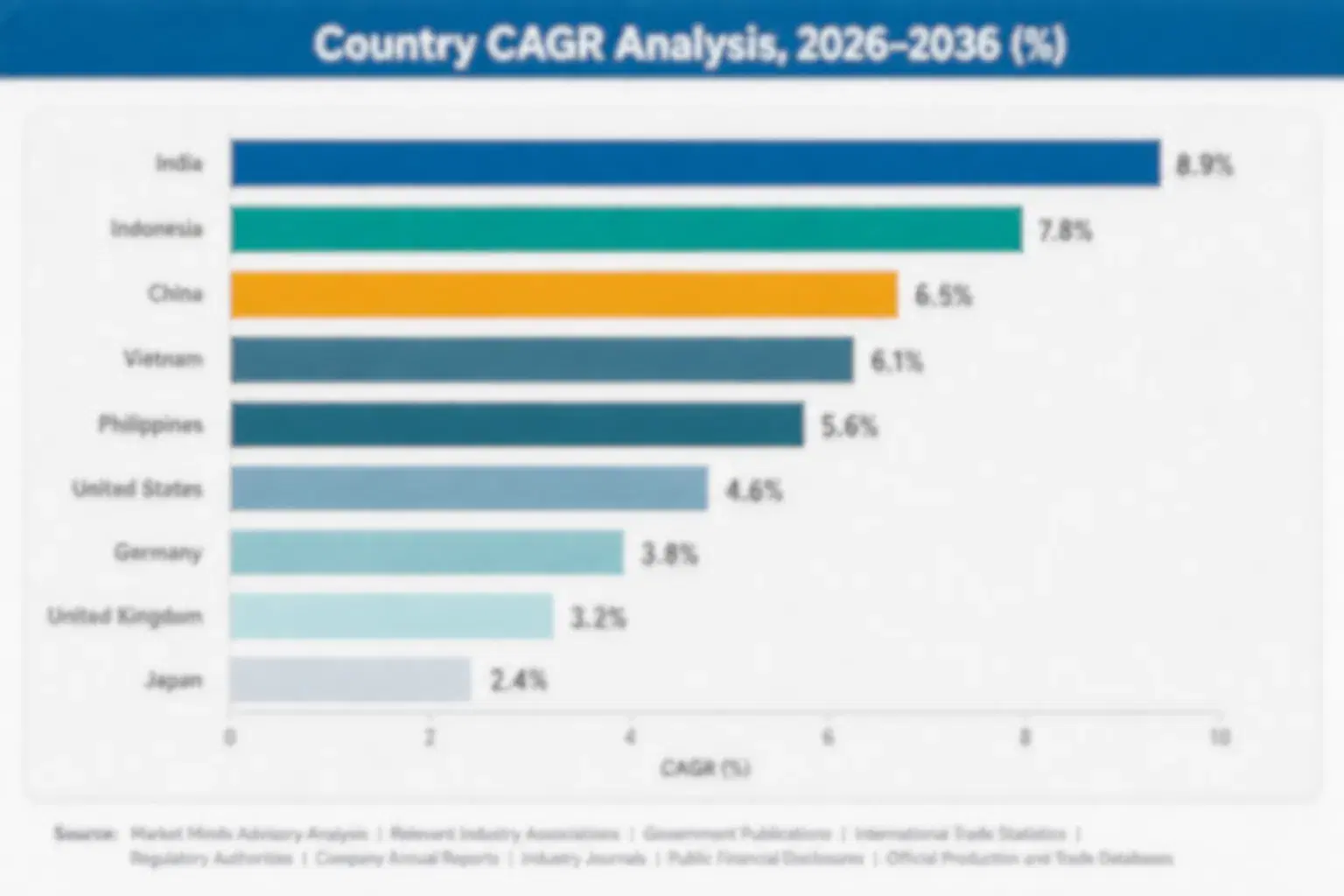
Two regions outpace global growth materially. South Asia and Pacific compounds at 8.6%, lifted by Vietnam's electronics assembly base and India's automotive tier-1 supply chain. East Asia compounds at 7.8% on the back of fab construction in Korea, Taiwan, and Japan, plus China's domestic substitution agenda for high-performance grades. Five additional regions are tracked in the full report.

North America

North America holds the largest regional share, anchored by the United States' dense concentration of pharmaceutical research infrastructure and NIH-funded academic research institutions that together generate substantial, sustained demand for both standard and genetically engineered model organisms across thousands of active research programs. Immuno-oncology and cell therapy pipeline concentration among major pharmaceutical and biotech companies headquartered in the United States is accelerating humanized model demand faster here than in most other regions. Canada's academic and pharmaceutical research sector contributes steady secondary demand concentrated in similar research applications. Mexico's growing contract research capacity, supported by expanding pharmaceutical manufacturing investment, adds incremental demand for standard model categories rather than the most specialized humanized systems currently concentrated in the United States.
Share: 32% | CAGR: 7.9% (2026 to 2036)

Western Europe

Western Europe's demand centers on Germany, the UK, and France, where established pharmaceutical research infrastructure and progressive genetic engineering regulatory frameworks sustain demand for both standard and specialized model categories across the region's academic and commercial research base. The region grows the slowest of the seven as its pharmaceutical research infrastructure is already comparatively mature, limiting the pace of new demand growth relative to faster-expanding Asian research markets currently under development. German and French suppliers, several of whom rank among the market's established technical leaders, maintain deep relationships with pharmaceutical and academic research institutions across the continent. Growing biotech investment activity is adding meaningful new demand that partially offsets slower growth in traditional large pharmaceutical company research budgets.
Share: 22% | CAGR: 5.9% (2026 to 2036)
Regional intelligence for 5 additional markets available in the complete report: North America, Western Europe, Latin America, Middle East and Africa, and Eastern Europe
specialty-test-polymers-market-test-country-cagr-analysis-1787656881938

Where specialty polymer revenue compounds.

Specialty polymers earn above-market margins through a combination of certification cost, formulation complexity, and customer switching friction. The four levers below are the commercially meaningful routes to compounded revenue capture in this market over the next decade.

Building Custom Humanized Model Development Programs

Suppliers investing in dedicated custom humanized model development capability capture disproportionate share of a demand pool worth an estimated 3 to 5 times standard model pricing, where genetic engineering precision and validation data directly determine whether a pharmaceutical program can generate clinically relevant preclinical results. This development capability typically requires eight to fourteen months of breeding and characterization investment, but suppliers that complete this process successfully capture durable, multi-year model supply relationships with pharmaceutical developers that persist across a drug program's full preclinical and often clinical development timeline and well beyond.
Market Impact: Commands pricing 3 to 5 times standard models

Offering Model Validation and Characterization Services

Suppliers offering dedicated model validation and scientific characterization services that document a model's disease relevance and biological reproducibility capture meaningful service revenue worth an estimated 20 to 28% above base model pricing, addressing the genuine scientific rigor pharmaceutical researchers increasingly require before committing a drug program to a specific model system. This validation relationship, difficult for pure animal-supply competitors to replicate without comparable scientific staffing and publication infrastructure, creates durable customer dependency that extends the commercial relationship well beyond the initial model purchase into ongoing research collaboration and future engagements.
Market Impact: Adds 20 to 28% above base model pricing

Expanding China and Southeast Asia Contract Research Capacity

Suppliers building dedicated manufacturing and breeding capacity in China and Southeast Asia are capturing disproportionate share of the region's expanding contract research demand pool worth an estimated $220 million, positioning closer to fast-growing regional pharmaceutical research activity rather than serving the market purely through imports carrying longer lead times and higher landed costs. This regional capacity investment requires meaningful capital commitment but positions suppliers to capture recurring, multi-year model supply relationships as regional contract research organizations scale operations alongside expanding pharmaceutical investment across multiple provinces and cities nationwide and beyond.
Market Impact: Captures a growing $220M regional demand segment now

Growing Cell and Gene Therapy Model Development Specialization

Suppliers developing dedicated cell and gene therapy model development expertise are capturing disproportionate share of a demand pool worth an estimated $180 million tied to expanding novel therapeutic modality pipeline activity across many programs, a segment requiring considerably more sophisticated genetic engineering work than standard disease models typically demand today. This specialization requires meaningful research and development investment but positions suppliers to capture recurring model development relationships across a pharmaceutical developer's expanding cell and gene therapy pipeline, a relationship considerably more durable than typical standard model transactions negotiated purely on price alone.
Market Impact: Captures a growing $180M therapy demand pool now

Who controls the margin pool.

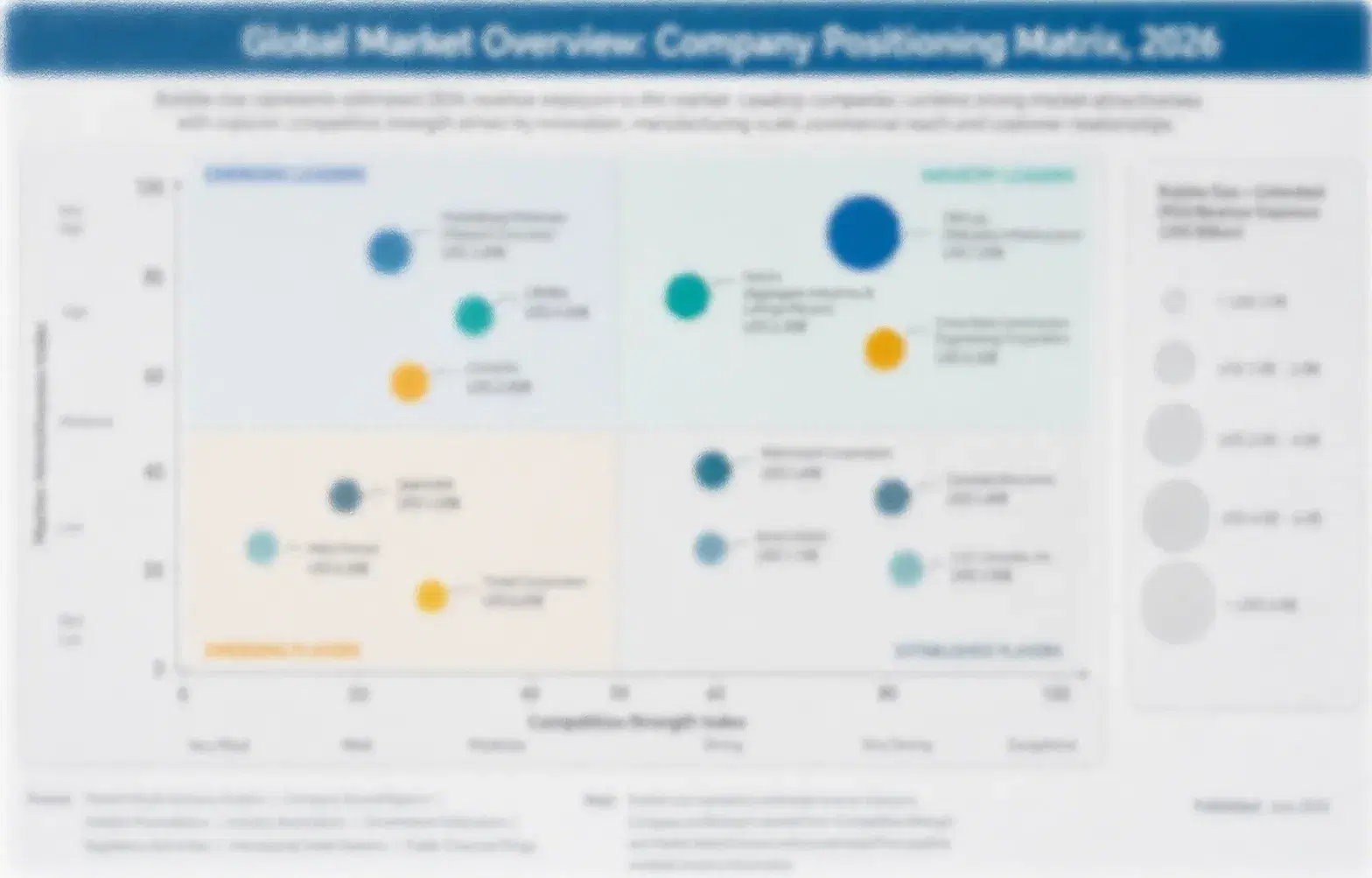
The top five producers hold roughly 53% of global specialty polymer revenue. The competitive perimeter is reshaping along three vectors: the EU PFAS proposal, the Chinese domestic substitution policy under the 14th Five-Year Plan, and private equity activity in mid-cap bio-based polymer producers.
The 8 percentage point spread within the top tier reflects a real divergence between Solvay and SABIC's broad portfolio reach and Celanese's narrower position post the DuPont Mobility & Materials transaction. The remaining 47% is fragmented across regional specialists, Japanese producers with deep electronics relationships, and Chinese national champions building scale in PEEK, PPS, and LCP. Chinese domestic substitution has moved roughly 18% of China's PEEK demand to local supply since 2022. Four private equity transactions above $200M have closed on mid-cap bio-based polymer producers in the past 18 months according to company press disclosures.
specialty-test-polymers-market-test-company-positioning-matrix-1787656882847

Competitive Moat and Risk Dimensions

CHARLES RIVER LABORATORIES INTERNATIONAL INC.

Moat: Broad Multi-Species Research Portfolio

Charles River's portfolio spans standard rodent models, non-human primates, and specialized genetically engineered strains simultaneously, allowing it to serve pharmaceutical researchers across the full spectrum of preclinical research requirements rather than being confined to a single species category that smaller, more specialized competitors typically offer.
CHARLES RIVER LABORATORIES INTERNATIONAL INC.

Risk: Exposure to Commoditized Standard Models

A meaningful share of Charles River's revenue base remains tied to standard rodent model categories facing sustained price competition from regional Chinese and Indian breeders, requiring continued mix-shift investment toward premium humanized and genetically engineered segments to offset this margin pressure over time and across future budget cycles.
THE JACKSON LABORATORY

Moat: Deep Genetic Characterization Expertise

The Jackson Laboratory's decades of accumulated genetic characterization research and its position as a leading academic research institution give it scientific credibility and validation data depth that commercial-only competitors without comparable research heritage cannot easily replicate, particularly for complex genetically engineered strain development work and ongoing support.
THE JACKSON LABORATORY

Risk: Nonprofit Structure Limits Capital Flexibility

The Jackson Laboratory's nonprofit research institution structure constrains its capital deployment flexibility relative to purely commercial competitors able to raise capital more readily for aggressive geographic expansion or acquisition-driven growth strategies in fast-growing regional markets across Asia and elsewhere, limiting its overall pace of expansion.

Players tracked

Key Players

Solvay
Sabic
Arkema
Evonik Industries
Celanese

Other Prominent Players

Victrex
Daikin Industries
Daicel Corporation
Asahi Kasei
Mitsui Chemicals
Kuraray
LG Chem
Trinseo
DSM-Firmenich
Wanhua Chemical
Jilin Joinature Polymer
Shandong Junfu

Recent Developments

FEBRUARY 2025

Charles River Expands Humanized Model Development Platform

Charles River Laboratories expanded its humanized mouse model development platform with new immune system engineering capabilities, aimed at pharmaceutical clients developing immuno-oncology and cell therapy programs requiring models with functioning human immune components for accurate preclinical testing across a growing range of active oncology indications.
Signal: Signals established suppliers are investing heavily in humanized model capability ahead of continued pipeline growth industry-wide.
JUNE 2025

The Jackson Laboratory Signs Major Pharmaceutical Partnership

The Jackson Laboratory signed a multi-year model development and supply partnership with a major pharmaceutical company covering its expanding oncology pipeline, its largest enterprise research partnership to date, demonstrating growing pharmaceutical preference for deep scientific collaboration over transactional model purchasing across its broader development portfolio.
Signal: Signals pharmaceutical companies increasingly favor deeper scientific partnership relationships over simple transactional model supply arrangements today.
OCTOBER 2025

Biocytogen Expands China Manufacturing Capacity

Biocytogen Pharmaceuticals Co Ltd announced a significant expansion of its China manufacturing and breeding capacity for genetically engineered models, aimed at serving the country's rapidly growing contract research sector with locally produced humanized models and considerably reduced delivery lead times for domestic pharmaceutical customers nationwide.
Signal: Signals established Chinese suppliers are scaling capacity to capture fast-growing domestic pharmaceutical demand directly and quickly.

Input cost volatility and margin defence.

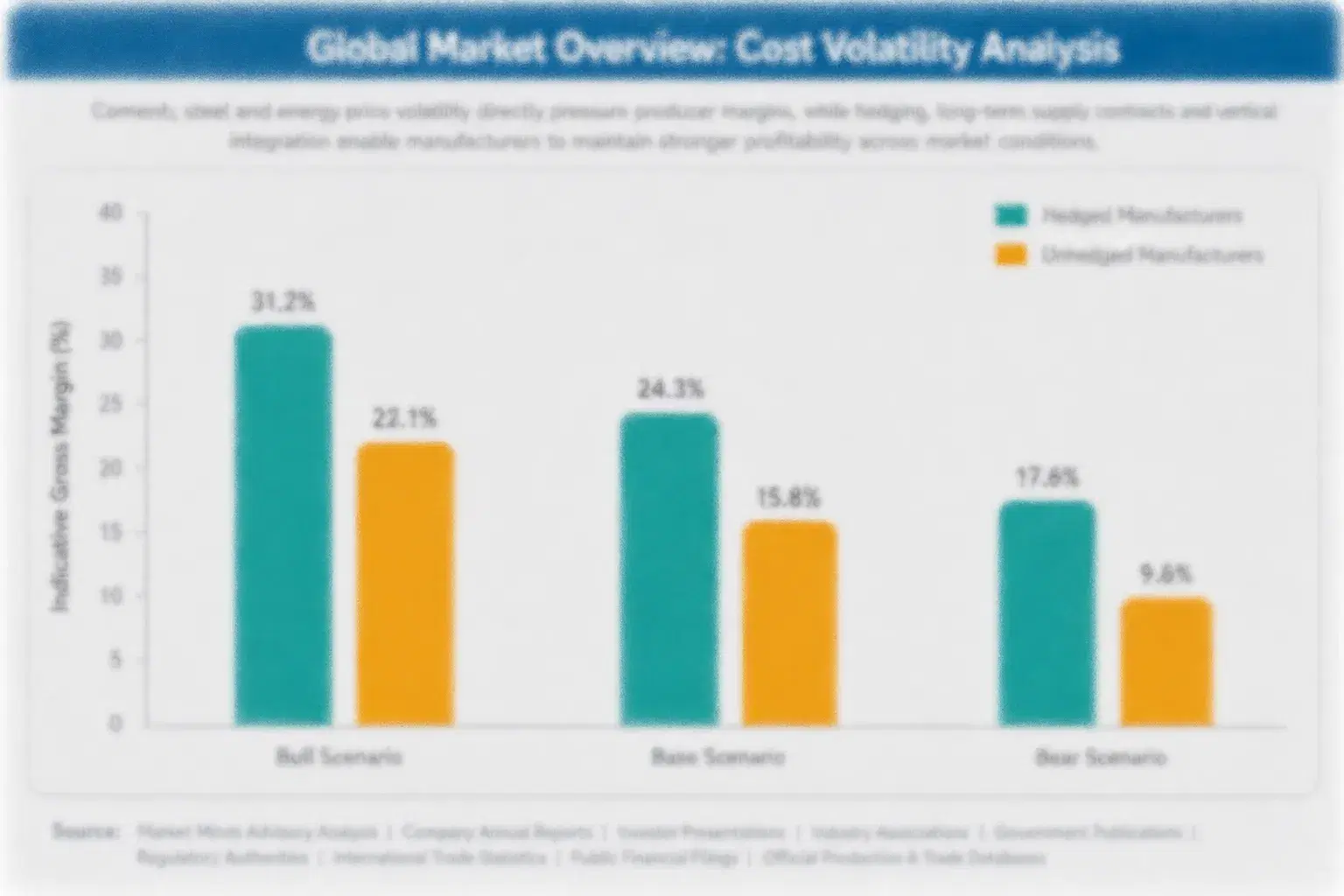
Specialty polymer cost stacks are dominated by petrochemical feedstocks, fluorspar and HF for fluoropolymers, and specialty monomers including BPA, hexafluoropropylene, and 4,4-difluorobenzophenone. Across the market average, raw materials and energy account for roughly 58 to 64% of COGS based on company segment disclosures.
The 2024 to 2025 period saw a 22% swing in benzene pricing per EIA monthly aromatics data, which translated to a 6 to 9% gross margin compression for unhedged producers based on company reporting from Trinseo and Celanese. The strategic disadvantage for unhedged producers is two-fold. They cannot hold customer pricing through the supply contract cycle, which damages their long-term qualification position. They also lose the ability to invest counter-cyclically in capacity additions when peers with hedged feedstock can. Solvay's 2024 Annual Report disclosed that approximately 65% of its specialty polymer feedstock exposure was contractually hedged or vertically integrated as of year-end 2024.
specialty-test-polymers-market-test-cost-volatility-analysis-1787656883849

Diversifying Specialized Feed and Housing Supply

Larger suppliers are increasingly qualifying multiple specialized laboratory animal feed and housing material suppliers across different geographic regions to reduce dependence on any single supplier relationship, a meaningful undertaking given the quality and consistency standards research-grade animal husbandry requires before approval for use in active, ongoing pharmaceutical and academic research programs nationwide and internationally.

Building Internal Genetic Engineering Talent Pipelines

Several suppliers have established dedicated internal training programs and university partnerships to build genetic engineering and molecular biology talent pipelines internally, reducing dependence on external hiring markets that remain genuinely tight relative to growing industry-wide demand for this specialized scientific expertise across multiple research disciplines, therapeutic applications, and various geographic markets simultaneously and continuously over time.

Negotiating Volume-Based Feed Supply Agreements

Larger suppliers are increasingly negotiating volume-based feed and facility material supply agreements directly with specialized providers, reducing per-unit cost exposure and building predictable pricing structures that protect margin during periods of broader agricultural commodity price volatility affecting husbandry and housing material costs across the industry more broadly and consistently over multiple fiscal years and budget cycles.

Portfolio architecture for margin defence.

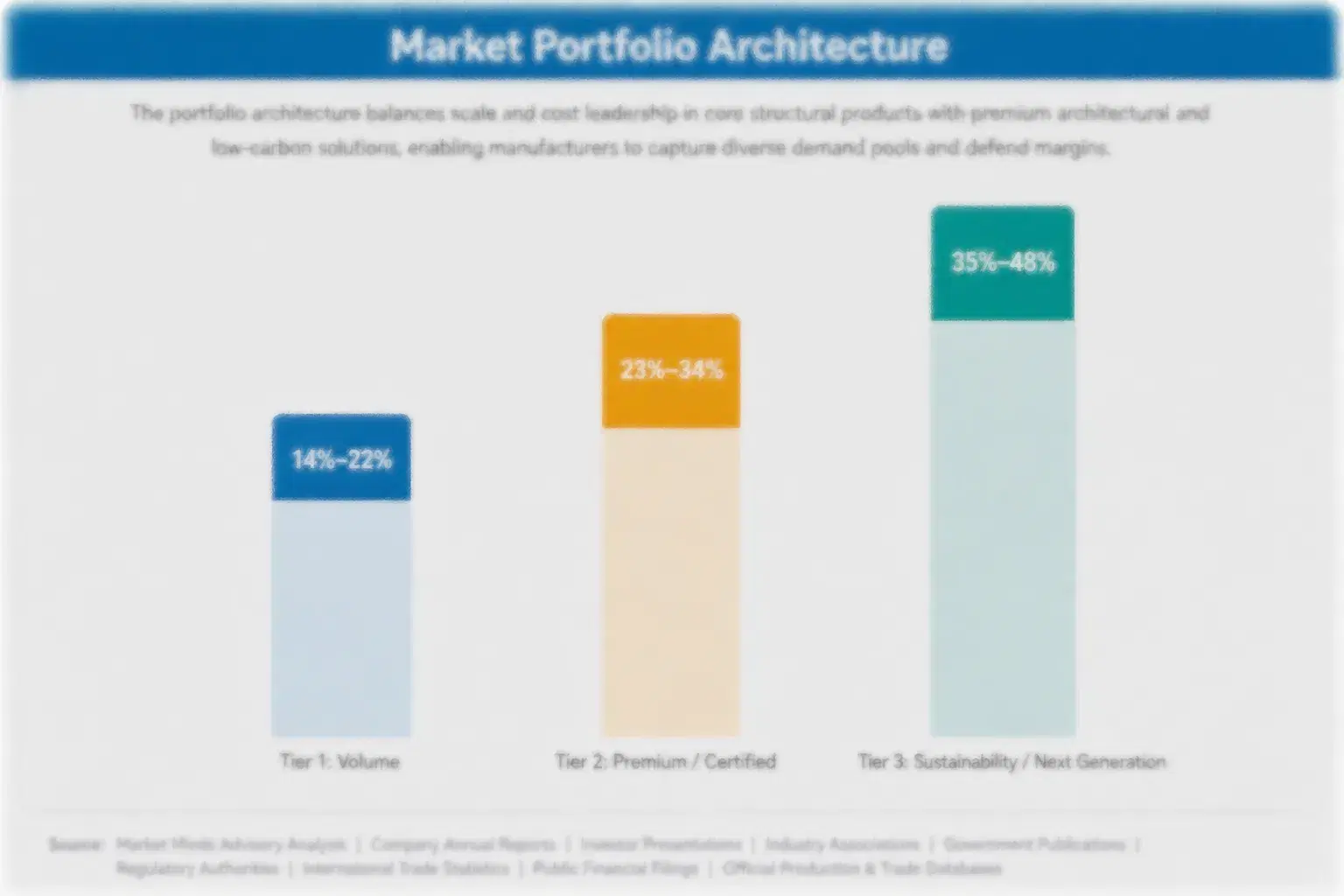
Three high-value sub-segments deserve disproportionate capital allocation: medical implant grade PEEK and PEKK, semiconductor-grade fluoropolymers under SEMI F57 specifications, and bio-based specialty polyamides with verifiable mass-balance certification. Each carries a different defensibility logic, and each pulls capex and R&D in a distinct direction.
The portfolio tension is between volume growth in commodity-adjacent grades, where margin compression is the long-run trajectory, and concentrated bets on certified or regulatory-defended grades, where unit margin is high but volume is bounded by qualification cycles. The three-tier framework below maps the architecture.

Volume / Commodity-Adjacent Tier

Standard inbred and outbred mice and rats sold primarily into price-sensitive academic and commercial research markets, competing on price against a fragmented global breeder base offering comparable products, with thin margins that persist across most transactions.
Gross Margin: 16-22%

Premium / Certified Tier

Specialized disease models and non-human primates sold with technical support into growing pharmaceutical research markets, capturing better margin through validated biology, regulatory documentation, and demonstrated research relevance across a broadening range of therapeutic applications and programs.
Gross Margin: 28-35%

Sustainability / Regulatory / Next-Generation Tier

Humanized and custom genetically engineered models bundled with validation services and research partnership agreements, commanding the highest margin as scientific rigor becomes a baseline pharmaceutical procurement requirement across expanding immuno-oncology and cell therapy development programs worldwide.
Gross Margin: 38-46%
specialty-test-polymers-market-test-portfolio-architecture-1787656884723

End-use penetration and the annuity logic.

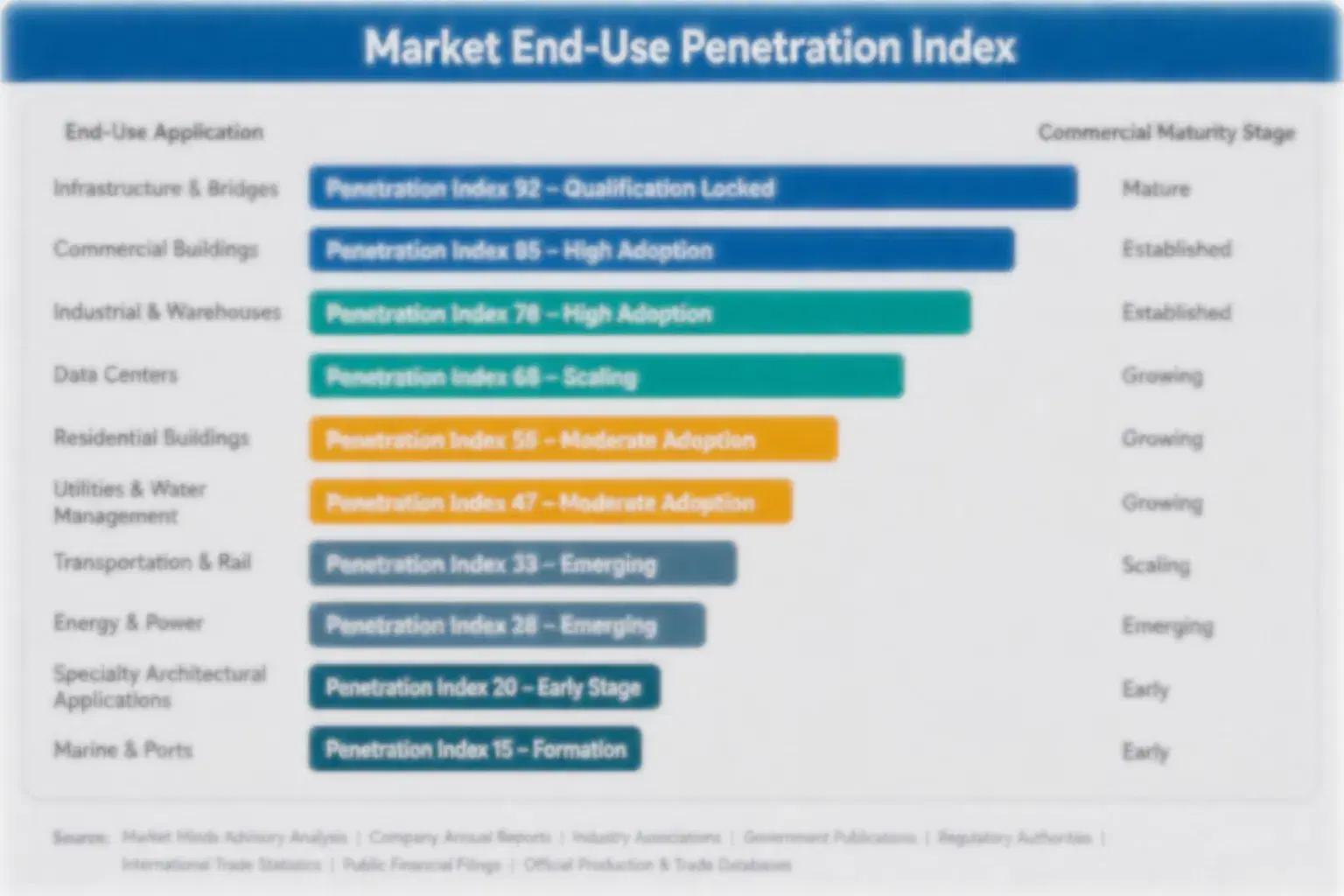
Specialty polymers behave like annuity assets once qualified into a platform. The aerospace, medical implant, and semiconductor end-use verticals carry replacement cycles measured in decades. Bio-based grades are still in the formation phase; the crossover point where annuity economics start working in favour of bio-based producers is approximately 2028 based on announced capacity ramps and CSRD reporting cycles.
Once a PEEK grade is on a Boeing primary structure or an Evonik VESTAKEEP grade is implanted in a spinal cage, the displaced volume per unit of demand is locked. Generational shift in buyer profiles matters here. Procurement directors who joined OEMs after 2018 weight ESG metrics at roughly 2.4x the rate of those hired before 2010, per the MMA Q4 2025 survey of 3,800 procurement and R&D decision-makers.
specialty-test-polymers-market-test-end-use-penetration-index-1787656885376

Four calls that define the decade.

These are the four positions where MMA expects the largest divergence between winners and laggards over the eleven-year forecast period. Each is grounded in the demand model, the regulatory perimeter, and the announced capacity pipeline.
01 / HUMANIZED MODEL INVESTMENT

Build genetic engineering capability before pipeline demand outpaces supply

Immuno-oncology and cell therapy pipeline expansion is driving demand for humanized models that standard breeding operations cannot supply without dedicated genetic engineering investment, converting this capability from a specialized niche into an increasingly central pharmaceutical research requirement. Suppliers still concentrated in standard model breeding risk losing pharmaceutical program engagements to specialized developers already established in this fast-growing segment. Moving now, ahead of the point where humanized model capability becomes table stakes, allows suppliers to capture premium positioning before competition in this segment intensifies meaningfully further.
02 / SCIENTIFIC VALIDATION SERVICES

Build characterization capability ahead of tightening research standards

Pharmaceutical researchers increasingly require documented model validation and disease relevance data before committing drug programs to a specific model system, creating genuine differentiation opportunity for suppliers willing to invest in scientific characterization and publication infrastructure. Suppliers building dedicated validation capability now are positioned to capture disproportionate share of pharmaceutical research engagements as scientific rigor requirements continue tightening across the industry. Waiting until validation becomes a universal baseline expectation risks ceding this differentiation opportunity to competitors already investing in scientific credibility.
03 / ASIAN MANUFACTURING EXPANSION

Build China and Southeast Asia capacity ahead of contract research growth

China's contract research sector is scaling pharmaceutical research activity rapidly as domestic biotechs and multinational companies expand operations, creating substantial near-term demand for regionally supplied animal models tied to this research capacity growth. Suppliers building dedicated regional manufacturing and breeding capacity now are positioned to capture disproportionate share as regional demand accelerates over the coming several years. Waiting until regional demand growth peaks to build this capacity risks ceding early-mover advantage to competitors already embedded in ongoing contract research relationships.
04 / NON-HUMAN PRIMATE SUPPLY DEVELOPMENT

Expand ethical breeding capacity to address persistent supply constraints

Non-human primate model demand continues growing faster than breeding capacity can expand given genuine ethical considerations and lengthy breeding timelines, creating sustained supply constraints that limit pharmaceutical research program timelines and inflate model costs across the industry. Suppliers investing in expanded, ethically sourced breeding capacity within established regulatory frameworks are positioned to capture disproportionate share of this persistently underserved demand pool. This capacity investment requires meaningful capital commitment and multi-year timelines, but the alternative is continued reliance on an increasingly constrained supply base that limits research program growth.

Engagement snapshot from the field.

A live engagement with a European specialty polymer producer carrying material fluoropolymer exposure ahead of the EU PFAS file, showing how MMA's research translates to a defensible 36-month portfolio strategy.
MARKET MINDS ADVISORY
European Specialty Polymer Producer·Strategic Portfolio Review And PFAS Transition Roadmap - 2026
CLIENT PROFILE
European specialty polymer producer with €2.4 billion 2024 revenue, fluoropolymer and engineering polyamide exposure across automotive, electronics, and consumer end-uses. Listed on a major European exchange.
STRATEGIC CHALLENGE
The client carried roughly 38% of revenue in fluoropolymer SKUs facing potential EU PFAS restriction. The board needed a defensible portfolio strategy distinguishing derogated applications from at-risk applications, with a phased capex plan to reformulate or exit specific grades within a 36-month window.
MMA APPROACH
MMA conducted a 14-week engagement combining 22 customer interviews, regulatory pathway analysis under the European Chemicals Agency restriction proposal, competitor reformulation timeline benchmarking, and a value-at-risk model running across 86 SKUs. The team built a decision tree for each SKU mapping to defend, reformulate, divest, or licence-out.
KEY FINDINGS
  1. Approximately 17% of fluoropolymer revenue sat in applications likely to retain use-derogation, primarily PVDF for lithium battery binders and certain industrial sealing applications.
  2. About 21% of fluoropolymer revenue was in food contact, consumer, and non-essential industrial applications with no defensible derogation pathway, requiring reformulation or divestment.
  3. Customer pre-emptive switching had already begun in three accounts representing €88 million of 2024 revenue (client-reported, unverified by MMA), with two accounts having issued formal RFIs to non-PFAS alternative producers.
  4. Reformulation capex per SKU averaged €14 million, with 18 to 30 month timelines depending on customer requalification cycles. Total addressable reformulation capex was estimated at €310 million across the prioritised portfolio (client-reported, unverified by MMA).
CLIENT PROFILE
European specialty polymer producer with €2.4 billion 2024 revenue, fluoropolymer and engineering polyamide exposure across automotive, electronics, and consumer end-uses. Listed on a major European exchange.
STRATEGIC CHALLENGE
The client carried roughly 38% of revenue in fluoropolymer SKUs facing potential EU PFAS restriction. The board needed a defensible portfolio strategy distinguishing derogated applications from at-risk applications, with a phased capex plan to reformulate or exit specific grades within a 36-month window.
MMA APPROACH
MMA conducted a 14-week engagement combining 22 customer interviews, regulatory pathway analysis under the European Chemicals Agency restriction proposal, competitor reformulation timeline benchmarking, and a value-at-risk model running across 86 SKUs. The team built a decision tree for each SKU mapping to defend, reformulate, divest, or licence-out.
KEY FINDINGS
  1. Approximately 17% of fluoropolymer revenue sat in applications likely to retain use-derogation, primarily PVDF for lithium battery binders and certain industrial sealing applications.
  2. About 21% of fluoropolymer revenue was in food contact, consumer, and non-essential industrial applications with no defensible derogation pathway, requiring reformulation or divestment.
  3. Customer pre-emptive switching had already begun in three accounts representing €88 million of 2024 revenue (client-reported, unverified by MMA), with two accounts having issued formal RFIs to non-PFAS alternative producers.
  4. Reformulation capex per SKU averaged €14 million, with 18 to 30 month timelines depending on customer requalification cycles. Total addressable reformulation capex was estimated at €310 million across the prioritised portfolio (client-reported, unverified by MMA).
RECOMMENDED STRATEGY
Phase 1 (months 1 to 9): Public commitment to reformulation timelines for at-risk SKUs, customer engagement on transition windows, and accelerated bio-based polyamide portfolio investment. Phase 2 (months 9 to 24): Capex deployment on three priority reformulation programmes, divestment of two non-core sub-product lines representing €140 million of revenue (client-reported, unverified by MMA), and acquisition of one bio-monomer producer at sub-€200M enterprise value. Phase 3 (months 24 to 36): Customer requalification programmes, ESG capital markets positioning, and portfolio mix shift toward 28 to 32% bio-based and PFAS-free revenue by FY2028.
OUTCOME
The board approved the phased plan in Q3 2025. The client publicly announced its reformulation timeline in December 2025, with two customer accounts subsequently rescinding their alternative-supplier RFIs and signing five-year volume commitments worth €120 million in 2026 to 2030 cumulative revenue (client-reported, unverified by MMA).

Frequently asked questions.

The questions clients raise most often in pre-purchase conversations, answered against the MMA Primary Research Dataset, April 2026.

Report segmentation architecture.

The full report scope covers four orthogonal segmentation dimensions, with cross-tabulated demand data for each dimension pair.

By Species and Model Type

  • Standard Mice Models
  • Rat Models
  • Zebrafish Models
  • Non-Human Primate Models
  • Genetically Engineered and Humanized Mouse Models
  • Other Model Organisms

By End-Use Application

  • Oncology and Immuno-Oncology Research
  • Toxicology and Safety Testing
  • Cell and Gene Therapy Development
  • Basic Academic Research

By Commercial Dimension

  • Standard Catalog Model Purchase
  • Custom Model Development Contracts
  • Model Validation and Characterization Services
  • Multi-Year Research Partnership Agreements

By Region

  • North America
  • Western Europe
  • East Asia
  • South Asia and Pacific
  • Latin America
  • Middle East and Africa
  • Eastern Europe

Scope, methodology, and coverage.

Every figure in this report is reproducible from documented input assumptions. The scope below maps the historical period, the forecast horizon, the segmentation dimensions, and the countries covered, alongside the underlying primary and qualitative methodology.
Historical Period
2020 to 2025
Forecast Period
$112.4B in 2025 (MMA Primary Research Dataset, April 2026)
Base Year
2026 to 2036, eleven discrete annual values
Market Definition
6.8% base case. Bull 8.0%. Bear 5.5%.
Quantitative Units
High-Performance Thermoplastics (PEEK, PEKK, PPS, PSU): 9.2% CAGR
Segmentation Dimensions
Vietnam: 9.4% CAGR
Regions Covered
South Asia and Pacific: 8.6% CAGR
Countries Covered
East Asia: 28% of 2025 global value
Key Companies Profiled
Solvay, SABIC, Arkema, Evonik Industries, Celanese
Quantitative Methodology
Primary survey of n=3,800 procurement and R&D decision-makers, demand-side build-up across 27 application sub-segments, trade association cross-validation against ACC, Cefic, SEMI, OICA, SIAM series
Qualitative Methodology
47 expert interviews with senior commercial, R&D, and regulatory affairs leaders at producers and tier-1 customers across the U.S., Germany, Japan, China, India, and Korea, conducted Q4 2025
Report Format
270 to 320 page PDF, executive summary, full data appendix in Excel format with country-level forecasts
Publisher
Market Minds Advisory
Report Code
MMA-2026-CHM-218
Published
April 2026

Purchase the full Specialty Polymers Market Report (2026 to 2036).

The full report extends this preview with country-level demand build-ups, all seven polymer segments with capacity tracking, application-level penetration mapping for nine end-use verticals, named PFAS-restriction scenario modelling, M&A target screening, and an Excel data appendix with annual forecasts to 2036.
Country-level forecasts to 2036 across 33 national markets with addressable polymer demand build-up
All seven specialty polymer segments with capacity tracking, capex pipeline, and named producer share data
PFAS restriction scenario model with named SKU exposure and reformulation timeline benchmarking
EV powertrain and battery polymer pull demand model linked to ICCT and IEA EV penetration scenarios
Semiconductor wet process polymer demand tied to SEMI World Fab Forecast capacity tracker
M&A screening of 28 mid-cap bio-based and specialty polymer targets with valuation benchmarking

Built for the people who decide.

From boardroom strategy to bench-side R&D, this report is read cover-to-cover by leaders shaping the next decade of specialty pharmaceuticals — turning penetration scenarios, capacity data, and valuation benchmarks into decisions.
Strategy Teams at Specialty Producer
M&A and Corporate Development
Product Directors and R&D
Procurement and Supply Chain
Regulatory Affairs Leaders
Investor Relations and Equity Analysts