Market Minds Advisory
Soybean Meal Market

Soybean Meal Market: Soybean Meal Market. Livestock Protein Demand, Crush Margin Shifts, and South American Export Growth Reshape Feed Supply.

Soybean meal is shifting from an oil by-product into a co-driver of crush economics, while Chinese import policy, South American export growth, and feed formulation choices decide which crushers and traders win contracts.

Lead Analyst

Published

September 2026

Make Smarter Decisions with Customized Research Insights

Request a free sample report and evaluate market opportunities, growth trends, and competitive dynamics relevant to your business needs.

2025 MARKET VALUE$105.0BMarket Size 2025
2036 FORECAST VALUE$158.3BBase Case , 2026 to 2036
CAGR 2026 TO 20363.8 %Bull 5.1% / Bear 2.5%
INCREMENTAL OPPORTUNITY$49.3BNet 10- year value creation
EXPANSION MULTIPLE1.45x2036 value over 2026 base
Strategic Levers
M&A Pipeline
Regional Outlook
Country Rankings
Competitive Intelligence
Segmental Deep-dive
Call-Us : 91 93563 13602

Executive Snapshot and Market Trajectory.

Soybean meal is what is left after the oil is pressed out, yet it is worth more than the oil in most years. Every hog, broiler, and farmed fish on earth eats some of it, and a few crushers in three regions decide how much reaches which feed mill.
Fermented soybean meal grows fastest, driven by piglet, aquafeed, and young animal diets that need digestible protein, while conventional and high-protein meal anchor volume through poultry, swine, and dairy feed. East Asia holds the largest share because China crushes and consumes more soybeans than any other country, and North America and Latin America follow through crushing and export capacity. Vietnam leads country growth as compound feed production expands. Origin records decide renewals quickly.
Competition is concentrated among a few global crushers and traders, with regional crushers and cooperatives serving local feed mills. Advantage comes from bean origination, crush scale, and logistics rather than price alone. Regulation drives change, since trade policy, deforestation rules, and genetically modified approvals push buyers toward audited supply chains. Buyers reward consistent protein, low urease activity, and reliable delivery through harvest and freight swings.
Market Definition
Soybean meal is the protein-rich solid fraction remaining after soybeans are crushed and their oil removed, including conventional 44% protein meal, high-protein dehulled meal, non-GMO and organic meal, fermented soybean meal, and expeller meal, sold mainly as feed protein for poultry, swine, dairy, aquaculture, and pet food. The scope excludes whole soybeans and soybean oil, soy protein concentrates and isolates for food, and finished compound feed.
Base Year Value
$105.0B in 2025 (MMA Primary Research Dataset, September 2026)
Forecast Period
2026 to 2036, eleven discrete annual values
CAGR
3.8% base case. Bull 5.1%. Bear 2.5%.
Fastest Growth Segment
Fermented Soybean Meal: 7.2% CAGR
Fastest Growth Country
Vietnam: 6.6% CAGR
Fastest Growth Region
South Asia and Pacific: 5.9% CAGR
Largest Region
East Asia: 34% of 2025 global value
Market Leaders
Cargill, Archer Daniels Midland, Bunge, Louis Dreyfus Company, COFCO International. Source: MMA Analysis, company annual reports.
Primary Survey
n=3,800 procurement and R&D decision-makers, Q4 2025, six countries
Methodology
Demand-side build-up, cross-validated against public data, 47 expert interviews

Soybean Meal Market Forecast Scenarios

soybean-meal-market-size-forecast-scenario-1789768094145
Between 2020 and 2025, soybean meal grew steadily as Chinese hog herd rebuilding lifted imports, Southeast Asian compound feed output expanded, and crushers ran harder to meet oil demand from renewable diesel. Growth averaged 3.0% a year in value, with non-GMO and fermented grades outpacing conventional meal, though drought in Argentina and Brazil, and shipping disruptions in 2021 and 2023 swung prices sharply.
The base case assumes 3.8% annual growth through 2036, built on three named mechanisms: rising poultry, swine, and aquaculture output in Asia and Africa that lifts protein feed demand, expanded crush capacity in the United States and Argentina driven by oil demand for renewable fuel that adds meal supply, and growing use of fermented and specialty meals in young animal and aquafeed diets. Precision feeding improves amino acid use. Each mechanism reinforces the others.
The bull case, at 5.1%, needs faster livestock expansion and steady soybean harvests in the Americas. The bear case, at 2.5%, reflects African swine fever setbacks, weaker Chinese hog margins, and substitution by rapeseed, sunflower, and synthetic amino acids in feed. Either scenario leaves the underlying demand base intact, though pricing and mix would differ noticeably.

Bean Origination and Crush Logistics Decide Soybean Meal Winners

Crushers clean, crack, and heat soybeans, extract oil with hexane, then toast the remaining flakes to deactivate anti-nutritional factors and grind them into meal. Standard meal carries about 44% protein, while dehulled meal reaches 47% to 48%. Fermented and expeller meals follow different processes. Toasting quality and moisture decide digestibility and shelf life. Cooling stops moisture pickup. Bulk cargoes need clean holds. Dust control matters.
MARKET CONCENTRATION34% CR5Leading five crushers hold a meaningful combined share
AVERAGE MEAL PRICE$420 per tonneSoybean meal sells at a premium to most feed proteins
MEAL BEAN WEIGHT SHARE79%Meal makes up most of every crushed soybean by weight
TOP CRUSHER COUNTRY SHARE30%China alone crushes a large portion of global soybeans
BEAN SHARE OF COGS92%Soybean purchases dominate the cost structure of crushers
MEAL CRUSH VALUE SHARE65%Meal contributes most of the value from each bean
Buyers use soybean meal in different ways. Poultry and swine integrators formulate rations around it, dairy farmers feed it as a bypass protein source, aquafeed makers use high-protein and fermented grades, pet food brands use it in kibble, and traders resell it across borders. Specifications cover protein, fiber, urease activity, moisture, and mycotoxin and pesticide results on every cargo.
The industry is concentrated at the crush and export stages. Global crushers such as Cargill, ADM, Bunge, Louis Dreyfus, and COFCO run large plants near ports, regional cooperatives such as CHS and Ag Processing serve local markets, and Chinese and Argentine crushers add scale. Bean supply, oil margins, and trade policy shape investment, and long-term contracts are widening the buyer base for certified meal.
"Soybean meal used to be the by-product that paid the freight. Now the oil side of the bean drives crush decisions, so the winners are the crushers that can keep meal flowing to feed mills on time and prove it is deforestation-free."
Practice Lead, Agricultural Products and Animal Feed Ingredients Practice · MMA Agricultural Products and Animal Feed Ingredients Practice · September 2026

Market Trends

Fermented Soybean Meal Gains Share in Piglet and Aquafeed Diets

Feed makers are adding fermented soybean meal, made by treating meal with bacteria or yeast that break down oligosaccharides and anti-nutritional factors, to piglet, calf, and aquafeed rations where digestibility matters. Fermentation raises protein digestibility and lowers trypsin inhibitors, and trials in swine and shrimp diets report better growth and gut health at inclusion rates of 5% to 20%. Fermented grades sell at 30% to 70% above conventional meal, and suppliers provide feeding trial data. Production needs controlled fermentation and drying, so only processors with dedicated plants can serve large integrators consistently.
Market Impact: feed output exceeds 1.2 billion tonnes
Deforestation-Free and Traceable Supply Programs Reshape Meal Sourcing

Buyers and regulators increasingly require soybean supply chains free of deforestation, and the European Union Deforestation Regulation sets due diligence rules for soy imports, according to European Commission documents. Crushers and traders build traceability systems that map farms, verify cutoff dates, and segregate certified beans, and feed and food brands publish sourcing commitments. Certified and traceable meal sells at small premiums, and origination programs add cost of 1% to 3%. Programs are strongest in Brazil and Argentina where satellite monitoring is available, and smaller crushers face higher compliance cost, which favors large traders with established systems and farm networks.
Market Impact: new plants add 10 million tonnes

Market Opportunities and Growth Drivers

Rising Meat, Dairy, and Aquaculture Production Lifts Protein Feed Demand

Global meat output has risen with population and income growth, and poultry, swine, and aquaculture rely on soybean meal as the main protein source in compound feed, according to FAO livestock statistics. Global feed production exceeds 1.2 billion tonnes a year, and soybean meal accounts for a large share of the protein content. Asian and African markets add the fastest growth in poultry and fish farming, and feed mills expand capacity. Integrators optimize formulas for amino acid balance and cost, and soybean meal remains the benchmark protein because of its digestibility and consistent supply.
Market Impact: China buys 60% of traded beans

Renewable Diesel and Biodiesel Policy Expands Crush and Meal Supply

United States and Brazilian biofuel policies lift demand for soybean oil, and crushers respond by adding capacity and running plants harder, which raises meal output as a co-product, according to USDA and EIA reports. New crush plants in the Midwest and Argentina add millions of tonnes of meal capacity, lowering meal prices relative to oil and improving feed economics. Meal exports rise as domestic feed demand cannot absorb all output. This supply growth supports affordable protein for livestock producers and gives crushers steady volume, though it also pressures meal margins when oil values dominate crush decisions.
Market Impact: drought cut Argentine output 30%

Market Restraints and Challenges

Trade Policy Swings and Chinese Import Concentration Create Demand Risk

China buys about 60% of traded soybeans and sets policy on tariffs, state reserves, and hog herd size, so shifts in Chinese policy or African swine fever outbreaks cause sharp swings in meal demand and prices, according to USDA trade data and Chinese customs reports. The root cause is concentration of demand in one country. Trade disputes reroute flows and disrupt crush margins. Mitigation includes diversifying buyers across Southeast Asia, Europe, and the Middle East, flexible origin sourcing, and forward contracts, though smaller crushers lack the reach to redirect volumes quickly when policy shifts.
Market Impact: fermented grades earn 30-70% premiums

Weather Volatility and Freight Disruption Squeeze Crush Margins

Drought in Argentina and Brazil cut soybean output sharply in several recent seasons, and low river levels in the Mississippi and Parana disrupt barge freight, according to national agriculture ministries and shipping reports. The root cause is climate variability and infrastructure limits. Bean shortages raise prices and idle plants, and feed makers face volatile protein costs. Mitigation includes multi-origin sourcing, storage, forward hedging, and substitution with rapeseed and sunflower meals, though substitution has limits on amino acid and digestibility grounds. Feed mills then reformulate quickly, which erodes demand for premium grades.
Market Impact: traceability adds 1-3% to cost
3 additional market trends, 4 additional growth drivers, and 2 additional restraints and challenges are covered in the full report. Contact sales@marketmindsadvisory.com to access the complete intelligence.

Segment CAGR and Growth Architecture

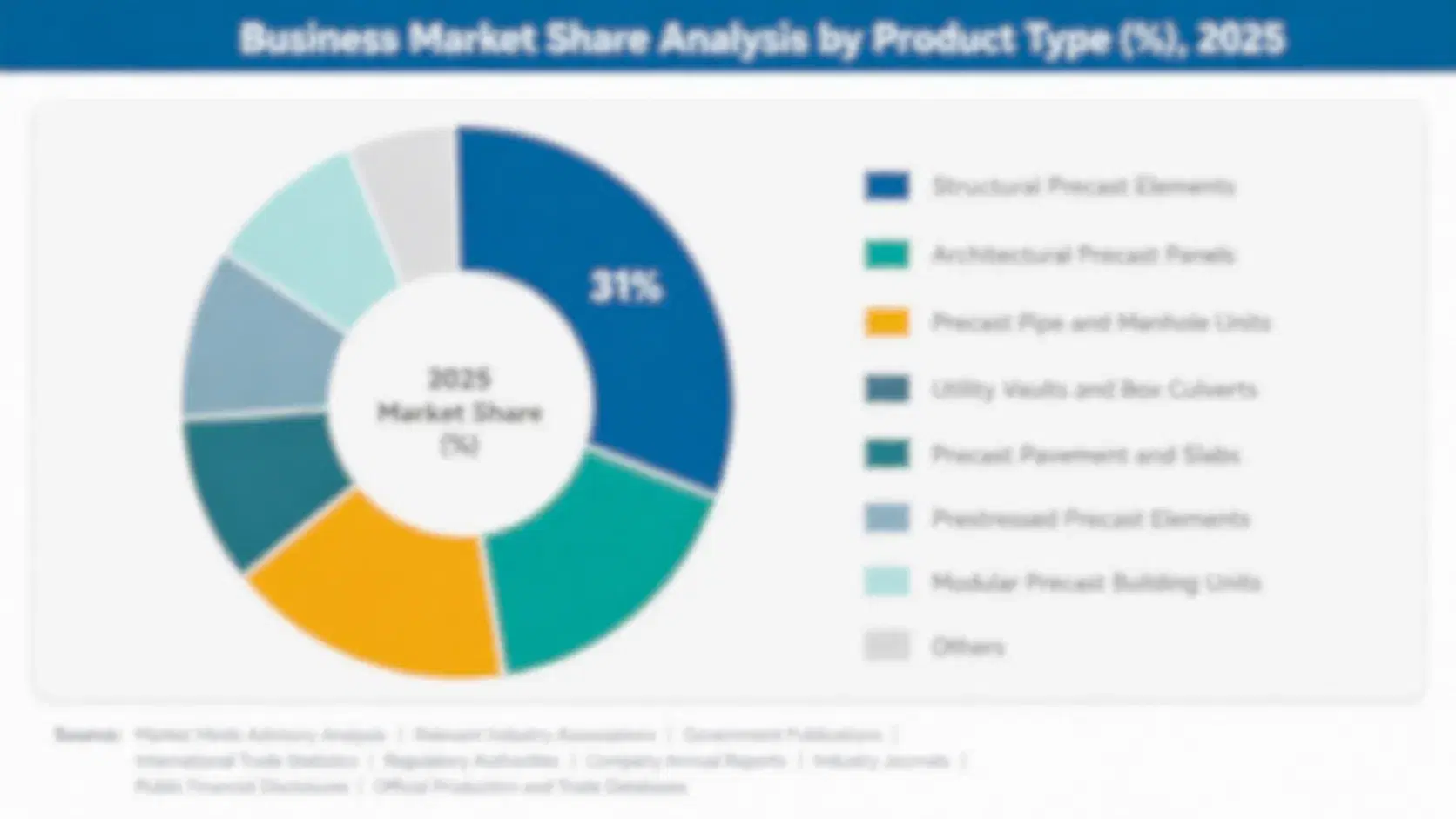
Soybean meal is segmented by product grade, because protein content, processing route, certification, price, and buyer group differ more sharply between conventional, high-protein, non-GMO, organic, fermented, and expeller meal than they do by animal species. Fermented soybean meal attracts the most investment as young animal and aquafeed producers convert digestibility goals into supply agreements with processors.
soybean-meal-market-market-share-analysis-1789768094404

Fermented Soybean Meal

Fermented soybean meal is the fastest-growing segment, made by treating dehulled meal with lactic acid bacteria, yeast, or Bacillus strains that break down oligosaccharides, antigenic proteins, and trypsin inhibitors, then drying it into a digestible protein source. Piglet, calf, and aquafeed producers use it to replace fishmeal and improve gut health, and buyers accept prices well above conventional meal. Costs are higher because fermentation and drying need dedicated plants, so adoption started in premium young animal diets. Suppliers in China, Korea, and Europe with trial data and consistent lots win large accounts, and integrators run several seasons of trials before broad use. Aquafeed buyers also test it against fishmeal on cost.
CAGR 7.2%

Non-GMO and Identity-Preserved Meal

Non-GMO and identity-preserved meal is the second-fastest segment, made from soybeans grown and handled under segregation programs that avoid genetically modified varieties, and sold to feed mills serving European and Asian brands with non-GMO labels. Retail programs for eggs, dairy, and meat drive demand, and premiums of 10% to 25% over conventional meal reflect segregation cost. Supply is limited because most soybeans in the Americas are genetically modified, so crushers contract acreage in Brazil, India, Ukraine, and Canada. Suppliers with testing labs, traceability, and certified logistics win multi-year contracts from large integrators and retailers. Asian retailers with non-GMO egg and dairy programs pay higher premiums, and Indian and Ukrainian suppliers offer identity-preserved beans at competitive cost.
CAGR 5.8%
Full segment breakdown across 6 segments available in the complete report.

Regional Architecture and Country Demand Map

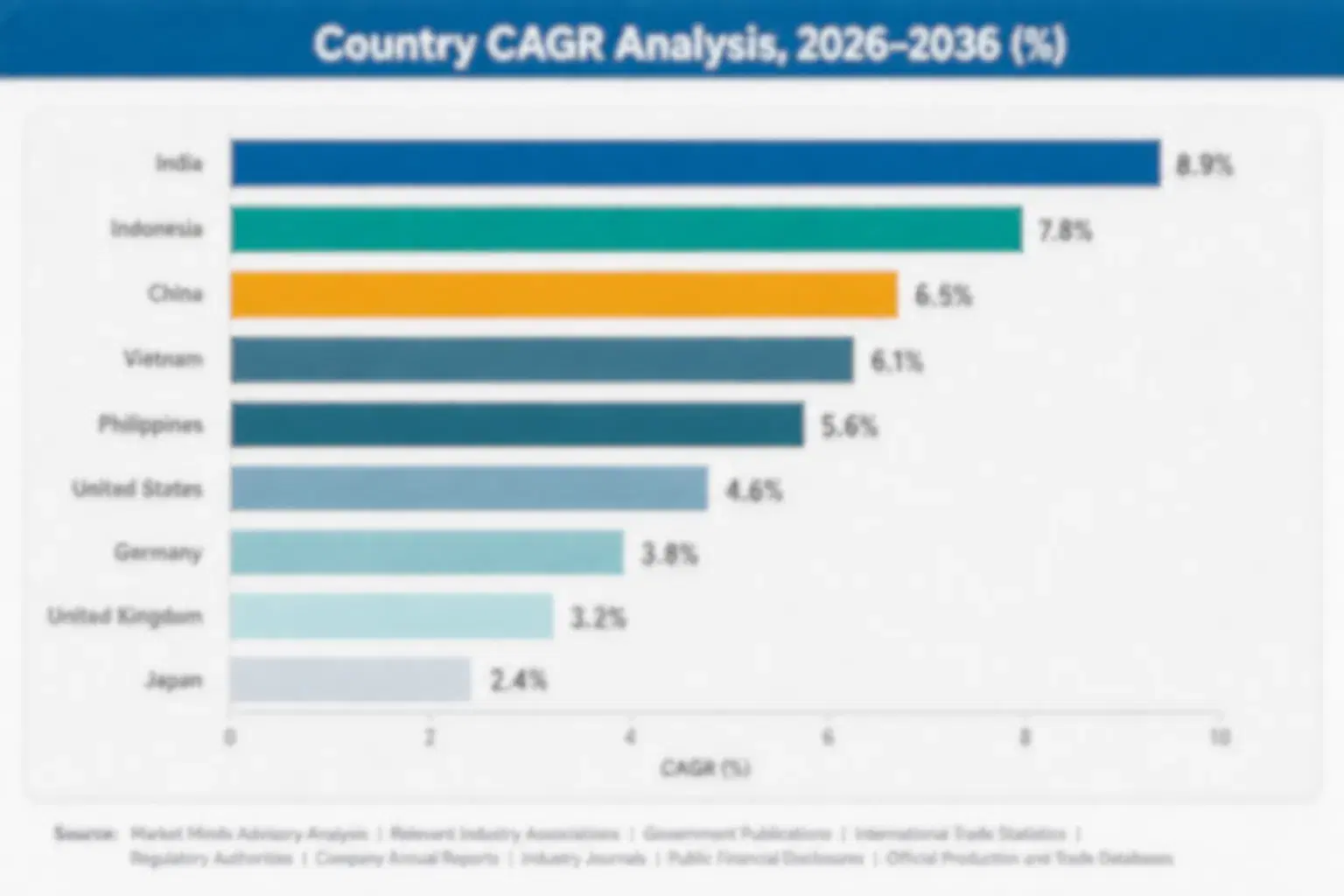
Soybean meal value follows crushing capacity, livestock production, and trade flows. East Asia leads through Chinese crushing and feed demand, North America follows through United States crushing and exports, Latin America through Brazilian and Argentine export crushers, and Vietnam is the fastest-growing country as compound feed output expands.

North America

North America holds 22% share, with the United States crushing over 60 million tonnes of soybeans a year in Iowa, Illinois, Minnesota, Indiana, and Ohio, and supplying domestic poultry, swine, and dairy feed as well as export markets in Mexico, Canada, and Southeast Asia. Cargill, ADM, Bunge, CHS, and Ag Processing run large plants. New crush capacity for renewable diesel adds meal supply, and export demand supports margins. Renewable fuel policy and trade disputes restrain returns, though livestock demand and export growth keep the region growing slightly ahead of the global rate. Canadian and Mexican feed mills also buy large volumes. Kansas and Nebraska plants also add new meal loadout capacity.
Share: 22% | CAGR: 4.2% (2026 to 2036)

Western Europe

Western Europe holds 9% share, below its usual band, because the European Union imports most of its soybean meal and beans, mainly from Brazil, Argentina, and the United States, and crushes in the Netherlands, Germany, Spain, and Belgium, while livestock production is mature and regulated. Cargill, Bunge, and ADM operate port crushers. Deforestation rules, non-GMO programs, and sustainability targets shape purchasing, and mature livestock markets hold growth below the global rate, though certified and non-GMO meal add steady premium demand. French and Danish integrators also support European soy programs. Belgian and Dutch crushers also handle imported beans for local feed mills, and Nordic integrators sign non-GMO and certified contracts with Brazilian suppliers for egg, dairy, and salmon feed.
Share: 9% | CAGR: 2.4% (2026 to 2036)
Regional intelligence for 5 additional markets available in the complete report: East Asia, South Asia and Pacific, Latin America, Middle East and Africa, Eastern Europe. Contact sales@marketmindsadvisory.com.
soybean-meal-market-country-cagr-analysis-1789768094769

Four Margin Routes for Soybean Meal Suppliers

Margin in soybean meal comes from moving beyond commodity 44% meal toward high-protein, non-GMO, certified, and fermented grades that feed mills and integrators cannot easily replace. Crushers and traders that secure bean origination, invest in specialty processing, prove deforestation-free supply, and tie specifications to customer rations earn more per tonne than sellers competing on price alone.

Building Multi-Origin Bean Sourcing and Storage to Protect Crush Margin

Bean cost is 92% of cost of goods and drought can cut regional output by 30%, so crushers that source across the United States, Brazil, Argentina, and Paraguay and hold storage protect margin and plant utilization. Multi-origin programs add 1% to 2% to procurement cost, but they avoid margin losses of 3 to 6 points in poor years. Storage costs $10 million to $40 million per site, and customers reward reliable supply because feed mills cannot pause rations. Buyers audit annually and validate quality through cargo inspections, and reviews stay annual.
Market Impact: multi-origin sourcing protects 3 to 6 margin points

Adding Fermentation and Dehulling Capacity for Premium Meal Grades

Fermented and high-protein dehulled meal sell at 30% to 70% and 5% to 10% above conventional meal, so crushers that add fermentation and dehulling lines capture higher margin per tonne. A fermentation plant costs $10 million to $30 million and is recovered within five seasons when sold to swine and aquafeed accounts. Feeding trial data shorten customer approval cycles, and buyers validate each grade through pilot batches before scaling. Processors that share digestibility data save integrators months of testing, and contracts renew annually. Feeding trials run for two to three cycles first.
Market Impact: fermented meal earns 30% to 70% price premiums

Certifying Non-GMO and Deforestation-Free Supply Chains

Non-GMO and deforestation-free meal sells at premiums of 10% to 25%, so crushers that add traceability, testing laboratories, and segregated logistics secure multi-year contracts with European and Asian integrators. Certification and segregation cost 1% to 3% of value, but premiums exceed cost and reduce regulatory risk. Farm mapping and satellite monitoring reassure buyers, and once a customer approves a program, switching means new audits. Buyers also value rapid traceback, and audits occur every year. Contracts renew annually with each partner. Retail buyers also request annual third-party retesting of certified lots and farm maps.
Market Impact: certified meal earns 10% to 25% price premiums

Selling Direct to Integrators Through Long-Term Supply Agreements

Direct agreements with poultry, swine, and aquafeed integrators earn margins of 3% to 6% above spot sales, and reduce volume volatility by locking in annual tonnage. Crushers that offer price formulas, on-time delivery, and quality guarantees win agreements covering 20% to 40% of an integrator's needs. Logistics and technical service cost 1% to 2% of sales, but buyers pay for reliability across seasons. Sharing forecasts and formulation support improves planning on both sides, and repeat renewals rise with consistent performance and clear communication. Integrators also request monthly reporting on quality and delivery.
Market Impact: direct integrator contracts earn 3% to 6% margin uplift

Who Controls the Margin Pool

The soybean meal industry is concentrated at the crush and export stages, with the top five companies holding about 34% of global crushing and revenue, the basis used throughout this section. Cargill, Archer Daniels Midland, Bunge, Louis Dreyfus Company, and COFCO International lead through bean origination, plant scale, and logistics, while regional crushers, cooperatives, and Chinese firms serve local markets.
Competition centers on three dimensions: bean origination across the Americas and Black Sea, crush plant efficiency and logistics near ports and rail, and product differentiation through certified, non-GMO, and fermented meal. Leaders sign multi-year agreements with integrators and feed majors, while challengers compete on price and local service. Deforestation-free programs add another layer of differentiation. Consistency decides contract renewals across harvest and freight swings.

Emerging pressure comes from Chinese crushers expanding overseas, from Argentine and Brazilian firms integrating into export logistics, and from feed majors building their own crush capacity. Rankings shift where companies secure beans, add capacity near demand, or lose to lower-cost origins. Acquisitions of regional crushers and joint ventures with cooperatives will reorder positions faster than organic growth, especially as buyers look for supply that lowers deforestation and trade risk.
soybean-meal-market-company-positioning-matrix-1789768095153

Competitive Moat and Risk Dimensions

CARGILL

Moat: Global Origination and Feed Integration

Cargill is one of the world's largest agricultural companies, with soybean origination, crushing, and feed operations across the Americas, Europe, and Asia. Its farmer relationships, port logistics, and animal nutrition business let it place meal directly into feed rations and long-term supply agreements, and its trading and risk management capabilities help it navigate freight and policy swings.
CARGILL

Risk: Scale Complexity and Policy Exposure

Cargill's size exposes it to scrutiny over deforestation and supply chain traceability, and compliance requirements add cost. Chinese state crushers and regional cooperatives can compete on price in key markets, and shifts in trade policy, biofuel rules, or Chinese demand can quickly change crush margins across its network.
BUNGE

Moat: South American Crush Network

Bunge is a leading global oilseed processor with extensive crush plants and port terminals in Brazil, Argentina, the United States, and Europe. Its farmer origination network, logistics assets, and integrated oil and meal marketing give it scale advantages, and its long relationships with feed mills in Asia and Europe support steady volumes.
BUNGE

Risk: Thin Margins and Commodity Exposure

Bunge's crush business operates on thin margins that swing with bean prices, freight, and oil demand, and drought in South America can idle plants. Larger trading peers and Chinese state buyers may offer competing terms, and deforestation rules could raise compliance cost for its Brazilian origination and slow expansion.

Players Tracked

Prominent Players

Cargill
Archer Daniels Midland
Bunge
Louis Dreyfus Company
COFCO International

Other Key Players

Wilmar International
CHS
Ag Processing Inc
Perdue AgriBusiness
Amaggi
Aceitera General Deheza
Molinos Agro
Sinograin
Yihai Kerry Arawana
Charoen Pokphand Foods
New Hope Group
Nutreco
Viterra
Alltech
Kerry Group

Recent Developments

MARCH 2026

Archer Daniels Midland Expands Soybean Crush Capacity in the United States Midwest

Archer Daniels Midland completed an organic expansion of soybean crush capacity, adding processing lines to serve renewable fuel and feed markets. The project is internal capital spending, not an acquisition or joint venture. It raises meal output for domestic and export buyers and lowers unit crush cost.
Signal: Shows large crushers adding capacity driven by oil demand, which raises meal supply for feed buyers worldwide.
OCTOBER 2025

Bunge Signs Multi-Year Meal Supply Agreements With Southeast Asian Feed Producers

Bunge signed multi-year soybean meal supply agreements with feed producers in Vietnam, Thailand, and Indonesia, covering volumes, protein specifications, and price formulas. The deals are commercial contracts, not equity stakes. They give its Brazilian and Argentine plants predictable export demand and support certified and traceable supply programs.
Signal: Confirms global crushers are locking in Southeast Asian demand through multi-year agreements to stabilize export volumes.
JANUARY 2026

Cargill Launches Traceable Deforestation-Free Soybean Meal Program for European Customers

Cargill launched a traceable deforestation-free soybean meal program for European customers, using farm mapping and satellite monitoring across Brazilian origins and sold with certificates. The launch is a product introduction, not an acquisition. It adds premium supply for integrators, tests willingness to pay for verified sourcing.
Signal: Shows global traders using verified supply programs to meet European regulation and secure premium meal contracts.

What Drives Soybean Meal Costs

Soybeans account for roughly 92% of cost of goods for crushers, sourced mainly from the United States, Brazil, Argentina, and Paraguay. Crushing energy, hexane, labor, storage, freight, and financing add the remainder, so bean price, crush margin, and freight cost together determine gross margin for crushers supplying feed mills and integrators. Currency swings matter too.
Bean and freight costs spiked in 2021 and 2022, according to USDA Agricultural Marketing Service data and the Baltic Exchange freight index, as drought cut South American output while war-related disruption and container and bulk freight rates rose sharply. Crushers with fixed-price contracts absorbed losses, others added surcharges to meal prices, and some feed mills switched temporarily to rapeseed and sunflower meal. Margins narrowed noticeably as customers negotiated harder on renewals.

Exposure varies by player type and geography. Integrated crushers with origination networks, storage, and port assets absorb shocks better than small crushers buying spot beans. Argentine crushers face export tax and currency risk, United States crushers face fuel policy and river risk, and premium certified and fermented lines pass costs through more easily than commodity meal sold in bulk to traders.
soybean-meal-market-cost-volatility-analysis-1789768095530

Signing Multi-Origin Bean Contracts and Hedging Price Exposure

Crushers negotiate agreements with growers and elevators in the United States, Brazil, and Argentina, mixing forward contracts and futures hedges to lock crush margins. Diversifying origins reduces exposure to any single drought or export policy change, and quality clauses secure protein and moisture. Contracted supply also lets crushers plan runs and cut spot purchases during price spikes.

Investing in Storage and Port-Side Loadout to Cut Logistics Cost

Crushers build storage, rail loops, and port loadout systems that cut logistics cost per tonne by 5% to 10% and reduce vessel waiting time. Lower logistics cost protects margin from freight spikes and improves delivery reliability, though capital cost is high and payback takes years. Crushers offset investment through long-term contracts with integrators and traders, and reviews stay annual.

Passing Costs Through Index-Linked Pricing With Major Customers

Large integrators and feed majors agree to formulas linking meal price to published futures and freight indices plus a fixed premium, so cost swings are shared rather than absorbed by crushers. Monthly resets keep buyers informed and reduce disputes. Certified and fermented lines use annual pricing, since customers value stable supply. Terms remain annual.

Portfolio Architecture for Margin Defence

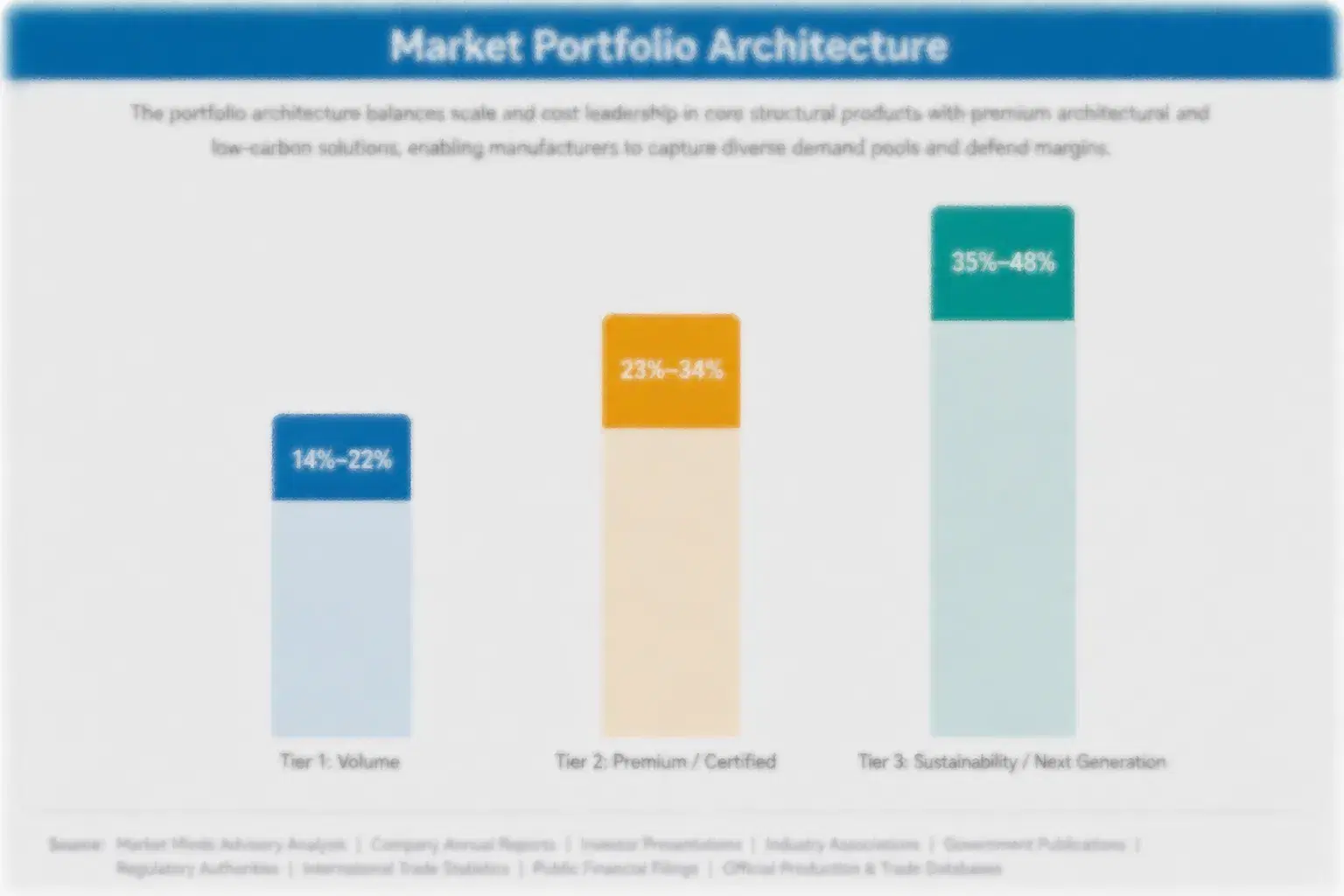
Margins run from thin returns on commodity 44% meal sold in bulk to strong profits on fermented, non-GMO, and certified meal sold with feeding trial data and traceability, with gross margin roughly doubling between the volume tier and the top tier. Digestibility, certification, and documented origin add pricing power over the same bean, and buyers pay for reliability because a failed shipment can disrupt an integrator's rations for weeks.
Volume and premium pull in different directions. Commodity meal sells in large cargoes to price-driven traders and feed mills at thin margins and faces constant pressure from rapeseed and sunflower meal. Fermented, non-GMO, and certified grades sell in smaller lots at much higher margins but need fermentation plants, segregation, and testing, so crushers must choose how much capital to commit to premium positioning.

High-value pools concentrate in fermented meal for young animals and aquafeed, non-GMO meal for European and Asian brands, and traceable deforestation-free meal for regulated markets. These segments benefit from recurring orders, documented quality, and limited competition from small crushers. Crushers combining bean origination, specialty processing, and customer trials hold advantages that are difficult to replicate quickly, especially as traceability rules and buyer commitments tighten.

Volume / Commodity-Adjacent Tier

Conventional 44% protein soybean meal sold in bulk cargoes to traders and feed mills, with thin margins, bean price and freight exposure, and competition from rapeseed and sunflower meals worldwide, where buyers switch when spreads move.
Gross Margin: 3%-8%

Premium / Certified Tier

High-protein dehulled and traceable soybean meal with lot testing and certificates, sold under annual contracts to integrators and feed majors that require documented protein, low urease activity, origin records, and reliable delivery each season.
Gross Margin: 7%-14%

Sustainability / Regulatory / Next-Generation Tier

Fermented, non-GMO, and deforestation-free meal with feeding trial data and application support, positioned for young animal diets, aquafeed, and regulated markets across major regions, supported by trials, certification, and traceable supply chains.
Gross Margin: 12%-24%
soybean-meal-market-portfolio-architecture-1789768095828

High-value Sub-segments and Strategic Watch-out

Fermented Soybean Meal

Fermented soybean meal combines the fastest growth with strong pricing, as piglet, calf, and aquafeed producers pay premiums for digestibility and gut health benefits. Dedicated fermentation plants and feeding trial data limit competition, and suppliers with consistent lots and technical support win multi-year contracts from large integrators.
Gross Margin: 12%-24%

Non-GMO and Identity-Preserved Meal

Non-GMO meal offers high value with steady growth, since retail-driven programs for eggs, dairy, and meat pay steady premiums for segregated supply. Limited acreage and testing costs constrain volume, though certification helps, and European and Asian brands are widening the buyer base for suppliers with traceable logistics.
Gross Margin: 8%-16%

Conventional 44% Soybean Meal

Conventional meal forms the volume core, sold to feed mills, integrators, and traders who need reliable, low-cost protein. Margins are thin and exposed to bean and freight swings, but steady demand supports scale, and crushers with origination networks, storage, and port assets hold cost advantages.
Gross Margin: 3%-8%

Soybean Expeller Meal

Soybean expeller meal is a strategic watch-out, produced by mechanical pressing for organic and small-scale buyers, with higher residual oil and variable quality, and exposed to organic supply limits and competition from solvent meal. Changing feed rules and small volumes could restrict growth, so producers should track demand carefully.
Gross Margin: 8%-18%

Why Integrators Stay With Crushers

Soybean meal demand behaves like an annuity once an integrator or feed mill approves a supplier. Protein content, urease activity, and delivery timing are tied to a specific crusher and origin, so switching means new sampling, possible ration adjustments, and risk of performance issues. Crushers that serve the same account for years earn steady volume, and annual agreements renew at modest premium changes rather than open tenders.
Stickiness varies by vertical. Poultry and swine integrators with large rations are the deepest, since consistent protein and delivery support performance and margin. Aquafeed makers are next, because digestibility and ingredient trials raise switching cost. Traders and small feed mills are shallower, moving between suppliers when price or availability changes, and government buyers rebid cargoes every few months, though those relationships remain cautious after quality incidents.

Buyer profiles are shifting. Older buyers focused on price, bulk cargoes, and long-standing relationships, while younger sustainability and procurement teams look for traceable, deforestation-free, and specialty meal with technical support and digital ordering. Online platforms let smaller mills source niche lots, and retailers amplify demand for certified supply, so crushers that answer with clear data and technical help keep loyalty across generations.
soybean-meal-market-end-use-penetration-index-1789768096114

MMA Verdict on Soybean Meal Strategy

These are among the four positions where our research anticipates prominent divergence between winners and laggards over the coming forecast period. Each is grounded in the demand model, the regulatory perimeter, and the announced capacity pipeline.
01 / ORIGIN DIVERSIFICATION STRATEGY

Diversify Bean Origins Before Drought Hits Crush Margin

Drought can cut regional soybean output by 30%, and crushers relying on one origin lose 3 to 6 margin points in bad years. Multi-origin programs add 1% to 2% to procurement cost. MMA recommends sourcing at least 30% of beans from a second continent and adding storage at the largest plants within two years, because feed mills and integrators reward reliable supply, and crushers that keep plants running during shortages win permanent customers from rivals that cannot, while steady sourcing also protects margin.
02 / SPECIALTY MEAL INVESTMENT

Build Fermentation Capacity for Young Animal and Aquafeed Buyers

Fermented meal earns 30% to 70% above conventional meal and grows at 7.2% a year, about 1.89 times the market rate. Fermentation plants cost $10 million to $30 million. MMA advises building one plant with feeding trial data for two anchor integrators within 24 months, because customers that qualify one fermented supplier rarely add a second, and early entrants gain data and reference customers that late entrants struggle to match, while consistent lots also speed approvals, and repeat orders follow steadily.
03 / DEFORESTATION-FREE SUPPLY CERTIFICATION

Certify Traceable Supply Before European Rules Take Full Effect

Certified meal earns premiums of 10% to 25%, and certification costs 1% to 3% of value. European due diligence rules are tightening. MMA recommends mapping farms and adding satellite verification for Brazilian and Argentine origins first, since audited supply chains secure premium contracts, reduce regulatory risk, and give crushers evidence that closes deals with cautious integrators and retailers, while traceability records also speed responses during audits and customer visits, and buyers also value quick answers when regulators request supply chain records.
04 / INTEGRATOR AGREEMENT STRATEGY

Lock In Multi-Year Supply Agreements With Integrators

Direct agreements earn margins of 3% to 6% above spot sales and lock in annual tonnage. Logistics and technical service cost 1% to 2% of sales. MMA advises pursuing agreements covering 20% to 40% of needs with two integrators in Southeast Asia and one in Europe over the next two years, since multi-year contracts stabilize volume, reduce reliance on volatile spot markets, and give crushers reliable demand signals, while shared forecasts improve planning for both sides, and clear communication builds trust.

Engagement Snapshot From the Field

A live engagement with an industry participant carrying material or product regulatory and market exposure ahead of a defining policy shift, showing how our research translates into a defensible multi-year portfolio strategy.
MARKET MINDS ADVISORY · CLIENT ENGAGEMENT SUMMARY
Soybean Meal Producer Strategic Portfolio Review and Transition Roadmap 2026·Investment Scenario on Soybean Meal Exposure Evaluation 2025-26
CLIENT PROFILE
The client is a mid-sized Argentine soybean crusher with two plants near Rosario, generating roughly $1.6 billion in annual revenue (client-reported, unverified by MMA), selling meal and oil to traders and regional feed mills. Gross margin sat near 3% (client-reported, unverified by MMA), and drought and export tax changes had erased profit in one of the last three years.
STRATEGIC CHALLENGE
Drought cut bean supply, export taxes squeezed margin, larger competitors were selling certified and non-GMO meal to European integrators, and two Southeast Asian feed groups asked for multi-year agreements and traceability the client could not provide. Leadership needed a plan that stabilized supply, justified new certification and fermentation spending, and lifted margin without overextending capital. The board wanted a decision within nine months.
MMA APPROACH
MMA benchmarked nine crushers on origination, logistics, and product mix, interviewed integrators, feed mills, and traders about premium willingness, and modeled the economics of multi-origin sourcing, traceability, a fermentation pilot, and integrator agreements under bull, base, and bear harvest and policy scenarios. Analysts also reviewed the client's customer mix and pricing history to identify accounts that would pay for certified supply.
KEY FINDINGS
  1. Sourcing 30% of beans from Paraguay and Brazil would cut margin volatility from about four points to two points across a typical drought cycle, according to the supply model.
  2. Farm mapping and certification costing about $2 million (client-reported, unverified by MMA) would open European integrator accounts worth roughly 15% of current sales, based on buyer interviews.
  3. A fermentation pilot costing about $12 million (client-reported, unverified by MMA) could earn premiums of 40% on 5% of volume, but needed feeding trial partners in the first two years.
  4. Multi-year agreements covering 30% of meal volume would stabilize utilization and lift average margin by about one point, based on customer discussions.
CLIENT PROFILE
The client is a mid-sized Argentine soybean crusher with two plants near Rosario, generating roughly $1.6 billion in annual revenue (client-reported, unverified by MMA), selling meal and oil to traders and regional feed mills. Gross margin sat near 3% (client-reported, unverified by MMA), and drought and export tax changes had erased profit in one of the last three years.
STRATEGIC CHALLENGE
Drought cut bean supply, export taxes squeezed margin, larger competitors were selling certified and non-GMO meal to European integrators, and two Southeast Asian feed groups asked for multi-year agreements and traceability the client could not provide. Leadership needed a plan that stabilized supply, justified new certification and fermentation spending, and lifted margin without overextending capital. The board wanted a decision within nine months.
MMA APPROACH
MMA benchmarked nine crushers on origination, logistics, and product mix, interviewed integrators, feed mills, and traders about premium willingness, and modeled the economics of multi-origin sourcing, traceability, a fermentation pilot, and integrator agreements under bull, base, and bear harvest and policy scenarios. Analysts also reviewed the client's customer mix and pricing history to identify accounts that would pay for certified supply.
KEY FINDINGS
  1. Sourcing 30% of beans from Paraguay and Brazil would cut margin volatility from about four points to two points across a typical drought cycle, according to the supply model.
  2. Farm mapping and certification costing about $2 million (client-reported, unverified by MMA) would open European integrator accounts worth roughly 15% of current sales, based on buyer interviews.
  3. A fermentation pilot costing about $12 million (client-reported, unverified by MMA) could earn premiums of 40% on 5% of volume, but needed feeding trial partners in the first two years.
  4. Multi-year agreements covering 30% of meal volume would stabilize utilization and lift average margin by about one point, based on customer discussions.
RECOMMENDED STRATEGY
Phase 1: Phase 1 (Months 1-6): Source 30% of beans from a second origin, add storage capacity, and begin farm mapping for European supply. Phase 2: Phase 2 (Months 7-18): Complete certification, sign multi-year agreements with two Southeast Asian integrators, and start the fermentation pilot with partners. Phase 3: Phase 3 (Months 19-30): Scale certified volume, expand fermentation with trial partners, and review pricing formulas every quarter with each customer.
OUTCOME
Within 30 months, certified and contracted meal reached about 35% of volume, and gross margin rose from 3% to about 5% (client-reported, unverified by MMA). Margin volatility fell after diversification, two integrators signed three-year agreements, and the board approved a fermentation expansion study for the following year.

Frequently Asked Questions

Foundational context covering the market sizes, CAGR, scope, country, region and competition that inform every finding below. This section is provided to cover basics and most often pre-purchase conversations, answered from the MMA Primary Research Dataset.

What is the current size of the Soybean Meal Market?

The global soybean meal market was valued at $105.0 billion in 2025. This covers conventional, high-protein, non-GMO, organic, fermented, and expeller meal sold mainly as feed protein.

How large will the Soybean Meal Market be by 2036?

MMA projects the market will reach approximately $158.3 billion by 2036. This represents cumulative growth of roughly $49.3 billion over the full ten-year forecast window.

What is the CAGR for the Soybean Meal Market 2026 to 2036?

The market is forecast to grow at a 3.8% compound annual rate between 2026 and 2036. The bull case reaches 5.1% while the bear case falls to 2.5%.

Which segment is growing fastest?

Fermented Soybean Meal is the fastest-growing segment at 7.2% CAGR, roughly 1.89 times the overall market rate. Non-GMO and Identity-Preserved Meal follows as the second-fastest segment at 5.8% CAGR each year.

Who are the major companies in the Soybean Meal Market?

Leading companies include Cargill, Archer Daniels Midland, Bunge, Louis Dreyfus Company, and COFCO International. These five companies together hold an estimated 34% of total global market revenue, based on MMA analysis of company disclosures.

Which country is growing fastest?

Vietnam is the fastest-growing major market, expanding at approximately 6.6% CAGR each year. Rapid poultry, swine, and aquafeed expansion is driving this above-market growth across the country.

Report Segmentation Architecture

The full report scope spans multiple orthogonal segmentation dimensions, with cross-tabulated demand data provided for each dimension pair. Coverage extends further to regional breakdowns, trend trajectories, and the competitive detail needed to support segment-level decision-making.

By Primary Market Dimension

  • Fermented Soybean Meal
  • Non-GMO and Identity-Preserved Meal
  • Conventional 44% Soybean Meal
  • High-Protein Dehulled Meal
  • Organic Soybean Meal
  • Soybean Expeller Meal

By End-Use Industry

  • Poultry Feed
  • Swine Feed
  • Dairy and Cattle Feed
  • Aquaculture Feed
  • Pet Food

By Commercial Dimension

  • Integrator Supply Agreements
  • Trader and Export Sales
  • Feed Mill Direct Sales
  • Tender and Government Sales

By Region

  • North America
  • Western Europe
  • East Asia
  • South Asia and Pacific
  • Latin America
  • Middle East and Africa
  • Eastern Europe

Scope, Methodology, and Coverage

Every figure in this report is reproducible from documented input assumptions. The scope below maps the historical period, the forecast horizon, the segmentation dimensions, and the countries covered, alongside the underlying primary and qualitative methodology.
Historical Period
2020 to 2025
Forecast Period
2026 to 2036
Base Year
2025 (USD billions; MMA Primary Research Dataset, September 2026)
Market Definition
Soybean meal is the protein-rich solid fraction remaining after soybeans are crushed and their oil removed, including conventional 44% protein meal, high-protein dehulled meal, non-GMO and organic meal, fermented soybean meal, and expeller meal, sold mainly as feed protein for poultry, swine, dairy, aquaculture, and pet food. The scope excludes whole soybeans and soybean oil, soy protein concentrates and isolates for food, and finished compound feed.
Quantitative Units
USD billions (current prices); million tonnes of meal for volume references
Segmentation Dimensions
By Product Grade; By End-Use Industry; By Commercial Dimension; By Region
Regions Covered
North America, Western Europe, East Asia, South Asia and Pacific, Latin America, Middle East and Africa, Eastern Europe
Countries Covered
USA, Canada, Mexico, Brazil, Argentina, Paraguay, Bolivia, Netherlands, Germany, Spain, Belgium, France, UK, Ukraine, Russia, Poland, Romania, Egypt, Saudi Arabia, Turkey, Nigeria, China, Japan, South Korea, India, Vietnam, Thailand, Indonesia, and additional markets relevant to this sector
Key Companies Profiled
Cargill, Archer Daniels Midland, Bunge, Louis Dreyfus Company, COFCO International, Wilmar International, CHS, Ag Processing Inc, Perdue AgriBusiness, Amaggi, Aceitera General Deheza, Molinos Agro, Sinograin, Yihai Kerry Arawana, Charoen Pokphand Foods, New Hope Group, Nutreco, Viterra, Alltech, Kerry Group
Quantitative Methodology
Primary survey, n=3,800 respondents, Q4 2025, six countries; demand-side model with trade association cross-validation
Qualitative Methodology
47 expert interviews, Q4 2025; applied to validate demand model assumptions, identify emerging dynamics, and assess competitive positioning
Report Format
PDF and XLSX data workbook (Word format preview document)
Publisher
Market Minds Advisory
Report Code
MMA-2026-AGR-298
Published
September 2026
Contact
sales@marketmindsadvisory.com | www.marketmindsadvisory.com

Purchase the full Soybean Meal Market Report (2026 to 2036).

The full report delivers a detailed assessment of global soybean meal demand, product mix, and competitive positioning through 2036. It includes segment forecasts by product grade, country-level data for all seven world regions, and profiles of the twenty companies most relevant to crushing and feed protein. Analysts also receive input cost modeling and portfolio margin benchmarking built from MMA's primary research dataset. A scenario planning module lets subscribers stress-test bull and bear assumptions against harvest and trade policy outcomes. Quarterly updates keep the whole dataset current throughout the subscription year.
Ten-year segment and regional demand forecasts
Bean supply and crush margin tracking
Competitive benchmarking of top twenty companies
Trade policy and harvest sensitivity modeling
Regional demand mechanism comparative analysis included
Quarterly primary survey data update access

Built For The People Who Decide

From boardroom strategy to bench-side execution, this report is read cover-to-cover by leaders shaping the next decade of their industry, turning demand scenarios, market dynamics and valuation benchmarks into decisions.
CXOs/ Presidents/ VPs/ Managers
M&A and Corporate Development
Strategy Teams and R&D Heads
Procurement and Product Directors
Regulatory and Compliance Leaders
Investor Relations and Equity Analysts