Market Minds Advisory
Sourdough Sweet Goods Market

Sourdough Sweet Goods Market: Sourdough Sweet Goods Market. Slow Fermentation, Clean-Label Preservation, and Cafe Bakery Formats Reshape Indulgent Baking.

Sourdough sweet goods promise slow-fermented flavour in a cinnamon roll or cake, but fermentation time, starter consistency, butter costs, and sourdough labelling disputes decide which bakers turn artisan appeal into scalable, repeat supply.

Lead Analyst

Published

September 2026

Make Smarter Decisions with Customized Research Insights

Request a free sample report and evaluate market opportunities, growth trends, and competitive dynamics relevant to your business needs.

2025 MARKET VALUE$2.2BMarket Size 2025
2036 FORECAST VALUE$4.8BBase Case , 2026 to 2036
CAGR 2026 TO 20367.4 %Bull 8.8% / Bear 6.0%
INCREMENTAL OPPORTUNITY$2.5BNet 10- year value creation
EXPANSION MULTIPLE2.04x2036 value over 2026 base
Strategic Levers
M&A Pipeline
Regional Outlook
Country Rankings
Competitive Intelligence
Segmental Deep-dive
Call-Us : 91 93563 13602

Executive Snapshot and Market Trajectory.

Sourdough became a pandemic hobby and stayed as a premium claim. Bakers now put the word on cinnamon rolls, doughnuts, and cakes, and the ones who profit are those who can hold a wild starter steady across 200 kilograms of dough, not the ones who print it on the label.
Sourdough cinnamon rolls and buns grow fastest, because cafes and retailers use them to sell fermented flavour in a familiar treat, while sourdough laminated pastries follow as croissant chains adopt long fermentation. Western Europe holds the largest share, since Italian panettone, French viennoiserie, and Nordic bun traditions sit there, with North America and East Asia following. South Korea leads country growth. Cafes drive trial. Retail adds volume.
The industry is fragmented, with festive bakers, ingredient groups, cafe chains, and regional artisans competing on flavour, consistency, and freshness. Labelling disputes over what counts as sourdough, butter and flour costs, and the long fermentation needed for flavour shape recipes and margins, while small bakers struggle to scale starters. Ingredient groups sell cultures. Chains buy frozen dough. Standards remain loose. Reliable delivery beats headline price. Distributors set the pace for cafes.
Market Definition
Sourdough sweet goods comprise sweet baked products leavened mainly by sourdough cultures rather than commercial yeast alone, including sourdough cakes and loaf sweets, panettone and festive breads, doughnuts and fried sweets, laminated pastries, cinnamon rolls and buns, and cookies and biscuits, sold through bakeries, cafes, supermarkets, and online channels. The scope excludes savoury sourdough bread, yeast-only sweet doughs, and sourdough starters sold as ingredients.
Base Year Value
$2.2B in 2025 (MMA Primary Research Dataset, September 2026)
Forecast Period
2026 to 2036, eleven discrete annual values
CAGR
7.4% base case. Bull 8.8%. Bear 6.0%.
Fastest Growth Segment
Sourdough Cinnamon Rolls and Buns: 10.2% CAGR
Fastest Growth Country
South Korea: 9.6% CAGR
Fastest Growth Region
South Asia and Pacific: 9.5% CAGR
Largest Region
Western Europe: 38% of 2025 global value
Market Leaders
Puratos, Lesaffre, Bauli, Grupo Bimbo, Lantmannen Unibake. Source: MMA Analysis, company annual reports.
Primary Survey
n=3,800 procurement and R&D decision-makers, Q4 2025, six countries
Methodology
Demand-side build-up, cross-validated against public data, 47 expert interviews

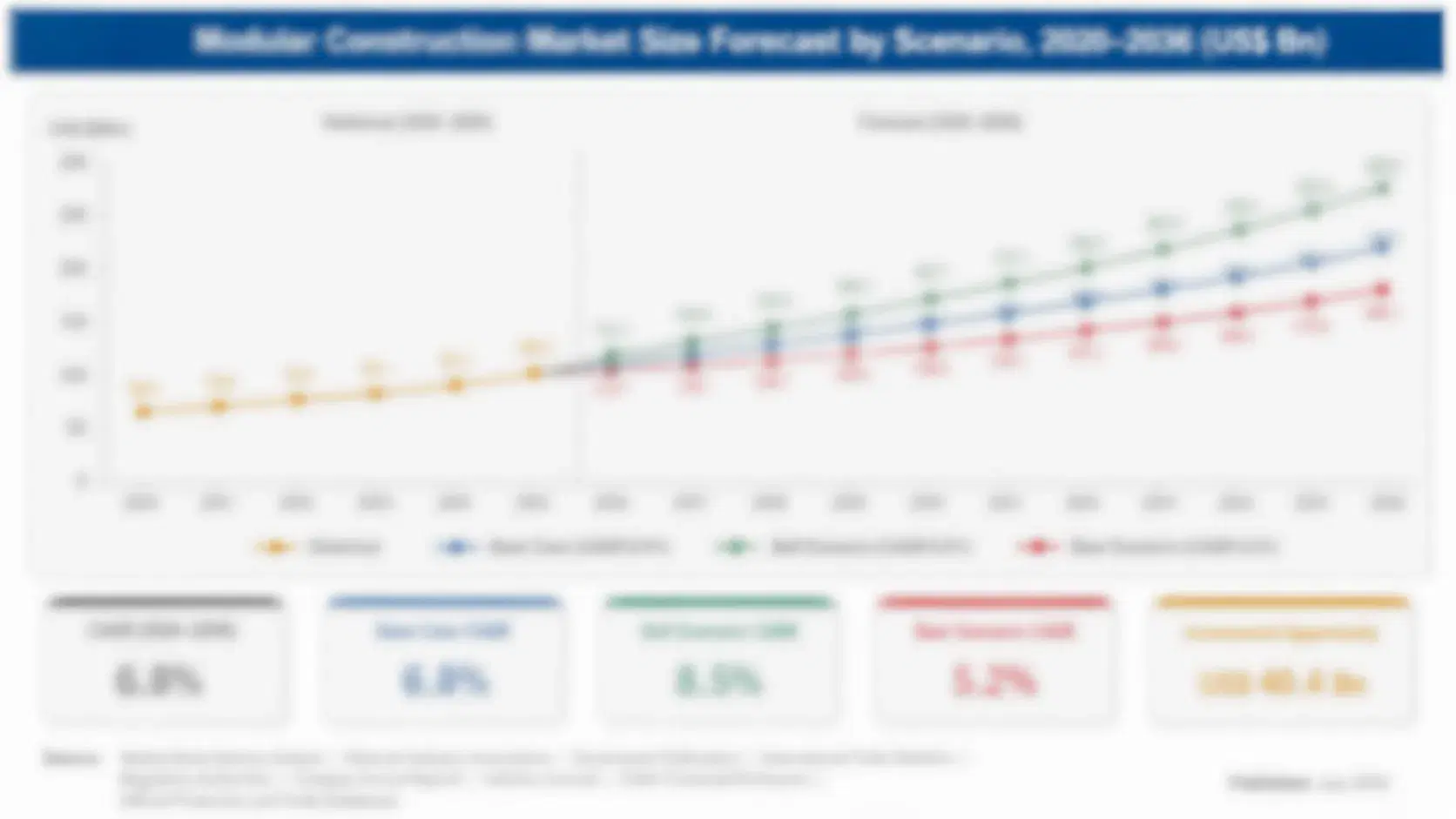
Sourdough Sweet Goods Market Forecast Scenarios

sourdough-sweet-goods-market-size-forecast-scenario-1789788737486
From 2020 to 2025, sourdough sweet goods moved from a home baking hobby toward a cafe and retail category. Lockdown starter culture spread the idea, cafes added sourdough cinnamon rolls and doughnuts, and supermarkets launched naturally leavened cakes and panettone. Growth ran slightly below today's pace, because supply stayed limited to small bakers and value came mainly from price premiums rather than volume.
The base case rests on three commercial mechanisms. First, cafe and bakery chains adopt sourdough laminated and bun formats to differentiate premium menus. Second, ingredient groups supply standardised cultures and frozen doughs that let mid-sized bakers scale without losing flavour. Third, clean-label pressure encourages natural preservation through fermentation, which replaces some additives. Each mechanism compounds slowly, and none needs a breakout year. Producers plan capacity around all three drivers. Buyers review ranges twice a year.
The bull case needs standardised sourdough definitions and reliable frozen sourdough dough, which would let supermarkets and chains scale quickly. The bear case is a butter and flour price spike combined with weaker discretionary spending, which would push buyers toward cheaper yeast-leavened sweets and force artisan bakers to raise prices sharply. Buyers react within one season.

Starter Consistency and Fermentation Time Decide Sourdough Winners

Sourdough sweet goods use a live culture of wild yeasts and lactic bacteria instead of, or beside, commercial yeast. The culture produces acids and aromas over many hours, gives a tangy edge that offsets sugar, and slows staling. Sweet doughs are harder to ferment than bread doughs because sugar, butter, and eggs stress the culture, so bakers use stronger starters and longer schedules.
MARKET CONCENTRATION22% CR5Leading five producers hold a modest combined share
PRICE PREMIUM35%Sourdough sweets sell above yeast-leavened equivalents per kilogram
FERMENTATION TIME16 hoursTypical dough fermentation time for premium sourdough sweets
BUTTER COST SHARE16%Portion of cost of goods taken by butter and fats
CAFE CHANNEL SHARE34%Portion of sales made through cafes and bakery chains
SHELF LIFE5 daysTypical shelf life of fresh sourdough sweet goods
Consistency decides value. A wild culture shifts with temperature, flour, and feeding schedule, so small bakers rely on experience while larger producers use controlled liquid or dried cultures and temperature-managed proofing. Ingredient groups sell standardised starters, and frozen dough makers ship pre-fermented pieces to cafes. Suppliers with laboratories and technical bakers win because a failed batch costs a chain far more than the culture.
Buyers judge sourdough sweets on flavour, texture, freshness, and label honesty. Cafe chains want dough that bakes reliably from frozen, while supermarkets want longer shelf life and clear claims. Private label entered supermarket sourdough recently and now takes a growing share, which caps premiums outside artisan and festive ranges and pushes branded bakers toward proof of fermentation time.
"Sourdough on a sweet product is a promise about time. The bakers who win will be the ones who can prove sixteen hours of fermentation without making a cinnamon roll cost double, because shoppers pay for slow flavour only until the price feels like a lecture."
Practice Lead, Artisan and Fermented Bakery Practice · MMA Naturally Leavened Sweet Bakery Practice · September 2026

Market Trends

Sourdough Cinnamon Rolls and Buns Turn Cafes Into Premium Destinations

Cafes and bakery chains now sell sourdough cinnamon rolls, cardamom buns, and doughnuts at 30% to 50% above yeast versions, using long fermentation to justify the price. Social media photos of glazed rolls drive queues, and some cafes sell out before noon. Frozen sourdough dough lets chains bake in store and hold quality across outlets. Suppliers that offer 12 to 18 hour fermented dough with consistent proof times win contracts, and cafes report that sourdough items lift average ticket size and repeat visits noticeably. Cafes report queues forming before opening each weekend.
Market Impact: 50% of shoppers pay more
Frozen Sourdough Doughs Let Chains Scale Artisan Flavour

Ingredient groups and frozen dough makers now supply pre-fermented sourdough croissant, danish, and bun dough that bakes from frozen in cafe ovens. Standardised cultures cut fermentation from 24 hours to 12, and controlled proofing holds acid levels steady. Chains use the dough to add sourdough items across hundreds of outlets without hiring specialist bakers. Frozen sourdough costs 15% to 25% more than yeast dough, though customers accept the premium when flavour and appearance match artisan bakeries and complaints stay low. Suppliers also provide oven programmes and training videos, which cut errors in outlets with high staff turnover.
Market Impact: 500-outlet chains buy 1,000+ tonnes yearly

Market Opportunities and Growth Drivers

Clean-Label and Digestibility Perceptions Support Sourdough Premiums

Shoppers associate sourdough with natural fermentation, fewer additives, and easier digestion, though evidence for the last claim is limited. Fermentation lowers pH and slows mould, so bakers can cut some preservatives and dough conditioners and print shorter ingredient lists. Surveys show that about half of shoppers in the United States and Europe say they pay more for naturally leavened bakery. Brands that publish fermentation hours and flour origin win trust, and retailers give clean-label ranges better shelf placement across bakery aisles. Retail buyers echo the same message in range reviews each spring.
Market Impact: fermentation adds 20-30% to unit cost

Cafe and Bakery Chain Expansion Adds Premium Sweet Formats

Chains such as Paul, Pret, Paris Baguette, and Tous les Jours keep opening stores in Europe, Asia, and North America, and each menu now includes sourdough pastries or buns. A chain with 500 outlets can buy 1,000 to 3,000 tonnes of dough a year. Cafes add sourdough items to differentiate from supermarket bakeries and coffee competitors. Suppliers offering consistent frozen dough and technical support win multi-year contracts, and expanding chains rarely switch a validated supplier once a recipe is approved. New outlets open in transport hubs and office districts, where sourdough items attract commuters with premium tickets.
Market Impact: quality varies 10-20% between batches

Market Restraints and Challenges

Long Fermentation and Labour Costs Squeeze Small Bakery Margins

Premium sourdough sweets ferment for 12 to 24 hours, which ties up proofing space and requires night shifts for feeding and shaping. Labour and space add 20% to 30% to cost per unit compared with yeast doughs. The root cause is that wild cultures work slowly and need attention at set times. Mitigations include controlled proofing rooms, liquid cultures, frozen dough, and retarded schedules, though each needs capital that small bakers lack, and shoppers resist price rises beyond 40% over yeast versions. Bakers also report that staff turnover makes overnight feeding schedules hard to maintain.
Market Impact: sourdough buns sell 30-50% above yeast

Starter Consistency and Labelling Disputes Undermine Category Trust

Wild cultures vary with flour, temperature, and feeding, so quality can change from batch to batch, and shoppers who buy a flat, sour cinnamon roll may not return. Labelling adds another risk, since some brands add commercial yeast and call products sourdough, which triggers complaints from bakers and consumer groups. The root cause is loose legal definitions in most markets. Suppliers respond with standardised cultures, fermentation time labels, and third-party audits, though a common standard is still years away. Retailers and consumer groups increasingly ask bakers to prove fermentation time when premium prices are charged.
Market Impact: frozen sourdough costs 15-25% more
3 additional market trends, 2 additional growth drivers, and 3 additional restraints and challenges are covered in the full report. Contact sales@marketmindsadvisory.com to access the complete intelligence.

Segment CAGR and Growth Architecture

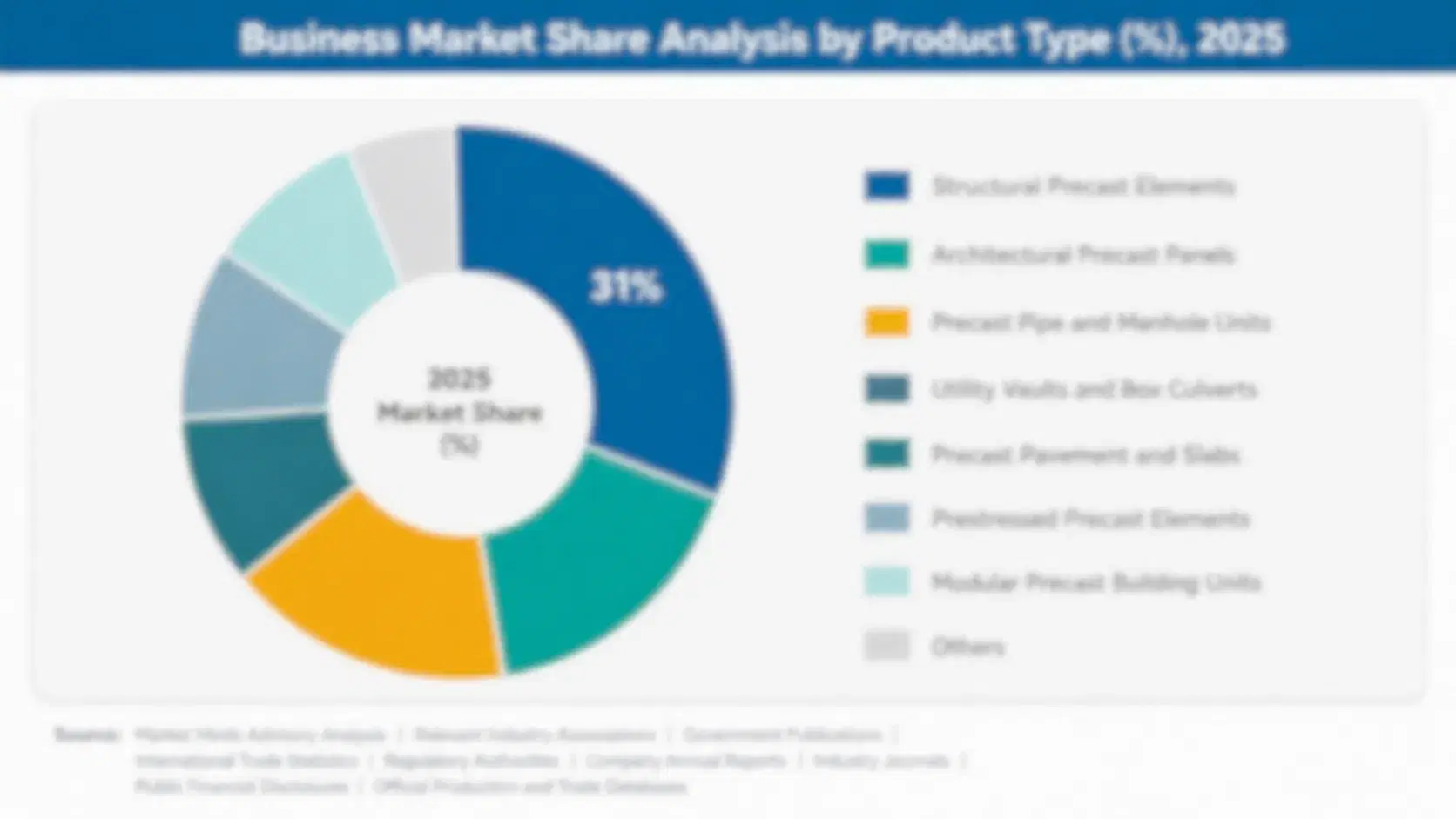
Sourdough sweet goods are segmented by product format, which shows where fermentation skill and pricing power sit. Six segments cover cakes and loaf sweets, panettone and festive breads, doughnuts and fried sweets, laminated pastries, cinnamon rolls and buns, and cookies and biscuits. Two segments grow fastest, and each depends on a different driver, cafe menus or croissant chains.
sourdough-sweet-goods-market-market-share-analysis-1789788737802

Sourdough Cinnamon Rolls and Buns

Sourdough cinnamon rolls and buns are the fastest-growing segment, at 10.2% a year, about 1.38 times the overall market rate. Cafes and bakery chains use them to sell fermented flavour in a familiar treat, and supermarkets add chilled and frozen packs. Prices run 30% to 50% above yeast versions. Fermentation time and butter cost are the main constraints, since laminated and enriched doughs stress the culture, so suppliers offer frozen dough with standard proof times. Brands with reliable dough and clear fermentation labels win chain contracts, and social media demand lifts trial across cafes and retail. Online bakeries ship boxed rolls nationwide within two days, and hotel breakfast buffets add them to weekend menus.
CAGR 10.2%

Sourdough Laminated Pastries

Sourdough laminated pastries grow at 9.0% a year, because croissant and danish chains adopt long fermentation to differentiate premium menus and defend against supermarket bakeries. Suppliers use pre-fermented doughs, butter sheets, and controlled proofing to hold lamination under acid conditions. Prices run 25% to 45% above yeast pastries, and butter takes a large share of cost. The main risk is technical, since acidity weakens gluten and butter layers can leak, so bakers tune flour strength and temperature. Chains with central dough plants and technical bakers win specification and stable supply. Hotel bakeries and premium supermarkets list them beside standard croissants, and food critics review lamination quality, which lifts brand awareness among younger shoppers.
CAGR 9.0%
Full segment breakdown across 6 segments available in the complete report.

Regional Architecture and Country Demand Map

Sourdough sweet goods value follows artisan bakery traditions, cafe chains, and festive baking. Western Europe leads through panettone, viennoiserie, and Nordic buns, North America through cafes and retail, and East Asia through premium bakery chains, while South Asia and Pacific grows fastest from a smaller base.

North America

North America holds 30% share, with the United States and Canada leading through cafe chains, artisan bakeries, and supermarket in-store bakeries that market sourdough cinnamon rolls, doughnuts, and cakes at premium prices. Grupo Bimbo, Flowers Foods, Dawn Foods, and independent bakers lead. Home-baking culture from the pandemic sustains demand, and frozen dough suppliers scale chain rollouts. Growth tracks the global rate as clean-label positioning matures. North America and Western Europe hold the top two positions because both combine cafe chains with heavy premium bakery spending. Butter costs restrain margins. Costco and Whole Foods stock sourdough cinnamon rolls, and cafes in Portland, Austin, and Brooklyn sell out early, which lifts trial across nearby stores each week.
Share: 30% | CAGR: 7.2% (2026 to 2036)

Western Europe

Western Europe holds 38% share, above its usual band, because Italian panettone and colomba, French viennoiserie, German and Nordic sweet buns, and the United Kingdom's artisan bakery culture all use naturally leavened dough and sit in the region. Bauli, Balocco, Tre Marie, Puratos, Lesaffre, and Lantmannen Unibake lead. Christmas panettone alone carries large seasonal volume, and cafe chains such as Paul and Pret add sourdough pastries year-round. Growth stays below the global rate because the base is mature, butter and energy costs are high, and shoppers already know the category. Supermarkets in the United Kingdom and Germany list sourdough sweet buns beside standard rolls, and Swedish and Danish cafes sell cinnamon buns throughout the year.
Share: 38% | CAGR: 6.2% (2026 to 2036)
Regional intelligence for 5 additional markets available in the complete report: East Asia, South Asia and Pacific, Latin America, Middle East and Africa, Eastern Europe. Contact sales@marketmindsadvisory.com.
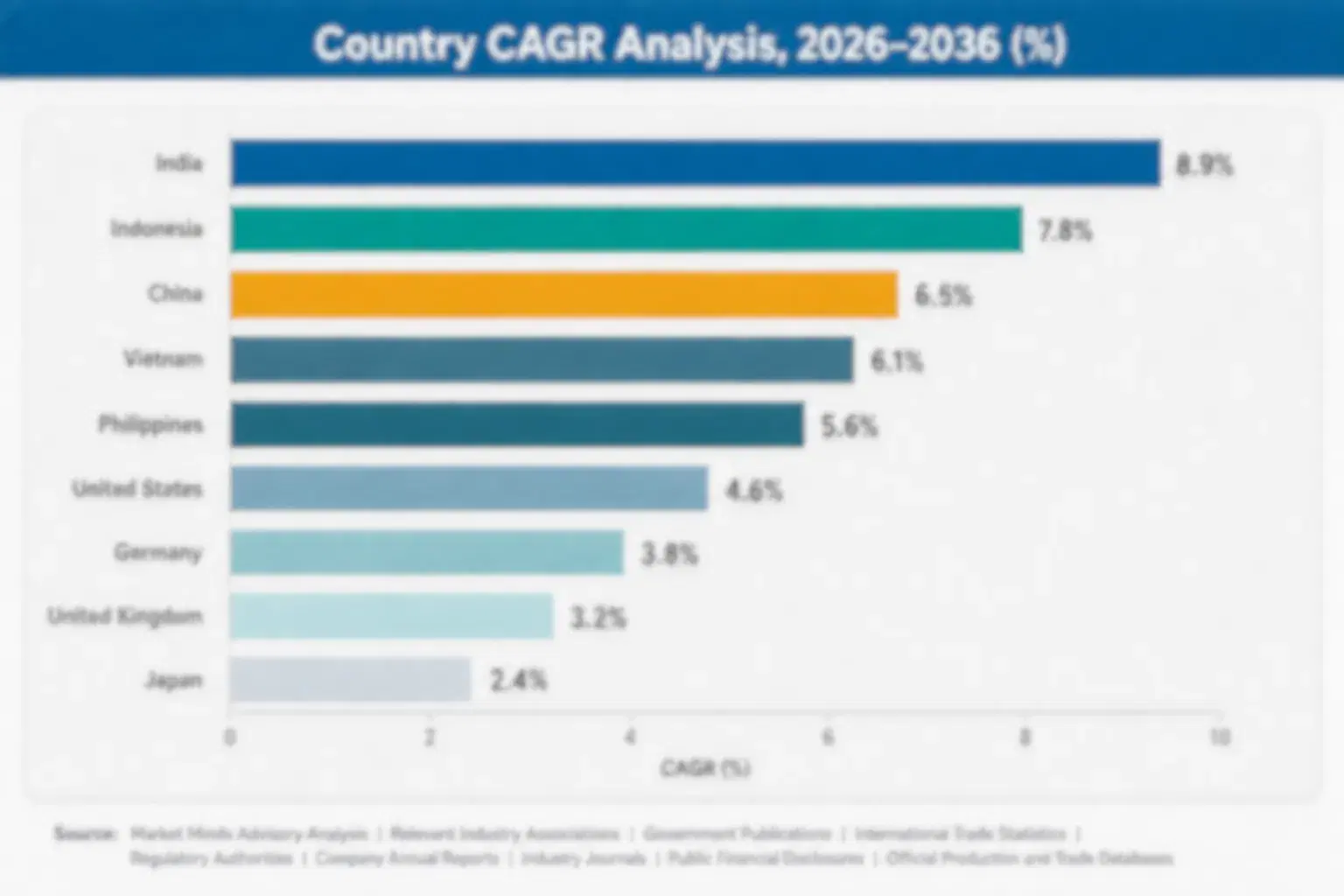
sourdough-sweet-goods-market-country-cagr-analysis-1789788738095

Four Margin Routes for Sourdough Sweet Bakers

Margin in sourdough sweet goods comes from format mix, frozen dough scale, proof-time transparency, and butter cost control rather than volume alone. The routes below apply to artisan bakers, bakery chains, and ingredient groups, and each can be started inside one planning cycle, with clear measures in gross margin points, price per unit, and proofing room utilisation.

Selling Sourdough Cinnamon Rolls and Buns Through Cafe Chains

Sourdough cinnamon rolls and buns sell at 30% to 50% above yeast versions, and cafe chains use them to lift average ticket size and queue appeal. Bakers that supply frozen pre-fermented dough with standard proof times, publish fermentation hours, and offer seasonal flavours report margin gains of 5 to 8 points on those lines. Contracts fix volume early, which lets plants buy butter forward and plan proofing capacity, while chains reward reliable supply with multi-year agreements across their estate. Chains also value the format because rolls sell out early and lift footfall on weekends.
Market Impact: bun lines lift blended margin 5 to 8 points

Supplying Frozen Sourdough Dough to Bakery and Cafe Chains

Frozen sourdough dough costs 15% to 25% more than yeast dough, and chains with 500 outlets can buy 1,000 to 3,000 tonnes a year without hiring specialist bakers. Suppliers that use standardised cultures, controlled proofing, and central dough plants cut fermentation from 24 hours to 12 and hold acid levels steady. Payback on a dedicated frozen line runs three to four years, and validated recipes lock in customers because chains rarely change approved suppliers. Central plants also cut waste, since dough is portioned once and shipped frozen to outlets that bake only what they sell each day.
Market Impact: frozen dough lifts plant margin by 4-6 points

Labelling Fermentation Hours to Defend Premium Pricing Claims

Shoppers pay 25% to 45% more for sourdough sweets, but disputes over yeast-assisted products threaten trust. Brands that print fermentation hours, list starters, and accept third-party audits defend premiums and win retailer support. Audits cost $10,000 to $30,000 per plant and labels add little cost, while repeat purchase rises by 10% to 15% among shoppers who trust the claim. Transparent claims also protect against competitors that borrow the word without the process. Retailers also use audited labels in tender documents, so certified bakers gain access to supermarket contracts that require documented claims from suppliers.
Market Impact: transparent fermentation labels lift repeat purchase by 10-15%

Hedging Butter and Flour Costs Under Annual Supply Contracts

Butter takes about 16% of cost of goods and flour about 28%, and butter prices can move 30% to 50% within a year, so forward contracts protect margin more than price increases do. Bakers that fix butter volumes for 12 months, dual-source from Europe and New Zealand, and blend cultured butter into premium lines only reduce cost swings by roughly half. Retail buyers accept price changes slowly, so hedging stabilises gross margin at 32% to 40% across ranges. Small bakers can join buying groups that pool volume and storage, which gives them volume pricing without carrying inventory alone.
Market Impact: forward buying halves swings and holds 32-40% margin

Who Controls the Margin Pool

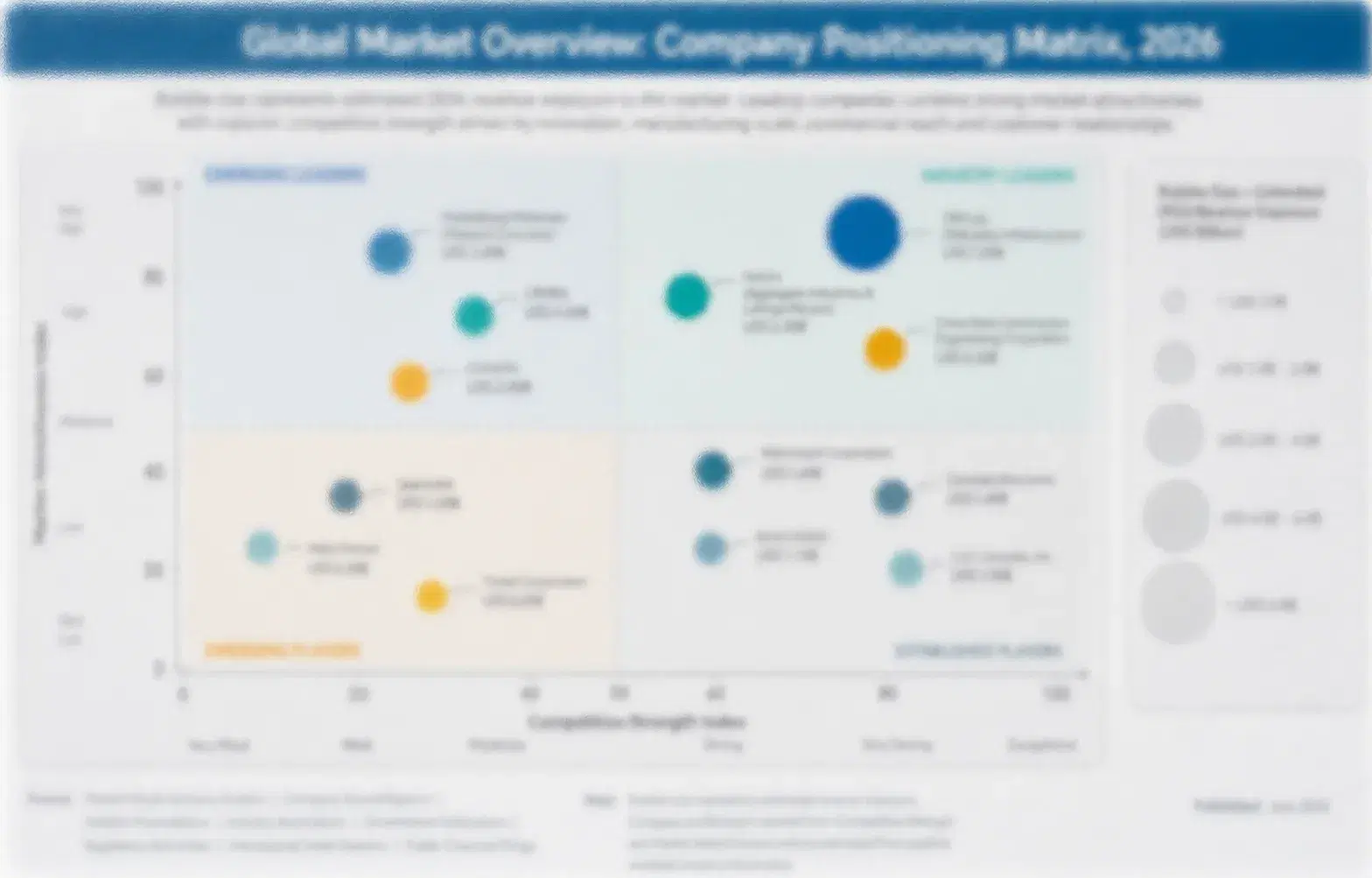
The sourdough sweet goods industry is fragmented, with a CR5 of 22%, and thousands of artisan bakeries, cafe chains, and private label suppliers sit outside the leading five. This assessment measures participants on estimated sourdough sweet dough and finished goods volume, held constant across all players. Puratos leads through cultures and dough systems, while Lesaffre, Bauli, Grupo Bimbo, and Lantmannen Unibake follow with a modest gap between the leader and the challengers.
Competition runs on four dimensions today: starter consistency, fermentation time and flavour, frozen dough logistics, and cafe chain relationships. Ingredient groups win on cultures and technical bakers, while festive bakers win on brand heritage and seasonal volume. Private labels copy supermarket sourdough lines quickly, so premiums outside artisan and frozen chain formats erode within a year.

Emerging pressure comes from cafe chains that consider making their own dough, ingredient groups that buy artisan bakeries, and regional brands in Asia that adapt sourdough to local tastes. Rankings shift where a supplier secures stable cultures, builds frozen capacity, or wins chain specification. Regional bakers in Seoul and Melbourne can move up quickly, since local taste knowledge and cafe relationships matter more than global scale.
sourdough-sweet-goods-market-company-positioning-matrix-1789788738425

Competitive Moat and Risk Dimensions

PURATOS

Moat: Sourdough Culture and Dough Systems

Puratos is a global bakery ingredient group known for sourdough cultures and dough improvers, with technical bakers and innovation centres serving artisan and industrial customers in over 100 countries. Its standardised sourdough products let bakers scale flavour, while long customer relationships and training programmes support specification and repeat orders.
PURATOS

Risk: Chain Insourcing and Price Pressure

Puratos depends on bakery customers that can switch ingredients, and large chains may bring culture production in-house to cut cost. Butter, sugar, and cocoa inflation also squeeze customer margins, which raises price pressure on ingredient suppliers, while private label and regional rivals copy standard cultures.
BAULI

Moat: Panettone and Festive Brand Heritage

Bauli is a major Italian festive bakery group with panettone, pandoro, and croissant brands sold through supermarkets in Italy and export markets. Its naturally leavened panettone tradition, long fermentation know-how, and national distribution give it seasonal volume and brand trust that small bakers cannot match in retail.
BAULI

Risk: Seasonality and Premium Competition

Bauli depends on Christmas and Easter seasons, so working capital peaks before revenue arrives, and butter and egg costs squeeze margins under fixed retail contracts. Artisan panettone makers charge much higher prices and win gourmet buyers, while private labels compete on supermarket shelves across Italy and Europe.

Players Tracked

Prominent Players

Puratos
Lesaffre
Bauli
Grupo Bimbo
Lantmannen Unibake

Other Key Players

Aryzta
Europastry
Vandemoortele
Balocco
Tre Marie
Loison Pasticceri
Dawn Foods
Bakemark
Yamazaki Baking
SPC Group
CJ Foodville
Flowers Foods
Barilla
Lallemand
Rich Products

Recent Developments

JANUARY 2026

Puratos Launches Standardised Sweet Sourdough System for Cafe Chains

Puratos announced a standardised sourdough system for sweet doughs aimed at cafe chains, cutting fermentation time while holding acid and aroma. It is a product launch, and it tests whether chains will pay premiums for consistent sourdough rolls and pastries across hundreds of outlets. Pricing was not disclosed.
Signal: Confirms leading ingredient groups now design sourdough systems specifically for sweet doughs and cafe chain scale.
FEBRUARY 2026

Lantmannen Unibake Expands Frozen Sourdough Cinnamon Bun Range in Europe

Lantmannen Unibake expanded a frozen sourdough cinnamon bun range for European cafes and retailers, using pre-fermented dough that bakes from frozen. It is a product range extension, and it tests demand for premium buns in Nordic and Western European cafes where cinnamon buns are part of daily habits.
Signal: Shows established frozen bakery groups now use sourdough to premiumise traditional buns in mature Nordic and European cafes.
MARCH 2026

Bauli Extends Naturally Leavened Panettone Sales Beyond the Christmas Season

Bauli announced smaller panettone formats for year-round sale in Italian supermarkets and export markets, positioned as naturally leavened cakes for breakfast. It is a product line extension, and it tests whether festive bakers can spread demand beyond the Christmas peak. Volumes were not disclosed. Timing depends on retailer approvals.
Signal: Indicates festive bakers are testing year-round formats to flatten seasonality and use sourdough capacity through the year.

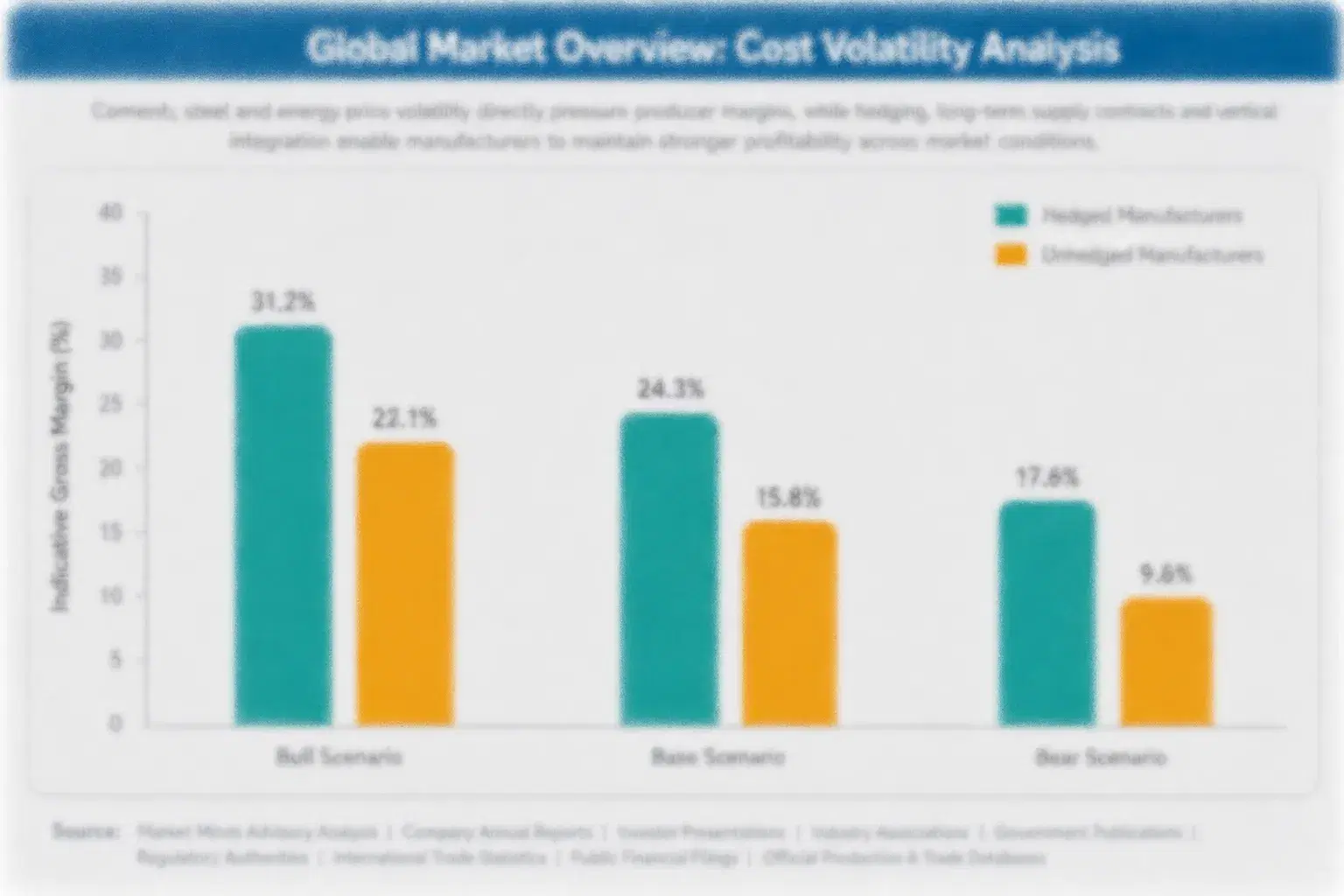
What Drives Sourdough Sweet Goods Costs

Flour accounts for roughly 28% of cost of goods, butter and fats about 16%, sugar 10%, eggs eight percent, and packaging seven percent. Labour and proofing space carry the remainder because long fermentation needs night shifts and temperature-controlled rooms. Wheat comes from the European Union, North America, and Australia, while butter comes from Europe, New Zealand, and the United States, so origin exposure varies by region.
The clearest recent shock came from butter. European Commission dairy market data showed butter prices at record levels in early 2025 after weak milk supply and strong demand, and United States Department of Agriculture reports showed similar pressure. Bakers raised prices by 8% to 15%, shrank portions, or blended margarine into lower tiers, which squeezed gross margin by two to four points through the following year.

The competitive disadvantage falls on small artisan bakeries, which buy butter in small lots at spot prices and cannot reprice menus quickly. Large groups sign forward contracts and spread costs across many lines, while chains pass costs to consumers through premium pricing. Exposure also varies by geography, since European bakers buy local butter and Asian bakers pay import duties and freight.
sourdough-sweet-goods-market-cost-volatility-analysis-1789788738744

Contracting Butter and Flour Under Annual Forward Agreements

Bakers sign annual agreements for butter, flour, and eggs, fixing volumes and price bands ahead of seasonal peaks. Dual sourcing from Europe and New Zealand reduces disruption risk. Forward contracts cut cost swings by roughly half, though they need working capital and forecasting skill that only larger bakers and chains usually provide. Terms usually run one year.

Using Frozen Sourdough Dough to Cut Labour and Proofing Costs

Bakers buy pre-fermented frozen dough from ingredient groups and bake in store, cutting labour and proofing space per unit. Frozen dough reduces night shifts and lowers waste by 10% to 20%. The main risk is quality perception, so bakers test recipes with customers and keep artisan lines for premium menus. Sales data guides the mix.

Blending Cultured Butter Into Premium Lines and Margarine Into Others

Bakers use cultured butter in premium lines that support higher prices and blended fats in lower tiers. Blending cuts fat cost by 10% to 20% per kilogram in those products. The main risk is customer perception, so labels state fat sources clearly. Buyers approve early, and pastry technologists check laminating performance before scaling any change.

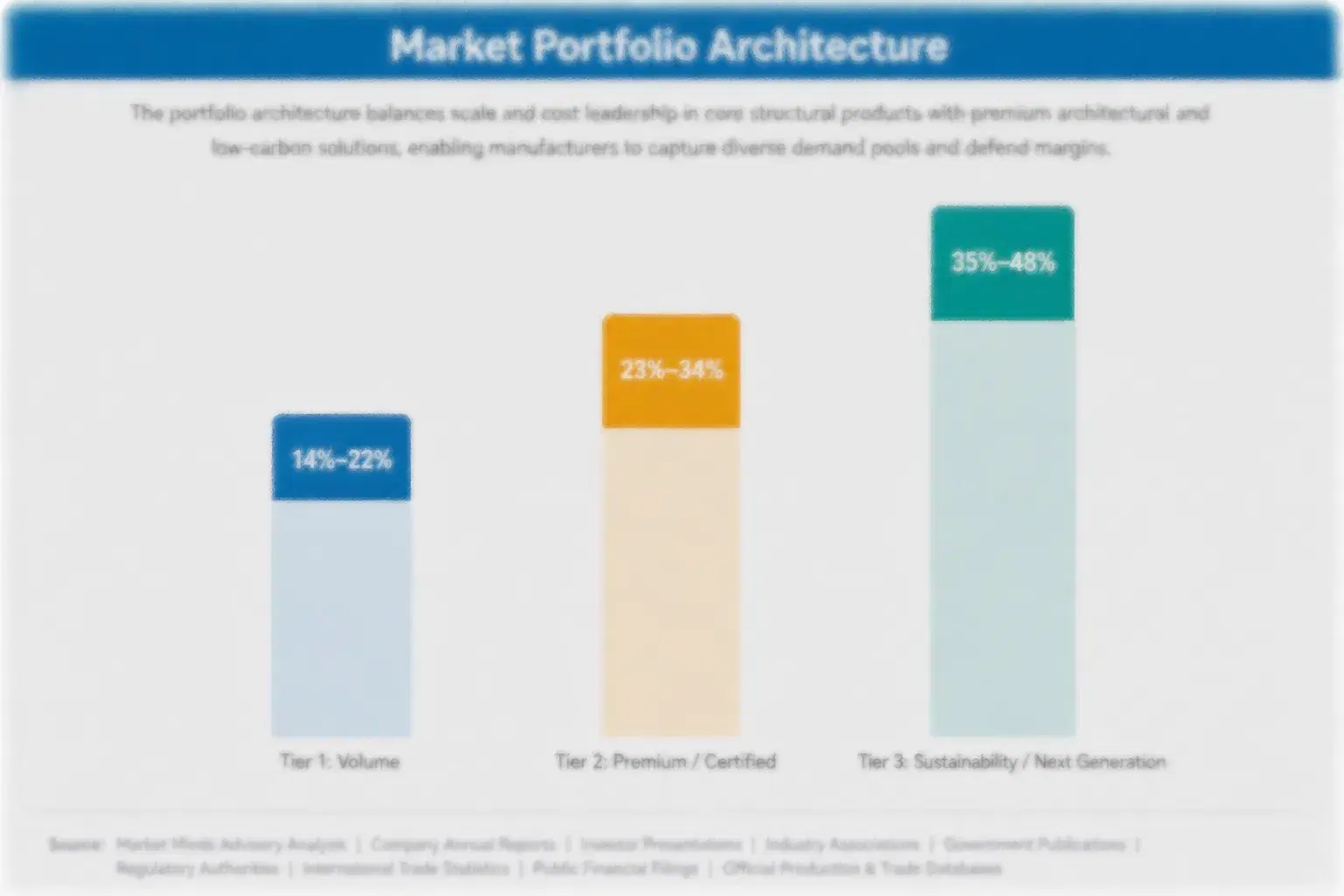
Portfolio Architecture for Margin Defence

Margins run from thin returns on standard yeast-assisted sweet goods sold through supermarkets and private label programmes to strong returns on true sourdough buns, pastries, and panettone sold through cafes, gourmet retail, and online storefronts. Three tiers separate volume products, certified premium lines, and next-generation formats, and each tier draws on different buyer groups, culture systems, and contract terms.
The tension between volume and premium is sharp. Volume lines protect plant utilisation and retailer relationships but face constant price pressure from private labels, while premium lines earn higher margins on smaller volumes and depend on culture consistency, proof-time claims, and freshness. Bakers that run only volume struggle to fund cultures and labelling audits, while bakers that run only artisan lack the volume to keep proofing rooms full through the week.

High-value pools concentrate in sourdough cinnamon rolls for cafe chains, laminated pastries for premium bakeries, and festive panettone sold through gourmet retail. They gather where buyers pay for flavour, story, or trust rather than weight of product. Cafe chains, hotel bakeries, and online gift platforms add further value, since these buyers ask for documented fermentation, reliable delivery, and consistent quality, and they reorder without shopping on price.

Volume / Commodity-Adjacent Tier

Sweet goods with light sourdough character sold in bulk to supermarkets and private label programmes, with thin margins, flour and butter cost exposure, and constant price competition from yeast-leavened sweets, where shoppers switch on price, promotion, and pack size.
Gross Margin: 22%-32%

Premium / Certified Tier

True sourdough buns, pastries, and panettone with documented fermentation hours, consistent culture, and labelled ingredients, sold through cafes, gourmet retail, and bakery chains that require verified claims, reliable delivery, and stable quality across seasons and promotions.
Gross Margin: 32%-44%

Sustainability / Regulatory / Next-Generation Tier

Frozen sourdough dough, ancient grain sourdough sweets, and audited naturally leavened ranges, sold through chains, subscriptions, and gift platforms to buyers who pay premiums for clean labels, provenance, and consistent performance across large multi-outlet cafe estates.
Gross Margin: 36%-52%
sourdough-sweet-goods-market-portfolio-architecture-1789788739038

High-value Sub-segments and Strategic Watch-out

Sourdough Cinnamon Rolls and Buns

Sourdough cinnamon rolls and buns combine the fastest growth with strong pricing, since cafes and shoppers pay 30% to 50% premiums for slow flavour in a familiar treat. Dough consistency and fermentation labels limit competition, and suppliers with cafe contracts win queues. Repeat purchase compounds.
Gross Margin: 36%-52%

Sourdough Laminated Pastries

Sourdough laminated pastries deliver strong growth and healthy pricing, since premium chains pay 25% to 45% premiums for long-fermented croissants and danish. Butter cost and lamination skill form the entry barrier, and suppliers with central dough plants win specification and stable supply. Trials scale. Volumes follow.
Gross Margin: 32%-44%

Sourdough Cakes and Loaf Sweets

Sourdough cakes and loaf sweets form the volume core, sold through supermarkets and bakeries at moderate margins. Growth is steady, at about 6.4% a year, as banana bread and fruit loaves adopt sourdough claims. Flour cost, culture skill, and shelf life decide profit, and retailers use them as everyday lines.
Gross Margin: 22%-32%

Sourdough Panettone and Festive Breads

Sourdough panettone and festive breads are the strategic watch-out, since demand concentrates at Christmas and Easter, working capital peaks early, and artisan rivals charge far higher prices. Brands should test year-round formats with retailers before scaling, because seasonality and butter costs can erode margin. Evidence decides pace.
Gross Margin: 26%-38%

Why Sourdough Sweet Buyers Keep Ordering

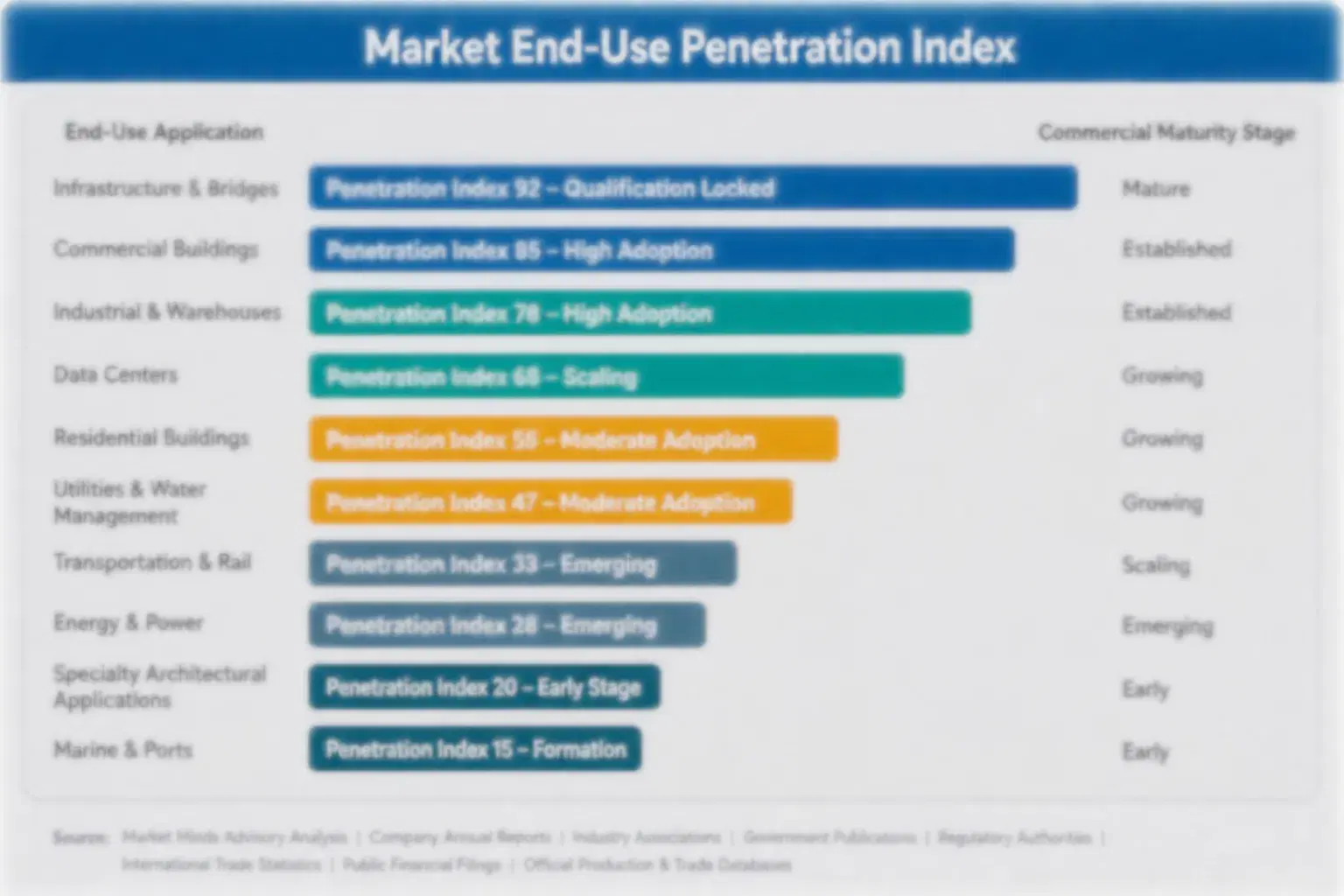
Sourdough sweet goods demand behaves like an annuity once a cafe or shopper finds a bun that tastes right. Cafes reorder daily, and a satisfied chain typically stays with the same dough supplier for years, because switching means retesting recipes and risking a failed launch. Distributors add predictability, and retailers use last season sales to fix range reviews, so successful lines earn steadier orders than launches driven by promotion alone.
Adoption stickiness differs by vertical. Cafe chains and bakery groups are the deepest, since frozen dough is written into menu specifications and validated across ovens and proof times. Supermarket bakeries are almost as loyal, because contracts standardise recipes across hundreds of stores. Independent bakeries are shallower and switch on culture price, while home bakers follow trends and tutorials, and private label buyers follow tender rounds.

Buyer profiles are shifting between generations. Older shoppers buy sourdough for tradition and festive occasions and trust established brands, while younger buyers care about fermentation hours, cafe experience, and social media appeal. Suppliers that publish fermentation data, list ingredients clearly, and use social media for recipe ideas win younger buyers and keep them as tastes mature.
sourdough-sweet-goods-market-end-use-penetration-index-1789788739346

MMA Verdict on Sourdough Sweet Strategy

These are among the four positions where our research anticipates prominent divergence between winners and laggards over the coming forecast period. Each is grounded in the demand model, the regulatory perimeter, and the announced capacity pipeline.
01 / CAFE BUN STRATEGY

Lock Cafe Chain Contracts With Standard Frozen Sourdough Bun Dough

Sourdough cinnamon rolls and buns grow at 10.2% a year, about 1.38 times the market rate, and they sell at 30% to 50% above yeast versions, so early chain contracts pay back inside roughly three years on most lines. Winners supply frozen pre-fermented dough with standard proof times, publish fermentation hours, and offer seasonal flavours before chains lock in specifications with rivals. Suppliers that wait will find menus committed to competitors, and switching costs will protect those incumbents for years.
02 / FROZEN DOUGH SCALE STRATEGY

Invest in Central Frozen Sourdough Capacity to Serve Chain Rollouts

Chains with 500 outlets can buy 1,000 to 3,000 tonnes of dough a year, and frozen sourdough sells at 15% to 25% above yeast dough, so a central dough plant typically pays back in roughly three to four years. Suppliers should standardise cultures, control proofing, and validate recipes with technical bakers before rollouts begin. Bakers that stay artisan will remain unable to serve chains and will lose volume growth to ingredient groups with scale and reliable systems across the coming decade.
03 / LABEL INTEGRITY STRATEGY

Print Fermentation Hours and Accept Audits to Defend Premium Prices

Shoppers pay 25% to 45% more for genuine sourdough sweets, but the absence of a legal definition in most markets invites yeast-assisted products that borrow the word without the process. Brands that print fermentation hours, list starters, and accept third-party audits at $10,000 to $30,000 per plant defend premiums, win retailer support, and lift repeat purchase by 10% to 15%. Those that stay vague will lose trust when disputes reach consumer groups and retailers tighten standards across premium ranges and cafe menus.
04 / BUTTER COST DISCIPLINE STRATEGY

Hedge Butter and Flour and Blend Fats to Protect Margin

Butter takes about 16% of cost of goods and can move 30% to 50% within a year, so unhedged bakers lose several margin points when menu prices are already fixed for the season. Bakers should sign forward contracts, dual-source from Europe and New Zealand, and blend cultured butter into premium lines only. Those that delay will absorb cost spikes, shrink portions, or lose retailer trust before the next range review arrives and competitors already hold stable supply for the following year.

Engagement Snapshot From the Field

A live engagement with an industry participant carrying material or product regulatory and market exposure ahead of a defining policy shift, showing how our research translates into a defensible multi-year portfolio strategy.
MARKET MINDS ADVISORY · CLIENT ENGAGEMENT SUMMARY
Sourdough Sweet Goods Producer Strategic Portfolio Review and Transition Roadmap 2026·Investment Scenario on Sourdough Sweet Goods Exposure Evaluation 2025-26
CLIENT PROFILE
The client is a mid-sized European bakery chain with annual sales near EUR 140 million (client-reported, unverified by MMA), 180 outlets, and a central bakery producing yeast-leavened buns, croissants, and cakes. It had two sourdough breads, no sweet sourdough lines, and rising customer requests for naturally leavened pastries and cinnamon rolls at its cafe outlets.
STRATEGIC CHALLENGE
Sweet pastry sales were flat, competitors were advertising sourdough cinnamon rolls, and butter costs were squeezing margins. Management needed to decide whether to build in-house cultures, buy frozen sourdough dough, or partner with an ingredient group, with limited capital and only one central bakery able to run long fermentation schedules.
MMA APPROACH
MMA analysed sales and cost data across 70 products, interviewed 12 cafe managers, eight ingredient suppliers, and six pastry technologists, and ran a customer survey on sourdough claims and price tolerance across three countries. It modelled margin by product and channel, tested dough options against pilot bakes, and ranked investments by payback period and execution risk.
KEY FINDINGS
  1. Sourdough cinnamon rolls could reach 9% of pastry sales within two years at margins 8 points above yeast rolls (client-reported, unverified by MMA).
  2. Frozen sourdough dough from an ingredient partner could cut labour and proofing cost by 15% per unit compared with building in-house cultures.
  3. Customers accepted a 35% premium when fermentation hours were printed on menus, and repeat purchase rose 12 points among trial buyers within a year.
  4. Forward butter contracts on 70% of volume could protect about three margin points when dairy prices moved sharply over a 12-month cycle.
CLIENT PROFILE
The client is a mid-sized European bakery chain with annual sales near EUR 140 million (client-reported, unverified by MMA), 180 outlets, and a central bakery producing yeast-leavened buns, croissants, and cakes. It had two sourdough breads, no sweet sourdough lines, and rising customer requests for naturally leavened pastries and cinnamon rolls at its cafe outlets.
STRATEGIC CHALLENGE
Sweet pastry sales were flat, competitors were advertising sourdough cinnamon rolls, and butter costs were squeezing margins. Management needed to decide whether to build in-house cultures, buy frozen sourdough dough, or partner with an ingredient group, with limited capital and only one central bakery able to run long fermentation schedules.
MMA APPROACH
MMA analysed sales and cost data across 70 products, interviewed 12 cafe managers, eight ingredient suppliers, and six pastry technologists, and ran a customer survey on sourdough claims and price tolerance across three countries. It modelled margin by product and channel, tested dough options against pilot bakes, and ranked investments by payback period and execution risk.
KEY FINDINGS
  1. Sourdough cinnamon rolls could reach 9% of pastry sales within two years at margins 8 points above yeast rolls (client-reported, unverified by MMA).
  2. Frozen sourdough dough from an ingredient partner could cut labour and proofing cost by 15% per unit compared with building in-house cultures.
  3. Customers accepted a 35% premium when fermentation hours were printed on menus, and repeat purchase rose 12 points among trial buyers within a year.
  4. Forward butter contracts on 70% of volume could protect about three margin points when dairy prices moved sharply over a 12-month cycle.
RECOMMENDED STRATEGY
Phase 1: Phase 1 (Months 1-6): Sign a frozen sourdough dough partnership, add butter forward contracts, and pilot cinnamon rolls in 20 outlets with printed fermentation hours. Phase 2: Phase 2 (Months 7-18): Roll out sourdough rolls and laminated pastries to all outlets, train staff, and set up a controlled proofing room at the central bakery. Phase 3: Phase 3 (Months 19-30): Add festive sourdough cakes, test year-round panettone-style loaves, and negotiate multi-year supply terms with the dough partner.
OUTCOME
Within 30 months, sourdough products reached 17% of pastry sales, average ticket size rose 6%, and gross margin improved by four points (client-reported, unverified by MMA). The client cut waste by 14%, signed a multi-year dough agreement, and won two industry awards for pastry innovation, while customer reviews named its rolls among the best in the city.

Frequently Asked Questions

Foundational context covering the market sizes, CAGR, scope, country, region and competition that inform every finding below. This section is provided to cover basics and most often pre-purchase conversations, answered from the MMA Primary Research Dataset.

What is the current size of the Sourdough Sweet Goods Market?

The global sourdough sweet goods market was valued at $2.2 billion in 2025. Growth is supported by cafe chain expansion, clean-label positioning, and frozen dough scale across major markets.

How large will the Sourdough Sweet Goods Market be by 2036?

The market is projected to reach $4.83 billion by 2036, up from $2.36 billion in 2026. The increase of $2.46 billion reflects cafe bun formats, frozen sourdough dough, and laminated pastry adoption.

What is the CAGR for the Sourdough Sweet Goods Market 2026 to 2036?

The market is forecast to grow at a 7.4% CAGR from 2026 to 2036. The bull case reaches 8.8% and the bear case 6.0%, depending on butter costs and standardised definitions.

Which segment is growing fastest?

Sourdough Cinnamon Rolls and Buns is the fastest-growing segment at 10.2% CAGR, roughly 1.38 times the overall market rate. Sourdough Laminated Pastries follows as the second-fastest segment at 9.0% CAGR each year.

Who are the major companies in the Sourdough Sweet Goods Market?

Major companies include Puratos, Lesaffre, Bauli, Grupo Bimbo, and Lantmannen Unibake. Aryzta, Europastry, Vandemoortele, Balocco, and private label suppliers also hold meaningful positions in Europe and North America.

Which country is growing fastest?

South Korea is the fastest-growing country at a 9.6% CAGR, driven by premium bakery chains, cafe culture, and younger shoppers seeking artisan flavour. Australia and India follow through cafe expansion and cloud bakeries.

Report Segmentation Architecture

The full report scope spans multiple orthogonal segmentation dimensions, with cross-tabulated demand data provided for each dimension pair. Coverage extends further to regional breakdowns, trend trajectories, and the competitive detail needed to support segment-level decision-making.

By Primary Market Dimension

  • Sourdough Cakes and Loaf Sweets
  • Sourdough Panettone and Festive Breads
  • Sourdough Doughnuts and Fried Sweets
  • Sourdough Laminated Pastries
  • Sourdough Cinnamon Rolls and Buns
  • Sourdough Cookies and Biscuits

By End-Use Industry

  • Cafes and Coffee Shops
  • Bakery Chains and In-Store Bakeries
  • Household Consumption
  • Hotels and Foodservice
  • Gifting and Festive Occasions

By Commercial Dimension

  • Artisan and Independent Bakeries
  • Supermarkets and Hypermarkets
  • Frozen Dough Supply to Chains
  • Online and Gift Platforms
  • Private Label Programmes

By Region

  • North America
  • Western Europe
  • East Asia
  • South Asia and Pacific
  • Latin America
  • Middle East and Africa
  • Eastern Europe

Scope, Methodology, and Coverage

Every figure in this report is reproducible from documented input assumptions. The scope below maps the historical period, the forecast horizon, the segmentation dimensions, and the countries covered, alongside the underlying primary and qualitative methodology.
Historical Period
2020 to 2025
Forecast Period
2026 to 2036
Base Year
2025 (USD billions; MMA Primary Research Dataset, September 2026)
Market Definition
Sourdough sweet goods comprise sweet baked products leavened mainly by sourdough cultures rather than commercial yeast alone, including sourdough cakes and loaf sweets, panettone and festive breads, doughnuts and fried sweets, laminated pastries, cinnamon rolls and buns, and cookies and biscuits, sold through bakeries, cafes, supermarkets, and online channels. The scope excludes savoury sourdough bread, yeast-only sweet doughs, and sourdough starters sold as ingredients.
Quantitative Units
USD billions (current prices); kilotonnes for volume references
Segmentation Dimensions
By Product Format; By End-Use Industry; By Commercial Dimension; By Region
Regions Covered
North America, Western Europe, East Asia, South Asia and Pacific, Latin America, Middle East and Africa, Eastern Europe
Countries Covered
USA, Canada, Mexico, Brazil, Argentina, Chile, UK, Germany, France, Italy, Sweden, Poland, Romania, Turkey, Israel, South Africa, UAE, Japan, South Korea, China, India, Australia, and additional markets relevant to this sector
Key Companies Profiled
Puratos, Lesaffre, Bauli, Grupo Bimbo, Lantmannen Unibake, Aryzta, Europastry, Vandemoortele, Balocco, Tre Marie, Loison Pasticceri, Dawn Foods, Bakemark, Yamazaki Baking, SPC Group, CJ Foodville, Flowers Foods, Barilla, Lallemand, Rich Products
Quantitative Methodology
Primary survey, n=3,800 respondents, Q4 2025, six countries; demand-side model with trade association cross-validation
Qualitative Methodology
47 expert interviews, Q4 2025; applied to validate demand model assumptions, identify emerging dynamics, and assess competitive positioning
Report Format
PDF and XLSX data workbook (Word format preview document)
Publisher
Market Minds Advisory
Report Code
MMA-2026-AGR-376
Published
September 2026
Contact
sales@marketmindsadvisory.com | www.marketmindsadvisory.com

Purchase the full Sourdough Sweet Goods Market Report (2026 to 2036).

The full report delivers a detailed assessment of global sourdough sweet goods through 2036, covering segment, regional, and country forecasts, competitive benchmarking of leading producers, and input cost analysis. It combines MMA primary research, including a six-country survey of 3,800 respondents and 47 expert interviews, with public trade and company data. Analysts also model butter price paths, frozen dough adoption, and labelling standard scenarios. Clients receive segment margin ranges, channel maps, and a case study on portfolio strategy. Supplier and buyer contact frameworks are also included for negotiation planning.
Ten-year segment and regional demand forecasts
Butter, flour, and egg price tracking
Competitive benchmarking of top twenty producers
Sourdough labelling and claim rule tracker by country
Regional demand mechanism comparative analysis included
Quarterly primary survey data update access

Built For The People Who Decide

From boardroom strategy to bench-side execution, this report is read cover-to-cover by leaders shaping the next decade of their industry, turning demand scenarios, market dynamics and valuation benchmarks into decisions.
CXOs/ Presidents/ VPs/ Managers
M&A and Corporate Development
Strategy Teams and R&D Heads
Procurement and Product Directors
Regulatory and Compliance Leaders
Investor Relations and Equity Analysts