Market Minds Advisory
Sodium Reduction Mineral Salt Blends Market

Sodium Reduction Mineral Salt Blends Market: Sodium Reduction Mineral Salt Blends Market. Potassium Taste Masking, Reformulation Targets and Kidney Safety Limits

Mineral salt blends swap part of the sodium for potassium, magnesium and calcium as governments set targets, but bitter aftertastes, kidney safety warnings and cost premiums make taste masking and label trust the deciding factors.

Lead Analyst

Published

September 2026

Make Smarter Decisions with Customized Research Insights

Request a free sample report and evaluate market opportunities, growth trends, and competitive dynamics relevant to your business needs.

2025 MARKET VALUE$1.2BMarket Size 2025
2036 FORECAST VALUE$2.8BBase Case , 2026 to 2036
CAGR 2026 TO 20368.0 %Bull 9.3% / Bear 6.7%
INCREMENTAL OPPORTUNITY$1.5BNet 10- year value creation
EXPANSION MULTIPLE2.16x2036 value over 2026 base
Strategic Levers
M&A Pipeline
Regional Outlook
Country Rankings
Competitive Intelligence
Segmental Deep-dive
Call-Us : 91 93563 13602

Executive Snapshot and Market Trajectory.

Sodium reduction mineral salt blends replace part of the sodium chloride in foods and kitchens with potassium, magnesium and other minerals. Public health targets create demand, but potassium's bitter edge and kidney safety warnings mean that taste and labelling decide who wins. Buyers ask for proof. Taste panels decide.
Bitterness-Masked Potassium Blends grow fastest as food makers need higher sodium cuts without a metallic taste, while standard potassium-sodium chloride blends still carry the largest volume. East Asia holds the largest share because Chinese salt reduction programmes and household salt substitute adoption are the largest in the world, with North America close behind on packaged food reformulation. Government targets drive steady adoption. Household use adds volume.
Competition is moderately concentrated, with salt producers, specialty mineral suppliers and flavour houses competing on taste, sodium reduction percentage and cost per tonne. Sodium targets, labelling rules for reduced-sodium claims, food additive approvals for potassium chloride and warnings for people with kidney disease shape entry, and buyers audit potassium content, taste panels and heavy metal results before they approve blends for staple foods and retail salt shakers. Compliance cost favours larger suppliers.
Market Definition
The market covers global sales of mineral salt blends designed to reduce sodium in foods and household use, including potassium chloride blends, blends with magnesium and calcium salts, encapsulated or micro-structured salts and plant or sea mineral low-sodium salts, sold to food manufacturers, foodservice and consumers. It excludes plain sodium chloride, pure potassium chloride for fertiliser, monosodium glutamate and flavour enhancers sold without sodium replacement, and dietary potassium supplements.
Base Year Value
$1.2B in 2025 (MMA Primary Research Dataset, September 2026)
Forecast Period
2026 to 2036, eleven discrete annual values
CAGR
8.0% base case. Bull 9.3%. Bear 6.7%.
Fastest Growth Segment
Bitterness-Masked Potassium Blends: 11.2% CAGR
Fastest Growth Country
India: 11.5% CAGR
Fastest Growth Region
South Asia and Pacific: 10.1% CAGR
Largest Region
East Asia: 30% of 2025 global value
Market Leaders
Nouryon, Tate & Lyle, K+S, Cargill, Nu-Tek Food Science. Source: MMA Analysis, company annual reports.
Primary Survey
n=3,800 procurement and R&D decision-makers, Q4 2025, six countries
Methodology
Demand-side build-up, cross-validated against public data, 47 expert interviews

Sodium Reduction Mineral Salt Blends Market Forecast Scenarios

sodium-reduction-mineral-salt-blends-market-size-forecast-scenario-1789966738008
Between 2020 and 2025 the market grew at about 7.0% a year, helped by national salt reduction programmes, growing evidence that potassium-enriched salt lowers stroke risk and reformulation by packaged food makers. Growth slowed in 2022 when potash and energy costs raised blend prices and some brands paused launches. Processed food makers gained many users.
The base case rests on three commercial mechanisms. First, governments in China, the United Kingdom, the United States and India extend sodium targets to more food categories, pushing manufacturers to reformulate. Second, clinical evidence for potassium-enriched salt supports public health campaigns and consumer trust. Third, better taste-masking and structured salts lift the sodium cut that products can reach without losing flavour. Producers plan capacity, taste science and food safety files around these drivers, and buyers reward consistent flavour.
The bull case reaches 9.3% if large countries mandate sodium limits, potassium-enriched salt enters national programmes and taste masking closes the flavour gap. The bear case falls to 6.7% if potash prices stay high, kidney safety warnings limit household use and food makers accept smaller sodium cuts. Both cases assume stable mineral supply and no new tariffs, and neither assumes a total ban on high-sodium foods.

Taste Masking, Sodium Targets and Kidney Safety Labels Set Salt Blend Returns

Salt is the cheapest flavour in the world, and most people eat far more than health agencies advise. The World Health Organization recommends under five grams a day, yet average intake is about 10.8 grams. Mineral salt blends offer a way to cut sodium without asking consumers to change habits, because they still taste salty and work in familiar recipes.
MARKET CONCENTRATION46% CR5Top five suppliers hold nearly half of blend sales
TYPICAL SODIUM CUT25-50%Common sodium reduction range achieved in blended products
POTASSIUM SHARE30%Typical potassium chloride fraction in household salt substitutes
FOOD INDUSTRY SHARE58%Portion of blend value sold to food manufacturers
POTASSIUM SALT COST SHARE34% of COGSPotassium chloride and sodium chloride within total product cost
CONTRACT LENGTH1-2 yearsTypical supply agreement term for food manufacturing customers
Value pools sit in three places. Packaged food makers use blends in bread, meats, snacks, soups and sauces, where sodium targets are set by governments and retailers. Household salt substitutes sell through supermarkets, and evidence from Chinese village trials made them a public health tool. Foodservice and institutional catering add a third pool, where cost and taste consistency matter.
Supply is layered. Potash mines in Canada, Russia, Belarus and Germany supply potassium chloride, salt producers make sodium chloride and blended minerals, and specialty groups add masking agents, magnesium and calcium salts. Processing and agglomeration decide taste and flow, and buyers hold two to three months of stock. Potassium chloride prices swing with fertiliser markets, and food-grade purification adds cost over agricultural grades. Qualification of a new blend takes many months.
"Sodium reduction has been a policy dream for decades and a taste problem for just as long. Potassium fixes the number and breaks the flavour. The winners are the suppliers that can hide the bitterness and prove the blend is safe for most, and labelled clearly for the few who cannot use it."
Senior Analyst, Food Ingredients and Public Health Nutrition Practice · MMA Sodium Reduction Mineral Salt Blends Practice · September 2026

Market Trends

Taste-Masking Technology Lets Food Makers Cut Sodium Further Without Bitterness

Potassium chloride tastes bitter and metallic at higher levels, so suppliers combine it with flavour masking agents, yeast extracts, magnesium and calcium salts and use crystal structures that release sodium quickly on the tongue. Bitterness-Masked Potassium Blends grow about 11.2% a year, and gross margins run 34% to 48%. The trend needs sensory panels, stable performance in baking and cooking and clear labelling, and it rewards suppliers with application labs, flavour expertise and regulatory files, while food makers qualify one blend per product and rarely switch after launch. Higher sodium cuts of 40% or more become possible.
Market Impact: WHO seeks 30% lower sodium intake
Potassium-Enriched Salt Gains Public Health Backing After Large Stroke Trial

A trial in rural China published in 2021 found that replacing household salt with a blend of 75% sodium chloride and 25% potassium chloride reduced stroke, cardiovascular events and death in more than 20,000 participants, and health agencies now promote salt substitutes in national programmes. Mineral Salt Blends with Magnesium and Calcium grow about 9.6% a year, and gross margins run 30% to 44%. The trend needs safe use guidance for people with kidney disease, low-cost supply and consumer trust, and it favours suppliers that partner with health authorities and offer clear labels across countries. Retailers expand shelf space.
Market Impact: 1.3 billion adults live with hypertension

Market Opportunities and Growth Drivers

Government Sodium Targets Push Packaged Food Makers to Reformulate

The World Health Organization set a global target of a 30% relative reduction in sodium intake by 2025, and countries such as the United Kingdom, the United States, China and India run voluntary or mandatory targets for food categories. Retailers publish their own limits, and reformulation must keep taste and shelf life. The driver sustains steady demand and rewards suppliers with application support, sodium cut data by food type and regulatory documentation, while large food groups run multi-year reformulation programmes that add blends to bread, meat, snacks and sauces across many brands and markets.
Market Impact: masking systems raise cost 5-15%

Rising Hypertension and Stroke Burden Increases Consumer and Clinician Support

Hypertension affects about 1.3 billion adults worldwide according to WHO, and high sodium intake is a leading dietary risk factor for stroke and heart disease. Doctors, dietitians and public health campaigns advise reducing salt, and consumers look for reduced-sodium labels. The driver sustains household and clinical demand and rewards brands with clear claims, safe use warnings and strong retail placement, while older buyers with blood pressure concerns form a loyal group that reads labels closely and returns to trusted products when taste and price are acceptable. Clear reduced-sodium labels matter greatly.
Market Impact: food-grade potassium costs 40-80% more

Market Restraints and Challenges

Potassium Bitterness Limits Sodium Cuts in Sensitive Foods

Above about 30% replacement, potassium chloride adds bitter and metallic notes, and some foods such as cheese, cured meats and bread depend on sodium for texture and safety as well as taste. The root cause is the chemistry of potassium and the role of sodium in preservation. Food makers accept smaller cuts or add costly masking systems that raise cost by 5% to 15%. Suppliers respond with blended masking agents, structured salts and application labs, though results vary by product and consumers notice changes quickly. Bakers and meat processors report the sharpest limits.
Market Impact: masked potassium blends grow 11.2% yearly

Kidney Safety Warnings and Potash Cost Volatility Complicate Mass Adoption

People with chronic kidney disease or taking certain medicines can develop dangerous potassium levels, so regulators and clinicians require warnings that can discourage general use. The root cause is that potassium is not safe for everyone in unlimited amounts. Potash and energy price swings also raise cost, and food-grade potassium chloride can cost 40% to 80% more than sodium chloride. Suppliers respond with clear labels, dose guidance and price formulas, though warnings and cost gaps slow adoption in price-sensitive markets and vulnerable populations. Regulators in several countries require prominent kidney warnings on packs.
Market Impact: salt substitute trial covered 20,000 people
3 additional market trends, 2 additional growth drivers, and 4 additional restraints and challenges are covered in the full report. Contact sales@marketmindsadvisory.com to access the complete intelligence.

Segment CAGR and Growth Architecture

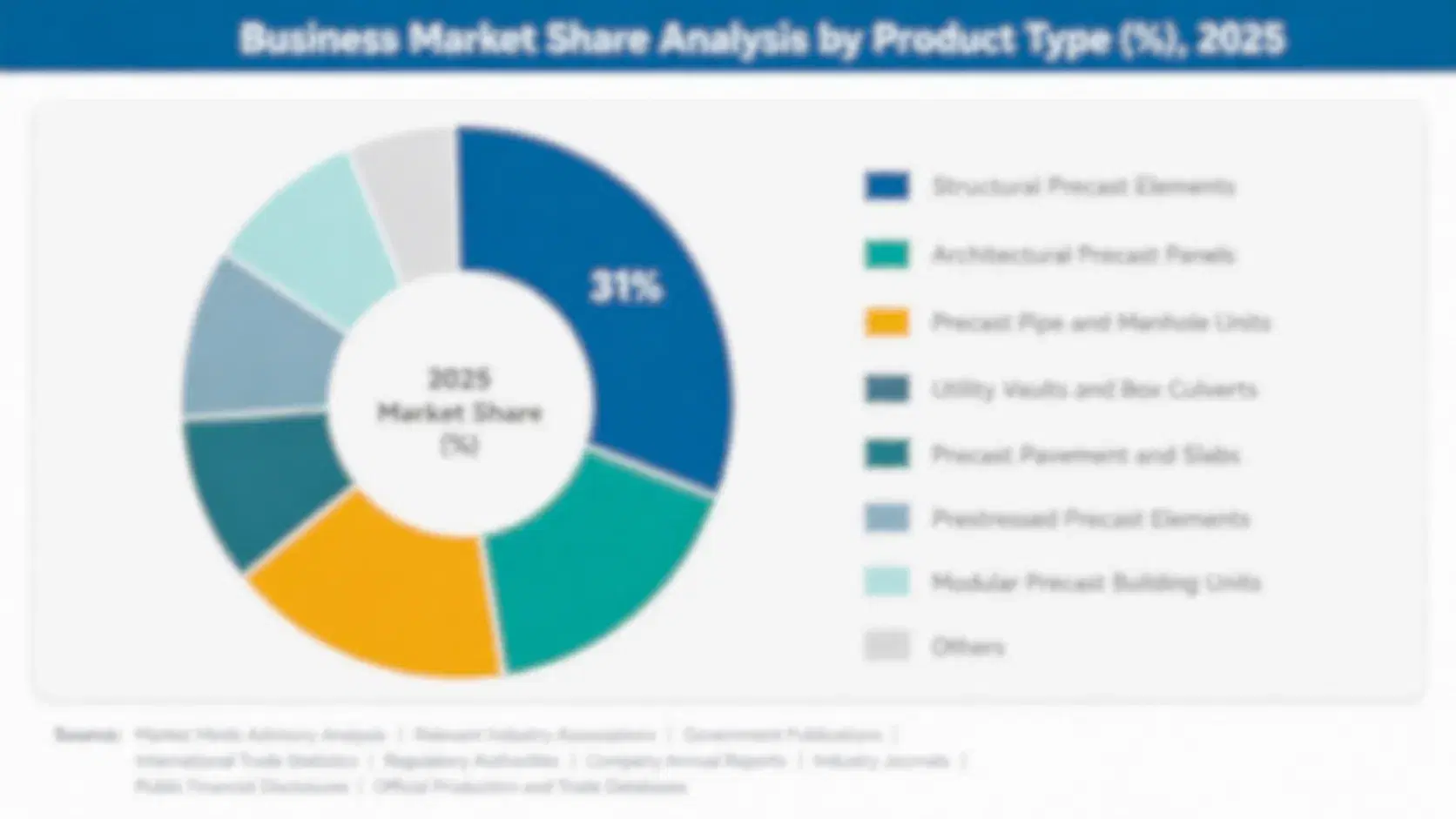
The global sodium reduction mineral salt blends market is segmented by product technology, which shows where taste science, safety files and cost create pricing power. Five segments cover bitterness-masked potassium blends, blends with magnesium and calcium, micro-structured salt crystals, plant and sea mineral salts, and standard potassium-sodium chloride blends. Masked and mineral blends grow fastest, while standard blends lead volume.
sodium-reduction-mineral-salt-blends-market-market-share-analysis-1789966738313

Bitterness-Masked Potassium Blends

Bitterness-Masked Potassium Blends is the fastest-growing segment at 11.2% a year, about 1.40 times the overall market rate, from a modest base. Food makers want sodium cuts of 40% or more without a metallic taste, and gross margins of 34% to 48% support taste science and application labs. Blends combine potassium chloride with masking agents, yeast extracts and magnesium salts, and suppliers tune them for bread, meat, snacks and sauces. Sensory results, stable performance in cooking and clear labelling decide selection, and food groups qualify one blend per product. Suppliers with proprietary masking systems and regulatory files win the largest reformulation programmes, while standard blends lose share when brands push for deeper cuts. Retail private labels follow leaders.
CAGR 11.2%

Mineral Salt Blends with Magnesium and Calcium

Mineral Salt Blends with Magnesium and Calcium grows at 9.6% a year, about 1.20 times the overall market rate, because household and food buyers accept gross margins of 30% to 44% for salts that provide flavour with added minerals and lower sodium. Sea salt and lake mineral sources support natural positioning, and magnesium and calcium salts help mask bitterness from potassium. Retailers place these products beside standard salt in supermarkets and health stores, and consumers see them as gentler alternatives. Suppliers with clean labels, reliable supply and clear reduced-sodium claims win listings, while unverified natural claims face scrutiny. Labelling must state the sodium reduction percentage accurately. Cost and taste both shape repeat purchase.
CAGR 9.6%
Full segment breakdown across 5 segments available in the complete report.

Regional Architecture and Country Demand Map

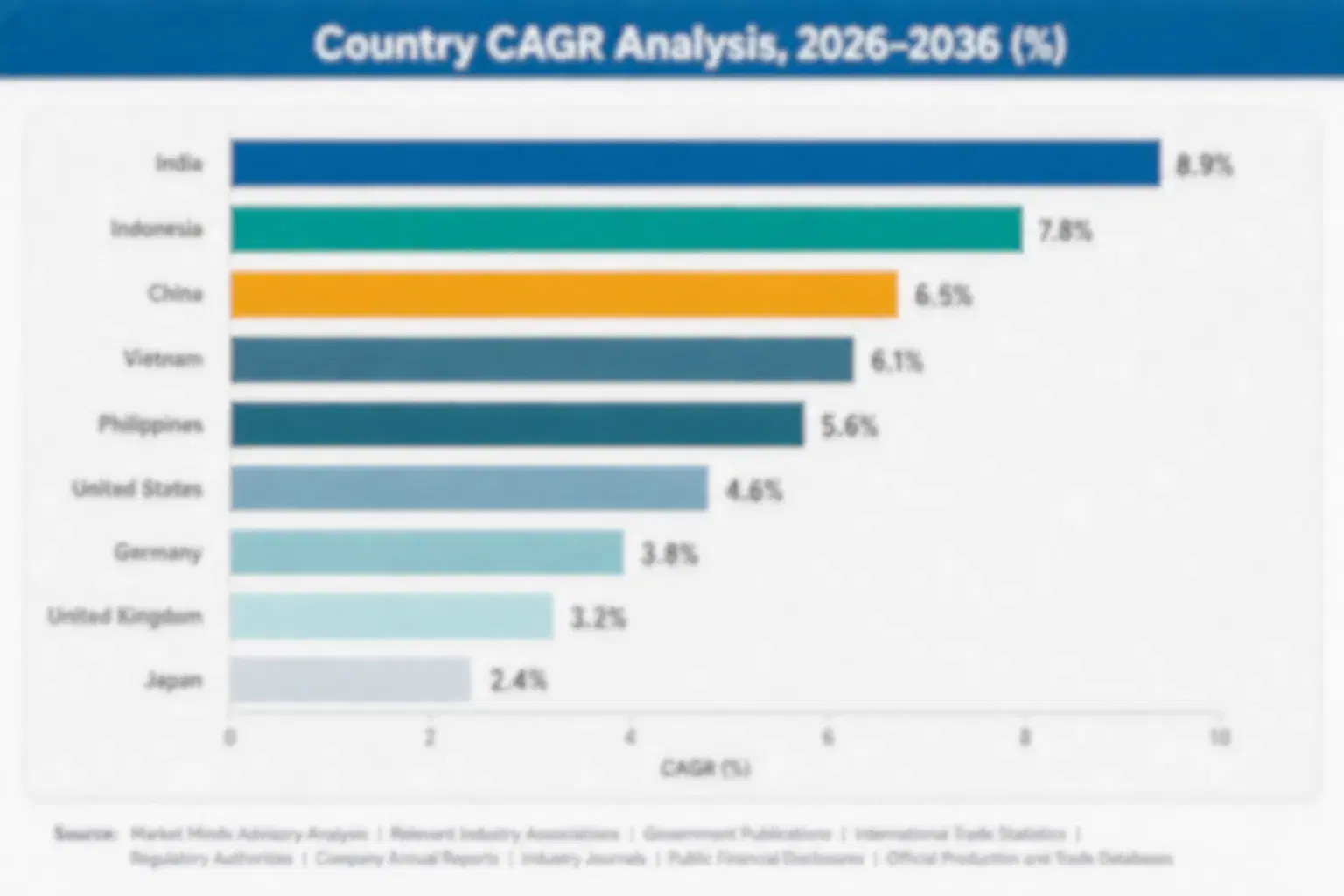
East Asia leads at 30% because Chinese salt reduction programmes and household salt substitute adoption are the largest in the world, with North America at 26% on packaged food reformulation. South Asia and Pacific grows fastest. Latin America and Eastern Europe stay small on lighter policy pressure.

North America

North America holds 26% share, inside its band, with growth at the global rate of 8.0%. The United States leads through packaged food reformulation under FDA voluntary sodium targets, and Cargill, Compass Minerals and Nu-Tek Food Science supply blends to food makers, while household salt substitutes sell through supermarkets and health stores. Canada has sodium reduction targets and warnings on high-sodium foods. Large food groups reformulate bread, meats, snacks and soups, private labels follow, and clinicians promote lower-sodium diets. Kidney disease warnings, taste concerns and potash cost restrain returns, and litigation risk over health claims makes labelling careful. Mexico is counted in Latin America. Amazon and club stores add household sales.
Share: 26% | CAGR: 8.0% (2026 to 2036)

Western Europe

Western Europe holds 24% share, inside its band, with growth of 6.4%, below the global rate. The United Kingdom pioneered salt reduction targets and LoSalt-type household products, and Germany, France, the Netherlands and the Nordic countries host K+S, Nouryon and Tate & Lyle operations that supply blends. European Union rules allow reduced-sodium claims for at least 30% cuts, and potassium chloride is an approved additive. Retailers set strict sodium limits, private labels are strong, and sustainability rules add cost. Mature reformulation means that further cuts are harder, price sensitivity limits premiums, and consumers read labels closely and dislike aftertastes. Sweden and Finland promote potassium-enriched salt through health authorities and retailers.
Share: 24% | CAGR: 6.4% (2026 to 2036)
Regional intelligence for 5 additional markets available in the complete report: East Asia, South Asia and Pacific, Latin America, Middle East and Africa, Eastern Europe. Contact sales@marketmindsadvisory.com.
sodium-reduction-mineral-salt-blends-market-country-cagr-analysis-1789966738608

Four Margin Routes for Salt Blend Suppliers

Margin in sodium reduction blends comes from taste masking, application support, household salt substitutes and clear safety labelling rather than commodity potassium chloride. The routes below apply to salt producers, ingredient suppliers and food makers, and each can start within one cycle, with measures in gross margin points, sodium cut achieved and repeat purchase. Payback runs two to three years.

Building Taste-Masking Systems That Deliver Deeper Sodium Cuts

Bitterness limits potassium blends, so suppliers that invest in masking agents, yeast extracts, mineral combinations and sensory panels raise achievable sodium cuts from about 30% to 45% and win reformulation programmes worth 12% to 20% of sales with gross margins five to eight points above standard blends. Programmes cost $1.5 million to $5 million. Suppliers should begin with bread, meat and snack applications, run panels with 100 to 200 tasters and share results with customer technical teams, since food makers qualify one blend per product and rarely switch after a launch succeeds.
Market Impact: taste masking lifts achievable sodium cuts from 30% to 45%

Building Application Labs for Bread, Meat, Snack and Sauce Reformulation

Food makers need proof that blends work in their own recipes, so suppliers that build application labs, publish results by food type and offer ready formulas cut customer development time by 30% to 50% and win share in mid-sized accounts. Labs cost $1 million to $3.5 million. Suppliers should begin with the two categories that already face government targets, verify sodium and potassium content in finished foods and offer trial lots, since customers reward suppliers that make reformulation faster, cheaper and less risky. Repeat orders follow successful launches and long relationships form.
Market Impact: application labs cut customer development time by 30-50%

Launching Household Salt Substitutes With Clear Kidney Safety Labelling

Household salt substitutes reach consumers directly, so producers that launch branded blends with clear potassium content, kidney safety warnings and retail partnerships win shelf space and earn gross margins of 32% to 46%. Programmes cost $0.8 million to $3 million. Producers should begin with supermarket chains and health authorities that promote salt substitutes, test taste with 300 to 500 households and provide simple usage guidance, since trust and clear warnings protect consumers and brands alike. Health campaigns and clinicians can add credibility and lift repeat purchase among older buyers. Trust builds slowly.
Market Impact: branded household substitutes earn gross margins of 32-46%

Securing Potassium Chloride Supply Through Contracts and Multi-Source Purchasing

Food-grade potassium chloride costs 40% to 80% more than sodium chloride and its price swings with potash markets, so suppliers that sign multi-year contracts with potash producers, qualify two sources and hold two months of stock protect margin against spikes of 30% to 60%. Programmes cost $0.5 million to $2 million. Suppliers should link blend prices to published potash indices with monthly resets, audit food-grade purification yearly and share simple explanations with customers, since buyers prefer transparent formulas to surprise increases and reward reliable supply through volatile periods. Reliability wins loyalty.
Market Impact: multi-year contracts protect margin against 30-60% potash spikes

Who Controls the Margin Pool

The global market is moderately concentrated, with a CR5 of 46%, because taste science, potassium supply and food safety files are hard to replicate. This assessment measures participants on estimated sodium reduction blend sales value, held constant across all players. Nouryon and Tate & Lyle lead through taste technology and food customer reach, while K+S, Cargill and Nu-Tek Food Science follow, and the gap between the leader and the fifth player is moderate.
Competition runs on four dimensions today: taste and sodium cut achieved, safety and regulatory documentation, application support and supply cost. Salt producers win on scale and cost, specialty suppliers win on taste science, and flavour houses win on masking expertise. Buyers compare sodium reduction against price per tonne, and failed sensory tests or potassium content problems can remove a supplier from a programme within one cycle.

Emerging pressure comes from flavour houses offering sodium reduction systems without potassium, from Chinese and Indian producers expanding low-sodium salts and from regulators that could mandate sodium limits. Rankings shift where a supplier wins a national programme, publishes strong sensory data or secures potash supply, and consolidation of smaller blenders continues as potassium cost swings hurt weaker firms.
sodium-reduction-mineral-salt-blends-market-company-positioning-matrix-1789966738900

Competitive Moat and Risk Dimensions

NOURYON

Moat: Salt Technology and Health Positioning

Nouryon, the Dutch specialty chemicals group, produces salt and sells reduced-sodium products under the Pansalt brand, combining potassium and magnesium with sodium chloride and working with food makers and health programmes. Its salt production, crystal technology and health credentials give it an advantage in taste and supply security, and supports long-term contracts and household products in Europe and Asia.
NOURYON

Risk: Regional Focus and Cost Pressure

Nouryon's salt business is one part of a broader chemicals portfolio, so investment may compete with other priorities. Potash costs squeeze margins, and specialty flavour houses offer deeper taste masking. Slow policy progress in some markets can also delay volume growth in reduced-sodium products. Currency swings add pressure.
TATE & LYLE

Moat: Micro-Sphere Salt and Food Reach

Tate & Lyle, the British ingredients group, sells Soda-Lo micro-sphere salt and other sodium reduction solutions to food makers, supported by application labs and global customer relationships. Its structured salt technology, formulation support and food industry reach give it an advantage in reformulation programmes, and its position supports launches in snacks, bakery and seasoning where sodium reduction must preserve taste.
TATE & LYLE

Risk: Technology Scope and Competition

Tate & Lyle's structured salts reduce sodium by limited amounts compared with potassium blends, so deeper cuts require combinations. Flavour houses and salt producers compete on similar targets, and portfolio changes at the company can shift investment priorities. Customer price sensitivity also limits premiums. Currency swings add pressure.

Players Tracked

Prominent Players

Nouryon
Tate & Lyle
K+S
Cargill
Nu-Tek Food Science

Other Key Players

Compass Minerals
Kerry Group
Ajinomoto
Balchem
Salt of the Earth
Tata Chemicals
Cheetham Salt
Dominion Salt
Salins Group
Südwestdeutsche Salzwerke
Ingredion
Givaudan
ICL Group
Mizkan
Unilever Food Solutions

Recent Developments

JANUARY 2026

Nouryon Launches Bitterness-Masked Potassium Salt Blend for Bread and Meat Reformulation Programmes

Nouryon launched a bitterness-masked potassium salt blend for bread and meat reformulation programmes, according to company communications. It is a product launch, not an acquisition, and it tests deeper sodium cuts. The blend includes sensory results at 40% sodium reduction. Commercial terms were not disclosed.
Signal: Confirms salt producers are investing in taste masking because food makers need deeper sodium cuts without flavour loss.
FEBRUARY 2026

Tate & Lyle Opens Application Laboratory in Asia for Sodium Reduction in Sauces and Snacks

Tate & Lyle opened an application laboratory in Asia for sodium reduction in sauces and snacks, according to company communications. It is an organic capacity expansion, not an acquisition, and it tests local service demand. The laboratory offers sensory testing and reformulation support. Investment terms were not disclosed.
Signal: Shows ingredient groups are building local application capacity because Asian food makers need tested reformulations for regional recipes.
MARCH 2026

Cargill Signs Multi-Year Supply Agreement for Reduced-Sodium Salt Blends With Large Food Manufacturer

Cargill signed a multi-year supply agreement for reduced-sodium salt blends with a large food manufacturer, according to company communications. It is a supply agreement, not an acquisition, and it tests programme demand. The agreement covers annual volumes and quality audits. Financial terms were not disclosed.
Signal: Indicates food groups lock in blend supply through long agreements because reformulation programmes run for several years.

What Drives Salt Blend Costs

Potassium chloride and sodium chloride account for roughly 34% of product cost, magnesium, calcium and masking agents about 12%, processing such as crystallisation, agglomeration and energy about 16%, packaging and freight about 8%, and overheads, technical service and marketing about 30%. Potash comes mainly from Canada, Russia, Belarus and Germany, salt from mines and evaporation plants worldwide, and blending plants sit close to food customers.
The clearest recent shock came in 2022. USGS Mineral Commodity Summaries and Eurostat energy data show potash prices surging after sanctions and supply disruptions, and MMA Estimate from expert interviews indicates that food-grade potassium chloride rose 40% to 80% while energy for crystallisation and drying also rose. Blenders passed through part of the increase, some food makers paused launches and price formulas gained ground after several months.

The disadvantage falls on blenders without potash contracts, multiple sources or price formulas, because they cannot pass through swings on annual food industry contracts. Large groups negotiate potash terms and run several plants. Exposure also varies by geography: European producers face energy cost, while Asian producers face import dependence on potash and freight and currency swings that raise landed cost.
sodium-reduction-mineral-salt-blends-market-cost-volatility-analysis-1789966739199

Multi-Year Potash Contracts and Multi-Source Purchasing

Producers sign multi-year contracts with potash suppliers and qualify at least two sources of food-grade potassium chloride. These steps cut exposure to price spikes of 30% to 60%. The main challenge is volume commitment when reformulation slows, so larger producers lead, while smaller producers buy spot cargoes and accept more margin volatility across cycles.

Price Formulas Linked to Potash Indices

Producers agree formulas that link blend prices to published potash and energy indices with monthly resets. These formulas protect margin by two to four points when costs rise. The main challenge is customer acceptance, so larger producers negotiate first, while smaller producers offer simple explanations, price caps and transparent reporting to persuade cautious food buyers.

Formulation Efficiency and Masking Optimisation

Producers optimise masking systems and potassium content to deliver the same sodium cut with less potassium per tonne, cutting cost by 5% to 10%. The main challenge is validation, since changes need sensory tests and safety checks, so larger producers lead, while smaller producers rely on partners that offer tested masking systems. Payback usually arrives within three years.

Portfolio Architecture for Margin Defence

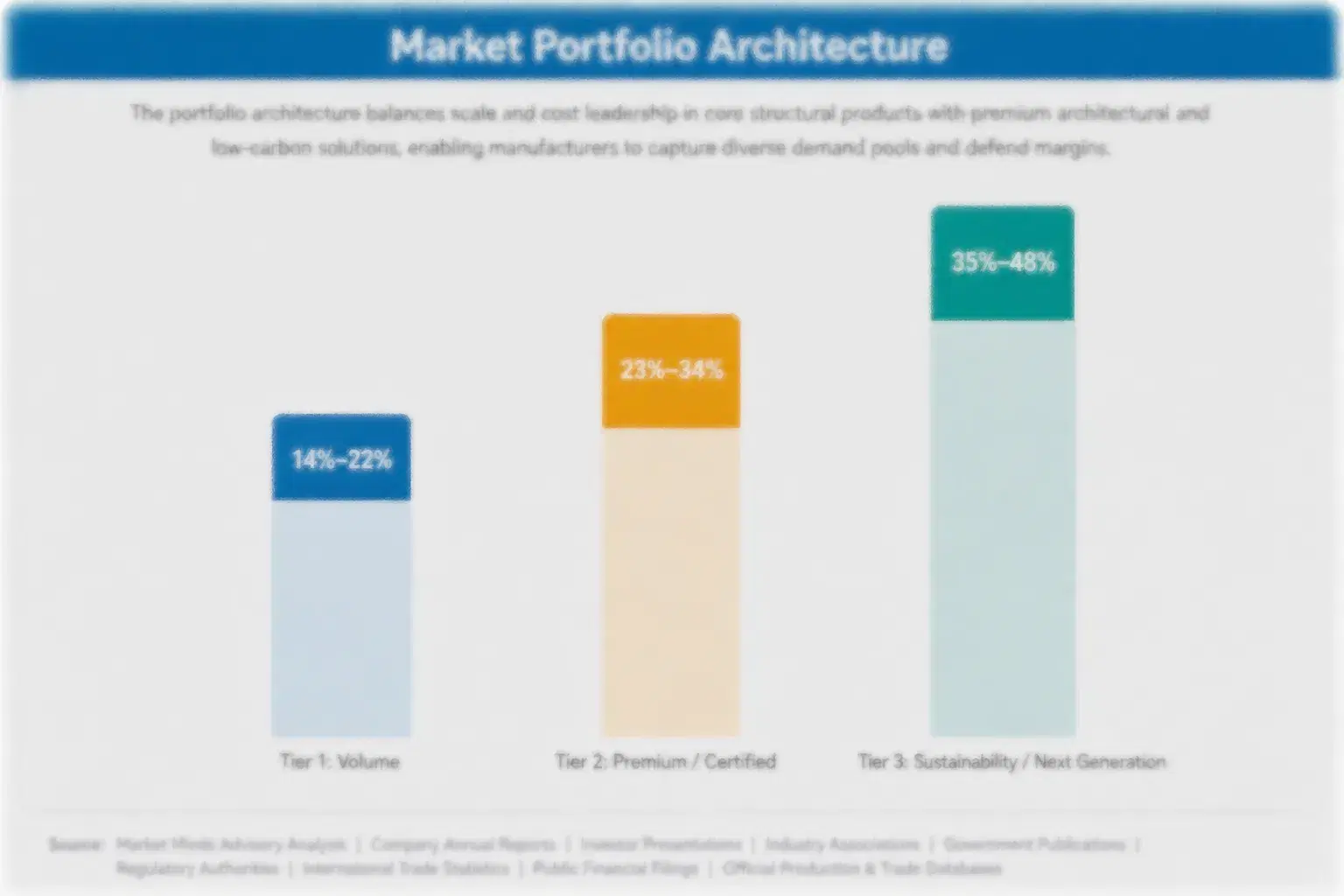
Margins run from thin returns on standard potassium-sodium chloride blends sold in volume to strong returns on masked, structured and mineral blends sold with sensory data and application support. Three tiers separate volume products, premium certified lines and next-generation solutions, and each tier draws on different taste science, potash access and regulatory files in a moderately concentrated market with limited price transparency below the leading suppliers.
The tension between volume and premium is sharp. Standard blends fill catering and household orders at low prices but face constant potash cost swings and consumer taste complaints, while masked and structured blends earn higher margins on smaller volumes and depend on sensory proof, patents and food industry trust. Producers that run only volume struggle when potash spikes, while premium-only producers lose scale. Mix management decides which risk dominates each year.

High-value pools concentrate in masked potassium systems for bread, meat and snacks and in household substitutes with clear safety labelling. They gather where buyers pay for taste proof, sodium cut and safety documentation, not for the mineral name itself. Plant and sea mineral salts add a smaller pool, and strong suppliers hold all three, though each needs different regulatory and retail skills.

Volume / Commodity-Adjacent

Standard potassium-sodium chloride blends sold in volume to catering, household brands and basic food manufacturers. Buyers focus on price per tonne, contracts follow potash indices, and technical support is limited.
Gross Margin: 16%-26%

Premium / Certified

Mineral blends with magnesium and calcium, certified potassium content and third-party testing, sold to supermarkets, health stores and food makers. Buyers value consistency, clear labels and audit records, and contracts run for one to two years.
Gross Margin: 28%-42%

Sustainability / Regulatory / Next-Generation

Bitterness-masked and micro-structured blends with sensory data, application labs and reformulation support, sold to large food groups and national programmes. Contracts run for several years and depend on taste proof, safety files and supply security.
Gross Margin: 34%-50%
sodium-reduction-mineral-salt-blends-market-portfolio-architecture-1789966739479

High-value Sub-segments and Strategic Watch-out

Bitterness-Masked Potassium Blends

Bitterness-masked potassium blends combine the fastest growth with strong pricing, since food makers need deeper sodium cuts without metallic taste and pay gross margins of 34% to 48%. Masking systems, sensory data and application labs limit competition, and suppliers with tested formulas win the largest reformulation programmes.
Gross Margin: 34%-48%

Mineral Salt Blends with Magnesium and Calcium

Mineral salt blends with magnesium and calcium deliver firm growth and pricing, since household and food buyers accept gross margins of 30% to 44% for lower-sodium salts with added minerals. Clean labels, reliable supply and accurate sodium claims form the entry barrier, and retailers decide which suppliers keep shelf space.
Gross Margin: 30%-44%

Standard Potassium-Sodium Chloride Blends

Standard potassium-sodium chloride blends are the volume core for catering, household salt substitutes and basic food use. Value grows about 6.5% a year, and potash cost, blending scale and delivery reliability decide profit. Suppliers anchor sales on food group and retailer relationships, and customers renew at potash-linked prices.
Gross Margin: 16%-26%

Plant-Based and Sea Mineral Salts

Plant-based and sea mineral salts are the strategic watch-out, since growth of about 7.0% a year trails the leaders, sodium cuts are modest and natural claims face regulatory scrutiny. Suppliers should manage these lines selectively and steer investment toward masked potassium and mineral blends with clearer buyers and stronger margins.
Gross Margin: 22%-34%

Why Food Makers Rarely Switch Blends

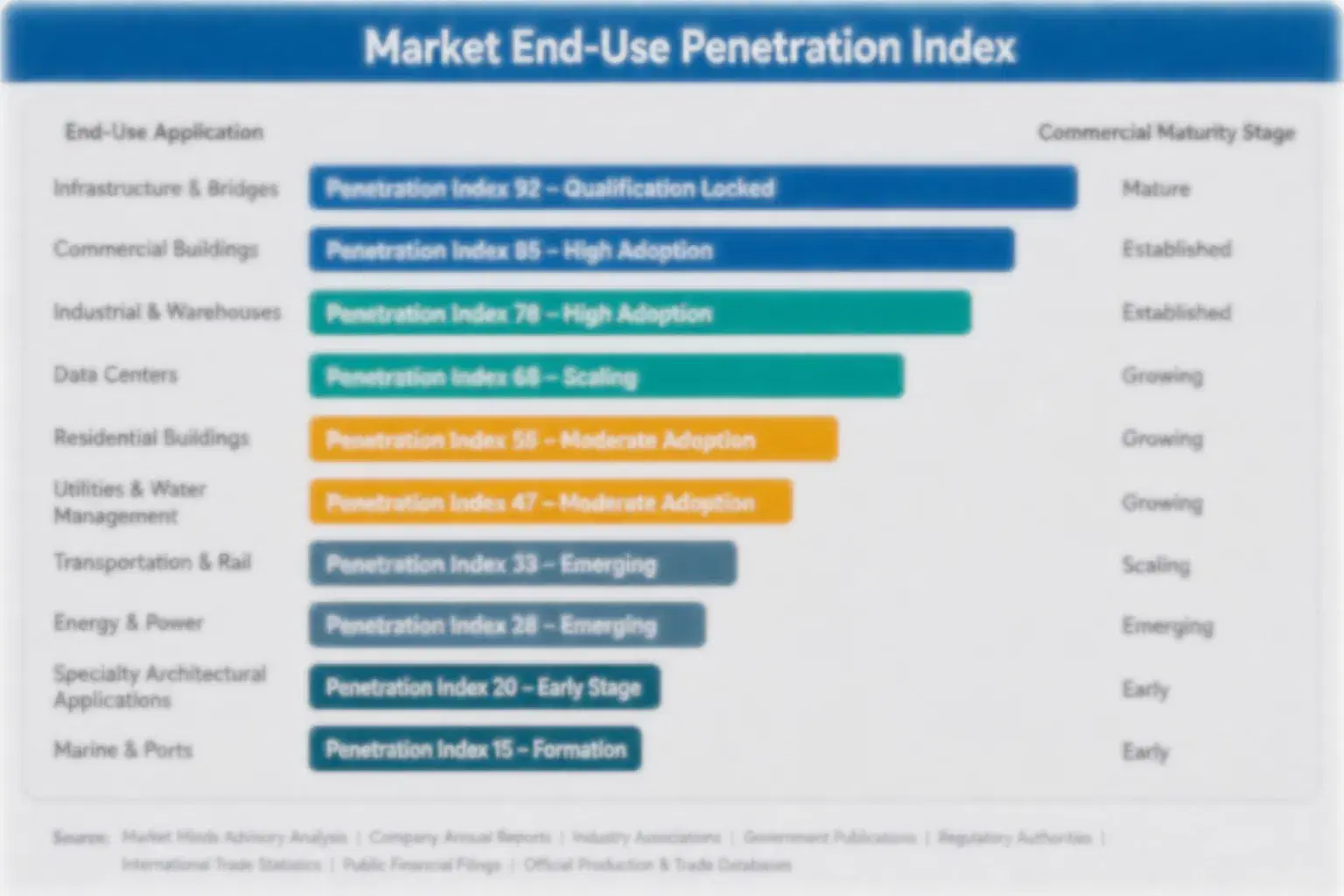
Salt blend demand behaves like an annuity attached to recipes, sodium targets and product specifications. Once a food maker qualifies a blend after sensory tests and shelf-life checks, reorders follow every month, and switching means new taste panels, label reviews and risk to sales. Buyers set annual volume plans around reformulation programmes, so suppliers with reliable potassium supply earn steady volume and priority allocation. Trust, once earned, is slow to lose.
Adoption stickiness differs by end-use vertical. Bread, meat and sauce makers are the deepest, since blends are written into recipes and specifications and changes need new approvals. Snack and foodservice buyers are moderately sticky, driven by cost and taste. Household consumers are more fluid, changing brands when price or taste disappoints, though products with good taste and clear labels hold customers for years.

Buyer profiles are shifting between generations. Older purchasing teams bought salt by grade and price, while newer teams ask for sodium cut percentages, potassium content and safety documentation. Governments and retailers add a third group that sets targets and label expectations. Suppliers that publish sensory data and safety guidance win newer buyers.
sodium-reduction-mineral-salt-blends-market-end-use-penetration-index-1789966739766

MMA Verdict on Salt Blend Strategy

These are among the four positions where our research anticipates prominent divergence between winners and laggards over the coming forecast period. Each is grounded in the demand model, the regulatory perimeter, and the announced capacity pipeline.
01 / TASTE MASKING STRATEGY

Build Taste-Masking Systems Before Food Makers Stall Sodium Programmes on Bitterness Complaints

Bitterness-Masked Potassium Blends grows at 11.2% a year, about 1.40 times the overall market rate, and potassium bitterness limits standard blends to about 30% cuts. Suppliers should invest $1.5 million to $5 million in masking agents, sensory panels and application labs, raise achievable cuts to about 45% and earn margins five to eight points above standard blends. Those that delay will lose reformulation programmes over the next two years, while early movers hold approvals, customer trust and premium prices across every reformulation cycle.
02 / APPLICATION SUPPORT STRATEGY

Build Application Labs Before Food Makers Choose Suppliers With Ready Reformulation Data

Food makers need proof that blends work in their own recipes, and application labs cut customer development time by 30% to 50%. Suppliers should invest $1 million to $3.5 million in labs, results by food type and ready formulas, begin with categories facing government targets and offer trial lots. Those that delay will lose mid-sized accounts over the next two years, while prepared suppliers hold volume, food maker loyalty and pricing across every reformulation cycle, customer audit and annual price review.
03 / HOUSEHOLD SUBSTITUTE STRATEGY

Launch Household Substitutes With Clear Safety Labels Before Health Programmes Choose Rivals

Mineral Salt Blends with Magnesium and Calcium grows at 9.6% a year, about 1.20 times the overall market rate, and household substitutes earn gross margins of 32% to 46%. Producers should invest $0.8 million to $3 million in branded blends, clear potassium content and kidney warnings, test taste with 300 to 500 households and partner with health authorities. Those that delay will lose shelf space to better labelled rivals over the next two years, while early movers hold trust, retail access and repeat purchase.
04 / POTASH SUPPLY STRATEGY

Secure Potassium Supply and Price Formulas Before Potash Spikes Erase Blend Margins

Food-grade potassium chloride costs 40% to 80% more than sodium chloride, and potash swings reached 30% to 60% in 2022. Suppliers should invest $0.5 million to $2 million in multi-year contracts, two qualified sources and two months of stock, and link blend prices to potash indices with monthly resets. Those that delay will lose margin and customers over the next two years, while prepared suppliers hold cost stability, supply reliability and buyer confidence through every price cycle and annual contract negotiation.

Engagement Snapshot From the Field

A live engagement with an industry participant carrying material or product regulatory and market exposure ahead of a defining policy shift, showing how our research translates into a defensible multi-year portfolio strategy.
MARKET MINDS ADVISORY · CLIENT ENGAGEMENT SUMMARY
Sodium Reduction Mineral Salt Blends Producer Strategic Portfolio Review and Transition Roadmap 2026·Investment Scenario on Sodium Reduction Mineral Salt Blends Exposure Evaluation 2025-26
CLIENT PROFILE
The client is a mid-sized European salt and seasoning producer with annual sales near $95 million (client-reported, unverified by MMA), selling standard salt, seasoning blends and a small range of potassium blends to bakeries, meat processors and retailers in six countries. About 90% of sales were standard salt products, sodium targets were tightening, and customers had asked for blends that cut sodium by 40% without bitterness.
STRATEGIC CHALLENGE
Gross margin on standard salt sat near 18% (client-reported, unverified by MMA), potash and energy cost swings had reached 35% in two years, and competitors offered masked blends to the same bakeries and meat processors. Management had to decide whether to build taste masking, open an application lab or launch household substitutes, with limited capital. Key customers wanted new blends within 12 months.
MMA APPROACH
MMA analysed sales, cost and customer data across 40 products, interviewed 14 food technologists, procurement managers and health authority advisers, and ran a buyer survey on taste, sodium cut and price across three regions. It modelled margin by product and scenario, compared masking, lab and household options by payback and execution risk, and tested each against potash and energy scenarios.
KEY FINDINGS
  1. A taste-masking system with sensory panels would cost about $3 million and lift gross margin on converted volume from about 18% to about 34% (client-reported, unverified by MMA).
  2. An application lab for bread, meat and snack recipes would cost about $1.5 million and open programmes worth about 12% of sales (client-reported, unverified by MMA).
  3. A household substitute range with kidney safety labelling would cost about $1.2 million and earn gross margins near 38% (client-reported, unverified by MMA).
  4. Potash contracts and price formulas would cost about $0.6 million and cut input cost volatility by about one third (client-reported, unverified by MMA).
CLIENT PROFILE
The client is a mid-sized European salt and seasoning producer with annual sales near $95 million (client-reported, unverified by MMA), selling standard salt, seasoning blends and a small range of potassium blends to bakeries, meat processors and retailers in six countries. About 90% of sales were standard salt products, sodium targets were tightening, and customers had asked for blends that cut sodium by 40% without bitterness.
STRATEGIC CHALLENGE
Gross margin on standard salt sat near 18% (client-reported, unverified by MMA), potash and energy cost swings had reached 35% in two years, and competitors offered masked blends to the same bakeries and meat processors. Management had to decide whether to build taste masking, open an application lab or launch household substitutes, with limited capital. Key customers wanted new blends within 12 months.
MMA APPROACH
MMA analysed sales, cost and customer data across 40 products, interviewed 14 food technologists, procurement managers and health authority advisers, and ran a buyer survey on taste, sodium cut and price across three regions. It modelled margin by product and scenario, compared masking, lab and household options by payback and execution risk, and tested each against potash and energy scenarios.
KEY FINDINGS
  1. A taste-masking system with sensory panels would cost about $3 million and lift gross margin on converted volume from about 18% to about 34% (client-reported, unverified by MMA).
  2. An application lab for bread, meat and snack recipes would cost about $1.5 million and open programmes worth about 12% of sales (client-reported, unverified by MMA).
  3. A household substitute range with kidney safety labelling would cost about $1.2 million and earn gross margins near 38% (client-reported, unverified by MMA).
  4. Potash contracts and price formulas would cost about $0.6 million and cut input cost volatility by about one third (client-reported, unverified by MMA).
RECOMMENDED STRATEGY
Phase 1: Phase 1 (Months 1-9): Build the taste-masking system, open the application lab and sign potash contracts with two qualified suppliers. Phase 2: Phase 2 (Months 10-24): Launch masked blends to bakery and meat customers, introduce price formulas and start household substitute tests with two retailers. Phase 3: Phase 3 (Months 25-42): Scale reformulation programmes, expand household substitutes and review potash and energy terms yearly as cost data develop.
OUTCOME
Within 42 months, masked and mineral blends reached 33% of sales, blended gross margin rose from about 18% to about 27%, and input cost volatility fell by about one third (client-reported, unverified by MMA). Reformulation programmes covered about 12% of revenue, two retailers listed the household range, and three food groups signed multi-year supply agreements.

Frequently Asked Questions

Foundational context covering the market sizes, CAGR, scope, country, region and competition that inform every finding below. This section is provided to cover basics and most often pre-purchase conversations, answered from the MMA Primary Research Dataset.

What is the current size of the Sodium Reduction Mineral Salt Blends Market?

The global sodium reduction mineral salt blends market was valued at $1.20 billion in 2025 on an ingredient and consumer sales basis. Growth reflects government sodium targets and public health evidence, offset by potassium bitterness and kidney safety warnings.

How large will the Sodium Reduction Mineral Salt Blends Market be by 2036?

The market is projected to reach $2.80 billion by 2036, up from $1.30 billion in 2026. The increase of $1.50 billion reflects masked blends, household substitutes and Asian growth.

What is the CAGR for the Sodium Reduction Mineral Salt Blends Market 2026 to 2036?

The market is forecast to grow at an 8.0% CAGR from 2026 to 2036. The bull case reaches 9.3% and the bear case 6.7%, depending on sodium mandates, potash prices and taste masking progress.

Which segment is growing fastest?

Bitterness-Masked Potassium Blends is the fastest-growing segment at 11.2% CAGR, roughly 1.40 times the overall market rate. Mineral Salt Blends with Magnesium and Calcium follows at 9.6% CAGR each year.

Who are the major companies in the Sodium Reduction Mineral Salt Blends Market?

Major companies include Nouryon, Tate & Lyle, K+S, Cargill and Nu-Tek Food Science. Compass Minerals, Kerry Group, Ajinomoto, Balchem and Tata Chemicals also hold positions in sodium reduction salts.

Which country is growing fastest?

India is growing fastest at about 11.5% CAGR, because rising hypertension, awareness campaigns and low-sodium salt launches support new volumes. Indonesia and Vietnam follow as packaged food use grows.

Report Segmentation Architecture

The full report scope spans multiple orthogonal segmentation dimensions, with cross-tabulated demand data provided for each dimension pair. Coverage extends further to regional breakdowns, trend trajectories, and the competitive detail needed to support segment-level decision-making.

By Primary Market Dimension

  • Bitterness-Masked Potassium Blends
  • Mineral Salt Blends with Magnesium and Calcium
  • Micro-Structured Salt Crystals
  • Plant-Based and Sea Mineral Salts
  • Standard Potassium-Sodium Chloride Blends

By End-Use Industry

  • Bakery and Cereal Foods
  • Meat and Savoury Foods
  • Snacks and Sauces
  • Household Salt Substitutes

By Commercial Dimension

  • Direct Supply to Food Manufacturers
  • Foodservice and Catering Distribution
  • Supermarket and Retail Brands
  • Private-Label Contract Supply
  • Programme and Service Contracts

By Region

  • North America
  • Western Europe
  • East Asia
  • South Asia and Pacific
  • Latin America
  • Middle East and Africa
  • Eastern Europe

Scope, Methodology, and Coverage

Every figure in this report is reproducible from documented input assumptions. The scope below maps the historical period, the forecast horizon, the segmentation dimensions, and the countries covered, alongside the underlying primary and qualitative methodology.
Historical Period
2020 to 2025
Forecast Period
2026 to 2036
Base Year
2025 (USD billions; MMA Primary Research Dataset, September 2026)
Market Definition
The market covers global sales of mineral salt blends designed to reduce sodium in foods and household use, including potassium chloride blends, blends with magnesium and calcium salts, encapsulated or micro-structured salts and plant or sea mineral low-sodium salts, sold to food manufacturers, foodservice and consumers. It excludes plain sodium chloride, pure potassium chloride for fertiliser, monosodium glutamate and flavour enhancers sold without sodium replacement, and dietary potassium supplements.
Quantitative Units
USD billions (ingredient and consumer sales revenue); tonnes of salt blend for volume references
Segmentation Dimensions
By Product Technology; By End-Use Industry; By Commercial Dimension; By Region
Regions Covered
North America, Western Europe, East Asia, South Asia and Pacific, Latin America, Middle East and Africa, Eastern Europe
Countries Covered
United States, Canada, United Kingdom, Germany, France, Netherlands, Denmark, China, Japan, South Korea, India, Australia, Indonesia, Brazil, Argentina, Chile, Mexico, Saudi Arabia, South Africa, Poland, and additional markets relevant to this sector
Key Companies Profiled
Nouryon, Tate & Lyle, K+S, Cargill, Nu-Tek Food Science, Compass Minerals, Kerry Group, Ajinomoto, Balchem, Salt of the Earth, Tata Chemicals, Cheetham Salt, Dominion Salt, Salins Group, Südwestdeutsche Salzwerke, Ingredion, Givaudan, ICL Group, Mizkan, Unilever Food Solutions
Quantitative Methodology
Primary survey, n=3,800 respondents, Q4 2025, six countries; demand-side model with trade association cross-validation
Qualitative Methodology
47 expert interviews, Q4 2025; applied to validate demand model assumptions, identify emerging dynamics, and assess competitive positioning
Report Format
PDF and XLSX data workbook (Word format preview document)
Publisher
Market Minds Advisory
Report Code
MMA-2026-CHM-184
Published
September 2026
Contact
sales@marketmindsadvisory.com | www.marketmindsadvisory.com

Purchase the full Sodium Reduction Mineral Salt Blends Market Report (2026 to 2036).

The full report delivers a detailed assessment of the sodium reduction mineral salt blends market through 2036, covering product technology, end-use and regional forecasts, competitive benchmarking of leading salt producers and ingredient suppliers, and input cost analysis. It combines MMA primary research, including a six-country survey of 3,800 respondents and 47 expert interviews, with public statistical and company data. Analysts also model sodium mandate scenarios, potash price paths and taste masking progress. Clients receive technology margin ranges, plant maps and a case study on growth strategy. Supplier programme and contract frameworks are also included.
Ten-year product technology demand forecasts by region
Potash, salt, and energy cost tracking
Competitive benchmarking of leading salt blend suppliers
Sodium target and labelling rule tracker
Regional market comparative analysis and forecasts included
Quarterly primary survey data update access

Built For The People Who Decide

From boardroom strategy to bench-side execution, this report is read cover-to-cover by leaders shaping the next decade of their industry, turning demand scenarios, market dynamics and valuation benchmarks into decisions.
CXOs/ Presidents/ VPs/ Managers
M&A and Corporate Development
Strategy Teams and R&D Heads
Procurement and Product Directors
Regulatory and Compliance Leaders
Investor Relations and Equity Analysts