Market Minds Advisory
Snack Bars Market

Snack Bars Market: Snack Bars Market. Protein Claims Reshape a Mature Category

Protein claims have turned the snack bar aisle into a battleground between legacy granola brands and challenger nutrition companies, as GLP-1 era meal replacement demand forces reformulation across a category once built mainly on convenience.

Lead Analyst

Published

September 2026

Make Smarter Decisions with Customized Research Insights

Request a free sample report and evaluate market opportunities, growth trends, and competitive dynamics relevant to your business needs.

2025 MARKET VALUE$24.5BMarket Size 2025
2036 FORECAST VALUE$50.6BBase Case , 2026 to 2036
CAGR 2026 TO 20366.8 %Bull 7.9% / Bear 5.7%
INCREMENTAL OPPORTUNITY$24.4BNet 10- year value creation
EXPANSION MULTIPLE1.93x2036 value over 2026 base
Strategic Levers
M&A Pipeline
Regional Outlook
Country Rankings
Competitive Intelligence
Segmental Deep-dive
Call-Us : 91 93563 13602

Executive Snapshot and Market Trajectory.

Snack bars have split into two distinct buyer missions, quick energy replenishment and deliberate protein or meal replacement, and manufacturers built for one mission increasingly struggle to win share in the other without genuine reformulation rather than a repackaged claim attached to an old, familiar recipe untouched for years.
Protein and performance bars are outgrowing every other format as gym culture, GLP-1 medication users seeking portable protein, and office workers replacing a full lunch converge on the same shelf set at once, reshaping how retailers plan the entire aisle around a single dominant occasion. North America remains the largest market by revenue, but bar consumption is spreading fastest through Southeast Asian e-commerce channels where fitness retail infrastructure barely existed a decade ago.
Five companies hold under half of branded global revenue, concentration built almost entirely through acquisition rather than organic growth as Mars, Mondelez, and Kellanova each bought their way into the category instead of building a bar brand from scratch over many years. Private label and direct-to-consumer challengers are chipping at share from opposite ends of the price spectrum, squeezing branded margins from both directions simultaneously.
Market Definition
The snack bar market covers packaged, ready-to-eat bars including energy, granola, protein, performance, and meal replacement formats sold through retail and e-commerce channels. It excludes loose trail mix, protein powders and shakes, and confectionery bars marketed primarily as candy rather than a functional or convenience snack.
Base Year Value
$24.5B in 2025 (MMA Primary Research Dataset, September 2026)
Forecast Period
2026 to 2036, eleven discrete annual values
CAGR
6.8% base case. Bull 7.9%. Bear 5.7%.
Fastest Growth Segment
Protein and Performance Bars: 9.5% CAGR
Fastest Growth Country
Indonesia: 11.8% CAGR
Fastest Growth Region
South Asia and Pacific: 8.8% CAGR
Largest Region
North America: 32% of 2025 global value
Market Leaders
Mondelez International, General Mills, Kellanova, Mars, and The Simply Good Foods Company lead by branded global revenue. Source: MMA Analysis based on company annual reports.
Primary Survey
n=3,800 procurement and R&D decision-makers, Q4 2025, six countries
Methodology
Demand-side build-up, cross-validated against public data, 47 expert interviews

Snack Bars Market Forecast Scenarios

snack-bars-market-size-forecast-scenario-1790358172300
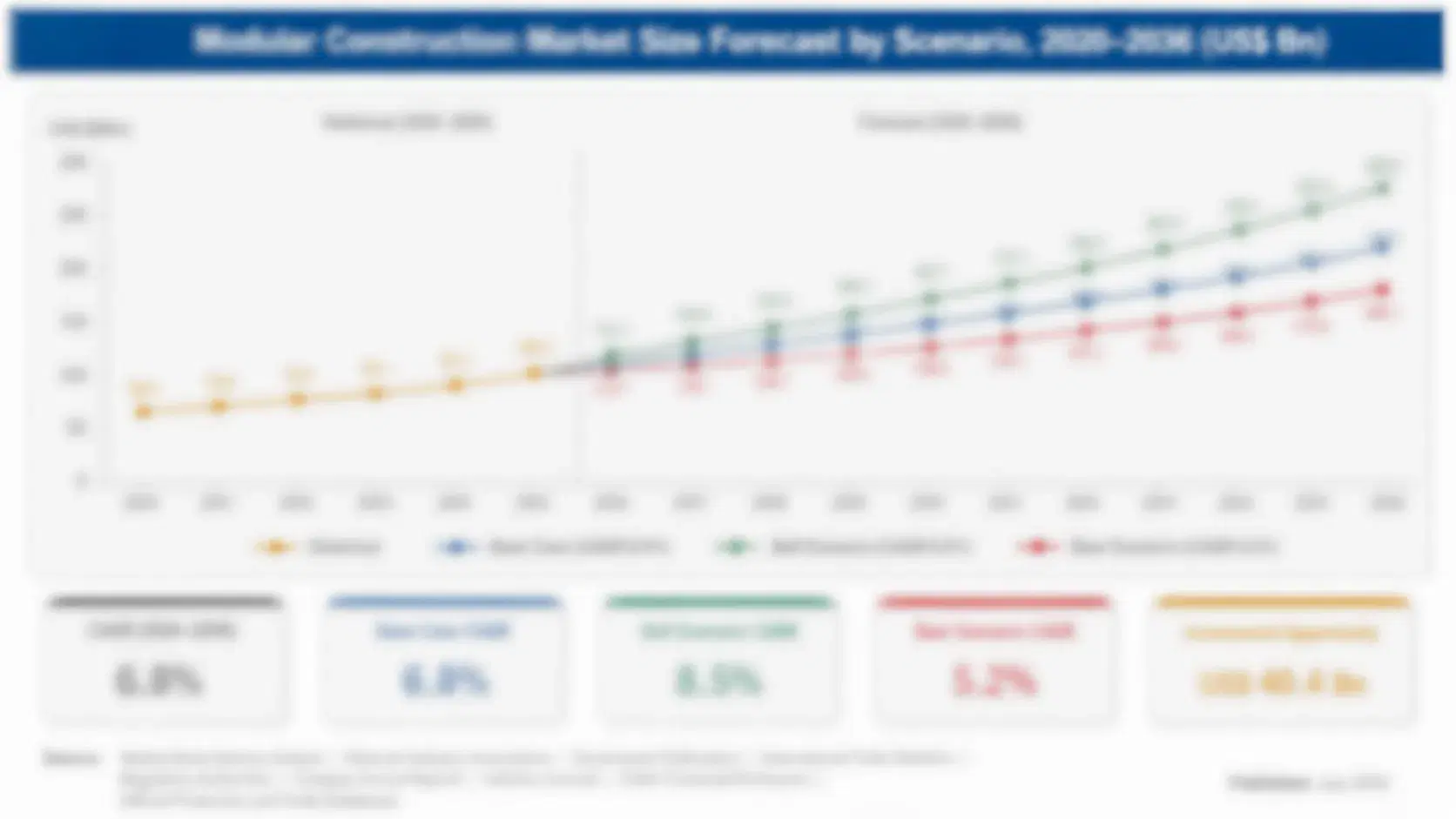
Snack bars grew steadily rather than explosively between 2020 and 2025, expanding at roughly a 6.0 percent historical annual rate as pandemic pantry stocking gave way to a more measured protein and convenience-driven purchase pattern overall. Consolidation accelerated through this period as large food companies acquired independent challenger brands rather than competing against them directly.
The base case rests on three mechanisms: continued protein bar share gains within the broader category as fitness and GLP-1-adjacent demand persists across most developed markets, e-commerce channel expansion into markets with limited specialty nutrition retail infrastructure, and large manufacturers using acquired challenger brands to defend shelf space against both private label and new direct-to-consumer entrants simultaneously. Reformulation toward cleaner ingredient labels continues gradually across legacy granola-style bars as clean-label pressure spreads into new regions each year.
The bull case turns on GLP-1 medication adoption sustaining durable demand for portable, protein-dense snacking among a genuinely new buyer segment. The bear case is category fatigue among core fitness buyers who increasingly favor whole-food snacking over processed bars, slowing overall growth toward the low single digits as bar fatigue sets in among longtime buyers.

Protein Claims Redraw the Bar Aisle

The category's commercial center of gravity has shifted from carbohydrate-forward energy bars toward protein-forward formats over the past decade, a shift that rewarded companies willing to reformulate legacy brands and punished those that treated protein content as a marketing overlay rather than a genuine recipe change requiring new manufacturing investment, tighter process control, and a willingness to retool an entire plant floor.
MARKET CONCENTRATION47% CR5under half held by five acquisition-built companies today
AVERAGE SELLING PRICE$1.90/barprotein formats command a premium over standard energy bars
TOP REGION SHARENorth America, 34%leads global snack bar sales by revenue and depth
CAPACITY UTILIZATION74%protein-line co-packers running near their practical operating ceiling
TRADE INTENSITY19% cross-borderfinished bars move across borders to serve export demand
PROTEIN INPUT COST SHARE29% of COGSwhey and pea isolate dominate total cost of goods
Consolidation defines the competitive structure more than organic brand-building does at this point in the category's life cycle overall, across nearly every major developed retail market tracked by MMA analysts today. Every major acquisition of the past five years brought a founder-led challenger brand under a large food company's distribution umbrella, a pattern that has left relatively few independent scaled challengers still operating outside that structure.
The next decade will be shaped by GLP-1-adjacent product development targeting appetite-suppressed consumers who still want a portable protein source, continued e-commerce-led international expansion into underserved markets across multiple continents, and a slow but steady premiumization of ingredient sourcing as clean-label pressure spreads from North America into other developed markets gradually over the coming years ahead of most competitors still catching up.
"Every acquisition in this category was really a shelf-space purchase. The bar itself was almost secondary to the distribution deal that came with it."
Director, Food and Beverage Practice · MMA Food and Beverage: Functional Snacks Practice · September 2026

Market Trends

GLP-1 Medication Adoption Reshapes Bar Formulation

Rapid adoption of GLP-1 weight-management medications, with tens of millions of active US prescriptions by 2025 based on manufacturer disclosures, is reshaping snack bar demand toward smaller, more protein-dense formats suited to appetite-suppressed consumers who eat less overall but still want a portable, nutrient-complete option between infrequent meals. Several manufacturers have launched dedicated GLP-1-adjacent product lines since 2024, positioning smaller bars with higher protein density per calorie against the category's traditional larger, carbohydrate-forward formats. This shift is genuinely new demand rather than a repositioning of existing buyers, according to manufacturer-disclosed category research.
Market Impact: Captures over 45% of category growth

Clean-Label Reformulation Spreads Beyond North America

Clean-label reformulation, removing artificial sweeteners, sugar alcohols, and long ingredient lists that originated as a North American retail differentiator, is now spreading into Western European and East Asian markets as consumer packaged goods companies standardize recipes across regions rather than maintaining separate regional formulations. This consolidation reduces manufacturing complexity for large multinational players while raising the bar for smaller regional competitors who previously competed on cleaner labels as a differentiator against less health-conscious incumbent brands. The shift is compressing what was once a meaningful positioning advantage for challenger brands into a category-wide baseline expectation.
Market Impact: Cuts new-market entry time 40%

Market Opportunities and Growth Drivers

Protein Bar Segment Captures Disproportionate Growth

Protein and performance bars are capturing a disproportionate share of total category growth as gym membership recovery post-pandemic, GLP-1-adjacent demand, and office worker meal replacement converge on a single format that can serve all three occasions without separate product development. Retailers have responded by widening protein bar shelf allocation faster than for any other snack bar sub-format, a direct commercial signal that follows rather than leads the underlying demand shift. Manufacturers investing earliest in protein bar capacity expansion are capturing outsized share of new retail facings as category growth concentrates increasingly in this single format.
Market Impact: Cuts repeat purchase nearly 10%

E-Commerce Expands Access in Underserved Markets

E-commerce platforms are giving snack bar brands direct access to consumers in Southeast Asian and Latin American markets where specialty nutrition retail infrastructure remains limited relative to North America and Western Europe, letting brands build demand ahead of physical distribution rather than waiting years for retail negotiations to conclude. This channel now accounts for a meaningfully larger share of new-market entry than physical retail expansion did a decade ago, according to manufacturer distribution disclosures. Brands building e-commerce-first international strategies are reaching fitness-oriented urban consumers faster than traditional retail expansion would allow in comparable underserved markets.
Market Impact: Narrows branded premium to under 15%

Market Restraints and Challenges

Category Fatigue Emerges Among Core Fitness Buyers

Longtime protein bar buyers are showing early signs of category fatigue, with repeat purchase surveys indicating a meaningful share of committed fitness buyers now favor whole-food protein sources like jerky, cheese, and nuts over processed bars they associate with the category's earlier, less refined formulations. The root cause is ingredient perception: even reformulated clean-label bars still read as processed food to health-conscious buyers who have grown more skeptical of packaged snacking generally. Manufacturers are mitigating this through minimal-ingredient formulations and transparent sourcing marketing, though neither fully addresses buyers who have shifted their spending toward whole-food alternatives entirely.
Market Impact: Adds a new GLP-1-adjacent segment

Private Label Compresses Value Tier Pricing

Private label snack bars from major grocery chains have narrowed the price gap with branded value-tier product meaningfully over the past several years, a compression that started in energy and granola bar formats before spreading into basic protein bars as store-brand manufacturers scaled protein-inclusion capability. The root cause is low differentiation at the value tier, where basic oat and protein bars carry limited proprietary formulation. Branded manufacturers are responding by concentrating marketing investment in premium and GLP-1-adjacent formats where private label has been slower to compete, effectively ceding the value tier's growth to store brands.
Market Impact: Standardizes labels across 3 regions
3 additional market trends, 4 additional growth drivers, and 2 additional restraints and challenges are covered in the full report. Contact sales@marketmindsadvisory.com to access the complete intelligence.

Segment CAGR and Growth Architecture

MMA segments the snack bar market by product format, the dimension that most directly determines the buyer occasion a bar serves and the ingredient cost structure behind it. Format drives retail category placement and price positioning far more directly than brand positioning or flavor variant does across the wider retail trade generally speaking today.
snack-bars-market-market-share-analysis-1790358172474

Protein and Performance Bars

Protein and performance bars are the fastest-growing format as gym culture, GLP-1-adjacent demand, and office meal replacement converge on a single occasion set that no other bar format serves as completely. This format commands the highest price per unit in the category, supporting the strongest manufacturer margins even before accounting for its superior growth rate relative to every other format tracked. Retailers have expanded protein bar shelf allocation fastest of any sub-category, and manufacturers with dedicated protein bar manufacturing lines are capturing a disproportionate share of new retail facings as legacy granola-bar producers work to retrofit older manufacturing lines for higher protein inclusion rates without sacrificing texture or shelf stability.
CAGR 9.5%

Meal Replacement Bars

Meal replacement bars, formulated with a fuller micronutrient and calorie profile intended to substitute for an entire meal rather than supplement one, are the second-fastest growing format as GLP-1 medication adoption and time-pressed consumers converge on a genuinely distinct occasion from traditional snacking entirely. This format carries the category's most complex formulation requirements, since it must deliver a complete nutritional profile rather than simply a protein or energy boost, giving scaled manufacturers with established nutrition science capability a real advantage over smaller challenger brands still building that expertise internally today. Growth here concentrates among urban professionals and GLP-1 medication users specifically, a narrower but rapidly expanding buyer base overall across most developed markets.
CAGR 8.2%
Full segment breakdown across 6 segments available in the complete report.

Regional Architecture and Country Demand Map

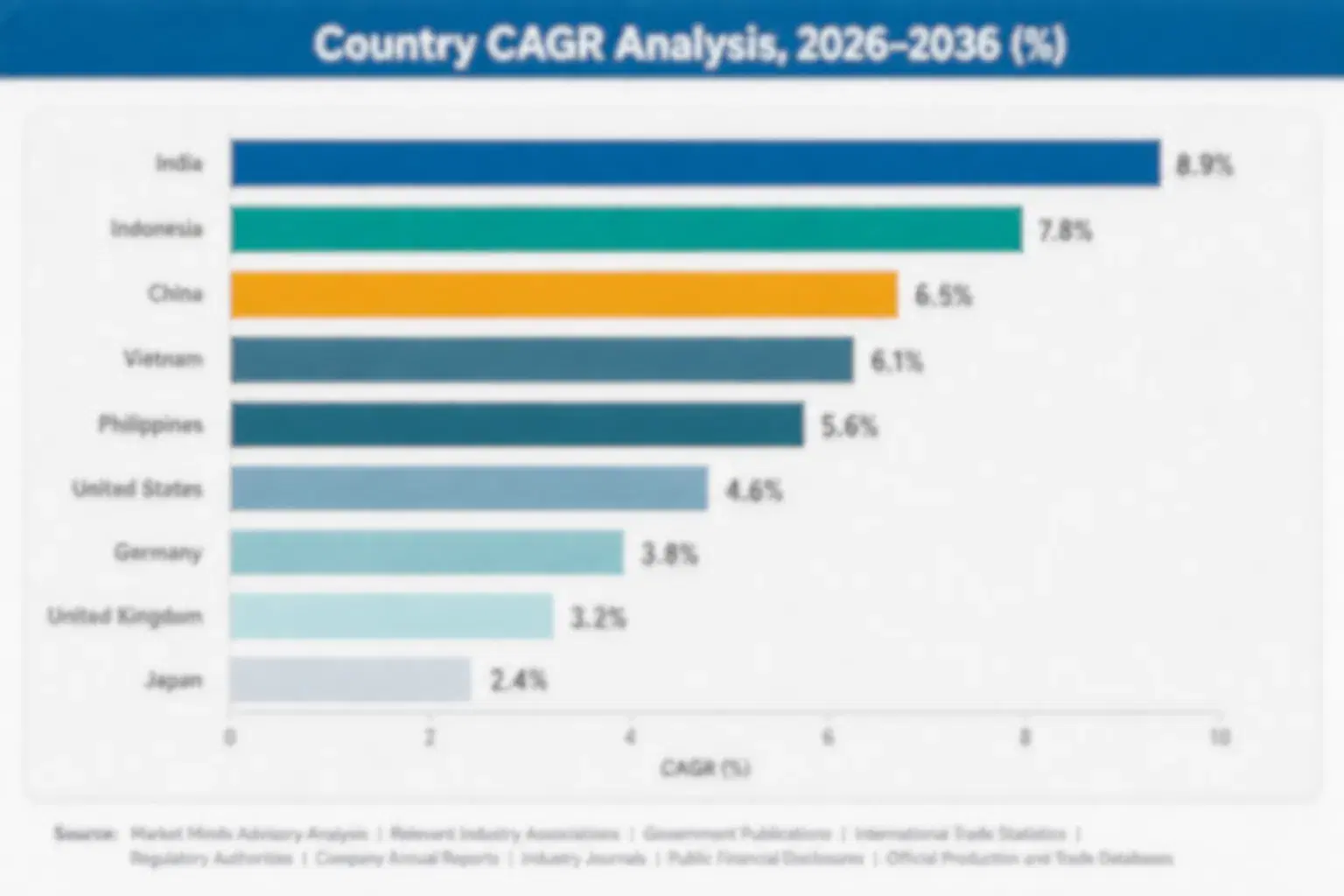
North America remains the largest snack bar market on branded revenue and retail depth, while South Asia and Pacific is growing fastest as e-commerce expands access ahead of physical retail infrastructure, and Western Europe trails on growth as the category matures faster there than in less penetrated regions.

North America

North America anchors the category by both revenue scale and brand depth, with Mondelez, General Mills, Mars, and Kellanova all running national distribution networks built over decades of confectionery and cereal category management that new entrants cannot replicate quickly at comparable scale or cost today. Gym culture, GLP-1 medication penetration, and office snacking infrastructure all converge here more completely than in any other region tracked by MMA analysts. Canada largely follows US brand and format trends rather than developing distinct domestic positioning of its own. Private label growth from major US retailers is the fastest-growing sub-channel within the region, narrowing but not closing the branded price premium built over decades.
Share: 32% | CAGR: 7.5% (2026 to 2036)

Western Europe

Western Europe's growth trails North America because the category matured earlier there, leaving less unclaimed shelf space for new entrants relative to less penetrated regions still building out specialty nutrition retail infrastructure of their own from scratch. UK and German retailers have both expanded protein bar assortments fastest within the region, while Southern European markets show comparatively lower per-capita bar consumption tied to different traditional snacking habits historically maintained. Clean-label reformulation pressure arrived earlier in Western Europe than in North America, meaning regional manufacturers already cleared much of the reformulation cost curve. Nordic markets show the highest per-capita protein bar consumption in the region despite their small absolute population base overall.
Share: 22% | CAGR: 5.5% (2026 to 2036)
Regional intelligence for 5 additional markets available in the complete report: East Asia, South Asia and Pacific, Latin America, Middle East and Africa, Eastern Europe. Contact sales@marketmindsadvisory.com.
snack-bars-market-country-cagr-analysis-1790358172652

Occasion Expansion and Formulation Playbook

Snack bar economics reward manufacturers who can serve multiple buyer occasions from a shared manufacturing base while defending premium pricing against growing private label competition nationwide. Four levers separate durable branded growth from margin erosion: GLP-1-adjacent formulation, e-commerce international expansion, formulation science investment, and acquisition-led brand portfolio consolidation across every major occasion tracked today.

Building a New Dedicated GLP-1-Adjacent Line

Manufacturers developing smaller, more protein-dense bars specifically positioned for appetite-suppressed GLP-1 medication users are capturing genuinely new demand rather than cannibalizing existing protein bar sales, based on manufacturer-disclosed category research into this buyer segment. Early movers launching dedicated GLP-1-adjacent lines since 2024 report this sub-segment already contributing a meaningful, fast-growing share of new product revenue within eighteen months of launch, evidence the occasion is genuinely incremental rather than a repositioning of existing buyers. This lever requires new formulation science investment rather than simple repackaging of existing recipes at smaller portion sizes.
Market Impact: Captures a genuinely new 5 to 8 percent segment

Expanding E-Commerce Into Underserved Growth Markets

Building direct e-commerce distribution into Southeast Asian and Latin American markets ahead of physical retail negotiations lets brands establish demand and pricing power before competitors secure the retail shelf space that would otherwise take years to negotiate market by market. Brands pursuing e-commerce-first international strategies report reaching new markets roughly 40 percent faster than traditional retail expansion would allow, based on company-disclosed market entry timelines across several recent international launches. This lever works best combined with local fulfillment partnerships that keep shipping costs from eroding the format's already thin per-unit margin structure.
Market Impact: Cuts new-market entry timeline by roughly 40 percent

Investing in Nutrition Science Formulation Capability

Manufacturers building in-house nutrition science and formulation research capability, rather than relying on co-packer standard recipes, are better positioned to develop meal-replacement-grade products that require a genuinely complete micronutrient profile rather than a simple protein or fiber boost added to an existing recipe. This capability took one branded manufacturer roughly 3 years to build internally, according to company disclosures, a meaningful barrier to entry for smaller challengers without comparable research budgets or scientific staff. The resulting formulation depth also supports faster new product development cycles once the core capability is established across the organization.
Market Impact: Cuts new product development cycle by 3 months

Consolidating Bar Brands Across Buyer Occasions

Large manufacturers running multiple acquired bar brands across energy, protein, and meal replacement occasions are capturing shelf space across the entire aisle rather than competing within a single format, a portfolio approach smaller single-brand competitors cannot replicate without their own acquisition budget. This strategy let one large manufacturer grow combined bar portfolio revenue roughly 12 percent faster than any single acquired brand managed independently before acquisition, according to company-disclosed segment reporting. The approach requires meaningful integration investment to avoid the acquired brands competing against each other for the same retail category review slot.
Market Impact: Lifts combined portfolio growth roughly 12 percentage points

Who Controls the Margin Pool

Five companies hold under half of global branded revenue, a concentration built almost entirely through acquisition of founder-led challenger brands rather than organic category building over time by the incumbents themselves across most developed markets. The gap between the top two players and the rest of the key player set has widened as consolidation continued through the past several years of category development.
Current competitive activity centers on three fronts: GLP-1-adjacent product development racing to capture genuinely new demand, e-commerce-led international expansion into underserved Southeast Asian and Latin American markets, and continued acquisition of remaining independent challenger brands before smaller competitors can scale further on their own. Private label expansion adds pricing pressure concentrated most heavily at the value tier rather than across the full category.

Pressure is building from direct-to-consumer challenger brands using social media and subscription models to bypass traditional retail negotiation entirely, and from private label continuing to narrow the price gap at the value tier where differentiation remains weakest across the category. Rankings could shift meaningfully if a major manufacturer's GLP-1-adjacent line underperforms expectations after the heavy formulation investment already committed.
snack-bars-market-company-positioning-matrix-1790358172832

Competitive Moat and Risk Dimensions

MONDELEZ INTERNATIONAL INC.

Moat: Acquired brand distribution scale

Mondelez's acquisition of Clif Bar gave it instant national distribution scale that Clif's founder-led organization had spent decades building independently, letting the combined entity negotiate shelf space and trade terms that neither could achieve alone at comparable cost. That scale advantage compounds across every new product launch.
MONDELEZ INTERNATIONAL INC.

Risk: Integration culture and speed risk

Large acquirers historically struggle to preserve the founder-led brand authenticity that made challenger bar brands appealing in the first place, and Mondelez risks slowing Clif's historically fast product development pace as the brand integrates into a much larger corporate decision-making and approval structure over time.
GENERAL MILLS INC.

Moat: Established cereal aisle relationships

General Mills' decades-long retailer relationships built through its core cereal business give Nature Valley preferential shelf negotiation position that newer entrants must compete for from a standing start, a genuine advantage in an industry where shelf space allocation decisions happen annually and favor incumbents with history.
GENERAL MILLS INC.

Risk: Legacy formulation reformulation lag

Nature Valley's core granola bar formulation has historically lagged the protein-forward reformulation pace of newer challenger brands, creating a real risk that the flagship brand's growth trails the category average as protein-focused competitors capture a disproportionate share of new retail facings and shelf space each year.

Players Tracked

Prominent Players

Mondelez International Inc.
General Mills Inc.
Kellanova
Mars Inc.
The Simply Good Foods Company

Other Key Players

Nestle S.A.
Post Holdings Inc.
Nature's Bakery LLC
Perfect Bar LLC
GoMacro LLC
Bobo's Oat Bars Inc.
Think Products LLC
Abbott Laboratories
NuGo Nutrition
No Cow LLC
RISE Bar Inc.
Health Warrior Inc.
Bulletproof 360 Inc.
Danone S.A.
Ferrero Group

Recent Developments

JANUARY 2025

Mondelez Expands Clif Bar Protein Line Nationally

Mondelez expanded Clif Bar's protein-forward product line across major US retail chains in January 2025, applying its confectionery-scale manufacturing and distribution capability to accelerate a national rollout that Clif's founder-led organization had previously scaled more gradually across individual regions over several prior years of growth.
Signal: Signals large acquirers are using scale to accelerate challenger brand growth rather than simply preserving prior trajectories.
AUGUST 2024

Kellanova Launches GLP-1-Adjacent RXBAR Line

Kellanova launched a smaller, protein-dense RXBAR variant positioned for GLP-1 medication users in August 2024, following internal category research identifying appetite-suppressed consumers as a genuinely new buyer segment rather than a repositioning of the brand's existing fitness-oriented customer base and marketing spend entirely across channels.
Signal: Indicates major manufacturers now see GLP-1-adjacent demand as durable enough to justify dedicated product lines outright.
MARCH 2025

Simply Good Foods Expands Southeast Asian E-Commerce

Simply Good Foods expanded its Quest brand's e-commerce distribution into Indonesia and Vietnam in March 2025, entering the region through direct online sales rather than negotiating physical retail placement first, a faster but lower-volume market entry route than the company's traditional US retail strategy typically allows.
Signal: Shows manufacturers increasingly favor e-commerce-first entry over slower physical retail negotiation in growth markets nationwide today.

Protein Ingredient Cost Sets the Floor

Protein ingredients, primarily whey and pea isolate, represent roughly twenty-nine percent of cost of goods sold for a typical protein bar SKU, meaningfully higher than the ingredient cost share carried by traditional carbohydrate-forward energy and granola bars. Whey isolate is sourced primarily from US and European dairy processors, while pea protein increasingly comes from North American and French suppliers as regional capacity has scaled.
Whey protein prices rose sharply through 2022 as global dairy supply tightened following adverse weather conditions across major dairy-producing regions, a volatility event documented in USDA dairy market reporting, before easing through 2023 and 2024 as production normalized across most major exporting countries. That price spike forced several smaller manufacturers to temporarily shift formulations toward plant-based protein isolates or reduce protein claims on pack to manage rising cost pressure.

Larger branded manufacturers with forward-purchase agreements absorbed the 2022 whey price spike without major shelf price increases, protecting market share during the disruption, while smaller challenger brands more often passed costs through immediately, risking the price-sensitive portion of their buyer base at exactly the moment cost pressure was highest across the category and the wider grocery trade.
snack-bars-market-cost-volatility-analysis-1790358173018

Forward Contracting Whey and Pea Protein Supply

Manufacturers are locking multi-quarter pricing agreements directly with dairy processors and pea protein isolate suppliers, reducing spot-market exposure and giving procurement teams cost visibility roughly two to three quarters ahead rather than negotiating shipment by shipment against volatile global commodity pricing each purchasing cycle throughout most of the calendar year across major sourcing regions.

Blending Protein Sources to Diversify Risk

Formulating bars with blended whey and plant protein sources rather than a single isolate spreads price risk across multiple, only partially correlated commodity markets, reducing the impact of any single input's price spike on total formulation cost relative to a single-source-dependent recipe used by smaller manufacturers without this flexibility built in from the outset.

Building Domestic Pea Protein Supply Relationships

Shifting sourcing toward North American pea protein isolate capacity, which has scaled meaningfully since 2023, reduces exposure to international dairy market volatility and import shipping cost swings that add unpredictable landed cost to formulations reliant primarily on imported whey isolate from distant overseas suppliers facing their own regional weather-driven disruptions each growing season worldwide.

Portfolio Architecture for Margin Defence

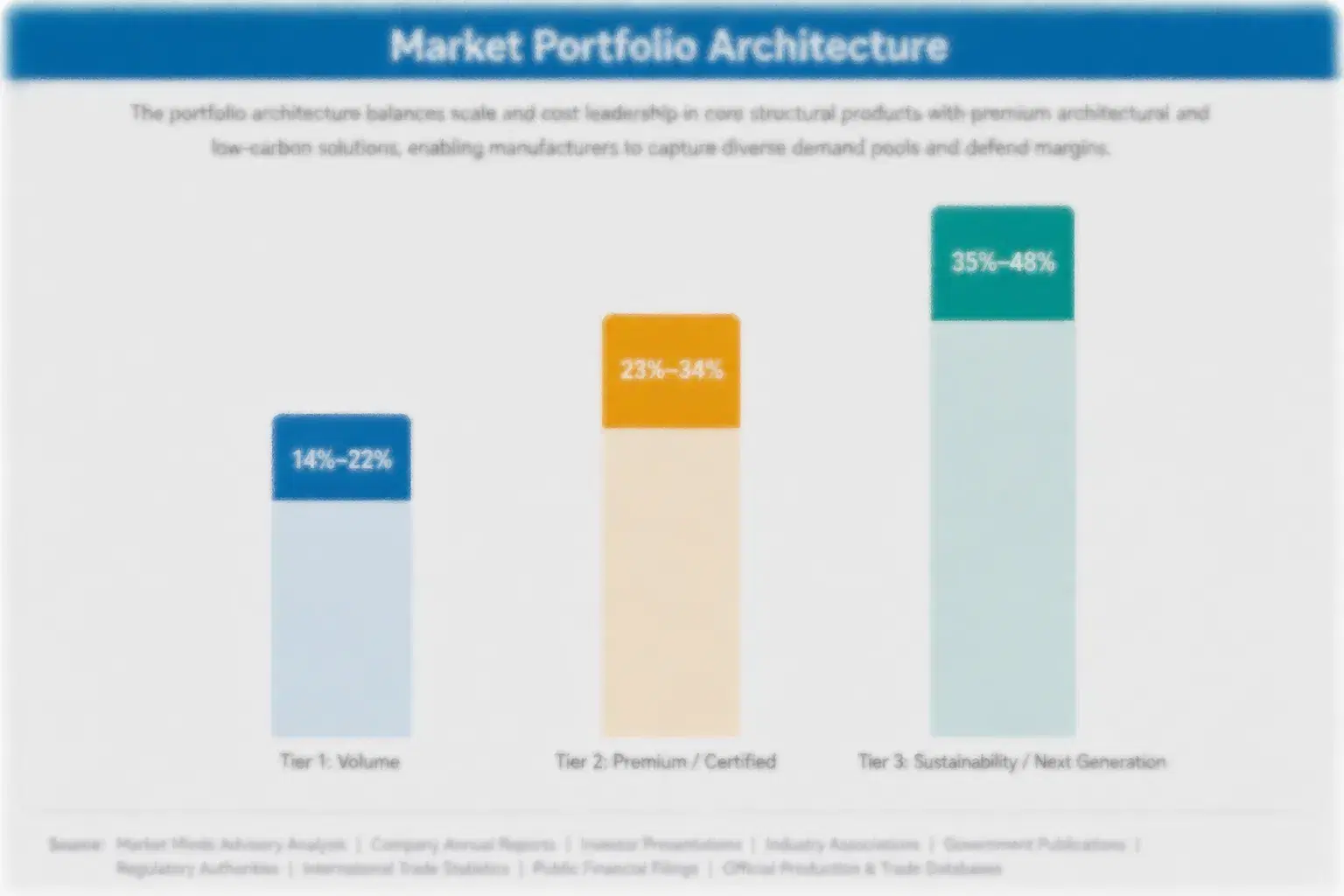
The category organizes into three commercial tiers. A volume and commodity-adjacent tier competes on price against private label, a premium and certified tier commands a real shelf premium tied to clean-label and non-GMO certification, and a smaller sustainability and next-generation tier built around GLP-1-adjacent and novel protein formulations commands the strongest per-unit margin despite representing the smallest current volume base across the category overall today.
Consolidation has concentrated premium tier ownership among the five largest manufacturers, who acquired most of the founder-led challenger brands that originally built the premium positioning, while the volume tier remains genuinely competitive between private label and lower-cost branded product fighting for the same price-sensitive shelf space each cycle. Volume-tier products still anchor total category unit sales despite carrying the category's thinnest margins by a meaningful spread.

High-value margin pools concentrate in the sustainability and next-generation tier, where GLP-1-adjacent and novel protein formulations support the strongest pricing power available today across the category, and in e-commerce-led international expansion channels where brands can command premium pricing without facing the same private label competitive pressure present across mature domestic retail markets nationwide already established.

Volume / Commodity-Adjacent Tier

Standard granola and energy bars competing primarily on price against private label, distributed broadly across mainstream grocery with minimal certification or specialty protein claims attached to the packaging itself today.
Gross Margin: 17-23%

Premium / Certified Tier

Clean-label protein and performance bars carrying third-party non-GMO or organic certification, merchandised at a meaningful price premium over standard formulations within the same retail aisle and broader category set overall.
Gross Margin: 31-39%

Sustainability / Regulatory / Next-Generation Tier

GLP-1-adjacent and novel protein formulations aimed at the fastest-growing, highest-spending buyer segment, commanding the category's strongest per-unit margin despite still-limited total volume relative to the two tiers below it today.
Gross Margin: 41-49%
snack-bars-market-portfolio-architecture-1790358173210

High-value Sub-segments and Strategic Watch-out

GLP-1-Adjacent Protein Bar Format

This high-value, high-growth format is expanding fastest as manufacturers race to serve appetite-suppressed medication users with a genuinely new occasion, and retailers are widening shelf space for it faster than for any other format, making it the clearest near-term margin opportunity in the category today.
Gross Margin: 39-47%

Meal Replacement Bar Segment

High-value but moderate-growth today, meal replacement bars command premium pricing tied to their complex nutritional formulation, though volume remains constrained relative to standard protein bars by the format's narrower, more specific buyer occasion and meaningfully higher price point at most retail shelves nationwide currently observed.
Gross Margin: 34-42%

Standard Granola and Energy Bars

The volume core of the category, standard granola and energy bars anchor total unit sales across mainstream grocery and remain the primary entry format for new buyers even as protein and meal replacement formats capture a growing share of category revenue growth elsewhere in the aisle.
Gross Margin: 17-23%

Private Label Value Tier Bars

The strategic watch-out segment, private label bars are narrowing the price gap with branded value-tier product fastest at the category's least differentiated price point, and their continued expansion could compress branded pricing power meaningfully absent further formulation differentiation from branded manufacturers nationwide going forward each year.
Gross Margin: 20-26%

From Occasional Purchase to Daily Ritual

Snack bars behave more like an annuity product once a buyer adopts one as a regular pre-workout, post-workout, or meal-replacement ritual, since repeat purchase frequency among habituated buyers runs meaningfully higher than for occasional impulse purchasers, giving manufacturers a more predictable revenue base than the category's broader trial-driven growth pattern might suggest at first glance across most retail channels and formats tracked.
Adoption depth varies sharply by end-use vertical: committed fitness buyers show the deepest habit formation and highest repeat purchase rates of any group tracked by MMA, office workplace snacking buyers adopt bars as one rotation option among several rather than a dedicated daily habit, and GLP-1 medication users represent a newer but rapidly deepening habit tied directly to their treatment routine and appetite management needs each day.

Younger buyers entering the category through gym culture and fitness-focused social media content show different flavor and formulation preferences than an older generation of buyers who associate bars primarily with hiking and outdoor energy replenishment rather than daily protein supplementation, a generational shift reshaping how brands position flavor, packaging, and marketing channels across the category overall today.
snack-bars-market-end-use-penetration-index-1790358173395

Where MMA Sees the Real Opportunity

These are among the four positions where our research anticipates prominent divergence between winners and laggards over the coming forecast period. Each is grounded in the demand model, the regulatory perimeter, and the announced capacity pipeline.
01 / GLP-1 FORMULATION PRIORITY

Build dedicated GLP-1-adjacent lines before rivals do

GLP-1-adjacent demand is genuinely incremental rather than a repositioning of existing buyers, and manufacturers investing in dedicated formulation now will capture this fast-growing segment before it becomes a standard category expectation every competitor must eventually match across the trade. The formulation science required takes meaningful time to build internally, creating a real window for early movers to establish a durable lead over slower-moving rivals in the category. Manufacturers that wait risk entering a segment already crowded with formulation-ready competitors who moved first.
02 / INTERNATIONAL CHANNEL STRATEGY

Prioritize e-commerce entry into underserved growth markets

E-commerce-first international expansion is reaching fitness-oriented consumers in Southeast Asia and Latin America roughly 40 percent faster than traditional retail negotiation would allow, a meaningful speed advantage in markets where physical specialty retail infrastructure remains genuinely limited today. Manufacturers building local fulfillment partnerships now will establish pricing power before competitors catch up to the same underserved markets across the wider region. Brands still waiting on physical retail negotiations risk ceding these growth markets to faster-moving e-commerce-first competitors already active there.
03 / FORMULATION SCIENCE INVESTMENT

Build internal nutrition science capability, not co-packer recipes

Meal replacement and GLP-1-adjacent formats require genuinely complete nutritional profiles that standard co-packer recipes cannot easily deliver, and manufacturers building internal nutrition science capability now will hold a multi-year advantage over challengers still dependent on shared formulation resources elsewhere in the category. This capability took established players roughly three years to build internally, a real barrier smaller competitors must plan around carefully and budget for well in advance. Manufacturers without this capability risk permanent exclusion from the category's highest-margin emerging formats.
04 / PORTFOLIO CONSOLIDATION STRATEGY

Consolidate brands across occasions rather than compete alone

Manufacturers running multiple bar brands across energy, protein, and meal replacement occasions are growing meaningfully faster in combined portfolio terms than any single acquired brand managed independently before acquisition, evidence that occasion coverage itself creates value beyond individual brand strength alone. This strategy requires real integration investment to avoid acquired brands competing against each other for the same retail category review slot each year. Manufacturers without acquisition capacity risk losing shelf space to rivals who can offer retailers a fuller occasion set.

Engagement Snapshot From the Field

A live engagement with an industry participant carrying material or product regulatory and market exposure ahead of a defining policy shift, showing how our research translates into a defensible multi-year portfolio strategy.
MARKET MINDS ADVISORY · CLIENT ENGAGEMENT SUMMARY
Snack Bars Producer Strategic Portfolio Review and Transition Roadmap 2026·Investment Scenario on Snack Bars Exposure Evaluation 2025-26
CLIENT PROFILE
The client is a mid-sized North American snack bar manufacturer with an established energy and granola bar range, reporting roughly 110 million dollars in annual revenue (client-reported, unverified by MMA) concentrated in regional grocery and club channel listings. The company approached MMA to assess whether to enter the GLP-1-adjacent protein bar segment or risk losing shelf relevance to acquisition-backed national competitors already investing heavily in the format.
STRATEGIC CHALLENGE
Leadership needed to determine whether to build dedicated GLP-1-adjacent formulation capability internally or license existing nutrition science expertise instead, and how to position a new product line against both acquisition-scaled incumbents and smaller direct-to-consumer challengers without cannibalizing its existing granola bar listings at the same retailers nationally each coming season.
MMA APPROACH
MMA combined primary survey data with retailer buyer interviews to size realistic GLP-1-adjacent demand, modeled formulation development cost and timeline against three build-versus-license scenarios, and benchmarked competitor product development pace to produce a phased entry sequence tailored to the client's existing manufacturing and distribution footprint across its core regional markets.
KEY FINDINGS
  1. Licensing existing nutrition science formulation expertise cut the client's projected development timeline by roughly a third relative to building fully in-house capability from scratch.
  2. Regional retailers offered faster listing decisions for the new product line than national chains, providing a lower-risk proof point ahead of a broader rollout.
  3. The client's existing granola bar distribution relationships accelerated retailer conversations for the new protein line meaningfully versus a hypothetical new-brand entry into the category.
  4. Smaller portion-size formats tested significantly better with GLP-1 medication users in consumer panels than the client's standard full-size bar format tested previously.
CLIENT PROFILE
The client is a mid-sized North American snack bar manufacturer with an established energy and granola bar range, reporting roughly 110 million dollars in annual revenue (client-reported, unverified by MMA) concentrated in regional grocery and club channel listings. The company approached MMA to assess whether to enter the GLP-1-adjacent protein bar segment or risk losing shelf relevance to acquisition-backed national competitors already investing heavily in the format.
STRATEGIC CHALLENGE
Leadership needed to determine whether to build dedicated GLP-1-adjacent formulation capability internally or license existing nutrition science expertise instead, and how to position a new product line against both acquisition-scaled incumbents and smaller direct-to-consumer challengers without cannibalizing its existing granola bar listings at the same retailers nationally each coming season.
MMA APPROACH
MMA combined primary survey data with retailer buyer interviews to size realistic GLP-1-adjacent demand, modeled formulation development cost and timeline against three build-versus-license scenarios, and benchmarked competitor product development pace to produce a phased entry sequence tailored to the client's existing manufacturing and distribution footprint across its core regional markets.
KEY FINDINGS
  1. Licensing existing nutrition science formulation expertise cut the client's projected development timeline by roughly a third relative to building fully in-house capability from scratch.
  2. Regional retailers offered faster listing decisions for the new product line than national chains, providing a lower-risk proof point ahead of a broader rollout.
  3. The client's existing granola bar distribution relationships accelerated retailer conversations for the new protein line meaningfully versus a hypothetical new-brand entry into the category.
  4. Smaller portion-size formats tested significantly better with GLP-1 medication users in consumer panels than the client's standard full-size bar format tested previously.
RECOMMENDED STRATEGY
Phase 1: Phase 1 (Months 1 to 5): License formulation expertise and launch a smaller GLP-1-adjacent format through two regional retail partners to validate demand. Phase 2: Phase 2 (Months 6 to 11): Expand distribution to a national club channel partner and begin evaluating in-house formulation capability investment. Phase 3: Phase 3 (Months 12 to 18): Pursue broader national retail conversations only once regional sell-through data supports the case for expanded capacity.
OUTCOME
Within two quarters of regional launch, the client's GLP-1-adjacent SKU reportedly reached sell-through rates roughly twenty-two percent above the retailer's new snack bar category average (client-reported, unverified by MMA), supporting a decision to invest in in-house formulation capability ahead of the original two-year timeline MMA had modeled.

Frequently Asked Questions

Foundational context covering the market sizes, CAGR, scope, country, region and competition that inform every finding below. This section is provided to cover basics and most often pre-purchase conversations, answered from the MMA Primary Research Dataset.

What is the current size of the Snack Bars Market?

The global snack bars market reached approximately 24.5 billion dollars in 2025. Growth has been driven by protein-forward reformulation and GLP-1-adjacent product development across major manufacturers.

How large will the Snack Bars Market be by 2036?

MMA projects the market will reach roughly 50.6 billion dollars by 2036. Growth is supported by continued protein bar share gains and international e-commerce expansion.

What is the CAGR for the Snack Bars Market 2026 to 2036?

The market is projected to grow at a 6.8 percent compound annual rate between 2026 and 2036. This reflects steady protein-forward reformulation rather than explosive category-wide expansion.

Which segment is growing fastest?

Protein and performance bars are growing fastest, at roughly a 9.5 percent CAGR. This format serves gym, GLP-1-adjacent, and office meal replacement occasions simultaneously, a combination no other format matches.

Who are the major companies in the Snack Bars Market?

Mondelez International, General Mills, Kellanova, Mars, and The Simply Good Foods Company lead the branded segment. Each built its position primarily through acquisition of founder-led challenger brands.

Which country is growing fastest?

Indonesia is the fastest-growing country market, driven by e-commerce access reaching fitness-oriented urban consumers ahead of physical retail infrastructure. Southeast Asia broadly shows the fastest regional adoption curve.

Report Segmentation Architecture

The full report scope spans multiple orthogonal segmentation dimensions, with cross-tabulated demand data provided for each dimension pair. Coverage extends further to regional breakdowns, trend trajectories, and the competitive detail needed to support segment-level decision-making.

By Product Format

  • Protein and Performance Bars
  • Meal Replacement Bars
  • Energy Bars
  • Granola and Muesli Bars
  • Fruit and Nut Bars
  • Indulgent and Dessert-Style Bars

By End-Use Industry

  • Retail Grocery
  • Club and Warehouse
  • Convenience and Travel Retail
  • Foodservice and Institutional
  • E-Commerce

By Commercial Dimension

  • Branded
  • Private Label
  • Direct-to-Consumer
  • Subscription and Membership

By Region

  • North America
  • Western Europe
  • East Asia
  • South Asia and Pacific
  • Latin America
  • Middle East and Africa
  • Eastern Europe

Scope, Methodology, and Coverage

Every figure in this report is reproducible from documented input assumptions. The scope below maps the historical period, the forecast horizon, the segmentation dimensions, and the countries covered, alongside the underlying primary and qualitative methodology.
Historical Period
2020 to 2025
Forecast Period
2026 to 2036
Base Year
2025 (USD billions; MMA Primary Research Dataset, September 2026)
Market Definition
The snack bar market covers packaged, ready-to-eat bars including energy, granola, protein, performance, and meal replacement formats sold through retail and e-commerce channels. It excludes loose trail mix, protein powders and shakes, and confectionery bars marketed primarily as candy rather than a functional or convenience snack.
Quantitative Units
USD billions (current prices); metric tons for volume where disclosed
Segmentation Dimensions
By Product Format; By End-Use Industry; By Commercial Dimension; By Region
Regions Covered
North America, Western Europe, East Asia, South Asia and Pacific, Latin America, Middle East and Africa, Eastern Europe
Countries Covered
USA, China, Germany, France, UK, Japan, South Korea, India, Australia, Canada, Brazil, Mexico, Indonesia, Vietnam, Thailand, Malaysia, UAE, Saudi Arabia, South Africa, Nigeria, Turkey, Poland, Netherlands, Italy, Spain, Sweden, Switzerland, Argentina, Colombia, Singapore, and additional markets relevant to this sector
Key Companies Profiled
Mondelez International Inc., General Mills Inc., Kellanova, Mars Inc., The Simply Good Foods Company, Nestle S.A., Post Holdings Inc., Nature's Bakery LLC, Perfect Bar LLC, GoMacro LLC, Bobo's Oat Bars Inc., Think Products LLC, Abbott Laboratories, NuGo Nutrition, No Cow LLC, RISE Bar Inc., Health Warrior Inc., Bulletproof 360 Inc., Danone S.A., Ferrero Group
Quantitative Methodology
Primary survey, n=3,800 respondents, Q4 2025, six countries; demand-side model with trade association cross-validation
Qualitative Methodology
47 expert interviews, Q4 2025; applied to validate demand model assumptions, identify emerging dynamics, and assess competitive positioning
Report Format
PDF and XLSX data workbook (Word format preview document)
Publisher
Market Minds Advisory
Report Code
MMA-2026-AGR-203
Published
September 2026
Contact
sales@marketmindsadvisory.com | www.marketmindsadvisory.com

Purchase the full Snack Bars Market Report (2026 to 2036).

The full report delivers a complete quantitative and qualitative assessment of the global snack bars market, including ten-year forecasts by product format, region, and commercial channel through 2036. It profiles twenty companies across the branded and private-label competitive set, with detailed moat and risk analysis for the two category leaders. The report includes primary survey data from 3,800 respondents across six countries and 47 expert interviews conducted in the fourth quarter of 2025, alongside protein input cost modeling and channel-specific revenue lever analysis. Buyers receive segmentation data, regional demand architecture, and a strategic verdict section designed to support entry and portfolio decisions.
Ten-year market forecasts by format and region
Competitive profiles of twenty branded and private-label companies
Primary survey data from 3,800 respondents across six countries
Protein input cost modeling and mitigation strategy analysis
Revenue lever analysis across four commercial growth strategies
Regional demand architecture covering all seven global regions

Built For The People Who Decide

From boardroom strategy to bench-side execution, this report is read cover-to-cover by leaders shaping the next decade of their industry, turning demand scenarios, market dynamics and valuation benchmarks into decisions.
CXOs/ Presidents/ VPs/ Managers
M&A and Corporate Development
Strategy Teams and R&D Heads
Procurement and Product Directors
Regulatory and Compliance Leaders
Investor Relations and Equity Analysts