Aerobic stability displacing fast fermentation as the buying argument
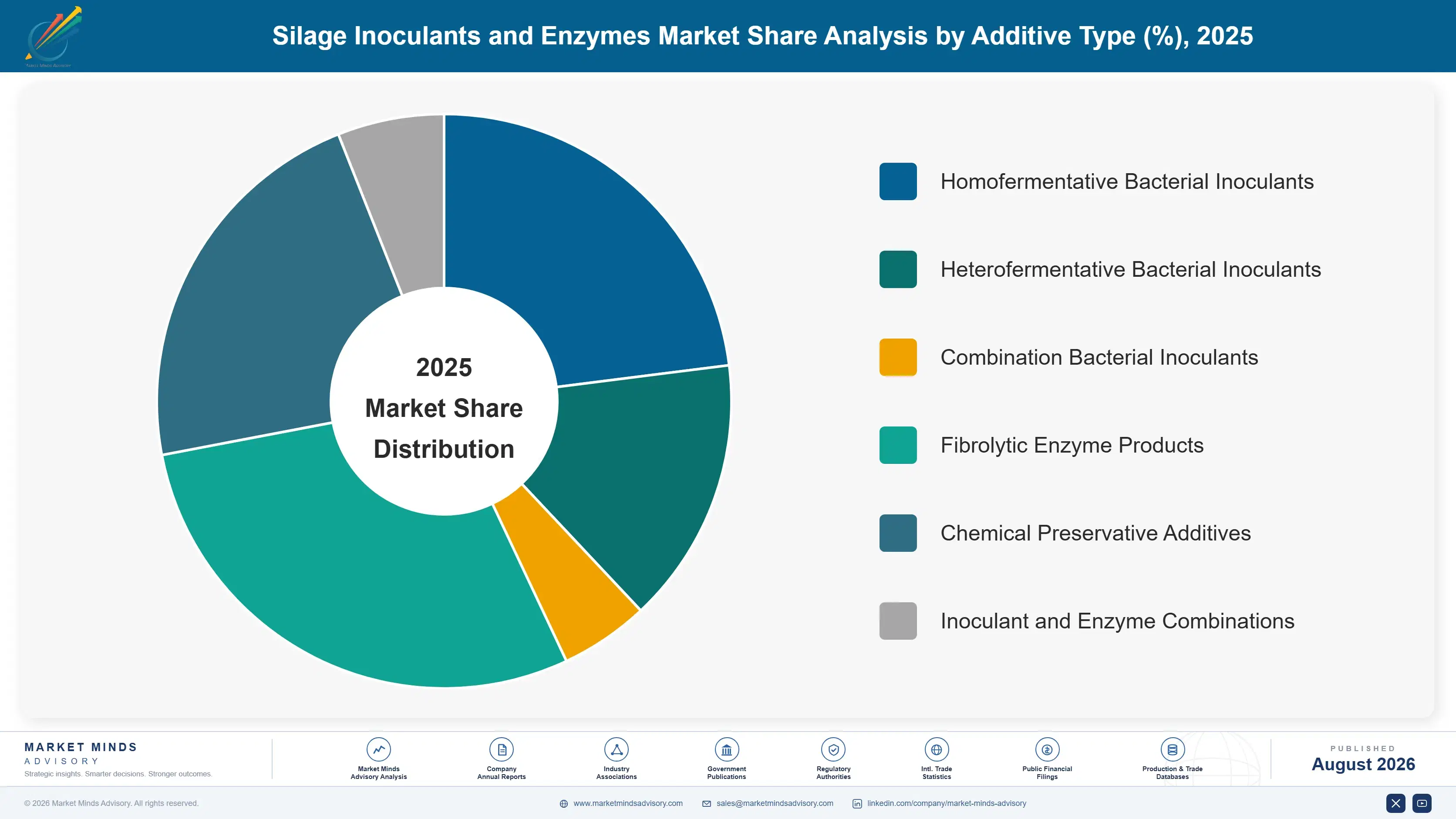
Dry matter losses reach around 22% in poorly managed silage and a large share occurs after the clamp opens, as air reaches the face and yeast populations restart. Heterofermentative strains produce acetic acid that delays heating by around 72 hours at feed-out, buying stability at the cost of some dry matter during fermentation. That trade is the right one for most operations and the argument is finally reaching farmers, which is why these products grow at 9.6% against a market rate of 6.4%. Warm climate operations benefit most, since spoilage runs faster there.
Market Impact: Brazilian demand growing at 9.8%