Market Minds Advisory
Sesame Seeds Market Share Analysis

Sesame Seeds Market Share Analysis: Sesame Seeds Market Share Analysis. Residue Enforcement, Origin Conflict, and Organic Demand Reshape Trade Positions.

Sesame trade is being reshaped by residue enforcement, conflict in Sudan, and organic and tahini demand, while origin concentration in Africa and Asia and thin cleaning capacity decide who holds positions with importers.

Lead Analyst

Published

September 2026

Make Smarter Decisions with Customized Research Insights

Request a free sample report and evaluate market opportunities, growth trends, and competitive dynamics relevant to your business needs.

2025 MARKET VALUE$9.2BMarket Size 2025
2036 FORECAST VALUE$16.1BBase Case , 2026 to 2036
CAGR 2026 TO 20365.2 %Bull 6.5% / Bear 3.9%
INCREMENTAL OPPORTUNITY$6.4BNet 10- year value creation
EXPANSION MULTIPLE1.66x2036 value over 2026 base
Strategic Levers
M&A Pipeline
Regional Outlook
Country Rankings
Competitive Intelligence
Segmental Deep-dive
Call-Us : 91 93563 13602

Executive Snapshot and Market Trajectory.

Sesame is grown by smallholders and eaten from tahini shops to bakeries to sushi bars. It is also one of the least transparent crops. Africa grows most of it, Asia eats most of it, and traders that can guarantee clean, traceable lots hold the strongest positions.
Organic and black sesame are growing fastest, helped by health positioning and premium bakery and snack launches, while hulled white seed anchors volume for tahini and bakery. The Middle East and Africa holds the largest share because Sudan, Ethiopia, Nigeria, and Tanzania grow the largest volumes, and South Asia follows through Indian and Myanmar production and processing. Japan and China import large volumes of premium seed each year, and Turkey, Lebanon, and Israel process tahini.
Competition is concentrated in trade and fragmented in farming. A handful of global origination groups and Japanese and Middle Eastern processors control cleaning, hulling, and export, while millions of smallholders sell through local aggregators. Advantage comes from origin access, cleaning capacity, and residue testing rather than price, and food safety enforcement in Europe and Asia now shapes who can ship. Buyers reward documented residue testing and traceability.
Market Definition
Sesame seeds comprise the seeds of Sesamum indicum, sold as natural unhulled, hulled, roasted, black, brown, and organic-certified seed for food manufacturing, tahini and paste production, bakery, and retail. The scope excludes sesame oil and meal, tahini and other finished pastes, sesame-based snacks and confectionery, and sesame seed used for crushing into oil, which sits in the oilseed market.
Base Year Value
$9.2B in 2025 (MMA Primary Research Dataset, September 2026)
Forecast Period
2026 to 2036, eleven discrete annual values
CAGR
5.2% base case. Bull 6.5%. Bear 3.9%.
Fastest Growth Segment
Organic Certified Sesame Seeds: 9.6% CAGR
Fastest Growth Country
Ethiopia: 7.4% CAGR
Fastest Growth Region
South Asia and Pacific: 7.3% CAGR
Largest Region
Middle East and Africa: 30% of 2025 global value
Market Leaders
ofi, Kadoya Sesame Mills, Wilmar International, Cargill, Louis Dreyfus Company. Source: MMA Analysis, company annual reports.
Primary Survey
n=3,800 procurement and R&D decision-makers, Q4 2025, six countries
Methodology
Demand-side build-up, cross-validated against public data, 47 expert interviews

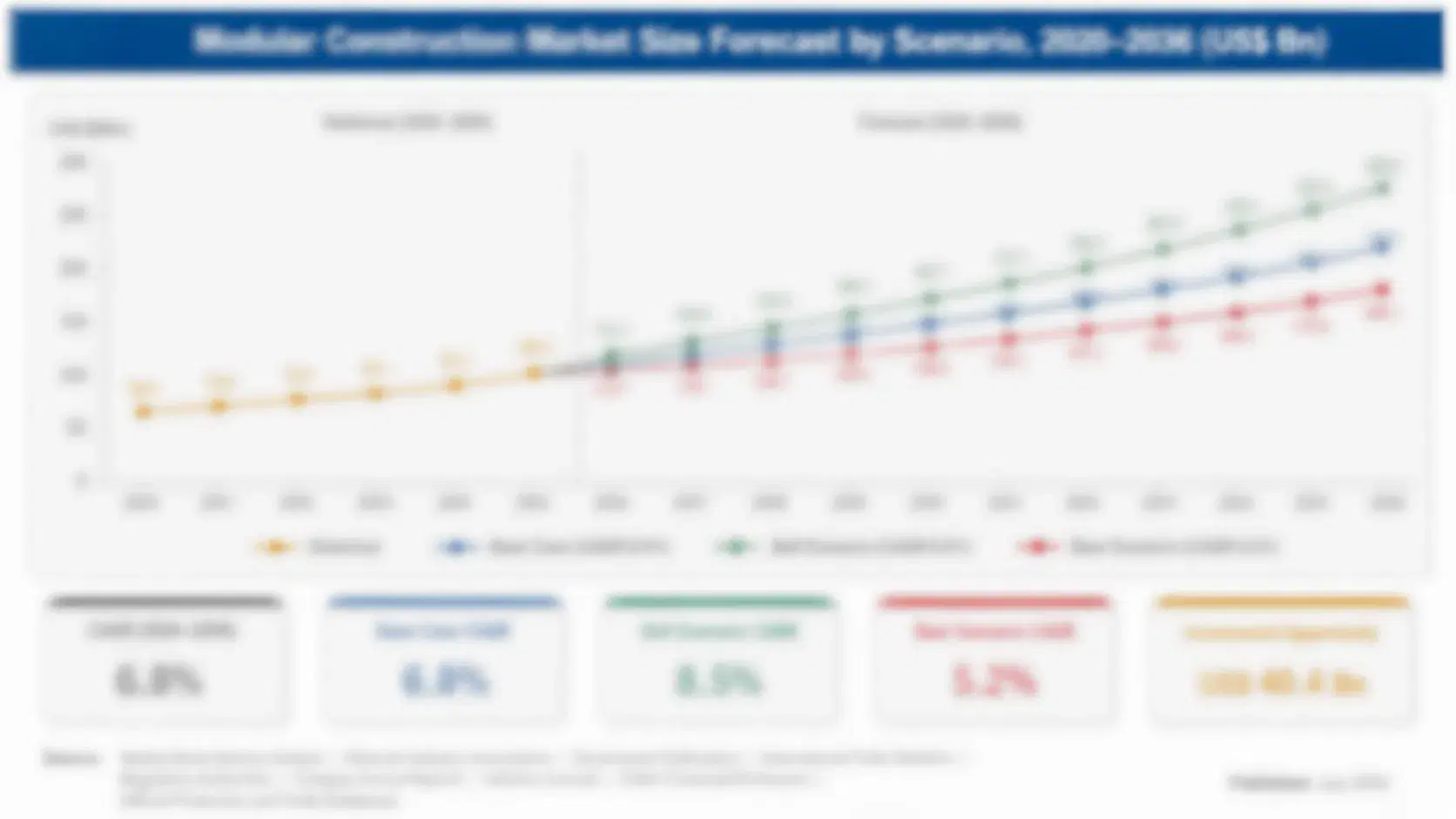
Sesame Seeds Market Forecast Scenarios

sesame-seeds-market-share-analysis-size-forecast-scenario-1789757432887
Between 2020 and 2025, sesame seeds grew steadily as tahini, hummus, and plant-based food demand widened beyond traditional markets, though ethylene oxide residue rejections of Indian seed in Europe, conflict in Sudan from 2023, and price swings created disruption. Growth averaged 4.6% a year, with organic and black seed outpacing natural white seed, and hulled seed gaining share in bakery.
The base case assumes 5.2% annual growth through 2036, built on three named mechanisms: wider use of tahini, hummus, and sesame paste in plant-based and Mediterranean foods across Europe and North America, rising consumption of black and organic sesame in Asia as health-focused snacking expands, and new acreage and processing investment in Ethiopia, Nigeria, and Tanzania that adds supply and diversifies origin risk. Cleaning and traceability upgrades support export access.
The bull case, at 6.5%, needs stable African harvests and faster processing investment at origin. The bear case, at 3.9%, reflects prolonged conflict in Sudan, tighter residue enforcement that removes weaker suppliers, and substitution toward sunflower and flax seeds in bakery and snack uses when sesame prices spike. Either scenario leaves the underlying demand base intact, though pricing would differ.

Origin Access and Residue Compliance Decide Trader Positions

Sesame is harvested by hand, dried, threshed, and sold by smallholders to local aggregators, then cleaned, sorted, and often hulled by processors. Natural unhulled seed carries the husk, hulled seed is peeled for tahini and bakery, and black and brown types serve regional foods. Cleaning quality, moisture, oil content, and residue levels determine price and market access.
MARKET CONCENTRATION28% CR5Top five traders control a moderate combined share
AVERAGE SELLING PRICE$1,900 per tonneHulled and organic seed sell far above natural unhulled
TOP PRODUCING REGION52% shareAfrica grows over half of world sesame production
HULLING RECOVERY82%Hulling removes a fifth of seed weight as husk
SEED COST SHARE84% of COGSSeed purchase price dominates trader and processor cost
EXPORT REJECTION RATE3%Residue and quality checks reject a small share of lots
Buyers use the seed in different ways. Tahini and halva makers in the Middle East and Europe buy hulled white seed, bakeries and snack makers use seeds on buns, crackers, and bars, Japanese and Chinese food makers buy black and white seed for seasoning and paste, and health brands sell organic and black seed. Specifications cover purity, moisture, oil content, color, and pesticide and ethylene oxide residues.
The industry is fragmented at farm level and concentrated in trade. Sudan, Ethiopia, Nigeria, India, and Myanmar supply most volume, global origination groups and regional traders finance and export it, and Japanese, Turkish, and Middle Eastern processors control hulling and paste. Conflict, weather, and residue rules shape investment, and traders are adding cleaning and traceability capacity to protect access to regulated markets.
"Sesame looks like a commodity until a European port rejects a container. Then the market discovers that clean, traceable lots were always the product, and the traders who invested in origin control are now taking share from those who only bought seed."
Practice Lead, Agricultural Products and Oilseed Trade Practice · MMA Agricultural Products and Oilseed Trade Practice · September 2026

Market Trends

Tahini and Hummus Growth Pulls Hulled White Sesame Into Retail

Tahini, hummus, and sesame paste are moving from ethnic aisles into mainstream retail, food service, and plant-based food formulations, and demand for hulled white seed is rising. Retail sales of hummus and tahini in Europe and North America have grown at high single-digit rates, and Middle Eastern processors expand capacity. Buyers sign annual supply agreements for hulled seed, and traders invest in hulling and cleaning lines to serve them. Restaurants and cafes add tahini dressings and sauces to menus, and supermarkets stock tahini in main aisles, so retailers report tahini sales growing faster than most other spreads.
Market Impact: Japan imports about 160,000 tonnes yearly
Residue Testing and Steam Sterilization Become Standard for Export Seed

Buyers increasingly demand traceable, residue-tested seed, and traders and exporters are installing optical sorters, steam sterilization, and laboratory testing at origin. After ethylene oxide findings in Indian sesame led to European rejections, sterilization methods shifted to steam and heat treatments that leave no residue. Certified cleaning stations in India, Ethiopia, and Nigeria expand, and buyers pay premiums for lots with documented testing. Steam sterilization at temperatures near 100 degrees Celsius reduces microbial load without chemical residue, and exporters report that buyers accept a certificate of steam treatment together with laboratory results, which shortens customs checks.
Market Impact: premium grades grow 8-10% annually

Market Opportunities and Growth Drivers

Asian Packaged Food Demand Anchors Long-Term Import Contracts for Sesame

Japan, China, and South Korea use sesame widely in seasoning, oil, and confectionery, and demand grows as packaged foods, health snacks, and premium baking expand. Japan imports nearly all of its sesame, roughly 160,000 tonnes a year, from Africa and Latin America, and buyers pay for consistent quality and traceability. Asian food makers sign long-term contracts, which supports investment by traders and processors in cleaning and storage at origin. Japanese importers publish tender specifications that require residue and microbial data on every consignment, and contracts often run three to five years with price adjusted by index.
Market Impact: Sudan conflict since April 2023

Health Positioning of Lignans and Black Sesame Lifts Premium Grades

Sesame seeds contain lignans, minerals, and healthy unsaturated fats, and consumers link them with heart and bone health. Black sesame is a traditional ingredient in Chinese and Japanese wellness foods, and organic and black seed are marketed in health stores and online. Brands add seeds to bars, cereals, and bakery, and premium positioning supports price increases, so organic and black grades grow much faster than commodity seed. Retail packs of roasted black sesame and sesame butter sell well in Asian health stores and online platforms, and Western brands add seeds to granola and protein bars.
Market Impact: EU rejections cost $10 million yearly

Market Restraints and Challenges

Conflict in Sudan Disrupts Origin Supply and Lifts Prices

Sudan produces a large share of world sesame, and the conflict that began in April 2023 disrupted harvest, transport, and port logistics, according to USDA Foreign Agricultural Service reports. The root cause is armed conflict and displacement of farmers. Buyers lost supply and shifted to Ethiopia, Nigeria, and India, raising prices. Mitigation includes multi-origin sourcing, forward contracts, and investment in cleaning stations outside the conflict zone. Farmers were displaced during planting and harvest, roads and ports closed, and financing collapsed, so exporters moved sourcing to neighboring countries, where prices rose, and buyers signed larger Ethiopian contracts.
Market Impact: hummus sales up 8% annually

Residue Rejections in Europe Raise Compliance Cost and Trade Risk

European authorities rejected Indian sesame shipments for ethylene oxide residues in 2020 and 2021, and related notifications continue, according to European Commission RASFF data. The root cause was fumigation with a substance not permitted in the European Union. Rejected containers cost traders margin and customers. Mitigation includes steam sterilization, batch testing, supplier audits, and traceability from farm to port for every consignment. Ethylene oxide was used against Salmonella in humid climates, and traders that relied on aggregators without audits found contaminated lots, so buyers now require sourcing audits, supplier declarations, and independent laboratory testing.
Market Impact: cleaning stations up 30% since 2021
3 additional market trends, 4 additional growth drivers, and 3 additional restraints and challenges are covered in the full report. Contact sales@marketmindsadvisory.com to access the complete intelligence.

Segment CAGR and Growth Architecture

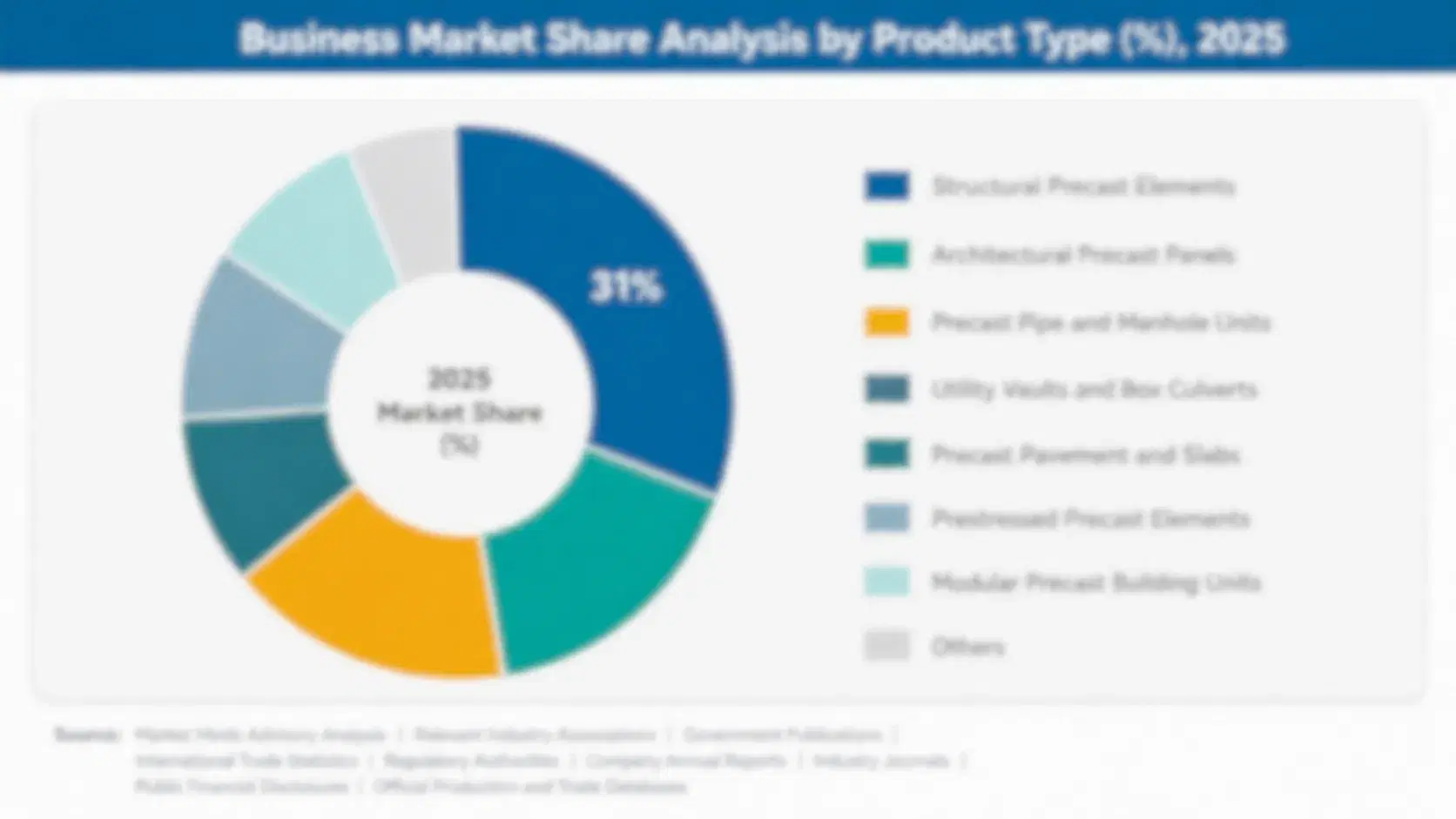
Sesame seeds are segmented by seed type and grade, because certification, color, hulling status, and processing depth determine price, buyer type, and market access more directly than origin alone. Organic certified sesame seeds attract the most new investment as health brands and European retailers convert traceability and organic claims into multi-year purchase specifications. Certification drives pricing.
sesame-seeds-market-share-analysis-market-share-analysis-1789757433169

Organic Certified Sesame Seeds

Organic certified sesame seeds are the fastest-growing segment, produced by smallholder groups under certified organic standards in Ethiopia, Nigeria, Tanzania, and India, and sold to health food brands, bakeries, and tahini makers in Europe, Japan, and North America. Prices run 25% to 45% above conventional seed, and buyers require audit trails and residue-free processing. Supply is thin because farmer group certification is slow, so traders that finance group certification lock in volume. Certification bodies audit farmer groups yearly and check that groups keep seed separated from conventional lots, so traders with strong field teams and record systems hold an advantage. Organic sesame is also popular for tahini, and buyers pair premium prices with multi-year contracts that reward stable quality.
CAGR 9.6%

Black Sesame Seeds

Black sesame seeds are the second-fastest segment, grown in China, India, Myanmar, and Japan and sold for wellness foods, seasoning, paste, and bakery. Prices run 40% to 70% above white seed because volumes are small and demand from Asian health food makers is strong. Quality varies by variety and cleaning, so buyers prefer suppliers with consistent color and purity, and premium Japanese and Korean buyers audit sources and pay for documented origin. Chinese black sesame from Henan and Hubei, Indian black seed from Gujarat and Madhya Pradesh, and Myanmar supply add volume, while Japanese buyers value small, plump seed with strong color. Roasting, milling, and sesame butter products carry the highest margins, and Asian health brands drive premium demand.
CAGR 8.2%
Full segment breakdown across 6 segments available in the complete report.

Regional Architecture and Country Demand Map

Sesame value follows origin volume, processing capacity, and import demand. The Middle East and Africa lead through Sudanese, Ethiopian, and Nigerian output and tahini processing, South Asia follows through Indian and Myanmar exports, and East Asia is the largest premium buyer through Japan and China.

North America

North America holds 8% share, below its usual band, because sesame is grown on very small acreage in Texas and Oklahoma and most seed is imported from Mexico, Nicaragua, and Africa for bakery, snack, and tahini uses. Bun toppings by fast-food chains form a large steady demand, and Sesaco variety programs supply niche domestic growers. Hummus and tahini growth lifts hulled seed imports, though residue and allergen labeling rules add compliance cost. California and Midwest bakers import hulled seed by container, and fast-food chains use large volumes on buns, so contracts favor suppliers with steady quality and food safety audits. Allergen labeling laws that added sesame to the major allergen list raised segregation cost for processors.
Share: 8% | CAGR: 5.7% (2026 to 2036)

Western Europe

Western Europe holds 8% share, below its usual band, because the region grows almost no sesame and imports through Rotterdam, Hamburg, and Antwerp for bakery, tahini, and snack use, although it drives the strictest residue standards. Germany, the United Kingdom, France, and Spain buy hulled and organic seed, and residue enforcement shapes which origins can ship. Higher labor cost means processing is limited, so buyers rely on origin cleaning and testing. Tahini demand is growing quickly in Germany, the United Kingdom, and the Netherlands, and Middle Eastern importers supply many delis, so buyers expect documentation on origin, residue testing, and steam treatment. Rotterdam and Hamburg act as hubs, and organic retailers such as Alnatura support premium organic seed.
Share: 8% | CAGR: 3.7% (2026 to 2036)
Regional intelligence for 5 additional markets available in the complete report: East Asia, South Asia and Pacific, Latin America, Middle East and Africa, Eastern Europe. Contact sales@marketmindsadvisory.com.
sesame-seeds-market-share-analysis-country-cagr-analysis-1789757433492

Four Margin Levers for Sesame Traders and Processors

Margin in sesame comes from moving beyond raw seed toward cleaned, hulled, certified, and traceable lots that buyers cannot easily replace. Traders that invest in origin cleaning, secure multi-origin supply, certify farmer groups, and build hulling capacity earn more per tonne than merchants competing only on purchase price. Each route needs different capital, skills, and timing.

Building Cleaning and Steam Sterilization Capacity at Origin

Cleaned, sterilized, and tested seed earns 10% to 20% more per tonne than uncleaned seed, and it avoids rejection costs at European and Asian ports. Optical sorters, steam sterilizers, and laboratories cost $1 million to $3 million per station but pay back within three to four years at reasonable throughput. Stations also aggregate seed from many smallholders and improve traceability. Throughput of five to ten tonnes an hour allows a station to serve thousands of farmers, and buyers accept cleaning certificates from stations that pass independent audits, which lets traders shorten quality checks and sell directly to importers.
Market Impact: cleaned and tested seed earns 10% to 20% more

Diversifying Origin Across Africa, Asia, and Latin America

Conflict in Sudan and drought in other origins cut supply, so traders with sourcing across Ethiopia, Nigeria, Tanzania, India, and Latin America protect delivery and margin. Multi-origin contracts reduce the risk that one shock removes more than 20% of volume. Each origin needs separate quality control, but buyers reward reliability with annual agreements that stabilize pricing and volume across changing harvests. Storage in bonded warehouses near Mombasa, Djibouti, and Mumbai lets traders hold stock and serve buyers within weeks when shortages appear, and forward contracts with importers fix margins ahead of the season, which protects earnings when spot prices swing.
Market Impact: multi-origin sourcing cuts single-origin supply risk by 20%

Financing Organic Certification for Smallholder Farmer Groups

Organic seed earns 25% to 45% more than conventional seed, but farmer groups cannot afford certification and audits alone. Traders that finance group certification, provide training, and buy under multi-year contracts secure limited supply and build loyalty. Certification costs $15,000 to $40,000 per group, and premiums repay the cost within two to three seasons, while traceable groups gain access to premium European and Japanese buyers. Buyers that source organic seed cofinance group certification, and traders that share audit reports with customers build trust, so the relationship becomes a partnership that supports fair prices, training, and steady volumes for farmers.
Market Impact: organic premiums repay certification in 2 to 3 seasons

Adding Hulling and Paste-Grade Processing Near Origin or Consumption

Hulled seed sells at 20% to 35% above natural seed and serves tahini makers and bakeries directly. Hulling near origin captures value locally but needs equipment and power, while hulling near consumption serves buyers who want fresh seed and short lead times. Traders with hulling capacity capture the processing margin and can offer more consistent specifications to bakery and paste customers. Small hulling plants near consumption markets can process 500 to 1,000 tonnes a year, and plants near Beirut, Istanbul, and Rotterdam earn steady margins from short lead times and repeat contracts.
Market Impact: hulled seed earns 20% to 35% price premiums

Who Controls the Margin Pool

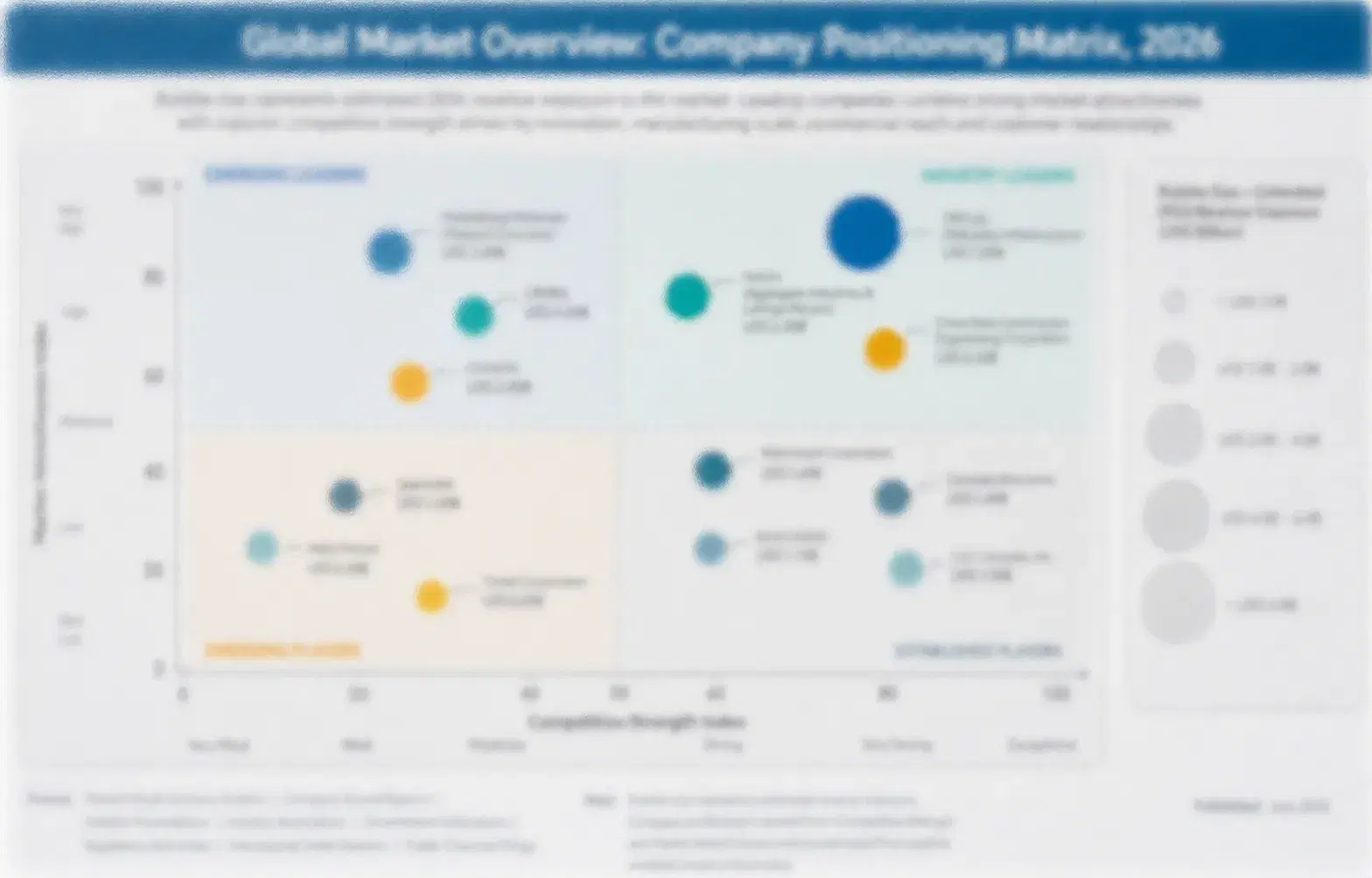
The sesame trade is moderately concentrated, with the top five traders and processors holding about 28% of global revenue, the basis used throughout this section. ofi, Kadoya Sesame Mills, Wilmar International, Cargill, and Louis Dreyfus Company lead through origination networks, processing capacity, and buyer relationships, while thousands of local aggregators and regional exporters trade the rest. The gap between leaders and challengers is wide in certified grades.
Competition centers on three dimensions: access to origin volume and farmer group networks, cleaning, hulling, and sterilization capacity, and buyer relationships supported by residue testing and traceability. Leaders sign annual contracts with food makers and paste processors, while challengers compete on price and flexible lot sizes. Organic and food safety certifications add another layer of differentiation, especially for European and Japanese buyers.

Emerging pressure comes from Ethiopian and Nigerian exporters selling directly to Asian and Middle Eastern buyers, from food makers integrating backward into sourcing, and from sunflower and flax seed substitutes. Rankings shift where traders secure conflict-free supply, win certified organic contracts, or lose access to Europe after rejections. Acquisitions of regional processors and investment in origin cleaning will reorder positions faster than organic growth.
sesame-seeds-market-share-analysis-company-positioning-matrix-1789757433757

Competitive Moat and Risk Dimensions

OFI

Moat: African and Asian Origination Network

ofi operates origination, cleaning, and export capacity across Africa, Asia, and Latin America, with direct relationships with farmer groups and aggregators in key sesame origins. Its scale supports financing, testing laboratories, and multi-origin contracts, and its global customer base includes food makers, paste processors, and retailers, giving it access to buyers who need reliable supply.
OFI

Risk: Exposure to Origin Volatility

ofi's reliance on African and Asian origins exposes it to conflict, weather, export policy shocks, and residue enforcement. Sudan's conflict disrupted supply, and rejections at European ports can hurt reputation and margins. Local exporters can move faster in some origins, and buyers seeking direct relationships may bypass traders in high-value organic and black sesame segments.
KADOYA SESAME MILLS

Moat: Japanese Processing Scale and Brand

Kadoya Sesame Mills is a leading Japanese sesame processor with strong brand recognition, roasting and pressing capacity, and rigorous quality control that Japanese consumers expect. Its long relationships with origin suppliers in Africa and Latin America, in-house testing, and product range across seeds, paste, and oil give it a premium position.
KADOYA SESAME MILLS

Risk: Import Dependence and Yen Exposure

Kadoya imports nearly all of its sesame, so it is exposed to origin conflict, price swings, and yen weakness that raises landed cost. Competitors with larger origination networks can offer lower prices or broader sourcing, and rising consumer preference for organic and black sesame may require investment in new supply chains that take years to build.

Players Tracked

Prominent Players

ofi
Kadoya Sesame Mills
Wilmar International
Cargill
Louis Dreyfus Company

Other Key Players

Sesajal
Kanematsu
Takemoto Oil and Fat
J-Oil Mills
Nisshin OilliO Group
Adani Wilmar
Marico
Halwani Bros
Sunbulah Group
Bunge
Archer Daniels Midland
COFCO
Viterra
Sesaco
Al Arz

Recent Developments

MARCH 2026

ofi Expands Sesame Cleaning and Sterilization Capacity in Ethiopia

ofi completed an organic capacity expansion at its Ethiopian facility, adding optical sorting, steam sterilization, and laboratory testing for sesame seed. The project is internal capital spending, not an acquisition. It increases supply of clean, tested lots for European and Asian buyers, improves traceability, and reduces rejection risk.
Signal: Shows leading traders investing in origin cleaning and sterilization to protect access to regulated import markets.
OCTOBER 2025

Kadoya Sesame Mills Signs Multi-Year Supply Agreements With Origin Partners

Kadoya Sesame Mills signed multi-year supply agreements with exporters in Ethiopia and Paraguay for cleaned white and black sesame seed. The deals are commercial contracts, not equity stakes. They give exporters price certainty, secure consistent quality, and support investment in cleaning, sorting, and testing capacity at partner stations.
Signal: Confirms multi-year origin agreements are becoming standard for securing cleaned sesame seed for Japanese food buyers.
JANUARY 2026

Wilmar International Acquires African Sesame Processor to Secure Origin Supply

Wilmar International completed the acquisition of a sesame processor in East Africa with cleaning, hulling, and export capacity. The purchase adds direct farmer group relationships, organic certification, and port logistics, and it gives Wilmar closer access to origin supply. Management said the plant will follow Wilmar quality systems.
Signal: Reflects global agribusiness groups buying African processors to secure conflict-diversified sesame origin supply for regulated markets.

What Drives Sesame Trade and Processing Costs

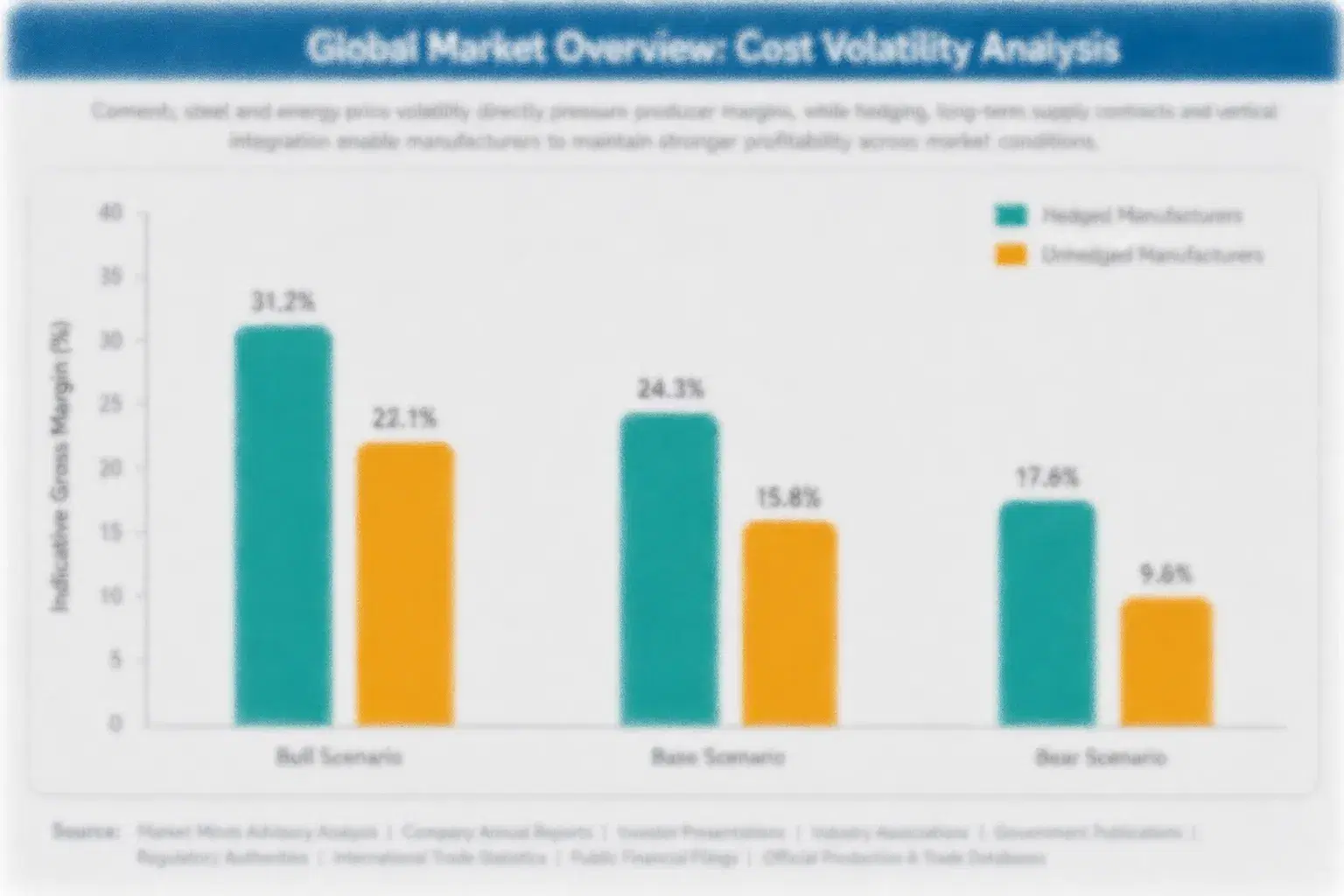
Seed purchase accounts for roughly 84% of cost of goods for traders and processors, sourced from Sudan, Ethiopia, Nigeria, Tanzania, India, Myanmar, and Latin America. Cleaning, hulling, testing, bagging, and freight make up most of the remainder, so seed price, cleaning yield, and freight cost together determine gross margin for most participants. Freight adds several percent.
Conflict in Sudan disrupted sesame harvest and exports from 2023, according to USDA Foreign Agricultural Service reports, and European authorities rejected Indian sesame for ethylene oxide, according to European Commission RASFF notifications. Traders reported higher seed prices, added insurance and testing costs, and in some cases delayed shipments, while buyers shifted volume to Ethiopia, Nigeria, and Latin America and paid premiums for documented lots. Some buyers accepted premium prices for tested lots.

Exposure varies by player type and geography. Integrated traders with origin stations and multi-origin sourcing absorb shocks better than merchants buying spot from aggregators. Japanese and European processors carry currency and freight risk, while African exporters face conflict, infrastructure, and finance constraints, and certified, hulled, and organic grades pass costs through more easily than natural unhulled seed sold on price.
sesame-seeds-market-share-analysis-cost-volatility-analysis-1789757434092

Contracting Farmer Groups and Aggregators Across Several Origins

Traders negotiate seasonal and multi-year agreements with farmer groups and aggregators in Ethiopia, Nigeria, Tanzania, India, and Latin America, and fix price bands and quality standards. Contracts reduce spot exposure and improve traceability, though they lock in prices when harvests are strong. Farmers gain predictable income and training, which builds loyalty and protects traders against poaching by rival buyers.

Investing in Origin Cleaning Stations and Testing Laboratories

Optical sorters, steam sterilizers, and laboratories at origin raise usable yield, reduce rejected lots, and support traceability from farm to port. Rejection rates typically fall by half within two seasons. Capital cost is meaningful, but traders also gain documentation that satisfies regulators and buyers and supports premium contracts with European and Japanese customers. This supports steady export access.

Using Forward Contracts and Insurance to Manage Price and Logistics Risk

Traders use forward sales, credit insurance, and shipping insurance to manage price swings and conflict-related disruption. Hedging costs money and cannot cover every risk, but it protects margin during shocks like the Sudan conflict. Larger traders benefit most because they can commit to volumes that justify long-term financing and insurance terms from banks and insurers.

Portfolio Architecture for Margin Defence

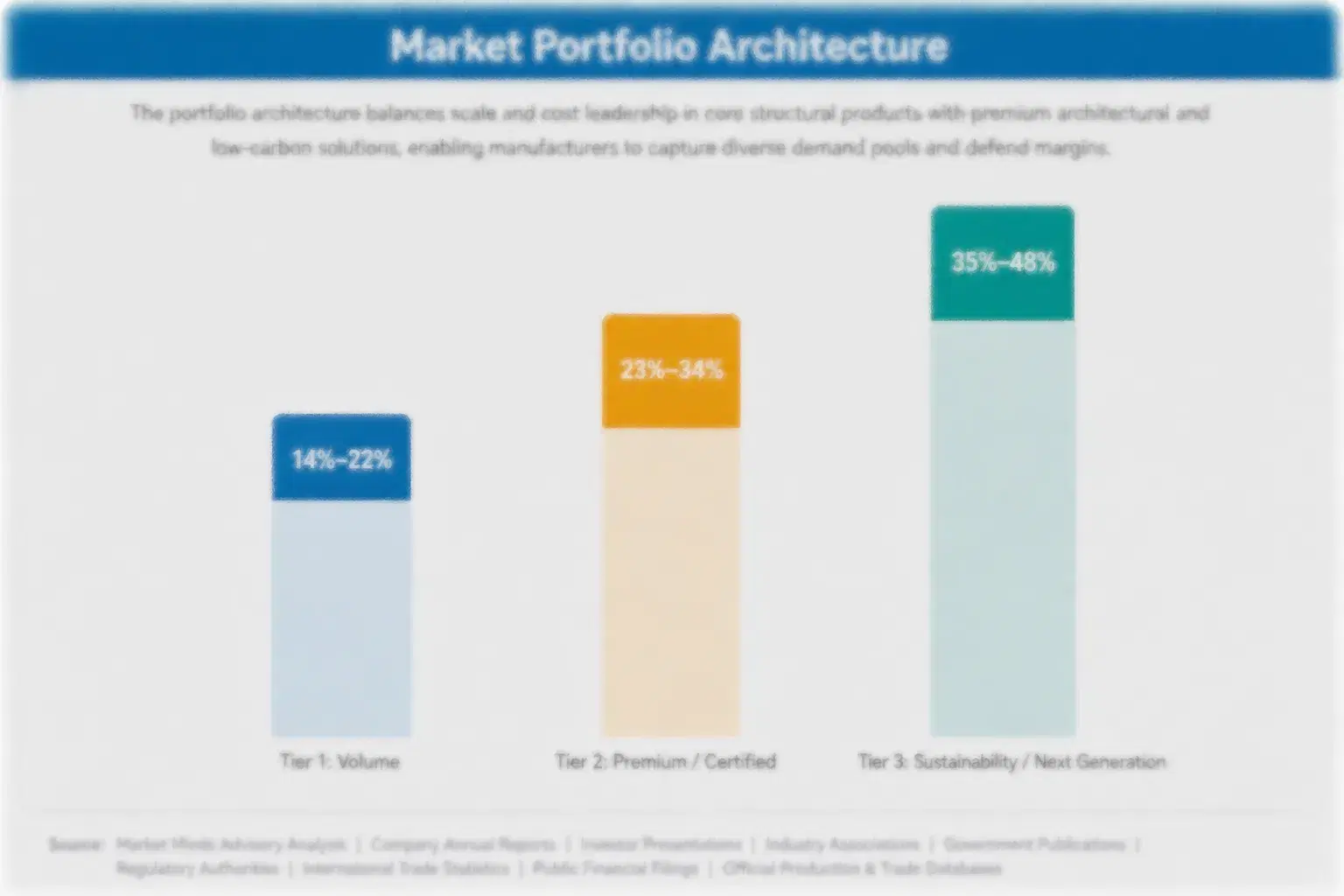
Margins run from thin returns on natural unhulled seed traded on price to strong profits on hulled, organic, and black grades sold with traceability and residue documentation, with gross margin roughly doubling between the volume tier and the top tier. Cleaning, certification, and testing add pricing power over what starts as the same smallholder crop, and buyers pay for reliability because a rejected container can cost a season's margin.
Volume and premium pull in different directions. Natural white and brown seed trades in large lots to processors and importers at thin margins and faces constant price swings from origin shocks. Hulled, organic, and black grades sell in smaller lots at much higher margins but need cleaning, certification, and testing capability, so traders must choose how much capital to commit to premium positioning.

High-value pools concentrate in organic certified seed for health brands and European retailers, black sesame for Asian wellness foods, and hulled paste-grade seed for tahini processors. These segments benefit from recurring orders, documented specifications, and limited competition from small aggregators. Traders combining origin access, cleaning capacity, and certification hold advantages that are difficult to replicate quickly, especially as residue enforcement tightens.

Volume / Commodity-Adjacent Tier

Natural unhulled white and brown seed traded on price to processors and importers, with thin margins, exposure to origin conflict and weather, and competition from many aggregators and regional exporters worldwide.
Gross Margin: 4%-8%

Premium / Certified Tier

Hulled and roasted seed with residue testing and traceable origin, sold under annual contracts to tahini processors, bakeries, and snack makers that require documented purity, consistent color, and reliable delivery throughout the year.
Gross Margin: 8%-14%

Sustainability / Regulatory / Next-Generation Tier

Organic certified and black sesame seed with audited farmer groups, full lot testing, and premium packaging, positioned for health brands, European retailers, and Asian wellness foods, backed by financing of certification and long-term contracts.
Gross Margin: 12%-22%
sesame-seeds-market-share-analysis-portfolio-architecture-1789757434435

High-value Sub-segments and Strategic Watch-out

Organic Certified Sesame Seeds

Organic sesame combines the fastest growth with strong pricing, as health brands and European retailers pay for documented supply chains. Farmer group certification is slow and thin, which protects margins, though traders must finance groups, keep audit trails current, and honor annual contracts to keep premium buyers.
Gross Margin: 12%-22%

Black Sesame Seeds

Black sesame offers solid growth and healthy premiums, because Asian wellness food makers and bakeries pay for color, purity, and consistent supply. Volumes are small and origin-specific, while quality variation and cleaning needs build barriers, so suppliers need consistent varieties and documented testing to keep premium Japanese and Korean customers.
Gross Margin: 10%-18%

Hulled White Sesame Seeds

Hulled white seed remains the volume core of the premium value pool, moving the largest tonnage to tahini makers and bakeries at moderate prices. Margins depend on seed cost, hulling recovery, and buyer negotiation, so returns rely on cost discipline, scale, and reliable supply rather than differentiation.
Gross Margin: 7%-12%

Substitute Seeds and Pastes

Sunflower, flax, and pumpkin seeds and nut pastes are the main strategic watch-out, since they serve the same bakery topping and spread uses when sesame prices spike or residue rejections disrupt supply. If shortages persist, buyers may switch permanently, slowing growth and pressuring trader pricing in some categories.
Gross Margin: n/a (substitution risk)

Why Buyers Keep Sesame Suppliers

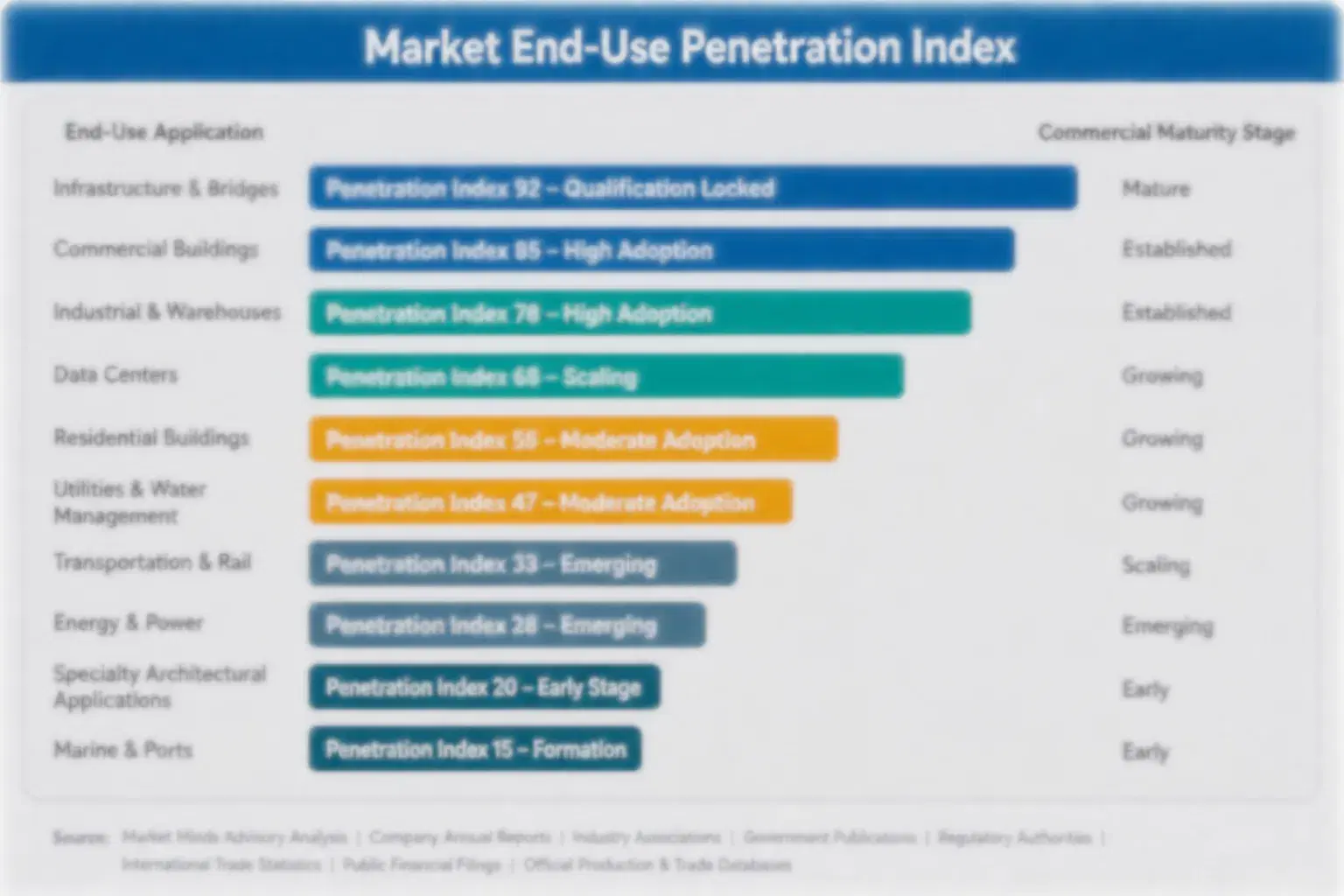
Sesame demand behaves like an annuity once a food maker or paste processor approves a supplier. Color, purity, oil content, and residue profile are tied to a specific origin and cleaning line, so switching means new tests, possible line adjustments, and risk of product complaints. Annual agreements reinforce repeat orders, and buyers often accept modest price increases to protect supply continuity and consistent quality. Quality drift is a bigger fear than price.
Stickiness varies by end-use vertical. Japanese processors and tahini makers show the deepest loyalty because specifications and taste profiles depend on a specific supplier's seed. Bakeries and snack makers switch more often on price, though hulled and organic grades build loyalty. Spot buyers of natural seed purchase mainly on price, making that group the most price sensitive and least attractive for planning.

Buyer profiles are changing. Younger brand owners and retail buyers emphasize organic, traceable, and residue-tested seed, and they favor suppliers that publish origin, audit, and test data. Older buyers anchor on price and long relationships. Suppliers must serve both groups, but growth concentrates among health brands, tahini processors, and retailers that meet food safety and sustainability commitments.
sesame-seeds-market-share-analysis-end-use-penetration-index-1789757434716

MMA Verdict on Sesame Trade Strategy

These are among the four positions where our research anticipates prominent divergence between winners and laggards over the coming forecast period. Each is grounded in the demand model, the regulatory perimeter, and the announced capacity pipeline.
01 / ORIGIN CLEANING INVESTMENT

Build Cleaning and Steam Sterilization Capacity at Origin

Cleaned and tested seed earns 10% to 20% more per tonne, and it avoids rejection costs at European and Asian ports. Stations cost $1 million to $3 million and pay back within three to four years. MMA recommends investing in Ethiopia, Nigeria, and Tanzania within the next two years, before buyers standardize on the first traders that can prove residue compliance with every lot, and importers that reject a lot from an unknown station rarely return, which is why residue compliance earns priority over new marketing programs.
02 / ORIGIN DIVERSIFICATION STRATEGY

Diversify Origin Across Africa, Asia, and Latin America

Conflict in Sudan and drought elsewhere cut supply, and multi-origin traders protect delivery and margin. Sourcing across several countries reduces the risk that one shock removes more than 20% of volume. MMA advises building contracts and storage now, because reliable delivery is the variable most likely to decide which traders keep annual commitments from Japanese and European buyers, and buyers that lost Sudanese supply in 2023 have since asked for named alternative origins in their contracts, which turns diversification into a commercial requirement.
03 / ORGANIC SUPPLY DEVELOPMENT

Finance Organic Certification for Smallholder Farmer Groups

Organic certified sesame grows about 1.85 times faster than the market and earns 25% to 45% more than conventional seed. Certification costs $15,000 to $40,000 per group and repays within two to three seasons. MMA recommends starting with five to ten farmer groups and multi-year contracts, because thin certified supply, not demand, is the constraint that decides which traders capture premium contracts, and farmer groups that see reliable payment and training tend to increase planted area in the next season, which builds supply for the trader.
04 / HULLING CAPACITY EXPANSION

Add Hulling Capacity Near Origin or Consumption Markets

Hulled seed sells at 20% to 35% above natural seed and serves tahini makers and bakeries directly. Hulling near origin captures value locally, while hulling near consumption offers fresh seed and short lead times. MMA advises evaluating both models, starting with one pilot plant, then extending capacity as customer commitments and paste-grade specifications become clear and volumes justify further investment, and importers that want short lead times increasingly prefer suppliers with hulling near port, which turns processing location into a sales advantage.

Engagement Snapshot From the Field

A live engagement with an industry participant carrying material or product regulatory and market exposure ahead of a defining policy shift, showing how our research translates into a defensible multi-year portfolio strategy.
MARKET MINDS ADVISORY · CLIENT ENGAGEMENT SUMMARY
Sesame Seeds Share Analysis Producer Strategic Portfolio Review and Transition Roadmap 2026·Investment Scenario on Sesame Seeds Share Analysis Exposure Evaluation 2025-26
CLIENT PROFILE
The client is a mid-sized Indian sesame exporter with two cleaning plants and roughly $85 million in annual revenue (client-reported, unverified by MMA), selling natural and hulled seed to Middle Eastern, Asian, and European importers. About 70% of volume was natural seed, gross margin sat near 7% (client-reported, unverified by MMA), and it had suffered two container rejections in Europe in the prior three years.
STRATEGIC CHALLENGE
Rejections and tighter residue rules were eroding European sales, Sudan conflict had lifted seed prices, and buyers asked for organic and black seed the client could not supply. Leadership needed a plan that eliminated residue risk, secured seed, and moved volume toward premium grades without overextending capital. The board wanted a decision within a year.
MMA APPROACH
MMA benchmarked 12 exporters on compliance systems and grade mix, interviewed European tahini processors, Japanese importers, and organic brand buyers about specifications and price points, and modeled the economics of steam sterilization, farmer group certification, and a hulling line under bull, base, and bear origin and residue scenarios. The work covered both plants.
KEY FINDINGS
  1. Steam sterilization and laboratory testing costing about $1.6 million would cut rejection risk to near zero and pay back within four years.
  2. Three European buyers indicated they would resume annual contracts if every lot carried residue test results and traceability records, according to buyer interviews.
  3. Financing organic certification for eight farmer groups would cost about $240,000 and support premiums near 30% on certified lots, based on scenario modeling.
  4. Natural seed volume would remain necessary to fill plants, so the client should keep trade sales at about 50% of volume, which keeps plants running.
CLIENT PROFILE
The client is a mid-sized Indian sesame exporter with two cleaning plants and roughly $85 million in annual revenue (client-reported, unverified by MMA), selling natural and hulled seed to Middle Eastern, Asian, and European importers. About 70% of volume was natural seed, gross margin sat near 7% (client-reported, unverified by MMA), and it had suffered two container rejections in Europe in the prior three years.
STRATEGIC CHALLENGE
Rejections and tighter residue rules were eroding European sales, Sudan conflict had lifted seed prices, and buyers asked for organic and black seed the client could not supply. Leadership needed a plan that eliminated residue risk, secured seed, and moved volume toward premium grades without overextending capital. The board wanted a decision within a year.
MMA APPROACH
MMA benchmarked 12 exporters on compliance systems and grade mix, interviewed European tahini processors, Japanese importers, and organic brand buyers about specifications and price points, and modeled the economics of steam sterilization, farmer group certification, and a hulling line under bull, base, and bear origin and residue scenarios. The work covered both plants.
KEY FINDINGS
  1. Steam sterilization and laboratory testing costing about $1.6 million would cut rejection risk to near zero and pay back within four years.
  2. Three European buyers indicated they would resume annual contracts if every lot carried residue test results and traceability records, according to buyer interviews.
  3. Financing organic certification for eight farmer groups would cost about $240,000 and support premiums near 30% on certified lots, based on scenario modeling.
  4. Natural seed volume would remain necessary to fill plants, so the client should keep trade sales at about 50% of volume, which keeps plants running.
RECOMMENDED STRATEGY
Phase 1: Phase 1 (Months 1-6): Install steam sterilization and laboratory testing at both plants and audit all supplier aggregators, with progress reviewed monthly. Phase 2: Phase 2 (Months 7-15): Finance organic certification for eight farmer groups and qualify seed with three European buyers, with audits scheduled first. Phase 3: Phase 3 (Months 16-30): Add a hulling line and launch black sesame lots for Japanese and Korean customers while tracking margin quarterly.
OUTCOME
Within 30 months, the client moved about 30% of volume into hulled, organic, and black grades and raised gross margin from 7% to an estimated 12% (client-reported, unverified by MMA). Three European contracts were signed, no container rejections occurred, and revenue reached roughly $102 million (client-reported, unverified by MMA).

Frequently Asked Questions

Foundational context covering the market sizes, CAGR, scope, country, region and competition that inform every finding below. This section is provided to cover basics and most often pre-purchase conversations, answered from the MMA Primary Research Dataset.

What is the current size of the Sesame Seeds Market?

The global sesame seeds market was valued at $9.2 billion in 2025. This covers natural, hulled, black, roasted, and organic sesame seeds traded for food use worldwide.

How large will the Sesame Seeds Market be by 2036?

MMA projects the market will reach approximately $16.1 billion by 2036. This represents cumulative growth of roughly $6.4 billion over the full ten-year forecast window.

What is the CAGR for the Sesame Seeds Market 2026 to 2036?

The market is forecast to grow at a 5.2% compound annual rate between 2026 and 2036. The bull case reaches 6.5% while the bear case falls to 3.9%.

Which segment is growing fastest?

Organic Certified Sesame Seeds is the fastest-growing segment at 9.6% CAGR, roughly 1.85 times the overall market rate. Black Sesame Seeds follows as the second-fastest segment at 8.2%.

Who are the major companies in the Sesame Seeds Market?

Leading companies include ofi, Kadoya Sesame Mills, Wilmar International, Cargill, and Louis Dreyfus Company. These five traders and processors together hold an estimated 28% of total global market revenue today.

Which country is growing fastest?

Ethiopia is the fastest-growing major market, expanding at approximately 7.4% CAGR each year. New acreage, cleaning stations, and direct exporter contracts with Asian and Middle Eastern buyers are driving this above-market growth.

Report Segmentation Architecture

The full report scope spans multiple orthogonal segmentation dimensions, with cross-tabulated demand data provided for each dimension pair. Coverage extends further to regional breakdowns, trend trajectories, and the competitive detail needed to support segment-level decision-making.

By Primary Market Dimension

  • Organic Certified Sesame Seeds
  • Black Sesame Seeds
  • Hulled White Sesame Seeds
  • Natural Unhulled White Sesame Seeds
  • Brown and Red Sesame Seeds
  • Roasted and Ready-to-Use Sesame Seeds

By End-Use Industry

  • Tahini, Halva, and Paste Production
  • Bakery and Snack Foods
  • Asian Seasoning and Confectionery
  • Health Food and Retail Packs
  • Food Service and Fast Food Toppings

By Commercial Dimension

  • Direct Processor Supply Contracts
  • Trader and Merchant Channels
  • Retail and Private Label Programs
  • Export Trade Channels

By Region

  • North America
  • Western Europe
  • East Asia
  • South Asia and Pacific
  • Latin America
  • Middle East and Africa
  • Eastern Europe

Scope, Methodology, and Coverage

Every figure in this report is reproducible from documented input assumptions. The scope below maps the historical period, the forecast horizon, the segmentation dimensions, and the countries covered, alongside the underlying primary and qualitative methodology.
Historical Period
2020 to 2025
Forecast Period
2026 to 2036
Base Year
2025 (USD billions; MMA Primary Research Dataset, September 2026)
Market Definition
Sesame seeds comprise the seeds of Sesamum indicum, sold as natural unhulled, hulled, roasted, black, brown, and organic-certified seed for food manufacturing, tahini and paste production, bakery, and retail. The scope excludes sesame oil and meal, tahini and other finished pastes, sesame-based snacks and confectionery, and sesame seed used for crushing into oil, which sits in the oilseed market.
Quantitative Units
USD billions (current prices); metric tons for volume references
Segmentation Dimensions
By Seed Type and Grade; By End-Use Industry; By Commercial Dimension; By Region
Regions Covered
North America, Western Europe, East Asia, South Asia and Pacific, Latin America, Middle East and Africa, Eastern Europe
Countries Covered
Sudan, Ethiopia, Nigeria, Tanzania, Mozambique, Egypt, Turkey, Lebanon, Israel, Saudi Arabia, UAE, South Africa, India, Myanmar, Pakistan, Bangladesh, Thailand, China, Japan, South Korea, Mexico, Paraguay, Guatemala, Nicaragua, Brazil, USA, Germany, UK, Netherlands, Russia, and additional markets relevant to this sector
Key Companies Profiled
ofi, Kadoya Sesame Mills, Wilmar International, Cargill, Louis Dreyfus Company, Sesajal, Kanematsu, Takemoto Oil and Fat, J-Oil Mills, Nisshin OilliO Group, Adani Wilmar, Marico, Halwani Bros, Sunbulah Group, Bunge, Archer Daniels Midland, COFCO, Viterra, Sesaco, Al Arz
Quantitative Methodology
Primary survey, n=3,800 respondents, Q4 2025, six countries; demand-side model with trade association cross-validation
Qualitative Methodology
47 expert interviews, Q4 2025; applied to validate demand model assumptions, identify emerging dynamics, and assess competitive positioning
Report Format
PDF and XLSX data workbook (Word format preview document)
Publisher
Market Minds Advisory
Report Code
MMA-2026-AGR-264
Published
September 2026
Contact
sales@marketmindsadvisory.com | www.marketmindsadvisory.com

Purchase the full Sesame Seeds Market Share Analysis Report (2026 to 2036).

The full report delivers a detailed assessment of global sesame seed production, trade flows, and competitive share positions through 2036. It includes segment forecasts by seed type and grade, country-level data for all seven world regions, and profiles of the twenty companies most relevant to trade and processing. Analysts also receive input cost modeling and portfolio margin benchmarking built from MMA's primary research dataset. A scenario planning module lets subscribers stress-test bull and bear assumptions against origin and residue outcomes. Quarterly updates keep the whole dataset current throughout.
Ten-year segment and regional demand forecasts
Origin volume and processing capacity tracking
Competitive share benchmarking of top twenty traders
Origin conflict and residue risk modeling tools
Regional demand mechanism comparative analysis included
Quarterly primary survey data update access

Built For The People Who Decide

From boardroom strategy to bench-side execution, this report is read cover-to-cover by leaders shaping the next decade of their industry, turning demand scenarios, market dynamics and valuation benchmarks into decisions.
CXOs/ Presidents/ VPs/ Managers
M&A and Corporate Development
Strategy Teams and R&D Heads
Procurement and Product Directors
Regulatory and Compliance Leaders
Investor Relations and Equity Analysts