Market Minds Advisory
Security Robots Market

Security Robots Market: Security Robots Market: Platform Classes, Wage Thresholds and Flight Authorisation 2026 to 2036

A patrol robot beats a guard only where guards cost more than twenty-two dollars an hour, and a security drone only flies where a regulator lets it out of sight.

Lead Analyst

Published

September 2026

Make Smarter Decisions with Customized Research Insights

Request a free sample report and evaluate market opportunities, growth trends, and competitive dynamics relevant to your business needs.

2025 MARKET VALUE$1.4BMarket Size 2025
2036 FORECAST VALUE$7.3BBase Case , 2026 to 2036
CAGR 2026 TO 203616.2 %Bull 17.4% / Bear 14.8%
INCREMENTAL OPPORTUNITY$5.7BNet 10- year value creation
EXPANSION MULTIPLE4.49x2036 value over 2026 base
Strategic Levers
M&A Pipeline
Regional Outlook
Country Rankings
Competitive Intelligence
Segmental Deep-dive
Call-Us : 91 93563 13602

Executive Snapshot and Market Trajectory.

Two numbers decide almost everything in this market and neither gets stated in a sales meeting. A platform at roughly USD 6400 a month beats a human guard only above about USD 22 an hour, and a security drone is useless wherever flight beyond visual line of sight remains prohibited.
The market reaches USD 1.63 billion in 2026 and USD 7.32 billion by 2036, a 4.49 times expansion at 16.2%. Autonomous security drones and docked systems grow at 24.3%, half again the market rate of 16.2%, as regulators open flight beyond visual line of sight in more jurisdictions. East Asia holds 30% of revenue on Chinese deployment volume and manufacturing together, while Saudi Arabia grows fastest at 22.4%. The Gulf reasoning is unusual.
Five suppliers hold 29% of deployed platform and service revenue, fragmented across two businesses that share a category name. Knightscope and Cobalt build ground platforms sold on guard displacement. Skydio and Percepto build aerial systems sold on response time and verification. Chinese manufacturers including UBTECH and Hikvision supply enormous unit volume at prices Western firms cannot approach. The two halves barely acknowledge each other exists.
Market Definition
This report covers autonomous and semi-autonomous robotic platforms deployed for physical security and surveillance: autonomous security drones and docked systems, outdoor ground patrol robots, indoor facility patrol robots, fixed autonomous surveillance towers, teleoperated response and intervention units, and perimeter and maritime security robots. It excludes fixed camera and access control systems, alarm monitoring services, human guarding contracts, military and battlefield robotics, and the video management software these platforms feed.
Base Year Value
$1.4B in 2025 (MMA Primary Research Dataset, September 2026)
Forecast Period
2026 to 2036, eleven discrete annual values
CAGR
16.2% base case. Bull 17.4%. Bear 14.8%.
Fastest Growth Segment
Autonomous Security Drones and Docked Systems: 24.3% CAGR
Fastest Growth Country
Saudi Arabia: 22.4% CAGR
Fastest Growth Region
South Asia and Pacific: 18.2% CAGR
Largest Region
East Asia: 30% of 2025 global value
Market Leaders
Knightscope, Skydio, Percepto, UBTECH Robotics and Cobalt Robotics lead on deployed platform and service revenue. Source: MMA Analysis.
Primary Survey
n=3,800 procurement and R&D decision-makers, Q4 2025, six countries
Methodology
Demand-side build-up, cross-validated against public data, 47 expert interviews

Security Robots Market Forecast Scenarios

security-robots-market-size-forecast-scenario-1788559746077
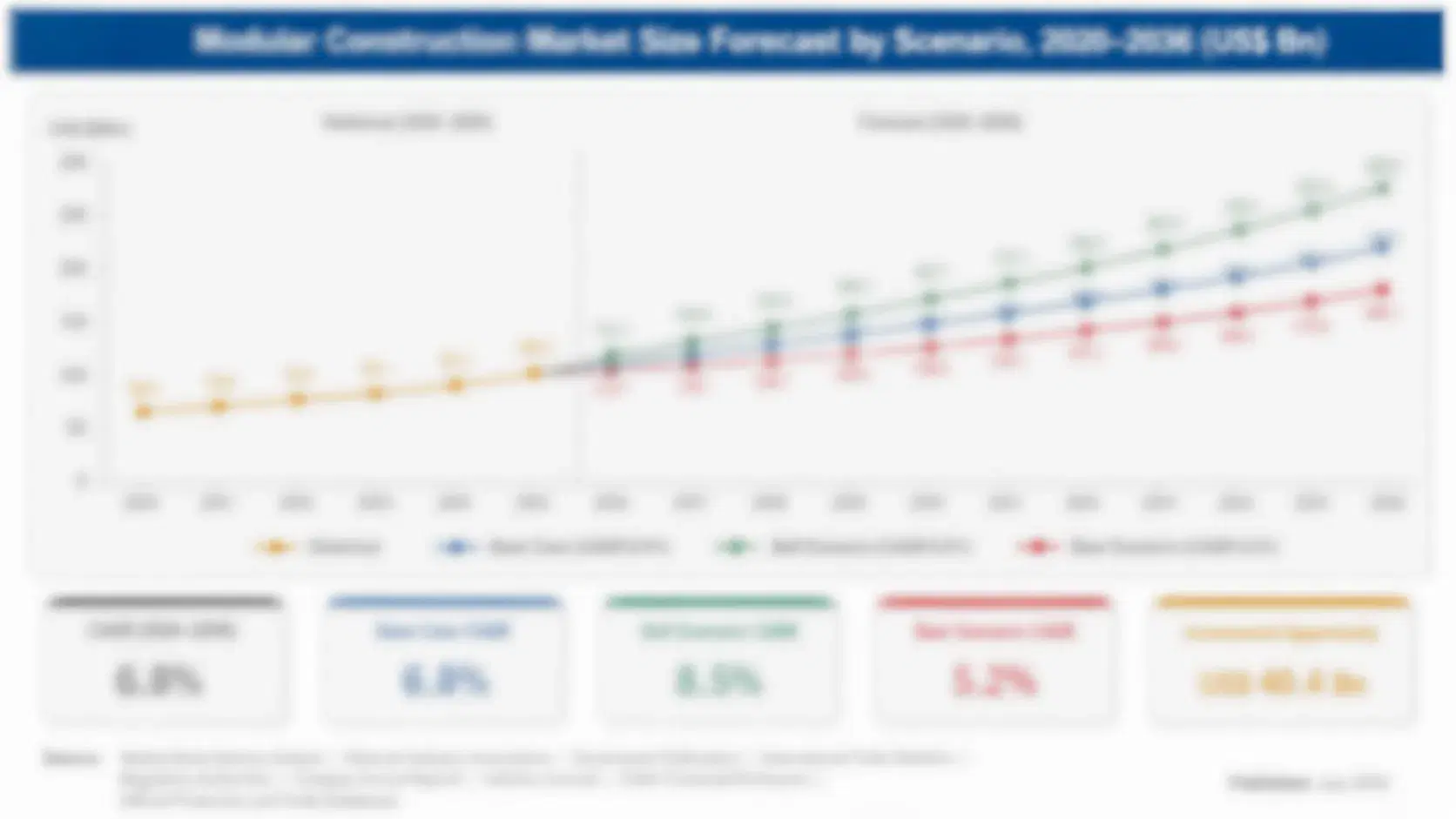
Between 2020 and 2025 the category compounded at 14.6% through a difficult reappraisal. Early ground platforms were sold on replacing guards and mostly did not, because the economics only work above wage levels most markets never reach, and several deployments were quietly withdrawn. What survived was sold differently: verification rather than replacement, which turned out to be a far easier argument to win.
The base case holds 16.2% on three mechanisms. Regulators in the United States, Japan and several European states are opening routine flight beyond visual line of sight, the single condition that makes a docked security drone useful rather than a demonstration. Large remote assets with no staffing model, meaning mines, substations and pipelines, buy on availability rather than wage arbitrage. And Gulf giga-projects specify autonomous security at design because there is no existing guard workforce and the sites are enormous.
The bull case at 17.4% assumes American flight rulemaking completes and becomes routine rather than waiver-dependent, which would open every large campus at once. The bear case at 14.8% is privacy regulation: European and some American jurisdictions restrict autonomous surveillance in publicly accessible space, and a platform that cannot record where it patrols is worth considerably less.

Two Numbers Decide Every Deployment

The ground robot business case is wage arbitrage and nothing else, whatever the marketing says. A platform on a service contract at roughly USD 6400 a month beats a human guard only where guard wages exceed something like USD 22 an hour, which describes North America, Western Europe and Australia and little else. Where guards cost a fraction of that, the arithmetic never closes.
TOP FIVE CONCENTRATION29%Fragmented across ground platform and aerial system suppliers
MONTHLY SERVICE RATEUSD 6400Charged per deployed platform under typical subscription contracts
AUTONOMOUS PATROL ENDURANCE9 hoursContinuous operation before a charging or docking cycle
DRONE RESPONSE TIME70 secondsAlarm to overhead arrival across typical campus deployments
FALSE ALARM REDUCTION62%Fall in dispatched responses after autonomous verification deployment
GUARD WAGE THRESHOLDUSD 22Hourly rate above which platform economics begin working
The aerial half depends entirely on a regulator. A docked drone that launches on an alarm and arrives overhead in about 70 seconds is genuinely useful; the same drone requiring a human observer standing outside to keep it in sight is a demonstration with extra steps. Flight beyond visual line of sight is the whole product, and where it remains restricted this segment does not exist commercially at all.
The deployments that stuck were sold on verification rather than replacement. A site that dispatches guards or police to every alarm, most of which are nothing, cuts those responses by around 62% once something can look first. That is a cost saving nobody has to argue about, it does not require anybody to be made redundant, and it is an easier conversation than replacing a workforce.
"Ask a vendor what a guard costs per hour in the territory they are pitching. If they do not have the number to hand, they have not done the arithmetic that decides whether the deployment survives its second year."
Director, Physical Security and Autonomous Systems Practice · MMA Technology Practice · September 2026

Market Trends

Regulators Are Opening Flight Beyond Visual Line Of Sight

A docked security drone launching on an alarm and arriving overhead in about 70 seconds does something no fixed camera and no patrol can. The same drone requiring a human observer outside to keep it in sight does nothing useful at all. American rulemaking, Japanese authorisations and several European frameworks are moving routine flight beyond visual line of sight from a case-by-case waiver toward a standing permission, and that single regulatory change converts the product from a demonstration into infrastructure. Autonomous drones compound at 24.3% against 16.2% for the market on it.
Market Impact: Cuts dispatched responses 62%
Gulf Giga-Projects Specify Autonomy Before Anybody Is Hired

A conventional security deployment starts with an existing guard force and asks what technology could reduce it. Saudi and Emirati giga-projects have no existing workforce, no legacy contracts and sites measured in hundreds of square kilometres, so autonomous coverage is specified at design rather than retrofitted afterwards. That produces orders at a scale and specification nothing in the commercial market matches, on a logic that has nothing to do with wage arbitrage. Saudi Arabia grows at 22.4%, faster than any other country in this market, and the buying behaviour is unlike anywhere else.
Market Impact: Outdoor platforms compound at 17.8%

Market Opportunities and Growth Drivers

Verification Sells Where Guard Replacement Never Did

A large site dispatches somebody to every alarm and almost none of those alarms are real, which costs money in guard hours, police goodwill and response fatigue. An autonomous platform that looks first cuts dispatched responses by around 62%, and that saving requires nobody to lose a job and no negotiation with a security contractor. Vendors who reframed the pitch from replacement to verification found procurement conversations that had stalled for years suddenly moved. The technology did not change and the argument did, which is the whole commercial history of this category.
Market Impact: Needs wages above USD 22

Remote Assets Have No Practical Staffing Model

An electrical substation, a remote pumping station or a mine perimeter cannot be guarded economically at any wage, because the site is empty, distant and there is nothing for a person to do between incidents. That is a coverage problem rather than a cost one, and it is the only argument in this market that works regardless of local labour rates. Utilities, mining operators and pipeline companies buy on availability and on how quickly something can be looked at, which is why outdoor ground platforms compound at 17.8% on demand nobody has to be persuaded into.
Market Impact: Restricted across 27 member states

Market Restraints and Challenges

Guard Wage Levels Exclude Most Of The World

A platform on a service contract at roughly USD 6400 a month beats a human guard only where wages exceed something like USD 22 an hour, which describes North America, Western Europe, Australia and almost nowhere else. The root cause is arithmetic rather than technology: the platform cost is broadly fixed globally while the labour it displaces is not. Commercially this excludes most of the world's guarded square metres from the replacement argument entirely. Mitigation runs through verification and coverage arguments that do not depend on wage levels at all, which is where the surviving vendors moved.
Market Impact: Response arrives within 70 seconds

Privacy Regulation Restricts Autonomous Surveillance In Public Space

European data protection rules and several American state and municipal ordinances restrict continuous autonomous recording in publicly accessible areas, and a platform that must stop recording where the public can walk loses most of its value in shopping centres, transport hubs and mixed-use campuses. The root cause is that autonomy plus mobility plus recording reads to a regulator as something quite different from a fixed camera. Commercially this narrows deployment to private industrial and commercial sites. Mitigation runs through on-device processing that discards imagery without storing it, which several vendors have built and few regulators have yet tested.
Market Impact: Saudi Arabia compounds at 22.4%
3 additional market trends, 4 additional growth drivers, and 2 additional restraints and challenges are covered in the full report. Contact sales@marketmindsadvisory.com to access the complete intelligence.

Segment CAGR and Growth Architecture

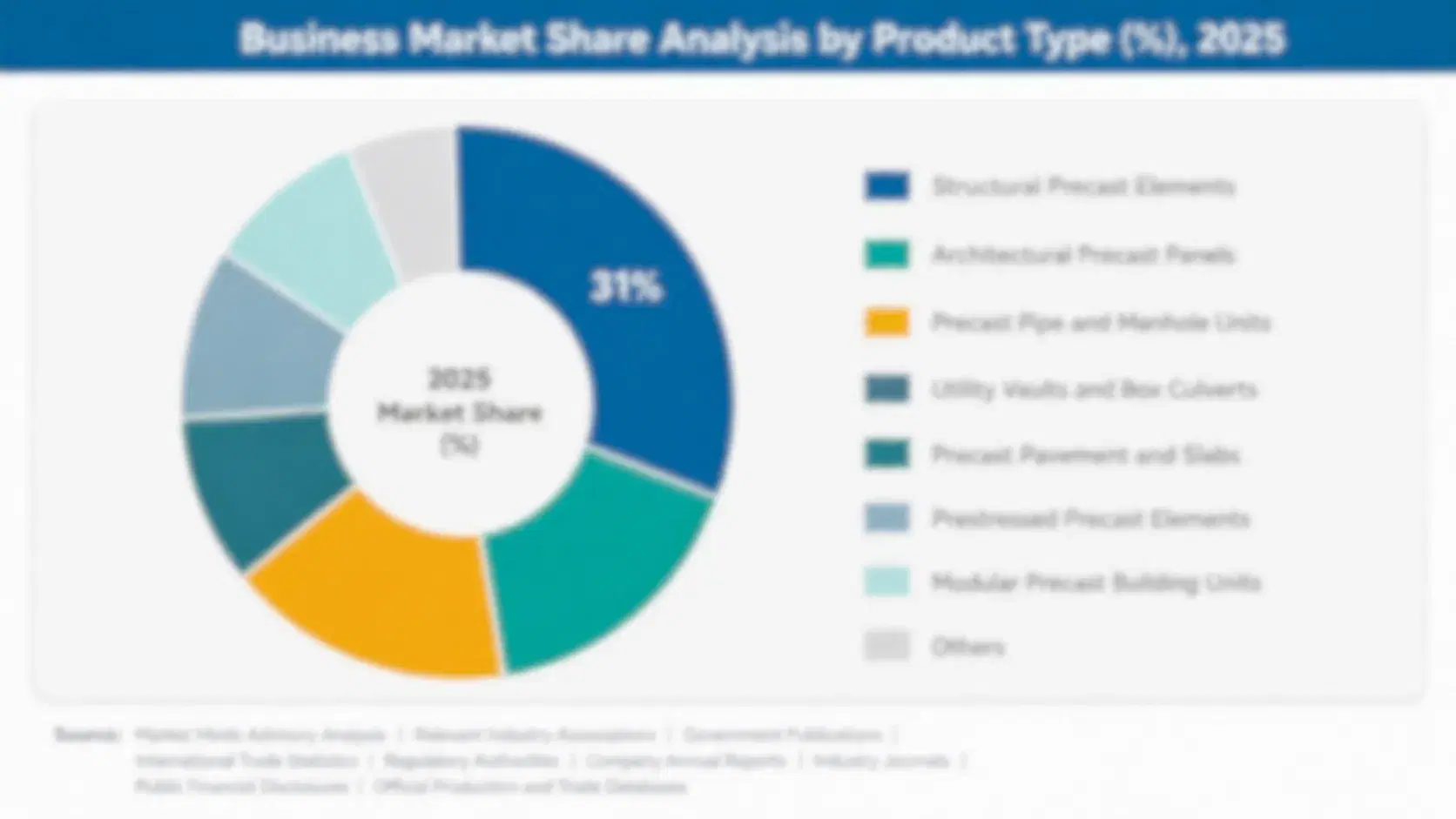
Segmentation follows platform class, since what a machine does physically determines which argument sells it and which regulator constrains it. Six classes cover the market: autonomous security drones and docked systems, fixed autonomous surveillance towers, outdoor ground patrol robots, perimeter and maritime robots, indoor facility patrol robots, and teleoperated response units. End-use setting and contracting model are separate dimensions.
security-robots-market-market-share-analysis-1788559746251

Autonomous Security Drones and Docked Systems

Autonomous drones and docked systems grow at 24.3%, half again the market rate of 16.2%, and a regulator rather than an engineer decides where they sell. A drone in a weatherproof box that launches on an alarm and is overhead in about 70 seconds does something no fixed camera and no patrol vehicle can manage. The same hardware requiring a human observer outside keeping it in sight is a demonstration with extra steps and additional cost. American rulemaking, Japanese authorisation and several European frameworks are moving flight beyond visual line of sight from waiver to standing permission, and every jurisdiction that completes it opens a market that did not commercially exist there before.
CAGR 24.3%

Fixed Autonomous Surveillance Towers

Fixed autonomous surveillance towers grow at 20.6% and succeed by avoiding the two problems that constrain everything else here. A tower does not move, so mobility-based privacy objections do not apply and no flight authorisation is required at all. It can be dropped onto a construction site, a substation perimeter or a remote yard in an afternoon, run on solar and satellite backhaul, and moved when the site changes. That suits precisely the coverage problem that has no staffing answer at any wage, and it sells to utilities, construction and mining operators who never engaged with the guard replacement argument in the first place. The economics are also considerably simpler to explain.
CAGR 20.6%
Full segment breakdown across 6 segments available in the complete report.

Regional Architecture and Country Demand Map

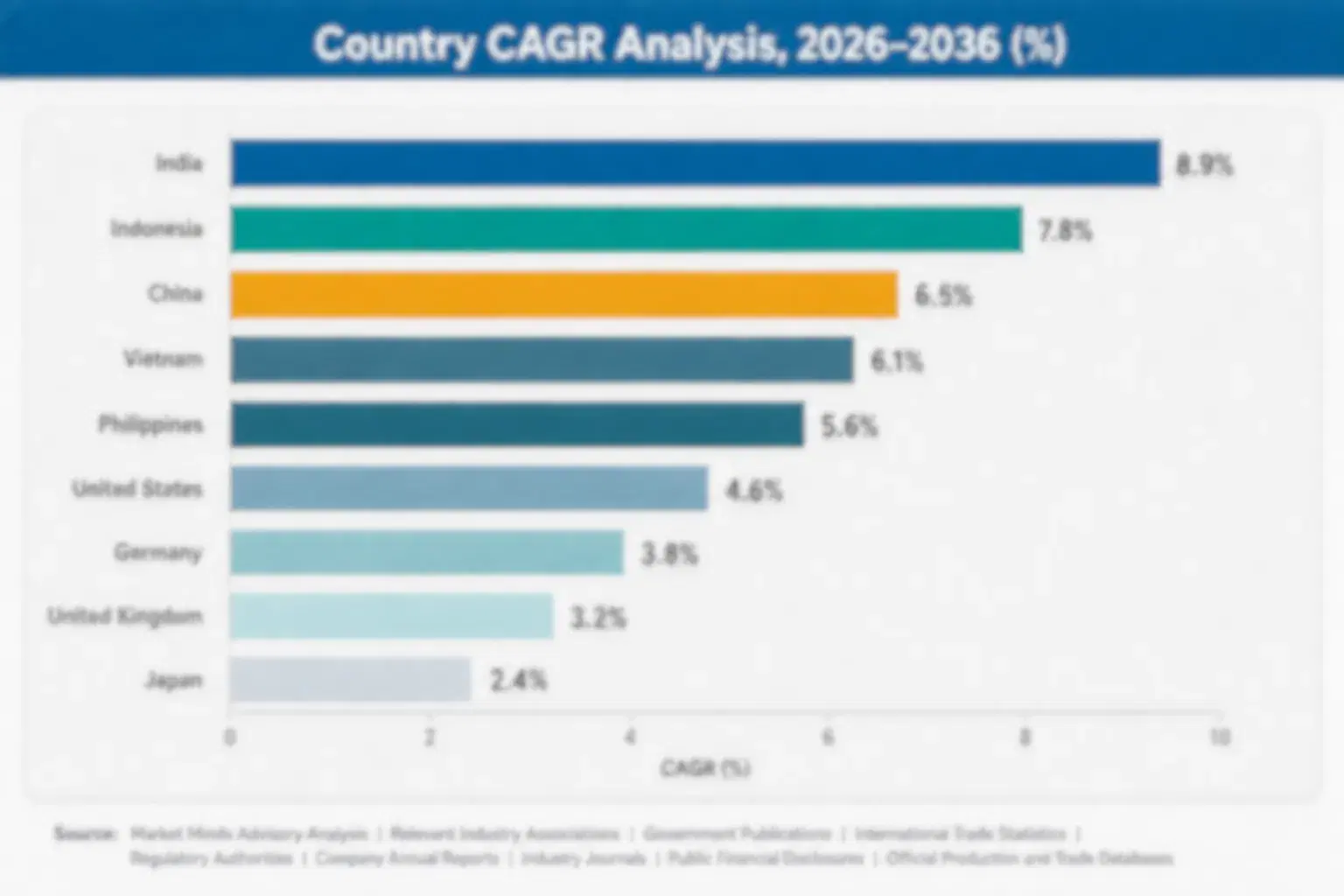
East Asia leads at 30% on Chinese deployment volume and manufacturing together. Middle East and Africa sits well above its band at 12%, because Gulf giga-projects specify autonomous security at design rather than retrofitting it. Western Europe falls below on privacy restriction. Three quite different logics.

East Asia

East Asia holds 30% of revenue and gets there on unit volume rather than on contract value. Chinese patrol robots are deployed across industrial parks, campuses, transport hubs and residential compounds at a scale nothing in the West approaches, at prices Western vendors cannot match and under privacy rules that impose almost no constraint. UBTECH, Hikvision, Dahua and several domestic manufacturers supply nearly all of it and export the hardware widely. Japanese authorisation of routine flight beyond visual line of sight has opened aerial deployment ahead of most of Europe. Growth at 17.2% sits above the global rate, and the gap between units deployed and revenue collected is very wide.
Share: 30% | CAGR: 17.2% (2026 to 2036)

North America

Wage levels and drone regulation together account for North America's 26%. American guard wages sit above the threshold where platform economics work, which is why the replacement argument was invented here and why it partly succeeded. Drone-as-first-responder programmes across police departments and large campuses have expanded rapidly on flight authorisations that most jurisdictions elsewhere still lack. Knightscope, Skydio and Cobalt all built here. Several municipal ordinances now restrict autonomous surveillance in public space, which has narrowed deployment to private sites in a growing number of cities. Growth at 17.0% sits above the global rate on the aerial half rather than the ground one. The two halves are diverging sharply here.
Share: 26% | CAGR: 17.0% (2026 to 2036)
Regional intelligence for 5 additional markets available in the complete report: Western Europe, South Asia and Pacific, Latin America, Middle East and Africa, Eastern Europe. Contact sales@marketmindsadvisory.com.
security-robots-market-country-cagr-analysis-1788559746429

Which Argument Actually Closes Deals

Guard replacement was the pitch this industry invented and it works in about three territories. What actually closes elsewhere is verification, coverage where no staffing model exists, and regulatory permission the competition does not hold. The four levers below sort those, and none of them is about the machine itself, which most vendors find difficult to accept.

Sell Verification Rather Than Guard Replacement

A platform on a service contract at roughly USD 6400 a month beats a guard only above about USD 22 an hour, which excludes most of the world and makes the replacement pitch unusable across the majority of the addressable estate. Verification works everywhere. A site that dispatches somebody to every alarm cuts those responses by around 62% once a machine can look first, which saves money without making anybody redundant and without renegotiating a guarding contract. Vendors who reframed found stalled procurement conversations moving within a quarter. The technology never changed at all.
Market Impact: Verification cuts dispatched responses by roughly 62% everywhere

Chase Sites Where Nobody Can Be Staffed

A substation, a remote pumping station, a mine perimeter or a rail corridor cannot be guarded economically at any wage, because the site is empty and distant and there is nothing for a person to do between incidents. That argument works regardless of local labour rates, which no other argument in this market does. Utilities, mining operators and pipeline companies buy on availability and on how fast something can be looked at, and outdoor ground platforms compound at 17.8% on that demand. The customers are not comparing against guards, they are comparing against nothing.
Market Impact: Outdoor platforms compound at 17.8% purely on coverage

Win Flight Authorisation Before The Competition Does

A docked drone overhead in about 70 seconds is a genuinely different product from a fixed camera, and it only exists where a regulator permits flight beyond visual line of sight. Autonomous drones compound at 24.3% against 16.2% for the market, entirely inside the jurisdictions that granted it. Vendors who invested in authorisation applications, operational safety cases and regulator relationships hold positions competitors cannot enter regardless of hardware quality. That work is unglamorous, slow and generally handled by a compliance function rather than by engineering, which is exactly why so few firms fund it seriously.
Market Impact: Authorisation alone gates the 24.3% growth segment entirely

Build For Sites With No Existing Workforce

Saudi and Emirati giga-projects cover hundreds of square kilometres with no existing guard force, no legacy contracts and nobody defending an incumbent arrangement, which is the easiest procurement condition in this entire market. Autonomous coverage gets specified at design rather than argued for afterwards, at scale and specification nothing commercial matches. Saudi Arabia compounds at 22.4%, faster than any other country here. The requirement is a regional presence, sovereign procurement patience and a willingness to engineer for heat and dust conditions that Western products routinely fail in. Very few suppliers have done that third thing.
Market Impact: Saudi Arabia compounds at 22.4% on design specification

Who Controls the Margin Pool

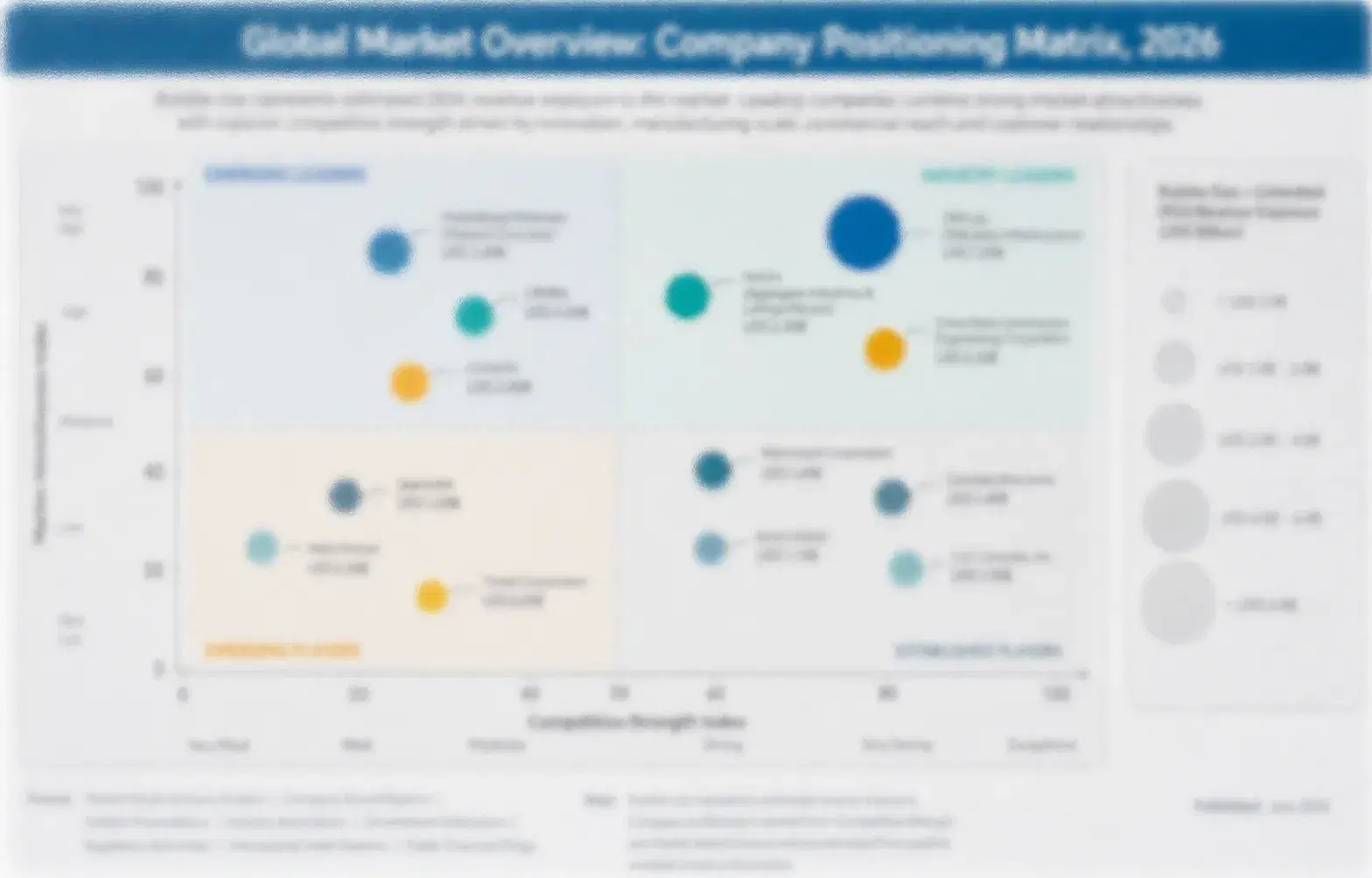
Five suppliers hold 29% of deployed platform and service revenue, fragmented across what are really two separate businesses sharing a name. Knightscope and Cobalt build ground platforms sold on guard displacement in high-wage markets. Skydio and Percepto build aerial systems whose addressable market is defined by flight authorisation. UBTECH supplies enormous Chinese unit volume. All participants are assessed on deployed platform and service revenue.
Competition runs on permission and on argument rather than on capability. Aerial vendors compete on which jurisdictions have authorised them to fly, which is a regulatory position rather than a technical one. Ground vendors compete on whether they sell verification or replacement, and the ones still pitching replacement outside high-wage markets are losing consistently. Hardware quality decides remarkably few contracts.

Rankings shift with regulation and with sovereign procurement. Every jurisdiction that grants routine flight beyond visual line of sight opens a market to whoever holds the authorisation first. Gulf giga-project awards are large enough to reorder the field on a single contract. The other pressure is Chinese hardware entering price-sensitive markets where Western vendors were never competitive in the first place.
security-robots-market-company-positioning-matrix-1788559746608

Competitive Moat and Risk Dimensions

KNIGHTSCOPE

Moat: Service Model And Installed Base

Knightscope sells machines as a monthly service rather than as capital equipment, which suits a security budget that funds guarding operationally and cannot easily approve hardware. The installed base across American corporate campuses, car parks and hospitals also produces incident data that a new entrant cannot assemble. Both took years and neither can be shortened by anybody arriving now.
KNIGHTSCOPE

Risk: Wage Threshold Dependence

The whole proposition rests on guard wages exceeding roughly USD 22 an hour, which confines it to North America, Western Europe and Australia. Growth in this market is coming from coverage and verification arguments that do not depend on labour cost, and from aerial platforms the company does not build. Its strongest argument is also its narrowest one.
SKYDIO

Moat: Flight Authorisation Position

Skydio invested early in the safety cases and regulator relationships that authorise flight beyond visual line of sight, which is the condition that makes a docked security drone useful rather than a demonstration. That position is a compliance asset rather than a technical one, and a competitor with better hardware cannot enter a jurisdiction it has not been authorised in.
SKYDIO

Risk: Regulatory Reversal Exposure

A position built on permission disappears if permission is withdrawn, and autonomous aerial surveillance attracts political attention in a way ground platforms do not. Several American municipalities have already restricted it and European authorities remain unconvinced. An advantage granted by a regulator can be removed by the same regulator, and no amount of engineering provides any defence against that.

Players Tracked

Prominent Players

Knightscope
Skydio
Percepto
UBTECH Robotics
Cobalt Robotics

Other Key Players

Nightingale Security
Asylon
Flyability
Robotic Assistance Devices
SMP Robotics
Zhejiang Guozi Robotics
Hikvision
Dahua Technology
Ghost Robotics
Boston Dynamics
ANYbotics
Elistair
Axis Communications
Motorola Solutions
Teledyne FLIR

Recent Developments

MARCH 2025

Skydio Expands Beyond Visual Line Of Sight Operations

Skydio expanded routine flight operations beyond visual line of sight across additional American jurisdictions under regulatory authorisation, an organic expansion rather than an acquisition. Each authorisation opens a market that did not commercially exist there before, since a docked drone requiring a human observer outside has no practical security value.
Signal: Market access in the aerial half is granted by a regulator rather than won by engineering.
SEPTEMBER 2024

Percepto Extends Autonomous Inspection Into Utility Substations

Percepto extended its autonomous docked drone deployments across electrical utility substations and remote industrial assets, an organic expansion rather than a transaction. Those sites cannot be guarded economically at any wage because they are empty and distant, which makes coverage rather than labour cost the argument that closes the sale.
Signal: Coverage arguments work at any wage level, which is why they travel where replacement arguments cannot.
JUNE 2025

Knightscope Repositions Product Range Around Alarm Verification

Knightscope repositioned its product range and commercial messaging around alarm verification rather than guard replacement, an internal strategy change rather than any transaction. The shift follows a pattern across the ground platform segment, where the replacement argument stalled procurement outside a small number of high-wage territories.
Signal: The industry is finally selling what customers will buy rather than what it had originally promised them.

What A Deployed Platform Costs

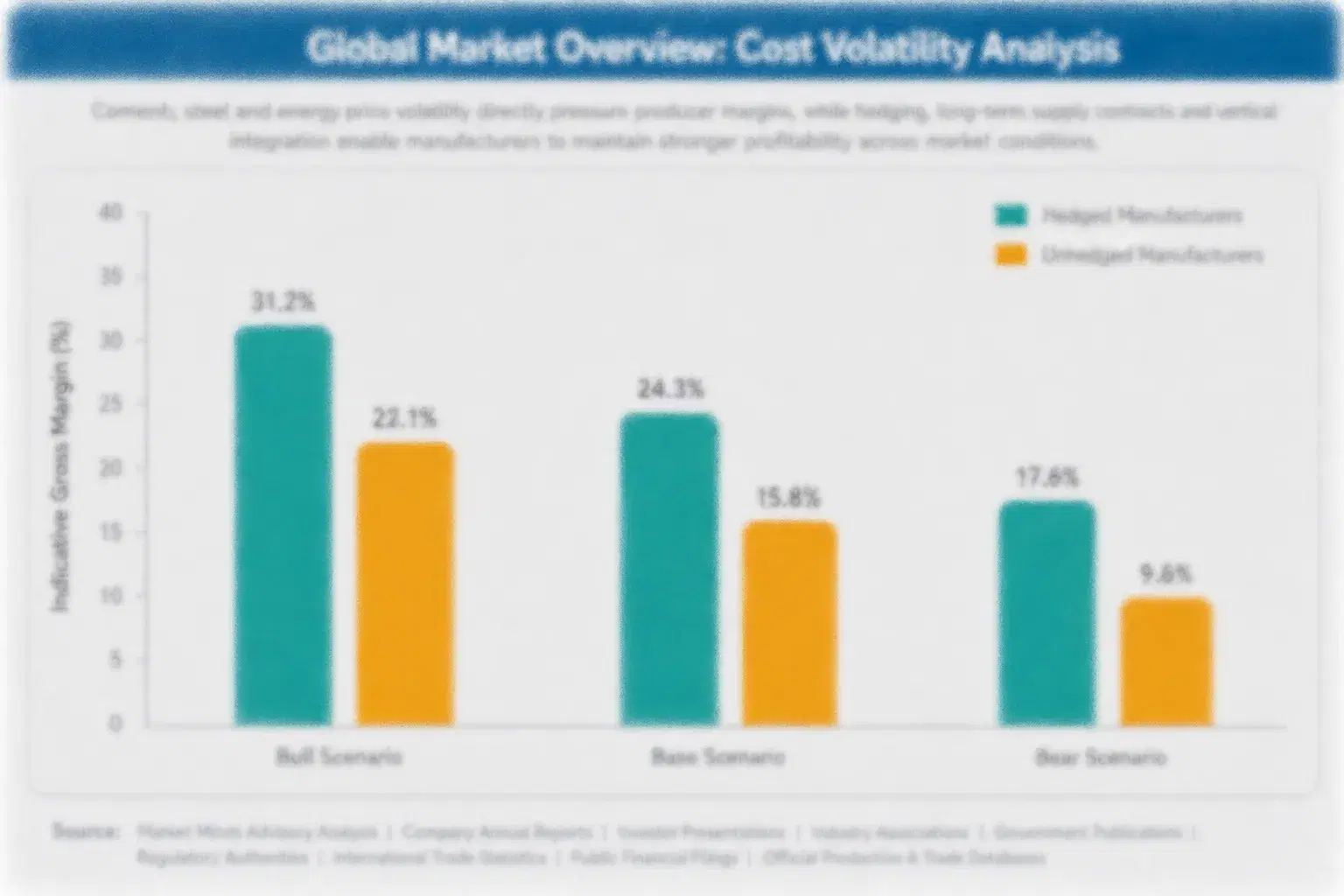
Sensors and imaging payloads account for roughly 31% of platform cost, sourced from a small group of thermal and optical suppliers concentrated in the United States, China and Sweden. Chassis, drive systems and batteries add about 26%. Field service, charging infrastructure and site engineering carry around 22% across a deployed contract, with connectivity and cloud processing taking the balance.
Teledyne FLIR Annual Report 2024 records thermal imaging component costs and supply constraint as recurring variables across its sensing businesses. Motorola Solutions Annual Report 2024 notes comparable pressure on imaging and video product lines. Thermal sensor availability tightened materially through 2023 and 2024 as defence demand competed for the same detector supply, and security platform manufacturers absorbed price increases on contracts already priced for multi-year service delivery.

The competitive disadvantage mechanism is field service density rather than component pricing. A platform sold on a monthly service contract requires somebody within reach when it stops working, and a supplier with several deployments in one metropolitan area absorbs that cost across all of them while one with a single isolated site carries a technician's travel entirely. Geography rather than engineering decides margin here, which is why vendors cluster deployments.
security-robots-market-cost-volatility-analysis-1788559746793

Cluster Deployments Geographically To Share Field Service

Field service, charging infrastructure and site engineering run around 22% of a deployed contract and scale entirely with travel distance. A supplier with several platforms in one metropolitan area spreads a technician across all of them, while an isolated deployment carries the whole cost alone. Declining a distant contract is commercially difficult and frequently the correct decision.

Contract Thermal Sensor Supply Ahead Of Demand

Sensors and imaging payloads run about 31% of platform cost from a narrow supplier base, and thermal detector availability tightened sharply through 2023 and 2024 as defence demand competed for the same production. Manufacturers on multi-year service contracts absorbed those increases with no ability to reprice. Forward contracting detector supply removes an exposure that service pricing cannot recover.

Standardise Chassis Across Ground And Tower Products

Chassis, drive systems and batteries run about 26% of platform cost and most vendors engineer a separate mechanical platform for each product line. Sharing a power system, sensor mount and communications module between mobile and fixed products improves purchasing volume and cuts the spares inventory fragmentation forces on field service. The constraint is real mechanical difference.

Portfolio Architecture for Margin Defence

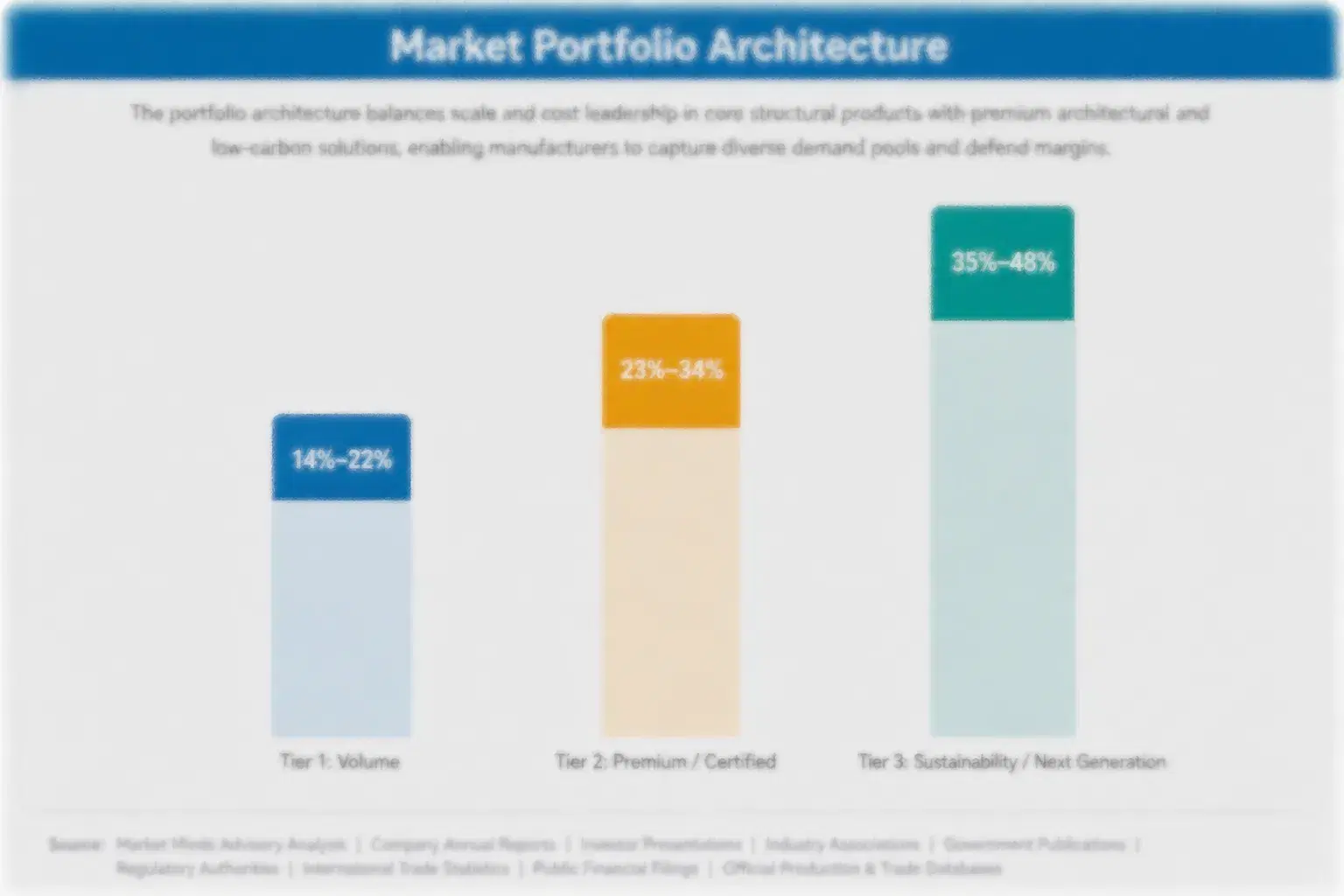
Margin architecture separates on which argument sells the platform. Indoor patrol robots and teleoperated units earn least, competed against low-cost hardware on a replacement argument that mostly fails. Outdoor ground platforms sit in the middle on coverage demand. Autonomous drones and fixed towers earn most, the first because flight authorisation excludes competitors and the second because the deployment is simple, movable and needs no permission from anybody.
The volume versus premium tension is a field service problem rather than a manufacturing one. The same technician supports a cheap indoor robot and an expensive docked drone, but the second sits at a site paying several times as much for the same visit. A vendor chasing unit volume fills a service territory with low-value deployments and then cannot afford to serve the high-value ones properly. That decision compounds quietly over years.

High-value pools sit in autonomous drones and in fixed towers, and neither rewards what this industry originally built. Drones reward regulatory position and compliance patience. Towers reward simplicity, portability and a coverage argument that needs no wage comparison. Ground patrol robots, the product that named the category, sit in the middle of both and are where the least money is.

Volume / Commodity-Adjacent

Indoor facility patrol robots and teleoperated response units competed against low-cost hardware on a guard replacement argument that mostly fails. The eight point spread separates suppliers with dense service territories from those travelling to isolated deployments.
Gross Margin: 24% to 32%

Premium / Certified

Outdoor ground patrol robots and perimeter and maritime platforms sold on coverage where no staffing model works at any wage. The ten point spread tracks field service density more than any product characteristic.
Gross Margin: 38% to 48%

Sustainability / Regulatory / Next-Generation

Autonomous drones with flight authorisation and fixed surveillance towers, where regulatory position in one case and deployment simplicity in the other limit competition. The twelve point spread reflects how differently each supplier amortised its authorisation and engineering investment.
Gross Margin: 52% to 64%
security-robots-market-portfolio-architecture-1788559746985

High-value Sub-segments and Strategic Watch-out

Autonomous Security Drones And Docked Systems

Grows at 24.3% inside the jurisdictions that authorise flight beyond visual line of sight and not at all outside them. The twelve point spread reflects regulatory position rather than hardware. A drone overhead in 70 seconds does what no fixed camera can manage at all.
Gross Margin: 52% to 64%

Fixed Autonomous Surveillance Towers

Grows at 20.6% by needing no flight authorisation and raising no mobility-based privacy objection, while solving the coverage problem directly. The twelve point spread reflects deployment simplicity and service density. It can be dropped onto a site in an afternoon and moved later just as easily.
Gross Margin: 52% to 64%

Outdoor Ground Patrol Robots

Grows at 17.8% on coverage at remote sites where no staffing model works at any wage, which is the only argument here that ignores labour rates. The ten point spread tracks field service density. Utilities, mining and pipeline operators buy without needing persuasion of any kind.
Gross Margin: 38% to 48%

Teleoperated Response And Intervention Units

Grows at 9.8%, slowest of the six classes, because a remotely driven machine still requires an operator and therefore saves nothing on the labour it was meant to displace. The eight point spread reflects service density alone. The category exists mostly for hazardous environments now.
Gross Margin: 24% to 32%

How These Contracts Get Renewed

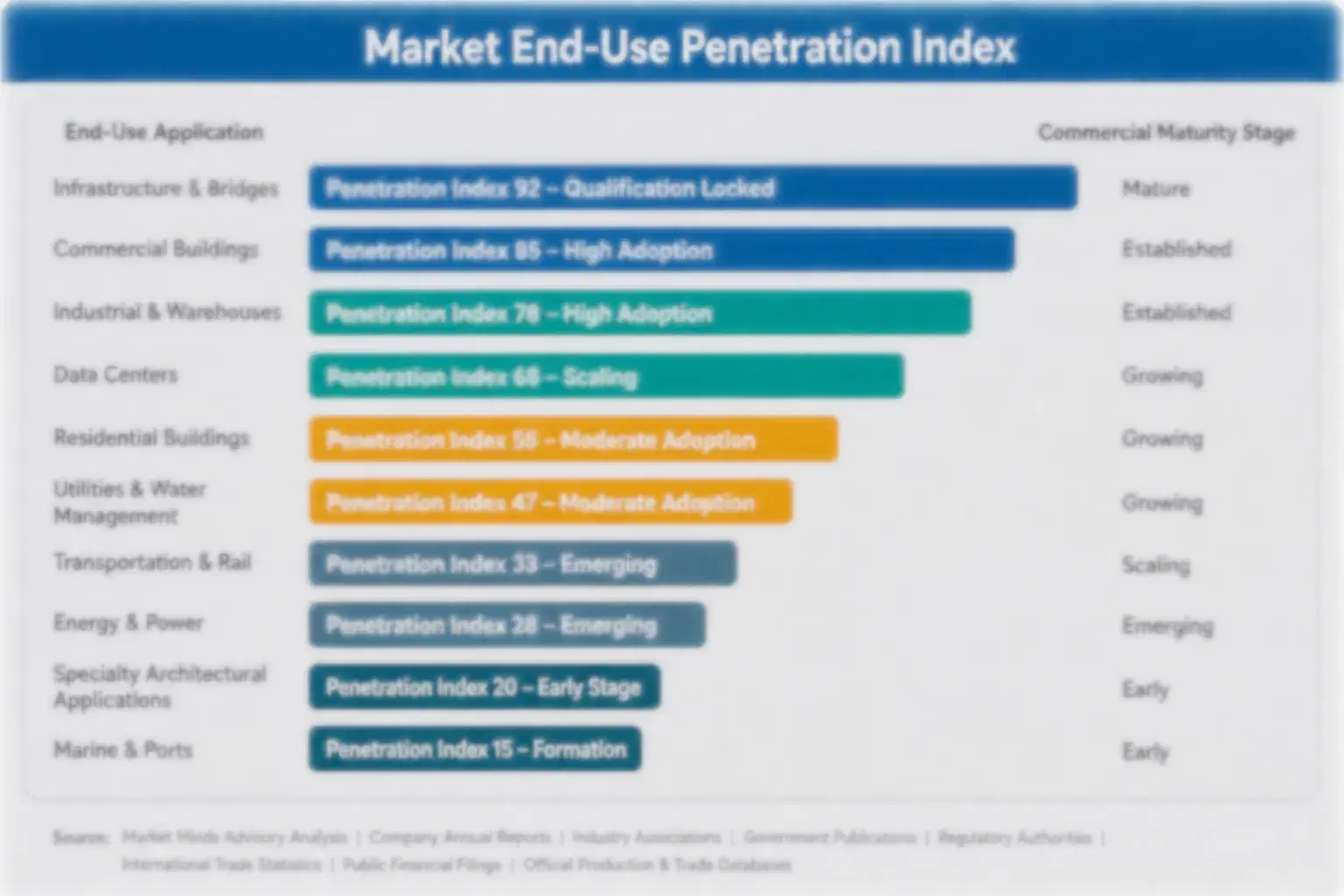
The annuity is the monthly service contract rather than the machine. A platform deployed at roughly USD 6400 a month renews annually against whatever the security manager can demonstrate it prevented, which is a difficult measurement to produce. Sites that framed the purchase as verification renew easily, because the reduction in dispatched responses is countable. Sites that framed it as replacement renew badly, because the guards are usually still there.
Adoption depth varies by site type more than by geography, and tracks whether an alternative exists. Remote infrastructure adopts completely because nothing else works. Large private industrial sites adopt broadly on verification economics. Corporate campuses adopt selectively and mostly in high-wage markets. Publicly accessible spaces adopt least, because that is where privacy regulation bites hardest and where the objections are loudest.

The buyer moved from a facilities function to a risk one, which changed what closes. A facilities manager compared the monthly rate against a guard shift and frequently declined. A risk officer asks what a single undetected intrusion would cost and what the insurer thinks, and stops comparing against labour entirely. That reframing is why the surviving vendors all rebuilt their commercial material.
security-robots-market-end-use-penetration-index-1788559747168

Where This Market Actually Closes

These are among the four positions where our research anticipates prominent divergence between winners and laggards over the coming forecast period. Each is grounded in the demand model, the regulatory perimeter, and the announced capacity pipeline.
01 / SALES ARGUMENT DISCIPLINE

Sell Verification, Never Guard Replacement

A platform on a service contract at roughly USD 6400 a month beats a human guard only where wages exceed about USD 22 an hour, which excludes most of the addressable estate worldwide. Verification works everywhere: a site dispatching somebody to every alarm cuts those responses by around 62% once a machine can look first, and that saving requires nobody to be made redundant. Vendors who reframed from replacement to verification found procurement conversations that had stalled for years moving within a quarter, and the technology did not change.
02 / REGULATORY POSITION BUILDING

Win Flight Authorisation Before Anybody Else

A docked drone overhead in about 70 seconds is a genuinely different product from a fixed camera, and it exists commercially only where a regulator permits flight beyond visual line of sight. Autonomous drones compound at 24.3% against 16.2% for the market, entirely inside the jurisdictions that granted that permission and not at all outside them. Vendors who funded authorisation applications, safety cases and regulator relationships hold positions a competitor with better hardware cannot enter, and the work is slow, unglamorous and handled by compliance rather than engineering.
03 / COVERAGE SITE TARGETING

Chase Assets Nobody Can Staff At All

A substation, a remote pumping station, a mine perimeter or a rail corridor cannot be guarded economically at any wage, because the site is empty and distant and there is nothing to do between incidents. That argument works regardless of local labour rates, which no other argument in this market manages, and outdoor ground platforms compound at 17.8% on precisely that demand. Utilities, mining operators and pipeline companies are not comparing the platform against a guard, they are comparing it against nothing at all, which is easier.
04 / GREENFIELD SITE PRIORITY

Target Projects With No Existing Guard Force

Saudi and Emirati giga-projects cover hundreds of square kilometres with no existing guard force, no legacy contracts and nobody defending an incumbent arrangement, which is the easiest procurement condition in this market. Autonomous coverage gets specified at design rather than argued for afterwards, at a scale and specification nothing in the commercial market matches, and Saudi Arabia compounds at 22.4% as a result. None of it rests on wage arbitrage, since Gulf guard wages are low, and the requirement is regional presence, patience and hardware engineered for heat.

Engagement Snapshot From the Field

A live engagement with an industry participant carrying material or product regulatory and market exposure ahead of a defining policy shift, showing how our research translates into a defensible multi-year portfolio strategy.
MARKET MINDS ADVISORY · CLIENT ENGAGEMENT SUMMARY
Security Robots Producer Strategic Portfolio Review and Transition Roadmap 2026·Investment Scenario on Security Robots Exposure Evaluation 2025-26
CLIENT PROFILE
A North American utility operating around six hundred unstaffed substations and switching stations across four states, with copper theft and intrusion incidents rising and no practical guarding model at any of them. Existing protection was fencing, fixed cameras and an alarm contract that dispatched a patrol vehicle to every activation. Most of those activations turned out to be wildlife.
STRATEGIC CHALLENGE
Security wanted autonomous ground platforms at the highest risk sites and finance objected to the monthly service cost across six hundred locations. Neither position had been costed against the dispatch spend the alarm contract was already generating, which nobody had aggregated. A decision was needed before the next alarm contract renewal in two quarters. The alarm contract had never been analysed.
MMA APPROACH
MMA aggregated three years of alarm activations and dispatch cost by site, separating genuine intrusions from wildlife and weather, then modelled autonomous verification against that spend rather than against a guarding cost that did not exist. We tested ground platforms, docked drones and fixed towers by site condition, and drew on 47 expert interviews conducted in Q4 2025 with utilities, vendors and alarm response contractors.
KEY FINDINGS
  1. Dispatch cost across the estate exceeded the modelled cost of autonomous verification at the highest activation sites by a wide margin (client-reported, unverified by MMA).
  2. Roughly 8 in 10 activations were wildlife or weather, and verification would have prevented those dispatches entirely without any change to the fencing.
  3. Fixed towers rather than ground platforms suited 4 of every 5 sites, because the perimeters were small, the terrain was poor and nothing needed to move.
  4. Activation volume was concentrated: about 40 sites generated most of the dispatch cost, which changed the deployment question from six hundred sites to a manageable number.
CLIENT PROFILE
A North American utility operating around six hundred unstaffed substations and switching stations across four states, with copper theft and intrusion incidents rising and no practical guarding model at any of them. Existing protection was fencing, fixed cameras and an alarm contract that dispatched a patrol vehicle to every activation. Most of those activations turned out to be wildlife.
STRATEGIC CHALLENGE
Security wanted autonomous ground platforms at the highest risk sites and finance objected to the monthly service cost across six hundred locations. Neither position had been costed against the dispatch spend the alarm contract was already generating, which nobody had aggregated. A decision was needed before the next alarm contract renewal in two quarters. The alarm contract had never been analysed.
MMA APPROACH
MMA aggregated three years of alarm activations and dispatch cost by site, separating genuine intrusions from wildlife and weather, then modelled autonomous verification against that spend rather than against a guarding cost that did not exist. We tested ground platforms, docked drones and fixed towers by site condition, and drew on 47 expert interviews conducted in Q4 2025 with utilities, vendors and alarm response contractors.
KEY FINDINGS
  1. Dispatch cost across the estate exceeded the modelled cost of autonomous verification at the highest activation sites by a wide margin (client-reported, unverified by MMA).
  2. Roughly 8 in 10 activations were wildlife or weather, and verification would have prevented those dispatches entirely without any change to the fencing.
  3. Fixed towers rather than ground platforms suited 4 of every 5 sites, because the perimeters were small, the terrain was poor and nothing needed to move.
  4. Activation volume was concentrated: about 40 sites generated most of the dispatch cost, which changed the deployment question from six hundred sites to a manageable number.
RECOMMENDED STRATEGY
Phase 1: Phase one: deploy fixed autonomous towers at the forty highest activation sites rather than ground platforms across the whole estate. Phase 2: Phase two: renegotiate the alarm contract to price verified activations differently from unverified ones, since the response profile changes completely. Phase 3: Phase three: report dispatch cost by site every quarter, so deployment decisions follow activation data rather than perceived risk at individual locations.
OUTCOME
The utility deployed fixed towers at forty sites rather than ground platforms across six hundred (client-reported, unverified by MMA). Dispatch volume fell sharply within two quarters and the alarm contract was renegotiated on verified activations. Dispatch cost by site now appears in the quarterly security review, which is where the deployment argument had been missing.

Frequently Asked Questions

Foundational context covering the market sizes, CAGR, scope, country, region and competition that inform every finding below. This section is provided to cover basics and most often pre-purchase conversations, answered from the MMA Primary Research Dataset.

What is the current size of the Security Robots Market?

Global value reaches USD 1.63 billion in 2026, measured as deployed platform and service revenue across all security robot classes. The 2025 base is USD 1.4 billion.

How large will the Security Robots Market be by 2036?

Deployed platform and service revenue reaches USD 7.32 billion by 2036, an increase of USD 5.69 billion over the forecast period. That represents 4.49 times expansion from 2026.

What is the CAGR for the Security Robots Market 2026 to 2036?

The base case runs at 16.2% annually, with a bull case at 17.4% if American flight rulemaking completes and a bear case at 14.8% if privacy restriction on autonomous surveillance spreads.

Which segment is growing fastest?

Autonomous security drones and docked systems grow at 24.3%, half again the market rate of 16.2%. Regulators opening flight beyond visual line of sight decide where that growth actually happens.

Who are the major companies in the Security Robots Market?

Knightscope, Skydio, Percepto, UBTECH Robotics and Cobalt Robotics lead on deployed platform and service revenue, together holding 29%. Nightingale Security, Asylon and Ghost Robotics hold smaller positions.

Which country is growing fastest?

Saudi Arabia leads at 22.4%, because giga-projects specify autonomous coverage at design across sites with no existing guard workforce at all. China and Australia follow behind.

Report Segmentation Architecture

The full report scope spans multiple orthogonal segmentation dimensions, with cross-tabulated demand data provided for each dimension pair. Coverage extends further to regional breakdowns, trend trajectories, and the competitive detail needed to support segment-level decision-making.

By Platform Class

  • Autonomous Security Drones And Docked Systems
  • Fixed Autonomous Surveillance Towers
  • Outdoor Ground Patrol Robots
  • Perimeter And Maritime Security Robots
  • Indoor Facility Patrol Robots
  • Teleoperated Response And Intervention Units

By End-Use Industry

  • Utilities And Energy Infrastructure
  • Mining And Resources
  • Logistics And Distribution Centres
  • Corporate And Institutional Campuses
  • Ports And Transport Hubs
  • Construction And Development Sites

By Commercial Dimension

  • Robot As A Service Subscription
  • Direct Capital Purchase
  • Security Integrator Channel
  • Guarding Contractor Bundling
  • Sovereign Project Procurement
  • Insurance Linked Programmes

By Region

  • North America
  • Western Europe
  • East Asia
  • South Asia and Pacific
  • Latin America
  • Middle East and Africa
  • Eastern Europe

Scope, Methodology, and Coverage

Every figure in this report is reproducible from documented input assumptions. The scope below maps the historical period, the forecast horizon, the segmentation dimensions, and the countries covered, alongside the underlying primary and qualitative methodology.
Historical Period
2020 to 2025
Forecast Period
2026 to 2036
Base Year
2025 (USD billions; MMA Primary Research Dataset, September 2026)
Market Definition
This report covers autonomous and semi-autonomous robotic platforms deployed for physical security and surveillance: autonomous security drones and docked systems, outdoor ground patrol robots, indoor facility patrol robots, fixed autonomous surveillance towers, teleoperated response and intervention units, and perimeter and maritime security robots. It excludes fixed camera and access control systems, alarm monitoring services, human guarding contracts, military and battlefield robotics, and the video management software these platforms feed.
Quantitative Units
USD millions, deployed platform and service revenue basis; deployed platform units; monthly service rate in USD; alarm to overhead response time in seconds; guard wage threshold in USD per hour.
Segmentation Dimensions
Platform class; end-use industry; commercial contracting model; geography across seven regions.
Regions Covered
North America, Western Europe, East Asia, South Asia and Pacific, Latin America, Middle East and Africa, Eastern Europe
Countries Covered
China, Japan, South Korea, India, Australia, Singapore, United States, Canada, Mexico, Brazil, Colombia, Chile, Germany, France, United Kingdom, Sweden, Poland, Saudi Arabia, United Arab Emirates, South Africa.
Key Companies Profiled
Knightscope, Skydio, Percepto, UBTECH Robotics, Cobalt Robotics, Nightingale Security, Asylon, Robotic Assistance Devices, SMP Robotics, Hikvision, Dahua Technology, Ghost Robotics, ANYbotics, Axis Communications, Teledyne FLIR.
Quantitative Methodology
Primary survey, n=3,800 respondents, Q4 2025, six countries; demand-side model with trade association cross-validation
Qualitative Methodology
47 expert interviews, Q4 2025; applied to validate demand model assumptions, identify emerging dynamics, and assess competitive positioning
Report Format
PDF and XLSX data workbook (Word format preview document)
Publisher
Market Minds Advisory
Report Code
MMA-2026-TEC-411
Published
September 2026
Contact
sales@marketmindsadvisory.com | www.marketmindsadvisory.com

Purchase the full Security Robots Market Report (2026 to 2036).

This report sizes the global security robots market from 2026 to 2036 across six platform classes, six end-use industries and seven regions. It sets out the two numbers that decide every deployment, meaning the guard wage threshold around USD 22 an hour and whether a regulator permits flight beyond visual line of sight. Cost composition is sourced to company annual reports, with sensors and imaging payloads at 31% of platform cost. Regional analysis explains why Middle East and Africa sits at double its usual share on Gulf giga-project specification. Competitive assessment covers 20 named suppliers with four revenue lever analyses and an anonymised utility engagement.
Guard wage threshold modelled against platform service pricing
Six platform classes sized through to 2036
Sensor and field service cost composition from filings
Twenty named suppliers assessed on deployed revenue
Four revenue levers with quantified commercial impact
Anonymised utility remote asset engagement included in full

Built For The People Who Decide

From boardroom strategy to bench-side execution, this report is read cover-to-cover by leaders shaping the next decade of their industry, turning demand scenarios, market dynamics and valuation benchmarks into decisions.
CXOs/ Presidents/ VPs/ Managers
M&A and Corporate Development
Strategy Teams and R&D Heads
Procurement and Product Directors
Regulatory and Compliance Leaders
Investor Relations and Equity Analysts