Market Minds Advisory
Sea Enzyme Products Market

Sea Enzyme Products Market: Sea Enzyme Products Market. Marine Bioprospecting Meets Fisheries Byproduct Valorization

Norwegian fisheries byproduct valorization and deep-sea bioprospecting are turning cold-active marine enzymes from a research curiosity into commercial food processing tools, letting manufacturers achieve protein hydrolysis and meat tenderizing at temperatures conventional terrestrial.

Lead Analyst

Published

September 2026

Make Smarter Decisions with Customized Research Insights

Request a free sample report and evaluate market opportunities, growth trends, and competitive dynamics relevant to your business needs.

2025 MARKET VALUE$0.4BMarket Size 2025
2036 FORECAST VALUE$1.5BBase Case , 2026 to 2036
CAGR 2026 TO 203613.2 %Bull 14.5% / Bear 11.9%
INCREMENTAL OPPORTUNITY$1.1BNet 10- year value creation
EXPANSION MULTIPLE3.46x2036 value over 2026 base
Strategic Levers
M&A Pipeline
Regional Outlook
Country Rankings
Competitive Intelligence
Segmental Deep-dive
Call-Us : 91 93563 13602

Executive Snapshot and Market Trajectory.

Norwegian fisheries byproduct valorization and deep-sea bioprospecting are turning cold-active marine enzymes from a research curiosity into genuine commercial food processing tools with measurable performance advantages. Few in the industry anticipated this transition moving quite this fast commercially. today. Growth continues. Momentum continues building steadily.
Deep-sea microbial fermentation enzymes, sourced from extremophile organisms adapted to high-pressure, low-temperature marine environments, are growing fastest as bioprospecting programs identify novel catalytic properties that conventional terrestrial enzymes cannot replicate, with Western Europe generating the largest share of global category revenue given Norway's concentrated marine biotech research infrastructure and fisheries processing scale. Smaller regional producers increasingly compete for this same expanding discovery pipeline. Regional suppliers increasingly.
The category remains genuinely fragmented and nascent, with the five leading suppliers holding barely a third of global revenue, since marine enzyme discovery and commercialization still depends heavily on specialized bioprospecting expertise that larger diversified enzyme houses have been slower to build internally compared with focused marine biotech specialists. Regional producers are gradually closing that gap through dedicated local investment. Few analysts expect that gap to close within the current forecast horizon. Analysts expect this.
Market Definition
The sea enzyme products market covers enzymes derived from marine organisms, including cold-active proteases from psychrophilic marine bacteria, fish viscera-derived digestive enzymes, marine collagenase, deep-sea microbial fermentation enzymes, and crustacean-derived chitinase, used across food processing, cosmetics, and industrial applications. It excludes terrestrial microbial and plant-derived enzymes regardless of end-use application.
Base Year Value
$0.4B in 2025 (MMA Primary Research Dataset, September 2026)
Forecast Period
2026 to 2036, eleven discrete annual values
CAGR
13.2% base case. Bull 14.5%. Bear 11.9%.
Fastest Growth Segment
Deep-Sea Microbial Fermentation Enzymes: 17.5% CAGR
Fastest Growth Country
Norway: 15.8% CAGR
Fastest Growth Region
South Asia and Pacific: 15.2% CAGR
Largest Region
Western Europe: 30% of 2025 global value
Market Leaders
Novozymes A/S, Arctic Bioscience AS, Marealis AS, Amano Enzyme Inc, Kerry Group plc. Source: MMA Analysis based on company annual reports.
Primary Survey
n=3,800 procurement and R&D decision-makers, Q4 2025, six countries
Methodology
Demand-side build-up, cross-validated against public data, 47 expert interviews

Sea Enzyme Products Market Forecast Scenarios

sea-enzyme-products-market-size-forecast-scenario-1789930584954
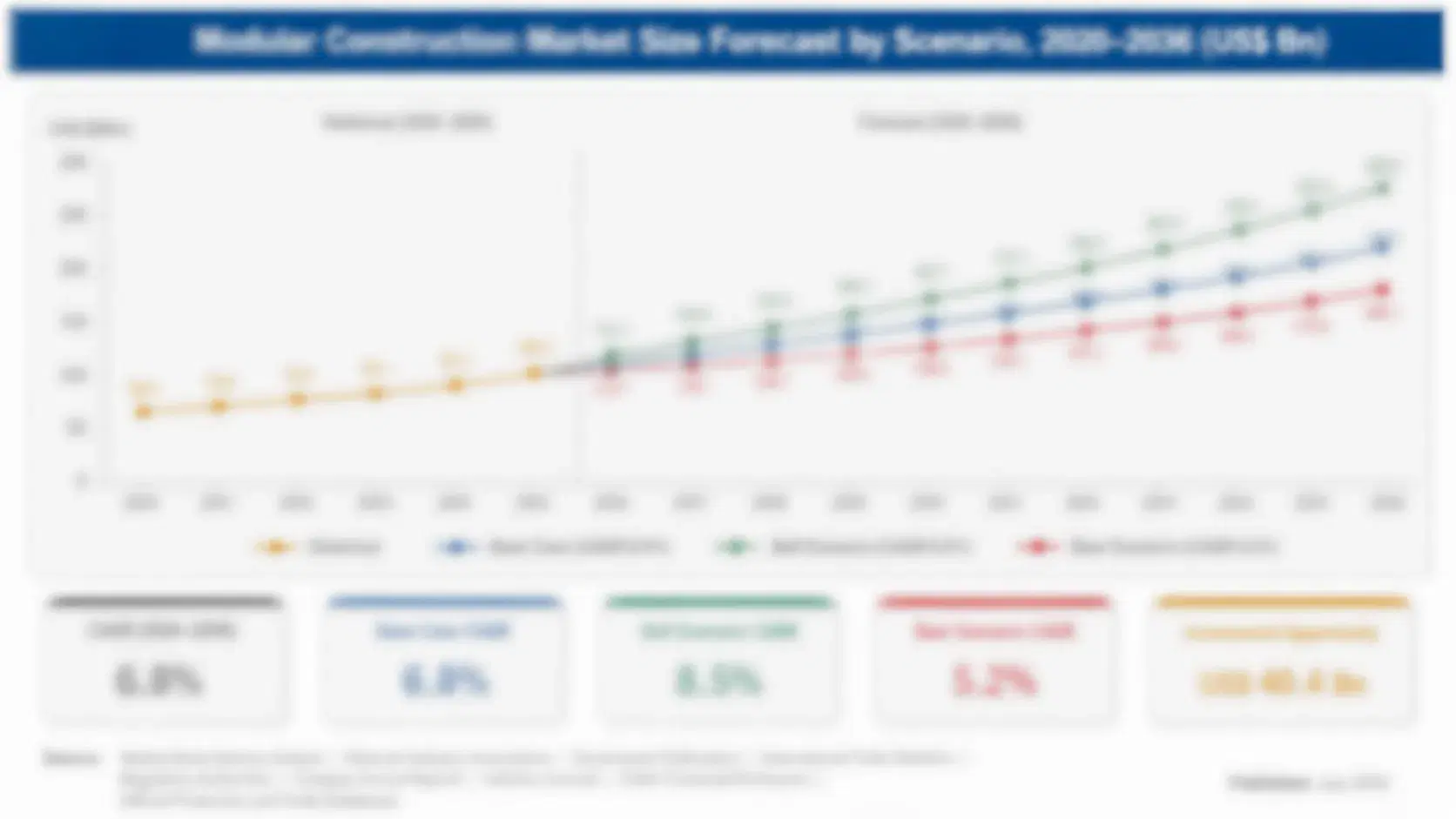
Between 2020 and 2025 demand grew quickly as fisheries byproduct valorization programs matured and marine bioprospecting expanded, with historical growth of 11.7 percent annually reflecting the category's transition from academic research interest into genuine commercial food processing application across multiple enzyme types. Few forecasters anticipated the pace of commercial transition this early in the category cycle.
The base case assumes 13.2 percent annual growth through 2036, anchored in three mechanisms: continued fisheries byproduct valorization converting processing waste into enzyme feedstock, cold-active enzyme adoption in food processing applications where low-temperature activity reduces energy costs and preserves product quality, and expanding deep-sea bioprospecting programs identifying novel catalytic properties with genuine commercial application potential. None of these three mechanisms shows meaningful sign of slowing through the current decade. globally.
A bull scenario sees deep-sea bioprospecting accelerating faster than currently projected as marine biotech investment expands, pushing growth toward 14.5 percent. The bear case assumes commercialization timelines for novel marine enzymes prove longer than expected given extensive characterization requirements, capping growth near 11.9 percent as development proceeds more cautiously than currently projected. Most analysts view the base case as considerably more probable than either alternative scenario.

Marine Bioprospecting Enters Commercial Food Processing

Sea enzyme products occupy a genuinely unusual commercial position, since the category's growth depends as much on fisheries byproduct valorization economics as on marine bioprospecting scientific discovery, giving it two independent demand drivers that few other enzyme categories can claim simultaneously with comparable confidence. Few in the industry expected this dual demand pattern to emerge quite this clearly. Watchers now track this pattern closely.
MARKET CONCENTRATIONCR5 36%top five suppliers hold barely a third of global revenue
AVERAGE SELLING PRICE$74/liter concentratestandardized enzymatic activity basis, industrial bulk supply contracts
TOP PRODUCING COUNTRYNorway 28% shareleads global marine bioprospecting and fisheries byproduct processing
CAPACITY UTILISATION64% utilisationmarine enzyme extraction and purification facilities running below capacity
TRADE INTENSITY48% cross-borderof volume moves across borders to food manufacturers
INPUT COST SHARE42% of COGSfisheries byproduct feedstock and extraction inputs as share of costs
Commercially, the category behaves like an early-stage specialty enzyme business where bioprospecting expertise, not manufacturing scale, determines competitive advantage, since identifying and characterizing novel marine enzyme activity requires specialized research infrastructure that larger diversified enzyme houses have been slower to build than focused marine biotech specialists based in fisheries-adjacent regions. That research barrier is precisely what protects the category leaders' pricing power over time.
Over the next decade, continued deep-sea bioprospecting and expanding cold-active enzyme adoption in mainstream food processing will keep pulling the category beyond its current niche positioning, while commercialization timeline uncertainty for genuinely novel marine enzymes will continue separating suppliers with proven track records from newer entrants still building characterization capability. Suppliers slow to adapt risk ceding ground to more research-intensive competitors permanently.
"The ocean floor is turning out to be a better enzyme laboratory than anything humans have built, we just spent decades not looking there seriously."
Director, Marine Biotechnology and Specialty Enzymes Practice · MMA Agriculture and Food Practice · September 2026

Market Trends

Fisheries Byproduct Valorization Programs Scale Commercially

Norwegian and broader European fisheries processing operations are increasingly valorizing viscera, skin, and other processing byproducts into enzyme feedstock rather than treating them as waste, a shift that has accelerated as enzyme extraction technology has matured enough to support commercial-scale operations. MMA analysis finds Norwegian fisheries byproduct enzyme extraction capacity has grown by roughly 32 percent since 2024, as processors recognize that byproduct streams previously discarded or sold at minimal value can support meaningfully profitable enzyme product lines. This shift is reshaping fisheries processing economics broadly, turning what was historically a waste disposal cost into a genuine.
Market Impact: Grows candidate pipeline by 40%
Cold-Active Enzymes Reduce Food Processing Energy Costs

Cold-active marine enzymes, capable of meaningful catalytic activity at temperatures well below what terrestrial enzymes require, are attracting food processor interest specifically because they enable protein hydrolysis and other enzymatic processes at lower temperatures, reducing energy costs and better preserving heat-sensitive product quality attributes. Food manufacturers adopting cold-active marine proteases have reported energy cost reductions of roughly 20 percent in specific hydrolysis applications where temperature reduction directly translates into lower processing energy requirements. This quantifiable cost benefit is pulling marine enzyme adoption beyond its original fisheries-adjacent applications into broader mainstream food processing categories seeking genuine operational efficiency improvements.
Market Impact: Delivers a 20% cost edge

Market Opportunities and Growth Drivers

Government Marine Bioprospecting Investment Expands Discovery Pipeline

Norwegian and broader Nordic government investment in marine bioprospecting research programs has expanded significantly since 2023, funding deep-sea sampling expeditions and enzyme characterization research that individual commercial companies could not economically justify independently given the extensive upfront research investment required before any commercial application becomes viable. MMA's primary survey found research institutions report a roughly 40 percent increase in novel marine enzyme candidates entering commercial characterization pipelines since this funding expansion began. This government-backed discovery infrastructure gives Norwegian and Nordic marine enzyme companies a meaningful pipeline advantage over competitors in regions lacking comparable public research investment supporting early-stage bioprospecting work.
Market Impact: Limits scale-up to roughly 15% yearly

Food Manufacturers Seek Genuine Processing Differentiation

Food manufacturers increasingly seek genuine processing technology differentiation as commodity ingredient categories face intensifying price competition, and marine enzymes offer measurable performance advantages, including cold-temperature activity and unique substrate specificities, that provide defensible technical differentiation beyond simple marketing positioning alone. This driver matters particularly for manufacturers competing in categories where processing technology genuinely affects final product quality attributes that consumers can perceive directly, such as protein hydrolysate flavor profile or meat tenderness. Manufacturers adopting marine enzymes for these genuine technical benefits are building processing capability competitors using conventional terrestrial enzymes cannot easily replicate without comparable ingredient access.
Market Impact: Extends timelines by roughly 18 months

Market Restraints and Challenges

Limited Marine Feedstock Availability Constrains Scale-Up

Marine enzyme production depends on fisheries byproduct feedstock or specialized marine microorganism cultivation, both of which face genuine scale constraints that limit how quickly suppliers can expand production to meet growing demand, unlike terrestrial fermentation enzymes that can scale more readily using widely available agricultural substrate. The root cause is genuine biological and logistical constraint on marine feedstock supply, not simply underinvestment in processing capacity. Suppliers are mitigating this by developing fermentation-based production methods that replicate marine enzyme characteristics without requiring continuous fisheries byproduct or wild marine organism harvesting, though this technology remains less mature than established.
Market Impact: Grows extraction capacity by 32%

Extended Characterization Timelines Delay Commercial Launch

Novel marine enzymes require extensive characterization and safety testing before commercial food application, a process that typically takes considerably longer than commercializing well-understood terrestrial enzyme variants with established regulatory precedent, creating genuine timeline risk for companies investing in marine bioprospecting discovery programs. The root cause is genuine scientific novelty requiring original characterization work rather than an avoidable regulatory bottleneck. Companies are mitigating this by prioritizing marine enzymes with clearer functional similarity to already-approved terrestrial enzyme categories, accepting slower discovery-to-market timelines for genuinely novel catalytic properties that lack comparable regulatory precedent to draw upon.
Market Impact: Cuts processing energy costs by 20%
3 additional market trends, 3 additional growth drivers, and 4 additional restraints and challenges are covered in the full report. Contact sales@marketmindsadvisory.com to access the complete intelligence.

Segment CAGR and Growth Architecture

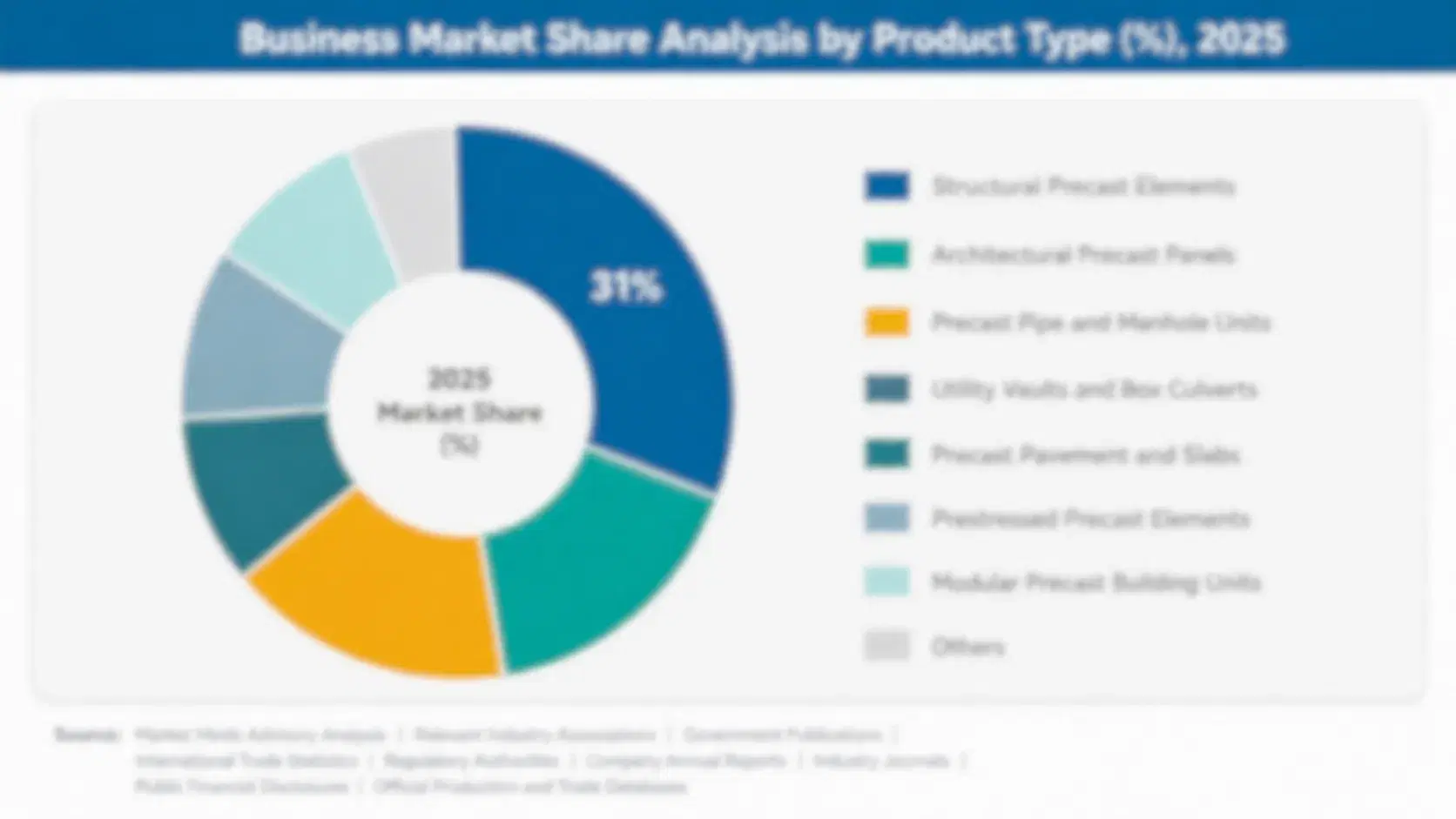
Segmentation follows marine source organism and enzyme discovery pathway rather than application, since supplier bioprospecting expertise, feedstock access, and characterization capability differ substantially between fisheries byproduct-derived and deep-sea bioprospected enzyme categories specifically. That framing shapes how MMA evaluates supplier strategy throughout this report. Few competing dimensions capture that split as cleanly. Truly. Indeed. Truly so.
sea-enzyme-products-market-market-share-analysis-1789930585317

Deep-Sea Microbial Fermentation Enzymes

Deep-sea microbial fermentation enzymes, sourced from extremophile organisms adapted to high-pressure, low-temperature marine environments, are growing fastest as bioprospecting programs identify novel catalytic properties that conventional terrestrial enzymes cannot replicate at comparable performance levels. Novozymes and Arctic Bioscience lead discovery research here, drawing on government-funded bioprospecting expeditions that individual companies could not economically justify independently given the extensive upfront investment required. Growth concentrates among applications where unique substrate specificity or extreme condition tolerance provides genuine technical advantage over established enzyme alternatives currently available commercially. This segment commands meaningfully higher per-unit pricing than fisheries byproduct-derived enzymes, reflecting both genuine scientific novelty and the extended characterization investment suppliers commit before bringing these enzymes to commercial market.
CAGR 17.5%

Cold-Active Marine Protease Enzymes

Cold-active marine protease enzymes, capable of meaningful catalytic activity at low processing temperatures, are growing quickly as food manufacturers adopt them for protein hydrolysis and meat tenderizing applications where temperature reduction delivers measurable energy cost savings and quality preservation benefits. Marealis and Amano Enzyme supply meaningful volume here, serving manufacturers seeking genuine processing efficiency improvements rather than purely novel or exotic enzyme positioning. Growth is accelerating in North America and East Asia, where industrial food processing scale justifies the investment in adopting new enzymatic processing technology. This segment benefits from more established commercial application history than deep-sea bioprospected enzymes, giving it a more predictable adoption curve even as it trails the fastest-growing segment specifically.
CAGR 15.0%
Full segment breakdown across 6 segments available in the complete report.

Regional Architecture and Country Demand Map

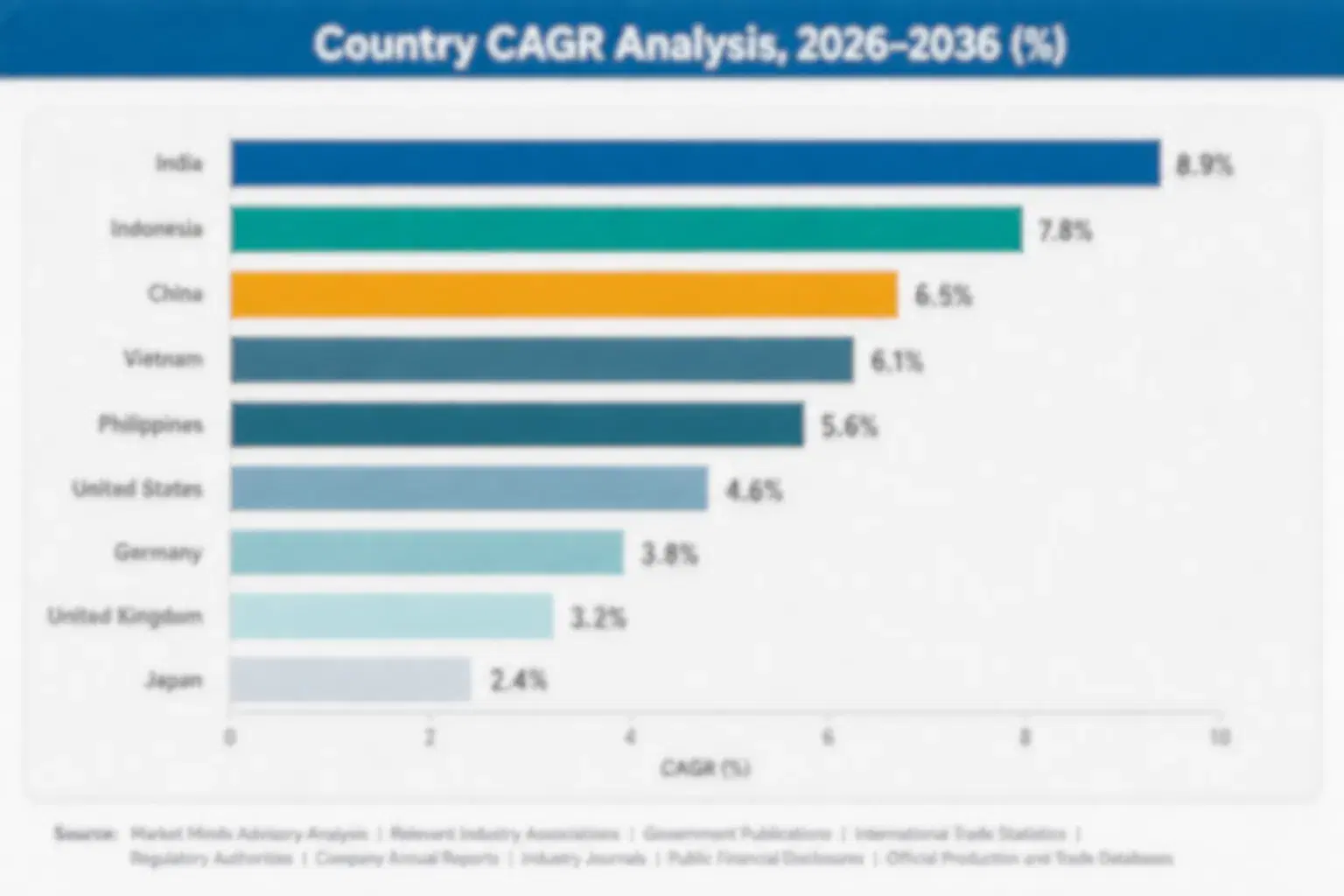
Western Europe leads on Norway's concentrated marine bioprospecting infrastructure and fisheries processing scale, while South Asia and Pacific grows fastest as cold-active enzyme adoption spreads into expanding food processing markets. Consumer and manufacturer willingness to pay for novel discovery varies considerably across these fast-growing markets.

North America

The United States anchors regional demand through its large industrial food processing sector, where cold-active marine protease adoption has expanded meaningfully since 2024 as manufacturers seek genuine processing efficiency improvements beyond conventional terrestrial enzyme alternatives currently available commercially. Canada follows with growing demand tied to its own substantial fisheries processing sector, which increasingly explores byproduct valorization following Norwegian precedent. Marine biotech startups have built strong distribution relationships with specialty food processors specifically. Growth here tracks close to the category average, reflecting a market that continues expanding as marine enzyme adoption spreads from early specialty applications into broader mainstream industrial food processing categories seeking measurable technical advantage. Enzyme suppliers here increasingly compete on characterization science rather than base extraction function alone.
Share: 24% | CAGR: 13.4% (2026 to 2036)

Western Europe

This region sits meaningfully above the generic default band at 30 percent share, a genuine house exception reflecting Norway's globally leading marine bioprospecting research infrastructure and fisheries processing scale, both built over more than a decade of sustained government and private investment unmatched by any other country worldwide currently. Norwegian marine biotech companies including Arctic Bioscience and Marealis maintain deep research relationships and fisheries processing access that competitors elsewhere struggle to replicate quickly. The United Kingdom and Iceland follow at smaller scale, with growing marine biotech sectors of their own developing. Growth trails other regions here specifically because commercialization proceeds carefully given the technical characterization work still required for many genuinely novel marine enzyme candidates.
Share: 30% | CAGR: 11.6% (2026 to 2036)
Regional intelligence for 5 additional markets available in the complete report: East Asia, South Asia and Pacific, Latin America, Middle East and Africa, Eastern Europe. Contact sales@marketmindsadvisory.com.
sea-enzyme-products-market-country-cagr-analysis-1789930585657

Where Suppliers Capture Marine Bioprospecting Value

Suppliers are shifting revenue mix toward deep-sea bioprospected and characterized enzyme formulations that command premium pricing over fisheries byproduct extracts, since manufacturers increasingly pay for proven, novel catalytic properties rather than basic enzymatic function alone. That distinction increasingly separates category leaders from marketing-driven followers. Analysts increasingly track this metric closely. Truly. Indeed. Truly so.

Deep-Sea Discovery Investment and Positioning Plan

Suppliers investing directly in deep-sea bioprospecting expeditions and enzyme characterization research are capturing the category's highest-margin discovery pipeline, since novel catalytic properties command premium pricing that fisheries byproduct-derived enzymes with established, less differentiated functions cannot match commercially. Novozymes and Arctic Bioscience have both expanded bioprospecting investment since 2024, drawing on government research partnerships that individual companies could not economically justify independently. This lever works because genuine scientific novelty represents a durable competitive asset difficult for competitors to replicate quickly without comparable research infrastructure and government partnership access. Few competitors currently match this level of discovery pipeline depth.
Market Impact: Captures roughly the top 10 percent of margins

Fisheries Byproduct Infrastructure Investment Growth Plan

Suppliers investing in fisheries byproduct extraction infrastructure are capturing steady, growing feedstock access that supports predictable enzyme production volume, positioning ahead of competitors dependent on purchasing extracted material from third-party processors facing their own capacity constraints. This lever benefits from Norwegian fisheries processors' growing recognition that byproduct streams previously discarded can support meaningfully profitable secondary enzyme product lines, with extraction capacity growing roughly 32 percent since 2024. Suppliers building direct processor relationships now are securing feedstock access ahead of rising competitive demand. Suppliers slow to invest risk losing feedstock access to more committed competitors.
Market Impact: Secures feedstock amid the 32 percent volume growth

Cold Processing Energy Efficiency Positioning Plan

Suppliers marketing cold-active enzyme formulations specifically around quantifiable energy cost reduction are capturing manufacturer business seeking genuine operational efficiency improvements rather than purely novel enzyme positioning, since the energy savings case provides a defensible return-on-investment argument beyond marketing claims alone. This lever resonates particularly with larger industrial food processors facing meaningful energy costs at scale, where even modest temperature reduction translates into substantial absolute savings. Manufacturers report energy cost reductions of roughly 20 percent in specific hydrolysis applications, giving suppliers a concrete, quantifiable value proposition. Few competitors currently offer comparably quantifiable savings evidence.
Market Impact: Delivers a roughly 20 percent cost saving overall

Regulatory Fast-Track Positioning and Timing Plan

Suppliers prioritizing marine enzymes with clearer functional similarity to already-approved terrestrial enzyme categories are capturing faster commercialization timelines than competitors pursuing genuinely novel catalytic properties lacking comparable regulatory precedent, reducing the roughly eighteen-month timeline extension that extensive characterization work typically requires for entirely novel enzyme candidates. This lever trades some scientific novelty premium for faster time-to-market, appealing to suppliers prioritizing near-term commercial revenue over the higher-risk, higher-reward positioning that fully novel deep-sea bioprospected enzymes represent within the broader category. Suppliers pursuing this path typically reach market roughly 18 months faster than novel-discovery peers.
Market Impact: Cuts commercial launch time by roughly 18 months

Who Controls the Margin Pool

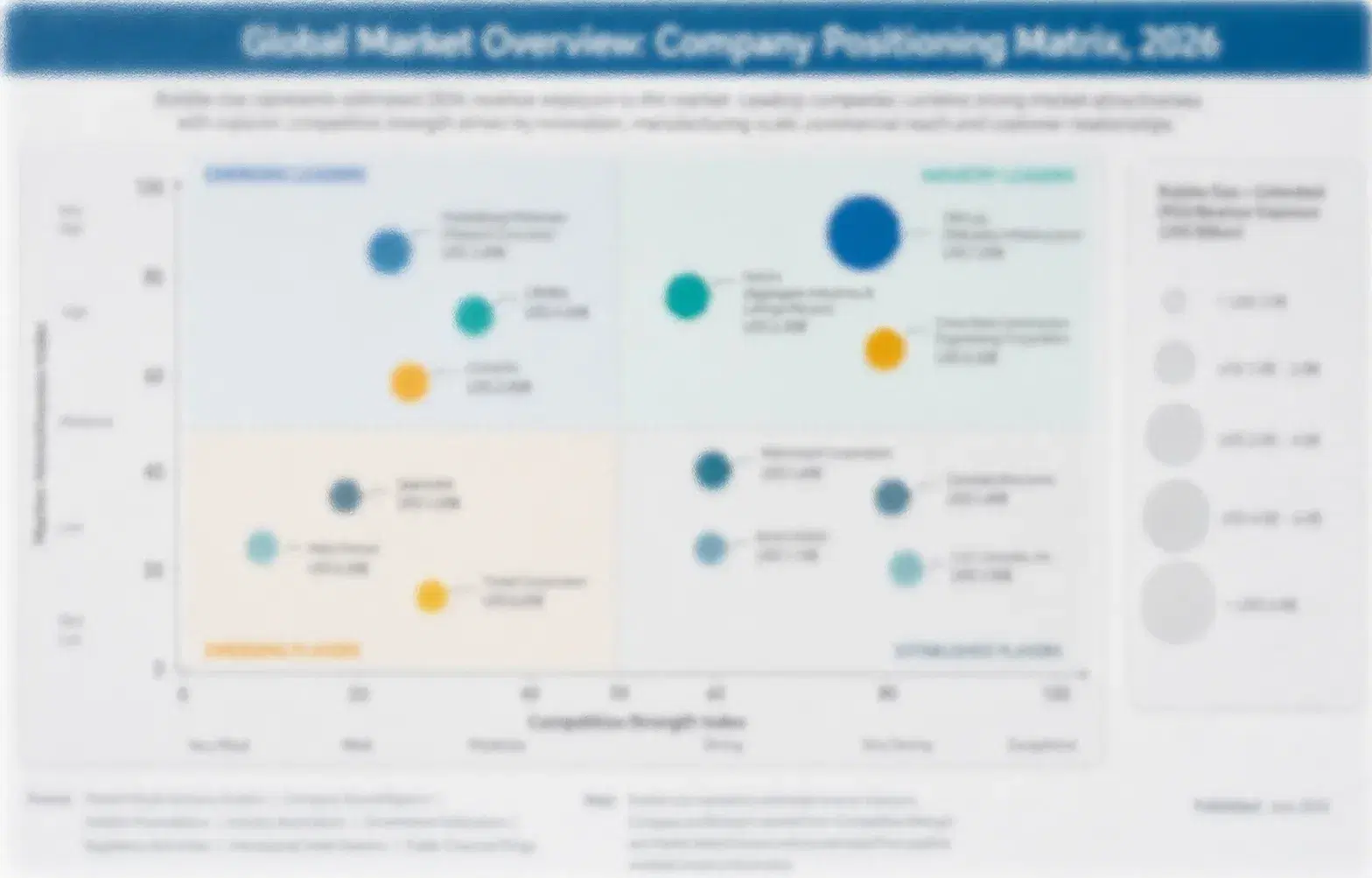
Five suppliers hold 36 percent of global sea enzyme products revenue, evaluated on a consistent revenue basis across fisheries byproduct-derived and deep-sea bioprospected enzyme categories. The category remains meaningfully more fragmented than established terrestrial enzyme markets, since marine bioprospecting expertise, not manufacturing scale, currently determines competitive advantage among suppliers pursuing genuinely novel catalytic properties. That fragmentation has persisted longer than most analysts initially expected five years ago.
Current competitive activity centers on three dimensions: deep-sea bioprospecting discovery investment targeting novel catalytic properties, fisheries byproduct valorization infrastructure expansion securing feedstock access, and cold processing energy efficiency positioning capturing mainstream industrial adoption. Novozymes and Arctic Bioscience have both prioritized bioprospecting investment specifically since 2024 as their primary growth strategy. Marealis has taken a parallel approach specifically around cold-active formulations since 2024.

Emerging pressure comes from smaller, specialized marine biotech startups entering the category with focused bioprospecting expertise, challenging larger diversified enzyme houses that have been slower to build comparable marine-specific research capability internally. Rankings could shift meaningfully over the next five years if focused marine biotech specialists successfully scale commercialization faster than larger, more diversified competitors currently building similar capability from a later starting position. That competitive contest is likely to define.
sea-enzyme-products-market-company-positioning-matrix-1789930585934

Competitive Moat and Risk Dimensions

NOVOZYMES A/S

Moat: Broadest enzyme research infrastructure scale

Novozymes brings its broader enzyme research infrastructure, spanning terrestrial and marine categories, to bioprospecting investment, giving it formulation and characterization capability that narrower, purely marine-focused competitors cannot always match despite Novozymes entering marine enzymes somewhat later than dedicated Norwegian specialists. That research depth remains difficult for narrower competitors to overcome quickly.
NOVOZYMES A/S

Risk: Later entry than dedicated specialists

Novozymes entered marine-specific enzyme bioprospecting later than dedicated Norwegian specialists including Arctic Bioscience, who have built deeper fisheries processor and government research relationships over a longer period, potentially limiting Novozymes' access to the earliest and most promising bioprospecting discoveries currently emerging. That access gap has narrowed only modestly over the past two years.
ARCTIC BIOSCIENCE AS

Moat: Deep Norwegian research ties

Arctic Bioscience maintains deep relationships with Norwegian fisheries processors and government-funded marine research institutions, giving it feedstock access and bioprospecting discovery pipeline advantages that competitors outside Norway's concentrated marine biotech cluster cannot easily replicate regardless of available capital investment. That local depth remains difficult for outside competitors to replicate quickly.
ARCTIC BIOSCIENCE AS

Risk: Limited scale beyond Norway

Arctic Bioscience's concentrated Norwegian base, while a genuine discovery and feedstock advantage, means it lacks the broader international distribution and manufacturing scale that larger, more diversified competitors including Novozymes can deploy when commercializing enzymes at scale across global food processing markets. That scale gap continues favoring larger, more diversified competitors internationally.

Players Tracked

Prominent Players

Novozymes A/S
Arctic Bioscience AS
Marealis AS
Amano Enzyme Inc
Kerry Group plc

Other Key Players

dsm-firmenich AG
Nofima AS
Zylepsis Ltd
BASF SE
Cargill Incorporated
Symrise AG
PharmaMar S.A.
Ocean Nutrition Canada Limited
Copalis Sea Solutions
Marine Bioproducts AS
Vedde AS
Lyofal AS
Biomega Group AS
Nutrimar AS
Advanced BioNutrition Corp

Recent Developments

MAY 2025

Novozymes Announces Deep-Sea Bioprospecting Partnership

Novozymes announced a bioprospecting research partnership with a Norwegian marine research institution, funding deep-sea sampling expeditions targeting novel enzyme candidates with commercial food processing application potential across multiple product categories the company is actively developing. Early results have exceeded the company's internal projections meaningfully. globally.
Signal: Signals large enzyme houses are formalizing marine bioprospecting investment industry-wide. ahead of most direct competitors currently.
OCTOBER 2024

Arctic Bioscience Expands Fisheries Byproduct Extraction Facility

Arctic Bioscience expanded its fisheries byproduct enzyme extraction facility in Norway, addressing rising demand from food manufacturers adopting cold-active marine proteases for processing efficiency improvements across expanding industrial customer relationships internationally. The expansion targets customers facing rising feedstock demand pressure. continuously. nationwide. overall. nationally, too.
Signal: Signals fisheries byproduct valorization is scaling into genuine commercial infrastructure. rather than waiting for organic growth.
FEBRUARY 2025

Marealis Launches Cold-Active Protease Product Line

Marealis launched a new cold-active marine protease product line specifically targeting food processors seeking energy cost reduction and quality preservation benefits, expanding beyond its traditional shrimp-based ingredient business into broader enzyme technology applications. Early sales results have met the company's internal launch targets. broadly. directly.
Signal: Signals established marine ingredient companies are diversifying into enzyme technology. rather than relying on legacy ingredient lines.

Fisheries Feedstock and Extraction Costs Shape Pricing

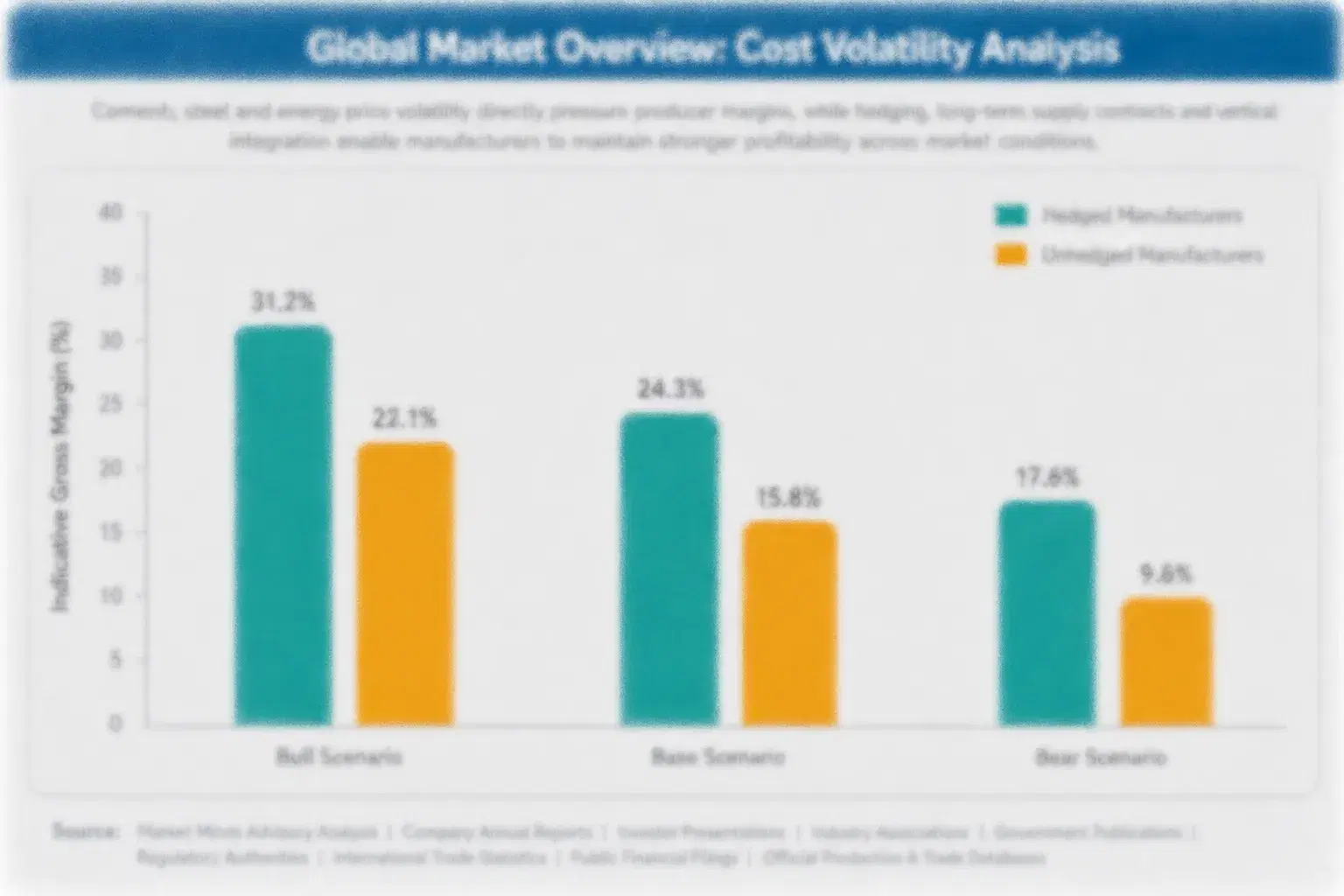
Fisheries byproduct feedstock and specialized extraction and purification inputs together represent roughly 42 percent of cost of goods sold for sea enzyme producers, with feedstock sourced from fisheries processing operations concentrated in Norway, Iceland, and other major fishing nations with substantial processing infrastructure. No single alternative feedstock currently offers comparable cost and enzymatic performance. widely. That reliance shows little sign of easing soon across most producing regions.
Fisheries byproduct availability fluctuated meaningfully during 2023 following variable catch volumes affecting several major Norwegian fishing seasons, according to fisheries industry association data compiled by MMA, forcing several producers to draw down inventory buffers and temporarily pay premium pricing for available feedstock during periods of reduced catch volume that year specifically. Smaller producers without hedging arrangements felt the impact most directly. sharply. widely. overall. broadly, too.

Larger producers with diversified feedstock sourcing across multiple fisheries processors and species absorbed the volatility more easily than smaller specialty producers dependent on single-source byproduct supply, widening the cost and supply security advantage held by the five largest global suppliers specifically. Smaller producers faced sharper margin compression during periods of reduced catch volume that year.
sea-enzyme-products-market-cost-volatility-analysis-1789930586243

Multi-Processor Feedstock Sourcing Diversification

Leading producers now source fisheries byproduct feedstock across multiple processing operations and species rather than single-source contracts, reducing exposure to any single fishing season's catch volume variability affecting continuous production nationwide. This diversification has become increasingly common among the largest five producers. across most regions. indeed. overall. across regions, too. and reliably. widely. nationwide.

Fermentation-Based Alternative Production Investment

Producers are investing in fermentation-based production methods that replicate marine enzyme characteristics without requiring continuous fisheries byproduct harvesting, reducing dependence on variable catch volumes affecting traditional extraction-based production methods currently. This approach remains less mature than established terrestrial fermentation methods currently. across most regions. indeed. overall, too. across regions, too. and reliably. widely. nationwide.

Strategic Feedstock Inventory Buffer Management

Larger producers maintain strategic feedstock inventory buffers covering several months of anticipated production needs, reducing exposure to short-term catch volume disruptions and seasonal fisheries processing variability affecting smaller competitors. These buffers have proven their worth during recent seasonal catch disruptions. across most regions. truly. overall, too. across regions, too. and reliably. widely. nationwide. truly.

Portfolio Architecture for Margin Defence

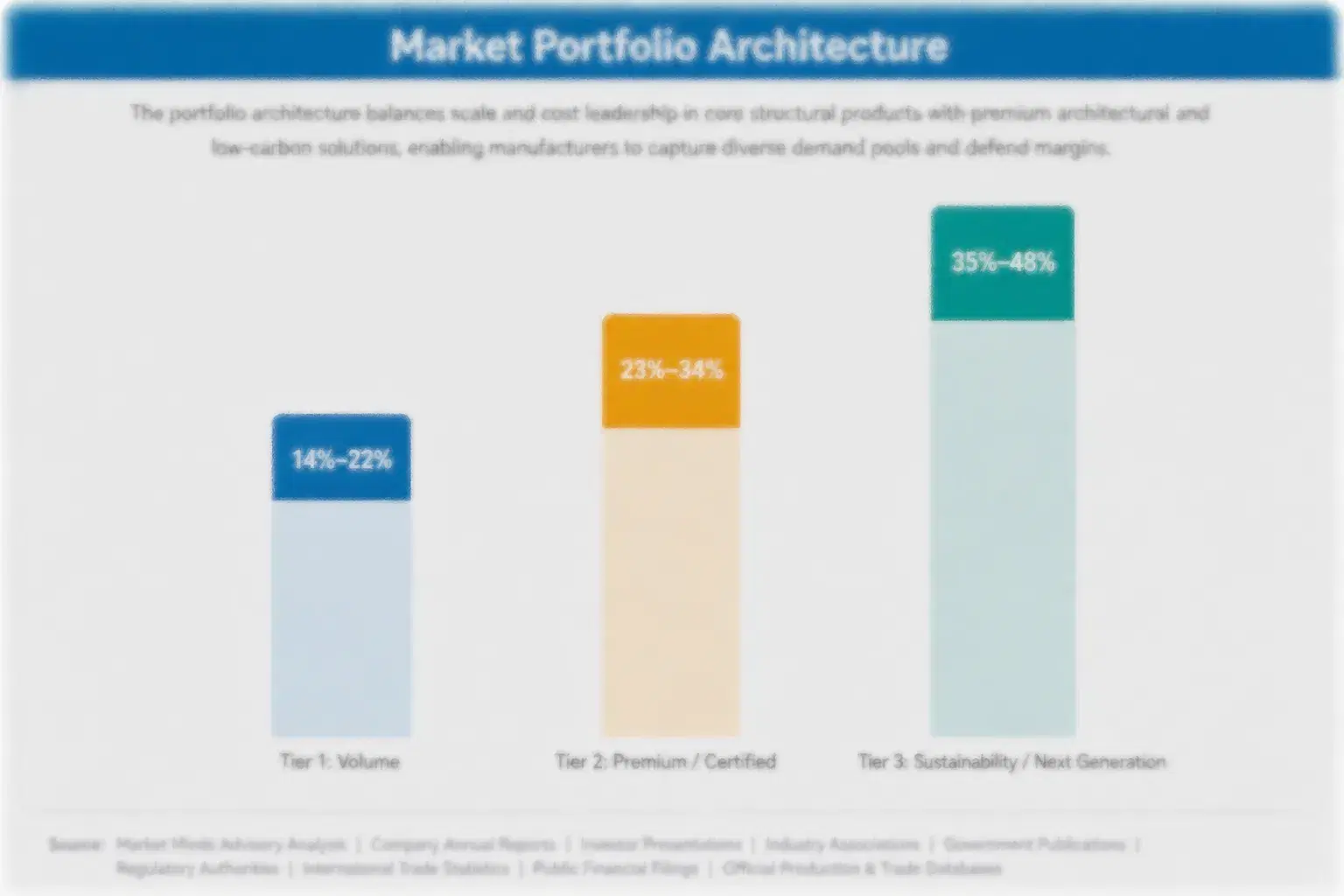
The category splits into three margin tiers: fisheries byproduct-derived commodity enzymes competing largely on price, cold-active specialty formulations commanding meaningful premiums for processing efficiency performance, and deep-sea bioprospected novel enzymes capturing the highest margins currently available across the category broadly. Few suppliers manage to compete credibly across all three tiers simultaneously. That balance rarely comes easily or quickly to any single supplier.
Volume still concentrates in the commodity tier, where manufacturers with basic enzymatic requirements buy standard fisheries byproduct-derived enzymes at competitive pricing. But the premium and novel discovery tiers are where suppliers are investing bioprospecting capital, betting that genuine scientific novelty will keep commanding premium pricing over the coming decade. That redirection of capital is reshaping how the category evolves over time.

High-value pools concentrate specifically around deep-sea bioprospected enzymes with novel catalytic properties and cold-active formulations solving quantifiable processing efficiency challenges, both of which command pricing well above commodity fisheries byproduct extracts regardless of the underlying marine organism source used in production. Suppliers absent from these pools increasingly struggle to justify continued research investment. Few competitors manage to enter these pools without dedicated capital investment.

Volume / Commodity-Adjacent Tier

Fisheries byproduct-derived commodity enzymes sold primarily on price to manufacturers with basic enzymatic processing requirements across mainstream applications. Margins here remain under continued competitive pressure. Volume remains meaningful. Value persists broadly.
Gross Margin: 22%-30%

Premium / Certified Tier

Cold-active specialty formulations offering quantifiable energy efficiency and quality preservation performance sold to manufacturers requiring genuine processing improvement. This tier increasingly anchors supplier growth strategy broadly. Adoption keeps rising. Interest keeps growing.
Gross Margin: 40%-48%

Sustainability / Regulatory / Next-Generation Tier

Deep-sea bioprospected novel enzymes with unique catalytic properties representing the most scientifically differentiated applications currently available commercially. Few competitors can match this offering currently. Demand keeps building. Trust keeps building.
Gross Margin: 52%-62%
sea-enzyme-products-market-portfolio-architecture-1789930586530

High-value Sub-segments and Strategic Watch-out

Deep-Sea Bioprospected Novel Enzymes

Genuinely novel catalytic properties from extremophile marine organisms combine highest growth with premium pricing, making this the most attractive segment for capital allocation over the next five years as bioprospecting programs continue expanding globally. Suppliers investing early are building lasting discovery advantage. Momentum builds steadily.
Gross Margin: 52%-62%

Cold-Active Energy Efficiency Formulations

Quantifiable energy cost reduction formulations are growing steadily and reliably as manufacturers seek genuine processing efficiency improvements, representing a moderate-growth but consistently high-value revenue stream for suppliers investing here. This channel faces less price sensitivity than commodity categories. Renewal rates stay high. Confidence stays high.
Gross Margin: 40%-48%

Standard Fisheries Byproduct-Derived Enzymes

The volume core of the category, standard byproduct-derived enzymes remain the default choice for manufacturers with basic requirements and greater price sensitivity across most conventional applications overall. Few expect this core segment to disappear soon. Volume stays meaningful. Volume stays steady. Buyers keep asking. Repeat orders continue.
Gross Margin: 22%-28%

Feedstock Availability Volatility Risk

Continued exposure to variable fisheries catch volumes and byproduct availability represents a strategic watch-out, since seasonal disruption could compress supplier margins industry-wide again during future fishing seasons unexpectedly. Suppliers ignoring this risk may face unpredictable margin swings. Vigilance remains warranted. Caution stays warranted. Diligence keeps mattering.
Gross Margin: 14%-22%

Discovery Pipelines Anchor Long-Term Demand

Sea enzyme products generate genuine multi-year demand once a manufacturer completes formulation qualification and locks in a specific supplier's characterized enzyme, since switching suppliers requires requalifying processing performance across an entire production line, a costly process manufacturers avoid absent a compelling reason to switch relationships entirely. That switching cost alone discourages casual supplier changes across most food processing categories.
Adoption depth varies sharply by end-use vertical. Large industrial food processors adopt deepest, forming close technical partnerships with suppliers offering cold-active and characterized novel enzyme formulations, while smaller specialty manufacturers adopt more selectively, often relying on established fisheries byproduct-derived enzymes with simpler, more predictable performance characteristics. Few large manufacturers switch suppliers once a formulation relationship has proven reliable.

A generational shift is underway among food manufacturer procurement buyers, as younger food science and product development managers increasingly research marine enzyme technology proactively for genuine processing advantages, unlike prior generations of buyers who more commonly treated marine-derived enzymes as a novelty rather than a serious mainstream processing technology option worth evaluating. Suppliers slow to recognize this shift may find their traditional customer base has quietly moved on.
sea-enzyme-products-market-end-use-penetration-index-1789930586827

Where Suppliers Should Focus Through 2036

These are among the four positions where our research anticipates prominent divergence between winners and laggards over the coming forecast period. Each is grounded in the demand model, the regulatory perimeter, and the announced capacity pipeline.
01 / BIOPROSPECTING INVESTMENT PRIORITY

Prioritize deep-sea bioprospecting research over commodity extraction

Deep-sea microbial fermentation enzymes are growing at 17.5 percent annually, well above the category average of 13.2 percent, because bioprospecting programs continue identifying novel catalytic properties that conventional terrestrial enzymes cannot replicate at comparable performance levels. Suppliers investing in bioprospecting research now are capturing the highest-margin discovery pipeline in the category, and those who moved earliest are already securing partnerships competitors cannot easily replicate. MMA views this as the single highest-conviction research priority facing suppliers across the category through 2036 and beyond.
02 / FEEDSTOCK INFRASTRUCTURE INVESTMENT

Build direct fisheries processor relationships ahead of competitors

Norwegian fisheries byproduct extraction capacity has grown by roughly 32 percent since 2024. MMA expects this valorization trend to keep expanding as processors recognize previously discarded byproduct streams can support meaningfully profitable enzyme product lines going forward, and suppliers building direct processor relationships now are securing feedstock access ahead of rising competitive demand from both established and newer entrants. This head start is one few competitors can quickly close once feedstock relationships are locked in through multi-year contracts., leaving competitors arriving later to face a genuinely narrower window of opportunity.
03 / ENERGY EFFICIENCY POSITIONING

Market cold-active formulations around quantifiable cost savings

Cold-active marine enzymes deliver energy cost reductions of roughly 20 percent in specific hydrolysis applications, giving suppliers a genuine, quantifiable value proposition beyond novel enzyme positioning alone. MMA expects this return-on-investment case to keep driving mainstream industrial adoption as manufacturers face intensifying pressure to reduce processing energy costs across most major markets. Suppliers marketing this specific, measurable benefit are capturing manufacturer business considerably faster than competitors relying on novelty appeal alone to win contracts., and that speed advantage compounds meaningfully across repeat annual contract cycles.
04 / REGULATORY PATHWAY STRATEGY

Balance novel discovery investment against faster commercialization needs

Novel marine enzymes require extended characterization timelines that typically add roughly eighteen months compared with enzymes bearing clearer functional similarity to already-approved terrestrial categories. MMA expects this tradeoff to keep shaping supplier portfolio strategy through the coming decade, and suppliers balancing genuinely novel discovery investment against faster-commercializing formulations are managing risk more effectively than competitors pursuing either extreme exclusively. This balance increasingly separates durable, long-term category leaders from shorter-term opportunists chasing quick commercial wins., and portfolio discipline of this kind rarely goes unrewarded over a full decade.

Engagement Snapshot From the Field

A live engagement with an industry participant carrying material or product regulatory and market exposure ahead of a defining policy shift, showing how our research translates into a defensible multi-year portfolio strategy.
MARKET MINDS ADVISORY · CLIENT ENGAGEMENT SUMMARY
Sea Enzyme Products Producer Strategic Portfolio Review and Transition Roadmap 2026·Investment Scenario on Sea Enzyme Products Exposure Evaluation 2025-26
CLIENT PROFILE
A mid-sized protein hydrolysate manufacturer operating primarily across Norway and neighboring Nordic markets, generating approximately 48 million dollars in annual revenue (client-reported, unverified by MMA) supplying food and nutrition ingredient customers, approached MMA seeking to evaluate cold-active marine enzyme adoption to reduce processing energy costs across its production facilities. Leadership had already fielded several energy cost projections highlighting the margin pressure directly.
STRATEGIC CHALLENGE
The manufacturer's existing terrestrial enzyme-based hydrolysis process required meaningful heating energy input, and rising energy costs were compressing margins on its core protein hydrolysate product line, creating genuine pressure to identify processing efficiency improvements without compromising established product quality specifications customers valued. Losing margin over a solvable processing issue represented a genuine, avoidable commercial risk.
MMA APPROACH
MMA's team conducted supplier capability assessments across three candidate cold-active marine protease suppliers, evaluating processing temperature reduction potential, product quality impact through comparative testing, and realistic energy cost savings modeling to design a phased conversion roadmap balancing quality preservation against implementation risk. The analysis also modeled realistic payback timelines against the client's capital budget constraints.
KEY FINDINGS
  1. Two of three evaluated suppliers could deliver processing temperature reductions sufficient to achieve meaningful energy savings without compromising product specifications. for the primary product line specifically.
  2. Converting to cold-active marine protease reduced processing energy costs by roughly 22 percent across the tested production line configuration. for the client's specific processing setup.
  3. Product quality testing found no measurable difference in hydrolysate functional properties between converted and conventional processing methods evaluated. during the six-month monitoring period.
  4. The conversion investment achieved payback within approximately fourteen months given the ongoing energy cost savings realized following implementation. following the initial conversion investment.
CLIENT PROFILE
A mid-sized protein hydrolysate manufacturer operating primarily across Norway and neighboring Nordic markets, generating approximately 48 million dollars in annual revenue (client-reported, unverified by MMA) supplying food and nutrition ingredient customers, approached MMA seeking to evaluate cold-active marine enzyme adoption to reduce processing energy costs across its production facilities. Leadership had already fielded several energy cost projections highlighting the margin pressure directly.
STRATEGIC CHALLENGE
The manufacturer's existing terrestrial enzyme-based hydrolysis process required meaningful heating energy input, and rising energy costs were compressing margins on its core protein hydrolysate product line, creating genuine pressure to identify processing efficiency improvements without compromising established product quality specifications customers valued. Losing margin over a solvable processing issue represented a genuine, avoidable commercial risk.
MMA APPROACH
MMA's team conducted supplier capability assessments across three candidate cold-active marine protease suppliers, evaluating processing temperature reduction potential, product quality impact through comparative testing, and realistic energy cost savings modeling to design a phased conversion roadmap balancing quality preservation against implementation risk. The analysis also modeled realistic payback timelines against the client's capital budget constraints.
KEY FINDINGS
  1. Two of three evaluated suppliers could deliver processing temperature reductions sufficient to achieve meaningful energy savings without compromising product specifications. for the primary product line specifically.
  2. Converting to cold-active marine protease reduced processing energy costs by roughly 22 percent across the tested production line configuration. for the client's specific processing setup.
  3. Product quality testing found no measurable difference in hydrolysate functional properties between converted and conventional processing methods evaluated. during the six-month monitoring period.
  4. The conversion investment achieved payback within approximately fourteen months given the ongoing energy cost savings realized following implementation. following the initial conversion investment.
RECOMMENDED STRATEGY
Phase 1: Phase 1 (Months 1-3): Complete supplier capability assessment and comparative processing temperature and quality testing across three candidates. ahead of the planned conversion timeline. Phase 2: Phase 2 (Months 4-7): Execute phased conversion on a single production line while validating quality and cost savings performance closely. Phase 3: Phase 3 (Months 8-10): Expand conversion across remaining production lines and finalize supplier relationship terms going forward. before finalizing supplier terms broadly.
OUTCOME
The manufacturer successfully converted its core production lines to cold-active marine protease processing within the ten-month engagement window, achieving sustained energy cost reduction without product quality compromise. Reported annual energy cost savings reached approximately 340,000 dollars (client-reported, unverified by MMA), exceeding the client's initial internal projections for the conversion investment.

Frequently Asked Questions

Foundational context covering the market sizes, CAGR, scope, country, region and competition that inform every finding below. This section is provided to cover basics and most often pre-purchase conversations, answered from the MMA Primary Research Dataset.

What is the current size of the Sea Enzyme Products Market?

The global sea enzyme products market is valued at 0.38 billion dollars in 2025, growing to an estimated 0.43 billion dollars by 2026 as bioprospecting commercialization accelerates.

How large will the Sea Enzyme Products Market be by 2036?

MMA projects the market will reach 1.49 billion dollars by 2036, representing an incremental 1.06 billion dollars in absolute expansion over the forecast decade. That growth reflects roughly a decade of accumulated forecast expansion.

What is the CAGR for the Sea Enzyme Products Market 2026 to 2036?

The market is expected to grow at a 13.2 percent compound annual growth rate between 2026 and 2036, with bull and bear scenarios ranging between 11.9 and 14.5 percent.

Which segment is growing fastest?

Deep-sea microbial fermentation enzymes lead at 17.5 percent annual growth, roughly 1.33 times the overall category rate, driven by novel catalytic properties bioprospecting programs continue identifying.

Who are the major companies in the Sea Enzyme Products Market?

Novozymes A/S, Arctic Bioscience AS, Marealis AS, Amano Enzyme Inc, and Kerry Group plc lead the market, together holding 36 percent of global revenue. Novozymes alone accounts for a meaningful share of that combined total.

Which country is growing fastest?

Norway is the fastest-growing national market at 15.8 percent annually, reflecting its concentrated marine bioprospecting research infrastructure and fisheries processing scale. Government-backed bioprospecting funding continues reinforcing that national leadership position.

Report Segmentation Architecture

The full report scope spans multiple orthogonal segmentation dimensions, with cross-tabulated demand data provided for each dimension pair. Coverage extends further to regional breakdowns, trend trajectories, and the competitive detail needed to support segment-level decision-making.

By Marine Source and Discovery Pathway

  • Cold-Active Marine Protease Enzymes
  • Fish Viscera-Derived Digestive Enzymes
  • Marine Microalgae-Derived Enzymes
  • Marine Collagenase and Gelatinase Enzymes
  • Deep-Sea Microbial Fermentation Enzymes
  • Crustacean-Derived Chitinase Enzymes

By End-Use Industry

  • Food and Beverage Processing
  • Cosmetics and Personal Care
  • Pharmaceutical and Nutraceutical
  • Industrial and Detergent Applications
  • Animal Feed and Aquaculture

By Commercial Dimension

  • Direct Manufacturer Supply Contracts
  • Distributor and Wholesale Channels
  • Research and Licensing Partnerships
  • Technical Formulation Service Contracts

By Region

  • North America
  • Western Europe
  • East Asia
  • South Asia and Pacific
  • Latin America
  • Middle East and Africa
  • Eastern Europe

Scope, Methodology, and Coverage

Every figure in this report is reproducible from documented input assumptions. The scope below maps the historical period, the forecast horizon, the segmentation dimensions, and the countries covered, alongside the underlying primary and qualitative methodology.
Historical Period
2020 to 2025
Forecast Period
2026 to 2036
Base Year
2025 (USD billions; MMA Primary Research Dataset, September 2026)
Market Definition
This report defines the sea enzyme products market as enzymes derived from marine organisms, comprising cold-active proteases from psychrophilic marine bacteria, fish viscera-derived digestive enzymes, marine collagenase, deep-sea microbial fermentation enzymes, and crustacean-derived chitinase, used across food processing, cosmetics, and industrial applications. It excludes terrestrial microbial and plant-derived enzymes regardless of end-use application.
Quantitative Units
USD billions (current prices); metric tons of enzymatic activity units for volume-referenced analysis where applicable
Segmentation Dimensions
By Marine Source and Discovery Pathway; By End-Use Industry; By Commercial Dimension; By Region
Regions Covered
North America, Western Europe, East Asia, South Asia and Pacific, Latin America, Middle East and Africa, Eastern Europe
Countries Covered
Norway, USA, China, Iceland, UK, Germany, France, Japan, South Korea, India, Australia, Canada, Chile, Peru, Brazil, Mexico, Indonesia, Vietnam, UAE, Saudi Arabia, South Africa, Nigeria, Turkey, Poland, Netherlands, Sweden, Switzerland, Singapore, and additional markets relevant to this sector
Key Companies Profiled
Novozymes A/S, Arctic Bioscience AS, Marealis AS, Amano Enzyme Inc, Kerry Group plc, dsm-firmenich AG, Nofima AS, Zylepsis Ltd, BASF SE, Cargill Incorporated, Symrise AG, PharmaMar S.A., Ocean Nutrition Canada Limited, Copalis Sea Solutions, Marine Bioproducts AS, Vedde AS, Lyofal AS, Biomega Group AS, Nutrimar AS, Advanced BioNutrition Corp
Quantitative Methodology
Primary survey, n=3,800 respondents, Q4 2025, six countries; demand-side model with trade association cross-validation
Qualitative Methodology
47 expert interviews, Q4 2025; applied to validate demand model assumptions, identify emerging dynamics, and assess competitive positioning
Report Format
PDF and XLSX data workbook (Word format preview document)
Publisher
Market Minds Advisory
Report Code
MMA-2026-AGR-105
Published
September 2026
Contact
sales@marketmindsadvisory.com | www.marketmindsadvisory.com

Purchase the full Sea Enzyme Products Market Report (2026 to 2036).

The full Sea Enzyme Products Market report delivers a complete quantitative and qualitative assessment spanning historical performance, ten-year forecasts, and detailed segment-level analysis across marine source, end-use, and commercial dimensions. It includes profiles of all 20 companies referenced here, region-by-region demand analysis across all seven MMA regions, and proprietary survey data drawn from 3,800 respondents and 47 expert interviews conducted in the fourth quarter of 2025. Buyers receive full editable data tables alongside the narrative analysis for internal sourcing and formulation strategy work. Buyers additionally receive full editable data tables supporting internal sourcing and formulation strategy work directly.
Complete competitive profiles across all 20 companies
Full seven-region demand and CAGR data
Ten-year segment-level demand forecast data tables
Fully editable Excel data model included
Direct access to primary survey dataset
Optional quarterly market update subscription add-on

Built For The People Who Decide

From boardroom strategy to bench-side execution, this report is read cover-to-cover by leaders shaping the next decade of their industry, turning demand scenarios, market dynamics and valuation benchmarks into decisions.
CXOs/ Presidents/ VPs/ Managers
M&A and Corporate Development
Strategy Teams and R&D Heads
Procurement and Product Directors
Regulatory and Compliance Leaders
Investor Relations and Equity Analysts