Market Minds Advisory
Sales of Plant-based Ready Meals in US

US Plant-based Ready Meals Market Analysis 2026-2036

American plant-based ready meals are shifting from frozen vegan entrees to chilled bowls and handhelds, yet flavour fatigue, sodium scrutiny and freezer space contests now decide which brands earn repeat purchase in supermarkets.

Lead Analyst

Lisa Gevelber

Published

November 2026

Make Smarter Decisions with Customized Research Insights

Request a free sample report and evaluate market opportunities, growth trends, and competitive dynamics relevant to your business needs.

2025 MARKET VALUE$2.6BMarket Size 2025
2036 FORECAST VALUE$6.4BBase Case , 2026 to 2036
CAGR 2026 TO 20368.5 %Bull 9.8% / Bear 7.2%
INCREMENTAL OPPORTUNITY$3.6BNet 10- year value creation
EXPANSION MULTIPLE2.26x2036 value over 2026 base
Strategic Levers
M&A Pipeline
Regional Outlook
Country Rankings
Competitive Intelligence
Segmental Deep-dive
Call-Us : 91 93563 13602

US Plant-based Ready Meals Market at a Glance

American plant-based ready meals are complete dishes such as burritos, bowls, pastas and curries made without meat or dairy and sold frozen, chilled or shelf-stable. Growth has cooled since 2022, and buyers now judge flavour, sodium and price as harshly as any mainstream ready meal. Shoppers judge taste first.
Chilled Plant-Based Ready Meals grow fastest because supermarkets give fresh vegan bowls premium space and weekday shoppers want convenience, while frozen entrees still carry the largest sales. This lens reads the seven regions as supply-origin regions for United States sales, and North America dominates because domestic plants in the United States and Canada make most products. Gross margins run 22% to 38% by format and channel.
Five groups hold about 34% of value, led by Amy's Kitchen, Conagra Brands, Nestle, General Mills and Daily Harvest, so private label and regional makers take a large share. FDA labelling and allergen rules, USDA inspection for products with meat-free claims and nutrition disclosure, and front-of-pack scheme proposals shape positioning, while retailers audit sodium, ingredient counts, allergen controls and cold chain compliance. Private-label ranges add price pressure at retail. Retailers audit allergen controls closely.
Market Definition
The market covers United States retail and foodservice sales of plant-based ready meals, defined as packaged, prepared dishes made without meat, fish, dairy or egg ingredients and sold frozen, chilled or shelf-stable through supermarkets, club stores, convenience outlets, online channels and foodservice. It excludes single-ingredient meat and dairy alternatives sold alone, vegetarian meals containing dairy or egg, plant-based snacks and beverages, restaurant meals prepared from scratch and meal kits sold as raw ingredients.
Base Year Value
$2.6B in 2025 (MMA Primary Research Dataset, September 2026)
Forecast Period
2026 to 2036, eleven discrete annual values
CAGR
8.5% base case. Bull 9.8%. Bear 7.2%.
Fastest Growth Segment
Chilled Plant-Based Ready Meals: 11.9% CAGR
Fastest Growth Country
Canada: 9.8% CAGR
Fastest Growth Region
South Asia and Pacific: 10.5% CAGR
Largest Region
North America: 60% of 2025 global value
Market Leaders
Amy's Kitchen, Conagra Brands, Nestle, General Mills, Daily Harvest. Source: MMA Analysis, company annual reports.
Primary Survey
n=3,800 procurement and R&D decision-makers, Q4 2025, six countries
Methodology
Demand-side build-up, cross-validated against public data, 47 expert interviews

US Plant-based Ready Meals Market Forecast Scenarios

sales-of-plantbased-ready-meals-in-us-size-forecast-scenario-1789971736180
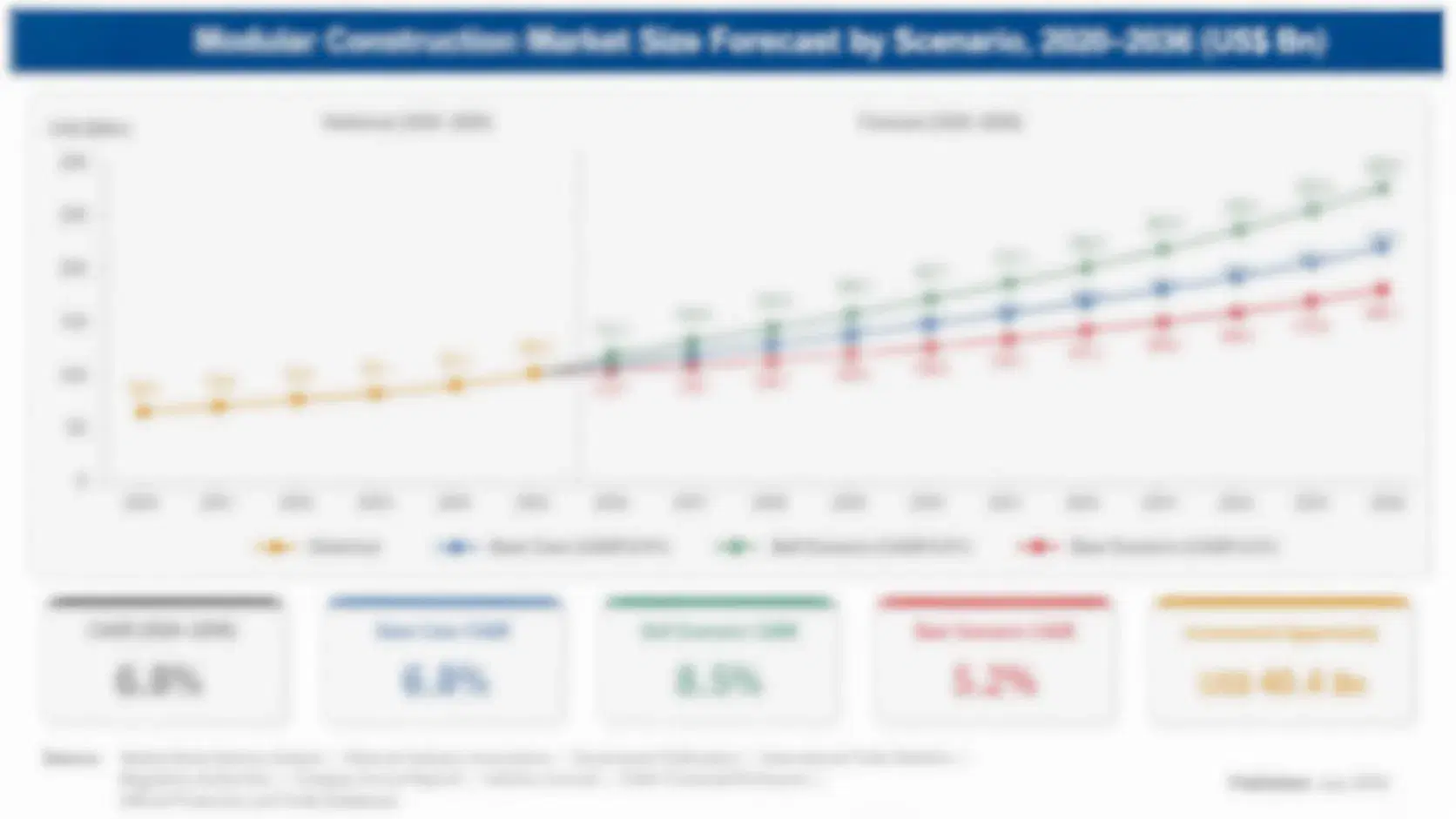
From 2020 to 2025 American plant-based ready meal sales grew at about 7.5% a year. Pandemic cooking habits and flexitarian interest lifted frozen entree sales in 2020 and 2021, and supermarkets expanded vegan freezer sections. Growth slowed in 2023 as inflation pushed shoppers toward cheaper meals, some brands exited after weak sales, and criticism of processed vegan foods spread through media and social platforms.
The base case of 8.5% rests on three named mechanisms. Retailers such as Kroger, Whole Foods and Target expand own-label vegan meals at lower prices, which widens trial in mainstream households. Chilled bowls and handhelds gain space as weekday lunch buyers seek fresh, portable options. Recipe rebuilds around beans, grains and vegetables cut reliance on heavily processed proteins and answer health criticism. Each mechanism is visible in range reviews, product launches and retailer sales data.
The bull case reaches 9.8% if own-label prices narrow the gap to meat-based meals and flexitarian eating spreads to workplaces and schools. The bear case falls to 7.2% if ultra-processed food scrutiny deepens, inflation persists and shoppers return to conventional frozen entrees. Both cases assume stable supply of vegetables, legumes and plant proteins. Neither case assumes new tariffs.

Flavour Quality, Freezer Space and Sodium Scrutiny Set US Plant-Based Ready Meal Returns

A plant-based ready meal is a complete cooked dish, not a single ingredient. Burritos, pasta dishes, curries, grain bowls and pot pies are cooked, packed and frozen, chilled or heat treated to reach shoppers. Recipes use vegetables, legumes, grains, sauces and, in some products, textured plant proteins, and quality depends more on seasoning and sauce than on the meat substitute itself. For a connected opportunity, MMA values the frozen ready meals market at USD 165.0 billion in 2025.
MARKET CONCENTRATION34% CR5Top five groups hold about one third of category sales
OWN-LABEL SHARE29%Portion of category sales sold under retailer private brands
FROZEN FORMAT SHARE56%Portion of category sales made through frozen retail aisles
DOMESTIC PRODUCTION SHARE88%Portion of finished products made in plants inside the country
INGREDIENT COST SHARE34% of COGSVegetables, grains, legumes and proteins within total production cost
SODIUM PER SERVING450-800 mgTypical sodium range across leading plant-based ready meals
Value concentrates in three places. Frozen entrees carry the largest sales, with long shelf life and lower waste, especially in supermarkets and club stores. Chilled bowls and ready meals grow fastest, since retailers give them premium refrigerated space and shoppers see fresh as healthier. Handhelds such as burritos and pockets add a distinct pool, where convenience and price per unit decide repeat purchase, and where brands compete with mainstream frozen snacks. Seen at market level, the plant-based snacks market rises from USD 18.0 billion in 2025 to USD 43.7 billion by 2036 in MMA's base case.
Supply runs mostly through United States plants close to retail distribution hubs. Vegetables and legumes come from American growers, Canadian pulses and imported spices, plant proteins from specialised processors, and packaging from converters. Frozen products need cold storage, chilled products need daily delivery, and retailers hold two to three weeks of frozen stock. Qualifying a new supplier takes six to nine months of audits and taste panels.
"American shoppers did not reject plant-based ready meals, they rejected mediocre ones. A burrito that tastes good and does not need a nutrition lecture sells. The winners will be whoever fixes seasoning and sodium first, not whoever launches the next protein analogue."
Senior Analyst, Prepared Foods and Alternative Proteins Practice · MMA Plant-Based Ready Meals in the United States Practice · September 2026

US Plant-based Ready Meals Adoption Trends

Chilled Vegan Bowls and Meals Win Premium Refrigerated Supermarket Space

Supermarkets are adding chilled vegan bowls, pastas and curries beside conventional ready meals, and shoppers view fresh meals as healthier than frozen entrees. Chilled Plant-Based Ready Meals grow about 11.9% a year, and gross margins run 26% to 38%. The trend needs daily delivery, careful date management and consistent seasoning, and it rewards suppliers with cook-chill lines close to retail hubs, while waste from short dates and margin pressure from private label limit profits for smaller brands seeking national chains. Regional pilots often precede national listings. Repeat orders arrive weekly from loyal households. For scale, MMA values the vegan pasta market at USD 1.6 billion in 2025 and expects it to reach USD 3.8 billion by 2036.
Market Impact: own-label holds 29% of sales
Whole-Food Recipes and Lower Sodium Answer Ultra-Processed Food Criticism

Health researchers, media and retailers criticise long ingredient lists and high sodium in vegan meals, so brands now build dishes on beans, lentils, grains and vegetables with fewer than 12 ingredients and cut sodium by 15% to 25%. Such recipes cost 10% to 20% less than meat-analogue meals. The trend rewards brands with strong sauce technology and clean labels, while shoppers still expect satisfying texture, and legume-heavy recipes need repeated reformulation. Retailers use nutrition scores to allocate premium freezer space across suppliers. Brands also test sodium reductions against taste panels before rolling changes across entire ranges. The vegan meals market is already worth USD 6.8 billion in 2025, and MMA expects a 9.0% CAGR from here to 2036.
Market Impact: 35% of consumers reduce meat

US Plant-based Ready Meals Strategic Opportunities

Retailer Own-Label Vegan Meals Lower Prices and Widen Mainstream Trial

Kroger, Whole Foods, Target, Walmart and Trader Joe's have built own-label vegan and vegetarian meal ranges, and own-label already holds about 29% of category sales. Lower shelf prices reduce the premium over meat-based meals from about 40% to 20% in some ranges. The driver rewards manufacturers that win private-label contracts and fill lines at scale, while branded players defend positions through flavour, provenance and clear health credentials that justify their higher price to regular buyers in a crowded freezer aisle. Own-label programmes also give retailers control over sodium and ingredient targets across their entire frozen ranges.
Market Impact: reformulation takes 6-12 months

Flexitarian Eating and Weekday Convenience Broaden the Vegan Meal Occasion

Surveys suggest that about 35% of American consumers try to reduce meat, and weekday lunch and dinner occasions favour convenient prepared meals. Plant-based ready meals fit that behaviour for households that want variety without cooking from scratch. The driver rewards brands with strong flavour and simple preparation, and it supports repeat purchase through multipacks and club store formats, while workplace and campus catering add plant-based days that expose new shoppers to product quality without any commitment to a diet. Club stores add large multipacks that lower cost per meal, which suits families trying vegan options for the first time.
Market Impact: cold chain adds 12% to cost

What Holds Back US Plant-based Ready Meals Growth

Ultra-Processed Food Criticism and Flavour Fatigue Slow Repeat Purchase

Health researchers and media link some plant-based products to ultra-processing, and shoppers question long ingredient lists and sodium levels. The root cause is the use of isolates, gums and flavourings to imitate meat and dairy. Repeat purchase suffers when flavour fades, and sales of several categories fell in 2023. Makers respond with whole-food recipes, shorter labels and sodium reductions, though reformulation costs $0.3 million to $1 million per range and takes six to 12 months, and retailers set ingredient targets that suppliers must meet before listing. Shoppers judge results quickly after purchase.
Market Impact: chilled meals grow 11.9% yearly

Freezer Competition, Cold Chain Costs and Thin Margins Squeeze Profit

Frozen aisles are crowded, and retailers allocate space by sell-through per metre, so weak sellers lose listings within two range reviews. Cold chain adds about 12% to delivered cost, and chilled meals last only five to 12 days. The root cause is high moisture and lack of preservatives in clean-label recipes. Retailers negotiate hard on private-label prices, and margins compress when volume falls. Makers respond with regional plants, longer-life packaging and focused ranges, though capital limits how fast smaller brands can invest. Retailers also expect near-perfect availability, so brands hold extra stock that expires before it sells.
Market Impact: sodium cuts run 15-25%
3 additional market trends, 2 additional growth drivers, and 4 additional restraints and challenges are covered in the full report. Contact sales@marketmindsadvisory.com to access the complete intelligence.

US Plant-based Ready Meals Growth by Segment

The United States plant-based ready meal market is segmented by meal format, which shows where shelf life, cold chain cost and price tolerance differ. Five segments cover chilled ready meals, handhelds and burritos, frozen entrees, ready-to-heat meal kits and shelf-stable pouches and bowls. Chilled meals and handhelds grow fastest, while frozen entrees still carry the largest sales through supermarkets.
sales-of-plantbased-ready-meals-in-us-market-share-analysis-1789971736448

Chilled Plant-Based Ready Meals

Chilled Plant-Based Ready Meals is the fastest-growing segment at 11.9% a year, about 1.40 times the overall market rate. Supermarkets give fresh vegan bowls, pastas and curries premium refrigerated bays, and shoppers accept higher prices for freshness and chef-led recipes. Gross margins of 26% to 38% reward makers with cook-chill lines close to retail hubs, daily delivery and consistent seasoning. Growth depends on managing waste from short dates, and retailers hold suppliers to strict service levels. Private-label ranges widen trial, while branded players defend positions through flavour, provenance and clean labels, and suppliers with reliable quality win the largest multi-year contracts. Regional pilots with two or three chains usually come before national listings.
CAGR 11.9%

Plant-Based Handhelds and Burritos

Plant-Based Handhelds and Burritos grows at 10.2% a year, about 1.20 times the overall market rate, because burritos, pockets and wraps combine convenience with familiar flavours and low price per unit. Gross margins of 24% to 36% support brands such as Amy's Kitchen and store-brand lines, though price competition from mainstream frozen snacks is intense. Growth depends on flavour, sodium levels and freezer placement near meat-based handhelds, which lifts trial among mainstream shoppers. Convenience stores, clubs and campus dining add channels, and suppliers with high-speed lines and consistent quality hold the strongest positions with national buyers and retail chains. Club stores also test multipacks of handhelds, which lifts volume but lowers unit margins.
CAGR 10.2%
Full segment breakdown across 5 segments available in the complete report.

US Plant-based Ready Meals Market by Country

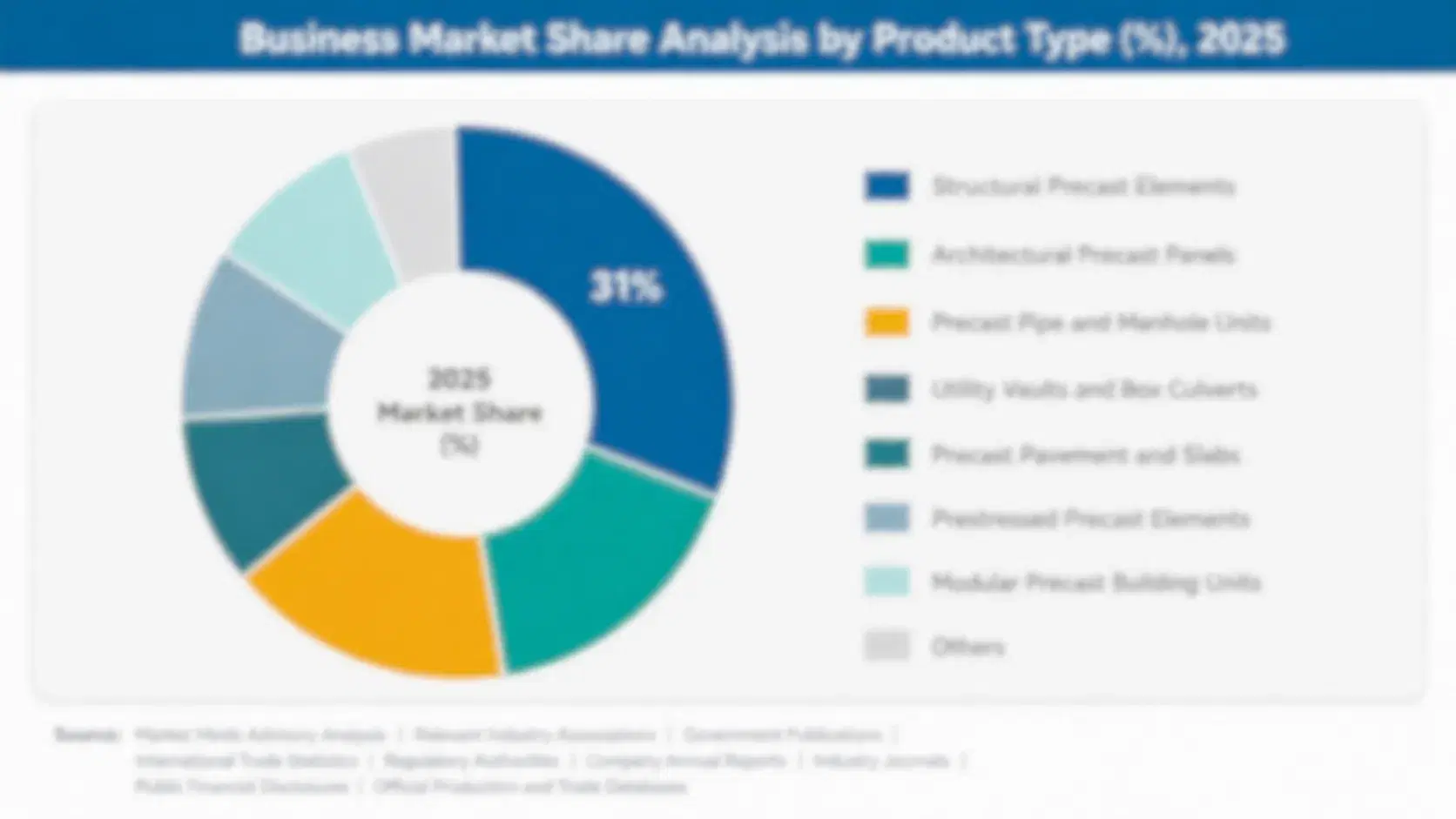
North America dominates at 60% because domestic plants in the United States and Canada make most plant-based ready meals sold in America, with Western Europe at 16% through imported brands. South Asia and Pacific grows fastest on Indian meal imports. East Asia and Middle East and Africa trail.

North America

North America holds 60% share, above its band, which justifies the out-of-band share: under this supply-origin lens the region includes the United States itself, where Amy's Kitchen, Conagra Brands, Nestle, General Mills and Daily Harvest make most plant-based ready meals in domestic plants, plus Canadian makers such as Maple Leaf Foods. Growth runs at the global rate of 8.5%. Frozen and chilled distribution favours local production, freight from overseas adds cost, and FDA and USDA rules simplify compliance for domestic makers. Private-label contracts for Kroger, Target and Costco are also made mainly in American plants, and retailers audit suppliers every year. Retailers review ranges every year against sell-through and waste data.
Share: 60% | CAGR: 8.5% (2026 to 2036)

Western Europe

Western Europe holds 16% share, below its band, which is justified because most ready meals sold in the United States are made domestically and only a few European brands ship chilled or frozen products across the Atlantic. Growth trails the global rate at 7.0%. Because North America and Western Europe take the top two slots, the commercial reason is that European groups own American brands and supply recipes, ingredients and technology: Nomad Foods, Quorn and Vivera export selected lines, and European companies supply plant proteins and seasonings. Freight cost, FDA facility registration and labelling differences limit finished goods trade, so partnerships and licensing carry more value than exports. Reviews occur yearly.
Share: 16% | CAGR: 7.0% (2026 to 2036)
Regional intelligence for 5 additional markets available in the complete report: East Asia, South Asia and Pacific, Latin America, Middle East and Africa, Eastern Europe. Contact sales@marketmindsadvisory.com.
sales-of-plantbased-ready-meals-in-us-country-cagr-analysis-1789971736727

Four Margin Routes for US Plant-Based Meal Makers

Margin in American plant-based ready meals comes from flavour quality, own-label contracts, cold chain efficiency and sodium reduction rather than volume alone. The routes below apply to branded makers, contract manufacturers and foodservice suppliers, and each can start inside one planning cycle, with clear measures in gross margin points and cost per meal. Payback usually runs two to three years.

Rebuilding Recipes Around Whole Foods and Lower Sodium Seasoning

Repeat purchase depends on flavour, so makers that rebuild recipes around beans, grains and vegetables with fewer than 12 ingredients, and use spice and acid to replace salt, lift repeat purchase by 15% to 25% and cut ingredient cost by 10% to 20%. Reformulation costs $0.3 million to $1 million per range. Makers should start with the five best-selling meals, test against mainstream ready meals in blind panels and track sodium against retailer targets, since shoppers judge taste first and retailers delist weak products within two range reviews. Results guide which recipes to scale first.
Market Impact: whole-food recipes lift repeat purchase by 15-25% among buyers

Winning Retailer Own-Label Contracts Through Scale Cook-Chill Capacity

Own-label holds about 29% of category sales, so contract manufacturers that build scale cook-chill and freezing lines near retail hubs win multi-year accounts worth 15% to 25% of output. Lines cost $10 million to $40 million. Makers should offer flexible pack formats, consistent quality audits and joint innovation with retailer category teams, since retailers qualify few suppliers and tender contracts each year, and utilisation above 75% is essential to protect thin margins in operations where waste and daily delivery add cost quickly. Long-term contracts also give lenders confidence to finance new lines.
Market Impact: own-label contracts fill 15-25% of plant output capacity

Cutting Chilled Waste With Extended Shelf Life and Better Forecasting

Chilled meals last only five to 12 days, so makers that adopt high pressure processing, modified atmosphere packaging and retailer-shared forecasts extend shelf life by 30% to 60% and cut waste by 20% to 35%. Technology costs $1 million to $8 million per plant. Makers should start with best-selling meals, share forecasts weekly and test clean-label preservation methods, since waste directly reduces gross margin by two to four points and retailers penalise late deliveries and short dates in supplier scorecards across contracts. Better forecasting also reduces overproduction on slow sales days.
Market Impact: shelf life technology cuts chilled waste by 20-35%

Building Handheld and Club Store Formats for Value-Seeking Households

Households under price pressure favour multipacks and handheld meals, so makers that offer club store multipacks, burritos and pockets with simple recipes win volume worth 10% to 18% of category sales. Line changes cost $2 million to $8 million. Makers should test flavours with three retail partners, hold price gaps to meat-based rivals below 20% and keep sodium in line with retailer targets, since value shoppers compare unit prices closely, and club store buyers expect steady supply and low unit cost throughout contract terms. Multipacks also lower packaging cost per meal for large accounts.
Market Impact: club and handheld formats win 10-18% of volume

US Plant-based Ready Meals Pricing and Margins

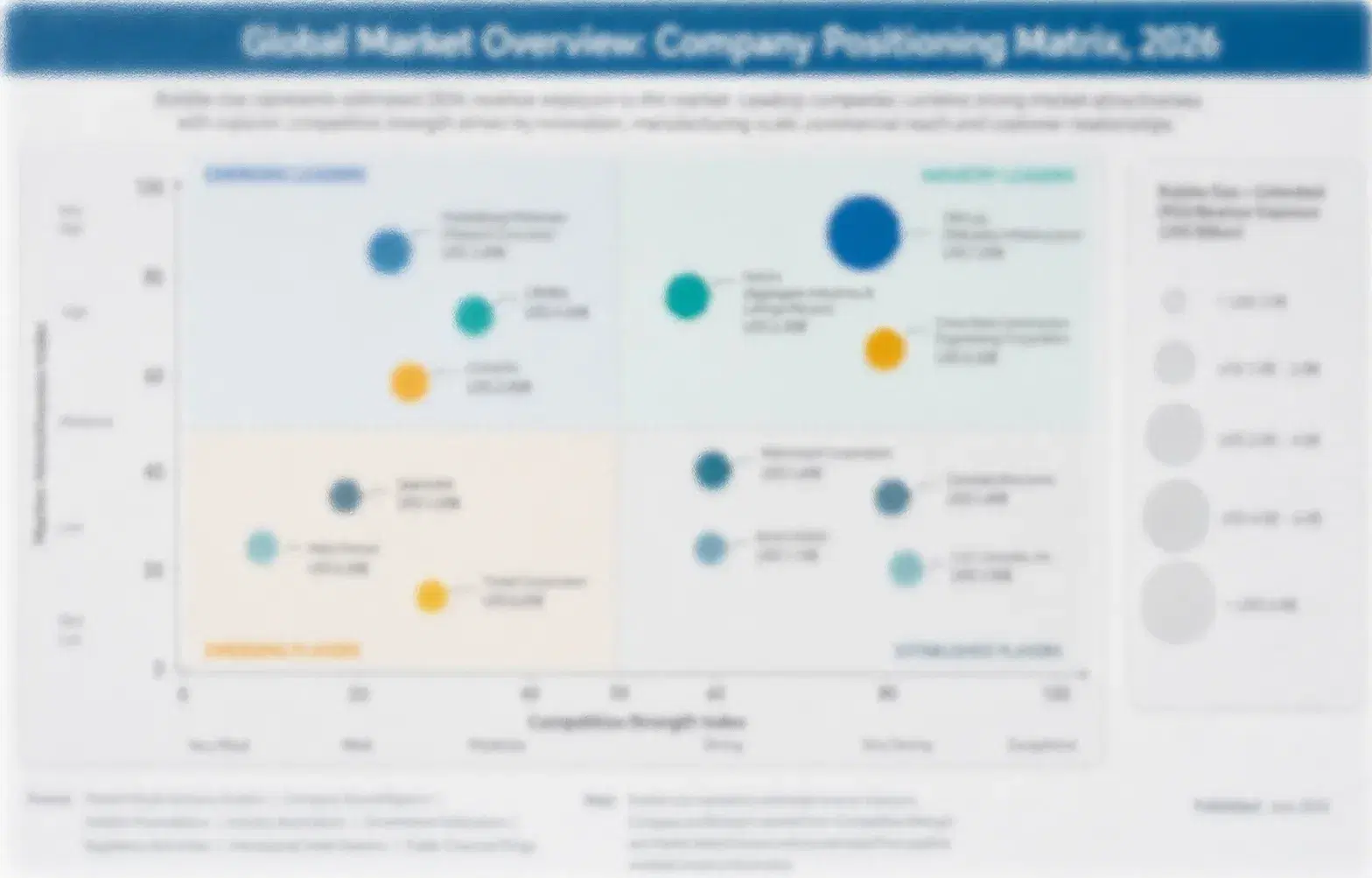
The United States plant-based ready meal market is fragmented, with a CR5 of 34%, because retailers, food manufacturers, start-ups and delivery brands all compete for the same shopper. This assessment measures participants on estimated United States plant-based ready meal sales value, held constant across all players. Amy's Kitchen and Conagra Brands lead through brand and distribution, Nestle, General Mills and Daily Harvest follow, and the gap between the leader and the fifth player is moderate, as private label absorbs a large share.
Competition runs on four dimensions today: flavour quality, retailer own-label contracts, freezer and chilled space, and sodium and ingredient list credentials. Large groups win on scale and distribution, specialist brands win on recipe credibility, and private-label makers win on price. Retailers compare sell-through per shelf metre and waste rates, and a weak recipe can lose its listing within two range reviews.

Emerging pressure comes from retailer own-label expansion, from meat companies launching vegan lines through existing networks and from imports of shelf-stable meals from India and Mexico. Rankings shift where a maker wins a large private-label contract, reformulates a bestseller successfully or exits a weak category, and consolidation continues among small brands as funding tightens.
sales-of-plantbased-ready-meals-in-us-company-positioning-matrix-1789971737003

US Plant-based Ready Meals Competitive Moats

AMY'S KITCHEN

Moat: Trusted Brand and Organic Credentials

Amy's Kitchen, the American vegetarian food company, sells frozen entrees, burritos, pot pies and canned meals across supermarkets and natural grocers, and holds one of the strongest brand reputations for organic vegetarian food. Its long track record, broad range and loyal shoppers give it freezer space and pricing power, and its own plants support quality control.
AMY'S KITCHEN

Risk: Operational Strain and Cost Pressure

Amy's Kitchen has faced operational and cost pressures, including plant restructuring and inflation in ingredients and labour, and its premium prices are exposed when shoppers trade down. Private-label vegan meals target the same shoppers, and organic sourcing raises cost, while investment capacity is limited by margin pressure.
CONAGRA BRANDS

Moat: Frozen Aisle Scale and Brands

Conagra Brands, the American packaged food group, owns Gardein, Healthy Choice, Marie Callender's and other frozen brands with strong supermarket presence across the United States. Its frozen manufacturing scale, retailer relationships and brand portfolio give it reach for plant-based meals, and it can cross-promote vegan lines with mainstream frozen ranges and club store programmes.
CONAGRA BRANDS

Risk: Category Softness and Debt Load

Conagra Brands has faced soft plant-based demand and impairment charges on some brands, and its debt load limits room for aggressive innovation. Private-label frozen meals compete on price, and reformulation to whole-food recipes requires investment during a period of margin pressure. Investors expect debt reduction first.

Players Tracked

Prominent Players

Amy's Kitchen
Conagra Brands
Nestle
General Mills
Daily Harvest

Other Key Players

Kraft Heinz
Beyond Meat
Impossible Foods
Tofurky
Field Roast
Alpha Foods
Lightlife
Quorn
Kevin's Natural Foods
Saffron Road
Tasty Bite
Deep Indian Kitchen
Maple Leaf Foods
Kellanova
Nomad Foods

Recent Developments

JANUARY 2026

Conagra Brands Reformulates Frozen Plant-Based Meal Range With Shorter Ingredient Lists and Lower Sodium

Conagra Brands reformulated its frozen plant-based meal range with shorter ingredient lists and lower sodium, according to company communications. It is a product update, not an acquisition, and it tests shopper response to cleaner labels. The update covers selected recipes. Sales terms were not disclosed. Timing remains open.
Signal: Shows major brands are answering ultra-processed food criticism because clean labels now influence repeat purchase and retailer listings.
FEBRUARY 2026

Amy's Kitchen Expands Chilled Bowl Range for United States Supermarket Refrigerated Sections

Amy's Kitchen expanded its chilled bowl range for United States supermarket refrigerated sections, according to company communications. It is a range expansion, not an acquisition, and it tests chilled demand. The range covers grain bowls and curries. Sales terms were not disclosed. Rollout timing remains open.
Signal: Confirms established frozen brands are moving into chilled formats because fresh meals command premium shelf space and higher margins.
MARCH 2026

Kroger Signs Multi-Year Own-Label Supply Agreement for Plant-Based Frozen Meals With United States Contract Manufacturer

Kroger signed a multi-year own-label supply agreement for plant-based frozen meals with a United States contract manufacturer, according to company communications. It is a supply agreement, not an acquisition, and it tests private-label demand. The agreement covers frozen entrees and handhelds. Financial terms were not disclosed.
Signal: Indicates retailers are locking in own-label capacity because lower shelf prices widen trial among mainstream households.

Vegetables, Legumes and Cold Chain Costs

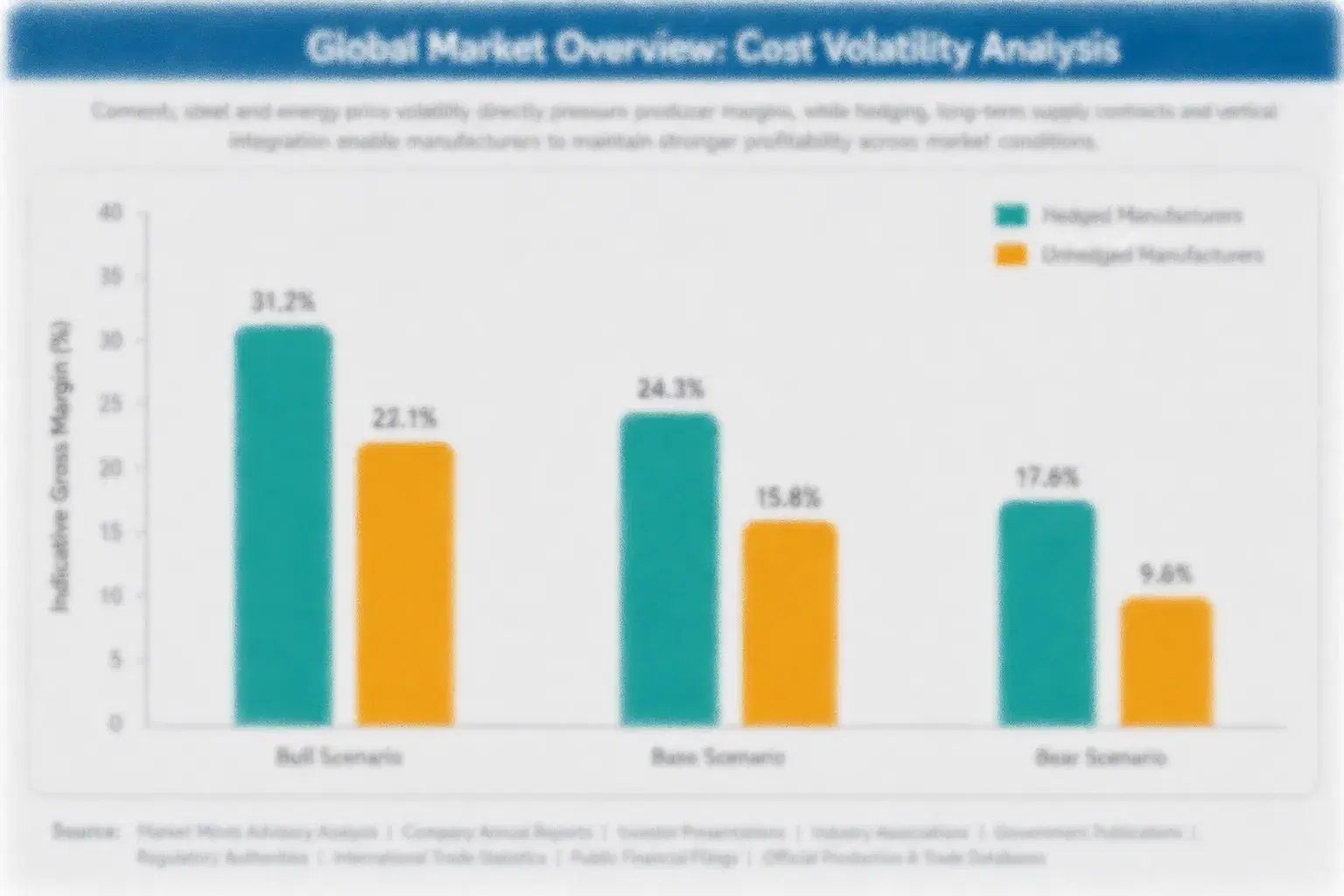
Vegetables, legumes, grains and plant proteins account for roughly 34% of production cost, sauces, oils and seasonings about 14%, packaging about 14%, energy and cold chain about 14%, and labour, distribution and overheads about 24%. Vegetables come from American and Mexican growers, legumes from Canada and the Dakotas, and plant proteins from specialist processors in the United States and Europe.
The clearest recent shock came in 2022 and 2023. USDA Economic Research Service data show food manufacturing input prices rising sharply, while EIA data show industrial power and natural gas costs surging after the war in Ukraine, and USDA reports show vegetable oil and grain price spikes. Ready meal makers absorbed part of the increase because private-label contracts repriced only at annual resets, which compressed margins.

The disadvantage falls on makers without long-term ingredient contracts or scale, because they cannot pass through swings on annual retailer terms and pay more for small lots. Exposure varies by player type: large groups hedge and hold multi-origin supply, private-label makers face tight tender prices, and small brands depend on spot purchases with limited pricing power. Larger groups negotiate terms early.
sales-of-plantbased-ready-meals-in-us-cost-volatility-analysis-1789971737294

Multi-Year Ingredient and Grower Contracts

Makers sign multi-year contracts with vegetable growers and legume suppliers, often with price collars linked to market indices, to cut exposure to spikes of 15% to 30%. The main challenge is volume commitment when demand shifts, so makers negotiate flexible ranges and review contract terms each year with key suppliers. Supplier audits repeat every year.

Energy Efficiency and Heat Recovery

Makers invest in efficient cooking, chilling and freezing equipment and heat recovery to cut energy cost per meal by 8% to 15%. The main challenge is capital cost and downtime for retrofits, so makers phase upgrades over several years and share expertise across plants. Payback usually arrives within four years. Utility audits confirm the savings each year.

Retailer Price Formulas and Pass-Through Clauses

Makers negotiate price formulas that link contracts to food and energy indices with a lag of one to two quarters, recovering 60% to 80% of cost increases. The main challenge is retailer resistance in tenders, so makers offer volume commitments and joint innovation in return for indexed terms. Contract terms are reviewed every half year.

Portfolio Architecture for Margin Defence

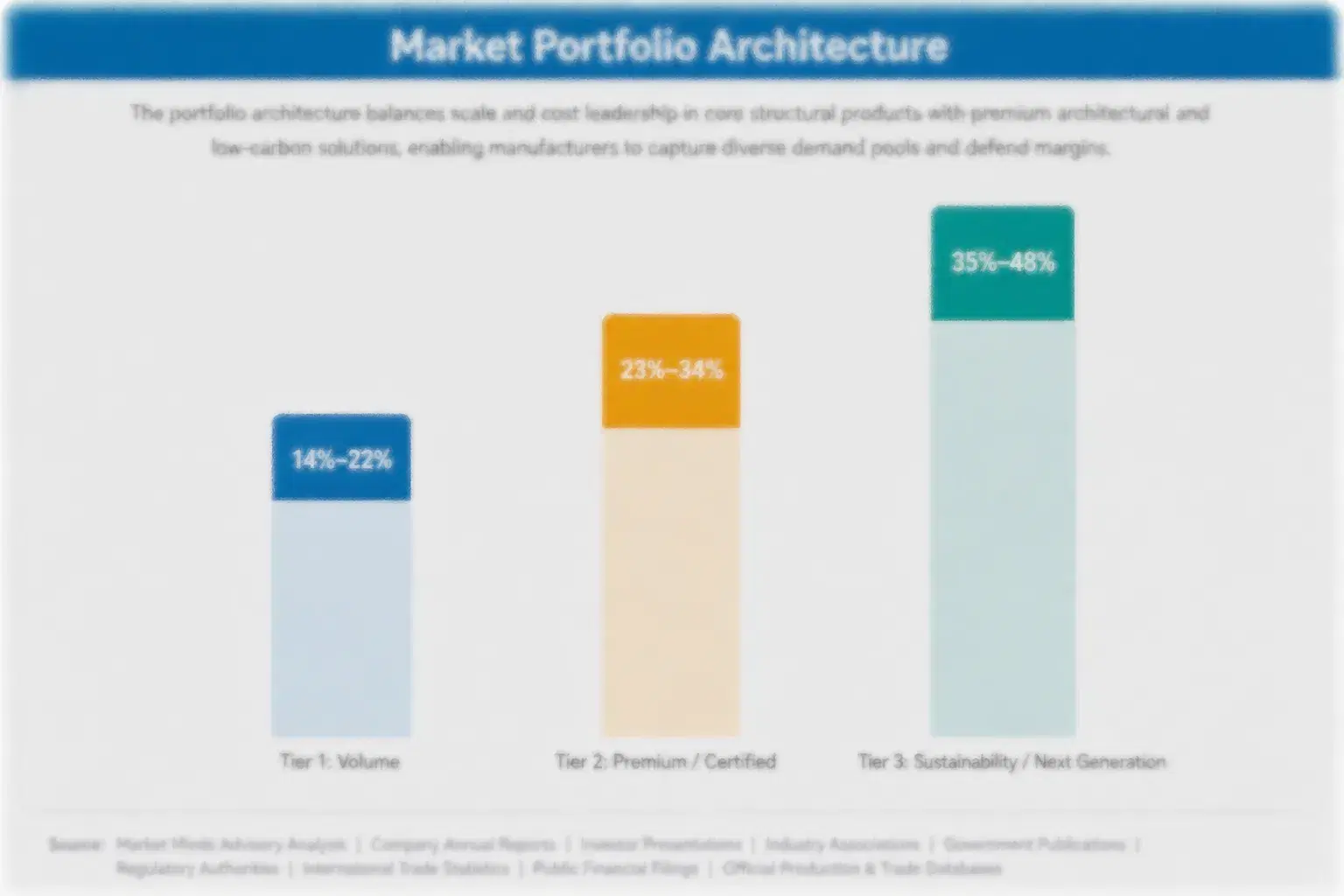
Margins run from thin returns on private-label frozen meals sold at retailer prices to strong returns on chilled chef-led meals and premium brands sold with loyalty support. Three tiers separate volume products, premium certified lines and next-generation solutions, and each draws on different ingredient sourcing, cold chain capability and retailer relationships in a market where private label holds a large share. Margin gaps between tiers run to 12 points.
The tension between volume and premium is sharp. Private-label and value frozen meals fill supermarket orders at low prices and face constant promotional pressure, while premium chilled and organic products earn higher margins on smaller volumes and depend on recipe quality, brand trust and delivery reliability. Makers that run only volume suffer when retailers push prices down, while premium-only makers struggle to fill lines and absorb waste.

High-value pools concentrate in chilled chef-led meals for supermarket premium ranges and in organic frozen entrees with loyal followings. They gather where buyers pay for flavour, freshness and trust, not for the plant-based label alone. Handhelds add a growing volume pool for convenience and club channels, and strong makers hold more than one, though each needs different lines, cold chain capability and channel skills.

Volume / Commodity-Adjacent

Private-label and value frozen meals sold on price per meal to supermarkets, clubs and discount chains. Buyers focus on cost and promotions, contracts follow annual retailer tenders, and technical differentiation is limited by shared recipe formats.
Gross Margin: 18%-28%

Premium / Certified

Branded frozen and chilled meals with organic or non-GMO certification, chef-led recipes and good nutrition scores, sold through supermarkets and natural grocers. Buyers value taste, freshness and brand trust, and listings run for one to two years.
Gross Margin: 26%-36%

Sustainability / Regulatory / Next-Generation

Whole-food chilled meals, low-sodium ranges and low-carbon lines with verified life cycle data and short ingredient lists, sold to leading retailers and subscription customers. Contracts depend on flavour, nutrition scores and consistent delivery performance.
Gross Margin: 28%-40%
sales-of-plantbased-ready-meals-in-us-portfolio-architecture-1789971737574

High-value Sub-segments and Strategic Watch-out

Chilled Plant-Based Ready Meals

Chilled ready meals combine the fastest growth with strong pricing, since supermarkets accept gross margins of 26% to 38% for chef-led recipes and freshness. Cook-chill lines near retail hubs, daily delivery and consistent seasoning form the entry barrier, and suppliers that manage waste hold the strongest positions.
Gross Margin: 26%-38%

Plant-Based Handhelds and Burritos

Plant-based handhelds and burritos deliver strong growth with firm pricing, since shoppers accept gross margins of 24% to 36% for convenience and familiar flavours. High-speed lines, freezer placement and sodium control limit competition, though mainstream frozen snacks compete on price. Reviews occur each year. Prices stay firm.
Gross Margin: 24%-36%

Frozen Plant-Based Entrees

Frozen plant-based entrees are the volume core, with value growing about 7.5% a year. Recipe cost, freezer placement and promotional discipline decide profit, and large groups and private-label makers hold most volume. Customers renew listings yearly at prices linked to competing conventional frozen entrees. Utilisation stays critical.
Gross Margin: 18%-30%

Shelf-Stable Pouches and Bowls

Shelf-stable pouches and bowls are the strategic watch-out, since growth of about 6.0% a year trails the market, flavour quality is harder to protect after heat treatment and imports from India compete on price. Makers should manage it selectively and steer investment toward chilled and handheld formats.
Gross Margin: 16%-28%

Why Households Keep Buying Vegan Meals

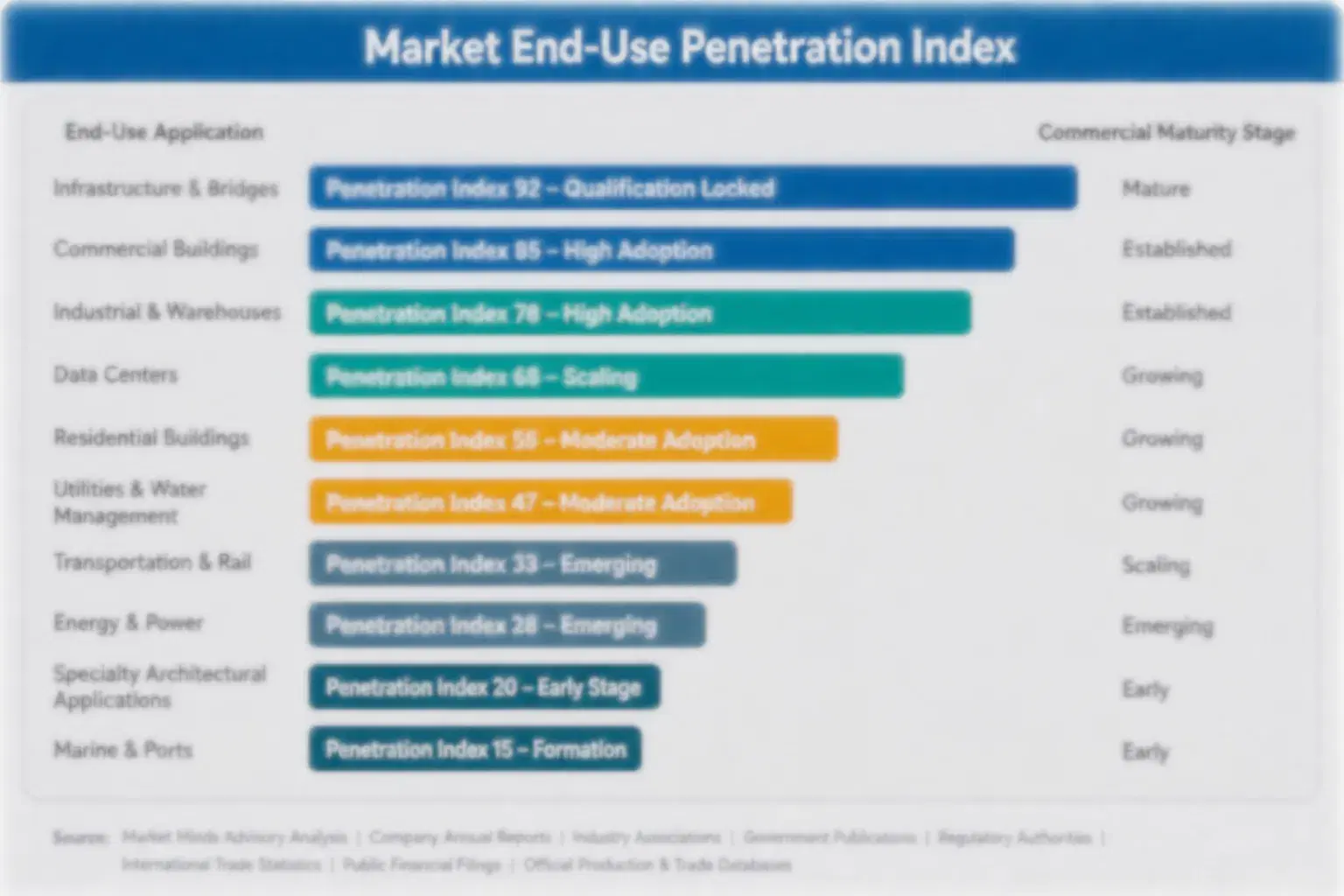
American plant-based ready meal demand behaves like an annuity attached to weekly shopping lists, freezer habits and household routines. Once a household finds a burrito or bowl it likes, purchases repeat every week or two, and switching means testing another recipe and risking disappointment. Retailers set annual range plans around sell-through per shelf metre, so brands with steady velocity earn priority space. Trust, once earned, takes years to lose.
Adoption stickiness differs by end-use vertical. Committed vegan and vegetarian households are the deepest, since they rely on prepared meals with reliable labelling. Flexitarian households are moderately sticky, driven by flavour, price and promotions. Campus and workplace buyers are more fluid, changing suppliers when menus or budgets shift, though caterers with proven quality and delivery hold contracts for several years and expand menu use over time.

Buyer profiles are shifting between generations. Older buyers bought vegetarian meals for health or ethics and accepted limited choice, while younger buyers ask about ingredient lists, protein content, sodium and taste comparable to mainstream meals. Retailers and health bodies add a third group that sets nutrition and labelling expectations. Makers that publish nutrition scores and life cycle data win newer buyers.
sales-of-plantbased-ready-meals-in-us-end-use-penetration-index-1789971737885

MMA Verdict on US Meal Strategy

These are among the four positions where our research anticipates prominent divergence between winners and laggards over the coming forecast period. Each is grounded in the demand model, the regulatory perimeter, and the announced capacity pipeline.
01 / RECIPE QUALITY STRATEGY

Rebuild Recipes Around Whole Foods and Lower Sodium Before Shoppers Leave

Chilled Plant-Based Ready Meals grow at 11.9% a year, about 1.40 times the overall market rate, but repeat purchase depends on flavour. Makers should invest $0.3 million to $1 million per range, use beans, grains and vegetables with fewer than 12 ingredients, and lift repeat purchase by 15% to 25%. Those that delay will lose listings over the next two years, while early movers hold repeat purchase, stronger margins and lasting shelf space across every range review and annual retailer tender.
02 / OWN-LABEL CONTRACT STRATEGY

Build Scale Cook-Chill Capacity Before Retailers Lock In Own-Label Suppliers

Own-label holds about 29% of category sales, and scale cook-chill lines near retail hubs win multi-year accounts worth 15% to 25% of output. Makers should invest $10 million to $40 million per line, offer flexible pack formats and run joint innovation with category teams. Those that delay will lose tenders over the next two years, while early movers hold volume, utilisation above 75% and stronger and lasting negotiating positions across every annual contract round and retailer audit cycle and quarterly volume review.
03 / WASTE REDUCTION TECHNOLOGY

Extend Chilled Shelf Life Before Waste and Short Dates Erase Category Margin

Chilled meals last only five to 12 days, and shelf life technology extends life by 30% to 60% while cutting waste by 20% to 35%. Makers should invest $1 million to $8 million per plant, start with best-selling meals and share forecasts with retailers. Those that delay will lose two to four margin points to waste over the next two years, while early movers hold better service scores, lower cost and preferred supplier status across every retailer scorecard and annual review.
04 / VALUE FORMAT STRATEGY

Build Handheld and Club Store Formats Before Value Shoppers Choose Private Label

Households under price pressure favour multipacks and handhelds, and club and handheld formats win volume worth 10% to 18% of category sales. Makers should invest $2 million to $8 million per line change, hold price gaps to meat-based rivals below 20% and keep sodium in line with retailer targets. Those that delay will lose club listings over the next two years, while early movers hold volume, stronger buyer relationships and steadier plant utilisation across every annual contract round and product launch.

Engagement Snapshot From the Field

A live engagement with an industry participant carrying material or product regulatory and market exposure ahead of a defining policy shift, showing how our research translates into a defensible multi-year portfolio strategy.
MARKET MINDS ADVISORY · CLIENT ENGAGEMENT SUMMARY
Sales of Plant-based Ready Meals in US Producer Strategic Portfolio Review and Transition Roadmap 2026·Investment Scenario on Sales of Plant-based Ready Meals in US Exposure Evaluation 2025-26
CLIENT PROFILE
The client is a mid-sized American frozen food manufacturer with annual sales near $520 million (client-reported, unverified by MMA), producing frozen entrees, burritos and appetisers for supermarket own-label and branded ranges. About 8% of sales came from vegetarian and vegan meals, two retailers had asked for larger vegan ranges with lower sodium, and management wanted a plan to grow without harming core margins.
STRATEGIC CHALLENGE
Vegan meal margins sat near 20% (client-reported, unverified by MMA), sodium exceeded a retailer target by about 25%, and a first chilled trial had generated about 12% waste. Management had to decide whether to rebuild recipes, add a chilled line or focus on handhelds, with limited capital and three plants. Key retailers wanted new ranges within 12 months.
MMA APPROACH
MMA analysed sales, cost and waste data across 40 products, interviewed 14 retail buyers, chefs and cold chain managers, and ran a shopper survey on flavour, sodium and price across three countries. It modelled margin by format and channel, compared recipe rebuild, chilled line and handheld options by payback and execution risk, and tested each against ingredient and energy scenarios.
KEY FINDINGS
  1. Whole-food recipes with lower sodium would cut ingredient cost by about 13% and lift repeat purchase by about 17% (client-reported, unverified by MMA).
  2. A dedicated cook-chill line would cost about $14 million and win own-label contracts worth about 15% of output (client-reported, unverified by MMA).
  3. Modified atmosphere packaging would extend chilled shelf life by about 40% and cut waste from 12% to about eight percent (client-reported, unverified by MMA).
  4. Club store handhelds would open volume worth about 11% of vegan revenue but at lower unit margins than single-serve entrees (client-reported, unverified by MMA).
RECOMMENDED STRATEGY
Phase 1: Phase 1 (Months 1-9): Rebuild the five best-selling vegan recipes with whole foods, cut sodium and test against competitor meals with shopper panels. Phase 2: Phase 2 (Months 10-24): Install modified atmosphere packaging, build the cook-chill line and sign own-label contracts with two retailers for wider ranges. Phase 3: Phase 3 (Months 25-42): Extend recipes across the vegan range, launch club store handhelds and review ingredient contracts and pricing yearly.
OUTCOME
Within 42 months, vegan meals reached 22% of sales, margins rose by about six points and waste fell to about eight percent of chilled output (client-reported, unverified by MMA). Two retailers extended own-label ranges, sodium met targets, and the cook-chill line reached planned utilisation. Retailer feedback stayed positive.

Frequently Asked Questions

Foundational context covering the market sizes, CAGR, scope, country, region and competition that inform every finding below. This section is provided to cover basics and most often pre-purchase conversations, answered from the MMA Primary Research Dataset.

What is the current size of the Sales of Plant-based Ready Meals in US?

American plant-based ready meal sales were valued at $2.60 billion in 2025 on a retail and foodservice basis. Growth reflects flexitarian eating and retailer own-label ranges, offset by ultra-processed food concerns and cold chain costs.

How large will the Sales of Plant-based Ready Meals in US be by 2036?

The market is projected to reach $6.38 billion by 2036, up from $2.82 billion in 2026. The increase of $3.56 billion reflects chilled meals, handhelds and own-label growth.

What is the CAGR for the Sales of Plant-based Ready Meals in US 2026 to 2036?

The market is forecast to grow at an 8.5% CAGR from 2026 to 2036. The bull case reaches 9.8% and the bear case 7.2%, depending on price gaps, flavour quality and consumer sentiment.

Which segment is growing fastest?

Chilled Plant-Based Ready Meals is the fastest-growing segment at 11.9% CAGR, roughly 1.40 times the overall market rate. Plant-Based Handhelds and Burritos follows at 10.2% CAGR each year.

Who are the major companies in the Sales of Plant-based Ready Meals in US?

Major companies include Amy's Kitchen, Conagra Brands, Nestle, General Mills and Daily Harvest. Kraft Heinz, Beyond Meat, Impossible Foods, Tofurky and Field Roast also hold meaningful positions in specific channels.

Which country is growing fastest?

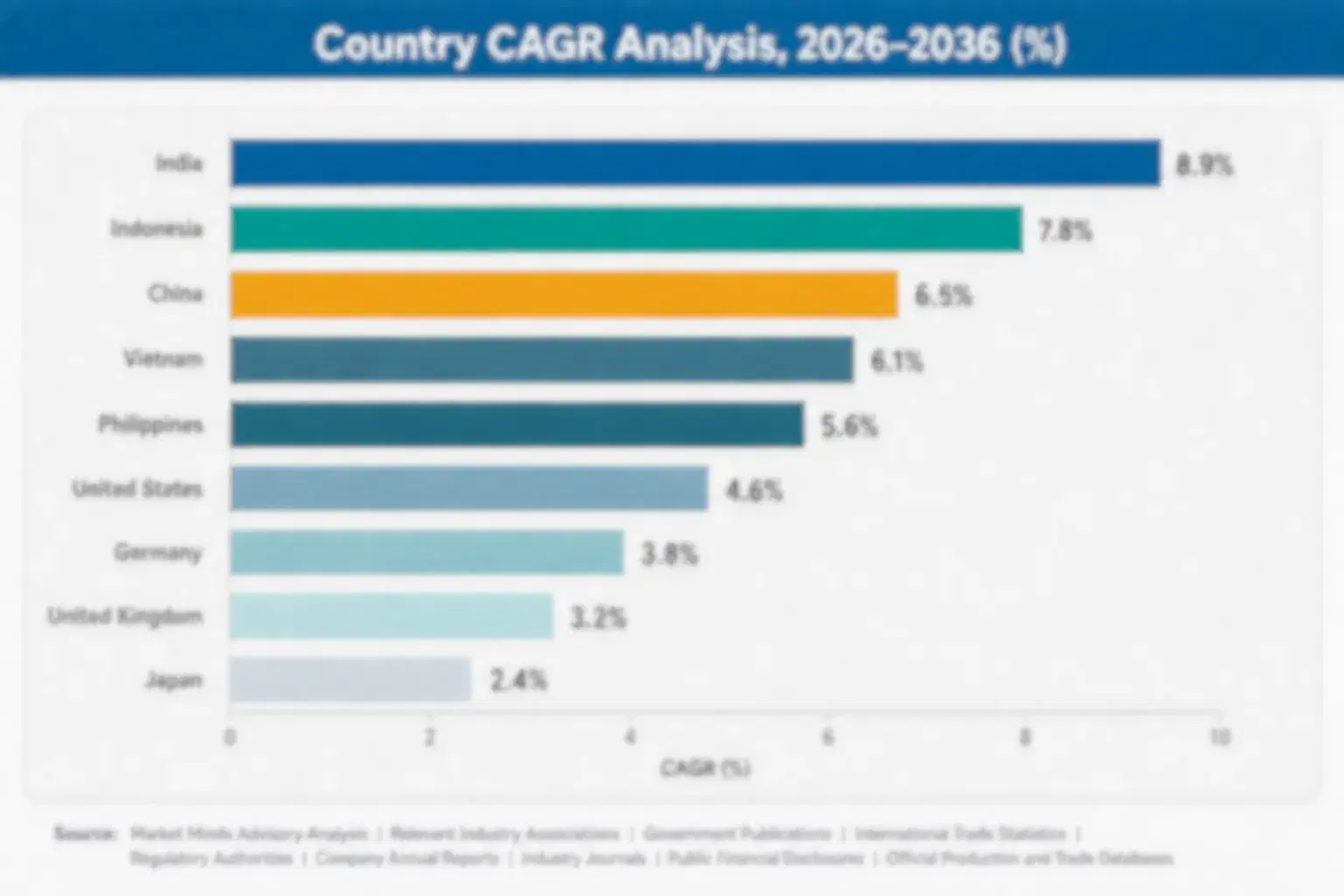
Canada is growing fastest as a supply origin at about 9.8% CAGR, because pulse supply, nearby plants and cross-border retail links expand together. India and Mexico follow through shelf-stable and frozen imports.

US Plant-based Ready Meals Market Breakdown

The full report scope spans multiple orthogonal segmentation dimensions, with cross-tabulated demand data provided for each dimension pair. Coverage extends further to regional breakdowns, trend trajectories, and the competitive detail needed to support segment-level decision-making.

By Primary Market Dimension

  • Chilled Plant-Based Ready Meals
  • Frozen Plant-Based Entrees
  • Plant-Based Handhelds and Burritos
  • Ready-to-Heat Meal Kits
  • Shelf-Stable Pouches and Bowls

By End-Use Industry

  • Household Retail
  • Club Stores
  • Workplace and Campus Catering
  • Convenience and Online Delivery

By Commercial Dimension

  • Branded Retail Sales
  • Retailer Own-Label Supply
  • Club Store Programmes
  • Foodservice Contracts
  • Online Direct Sales

By Region

  • North America
  • Western Europe
  • East Asia
  • South Asia and Pacific
  • Latin America
  • Middle East and Africa
  • Eastern Europe

Scope, Methodology, and Coverage

Every figure in this report is reproducible from documented input assumptions. The scope below maps the historical period, the forecast horizon, the segmentation dimensions, and the countries covered, alongside the underlying primary and qualitative methodology.
Historical Period
2020 to 2025
Forecast Period
2026 to 2036
Base Year
2025 (USD billions; MMA Primary Research Dataset, September 2026)
Market Definition
The market covers United States retail and foodservice sales of plant-based ready meals, defined as packaged, prepared dishes made without meat, fish, dairy or egg ingredients and sold frozen, chilled or shelf-stable through supermarkets, club stores, convenience outlets, online channels and foodservice. It excludes single-ingredient meat and dairy alternatives sold alone, vegetarian meals containing dairy or egg, plant-based snacks and beverages, restaurant meals prepared from scratch and meal kits sold as raw ingredients.
Quantitative Units
USD billions (retail and foodservice sales revenue); units and meals for volume references
Segmentation Dimensions
By Meal Format; By End-Use Channel; By Commercial Dimension; By Supply-Origin Region
Regions Covered
North America, Western Europe, East Asia, South Asia and Pacific, Latin America, Middle East and Africa, Eastern Europe
Countries Covered
United States, Canada, Mexico, United Kingdom, Netherlands, Germany, Poland, Czechia, Japan, China, South Korea, Vietnam, Thailand, India, Australia, Brazil, Argentina, Turkey, Israel, South Africa, and additional markets relevant to this sector
Key Companies Profiled
Amy's Kitchen, Conagra Brands, Nestle, General Mills, Daily Harvest, Kraft Heinz, Beyond Meat, Impossible Foods, Tofurky, Field Roast, Alpha Foods, Lightlife, Quorn, Kevin's Natural Foods, Saffron Road, Tasty Bite, Deep Indian Kitchen, Maple Leaf Foods, Kellanova, Nomad Foods
Quantitative Methodology
Primary survey, n=3,800 respondents, Q4 2025, six countries; demand-side model with trade association cross-validation
Qualitative Methodology
47 expert interviews, Q4 2025; applied to validate demand model assumptions, identify emerging dynamics, and assess competitive positioning
Report Format
PDF and XLSX data workbook (Word format preview document)
Publisher
Market Minds Advisory
Report Code
MMA-2026-AGR-205
Published
September 2026
Contact
sales@marketmindsadvisory.com | www.marketmindsadvisory.com

Purchase the full Sales of Plant-based Ready Meals in US Report (2026 to 2036).

The full report delivers a detailed assessment of United States plant-based ready meal sales through 2036, covering meal format, channel and supply-origin forecasts, competitive benchmarking of leading food groups, own-label suppliers and delivery brands, and input cost analysis. It combines MMA primary research, including a six-country survey of 3,800 respondents and 47 expert interviews, with public statistical and company data. Analysts also model ingredient price paths, retailer range scenarios and cold chain capacity timelines. Clients receive format margin ranges, channel maps and a case study on growth strategy. Retailer programme and contract frameworks are also included.
Ten-year format and channel demand forecasts
Ingredient, energy, and packaging cost tracking
Competitive benchmarking of leading ready meal makers
FDA labelling and nutrition scheme rule tracker
Supply-origin regional comparative analysis and forecasts included
Quarterly primary survey data update access

Built For The People Who Decide

From boardroom strategy to bench-side execution, this report is read cover-to-cover by leaders shaping the next decade of their industry, turning demand scenarios, market dynamics and valuation benchmarks into decisions.
CXOs/ Presidents/ VPs/ Managers
M&A and Corporate Development
Strategy Teams and R&D Heads
Procurement and Product Directors
Regulatory and Compliance Leaders
Investor Relations and Equity Analysts