Market Minds Advisory
RTD Cocktail Shots Market

RTD Cocktail Shots Market: RTD Cocktail Shots Market. Single-Serve Packs, Low-Alcohol Formats, and Convenience Retail Reshape Party Spirits.

Ready-to-drink cocktail shots turn a bar ritual into a single-serve pack, but alcohol duty, packaging costs, single-serve pricing, and retailer licensing rules decide which brands convert party occasions into repeat purchase.

Lead Analyst

Published

September 2026

Make Smarter Decisions with Customized Research Insights

Request a free sample report and evaluate market opportunities, growth trends, and competitive dynamics relevant to your business needs.

2025 MARKET VALUE$2.4BMarket Size 2025
2036 FORECAST VALUE$6.2BBase Case , 2026 to 2036
CAGR 2026 TO 20369.0 %Bull 10.3% / Bear 7.8%
INCREMENTAL OPPORTUNITY$3.6BNet 10- year value creation
EXPANSION MULTIPLE2.37x2036 value over 2026 base
Strategic Levers
M&A Pipeline
Regional Outlook
Country Rankings
Competitive Intelligence
Segmental Deep-dive
Call-Us : 91 93563 13602

Executive Snapshot and Market Trajectory.

Cocktail shots exist because nobody wants to carry a shaker to a party. A single-serve pouch or bottle of pre-mixed tequila, whiskey, or vodka now sits at every convenience store till, and the best brands charge cocktail prices for a serving that disappears in two seconds.
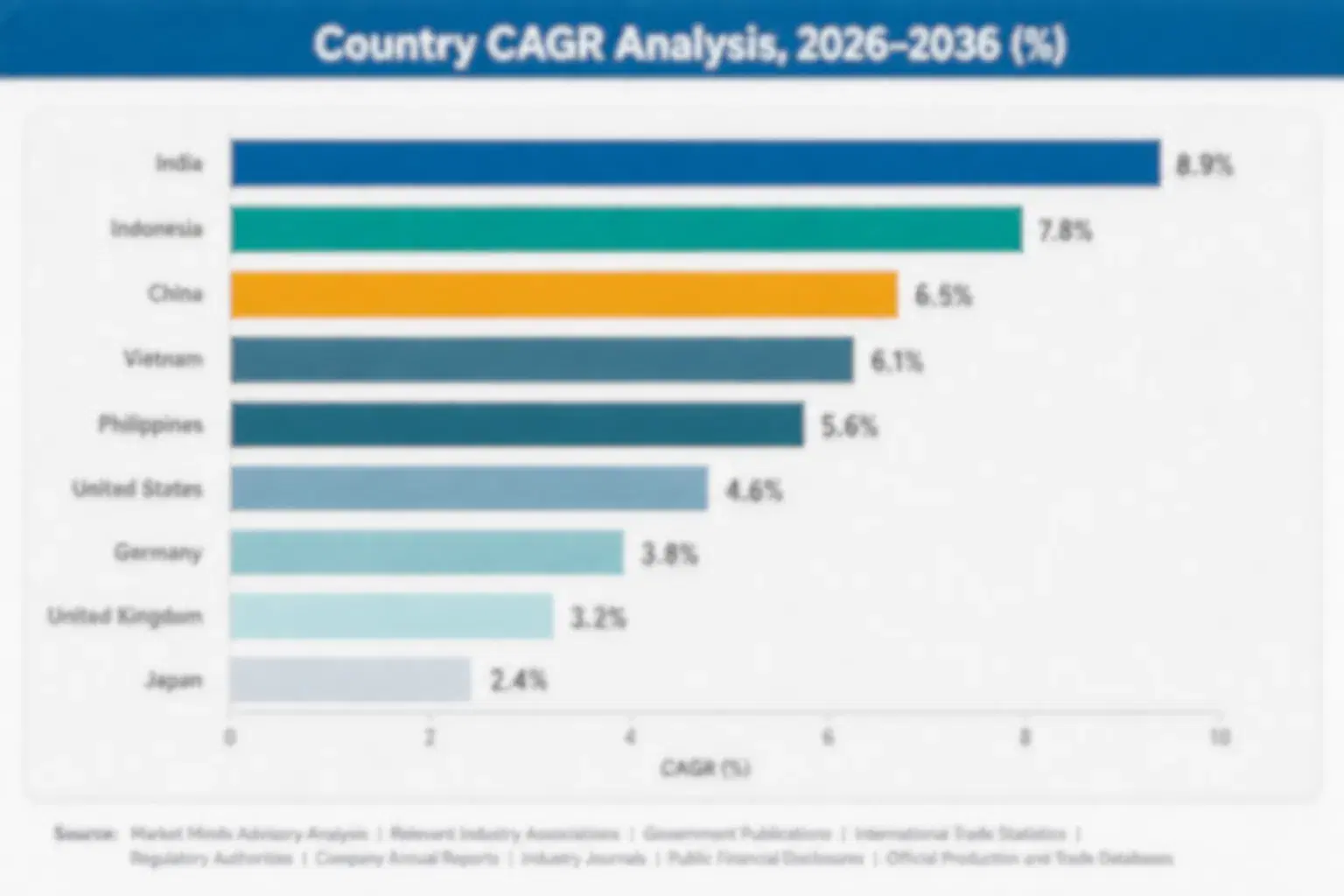
Low-alcohol and non-alcoholic shots grow fastest, because moderation trends and driving occasions push buyers toward lighter servings, while tequila and agave shots follow as margarita and paloma flavours travel from bars to convenience stores. North America holds the largest share, since United States shot culture, convenience store reach, and party occasions concentrate volume there, with Western Europe and East Asia following. India leads country growth. Retail sets trial. Events set repeat. Duty decides margins.
The industry is concentrated at the top, with two large spirits groups, several shot specialists, and many craft brands competing on flavour, price per shot, and convenience store placement. Alcohol duty rules, single-serve packaging costs, and licensing limits shape recipes and margins, while canned cocktails and hard seltzer crowd the same party occasions. Majors own distribution. Specialists own flavour. Retailers cut slow lines. Margins stay thin.
Market Definition
Ready-to-drink cocktail shots comprise pre-mixed, single-serve alcoholic servings of 25 to 60 millilitres in bottles, pouches, cups, and gelatin formats, based on vodka, tequila, whiskey, rum, and liqueurs, with low-alcohol and non-alcoholic variants, sold through convenience, on-premise, retail, and online channels. The scope excludes full-size canned cocktails, bottled spirits, hard seltzers, and shots mixed at the point of sale.
Base Year Value
$2.4B in 2025 (MMA Primary Research Dataset, September 2026)
Forecast Period
2026 to 2036, eleven discrete annual values
CAGR
9.0% base case. Bull 10.3%. Bear 7.8%.
Fastest Growth Segment
Low-Alcohol and Non-Alcoholic Shots: 12.6% CAGR
Fastest Growth Country
India: 12.4% CAGR
Fastest Growth Region
South Asia and Pacific: 11.0% CAGR
Largest Region
North America: 36% of 2025 global value
Market Leaders
Sazerac Company, Diageo, Mast-Jägermeister, Brown-Forman, Suntory Global Spirits. Source: MMA Analysis, company annual reports.
Primary Survey
n=3,800 procurement and R&D decision-makers, Q4 2025, six countries
Methodology
Demand-side build-up, cross-validated against public data, 47 expert interviews

RTD Cocktail Shots Market Forecast Scenarios

rtd-cocktail-shots-market-size-forecast-scenario-1789797428060
From 2020 to 2025, cocktail shots moved from a bar and party novelty to a recognised single-serve category in convenience and travel retail. Party culture, small-pack pricing, and flavour innovation widened the audience, while glass, aluminium, and freight costs spiked in 2022 and squeezed margins. Growth ran slightly below today's pace, and price rises supplied part of the reported value gain.
The base case rests on three commercial mechanisms. First, low-alcohol and non-alcoholic shots gain distribution as moderation and driving occasions push buyers away from full-strength servings. Second, tequila and agave shots grow through convenience stores, bars, and festivals. Third, Asia and Latin America add volume as modern retail and party culture spread beyond Anglophone markets. Each mechanism compounds slowly, and none needs a breakout year. Producers plan capacity and licensing around all three.
The bull case needs shot brands to win permanent convenience store counter space in Europe and Asia, which would convert casual party buyers into regular buyers. The bear case is a spike in aluminium and glass costs combined with tighter alcohol licensing on single-serve packs, which would squeeze margins and push retailers to favour canned cocktails.

Flavour, Price Per Shot, and Counter Space Decide Winners

Cocktail shots cover several methods. Producers blend spirits, liqueurs, juice, and sweetener, then fill the mix into small glass bottles, pouches, or cups, while gelatin makers set the mix into a solid serving. Pasteurised and shelf-stable versions use citric acid and preservatives to stay stable for a year, and low-alcohol versions use botanical extracts to hold flavour.
MARKET CONCENTRATION46% CR5Leading five brands hold a large combined share
CONVENIENCE CHANNEL SHARE38%Portion of value sold through convenience and gas stations
PACKAGING COST SHARE32%Portion of cost of goods taken by pouches, glass, closures
SPIRIT COST SHARE24%Portion of cost of goods taken by base spirits
ALCOHOL STRENGTH18%Typical alcohol by volume in full-strength cocktail shots
AVERAGE SHOT PRICE$2.60Typical retail price for a single-serve shot pack
Flavour and counter space decide value. Buyers choose shots by taste, strength, and price per serve, so a brand needs a recognisable flavour and reliable supply of pouches and bottles. Premium brands use aged tequila and whiskey, while volume brands use neutral spirit with flavour systems. Brands with counter loyalty, event partnerships, and clear labelling win because a shot that tastes artificial is not bought twice.
Buyers judge cocktail shots on taste, price per serve, brand credibility, and occasion fit. Convenience stores want fast-turning multipacks and clear counter placement, while bars and festivals want spill-free formats and consistent pours. Price sensitivity is high, since shots compete with bottled spirits on cost per drink, which pushes brands toward flavour novelty, premium spirits, and lower-alcohol options for driving and moderation occasions.
"A shot is the smallest unit of a night out, and the industry has spent a decade treating it like a commodity. The brands that win will price the shot like a cocktail and make it as easy to grab as gum. Duty rules and pouch costs, not flavour, are the constraint most launches underestimate."
Senior Analyst, Food and Beverage Practice · MMA Ready-to-Drink Cocktail Shots Practice · September 2026

Market Trends

Low-Alcohol and Non-Alcoholic Shots Win Drivers and Moderate Drinkers

Brands now sell low-alcohol shots at 5% to 15% alcohol by volume and non-alcoholic versions at 0.0% to 0.5%, using botanical extracts, bitters, and sweetener systems to hold cocktail flavour. Low-alcohol shots sell at prices near full-strength shots, and duty savings lift margin per serve. Convenience stores give counter space beside energy shots, and bars add sober options for drivers. Brands with clear labelling and strong flavour, such as citrus and ginger blends, win trial, and lighter lines keep loyal drinkers who reduce intake but still want the party ritual and the social moment.
Market Impact: shots take 15%+ of impulse spirits
Tequila and Agave Shots Move From Bar Menus Into Retail

Tequila and agave shots in margarita, paloma, and spicy mango flavours now sell in 40 to 50 millilitre bottles and pouches, using blanco and reposado tequila with lime, citrus, and chilli. Agave shots sell at 20% to 50% above vodka shots, and festival and beach venues build trial. Tequila brands add whole-agave claims and origin stories to justify premiums, and limited flavours drive collector interest. The trend broadens shots to wine and cocktail drinkers, and convenience store counters give small tequila brands access to mainstream buyers and export distributors across markets in Mexico, the United States, and Europe.
Market Impact: India volume grows 12%+ a year

Market Opportunities and Growth Drivers

Party Culture and Convenience Store Impulse Buying Sustain Demand

Adults in the United States, the United Kingdom, Germany, and Mexico buy shots for parties, festivals, and pre-drinks, and convenience stores place single-serve packs at the counter where impulse purchases happen. Small packs lower the entry price, since a shot costs a few dollars rather than a full bottle. Producers that offer flavour variety, multipacks, and event bundles win trial, and shots help brands reach younger buyers who might otherwise choose beer or hard seltzer. Repeat purchase follows because a pack that worked at one party is bought again for the next one.
Market Impact: packaging takes 32% of cost

Modern Retail Extends Cocktail Shots Into Asia and Latin America

India, China, Brazil, Mexico, and Southeast Asia have seen small-format spirits and cocktail shots grow as modern retail, nightlife, and e-commerce expand. Global groups use distribution networks to launch flavoured shot brands, and local producers adapt sweetness, spice, and pack sizes to local tastes, since small serves already suit informal drinking in many of these markets. Single-serve sachets take a large share of spirits in parts of Latin America and Asia. Producers that adapt flavour, price, and pack size win volume, and emerging markets offset flatter mature-market demand across the forecast period.
Market Impact: shot pack rules cover 15+ jurisdictions

Market Restraints and Challenges

Alcohol Duty, Licensing Limits, and Packaging Costs Squeeze Margins

Alcohol duty is charged per litre of pure alcohol, so a small pack carries the same duty per serve as a bottle, while single-serve pouches, glass, and closures take roughly 32% of cost of goods. Many jurisdictions restrict alcohol pouches or sales at petrol stations, and licensing rules limit counter display. The root cause is regulation designed for bottled spirits and small-pack packaging economics. Mitigations include multipack formats, lighter pouches, low-alcohol versions that reduce duty, and event bundles, though small brands cannot absorb duty swings and retailers resist price rises during promotions.
Market Impact: low-alcohol shots run 5-15% ABV

Youth Access Rules and Canned Cocktail Competition Cap Growth

Regulators in several countries and states restrict single-serve alcohol packs, small pouches, and confectionery-style shots because they appeal to young or impulsive buyers, and public health groups press for stricter marketing rules. Canned cocktails, hard seltzer, and beer compete for the same party occasions, and bar staff prefer full-size serves for margin reasons. The root cause is regulation, health scrutiny, and product substitution. Brands respond with age-gated packaging, adult-only flavours, and clearer labels, though these steps can reduce novelty that many buyers expect and require reformulation investment, and small brands often cannot afford dual compliance across export territories.
Market Impact: agave shots sell 20-50% above vodka
4 additional market trends, 3 additional growth drivers, and 2 additional restraints and challenges are covered in the full report. Contact sales@marketmindsadvisory.com to access the complete intelligence.

Segment CAGR and Growth Architecture

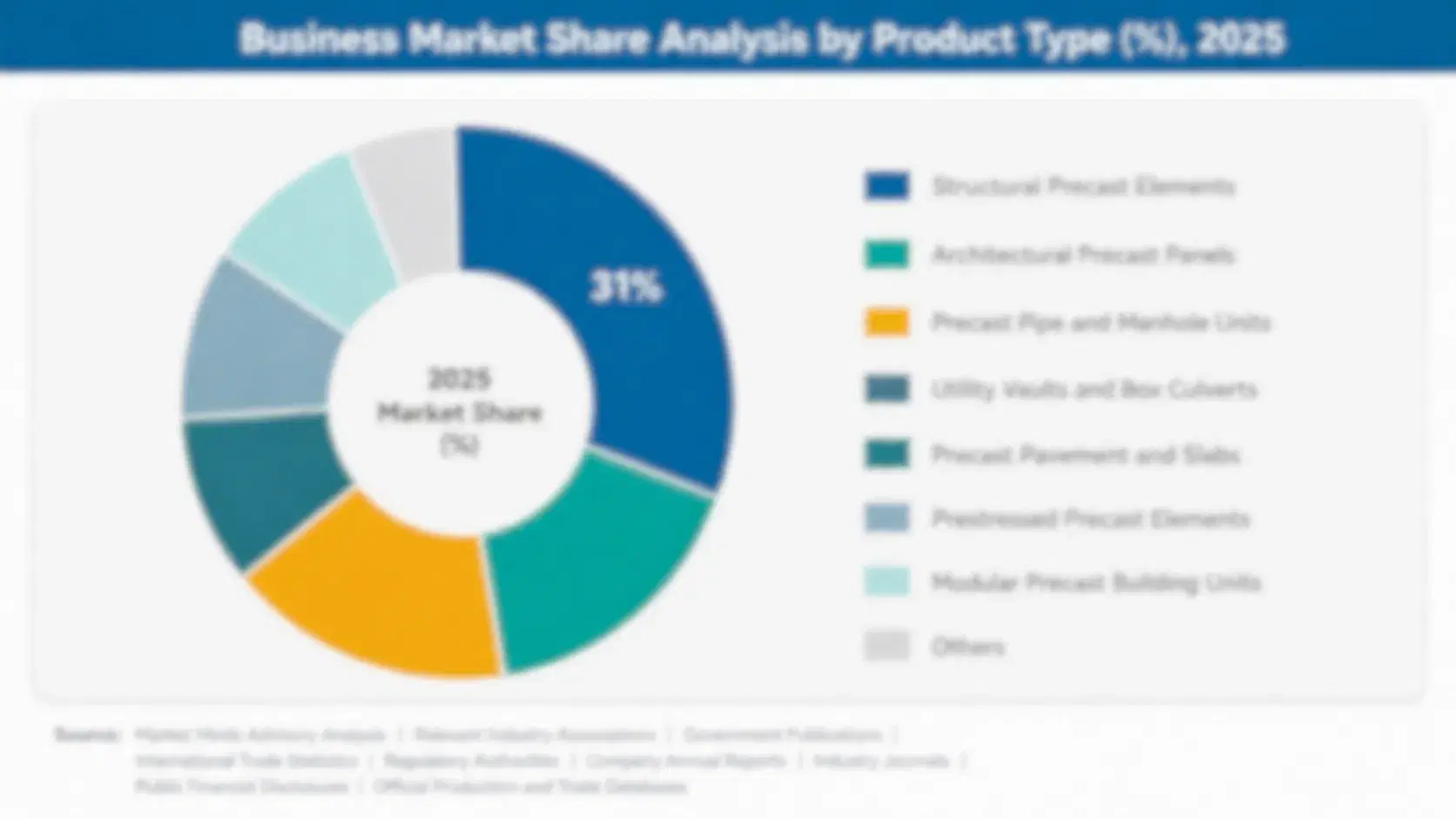
Cocktail shots are segmented by the spirit base, which shows where tradition, moderation demand, and pricing power sit. Six segments cover vodka-based shots, tequila and agave shots, whiskey and bourbon shots, rum shots, liqueur and cream shots, and low-alcohol and non-alcoholic shots. Two segments grow fastest, each on a different driver, either moderation or party demand.
rtd-cocktail-shots-market-market-share-analysis-1789797428233

Low-Alcohol and Non-Alcoholic Shots

Low-alcohol and non-alcoholic shots are the fastest-growing segment, at 12.6% a year, about 1.40 times the overall market rate. Moderation trends, driving occasions, and health awareness push buyers toward shots at 0.0% to 15% alcohol, and brands use botanical extracts and bitters to hold flavour. Prices sit near full-strength shots, and duty savings lift margin per serve. Taste is the main constraint, since removing alcohol thins body, so brands adjust sweetness and acidity. Convenience stores and bars add space, and heritage brands win trial from existing shot buyers who want a lighter option for weekday and driving occasions. Chilled placement beside energy shots helps repeat purchase at counters and fuel stations.
CAGR 12.6%

Tequila and Agave-Based Shots

Tequila and agave-based shots grow at 11.4% a year, because bars and festivals pair them with lime, chilli, and citrus, and brands use blanco and reposado tequila to build the same flavour profile in a small pack. Shots sell at 20% to 50% above vodka shots, and beach and party occasions drive trial. Supply chain and cost are the main constraints, since agave prices swing with harvest cycles, so brands use contracts and blends. Brands with strong festival communities and Mexican partnerships win retail space and export listings, and limited seasonal flavours keep buyers returning without heavy advertising budgets. Distillery partners in Jalisco supply spirit bases at scale to several brands.
CAGR 11.4%
Full segment breakdown across 6 segments available in the complete report.

Regional Architecture and Country Demand Map

Cocktail shot value follows party culture, convenience retail reach, and alcohol licensing. North America leads through United States convenience stores and events, Western Europe follows through German and British shot traditions, South Asia and Pacific grows fastest through Australia and India, and Middle East and Africa stays niche.

North America

North America holds 36% share, well above its usual band, because United States shot culture, dense convenience store and liquor store networks, and party and festival occasions concentrate single-serve spirits volume there, and the United States alone accounts for most regional sales. Sazerac, Diageo, Brown-Forman, and Suntory Global Spirits lead, and gas stations, liquor chains, and events carry the range. Canada adds provincial liquor board listings, and college towns add seasonal peaks. Growth runs above the global rate as low-alcohol lines and tequila flavours add volume. Licensing rules add friction. North America and Western Europe hold the top two positions because both combine large spirits markets with entrenched party culture.
Share: 36% | CAGR: 9.4% (2026 to 2036)

Western Europe

Western Europe holds 24% share, with Germany, the United Kingdom, the Netherlands, France, and the Nordic countries leading through shot traditions, nightlife culture, and strong festival seasons. Mast-Jägermeister, Underberg, Berentzen Group, Diageo, and Pernod Ricard compete for bar and retail space, and German supermarkets and kiosks sell shots in small bottles beside spirits. British pubs and clubs add pre-mixed shot promotions. Nordic monopolies list selected brands slowly. Growth stays below the global rate because the base is mature, health scrutiny rises, and alcohol duty structures leave little room for price competition, though flavour variety and low-alcohol lines lift value beyond volume. Festival organisers add steady on-site sales. Dutch and Belgian festivals add seasonal peaks.
Share: 24% | CAGR: 7.5% (2026 to 2036)
Regional intelligence for 5 additional markets available in the complete report: East Asia, South Asia and Pacific, Latin America, Middle East and Africa, Eastern Europe. Contact sales@marketmindsadvisory.com.
rtd-cocktail-shots-market-country-cagr-analysis-1789797428412

Four Margin Routes for Cocktail Shot Brands

Margin in cocktail shots comes from low-alcohol formats, counter placement, spirit and packaging supply security, and multipack flexibility rather than volume alone. The routes below apply to global spirits groups, shot specialists, and craft brands, and each can start inside one planning cycle, with clear measures in gross margin points, price per serve, and volume per outlet.

Launching Low-Alcohol Shot Lines Ahead of Duty and Licensing Changes

Low-alcohol shots sell near full-strength prices while reducing duty per serve, so brands that launch low-alcohol lines in pouches and bottles report gross margin gains of 4 to 7 points on those lines. Producers that use botanical extracts, keep flavour intensity high, and win bartender approval avoid the thin taste that hurts trial. Retailers give counter space beside energy shots, and festivals and airlines add volume. Pilot ranges in two convenience chains and one festival operator typically confirm demand within one season, before national listings and export orders follow, and clear labelling protects retailer licences and buyer trust.
Market Impact: low-alcohol lines lift blended gross margin by 4-7 points

Winning Convenience Store Counter Placement With Display and Promotion Support

Convenience stores choose shot brands by turn rate, margin, and display fit, and brands that supply counter units, multipack bundles, and event promotions win space that lasts for seasons. Brands that partner with fuel station chains, festival operators, and travel retailers report volume gains of 12% to 20% in partner outlets, and price per shot above $2.50 holds when the display is prominent. Small brands can start with one region and one chain. Contracts should fix pricing, display terms, and promotion visits, and brands should track sell-through through distributor reports so that spend follows results.
Market Impact: partner outlets deliver volume gains of 12-20% per outlet

Contracting Spirits and Packaging Early to Stabilise Costs and Supply

Base spirits and packaging take about 56% of cost of goods, and prices can move 20% to 40% within a year when agave harvests, grain crops, or aluminium and glass markets tighten. Brands that sign 12-month forward contracts for spirit and pouch film and dual-source packaging from two suppliers cut cost swings by roughly half. Retailers accept price changes slowly, so contracts matter more than shelf price increases, and stable supply lets brands hold gross margin near 36% across ranges. Brands that skip contracts pay 15% more in short-supply years and lose promotional slots.
Market Impact: forward contracts halve cost swings and hold 36% margin

Adding Multipacks and Resealable Formats to Raise Basket Value

Single shots at $2 to $3 limit basket value, and multipacks of six or 12, resealable pouches, and party bundles lift spend per visit by 40% to 80% while opening supermarket, festival, and gifting channels. Brands that add multipacks alongside single-serve packs report volume gains of 15% to 25% among repeat buyers without diluting counter appeal. Contract fillers avoid capital costs of $1 million or more, and shared filling agreements spread fixed cost. Brands should keep singles for impulse counters, use multipacks for retail and events, and book filling slots months ahead.
Market Impact: multipacks and bundles add 15-25% volume among repeat buyers

Who Controls the Margin Pool

The cocktail shots industry is concentrated at the top, with a CR5 of 46%, and many craft brands, regional producers, and private label suppliers sit outside the leading five. This assessment measures participants on estimated shot sales value, held constant across all players. Sazerac Company leads through its flavoured shot portfolio and convenience store distribution, while Diageo, Mast-Jägermeister, Brown-Forman, and Suntory Global Spirits follow, well behind the leader.
Competition runs on four dimensions today: flavour quality and novelty, convenience counter placement, price per serve, and event partnerships. Global groups win on distribution and marketing reach, while specialists win on flavour loyalty and craft credibility. Private label copies successful vodka shots quickly, so premiums outside tequila, low-alcohol, and whiskey ranges erode within a year, and price competition appears at retailer range reviews and in distributor negotiations.

Emerging pressure comes from canned cocktails, hard seltzer, and non-alcoholic drinks, which compete for the same party occasions. Rankings shift where a brand secures spirit supply, wins counter space, or signs a festival partnership. Regional brands in Australia, India, and Germany can move up quickly, since local taste knowledge matters more than global scale.
rtd-cocktail-shots-market-company-positioning-matrix-1789797428591

Competitive Moat and Risk Dimensions

SAZERAC COMPANY

Moat: Flavoured Shot Brand Strength

Sazerac Company owns Fireball and a large flavoured spirits portfolio, and its shot and miniature formats sit at convenience store counters across the United States. Its brand recognition, flavour development, and distributor relationships give it pricing power and counter space, and its scale in spirit sourcing and filling lowers cost per shot against smaller rivals.
SAZERAC COMPANY

Risk: Regulatory and Health Scrutiny Exposure

Sazerac depends on flavoured spirits that attract regulatory attention over youth appeal and small-pack sales, and tighter rules on single-serve packs would hit counter volume directly. Its sweet flavour focus leaves it exposed to moderation trends, and canned cocktail and low-alcohol brands compete for the same party occasions with lighter positioning and broader retail acceptance.
DIAGEO

Moat: Global Distribution and Brand Portfolio

Diageo sells tequila, whiskey, and vodka brands across more than 180 countries and uses them as flavour bases for shots and mini serves through bars, duty-free, and convenience channels. Its purchasing scale in agave, grain, and packaging, its distributor relationships, and its marketing budgets give it reach that no specialist can match.
DIAGEO

Risk: Small Format Within Large Portfolio

Cocktail shots are a small share of Diageo sales, so management attention and marketing spend flow first to whiskey, tequila, and gin. Specialist shot brands win flavour novelty with younger buyers, and aluminium, glass, and freight cost spikes squeeze margins on low-priced packs, while retailers press for promotions that damage premium positioning and distributors prioritise full-size bottles.

Players Tracked

Prominent Players

Sazerac Company
Diageo
Mast-Jägermeister
Brown-Forman
Suntory Global Spirits

Other Key Players

Pernod Ricard
Bacardi
Constellation Brands
Campari Group
Heaven Hill Brands
Jose Cuervo
Proximo Spirits
Underberg
Berentzen Group
Rémy Cointreau
Stock Spirits Group
Halewood Wines and Spirits
Molson Coors
Anheuser-Busch InBev
Asahi Group Holdings

Recent Developments

JANUARY 2026

Sazerac Company Launches Low-Alcohol Shot Range in United States Convenience Stores

Sazerac Company launched a low-alcohol flavoured shot range in United States convenience stores, using citrus and cinnamon flavours at reduced strength to widen appeal beyond full-strength buyers. It is a product launch, and it tests whether counter brands can win moderate drinkers with lighter serves. Sales volumes were not disclosed.
Signal: Confirms that leading shot brands now build low-alcohol ranges to defend counter space against moderation trends and licensing pressure.
FEBRUARY 2026

Diageo Extends Tequila Shot Packs Across European Retail and Travel Channels

Diageo extended tequila shot packs across European retail and travel channels, adding margarita and paloma flavours in pouches and small bottles. It is a range extension, not an acquisition, and it tests whether global groups can win party buyers from specialist shot brands. Volume targets were not disclosed.
Signal: Suggests global spirits groups are using tequila brands and travel retail to contest the small-format shot aisle.
MARCH 2026

Mast-Jägermeister Signs Supply Agreement for Single-Serve Pouch Production

Mast-Jägermeister signed a supply agreement with a European flexible packaging producer to secure single-serve pouch production for its shot and miniature ranges. It is a supply agreement, not a joint venture, and it tests whether long contracts can stabilise packaging costs and delivery. Contract volumes and terms were not disclosed.
Signal: Shows shot brands are locking in packaging supply to protect small-format production against cost and delivery swings.

What Drives Cocktail Shot Production Costs

Pouch film, glass, and closures account for roughly 32% of cost of goods, base spirits about 24%, flavour systems and sweeteners about 12%, and labour, filling, and energy about 10%. Agave comes mainly from Jalisco in Mexico, neutral grain spirit from the United States and Europe, and aluminium and glass from a small set of global producers, so exposure differs by input.
The clearest recent shock came from packaging and energy. Diageo reported in its annual reports that glass, freight, and energy costs surged in 2022 and 2023, and the International Energy Agency reported that European gas prices spiked across the same period. Brands raised prices by 5% to 10%, moved some volume to lighter pouches, and cut promotions, which squeezed gross margin by several points until contracts reset in the following year.

The competitive disadvantage falls on small brands, which buy pouch film and spirit in small lots at spot prices and cannot secure fixed contracts. Large groups sign packaging and spirit contracts, own filling capacity, and spread costs across many brands. Exposure also varies by geography, since European brands face glass and energy costs while Australian and Asian brands face freight and currency swings.
rtd-cocktail-shots-market-cost-volatility-analysis-1789797428781

Signing Spirit, Flavour, and Packaging Contracts for Twelve Months

Brands sign forward contracts for base spirits, flavour systems, and packaging for 12 months, consolidate orders across product lines, and dual-source key inputs. Forward contracts cut cost swings by roughly half, though they need volume commitments and working capital that only larger brands usually provide. Terms usually run one year, delivery reliability matters, and buyers should approve early.

Blending Spirit Bases and Flavour Systems to Buffer Poor Harvests

Brands blend aged and neutral spirit bases with flavour systems and source from more than one country to cover poor harvests. Blending lowers cost by 4% to 8% per litre in short-crop years. The main risk is flavour consistency, so premium brands keep tequila and whiskey bases. Sales data guides the mix, and bartender panels approve any change.

Using Contract Fillers to Avoid Capital Costs and Handle Peaks

Small brands use contract fillers and co-packers rather than buying equipment, avoiding capital costs of $1 million or more. Contract filling adds cost per unit but lowers risk and handles seasonal peaks such as festival season. The main challenge is scheduling, since slots fill early in spring, so brands book capacity months ahead and agree penalties for late delivery.

Portfolio Architecture for Margin Defence

Margins run from thin returns on unbranded vodka shots sold in multipacks to supermarkets and private label programmes to strong returns on tequila ranges, low-alcohol lines, and premium whiskey shots sold through bars and specialist retailers. Three tiers separate volume products, certified premium lines, and next-generation formats, and each tier draws on different buyer groups, spirit sources, and channel terms.
The tension between volume and premium is sharp. Volume lines protect filler utilisation and retailer relationships but face constant price pressure from private label and canned cocktails, while premium lines earn higher margins on smaller volumes and depend on flavour quality, packaging supply, and counter placement. Brands that run only volume struggle to fund innovation, while brands that run only premium lack the scale to hold convenience store space and online reach.

High-value pools concentrate in tequila ranges, low-alcohol lines, and premium whiskey shots sold through bars and specialist retail. They gather where buyers pay for flavour, provenance, or occasion fit rather than volume. Festivals, hotels, and travel retailers add further value, since these buyers ask for reliable delivery, consistent flavour, and clear labelling, and they reorder without shopping on price.

Volume / Commodity-Adjacent Tier

Unbranded and private label vodka shots and low-priced flavoured mixes sold in multipacks to convenience stores and discounters, with thin margins, spirit and packaging cost exposure, and constant price competition, where shoppers switch on price, promotion, and pack size.
Gross Margin: 16%-26%

Premium / Certified Tier

Premium tequila and whiskey shots in glass bottles and premium pouches, with documented spirit origin, consistent flavour, and counter placement, sold through bars, specialist retailers, and travel retail that require reliable delivery, clear labelling, and stable supply across seasons and promotions.
Gross Margin: 34%-48%

Sustainability / Regulatory / Next-Generation Tier

Low-alcohol, non-alcoholic, and functional shots built on botanical extracts, controlled dilution, and clear labelling, sold through convenience stores, bars, and travel retail to buyers who pay premiums for lower alcohol, moderation-friendly occasions, and driving-safe options.
Gross Margin: 32%-50%
rtd-cocktail-shots-market-portfolio-architecture-1789797428972

High-value Sub-segments and Strategic Watch-out

Low-Alcohol and Non-Alcoholic Shots

Low-alcohol and non-alcoholic shots combine the fastest growth with steady pricing, since buyers pay near full-strength prices for flavour with lighter alcohol. Duty savings and flavour skill limit competition, and brands with clear labelling win listings. Repeat purchase compounds across occasions, and volume follows steadily.
Gross Margin: 32%-50%

Tequila and Agave-Based Shots

Tequila and agave-based shots deliver solid growth and healthy pricing, since buyers pay 20% to 50% premiums for whole-agave flavour, lime and chilli profiles, and party-ready packs. Agave contracts and festival partnerships form the entry barrier, and brands with strong communities win convenience store space. Trials scale steadily through events.
Gross Margin: 34%-48%

Vodka-Based Cocktail Shots

Vodka-based cocktail shots form the volume core, sold through convenience stores and supermarkets at moderate margins. Growth is steady, at about 6.8% a year, as multipacks and party use expand. Spirit cost, packaging cost, and private label competition decide profit, and brands use the segment as anchor volume.
Gross Margin: 16%-26%

Liqueur and Cream-Based Shots

Liqueur and cream-based shots are the strategic watch-out, since dessert-style flavours attract youth appeal scrutiny, and cream products carry short shelf life. Demand concentrates among a few festive and gifting occasions. Brands should test shelf-stable formulas before scaling, because spoilage cost and retailer delisting can erode margin quickly.
Gross Margin: 20%-34%

Why Cocktail Shot Buyers Keep Purchasing

Cocktail shot demand behaves like an annuity of party and pre-drink occasions. Buyers buy the same flavour each weekend because it works at the counter and in the group, and a satisfied buyer often buys the same brand for the next event. Distributors use last quarter's sell-through to fix reorders, and retailers use pack sales to fix counter space, so successful brands earn steadier volume than launches driven by novelty alone.
Adoption stickiness differs by end-use vertical. Festivals and nightlife venues are the deepest, since organisers and bar owners build offers around a few trusted brands and change only when supply or price fails. Convenience shoppers are almost as loyal, because impulse habits and promotions repeat. Restaurants and hotels are shallower and switch on price, while airlines and travel retail follow contract cycles that run for several years.

Buyer profiles are shifting between generations. Older drinkers buy shots for tradition and trust heritage brands, while younger buyers care about flavour novelty, lower alcohol, and pack design. Health-conscious drinkers add a third group that wants low-alcohol and non-alcoholic options. Brands that publish spirit origins and use social media for party ideas win younger buyers and keep them as tastes mature.
rtd-cocktail-shots-market-end-use-penetration-index-1789797429158

MMA Verdict on Cocktail Shot Strategy

These are among the four positions where our research anticipates prominent divergence between winners and laggards over the coming forecast period. Each is grounded in the demand model, the regulatory perimeter, and the announced capacity pipeline.
01 / LOW-ALCOHOL RANGE STRATEGY

Build Low-Alcohol Shot Ranges Before Counter Space Is Reallocated

Low-alcohol and non-alcoholic shots grow at 12.6% a year, about 1.40 times the market rate, and they sell near full-strength prices while reducing duty per serve, so early range investment pays back inside roughly two years on most lines. Winners use botanical extracts, keep flavour intensity high, and secure counter space before rivals do. Brands that wait will find displays allocated, and moderate drinkers will already be loyal to competing lighter brands in convenience stores, festivals, and bars across North America and Europe.
02 / COUNTER PLACEMENT STRATEGY

Win Convenience Counter Space Before Retailers Standardise Suppliers

Tequila and agave-based shots grow at 11.4% a year, and convenience chains that give a brand counter space rarely change it, so partnerships with fuel station chains and festival operators deliver volume gains of 12% to 20% in partner outlets. Brands should supply display units, multipack bundles, and event promotions, and fix display terms in contracts. Those that compete only on supermarket promotion will lose counter credibility, and the premium of 20% to 50% that funds innovation will erode as private label and global groups copy the format.
03 / INPUT SUPPLY STRATEGY

Contract Spirits and Packaging Early to Protect Margin Against Shocks

Base spirits and packaging take about 56% of cost of goods, and shocks in agave, grain, aluminium, or glass markets can lift prices by 20% to 40% within a year, so unhedged brands face margin squeezes and missed deliveries. Brands should sign 12-month contracts, dual-source packaging from two suppliers, and hold safety stock of flavour bases. Those that buy only on the spot market will lose retailer trust and margin during short-supply years, and premium brands will lose the origin stories that justify their prices at counters.
04 / PACK FORMAT STRATEGY

Add Multipacks to Raise Basket Value Without Losing Counter Appeal

Single shots at $2 to $3 limit basket value, and multipacks of six or 12 and resealable pouches lift spend per visit by 40% to 80% while opening supermarket, festival, and gifting channels. Brands should keep singles for impulse counters, use multipacks for retail and events, and rely on contract fillers to avoid capital costs of $1 million or more. Those that stay with single packs only will miss volume gains of 15% to 25% among repeat buyers, and rivals with multipack ranges will take the shelf space.

Engagement Snapshot From the Field

A live engagement with an industry participant carrying material or product regulatory and market exposure ahead of a defining policy shift, showing how our research translates into a defensible multi-year portfolio strategy.
MARKET MINDS ADVISORY · CLIENT ENGAGEMENT SUMMARY
RTD Cocktail Shots Producer Strategic Portfolio Review and Transition Roadmap 2026·Investment Scenario on RTD Cocktail Shots Exposure Evaluation 2025-26
CLIENT PROFILE
The client is a mid-sized European spirits producer with annual sales near EUR 140 million (client-reported, unverified by MMA), two sites, and a portfolio led by vodka, herbal liqueurs, and fruit spirits sold through bars, supermarkets, and export importers. It had no shot range, no convenience store programme, and rising pressure from retailers who asked for small-format party products.
STRATEGIC CHALLENGE
Full-size volumes were flat, festival operators were asking for single-serve packs, and retailers wanted lighter options. Management needed to decide whether to launch tequila-style shots, low-alcohol flavoured shots, or a whiskey shot pouch, with limited capital and only one site able to run pouch filling. Rivals were already moving into low-alcohol.
MMA APPROACH
MMA analysed sales and cost data across 30 products, interviewed 12 convenience chain buyers, eight festival operators, and six packaging suppliers, and ran a consumer survey on flavour, strength, and price preferences across three regions. It modelled margin by segment and channel, tested spirit and packaging cost scenarios, and ranked launches by payback period and execution risk.
KEY FINDINGS
  1. A low-alcohol flavoured shot using existing liqueur bases and one site could reach 10% of total sales within two years at margins near 40% (client-reported, unverified by MMA).
  2. A convenience and festival programme with two partners could lift shot volume by 15% and open premium pricing, using existing bottles and a small field team.
  3. Twelve-month spirit and pouch contracts covering 60% of volume could cut cost swings by about half in a short-supply year, protecting promotional slots.
  4. Six-pack multipacks through a contract filler could add 5% of sales within three years and raise basket value for repeat buyers at festivals and supermarkets.
CLIENT PROFILE
The client is a mid-sized European spirits producer with annual sales near EUR 140 million (client-reported, unverified by MMA), two sites, and a portfolio led by vodka, herbal liqueurs, and fruit spirits sold through bars, supermarkets, and export importers. It had no shot range, no convenience store programme, and rising pressure from retailers who asked for small-format party products.
STRATEGIC CHALLENGE
Full-size volumes were flat, festival operators were asking for single-serve packs, and retailers wanted lighter options. Management needed to decide whether to launch tequila-style shots, low-alcohol flavoured shots, or a whiskey shot pouch, with limited capital and only one site able to run pouch filling. Rivals were already moving into low-alcohol.
MMA APPROACH
MMA analysed sales and cost data across 30 products, interviewed 12 convenience chain buyers, eight festival operators, and six packaging suppliers, and ran a consumer survey on flavour, strength, and price preferences across three regions. It modelled margin by segment and channel, tested spirit and packaging cost scenarios, and ranked launches by payback period and execution risk.
KEY FINDINGS
  1. A low-alcohol flavoured shot using existing liqueur bases and one site could reach 10% of total sales within two years at margins near 40% (client-reported, unverified by MMA).
  2. A convenience and festival programme with two partners could lift shot volume by 15% and open premium pricing, using existing bottles and a small field team.
  3. Twelve-month spirit and pouch contracts covering 60% of volume could cut cost swings by about half in a short-supply year, protecting promotional slots.
  4. Six-pack multipacks through a contract filler could add 5% of sales within three years and raise basket value for repeat buyers at festivals and supermarkets.
RECOMMENDED STRATEGY
Phase 1: Phase 1 (Months 1-6): Sign spirit and pouch contracts, book contract filling slots, and start low-alcohol shot trials with convenience chains and one festival operator. Phase 2: Phase 2 (Months 7-18): Launch low-alcohol shots nationally and start the counter programme in two regions with clear display terms and staff training. Phase 3: Phase 3 (Months 19-30): Add a tequila-style shot, expand pouch and filling capacity, and add export listings in two markets, reviewing margin quarterly.
OUTCOME
Within 30 months, shot products reached 13% of sales, launch costs were recovered, and gross margin on the range settled near 41% (client-reported, unverified by MMA). The client won counter listings in 400 convenience stores and permanent festival supply contracts with two operators, while buyers named it a preferred supplier for low-alcohol shots.

Frequently Asked Questions

Foundational context covering the market sizes, CAGR, scope, country, region and competition that inform every finding below. This section is provided to cover basics and most often pre-purchase conversations, answered from the MMA Primary Research Dataset.

What is the current size of the RTD Cocktail Shots Market?

The global RTD cocktail shots market was valued at $2.4 billion in 2025. Growth is supported by party culture, single-serve pricing, and low-alcohol formats across convenience and travel retail.

How large will the RTD Cocktail Shots Market be by 2036?

The market is projected to reach $6.2 billion by 2036, up from $2.6 billion in 2026. The increase of $3.6 billion reflects low-alcohol ranges, tequila shots, and emerging market volume.

What is the CAGR for the RTD Cocktail Shots Market 2026 to 2036?

The market is forecast to grow at a 9.0% CAGR from 2026 to 2036. The bull case reaches 10.3% and the bear case 7.8%, depending on licensing rules and packaging costs.

Which segment is growing fastest?

Low-Alcohol and Non-Alcoholic Shots is the fastest-growing segment at 12.6% CAGR, roughly 1.40 times the overall market rate. Tequila and Agave-Based Shots follows as the second-fastest segment at 11.4% CAGR each year.

Who are the major companies in the RTD Cocktail Shots Market?

Major companies include Sazerac Company, Diageo, Mast-Jägermeister, Brown-Forman, and Suntory Global Spirits. Pernod Ricard, Bacardi, Jose Cuervo, Underberg, and retailer private labels also hold meaningful positions.

Which country is growing fastest?

India is the fastest-growing country at a 12.4% CAGR, driven by urban nightlife, modern retail, and small-format spirits demand. Australia and Mexico follow through festival culture and convenience formats.

Report Segmentation Architecture

The full report scope spans multiple orthogonal segmentation dimensions, with cross-tabulated demand data provided for each dimension pair. Coverage extends further to regional breakdowns, trend trajectories, and the competitive detail needed to support segment-level decision-making.

By Primary Market Dimension

  • Vodka-Based Cocktail Shots
  • Tequila and Agave-Based Shots
  • Whiskey and Bourbon-Based Shots
  • Rum-Based Cocktail Shots
  • Liqueur and Cream-Based Shots
  • Low-Alcohol and Non-Alcoholic Shots

By End-Use Industry

  • Nightlife Venues and Bars
  • Festivals and Events
  • Home and Party Consumption
  • Airlines and Travel Retail
  • Hotels and Restaurants

By Commercial Dimension

  • Convenience and Fuel Stores
  • Supermarkets and Hypermarkets
  • Liquor and Specialist Retail
  • Distributors and Wholesalers
  • Online and Direct-to-Consumer

By Region

  • North America
  • Western Europe
  • East Asia
  • South Asia and Pacific
  • Latin America
  • Middle East and Africa
  • Eastern Europe

Scope, Methodology, and Coverage

Every figure in this report is reproducible from documented input assumptions. The scope below maps the historical period, the forecast horizon, the segmentation dimensions, and the countries covered, alongside the underlying primary and qualitative methodology.
Historical Period
2020 to 2025
Forecast Period
2026 to 2036
Base Year
2025 (USD billions; MMA Primary Research Dataset, September 2026)
Market Definition
Ready-to-drink cocktail shots comprise pre-mixed, single-serve alcoholic servings of 25 to 60 millilitres in bottles, pouches, cups, and gelatin formats, based on vodka, tequila, whiskey, rum, and liqueurs, with low-alcohol and non-alcoholic variants, sold through convenience stores, bars, supermarkets, and online channels. The scope excludes full-size canned cocktails, bottled spirits, hard seltzers, and shots mixed at the point of sale.
Quantitative Units
USD billions (retail sales value); million litres for volume references
Segmentation Dimensions
By Spirit Base; By End-Use Occasion; By Commercial Dimension; By Region
Regions Covered
North America, Western Europe, East Asia, South Asia and Pacific, Latin America, Middle East and Africa, Eastern Europe
Countries Covered
United States, Canada, Mexico, United Kingdom, Germany, Netherlands, France, Poland, Czechia, Australia, New Zealand, India, China, Japan, South Korea, Brazil, Colombia, South Africa, United Arab Emirates, and additional markets relevant to this sector
Key Companies Profiled
Sazerac Company, Diageo, Mast-Jägermeister, Brown-Forman, Suntory Global Spirits, Pernod Ricard, Bacardi, Constellation Brands, Campari Group, Heaven Hill Brands, Jose Cuervo, Proximo Spirits, Underberg, Berentzen Group, Rémy Cointreau, Stock Spirits Group, Halewood Wines and Spirits, Molson Coors, Anheuser-Busch InBev, Asahi Group Holdings
Quantitative Methodology
Primary survey, n=3,800 respondents, Q4 2025, six countries; demand-side model with trade association cross-validation
Qualitative Methodology
47 expert interviews, Q4 2025; applied to validate demand model assumptions, identify emerging dynamics, and assess competitive positioning
Report Format
PDF and XLSX data workbook (Word format preview document)
Publisher
Market Minds Advisory
Report Code
MMA-2026-AGR-398
Published
September 2026
Contact
sales@marketmindsadvisory.com | www.marketmindsadvisory.com

Purchase the full RTD Cocktail Shots Market Report (2026 to 2036).

The full report delivers a detailed assessment of global cocktail shots through 2036, covering segment, regional, and country forecasts, competitive benchmarking of leading brands, and input cost analysis. It combines MMA primary research, including a six-country survey of 3,800 respondents and 47 expert interviews, with public trade and company data. Analysts also model spirit cost paths, licensing scenarios, and low-alcohol adoption. Clients receive segment margin ranges, channel maps, and a case study on category entry strategy. Retailer and distributor contact frameworks are also included for negotiation planning.
Ten-year segment and regional demand forecasts
Spirit, pouch, and glass price tracking
Competitive benchmarking of top twenty shot brands
Alcohol duty and licensing rule tracker
Regional demand mechanism comparative analysis included
Quarterly primary survey data update access

Built For The People Who Decide

From boardroom strategy to bench-side execution, this report is read cover-to-cover by leaders shaping the next decade of their industry, turning demand scenarios, market dynamics and valuation benchmarks into decisions.
CXOs/ Presidents/ VPs/ Managers
M&A and Corporate Development
Strategy Teams and R&D Heads
Procurement and Product Directors
Regulatory and Compliance Leaders
Investor Relations and Equity Analysts