Market Minds Advisory
Rotomolded Containers Market Share Analysis

Rotomolded Containers Market Share and Growth Trends 2026-2036

An agricultural buyer choosing a rotomolded tank manufacturer is really betting its chemical-storage safety record on wall-thickness consistency, because a structural defect undermines containment integrity regardless of cost claims elsewhere.

Lead Analyst

Bilal Shaikh

Published

November 2026

Make Smarter Decisions with Customized Research Insights

Request a free sample report and evaluate market opportunities, growth trends, and competitive dynamics relevant to your business needs.

2025 MARKET VALUE$3.6BMarket Size 2025
2036 FORECAST VALUE$7.1BBase Case , 2026 to 2036
CAGR 2026 TO 20366.3 %Bull 7.6% / Bear 5.0%
INCREMENTAL OPPORTUNITY$3.2BNet 10- year value creation
EXPANSION MULTIPLE1.84x2036 value over 2026 base
Strategic Levers
M&A Pipeline
Regional Outlook
Country Rankings
Competitive Intelligence
Segmental Deep-dive
Call-Us : 91 93563 13602

Rotomolded Containers Market at a Glance

Agricultural and chemical storage buyers keep converting standard rotomolded tank specifications toward multi-layer barrier constructions as precision agriculture growth pushes manufacturers to document chemical-resistance performance across molding lines worldwide. That pattern shows few signs of slowing down across most major accounts today today broadly overall currently worldwide now industry wide.
Next-generation multi-layer barrier rotomolded tanks are growing fastest as agricultural buyers push past single-layer conventional formats, closely followed by agricultural water and fertilizer tanks as precision-irrigation volume expands. North America leads regional demand, reflecting the region's scale of agricultural tank consumption alongside its mature rotomolding manufacturing base. That pattern shows few signs of slowing down across most major accounts today across most major agricultural accounts today broadly overall currently worldwide now industry wide consistently.
A fragmented group of five manufacturers hold roughly 29% of global revenue, with wall-thickness and barrier-engineering process depth now separating credible rotomolded tank manufacturers from commodity converters limited to basic molding. Agricultural and chemical storage safety standards across multiple major markets are reshaping specification requirements faster than price alone. That pattern shows few signs of slowing down across most major accounts today across most major agricultural accounts today.
Market Definition
The rotomolded containers market covers large rigid containers and tanks manufactured through rotational molding for chemical storage, agricultural water and fertilizer, industrial bulk material, and septic applications. It excludes injection-molded and blow-molded container formats and excludes fixed field-erected steel tanks.
Base Year Value
$3.6B in 2025 (MMA Primary Research Dataset, October 2026)
Forecast Period
2026 to 2036, eleven discrete annual values
CAGR
6.3% base case. Bull 7.6%. Bear 5.0%.
Fastest Growth Segment
Next-Generation Multi-Layer Barrier Rotomolded Tanks: 8.9% CAGR
Fastest Growth Country
India: 7.6% CAGR
Fastest Growth Region
South Asia and Pacific: 8.3% CAGR
Largest Region
North America: 29% of 2025 global value
Market Leaders
Snyder Industries Inc, Norwesco Inc, Chem-Tainer Industries Inc, Den Hartog Industries LLC, and Rotonics Manufacturing Inc lead the market. Source: MMA Analysis based on company annual reports and investor filings.
Primary Survey
n=3,800 procurement and R&D decision-makers, Q4 2025, six countries
Methodology
Demand-side build-up, cross-validated against public data, 47 expert interviews

Rotomolded Containers Base, Bull and Bear Cases

rotomolded-containers-market-share-analysis-size-forecast-scenario-1791587766047
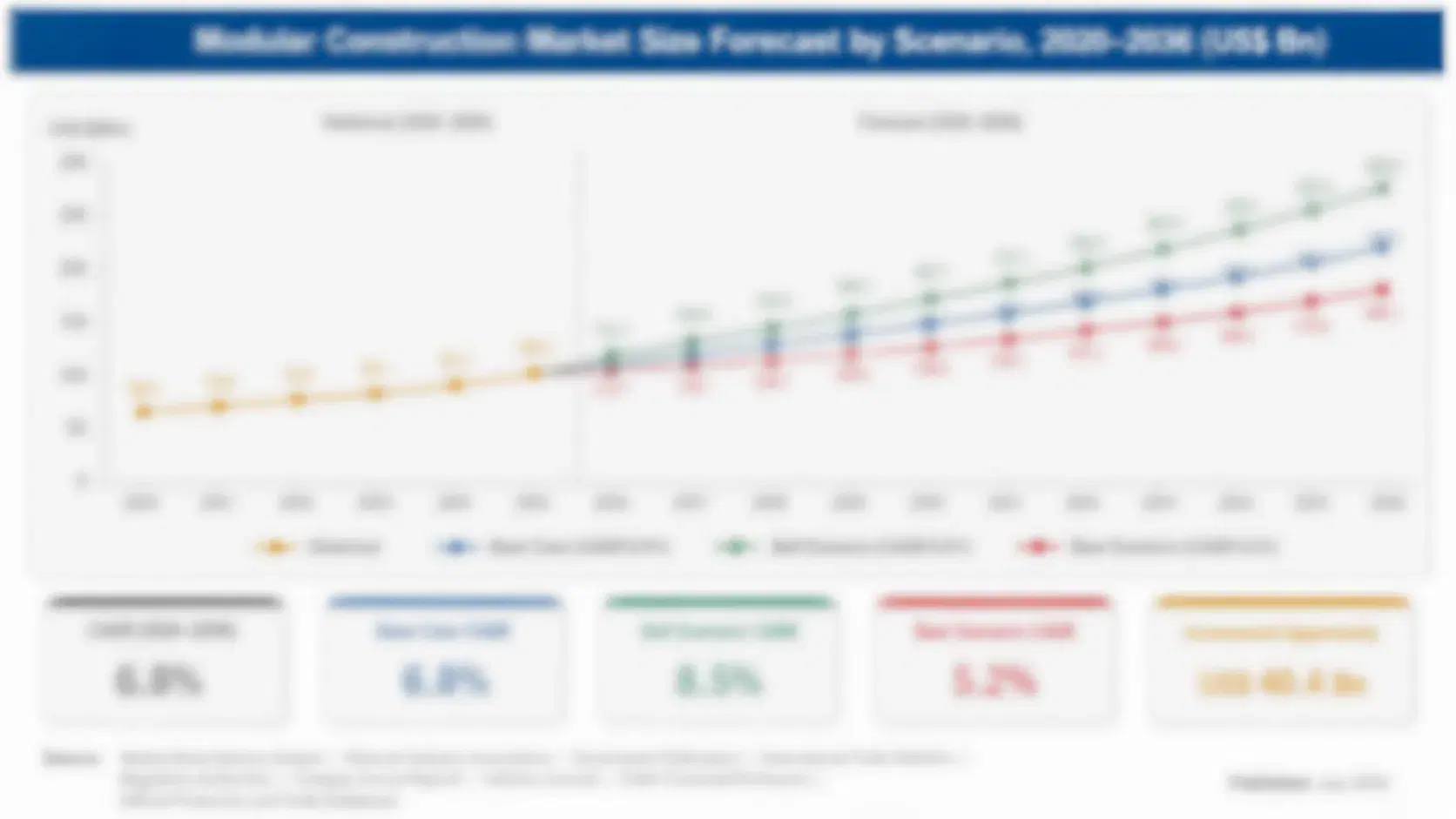
Rotomolded container demand grew steadily between 2020 and 2025 as agricultural and chemical storage volumes expanded and buyers began phasing in multi-layer barrier specifications. The market grew at a historical growth rate of 5.4%, a pace that picked up further as precision-agriculture conversion spread across tank operations industry wide. That pattern shows few signs of slowing down across most major accounts today.
The base case assumes manufacturers keep expanding multi-layer barrier rotomolded tank production to meet tightening chemical storage safety standards, agricultural buyers keep converting tank specifications beyond flagship irrigation systems alone, and manufacturers keep investing in wall-thickness process consistency to meet increasingly demanding buyer chemical-resistance requirements across major agricultural accounts worldwide. That pattern shows few signs of slowing down across most major accounts today. Specialists report accelerating order volume tied directly to this expanding demand worldwide.
The bull case centers on precision agriculture and irrigation volume expanding faster than expected across additional major agricultural markets, pulling conversion demand well beyond current industry assumptions across multiple rotomolded tank platforms simultaneously. The bear case is fiberglass and steel tank formats retaining share in cost-sensitive bulk applications faster than expected, slowing the conversion incentive that drives new order volume.

When Wall Thickness Engineering Decides the Agricultural Contract

Rotomolded containers occupy a wall-thickness and barrier-engineering niche within the broader industrial tank category, since manufacturers must maintain consistent chemical-resistance and structural-integrity performance across chemical, agricultural, industrial, and septic constructions simultaneously in a way generalist molders never had to manage historically. Few industrial-tank categories compete this directly on documented chemical-resistance performance relative to cost today broadly overall currently worldwide now consistently.
MARKET CONCENTRATION (CR5)29%Top five rotomolded tank manufacturers hold roughly three tenths of.
AVERAGE SELLING PRICE$340 per rotomolded tankBlended average price across standard rotomolded tank configurations today
TOP PRODUCING COUNTRY SHARE23%The United States hosts a leading share of rotomolded tank.
CAPACITY UTILIZATION74%Installed rotational molding and barrier-lamination lines run close to three.
FEEDSTOCK COST SHARE44%Polyethylene resin feedstock dominates manufacturer material cost across most tank.
TRADE INTENSITY12%Share of global rotomolded tank volume moving across international trade.
Commercially, the market splits between large agricultural and chemical storage buyers running formal safety-compliance audits across multiple certified constructions, and smaller independent farms adopting basic conventional formats mainly for low-volume output at modest throughput. Manufacturers serving only small-farm accounts compete largely on cost rather than documented wall-thickness process engineering depth. That pattern shows few signs of slowing down across most major accounts today.
Over the next decade, the forces reshaping the category center on buyers expanding multi-layer barrier specification beyond conventional single-layer formats, and on precision-agriculture conversion pulling wall-thickness precision into mainstream tank production. Both forces are widening the gap between formulation-capable manufacturers and baseline standard-grade competitors considerably, a gap agricultural buyers now actively monitor closely across most regions worldwide today overall currently broadly.
"An agricultural buyer switching rotomolded tank manufacturers is not just changing a tank vendor, it is betting its entire chemical-storage safety record on wall-thickness consistency holding up across every season, and that bet is exactly why barrier-engineering depth now separates the manufacturers who win multi-year agricultural contracts."
Director, Industrial Tank Packaging Practice · MMA Chemicals and Materials Practice · October 2026

Key Trends in Rotomolded Containers

Precision Agriculture Expands Multi Layer Barrier Use

Agricultural buyers increasingly specify multi-layer barrier rotomolded tanks previously limited to small premium pilot programs, applying wall-thickness engineering precision across an expanding list of mid-size regional irrigation networks as precision agriculture growth increasingly makes documented chemical-resistance a measurable safety attribute rather than a manageable purchasing detail. This shift is creating substantial new demand beyond the category's traditional single-layer base, giving barrier-capable manufacturers a genuine growth avenue tied to precision-driven adoption rather than pure standard-category volume growth. Manufacturers with established agricultural relationships are capturing disproportionate share of this expanding demand across newly converted accounts worldwide.
Market Impact: Sustains 30% of category volume
Irrigation Growth Steadily Lifts Fertilizer Tank Demand

Continued agricultural water and fertilizer tank demand lifts precision-irrigation-driven production sharply, since every major agricultural buyer crossing competitive farming markets worldwide increasingly requires functioning chemical-resistance compliance regardless of broader standard-category trends occurring elsewhere. Buyers depend on reliable wall-thickness performance specifically because leaching concerns directly threaten crop-safety and compliance claims at scale. Manufacturers with established agricultural relationships benefit from durable, multi-year supply contracts tied to proven barrier performance across major accounts worldwide. That pattern shows few signs of slowing down across most major accounts today. Specialists report accelerating order volume tied directly to this expanding demand worldwide.
Market Impact: Adds 4-6% of industrial-driven volume

Rotomolded Containers Strategic Opportunities

Chemical Storage Volume Steadily Sustains Core Demand

Continued chemical storage rotomolded tank volume sustains predictable baseline demand, since every industrial buyer crossing competitive markets worldwide requires functioning rotomolded tanks regardless of broader multi-layer-category trends occurring elsewhere in the category. Buyers depend on reliable wall-thickness performance specifically because inconsistent molding directly threatens chemical-containment and compliance claims at scale. Manufacturers with established industrial relationships benefit from durable, multi-year supply contracts tied to proven barrier performance across major accounts worldwide. This durability has held steady across multiple safety-compliance cycles without meaningful disruption so far. That pattern shows few signs of slowing down across most major accounts today.
Market Impact: Limits 2-4% of format-substitution exposure

Industrial Bin Demand Further Sustains Growth

Continued industrial bulk material bin demand sustains durable growth that operates somewhat independently of pure multi-layer-category trends, since new bulk-handling and process-precision programs generate fresh tank demand regardless of existing multi-layer-category maturity. This driver gives manufacturers serving industrial accounts a distinct growth mechanism tied to formulation-expansion rather than chemical-segment volume alone. Manufacturers with established industrial relationships are capturing disproportionate share of this steadily expanding demand across major accounts worldwide. Few predict this momentum slowing soon worldwide. That pattern shows few signs of slowing down across most major accounts today. Specialists report accelerating order volume tied directly to this expanding demand.
Market Impact: Limits 2-4% of margin stability

Rotomolded Containers Challenges and Constraints

Fiberglass Tanks Still Limit Rotomolded Growth

Manufacturers face persistent exposure to a meaningful demand-substitution risk relative to fiberglass and steel tank format alternatives, since rotomolded tanks by design cannot generate the same high-pressure, large-volume economics for the most demanding industrial applications that larger buyers increasingly specify with fiberglass formats once volume thresholds cross a certain point. The underlying cause is that rotomolded-tank economics trade off against the superior large-volume structural capacity that fiberglass systems achieve through layered composite construction. Manufacturers are mitigating this by developing enhanced large-capacity rotomolded constructions engineered specifically for demanding high-volume applications. That pattern shows few signs of slowing down across most major.
Market Impact: Adds 6-9 points multi-layer share

Resin Price Volatility Still Limits Margin

Manufacturers face persistent exposure to a meaningful margin squeeze during feedstock price spikes, since rotomolded tank economics by design cannot pass through sudden polyethylene cost increases to agricultural buyers once contract-price thresholds cross a certain point relative to committed annual volume agreements. The underlying cause is that manufacturer margin economics trade off against the fixed pricing that large agricultural buyers typically require across multi-year supply agreements. Manufacturers are mitigating this by negotiating resin-indexed pricing clauses engineered specifically for volatile feedstock-cost periods across the industry. That pattern shows few signs of slowing down across most major accounts today.
Market Impact: Lifts fertilizer-tank demand 6-9%
4 additional market trends, 3 additional growth drivers, and 2 additional restraints and challenges are covered in the full report. Contact sales@marketmindsadvisory.com to access the complete intelligence.

Rotomolded Containers Segment Performance

Application dimension, not wall-thickness classification, is the clearest segmentation lens here, since barrier and chemical-resistance requirements vary primarily by the containment-function each application serves. Six applications cover global volume. That pattern shows few signs of slowing down across most major accounts today. Specialists report accelerating order volume tied directly to this expanding demand worldwide.
rotomolded-containers-market-share-analysis-market-share-analysis-1791587766220

Next-Generation Multi-Layer Barrier Rotomolded Tanks

Next-generation multi-layer barrier rotomolded tanks are the fastest-growing segment because agricultural buyers increasingly respond to precision agriculture growth previously addressed only through single-layer formats to meet rising chemical-resistance and compliance requirements across competitive global agricultural markets. Manufacturers with established agricultural relationships are capturing disproportionate share of this precision-driven demand as more buyers expand existing multi-layer programs. This segment commands meaningfully higher unit price growth than other categories, reflecting the sheer barrier-engineering and certification complexity of multi-layer tanks involved. Several major agricultural buyers have already announced expanded multi-layer-conversion targets tied specifically to precision-farming programs worldwide. That pattern shows few signs of slowing down across most major accounts today. Specialists report accelerating order volume tied directly to this expanding demand worldwide.
CAGR 8.9%

Agricultural Water and Fertilizer Tanks

Agricultural water and fertilizer tanks are the second-fastest segment, growing as precision-irrigation demand expands across major agricultural markets worldwide and buyers increasingly require documented chemical-resistance compliance across competitive distribution networks. Manufacturers with established agricultural relationships are capturing disproportionate share of this irrigation-driven demand as more buyers expand existing fertilizer-tank programs. This segment commands meaningfully higher average selling price than standard grades, reflecting the specialty barrier-engineering complexity involved. Pricing for this segment has held firm even as overall fertilizer-tank volume keeps expanding steadily worldwide. That pattern shows few signs of slowing down across most major accounts today. Specialists report accelerating order volume tied directly to this expanding demand worldwide. This durability looks unlikely to weaken soon across most major markets currently.
CAGR 7.8%
Full segment breakdown across 6 segments available in the complete report.

Rotomolded Containers Market by Country

North America leads regional demand, reflecting the region's scale of agricultural tank consumption alongside its mature rotomolding manufacturing base. East Asia and Western Europe follow. That pattern shows few signs of slowing down across most major accounts today. Specialists report accelerating order volume tied directly to this expanding demand worldwide.

North America

North America leads global rotomolded container volume, a position reflecting the region's substantial agricultural tank consumption base and its mature rotomolding manufacturing heritage dating back decades. US manufacturers including major resin and barrier compounders invest heavily in multi-layer and agricultural capacity to serve both domestic farms and export distribution networks nationally. Canada's established agricultural sector contributes meaningful demand tied to its own expanding conversion pipeline. Mexico anchors a smaller, more mature segment focused on export-assembly demand. That pattern shows few signs of slowing down across most major accounts today. Specialists report accelerating order volume tied directly to this expanding demand worldwide. This durability looks unlikely to weaken soon across most major markets currently.
Share: 29% | CAGR: 6.8% (2026 to 2036)

Western Europe

Western Europe's rotomolded container demand reflects the region's long-standing industrial tank manufacturing heritage, where major manufacturers operate established molding lines across their regional footprint. German and British manufacturers including major resin compounders operate extensive precision-molding facilities positioned near agricultural hubs across the region. France's substantial agricultural sector contributes meaningful demand tied to its own expanding irrigation infrastructure. The Netherlands contributes meaningful demand of its own as well. That pattern shows few signs of slowing down across most major accounts today. Specialists report accelerating order volume tied directly to this expanding demand worldwide. This durability looks unlikely to weaken soon across most major markets currently. Few predict this momentum slowing meaningfully across major accounts broadly this cycle.
Share: 20% | CAGR: 4.8% (2026 to 2036)
Regional intelligence for 5 additional markets available in the complete report: East Asia, South Asia and Pacific, Latin America, Middle East and Africa, Eastern Europe. Contact sales@marketmindsadvisory.com.
rotomolded-containers-market-share-analysis-country-cagr-analysis-1791587766398

Where Wall Thickness Engineering Becomes Margin

Manufacturers competing only on basic standard-grade rotomolded tanks face intensifying margin pressure, so the clearest paths to growth run through barrier-engineering capability, agricultural relationship depth, and industrial research reach that buyers will pay for directly. Four approaches stand out as genuinely available today. That pattern shows few signs of slowing down across most major accounts today.

Developing Even Deeper Wall Thickness Capability

Manufacturers that develop dedicated deeper wall-thickness and barrier-engineering capability can win precision-conversion contracts that basic standard-grade competitors cannot access, since this category increasingly requires documented chemical-resistance accuracy most generalist molders never built internally across chemical, agricultural, and industrial platforms. This path requires meaningful investment in barrier-engineering and testing research capability, but opens a growing, higher-margin volume pool largely closed to generalist competitors across the industry. Manufacturers with existing engineering capability typically win contracts faster, capturing roughly 5 to 8% premium pricing once established with major agricultural accounts. That pattern shows few signs of slowing down across most major accounts today.
Market Impact: Commands roughly a 5 to 8 percent premium

Securing Even Deeper Agricultural Partnerships Directly

Manufacturers that secure deeper agricultural buyer partnerships can win precision-conversion contracts that less-specialized competitors cannot access, since this category increasingly rewards demonstrated chemical-resistance reliability most generalist manufacturers never achieved. This approach requires investment in dedicated safety testing and integration research, but rewards early movers with durable, recurring agricultural relationships as precision-driven volumes continue expanding further. Manufacturers with established agricultural capability report revenue growing considerably above the category average, often 4 to 7% faster annually across accounts. That pattern shows few signs of slowing down across most major accounts today. Specialists report accelerating order volume tied directly to this expanding demand.
Market Impact: Grows agricultural-aligned volume roughly 4 to 7 percent

Further Extending Industrial Research Capability Depth

Manufacturers that extend industrial-tank research can capture major chemical-storage contracts that agriculture-focused competitors cannot serve as efficiently, since major chemical-storage buyers increasingly require documented structural-integrity performance alongside basic tank production rather than accepting generic standard grades alone. This approach requires sustained investment in chemical-compatibility testing infrastructure, but rewards early movers with durable, recurring relationships as industrial demands continue increasing. Manufacturers with established research programs report revenue growing considerably above the category average, often 3 to 6% faster annually. That pattern shows few signs of slowing down across most major accounts today.
Market Impact: Grows industrial-qualified volume roughly 3 to 6 percent

Securing Long Term Resin Supply Agreements

Manufacturers that secure long-term polyethylene resin supply agreements with major petrochemical suppliers can generate dependable, predictable margin stability that smooths the volatility typical of spot-market purchasing, since these agreements typically run multiple years tied to the supplier's own production-planning cycle once established firmly. This approach suits manufacturers with strong volume-commitment track records that major petrochemical suppliers specifically require in return for price protection. Manufacturers with established supply agreements report margin stability considerably higher, often 3 to 6% more predictable, than peers relying entirely on spot purchasing. That pattern shows few signs of slowing down across most major accounts today.
Market Impact: Adds roughly 3 to 6 percent more stability

Rotomolded Containers Pricing and Margins

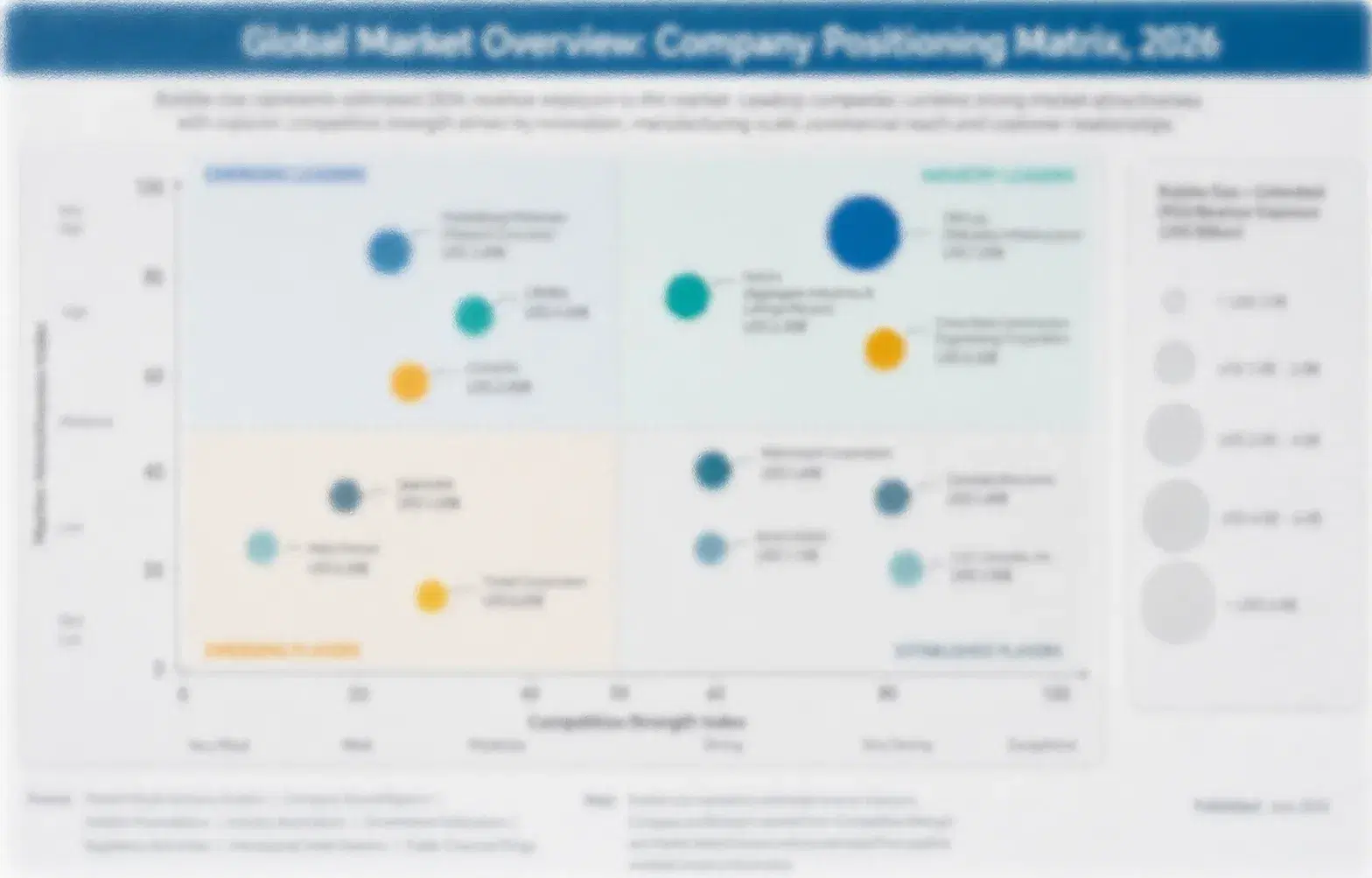
A fragmented group of five manufacturers hold roughly 29% of global revenue, with wall-thickness-engineering depth and barrier-engineering process control now separating credible rotomolded tank manufacturers from commodity converters still limited to basic molding. Snyder Industries Inc and Norwesco Inc sit ahead of the next tier on proprietary molding technology and agricultural-relationship depth respectively, while smaller manufacturers compete for baseline small-farm accounts.
Competition plays out across three dimensions: wall-thickness engineering that commands premium pricing from safety-conscious accounts, agricultural relationship depth that captures precision-conversion contracts, and industrial research that opens major chemical-storage contracts. Manufacturers that can credibly deliver on all three are winning the fastest-growing, highest-margin volume, while those still competing on standard-grade production alone face continuous pressure from better-equipped entrants. That pattern shows few signs of slowing down across most major accounts.

Emerging pressure is coming from specialty fiberglass tank providers entering container-adjacent production directly rather than licensing from established manufacturers, aided by their own composite-engineering expertise and industrial infrastructure. Large agricultural buyers themselves are also becoming unexpected competitive factors, since in-house molding expertise can translate directly into bundled tank specifications for contract manufacturers. That pattern shows few signs of slowing down across most major accounts today.
rotomolded-containers-market-share-analysis-company-positioning-matrix-1791587766576

How Rotomolded Containers Suppliers Compete

SNYDER INDUSTRIES INC

Moat: Broadest Tank Product Range

Snyder Industries Inc holds the broadest rotomolded tank product range of any manufacturer in the category, giving it unmatched capacity to serve major agricultural contracts consistently across multiple constructions that smaller competitors cannot replicate quickly. This depth has taken years to build. That pattern shows few signs of slowing down across most major accounts today.
SNYDER INDUSTRIES INC

Risk: High Resin Cost Exposure

Snyder Industries' high-volume production model leaves it more exposed to resin price swings than smaller specialized competitors with narrower product scope, potentially pressuring margin during periods of rapid feedstock cost advancement across its broader tank portfolio. This exposure has grown more pronounced with each successive commodity cycle.
NORWESCO INC

Moat: Deepest Agricultural Relationship Depth

Norwesco Inc holds the deepest agricultural buyer relationship depth of any rotomolded tank manufacturer in the category, built over years of proven delivery reliability that smaller competitors cannot replicate quickly regardless of their basic molding capability. Few rivals can match this accumulated relationship depth quickly.
NORWESCO INC

Risk: Limited Low Cost Format Depth

Norwesco's premium-focused production leaves it less specialized in low-cost standard-tank engineering than competitors who invested earlier in dedicated cost-focused infrastructure, potentially limiting its appeal to the budget-conscious segment specifically across those regional accounts. That pattern shows few signs of slowing down across most major accounts today.

Players Tracked

Prominent Players

Snyder Industries Inc
Norwesco Inc
Chem-Tainer Industries Inc
Den Hartog Industries LLC
Rotonics Manufacturing Inc

Other Key Players

Poly Processing Company
Advanced Drainage Systems Inc
Rotoplas SAB de CV
Enduramaxx Limited
Rhino Tank Pty Ltd
NRG Rotational Mouldings Ltd
Dalton Agri Marketing
Plastiplus Industries
Ace Roto-Mold Inc
Trienda LLC
Ponderosa Fiberglass Inc
Containment Solutions Inc
Roto Dynamics Inc
GEI Works
Bonar Plastics Inc

Recent Developments

FEBRUARY 2025

Snyder Industries Expands Multi Layer Barrier Production Capacity

Snyder Industries Inc expanded its primary manufacturing facility to add high-speed multi-layer barrier rotomolded tank production capacity, responding to sustained growth in precision-driven volume while also investing in automated wall-thickness-testing infrastructure for agricultural accounts worldwide. That pattern shows few signs of slowing down across most major accounts today.
Signal: Signals established manufacturers are scaling precision-driven production capacity well ahead of confirmed agricultural demand right now.
SEPTEMBER 2024

Norwesco Acquires Industrial Technology Developer

Norwesco Inc acquired a specialty industrial-tank technology developer, strengthening its barrier-engineering capability in response to growing buyer demand for bundled chemical-storage tank contracts across previously underserved mid-scale accounts worldwide. That pattern shows few signs of slowing down across most major accounts today. Specialists report accelerating order volume tied directly to.
Signal: Signals acquisition remains the fastest route into expanded capability for manufacturers lacking it internally right now.
JUNE 2025

Chem-Tainer Forms Barrier Research Venture

Chem-Tainer Industries Inc formed a joint venture with a specialty barrier-technology specialist to co-develop next-generation multi-layer systems for major agricultural accounts, pooling materials engineering expertise across both organizations rather than developing the capability alone. That pattern shows few signs of slowing down across most major accounts today.
Signal: Signals established manufacturers are partnering directly with barrier specialists instead of building the capability alone internally.

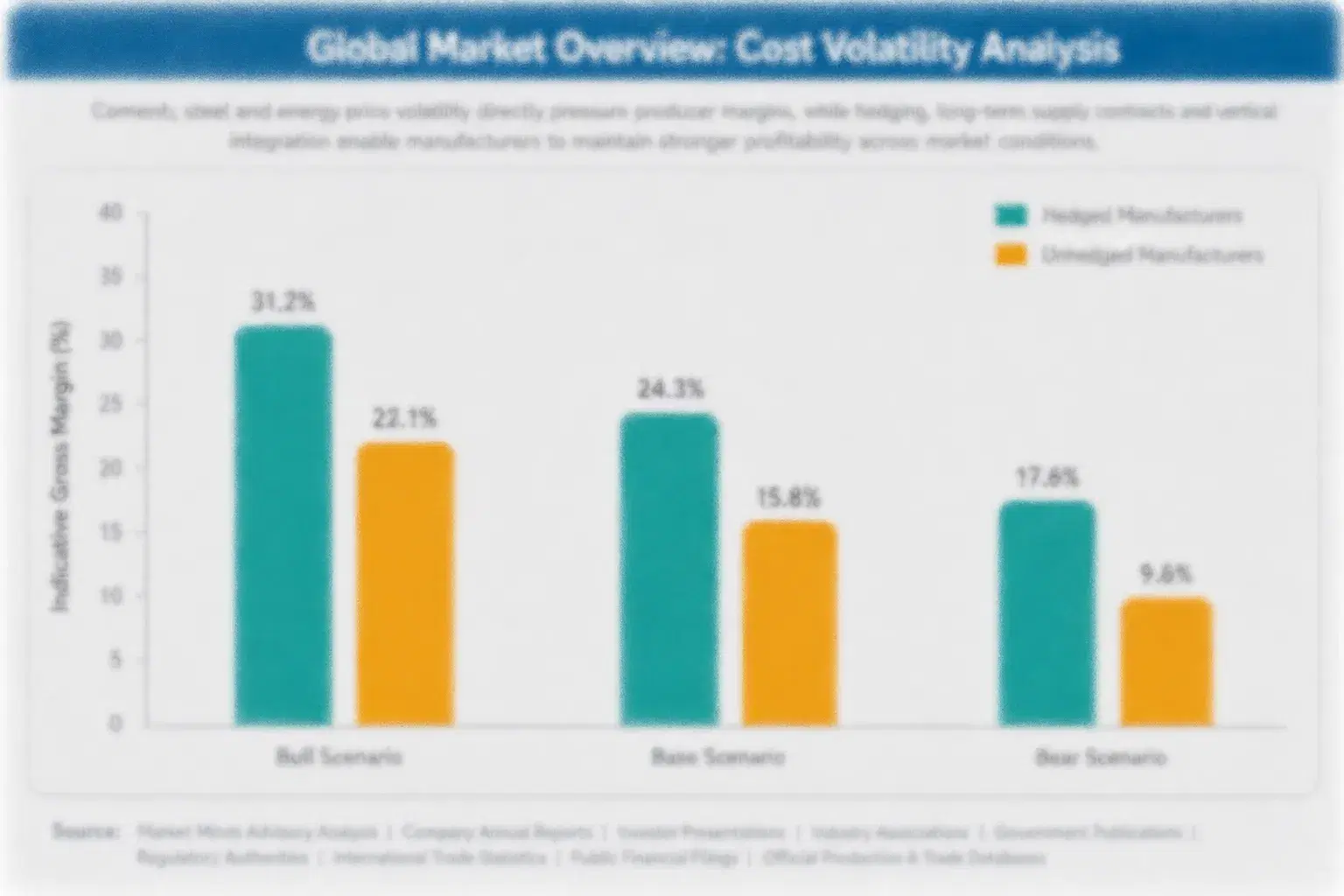
Polyethylene Resin Feedstock Dominates Cost

Polyethylene resin feedstock accounts for roughly 38 to 52% of manufacturer cost of goods sold, with multi-layer and agricultural-grade constructions carrying a higher engineering cost share than standard grades given the specialty-processing work involved. Input pricing traces back to global petrochemical markets, exposing manufacturer input costs to broader commodity cycles largely disconnected from agricultural-industry demand trends directly.
Polyethylene resin prices rose sharply during 2021 and 2022 as post-pandemic agricultural and industrial demand surged faster than global petrochemical supply chains could expand amid persistent feedstock-shortage pressure, a disruption documented across manufacturer annual report commentary at the time. Spot prices have since eased somewhat but remain above pre-pandemic baselines across most major markets today overall currently. That pattern shows few signs of slowing down across most major accounts today.

Smaller regional manufacturers typically carry greater exposure to resin price swings than scale leaders, since they lack the purchasing volume to negotiate long-term supply contracts and often buy input materials on shorter-term spot markets instead. This disadvantage compounds during supply constraints, pushing smaller manufacturers toward consolidation, while scale leaders with secured positions gain volume from affected competitors broadly across the industry.
rotomolded-containers-market-share-analysis-cost-volatility-analysis-1791587766763

Long-Term Polyethylene Resin Supply Contracts

Manufacturers increasingly negotiate long-term supply contracts with major petrochemical producers, securing committed pricing in exchange for the volume predictability that multi-year agricultural contracts require. Several large manufacturers have already adopted this structure broadly across their contracts. That pattern shows few signs of slowing down across most major accounts today. Specialists report accelerating order volume tied directly to this expanding demand.

Diversifying Resin Sourcing Across Suppliers

Manufacturers are qualifying polyethylene resin sources across multiple petrochemical suppliers rather than relying on a single supplier, reducing exposure to the kind of single-source supply constraint that amplified recent price volatility for concentrated buyers. That pattern shows few signs of slowing down across most major accounts today. Specialists report accelerating order volume tied directly to this expanding demand worldwide.

Investing in Molding Yield Efficiency Gains

Manufacturers are investing in precision-molding process engineering that improves material yield per unit produced, reducing effective material cost per unit without requiring additional raw input volume that commodity market constraints would otherwise limit. Early adopters report meaningful efficiency gains worth pursuing. That pattern shows few signs of slowing down across most major accounts today.

Portfolio Architecture for Margin Defence

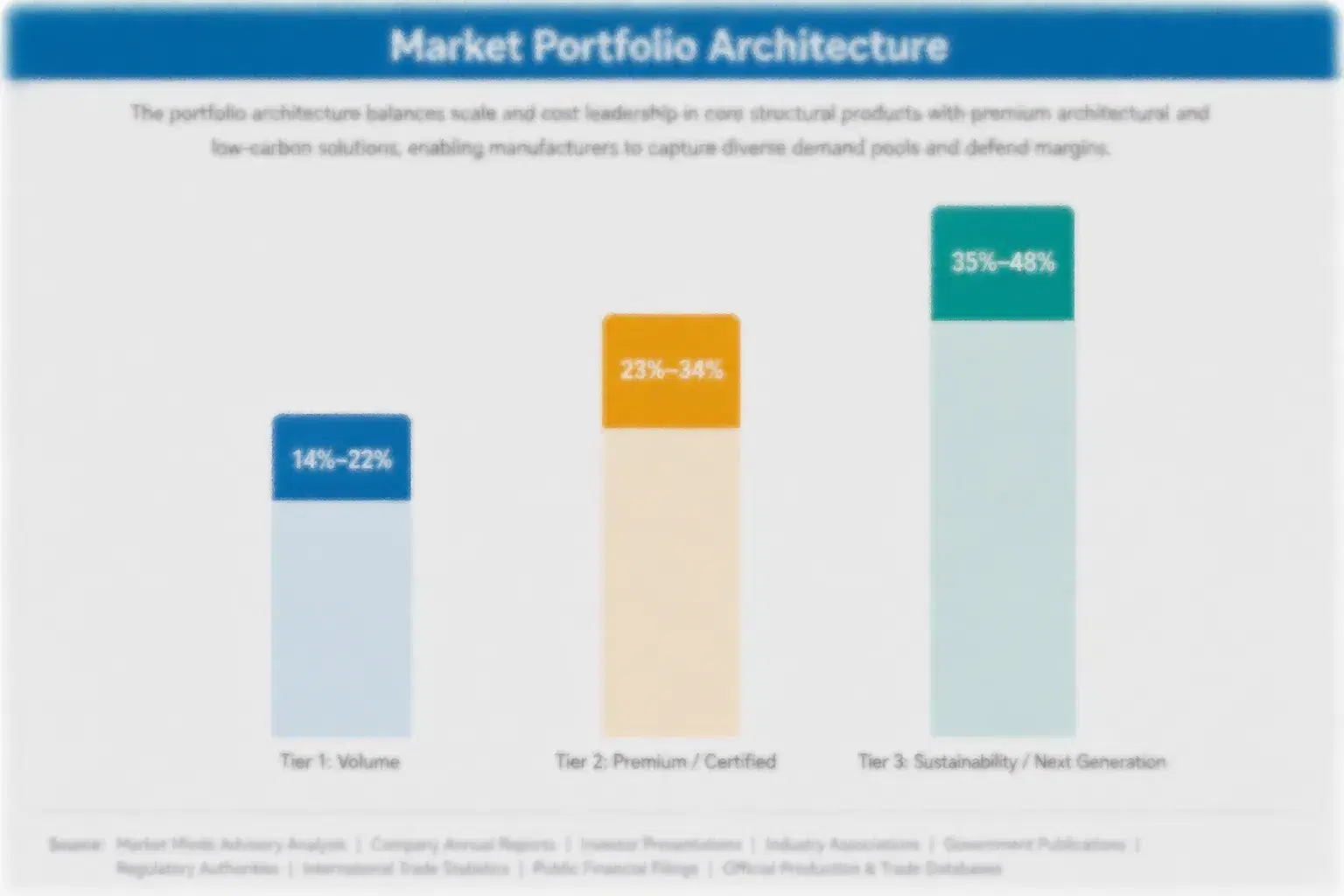
Manufacturers generally run a three-tier portfolio spanning standard-grade rotomolded tanks sold mainly on price to smaller farms, multi-layer barrier constructions commanding better economics tied to compliance depth and wall-thickness reliability, and next-generation industrial-grade and premium formats still scaling toward broader commercial adoption. Gross margin varies substantially across these tiers, with standard-grade production competing hardest on price, a gap that has persisted across multiple recent capital-planning cycles.
The tension between mainstream standard volume and premium multi-layer and industrial-grade tiers shapes manufacturer capital allocation directly, since standard-grade capacity generates important baseline volume but minimal margin, while wall-thickness engineering requires upfront investment before generating comparable returns. Manufacturers without a clear tier strategy risk remaining stuck in commodity pricing while lacking the engineering depth to win premium agricultural accounts.

High-value margin pools are concentrating in multi-layer and industrial-grade tiers, categories where buyers are willing to pay meaningfully above mainstream pricing for guaranteed wall-thickness reliability and documented safety credentials. Manufacturers positioned early in these categories are capturing a disproportionate share of total industry margin growth relative to their volume share today, a gap likely to widen as precision and industrial requirements both spread further worldwide.

Volume / Commodity-Adjacent Tier

Standard-grade rotomolded tanks sold mainly on price to smaller farms. This tier generates important baseline volume but offers the thinnest margins in the portfolio overall today. That pattern shows few signs of slowing down across most major accounts today.
Gross Margin: 14-20%

Premium / Certified Tier

Multi-layer barrier constructions carrying verified resin-sourcing and safety credentials, sold to buyers willing to pay for guaranteed compliance. This tier draws the bulk of new capital investment across the industry.
Gross Margin: 21-28%

Sustainability / Regulatory / Next-Generation Tier

Next-generation industrial-grade and premium formats still scaling toward broader commercial adoption, commanding premium pricing tied to safety value. Few competitors have matched this positioning so far broadly today. That pattern shows few signs of slowing down across most major accounts today.
Gross Margin: 24-31%
rotomolded-containers-market-share-analysis-portfolio-architecture-1791587766953

High-value Sub-segments and Strategic Watch-out

Next-Generation Multi-Layer Barrier Rotomolded Tanks

Next-generation multi-layer barrier rotomolded tanks combine the fastest unit growth in the category with premium pricing tied to precision demand, making this the segment manufacturers are prioritizing most heavily for new capacity investment over the next several years. That pattern shows few signs of slowing down across most major accounts.
Gross Margin: 22-29%

Agricultural Water and Fertilizer Tanks

Agricultural water and fertilizer tanks command strong pricing tied to irrigation demand, representing the category's clearest path to margin growth beyond mainstream chemical-storage volume today. Manufacturers with established agricultural relationships are positioned to capture disproportionate share. That pattern shows few signs of slowing down across most major accounts today.

Chemical Storage Rotomolded Tanks

Chemical storage rotomolded tanks remain the format's largest volume base, generating steady revenue even as growth moderates relative to higher-margin multi-layer and agricultural tiers across mature industrial markets worldwide. This pattern is expected to persist. That pattern shows few signs of slowing down across most major accounts today.

Marine and Recreational Rotomolded Containers

Marine and recreational rotomolded containers face narrower margin expansion limited to specific platform-driven conversions and smaller regional distributors specifically, making this a steady but lower-growth segment within the broader category overall. Few manufacturers view this as a priority. That pattern shows few signs of slowing down across most major accounts.

Why Agricultural Ties Outlast Pricing

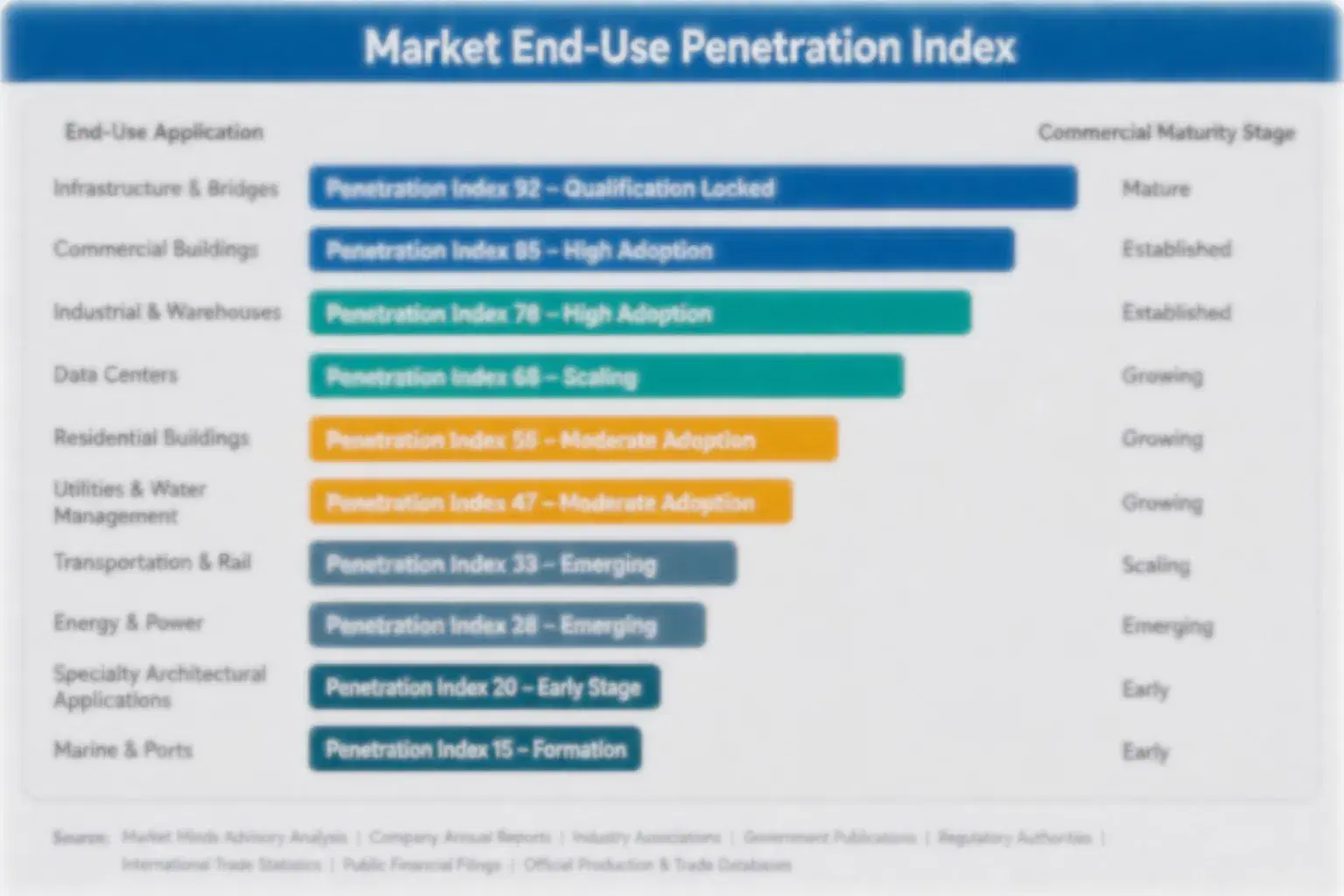
Major agricultural buyer relationships function like genuine annuities tied to multi-year validation and seasonal-qualification cycles, since large buyers rarely switch manufacturers mid-cycle given the requalification cost and chemical-resistance risk that a manufacturer switch carries, something smaller unproven competitors have struggled to overcome. That pattern shows few signs of slowing down across most major accounts today.
Adoption depth varies sharply by end-use vertical. Mainstream chemical-storage adoption sits furthest along its curve given years of established industrial practice and multiple completed standard-grade conversions, though it remains far from fully saturated relative to continued multi-layer-category expansion. Agricultural adoption sits mid-stage, with meaningful remaining potential as more buyers formalize precision specifications. Marine adoption is earliest in its curve, with most smaller distributors still using basic standard methods that precision demand will gradually convert.

Buyer procurement increasingly separates established mainstream sourcing, handled through flexible manufacturer relationships focused on price, from precision-focused and formulation-focused sourcing, which emphasizes guaranteed wall-thickness consistency and verified chemical-resistance credentials instead across most major accounts today overall. That pattern shows few signs of slowing down across most major accounts today. Specialists report accelerating order volume tied directly to this expanding demand worldwide.
rotomolded-containers-market-share-analysis-end-use-penetration-index-1791587767137

What Manufacturers Should Prioritize

These are among the four positions where our research anticipates prominent divergence between winners and laggards over the coming forecast period. Each is grounded in the demand model, the regulatory perimeter, and the announced capacity pipeline.
01 / WALL THICKNESS ENGINEERING DEPTH

Build engineering depth ahead of precision demand

Manufacturers investing in deeper wall-thickness and barrier-engineering now are capturing meaningfully better pricing and credibility than those still limited to basic standard-grade production, and that gap is widening as agricultural buyers increasingly treat documented chemical-resistance accuracy as a sourcing requirement each year across major precision-driven accounts. Mainstream standard-grade work still generates useful baseline volume, but it offers little room for margin expansion given the category's fragmented, commodity-exposed core. Manufacturers that delay this engineering investment risk ceding the fastest-growing, highest-margin volume to competitors who moved earlier.
02 / AGRICULTURAL RELATIONSHIP DEPTH

Secure agricultural depth ahead of precision expansion

Agricultural buyers are already expanding multi-layer adoption faster than the broader market, not waiting for wall-thickness engineering to fully mature before generating fresh safety demand across accounts worldwide. Manufacturers without this agricultural depth risk exclusion from an expanding share of precision-conversion contracts entirely, since buyers increasingly screen for proven chemical-resistance credibility alongside price before awarding supply agreements. Early movers are capturing meaningfully disproportionate category-driven value as a direct result, a gap likely to widen across the next several reporting cycles.
03 / INDUSTRIAL RESEARCH DEPTH

Build premium depth ahead of demand

Major chemical-storage buyers are already favoring manufacturers with established wall-thickness research capability, not waiting for demand to fully mature before committing to vendors offering documented structural-integrity performance alongside basic tank production directly. Manufacturers without this capability risk exclusion from the category's most reliable recurring revenue entirely, since major chemical-storage buyers strongly prefer vendors offering bundled research and support service. Early positioning is becoming a precondition for winning this business at meaningful scale across the industrial-driven segment going forward across the sector.
04 / RESIN PROCUREMENT STRATEGY

Secure long-term contracts before the next spike

Polyethylene resin price volatility hit manufacturers without diversified supply arrangements hardest during the 2021 and 2022 demand surge across the industry. Nothing about current input consumption trends suggests that kind of pressure cannot recur within the forecast period covered by this report, and the risk tends to widen further whenever agricultural demand outpaces global petrochemical supply capacity. Manufacturers that secure long-term contracts now are trading some short-term flexibility for meaningfully better protection against the next price spike facing the industry.

Engagement Snapshot From the Field

A live engagement with an industry participant carrying material or product regulatory and market exposure ahead of a defining policy shift, showing how our research translates into a defensible multi-year portfolio strategy.
MARKET MINDS ADVISORY · CLIENT ENGAGEMENT SUMMARY
Rotomolded Containers Share Analysis Producer Strategic Portfolio Review and Transition Roadmap 2026·Investment Scenario on Rotomolded Containers Share Analysis Exposure Evaluation 2025-26
CLIENT PROFILE
The client is a regional agricultural cooperative headquartered in North America with annual tank procurement spend in the $8 million range (client-reported, unverified by MMA), sourcing rotomolded tanks across more than five qualified manufacturers worldwide. The client had grown primarily through rapid irrigation-infrastructure expansion and was now facing pressure to convert its tank specifications regionally.
STRATEGIC CHALLENGE
The client needed to qualify a multi-layer barrier rotomolded tank manufacturer ahead of an expanded precision-agriculture compliance rollout, without a clear internal framework for evaluating manufacturer engineering credibility across its fragmented supplier base. Internal procurement teams had limited experience distinguishing genuine wall-thickness depth from marketing claims. That pattern shows few signs of slowing down across most major accounts today.
MMA APPROACH
MMA's team benchmarked wall-thickness and barrier-engineering capability across five candidate tank manufacturers, modeled realistic qualification timelines based on comparable agricultural-industry precedent, and facilitated manufacturer negotiation sessions that clarified delivery commitment and safety documentation terms available to the client's broader rollout program. That pattern shows few signs of slowing down across most major accounts today.
KEY FINDINGS
  1. Only two of five candidate tank manufacturers had wall-thickness engineering depth sufficient to meet the client's expanded compliance requirements regionally. That pattern shows few signs of slowing down across most major accounts today.
  2. Qualifying the client's multi-layer barrier tank manufacturer required a five-month phased timeline shorter than the client's original planning assumption had anticipated internally.
  3. One tank manufacturer offered a regional capacity commitment structure that would secure priority delivery ahead of the compliance rollout specifically across all target irrigation sites.
  4. The client's existing baseline standard-grade suppliers proved willing to support a transitional bridge arrangement once the conversion plan was finalized formally. That pattern shows few signs of slowing down across most major accounts today.
RECOMMENDED STRATEGY
Phase 1: Phase 1 (Month 1): Benchmark tank-manufacturer wall-thickness engineering depth across five candidate suppliers and verify documentation. That pattern shows few signs of slowing down across most major accounts today. Phase 2: Phase 2 (Month 2): Qualify tank specifications starting with the highest-volume irrigation sites first while monitoring barrier consistency closely. That pattern shows few signs of slowing down across most major. Phase 3: Phase 3 (Month 3): Complete qualification across the full irrigation network while confirming rollout readiness formally regionally. That pattern shows few signs of slowing down across most major accounts today.
OUTCOME
The client completed its multi-layer barrier conversion qualification ahead of the compliance rollout and reported successful chemical-resistance verification in line with projections (client-reported, unverified by MMA), while also establishing a standing supply relationship for future procurement decisions. That pattern shows few signs of slowing down across most major accounts today.

Frequently Asked Questions

Foundational context covering the market sizes, CAGR, scope, country, region and competition that inform every finding below. This section is provided to cover basics and most often pre-purchase conversations, answered from the MMA Primary Research Dataset.

What is the current size of the Rotomolded Containers Market?

The global rotomolded containers market reached $3.6 billion in base year 2025, driven primarily by agricultural and chemical storage volumes worldwide. That pattern shows few signs of slowing down across most major accounts today.

How large will the Rotomolded Containers Market be by 2036?

MMA projects the market will reach approximately $7.06 billion by 2036, roughly 1.84 times the 2026 figure, reflecting sustained precision-driven demand across major agricultural markets.

What is the CAGR for the Rotomolded Containers Market 2026 to 2036?

The market is forecast to grow at a compound annual growth rate of 6.3% between 2026 and 2036, reflecting the category's steady precision-driven expansion worldwide.

Which segment is growing fastest?

Next-generation multi-layer barrier rotomolded tanks are the fastest-growing segment, expanding at roughly 1.41 times the overall market CAGR, driven by precision agriculture growth across most major markets today.

Who are the major companies in the Rotomolded Containers Market?

Snyder Industries Inc, Norwesco Inc, Chem-Tainer Industries Inc, Den Hartog Industries LLC, and Rotonics Manufacturing Inc lead the market, together holding roughly 29% of global revenue.

Which country is growing fastest?

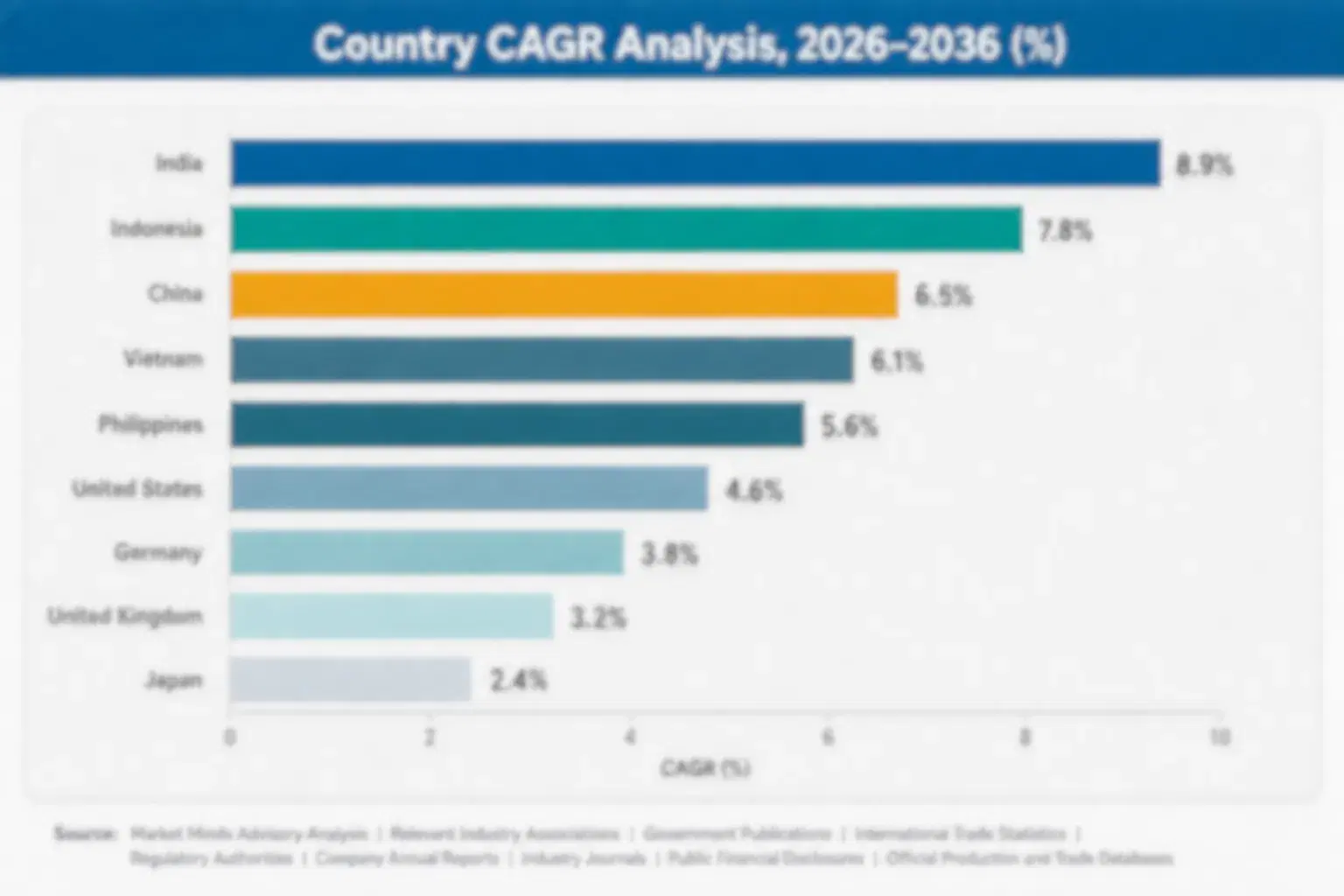
India is the fastest-growing country market, expanding at roughly 7.6% annually, outpacing most other national markets, supported by its rapidly expanding agricultural and irrigation sector.

Rotomolded Containers Market Segmentation

The full report scope spans multiple orthogonal segmentation dimensions, with cross-tabulated demand data provided for each dimension pair. Coverage extends further to regional breakdowns, trend trajectories, and the competitive detail needed to support segment-level decision-making.

By Primary Market Dimension

  • Chemical Storage Rotomolded Tanks
  • Agricultural Water and Fertilizer Tanks
  • Industrial Bulk Material Bins
  • Septic and Wastewater Rotomolded Tanks
  • Marine and Recreational Rotomolded Containers
  • Next-Generation Multi-Layer Barrier Rotomolded Tanks

By End-Use Industry

  • Agriculture and Irrigation
  • Chemical Processing and Storage
  • Industrial Manufacturing
  • Marine and Recreational

By Commercial Dimension

  • Direct Manufacturer-to-Buyer Sales
  • Distributor and Wholesale Sourcing
  • Private-Label Contract Manufacturing

By Region

  • North America
  • Western Europe
  • East Asia
  • South Asia and Pacific
  • Latin America
  • Middle East and Africa
  • Eastern Europe

Scope, Methodology, and Coverage

Every figure in this report is reproducible from documented input assumptions. The scope below maps the historical period, the forecast horizon, the segmentation dimensions, and the countries covered, alongside the underlying primary and qualitative methodology.
Historical Period
2020 to 2025
Forecast Period
2026 to 2036
Base Year
2025 (USD billions; MMA Primary Research Dataset, October 2026)
Market Definition
The rotomolded containers market covers large rigid containers and tanks manufactured through rotational molding for chemical storage, agricultural water and fertilizer, industrial bulk material, and septic applications. It excludes injection-molded and blow-molded container formats and excludes fixed field-erected steel tanks.
Quantitative Units
USD billions (current prices); unit shipments of rotomolded container formats where applicable
Segmentation Dimensions
By Primary Market Dimension; By End-Use Industry; By Commercial Dimension; By Region
Regions Covered
North America, Western Europe, East Asia, South Asia and Pacific, Latin America, Middle East and Africa, Eastern Europe
Countries Covered
USA, Canada, Mexico, Germany, United Kingdom, France, Netherlands, China, Japan, South Korea, India, Australia, Brazil, Argentina, Chile, United Arab Emirates, South Africa, Poland, Czech Republic, Hungary, Romania, and additional markets relevant to this sector
Key Companies Profiled
Snyder Industries Inc, Norwesco Inc, Chem-Tainer Industries Inc, Den Hartog Industries LLC, Rotonics Manufacturing Inc, Poly Processing Company, Advanced Drainage Systems Inc, Rotoplas SAB de CV, Enduramaxx Limited, Rhino Tank Pty Ltd, NRG Rotational Mouldings Ltd, Dalton Agri Marketing, Plastiplus Industries, Ace Roto-Mold Inc, Trienda LLC, Ponderosa Fiberglass Inc, Containment Solutions Inc, Roto Dynamics Inc, GEI Works, Bonar Plastics Inc
Quantitative Methodology
Primary survey, n=3,800 respondents, Q4 2025, six countries; demand-side model with trade association cross-validation
Qualitative Methodology
47 expert interviews, Q4 2025; applied to validate demand model assumptions, identify emerging dynamics, and assess competitive positioning
Report Format
PDF and XLSX data workbook (Word format preview document)
Publisher
Market Minds Advisory
Report Code
MMA-2026-CHM-503
Published
October 2026
Contact
sales@marketmindsadvisory.com | www.marketmindsadvisory.com

Purchase the full Rotomolded Containers Market Share Analysis Report (2026 to 2036).

The full report provides detailed market sizing and ten-year forecasts across all six application segments and all seven world regions, supported by manufacturer-level wall-thickness engineering benchmarking and primary interview findings. It includes in-depth competitive profiles of the top five rotomolded tank manufacturers alongside second-tier player coverage. Feedstock cost exposure analysis and precision and industrial-driven adoption tracking are covered across major agricultural markets worldwide. Segment-specific margin and pricing data is broken out separately from headline market figures to support both strategic planning and tactical sourcing decisions.
Ten-year market sizing across six application segments
Manufacturer capability benchmarking across major agricultural markets
Precision and industrial-driven adoption tracking worldwide
Feedstock cost exposure and mitigation analysis
Editable data tables alongside the formatted report
Primary interview findings from 47 industry experts

Built For The People Who Decide

From boardroom strategy to bench-side execution, this report is read cover-to-cover by leaders shaping the next decade of their industry, turning demand scenarios, market dynamics and valuation benchmarks into decisions.
CXOs/ Presidents/ VPs/ Managers
M&A and Corporate Development
Strategy Teams and R&D Heads
Procurement and Product Directors
Regulatory and Compliance Leaders
Investor Relations and Equity Analysts