Market Minds Advisory
Rotating Phase Converter Market

Rotating Phase Converter Market: Rotating Phase Converter Market. Rural Electrification Gaps Sustain Three-Phase Conversion Demand

Persistent single-phase rural grid gaps and remote oilfield power requirements are sustaining rotating phase converter demand, reshaping manufacturer competition around heavy-duty capacity rather than simple voltage conversion across every major agricultural market.

Lead Analyst

Published

October 2026

Make Smarter Decisions with Customized Research Insights

Request a free sample report and evaluate market opportunities, growth trends, and competitive dynamics relevant to your business needs.

2025 MARKET VALUE$0.4BMarket Size 2025
2036 FORECAST VALUE$0.7BBase Case , 2026 to 2036
CAGR 2026 TO 20364.2 %Bull 5.4% / Bear 3.0%
INCREMENTAL OPPORTUNITY$0.2BNet 10- year value creation
EXPANSION MULTIPLE1.51x2036 value over 2026 base
Strategic Levers
M&A Pipeline
Regional Outlook
Country Rankings
Competitive Intelligence
Segmental Deep-dive
Call-Us : 91 93563 13602

Executive Snapshot and Market Trajectory.

Rotating phase converter demand is shifting from light-duty agricultural applications toward heavy-duty industrial and oilfield capacity as remote operations chase reliable three-phase power without new grid infrastructure investment. That shift is already well underway across major rural and oilfield markets. Buyers increasingly specify by continuous load capacity first. today.
Oil and gas field converters now drive the fastest-growing demand pool, outpacing light-duty agricultural units by a wide margin as remote drilling sites require heavy equipment power without three-phase grid access. North America leads well outside its typical band on dominant US rural and oilfield demand, while East Asia drives manufacturing scale and industrial workshop applications. Sensor-integrated load monitoring now features in new installations.
Five manufacturers hold roughly 42 percent combined share on a revenue basis, a moderately high concentration reflecting the specialized engineering required for heavy-duty capacity converters. Remote power reliability requirements are reshaping which manufacturers get specified into new oilfield and industrial installations across most major producing regions. Smaller challengers respond with narrower product lines focused on light-duty capacity rather than full heavy-duty catalogs. That specialization pattern is spreading industry-wide now across most regions.
Market Definition
This report covers rotating phase converters that generate three-phase power from single-phase input for agricultural, industrial, and oilfield applications worldwide. It excludes static phase converters that lack a rotating idler motor, variable frequency drives, and permanent three-phase grid infrastructure.
Base Year Value
$0.4B in 2025 (MMA Primary Research Dataset, October 2026)
Forecast Period
2026 to 2036, eleven discrete annual values
CAGR
4.2% base case. Bull 5.4%. Bear 3.0%.
Fastest Growth Segment
Oil and Gas Field Converters: 5.9% CAGR
Fastest Growth Country
India: 6.0% CAGR
Fastest Growth Region
South Asia and Pacific: 6.2% CAGR
Largest Region
North America: 38% of 2025 global value
Market Leaders
Arco Electric Products, Kay Industries, Ronk Electrical Industries, American Rotary, Mach One Corporation. Source: MMA Analysis based on company annual reports.
Primary Survey
n=3,800 procurement and R&D decision-makers, Q4 2025, six countries
Methodology
Demand-side build-up, cross-validated against public data, 47 expert interviews

Rotating Phase Converter Market Forecast Scenarios

rotating-phase-converter-market-size-forecast-scenario-1790999309100
Rotating phase converter demand grew steadily between 2020 and 2025 as rural agricultural electrification gaps persisted and oilfield activity expanded the category, advancing at an estimated 3.4 percent historical rate across most major rural markets without a single dominant catalyst driving the trajectory. Light-duty workshop replacement added a steady secondary demand layer. Heavy-duty replacement added a further quiet layer beneath this base.
The base case assumes 4.2 percent annual growth through 2036, anchored on three mechanisms: remote oilfield drilling activity requiring heavy equipment power without three-phase grid access, rural agricultural electrification gaps persisting in regions where utility three-phase extension remains cost-prohibitive, and industrial workshop automation driving demand for reliable converted power supply. Each mechanism compounds the others rather than competing for the same capital budget across manufacturer product lines. Capital allocation has tracked rural and oilfield budget cycles closely.
The bull case, near 5.4 percent, assumes faster oilfield activity pulls heavy-duty converter demand forward across more drilling regions simultaneously. The bear case, near 3.0 percent, assumes utility three-phase grid extension displaces converter demand faster than expected in rural agricultural markets, compressing growth in that channel. Either scenario leaves light-duty demand as the stable floor beneath volatile oilfield growth.

Remote Power Needs Redraw Converter Specification Standards

Three forces are converging on the rotating phase converter market at once. Oilfield drilling activity is forcing heavy-duty requalification work legacy light-duty manufacturers never budgeted for, rural electrification gaps are sustaining agricultural demand across underserved regions simultaneously, and copper costs are rising at the same time demand volume is expanding. Manufacturers that solved all three are pulling ahead of those still treating each as a separate problem to manage.
MARKET CONCENTRATIONCR5 42%top five manufacturers hold combined global revenue share
AVERAGE SELLING PRICE$3,200per unit, varies by horsepower rating and duty cycle
LEADING PRODUCER SHAREUS 29%of global converter manufacturing output produced each year
CAPACITY UTILIZATION66%across qualified converter production lines worldwide currently today
COPPER COST SHARE31%of converter cost of goods sold currently today
REPLACEMENT CYCLE15-20 yearstypical converter service life before full replacement cycle
Commercially, the market behaves like a specialty industrial equipment business rather than a pure commodity category. Buyers increasingly qualify manufacturers on continuous duty reliability and load capacity first, price second, which protects incumbent margins against low-cost entrants lacking proven heavy-duty track records. That dynamic held through the last several equipment refresh cycles across major rural and oilfield markets without meaningful price erosion.
Over the next decade, heavy-duty capacity engineering and load monitoring integration will separate manufacturers who hold share from those who lose it to utility three-phase grid extension in cost-sensitive rural segments. Oilfield operators in particular are rewriting approved supplier lists around exactly these two criteria right now, and the pace of that rewrite is accelerating faster than most manufacturers expected going into 2026.
"Everyone assumed utility grid extension would eventually make the phase converter obsolete. Oilfield demand just gave it a second decade."
Director, Industrial Power Equipment Practice · MMA Construction and Industrial Equipment Practice · October 2026

Market Trends

Heavy-Duty Converters Displace Light-Duty Units for Oilfield Power

Oilfield operators are specifying heavy-duty rotating converters over light-duty agricultural units for drilling site power, a transition driven by continuous load requirements that light-duty converters cannot sustain across multi-shift drilling operations. Several major oilfield service companies have standardized heavy-duty converter specifications across new drilling programs over the past two years, and more than 36 percent of new oilfield power orders in 2025 specified heavy-duty rather than light-duty converters. This shift is pushing light-duty-only manufacturers to either expand heavy-duty product lines or cede share in the fastest-growing segment entirely. Interest keeps growing steadily.
Market Impact: Adds demand across 8,000 drilling sites
Rural Grid Extension Costs Sustain Converter Replacement Demand

Utility three-phase grid extension costs in remote rural areas have remained prohibitively high across several major agricultural regions over the past three years, sustaining demand for converter-based solutions rather than permanent grid infrastructure. Several utilities disclosed grid extension cost estimates in recent public filings, with per-mile extension costs increasing roughly 22 percent compared to the prior five-year period. This cost growth is keeping converter demand elevated longer than utility grid planners originally expected. Equipment makers serving these markets report order backlogs stretching several months as rural demand outpaces available qualified converter supply.
Market Impact: Grows 2x in farm modernization markets

Market Opportunities and Growth Drivers

Remote Oilfield Drilling Activity Sustains Converter Demand

Remote oilfield drilling activity continues across major shale and conventional basins as operators pursue production targets, and each new drilling site requires reliable three-phase power for heavy equipment without permanent grid access. Several major oilfield service companies disclosed drilling activity growth in recent annual reports, directly correlating with converter rental and purchase demand across new sites. This demand channel is growing steadily because every new drilling site creates incremental converter demand regardless of overall commodity price fluctuations. Capital spent on these sites is shaping which manufacturers lead converter specification over the next decade of drilling activity.
Market Impact: Erodes 15 percent rural demand potential

Agricultural Equipment Modernization Expands Converter Demand

Agricultural operators modernizing irrigation and processing equipment increasingly require three-phase power that single-phase rural grids cannot provide directly. Several equipment makers disclosed rising demand for agricultural-grade converters in recent annual reports, citing farm equipment modernization as the primary driver behind this shift. Agricultural converter sales are growing roughly twice as fast as general industrial converter sales in markets where farm modernization investment runs highest. Equipment dealers disclosing these trends frame farm modernization as a durable shift in agricultural capital spending rather than a temporary measure. Interest keeps growing steadily across the sector.
Market Impact: Adds 31 percent cost volatility exposure

Market Restraints and Challenges

Utility Grid Extension Erodes Long-Term Converter Demand

Utility three-phase grid extension, while costly in the near term, permanently eliminates converter demand once completed, and several rural electrification programs have accelerated extension timelines in response to government infrastructure incentives. Several utilities report extension completion rates increasing in regions previously considered too remote for cost-effective three-phase service. The root cause is that government infrastructure subsidies are changing the extension cost calculus in ways converter manufacturers cannot influence directly. Manufacturers are responding by shifting focus toward oilfield and industrial applications where grid extension is less commercially viable. Early pivots show promising traction.
Market Impact: Reaches 36 percent new orders

Copper Price Volatility Compresses Manufacturer Margins

Copper represents roughly 31 percent of converter cost of goods sold, and price swings tied to global copper production cycles squeeze manufacturer margins on fixed-price multi-year distributor contracts signed before volatility hits. The root cause is that copper pricing is set by global supply and demand dynamics entirely outside converter manufacturers' control, leaving smaller manufacturers without hedging programs especially exposed. Several manufacturers are now negotiating multi-year copper supply agreements directly with producers to shield margins from future spikes. That approach helped several manufacturers hold input cost growth below spot copper price swings across the last two sourcing cycles.
Market Impact: Adds 22 percent cost growth
3 additional market trends, 4 additional growth drivers, and 3 additional restraints and challenges are covered in the full report. Contact sales@marketmindsadvisory.com to access the complete intelligence.

Segment CAGR and Growth Architecture

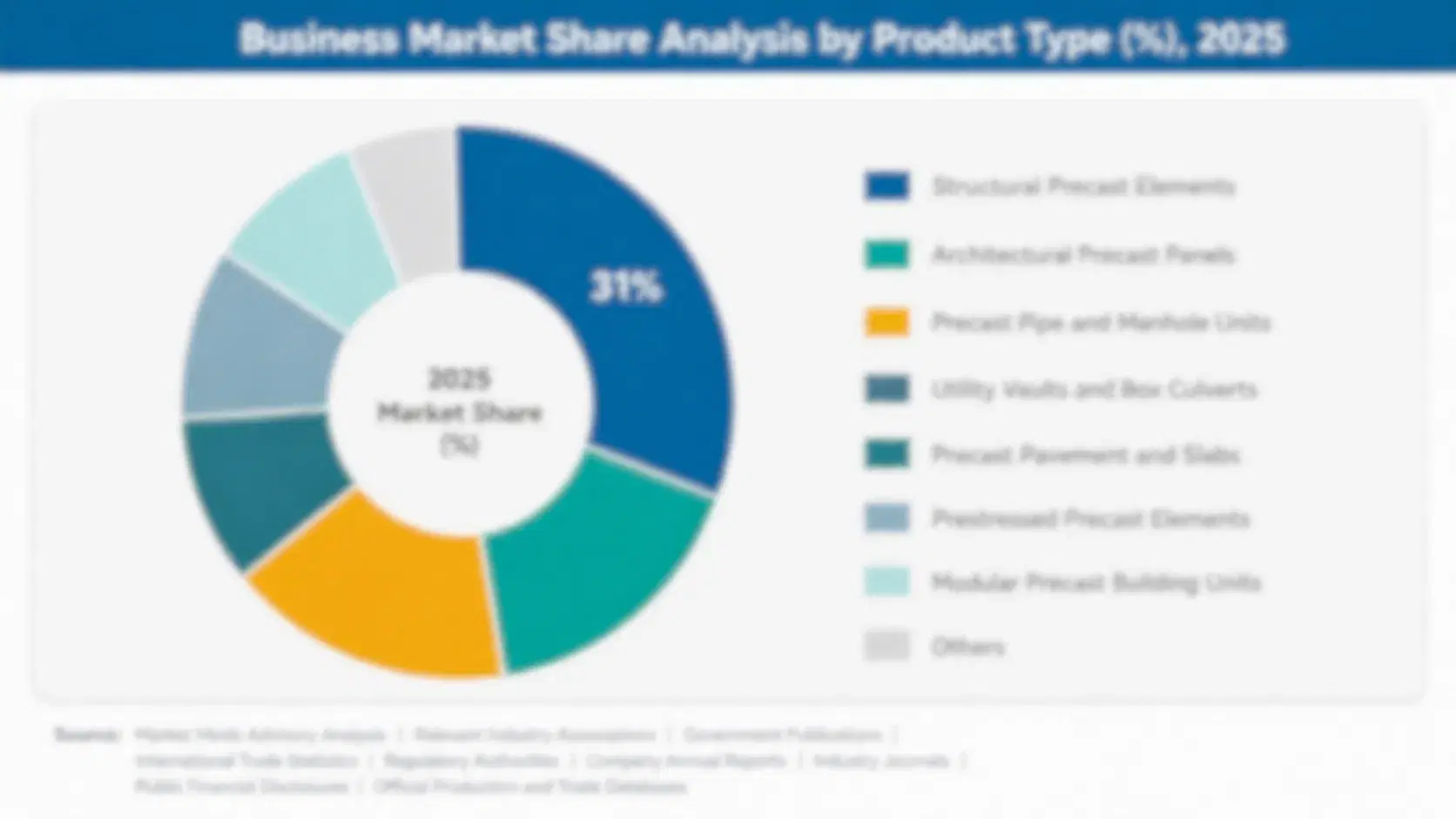
Segmentation follows duty capacity, the dimension that determines load rating, application, and target buyer. Capacity, not horsepower rating or voltage class alone, decides who gets specified into a given operator's power requirement. The six segments defined this way stay mutually exclusive. Underlying horsepower rating and voltage class overlap across several segments without blurring the primary capacity boundary.
rotating-phase-converter-market-market-share-analysis-1790999309362

Oil and Gas Field Converters

This segment covers heavy-duty converters deployed at remote drilling sites, where continuous load requirements and harsh operating conditions demand engineering most light-duty agricultural converters cannot provide. Growth here outpaces every other application by a wide margin as drilling activity expands across major producing basins simultaneously. Manufacturers with proven heavy-duty durability are capturing disproportionate share of new drilling site specification wins, while light-duty-only manufacturers struggle to compete on continuous duty reliability. Pricing power in this segment already exceeds the broader market average meaningfully, and that premium looks durable through the decade as drilling activity keeps expanding. Capital committed to heavy-duty engineering now shapes which manufacturers hold position once the next wave of drilling sites reaches commissioning.
CAGR 5.9%

Heavy-Duty Rotating Converters

This segment covers heavy-duty converters deployed across general industrial applications beyond oilfield sites, targeting manufacturing facilities and workshops requiring reliable continuous three-phase power. Industrial modernization demand is compressing replacement cycles and pulling forward demand that would otherwise have landed later in the forecast window as facilities upgrade equipment. North American and East Asian industrial facilities lead this modernization wave, disclosed clearly in supplier order data from recent reporting periods. Growth here trails oilfield applications but still comfortably outpaces light-duty agricultural demand, making it the second priority for manufacturers allocating research capital this decade. Manufacturers winning early industrial contracts retain that relationship through subsequent capacity additions, valuable well beyond the initial order.
CAGR 5.0%
Full segment breakdown across 6 segments available in the complete report.

Regional Architecture and Country Demand Map

North America leads well outside its typical band on dominant US rural and oilfield demand, while Western Europe sits below its typical band given the region's largely complete three-phase grid coverage. East Asia follows on manufacturing scale, and South Asia and Pacific grows fastest off the smallest base.

North America

North America's share sits well above its typical band here because the combination of persistent rural single-phase grid gaps and dominant US oilfield drilling activity concentrates a disproportionate share of global converter demand that the standard regional band does not capture well. Several major oilfield service companies disclosed converter rental fleet expansion in recent annual reports, directly tied to Permian Basin and other shale drilling activity. Canada's agricultural sector adds a further layer of demand tied to rural electrification gaps. Manufacturers with proven heavy-duty product lines are winning disproportionate specification share here as drilling activity climbs past prior industry forecasts. This trend is expected to continue accelerating through the decade ahead.
Share: 38% | CAGR: 4.8% (2026 to 2036)

Western Europe

Western Europe's share sits below its typical band because the region's three-phase utility grid coverage is already largely complete across Germany, France, and the Netherlands, leaving little of the underlying grid gap that drives converter demand elsewhere. Regulatory bodies here historically prioritized universal three-phase access as part of broader rural electrification policy decades ago. Legacy industrial installations across the region still generate modest replacement demand for standard converters. Growth trails every other region meaningfully because the underlying grid gap that drives converter demand elsewhere simply does not exist here at comparable scale. That gap is unlikely to widen again. Capital investment here should remain modest through the forecast window. That trend should persist.
Share: 15% | CAGR: 2.8% (2026 to 2036)
Regional intelligence for 5 additional markets available in the complete report: East Asia, South Asia and Pacific, Latin America, Middle East and Africa, Eastern Europe. Contact sales@marketmindsadvisory.com.
rotating-phase-converter-market-country-cagr-analysis-1790999309661

Monetizing Reliability Data Beyond Unit Sales

Converter manufacturers are finding that continuous-duty reliability data and rental fleet management are worth more than the converter itself alone. Four levers now capture value beyond straightforward unit sales across the oilfield and agricultural supply chain. Each depends on fleet management credibility rather than production scale, which favors incumbents over new low-cost entrants industry-wide.

Rental Fleet Services for Short-Duration Drilling Programs

Manufacturers with large converter fleets are offering rental services to oilfield operators who need temporary power for short-duration drilling programs rather than permanent ownership. This generates recurring rental revenue independent of unit sales and builds relationships that often convert into future purchase agreements once operators expand permanent operations. Several manufacturers report rental services now contribute roughly 13 percent of segment revenue, a figure growing as drilling activity remains volatile. This approach also shortens the sales cycle for the manufacturer's own new unit lines by spreading fixed fleet costs across a larger rental volume.
Market Impact: Adds roughly 13 percent rental revenue growth now

Multi-Year Supply Agreements With Oilfield Operators

Early engagement with oilfield operators during drilling program planning phase, before formal procurement begins, lets manufacturers lock in multi-year supply agreements ahead of competitors who wait for formal tender processes. This early-engagement advantage is proving durable because switching manufacturers mid-program triggers costly logistics disruption operators want to avoid. Manufacturers using this approach report winning roughly 20 percent more drilling program specification slots than those competing only at formal tender stage. Operators value the reduced logistics disruption enough that price competition from late-stage challengers rarely dislodges an early-engaged incumbent manufacturer. Interest keeps growing.
Market Impact: Wins roughly 20 percent more specification slots now

Load Monitoring Advisory Services for Industrial Buyers

Rather than selling only converter hardware, manufacturers are offering load monitoring advisory services that help industrial buyers size converter capacity correctly against actual equipment demand profiles. This advisory approach captures consulting margin that pure equipment sales leave on the table entirely, while building the kind of trust that wins the eventual replacement order. Buyers report these advisory services cut equipment downtime by roughly 19 percent compared to sizing converters without professional guidance. Advisory relationships also give manufacturers visibility into future replacement timing, letting them plan production capacity further ahead than equipment sales alone would allow.
Market Impact: Cuts equipment downtime by 19 percent overall now

Who Controls the Margin Pool

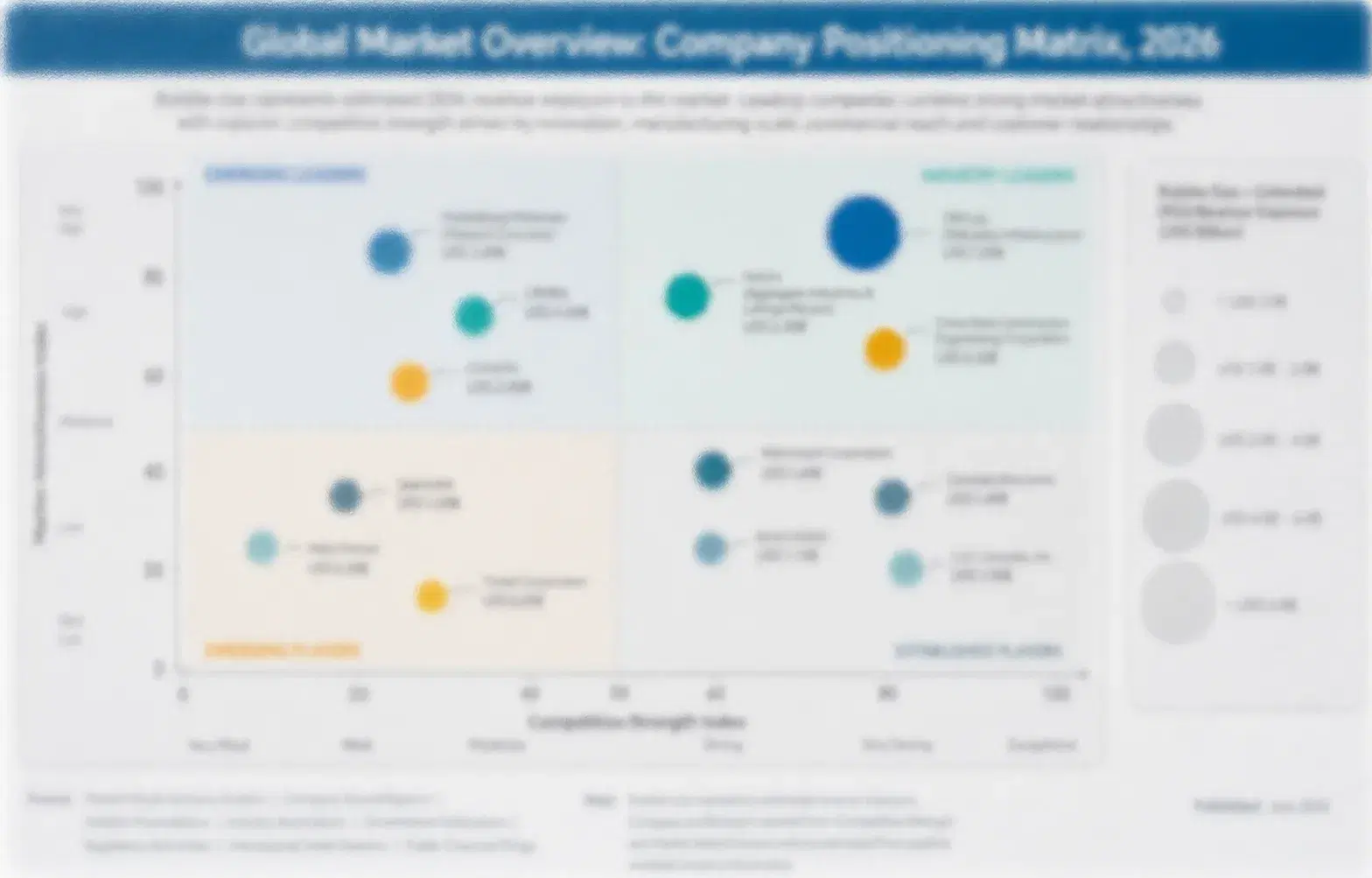
Five manufacturers hold roughly 42 percent combined share on a revenue basis, a moderately high concentration that leaves meaningful room for regional challengers. Arco Electric Products and Kay Industries sit clearly ahead of the pack on heavy-duty engineering, while the gap to third place is narrower than the gap separating the top two from everyone else. That gap reflects engineering depth more than manufacturing scale alone.
Current competitive activity centers on three dimensions: heavy-duty capacity technology development, oilfield rental fleet expansion, and distribution partnerships extending reach into South Asia and Pacific markets growing faster than incumbents' traditional footprints. Smaller challengers are specializing in narrow light-duty niches rather than competing across full capacity catalogs. Patent filings around continuous-duty reliability have accelerated noticeably over the past two years.

Emerging pressure comes from regional manufacturers scaling fleet capacity fast enough to challenge established incumbents on price within domestic markets, and from utility grid extension programs increasingly displacing converter demand in formerly underserved rural areas. Rankings could shift meaningfully over the next five years if regional players scale heavy-duty engineering faster across export markets. Pricing discipline among the top five is also eroding slightly as regional entrants compete more aggressively.
rotating-phase-converter-market-company-positioning-matrix-1790999309924

Competitive Moat and Risk Dimensions

ARCO ELECTRIC PRODUCTS

Moat: Heavy-Duty Engineering Depth

Arco Electric Products holds the deepest heavy-duty converter engineering of any manufacturer, a technical lead built over decades that newer entrants cannot replicate quickly. This depth lets the company bid confidently on multi-site oilfield contracts that narrower competitors must decline. This reach also helps Arco absorb regional demand swings more comfortably.
ARCO ELECTRIC PRODUCTS

Risk: Premium Pricing Limits Volume Share

Arco's premium positioning leaves it less competitive on price-sensitive bids against lower-cost regional manufacturers, particularly in Latin America and South Asia and Pacific markets where price sensitivity runs higher. That gap widens further whenever copper costs rise and Arco's premium features add proportionally more cost.
KAY INDUSTRIES

Moat: Rental Fleet Scale and Reach

Kay Industries operates one of the largest converter rental fleets of any manufacturer, a scale built over years that newer entrants cannot replicate quickly. This reach lets the company serve short-duration drilling programs that narrower competitors must decline or partner around entirely. That reach also helps Kay retain customers who later expand into permanent ownership.
KAY INDUSTRIES

Risk: Industrial Segment Growth Lags Rivals

Kay Industries has grown more slowly than Arco in dedicated heavy industrial converter segments, risking lost specification share as industrial modernization accelerates. That gap compounds if industrial buyers keep expanding capacity requirements before Kay closes its industrial segment gap fully. Kay has signaled intent to close this gap but has not disclosed a concrete roadmap.

Players Tracked

Prominent Players

Arco Electric Products
Kay Industries
Ronk Electrical Industries
American Rotary
Mach One Corporation

Other Key Players

Pioneer Transformers
Marelco Power Systems
Baldor Electric
Lenz1 Electric
Phase Perfect
PTI Phase Converters
Sima Products
Cedarberg Industries
Electro-Mechanical Corp
Three Phase Power Solutions
Hallmark Industries
Dayton Electric
North American Rotary Converters
Power Products Plus
Static Phase Corp

Recent Developments

FEBRUARY 2026

Arco Launches Expanded Heavy-Duty Converter Platform

Arco Electric Products introduced a dedicated heavy-duty converter platform with expanded continuous-duty rating, targeting oilfield operators directly. The launch followed fourteen months of internal development and positions Arco ahead of rivals still pursuing comparable durability ratings. Observers expect rivals to accelerate durability programs in response.
Signal: Signals accelerating manufacturer race for heavy-duty leadership across major oilfield basins. Oilfield buyers are watching closely.
SEPTEMBER 2025

Kay Industries Expands Rental Fleet Capacity

Kay Industries announced organic expansion of its converter rental fleet to meet rising short-duration drilling demand, adding units across multiple regional depots. The expansion is expected to reach full deployment within twelve months, according to the company's statement. Fleet scale remains central to its strategy.
Signal: Confirms Kay Industries is prioritizing rental fleet scale over industrial segment expansion for now. Smaller rivals may struggle here.
APRIL 2026

Ronk Electrical Signs Multi-Year Agricultural Agreement

Ronk Electrical Industries signed a multi-year supply agreement with a major North American farm equipment distributor to provide converters across a multi-state agricultural modernization program. The agreement was not structured as a joint venture or acquisition but as a direct bilateral supply arrangement. Analysts called the deal a useful model.
Signal: Shows mid-tier manufacturers winning large agricultural contracts away from top-five incumbents directly. Larger incumbents are taking notice.

Copper Exposure Across the Converter Chain

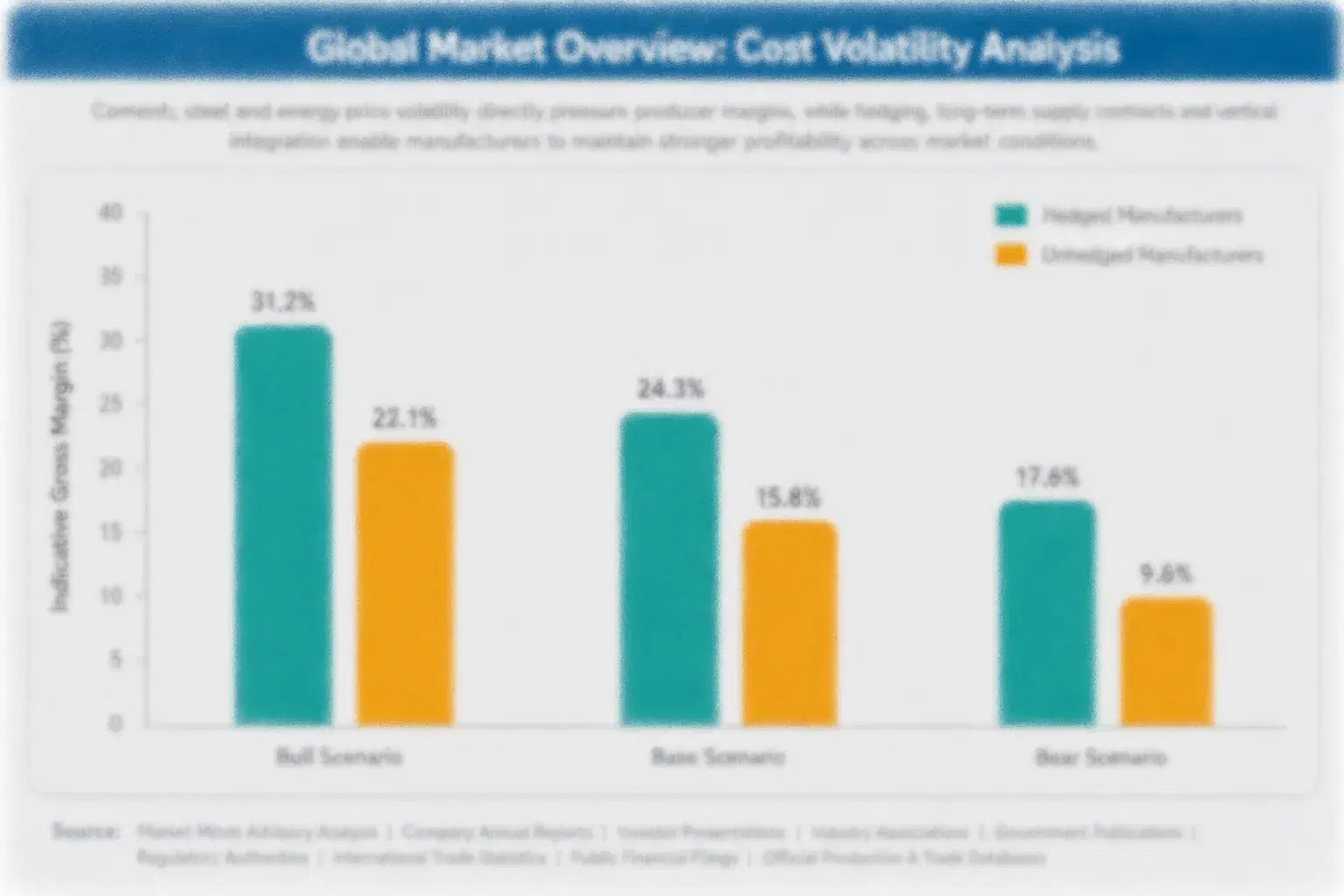
Copper represents roughly 31 percent of converter cost of goods sold, sourced primarily from regional copper refineries that serve the broader electrical equipment manufacturing base. This concentration leaves manufacturers exposed whenever regional copper supply tightens or global production cycles swing. Steel housing and bearing components add a smaller but still meaningful layer of cost beneath the dominant copper share.
Copper prices surged sharply through 2021 and 2022 amid global supply chain disruption and rising demand from electrification applications broadly, an episode several manufacturers referenced in annual report commentary on margin compression during that period. Manufacturers without hedging programs absorbed higher input costs for roughly eighteen months before prices moderated, compressing margins on fixed-price multi-year distributor contracts signed before the surge. Several manufacturers renegotiated supplier terms afterward to avoid repeating that exposure.

Smaller regional manufacturers carry proportionally higher cost exposure than Arco Electric Products and Kay Industries, who negotiate volume discounts directly with copper producers. This gap widens further for manufacturers without long-term supply contracts, who pay spot market premiums during tight periods. Scale matters here: larger integrated manufacturers spread fixed logistics costs across more volume, a gap smaller regional players cannot close without consolidation.
rotating-phase-converter-market-cost-volatility-analysis-1790999310232

Multi-Year Copper Supply Agreements

Leading manufacturers lock in copper pricing through multi-year agreements with regional refinery partners, trading some pricing flexibility for budget certainty across large multi-year distributor orders spanning several fiscal years. This approach shielded several manufacturers' margins during the 2021 to 2022 surge more effectively than spot-market purchasing alone. Several manufacturers report this held cost growth below copper swings recently.

Alternative Winding Material Research Programs

Manufacturers are investing in alternative winding materials and optimized motor design to reduce overall copper requirements without sacrificing load capacity or durability. Early adopters report measurable improvement in input cost stability within the first two sourcing cycles, though broader adoption remains limited by engineering validation time. Early feedback has been positive. Wider adoption is expected soon.

Portfolio Architecture for Margin Defence

Rotating phase converter manufacturing splits into three economic tiers. Volume commodity-adjacent light-duty units carry thin margins defended mainly on manufacturing scale and distributor relationships rather than engineering differentiation. Premium certified lines serving oilfield and heavy industrial applications command meaningfully wider margins because continuous-duty reliability, not price, decides the award in most large contracts. Capacity utilization decides who wins each tier's contracts over a full drilling cycle.
The volume versus premium tension is sharpening as oilfield drilling activity spreads heavy-duty demand and industrial modernization pressures light-duty-only manufacturers simultaneously. Manufacturers chasing volume alone face thinning margins from both directions at once. Those investing in heavy-duty engineering and rental fleet capability capture specification-driven pricing power volume producers cannot access quickly. The engineering investment pays back over several years once reliability data opens recurring oilfield and industrial pipelines.

High-value pools concentrate in oilfield rental contracts and heavy industrial modernization programs, where reliability scarcity, not production cost, sets the price. Sustainability and next-generation load monitoring applications sit at the top of the margin curve today, and that gap is widening as drilling activity expands faster than certified supply across most jurisdictions. Manufacturers slow to qualify heavy-duty products risk losing specification slots to faster-moving competitors permanently.

Volume / Commodity-Adjacent

Standard light-duty converters sold into agricultural and small workshop applications, competing mainly on price and delivery lead time with thin single-digit margins industry-wide. Replacement cycle length, not design innovation, largely governs revenue stability in this tier.
Gross Margin: 9-14%

Premium / Certified

Heavy-duty converters specified directly into oilfield and industrial modernization contracts, sustained by continuous-duty requirements most low-cost competitors cannot meet quickly. Scarce continuous-duty engineering keeps competitive intensity lower here than in the volume tier, sustaining healthier margins across most product lines consistently.
Gross Margin: 20-26%

Sustainability / Regulatory / Next-Generation

Load-monitored heavy-duty converters engineered for remote drilling site specification and fleet management integration, commanding the highest margins as reliability requirements expand nationwide. Research investment in fleet management integration is concentrated heavily in this tier.
Gross Margin: 28-34%
rotating-phase-converter-market-portfolio-architecture-1790999310570

High-value Sub-segments and Strategic Watch-out

Oil and Gas Field Converters

Fastest-growing and highest-margin segment, driven directly by remote drilling activity and continuous load requirements. Reliability scarcity is pronounced enough that qualified manufacturers command premium pricing and multi-year contract visibility ahead of most competitors. Manufacturers who secured reliability data early are now winning repeat drilling contracts ahead of late entrants.
Gross Margin: 28-34%

Heavy-Duty Rotating Converters

Second-fastest segment combining steady industrial modernization demand with durable replacement cycles. Multi-year supply agreements signed during planning phase sustain predictable order books for manufacturers engaged early in project development. Operators increasingly request these agreements before construction even begins. Pricing competition rarely dislodges a manufacturer engaged from the planning phase onward.
Gross Margin: 20-26%

Light-Duty Rotating Converters

The volume core of the industry, sold into agricultural and small workshop applications. Growth tracks rural electrification gaps closely, and margins stay thin against copper cost pressure industry-wide. Pricing pressure here rarely eases, keeping this segment the industry's steady baseline. Few manufacturers exit this tier voluntarily despite thinner economics.
Gross Margin: 9-14%

Grid Extension Substitution Exposure

A strategic watch-out segment facing permanent demand loss as utility three-phase grid extension reaches previously underserved rural areas. Demand holds steady in remote oilfield applications, but agricultural buyers increasingly lose converter need once grid access arrives. Manufacturers are responding by diversifying into oilfield and industrial markets.
Gross Margin: 11-16%

Fleet Lock-In Across Drilling Programs

Rotating phase converter demand behaves closer to an annuity than a one-time sale once an oilfield operator standardizes on a manufacturer's heavy-duty rental fleet line. Rental extensions and multi-year drilling program contracts generate recurring revenue for years after the initial specification, and switching manufacturers mid-program triggers costly logistics disruption most operators want to avoid entirely. Program managers treat an approved converter fleet as a qualified logistics resource, locking in rental relationships for the program's operational life.
Adoption stickiness varies sharply by end-use vertical. Oilfield operators rarely re-bid mid-program once a fleet passes initial site validation, while agricultural buyers in cost-sensitive channels switch more readily on price alone. Industrial facility buyers sit between the two, loyal within a project but open to competing bids on the next expansion entirely. That middle position makes industrial facilities the segment where competitive share actually moves most.

Buyer profiles are shifting generationally as electrical engineers trained on load monitoring systems enter procurement roles and favor heavy-duty specifications by default rather than treating them as a special case. This shift favors manufacturers who invested early in continuous-duty infrastructure, while legacy light-duty-only suppliers face a slower erosion of their traditional customer relationships.
rotating-phase-converter-market-end-use-penetration-index-1790999310847

Where Converter Capital Should Go Next

These are among the four positions where our research anticipates prominent divergence between winners and laggards over the coming forecast period. Each is grounded in the demand model, the regulatory perimeter, and the announced capacity pipeline.
01 / HEAVY-DUTY ENGINEERING INVESTMENT

Qualify heavy-duty converters before oilfield competitors close the gap

Heavy-duty engineering is already the binding constraint on oilfield converter supply, and every manufacturer waiting on the sidelines extends that gap further for everyone still relying on light-duty-only product lines. Early movers lock in drilling program specification slots that late entrants cannot easily dislodge once a design is approved for an operator's standard. Manufacturers that qualify heavy-duty converters within the next eighteen months stand to capture a disproportionate share of a segment growing at 5.88 percent annually through the forecast window.
02 / OILFIELD OPERATOR RELATIONSHIP DEPTH

Engage oilfield operators during program planning, not at tender

Oilfield program demand rewards manufacturers who engage during planning phase, before formal procurement begins, because switching manufacturers mid-program triggers costly logistics disruption operators want to avoid entirely. Manufacturers using this approach already report winning meaningfully more specification slots than those competing only at tender stage. This segment's strong growth rate makes it worth defending actively through dedicated account coverage, not the opportunistic bidding that happens once contracts are largely decided and leverage has shifted toward whichever manufacturer engaged first with the operator.
03 / COPPER SUPPLY RISK MANAGEMENT

Lock multi-year copper agreements before the next price cycle

Copper represents roughly a third of unit cost, and the 2021 to 2022 price surge showed how exposed manufacturers without supply agreements become during tight periods for regional refinery output. Waiting for the next volatility event to negotiate terms simply repeats the same margin compression smaller players already absorbed once before. Manufacturers that secure multi-year agreements now protect margin durably across the next full product cycle, regardless of what copper markets do next or how quickly global refinery prices eventually recover.
04 / GRID EXTENSION DEFENSE STRATEGY

Expand into oilfield rentals before grid extension erodes agricultural share

Utility three-phase grid extension is permanently eliminating converter demand in formerly underserved agricultural areas, and manufacturers that cede this ground now will find it difficult to recover once grid access removes the need entirely. Oilfield rental fleets offer revenue streams that remain largely independent of utility grid extension decisions made elsewhere. Manufacturers that expand into oilfield rentals aggressively now protect revenue they would otherwise lose entirely as rural grid coverage continues advancing across more previously underserved rural territories over time.

Engagement Snapshot From the Field

A live engagement with an industry participant carrying material or product regulatory and market exposure ahead of a defining policy shift, showing how our research translates into a defensible multi-year portfolio strategy.
MARKET MINDS ADVISORY · CLIENT ENGAGEMENT SUMMARY
Rotating Phase Converter Producer Strategic Portfolio Review and Transition Roadmap 2026·Investment Scenario on Rotating Phase Converter Exposure Evaluation 2025-26
CLIENT PROFILE
A mid-sized oilfield service company with roughly $120 million (client-reported, unverified by MMA) in annual revenue, operating a light-duty-dominant converter fleet across Permian Basin drilling programs with no heavy-duty capacity to date despite rising customer requests for longer-duration rental agreements. The company had grown through steady regional expansion over the prior decade without diversifying its converter fleet composition.
STRATEGIC CHALLENGE
Several large drilling operators began requiring heavy-duty converter capacity as a condition of multi-year rental agreements, and the company's light-duty fleet could not meet those requirements without significant capital investment. Leadership needed to decide how much capital to commit to heavy-duty fleet expansion within a constrained budget before losing further ground to competitors.
MMA APPROACH
MMA benchmarked heavy-duty fleet investment scenarios against projected rental revenue from heavy-duty-only contracts, conducted primary interviews with the company's operations team on fleet utilization patterns, and modeled capital payback timelines across three candidate investment levels for leadership review. The analysis also flagged which investment level carried the shortest realistic payback period for leadership review.
KEY FINDINGS
  1. Three large drilling operators representing roughly $7.8 million (client-reported, unverified by MMA) in annual rental revenue required heavy-duty capacity for contract renewal.
  2. Heavy-duty fleet investment at the recommended scale would require approximately $4.5 million in capital, recoverable within an estimated three years. assuming no major supply chain delays affected the procurement schedule.
  3. Heavy-duty converters showed meaningfully longer service life than light-duty alternatives based on comparable fleet performance data across the region. a gap that widened further once maintenance and replacement costs were factored in.
  4. Competitors with established heavy-duty fleets were winning multi-year rental agreements at a meaningfully higher rate in comparable Permian Basin markets. a gap the company's sales team had flagged repeatedly in prior quarters.
CLIENT PROFILE
A mid-sized oilfield service company with roughly $120 million (client-reported, unverified by MMA) in annual revenue, operating a light-duty-dominant converter fleet across Permian Basin drilling programs with no heavy-duty capacity to date despite rising customer requests for longer-duration rental agreements. The company had grown through steady regional expansion over the prior decade without diversifying its converter fleet composition.
STRATEGIC CHALLENGE
Several large drilling operators began requiring heavy-duty converter capacity as a condition of multi-year rental agreements, and the company's light-duty fleet could not meet those requirements without significant capital investment. Leadership needed to decide how much capital to commit to heavy-duty fleet expansion within a constrained budget before losing further ground to competitors.
MMA APPROACH
MMA benchmarked heavy-duty fleet investment scenarios against projected rental revenue from heavy-duty-only contracts, conducted primary interviews with the company's operations team on fleet utilization patterns, and modeled capital payback timelines across three candidate investment levels for leadership review. The analysis also flagged which investment level carried the shortest realistic payback period for leadership review.
KEY FINDINGS
  1. Three large drilling operators representing roughly $7.8 million (client-reported, unverified by MMA) in annual rental revenue required heavy-duty capacity for contract renewal.
  2. Heavy-duty fleet investment at the recommended scale would require approximately $4.5 million in capital, recoverable within an estimated three years. assuming no major supply chain delays affected the procurement schedule.
  3. Heavy-duty converters showed meaningfully longer service life than light-duty alternatives based on comparable fleet performance data across the region. a gap that widened further once maintenance and replacement costs were factored in.
  4. Competitors with established heavy-duty fleets were winning multi-year rental agreements at a meaningfully higher rate in comparable Permian Basin markets. a gap the company's sales team had flagged repeatedly in prior quarters.
RECOMMENDED STRATEGY
Phase 1: Phase one: invest in heavy-duty fleet capacity sufficient to retain the three at-risk rental agreements within six months. This sequencing addressed the highest revenue risk first. Phase 2: Phase two: measure utilization and renewal rates on the new heavy-duty fleet before committing further capital. This validation step reduced capital risk before further investment began. Phase 3: Phase three: expand heavy-duty fleet capacity further once pilot data confirms the expected renewal and utilization improvement. Full expansion was targeted within eighteen months of the pilot phase.
OUTCOME
The company completed phase one fleet investment within five months and reported (client-reported, unverified by MMA) retaining all three at-risk rental agreements while winning one new multi-year contract citing the heavy-duty fleet capability directly as the deciding factor. Leadership credited the phased approach with restoring customer confidence ahead of competitors.

Frequently Asked Questions

Foundational context covering the market sizes, CAGR, scope, country, region and competition that inform every finding below. This section is provided to cover basics and most often pre-purchase conversations, answered from the MMA Primary Research Dataset.

What is the current size of the Rotating Phase Converter Market?

The rotating phase converter market reached an estimated $0.44 billion in global value in 2025, covering converters that generate three-phase power from single-phase input for agricultural, industrial, and oilfield applications.

How large will the Rotating Phase Converter Market be by 2036?

MMA projects the market reaching roughly $0.66 billion by 2036, driven primarily by remote oilfield drilling activity and continued rural electrification gaps across major agricultural regions.

What is the CAGR for the Rotating Phase Converter Market 2026 to 2036?

The market is forecast to grow at a 4.2 percent compound annual rate between 2026 and 2036, with oil and gas field converter lines growing meaningfully faster than that average.

Which segment is growing fastest?

Oil and Gas Field Converters lead at a 5.88 percent CAGR, roughly 1.4 times the overall market rate, driven by remote drilling activity and continuous load requirements worldwide.

Who are the major companies in the Rotating Phase Converter Market?

Leading participants include Arco Electric Products, Kay Industries, Ronk Electrical Industries, American Rotary, and Mach One Corporation, together holding an estimated 42 percent combined share.

Which country is growing fastest?

India leads country-level growth at an estimated 6.0 percent CAGR, supported by rural agricultural electrification gaps and expanding domestic equipment modernization nationwide. That lead is expected to persist through much of the forecast window.

Report Segmentation Architecture

The full report scope spans multiple orthogonal segmentation dimensions, with cross-tabulated demand data provided for each dimension pair. Coverage extends further to regional breakdowns, trend trajectories, and the competitive detail needed to support segment-level decision-making.

By Duty Capacity

  • Light-Duty Rotating Converters
  • Medium-Duty Rotating Converters
  • Heavy-Duty Rotating Converters
  • Agricultural Rotating Converters
  • Industrial Workshop Converters
  • Oil and Gas Field Converters

By End-Use Industry

  • Agriculture
  • Oil and Gas Extraction
  • Industrial Manufacturing
  • Mining and Resource Extraction
  • Construction and Workshop Services

By Commercial Dimension

  • Direct Sales to Operators
  • Distributor and Dealer Channel
  • Rental and Leasing Services
  • Load Monitoring Advisory Services

By Region

  • North America
  • Western Europe
  • East Asia
  • South Asia and Pacific
  • Latin America
  • Middle East and Africa
  • Eastern Europe

Scope, Methodology, and Coverage

Every figure in this report is reproducible from documented input assumptions. The scope below maps the historical period, the forecast horizon, the segmentation dimensions, and the countries covered, alongside the underlying primary and qualitative methodology.
Historical Period
2020 to 2025
Forecast Period
2026 to 2036
Base Year
2025 (USD billions; MMA Primary Research Dataset, October 2026)
Market Definition
This report covers rotating phase converters that generate three-phase power from single-phase input for agricultural, industrial, and oilfield applications worldwide. It excludes static phase converters that lack a rotating idler motor, variable frequency drives, and permanent three-phase grid infrastructure.
Quantitative Units
USD billions, market value; percentage, CAGR and share
Segmentation Dimensions
Duty capacity, end-use industry, commercial dimension, region
Regions Covered
North America, Western Europe, East Asia, South Asia and Pacific, Latin America, Middle East and Africa, Eastern Europe
Countries Covered
25 countries across North America, Europe, Asia Pacific, Latin America, Middle East and Africa
Key Companies Profiled
20 companies including Arco Electric Products, Kay Industries, Ronk Electrical Industries, American Rotary, and Mach One Corporation
Quantitative Methodology
Primary survey, n=3,800 respondents, Q4 2025, six countries; demand-side model with trade association cross-validation
Qualitative Methodology
47 expert interviews, Q4 2025; applied to validate demand model assumptions, identify emerging dynamics, and assess competitive positioning
Report Format
PDF and XLSX data workbook (Word format preview document)
Publisher
Market Minds Advisory
Report Code
MMA-2026-CON-308
Published
October 2026
Contact
sales@marketmindsadvisory.com | www.marketmindsadvisory.com

Purchase the full Rotating Phase Converter Market Report (2026 to 2036).

The full MMA report on the rotating phase converter market extends this summary with complete country-level sizing, a detailed competitive benchmarking matrix across all 20 profiled companies, and granular segment forecasts through 2036. It includes primary survey data from 3,800 respondents across six countries and 47 expert interviews conducted in the fourth quarter of 2025. The report also maps heavy-duty fleet certification capacity by region, a factor increasingly deciding competitive position across oilfield supply channels. Subscribers additionally receive quarterly updates tracking drilling activity and rural electrification trends as they develop.
Full 7-region sizing and forecast tables
Complete 20-company competitive benchmarking matrix detail
Segment-level margin and growth detail breakdown
Quarterly drilling activity tracking updates included
Downloadable data tables in Excel format
Direct analyst access for custom queries

Built For The People Who Decide

From boardroom strategy to bench-side execution, this report is read cover-to-cover by leaders shaping the next decade of their industry, turning demand scenarios, market dynamics and valuation benchmarks into decisions.
CXOs/ Presidents/ VPs/ Managers
M&A and Corporate Development
Strategy Teams and R&D Heads
Procurement and Product Directors
Regulatory and Compliance Leaders
Investor Relations and Equity Analysts