Market Minds Advisory
RFID Kanban Systems Market

RFID Kanban Systems Market: RFID Kanban Systems Market. Lean Manufacturing Meets Real-Time Inventory Visibility

Real-time inventory visibility requirements and automotive line complexity are pulling kanban replenishment systems toward RFID-tagged, cloud-integrated platforms, displacing paper and card-based signals across manufacturing floors in every major industrial economy.

Lead Analyst

Published

October 2026

Make Smarter Decisions with Customized Research Insights

Request a free sample report and evaluate market opportunities, growth trends, and competitive dynamics relevant to your business needs.

2025 MARKET VALUE$0.7BMarket Size 2025
2036 FORECAST VALUE$2.0BBase Case , 2026 to 2036
CAGR 2026 TO 20369.6 %Bull 10.9% / Bear 8.3%
INCREMENTAL OPPORTUNITY$1.2BNet 10- year value creation
EXPANSION MULTIPLE2.50x2036 value over 2026 base
Strategic Levers
M&A Pipeline
Regional Outlook
Country Rankings
Competitive Intelligence
Segmental Deep-dive
Call-Us : 91 93563 13602

Executive Snapshot and Market Trajectory.

RFID kanban system demand is shifting from paper and card-based replenishment signals toward tagged, cloud-integrated platforms as manufacturers chase real-time inventory visibility across increasingly complex automotive and electronics assembly lines. That shift is already well underway across major manufacturing economies today. Speed and accuracy now decide most platform bids.
Cloud-integrated kanban software platforms now drive the fastest-growing demand pool, outpacing hardware-only tag and reader systems by a wide margin as manufacturers integrate replenishment data into broader enterprise resource planning systems. East Asia leads on manufacturing scale and automotive assembly volume, while North America drives premium software integration demand tied to digital transformation budgets. Sensor-integrated monitoring now features in a growing share of new installations. Mid-sized facilities follow a similar but slower modernization trajectory.
Five vendors hold roughly 42 percent combined share on a revenue basis, a moderately high concentration reflecting the software integration expertise required for enterprise-grade platforms. Automotive assembly complexity and warehouse automation demand are reshaping which vendors get specified into new manufacturing facility designs across most major markets. That specialization pattern is becoming more common across the industry this cycle. Buyers increasingly specify by integration depth first.
Market Definition
This report covers RFID-enabled kanban replenishment systems, including tags, readers, and integrated software platforms used to trigger automated inventory and production replenishment signals in manufacturing and warehouse environments worldwide. It excludes generic RFID asset tracking systems and paper-based kanban methods that do not incorporate RFID technology.
Base Year Value
$0.7B in 2025 (MMA Primary Research Dataset, October 2026)
Forecast Period
2026 to 2036, eleven discrete annual values
CAGR
9.6% base case. Bull 10.9%. Bear 8.3%.
Fastest Growth Segment
Cloud-Integrated Kanban Software Platforms: 13.4% CAGR
Fastest Growth Country
China: 11.9% CAGR
Fastest Growth Region
South Asia and Pacific: 11.6% CAGR
Largest Region
East Asia: 30% of 2025 global value
Market Leaders
Zebra Technologies, Avery Dennison, Impinj Inc, SATO Holdings, Siemens Digital Industries. Source: MMA Analysis based on company annual reports.
Primary Survey
n=3,800 procurement and R&D decision-makers, Q4 2025, six countries
Methodology
Demand-side build-up, cross-validated against public data, 47 expert interviews

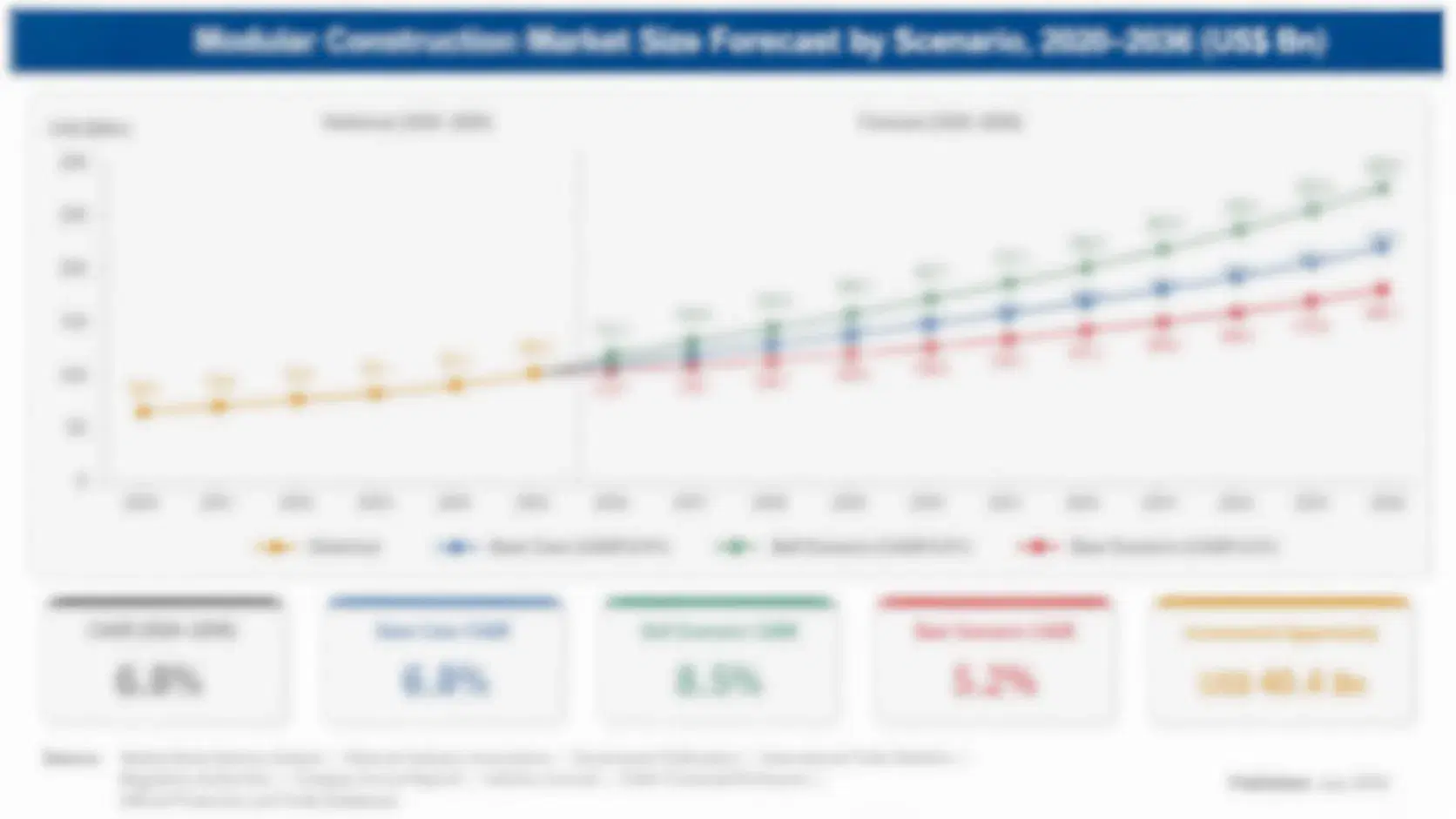
RFID Kanban Systems Market Forecast Scenarios

rfid-kanban-systems-market-size-forecast-scenario-1790928342757
RFID kanban system demand grew steadily between 2020 and 2025 as automotive manufacturers and electronics assemblers expanded digital replenishment adoption, advancing at an estimated 8.3 percent historical rate across most major manufacturing markets without a single dominant catalyst driving the trajectory. Hardware tag and reader replacement added a quieter layer of demand beneath the software platform base.
The base case assumes 9.6 percent annual growth through 2036, anchored on three mechanisms: automotive assembly complexity requiring real-time replenishment accuracy as vehicle configurations multiply, warehouse automation integration expanding RFID visibility beyond manufacturing floors into distribution, and enterprise resource planning integration driving cloud-platform adoption across multi-facility manufacturers. Each mechanism compounds the others rather than competing for the same capital budget across vendor product lines. Capital allocation across all three channels has tracked manufacturer digital transformation budget cycles closely across major markets.
The bull case, near 10.9 percent, assumes faster digital transformation adoption pulls cloud-platform demand forward across more manufacturers simultaneously. The bear case, near 8.3 percent, assumes paper and card-based kanban retains share in cost-sensitive smaller facilities faster than expected, compressing RFID growth in that channel. Either scenario leaves hardware demand as the stable floor beneath volatile software platform growth.

Digital Transformation Redraws Replenishment Standards

Three forces are converging on the RFID kanban system market at once. Automotive assembly complexity is forcing software integration work legacy tag-and-card vendors never budgeted for, warehouse automation is spreading RFID visibility demand beyond manufacturing floors into distribution simultaneously, and chip costs are rising at the same time demand volume is expanding. Vendors that solved all three simultaneously are pulling ahead of those still treating each as a separate problem to manage individually.
MARKET CONCENTRATIONCR5 42%top five vendors hold combined global revenue share
AVERAGE SELLING PRICE$1.20per tag, varies by chip type and durability rating
LEADING PRODUCER SHAREChina 27%of global RFID tag manufacturing output produced annually
CAPACITY UTILIZATION70%across qualified RFID tag production lines worldwide currently
CHIP COST SHARE24%of tag cost of goods sold currently today
REPLACEMENT CYCLE3-5 yearstypical reader hardware service life before full replacement
Commercially, the market behaves like a specialty enterprise software and hardware business rather than a pure commodity category. Buyers increasingly qualify vendors on enterprise resource planning integration depth and read accuracy first, price second, which protects incumbent margins against low-cost entrants lacking proven integration track records. That dynamic held through the last several platform refresh cycles across major manufacturing markets without meaningful price erosion.
Over the next decade, cloud-platform integration capability and read accuracy certification will separate vendors who hold share from those who lose it to generic tag-only competitors in cost-sensitive hardware segments. Automotive manufacturers in particular are rewriting approved vendor lists around exactly these two criteria right now, and the pace of that rewrite is accelerating faster than most vendors expected going into 2026.
"Everyone treated kanban as a paper-and-card methodology that would never change. Real-time visibility requirements just rewrote the whole category."
Director, Manufacturing Technology Practice · MMA Technology Practice · October 2026

Market Trends

Cloud Integration Becomes Standard on Enterprise Kanban Platforms

Manufacturers are integrating RFID kanban platforms directly with enterprise resource planning and manufacturing execution systems for end-to-end replenishment visibility, a capability that was custom-built five years ago and is now a standard offering across premium platforms. Several major vendors have launched cloud-native kanban products over the past two years, and more than 52 percent of new enterprise kanban deployments in 2025 included native ERP integration rather than standalone operation. This shift is pushing hardware-only vendors to either partner with software providers or cede share in the fastest-growing platform segment entirely.
Market Impact: Adds demand across 250,000-plus new facilities

Automotive Electrification Expands Assembly Line Complexity

Automotive manufacturers transitioning toward electric vehicle production are managing far more component variants per assembly line than traditional internal combustion platforms, requiring real-time replenishment accuracy that paper-based kanban cannot reliably deliver. Several major automakers disclosed assembly line digitization budgets in recent annual reports, with replenishment point counts increasing roughly 40 percent compared to prior vehicle platform generations. This growth is pulling forward RFID kanban demand that would otherwise have landed later in the production ramp cycle. Equipment makers serving these programs report order backlogs stretching several months as digitization demand outpaces available qualified integration capacity.
Market Impact: Grows 2x in high-risk supply markets

Market Opportunities and Growth Drivers

Warehouse Automation Sustains RFID Visibility Demand

Warehouse and distribution center automation deployment continues to expand as operators pursue inventory accuracy improvement, and each new automated facility requires RFID kanban visibility extending beyond manufacturing floors into storage and fulfillment zones. Several major logistics operators disclosed automation shipment growth in recent annual reports, directly correlating with RFID kanban attachment rates across new installations. This attachment channel is growing steadily because every new automated facility creates incremental kanban demand regardless of overall warehouse capacity expansion trends. Capital spent on these systems is shaping which vendors lead kanban specification over the next decade of automation growth.
Market Impact: Limits adoption at 20 percent

Supply Chain Resilience Mandates Drive Visibility Investment

Manufacturers facing supply chain disruption risk increasingly require real-time component visibility that paper-based kanban cannot provide, pushing investment toward RFID-enabled replenishment systems that flag shortages before production lines stop. Several equipment makers disclosed rising demand for resilience-focused kanban modules in recent annual reports, citing supply chain disruption experience as the primary driver behind this shift. Resilience-focused kanban sales are growing roughly twice as fast as standard kanban sales in markets where supply chain risk runs highest. Manufacturers disclosing these investments frame resilience as a durable shift in procurement priority rather than a temporary response.
Market Impact: Adds 14 percent chip cost pressure

Market Restraints and Challenges

Legacy Paper Kanban Retains Share in Smaller Facilities

Smaller manufacturing facilities with lower production volume and simpler assembly lines often retain paper and card-based kanban systems because the cost and complexity of RFID integration exceeds the operational benefit at their scale. Several smaller manufacturers report evaluating RFID kanban but declining due to unclear return on investment relative to their simpler production needs. The root cause is that RFID kanban value scales with assembly complexity, a relationship that favors large automotive and electronics facilities over smaller operations. Vendors are responding by developing simplified, lower-cost entry-tier platforms targeting this underserved segment.
Market Impact: Reaches 52 percent of new deployments

Chip Cost Inflation Compresses Entry-Tier Tag Margins

RFID chip costs rose meaningfully through 2022 and 2023, squeezing margins hardest on entry-tier passive tags where retail price increases are most difficult to pass through to cost-sensitive manufacturing buyers. The root cause is global semiconductor supply tightness combined with rising demand from adjacent RFID applications competing for the same chip supply. Entry-tier vendors without premium pricing power absorbed most of this margin compression directly. Several vendors are now redesigning entry-tier tag architecture to reduce chip content without sacrificing read reliability. That redesign work is expected to ease margin pressure gradually over the next several product generations.
Market Impact: Adds 40 percent replenishment point growth
3 additional market trends, 4 additional growth drivers, and 2 additional restraints and challenges are covered in the full report. Contact sales@marketmindsadvisory.com to access the complete intelligence.

Segment CAGR and Growth Architecture

Segmentation follows system architecture, the dimension that determines integration depth, target application, and deployment complexity. Architecture, not tag frequency or chip type alone, decides who gets specified into a given manufacturer's digital transformation program. The six segments defined this way stay mutually exclusive. Underlying tag frequency and chip type overlap across several segments without blurring the primary architecture boundary.
rfid-kanban-systems-market-market-share-analysis-1790928343017

Cloud-Integrated Kanban Software Platforms

This segment covers platforms integrating RFID kanban directly with enterprise resource planning and manufacturing execution systems, where end-to-end visibility matters as much as basic replenishment signaling. Growth here outpaces every other architecture by a wide margin as manufacturers pursue digital transformation across major industrial economies simultaneously. Vendors with proven ERP integration capability are capturing disproportionate share of new enterprise deployment wins, while hardware-only vendors struggle to compete on software functionality. Pricing power in this segment already exceeds the broader market average meaningfully, and that premium looks durable through the decade as digital transformation keeps expanding. Capital committed to ERP integration engineering now shapes which vendors hold position once the next wave of deployments reaches commissioning.
CAGR 13.4%

Automotive Assembly Kanban Systems

This segment covers RFID kanban systems deployed specifically in automotive assembly lines, targeting manufacturers managing increasingly complex vehicle configuration and component variant counts. Electric vehicle production ramp is compressing replacement cycles and pulling forward demand that would otherwise have landed later in the forecast window as automakers digitize assembly lines. North American and European automotive manufacturers lead this digitization wave, disclosed clearly in vendor order data from recent reporting periods. Growth here trails cloud platform applications but still comfortably outpaces warehouse kanban demand, making it the second priority for vendors allocating research capital this decade. Vendors winning early automotive contracts retain that relationship through subsequent platform generations, valuable well beyond the initial program.
CAGR 11.5%
Full segment breakdown across 6 segments available in the complete report.

Regional Architecture and Country Demand Map

East Asia leads on manufacturing scale and automotive assembly volume, with North America close behind on software integration and digital transformation spending. South Asia and Pacific grows fastest off a smaller base, trailed by a balanced spread across the four remaining regions. Eastern Europe trails the group.

North America

US automotive and electronics manufacturers anchor regional demand, with several major automakers disclosing multi-year assembly line digitization programs that each specify cloud-integrated kanban platforms from initial design rather than retrofitting afterward. Digital transformation budgets across multiple industries are expanding RFID kanban adoption beyond automotive into general manufacturing. Canada's automotive supply chain adds a smaller but steady secondary demand layer. Vendors with proven ERP integration product lines are winning disproportionate specification share here as digitization budgets climb past prior industry forecasts. Mexico's growing electronics assembly base is also beginning to add incremental demand as nearshoring boosts industrial digitization further across the border region overall. This trend is expected to continue accelerating through the decade ahead.
Share: 25% | CAGR: 10.8% (2026 to 2036)

Western Europe

European demand centers on automotive manufacturing excellence and lean production methodology heritage concentrated in Germany, which pioneered kanban adoption decades before RFID integration became standard. Regulatory bodies here favor supply chain traceability, giving European vendors an early compliance advantage now translating into export wins elsewhere. Legacy manufacturing installations across the region still generate steady replacement demand for hardware-only systems. Growth trails East Asia and North America modestly because the installed base is already mature and replacement, not new installation, drives most of this region's unit volume. The UK's automotive sector contributes a further steady layer of replacement demand tied to supply chain traceability commitments. Spain's automotive sector is following a similar digitization path at a smaller scale.
Share: 20% | CAGR: 8.0% (2026 to 2036)
Regional intelligence for 5 additional markets available in the complete report: East Asia, South Asia and Pacific, Latin America, Middle East and Africa, Eastern Europe. Contact sales@marketmindsadvisory.com.
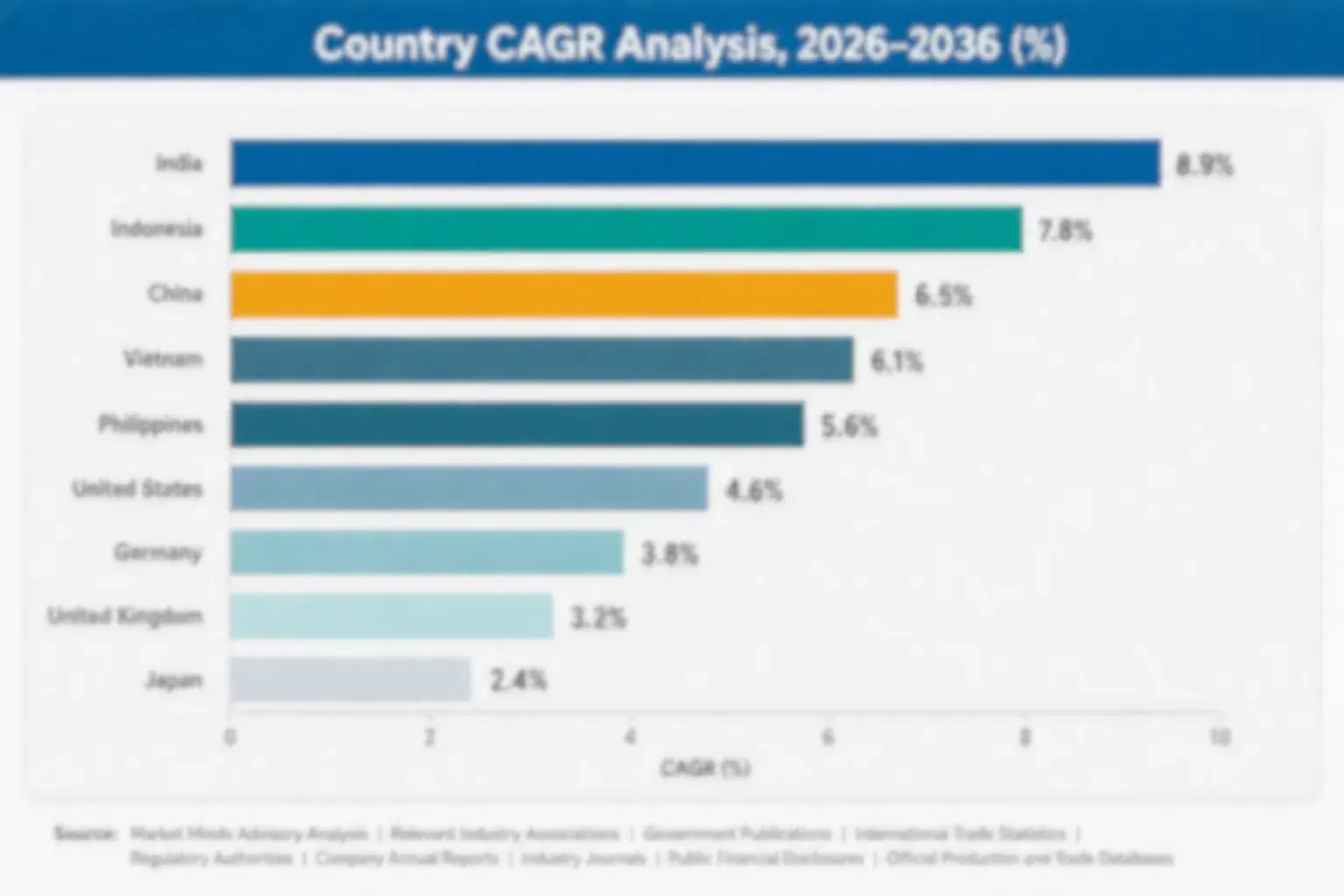
rfid-kanban-systems-market-country-cagr-analysis-1790928343346

Monetizing Integration Depth Beyond Hardware Sales

Kanban vendors are finding that ERP integration and read accuracy data are worth more than the tags themselves alone. Four levers now capture value beyond straightforward unit sales across the manufacturing supply chain. Each depends on engineering credibility rather than production scale, which favors incumbents over new low-cost entrants industry-wide. That dynamic is reshaping where margin concentrates industry-wide.

ERP Integration Services for Legacy Hardware Customers

Vendors with proven software integration capability are offering ERP integration services to customers who purchased hardware-only systems but now want enterprise connectivity. This generates service revenue independent of hardware sales and builds relationships that often convert into future platform upgrade agreements. Several vendors report integration services now contribute roughly 14 percent of segment revenue, a figure growing as digital transformation spreads across manufacturing facilities. This approach also shortens the sales cycle for the vendor's own new platform lines by spreading fixed integration costs across a larger service volume. Interest keeps growing.
Market Impact: Adds roughly 14 percent integration revenue growth now

Multi-Year Platform Agreements With Automotive Manufacturers

Early engagement with automotive manufacturers during assembly line design phase, before formal procurement begins, lets vendors lock in multi-year platform agreements ahead of competitors who wait for formal tender processes. This early-engagement advantage is proving durable because switching kanban vendors mid-program triggers costly requalification work manufacturers want to avoid. Vendors using this approach report winning roughly 22 percent more assembly line specification slots than those competing only at formal tender stage. Manufacturers value the reduced requalification risk enough that price competition from late-stage challengers rarely dislodges an early-engaged incumbent vendor.
Market Impact: Wins roughly 22 percent more specification slots now

Supply Chain Resilience Advisory Services for Buyers

Rather than selling only tags and readers, vendors are offering supply chain resilience advisory services that assess customer disruption exposure and recommend targeted RFID visibility deployments. This advisory approach captures consulting margin that pure hardware sales leave on the table entirely, while building the kind of trust that wins the eventual platform contract. Buyers report these advisory services cut disruption response timelines by roughly 25 percent compared to managing visibility gaps without external guidance. Advisory relationships also give vendors visibility into future program timing, letting them plan capacity further ahead than hardware sales alone would allow.
Market Impact: Cuts response timelines by 25 percent overall now

Who Controls the Margin Pool

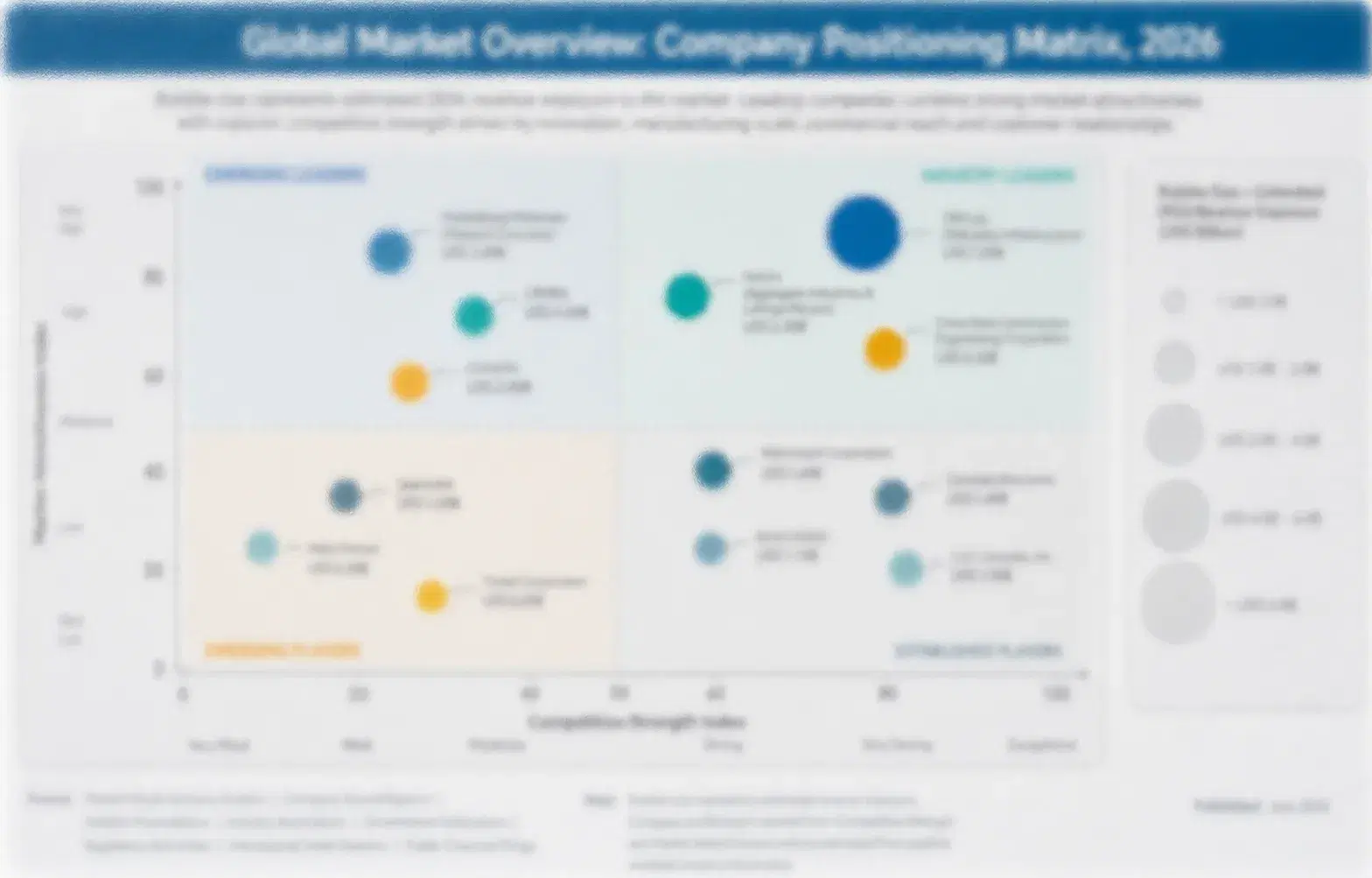
Five vendors hold roughly 42 percent combined share on a revenue basis, a moderately high concentration reflecting the software integration expertise required for enterprise platforms. Zebra Technologies and Avery Dennison sit clearly ahead of the pack on integration breadth, while the gap to third place is narrower than the gap separating the top two from everyone else. That gap reflects software depth more than hardware scale alone.
Current competitive activity centers on three dimensions: ERP integration capability development, automotive assembly certification, and distribution partnerships extending reach into South Asia and Pacific markets growing faster than incumbents' traditional footprints. Smaller challengers are specializing in narrow hardware niches rather than competing across full platform catalogs. Patent filings around read accuracy optimization have accelerated noticeably over the past two years.

Emerging pressure comes from Chinese vendors scaling domestic tag production fast enough to challenge established incumbents on price within export markets, and from ERP software providers increasingly building native kanban modules. Rankings could shift meaningfully over the next five years if ERP-native competitors erode the integration advantage dedicated kanban vendors currently hold. Pricing discipline among the top five is also eroding slightly as Chinese entrants compete more aggressively.
rfid-kanban-systems-market-company-positioning-matrix-1790928343622

Competitive Moat and Risk Dimensions

ZEBRA TECHNOLOGIES

Moat: Integration Breadth and Platform Depth

Zebra holds the widest enterprise software integration portfolio of any kanban vendor, a technical lead built over years of acquisitions and development that newer entrants cannot replicate quickly. This breadth lets the company bid confidently on multi-system enterprise contracts that narrower competitors must decline. This reach also helps Zebra retain customers who later expand deployments.
ZEBRA TECHNOLOGIES

Risk: Premium Pricing Limits Volume Share

Zebra's premium positioning leaves it less competitive on price-sensitive bids against lower-cost Chinese manufacturers, particularly in Latin America and South Asia and Pacific markets where price sensitivity runs higher. That gap widens further whenever chip costs rise and Zebra's premium features add proportionally more cost.
AVERY DENNISON

Moat: Tag Manufacturing Cost Scale

Avery Dennison's manufacturing scale across its global tag production base gives it a durable cost advantage on standard RFID tags that smaller competitors struggle to match. This scale also lets Avery Dennison absorb chip cost volatility more comfortably than mid-tier rivals during periods of price inflation.
AVERY DENNISON

Risk: Software Integration Lags Rivals

Avery Dennison has been slower than Zebra to develop deep ERP integration capability, risking lost specification share in the fastest-growing software platform segment of the market. That gap compounds if enterprise buyers keep expanding integration requirements before Avery Dennison closes its software gap. Avery Dennison has signaled intent to close this gap but has not disclosed a roadmap.

Players Tracked

Prominent Players

Zebra Technologies
Avery Dennison
Impinj Inc
SATO Holdings
Siemens Digital Industries

Other Key Players

Honeywell International
GAO RFID
Alien Technology
CAEN RFID
Confidex
Omni-ID
Kanban Zone
Planview
Intellimagic
SICK AG
Balluff Inc
Turck Inc
Pepperl+Fuchs
Checkpoint Systems
Xerafy

Recent Developments

FEBRUARY 2026

Zebra Launches Automotive-Grade ERP Integration Suite

Zebra Technologies introduced a dedicated automotive-grade kanban integration suite with expanded ERP connectivity, targeting assembly line design teams directly. The launch followed fourteen months of internal development and positions Zebra ahead of rivals still pursuing comparable integration depth. Observers expect rivals to accelerate integration programs in response.
Signal: Signals accelerating vendor race for software integration leadership across automotive manufacturing markets. Automotive buyers are watching closely.
SEPTEMBER 2025

Avery Dennison Expands Asian Tag Production Capacity

Avery Dennison announced organic capacity expansion at its primary Asian tag fabrication facility, adding output to meet rising automotive and electronics demand. The expansion is expected to reach full output within twelve months, according to the company's statement. Manufacturing volume growth remains central to its strategy.
Signal: Confirms Avery Dennison is prioritizing manufacturing volume scale over software integration expansion for now. Export share could rise.
APRIL 2026

Impinj Signs Multi-Year Warehouse Automation Agreement

Impinj Inc signed a multi-year supply agreement with a major North American logistics operator to provide RFID kanban infrastructure across a multi-facility warehouse automation program. The agreement was not a joint venture or acquisition but a direct bilateral supply arrangement. Analysts called it a useful model.
Signal: Shows mid-tier vendors winning large automation contracts away from top-five incumbents directly. Larger incumbents are taking notice.

RFID Chip Exposure Across the Manufacturing Chain

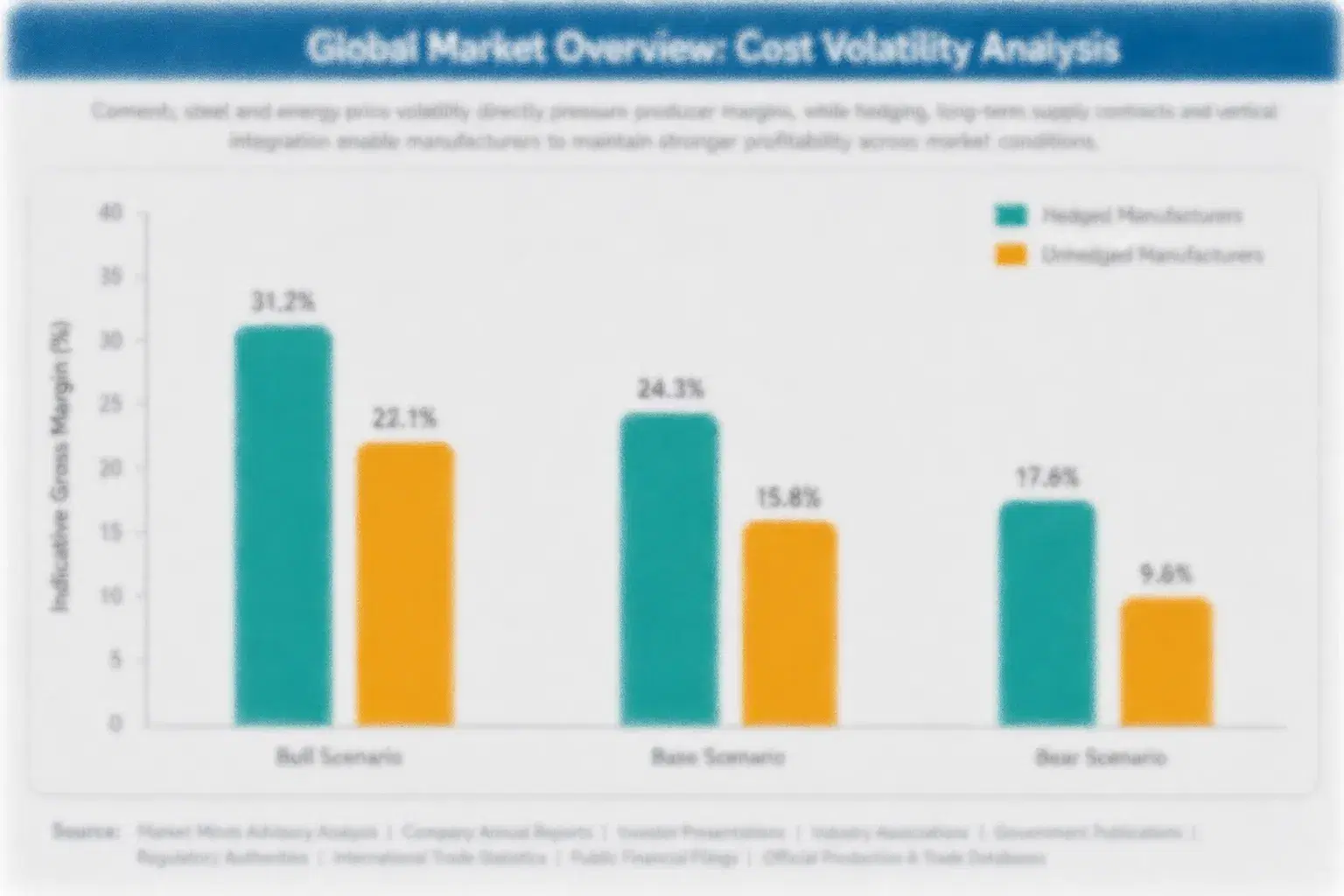
RFID chips represent roughly 24 percent of tag cost of goods sold, sourced primarily from a handful of specialized semiconductor foundries that serve the broader RFID and IoT industry. This concentration leaves vendors exposed whenever chip supply tightens or demand from adjacent RFID applications competes for the same production capacity. Substrate and antenna materials add a smaller but still meaningful layer of cost beneath the dominant chip share.
RFID chip prices and lead times spiked sharply through 2022 amid global semiconductor shortages affecting IoT applications broadly, an episode several vendors referenced in annual report commentary on margin compression that year. Vendors without hedging programs absorbed higher chip costs for roughly a year before prices moderated, compressing margins on fixed-price multi-year manufacturer contracts signed before the surge. Several vendors renegotiated supplier terms afterward to avoid repeating that exposure.

Smaller regional vendors carry proportionally higher cost exposure than Zebra Technologies and Avery Dennison, who negotiate volume-based chip contracts directly with foundry partners. This gap widens further for vendors redesigning entry-tier tag architecture without the engineering budget to accelerate that work. Scale matters here: larger vendors spread fixed foundry relationships across far greater purchase volume than smaller regional rivals can match.
rfid-kanban-systems-market-cost-volatility-analysis-1790928343934

Multi-Year Chip Supply Agreements

Leading vendors lock in RFID chip pricing through multi-year supply agreements with foundry partners, trading some pricing flexibility for budget certainty across large multi-year manufacturer contracts. This approach shielded several vendors' margins during the 2022 shortage more effectively than spot-market purchasing alone. Several vendors report this held cost growth below component price swings across recent sourcing cycles.

Simplified Tag Architecture Redesign Programs

Vendors are investing in simplified tag architecture requiring fewer chip components without sacrificing read reliability. Early redesigns cut chip content meaningfully while meeting existing performance standards across most product tiers tested so far this cycle. Wider commercial rollout across additional product lines is expected within the next two to three years. Early feedback has been positive.

Portfolio Architecture for Margin Defence

RFID kanban vendors split into three economic tiers. Volume commodity-adjacent hardware-only systems carry thin margins defended mainly on manufacturing scale and distributor relationships rather than software differentiation. Premium certified lines serving ERP-integrated enterprise applications command meaningfully wider margins because integration depth, not price, decides the award in most large manufacturer contracts. Capacity utilization decides who wins each tier's contracts over a full deployment cycle.
The volume versus premium tension is sharpening as digital transformation spreads beyond automotive into general manufacturing and warehouse automation simultaneously. Vendors chasing volume alone face thinning margins from both directions at once. Those investing in software integration and ERP connectivity capture specification-driven pricing power volume producers cannot access quickly. The integration investment pays back over several years once accreditation opens recurring enterprise and automotive pipelines.

High-value pools concentrate in automotive assembly contracts and enterprise ERP integration programs, where software scarcity, not production cost, sets the price. Sustainability and next-generation resilience-focused applications sit at the top of the margin curve today, and that gap is widening as digital transformation expands faster than certified integration supply across most jurisdictions. Vendors slow to qualify ERP-integrated products risk losing specification slots to faster-moving competitors permanently.

Volume / Commodity-Adjacent

Standard passive tags and readers sold into basic inventory tracking applications, competing mainly on price and delivery lead time with thin single-digit margins industry-wide. Replacement cycle length, not design innovation, largely governs revenue stability in this tier.
Gross Margin: 11-16%

Premium / Certified

Automotive-grade and ERP-integrated kanban systems specified directly into assembly line and enterprise contracts, sustained by integration requirements most low-cost competitors cannot meet quickly. Scarce integration talent keeps competitive intensity lower here than in the volume tier.
Gross Margin: 28-34%

Sustainability / Regulatory / Next-Generation

Cloud-native, resilience-focused kanban platforms engineered for supply chain visibility and enterprise specification, commanding the highest margins as digital mandates expand nationwide. Research investment in cloud connectivity is concentrated heavily in this tier.
Gross Margin: 36-44%
rfid-kanban-systems-market-portfolio-architecture-1790928344262

High-value Sub-segments and Strategic Watch-out

Cloud-Integrated Kanban Software Platforms

Fastest-growing and highest-margin segment, driven directly by digital transformation and ERP integration demand. Software scarcity is pronounced enough that qualified vendors command premium pricing and multi-year contract visibility ahead of most competitors. Vendors who secured integration capability early are now winning repeat enterprise contracts ahead of late entrants.
Gross Margin: 36-44%

Automotive Assembly Kanban Systems

Second-fastest segment combining steady electrification-driven demand with durable replacement cycles. Multi-year platform agreements signed during design phase sustain predictable order books for vendors engaged early in development. Operators increasingly request these agreements before construction even begins. Pricing competition rarely dislodges a vendor engaged from the design phase onward.
Gross Margin: 28-34%

Hardware-Only Tag and Reader Systems

The volume core of the industry, sold into basic inventory tracking and smaller facility applications. Growth tracks industrial production closely, and margins stay thin against chip cost pressure industry-wide. Pricing pressure here rarely eases, keeping this segment the industry's steady baseline. Few vendors exit this tier voluntarily despite thinner economics.
Gross Margin: 11-16%

Smaller Facility Adoption Gap

A strategic watch-out segment tied closely to the adoption gap at smaller manufacturing facilities. Demand is steady but growth is modest, and vendors without simplified entry-tier platforms risk ceding this segment entirely. Early results suggest reasonable traction with cost-conscious smaller manufacturers. Adoption here is slow but steady.
Gross Margin: 14-18%

Integration Lock-In Across Manufacturing Fleets

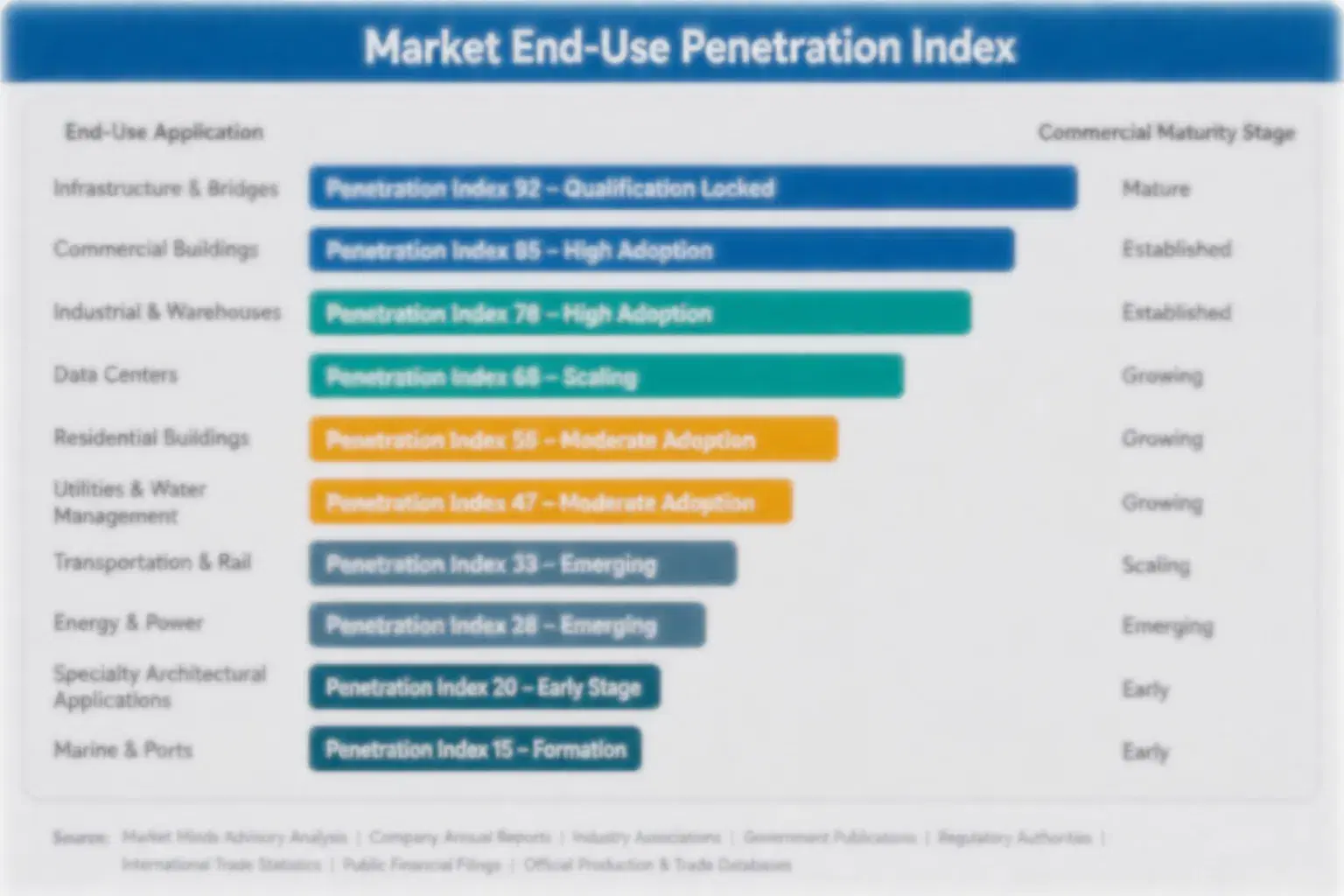
RFID kanban demand behaves closer to an annuity than a one-time sale once a manufacturer standardizes on a vendor's ERP-integrated or automotive-grade line. Platform extensions and multi-year assembly line contracts generate recurring revenue for years after the initial specification, and switching vendors mid-program triggers costly requalification work most manufacturers want to avoid entirely. Program managers treat an approved kanban platform as a qualified system, locking in supply relationships for the program's operational life.
Adoption stickiness varies sharply by end-use vertical. Automotive manufacturers rarely re-bid mid-program once a platform passes line validation testing, while warehouse buyers in cost-sensitive channels switch more readily on price alone. ERP software partners sit closest to the automotive end of this spectrum, locking in preferred vendors early and rarely revisiting that choice. That middle position makes warehouse automation the segment where competitive share actually moves most.

Buyer profiles are shifting generationally as supply chain engineers trained on digital kanban systems enter procurement roles and favor cloud-integrated specifications by default rather than treating them as a special case. This shift favors vendors who invested early in ERP integration, while legacy hardware-only suppliers face a slower erosion of their traditional customer relationships.
rfid-kanban-systems-market-end-use-penetration-index-1790928344564

Where Kanban Capital Should Go Next

These are among the four positions where our research anticipates prominent divergence between winners and laggards over the coming forecast period. Each is grounded in the demand model, the regulatory perimeter, and the announced capacity pipeline.
01 / ERP INTEGRATION INVESTMENT

Qualify ERP-integrated platforms before competitors close the gap

ERP integration capability is already the binding constraint on enterprise kanban supply, and every vendor waiting on the sidelines extends that gap further for everyone still relying on hardware-only product lines. Early movers lock in enterprise specification slots that late entrants cannot easily dislodge once a platform is approved for a manufacturer's standard. Vendors that qualify ERP integration within the next eighteen months stand to capture a disproportionate share of a segment growing at 13.44 percent annually through the forecast window.
02 / AUTOMOTIVE RELATIONSHIP DEPTH

Engage automotive manufacturers during design phase, not at tender

Automotive assembly demand rewards vendors who engage manufacturers during design phase, before formal procurement begins, because switching vendors mid-program triggers costly requalification work manufacturers want to avoid entirely. Vendors using this approach already report winning meaningfully more specification slots than those competing only at tender stage. This segment's strong growth rate makes it worth defending actively through dedicated account coverage, not the opportunistic bidding that happens once contracts are largely decided and leverage has shifted toward whichever vendor engaged first.
03 / CHIP SUPPLY RISK MANAGEMENT

Lock multi-year chip agreements before the next shortage cycle

RFID chips represent roughly a quarter of unit cost, and the 2022 shortage showed how exposed vendors without supply agreements become during tight periods for global semiconductor output. Waiting for the next shortage cycle to negotiate terms simply repeats the same margin compression smaller vendors already absorbed once before. Vendors that secure multi-year agreements now protect margin durably across the next full product cycle, regardless of what semiconductor markets do next or how quickly global chip supply chains eventually recover.
04 / ENTRY-TIER PLATFORM STRATEGY

Develop simplified entry-tier platforms before smaller facilities fall further behind

Smaller manufacturing facilities remain underserved because current platforms are priced and engineered for large automotive and electronics operations, and vendors that delay building simplified alternatives cede this segment entirely to whichever competitor moves first in that direction. The underserved segment represents meaningful volume even at lower per-unit pricing, making it commercially attractive despite thinner margins. Vendors that develop entry-tier platforms now protect future growth they would otherwise forfeit as digital transformation eventually reaches smaller facilities fully across the broader global manufacturing base.

Engagement Snapshot From the Field

A live engagement with an industry participant carrying material or product regulatory and market exposure ahead of a defining policy shift, showing how our research translates into a defensible multi-year portfolio strategy.
MARKET MINDS ADVISORY · CLIENT ENGAGEMENT SUMMARY
RFID Kanban Systems Producer Strategic Portfolio Review and Transition Roadmap 2026·Investment Scenario on RFID Kanban Systems Exposure Evaluation 2025-26
CLIENT PROFILE
A mid-sized automotive component manufacturer with roughly $240 million (client-reported, unverified by MMA) in annual revenue, operating three assembly facilities across the midwestern United States, relying on paper-based kanban cards at two of the three sites despite rising electric vehicle production complexity across its customer base. The manufacturer had grown through steady regional expansion over the prior decade without standardizing kanban systems.
STRATEGIC CHALLENGE
Two major automotive customers required real-time replenishment visibility as a condition of new electric vehicle component contracts, and the manufacturer's paper-based system could not provide that data without a costly system overhaul. Leadership needed to decide which facilities to upgrade first within a constrained capital budget before contract award deadlines arrived.
MMA APPROACH
MMA benchmarked RFID kanban vendors against ERP integration compatibility, installation cost, and read accuracy, conducted primary interviews with the manufacturer's production engineers on operational constraints, and modeled capital allocation scenarios prioritizing facilities with the largest at-risk contract revenue first. The analysis also flagged which facilities carried the shortest realistic payback period for capital committee review.
KEY FINDINGS
  1. Two automotive customers representing roughly $14 million (client-reported, unverified by MMA) in annual contract value required real-time visibility before award. before either contract would be awarded.
  2. RFID kanban installation at the two highest-priority facilities would require approximately seven months of planning and integration work. assuming no major supply chain delays affected the installation schedule.
  3. Full fleet upgrade across all three facilities would require approximately $4.2 million (client-reported, unverified by MMA) in capital investment. phased across the three recommended implementation stages over roughly a year.
  4. Competitors offering real-time replenishment data were winning electric vehicle component contracts at a meaningfully higher rate in comparable supplier markets. a gap the manufacturer's sales team had flagged repeatedly in prior quarters.
CLIENT PROFILE
A mid-sized automotive component manufacturer with roughly $240 million (client-reported, unverified by MMA) in annual revenue, operating three assembly facilities across the midwestern United States, relying on paper-based kanban cards at two of the three sites despite rising electric vehicle production complexity across its customer base. The manufacturer had grown through steady regional expansion over the prior decade without standardizing kanban systems.
STRATEGIC CHALLENGE
Two major automotive customers required real-time replenishment visibility as a condition of new electric vehicle component contracts, and the manufacturer's paper-based system could not provide that data without a costly system overhaul. Leadership needed to decide which facilities to upgrade first within a constrained capital budget before contract award deadlines arrived.
MMA APPROACH
MMA benchmarked RFID kanban vendors against ERP integration compatibility, installation cost, and read accuracy, conducted primary interviews with the manufacturer's production engineers on operational constraints, and modeled capital allocation scenarios prioritizing facilities with the largest at-risk contract revenue first. The analysis also flagged which facilities carried the shortest realistic payback period for capital committee review.
KEY FINDINGS
  1. Two automotive customers representing roughly $14 million (client-reported, unverified by MMA) in annual contract value required real-time visibility before award. before either contract would be awarded.
  2. RFID kanban installation at the two highest-priority facilities would require approximately seven months of planning and integration work. assuming no major supply chain delays affected the installation schedule.
  3. Full fleet upgrade across all three facilities would require approximately $4.2 million (client-reported, unverified by MMA) in capital investment. phased across the three recommended implementation stages over roughly a year.
  4. Competitors offering real-time replenishment data were winning electric vehicle component contracts at a meaningfully higher rate in comparable supplier markets. a gap the manufacturer's sales team had flagged repeatedly in prior quarters.
RECOMMENDED STRATEGY
Phase 1: Phase one: upgrade the two facilities serving at-risk electric vehicle contracts first, ahead of the nearest award deadline. This sequencing addressed the highest revenue risk first. Phase 2: Phase two: measure read accuracy and customer satisfaction at the pilot facilities before committing further capital. This validation step reduced capital risk before full rollout began. Phase 3: Phase three: complete digital kanban upgrades across the remaining facility once pilot data confirms the expected reliability improvement. Full completion was targeted within twelve months of the pilot phase.
OUTCOME
The manufacturer completed phase one upgrades within six months, ahead of both award deadlines, and reported (client-reported, unverified by MMA) winning both at-risk electric vehicle contracts while securing one new contract citing the real-time visibility capability directly as the deciding factor. Leadership credited the phased approach with restoring customer confidence ahead of competitors.

Frequently Asked Questions

Foundational context covering the market sizes, CAGR, scope, country, region and competition that inform every finding below. This section is provided to cover basics and most often pre-purchase conversations, answered from the MMA Primary Research Dataset.

What is the current size of the RFID Kanban Systems Market?

The RFID kanban systems market reached an estimated $0.79 billion in global value in 2025, covering RFID-enabled kanban replenishment tags, readers, and integrated software platforms used in manufacturing and warehouse environments.

How large will the RFID Kanban Systems Market be by 2036?

MMA projects the market reaching roughly $1.97 billion by 2036, driven primarily by automotive assembly digitization and continued warehouse automation investment spending worldwide. That growth reflects accelerating digital integration broadly.

What is the CAGR for the RFID Kanban Systems Market 2026 to 2036?

The market is forecast to grow at a 9.6 percent compound annual rate between 2026 and 2036, with cloud-integrated software platforms growing meaningfully faster than that average.

Which segment is growing fastest?

Cloud-Integrated Kanban Software Platforms lead at a 13.44 percent CAGR, roughly 1.4 times the overall market rate, driven by enterprise digital transformation adoption worldwide. That lead reflects demand mechanics rather than technical difficulty alone.

Who are the major companies in the RFID Kanban Systems Market?

Leading participants include Zebra Technologies, Avery Dennison, Impinj Inc, SATO Holdings, and Siemens Digital Industries, together holding an estimated 42 percent combined revenue share. No single vendor holds more than a modest double-digit slice individually.

Which country is growing fastest?

China leads country-level growth at an estimated 11.9 percent CAGR, supported by rapid automotive assembly digitization and expanding domestic electronics manufacturing capacity nationwide. That lead is expected to persist through much of the forecast window.

Report Segmentation Architecture

The full report scope spans multiple orthogonal segmentation dimensions, with cross-tabulated demand data provided for each dimension pair. Coverage extends further to regional breakdowns, trend trajectories, and the competitive detail needed to support segment-level decision-making.

By System Architecture

  • Passive RFID Kanban Tags and Readers
  • Active RFID Kanban Systems
  • Cloud-Integrated Kanban Software Platforms
  • Automotive Assembly Kanban Systems
  • Warehouse and Distribution Kanban Systems
  • Electronic Kanban Boards

By End-Use Industry

  • Automotive Manufacturing
  • Electronics Assembly
  • Warehousing and Distribution
  • General Industrial Manufacturing
  • Aerospace and Defense

By Commercial Dimension

  • Direct OEM and Software Supply
  • Distributor and Integrator Channel
  • Platform Subscription and SaaS
  • Integration and Advisory Services

By Region

  • North America
  • Western Europe
  • East Asia
  • South Asia and Pacific
  • Latin America
  • Middle East and Africa
  • Eastern Europe

Scope, Methodology, and Coverage

Every figure in this report is reproducible from documented input assumptions. The scope below maps the historical period, the forecast horizon, the segmentation dimensions, and the countries covered, alongside the underlying primary and qualitative methodology.
Historical Period
2020 to 2025
Forecast Period
2026 to 2036
Base Year
2025 (USD billions; MMA Primary Research Dataset, October 2026)
Market Definition
This report covers RFID-enabled kanban replenishment systems, including tags, readers, and integrated software platforms used to trigger automated inventory and production replenishment signals in manufacturing and warehouse environments worldwide. It excludes generic RFID asset tracking systems and paper-based kanban methods that do not incorporate RFID technology.
Quantitative Units
USD billions, market value; percentage, CAGR and share
Segmentation Dimensions
System architecture, end-use industry, commercial dimension, region
Regions Covered
North America, Western Europe, East Asia, South Asia and Pacific, Latin America, Middle East and Africa, Eastern Europe
Countries Covered
25 countries across North America, Europe, Asia Pacific, Latin America, Middle East and Africa
Key Companies Profiled
20 companies including Zebra Technologies, Avery Dennison, Impinj Inc, SATO Holdings, and Siemens Digital Industries
Quantitative Methodology
Primary survey, n=3,800 respondents, Q4 2025, six countries; demand-side model with trade association cross-validation
Qualitative Methodology
47 expert interviews, Q4 2025; applied to validate demand model assumptions, identify emerging dynamics, and assess competitive positioning
Report Format
PDF and XLSX data workbook (Word format preview document)
Publisher
Market Minds Advisory
Report Code
MMA-2026-TEC-287
Published
October 2026
Contact
sales@marketmindsadvisory.com | www.marketmindsadvisory.com

Purchase the full RFID Kanban Systems Market Report (2026 to 2036).

The full MMA report on the RFID kanban systems market extends this summary with complete country-level sizing, a detailed competitive benchmarking matrix across all 20 profiled companies, and granular segment forecasts through 2036. It includes primary survey data from 3,800 respondents across six countries and 47 expert interviews conducted in the fourth quarter of 2025. The report also maps ERP integration capability by vendor, a factor increasingly deciding competitive position across enterprise channels. Subscribers additionally receive quarterly updates tracking digital transformation and automotive digitization trends as they develop.
Full 7-region sizing and forecast tables
Complete 20-company competitive benchmarking matrix detail
Segment-level margin and growth detail breakdown
Quarterly digital transformation tracking updates included
Downloadable data tables in Excel format
Direct analyst access for custom queries

Built For The People Who Decide

From boardroom strategy to bench-side execution, this report is read cover-to-cover by leaders shaping the next decade of their industry, turning demand scenarios, market dynamics and valuation benchmarks into decisions.
CXOs/ Presidents/ VPs/ Managers
M&A and Corporate Development
Strategy Teams and R&D Heads
Procurement and Product Directors
Regulatory and Compliance Leaders
Investor Relations and Equity Analysts