Market Minds Advisory
RFID-integrated Smart Packaging Market

RFID-integrated Smart Packaging Market Demand Analysis 2026-2036

Retail RFID mandates, pharmaceutical serialization rules, and logistics visibility programs are converging on the same tag-and-label infrastructure, pushing brand owners to standardize item-level RFID tagging that until recently stayed confined to apparel and high-value electronics.

Lead Analyst

Bilal Shaikh

Published

November 2026

Make Smarter Decisions with Customized Research Insights

Request a free sample report and evaluate market opportunities, growth trends, and competitive dynamics relevant to your business needs.

2025 MARKET VALUE$6.8BMarket Size 2025
2036 FORECAST VALUE$20.2BBase Case , 2026 to 2036
CAGR 2026 TO 203610.4 %Bull 11.7% / Bear 9.1%
INCREMENTAL OPPORTUNITY$12.7BNet 10- year value creation
EXPANSION MULTIPLE2.69x2036 value over 2026 base
Strategic Levers
M&A Pipeline
Regional Outlook
Country Rankings
Competitive Intelligence
Segmental Deep-dive
Call-Us : 91 93563 13602

RFID-integrated Smart Packaging Market at a Glance

Item-level RFID tagging is expanding beyond its original apparel and electronics strongholds into grocery, pharmaceuticals, and general merchandise, as major retailers tie supplier compliance mandates to inventory accuracy gains large enough to justify the per-tag cost that once confined RFID to premium categories only.
Commercial pressure is converging from three channels: large retailers expanding item-level tagging mandates beyond apparel into general merchandise and grocery, pharmaceutical manufacturers adopting RFID for serialization and cold-chain visibility ahead of tightening track-and-trace rules, and logistics providers deploying RFID for shipment visibility across complex multi-carrier networks. Active RFID tags with battery-assisted sensors are the fastest-growing of six tracked components, concentrated in cold-chain pharmaceutical and perishable-food logistics applications where temperature data justifies the added tag cost.
Competitively, established label and inlay converters with deep retail-compliance relationships are defending share against chip and reader specialists pushing deeper into packaging-adjacent software and data services. Regulatory tailwinds are building on two fronts: expanding pharmaceutical serialization mandates in the US and EU, and retailer-driven sustainability reporting that increasingly requires item-level data RFID can supply more cheaply than manual barcode scanning at scale across large distribution networks.
Market Definition
The RFID-integrated smart packaging market covers RFID tags, inlays, printed smart labels, readers, and associated middleware embedded in or applied to product packaging for item-level identification, authentication, and supply-chain visibility. It excludes standalone enterprise asset-tracking RFID systems not tied to product packaging and generic barcode-only labeling without embedded RFID functionality.
Base Year Value
$6.8B in 2025 (MMA Primary Research Dataset, October 2026)
Forecast Period
2026 to 2036, eleven discrete annual values
CAGR
10.4% base case. Bull 11.7%. Bear 9.1%.
Fastest Growth Segment
Active RFID Tags with Battery-Assisted Sensors: 13.6% CAGR
Fastest Growth Country
Vietnam: 13.0% CAGR
Fastest Growth Region
South Asia and Pacific: 12.5% CAGR
Largest Region
East Asia: 30% of 2025 global value
Market Leaders
Avery Dennison Corporation, Zebra Technologies Corporation, Impinj Inc., CCL Industries Inc., SATO Holdings Corporation. Source: MMA Analysis based on company annual reports.
Primary Survey
n=3,800 procurement and R&D decision-makers, Q4 2025, six countries
Methodology
Demand-side build-up, cross-validated against public data, 47 expert interviews

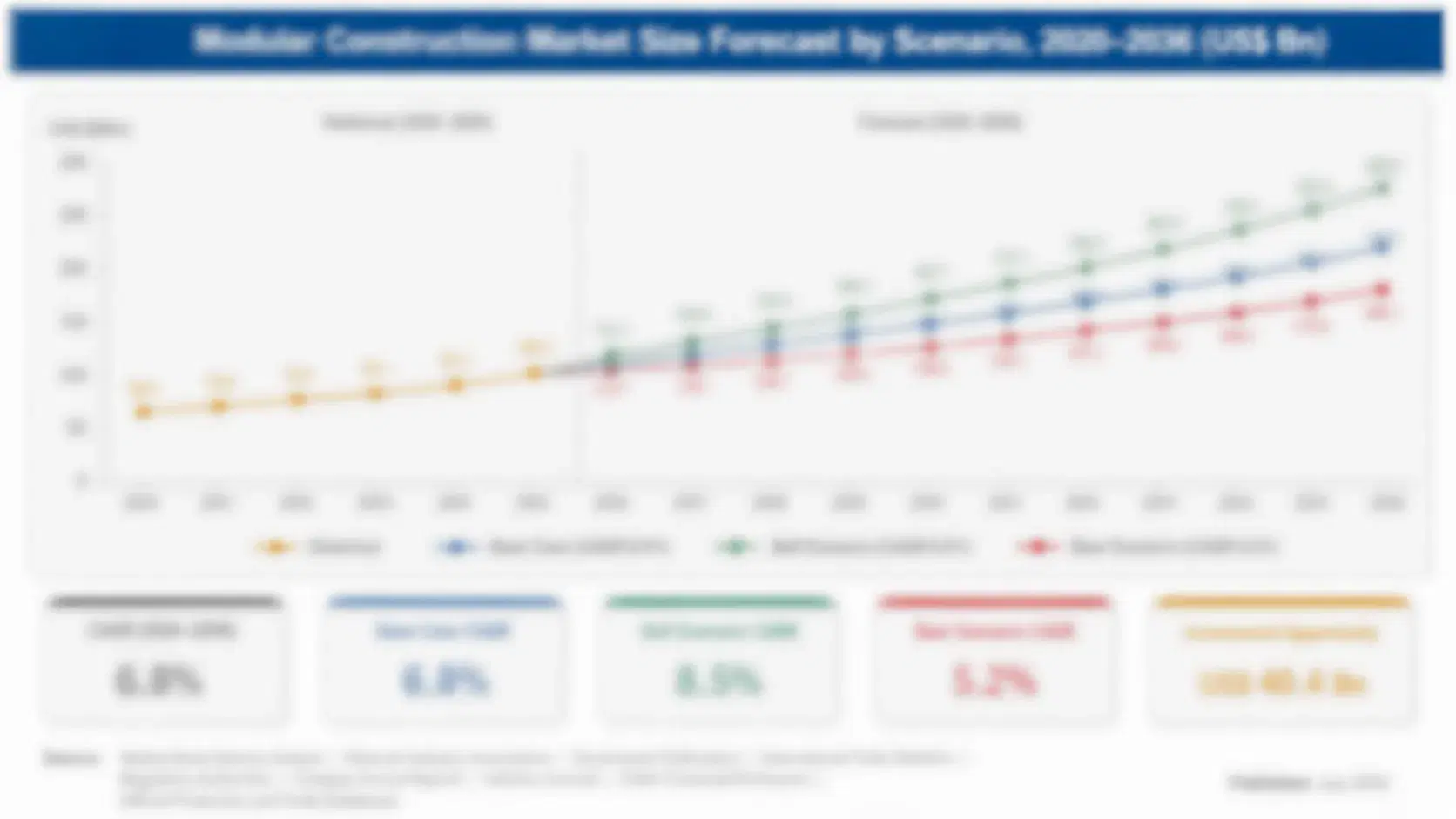
RFID-integrated Smart Packaging Market Forecast Scenarios

rfid-integrated-smart-packaging-market-size-forecast-scenario-1791557192113
Between 2020 and 2025, RFID-integrated packaging grew steadily as apparel retailers expanded item-level tagging mandates and pharmaceutical manufacturers began piloting serialization-linked tags ahead of regulatory deadlines. Tag cost declines outpaced broader packaging inflation for most of the period, gradually widening the set of product categories able to justify RFID economically, a shift that set the stage for the much larger expansion now underway.
The base case assumes three mechanisms hold through 2036: major retailers extend item-level tagging mandates from apparel into grocery and general merchandise as tag costs keep falling, pharmaceutical serialization and cold-chain visibility requirements tighten further in the US and EU, and logistics providers standardize RFID-based shipment tracking across increasingly complex multi-carrier networks. Together these push RFID tagging from a retail-compliance niche into a broader supply-chain-visibility standard spanning several additional product categories within the forecast window.
The bull case assumes grocery retailers adopt item-level tagging at the same pace apparel did a decade earlier, pulling tag volume sharply higher across an enormous new product category. The bear case assumes computer-vision and camera-based inventory systems mature faster than expected, offering retailers a cheaper alternative to per-item RFID tagging for basic inventory accuracy use cases.

Why Item-Level Tagging Is Becoming Infrastructure

RFID-integrated smart packaging sits downstream of three converging forces: retailers extending item-level tagging mandates beyond apparel into new categories, pharmaceutical and food manufacturers needing supply-chain visibility regulations increasingly require, and falling chip and inlay costs that keep widening which product categories can economically justify a tag. Converters that once printed static labels are now qualifying RFID-insertion lines, a step that requires chip-attachment precision and antenna-tuning capability most legacy label printers never needed. The RFID in pharmaceuticals market is a useful reference point here, growing from USD 1.8 billion in 2025 to USD 5.4 billion by 2036 at a 10.5% CAGR, according to MMA.
TOP PRODUCING COUNTRY SHARE34%China anchors the bulk of global inlay production
MARKET CONCENTRATION (CR5)38%Leading five suppliers hold well under half share
AVERAGE SELLING PRICE$0.08 per tagPassive tag pricing keeps falling each production year
CAPACITY UTILIZATION77%Inlay converting lines run consistently near full capacity
FEEDSTOCK SHARE OF COGS41%Silicon chips and substrate films dominate tag cost
TRADE INTENSITY66% cross-borderMost finished tags cross borders before label conversion
Commercially, this is a scale-and-software market rather than a pure commodity one. A handful of large converters and chip platform suppliers dominate qualified volume, while software and middleware providers increasingly capture a growing share of total programme value as retailers demand data integration, not just physical tags. Average selling prices for passive tags keep falling each year, pushing suppliers to find margin in services and data rather than the tag itself.
Over the next decade, expect RFID to move from a retail-compliance line item into core supply-chain infrastructure, as grocery, pharmaceutical, and general-merchandise categories each adopt tagging on their own timeline. Regulatory convergence between pharmaceutical serialization rules and retailer sustainability reporting will likely pull more categories into tagging programmes than apparel-style mandates alone ever could.
"Everyone still talks about RFID as an apparel-compliance cost, but the real money today is in the data layer sitting on top of the tag, not the tag itself."
Director, Retail and Supply Chain Technology Practice · MMA Technology & Industrial Packaging Practice · October 2026

RFID-integrated Smart Packaging Market Trends

Grocery Retailers Pilot Item-Level RFID Tagging

Several large grocery chains in the United States and Western Europe have launched item-level RFID pilots covering fresh and perishable categories, extending a tagging approach long confined to apparel into a sector where shrink and out-of-stock losses run considerably higher. Early pilot results cited by participating retailers point to inventory accuracy improvements large enough to justify tag costs on higher-margin perishable categories, even though grocery margins are thinner than apparel. Suppliers who can deliver tags rated for refrigerated and frozen environments are capturing early pilot volume ahead of a broader rollout several retailers have signaled. This ties directly to the smart tag packaging market, which MMA forecasts will reach USD 8.11 billion by 2036 at a 10.9% CAGR.
Market Impact: Pulls 10,000+ new suppliers into tagging
Pharmaceutical Serialization Rules Pull In RFID

Pharmaceutical track-and-trace regulation in the United States and European Union is pushing manufacturers toward unit-level identification technology, and RFID is increasingly positioned alongside 2D barcodes as a complementary technology that adds read-range and bulk-scanning advantages barcodes cannot match in high-volume distribution environments. Several large manufacturers have begun piloting RFID-enabled secondary packaging specifically for high-value biologics where counterfeit risk and cold-chain integrity both justify the added tag cost. This is pulling RFID demand into a sector that previously viewed the technology as a retail-only compliance cost rather than a pharmaceutical supply-chain tool in its own right. The same pull shows up in the cold chain packaging market, where MMA projects an 8.8% CAGR through 2036.
Market Impact: Cuts chip cost by roughly 40%

Where the RFID-integrated Smart Packaging Opportunity Lies

Retail Mandates Expand Beyond Apparel Categories

Major US and European retailers that pioneered item-level RFID mandates in apparel are extending supplier compliance requirements into general merchandise, footwear, and now grocery, citing inventory accuracy and out-of-stock reduction data from a decade of apparel tagging experience. Suppliers who do not comply risk losing shelf allocation or facing chargebacks, which has made RFID adoption effectively mandatory rather than optional for vendors selling into these retail accounts regardless of category-specific margin pressure. This expansion is pulling tens of thousands of additional suppliers into RFID tagging who had no prior experience with the technology, creating near-term demand for tagging-as-a-service providers.
Market Impact: Cuts read rates below 90%

Falling Chip Costs Widen Addressable Categories

Passive RFID chip costs have fallen by roughly 40% over the past five years as chip foundries scaled production and tag-converting processes matured, pulling RFID within reach of lower-margin product categories that could not previously justify the per-unit cost. This is broadening the addressable market well beyond the premium apparel and electronics categories that drove early adoption, into grocery, general merchandise, and lower-value pharmaceutical products where margins leave far less room to absorb added packaging cost. Suppliers who can hit sub-five-cent per-tag pricing at volume are positioned to capture this broader, more price-sensitive demand as it comes online.
Market Impact: Shifts 15% of margin to intermediaries

RFID-integrated Smart Packaging Market Restraints

Read-Accuracy Issues Persist in Dense Environments

RFID read accuracy degrades in densely packed environments, including pallet-level stacking and metal or liquid-heavy product categories, because radio signals reflect and interfere in ways barcode scanning does not encounter. The root cause is physics, not tag quality: UHF RFID signals behave unpredictably near metal and water, and no tag-design improvement fully eliminates this for every configuration. Retailers report read rates below 90% in some dense grocery and beverage categories, undermining the accuracy case RFID is supposed to deliver. Suppliers are mitigating this with near-field tag variants and revised antenna placement guidance for problem categories. MMA projects the near-field tag antennas market to grow at an 8.5% CAGR through 2036, reaching USD 4.5 billion.
Market Impact: Adds pilot volume across 300 stores

Service Models Compress Converter Margins Industry-Wide

As more suppliers outsource RFID compliance to tagging-as-a-service providers rather than managing it in-house, margin that once accrued to label converters is increasingly captured by service intermediaries who bundle tags, printing, and compliance reporting into a single contract. The underlying cause is complexity: smaller suppliers lack the retailer-specific compliance expertise to manage tagging in-house cost-effectively, so they default to intermediaries who then negotiate converter pricing down on volume. Converters are responding by building direct retailer relationships and compliance-reporting capability of their own, aiming to disintermediate the service layer rather than compete only on tag unit price.
Market Impact: Adds RFID to 40+ pharma lines
4 additional market trends, 3 additional growth drivers, and 2 additional restraints and challenges are covered in the full report. Contact sales@marketmindsadvisory.com to access the complete intelligence.

RFID-integrated Smart Packaging Segment Performance

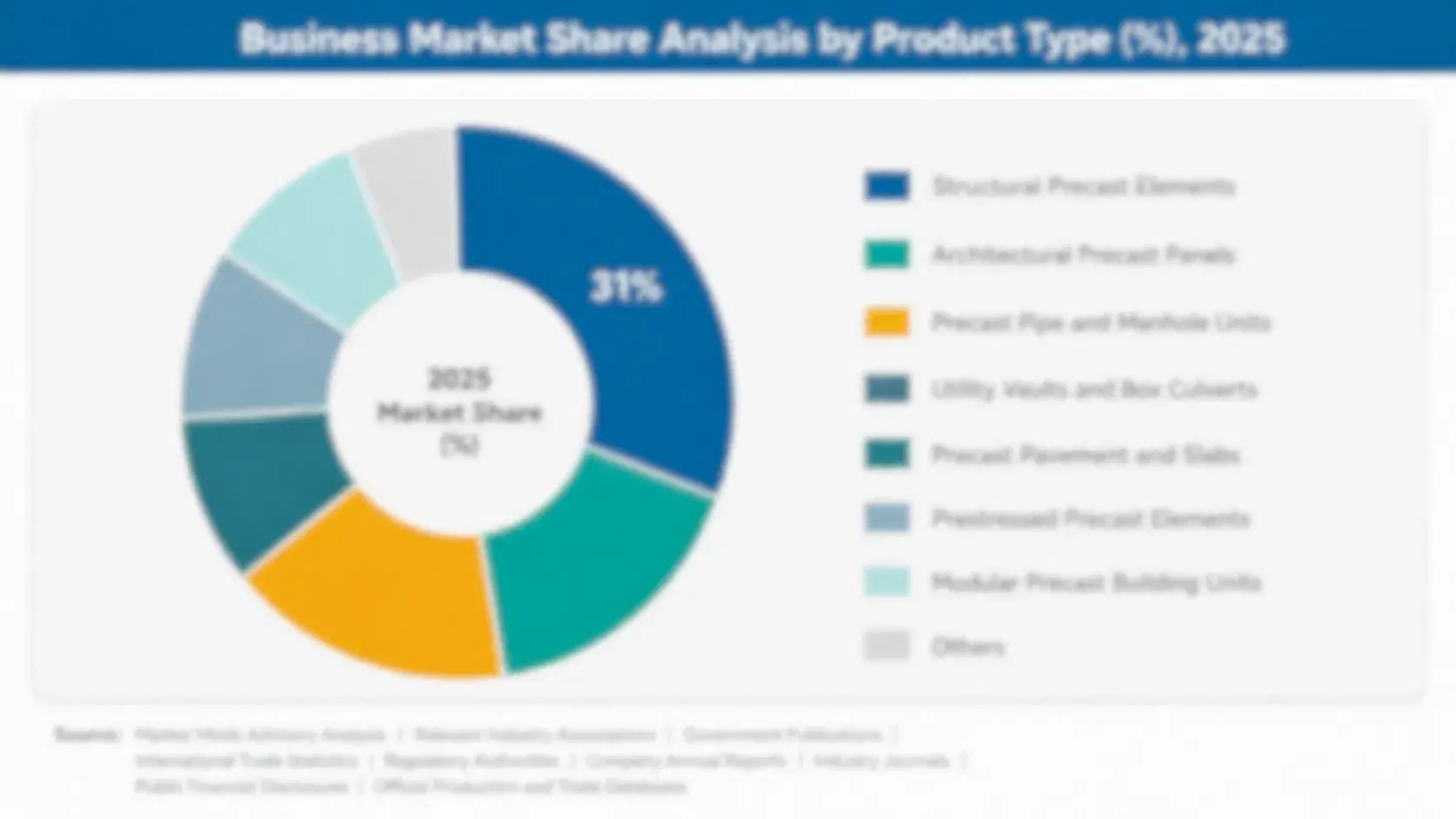
MMA segments the RFID-integrated smart packaging market by tag and component type rather than by end-use industry, since the same chip, inlay, and reader technologies serve apparel, grocery, pharmaceutical, and logistics applications once a brand commits to item-level tagging. Six components are tracked; active sensor tags and printed smart labels grow fastest as cold-chain and compliance scale.
rfid-integrated-smart-packaging-market-market-share-analysis-1791557192287

Active RFID Tags with Battery-Assisted Sensors

Active RFID tags with battery-assisted sensors combine onboard power with temperature, humidity, or shock sensing, letting shippers monitor condition continuously through transit rather than relying on passive tags that only confirm location and identity at each read point. Demand concentrates in cold-chain pharmaceutical and high-value perishable-food logistics, where a single temperature excursion can void an entire shipment and trigger a costly claim or recall investigation. Growth runs well ahead of every other tracked component as cold-chain visibility requirements tighten across both pharmaceutical regulation and food-safety programmes simultaneously, a rare combination pulling demand from two directions at once. Suppliers who integrate sensor data directly into existing logistics software are winning the largest shipping contracts.
CAGR 13.6%

RFID-Printed Smart Labels and Packaging Inserts

RFID-printed smart labels combine a printed barcode or human-readable text with an embedded RFID inlay in a single label format, letting brands satisfy both legacy barcode-scanning infrastructure and newer RFID-based systems without running two separate labeling processes. Demand concentrates among retailers and manufacturers transitioning gradually from barcode-only to RFID-enabled operations, who need a bridge format that works across stores and distribution centers at different stages of RFID adoption. Growth trails active sensor tags but remains well above the category average as grocery and general-merchandise retailers, who move more cautiously than apparel did, favor this hybrid format during their multi-year transition period. Suppliers with strong print-and-encode integration capability are winning multi-year contracts from retailers consolidating their labeling vendor base.
CAGR 12.2%
Full segment breakdown across 6 segments available in the complete report.

RFID-integrated Smart Packaging Market by Country

Demand concentrates where retail RFID mandates and tag manufacturing capacity sit. East Asia leads on inlay and chip production volume, North America and Western Europe follow on retailer-mandate-driven consumption, and South Asia and Pacific is expanding fastest as manufacturing capacity diversifies and logistics digitization programmes scale.

North America

The United States drives the large majority of North American demand, reflecting both the earliest and most extensive retailer item-level tagging mandates anywhere in the world, originating in apparel more than a decade ago and now extending into general merchandise and grocery. Major retailers headquartered in the US set compliance specifications that ripple through supplier networks well beyond domestic borders, giving North American mandate design outsized influence on global tagging standards. Canada's contribution is smaller but growing through cross-border retail supply chains serving both markets under largely shared specifications. Pharmaceutical serialization requirements under the US Drug Supply Chain Security Act add a parallel compliance driver layered on top of retail mandates, reinforcing packaging-technology investment concentrated here.
Share: 27% | CAGR: 10.8% (2026 to 2036)

Western Europe

Regulation and retailer compliance programmes, more than pure volume growth, define Western Europe's position in this market. Germany and France host the largest concentration of retail distribution centers managing RFID-based inventory programmes, while pharmaceutical serialization requirements under the EU Falsified Medicines Directive add a parallel compliance driver independent of retail mandates. The United Kingdom's retailers have moved aggressively on RFID for loss-prevention and inventory-accuracy reasons, somewhat independent of the broader EU regulatory environment. Growth here trails East Asia and North America because unit volumes are smaller and retail mandate rollout has moved more cautiously than in the United States, though the region's regulatory output still influences global pharmaceutical tagging specifications other markets eventually adopt.
Share: 20% | CAGR: 8.8% (2026 to 2036)
Regional intelligence for 5 additional markets available in the complete report: East Asia, South Asia and Pacific, Latin America, Middle East and Africa, Eastern Europe. Contact sales@marketmindsadvisory.com.
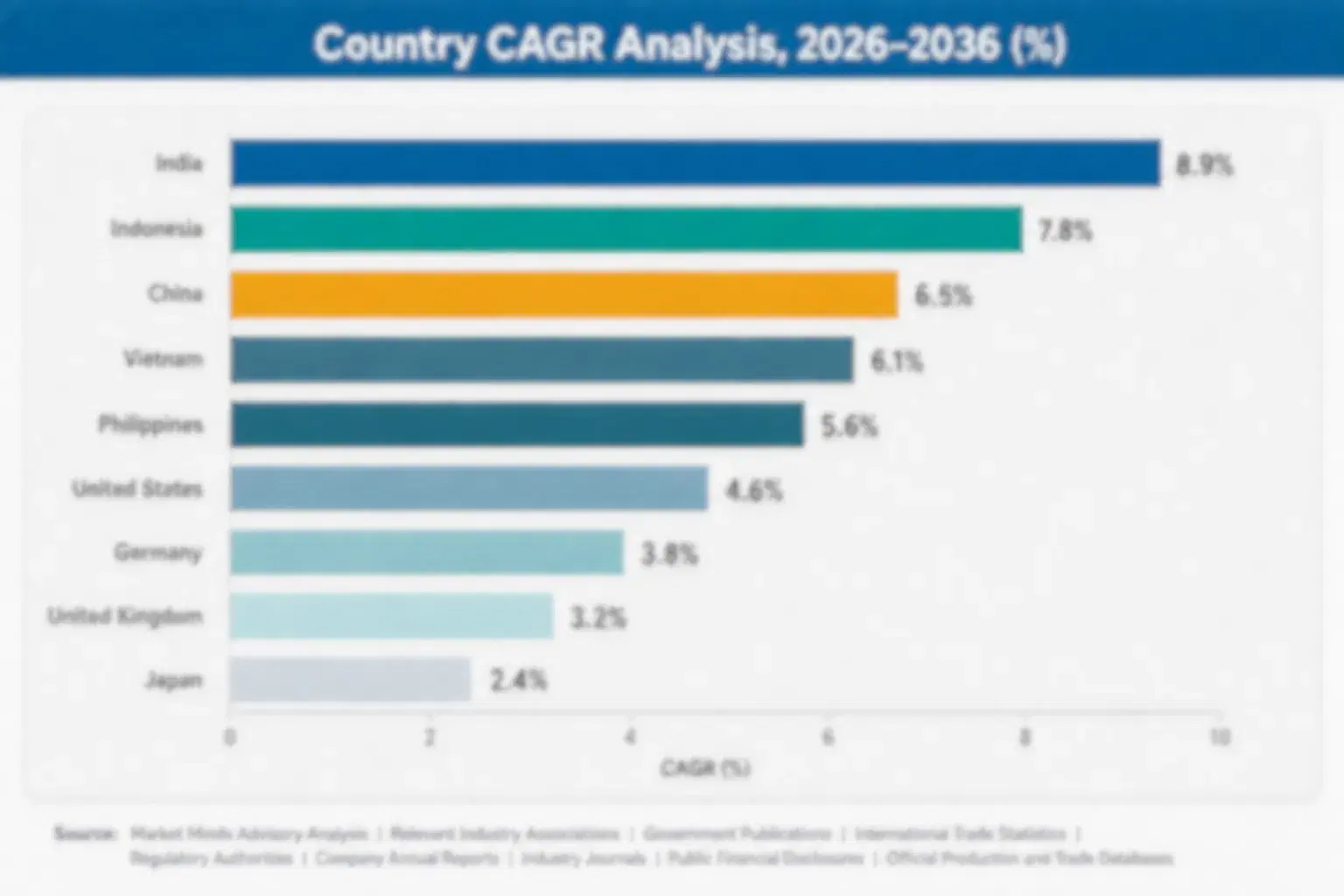
rfid-integrated-smart-packaging-market-country-cagr-analysis-1791557192466

Where RFID Suppliers Can Capture Margin

Suppliers compete on data-integration capability and retailer-compliance relationships more than on tag unit price, which opens several routes to margin above the category average. The clearest paths run through tagging-as-a-service bundling, cold-chain sensor integration, hybrid barcode-RFID label formats, and pharmaceutical serialization partnerships, each commanding a premium brand owners will pay to avoid managing compliance themselves.

Bundle Tagging as a Managed Compliance Service

Suppliers that bundle tag supply, printing, and retailer-compliance reporting into a single managed service capture margin that would otherwise accrue to a separate service intermediary, while giving smaller suppliers a single point of accountability for mandate compliance. This bundled approach typically prices at 20 to 30% above standalone tag supply, reflecting the value of offloading compliance complexity entirely rather than managing multiple vendor relationships. Suppliers who move first on this bundled model are capturing volume from smaller vendors who previously used independent compliance consultants, consolidating what was a fragmented service layer into direct converter relationships that are proving durable.
Market Impact: Prices bundled compliance service 20 to 30% higher

Integrate Cold-Chain Sensors Into Shipping Tags

Rather than selling passive identification tags and separate temperature-logging sensors, suppliers who integrate both into a single active tag capture the margin on what logistics providers increasingly want to buy as one combined specification. This combined approach prices at roughly 50% above the sum of the two features sold separately, reflecting both the engineering value of integration and the cost savings shippers realize from managing one vendor instead of two across their cold-chain network. Manufacturers consolidating their cold-chain and identification vendor base are prioritizing suppliers who can already deliver this combined specification rather than developing it on request.
Market Impact: Prices combined sensor integration 50% above separate costs

Offer Hybrid Barcode and RFID Label Formats

Retailers and manufacturers transitioning gradually from barcode-only to RFID-enabled operations need a bridge format that works across stores and distribution centers at different adoption stages, and suppliers who can deliver this hybrid format capture volume from customers unwilling to commit fully to RFID yet. This format currently prices modestly above standard RFID tags alone, roughly 10 to 15%, but captures volume competitors offering RFID-only formats cannot reach during the multi-year transition period most retailers are still working through. Suppliers who standardized this hybrid format early are now the default grocery choice.
Market Impact: Prices hybrid format 10 to 15% above standard

Partner on Pharmaceutical Serialization Compliance Directly

Suppliers that build direct serialization-compliance partnerships with pharmaceutical manufacturers, rather than selling tags as a standalone component, capture margin on both the physical tag and the compliance-reporting service manufacturers need to satisfy track-and-trace regulation. Early entrants into these partnerships have priced the combined offering at roughly 25% above tags sold alone, reflecting the regulatory value manufacturers place on a single accountable partner for both packaging and compliance reporting. This positions suppliers as compliance partners rather than commodity tag vendors in the eyes of pharmaceutical quality and regulatory affairs teams managing serialization programmes directly.
Market Impact: Commands roughly a 25% pricing premium right now

Who Captures RFID-integrated Smart Packaging Value

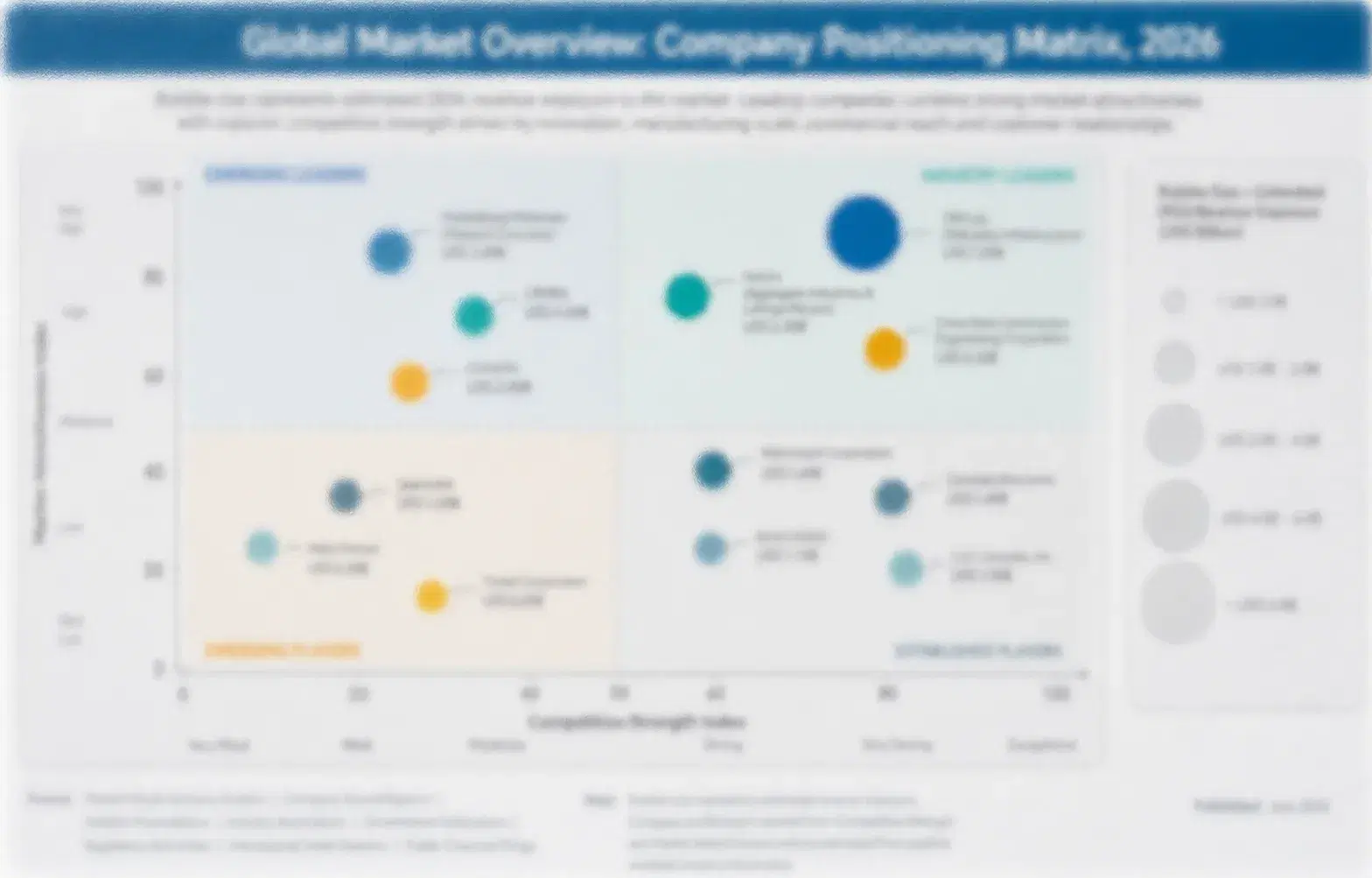
The competitive set is fragmented relative to many packaging categories. CR5 sits at 38%, with Avery Dennison and Impinj holding the leading positions across label converting and chip platforms respectively, while a long tail of regional converters and software specialists compete for the remaining volume. The gap between the leaders and the next tier is widening as data-integration capability becomes as important as tag manufacturing scale.
Current competitive activity centers on three fronts: tagging-as-a-service bundling that converts suppliers into compliance partners, cold-chain sensor integration bundled directly into shipping tags, and hybrid barcode-RFID label formats serving retailers mid-transition. Several mid-size converters have also begun offering pharmaceutical serialization-compliance partnerships as a standalone service, treating ongoing compliance support as a recurring revenue line rather than a one-time tag sale.

Emerging pressure comes from software and data-platform specialists expanding into physical tag supply, competing against converters adding software and compliance-service capability from the other direction. Expect consolidation over the next several years as these two approaches converge, with converters acquiring software capability or software specialists acquiring converting capacity, rather than either side building the other's core competency from scratch on a timeline neither can afford.
rfid-integrated-smart-packaging-market-company-positioning-matrix-1791557192645

RFID-integrated Smart Packaging Competition and Risks

AVERY DENNISON CORPORATION

Moat: Global Inlay Converting Scale

Avery Dennison's global label and inlay converting footprint lets it supply standardized RFID tags at scale to retailers and brands across multiple regions from shared manufacturing infrastructure, an advantage smaller regional converters cannot match on cost or lead time. Its deep retail-compliance relationships, built over more than a decade of apparel-mandate experience, give it default-vendor status on new rollouts.
AVERY DENNISON CORPORATION

Risk: Thin Margins on Commodity Tags

A substantial share of Avery Dennison's RFID tag volume remains priced as a low-margin commodity component within broader retail-compliance programmes, leaving limited room to lift pricing even as per-unit costs fall, since retailers expect continued tag-price deflation as part of mandate economics industry-wide, a dynamic several analysts expect to persist.
IMPINJ INC.

Moat: Dominant RFID Chip Platform

Impinj's RFID chip and reader platform underpins a large share of the tags and infrastructure converters and retailers deploy, creating a software and firmware platform that is costly for customers to switch away from once integrated into existing warehouse and point-of-sale systems. This platform lock-in is difficult for newer chip entrants to replicate quickly.
IMPINJ INC.

Risk: Customer Concentration in Retail

A significant share of Impinj's revenue concentrates among a small number of large retail and logistics accounts, meaning the loss of even one major mandate programme to an alternative chip platform would materially affect reported revenue more than it would for a more diversified competitor.

Players Tracked

Prominent Players

Avery Dennison Corporation
Zebra Technologies Corporation
Impinj Inc.
CCL Industries Inc.
SATO Holdings Corporation

Other Key Players

Honeywell International Inc.
Nordic ID Oyj
Alien Technology LLC
GAO RFID Inc.
Invengo Technology Co. Ltd.
Xerafy Singapore Pte Ltd
Confidex Ltd.
Omni-ID Ltd.
HID Global Corporation
Identiv Inc.
Tageos SAS
ams OSRAM AG
NXP Semiconductors N.V.
Mojix Inc.
William Frick & Company

Recent Developments

APRIL 2025

Avery Dennison Expands Grocery-Grade Tag Production

Avery Dennison commissioned additional production capacity for refrigeration-rated RFID tags at a European facility, responding to qualification requests from grocery retailers piloting item-level tagging in fresh and frozen categories. The expansion followed eighteen months of pilot data showing accuracy gains large enough to justify rollout.
Signal: Signals that grocery-grade tag durability, not just cost, is becoming the next competitive battleground for converters.
OCTOBER 2024

Impinj Launches Expanded Cold-Chain Sensor Chip Platform

Impinj introduced a new chip platform supporting integrated temperature-sensing alongside standard identification functions, targeting cold-chain pharmaceutical and food logistics applications where shippers increasingly want combined tracking and monitoring in one tag. Several converter partners began qualifying products on the platform, with commercial availability expected within two quarters.
Signal: Signals that chip platform suppliers are moving directly into sensor integration rather than ceding it to specialist firms.
JUNE 2025

Major US Grocery Chain Announces Item-Level Tagging Rollout

A major US grocery chain announced plans to extend item-level RFID tagging from pilot stores to several hundred locations over the following eighteen months, citing inventory-accuracy and shrink-reduction results from its initial pilot programme. Multiple converters are competing for qualification, with results expected to shape the next mandate wave.
Signal: Signals that grocery retail is moving from isolated pilots toward the kind of mandate-scale rollout apparel saw a decade ago.

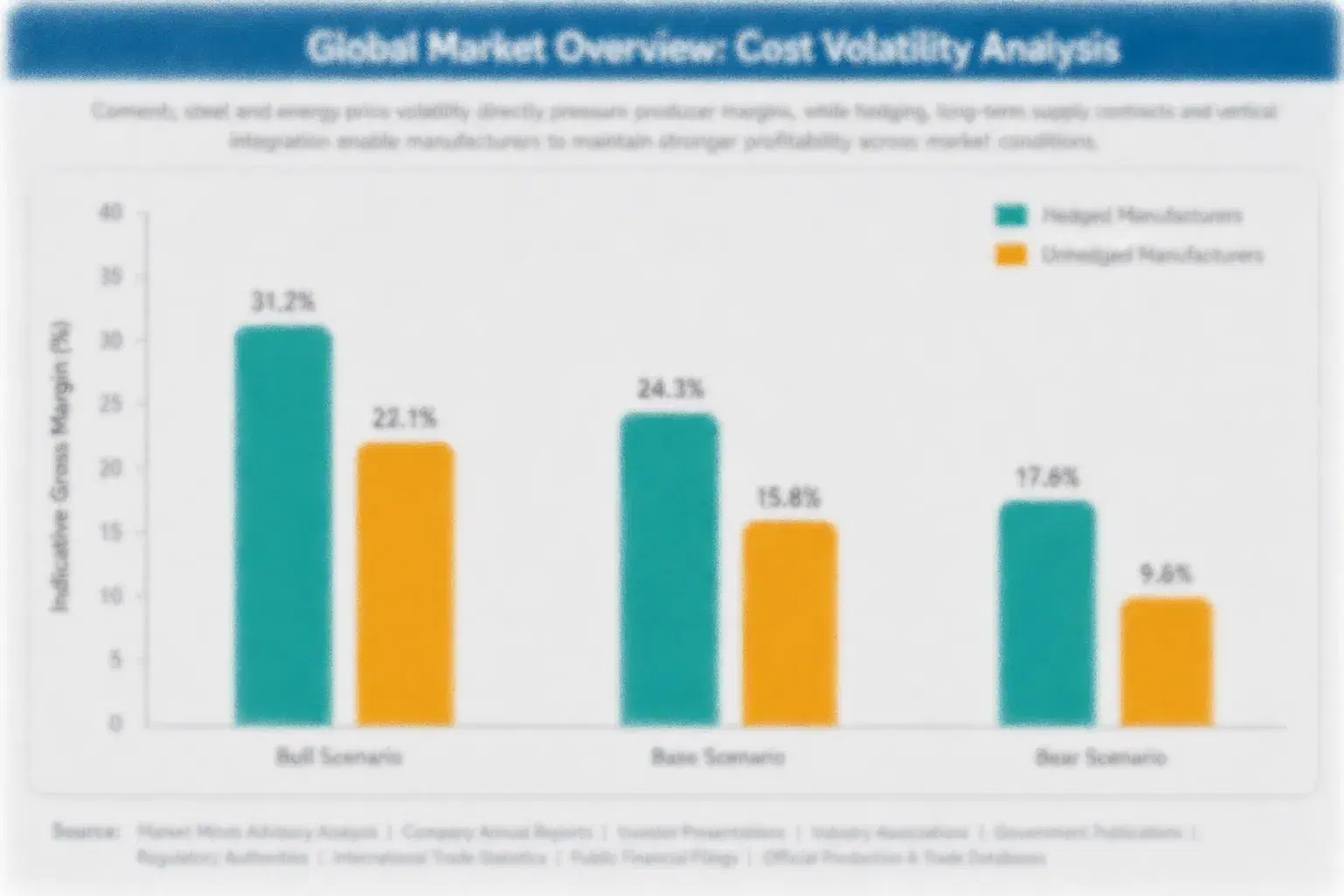
Chip and Inlay Costs Drive Margin

Silicon chips and antenna substrate films account for roughly 41% of converted RFID tag cost, with chips sourced predominantly from foundries in Taiwan and antenna substrates from film producers in China, Japan, and South Korea. Label stock and conventional printing costs remain a secondary input, meaning chip and substrate sourcing is the dominant cost variable suppliers actively manage.
Chip costs fell by roughly 40% over the past five years as foundries scaled production to serve pharmaceutical, retail, and consumer electronics demand simultaneously, a trend semiconductor-industry data tracked by national statistical offices in Taiwan and South Korea reflects in broader component cost indices. Suppliers who locked in volume-based chip pricing early captured outsized margin benefit as unit costs fell faster than contracted pricing adjusted downward.

Smaller regional converters without direct foundry relationships face a meaningful cost disadvantage, since they typically source chips through distributors at a markup larger converters avoid through direct volume agreements. This gap is most pronounced for converters serving lower-margin grocery and general-merchandise accounts, where thinner retail margins leave less room to absorb a distributor markup than premium apparel and pharmaceutical accounts can tolerate comfortably.
rfid-integrated-smart-packaging-market-cost-volatility-analysis-1791557192894

Lock in Volume-Based Chip Pricing Agreements Early

Larger converters increasingly negotiate multi-year volume-based chip pricing directly with foundries rather than relying on distributor purchasing, capturing the benefit of continued cost deflation as it occurs rather than renegotiating annually through an intermediary. This has preserved margin for converters who committed early relative to those still sourcing through distributors on shorter cycles across their global production footprint.

Qualify a Second Chip Foundry in a Different Region

Several converters are qualifying a second chip source outside Taiwan, often pairing it with a mainland Chinese or South Korean alternative, specifically to avoid single-region exposure to any future trade or supply disruption affecting semiconductor components broadly across their global production footprint and customer base as adoption continues to broaden across categories across their global semiconductor sourcing footprint overall.

Standardize Antenna Geometry Across Tag Formats

Converters are standardizing antenna geometry across multiple tag sizes and product categories where possible, reducing the number of distinct chip-antenna configurations they must qualify and stock, which lowers both inventory carrying cost and the testing burden tied to maintaining several parallel specifications simultaneously across categories while shortening overall testing cycles while easing the overall testing burden considerably further.

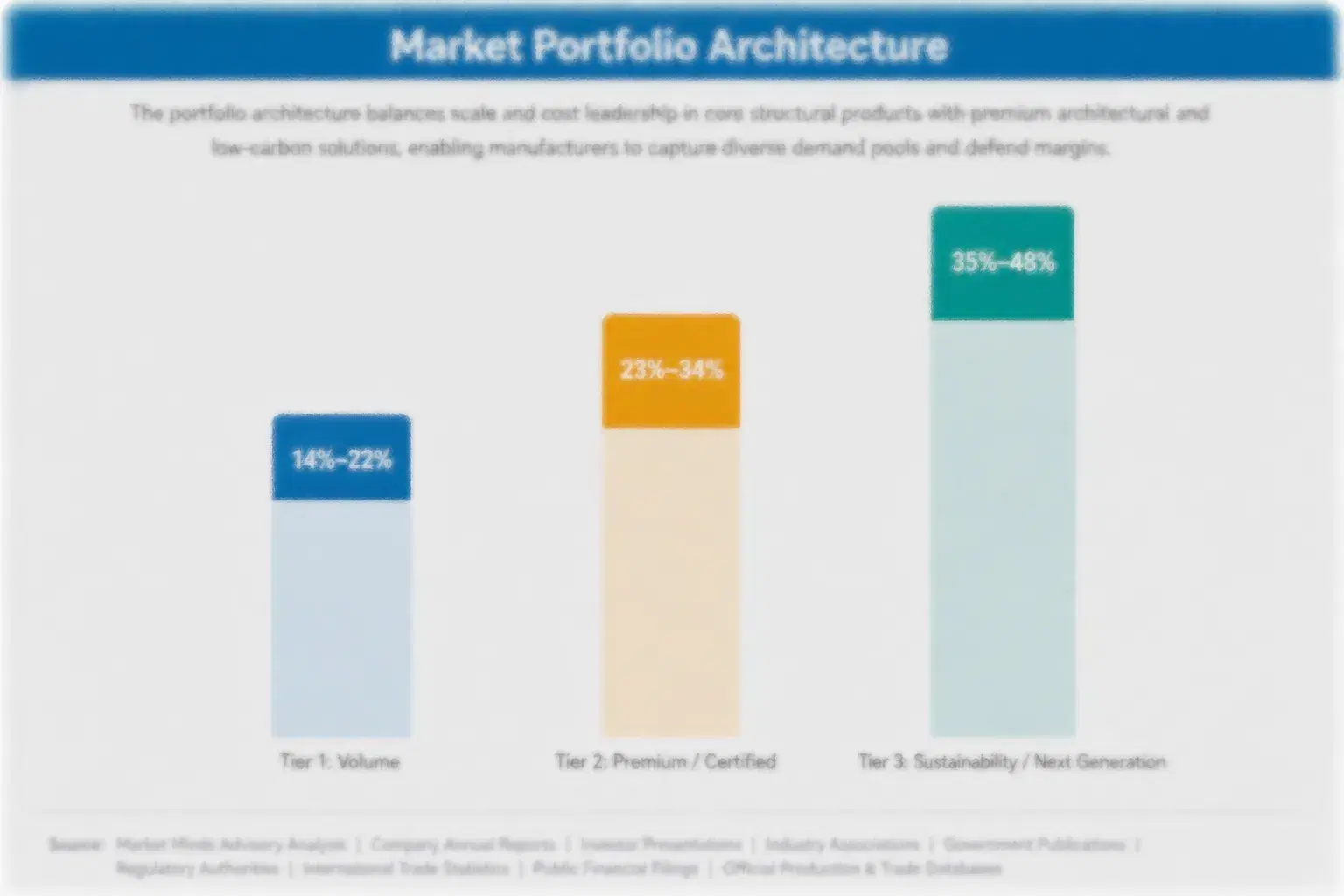
Portfolio Architecture for Margin Defence

RFID-integrated smart packaging splits into three commercial tiers with sharply different margin profiles. Volume commodity-adjacent tagging, standard passive tags for apparel and general-merchandise compliance, carries thin gross margins typical of mandate-driven commodity components. Premium certified packaging, covering cold-chain sensor tags and pharmaceutical serialization-compliant formats, commands gross margins several multiples above that. Sustainability and next-generation packaging, including combined sensor-and-data-service formats, sits at the top of the margin range as customers pay for integration rather than separate components.
The tension running through this architecture is capacity allocation. Converters that invested early in sensor-integration and compliance-service capability can redirect volume toward premium accounts paying several multiples the standard margin, while generalist converters remain confined to the lower-margin volume tier competing primarily on price. Several mid-size converters are deliberately shrinking their standard apparel-tag book to free capacity for premium cold-chain and pharmaceutical work as those categories scale faster than mandate-driven apparel volume.

High-value margin pools concentrate in cold-chain sensor tagging and pharmaceutical serialization-compliant packaging, both growing faster than the category average. Converters positioned in both pools simultaneously, rather than just one, are capturing the largest share of new premium qualification wins as retailers and manufacturers consolidate toward fewer, more capable tagging partners overall.

Volume / Commodity-Adjacent Tier

Standard passive RFID tags for apparel and general-merchandise retail compliance, sold primarily on price with minimal differentiation, serving mandate-driven categories where suppliers compete mainly on unit cost and supply reliability rather than added features.
Gross Margin: 12-16%

Premium / Certified Tier

Cold-chain sensor-enabled tags and pharmaceutical serialization-compliant formats serving logistics and biologic shipping accounts, where read-reliability and regulatory qualification, not price, determine which converters win and retain the account across logistics and biologic accounts.
Gross Margin: 32-38%

Sustainability / Regulatory / Next-Generation Tier

Combined sensor-and-data-service packaging integrating monitoring, compliance reporting, and tag supply into one managed offering, commanding the highest margins in the category as customers increasingly prefer one accountable partner over separately sourced components.
Gross Margin: 38-44%
rfid-integrated-smart-packaging-market-portfolio-architecture-1791557193185

High-value Sub-segments and Strategic Watch-out

Cold-Chain Sensor Tagging for Pharma and Food

Active sensor-enabled tags for cold-chain pharmaceutical and perishable-food logistics are both the highest-margin and fastest-growing segment tracked, as temperature-visibility requirements tighten across both pharmaceutical regulation and food-safety programmes simultaneously, pulling demand from two directions at once across the forecast period across most participating shippers industry-wide.
Gross Margin: 40-46%

Pharmaceutical Serialization-Compliant Tag Formats

Tags qualified for pharmaceutical serialization compliance carry strong margin from regulatory qualification overhead, but unit-volume growth is moderate relative to cold-chain sensor tags because serialization-driven adoption is proceeding more gradually across manufacturers than cold-chain visibility demand at this stage of the adoption curve at this early stage of hardware rollout.
Gross Margin: 34-40%

Standard Apparel and General-Merchandise Tags

The largest unit-volume segment by far, serving mandate-driven apparel and general-merchandise compliance on thin, price-competitive margins, remains the revenue base most converters depend on even as they reinvest proceeds into higher-margin premium categories as mandate categories continue expanding steadily as mandate categories keep expanding steadily each year.
Gross Margin: 12-16%

Single-Format Converters Without Hybrid Capability

Converters still offering only RFID-only tag formats face a slow-motion competitive squeeze as retailers mid-transition increasingly favor hybrid barcode-RFID suppliers who can serve both legacy and RFID-enabled stores from one shared format on shared tooling investments made earlier on shared tooling investments made earlier by rivals.
Gross Margin: 20-26%

Why Mandate Relationships Compound Over Time

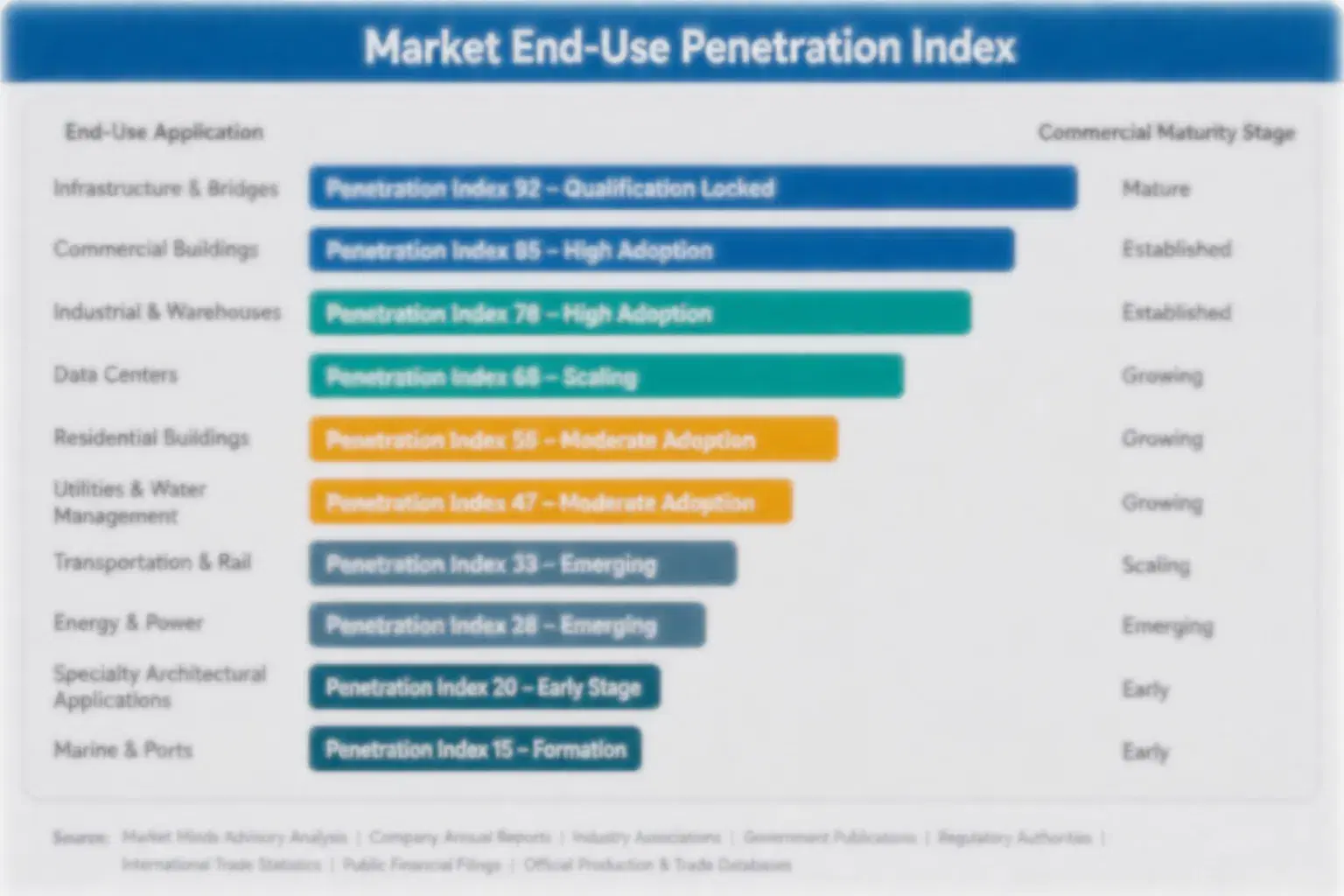
Once a converter wins qualification on a retailer's mandate programme, the relationship behaves like an annuity rather than a one-time sale. Re-qualifying a new supplier mid-programme carries compliance and supply-continuity risk retailers rarely accept once a programme is running smoothly, so the incumbent converter captures recurring tag volume across the mandate's full life, often many years, without needing to rebid the business.
Depth of adoption varies sharply by end-use vertical. Pharmaceutical and cold-chain logistics accounts lock in the deepest supplier relationships because regulatory requalification is expensive and slow, while apparel and general-merchandise accounts see more frequent resourcing as retailers chase cost reduction on a largely commoditized tag. Grocery sits in between, with growing adherence to accuracy requirements but thinner margins than pharmaceutical biologics.

Buyer profiles are shifting as tagging decisions move earlier into product development and retail planning cycles. A decade ago, RFID was specified after packaging design was finished, if at all; today, tagging and data-integration decisions increasingly happen alongside initial product and supply-chain planning for major retail and pharmaceutical launches, giving converters with software capability a seat earlier than pure label printers traditionally occupied.
rfid-integrated-smart-packaging-market-end-use-penetration-index-1791557193465

Where to Place Bets Now

These are among the four positions where our research anticipates prominent divergence between winners and laggards over the coming forecast period. Each is grounded in the demand model, the regulatory perimeter, and the announced capacity pipeline.
01 / SERVICE BUNDLING PRIORITY

Bundle compliance services before intermediaries capture the margin

Tagging-as-a-service intermediaries are capturing margin that would otherwise accrue to converters, and suppliers without a bundled compliance offering are losing smaller accounts to these intermediaries outright. The pricing premium for bundled tag-and-compliance offerings is wide enough that early movers have priced the combined service twenty to thirty percent above standalone tag supply. Waiting until intermediaries consolidate further risks ceding this relationship permanently to service layers that already hold smaller suppliers' trust and attention, a trust advantage that is proving difficult for later entrants to close quickly.
02 / COLD-CHAIN SENSOR INVESTMENT

Build integrated sensor-tag capability ahead of demand

Cold-chain visibility requirements are tightening across both pharmaceutical regulation and food-safety programmes simultaneously, and converters without integrated sensor-tag capability cannot bid on these accounts at all today. Suppliers who have already built this combined capability are pricing it at a meaningful premium over the sum of the two features sold apart, capturing margin that separately-focused competitors cannot access. This advantage should widen as logistics providers continue consolidating toward fewer, more capable tagging partners overall, and that advantage should persist as long as the required sensor and identification technologies keep converging.
03 / HYBRID FORMAT TRANSITION

Offer hybrid barcode-RFID formats for mid-transition retailers

Many retailers are transitioning gradually from barcode-only to RFID-enabled operations and need a bridge format that works across stores at different adoption stages during this multi-year period. Converters who standardized hybrid formats early are now the default choice for grocery and general-merchandise retailers moving more cautiously than apparel did a decade earlier. Converters who wait risk losing these transitional accounts to suppliers who already hold the qualification and relationship, a dynamic favoring suppliers who built hybrid capability well before most competitors treated it as necessary.
04 / GROCERY MANDATE POSITIONING

Position for grocery mandates before the category scales fully

Grocery retailers are piloting item-level tagging at a pace that, if it follows apparel's trajectory, will create enormous new tag demand over the coming decade across an entirely new product category. Converters who establish qualified refrigeration-rated tag capability ahead of confirmed grocery mandates will capture default-supplier status as pilots scale into full rollouts, mirroring what incumbents already enjoy in apparel today. This is a limited window: once grocery mandates scale broadly, the first-mover pricing advantage largely disappears for good, a window narrowing further each quarter grocery mandates keep scaling.

Engagement Snapshot From the Field

A live engagement with an industry participant carrying material or product regulatory and market exposure ahead of a defining policy shift, showing how our research translates into a defensible multi-year portfolio strategy.
MARKET MINDS ADVISORY · CLIENT ENGAGEMENT SUMMARY
RFID-integrated Smart Packaging Producer Strategic Portfolio Review and Transition Roadmap 2026·Investment Scenario on RFID-integrated Smart Packaging Exposure Evaluation 2025-26
CLIENT PROFILE
The client is a regional US grocery chain operating several hundred stores across multiple states, with annual revenue of approximately $4.8 billion (client-reported, unverified by MMA). The client had observed larger national competitors piloting item-level RFID tagging in fresh and frozen categories and sought an independent assessment of whether a similar pilot could justify its cost given the chain's thinner margins relative to apparel retail.
STRATEGIC CHALLENGE
The client needed to determine whether RFID tagging economics worked for grocery specifically, where shrink and out-of-stock patterns differ meaningfully from apparel, and whether available tag formats could withstand refrigerated and frozen storage conditions reliably enough to justify a multi-store pilot investment ahead of any broader rollout decision, given budget constraints typical of regional grocery operators.
MMA APPROACH
MMA conducted a structured cost-benefit assessment comparing refrigeration-rated tag suppliers against the client's shrink and inventory-accuracy baseline data, benchmarking read-reliability rates under cold-storage conditions and total programme cost against projected inventory-accuracy gains across a representative sample of pilot store categories, including a recommended phased rollout sequence tied to validated results.
KEY FINDINGS
  1. Refrigeration-rated tags from only two of five assessed suppliers maintained acceptable read-reliability rates after repeated freeze-thaw cycling under realistic storage conditions during testing.
  2. Projected inventory-accuracy gains justified tag cost only in categories with existing shrink rates above 4%, narrowing the pilot's initial scope considerably for the client.
  3. Tagging-as-a-service bundling reduced the client's internal compliance management burden without materially increasing total programme cost relative to self-managed alternatives for the client's team.
  4. The client's original cost assumptions understated refrigeration-rated tag premium by roughly 25%, a gap the assessment surfaced before the pilot budget was finalized.
CLIENT PROFILE
The client is a regional US grocery chain operating several hundred stores across multiple states, with annual revenue of approximately $4.8 billion (client-reported, unverified by MMA). The client had observed larger national competitors piloting item-level RFID tagging in fresh and frozen categories and sought an independent assessment of whether a similar pilot could justify its cost given the chain's thinner margins relative to apparel retail.
STRATEGIC CHALLENGE
The client needed to determine whether RFID tagging economics worked for grocery specifically, where shrink and out-of-stock patterns differ meaningfully from apparel, and whether available tag formats could withstand refrigerated and frozen storage conditions reliably enough to justify a multi-store pilot investment ahead of any broader rollout decision, given budget constraints typical of regional grocery operators.
MMA APPROACH
MMA conducted a structured cost-benefit assessment comparing refrigeration-rated tag suppliers against the client's shrink and inventory-accuracy baseline data, benchmarking read-reliability rates under cold-storage conditions and total programme cost against projected inventory-accuracy gains across a representative sample of pilot store categories, including a recommended phased rollout sequence tied to validated results.
KEY FINDINGS
  1. Refrigeration-rated tags from only two of five assessed suppliers maintained acceptable read-reliability rates after repeated freeze-thaw cycling under realistic storage conditions during testing.
  2. Projected inventory-accuracy gains justified tag cost only in categories with existing shrink rates above 4%, narrowing the pilot's initial scope considerably for the client.
  3. Tagging-as-a-service bundling reduced the client's internal compliance management burden without materially increasing total programme cost relative to self-managed alternatives for the client's team.
  4. The client's original cost assumptions understated refrigeration-rated tag premium by roughly 25%, a gap the assessment surfaced before the pilot budget was finalized.
RECOMMENDED STRATEGY
Phase 1: Phase 1 (Months 1 to 3): Pilot refrigeration-rated tagging in the highest-shrink frozen and fresh categories across twenty qualifying stores. Phase 2: Phase 2 (Months 4 to 9): Expand to additional categories and stores based on validated inventory-accuracy gains from the initial pilot phase. Phase 3: Phase 3 (Month 10 onward): Scale to a chain-wide rollout only in categories where accuracy gains clear the client's cost-justification threshold.
OUTCOME
The client's pilot confirmed inventory-accuracy gains sufficient to justify expansion in its highest-shrink categories, and it proceeded to a phased rollout across roughly sixty additional stores following the pilot's first two quarters. The client reported shrink reduction in pilot categories broadly consistent with MMA's projected range (client-reported, unverified by MMA).

Frequently Asked Questions

Foundational context covering the market sizes, CAGR, scope, country, region and competition that inform every finding below. This section is provided to cover basics and most often pre-purchase conversations, answered from the MMA Primary Research Dataset.

What is the current size of the RFID-Integrated Smart Packaging Market?

The global market was valued at approximately $6.8 billion in 2025. This reflects RFID tags, inlays, printed smart labels, readers, and associated middleware sold across retail, pharmaceutical, and logistics applications.

How large will the RFID-Integrated Smart Packaging Market be by 2036?

MMA projects the market will reach approximately $20.2 billion by 2036. Growth is driven by expanding retail mandates, pharmaceutical serialization rules, and falling chip costs.

What is the CAGR for the RFID-Integrated Smart Packaging Market 2026 to 2036?

The market is projected to grow at a compound annual growth rate of 10.4% between 2026 and 2036. Bull and bear scenarios range from roughly 8.9% to 11.9%.

Which segment is growing fastest?

Active RFID tags with battery-assisted sensors are the fastest-growing segment, expanding at approximately 13.6% annually, well above the category average. This reflects tightening cold-chain visibility requirements across pharmaceutical and food logistics.

Who are the major companies in the RFID-Integrated Smart Packaging Market?

Leading companies include Avery Dennison, Zebra Technologies, Impinj, CCL Industries, and SATO Holdings. These five suppliers hold the leading positions across label converting and chip platforms.

Which country is growing fastest?

Vietnam is the fastest-growing major country, expanding at approximately 13.0% annually as manufacturing capacity diversifies beyond China. Logistics digitization is also accelerating regional RFID adoption.

RFID-integrated Smart Packaging Segmentation by Type and Use

The full report scope spans multiple orthogonal segmentation dimensions, with cross-tabulated demand data provided for each dimension pair. Coverage extends further to regional breakdowns, trend trajectories, and the competitive detail needed to support segment-level decision-making.

By Tag and Component Type

  • Passive UHF RFID Tags and Inlays
  • Active RFID Tags with Battery-Assisted Sensors
  • RFID-Printed Smart Labels and Packaging Inserts
  • RFID Readers and Fixed Infrastructure
  • Software and Middleware for Tag Data
  • NFC and HF RFID Tags for Consumer Engagement

By End-Use Industry

  • Apparel and Footwear Retail
  • Grocery and Food Retail
  • Pharmaceutical and Healthcare
  • Logistics and Transportation
  • General Merchandise Retail

By Commercial Dimension

  • Retailer Mandate-Driven Supply
  • Tagging-as-a-Service Supply
  • Direct Manufacturer Supply
  • Third-Party Logistics Supply

By Region

  • North America
  • Western Europe
  • East Asia
  • South Asia and Pacific
  • Latin America
  • Middle East and Africa
  • Eastern Europe

Scope, Methodology, and Coverage

Every figure in this report is reproducible from documented input assumptions. The scope below maps the historical period, the forecast horizon, the segmentation dimensions, and the countries covered, alongside the underlying primary and qualitative methodology.
Historical Period
2020 to 2025
Forecast Period
2026 to 2036
Base Year
2025 (USD billions; MMA Primary Research Dataset, October 2026)
Market Definition
The RFID-integrated smart packaging market covers RFID tags, inlays, printed smart labels, readers, and associated middleware embedded in or applied to product packaging for item-level identification, authentication, and supply-chain visibility. It excludes standalone enterprise asset-tracking RFID systems not tied to product packaging and generic barcode-only labeling without embedded RFID functionality.
Quantitative Units
USD billions (current prices); unit volumes in billion tags where cited
Segmentation Dimensions
By Tag and Component Type; By End-Use Industry; By Commercial Dimension; By Region
Regions Covered
North America, Western Europe, East Asia, South Asia and Pacific, Latin America, Middle East and Africa, Eastern Europe
Countries Covered
USA, China, Germany, France, UK, Japan, South Korea, India, Australia, Canada, Brazil, Mexico, Indonesia, Vietnam, Thailand, Malaysia, UAE, Saudi Arabia, South Africa, Nigeria, Turkey, Poland, Netherlands, Italy, Spain, Sweden, Switzerland, Argentina, Colombia, Singapore, and additional markets relevant to this sector
Key Companies Profiled
Avery Dennison Corporation, Zebra Technologies Corporation, Impinj Inc., CCL Industries Inc., SATO Holdings Corporation, Honeywell International Inc., Nordic ID Oyj, Alien Technology LLC, GAO RFID Inc., Invengo Technology Co. Ltd., Xerafy Singapore Pte Ltd, Confidex Ltd., Omni-ID Ltd., HID Global Corporation, Identiv Inc., Tageos SAS, ams OSRAM AG, NXP Semiconductors N.V., Mojix Inc., William Frick & Company
Quantitative Methodology
Primary survey, n=3,800 respondents, Q4 2025, six countries; demand-side model with trade association cross-validation
Qualitative Methodology
47 expert interviews, Q4 2025; applied to validate demand model assumptions, identify emerging dynamics, and assess competitive positioning
Report Format
PDF and XLSX data workbook (Word format preview document)
Publisher
Market Minds Advisory
Report Code
MMA-2026-PAC-103
Published
October 2026
Contact
sales@marketmindsadvisory.com | www.marketmindsadvisory.com

Purchase the full RFID-integrated Smart Packaging Market Report (2026 to 2036).

The full report delivers a complete market model spanning 2020 to 2036, with segment-level and regional revenue breakdowns across all seven tracked geographies. It includes detailed profiles of twenty companies, competitive benchmarking on a revenue basis, and an independent assessment of moat durability and risk exposure for the two leading suppliers. Buyers receive the complete regional dataset beyond the two regions shown in this summary, along with extended commentary on chip and inlay cost exposure and mitigation strategies. A dedicated appendix covers retailer mandate timelines, cold-chain sensor integration case examples, and read-reliability benchmarking across the competitive set. Custom segment cuts and company-specific data extensions are available on request.
Twenty-company competitive benchmarking on a consistent basis
Full seven-region revenue and CAGR dataset
Segment-level margin and growth analysis across six components
Chip and inlay cost exposure and mitigation appendix
Retailer mandate timeline and read-reliability benchmarking
Custom segment and company-specific data extensions available

Built For The People Who Decide

From boardroom strategy to bench-side execution, this report is read cover-to-cover by leaders shaping the next decade of their industry, turning demand scenarios, market dynamics and valuation benchmarks into decisions.
CXOs/ Presidents/ VPs/ Managers
M&A and Corporate Development
Strategy Teams and R&D Heads
Procurement and Product Directors
Regulatory and Compliance Leaders
Investor Relations and Equity Analysts