Market Minds Advisory
Regenerative Artificial Skin Market

Regenerative Artificial Skin Market: Where Evidence Is Optional And Price Is A Marketing Choice

Many of these products reach the American market through a tissue pathway demanding no clinical trial at all, then get paid a percentage above whatever price the manufacturer chose to launch at.

Lead Analyst

Published

September 2026

Make Smarter Decisions with Customized Research Insights

Request a free sample report and evaluate market opportunities, growth trends, and competitive dynamics relevant to your business needs.

2025 MARKET VALUE$2.6BMarket Size 2025
2036 FORECAST VALUE$7.7BBase Case , 2026 to 2036
CAGR 2026 TO 203610.4 %Bull 11.6% / Bear 9.2%
INCREMENTAL OPPORTUNITY$4.8BNet 10- year value creation
EXPANSION MULTIPLE2.69x2036 value over 2026 base
Strategic Levers
M&A Pipeline
Regional Outlook
Country Rankings
Competitive Intelligence
Segmental Deep-dive
Call-Us : 91 93563 13602

Executive Snapshot and Market Trajectory

Two entirely different businesses share this product category and almost nobody separates them. Burn surgery is acute, hospital-based and low volume, driven by cell harvest technology. Chronic wound care is outpatient, enormous and driven by how American reimbursement happens to be written. One organisation serving both serves one badly.
North America takes 39% of value, far above any other region, because a tissue regulatory pathway requiring no clinical trial combines with a payment formula that rewards launching at a high price. Autologous cell harvest and spray systems grow at 15.6%, half again the market rate of 10.4%, since a small biopsy can now cover a large burn and spare the donor site. The two growth engines driving this market share almost nothing at all.
Concentration is low at 52% and entry is unusually easy for a medical category, because a placental membrane product can reach the American market without demonstrating that it heals anything. Xenogeneic matrices from fish, ovine and porcine sources are growing quickly, since they avoid the donor screening and supply constraints human tissue carries. Availability, rather than any performance claim, has become the argument that actually wins accounts.
Market Definition
The market covers engineered skin substitutes and regenerative tissue products used to close acute and chronic wounds, including acellular dermal matrices of human origin, xenogeneic matrices, placental and amniotic membrane products, cellular living skin substitutes, synthetic and composite bilayer templates, and autologous cell harvest and spray systems. Conventional dressings, negative pressure wound therapy, topical growth factor pharmaceuticals, debridement instruments and split thickness autografting without a manufactured product are excluded. Wound care nursing services fall outside scope.
Base Year Value
$2.6B in 2025 (MMA Primary Research Dataset, August 2026)
Forecast Period
2026 to 2036, eleven discrete annual values
CAGR
10.4% base case. Bull 11.6%. Bear 9.2%.
Fastest Growth Segment
Autologous Cell Harvest and Spray Systems: 15.6% CAGR
Fastest Growth Country
India: 12.6% CAGR
Fastest Growth Region
South Asia and Pacific: 12.6% CAGR
Largest Region
North America: 39% of 2025 global value
Market Leaders
Integra LifeSciences, Organogenesis, MiMedx, Smith and Nephew, Avita Medical. Source: MMA Analysis based on disclosed advanced wound care and regenerative tissue revenue, company annual reports 2025.
Primary Survey
n=3,800 procurement and R&D decision-makers, Q4 2025, six countries
Methodology
Demand-side build-up, cross-validated against public data, 47 expert interviews

Regenerative Artificial Skin Market Forecast Scenarios

regenerative-artificial-skin-market-size-forecast-scenario-1787686888857
Growth from 2020 to 2025 ran at 9.0% and American outpatient reimbursement drove most of it. Placental membrane products multiplied in number across the period, many entering through a tissue pathway that required no clinical evidence, and spending in physician office settings rose sharply enough to draw repeated official attention. Burn product demand grew steadily and quietly on entirely separate clinical grounds throughout.
The 10.4% base case rests on three mechanisms. Autologous cell harvest technology is changing burn surgery by covering large areas from small biopsies, which reduces donor site morbidity and shortens hospital stays measurably. Xenogeneic matrices are displacing human allograft because fish, ovine and porcine sources scale without donor screening or supply limits. And diabetic foot ulcer prevalence keeps rising with diabetes incidence across every middle-income health system now building outpatient wound services.
The bull case at 11.6% turns on recurrence prevention rather than closure becoming the reimbursed endpoint, which would favour products with durable outcomes and expand the treated population considerably. The bear case at 9.2% is American payment reform for skin substitutes, which has been proposed repeatedly and would reduce outpatient spending immediately across the highest-priced part of this market.

Two Markets Wearing One Product Label

The regulatory position is what most people outside this field find surprising. Many placental and amniotic products reach the American market as minimally manipulated human tissue, which carries no requirement to show the product heals anything. Roughly 71% of registered substitutes carry no published randomised comparative evidence at all. They are then reimbursed at a percentage above the manufacturer's own reported selling price.
FIVE-FIRM CONCENTRATION52%Share of regenerative tissue revenue held by leading suppliers
AVERAGE APPLICATION COST$1,650Typical cost of a single outpatient skin substitute application
TOP CONSUMING COUNTRYUSA 36%American share of global skin substitute applications performed
PRODUCTS WITHOUT TRIALS71%Registered substitutes carrying no published randomised comparative evidence
ONE YEAR RECURRENCE38%Closed diabetic foot ulcers that reopen within twelve months
DONOR SITE EXPANSION80 timesArea coverable from a biopsy using autologous cell harvest
Underneath that sits a clinical problem nobody is paid to solve. Trials measure closure at twelve weeks, and roughly 38% of closed diabetic foot ulcers reopen within a year. A patient whose wound closes and reopens has consumed the product, generated the reimbursement and gained very little. Recurrence is what matters and it is rarely measured.
Burn care is a genuinely different business that happens to share shelf space. Volumes are small, the setting is a hospital burn unit, and the clinical stakes are immediate rather than chronic. Autologous cell harvest changed the economics there by covering roughly eighty times the biopsy area, which reduces the donor site wound that used to be the second injury. Companies running both businesses through one commercial organisation consistently underserve one of them.
"You can sell a skin substitute in America without ever showing it closes a wound, and get paid a markup on a price you set yourself. The burn surgeons, meanwhile, are doing something genuinely remarkable and nobody is paying much attention."
Director, Advanced Wound Care and Regenerative Tissue Practice · MMA Medical Devices Practice · August 2026

Market Trends

Xenogeneic Sources Displace Constrained Human Allograft

Human dermal and placental tissue depends on donation, screening and processing capacity that cannot be expanded on demand, and supply has repeatedly limited what suppliers could ship. Fish, ovine and porcine matrices avoid all of it, since the source animals are farmed and the material scales with production rather than with donation. Intact fish skin in particular retains a lipid structure that processing usually destroys. Surgeons have adopted these faster than most people expected, partly on performance and substantially because the product is actually available when a case is scheduled.
Market Impact: Concentrates 36% of global applications

Autologous Cell Harvest Changes Burn Surgery Economics

Covering a large burn traditionally meant taking a large split thickness graft, which created a second wound roughly as painful as the first and limited what could be treated in one operation. Point-of-care cell harvest suspends cells from a small biopsy across around eighty times the donor area. Hospital stays shorten, donor site morbidity falls and the surgeon can treat more surface in a single procedure. Burn units adopting this report changes in operative planning rather than merely in product selection, which is a far deeper form of adoption. Reverting means accepting larger donor sites again.
Market Impact: Affects 25% of diabetic patients

Market Opportunities and Growth Drivers

American Payment Formula Rewards High Launch Pricing

Skin substitutes applied in physician offices are reimbursed at a percentage above the manufacturer's reported average selling price, which means a company launching at a high price is paid more per application than one launching modestly. Combined with a tissue pathway requiring no clinical trial, that has produced a proliferation of products and outpatient spending growth that repeated official reviews have questioned. Roughly 36% of global applications happen in America. The structure rewards commercial behaviour rather than clinical performance, and everybody participating understands that clearly. Reform proposals have followed accordingly.
Market Impact: Exposes 36% of global applications

Diabetic Foot Ulcer Prevalence Rises With Diabetes Incidence

Diabetes prevalence continues climbing across every middle-income health system, and foot ulceration follows it with a lag measured in years rather than decades. Roughly a quarter of people with diabetes develop an ulcer at some point, and those wounds are slow, expensive and frequently precede amputation. Health systems building outpatient wound services are the growth in this market outside America. What they buy differs considerably from American practice, since they select on cost per healed wound rather than on reimbursement mechanics that do not exist for them. Reimbursement mechanics simply do not apply there.
Market Impact: Reopens 38% within twelve months

Market Restraints and Challenges

Payment Reform Threatens The Highest Priced Segment

American reimbursement for outpatient skin substitutes has drawn repeated official scrutiny and reform proposals, since spending growth has far outpaced any demonstrated improvement in outcomes. Root cause is a payment formula that pays a markup on a manufacturer-reported price alongside a regulatory pathway requiring no evidence, which together reward pricing rather than performance. The commercial impact is that a large share of value rests on a rule that could change through rulemaking. Mitigation involves generating real comparative evidence and building non-American business, both of which several suppliers began belatedly. Neither happens quickly enough to matter much.
Market Impact: Removes donor screening from 100% supply

Recurrence Is Not Measured And Not Rewarded

Roughly 38% of closed diabetic foot ulcers reopen within twelve months, yet trials and reimbursement both end at closure. Root cause is that a twelve week endpoint is cheap to study and easy to adjudicate, while one year recurrence requires follow-up that nobody funds. The commercial impact is that products delivering durable closure earn exactly what products delivering temporary closure earn, which removes any incentive to develop the former. Mitigation runs through registry collection and outcome-based contracting, both of which remain rare and small in this category. Payers outside America respond to the argument immediately.
Market Impact: Covers 80 times the biopsy area
3 additional market trends, 4 additional growth drivers, and 2 additional restraints and challenges are covered in the full report. Contact sales@marketmindsadvisory.com to access the complete intelligence.

Segment CAGR and Growth Architecture

Segmentation follows the construction and biological origin of the substitute: what the product is made from and how it is manufactured, rather than which wound it treats or where it is applied. Six classes cover the market without overlap, from human acellular matrices through to autologous cell systems. Wound type and care setting are handled separately.
regenerative-artificial-skin-market-market-share-analysis-1787686889169

Autologous Cell Harvest and Spray Systems

Suspending a patient's own cells from a small biopsy and spraying them across a prepared wound bed covers roughly eighty times the donor area, which changes what a burn surgeon can accomplish in one operation. Growth at 15.6%, half again the market rate of 10.4%, comes from burn units rather than from outpatient wound clinics, and the base is small enough that the percentage flatters it. The deeper significance is that the donor site was always the second injury, and reducing it changes recovery rather than merely improving a product specification. Adoption shows up as revised operative planning, which is a far stronger commitment than a purchasing decision. Product preference reverses easily and protocol change does not.
CAGR 15.6%

Xenogeneic Matrices

Fish, ovine and porcine matrices grow at 12.2% principally because they are available. Human tissue depends on donation, screening and processing capacity that suppliers cannot expand when demand rises, and surgeons have repeatedly found allograft unavailable for a scheduled case. Farmed sources scale with production instead. Intact fish skin retains lipid structure that conventional processing removes, which supports a genuine performance argument alongside the supply one. Religious and cultural acceptability of specific animal sources matters commercially in several markets and is handled poorly by most suppliers, who treat the whole class as interchangeable when their customers plainly do not. A rejection on those grounds is not recoverable through any clinical argument.
CAGR 12.2%
Full segment breakdown across 6 segments available in the complete report.

Regional Architecture and Country Demand Map

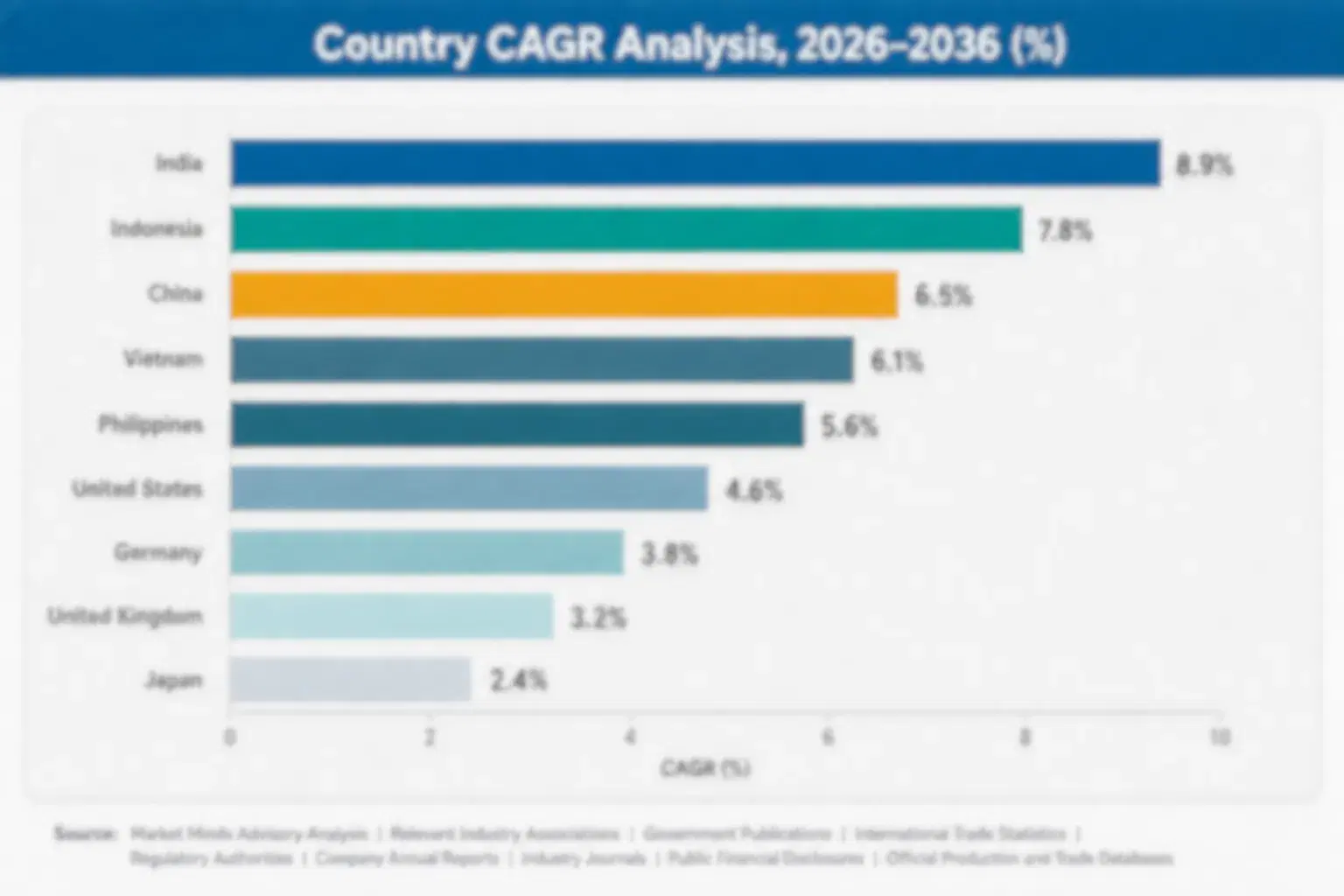
Geography follows payment structure far more than wound prevalence, which is broadly proportional to diabetes rates everywhere. North America dominates on reimbursement mechanics, East Asia grows on outpatient wound service building, and South Asia and Pacific expands fastest of all. Prevalence explains remarkably little of the value distribution.

North America

North America takes 39%, well above the 22 to 32% default band, because a tissue regulatory pathway requiring no clinical trial combines with a payment formula that reimburses a markup on the manufacturer's own reported price. That structure, rather than any difference in wound prevalence, explains the position. Outpatient physician office application drives most volume and has grown enough to attract repeated official review. Hospital burn units buy on entirely different grounds and represent a much smaller share. Canadian provincial systems purchase conservatively on cost per healed wound. Mexican demand is private, limited and concentrated in metropolitan diabetic foot services. Evidence plays almost no part in outpatient product selection. Prevalence is not the explanation.
Share: 39% | CAGR: 9.4% (2026 to 2036)

Western Europe

European health systems buy skin substitutes on demonstrated cost per healed wound, which excludes a large share of products that sell readily in America without comparative evidence. German and Dutch wound care is organised around specialist centres with formal treatment protocols. British provision runs through community services with tight formulary control and considerable price sensitivity. Nordic systems apply health technology assessment before funding, which several suppliers have found impossible to satisfy. Scandinavian fish skin sourcing has given the region an unusual position as both a producer and a demanding customer, and European surgeons were early adopters of xenogeneic matrices. Products selling readily in America without comparative data cannot reach these formularies at all.
Share: 20% | CAGR: 8.8% (2026 to 2036)
Regional intelligence for 5 additional markets available in the complete report: East Asia, South Asia and Pacific, Latin America, Middle East and Africa, Eastern Europe. Contact sales@marketmindsadvisory.com.
regenerative-artificial-skin-market-country-cagr-analysis-1787686889454

Selling Outcomes Nobody Currently Buys

Roughly 71% of registered products carry no comparative evidence, recurrence is neither measured nor rewarded, and the largest market pays a markup on a self-reported price. Four levers work on evidence, supply reliability and clinical setting rather than on the pricing mechanics that will not last indefinitely. That mechanism will not survive indefinitely. Reform has been proposed repeatedly.

Generate The Comparative Evidence Competitors Avoid

Around 71% of registered skin substitutes carry no published randomised comparative data, which is possible because the American tissue pathway does not require any. Outside America, that absence excludes a product from formularies entirely. A supplier funding proper comparative trials opens European, Japanese and Australian markets that competitors cannot enter, and holds a defensible position when American payment reform eventually arrives. The cost is a genuine trial programme rather than a marketing study, and very few competitors will match it because the American market does not currently reward doing so.
Market Impact: Separates from the 71% that lack any evidence

Measure Recurrence And Contract Against It

Roughly 38% of closed diabetic foot ulcers reopen within a year, and no trial endpoint or payment mechanism recognises that at all. A supplier collecting one year recurrence data and offering outcome-based contracts to health systems changes what is being purchased from an application to a durable closure. Payers outside America respond to that argument immediately, since they carry the cost of the second wound. Building the registry is slow and unglamorous work, and it creates a commercial position that no competitor selling on twelve week closure can contest. Nobody else is collecting it.
Market Impact: Addresses a 38% annual ulcer recurrence problem directly

Build Xenogeneic Supply Against Allograft Constraints

Human tissue supply depends on donation and screening capacity that cannot expand on demand, and surgeons have repeatedly found allograft unavailable for scheduled operations. Farmed fish, ovine and porcine sources scale with production instead, which removes the single most common reason a surgeon switches product. Availability wins accounts that performance arguments do not. Suppliers should also treat source acceptability seriously by market rather than presenting the xenogeneic class as interchangeable, since porcine material is genuinely unacceptable to a meaningful share of patients in several regions. Roughly 71% of registered products compete on characteristics rather than deliverability.
Market Impact: Serves 100% of the scheduled surgical case demand

Run Burn And Chronic Wound Businesses Separately

Burn units buy autologous cell technology on operative planning grounds and wound clinics buy matrices on reimbursement grounds, and the two customers share almost nothing beyond a product category label. A single commercial organisation covering both consistently underserves the smaller and more technical one. Autologous systems grow at 15.6% and require surgical support during procedures rather than clinic detailing. Separating the organisations costs headcount and produces materially better coverage of a segment most competitors also handle badly through exactly the same mistake. Most competitors make exactly the same mistake. That leaves the segment unusually open.
Market Impact: Supports a segment growing at 15.6% far better

Who Controls the Margin Pool

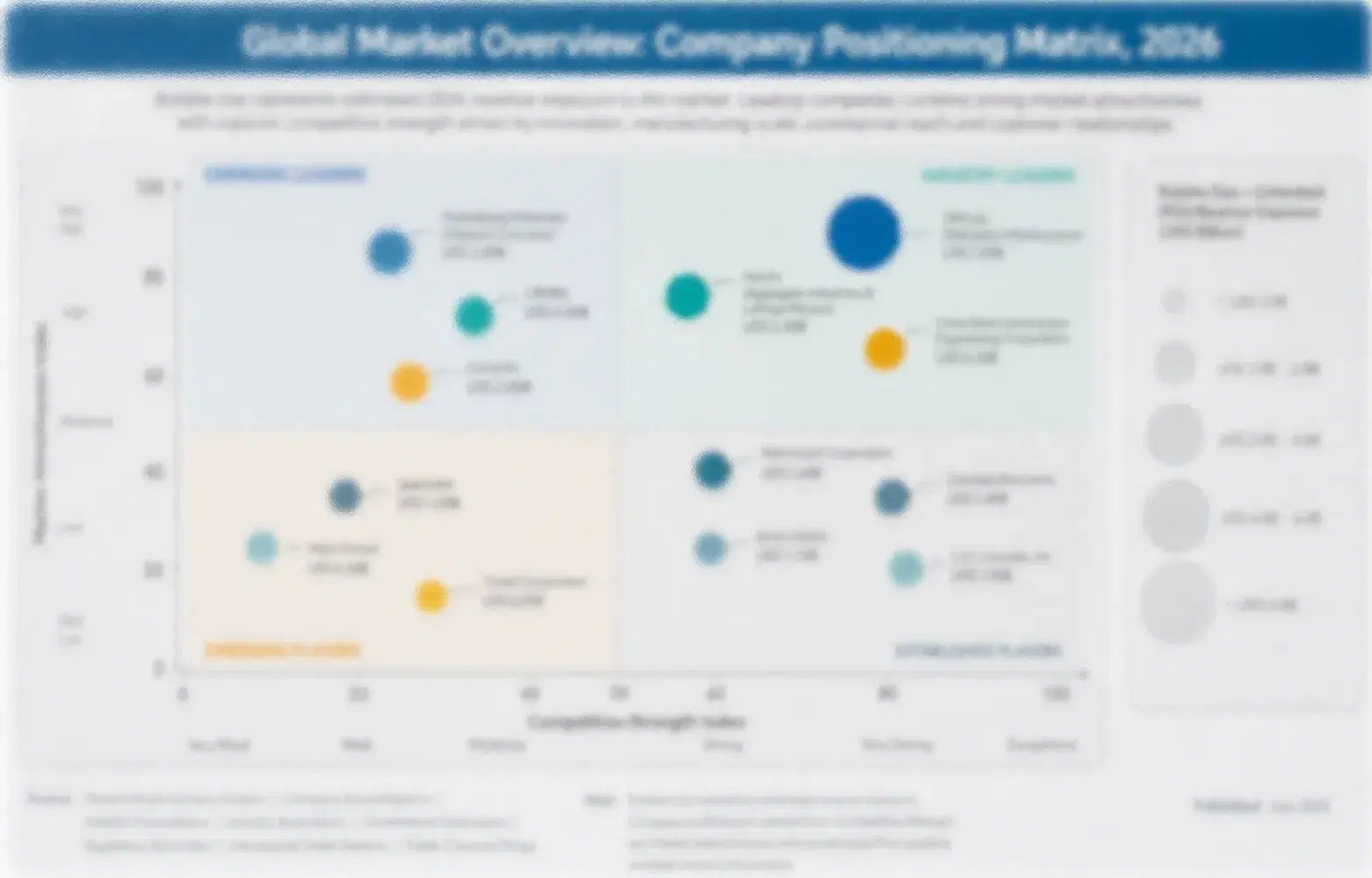
Measured on disclosed advanced wound care and regenerative tissue revenue, the five leading suppliers hold a CR5 of 52%, which is low for a medical category and reflects how easily products enter through the American tissue pathway. Integra and Organogenesis hold the broadest positions, while Avita competes in a technically distinct autologous segment that most of the field does not participate in at all.
Three contests run and share very little. Outpatient matrix supply competes on reimbursement mechanics and clinic relationships, where evidence plays almost no part. Hospital burn products compete on surgical outcome and operative planning. Xenogeneic supply competes on availability and source acceptability, which is a manufacturing and cultural question rather than a clinical one. Suppliers organised for one of the three serve the others poorly, which is a mistake almost everybody in the field is making simultaneously.

Pressure comes from two directions at once. Domestic Chinese and Indian manufacturers price acellular matrices well below imports for markets that buy on cost per healed wound. Meanwhile American payment reform would reprice the outpatient segment overnight, and rankings would shift sharply toward suppliers holding real evidence and non-American revenue. Evidence would suddenly matter.
regenerative-artificial-skin-market-company-positioning-matrix-1787686889751

Competitive Moat and Risk Dimensions

INTEGRA LIFESCIENCES

Moat: Bilayer Template Clinical Heritage

Integra dermal regeneration templates have been used in burn and reconstructive surgery for decades and carry outcome literature that newer entrants cannot approach. Surgeons learned the material during training and know how it behaves across the two-stage procedure it requires. That familiarity holds against products with easier handling, because a reconstruction failure is expensive and nobody experiments willingly.
INTEGRA LIFESCIENCES

Risk: Outpatient Pricing Exposure

A meaningful share of regenerative tissue revenue depends on American outpatient reimbursement that pays a markup on manufacturer-reported pricing, and reform has been proposed repeatedly. Products with genuine clinical heritage would survive that better than most, though revenue would still fall sharply. Defending the position means shifting weight toward evidence-driven markets that pay considerably less per application.
ORGANOGENESIS

Moat: Outpatient Clinic Commercial Reach

Organogenesis reaches outpatient wound clinics and physician offices at a scale competitors have not matched, with a field organisation built specifically around how American application and billing actually work. That channel knowledge is a genuine asset in a market where reimbursement mechanics matter more than product characteristics. A better product still has to reach clinics it has no relationship with.
ORGANOGENESIS

Risk: Reimbursement Dependency Concentration

A commercial model built around American outpatient payment mechanics carries concentrated exposure to a rule that official reviews have questioned repeatedly and that could change through rulemaking. Channel expertise built around one payment system transfers poorly to health systems buying on cost per healed wound. Diversification means competing on evidence the company has less of.

Players Tracked

Prominent Players

Integra LifeSciences
Organogenesis
MiMedx
Smith and Nephew
Avita Medical

Other Key Players

Kerecis
Aroa Biosurgery
Vericel
Solventum
Stryker
Molnlycke Health Care
BioTissue
Tissue Regenix
PolyMedics Innovations
Amnio Technology
Skye Biologics
Convatec
Coloplast
LifeNet Health
Baxter International

Recent Developments

JANUARY 2025

American payer proposes revised skin substitute payment methodology

An American payer proposed a revised payment methodology for outpatient skin substitutes, moving away from a markup on manufacturer-reported pricing. This was a policy proposal rather than any corporate transaction, and it followed several years of documented spending growth that outpaced demonstrated improvement in wound outcomes.
Signal: The pricing mechanism that built the largest segment of this market is now openly on the table for revision.
MAY 2025

Fish skin matrix manufacturer expands processing capacity substantially

An intact fish skin matrix manufacturer expanded processing capacity through organic capital investment rather than any acquisition or partnership. The stated reason was surgeon demand driven by availability, since human allograft supply had repeatedly failed to meet scheduled case requirements across several major hospital accounts.
Signal: Availability rather than performance is winning accounts, which favours farmed sources over donated human tissue permanently.
AUGUST 2025

Burn centre network adopts autologous cell harvest as standard practice

A network of burn centres adopted point-of-care autologous cell harvest as standard practice for large surface area injuries, a clinical protocol decision rather than any commercial agreement. The stated rationale was reduced donor site morbidity and shorter hospital stays rather than any saving on product cost itself.
Signal: Adoption expressed as protocol change rather than product preference is far harder for a competitor to reverse.

What These Products Cost To Make

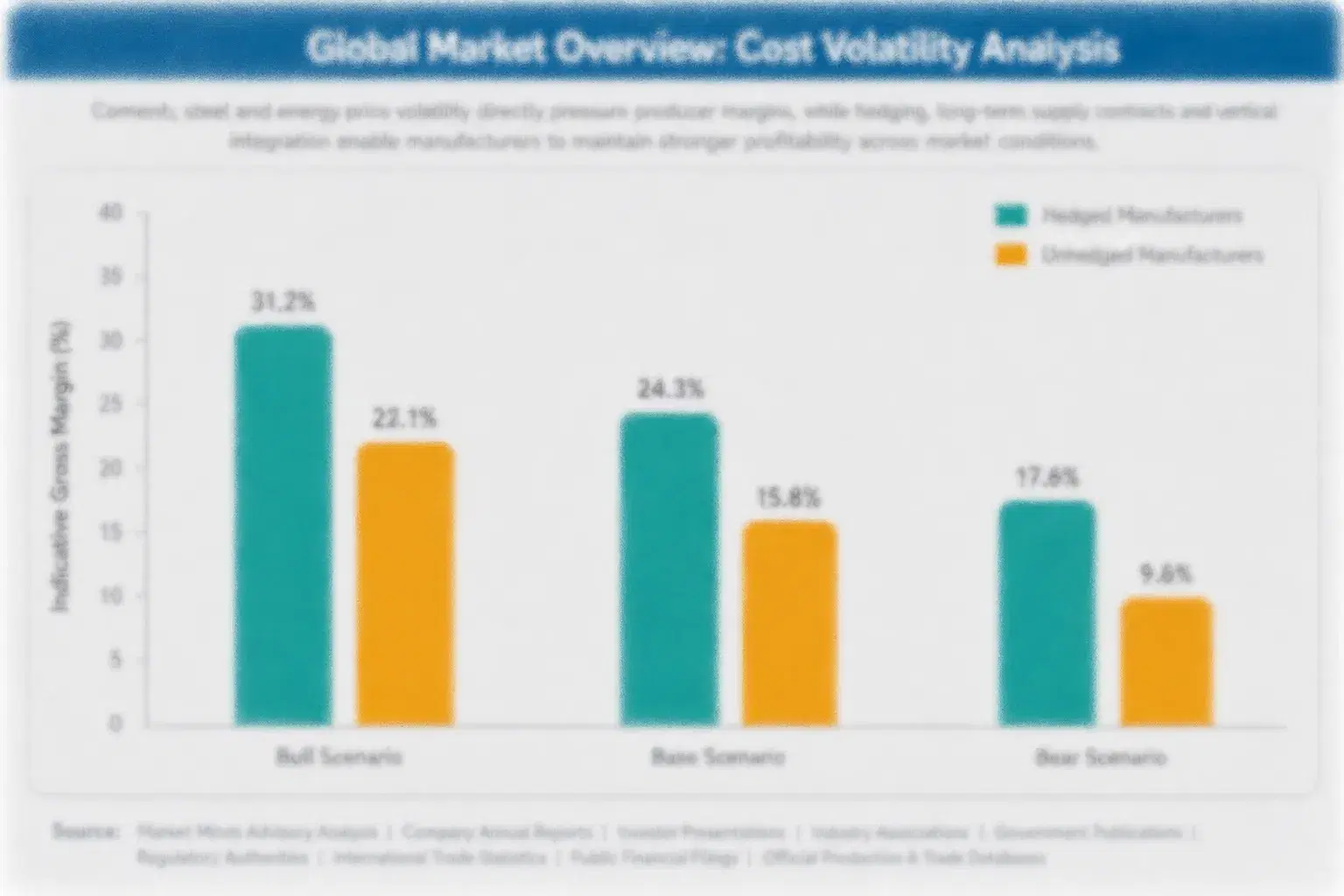
Source material and processing dominate and differ sharply by class. Human tissue products carry donor screening, serology, procurement fees and decellularisation running 34 to 40% of manufacturing cost, with procurement itself the largest single element. Xenogeneic matrices cost considerably less to source, since farmed material carries no donation infrastructure, though viral inactivation and regulatory documentation add back a meaningful portion of the saving.
The volatility that matters is supply rather than price. Human tissue procurement fell during 2020 and 2021 as donation and processing capacity contracted, and several suppliers could not fill scheduled surgical orders for months. Integra and Organogenesis annual report disclosures describe tissue supply constraints across that period. Surgeons who found allograft unavailable switched to xenogeneic alternatives and a great many of them never switched back afterward.

Exposure divides by source strategy. Allograft-dependent suppliers carry procurement cost inflation and volume risk they cannot control, since donation rates respond to nothing a manufacturer does. Xenogeneic manufacturers control supply through production planning. Autologous systems carry almost no material cost at all and a substantial burden of surgical training and procedural support instead, which behaves far more like a services business than a product one.
regenerative-artificial-skin-market-cost-volatility-analysis-1787686890043

Diversify source material beyond human donation

Allograft supply contracted sharply during 2020 and 2021 and suppliers dependent on it lost surgical accounts that never returned. Farmed xenogeneic sources scale with production planning rather than with donation rates. Qualifying an alternative source costs regulatory work and time, and it prevents the specific failure that costs accounts permanently: being unable to ship for a scheduled operation.

Match source acceptability to regional patient populations

Porcine-derived material is genuinely unacceptable to a substantial share of patients across several major markets, and suppliers presenting the xenogeneic class as interchangeable lose business without understanding why. Holding ovine, fish and porcine options and deploying them by market costs inventory complexity. It also prevents a rejection that no clinical argument will overcome. Inventory complexity is the cost.

Price autologous systems on procedural support delivered

Autologous cell harvest carries minimal material cost and a heavy burden of surgical training and in-theatre support, which makes it a service model in device packaging. Suppliers pricing against matrix products surrender most of the value and struggle to fund the specialists the technology requires. Pricing on operative outcome and support sustains the model properly.

Portfolio Architecture for Margin Defence

Margin follows payment mechanics far more than manufacturing cost, which is unusual and uncomfortable. An amniotic membrane product costing little to process earns extraordinary margins under American outpatient reimbursement and almost nothing where health systems buy on cost per healed wound. Xenogeneic matrices earn solidly on both grounds. Autologous systems earn service-like margins that carry a heavy support burden underneath them.
The tension is that the most profitable business is the least defensible. Revenue resting on a payment formula that official reviews have questioned repeatedly is not an asset in any durable sense, and suppliers optimising around it have built commercial organisations that transfer badly to evidence-driven markets. Companies that invested in comparative trials earn less today and hold positions that survive a rulemaking their competitors cannot.

High-value pools sit in three places. Products with genuine comparative evidence, which reach European, Japanese and Australian formularies that most competitors cannot enter. Xenogeneic supply, where availability wins accounts outright. And autologous burn technology, where adoption arrives as protocol change rather than as a purchasing preference. All three earn less today than the segment most exposed to a rulemaking, which is exactly the problem facing every board in this category right now.

Volume / Commodity-Adjacent

Basic collagen matrices and conventional acellular products sold into price-sensitive health systems on cost per healed wound. The 8-point range separates Western manufacturers from domestic Chinese and Indian producers competing at materially lower price points on comparable specifications.
Gross Margin: 44-52%

Premium / Certified

Xenogeneic matrices and evidence-supported cellular products holding formulary positions in health technology assessment markets. The 7-point spread separates suppliers with published comparative data and reliable supply from those competing on handling characteristics alone.
Gross Margin: 62-69%

Sustainability / Regulatory / Next-Generation

Placental membrane products under American outpatient reimbursement and autologous cell harvest systems. The 36-point range is extreme because reimbursement-driven margins bear no relation to manufacturing cost, while autologous systems carry heavy procedural support burdens.
Gross Margin: 48-84%
regenerative-artificial-skin-market-portfolio-architecture-1787686890427

High-value Sub-segments and Strategic Watch-out

Evidence Supported Formulary Products

High value and genuinely durable, holding positions in health technology assessment markets that roughly 71% of competitors cannot enter for lack of comparative data. The risk is that these markets pay materially less per application than American outpatient reimbursement currently does. Durability is bought at a lower price.
Gross Margin: 66-69%

Xenogeneic Matrix Supply

High value with strong growth, winning accounts on availability where human allograft repeatedly failed to reach scheduled operations. The risk is source acceptability, since porcine material is unacceptable to a meaningful patient share across several regions and suppliers handle that badly. Source choice is commercial.
Gross Margin: 63-66%

Basic Collagen Matrices

The volume core outside America, sold on cost per healed wound into health systems with formulary control and increasingly supplied by domestic Chinese and Indian manufacturers. Western suppliers hold the line mainly to keep relationships carrying higher value products alongside. Margins here are genuinely thin.
Gross Margin: 45-48%

American Reimbursement Dependent Products

The strategic watch-out and the highest margin here by a wide distance. Revenue rests on a payment formula paying a markup on self-reported pricing, which official reviews have questioned repeatedly. The risk is a rulemaking that reprices the whole segment overnight. Nobody can influence it.
Gross Margin: 81-84%

Wounds That Keep Coming Back

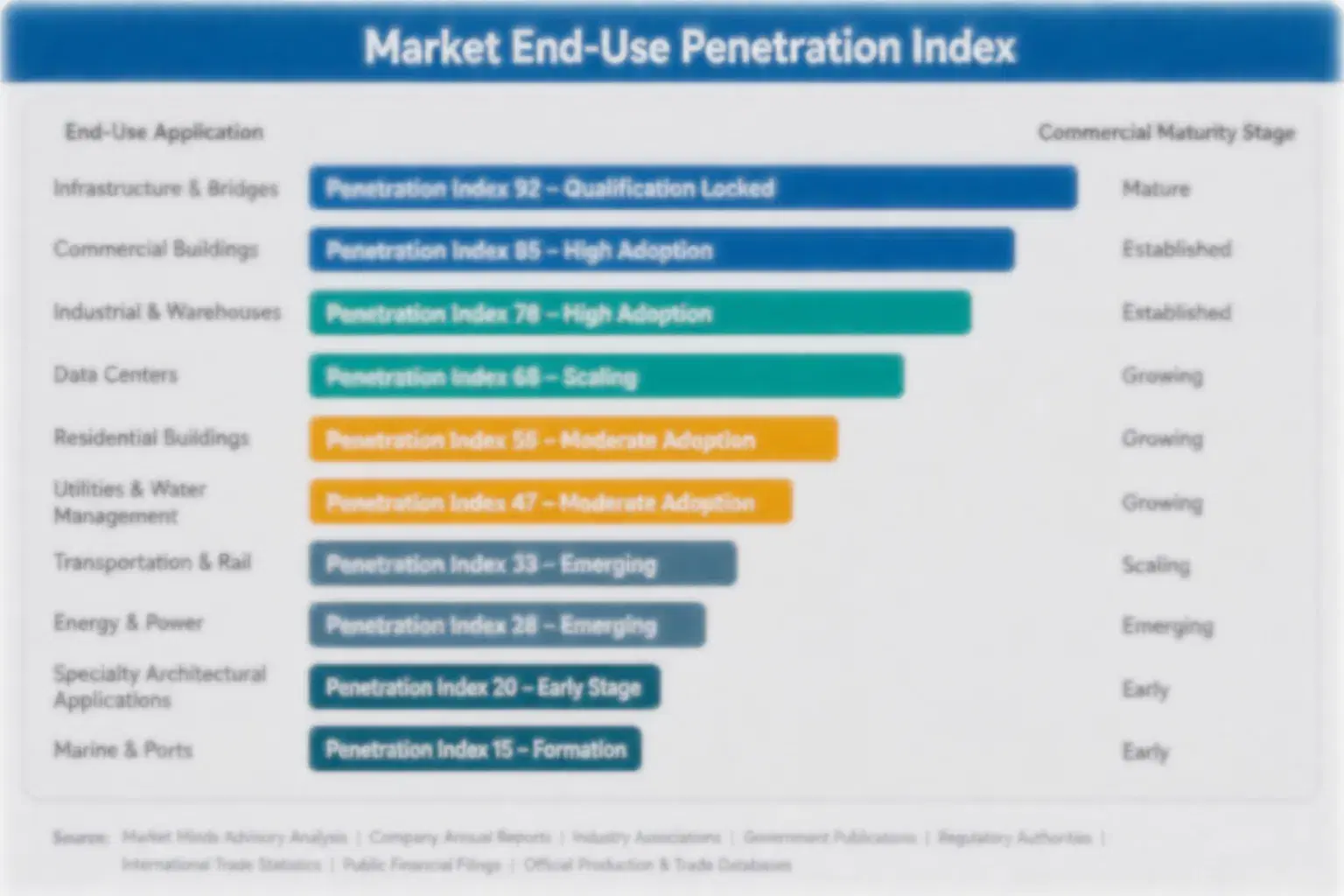
Chronic wound care generates genuinely recurring revenue, and for reasons nobody should be comfortable with. Roughly 38% of closed diabetic foot ulcers reopen within twelve months, which returns the patient to the clinic and consumes another course of product. The annuity exists because the treatment does not durably solve the problem. Suppliers rarely describe it that way.
Stickiness varies by who chose the product and why. An outpatient clinic protocol built around a specific reimbursement code changes only when the code does, which makes it stable and entirely dependent on policy. A burn unit that reorganised operative planning around autologous cell harvest is far harder to move, because reverting means accepting larger donor sites. Formulary positions in assessment-driven health systems hold for contract cycles and turn on evidence at renewal.

The buyer differs so sharply between settings that most suppliers serve one properly. An American wound clinic manager selects on reimbursement and application workflow. A European formulary committee selects on cost per healed wound with published data. A burn surgeon selects on what happens in theatre. One organisation covering all three satisfies the largest and neglects the rest.
regenerative-artificial-skin-market-end-use-penetration-index-1787686890783

What Survives A Rule Change

These are among the four positions where our research anticipates prominent divergence between winners and laggards over the coming forecast period. Each is grounded in the demand model, the regulatory perimeter, and the announced capacity pipeline.
01 / COMPARATIVE EVIDENCE INVESTMENT

Fund the trials the pathway never required

Roughly 71% of registered skin substitutes carry no published randomised comparative evidence, which the American tissue pathway permits and which excludes those products from European, Japanese and Australian formularies entirely. A supplier funding genuine comparative trials opens markets competitors cannot enter and holds a defensible position when American payment reform eventually arrives. The cost is a real trial programme rather than a marketing study, and very few competitors will match it precisely because the largest market does not currently reward doing so.
02 / RECURRENCE OUTCOME CONTRACTING

Sell durable closure, not twelve week closure

Roughly 38% of closed diabetic foot ulcers reopen within a year, and neither trial endpoints nor payment mechanisms recognise that outcome anywhere in this market today. A supplier collecting one year recurrence data and offering outcome-based contracts changes what health systems are buying from an application into a durable closure. Payers outside America respond to that immediately, because they carry the full cost of the second wound, and no competitor selling on twelve week closure can contest the argument credibly.
03 / SOURCE SUPPLY SECURITY

Availability wins more accounts than performance

Human tissue supply depends on donation and screening capacity that contracted sharply during 2020 and 2021, leaving surgeons without allograft for scheduled operations and prompting switches that mostly proved permanent. Farmed fish, ovine and porcine sources scale with production planning instead, and they remove the single most common reason that a surgeon changes product. Suppliers should also treat source acceptability seriously market by market, since porcine derived material is genuinely unacceptable to a substantial share of patients across several major regions.
04 / DUAL BUSINESS SEPARATION

Burns and chronic wounds are different companies

Burn units adopt autologous cell harvest by reorganising operative planning while wound clinics select matrices on reimbursement mechanics, and those two customers share nothing beyond a product category label on a price list. A single commercial organisation covering both consistently underserves the smaller and more technical business, and autologous systems growing at 15.6% require in-theatre surgical support rather than clinic detailing. Separating the two organisations costs headcount and produces coverage that almost every competitor in this category is also currently failing to provide.

Engagement Snapshot From the Field

A live engagement with an industry participant carrying material or product regulatory and market exposure ahead of a defining policy shift, showing how our research translates into a defensible multi-year portfolio strategy.
MARKET MINDS ADVISORY · CLIENT ENGAGEMENT SUMMARY
Regenerative Artificial Skin Producer Strategic Portfolio Review and Transition Roadmap 2026·Investment Scenario on Regenerative Artificial Skin Exposure Evaluation 2025-26
CLIENT PROFILE
A regenerative tissue manufacturer supplying placental membrane and acellular matrix products, with reported revenue of 210 million dollars (client-reported, unverified by MMA). Roughly 84% came from American outpatient wound clinics under reimbursement paying a markup on reported pricing. The company held no published randomised comparative data for any product and had never pursued a European formulary listing anywhere.
STRATEGIC CHALLENGE
Revenue growth had been excellent and the board asked for an independent view of durability before approving a large capacity expansion. Management regarded proposed payment reform as unlikely to proceed. Nobody had modelled what revenue would look like under a revised payment methodology, or established what would be required to sell outside America at all.
MMA APPROACH
MMA modelled revenue under three payment reform scenarios rather than accepting the assumption that reform would not happen, and assessed the evidence requirements for formulary access across seven non-American health systems. Twelve expert interviews with wound care clinicians and formulary assessors established what evidence would actually be needed. The analysis treated reimbursement as a commercial exposure rather than a policy question.
KEY FINDINGS
  1. Roughly 84% of revenue depended on a single payment methodology that official reviews had questioned repeatedly across several consecutive reporting cycles. Management regarded reform as unlikely.
  2. Under a moderate reform scenario, gross profit fell by more than half, and the planned capacity expansion would have been stranded almost entirely.
  3. No product held sufficient comparative evidence for any European or Australian formulary, meaning international diversification was impossible without new trials. New trials were the only route.
  4. A comparative trial programme for two lead products modelled formulary access within four years at a cost well below the capacity expansion (client-reported, unverified by MMA).
CLIENT PROFILE
A regenerative tissue manufacturer supplying placental membrane and acellular matrix products, with reported revenue of 210 million dollars (client-reported, unverified by MMA). Roughly 84% came from American outpatient wound clinics under reimbursement paying a markup on reported pricing. The company held no published randomised comparative data for any product and had never pursued a European formulary listing anywhere.
STRATEGIC CHALLENGE
Revenue growth had been excellent and the board asked for an independent view of durability before approving a large capacity expansion. Management regarded proposed payment reform as unlikely to proceed. Nobody had modelled what revenue would look like under a revised payment methodology, or established what would be required to sell outside America at all.
MMA APPROACH
MMA modelled revenue under three payment reform scenarios rather than accepting the assumption that reform would not happen, and assessed the evidence requirements for formulary access across seven non-American health systems. Twelve expert interviews with wound care clinicians and formulary assessors established what evidence would actually be needed. The analysis treated reimbursement as a commercial exposure rather than a policy question.
KEY FINDINGS
  1. Roughly 84% of revenue depended on a single payment methodology that official reviews had questioned repeatedly across several consecutive reporting cycles. Management regarded reform as unlikely.
  2. Under a moderate reform scenario, gross profit fell by more than half, and the planned capacity expansion would have been stranded almost entirely.
  3. No product held sufficient comparative evidence for any European or Australian formulary, meaning international diversification was impossible without new trials. New trials were the only route.
  4. A comparative trial programme for two lead products modelled formulary access within four years at a cost well below the capacity expansion (client-reported, unverified by MMA).
RECOMMENDED STRATEGY
Phase 1: Phase one: defer the capacity expansion and redirect that capital into a comparative trial programme for the two strongest products. Phase 2: Phase two: pursue European and Australian formulary access on the resulting evidence, accepting materially lower pricing than American reimbursement provides. Phase 3: Phase three: build recurrence outcome data and offer outcome-based contracting, which no competitor in the category currently does. No competitor currently offers it.
OUTCOME
The capacity expansion was deferred and trial funding approved for two lead products. Payment reform was subsequently proposed in a form close to the moderate scenario modelled (client-reported, unverified by MMA). International regulatory work began and the first formulary submission is expected within the original four year projection.

Frequently Asked Questions

Foundational context covering the market sizes, CAGR, scope, country, region and competition that inform every finding below. This section is provided to cover basics and most often pre-purchase conversations, answered from the MMA Primary Research Dataset.

What is the current size of the Regenerative Artificial Skin Market?

The market was worth 2.6 billion dollars in 2025, covering acellular, xenogeneic, placental, cellular, synthetic and autologous product classes. It reaches 2.87 billion dollars in 2026.

How large will the Regenerative Artificial Skin Market be by 2036?

MMA forecasts 7.72 billion dollars by 2036, an increase of 4.85 billion dollars over the 2026 base. That represents an expansion multiple of 2.69 times across the forecast period.

What is the CAGR for the Regenerative Artificial Skin Market 2026 to 2036?

The base case compounds at 10.4% annually. MMA's bull case reaches 11.6% if recurrence prevention becomes reimbursed, while the bear case sits at 9.2% on American payment reform.

Which segment is growing fastest?

Autologous cell harvest and spray systems, at 15.6%, half again the market rate of 10.4%. A small biopsy covers roughly eighty times its area, which transforms burn surgery planning.

Who are the major companies in the Regenerative Artificial Skin Market?

Integra LifeSciences, Organogenesis, MiMedx, Smith and Nephew and Avita Medical lead on disclosed advanced wound care and regenerative tissue revenue. Kerecis, Aroa Biosurgery, Vericel and BioTissue compete within specific classes.

Which country is growing fastest?

India at 12.6%, driven by an enormous diabetic foot burden and private hospital networks building organised wound services from a low base. China follows on similar dynamics.

Report Segmentation Architecture

The full report scope spans multiple orthogonal segmentation dimensions, with cross-tabulated demand data provided for each dimension pair. Coverage extends further to regional breakdowns, trend trajectories, and the competitive detail needed to support segment-level decision-making.

By Product Construction and Origin

  • Acellular Dermal Matrices
  • Xenogeneic Matrices
  • Placental and Amniotic Membrane Products
  • Cellular Living Skin Substitutes
  • Synthetic and Composite Bilayer Templates
  • Autologous Cell Harvest and Spray Systems

By End-Use Industry

  • Hospital Burn Units
  • Outpatient Wound Care Clinics
  • Physician Office Settings
  • Plastic and Reconstructive Surgery
  • Vascular and Podiatric Services
  • Long Term Care Facilities

By Commercial Dimension

  • Outpatient Reimbursed Application
  • Hospital Formulary Purchase
  • Health Technology Assessment Listing
  • Group Purchasing Agreement
  • Self-Funded Patient Access
  • Outcome Based Contract

By Region

  • North America
  • Western Europe
  • East Asia
  • South Asia and Pacific
  • Latin America
  • Middle East and Africa
  • Eastern Europe

Scope, Methodology, and Coverage

Every figure in this report is reproducible from documented input assumptions. The scope below maps the historical period, the forecast horizon, the segmentation dimensions, and the countries covered, alongside the underlying primary and qualitative methodology.
Historical Period
2020 to 2025
Forecast Period
2026 to 2036
Base Year
2025 (USD billions; MMA Primary Research Dataset, August 2026)
Market Definition
Scope covers engineered skin substitutes and regenerative tissue products used to achieve closure in acute and chronic wounds, spanning acellular dermal matrices of human origin, xenogeneic matrices derived from fish, ovine and porcine sources, placental and amniotic membrane products, cellular living skin substitutes, synthetic and composite bilayer regeneration templates, and autologous cell harvest and spray systems applied at the point of care. Conventional dressings, negative pressure wound therapy systems, topical growth factor pharmaceuticals, debridement instruments and conventional split thickness autografting performed without a manufactured product are excluded. Wound care nursing services and hyperbaric oxygen therapy fall outside the boundary.
Quantitative Units
USD billions (current prices); applications performed; square centimetres supplied; wounds closed; twelve month recurrence rate
Segmentation Dimensions
By Product Construction and Origin; By End-Use Industry; By Commercial Dimension; By Region
Regions Covered
North America, Western Europe, East Asia, South Asia and Pacific, Latin America, Middle East and Africa, Eastern Europe
Countries Covered
USA, China, Germany, UK, Japan, South Korea, India, France, Australia, Brazil, Canada, Italy, Spain, Poland, Saudi Arabia
Key Companies Profiled
Integra LifeSciences, Organogenesis, MiMedx, Smith and Nephew, Avita Medical, Kerecis, Aroa Biosurgery, Vericel, Solventum, Stryker, Molnlycke Health Care, BioTissue, Tissue Regenix, PolyMedics Innovations, Amnio Technology, Skye Biologics, Convatec, Coloplast, LifeNet Health, Baxter International
Quantitative Methodology
Primary survey, n=3,800 respondents, Q4 2025, six countries; demand-side model with trade association cross-validation
Qualitative Methodology
47 expert interviews, Q4 2025; applied to validate demand model assumptions, identify emerging dynamics, and assess competitive positioning
Report Format
PDF and XLSX data workbook (Word format preview document)
Publisher
Market Minds Advisory
Report Code
MMA-2026-MED-150
Published
August 2026
Contact
sales@marketmindsadvisory.com | www.marketmindsadvisory.com

Purchase the full Regenerative Artificial Skin Market Report (2026 to 2036).

The full report runs to 180 pages and covers all six product classes, seven regions and 20 profiled companies in detail. It includes the complete segment CAGR set, regional application volume and wound prevalence data, and evidence base mapping across every registered product class. Company profiles carry evaluation on disclosed advanced wound care and regenerative tissue revenue, with moat and risk assessment for the top five suppliers. The competitive section extends to 16 tracked corporate developments across 2024 and 2025, each with commercial interpretation. Primary research inputs include a quantitative survey of 3,800 respondents and 47 expert interviews conducted in Q4 2025.
Six product class segments with individual CAGR forecasts
Seven regional markets with application volume and prevalence data
Twenty company profiles on consistent revenue evaluation basis
Sixteen tracked corporate developments with commercial interpretation notes
Evidence base mapping across every registered product class
Payment reform scenario modelling for American outpatient revenue

Built For The People Who Decide

From boardroom strategy to bench-side execution, this report is read cover-to-cover by leaders shaping the next decade of their industry, turning demand scenarios, market dynamics and valuation benchmarks into decisions.
CXOs/ Presidents/ VPs/ Managers
M&A and Corporate Development
Strategy Teams and R&D Heads
Procurement and Product Directors
Regulatory and Compliance Leaders
Investor Relations and Equity Analysts