Market Minds Advisory
Ready-To-Roll (RTR) Icings Market

Ready-To-Roll (RTR) Icings Market: Ready-To-Roll (RTR) Icings Market. Clean-Label Colours, Custom Cake Demand, and Sugar Costs Reshape Fondant Decorating.

Ready-to-roll icings turn a plain cake into a custom centrepiece, but sugar costs, colour rules, humidity handling, and taste complaints decide which makers turn celebration demand into repeat supply contracts with bakeries and retailers.

Lead Analyst

Published

September 2026

Make Smarter Decisions with Customized Research Insights

Request a free sample report and evaluate market opportunities, growth trends, and competitive dynamics relevant to your business needs.

2025 MARKET VALUE$1.3BMarket Size 2025
2036 FORECAST VALUE$2.4BBase Case , 2026 to 2036
CAGR 2026 TO 20365.9 %Bull 7.2% / Bear 4.6%
INCREMENTAL OPPORTUNITY$1.1BNet 10- year value creation
EXPANSION MULTIPLE1.77x2036 value over 2026 base
Strategic Levers
M&A Pipeline
Regional Outlook
Country Rankings
Competitive Intelligence
Segmental Deep-dive
Call-Us : 91 93563 13602

Executive Snapshot and Market Trajectory.

Most cake decorators will admit that fondant tastes like sweet clay, and they still buy it by the tonne. Ready-to-roll icing gives bakers a smooth, colourable, shelf-stable finish that butter cream cannot match, and its buyers judge it on handling before flavour.
Natural-colour and clean-label fondant grows fastest, because regulators and shoppers push bakers away from synthetic dyes, while vegan and allergen-free ranges follow as celebration cakes reach more dietary needs. North America holds the largest share, since custom cake shops, craft baking, and supermarket bakeries concentrate there, with Western Europe and East Asia following. India leads country growth. Weddings drive volume. Social media adds trial. Distributors set the pace for bakeries.
The industry is moderately fragmented, with sugar-craft specialists, bakery ingredient groups, and regional makers competing on handling, colour range, and supply reliability. Colour additive rules in the United States and European Union, sugar price swings, and humidity sensitivity shape recipes and margins, while small decorators struggle to buy in bulk. Large groups sign annual sugar contracts. Retailers cut range size. Retailers ask for proof. Reliable delivery beats headline price. Distributors set the pace for bakeries.
Market Definition
Ready-to-roll icings comprise pliable, sugar-based coverings sold ready to knead and roll, including standard white, coloured and pre-tinted, flavoured and chocolate, modelling and gum paste, natural-colour and clean-label, and vegan and allergen-free fondant, sold to bakeries, food manufacturers, and home decorators. The scope excludes poured fondant, royal icing, buttercream, marzipan, and edible decorations sold separately.
Base Year Value
$1.3B in 2025 (MMA Primary Research Dataset, September 2026)
Forecast Period
2026 to 2036, eleven discrete annual values
CAGR
5.9% base case. Bull 7.2%. Bear 4.6%.
Fastest Growth Segment
Natural-Colour and Clean-Label Fondant: 9.2% CAGR
Fastest Growth Country
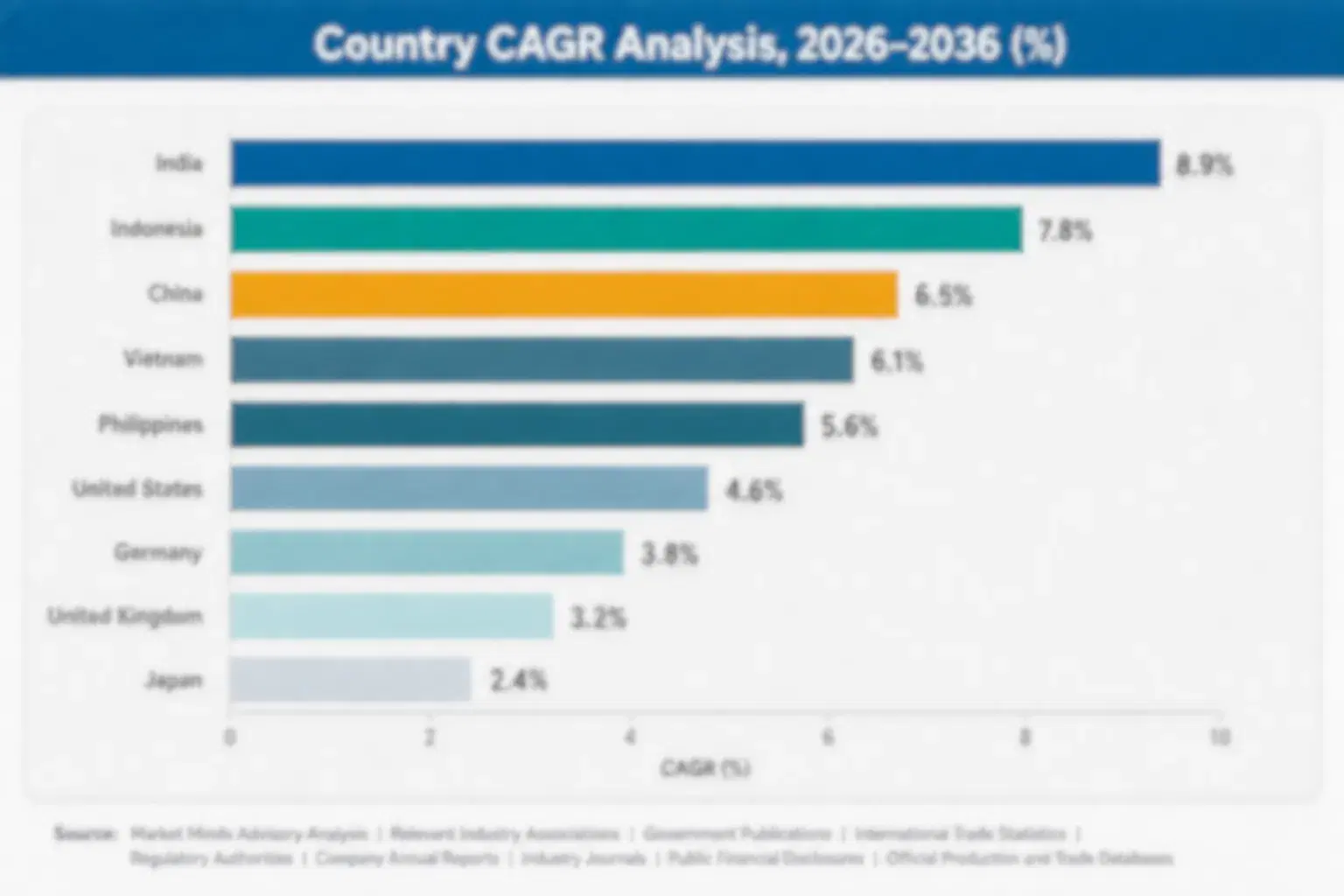
India: 8.6% CAGR
Fastest Growth Region
South Asia and Pacific: 8.0% CAGR
Largest Region
North America: 33% of 2025 global value
Market Leaders
Renshaw, Satin Ice, Wilton Brands, Dawn Foods, Puratos. Source: MMA Analysis, company annual reports.
Primary Survey
n=3,800 procurement and R&D decision-makers, Q4 2025, six countries
Methodology
Demand-side build-up, cross-validated against public data, 47 expert interviews

Ready-To-Roll (RTR) Icings Market Forecast Scenarios

ready-to-roll-rtr-icings-market-size-forecast-scenario-1789788731289
From 2020 to 2025, ready-to-roll icing moved from a decorator's specialty toward a mainstream bakery and home craft ingredient. Lockdown baking, wedding recovery after 2021, and social media cake videos widened demand, while sugar and glucose cost spikes squeezed margins in 2022 and 2023. Growth ran slightly below today's pace, and price increases, not new volume, supplied part of the gain.
The base case rests on three commercial mechanisms. First, custom celebration cakes keep growing in supermarkets, cake shops, and online bakeries, which raises fondant use per cake. Second, colour rules push bakers to natural and clean-label recipes that sell at higher prices. Third, home baking and craft kits sustain retail volume through online platforms. Each mechanism compounds slowly, and none needs a breakout year. Producers plan capacity around all three drivers.
The bull case needs natural colour technology to match synthetic brightness at lower cost, which would let clean-label fondant replace standard ranges quickly. The bear case is a sugar and glucose price spike combined with a wedding downturn, which would squeeze margins and push bakers toward buttercream and cheaper covering options. Buyers react within one season.

Handling Quality and Colour Rules Decide Fondant Winners

Ready-to-roll icing is mostly sugar, glucose syrup, and a little fat, bound with gums or glycerine so it rolls without cracking. Small changes in moisture and gum content decide whether a cake covers smoothly or tears at the corners. Makers tune recipes for temperature and humidity, and they sell different grades to bakeries in hot climates and to home decorators in cool ones. Moisture control decides yield.
MARKET CONCENTRATION29% CR5Leading five producers hold a moderate combined share
SUGAR COST SHARE44%Portion of cost of goods taken by sugar and syrups
BAKERY CHANNEL SHARE52%Portion of demand sold to bakeries and cake shops
PRE-COLOURED PREMIUM25%Pre-tinted fondant sells above white fondant per kilogram
SHELF LIFE12 monthsTypical shelf life of sealed fondant under cool storage
ONLINE CHANNEL SHARE22%Portion of retail sales made through e-commerce platforms
Colour and handling decide value. Bakeries want deep reds, blacks, and pastels that do not bleed, while home decorators want soft, forgiving paste that stays workable for an hour. Pre-tinted ranges save time but cost more, and natural colours fade and shift under light, which raises complaints. Suppliers with colour laboratories win contracts because a failed wedding cake costs a bakery far more than the icing.
Buyers judge fondant on handling, taste, colour stability, and delivery reliability. Bakery distributors want steady supply through peak wedding months, while retailers want clear labelling for allergens and colours. Private label is entering supermarket baking aisles, which caps premiums outside specialty and clean-label ranges, and pushes branded makers toward evidence of handling quality. Colour complaints spread fast.
"Fondant is bought with the hands and judged with the tongue. The makers who win are the ones who fix handling first and flavour second, because a decorator will forgive a bland taste but never a sheet that tears at the wedding."
Practice Lead, Cake Decorating and Bakery Finishing Practice · MMA Cake Decorating and Bakery Finishing Ingredients Practice · September 2026

Market Trends

Natural Colours Replace Synthetic Dyes in Pre-Tinted Fondant Ranges

The United States FDA revoked authorisation for Red No. 3 in food, with compliance due by January 2027, and several states restrict dyes in school foods. European rules already require warning labels for some azo dyes, and retailers ask suppliers to drop synthetic colours. Makers now use spirulina, beetroot, anthocyanin, and carotenoid systems, though natural reds and blues fade under light. Clean-label fondant sells at 25% to 45% above standard ranges, and suppliers with stable colour systems win listings in supermarket bakeries and premium cake shops. Repeat orders follow every quarter.
Market Impact: 2 million US weddings each year

Custom Celebration Cakes and Social Media Drive Fondant Volume

Supermarket bakeries, online cake shops, and home decorators now sell custom cakes with sculpted figures, drip effects, and printed sheets, and social media videos show techniques to millions of viewers. A decorated fondant cake can use one to three kilograms of icing, three times more than a buttercream cake. Craft kits and edible printing on fondant sheets add retail volume through online platforms. Suppliers that publish tutorials and offer sample packs win trial, and bakeries pay premiums for icing that works reliably under time pressure. Sample packs lift trial very quickly.
Market Impact: retail packs sell 60-120% above bulk

Market Opportunities and Growth Drivers

Wedding and Celebration Cake Demand Sustains Reliable Bakery Volume

Weddings, birthdays, and baby showers remain the core occasions for decorated cakes, and bakeries buy fondant weekly for these orders. In the United States alone, roughly two million weddings take place each year, and many couples order at least one decorated cake. Corporate and anniversary events add further orders. Bakeries reorder from approved suppliers without tender, so supplier relationships last for years. Suppliers that offer consistent colour matching, next-day delivery, and technical support win loyal accounts, and distributors carry safety stock through peak wedding months. Weekly reorders keep supplier ties strong.
Market Impact: sugar and syrups take 44%

Home Baking and Craft Kits Widen the Retail Buyer Base

Home decorators bought fondant, cutters, and colour kits in large numbers during lockdowns, and many kept the hobby afterwards. Craft retailers, supermarkets, and online marketplaces now stock 250 to 500 gram packs beside cake mixes, and subscription boxes deliver monthly kits. Retail packs sell at 60% to 120% above bakery bulk price per kilogram, so the channel carries strong margins. Brands that show tutorials on packs and social media win repeat purchase, and marketplaces reward products with strong ratings and fast delivery. Craft chains run seasonal promotions that lift retail volume noticeably.
Market Impact: fondant is 90% sugar

Market Restraints and Challenges

Sugar and Glucose Costs Squeeze Margins Under Fixed Bakery Contracts

Sugar and glucose syrup take about 44% of cost of goods, so a 20% rise in either removes several margin points. Bakery distributors and retailers fix prices for six to 12 months, and suppliers cannot pass costs through quickly. The root cause is that fondant is mostly sugar and sugar is traded globally with sharp swings. Mitigations include forward sugar contracts, sourcing from beet and cane producers, price adjustment clauses linked to published sugar indexes, and reformulation with fibre bulking, though small makers seldom win these terms. Distributors resist mid-year surcharges.
Market Impact: Red 3 compliance due January 2027

Taste Complaints and Sugar Reduction Trends Limit Premium Growth

Many consumers dislike the sweet, chewy taste of fondant and peel it off cakes, so bakeries face waste and complaints. Sugar reduction policies in the United Kingdom and other markets also push retailers toward lighter finishes. The root cause is that fondant is 90% sugar by weight and rolls only with high sugar content. Makers respond with better flavours, thinner sheets, and chocolate or marshmallow bases, though each adds cost and can reduce handling quality that decorators depend on. Bakers also report that guests peel fondant off and leave it uneaten, which hurts repeat orders.
Market Impact: decorated cakes use 1-3 kg
3 additional market trends, 2 additional growth drivers, and 3 additional restraints and challenges are covered in the full report. Contact sales@marketmindsadvisory.com to access the complete intelligence.

Segment CAGR and Growth Architecture

Ready-to-roll icings are segmented by formulation, which sets colour system, handling quality, and price position. Six segments cover standard white, coloured and pre-tinted, flavoured and chocolate, modelling and gum paste, natural-colour and clean-label, and vegan and allergen-free fondant. Two segments grow fastest, and each depends on a different driver, either colour regulation or dietary and allergen needs.
ready-to-roll-rtr-icings-market-market-share-analysis-1789788731461

Natural-Colour and Clean-Label Fondant

Natural-colour and clean-label fondant is the fastest-growing segment, at 9.2% a year, about 1.56 times the overall market rate. Regulatory pressure on synthetic dyes, retailer clean-label policies, and shopper interest push demand, and makers use spirulina, beetroot, and carotenoid systems. Prices run 25% to 45% above standard fondant. Colour stability is the main constraint, since natural reds and blues fade under light, so suppliers add stabilisers and packaging that blocks light. Suppliers with colour laboratories win listings in supermarket bakeries, premium cake shops, and retail chains that publish dye-free commitments. Bakeries that publish dye-free commitments ask suppliers for documented colour sourcing, and premium cake shops market natural colours as a health benefit to wedding clients.
CAGR 9.2%

Vegan and Allergen-Free Fondant

Vegan and allergen-free fondant grows at 8.1% a year, because bakeries and home decorators need products without gelatin, dairy, nuts, or gluten for celebration cakes. Producers use plant-based gums and glycerine on dedicated lines, and prices run 30% to 60% above standard fondant. Bakeries advertise vegan cakes, and retailers add allergen-free shelves. Texture is the main obstacle, since gelatin-free paste can dry faster, so suppliers adjust glycerine and gum blends. Certified facilities protect trust, and brands with audited lines win supermarket and specialty bakery listings and repeat orders. Wedding studios and hotels advertise vegan and nut-free cakes, and parents of allergic children order the same bakery repeatedly for birthdays and school events.
CAGR 8.1%
Full segment breakdown across 6 segments available in the complete report.

Regional Architecture and Country Demand Map

Ready-to-roll icing value follows custom cake culture, wedding spending, and craft baking. North America leads through bakeries and home decorators, Western Europe through the sugarcraft tradition, and East Asia through premium cake shops, while South Asia and Pacific grows fastest from a smaller base. Craft baking adds volume.

North America

North America holds 33% share, slightly above its usual band, because the United States has the largest custom cake culture, the biggest craft retail network, and wedding and birthday spending that make fondant a routine bakery input. Satin Ice, Wilton, Dawn Foods, and Rich Products lead. Supermarket bakeries, cake shops, and online decorators drive volume, while Michaels and Amazon carry retail packs. Growth tracks the global rate as clean-label colour demand offsets a plateau in standard fondant. North America and Western Europe hold the top two positions because both combine large decorating cultures with high celebration spending. Cake studios in Texas, California, and Florida buy pails weekly from regional distributors, and quinceanera and wedding orders keep demand steady.
Share: 33% | CAGR: 5.7% (2026 to 2036)

Western Europe

Western Europe holds 28% share, above its usual band, because the United Kingdom's sugarpaste tradition, Germany's and the Netherlands' bakery ingredient distributors, and strong wedding cake habits make it the second largest value pool. Renshaw, Squires Kitchen, Pfeil and Holing, FunCakes, and Dr. Oetker lead. Colour rules and sugar reduction policies restrain growth, so it stays below the global rate. Supermarkets such as Tesco and Sainsbury's sell retail packs, and bakeries buy through distributors that serve thousands of independent cake shops across the region. Bakeries in Germany and the Netherlands buy through wholesalers such as Metro and Bidfood, and Dutch and Belgian cake studios favour pre-coloured pastes for speed each season.
Share: 28% | CAGR: 4.6% (2026 to 2036)
Regional intelligence for 5 additional markets available in the complete report: East Asia, South Asia and Pacific, Latin America, Middle East and Africa, Eastern Europe. Contact sales@marketmindsadvisory.com.
ready-to-roll-rtr-icings-market-country-cagr-analysis-1789788731640

Four Margin Routes for Fondant Producers

Margin in ready-to-roll icing comes from colour systems, allergen-certified lines, retail packs, and sugar cost control rather than volume alone. The routes below apply to bakery ingredient groups, sugarcraft specialists, and regional makers, and each can be started inside one planning cycle, with clear measures in gross margin points, price per kilogram, and plant utilisation across the calendar year.

Selling Natural-Colour Fondant to Supermarket Bakeries and Cake Studios

Natural-colour and clean-label fondant sells at 25% to 45% above standard ranges, and supermarket bakeries that publish dye-free commitments need suppliers with stable colour systems. Makers that invest in colour laboratories, light-blocking packaging, and shelf life testing report margin gains of 4 to 7 points on those lines. Contracts fix demand early, which lets plants buy sugar forward and plan production, while retailers reward compliant ranges with wider listings and longer supplier reviews across their bakery estates. Colour laboratories also shorten approval cycles because bakeries can test shades before committing to large orders.
Market Impact: clean-label lines lift blended margin 4 to 7 points

Building Certified Vegan and Allergen-Free Lines for Bakeries

Vegan and allergen-free fondant sells at 30% to 60% above standard fondant, and certified lines give access to bakeries, hotel chains, and supermarkets that cannot accept cross-contact risk. A dedicated line costs $2 million to $4 million, and payback typically runs three to four years at 60% utilisation. Producers that certify facilities, tune glycerine and gum blends for handling, and audit suppliers protect trust, and they earn premiums that mainstream competitors find hard to copy quickly or cheaply. Hotel chains audit allergen controls twice a year, so certified lines keep contracts longer.
Market Impact: certified lines earn 30-60% price premiums over standard

Growing Retail Craft Packs Through Marketplaces and Craft Chains

Retail packs of 250 to 500 grams sell at 60% to 120% above bakery bulk price per kilogram, and online marketplaces and craft chains reach home decorators directly. Brands that publish tutorials, offer starter kits, and earn strong ratings lift retail sales by 15% to 25% a year and raise blended margin by two to four points. Packaging and marketplace fees add costs, so producers should limit range size, track repeat purchase, and keep bulk supply flexible for wedding season peaks. Craft chains also value the format because kits raise average basket size.
Market Impact: retail packs add 2-4 points of blended margin

Hedging Sugar and Glucose Under Index-Linked Contract Clauses

Sugar and glucose syrup take about 44% of cost of goods, and prices can move 20% to 40% within a year, so index-linked clauses protect margin more than price increases do. Producers that fix sugar volumes for 12 months, add price adjustment clauses linked to published indexes, and dual-source from beet and cane suppliers reduce cost swings by roughly half. Bakery distributors accept transparent formulas, and the approach stabilises gross margin at 26% to 32% across seasons. Smaller makers can join buying groups or co-manufacturer pools to reach volume pricing without holding all the inventory risk.
Market Impact: index clauses halve sugar swings and hold 26-32% margin

Who Controls the Margin Pool

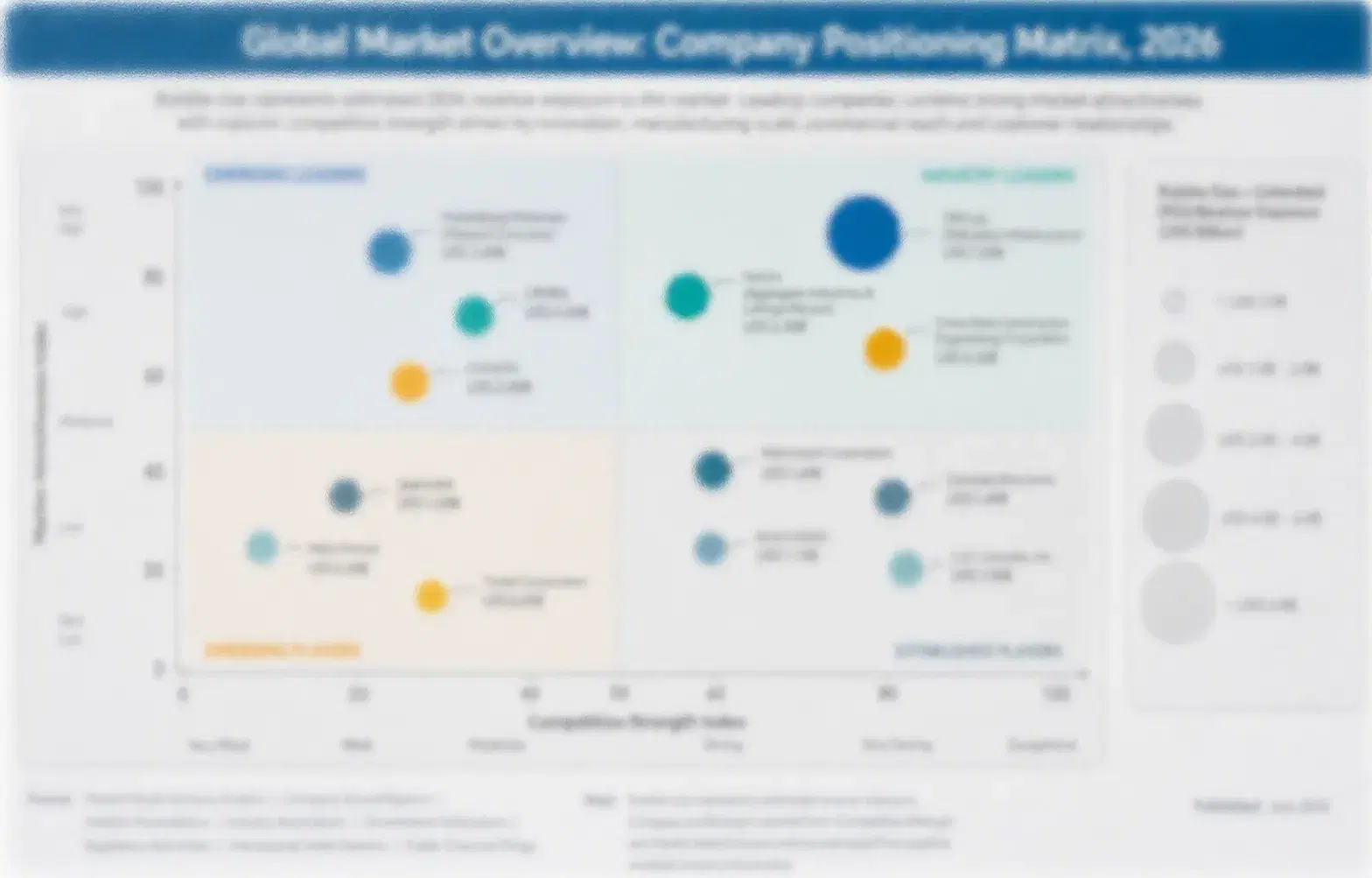
The ready-to-roll icing industry is moderately fragmented, with a CR5 of 29%, and many regional makers and private label suppliers sit outside the leading five. This assessment measures participants on estimated fondant and modelling paste sales, held constant across all players. Renshaw leads through its sugarpaste heritage and retail reach, while Satin Ice, Wilton Brands, Dawn Foods, and Puratos follow with a clear gap between the leader and the challengers.
Competition runs on four dimensions today: handling quality, colour range and stability, allergen certification, and distributor coverage. Large groups win on bakery distribution and technical service, while sugarcraft specialists win on retail loyalty and tutorial content. Private labels copy standard white fondant quickly, so premiums outside clean-label and allergen-free ranges erode within a year and price competition appears at distributor renewal.

Emerging pressure comes from natural colour specialists, online-only craft brands, and regional makers in India and Asia that supply local bakeries at lower prices. Rankings shift where a producer secures stable natural colour systems, builds allergen-free capacity, or wins supermarket bakery contracts. Regional makers can move up quickly, since local climate knowledge and distributor relationships matter more than global brand scale.
ready-to-roll-rtr-icings-market-company-positioning-matrix-1789788731820

Competitive Moat and Risk Dimensions

RENSHAW

Moat: Sugarpaste Heritage and Retail Reach

Renshaw is a long-established British sugarpaste brand within Associated British Foods, selling through supermarkets, craft retailers, and bakery distributors across the United Kingdom and export markets. Its brand recognition among home decorators, consistent handling, and access to group purchasing power for sugar give it cost advantages and stable shelf placement.
RENSHAW

Risk: Sugar Costs, Mature Home Market

Renshaw depends heavily on the United Kingdom, where sugar reduction policies and cost pressure limit price increases. Its core white and coloured ranges face private label competition, while natural colour and vegan specialists attract younger decorators who see traditional sugarpaste as dated, overpriced, and old-fashioned for modern cakes.
SATIN ICE

Moat: Premium Handling, Studio Loyalty

Satin Ice is a well-known North American fondant brand with strong loyalty among professional cake studios and wedding bakers. Its reputation for smooth rolling, deep colours, and flavour, plus wide distribution through bakery suppliers and online stores, allows premium pricing and gives it strong influence over what decorators recommend to others.
SATIN ICE

Risk: Premium Pricing and Clean-Label Gap

Satin Ice relies on premium pricing, so bakery budgets and wedding cycles shape sales, and synthetic dye rules threaten its bright colour range. Cheaper private labels and rivals with natural colour systems narrow the gap, and the brand must invest in reformulation while defending price.

Players Tracked

Prominent Players

Renshaw
Satin Ice
Wilton Brands
Dawn Foods
Puratos

Other Key Players

Bakels
Rich Products
Pfeil & Holing
Cake Decor
Squires Kitchen
Sugarflair
FunCakes
Dr. Oetker
Kerry Group
Barry Callebaut
Bunge
Ingredion
Cargill
Tate & Lyle
Fondx

Recent Developments

JANUARY 2026

Renshaw Launches Natural-Colour Sugarpaste Range for United Kingdom Retail

Renshaw announced a natural-colour sugarpaste range using plant-based colour systems, sold through United Kingdom supermarkets and craft retailers. It is a product launch, and it tests whether home decorators will pay higher prices for dye-free sugarpaste despite softer shades and shorter colour stability than traditional ranges.
Signal: Confirms leading British brands now reformulate flagship ranges for dye-free positioning rather than leaving the space to niche brands.
FEBRUARY 2026

Satin Ice Adds Allergen-Free Fondant Line for North American Bakeries

Satin Ice introduced an allergen-free fondant line made on a dedicated line, aimed at cake studios and supermarket bakeries that serve customers with nut and dairy allergies. It is a product launch, and it tests whether professional decorators will accept different handling in exchange for allergen safety.
Signal: Shows premium fondant brands now invest in dedicated allergen-safe lines to serve bakeries that face customer liability concerns.
MARCH 2026

Puratos Expands Colour Laboratory Capacity for Clean-Label Bakery Finishing

Puratos announced added colour laboratory capacity to develop clean-label finishing systems, including fondant colours for bakery customers in Europe and North America. It is an organic investment, not an acquisition, and it positions the company to support customers moving away from synthetic dyes. Investment figures were not disclosed.
Signal: Indicates bakery ingredient groups are investing in colour technology ahead of dye restrictions rather than reacting after deadlines.

What Drives Fondant Ingredient Costs

Sugar and glucose syrup account for roughly 44% of cost of goods, vegetable fat and glycerine about 10%, gums and stabilisers six percent, and colours and flavours five percent. Packaging takes 16% because pails, sheets, and retail wrappers are costly, and energy about six percent. Sugar comes from beet processors in Europe and cane producers in Brazil, India, and Thailand, while gums come from Asia.
The clearest recent shock came from sugar. United States Department of Agriculture reports showed global sugar prices rising sharply during 2023 and early 2024 after weaker monsoon crops in India and Thailand and export limits in India. Makers raised prices by 8% to 15%, shrank retail pack sizes, and adjusted glucose blends, which squeezed gross margin by two to four points through the following financial year.

The competitive disadvantage falls on small makers, which buy sugar in small lots at spot prices and cannot reprice after distributor contracts are fixed. Large groups sign forward contracts and spread costs across many lines, while private labels pass costs to suppliers. Exposure also varies by geography, since European makers buy beet sugar under quota rules and Asian makers face import duties on gums.
ready-to-roll-rtr-icings-market-cost-volatility-analysis-1789788732019

Contracting Sugar and Glucose Under Index-Linked Agreements

Producers sign annual agreements for sugar and glucose syrup with price bands linked to published indexes, and dual-source from beet and cane suppliers. Index clauses protect two to four points of margin, and distributors accept them because formulas are transparent. Forward contracts need working capital that only larger makers usually provide, and terms usually run one year.

Reformulating With Fibre Bulking to Reduce Sugar Content

Bakers replace part of the sugar with soluble fibre, polyols, and bulking agents that cost less per kilogram in some markets and support sugar reduction claims. Reformulation lowers cost by 3% to 6% per kilogram when done carefully. The main risk is handling change, so pilot trials with bakeries protect quality before wider launch. Sales data guides the mix.

Standardising Pail and Sheet Formats Across Bakery and Retail Ranges

Producers standardise pail sizes, sheet formats, and wrappers across bakery and retail ranges to cut packaging cost, and buy films and pails in larger runs. Standardisation saves one to two points of cost of goods. Retailers accept smaller packs more easily than price increases, though bakeries still ask for large pails. Buyers approve early.

Portfolio Architecture for Margin Defence

Margins run from thin returns on standard white fondant sold in bulk to bakery distributors and private label programmes to strong returns on natural-colour and allergen-free lines sold to supermarket bakeries and specialty retailers. Three tiers separate volume products, certified premium lines, and next-generation formats, and each tier draws on different buyer groups, colour systems, and contract terms. Gross margin depends heavily on sugar cost and plant utilisation.
The tension between volume and premium is sharp. Volume lines protect plant utilisation and distributor relationships but face constant price pressure from private labels, while premium lines earn higher margins on smaller volumes and depend on colour stability, certification, and testing. Producers that run only volume struggle to fund reformulation, while producers that run only premium lack the tonnage to keep mixing lines full through the year.

High-value pools concentrate in natural-colour fondant for supermarket bakeries, vegan and allergen-free lines for hotels and specialty bakeries, and retail craft packs sold online. They gather where buyers pay for compliance, safety, or trust rather than weight of product. Wedding studios, cloud bakeries, and craft marketplaces add further value, since these buyers ask for documented specifications and reorder under annual supply terms.

Volume / Commodity-Adjacent Tier

Standard white fondant sold in bulk to bakery distributors and private label programmes, with thin margins, sugar and glucose cost exposure, and constant price competition from regional makers, where buyers switch on price, delivery terms, and pail size.
Gross Margin: 20%-30%

Premium / Certified Tier

Coloured, flavoured, and modelling pastes with specified handling, colour matching, and allergen management, sold to bakery chains, cake studios, and retailers that require documented quality, reliable delivery, and stable supply across wedding seasons and promotions.
Gross Margin: 28%-40%

Sustainability / Regulatory / Next-Generation Tier

Natural-colour, vegan, and allergen-free fondant backed by dedicated lines, stability testing, and certification, sold to supermarket bakeries and specialty retailers that pay premiums for dye-free labelling, safety, and consistent handling under multi-year supply agreements.
Gross Margin: 34%-50%
ready-to-roll-rtr-icings-market-portfolio-architecture-1789788732210

High-value Sub-segments and Strategic Watch-out

Natural-Colour and Clean-Label Fondant

Natural-colour and clean-label fondant combines the fastest growth with strong pricing, since bakeries and retailers pay 25% to 45% premiums for dye-free colour that still handles well. Colour laboratories and stability testing limit competition, and suppliers with proven systems win listings. Repeat volume compounds. Prices hold firm.
Gross Margin: 34%-50%

Vegan and Allergen-Free Fondant

Vegan and allergen-free fondant delivers strong growth and healthy pricing, since bakeries and hotels pay 30% to 60% premiums for safe, workable paste. Dedicated lines and certification form the entry barrier, and producers with audited facilities win supermarkets and specialty bakeries. Trust compounds. Volumes follow steadily.
Gross Margin: 30%-42%

Standard White Fondant

Standard white fondant forms the volume core, sold to distributors and private label at thin margins. Growth is modest, at about 4.4% a year, as buyers shift toward clean-label and allergen-free ranges. Sugar cost, mixing capacity, and pail logistics decide profit, and retailers use it as a traffic line.
Gross Margin: 20%-30%

Modelling and Gum Paste

Modelling and gum paste is the strategic watch-out, since figure work depends on skilled decorators, fashion cycles, and shorter shelf life. Brands should test products with cake studios and craft chains before scaling, because gum costs, humidity sensitivity, and slow drying can erode margin and increase returns.
Gross Margin: 26%-38%

Why Fondant Buyers Keep Ordering

Fondant demand behaves like an annuity once a bakery finds a paste that handles well. Bakeries reorder weekly, and a satisfied studio typically stays with the same supplier for years, because switching means retraining staff and risking a failed cake. Distributors add predictability, and retailers use last year's sales to fix shelf space, so successful ranges earn steadier orders than launches driven by promotion alone.
Adoption stickiness differs by vertical. Wedding and celebration bakeries are the deepest, since colour matching, handling, and delivery windows are written into their routines and a single failure can cost a client. Supermarket bakeries are almost as loyal, because contracts standardise specifications across hundreds of stores. Home decorators are shallower and switch on price, ratings, and tutorials, while craft chains follow seasonal promotions.

Buyer profiles are shifting between generations. Older decorators use traditional white and coloured paste and trust established brands, while younger buyers care about natural colours, vegan claims, and short ingredient lists. Health-conscious households add a third group that wants thinner sheets and less sugar. Suppliers that publish tutorials, list allergens clearly, and use social media for design ideas win younger buyers and keep them as their skills develop.
ready-to-roll-rtr-icings-market-end-use-penetration-index-1789788732395

MMA Verdict on Fondant Strategy

These are among the four positions where our research anticipates prominent divergence between winners and laggards over the coming forecast period. Each is grounded in the demand model, the regulatory perimeter, and the announced capacity pipeline.
01 / CLEAN-LABEL COLOUR STRATEGY

Secure Stable Natural Colour Systems Before Dye Restrictions Reach Bakeries

Natural-colour and clean-label fondant grows at 9.2% a year, about 1.56 times the market rate, and it carries price premiums of 25% to 45%, so early colour investment pays back inside roughly three years on most contracts. Winners build colour laboratories, test light stability, and offer dye-free ranges to supermarket bakeries before compliance deadlines arrive in each market. Suppliers that wait will find shelf space allocated, listings closed, and rivals already trusted by bakeries that need dependable colour for every busy wedding season.
02 / ALLERGEN LINE STRATEGY

Certify Dedicated Vegan and Allergen-Free Lines for Bakery and Hotel Buyers

Vegan and allergen-free fondant grows at 8.1% a year and sells at 30% to 60% above standard fondant, but buyers only list suppliers that can prove cross-contact controls and consistent handling in every batch. A dedicated line costs $2 million to $4 million and pays back in roughly three to four years at 60% average utilisation across the plant. Producers that delay certification will lose bakeries, distributors, and hotel chains to rivals that already hold audited facilities and trusted supply records.
03 / SUGAR CONTRACT STRATEGY

Add Index-Linked Clauses to Protect Margin Under Fixed Bakery Contracts

Sugar and glucose take about 44% of cost of goods, and fixed six-to-12-month contracts leave producers badly exposed when prices move 20% or more within a single trading year. Clauses linked to published sugar indexes protect two to four points of gross margin, and distributors accept them because transparent formulas reduce renewal disputes and speed negotiations. Suppliers that keep fixed prices will absorb cost spikes, shrink margins, or lose accounts to competitors that hedge sugar forward with confidence and clear pricing terms.
04 / RETAIL CRAFT CHANNEL STRATEGY

Build Tutorial-Led Retail Packs Through Marketplaces and Craft Chains

Retail packs of 250 to 500 grams sell at 60% to 120% above bakery bulk price, and marketplaces reward products with strong ratings and fast delivery and clear tutorial content. Brands that publish tutorials, offer starter kits, and track repeat purchase lift retail sales by 15% to 25% a year and add two to four points of blended margin. Producers that ignore retail will leave home decorators to private labels and craft brands that own the relationship and the customer data every week.

Engagement Snapshot From the Field

A live engagement with an industry participant carrying material or product regulatory and market exposure ahead of a defining policy shift, showing how our research translates into a defensible multi-year portfolio strategy.
MARKET MINDS ADVISORY · CLIENT ENGAGEMENT SUMMARY
Ready-To-Roll (RTR) Icings Producer Strategic Portfolio Review and Transition Roadmap 2026·Investment Scenario on Ready-To-Roll (RTR) Icings Exposure Evaluation 2025-26
CLIENT PROFILE
The client is a mid-sized European bakery ingredient manufacturer with annual sales near EUR 120 million (client-reported, unverified by MMA), two plants, and a portfolio led by standard white and coloured fondant sold through bakery distributors and private label contracts. It had no clean-label line, limited retail presence, and exposure to sugar price swings under fixed contracts.
STRATEGIC CHALLENGE
Standard fondant volumes were flat for three years, private label pressure was cutting margins, and synthetic dye restrictions threatened its bright colour range. Management needed to decide whether to invest in natural colours, allergen-free capacity, or retail packs, with limited capital and only one mixing line able to run new formats safely.
MMA APPROACH
MMA analysed sales and cost data across 65 products, interviewed 12 bakery buyers, eight distributors, and six colour suppliers, and ran a decorator survey on colour, handling, and allergen preferences across three markets. It modelled margin by segment and channel, tested colour systems against competitor benchmarks, and ranked investments by payback and execution risk.
KEY FINDINGS
  1. Natural-colour fondant could reach 12% of sales within two years at margins 9 points above the core range (client-reported, unverified by MMA).
  2. A dedicated allergen-free line could add 7% of sales within three years at prices 45% above standard fondant, with payback near 40 months.
  3. Fixed contracts covered 70% of volume, and sugar index clauses could protect about three margin points when raw material prices moved sharply.
  4. Retail craft packs sold through marketplaces could reach 8% of sales in three years at margins double those of bakery bulk pails.
CLIENT PROFILE
The client is a mid-sized European bakery ingredient manufacturer with annual sales near EUR 120 million (client-reported, unverified by MMA), two plants, and a portfolio led by standard white and coloured fondant sold through bakery distributors and private label contracts. It had no clean-label line, limited retail presence, and exposure to sugar price swings under fixed contracts.
STRATEGIC CHALLENGE
Standard fondant volumes were flat for three years, private label pressure was cutting margins, and synthetic dye restrictions threatened its bright colour range. Management needed to decide whether to invest in natural colours, allergen-free capacity, or retail packs, with limited capital and only one mixing line able to run new formats safely.
MMA APPROACH
MMA analysed sales and cost data across 65 products, interviewed 12 bakery buyers, eight distributors, and six colour suppliers, and ran a decorator survey on colour, handling, and allergen preferences across three markets. It modelled margin by segment and channel, tested colour systems against competitor benchmarks, and ranked investments by payback and execution risk.
KEY FINDINGS
  1. Natural-colour fondant could reach 12% of sales within two years at margins 9 points above the core range (client-reported, unverified by MMA).
  2. A dedicated allergen-free line could add 7% of sales within three years at prices 45% above standard fondant, with payback near 40 months.
  3. Fixed contracts covered 70% of volume, and sugar index clauses could protect about three margin points when raw material prices moved sharply.
  4. Retail craft packs sold through marketplaces could reach 8% of sales in three years at margins double those of bakery bulk pails.
RECOMMENDED STRATEGY
Phase 1: Phase 1 (Months 1-6): Build a colour laboratory, add sugar index clauses to renewals, and begin light stability testing for natural colour systems. Phase 2: Phase 2 (Months 7-18): Launch natural-colour fondant to supermarket bakeries and start construction of a certified allergen-free line with audits. Phase 3: Phase 3 (Months 19-30): Reduce low-margin private label volume, add retail craft packs through marketplaces, and expand export listings in two new regions.
OUTCOME
Within 30 months, natural-colour, allergen-free, and retail products reached 23% of sales, sugar cost volatility fell by about half, and gross margin improved by five points (client-reported, unverified by MMA). The client secured listings with two supermarket bakery chains and passed audits with three hotel groups, while distributors named it a preferred supplier.

Frequently Asked Questions

Foundational context covering the market sizes, CAGR, scope, country, region and competition that inform every finding below. This section is provided to cover basics and most often pre-purchase conversations, answered from the MMA Primary Research Dataset.

What is the current size of the Ready-To-Roll (RTR) Icings Market?

The global ready-to-roll icings market was valued at $1.3 billion in 2025. Growth is supported by custom celebration cakes, clean-label colour demand, and home baking across major markets.

How large will the Ready-To-Roll (RTR) Icings Market be by 2036?

The market is projected to reach $2.44 billion by 2036, up from $1.38 billion in 2026. The increase of $1.07 billion reflects natural-colour ranges, allergen-free lines, and retail craft packs.

What is the CAGR for the Ready-To-Roll (RTR) Icings Market 2026 to 2036?

The market is forecast to grow at a 5.9% CAGR from 2026 to 2036. The bull case reaches 7.2% and the bear case 4.6%, depending on colour technology and sugar costs.

Which segment is growing fastest?

Natural-Colour and Clean-Label Fondant is the fastest-growing segment at 9.2% CAGR, roughly 1.56 times the overall market rate. Vegan and Allergen-Free Fondant follows as the second-fastest segment at 8.1% CAGR each year.

Who are the major companies in the Ready-To-Roll (RTR) Icings Market?

Major companies include Renshaw, Satin Ice, Wilton Brands, Dawn Foods, and Puratos. Bakels, Rich Products, Squires Kitchen, FunCakes, and private label suppliers also hold meaningful positions.

Which country is growing fastest?

India is the fastest-growing country at an 8.6% CAGR, driven by celebration cake culture, cloud bakeries, and social media baking. Indonesia and South Korea follow through wedding studios and premium cake shops.

Report Segmentation Architecture

The full report scope spans multiple orthogonal segmentation dimensions, with cross-tabulated demand data provided for each dimension pair. Coverage extends further to regional breakdowns, trend trajectories, and the competitive detail needed to support segment-level decision-making.

By Primary Market Dimension

  • Standard White Fondant
  • Coloured and Pre-Tinted Fondant
  • Flavoured and Chocolate Fondant
  • Modelling and Gum Paste
  • Natural-Colour and Clean-Label Fondant
  • Vegan and Allergen-Free Fondant

By End-Use Industry

  • Wedding and Celebration Bakeries
  • Supermarket and In-Store Bakeries
  • Industrial Cake and Confectionery Manufacturing
  • Home Baking and Craft
  • Hotels and Foodservice

By Commercial Dimension

  • Bakery Distributors
  • Direct Industrial Contracts
  • Craft and Specialty Retail
  • Online and Marketplace Sales
  • Private Label Programmes

By Region

  • North America
  • Western Europe
  • East Asia
  • South Asia and Pacific
  • Latin America
  • Middle East and Africa
  • Eastern Europe

Scope, Methodology, and Coverage

Every figure in this report is reproducible from documented input assumptions. The scope below maps the historical period, the forecast horizon, the segmentation dimensions, and the countries covered, alongside the underlying primary and qualitative methodology.
Historical Period
2020 to 2025
Forecast Period
2026 to 2036
Base Year
2025 (USD billions; MMA Primary Research Dataset, September 2026)
Market Definition
Ready-to-roll icings comprise pliable, sugar-based coverings sold ready to knead and roll, including standard white, coloured and pre-tinted, flavoured and chocolate, modelling and gum paste, natural-colour and clean-label, and vegan and allergen-free fondant, sold to bakeries, food manufacturers, and home decorators. The scope excludes poured fondant, royal icing, buttercream, marzipan, and edible decorations sold separately.
Quantitative Units
USD billions (current prices); kilotonnes for volume references
Segmentation Dimensions
By Formulation; By End-Use Industry; By Commercial Dimension; By Region
Regions Covered
North America, Western Europe, East Asia, South Asia and Pacific, Latin America, Middle East and Africa, Eastern Europe
Countries Covered
USA, Canada, Mexico, Brazil, Argentina, Chile, UK, Germany, France, Netherlands, Poland, Romania, Turkey, Israel, South Africa, UAE, Japan, South Korea, China, India, Indonesia, Australia, and additional markets relevant to this sector
Key Companies Profiled
Renshaw, Satin Ice, Wilton Brands, Dawn Foods, Puratos, Bakels, Rich Products, Pfeil & Holing, Cake Decor, Squires Kitchen, Sugarflair, FunCakes, Dr. Oetker, Kerry Group, Barry Callebaut, Bunge, Ingredion, Cargill, Tate & Lyle, Fondx
Quantitative Methodology
Primary survey, n=3,800 respondents, Q4 2025, six countries; demand-side model with trade association cross-validation
Qualitative Methodology
47 expert interviews, Q4 2025; applied to validate demand model assumptions, identify emerging dynamics, and assess competitive positioning
Report Format
PDF and XLSX data workbook (Word format preview document)
Publisher
Market Minds Advisory
Report Code
MMA-2026-AGR-374
Published
September 2026
Contact
sales@marketmindsadvisory.com | www.marketmindsadvisory.com

Purchase the full Ready-To-Roll (RTR) Icings Market Report (2026 to 2036).

The full report delivers a detailed assessment of global ready-to-roll icings through 2036, covering segment, regional, and country forecasts, competitive benchmarking of leading producers, and input cost analysis. It combines MMA primary research, including a six-country survey of 3,800 respondents and 47 expert interviews, with public trade and company data. Analysts also model colour rule scenarios, sugar price paths, and allergen-line economics. Clients receive segment margin ranges, channel maps, and a case study on portfolio strategy. Supplier and buyer contact frameworks are also included for negotiation planning.
Ten-year segment and regional demand forecasts
Sugar, glucose, and colour price tracking
Competitive benchmarking of top twenty producers
Colour additive and allergen rule tracker by country
Regional demand mechanism comparative analysis included
Quarterly primary survey data update access

Built For The People Who Decide

From boardroom strategy to bench-side execution, this report is read cover-to-cover by leaders shaping the next decade of their industry, turning demand scenarios, market dynamics and valuation benchmarks into decisions.
CXOs/ Presidents/ VPs/ Managers
M&A and Corporate Development
Strategy Teams and R&D Heads
Procurement and Product Directors
Regulatory and Compliance Leaders
Investor Relations and Equity Analysts