Market Minds Advisory
Ready To Drink Cocktails Market

Ready To Drink Cocktails Market: Ready To Drink Cocktails Market. Agave Spirits, Aluminium Costs, and Tax Design Reshape Canned Cocktail Value.

Ready-to-drink cocktails sell the bar in a can, but spirit and aluminium costs, tax design, crowded coolers, and fast flavour churn decide which brands turn spirit credibility into repeat purchase as tequila and highballs scale.

Lead Analyst

Published

September 2026

Make Smarter Decisions with Customized Research Insights

Request a free sample report and evaluate market opportunities, growth trends, and competitive dynamics relevant to your business needs.

2025 MARKET VALUE$16.0BMarket Size 2025
2036 FORECAST VALUE$42.1BBase Case , 2026 to 2036
CAGR 2026 TO 20369.2 %Bull 10.5% / Bear 7.9%
INCREMENTAL OPPORTUNITY$24.7BNet 10- year value creation
EXPANSION MULTIPLE2.41x2036 value over 2026 base
Strategic Levers
M&A Pipeline
Regional Outlook
Country Rankings
Competitive Intelligence
Segmental Deep-dive
Call-Us : 91 93563 13602

Executive Snapshot and Market Trajectory.

Ready-to-drink cocktails sell the bar without the bartender. A can of tequila and lime is easier than a shaker, cheaper than a round, and portable to places where glass is banned. The category is less about novelty and more about who can keep the ice-cold promise at a fair price.
Tequila and agave-based cocktails grow fastest, since buyers want premium spirits in a portable can and tequila carries a lifestyle that vodka no longer does. East Asia holds the largest share, because Japan's chuhai and highball culture makes it the world's biggest ready-to-drink market, with North America and Western Europe following. Australia leads country growth. Spirits set cost. Cans set reach. Summer sets volume.
Competition is concentrated, with three Japanese beverage groups, a California family spirits company, and a global spirits leader competing alongside brewers, distillers, and start-ups on flavour, brand credibility, and cooler space. Spirit, aluminium, and tax costs shape margins, while retailers demand fast rotation and reject slow sellers. Big groups own distribution. Spirits houses own credibility. Start-ups own novelty. Retail shelves are crowded and switching is easy, so brands churn fast and winners rotate quickly.
Market Definition
Ready-to-drink cocktails comprise packaged, pre-mixed alcoholic beverages in which distilled spirit is the alcohol base, including vodka, tequila and agave, whisky and bourbon, rum and gin, and shochu and chuhai-based cocktails, sold in cans, bottles, and pouches through retail, foodservice, and online channels. The scope excludes hard seltzer and flavoured malt beverages without spirit content, cocktail shots and minis covered elsewhere, mixers without alcohol, and bar-made cocktails.
Base Year Value
$16.0B in 2025 (MMA Primary Research Dataset, September 2026)
Forecast Period
2026 to 2036, eleven discrete annual values
CAGR
9.2% base case. Bull 10.5%. Bear 7.9%.
Fastest Growth Segment
Tequila and Agave-Based Cocktails: 15.0% CAGR
Fastest Growth Country
Australia: 12.0% CAGR
Fastest Growth Region
South Asia and Pacific: 11.2% CAGR
Largest Region
East Asia: 30% of 2025 global value
Market Leaders
Suntory Holdings, Asahi Group Holdings, Kirin Holdings, E. & J. Gallo, Diageo. Source: MMA Analysis, company annual reports.
Primary Survey
n=3,800 procurement and R&D decision-makers, Q4 2025, six countries
Methodology
Demand-side build-up, cross-validated against public data, 47 expert interviews

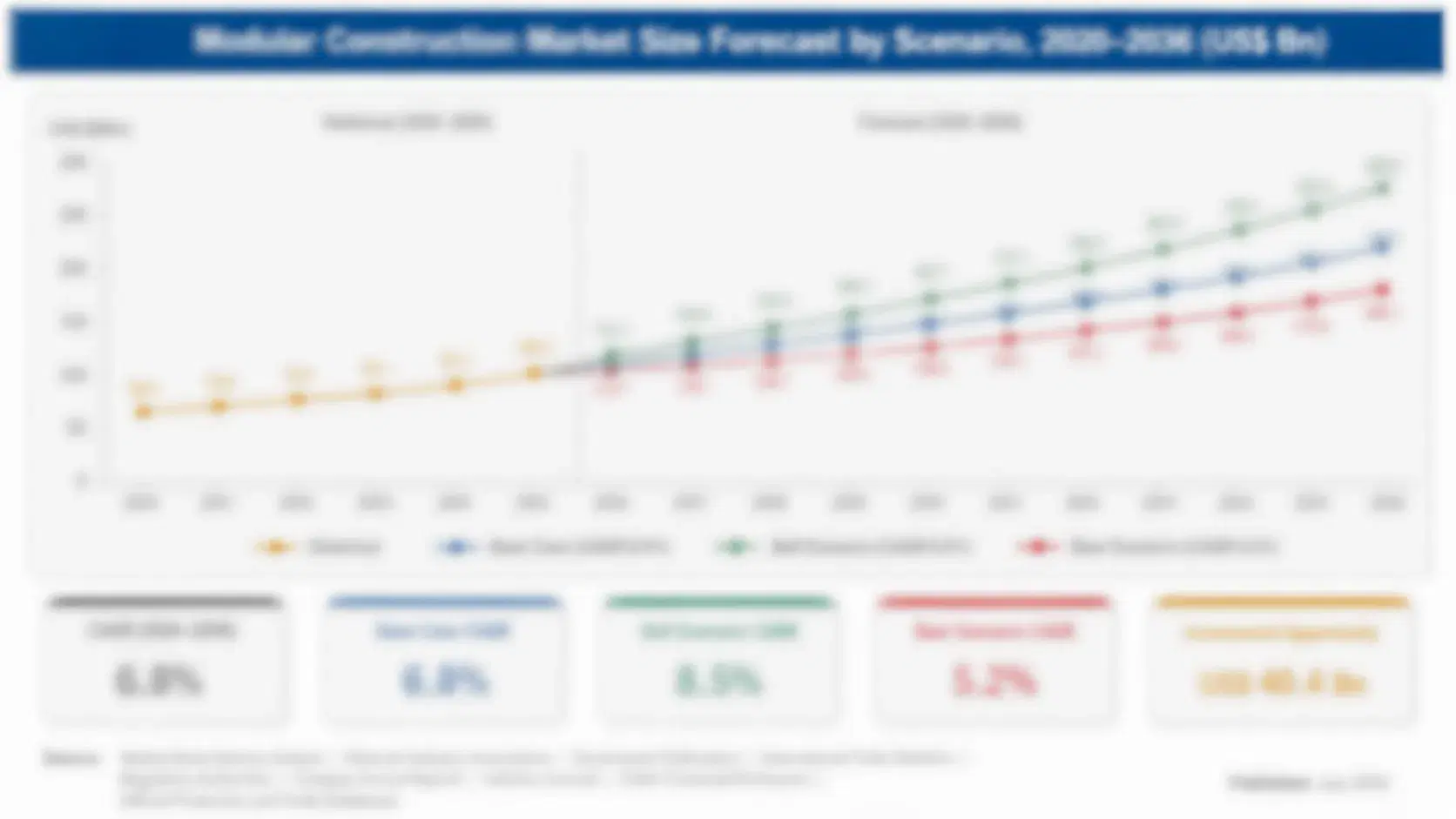
Ready To Drink Cocktails Market Forecast Scenarios

ready-to-drink-cocktails-market-size-forecast-scenario-1789809386174
From 2020 to 2025, ready-to-drink cocktails grew as canned tequila and highball brands scaled in North America and Australia, Japanese chuhai held a large base, and spirit-based drinks took share from hard seltzer. Spirit, aluminium, and freight costs rose from 2021, and brands raised prices in steps. Growth ran a little below the forecast pace as flavour churn and crowded coolers limited repeat purchase.
The base case rests on three commercial mechanisms. First, tequila and premium spirit-based cocktails take share from flavoured malt beverages and hard seltzer as buyers seek credibility. Second, highballs and simple two-ingredient cans expand in Asia, Europe, and Latin America. Third, retail licences, convenience distribution, and summer occasions widen access. Each mechanism compounds slowly, and none needs a breakout year. Brands plan spirit sourcing, can supply, and flavour rotation around all three.
The bull case needs stable agave and aluminium costs and wider retail licences, which would lift volumes and let brands hold prices. The bear case is a run of tax increases combined with aluminium tariffs and a slowdown in premium spending, which would squeeze margins, delay launches, and push buyers toward beer. Buyers reward consistency over novelty.

Spirit Credibility, Can Costs, and Tax Design Decide Cocktail Winners

Ready-to-drink cocktails span several production models. Distillers or brand owners blend spirit, water, juice, sweetener, and flavour, carbonate or leave still, and fill aluminium cans, glass bottles, or pouches through owned lines or co-packers. Spirit-based drinks differ from malt-based ones because the alcohol comes from distilled spirit, which carries higher tax in many markets and supports credibility with buyers who know the brand.
MARKET CONCENTRATION44% CR5Leading five groups hold a sizeable combined share
TYPICAL ALCOHOL STRENGTH7%Common alcohol strength of most canned spirit cocktails
SPIRIT BASE COST SHARE30%Portion of goods cost taken by distilled spirit base
CAN PACKAGING COST SHARE26%Portion of goods cost taken by aluminium cans and cartons
AVERAGE FOUR-PACK PRICE$13Typical shelf price for a four-pack of twelve ounce cans
JAPAN CATEGORY SHARE26%Portion of global category value sold in Japan
Spirit credibility, can costs, and tax design decide value. Buyers judge cocktails by flavour, brand heritage, alcohol content, and price per can, so a brand needs authentic spirit supply, efficient packaging, and formulas that fit tax bands. Large groups own distribution and cooler placement, while spirits houses own credibility. Brands with real spirit bases, simple flavours, and contracted cans win because coolers are crowded and switching is easy.
Buyers judge cocktails on flavour, brand, alcohol strength, price per serve, and occasion fit. Beach, party, and outdoor buyers want portable four-packs, while home buyers want variety packs and premium bottles. Price sensitivity is moderate, since buyers compare with beer, wine, and bar cocktails, which pushes brands toward variety packs, seasonal flavours, and clear spirit provenance on the can.
"A canned cocktail is a promise that the drink inside tastes like the bar, and the cans that keep that promise keep the shelf. Brands that treat spirit quality as the product and flavour as packaging will hold value. Cooler space, not consumer interest, is the scarce input."
Senior Analyst, Beverages and Spirits Practice · MMA Ready-to-Drink Spirit-Based Cocktails Practice · September 2026

Market Trends

Tequila and Premium Spirit Cocktails Take Share From Hard Seltzer

Brands now sell canned tequila sodas, margaritas, and highballs made with real agave and whisky spirit, replacing hard seltzer and flavoured malt beverages for buyers who want credibility. Spirit-based cans price 15% to 40% above malt-based drinks and earn gross margins of 36% to 48%. Simple two-ingredient recipes, premium spirit names, and summer occasions drive growth, and retailers give spirit-based cocktails wider cooler space. The trend needs secure agave and whisky supply and rewards brands with spirit heritage, distribution partners, and cost-efficient canning. Cooler space decides renewal. Supply reliability decides brand rankings.
Market Impact: canned occasions grow 8-12% yearly

Highballs and Chuhai Formats Spread Beyond Japan

Japan's chuhai and whisky highball cans, sold in 350 and 500 millilitre sizes at 3% to 9% alcohol, have made Japan the world's largest ready-to-drink market, and Japanese groups now export formats to Australia, Korea, Europe, and the United States. Highballs fit dining occasions and are lower in sugar than sweet cocktails. Leading brands sell strong variants and low-alcohol lines to widen occasions. The trend rewards producers with Japanese expertise, flavour development, and access to convenience chains abroad. Margins follow sourcing discipline. Retail buyers review ranges every season. Sell-through data protects future sales.
Market Impact: premium cans sell $14-20 four-packs

Market Opportunities and Growth Drivers

Convenience and Portability Drive Adoption Among Younger Drinkers

Buyers aged 21 to 40 choose canned cocktails for beach days, festivals, parties, and casual dinners because cans are portable, portion-controlled, and cheaper than bar drinks. Four-packs and variety packs sit in convenience stores, grocery chains, and liquor stores, and licences in more states and countries widen access. Cans avoid glass bans at events and sports venues. The driver adds new occasions each year and supports growth of 8% to 12% in mature markets, though it depends on brands keeping flavour and quality consistent. Cost control separates leaders from followers. Clear labelling builds buyer trust.
Market Impact: spirit and cans take 56%

Premiumisation and Spirit Brand Extensions Build Credibility

Distillers and tequila brands extend into cans using their names, and buyers trust known spirit brands more than unknown cocktail start-ups. Premium cans use real agave, aged whisky, and small-batch spirits, and priced at $14 to $20 for four cans they trade buyers up from malt-based drinks. Retailers reward recognisable spirit names with cooler space, and bars and restaurants stock premium cans for takeaway. The driver lifts price per litre and margins and gives spirit houses an advantage over neutral flavoured malt producers. Small brands feel every can price swing. Distribution reach compounds over time.
Market Impact: flavours delist within 18 months

Market Restraints and Challenges

Spirit and Aluminium Cost Swings Squeeze Cocktail Margins

Spirit base and aluminium cans together take about 56% of cost of goods, and agave, grain, and metal price swings have moved input cost by 12% to 30% within a year. The root cause is concentrated agave supply, tariff policy on aluminium, and commodity cycles in grain. Brands pass on part of the increase through pack-price rises, but retailers resist changes. Mitigation includes spirit supply contracts with distillers, multi-year can contracts, lighter cans, and shared filling capacity, though small brands lack purchasing scale. Buyers reward consistency over novelty. Cooler space decides renewal.
Market Impact: spirit-based cans price 15-40% higher

Higher Spirit Tax and Rapid Flavour Churn Limit Returns

Spirit-based cocktails face higher excise tax and narrower retail access than beer-based drinks in many markets, and rule changes can cost brands 10 to 20 points of margin. Flavour churn adds pressure, since about half of new flavours are delisted within 18 months. The root cause is tax policy that rewards lower-cost bases and crowded coolers. Mitigation includes formulas designed for tax bands, focused four to six flavour ranges, and sell-through data to prune slow sellers, though these steps need discipline. Supply reliability decides brand rankings. Margins follow sourcing discipline. Retail buyers review ranges every season.
Market Impact: Japan holds 26% of category value
3 additional market trends, 2 additional growth drivers, and 4 additional restraints and challenges are covered in the full report. Contact sales@marketmindsadvisory.com to access the complete intelligence.

Segment CAGR and Growth Architecture

Ready-to-drink cocktails are segmented by base spirit, which shows where credibility, cost, and pricing power sit. Five segments cover tequila and agave-based cocktails, whisky and bourbon-based cocktails, vodka-based cocktails, rum and gin-based cocktails, and shochu and chuhai-based cocktails. Two segments grow fastest on premium spirit demand. Sell-through data protects future sales. Cost control separates leaders from followers.
ready-to-drink-cocktails-market-market-share-analysis-1789809386446

Tequila and Agave-Based Cocktails

Tequila and Agave-Based Cocktails is the fastest-growing segment at 15.0% a year, about 1.63 times the overall market rate. Buyers want premium spirits in a portable can, and tequila sodas, margaritas, and palomas carry a lifestyle image that vodka drinks no longer do. Cans price 15% to 40% above malt-based drinks and earn gross margins of 36% to 48%. Agave supply and price swings are the main constraints, since agave harvests take years and prices have moved sharply. Brands with real agave spirit and distillery ties win, while neutral-base imitators compete on price. Clear labelling builds buyer trust. Small brands feel every can price swing. Distribution reach compounds over time. Buyers reward consistency over novelty.
CAGR 15.0%

Whisky and Bourbon-Based Cocktails

Whisky and Bourbon-Based Cocktails grow at 11.6% a year, because highballs, whisky sodas, and bourbon and cola cans fit dining and casual occasions in Japan, Korea, Europe, and North America, and known whisky names give them credibility. Cans sell at $12 to $18 for four in retail and carry moderate alcohol strength. Grain and ageing supply are the main constraints, since aged spirit is scarce and costly, and younger whisky risks quality complaints. Distillers with stocks and brand equity hold price better than start-ups that rely on flavour alone. Cooler space decides renewal. Supply reliability decides brand rankings. Margins follow sourcing discipline. Retail buyers review ranges every season. Sell-through data protects future sales.
CAGR 11.6%
Full segment breakdown across 5 segments available in the complete report.

Regional Architecture and Country Demand Map

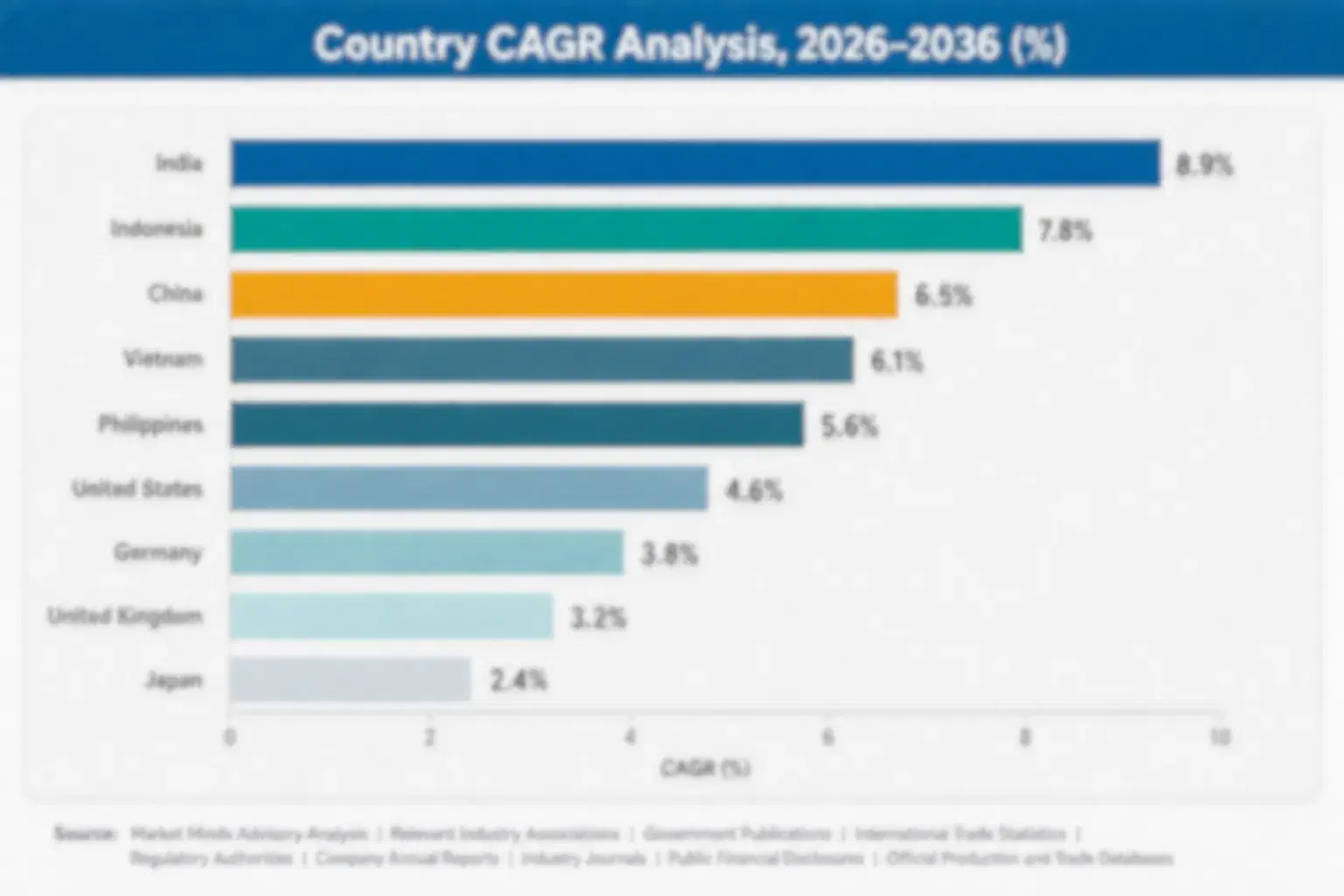
Ready-to-drink cocktail value follows spirit culture, convenience distribution, and tax rules. East Asia leads through Japan's chuhai and highball market, North America follows through canned tequila and whisky drinks, Western Europe holds a mature share, and South Asia and Pacific grows fastest. Cost control separates leaders from followers.

East Asia

East Asia holds 30% share, with Japan, South Korea, China, and Taiwan leading through Japan's chuhai and highball culture, dense convenience store distribution, and the world's largest ready-to-drink market. Suntory Holdings, Asahi Group Holdings, Kirin Holdings, Sapporo Holdings, and Takara Shuzo lead, and buyers reach cans through convenience stores, supermarkets, and vending. Growth runs above the global rate as premium and strong variants expand. Liquor tax rules, health concerns over strong chuhai, and price competition restrain margins, and Korean and Chinese markets are still small. Clear labelling builds buyer trust. Small brands feel every can price swing. Distribution reach compounds over time. Buyers reward consistency over novelty. Cooler space decides renewal. Supply reliability decides brand rankings.
Share: 30% | CAGR: 10.2% (2026 to 2036)

North America

North America holds 28% share, with the United States and Canada leading through canned tequila sodas, vodka and whisky cocktails, and wide grocery and liquor store distribution. E. & J. Gallo, Diageo, Anheuser-Busch InBev, Brown-Forman, and Constellation Brands lead. Growth runs slightly below the global rate as the base matures, though premium spirit-based cans add value. State licensing, aluminium tariffs, agave costs, and crowded coolers restrain margins, and distributor consolidation shapes access. Margins follow sourcing discipline. Retail buyers review ranges every season. Sell-through data protects future sales. Cost control separates leaders from followers. Clear labelling builds buyer trust. Small brands feel every can price swing. Distribution reach compounds over time. Buyers reward consistency over novelty.
Share: 28% | CAGR: 9.0% (2026 to 2036)
Regional intelligence for 5 additional markets available in the complete report: Western Europe, South Asia and Pacific, Latin America, Middle East and Africa, Eastern Europe. Contact sales@marketmindsadvisory.com.
ready-to-drink-cocktails-market-country-cagr-analysis-1789809386743

Four Margin Routes for Cocktail Brands

Margin in ready-to-drink cocktails comes from real-spirit premiums, input contracts, tax-smart formulas, and disciplined ranges rather than flavour volume alone. The routes below apply to spirits houses, brewers, and start-ups, and each can start inside one planning cycle, with clear measures in gross margin points, cost per can, and sell-through by channel. Retail buyers review ranges every season.

Building Real-Agave and Real-Whisky Cans at Premium Prices

Spirit-based cans price 15% to 40% above malt-based drinks and earn gross margins of 36% to 48%, and brands that use real agave and whisky with simple recipes report gross margin gains of 5 to 9 points on those lines. Premium four-packs at $14 to $20 avoid the discounting that hits flavoured malt. Distillery ties add credibility. Pilot launches in two retail chains typically confirm demand within one summer, before wider distribution follows. Sell-through data protects future sales. Cost control separates leaders from followers. Clear labelling builds buyer trust. Small brands feel every can price swing.
Market Impact: real-spirit cans lift gross margin by 5-9 points

Contracting Spirit and Cans Across Suppliers and Sharing Filling Capacity

Spirit and aluminium take about 56% of cost of goods, and input swings of 12% to 30% within a year hit margin, so brands that contract spirit with two distillers, sign multi-year can contracts, and share filling capacity cut cost volatility by roughly half. Lighter cans save 5% to 10% on metal. Retailers accept price rises slowly. Brands that skip planning absorb 12% more cost in volatile years and lose margin to rivals. Distribution reach compounds over time. Buyers reward consistency over novelty. Cooler space decides renewal. Supply reliability decides brand rankings.
Market Impact: input contracts cut cost volatility by roughly 50%

Designing Formulas and Licences Around Tax Bands and Channel Access

Spirit-based cocktails face higher tax and narrower access than beer-based drinks, and a rule change can cost 10 to 20 points of margin, so brands that map tax bands by market, design formulas within favourable alcohol thresholds, and pursue licences for grocery and convenience distribution protect volume worth 25% of sales. Regulatory counsel costs $200,000 to $500,000 a year. Small brands can share support through trade associations. Margins follow sourcing discipline. Retail buyers review ranges every season. Sell-through data protects future sales. Cost control separates leaders from followers. Clear labelling builds buyer trust.
Market Impact: tax-smart design protects volume worth 25% of sales

Focusing Ranges on Proven Flavours and Rotating Limited Editions

About half of new flavours are delisted within 18 months, so brands that focus on four to six proven flavours, rotate one limited edition each season, and use sell-through data to prune slow sellers lift shelf productivity by 15% to 25% and cut dead stock by a third. Retailers reward fast-turning ranges with larger cooler space. Small brands can start with three flavours and one retailer. Brands should review sell-through weekly. Small brands feel every can price swing. Distribution reach compounds over time. Buyers reward consistency over novelty. Cooler space decides renewal.
Market Impact: focused ranges lift shelf productivity by 15-25% yearly

Who Controls the Margin Pool

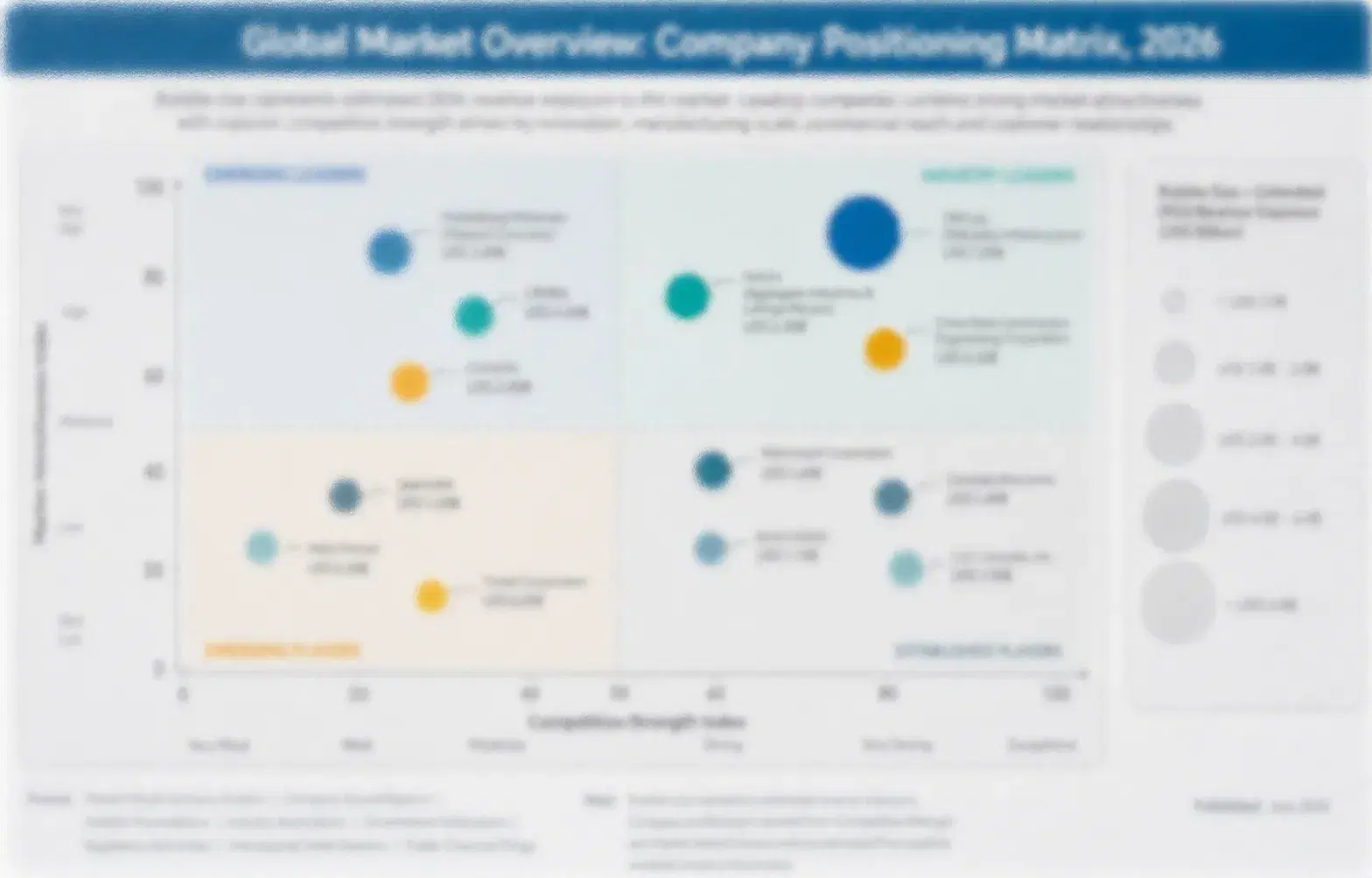
The ready-to-drink cocktail market is concentrated, with a CR5 of 44%, and regional brewers, distillers, and start-ups sit outside the leading five. This assessment measures participants on estimated ready-to-drink cocktail sales value, held constant across all players. Suntory Holdings leads through chuhai and highball scale and convenience store reach, while Asahi Group Holdings, Kirin Holdings, E. & J. Gallo, and Diageo follow, with a clear gap between the leader and
Competition runs on four dimensions today: spirit credibility and flavour, cooler space and distribution, input cost and contracts, and tax and licence design. Large groups win on brands, packaging scale, and retailer relationships, while start-ups win on novelty and social media. Imitators copy popular flavours quickly, so premiums outside real spirit erode within a season, and price competition appears in summer promotions. Supply reliability decides brand rankings.

Emerging pressure comes from bar-quality premium cans, non-alcoholic cocktails, and brewers using spirit bases. Rankings shift where a brand secures agave supply, wins cooler space, or launches a standout format. Regional brands in Australia and Mexico can move up quickly, since local spirit and taste matter more than global scale. Margins follow sourcing discipline.
ready-to-drink-cocktails-market-company-positioning-matrix-1789809387028

Competitive Moat and Risk Dimensions

SUNTORY HOLDINGS

Moat: Chuhai Scale and Convenience Reach

Suntory Holdings sells chuhai and highball cans including Strong Zero and Kaku Highball through convenience stores, supermarkets, and vending machines across Japan and exports formats abroad. Its whisky heritage, flavour development, and scale in packaging and distribution give it pricing power and cooler space that smaller brands cannot match.
SUNTORY HOLDINGS

Risk: Home Market Ageing and Scrutiny

Suntory depends heavily on Japan, where population ageing limits volume growth and health concerns over strong chuhai draw scrutiny. Aluminium and spirit costs squeeze margins, and Western start-ups with tequila and modern branding attract younger buyers abroad, while liquor tax changes can reset relative prices. Retail buyers review ranges every season.
E. & J. GALLO

Moat: Premium Canned Tequila Brand

E. & J. Gallo owns High Noon, a leading canned spirit-based seltzer and cocktail brand in the United States, and uses its wine and spirits distribution network to secure cooler space across states. Its scale in packaging, distributor relationships, and marketing budgets supports fast launches and rotating flavours that start-ups struggle to fund.
E. & J. GALLO

Risk: Category Concentration and Flavour Churn

Gallo depends on a small set of canned brands where flavour churn and crowded coolers threaten shelf position. Aluminium tariffs and spirit costs squeeze margins, and tequila-based rivals with spirit heritage attract premium buyers, while state tax and licensing rules limit expansion in some markets. Sell-through data protects future sales.

Players Tracked

Prominent Players

Suntory Holdings
Asahi Group Holdings
Kirin Holdings
E. & J. Gallo
Diageo

Other Key Players

Bacardi
Brown-Forman
Pernod Ricard
Anheuser-Busch InBev
Molson Coors
Constellation Brands
Heineken
Campari Group
Mark Anthony Brands
Sapporo Holdings
Takara Shuzo
Boston Beer Company
Cutwater Spirits
On the Rocks Cocktails
Carlsberg

Recent Developments

JANUARY 2026

Suntory Holdings Launches Low-Sugar Highball Range for Australia and Korea

Suntory Holdings launched a low-sugar highball range for Australia and South Korea using its whisky and chuhai know-how, aimed at dining and casual occasions. It is a product launch, and it tests whether Japanese formats can win share in new markets. Sales volumes were not disclosed.
Signal: Confirms that Japanese groups are exporting low-sugar highball formats into Australia and Korea where ready-to-drink demand is growing.
FEBRUARY 2026

E. & J. Gallo Expands Canning Capacity for High Noon Tequila Cocktails

E. & J. Gallo announced organic expansion of canning capacity for High Noon and tequila-based cocktails to meet demand. It is a capacity expansion, not an acquisition, and it tests whether large groups can improve can cost and supply reliability. Investment figures were not disclosed. Cooler space decides renewal.
Signal: Indicates leading brands are investing in owned canning capacity to protect supply and margin as spirit-based cans grow.
MARCH 2026

Diageo Signs Agave Supply Agreement to Secure Tequila for Canned Cocktails

Diageo signed a multi-year agave and tequila supply agreement to secure spirit for canned cocktails and reduce exposure to price swings. It is a supply agreement, not an acquisition, and it tests whether long contracts can protect margins. Contract volumes were not disclosed. Supply reliability decides brand rankings.
Signal: Suggests global spirits groups are locking in agave supply through long contracts to protect canned cocktail margins.

What Drives Cocktail Production Costs

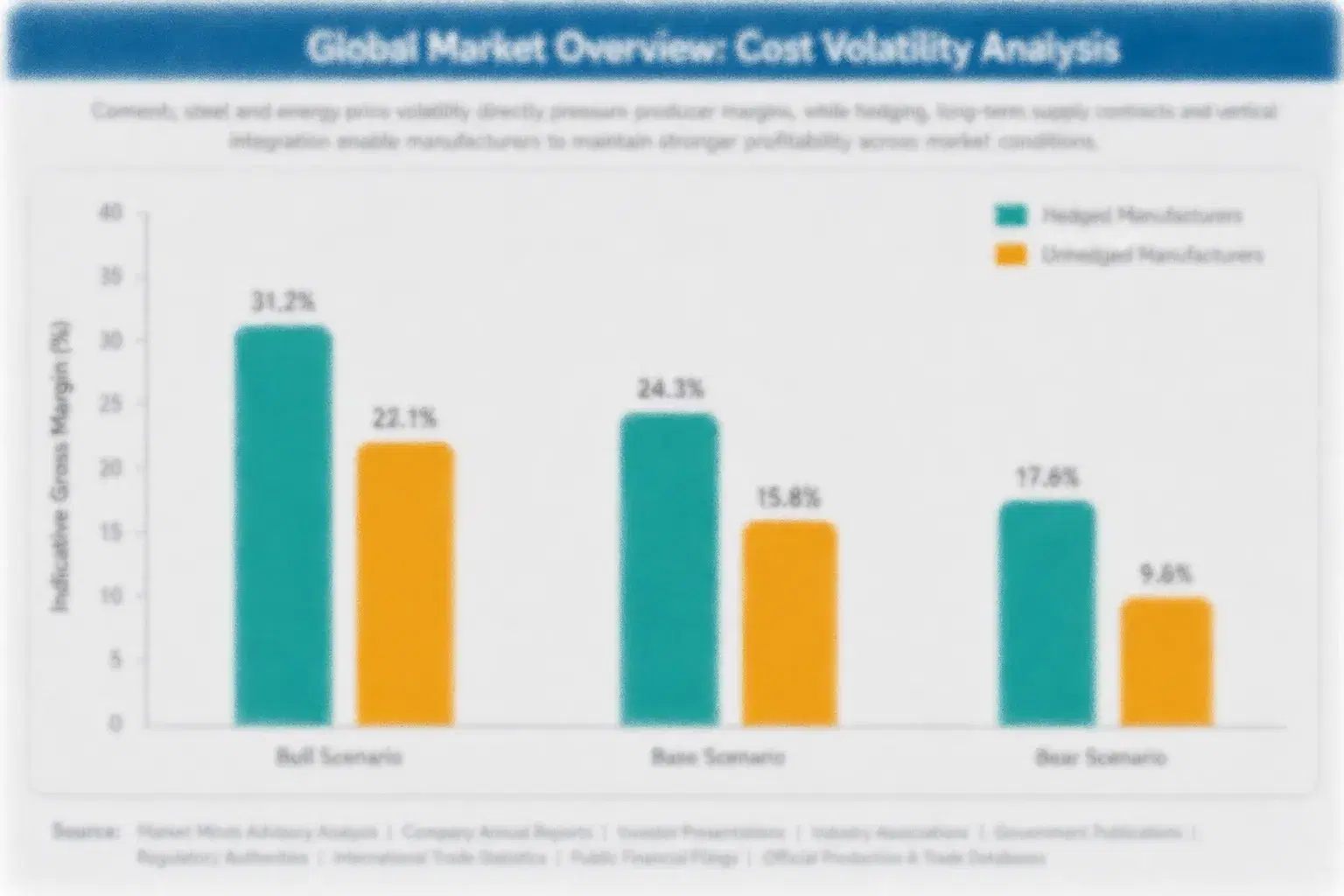
Distilled spirit accounts for roughly 30% of cost of goods, aluminium cans and cartons about 26%, mixers, juices, and flavours about 12%, freight and logistics about 12%, co-packing, labour, and energy about 12%, and quality assurance and other costs about 8%. Tequila comes from Mexico, whisky and vodka from distillers in Scotland, the United States, and Japan, and cans from a few global makers.
The clearest recent shock came from agave and aluminium. The Tequila Regulatory Council reported sharp swings in agave prices during recent years, and Ball Corporation reported in its annual documents that aluminium premiums and tariffs raised can costs, while Diageo and Suntory Holdings reported that input inflation weighed on margins. Brands raised prices by 4% to 8%, shrank packs, and delayed launches, which squeezed gross margin by several points.

The competitive disadvantage falls on small brands, which buy spirit and cans in small lots at spot prices and cannot flex capacity for summer peaks. Large groups own distilleries, sign long contracts, and spread costs across many brands. Exposure also varies by geography, since American brands face aluminium tariffs while Japanese brands face yen-linked import costs. Sell-through data protects future sales.
ready-to-drink-cocktails-market-cost-volatility-analysis-1789809387378

Contracting Spirit Supply and Multi-Year Can Volumes

Brands contract spirit with two or more distillers and sign multi-year can contracts, consolidate orders across products, and dual-source packaging. Forward contracts cut cost swings by roughly half, though they need volume commitments and working capital that only larger brands usually provide. Terms often run two years, delivery reliability matters, and buyers should approve early.

Using Lighter Cans and Shared Filling Capacity

Brands adopt lighter aluminium cans and share filling capacity with partners to cut cost and capital. Lighter cans reduce metal cost by 5% to 10% and improve freight efficiency. The main risk is line compatibility, so brands run trials with co-packers, while larger groups adopt first and small brands share supplier programmes. Cost control separates leaders from followers.

Using Co-Packers to Avoid Capital Costs

Small brands use co-packers and contract fillers rather than building lines, avoiding capital costs of $1 million or more. Contract services add cost per can but lower risk and handle summer peaks. The main challenge is scheduling, since slots fill early, so brands book capacity months ahead and agree penalties for late delivery and quality failures.

Portfolio Architecture for Margin Defence

Margins run from thin returns on flavoured malt and neutral-spirit cocktails sold in multipacks to strong returns on real-agave, whisky, and premium spirit cans sold through liquor stores, grocery, and bars. Three tiers separate volume products, certified premium lines, and next-generation formats, and each tier draws on different buyer groups, spirit sources, and channel terms. Clear labelling builds buyer trust.
The tension between volume and premium is sharp. Volume lines protect line utilisation and retailer relationships but face constant price pressure from beer and private label, while premium lines earn higher margins on smaller volumes and depend on spirit supply, brand credibility, and cooler placement. Brands that run only volume struggle to fund spirit contracts, while brands that run only premium lack the scale to hold distribution and absorb can shocks.

High-value pools concentrate in real-agave and whisky cans sold through liquor stores, premium grocery, and bars in North America, Japan, and Australia. They gather where buyers pay for spirit credibility, simple recipes, and occasion fit rather than volume. Festivals, hospitality groups, and premium retailers add further value, since these buyers ask for reliable supply and consistent flavour, and they reorder without shopping

Volume / Commodity-Adjacent Tier

Neutral-spirit and flavoured malt-style cocktails sold in multipacks to grocery and convenience chains, with thin margins, can and spirit cost exposure, and constant price competition, where buyers switch on price, promotion, and flavour.
Gross Margin: 22%-32%

Premium / Certified Tier

Real-agave, whisky, and gin cans with named spirit brands, origin claims, and simple recipes, sold through liquor stores, grocery, and bars that require reliable supply, clear labelling, and stable pricing across seasons. Small brands feel every can price swing.
Gross Margin: 36%-50%

Sustainability / Regulatory / Next-Generation Tier

Low-sugar highballs, lighter cans, and low-alcohol cocktails with recycled aluminium and clear sourcing, sold through convenience, online platforms, and hospitality to buyers who pay premiums for lower sugar and stronger sustainability signals. Distribution reach compounds over time.
Gross Margin: 34%-48%
ready-to-drink-cocktails-market-portfolio-architecture-1789809387719

High-value Sub-segments and Strategic Watch-out

Tequila and Agave-Based Cocktails

Tequila and agave-based cocktails combine the fastest growth with strong pricing, since buyers want premium spirits in a can and pay 15% to 40% premiums over malt-based drinks. Agave supply and brand credibility limit competition, and brands with distillery ties win cooler space. Volume compounds as summer and holiday
Gross Margin: 36%-50%

Whisky and Bourbon-Based Cocktails

Whisky and bourbon-based cocktails deliver solid growth and healthy pricing, since highballs and whisky sodas fit dining and casual occasions and known names lend credibility. Aged spirit supply forms the entry barrier, and distillers with stocks win. Repeat purchase builds through convenience chains in Asia and Europe.
Gross Margin: 34%-48%

Vodka-Based Cocktails

Vodka-based cocktails form the volume core, sold through grocery, liquor stores, and convenience chains at moderate margins. Growth is steady, at about 8.0% a year, as buyers keep familiar flavours. Spirit cost, can price, and retailer negotiation decide profit, and brands use the segment to anchor cooler space.
Gross Margin: 24%-36%

Shochu and Chuhai-Based Cocktails

Shochu and chuhai-based cocktails are the strategic watch-out for growth, since Japan's base is mature, health scrutiny of strong variants continues, and growth trails the market at about 6.8% a year. Brands should test low-alcohol and export formats before scaling, because tax changes and price competition can erode margin
Gross Margin: 22%-34%

Why Drinkers Keep Choosing Canned Cocktails

Ready-to-drink cocktail demand behaves like an annuity of social occasions. Buyers pick the same can for beach days, barbecues, and dinners because taste and price are familiar, and a satisfied buyer often steps up to a premium four-pack. Retailers use last week's sell-through to fix cooler space, and distributors use route data to plan restocks, so successful brands earn steadier volume than launches driven by novelty alone.
Adoption stickiness differs by end-use vertical. Convenience and grocery buyers are the deepest, since habit and cooler placement drive repeat purchase, and they change only when supply or price fails. Hospitality and event buyers are almost as loyal once a supplier is approved. Online and liquor store shoppers are shallower and switch on price and flavour, while gift buyers follow promotions. Buyers reward consistency over novelty.

Buyer profiles are shifting between generations. Older buyers choose cocktails for convenience and trust known spirit brands, while younger buyers care about flavour variety, lower sugar, and social proof shared online. Wellness-minded professionals add a third group that wants lower alcohol and cleaner labels. Brands that publish spirit provenance and use social media for occasion ideas win younger buyers and keep them.
ready-to-drink-cocktails-market-end-use-penetration-index-1789809388138

MMA Verdict on Cocktail Strategy

These are among the four positions where our research anticipates prominent divergence between winners and laggards over the coming forecast period. Each is grounded in the demand model, the regulatory perimeter, and the announced capacity pipeline.
01 / AGAVE COCKTAIL POSITIONING

Build Real-Agave Cans Before Neutral-Base Cocktails Lose Shelf Space and Margin

Tequila and agave-based cocktails grow at 15.0% a year, about 1.63 times the overall market rate, and brands that use real agave spirit and simple flavour lines earn gross margins of 36% to 48% against 24% to 32% for flavoured malt or neutral spirit cocktails. Winners will invest in agave supply, authentic branding, and cooler placement in summer and holiday windows. Brands that use cheap neutral bases will compete on price, and rivals with credible spirit heritage will capture the premium four-pack.
02 / SPIRIT AND CAN DISCIPLINE

Contract Spirit and Cans Before Input Swings Erode Cocktail Margins

Spirit base and aluminium cans together take about 56% of cost of goods, and agave, grain, and metal price swings have moved input cost by 12% to 30% within a year. Brands should contract spirit supply with distillers, sign multi-year can contracts, and shift to lighter cans and shared filling capacity. Those that buy spirit and cans on the spot market will absorb volatility or cut quality, and rivals with contracted supply and co-packing capacity will hold price and shelf space through every input cycle.
03 / TAX AND LICENCE DESIGN

Design Formulas Around Tax Bands Before Rule Changes Squeeze Margin

Excise, licensing, and channel rules differ by market, and spirit-based cocktails face higher tax and narrower retail access than beer-based drinks in many places, so brands can lose 10 to 20 points of margin when rules change. Brands should map tax bands by market, design formulas that stay within favourable alcohol thresholds, and pursue licences that allow grocery and convenience distribution. Those that ignore tax design will see margins squeezed, and rivals with optimised formulas and wide licences will win volume through every rule change.
04 / RANGE DISCIPLINE STRATEGY

Focus Ranges on Proven Flavours Before Novelty Fills Coolers With Dead Stock

Ready-to-drink cocktails churn quickly, and half of new flavours are delisted within 18 months, so brands that launch too many variants dilute rotation and strain cooler space. Brands should focus on four to six proven flavours, rotate one limited edition each season, and use sell-through data to prune slow sellers. Those that chase novelty will fill shelves with dead stock and lose retailer trust, and rivals with disciplined ranges will hold cooler space and reorder rates through every season and holiday window.

Engagement Snapshot From the Field

A live engagement with an industry participant carrying material or product regulatory and market exposure ahead of a defining policy shift, showing how our research translates into a defensible multi-year portfolio strategy.
MARKET MINDS ADVISORY · CLIENT ENGAGEMENT SUMMARY
Ready To Drink Cocktails Producer Strategic Portfolio Review and Transition Roadmap 2026·Investment Scenario on Ready To Drink Cocktails Exposure Evaluation 2025-26
CLIENT PROFILE
The client is a mid-sized United States craft spirits company with annual sales near $120 million (client-reported, unverified by MMA), a portfolio of tequila, bourbon, and gin sold through distributors to liquor stores, bars, and restaurants in 20 states. It had no canned range, no co-packer relationships, and heavy exposure to agave price swings. Cooler space decides renewal.
STRATEGIC CHALLENGE
Bottle sales were flat, two competitors had launched canned tequila sodas, and agave cost had risen by 27%. Management needed to decide whether to launch canned cocktails, contract agave, or partner with a brewer, with limited capital and no canning line. Supply reliability decides brand rankings. Margins follow sourcing discipline. Retail buyers review ranges every season.
MMA APPROACH
MMA analysed sales and distributor data across 30 products, interviewed 10 retail buyers, eight distributors, and six co-packers, and ran a buyer survey on flavour, price, and format across three regions. It modelled margin by product and channel, tested agave and aluminium scenarios, and ranked options by payback period and execution risk.
KEY FINDINGS
  1. A canned tequila range through a co-packer could reach 14% of sales in two years at margins near 42% (client-reported, unverified by MMA). Sell-through data protects future sales.
  2. Agave contracts covering 60% of volume could cut cost volatility by about half and protect price lists. Cost control separates leaders from followers. Clear labelling builds buyer trust.
  3. Formulas kept at 7% alcohol could avoid higher tax bands in two states and protect grocery licences. Small brands feel every can price swing.
  4. A range of four core flavours and one seasonal edition could lift shelf productivity by 20% against a ten-flavour launch. Distribution reach compounds over time.
CLIENT PROFILE
The client is a mid-sized United States craft spirits company with annual sales near $120 million (client-reported, unverified by MMA), a portfolio of tequila, bourbon, and gin sold through distributors to liquor stores, bars, and restaurants in 20 states. It had no canned range, no co-packer relationships, and heavy exposure to agave price swings. Cooler space decides renewal.
STRATEGIC CHALLENGE
Bottle sales were flat, two competitors had launched canned tequila sodas, and agave cost had risen by 27%. Management needed to decide whether to launch canned cocktails, contract agave, or partner with a brewer, with limited capital and no canning line. Supply reliability decides brand rankings. Margins follow sourcing discipline. Retail buyers review ranges every season.
MMA APPROACH
MMA analysed sales and distributor data across 30 products, interviewed 10 retail buyers, eight distributors, and six co-packers, and ran a buyer survey on flavour, price, and format across three regions. It modelled margin by product and channel, tested agave and aluminium scenarios, and ranked options by payback period and execution risk.
KEY FINDINGS
  1. A canned tequila range through a co-packer could reach 14% of sales in two years at margins near 42% (client-reported, unverified by MMA). Sell-through data protects future sales.
  2. Agave contracts covering 60% of volume could cut cost volatility by about half and protect price lists. Cost control separates leaders from followers. Clear labelling builds buyer trust.
  3. Formulas kept at 7% alcohol could avoid higher tax bands in two states and protect grocery licences. Small brands feel every can price swing.
  4. A range of four core flavours and one seasonal edition could lift shelf productivity by 20% against a ten-flavour launch. Distribution reach compounds over time.
RECOMMENDED STRATEGY
Phase 1: Phase 1 (Months 1-6): Sign agave contracts, select a co-packer, and design four core flavours within tax thresholds. Buyers reward consistency over novelty. Phase 2: Phase 2 (Months 7-18): Launch the canned range in grocery and convenience chains with one seasonal edition and sell-through tracking. Cooler space decides renewal. Phase 3: Phase 3 (Months 19-30): Extend to ten further states, add a whisky highball, and review margin and rotation quarterly. Supply reliability decides brand rankings.
OUTCOME
Within 30 months, canned products reached 16% of sales, cost volatility fell by 44%, and gross margin on the range rose to 41% (client-reported, unverified by MMA). The client won listings in three grocery chains, avoided dead stock through range discipline, and retailers named its cans a preferred premium tequila option.

Frequently Asked Questions

Foundational context covering the market sizes, CAGR, scope, country, region and competition that inform every finding below. This section is provided to cover basics and most often pre-purchase conversations, answered from the MMA Primary Research Dataset.

What is the current size of the Ready To Drink Cocktails Market?

The global ready-to-drink cocktails market was valued at $16.0 billion in 2025. Growth is supported by canned tequila, highballs, and convenience despite spirit and aluminium cost swings.

How large will the Ready To Drink Cocktails Market be by 2036?

The market is projected to reach $42.1 billion by 2036, up from $17.5 billion in 2026. The increase of $24.7 billion reflects premium spirit cans, highballs, and wider retail licences.

What is the CAGR for the Ready To Drink Cocktails Market 2026 to 2036?

The market is forecast to grow at a 9.2% CAGR from 2026 to 2036. The bull case reaches 10.5% and the bear case 7.9%, depending on input costs and tax rules.

Which segment is growing fastest?

Tequila and Agave-Based Cocktails is the fastest-growing segment at 15.0% CAGR, roughly 1.63 times the overall market rate. Whisky and Bourbon-Based Cocktails follows as the second-fastest segment at 11.6% CAGR each year.

Who are the major companies in the Ready To Drink Cocktails Market?

Major companies include Suntory Holdings, Asahi Group Holdings, Kirin Holdings, Gallo, and Diageo. Bacardi, Brown-Forman, Pernod Ricard, Heineken, and Campari Group also hold meaningful positions.

Which country is growing fastest?

Australia is the fastest-growing country at a 12.0% CAGR, driven by a large canned cocktail culture and premium tequila and highball launches. New Zealand and India follow through urban demand and expanding licences.

Report Segmentation Architecture

The full report scope spans multiple orthogonal segmentation dimensions, with cross-tabulated demand data provided for each dimension pair. Coverage extends further to regional breakdowns, trend trajectories, and the competitive detail needed to support segment-level decision-making.

By Primary Market Dimension

  • Tequila and Agave-Based Cocktails
  • Whisky and Bourbon-Based Cocktails
  • Vodka-Based Cocktails
  • Rum and Gin-Based Cocktails
  • Shochu and Chuhai-Based Cocktails

By End-Use Industry

  • Home Consumption
  • Outdoor and Beach Occasions
  • Bars and Restaurants
  • Events and Festivals
  • Gifting and Travel Retail

By Commercial Dimension

  • Grocery and Supermarkets
  • Convenience Stores
  • Liquor Stores
  • Bars and Foodservice
  • Online and Delivery

By Region

  • East Asia
  • North America
  • Western Europe
  • South Asia and Pacific
  • Latin America
  • Middle East and Africa
  • Eastern Europe

Scope, Methodology, and Coverage

Every figure in this report is reproducible from documented input assumptions. The scope below maps the historical period, the forecast horizon, the segmentation dimensions, and the countries covered, alongside the underlying primary and qualitative methodology.
Historical Period
2020 to 2025
Forecast Period
2026 to 2036
Base Year
2025 (USD billions; MMA Primary Research Dataset, September 2026)
Market Definition
Ready-to-drink cocktails comprise packaged, pre-mixed alcoholic beverages in which distilled spirit is the alcohol base, including vodka, tequila and agave, whisky and bourbon, rum and gin, and shochu and chuhai-based cocktails, sold in cans, bottles, and pouches through grocery, convenience, liquor stores, foodservice, and online channels. The scope excludes hard seltzer and flavoured malt beverages without spirit content, cocktail shots and minis covered elsewhere, mixers without alcohol, and bar-made cocktails.
Quantitative Units
USD billions (retail sales value); million cases for volume references
Segmentation Dimensions
By Base Spirit; By End-Use Occasion; By Commercial Dimension; By Region
Regions Covered
East Asia, North America, Western Europe, South Asia and Pacific, Latin America, Middle East and Africa, Eastern Europe
Countries Covered
Japan, South Korea, China, Taiwan, United States, Canada, United Kingdom, Germany, France, Spain, Italy, Australia, New Zealand, India, Mexico, Brazil, South Africa, Poland, and additional markets relevant to this sector
Key Companies Profiled
Suntory Holdings, Asahi Group Holdings, Kirin Holdings, E. & J. Gallo, Diageo, Bacardi, Brown-Forman, Pernod Ricard, Anheuser-Busch InBev, Molson Coors, Constellation Brands, Heineken, Campari Group, Mark Anthony Brands, Sapporo Holdings, Takara Shuzo, Boston Beer Company, Cutwater Spirits, On the Rocks Cocktails, Carlsberg
Quantitative Methodology
Primary survey, n=3,800 respondents, Q4 2025, six countries; demand-side model with trade association cross-validation
Qualitative Methodology
47 expert interviews, Q4 2025; applied to validate demand model assumptions, identify emerging dynamics, and assess competitive positioning
Report Format
PDF and XLSX data workbook (Word format preview document)
Publisher
Market Minds Advisory
Report Code
MMA-2026-AGR-447
Published
September 2026
Contact
sales@marketmindsadvisory.com | www.marketmindsadvisory.com

Purchase the full Ready To Drink Cocktails Market Report (2026 to 2036).

The full report delivers a detailed assessment of global ready-to-drink cocktails through 2036, covering segment, regional, and country forecasts, competitive benchmarking of leading brands, and input cost analysis. It combines MMA primary research, including a six-country survey of 3,800 respondents and 47 expert interviews, with public trade and company data. Analysts also model agave scenarios, aluminium cost paths, and tax rule changes. Clients receive segment margin ranges, channel maps, and a case study on market entry strategy. Retailer and distributor contact frameworks are also included for negotiation planning.
Ten-year segment and regional demand forecasts
Spirit, aluminium, and freight cost tracking
Competitive benchmarking of top twenty cocktail brands
Excise and licensing rule tracker with updates
Regional demand mechanism comparative analysis included
Quarterly primary survey data update access

Built For The People Who Decide

From boardroom strategy to bench-side execution, this report is read cover-to-cover by leaders shaping the next decade of their industry, turning demand scenarios, market dynamics and valuation benchmarks into decisions.
CXOs/ Presidents/ VPs/ Managers
M&A and Corporate Development
Strategy Teams and R&D Heads
Procurement and Product Directors
Regulatory and Compliance Leaders
Investor Relations and Equity Analysts