Market Minds Advisory
Quinoa Seed Market

Quinoa Seed Market: Quinoa Seed Market. Andean Supply Concentration, Ready-to-Cook Formats, and Organic Certification Reshape Pseudocereal Trade.

Quinoa seed is a concentrated-origin superfood where Peruvian and Bolivian harvests, saponin processing, and organic certification decide price, while ready-to-cook pouches and new growing regions give importers and brands a route beyond commodity grain.

Lead Analyst

Published

September 2026

Make Smarter Decisions with Customized Research Insights

Request a free sample report and evaluate market opportunities, growth trends, and competitive dynamics relevant to your business needs.

2025 MARKET VALUE$2.1BMarket Size 2025
2036 FORECAST VALUE$4.6BBase Case , 2026 to 2036
CAGR 2026 TO 20367.4 %Bull 8.7% / Bear 6.1%
INCREMENTAL OPPORTUNITY$2.4BNet 10- year value creation
EXPANSION MULTIPLE2.04x2036 value over 2026 base
Strategic Levers
M&A Pipeline
Regional Outlook
Country Rankings
Competitive Intelligence
Segmental Deep-dive
Call-Us : 91 93563 13602

Executive Snapshot and Market Trajectory.

Quinoa grows best at 3,500 metres in the Andes, where frost and thin air suit the plant and few other crops. That geography still supplies most of the world's grain, which is why one dry season in Puno or Potosi can move shelf prices in Chicago and London.
Ready-to-cook precooked quinoa grows fastest, driven by time-poor households, foodservice chains, and meal-kit brands that want a fluffy pseudocereal in 90 seconds, while white whole seed anchors volume in retail packs and food manufacturing. Latin America holds the largest share because Peru, Bolivia, and Ecuador grow and process most of the world's quinoa, with North America and Western Europe following as the largest import markets. India leads country growth. Organic certification supports pricing.
Competition is fragmented among Andean cooperatives, exporters, and importers, with a few branded packers and food groups holding shelf position. Advantage comes from origin access, saponin removal, certification, and consistent grain size rather than price alone. Regulation shapes returns, since pesticide residue limits, organic rules, and phytosanitary controls decide which lots reach shelves. Buyers reward clean grain, steady supply, and honest origin labeling. Supply stays tight.
Market Definition
Quinoa seed comprises the harvested seed of Chenopodium quinoa, sold as white, red, black, and tricolor whole grain, organic certified grain, and processed ready-to-cook precooked quinoa, to retail, food manufacturing, and foodservice buyers. The scope excludes quinoa flour and flakes sold as milled products, quinoa protein isolates, planting seed sold to farmers, and finished foods where quinoa is a minor ingredient.
Base Year Value
$2.1B in 2025 (MMA Primary Research Dataset, September 2026)
Forecast Period
2026 to 2036, eleven discrete annual values
CAGR
7.4% base case. Bull 8.7%. Bear 6.1%.
Fastest Growth Segment
Ready-to-Cook Precooked Quinoa: 11.1% CAGR
Fastest Growth Country
India: 10.8% CAGR
Fastest Growth Region
South Asia and Pacific: 9.4% CAGR
Largest Region
Latin America: 38% of 2025 global value
Market Leaders
Ancient Harvest, Andean Naturals, ANAPQUI, Northern Quinoa Production Corporation, Alter Eco. Source: MMA Analysis, company annual reports.
Primary Survey
n=3,800 procurement and R&D decision-makers, Q4 2025, six countries
Methodology
Demand-side build-up, cross-validated against public data, 47 expert interviews

Quinoa Seed Market Forecast Scenarios

quinoa-seed-market-size-forecast-scenario-1789771877503
From 2020 to 2025, quinoa seed value grew as plant-based diets spread, Peruvian output recovered from earlier oversupply, and precooked pouches reached mainstream supermarkets. Growth averaged 6.6% a year, with organic and precooked formats outpacing plain white grain, though freight cost spikes in 2021 and 2022, fertiliser inflation, and price competition from rice and other grains slowed volumes among cost-sensitive buyers.
The base case assumes 7.4% annual growth through 2036, built on three named mechanisms: rising demand for ready-to-cook and convenience grains in retail and foodservice as households want fast, healthy sides, continued growth of organic and gluten-free product ranges that use quinoa as a base, and new production in India, the United States, Canada, and Europe that widens supply and reduces price spikes from Andean weather. Quinoa flour and snacks add volume. Each mechanism reinforces the others.
The bull case, at 8.7%, needs stable Andean harvests and faster adoption of precooked pouches in emerging markets. The bear case, at 6.1%, reflects harvest shortfalls, price spikes, and shoppers returning to rice and pasta. Either path leaves the demand base intact, though mix and pricing would shift noticeably. Investors should weight the base case most heavily given current evidence.

Andean Origin Access and Saponin Processing Decide Quinoa Winners

Quinoa seed is harvested from a tall plant that grows in the high Andes and increasingly in dry, cool regions of Asia, North America, and Europe. The raw seed carries bitter saponins, so processors wash, polish, or abrade it, dry it, and grade it by colour and size. White quinoa is the most common, with red, black, and tricolor blends sold at premiums.
MARKET CONCENTRATION33% CR5Leading five suppliers hold a moderate combined share
AVERAGE EXPORT PRICE$3,100 per tonneQuinoa sells at a large premium to rice
PERU AND BOLIVIA SHARE78%Two Andean countries grow most of the world's quinoa
FARM-GATE SHARE OF COGS66%Grain purchases from farmers dominate exporter operating costs
SAPONIN REMOVAL LOSS8%Weight lost when bitter coatings are washed or polished
ORGANIC CERTIFIED SHARE48%Portion of exports sold with organic certification papers
Buyers use quinoa seed in several ways. Retail shoppers buy dry quinoa in bags and boxes, food manufacturers add it to cereal, snacks, salads, and baby food, foodservice chains use precooked quinoa in bowls and salads, and meal-kit brands include pouches. Specifications cover grain size, saponin level, moisture, colour uniformity, and pesticide residues, and importers require organic and food safety certificates on every lot.
The industry is regionally concentrated at the farm and export stage and more concentrated at the brand stage. Andean cooperatives and exporters such as ANAPQUI supply most seed, Andean Naturals, Alter Eco, and Ancient Harvest pack and market in North America and Europe, and Northern Quinoa Production Corporation grows in Saskatchewan. Harvests, certification rules, and buyer audits shape investment, and long-term supply agreements are widening the export base.
"Quinoa taught the food industry what happens when a global superfood depends on one mountain range. The winners now are the exporters and packers with two or three origins and a certified, washed grain that arrives the same size every time."
Practice Lead, Ancient Grains and Pseudocereals Practice · MMA Ancient Grains and Pseudocereals Practice · September 2026

Market Trends

Precooked Quinoa Pouches Turn a Slow Grain Into Convenience

Quinoa needs 15 minutes of cooking and careful rinsing, which limits weeknight use, so brands have launched precooked pouches and cups that heat in 90 seconds, and supermarkets now stock them beside rice pouches. Ben's Original, Tilda, and Seeds of Change sell microwaveable grain pouches. Precooked quinoa sells at 60% to 120% above dry seed per serving, and processors invest in steam cookers, retort lines, and modified atmosphere packing. Growth is fastest in the United States, the United Kingdom, and Australia, where convenience grains already have shelf space and households value speed.
Market Impact: quinoa offers about 14% protein

New Production Regions Diversify Supply Beyond the Andes

India, Canada, the United States, Australia, and European countries such as France and the Netherlands have expanded quinoa acreage, reducing dependence on Peru and Bolivia and offering shorter supply chains to local buyers. Northern Quinoa Production Corporation grows in Saskatchewan, and Indian states such as Rajasthan and Madhya Pradesh promote quinoa as a climate-resilient crop. Yields are variable, but new regions now supply 10% to 12% of global output. Buyers value origin diversity and local claims, and mills in Europe and North America add saponin removal capacity near growers to capture processing value.
Market Impact: chains serve quinoa in 1,000 outlets

Market Opportunities and Growth Drivers

Plant-Based and Gluten-Free Diets Keep Quinoa as a Nutrition Staple

Quinoa is gluten-free, contains all nine essential amino acids, and offers about 14% protein and 7 grams of fibre per 100 grams, according to Food and Agriculture Organization nutrition data, which makes it a staple for vegetarian, vegan, and gluten-free shoppers. Gluten-free packaged foods exceed 8 billion dollars in annual United States sales by industry estimates, and quinoa appears in pasta, cereal, snacks, and bowls. The United Nations declared 2013 the International Year of Quinoa, which raised awareness. Retailers stock multiple quinoa products, and food manufacturers use quinoa for protein claims on premium products.
Market Impact: prices fell over 40% by 2016

Foodservice and Meal-Kit Bowls Add High-Volume Buyers Beyond Retail Shelves

Salad bowls, grain bowls, and meal kits use quinoa as a base, and foodservice chains in North America, Europe, and Australia list it as a standard ingredient. Foodservice suppliers buy precooked and dry quinoa in bulk with annual contracts, and meal-kit brands include pouches in weekly boxes. Quinoa bowls appear on menus at chains with thousands of outlets, and institutional caterers add it to health-focused menus. Suppliers gain stable volume, recipe lock-in, and access to fast-growing channels, and foodservice buyers value consistent grain size, cooking time, and supply reliability more than the lowest price.
Market Impact: testing costs $200-500 per lot

Market Restraints and Challenges

Andean Weather Risk and Price Volatility Disrupt Supply and Margins

Peru and Bolivia grow about 78% of world quinoa at high altitude, where frost, drought, and hail can cut yields sharply, according to Food and Agriculture Organization and Peruvian agriculture ministry data. The root cause is concentrated geography and smallholder farming. Prices fell more than 40% between 2014 and 2016 after output expanded, then swung again in 2022 as fertiliser and freight costs rose. Mitigation includes multi-origin sourcing, forward contracts, and inventory buffers, though smallholders lack finance, and importers face working capital strain when prices move quickly. Working capital is scarce.
Market Impact: pouches sell at 60-120% premiums

Residue Limits, Saponin Handling, and Certification Costs Raise Compliance Burden

Importing markets apply strict maximum residue limits, and quinoa shipments have been rejected for residues and contaminants, according to European Commission food safety alerts. The root cause is inconsistent farm practice, mixed lots, and long collection chains. Saponin removal needs clean water and generates wastewater. Mitigation includes supplier audits, batch testing, dry polishing, and organic programs, though testing costs $200 to $500 per lot, organic certification adds 4% to 8% to cost, and rejected shipments can delay contracts by months, so small exporters struggle to compete. Small exporters lack testing budgets.
Market Impact: new regions supply 10-12% of output
3 additional market trends, 4 additional growth drivers, and 2 additional restraints and challenges are covered in the full report. Contact sales@marketmindsadvisory.com to access the complete intelligence.

Segment CAGR and Growth Architecture

Quinoa seed is segmented by product type, because colour, processing, certification, price, and buyer group differ more sharply between white, red, black, tricolor, organic, and precooked products than they do by end use. Ready-to-cook precooked quinoa attracts the most investment as retail and foodservice brands convert convenience into supply agreements with processors that hold safety certification.
quinoa-seed-market-market-share-analysis-1789771877784

Ready-to-Cook Precooked Quinoa

Ready-to-cook precooked quinoa is the fastest-growing segment, made by washing, steaming, and packing quinoa seed in microwaveable pouches, cups, and frozen bags that heat in 90 seconds. Retail shoppers, foodservice chains, and meal-kit brands choose it for convenience and consistent texture. Prices run 60% to 120% above dry seed per serving, and processors need steam cookers, retort or pasteurisation lines, and cold or ambient supply chains. Suppliers with scale, food safety certification, and stable seed supply win listings, and retailers give pouches shelf space beside rice and grain blends. Pilot orders typically run for two seasons before retailers commit to full national listings and multi-year supply agreements with processors each year.
CAGR 11.1%

Organic Certified Quinoa

Organic certified quinoa is the second-fastest segment, grown without synthetic inputs by Andean smallholders and increasingly in Canada and Europe, then washed and packed under organic rules. Natural retailers, premium brands, and health-focused shoppers buy it, and organic accounts for about 48% of exports by MMA estimate. Prices run 20% to 40% above conventional quinoa, and certification requires field records, segregated processing, and audits. Cooperatives with certification, traceable lots, and stable relationships win contracts, though yields are lower and pesticide drift or contamination risk can damage export shipments quickly. Exporters also publish residue results and organic certificates for every lot, so buyers can answer retailer questions quickly and defend origin claims during audits.
CAGR 9.0%
Full segment breakdown across 6 segments available in the complete report.

Regional Architecture and Country Demand Map

Quinoa seed value follows Andean production, processing and export capacity, and import demand. Latin America leads through Peru, Bolivia, and Ecuador, North America and Western Europe follow as the largest import markets, and India is the fastest-growing country as domestic cultivation and consumption expand across the country.

North America

North America holds 22% share, with the United States and Canada importing most of their quinoa from Peru and Bolivia and growing rising volumes in Saskatchewan and Colorado. Ancient Harvest, Andean Naturals, Alter Eco, and Bob's Red Mill lead branded sales through Whole Foods, Costco, and Amazon, while Ben's Original and Seeds of Change lead precooked pouches. Pesticide residue limits, price sensitivity, and rice competition restrain returns, though convenience formats and gluten-free demand keep growth close to the global rate. Mexican and Canadian brands add regional volume, and foodservice chains buy frozen precooked quinoa in bulk. Club stores and online sellers also sell large multipacks to households that cook quinoa weekly.
Share: 22% | CAGR: 7.2% (2026 to 2036)

Western Europe

Western Europe holds 18% share, with the United Kingdom, Germany, France, the Netherlands, and Spain importing large volumes for retail, organic stores, and foodservice, and Dutch and Belgian ports acting as entry points for Andean exports. Tilda, Rapunzel, Bauckhof, and private label brands sell quinoa, and French and Dutch growers are expanding local acreage. European Union residue limits, organic rules, and mature demand hold growth below the global rate, though vegan and gluten-free ranges add steady volume. Nordic and Swiss health retailers also list premium origin quinoa, and German drugstores stock organic ranges. Swedish and Danish retailers also list organic quinoa in premium ranges, while Italian and Portuguese importers supply regional pasta and salad makers.
Share: 18% | CAGR: 5.9% (2026 to 2036)
Regional intelligence for 5 additional markets available in the complete report: East Asia, South Asia and Pacific, Latin America, Middle East and Africa, Eastern Europe. Contact sales@marketmindsadvisory.com.
quinoa-seed-market-country-cagr-analysis-1789771878095

Four Margin Routes for Quinoa Exporters and Packers

Margin in quinoa seed comes from moving beyond commodity white grain toward precooked formats, certified organic supply, and origin-diversified sourcing that retailers and foodservice buyers cannot easily replace. Exporters and packers that secure grower supply, invest in processing and steam cooking, and back every lot with residue data earn more per tonne than sellers competing on price alone.

Building Precooked Pouch Lines for Retail and Foodservice Customers

Precooked quinoa sells at 60% to 120% above dry seed per serving, so processors that add steam cooking, pouching, and pasteurisation capture much higher margin from the same grain. A pouch line costs $4 million to $12 million and is recovered within four seasons under contracts covering 1,000 to 5,000 tonnes of seed a year. Retailers value convenience and shelf life, and foodservice buyers value consistent texture. Suppliers with food safety certification win multi-year agreements, and switching means new trials and packaging approvals, which locks in volume and reduces marketing costs across accounts.
Market Impact: precooked lines earn 60% to 120% price premiums

Contracting Farmer Cooperatives and Certifying Organic Supply Across Andean Origins

Farm-gate purchases are 66% of cost of goods and prices fell more than 40% in two years, so exporters that sign multi-year contracts with cooperatives and certify organic supply secure quality and stable cost. Contracts include price floors and technical support and cost 3% to 6% above spot in normal years, but avoid shortage spikes that cost 6 to 10 margin points. Certification adds 4% to 8% to cost, and organic lots sell at 20% to 40% above conventional quinoa. Farmers with stable income keep supplying, and audits confirm volumes and quality each year.
Market Impact: contracts and organic protect 6 to 10 margin points

Adding Saponin Removal and Grading Capacity Near New Growing Regions

Mills that add dry polishing, washing, and optical sorting near growers in India, Canada, and Europe capture processing value that would otherwise leave with raw seed, and improve grain quality and traceability. A processing plant of 5,000 tonnes a year costs $3 million to $8 million and pays back within four seasons, while lowering freight cost by 8% to 15% versus shipping from the Andes. Local mills also give buyers shorter lead times and origin claims, and grading by size and colour lifts gross margin by 3 to 6 points on premium lots for retailers and food manufacturers.
Market Impact: local processing adds 3 to 6 gross margin points

Selling Tricolor Blends and Branded Retail Packs to Premium Grocers

Tricolor and red and black quinoa blends sell in branded retail packs at gross margins of 28% to 38%, well above bulk white seed at 12% to 18%. Packers that invest in branding, resealable packaging, and recipe content gain shelf space with premium grocers, and retail contracts run one to two years. Marketing and packaging cost 8% to 12% of sales, but branded products lower dependence on spot commodity prices. Private label supply adds volume at thinner margins, and packers that balance both channels keep plants running while protecting premium positioning in higher-margin retail segments.
Market Impact: branded packs earn 28% to 38% gross margins

Who Controls the Margin Pool

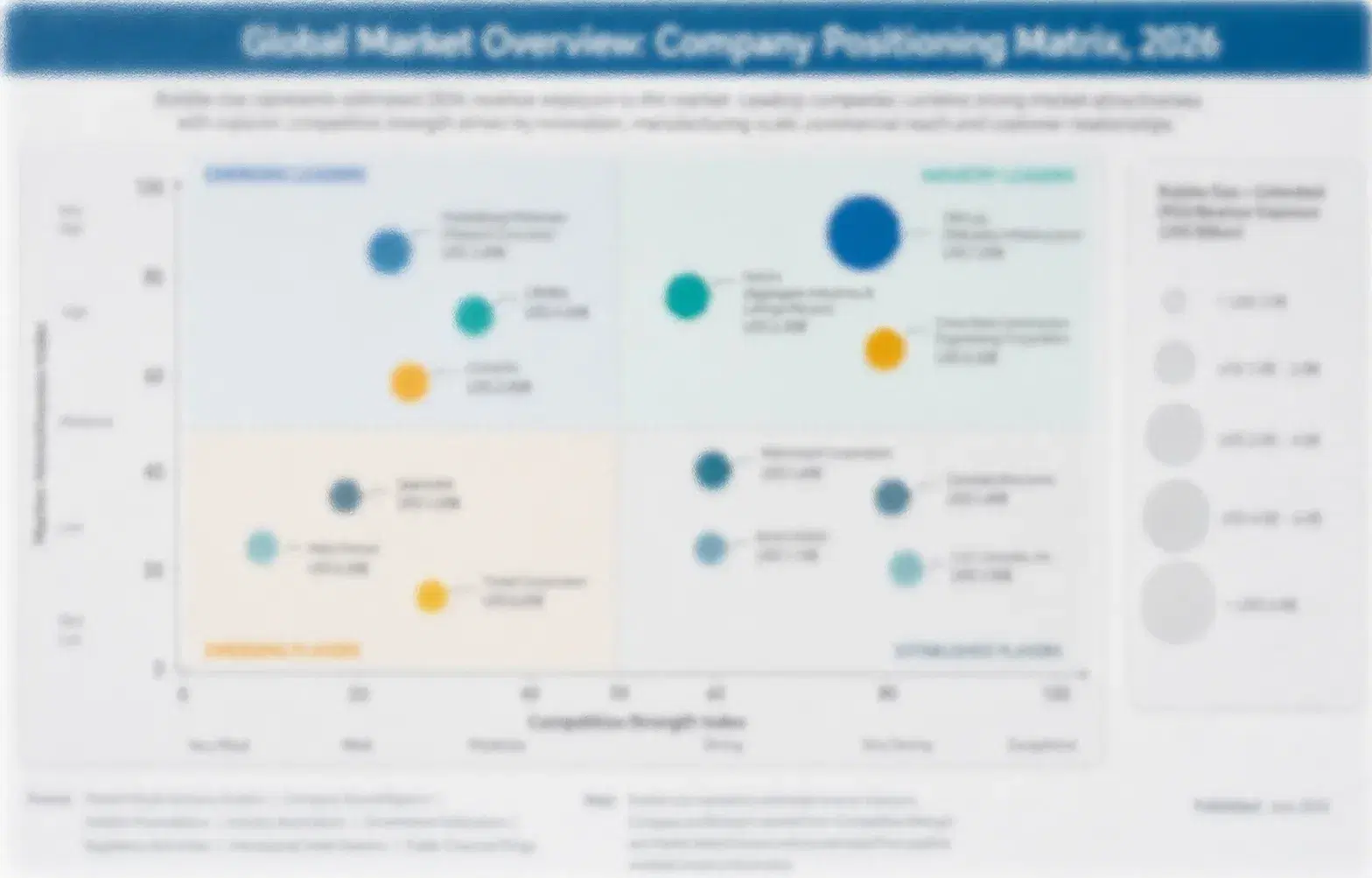
The quinoa seed industry is fragmented at the farm and export stage and moderately concentrated among brands, with the top five suppliers holding about 33% of global revenue, the basis used throughout this section. Ancient Harvest, Andean Naturals, ANAPQUI, Northern Quinoa Production Corporation, and Alter Eco lead through certified sourcing, brand recognition, and retail relationships, while many cooperatives, exporters, and packers serve local buyers and private label programs.
Competition centers on three dimensions: grain supply security through cooperative contracts and processing capacity, quality documentation measured by organic certification, residue testing, and saponin control, and channel access across retail, foodservice, food manufacturers, and online stores. Leaders sign multi-year agreements with retailers and foodservice groups, while challengers compete on price and local service. Precooked formats add another layer of differentiation.

Emerging pressure comes from Indian and North American producers gaining share, from private label lines matching product at 20% lower prices, and from other ancient grains such as millet and sorghum competing for shelf space. Rankings shift where suppliers secure clean grain, win precooked contracts, or lose to cheaper origins. Acquisitions of regional processors and cooperative partnerships will reorder positions faster than organic growth.
quinoa-seed-market-company-positioning-matrix-1789771878369

Competitive Moat and Risk Dimensions

ANCIENT HARVEST

Moat: Pioneer Brand and Certified Sourcing

Ancient Harvest, part of the Quinoa Corporation, was among the first brands to bring quinoa to North American retail and has built a broad range of quinoa, pasta, and flake products with gluten-free and organic credentials. Its long sourcing relationships in Peru and Bolivia, brand recognition, and retail distribution give it credibility with natural food shoppers and buyers.
ANCIENT HARVEST

Risk: Origin Concentration Exposure

Ancient Harvest depends on Andean supply, so frost, drought, and price swings affect margin and volume. Private label and lower-priced imports can undercut its shelf prices, and competition from precooked pouch brands with larger scale could reduce its share of convenience-oriented shoppers. Freight costs add pressure.
ANDEAN NATURALS

Moat: Direct Andean Farmer Relationships

Andean Naturals is a California-based importer and packer that sources quinoa directly from Peruvian and Bolivian farmers with organic and fair-trade programs, supplying retailers and food manufacturers with dry and processed grain. Its origin relationships, quality control, and technical support give it credibility with buyers seeking transparent supply.
ANDEAN NATURALS

Risk: Scale and Commodity Exposure

Andean Naturals is smaller than global food groups, so price swings and freight costs affect margins strongly, and large competitors can outspend it on marketing and precooked capacity. Reliance on a few retail customers concentrates commercial risk, and certification lapses could damage trust with premium buyers.

Players Tracked

Prominent Players

Ancient Harvest
Andean Naturals
ANAPQUI
Northern Quinoa Production Corporation
Alter Eco

Other Key Players

Bob's Red Mill
Nature's Path
Irupana
Danper
Ardent Mills
Cargill
Ebro Foods
Seeds of Change
Rapunzel
Bauckhof
Tilda
Sunrise Foods International
Quinoa Foods Company
Hain Celestial
Ben's Original

Recent Developments

MARCH 2026

Danper Expands Quinoa Washing and Grading Capacity in Peru

Danper completed an organic expansion of quinoa washing, drying, and optical grading capacity in Peru, adding lines for organic and conventional grain. The project is internal capital spending. It raises output, improves grain uniformity, and shortens lead times for export customers in North America and Europe seeking certified supply.
Signal: Shows Peruvian exporters now investing in processing capacity to serve certified quinoa demand from global importers.
OCTOBER 2025

Ben's Original Signs Multi-Year Quinoa Supply Agreements for Precooked Pouches

Ben's Original signed multi-year quinoa supply agreements with exporters in Peru and Bolivia, covering volumes, grain size specifications, residue limits, and price formulas linked to published benchmarks. The deals are commercial contracts. They give its pouch lines steadier supply, share harvest risk with exporters, and support traceability programs.
Signal: Confirms pouch brands are locking in quinoa supply through multi-year agreements to protect convenience product growth.
MAY 2025

Northern Quinoa Production Corporation Expands Contracted Acreage in Saskatchewan

Northern Quinoa Production Corporation expanded contracted acreage in Saskatchewan with new grower agreements and an upgraded processing line for washing and polishing. The move is an organic expansion, not an acquisition. It widens North American supply, supports origin claims, and gives retailers an alternative to Andean shipments.
Signal: Shows new production regions now expanding contracted acreage to diversify quinoa supply beyond the Andean region.

What Drives Quinoa Seed Costs

Farm-gate quinoa accounts for roughly 66% of cost of goods, sourced mainly from smallholders in Peru, Bolivia, and Ecuador, with growing volumes from Canada, India, and Europe. Washing, polishing, drying, packaging, certification, and freight add most of the remainder, so seed price, saponin removal loss near 8%, and freight cost together determine margin for exporters and packers supplying retail, foodservice, and manufacturing buyers. Currency swings matter too.
Quinoa prices fell more than 40% between 2014 and 2016 and swung again in 2022, according to Food and Agriculture Organization price data and Peruvian agriculture ministry reports, as output expansion, then fertiliser and freight inflation, moved farm-gate and landed costs. Exporters with fixed-price contracts absorbed losses, others added surcharges, and some packers paused launches. Margins narrowed as retailers resisted price increases and shortened promotional windows for later quarters.

Exposure varies by player type and geography. Integrated exporters with cooperative contracts, storage, and certification absorb shocks better than small traders buying spot grain. Andean exporters face weather and currency risk, importers face residue rejection and freight risk, and organic and precooked lines pass costs through more easily than commodity white seed sold in bulk.
quinoa-seed-market-cost-volatility-analysis-1789771878667

Contracting Cooperatives Across Peru, Bolivia, and New Regions

Exporters sign multi-year supply agreements with cooperatives in Peru and Bolivia and add contracted acreage in Canada, India, and Europe, mixing fixed and index-linked prices to spread risk across geographies. Diversifying origins reduces exposure to a single frost or drought, and quality clauses secure residue and saponin limits. Contracted supply also lets packers plan production and avoid emergency purchases.

Holding Inventory and Using Price Floors With Farmers

Exporters hold 30 to 60 days of grain stocks and offer price floors to cooperatives, buying more after good harvests when prices are low. Stocks cut disruption risk and protect customers, though they need storage and working capital. Exporters offset carrying cost through pricing formulas that share cost movement with buyers, and price floors keep farmers supplying.

Passing Costs Through Index-Linked Pricing With Major Customers

Large retailers and food manufacturers agree to formulas linking price to published quinoa benchmarks plus a fixed processing margin, so cost swings are shared rather than absorbed by suppliers. Quarterly resets keep buyers informed and reduce disputes. Premium organic and precooked lines use annual pricing, since customers value stable supply over the year. Terms remain annual.

Portfolio Architecture for Margin Defence

Margins run from thin returns on white whole seed sold in bulk to strong profits on organic, tricolor, and precooked lines sold with certification and convenience, with gross margin roughly doubling between the volume tier and the top tier. Processing skill, certification, and branding add pricing power over the same seed, and buyers pay more for reliability because a rejected shipment can leave shelves empty.
Volume and premium pull in different directions. White whole seed sells in large lots to price-driven packers and food manufacturers at thin margins and faces pressure from rice and other grains. Organic, tricolor, and precooked products sell in smaller lots at much higher margins but need certification, steam cooking, and packaging, so suppliers must choose how much capital to commit to premium positioning and how quickly to move.

High-value pools concentrate in precooked pouches for retail and foodservice, organic certified quinoa for natural brands, and tricolor branded retail packs. These segments benefit from recurring orders, documented quality, and limited competition from small exporters. Suppliers combining multi-origin supply, processing capacity, and certification hold advantages that are difficult to replicate quickly, given the time needed to build cooperative networks and buyer trust.

Volume / Commodity-Adjacent Tier

White and red whole quinoa seed sold in bulk to packers and food manufacturers on spot or benchmark prices, with thin margins, harvest exposure, and competition from rice and other grains worldwide, where buyers switch when prices move.
Gross Margin: 10%-18%

Premium / Certified Tier

Organic and fair-trade quinoa with residue testing, saponin control, and food safety audits, sold under annual contracts to retailers and brands that require verified quality, consistent grain size, documented origin, and reliable delivery each season.
Gross Margin: 20%-30%

Sustainability / Regulatory / Next-Generation Tier

Precooked pouches, tricolor blends, and branded packs with steam cooking, retail packaging, and traceability, positioned for retailers, foodservice chains, and meal-kit brands across major markets, supported by convenience formats and long-term supply agreements.
Gross Margin: 28%-42%
quinoa-seed-market-portfolio-architecture-1789771878981

High-value Sub-segments and Strategic Watch-out

Ready-to-Cook Precooked Quinoa

Precooked quinoa combines the fastest growth with strong pricing, as retailers and foodservice chains pay premiums for convenience and consistent texture. Steam cooking and pouching capacity limit competition, and suppliers with food safety certification and stable seed supply win multi-year contracts from large accounts. Repeat orders follow.
Gross Margin: 28%-42%

Organic Certified Quinoa

Organic quinoa offers high value with solid growth, since natural retailers and premium brands pay steady premiums for certified, traceable supply. Limited organic acreage and audit costs constrain volume, though single-origin stories help, and online retail is widening the buyer base for exporters with segregated lines. Watch supply.
Gross Margin: 20%-32%

White Quinoa Seed

White quinoa seed forms the volume core, sold to packers, food manufacturers, and retailers who want a mild, versatile grain at moderate cost. Margins are moderate and exposed to harvest swings, but steady demand supports scale, and integrated exporters with cooperative contracts and processing hold cost and delivery advantages.
Gross Margin: 10%-20%

Black and Red Quinoa Seed

Black and red quinoa seed is a strategic watch-out, valued for colour and texture in salads and blends but limited by small volumes, higher price, and competition from tricolor blends and other grains. Changing consumer tastes could restrict volume, so suppliers should track retail demand and margins carefully.
Gross Margin: 14%-30%

Why Brands Stay With Quinoa Suppliers

Quinoa demand behaves like an annuity once a retailer, brand, or foodservice chain approves a supplier. Grain size, colour, taste, and residue results are tied to a specific origin and processor, so switching means new trials, certification checks, and risk of quality complaints. Suppliers that serve the same account for years earn steady volume, and annual contracts renew at benchmark-linked prices rather than open tenders that reset the whole relationship.
Stickiness varies by vertical. Precooked pouch brands and foodservice chains with signature bowls are the deepest, since texture and cooking time define the product and approvals are lengthy. Natural retail brands are next, because certification and marketing claims raise switching cost. Private label buyers and traders are shallower, moving between suppliers when price or availability changes, and online sellers rotate suppliers frequently.

Buyer profiles are shifting. Older buyers focused on price, bulk seed, and long-standing traders, while younger shoppers and product developers look for organic, traceable, convenient grain with data and digital ordering. Social media spreads new recipes quickly, so suppliers that answer with reliable supply, clear documentation, and convenient formats keep loyalty across generations and win larger shares of contracts.
quinoa-seed-market-end-use-penetration-index-1789771879214

MMA Verdict on Quinoa Supply Strategy

These are among the four positions where our research anticipates prominent divergence between winners and laggards over the coming forecast period. Each is grounded in the demand model, the regulatory perimeter, and the announced capacity pipeline.
01 / PRECOOKED CAPACITY STRATEGY

Build Precooked Pouch Lines Before Retailers Lock Convenience Suppliers

Precooked quinoa grows at 11.1% a year, about 1.50 times the market rate, and sells at 60% to 120% above dry seed per serving. A pouch line costs $4 million to $12 million. MMA recommends adding one line with food safety certification for two anchor retail or foodservice accounts within 24 months, because buyers that qualify one pouch supplier rarely add a second, and early entrants gain application data and reference customers that late entrants struggle to match, while consistent texture secures repeat listings.
02 / ORIGIN DIVERSIFICATION STRATEGY

Contract Cooperatives Across Peru, Bolivia, and New Regions Before Prices Swing

Farm-gate quinoa is 66% of cost of goods, and shortages cost 6 to 10 margin points. Multi-year contracts cost 3% to 6% above spot but protect supply and quality. MMA recommends contracting at least 60% of annual needs across two Andean countries and one new region within two years, because packers and retailers reward reliable, documented supply, and exporters that keep product flowing during frost years win permanent customers from rivals that cannot, and steady sourcing protects margin, and lenders favour that certainty.
03 / COMPLIANCE DISCIPLINE STRATEGY

Fund Residue Testing and Organic Audits Before Importers Tighten Rules

Testing costs $200 to $500 per lot and organic certification adds 4% to 8% to cost, while organic lots earn 20% to 40% above conventional quinoa. Rejected shipments delay contracts by months. MMA advises testing every export lot and certifying two cooperative programs within two years, since audited suppliers secure premium contracts, avoid rejected shipments, and give buyers evidence that closes deals with cautious retailers, while buyers also value quick answers when regulators request records and complaints arrive, and repeat business follows steadily.
04 / LOCAL PROCESSING STRATEGY

Add Washing and Grading Plants Near New Growing Regions Before Rivals Do

Local processing near growers cuts freight cost by 8% to 15% and adds 3 to 6 gross margin points, at a cost of $3 million to $8 million per plant. Buyers want shorter lead times and origin claims. MMA advises building or partnering on two plants in India, Canada, or Europe within three years, since early entrants secure grower networks and retailer relationships that late entrants struggle to match, while local mills also improve traceability and reduce dependence on Andean shipments and weather.

Engagement Snapshot From the Field

A live engagement with an industry participant carrying material or product regulatory and market exposure ahead of a defining policy shift, showing how our research translates into a defensible multi-year portfolio strategy.
MARKET MINDS ADVISORY · CLIENT ENGAGEMENT SUMMARY
Quinoa Seed Producer Strategic Portfolio Review and Transition Roadmap 2026·Investment Scenario on Quinoa Seed Exposure Evaluation 2025-26
CLIENT PROFILE
The client is a mid-sized North American quinoa importer and packer with one packing plant and roughly $65 million in annual revenue (client-reported, unverified by MMA), selling dry white and organic quinoa in retail bags and bulk to food manufacturers. Gross margin sat near 14% (client-reported, unverified by MMA), and two rejected shipments had disrupted supply the year before.
STRATEGIC CHALLENGE
Andean supply was volatile, two retail customers asked for precooked pouches and certified organic lots the client could not supply, and larger competitors were adding pouch lines and contracting new-region acreage. Leadership needed a plan that secured supply, justified pouch investment, and lifted margin without overextending capital. The board wanted a decision within nine months, before the next retailer listing cycle began.
MMA APPROACH
MMA benchmarked nine importers and packers on sourcing, certification, and product mix, interviewed retailers, foodservice buyers, and cooperatives about supply and pricing, and modeled the economics of cooperative contracts, residue testing, a pouch line, and indexed pricing under bull, base, and bear scenarios. Analysts also reviewed the client's customer mix and rejection history.
KEY FINDINGS
  1. Cooperative contracts covering 60% of needs would cut spot exposure and protect roughly four margin points, according to procurement records and cooperative interviews.
  2. A precooked pouch line costing about $6 million (client-reported, unverified by MMA) would serve two retailers and lift plant utilisation by ten points within two seasons.
  3. Testing every lot and certifying organic supply would cut rejected shipments to near zero and support premiums of 20% to 30%, based on buyer interviews.
  4. Contracted Canadian acreage would give a second origin for 15% of volume and cut freight cost, though it needed agronomy support in the first year.
CLIENT PROFILE
The client is a mid-sized North American quinoa importer and packer with one packing plant and roughly $65 million in annual revenue (client-reported, unverified by MMA), selling dry white and organic quinoa in retail bags and bulk to food manufacturers. Gross margin sat near 14% (client-reported, unverified by MMA), and two rejected shipments had disrupted supply the year before.
STRATEGIC CHALLENGE
Andean supply was volatile, two retail customers asked for precooked pouches and certified organic lots the client could not supply, and larger competitors were adding pouch lines and contracting new-region acreage. Leadership needed a plan that secured supply, justified pouch investment, and lifted margin without overextending capital. The board wanted a decision within nine months, before the next retailer listing cycle began.
MMA APPROACH
MMA benchmarked nine importers and packers on sourcing, certification, and product mix, interviewed retailers, foodservice buyers, and cooperatives about supply and pricing, and modeled the economics of cooperative contracts, residue testing, a pouch line, and indexed pricing under bull, base, and bear scenarios. Analysts also reviewed the client's customer mix and rejection history.
KEY FINDINGS
  1. Cooperative contracts covering 60% of needs would cut spot exposure and protect roughly four margin points, according to procurement records and cooperative interviews.
  2. A precooked pouch line costing about $6 million (client-reported, unverified by MMA) would serve two retailers and lift plant utilisation by ten points within two seasons.
  3. Testing every lot and certifying organic supply would cut rejected shipments to near zero and support premiums of 20% to 30%, based on buyer interviews.
  4. Contracted Canadian acreage would give a second origin for 15% of volume and cut freight cost, though it needed agronomy support in the first year.
RECOMMENDED STRATEGY
Phase 1: Phase 1 (Months 1-6): Sign cooperative contracts, start residue testing on every lot, and begin pouch line design work at once. Phase 2: Phase 2 (Months 7-18): Build the pouch line, contract Canadian acreage, and sign indexed contracts with two retailers this year. Phase 3: Phase 3 (Months 19-30): Launch precooked and tricolor products, scale premium volume, and review pricing formulas each quarter with all major customers.
OUTCOME
Within 30 months, precooked, organic, and tricolor lines reached about 34% of sales, and gross margin rose from 14% to about 22% (client-reported, unverified by MMA). Rejected shipments ended after testing, two retailers signed three-year agreements, spot purchases fell sharply, and the board approved a second pouch line for the following year.

Frequently Asked Questions

Foundational context covering the market sizes, CAGR, scope, country, region and competition that inform every finding below. This section is provided to cover basics and most often pre-purchase conversations, answered from the MMA Primary Research Dataset.

What is the current size of the Quinoa Seed Market?

The global quinoa seed market was valued at $2.1 billion in 2025. This covers white, red, black, tricolor, organic, and precooked quinoa seed sold to retail, foodservice, and manufacturing buyers.

How large will the Quinoa Seed Market be by 2036?

MMA projects the market will reach approximately $4.6 billion by 2036. This represents cumulative growth of roughly $2.4 billion over the full ten-year forecast window.

What is the CAGR for the Quinoa Seed Market 2026 to 2036?

The market is forecast to grow at a 7.4% compound annual rate between 2026 and 2036. The bull case reaches 8.7% while the bear case falls to 6.1%.

Which segment is growing fastest?

Ready-to-Cook Precooked Quinoa is the fastest-growing segment at 11.1% CAGR, roughly 1.50 times the overall market rate. Organic Certified Quinoa follows as the second-fastest segment at 9.0% CAGR each year.

Who are the major companies in the Quinoa Seed Market?

Leading companies include Ancient Harvest, Andean Naturals, ANAPQUI, Northern Quinoa Production Corporation, and Alter Eco. These five suppliers together hold an estimated 33% of total global market revenue, based on MMA analysis of company disclosures.

Which country is growing fastest?

India is the fastest-growing major market, expanding at approximately 10.8% CAGR each year. Expanding domestic cultivation and rising health food demand are driving this above-market growth across the country.

Report Segmentation Architecture

The full report scope spans multiple orthogonal segmentation dimensions, with cross-tabulated demand data provided for each dimension pair. Coverage extends further to regional breakdowns, trend trajectories, and the competitive detail needed to support segment-level decision-making.

By Primary Market Dimension

  • Ready-to-Cook Precooked Quinoa
  • Organic Certified Quinoa
  • White Quinoa Seed
  • Red Quinoa Seed
  • Black Quinoa Seed
  • Tricolor Quinoa Blends

By End-Use Industry

  • Household Retail Consumption
  • Foodservice and Catering
  • Food and Snack Manufacturing
  • Meal Kits and Prepared Foods
  • Baby and Health Nutrition

By Commercial Dimension

  • Bulk Export Supply Contracts
  • Branded Retail Packs
  • Private Label Programs
  • Online and Direct Sales

By Region

  • North America
  • Western Europe
  • East Asia
  • South Asia and Pacific
  • Latin America
  • Middle East and Africa
  • Eastern Europe

Scope, Methodology, and Coverage

Every figure in this report is reproducible from documented input assumptions. The scope below maps the historical period, the forecast horizon, the segmentation dimensions, and the countries covered, alongside the underlying primary and qualitative methodology.
Historical Period
2020 to 2025
Forecast Period
2026 to 2036
Base Year
2025 (USD billions; MMA Primary Research Dataset, September 2026)
Market Definition
Quinoa seed comprises the harvested seed of Chenopodium quinoa, sold as white, red, black, and tricolor whole grain, organic certified grain, and processed ready-to-cook precooked quinoa, to retail, food manufacturing, and foodservice buyers. The scope excludes quinoa flour and flakes sold as milled products, quinoa protein isolates, planting seed sold to farmers, and finished foods where quinoa is a minor ingredient.
Quantitative Units
USD billions (current prices); thousand tonnes for volume references
Segmentation Dimensions
By Product Type; By End-Use Industry; By Commercial Dimension; By Region
Regions Covered
North America, Western Europe, East Asia, South Asia and Pacific, Latin America, Middle East and Africa, Eastern Europe
Countries Covered
USA, Canada, Mexico, Peru, Bolivia, Ecuador, Argentina, Chile, UK, Germany, France, Netherlands, Spain, Poland, Turkey, Saudi Arabia, UAE, Egypt, South Africa, China, Japan, South Korea, India, Australia, and additional markets relevant to this sector
Key Companies Profiled
Ancient Harvest, Andean Naturals, ANAPQUI, Northern Quinoa Production Corporation, Alter Eco, Bob's Red Mill, Nature's Path, Irupana, Danper, Ardent Mills, Cargill, Ebro Foods, Seeds of Change, Rapunzel, Bauckhof, Tilda, Sunrise Foods International, Quinoa Foods Company, Hain Celestial, Ben's Original
Quantitative Methodology
Primary survey, n=3,800 respondents, Q4 2025, six countries; demand-side model with trade association cross-validation
Qualitative Methodology
47 expert interviews, Q4 2025; applied to validate demand model assumptions, identify emerging dynamics, and assess competitive positioning
Report Format
PDF and XLSX data workbook (Word format preview document)
Publisher
Market Minds Advisory
Report Code
MMA-2026-AGR-321
Published
September 2026
Contact
sales@marketmindsadvisory.com | www.marketmindsadvisory.com

Purchase the full Quinoa Seed Market Report (2026 to 2036).

The full report delivers a detailed assessment of global quinoa seed demand, product mix, and competitive positioning through 2036. It includes segment forecasts by product type, country-level data for all seven world regions, and profiles of the twenty companies most relevant to quinoa supply. Analysts also receive input cost modeling and portfolio margin benchmarking built from MMA's primary research dataset. A scenario planning module lets subscribers stress-test bull and bear assumptions against harvest and regulatory outcomes. Quarterly updates keep the whole dataset current throughout the subscription year.
Ten-year segment and regional demand forecasts
Quinoa supply and price tracking by origin
Competitive benchmarking of top twenty suppliers
Residue limit and organic rule modeling
Regional demand mechanism comparative analysis included
Quarterly primary survey data update access

Built For The People Who Decide

From boardroom strategy to bench-side execution, this report is read cover-to-cover by leaders shaping the next decade of their industry, turning demand scenarios, market dynamics and valuation benchmarks into decisions.
CXOs/ Presidents/ VPs/ Managers
M&A and Corporate Development
Strategy Teams and R&D Heads
Procurement and Product Directors
Regulatory and Compliance Leaders
Investor Relations and Equity Analysts