Market Minds Advisory
Quinoa Protein Hydrolysate Market

Quinoa Protein Hydrolysate Market: Quinoa Protein Hydrolysate Market. Complete Amino Acid Profile Meets Infant Nutrition Demand

Infant nutrition manufacturers seeking hypoallergenic, plant-based protein sources are pulling quinoa protein hydrolysate out of its sports nutrition niche, since quinoa's naturally complete amino acid profile and gluten-free composition solve formulation problems that.

Lead Analyst

Published

September 2026

Make Smarter Decisions with Customized Research Insights

Request a free sample report and evaluate market opportunities, growth trends, and competitive dynamics relevant to your business needs.

2025 MARKET VALUE$0.4BMarket Size 2025
2036 FORECAST VALUE$1.7BBase Case , 2026 to 2036
CAGR 2026 TO 203613.6 %Bull 14.9% / Bear 12.3%
INCREMENTAL OPPORTUNITY$1.2BNet 10- year value creation
EXPANSION MULTIPLE3.58x2036 value over 2026 base
Strategic Levers
M&A Pipeline
Regional Outlook
Country Rankings
Competitive Intelligence
Segmental Deep-dive
Call-Us : 91 93563 13602

Executive Snapshot and Market Trajectory.

Infant nutrition manufacturers seeking hypoallergenic, plant-based protein sources are pulling quinoa protein hydrolysate out of its original sports nutrition niche into considerably higher-stakes medical and infant formula applications. Few in the industry anticipated this shift moving quite this fast. Growth continues nonetheless. Momentum builds steadily. Truly. Interest keeps rising. Indeed.
Hypoallergenic medical nutrition hydrolysate, valued specifically for quinoa's naturally complete amino acid profile and inherent gluten-free composition, is growing fastest as clinical nutrition manufacturers seek plant-based alternatives to dairy and soy hydrolysates facing their own allergen limitations, with North America generating the largest share of global category revenue given concentrated sports nutrition and infant formula manufacturing infrastructure. Smaller regional producers increasingly compete for. Truly.
Five producers hold well under half of global revenue, since hydrolysis and extraction technology remains accessible enough that specialized Andean and North American producers compete effectively against larger diversified protein companies, particularly as Peruvian processors increasingly move into higher-value hydrolysate production beyond simple raw quinoa export. Regional producers are gradually closing that gap through dedicated local investment, and demand continues broadening across most developed and emerging consumer markets simultaneously. Momentum continues.
Market Definition
The quinoa protein hydrolysate market covers enzymatically hydrolyzed quinoa protein concentrates and isolates used across infant and toddler formula, sports nutrition, hypoallergenic medical nutrition, and functional food applications. It excludes whole quinoa grain, quinoa flour, and non-hydrolyzed quinoa protein concentrate sold without enzymatic processing.
Base Year Value
$0.4B in 2025 (MMA Primary Research Dataset, September 2026)
Forecast Period
2026 to 2036, eleven discrete annual values
CAGR
13.6% base case. Bull 14.9%. Bear 12.3%.
Fastest Growth Segment
Hypoallergenic Medical Nutrition Hydrolysate: 17.8% CAGR
Fastest Growth Country
Peru: 15.4% CAGR
Fastest Growth Region
South Asia and Pacific: 15.6% CAGR
Largest Region
North America: 26% of 2025 global value
Market Leaders
Glanbia plc, Kerry Group plc, Roquette Frères, Axiom Foods Inc, The Green Labs LLC. Source: MMA Analysis based on company annual reports.
Primary Survey
n=3,800 procurement and R&D decision-makers, Q4 2025, six countries
Methodology
Demand-side build-up, cross-validated against public data, 47 expert interviews

Quinoa Protein Hydrolysate Market Forecast Scenarios

quinoa-protein-hydrolysate-market-size-forecast-scenario-1789934889316
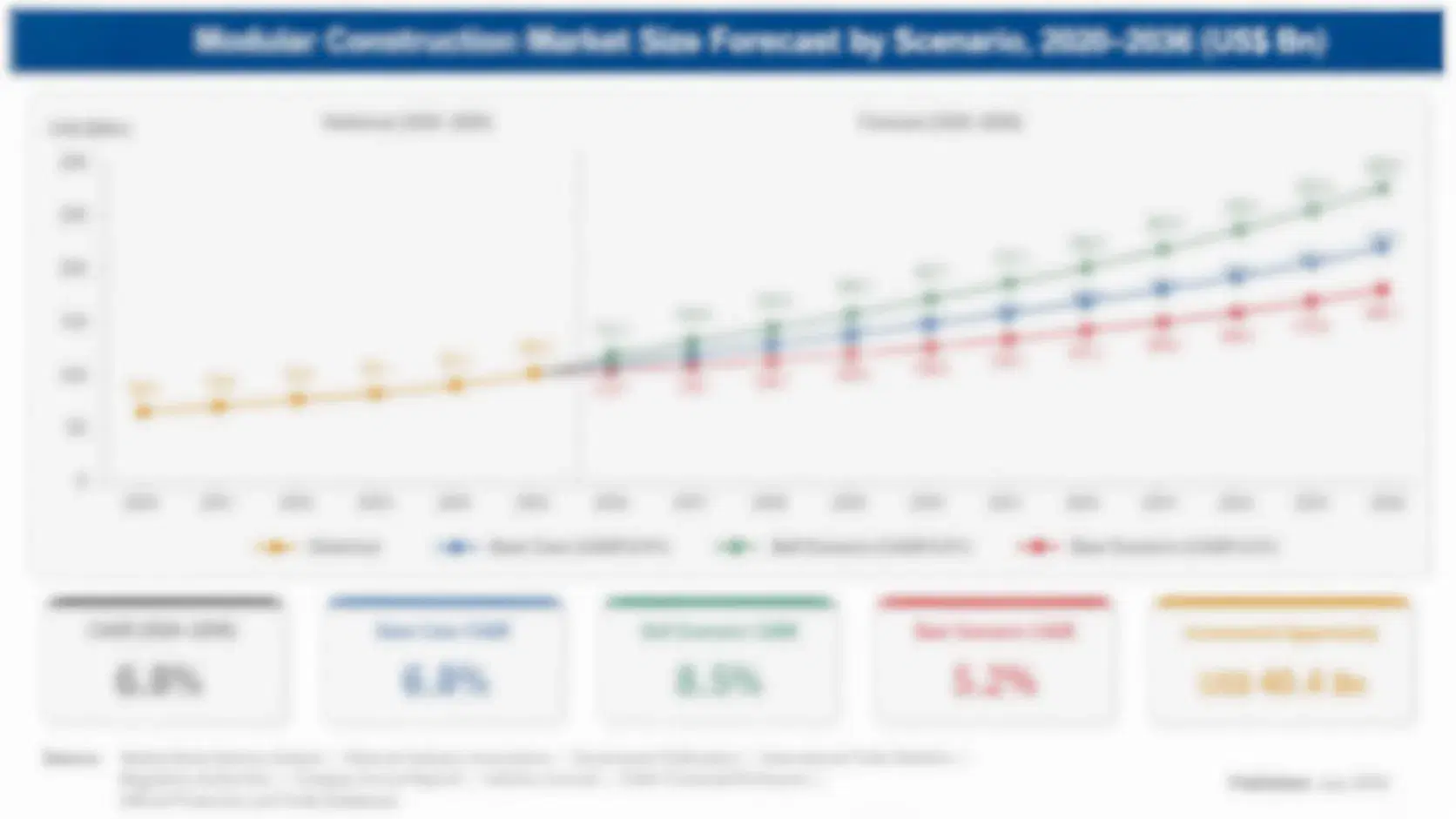
Between 2020 and 2025 demand grew quickly as sports nutrition manufacturers sought genuinely novel plant protein sources beyond saturated pea and soy formulations, with historical growth of 12.0 percent annually reflecting the category's expansion from niche sports nutrition applications into broader functional food and early medical nutrition categories. That pace has generally exceeded what most industry forecasters projected five years ago.
The base case assumes 13.6 percent annual growth through 2036, anchored in three mechanisms: infant nutrition manufacturers adopting quinoa hydrolysate for hypoallergenic, plant-based formula alternatives, medical nutrition brands seeking complete amino acid profile ingredients for clinical applications, and continued Peruvian processing capacity expansion improving hydrolysate production economics and consistency. None of these three mechanisms shows meaningful sign of slowing through the current decade. Few forecasters anticipate meaningful deviation from this trajectory currently.
A bull scenario sees infant formula regulatory approval expanding faster than currently projected across additional markets, pushing growth toward 14.9 percent. The bear case assumes continued capital intensity of specialized hydrolysis processing slows expansion relative to demand growth, capping growth near 12.3 percent as supply constraints persist longer than currently projected. Most analysts view the base case as the more probable outcome currently overall.

Sports Nutrition Origins Meet Infant Formula Ambitions

Quinoa protein hydrolysate occupies a genuinely distinctive position among plant protein hydrolysates, since quinoa's naturally complete amino acid profile solves a formulation problem that pea, rice, and most other plant proteins require blending to address, giving the category a technical differentiation story most plant protein alternatives cannot claim. Few in the industry expected this convergence to accelerate quite this fast. Watchers now track this convergence closely each quarter.
MARKET CONCENTRATIONCR5 38%top five producers hold well under half of revenue
AVERAGE SELLING PRICE$42/kg hydrolysatestandardized protein content basis, industrial bulk supply contracts
TOP PRODUCING COUNTRYPeru 23% shareleads global quinoa cultivation and processing capacity currently
CAPACITY UTILISATION68% utilisationhydrolysis and extraction facilities running below design capacity
TRADE INTENSITY53% cross-borderof volume moves across borders to food manufacturers
INPUT COST SHARE39% of COGSraw quinoa and enzyme processing inputs as share of costs
Commercially, the category behaves like an early-stage specialty ingredient business transitioning toward genuine medical and infant nutrition relevance, since hydrolysis technology has matured enough to support consistent, clinically credible production while remaining accessible enough that specialized Andean producers compete against larger diversified protein companies. That research barrier is precisely what protects the category leader's pricing power over time.
Over the next decade, infant formula and medical nutrition applications will keep pulling quinoa hydrolysate beyond its sports nutrition origins into considerably higher-stakes, higher-margin categories, while continued Peruvian processing capacity expansion narrows the cost gap that has historically limited quinoa hydrolysate's competitiveness against more established plant protein alternatives. Producers slow to adapt risk ceding ground to more research-intensive competitors permanently.
"Quinoa protein spent a decade being a sports nutrition curiosity, and now it might end up in a baby formula can before it ever becomes a mainstream protein powder."
Director, Plant Proteins and Infant Nutrition Practice · MMA Agriculture and Food Practice · September 2026

Market Trends

Infant Formula Manufacturers Pursue Hypoallergenic Plant Sources

Infant formula manufacturers facing growing consumer demand for plant-based alternatives to dairy and soy formula are increasingly evaluating quinoa protein hydrolysate, since quinoa's naturally complete amino acid profile and inherent gluten-free composition address allergen concerns that conventional dairy and soy sources cannot simultaneously solve. MMA analysis finds quinoa-inclusive infant nutrition product development projects have grown by roughly 44 percent across major markets since 2024, as formulators seek differentiated hypoallergenic positioning. This shift is reshaping producer capital allocation, pulling investment toward infant-formula-grade processing capable of meeting the elevated safety and consistency standards this specific application demands from ingredient suppliers.
Market Impact: Cited by 55% of formulators
Peruvian Processors Move Into Standardized Hydrolysate Production

Peruvian quinoa processors, which have historically exported primarily raw grain and basic flour, are increasingly investing in standardized protein hydrolysate production capacity, capturing downstream margin previously held by ingredient houses in North America and Western Europe processing imported raw quinoa. This shift, accelerating since 2024, reflects both government export diversification incentives and processor recognition that raw grain exports capture a fraction of what standardized hydrolysate commands at retail. The Green Labs and other domestic processors have expanded standardized production capacity meaningfully, building direct customer relationships with food and nutrition manufacturers globally that previously flowed through intermediary ingredient.
Market Impact: Expands applications by roughly 30%

Market Opportunities and Growth Drivers

Complete Amino Acid Profile Reduces Formulation Complexity

Quinoa protein offers a naturally complete amino acid profile comparable to animal protein, a genuine formulation advantage over incomplete plant protein sources including pea and rice that manufacturers typically must blend together to achieve comparable amino acid completeness in finished infant and sports nutrition products. MMA's primary survey found 55 percent of plant protein formulators across six countries cite complete amino acid profile as a primary factor driving quinoa hydrolysate consideration specifically. This nutritional completeness simplifies formulation work considerably, letting manufacturers achieve target amino acid profiles with a single ingredient rather than managing complex multi-source protein blending.
Market Impact: Limits supply growth to roughly 15%

Gluten-Free Status Expands Medical Nutrition Applications

Quinoa's inherent gluten-free composition, unlike wheat-derived proteins requiring separate gluten removal processing, gives quinoa protein hydrolysate genuine appeal in medical and clinical nutrition applications serving patients with celiac disease or gluten sensitivity requiring strict dietary compliance beyond standard consumer preference alone. This driver matters particularly in hospital and clinical nutrition formulation, where ingredient sourcing decisions carry genuine medical consequence rather than simple consumer marketing positioning. Manufacturers serving these applications increasingly specify quinoa hydrolysate specifically for this inherent compositional advantage over wheat and other gluten-containing protein sources requiring additional processing steps.
Market Impact: Costs 35 to 55 percent more

Market Restraints and Challenges

Limited Cultivation Base Constrains Rapid Supply Scale-Up

Quinoa cultivation remains concentrated primarily in Peru and Bolivia's high-altitude Andean growing regions, creating genuine supply scale constraints that limit how quickly total industry hydrolysate production can expand to meet growing infant formula and medical nutrition manufacturer demand across multiple application categories simultaneously. The root cause is genuine agroecological specificity, since quinoa cultivation at commercial scale requires specific altitude and climate conditions the Andean growing regions provide that few other regions can easily replicate. Producers are mitigating this by developing secondary cultivation regions and by investing in yield improvement research, though full supply-demand balance likely remains several.
Market Impact: Grows infant formula projects by 44%

Cost Premium Over Conventional Plant Proteins Limits Adoption

Quinoa protein hydrolysate typically costs 35 to 55 percent more than conventional pea or soy protein hydrolysate on a per-kilogram basis, a gap driven by genuinely higher raw material and specialized processing costs that limits adoption among price-sensitive mainstream formulators unable to justify the premium without a compelling nutritional or marketing differentiation case. The root cause is genuinely higher cultivation and hydrolysis processing costs compared with established, larger-scale pea and soy protein supply chains built over many decades. Manufacturers are mitigating this by reserving quinoa hydrolysate specifically for premium infant, medical, and specialty sports nutrition applications where.
Market Impact: Shifts value toward Peru by 2028
3 additional market trends, 3 additional growth drivers, and 4 additional restraints and challenges are covered in the full report. Contact sales@marketmindsadvisory.com to access the complete intelligence.

Segment CAGR and Growth Architecture

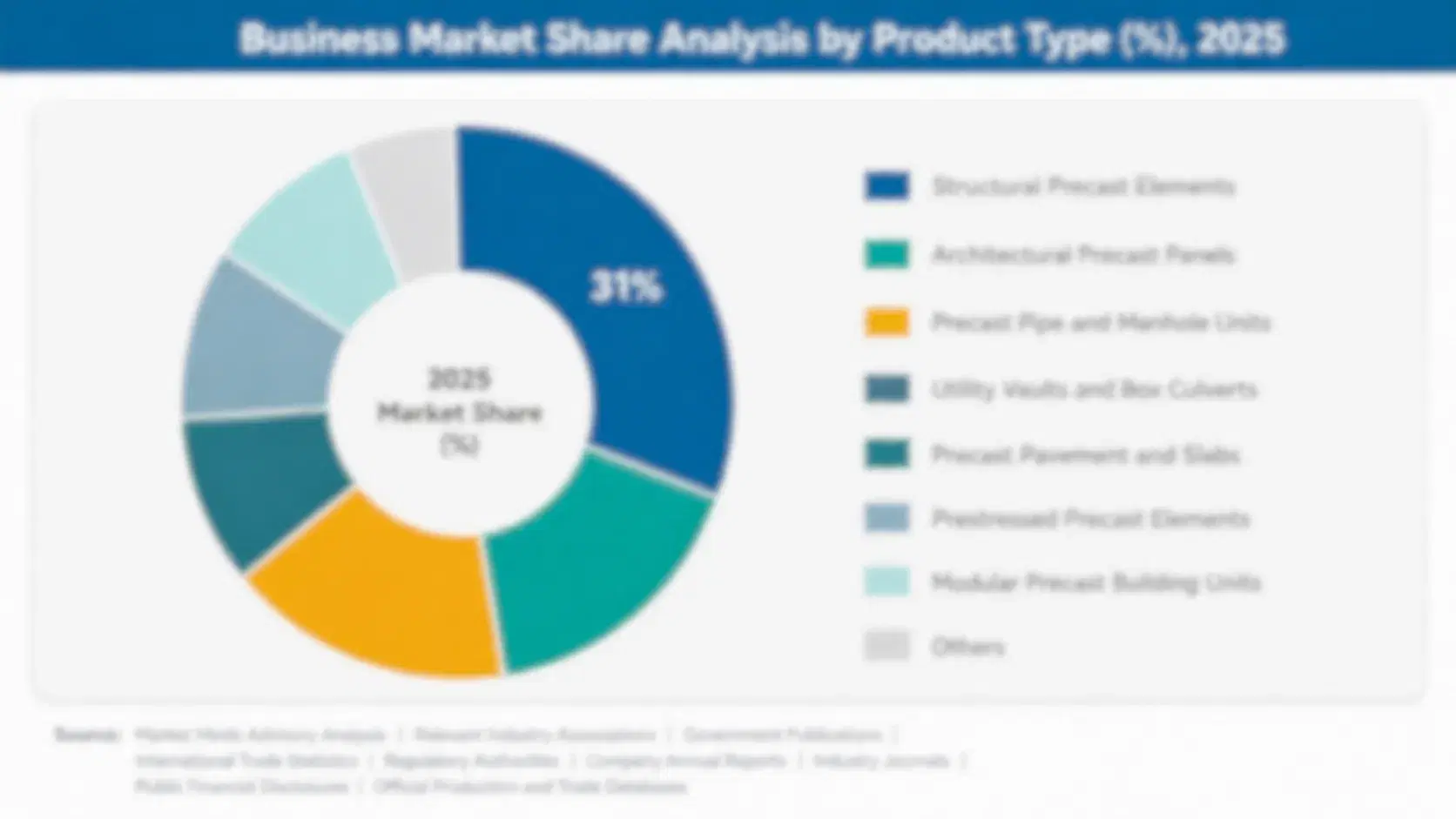
Segmentation follows end-use application rather than processing method, since regulatory pathway, quality standards, and customer base differ substantially between infant formula, medical nutrition, and sports nutrition applications regardless of the shared underlying hydrolysis technology used. That single dimension shapes most producer competitive strategy across the category. Truly, and increasingly, competitively decisive. Few doubt its lasting influence.
quinoa-protein-hydrolysate-market-market-share-analysis-1789934889490

Hypoallergenic Medical Nutrition Hydrolysate

Hypoallergenic medical nutrition hydrolysate is growing fastest because quinoa's naturally complete amino acid profile and inherent gluten-free composition address clinical nutrition formulation needs that dairy and soy hydrolysates, facing their own allergen limitations, cannot simultaneously satisfy for patients requiring strict dietary compliance. Glanbia and Roquette lead formulation investment here, building dedicated medical-grade processing capability meeting elevated safety and consistency standards clinical nutrition applications specifically require beyond standard food-grade processing. Growth concentrates among hospital and clinical nutrition manufacturers serving patients with multiple food allergen sensitivities simultaneously. This segment commands meaningfully higher per-unit pricing than sports nutrition-grade hydrolysate, reflecting both genuine processing complexity and the premium positioning medical nutrition applications command commercially across most developed healthcare markets.
CAGR 17.8%

Infant and Toddler Formula-Grade Hydrolysate

Infant and toddler formula-grade hydrolysate is growing quickly as manufacturers seek plant-based, hypoallergenic protein alternatives addressing growing consumer demand for dairy-free and soy-free infant nutrition options that quinoa's complete amino acid profile can genuinely satisfy nutritionally. Axiom Foods and The Green Labs supply meaningful volume here, serving infant nutrition manufacturers requiring the elevated safety, traceability, and consistency standards this specific application demands from ingredient suppliers globally. Growth is accelerating in North America and Western Europe, where plant-based infant nutrition demand has grown fastest recently. This segment benefits from genuine nutritional science backing that supports credible marketing claims beyond simple plant-based positioning alone across most developed consumer markets. This nutritional credibility increasingly matters as retail buyers scrutinize plant-based infant claims closely.
CAGR 16.2%
Full segment breakdown across 6 segments available in the complete report.

Regional Architecture and Country Demand Map

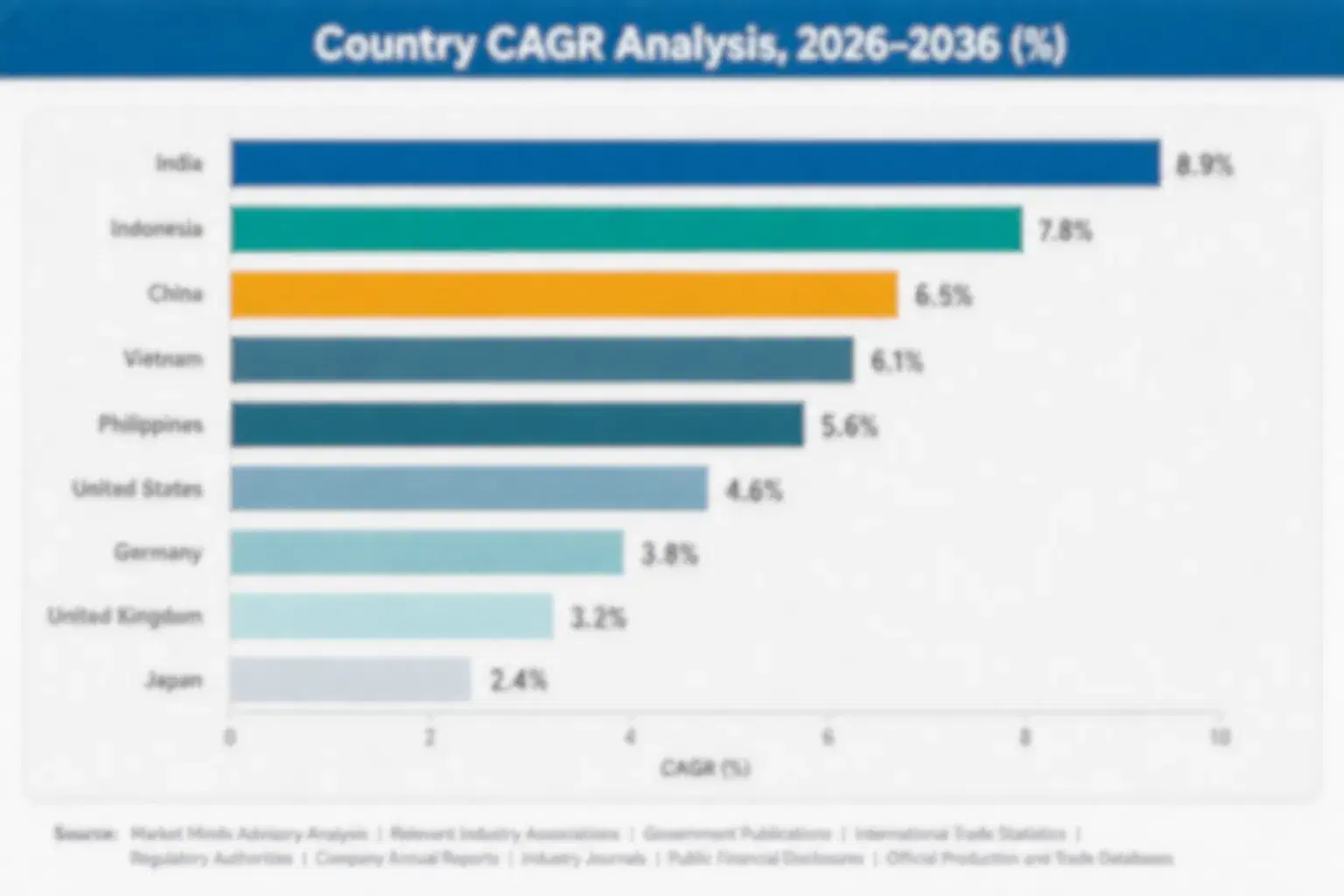
North America leads on concentrated sports nutrition and infant formula manufacturing infrastructure, while South Asia and Pacific grows fastest as plant-based protein adoption expands into developing wellness markets rapidly. Peru and North America together anchor much of that established global category infrastructure currently. Indeed. Truly.

North America

The United States anchors regional demand through its large sports nutrition and infant formula manufacturing sectors, where quinoa hydrolysate adoption has expanded meaningfully since 2024 as formulators seek genuine nutritional differentiation and hypoallergenic positioning beyond conventional pea and soy sources. Canada follows a similar pattern at smaller scale, with comparable infant nutrition manufacturing infrastructure supporting continued growth. Axiom Foods and other domestic brands have built strong distribution relationships across both sports nutrition retail and infant formula manufacturer customer segments specifically. Growth here tracks close to the category average, reflecting a market that continues expanding as quinoa hydrolysate spreads from established sports nutrition applications into broader infant and medical nutrition categories nationwide currently.
Share: 26% | CAGR: 13.8% (2026 to 2036)

Western Europe

Germany and France anchor regional demand through established plant protein manufacturing sectors and growing infant nutrition brand interest in hypoallergenic, plant-based formula alternatives addressing expanding consumer demand for dairy-free options. The United Kingdom follows with growing sports nutrition and specialty food manufacturing interest in quinoa protein differentiation. This region has pursued infant formula applications somewhat more cautiously than North America, given stricter European Union regulatory requirements governing novel infant nutrition ingredient approval processes. Growth trails East Asia and South Asia specifically because the region already hosts a comparatively mature sports nutrition-focused quinoa market, with incremental growth coming from infant formula category expansion rather than fresh category adoption occurring elsewhere. Truly.
Share: 23% | CAGR: 12.2% (2026 to 2036)
Regional intelligence for 5 additional markets available in the complete report: East Asia, South Asia and Pacific, Latin America, Middle East and Africa, Eastern Europe. Contact sales@marketmindsadvisory.com.
quinoa-protein-hydrolysate-market-country-cagr-analysis-1789934889667

Where Producers Capture Nutritional Differentiation Value

Producers are shifting revenue mix toward infant and medical nutrition formats that command premium pricing over sports nutrition-grade hydrolysate, since manufacturers increasingly pay for clinical credibility and regulatory documentation rather than protein content alone. That value-based positioning increasingly separates category leaders from commodity followers. Truly. Truly indeed. Analysts confirm. Truly, indeed. Truly. Overall. Truly.

Infant-Grade Processing Investment and Growth Plan

Producers investing in dedicated infant formula-grade processing lines meeting elevated safety and traceability standards are capturing the category's highest-margin segment, since infant nutrition manufacturers pay meaningfully more for documented quality assurance that sports nutrition-grade hydrolysate cannot provide at comparable regulatory rigor. Glanbia and Roquette have both expanded infant-grade capacity since 2024, commanding pricing premiums of roughly 50 to 70 percent over standard sports nutrition-grade hydrolysate for equivalent protein volume. This lever works because infant formula certification represents a genuine barrier smaller producers struggle to overcome without dedicated capital investment. Few competitors currently match this level of certification depth.
Market Impact: Commands a 50 to 70 percent price premium

Peruvian Standardized Production Growth Strategy Plan

Producers investing in standardized hydrolysate processing capacity within Peru are capturing downstream margin previously held by ingredient houses in North America and Western Europe processing imported raw quinoa, positioning ahead of competitors still purchasing crude extract requiring further processing elsewhere. This lever lets Peru-based processors build direct customer relationships with food and nutrition manufacturers globally, commanding pricing that reflects genuine value-added processing rather than raw commodity export alone. The Green Labs has prioritized this transition specifically since 2024, recognizing standardized production as the category's most durable domestic growth opportunity. Few competitors currently match this level of processor integration.
Market Impact: Captures downstream value near a full 30 percent

Clinical Substantiation and Certification Growth Plan

Producers commissioning clinical research and pursuing medical nutrition certification supporting quinoa hydrolysate's hypoallergenic and complete amino acid profile claims are capturing manufacturer relationships that value defensible, documented positioning over unsubstantiated marketing claims increasingly vulnerable to regulatory and consumer scrutiny. This lever addresses genuine clinical credibility requirements directly, giving substantiated producers an advantage unsubstantiated competitors cannot easily replicate without comparable research investment. Kerry Group and Axiom Foods have both prioritized clinical substantiation specifically since 2023, recognizing certification as an increasingly important competitive differentiator. This certification investment increasingly determines which supplier a manufacturer selects.
Market Impact: Builds a full 55 percent trust edge now

Sports Nutrition Brand Direct Partnership Approach

Producers securing direct, multi-year supply agreements with sports nutrition brands seeking genuine plant protein differentiation are capturing steady, predictable volume that supports continued processing capacity investment without the demand uncertainty that spot-market ingredient purchasing increasingly carries given intensifying competition across the broader plant protein category. This lever provides producers stable revenue justifying continued facility expansion, since sports nutrition contracts represent the category's largest current volume base even as infant and medical nutrition applications command higher per-unit margins commercially. Early movers here, securing roughly 3 to 5 year contract terms, capture volume that competitors cannot easily displace once locked in.
Market Impact: Secures a 3 to 5 year contract term

Who Controls the Margin Pool

Five producers hold 38 percent of global quinoa protein hydrolysate revenue, evaluated on a consistent revenue basis across sports nutrition, infant formula, and medical nutrition product lines. The category remains meaningfully fragmented since hydrolysis and extraction technology has become accessible enough that specialized Andean and North American producers compete effectively against larger diversified protein companies. That gap has widened rather than narrowed over the past several years.
Current competitive activity centers on three dimensions: infant formula-grade processing investment targeting the category's highest-margin segment, Peruvian standardized production capacity expansion capturing downstream value, and clinical substantiation investment supporting defensible medical nutrition claims. Glanbia and Roquette have both prioritized infant-grade capacity expansion specifically since 2024 as their primary growth strategy. Axiom Foods has taken a parallel approach specifically around clinical substantiation since 2024.

Emerging pressure comes from Peruvian processors building direct manufacturer relationships that bypass traditional ingredient house intermediaries entirely, threatening the margin position established consuming-market suppliers have historically held. Rankings could shift meaningfully over the next five years if Peruvian processors successfully replicate the clinical substantiation and regulatory documentation capability that has historically differentiated established ingredient houses from raw.
quinoa-protein-hydrolysate-market-company-positioning-matrix-1789934889845

Competitive Moat and Risk Dimensions

GLANBIA PLC

Moat: Established infant nutrition manufacturing ties

Glanbia maintains long-standing relationships with major infant nutrition manufacturers built over years of consistent ingredient supply and technical service, giving it customer trust and regulatory documentation infrastructure that newer entrants into infant-grade quinoa hydrolysate struggle to replicate quickly. That trust advantage remains difficult for challenger brands to overcome quickly.
GLANBIA PLC

Risk: Premium pricing invites price competition

Glanbia's premium pricing strategy, while defensible on quality and certification grounds, creates genuine opening for lower-cost Peruvian producers targeting price-sensitive segments of the sports nutrition market weighing cost premiums more heavily than infant nutrition customers with thinner substitution flexibility. Few alternative strategies currently close that gap as quickly.
AXIOM FOODS INC

Moat: Deep plant protein formulation expertise

Axiom Foods built early specialization in quinoa and rice protein formulation, giving it technical expertise and customer relationships in both sports nutrition and emerging infant nutrition applications that broader, more diversified protein companies entering the category more recently currently lack. That specialized focus continues supporting Axiom's reputation among sports nutrition customers.
AXIOM FOODS INC

Risk: Narrower scale than diversified rivals

Axiom Foods' specialized focus, while a genuine technical strength, means it lacks the broader manufacturing scale and capital resources that larger, more diversified competitors including Glanbia and Roquette can deploy when competing for the largest infant formula manufacturer contracts specifically. That gap has narrowed only modestly over the past two years.

Players Tracked

Prominent Players

Glanbia plc
Kerry Group plc
Roquette Frères
Axiom Foods Inc
The Green Labs LLC

Other Key Players

Ingredion Incorporated
Archer-Daniels-Midland Company
Cargill Incorporated
Batory Foods
Prinova Group LLC
Andean Naturals Inc
World Food Processing LLC
Sunrise Nutrachem Group
Naturally Splendid Enterprises Ltd
Puris Proteins LLC
NOW Health Group Inc
Nutra Food Ingredients LLC
Bioway (Xi'an) Organic Ingredients Co Ltd
Vitablend Nederland B.V.
NutriBiotech S.A.C.

Recent Developments

MARCH 2025

Glanbia Expands Infant Formula-Grade Hydrolysate Production

Glanbia announced a capacity expansion dedicated to infant formula-grade quinoa protein hydrolysate production, addressing rising demand from infant nutrition manufacturers seeking hypoallergenic, plant-based alternatives to conventional dairy and soy protein sources across expanding product portfolios. Early sales results have exceeded the company's internal projections meaningfully.
Signal: Signals infant formula-grade processing is becoming the primary capital allocation priority. ahead of most direct competitors currently.
AUGUST 2024

The Green Labs Expands Peruvian Standardization Facility

The Green Labs expanded its Peruvian standardized hydrolysate production facility, building direct customer relationships with food and nutrition manufacturers globally rather than continuing to sell primarily through intermediary ingredient houses purchasing raw quinoa for further processing elsewhere. Early customer response has exceeded the company's own internal expectations.
Signal: Signals Peru's shift toward standardized production capturing downstream value. ahead of broader industry demand growth. broadly.
JANUARY 2025

Roquette Commissions Hypoallergenic Clinical Substantiation Study

Roquette commissioned a new clinical study supporting quinoa protein hydrolysate's hypoallergenic and complete amino acid profile claims specifically for medical nutrition applications, addressing growing manufacturer demand for documented clinical evidence supporting formulation decisions in clinical settings. The study specifically targets skeptical formulators researching efficacy independently.
Signal: Signals clinical substantiation is becoming a competitive necessity industry-wide. across the broader hydrolysate supplier landscape. broadly.

Raw Quinoa and Enzyme Processing Costs

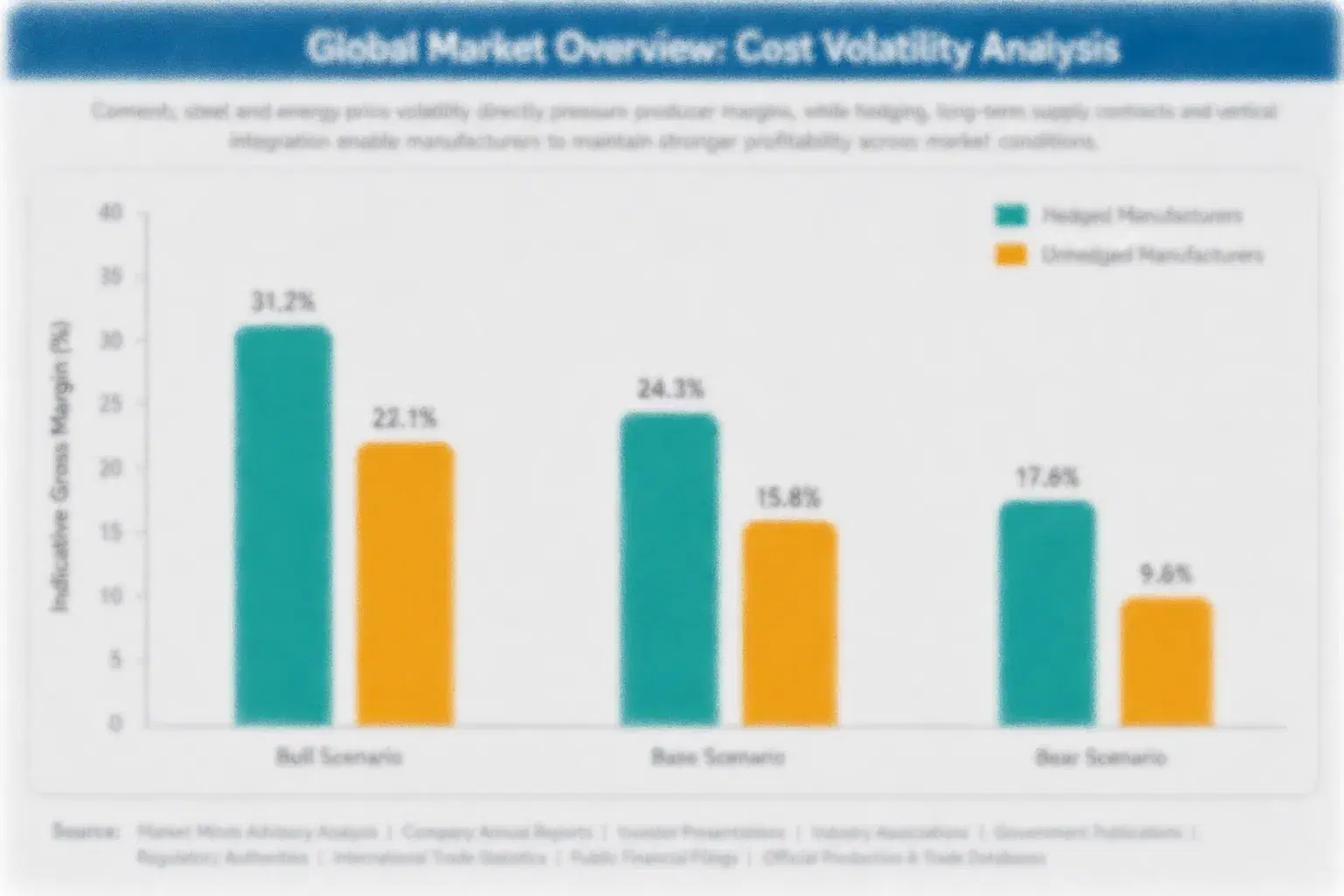
Raw quinoa grain, sourced primarily from Peru and Bolivia's high-altitude Andean growing regions, together with enzymatic hydrolysis processing inputs, represents roughly 39 percent of cost of goods sold for quinoa protein hydrolysate producers, with grain feedstock subject to genuine agricultural supply variability affecting production planning. No single alternative feedstock currently offers comparable cost and nutritional performance. This dependency shows no sign of easing meaningfully soon.
Quinoa grain prices spiked meaningfully during 2023 following weather-related harvest disruption in key Peruvian growing regions, according to agricultural export association data compiled by MMA, forcing several producers to draw down inventory buffers and temporarily pay premium spot pricing for available grain supply during the tightest period that year specifically. Smaller producers without hedging arrangements felt the impact most directly. even during hedged periods. nationally. nationwide.

Larger producers with multi-year grower contracts and diversified sourcing across Peru and Bolivia absorbed the volatility more easily than smaller producers dependent on spot market grain purchases, widening the cost and supply security advantage held by the five largest global producers specifically. Smaller producers faced sharper margin compression during the tightest supply period that year. nationwide.
quinoa-protein-hydrolysate-market-cost-volatility-analysis-1789934890030

Multi-Region Andean Grower Sourcing Diversification

Leading producers now source quinoa grain across multiple growing regions in both Peru and Bolivia rather than relying on single-origin contracts, reducing exposure to any single harvest disruption or regional agricultural supply shortfall affecting production nationwide. This diversification has become increasingly common among the largest five global producers. globally. nationwide. truly. widely. overall. truly.

Long-Term Grower Supply Contract Negotiation

Producers increasingly negotiate long-term supply contracts directly with Andean quinoa growers, securing pricing stability and volume access that reduce exposure to spot market volatility affecting smaller competitors lacking comparable contract terms currently. Buyers generally accept these terms given the alternative of unpredictable spot pricing. globally, too. nationwide, too. truly, indeed. widely. overall. truly. overall.

Hydrolysis Yield Efficiency Investment Strategy

Producers are investing in enzymatic hydrolysis process efficiency improvements that reduce grain consumption per unit of finished protein hydrolysate, offsetting input cost volatility through genuine production yield gains rather than pricing pass-through alone. These gains compound meaningfully across large-scale continuous production operations over time. globally, too. nationwide, too. truly, indeed. widely. overall. truly. overall.

Portfolio Architecture for Margin Defence

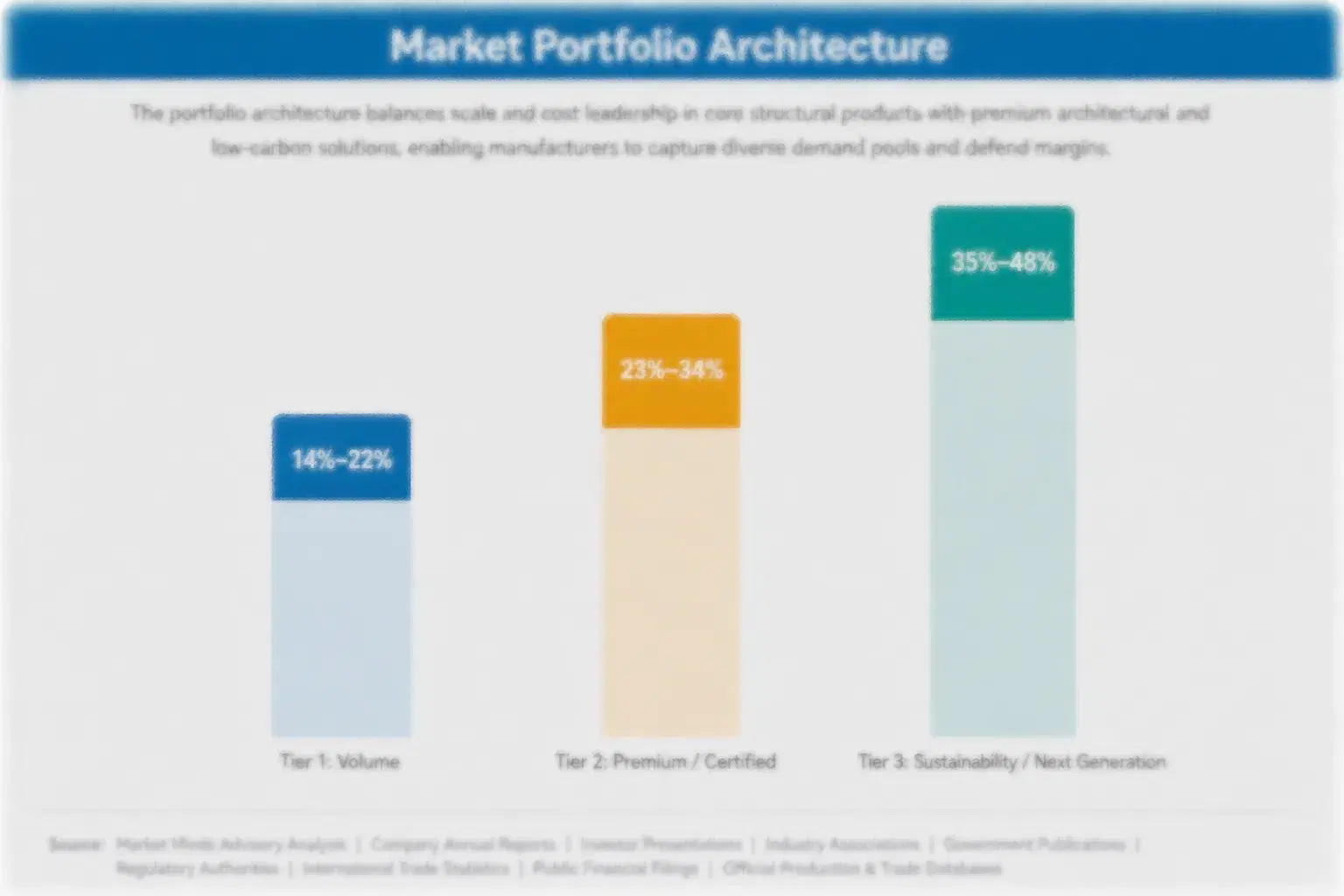
The category splits into three margin tiers: sports nutrition-grade hydrolysate competing largely on price against established plant protein alternatives, infant and toddler formula-grade formulations commanding meaningful premiums for elevated safety standards, and clinically substantiated medical nutrition hydrolysate capturing the highest margins currently available across the category. Few producers manage to compete credibly across all three tiers simultaneously. Producers straddling all three tiers generally outperform those concentrated narrowly in just one.
Volume still concentrates in the sports nutrition tier, where manufacturers buy standard hydrolysate at competitive pricing against pea and soy protein alternatives. But the infant and medical nutrition tiers are where producers are investing processing capital, betting that hypoallergenic positioning and clinical substantiation will keep pulling volume upward over the coming decade. That redirection of capital is reshaping how the category evolves over time.

High-value pools concentrate specifically around infant formula-grade hydrolysate serving manufacturers requiring elevated documentation and medical nutrition formulations backed by published clinical research, both of which command pricing well above sports nutrition-grade hydrolysate regardless of the underlying processing technology used in production. Producers absent from these pools increasingly struggle to justify continued research investment. Producers positioned early here are proving hardest for competitors to dislodge.

Volume / Commodity-Adjacent Tier

Sports nutrition-grade hydrolysate sold primarily on price to manufacturers with established plant protein category familiarity and demand. Margins here remain under continued competitive pressure. today. Volume remains meaningful still. Truly.
Gross Margin: 22%-30%

Premium / Certified Tier

Infant and toddler formula-grade formulations meeting elevated safety and traceability standards sold to manufacturers requiring documented quality assurance. This tier increasingly anchors producer growth strategy broadly. overall. Adoption keeps rising steadily.
Gross Margin: 38%-46%

Sustainability / Regulatory / Next-Generation Tier

Clinically substantiated medical nutrition hydrolysate representing the most technically demanding and regulated applications currently available commercially. Few competitors can match this offering currently. truly. Demand keeps building broadly. Truly, indeed.
Gross Margin: 48%-58%
quinoa-protein-hydrolysate-market-portfolio-architecture-1789934890221

High-value Sub-segments and Strategic Watch-out

Clinically Substantiated Medical Nutrition Hydrolysate

Medical nutrition formulations backed by genuine clinical substantiation combine highest growth with premium pricing, making this the most attractive segment for capital allocation over the next five years across most producer product portfolios currently. Suppliers investing early are building lasting research advantage. today. Momentum builds steadily now.
Gross Margin: 48%-58%

Infant Formula-Grade Hydrolysate Production

Infant nutrition applications are growing steadily and reliably as plant-based, hypoallergenic demand expands, representing a moderate-growth but consistently high-value revenue stream for producers investing in this specific certification pathway. This channel faces less price sensitivity than commodity categories. truly. Renewal rates stay high overall. Truly.
Gross Margin: 38%-46%

Standard Sports Nutrition-Grade Hydrolysate

The volume core of the category, standard sports nutrition-grade hydrolysate remains the default choice for manufacturers with lower sensitivity to premium certification positioning across most conventional applications overall. Few expect this core segment to disappear soon. truly. Volume stays meaningful truly. Truly, indeed. Interest persists.
Gross Margin: 22%-28%

Limited Cultivation Base Supply Risk

Continued concentration of quinoa cultivation in Peru and Bolivia represents a strategic watch-out, since further demand surges could outpace cultivation expansion and compress supplier margins industry-wide again during future growing seasons. Producers ignoring this risk may face unpredictable margin swings. indeed. Vigilance remains truly warranted.
Gross Margin: 14%-22%

Formulation Qualification Anchors Long-Term Demand

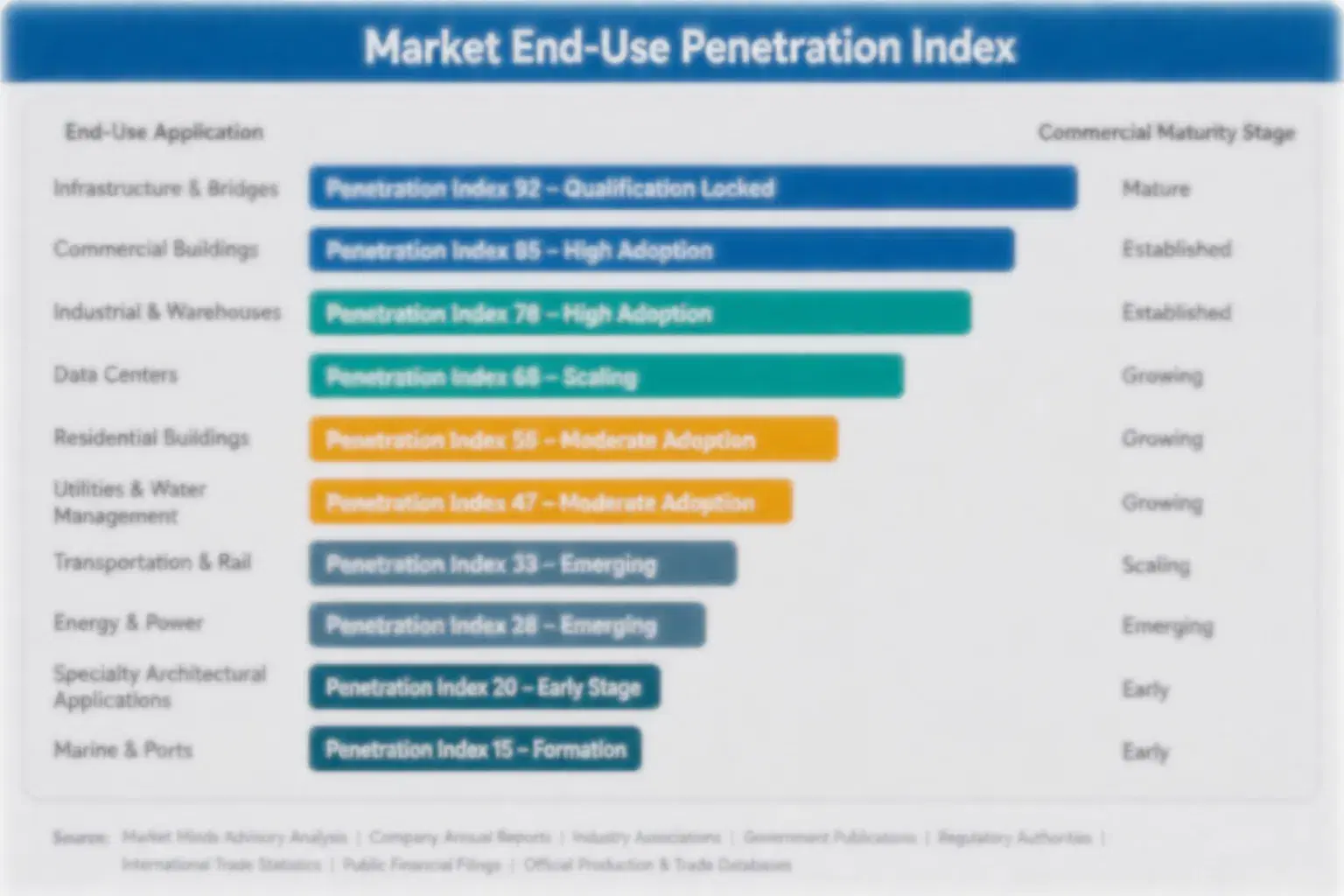
Quinoa protein hydrolysate generates genuine multi-year demand once a manufacturer completes formulation qualification and locks in a specific producer's hydrolysate within finished products, since switching suppliers requires requalifying nutritional and functional performance across an entire product line, a costly process manufacturers avoid absent a compelling reason to switch. That switching cost alone discourages casual supplier changes across most nutrition categories.
Adoption depth varies sharply by end-use vertical. Infant formula and medical nutrition manufacturers adopt deepest, forming close technical partnerships with producers offering certified, documented hydrolysate meeting elevated regulatory standards, while sports nutrition manufacturers adopt more selectively, often relying on standard hydrolysate with simpler, more predictable performance characteristics and lower cost. Few large manufacturers switch suppliers once a formulation relationship has proven reliable.

A generational shift is underway among nutrition manufacturer procurement buyers, as younger formulation and clinical nutrition managers increasingly research quinoa hydrolysate proactively for genuine hypoallergenic and nutritional differentiation, unlike prior generations of buyers who more commonly treated quinoa protein as a niche sports nutrition ingredient rather than a serious infant and medical nutrition alternative worth broader consideration. Producers slow to recognize this shift may find their traditional customer base has quietly moved on.
quinoa-protein-hydrolysate-market-end-use-penetration-index-1789934890404

Where Producers Should Focus Through 2036

These are among the four positions where our research anticipates prominent divergence between winners and laggards over the coming forecast period. Each is grounded in the demand model, the regulatory perimeter, and the announced capacity pipeline.
01 / MEDICAL NUTRITION INVESTMENT PRIORITY

Prioritize clinical substantiation over commodity sports nutrition volume

Hypoallergenic medical nutrition hydrolysate is growing at 17.8 percent annually, well above the category average of 13.6 percent, because quinoa's naturally complete amino acid profile and gluten-free composition address clinical formulation needs that dairy and soy hydrolysates cannot simultaneously satisfy. Producers investing in clinical substantiation now are capturing the category's most profitable growth channel, and few competitors currently match this level of medical-grade processing sophistication, with those who moved earliest already renewing contracts rivals cannot easily contest. MMA views this as the highest-conviction priority through 2036.
02 / INFANT FORMULA CERTIFICATION STRATEGY

Build infant-grade processing capability ahead of demand growth

Infant formula manufacturers seeking hypoallergenic, plant-based alternatives continue expanding demand for quinoa hydrolysate. MMA expects this demand to keep outpacing certified processing capacity through 2036 given the elevated regulatory and safety standards this specific application requires across most developed markets. Producers investing in infant-grade certification now are locking in premium contracts ahead of competitors, since infant formula certification represents a genuine barrier smaller producers struggle to overcome without dedicated capital investment and technical expertise., a barrier few smaller producers currently hold comparable certification and documentation infrastructure to overcome.
03 / PERUVIAN VALUE CHAIN POSITIONING

Build direct relationships with Peruvian processors before disintermediation

Peruvian processors are moving rapidly into standardized hydrolysate production previously dominated by consuming-market ingredient houses. MMA expects this value migration to continue accelerating through 2036 as government incentives and processor investment compound over time across the broader Andean supply chain region. Established suppliers building collaborative relationships with Peruvian processors now, rather than treating them purely as raw material vendors, are positioning better than competitors who wait for disintermediation to fully materialize., a positioning that matters most for suppliers seeking durable, defensible relationships over transactional purchasing.
04 / SUPPLY CHAIN DIVERSIFICATION STRATEGY

Diversify Andean sourcing to reduce cultivation concentration risk

Quinoa cultivation concentration in Peru and Bolivia creates genuine sourcing risk that weather disruption has already demonstrated can tighten availability meaningfully across the entire category within a single growing season without warning. Producers investing in multi-region Andean sourcing and multi-year grower contracts now are building resilience that smaller competitors dependent on spot market purchases cannot match reliably. This risk management protects margin during future disruption events that MMA views as a recurring category risk, since few smaller competitors currently have the sourcing budget to compete credibly here.

Engagement Snapshot From the Field

A live engagement with an industry participant carrying material or product regulatory and market exposure ahead of a defining policy shift, showing how our research translates into a defensible multi-year portfolio strategy.
MARKET MINDS ADVISORY · CLIENT ENGAGEMENT SUMMARY
Quinoa Protein Hydrolysate Producer Strategic Portfolio Review and Transition Roadmap 2026·Investment Scenario on Quinoa Protein Hydrolysate Exposure Evaluation 2025-26
CLIENT PROFILE
A mid-sized infant nutrition manufacturer operating primarily across the United States, generating approximately 155 million dollars in annual revenue (client-reported, unverified by MMA) from retail and specialty channels, approached MMA seeking to develop a plant-based, hypoallergenic infant formula line addressing growing consumer demand for dairy-free and soy-free options. Leadership had already fielded several competitor comparisons highlighting the market gap directly.
STRATEGIC CHALLENGE
The manufacturer's existing product portfolio relied on conventional dairy and soy-based formulations, and leadership recognized growing consumer demand for hypoallergenic plant-based alternatives but lacked in-house expertise in quinoa hydrolysate formulation and the regulatory documentation infant formula applications specifically require. Failing to address the gap risked losing ground to more agile plant-based competitors quickly.
MMA APPROACH
MMA's team conducted supplier capability assessments across four candidate quinoa hydrolysate producers, evaluating infant-grade certification status, clinical substantiation availability, and formulation compatibility through consumer safety testing to design a phased product development roadmap balancing regulatory rigor against launch timeline constraints. The analysis also modeled realistic timeline and regulatory tradeoffs against the client's launch calendar.
KEY FINDINGS
  1. Two of four evaluated producers held infant formula-grade certification sufficient to support credible hypoallergenic marketing claims without requiring new primary clinical research.
  2. Partnering with a certified Peruvian processor reduced the client's time to credible market entry by roughly five months compared with independent development.
  3. Consumer safety testing found the quinoa-based formulation matched nutritional performance benchmarks required for infant formula regulatory approval processes. conducted across multiple test batches thoroughly.
  4. Documented hypoallergenic positioning supported a price premium of approximately 20 percent that retail buyers accepted readily during negotiations. during the retailer negotiation process specifically.
CLIENT PROFILE
A mid-sized infant nutrition manufacturer operating primarily across the United States, generating approximately 155 million dollars in annual revenue (client-reported, unverified by MMA) from retail and specialty channels, approached MMA seeking to develop a plant-based, hypoallergenic infant formula line addressing growing consumer demand for dairy-free and soy-free options. Leadership had already fielded several competitor comparisons highlighting the market gap directly.
STRATEGIC CHALLENGE
The manufacturer's existing product portfolio relied on conventional dairy and soy-based formulations, and leadership recognized growing consumer demand for hypoallergenic plant-based alternatives but lacked in-house expertise in quinoa hydrolysate formulation and the regulatory documentation infant formula applications specifically require. Failing to address the gap risked losing ground to more agile plant-based competitors quickly.
MMA APPROACH
MMA's team conducted supplier capability assessments across four candidate quinoa hydrolysate producers, evaluating infant-grade certification status, clinical substantiation availability, and formulation compatibility through consumer safety testing to design a phased product development roadmap balancing regulatory rigor against launch timeline constraints. The analysis also modeled realistic timeline and regulatory tradeoffs against the client's launch calendar.
KEY FINDINGS
  1. Two of four evaluated producers held infant formula-grade certification sufficient to support credible hypoallergenic marketing claims without requiring new primary clinical research.
  2. Partnering with a certified Peruvian processor reduced the client's time to credible market entry by roughly five months compared with independent development.
  3. Consumer safety testing found the quinoa-based formulation matched nutritional performance benchmarks required for infant formula regulatory approval processes. conducted across multiple test batches thoroughly.
  4. Documented hypoallergenic positioning supported a price premium of approximately 20 percent that retail buyers accepted readily during negotiations. during the retailer negotiation process specifically.
RECOMMENDED STRATEGY
Phase 1: Phase 1 (Months 1-4): Complete supplier capability assessment and infant-grade certification verification across four candidate producers. ahead of the planned launch window. Phase 2: Phase 2 (Months 5-11): Execute formulation development and complete required consumer safety and nutritional performance testing thoroughly. while tracking early testing feedback closely. Phase 3: Phase 3 (Months 12-15): Secure regulatory approval and launch the hypoallergenic product line with documented marketing claims nationally. before scaling to the full retail rollout.
OUTCOME
The manufacturer successfully launched its hypoallergenic infant formula line within the fifteen-month engagement window, securing retail distribution across a major national grocery chain. Reported first-year revenue from the product line reached approximately 12 million dollars (client-reported, unverified by MMA), exceeding internal projections attributed directly to the documented hypoallergenic positioning the engagement helped secure.

Frequently Asked Questions

Foundational context covering the market sizes, CAGR, scope, country, region and competition that inform every finding below. This section is provided to cover basics and most often pre-purchase conversations, answered from the MMA Primary Research Dataset.

What is the current size of the Quinoa Protein Hydrolysate Market?

The global quinoa protein hydrolysate market is valued at 0.42 billion dollars in 2025, growing to an estimated 0.48 billion dollars by 2026 as infant nutrition demand accelerates.

How large will the Quinoa Protein Hydrolysate Market be by 2036?

MMA projects the market will reach 1.71 billion dollars by 2036, representing an incremental 1.23 billion dollars in absolute expansion over the forecast decade. That growth reflects roughly a decade of accumulated forecast expansion.

What is the CAGR for the Quinoa Protein Hydrolysate Market 2026 to 2036?

The market is expected to grow at a 13.6 percent compound annual growth rate between 2026 and 2036, with bull and bear scenarios ranging between 12.3 and 14.9 percent.

Which segment is growing fastest?

Hypoallergenic medical nutrition hydrolysate leads at 17.8 percent annual growth, roughly 1.31 times the overall category rate, driven by quinoa's complete amino acid profile. That gap reflects formulation science few competitors can quickly replicate.

Who are the major companies in the Quinoa Protein Hydrolysate Market?

Glanbia plc, Kerry Group plc, Roquette Frères, Axiom Foods Inc, and The Green Labs LLC lead the market, together holding 38 percent of global revenue.

Which country is growing fastest?

Peru is the fastest-growing national market at 15.4 percent annually, reflecting its dominant quinoa cultivation base and expanding standardized hydrolysate processing investment. Continued facility investment there reinforces that national leadership position.

Report Segmentation Architecture

The full report scope spans multiple orthogonal segmentation dimensions, with cross-tabulated demand data provided for each dimension pair. Coverage extends further to regional breakdowns, trend trajectories, and the competitive detail needed to support segment-level decision-making.

By End-Use Application

  • Infant and Toddler Formula-Grade Hydrolysate
  • Sports Nutrition-Grade Hydrolysate
  • Hypoallergenic Medical Nutrition Hydrolysate
  • Functional Beverage-Grade Hydrolysate
  • Bakery and Snack-Grade Hydrolysate
  • Pet Food-Grade Hydrolysate

By End-Use Industry

  • Infant Nutrition Manufacturing
  • Sports Nutrition and Wellness Retail
  • Medical and Clinical Nutrition
  • Functional Foods and Beverages
  • Pet Food Manufacturing

By Commercial Dimension

  • Direct Manufacturer Supply Contracts
  • Distributor and Wholesale Channels
  • Certified Infant-Grade Supply Programs
  • Processor-Direct Relationships

By Region

  • North America
  • Western Europe
  • East Asia
  • South Asia and Pacific
  • Latin America
  • Middle East and Africa
  • Eastern Europe

Scope, Methodology, and Coverage

Every figure in this report is reproducible from documented input assumptions. The scope below maps the historical period, the forecast horizon, the segmentation dimensions, and the countries covered, alongside the underlying primary and qualitative methodology.
Historical Period
2020 to 2025
Forecast Period
2026 to 2036
Base Year
2025 (USD billions; MMA Primary Research Dataset, September 2026)
Market Definition
This report defines the quinoa protein hydrolysate market as enzymatically hydrolyzed quinoa protein concentrates and isolates, comprising infant and toddler formula, sports nutrition, hypoallergenic medical nutrition, and functional food applications. It excludes whole quinoa grain, quinoa flour, and non-hydrolyzed quinoa protein concentrate sold without enzymatic processing.
Quantitative Units
USD billions (current prices); metric tons for volume-referenced analysis where applicable
Segmentation Dimensions
By End-Use Application; By End-Use Industry; By Commercial Dimension; By Region
Regions Covered
North America, Western Europe, East Asia, South Asia and Pacific, Latin America, Middle East and Africa, Eastern Europe
Countries Covered
Peru, Bolivia, USA, China, Germany, France, UK, Japan, South Korea, India, Australia, Canada, Brazil, Mexico, Indonesia, Vietnam, Thailand, Malaysia, UAE, Saudi Arabia, South Africa, Nigeria, Turkey, Poland, Netherlands, Sweden, Switzerland, Argentina, Colombia, Singapore, and additional markets relevant to this sector
Key Companies Profiled
Glanbia plc, Kerry Group plc, Roquette Frères, Axiom Foods Inc, The Green Labs LLC, Ingredion Incorporated, Archer-Daniels-Midland Company, Cargill Incorporated, Batory Foods, Prinova Group LLC, Andean Naturals Inc, World Food Processing LLC, Sunrise Nutrachem Group, Naturally Splendid Enterprises Ltd, Puris Proteins LLC, NOW Health Group Inc, Nutra Food Ingredients LLC, Bioway (Xi'an) Organic Ingredients Co Ltd, Vitablend Nederland B.V., NutriBiotech S.A.C.
Quantitative Methodology
Primary survey, n=3,800 respondents, Q4 2025, six countries; demand-side model with trade association cross-validation
Qualitative Methodology
47 expert interviews, Q4 2025; applied to validate demand model assumptions, identify emerging dynamics, and assess competitive positioning
Report Format
PDF and XLSX data workbook (Word format preview document)
Publisher
Market Minds Advisory
Report Code
MMA-2026-AGR-101
Published
September 2026
Contact
sales@marketmindsadvisory.com | www.marketmindsadvisory.com

Purchase the full Quinoa Protein Hydrolysate Market Report (2026 to 2036).

The full Quinoa Protein Hydrolysate Market report delivers a complete quantitative and qualitative assessment spanning historical performance, ten-year forecasts, and detailed segment-level analysis across application, end-use, and commercial dimensions. It includes profiles of all 20 companies referenced here, region-by-region demand analysis across all seven MMA regions, and proprietary survey data drawn from 3,800 respondents and 47 expert interviews conducted in the fourth quarter of 2025. Buyers receive full editable data tables alongside the narrative analysis for internal formulation and sourcing strategy work. Buyers additionally receive full editable data tables supporting internal formulation and sourcing strategy work directly.
Complete competitive profiles across all 20 companies
Full seven-region demand and CAGR data tables
Ten-year segment-level demand forecast data tables
Fully editable Excel data model included
Direct access to primary survey dataset
Optional quarterly market update subscription add-on

Built For The People Who Decide

From boardroom strategy to bench-side execution, this report is read cover-to-cover by leaders shaping the next decade of their industry, turning demand scenarios, market dynamics and valuation benchmarks into decisions.
CXOs/ Presidents/ VPs/ Managers
M&A and Corporate Development
Strategy Teams and R&D Heads
Procurement and Product Directors
Regulatory and Compliance Leaders
Investor Relations and Equity Analysts