Array QFN Formats Address AI Accelerator Density Demands
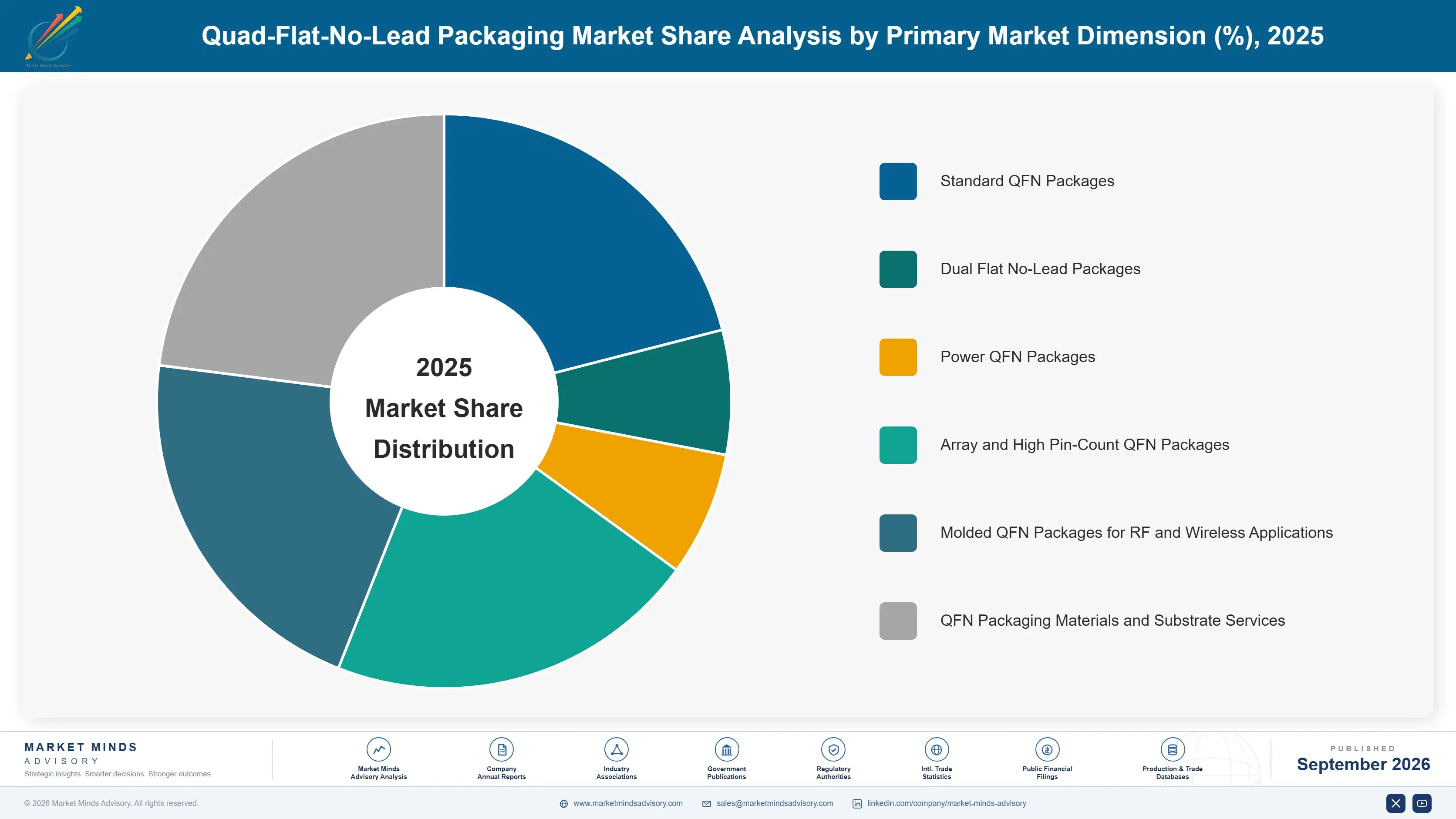
AI accelerator and edge computing chip designers increasingly require package formats supporting far more input-output connections than standard low pin-count QFN could ever provide, driving adoption of array QFN formats with denser perimeter and center-pad connections. Major OSAT providers in East Asia have expanded array QFN capacity as the default choice for new semiconductor packaging contracts, and mid-tier providers are following as process capability matures. This shift is reshaping which providers win design slots, favoring companies with proven high-density assembly depth over those still defending legacy standard pin-count franchises built over previous decades.
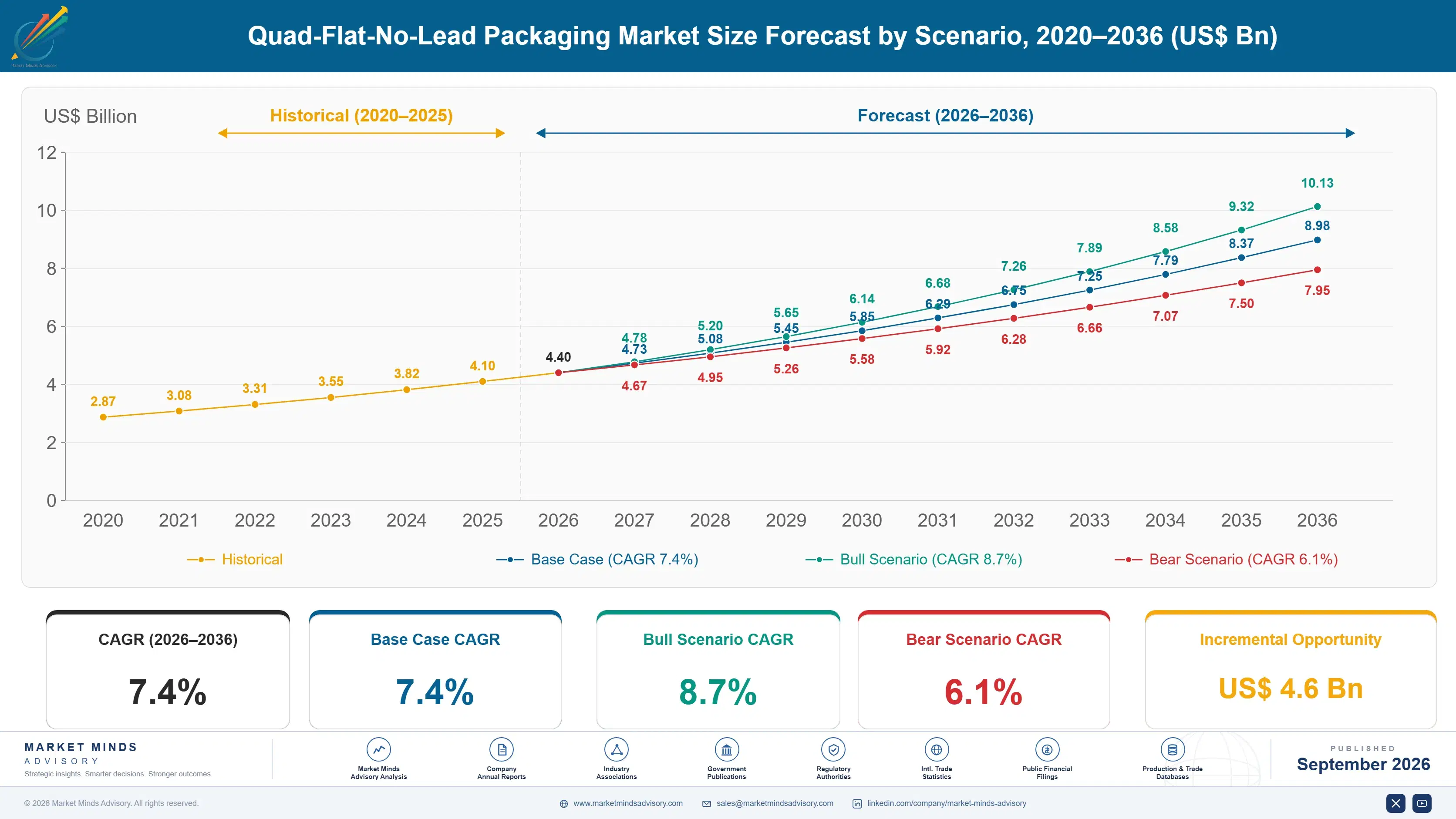
Market Impact: Adds 1.8 billion in packaging demand