Market Minds Advisory
Protein Popcorn Market

Protein Popcorn Market: Protein Popcorn Market. Functional Snacking Meets Mainstream Retail

Protein fortification is pulling popcorn out of the cinema aisle and into the sports nutrition set, forcing legacy poppers to reformulate around pea and whey isolates while private label undercuts branded margins at retail.

Lead Analyst

Published

September 2026

Make Smarter Decisions with Customized Research Insights

Request a free sample report and evaluate market opportunities, growth trends, and competitive dynamics relevant to your business needs.

2025 MARKET VALUE$1.9BMarket Size 2025
2036 FORECAST VALUE$6.4BBase Case , 2026 to 2036
CAGR 2026 TO 203611.8 %Bull 13.1% / Bear 10.5%
INCREMENTAL OPPORTUNITY$4.3BNet 10- year value creation
EXPANSION MULTIPLE3.05x2036 value over 2026 base
Strategic Levers
M&A Pipeline
Regional Outlook
Country Rankings
Competitive Intelligence
Segmental Deep-dive
Call-Us : 91 93563 13602

Executive Snapshot and Market Trajectory.

Protein popcorn has moved from a gym-bag novelty into a mainstream shelf set fast, as pea and whey isolate coatings let brands claim ten or more grams of protein per serving without sacrificing the crunch and salt profile that made popcorn a snacking staple for decades across grocery channels.
Retail buyers are rewarding shelf-stable formats that travel well for post-workout occasions, and trail mix and cluster formats built around protein popcorn are outgrowing traditional bagged and microwaveable lines as consumers treat the category more like a bar replacement than a movie-night snack. North America still anchors category revenue through branded innovation, but East Asian manufacturers are scaling private-label protein coatings fast enough to close the volume gap within the forecast window.
Concentration remains moderate: five companies hold roughly two-fifths of branded revenue, while private label chains undercut on price as soon as a coating formulation proves itself in trial. Clean-label pressure is pushing suppliers away from soy isolate toward pea and pumpkin seed protein blends, partly to dodge allergen labeling costs and partly to chase a functional-food positioning that commands a real price premium at retail.
Market Definition
The protein popcorn market covers ready-to-eat and microwaveable popcorn products fortified with added protein from pea, whey, or pumpkin seed isolates, marketed on a stated protein claim per serving. It excludes standard unfortified popcorn, corn-based extruded puffs without a protein claim, and protein bars or shakes that do not use popcorn as the base ingredient.
Base Year Value
$1.9B in 2025 (MMA Primary Research Dataset, September 2026)
Forecast Period
2026 to 2036, eleven discrete annual values
CAGR
11.8% base case. Bull 13.1%. Bear 10.5%.
Fastest Growth Segment
Protein Popcorn Trail Mix and Clusters: 13.5% CAGR
Fastest Growth Country
India: 14.5% CAGR
Fastest Growth Region
South Asia and Pacific: 13.9% CAGR
Largest Region
North America: 30% of 2025 global value
Market Leaders
The Hershey Company, Conagra Brands, The Simply Good Foods Company, LesserEvil, and Utz Brands lead by branded retail revenue. Source: MMA Analysis based on company annual reports.
Primary Survey
n=3,800 procurement and R&D decision-makers, Q4 2025, six countries
Methodology
Demand-side build-up, cross-validated against public data, 47 expert interviews

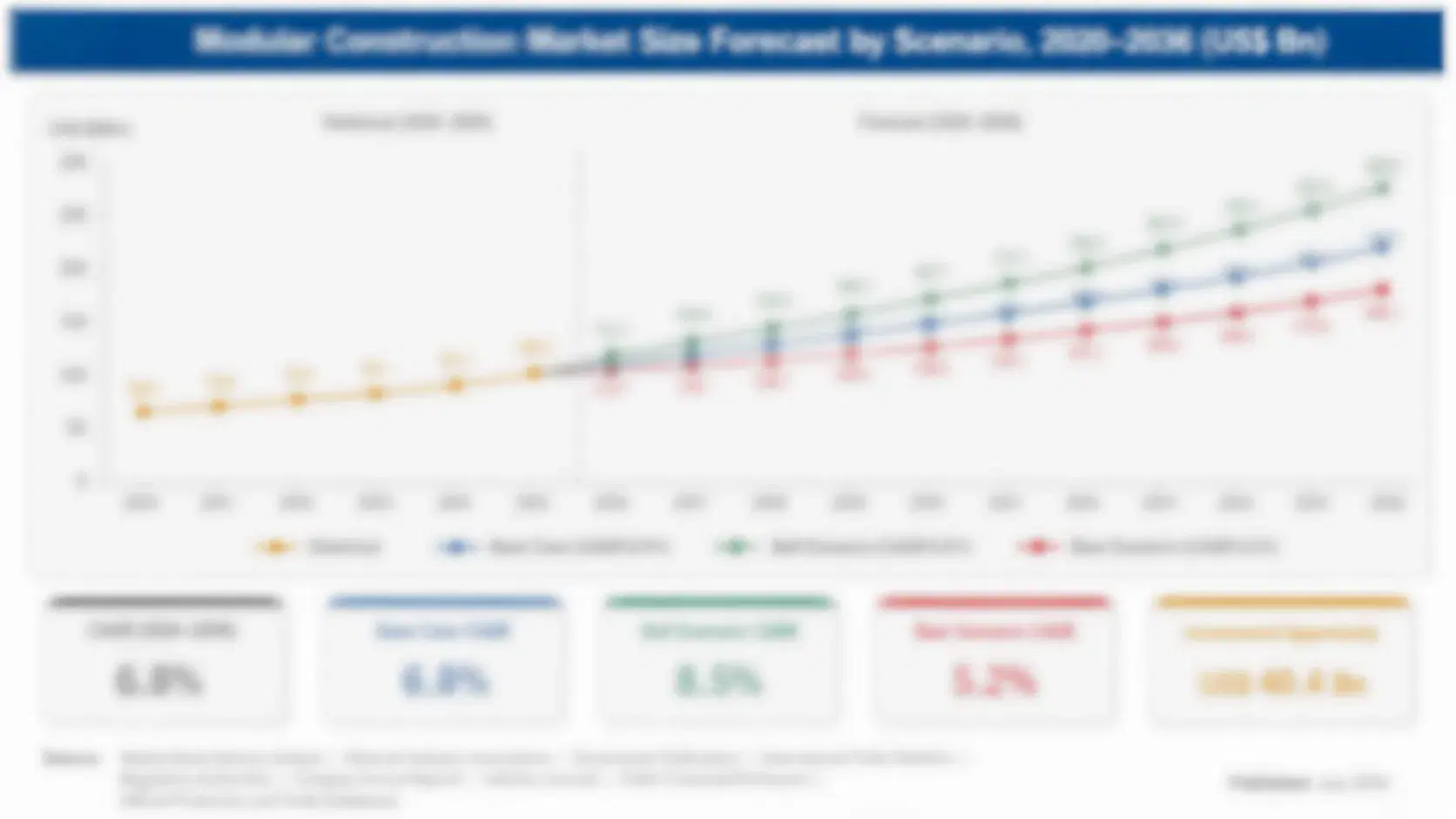
Protein Popcorn Market Forecast Scenarios

protein-popcorn-market-size-forecast-scenario-1790358165156
Protein popcorn grew from a specialty gym-shop item into a grocery mainstay between 2020 and 2025, expanding at roughly a 10.8 percent historical annual rate as pandemic-era home snacking habits stuck and protein fortification spread from bars into adjacent salty snacks. Retail distribution widened from natural-food chains into mass grocery, and private-label copies followed branded launches within about eighteen months rather than the multi-year lag seen in the prior decade.
The base case assumes three mechanisms compound together: continued national retail rollout of protein-fortified SKUs by Hershey and Conagra, ingredient cost declines as pea protein isolate capacity scales in North America and Europe, and expanding foodservice adoption through gym cafes and airport retail that normalizes protein popcorn as an everyday snack. Private label penetration adds volume without eroding branded pricing power much, since protein claims still command a premium shelf position.
The bull case turns on quick-service and airline snack programs adopting protein popcorn as a default option, pulling volume growth into the mid-teens. The bear case is a whey and pea protein price spike that forces reformulation toward cheaper isolates, compressing margins as private label intensifies competition and slows growth toward the high single digits.

Where Fitness Culture Meets the Snack Aisle

Popcorn earned its functional-food credentials the slow way, riding a decade of clean-label snacking before protein fortification gave it a second growth curve entirely. What began as a gym-bag substitute for jerky and bars has become a mainstream grocery set item, helped by isolate technology that finally lets manufacturers hit double-digit protein claims without the chalky aftertaste that killed earlier fortified snack attempts a decade ago across the broader snacking category.
MARKET CONCENTRATION38% CR5top five brands hold roughly two fifths share
AVERAGE SELLING PRICE$6.40/lbpremium versus unfortified popcorn commands higher shelf pricing
TOP PRODUCING COUNTRYUSA, 27%leads global branded protein popcorn manufacturing capacity concentration
CAPACITY UTILIZATION76%co-packers running close to their practical operating ceiling now
TRADE INTENSITY22% cross-borderisolate ingredients move across borders before final packing
PROTEIN INPUT COST SHARE31% of COGSisolate sourcing dominates the total cost of goods sold
Commercially, the category behaves more like a specialty bar than a commodity snack. Retailers price it thirty to forty percent above standard popcorn, private label chases branded formulations within a season, and co-manufacturers are adding dedicated coating lines rather than retrofitting existing popcorn plants because isolate adhesion needs tighter process control than salt and butter seasoning ever did in a standard plant, adding real capital cost to entry.
The next decade will be shaped by ingredient diversification away from whey toward plant isolates, foodservice channel expansion into gyms and travel retail, and a widening price gap between clean-label premium brands and private-label value tiers competing on protein-per-dollar rather than flavor alone, a shift that rewards process investment over marketing spend.
"Protein claims used to be a bar and shake game. Now they are a shelf-space war inside a category that used to compete purely on butter flavor."
Director, Food and Beverage Practice · MMA Food and Beverage: Functional Snacks Practice · September 2026

Market Trends

USDA Protein Content Labeling Scrutiny Intensifies

USDA and FDA guidance on substantiating protein content claims has tightened since 2024, requiring PDCAAS-adjusted protein values rather than raw gram counts on front-of-pack callouts for products marketed against a health claim. Brands using cheaper, lower-quality protein blends face relabeling costs and potential claim withdrawal, while isolate-grade formulations that already meet the stricter digestibility-corrected standard gain a defensible marketing edge. The rule change has pushed several regional co-packers to requalify recipes mid-cycle, adding formulation cost but also raising the bar against low-cost private label entrants that cannot absorb re-testing expenses as easily as scaled branded manufacturers can today.
Market Impact: Cuts isolate input costs 8%

Airline and Gym Retail Channel Expansion

Protein popcorn distribution is moving beyond grocery into airline snack boxes, gym vending, and college dining programs, channels that historically ignored popcorn entirely because it lacked a nutrition story. Several US carriers added protein-forward snack options to premium cabins between 2024 and 2025, and campus dining operators are testing bulk protein popcorn as a late-night study snack alternative to chips. These channels carry list prices thirty to fifty percent above grocery, giving brands a higher-margin test bed for new formulations before a full retail launch, and the volume, while still small, is growing faster than any established grocery aisle today.
Market Impact: Reaches 41% of bar buyers

Market Opportunities and Growth Drivers

Pea Protein Isolate Capacity Buildout in North America

New pea protein isolate capacity coming online in the United States and Canada between 2024 and 2027, led by expansions from ingredient suppliers such as Roquette and Ingredion, is lowering input costs for protein popcorn formulators who previously depended on isolate imports from France and China. Domestic supply cuts lead times from twelve weeks to under four, reducing exposure to ocean freight volatility that hit margins hard in 2022. Formulators report roughly an eight percent landed cost reduction on pea isolate since regional supply began scaling, savings only partially passed through to shelf price.
Market Impact: Cuts repeat purchase by 12%

High-Protein Snacking Habit Spreading Beyond Bars

Consumers who built high-protein habits around bars and shakes during the 2020 to 2023 fitness boom are now extending that expectation to salty snacks, and popcorn is one of the few savory formats where protein fortification does not fight the base product's flavor profile the way it does in chips. Survey data shows roughly forty-one percent of regular protein-bar buyers say they would switch some occasions to a savory protein snack if the taste matched a standard bagged product, a shift that gives protein popcorn a built-in trial audience rather than one it must create from marketing spend.
Market Impact: Opens 15-20% price gap fast

Market Restraints and Challenges

Isolate Aftertaste Still Limits Repeat Purchase

Whey and lower-grade pea isolates still leave a chalky or bitter aftertaste at the ten-gram-per-serving protein levels brands want to claim, and that residual flavor problem is the single most cited reason for low repeat purchase in post-trial surveys. The root cause is isolate purity: cheaper 80 percent protein blends carry more residual carbohydrate and off-notes than 90-plus percent grades that cost more per ton. Manufacturers are mitigating the problem by masking with stronger seasoning systems and by shifting toward pumpkin seed and rice protein blends that carry a cleaner flavor profile at a similar protein density.
Market Impact: Adds 5-point branded price premium

Private Label Undercuts Branded Price Premium

Retailer-owned brands began copying protein popcorn formulations within roughly two to three quarters of a branded national launch, well inside the historical eighteen-month lag for salty snacks, because the coating process does not require proprietary equipment beyond what co-packers already offer to any customer willing to pay for the run. The root cause is low process defensibility. The commercial impact shows up as fifteen to twenty percent price gaps opening within a year of launch. Some brands are responding with proprietary isolate blends and trademarked flavor systems that are harder to reverse-engineer quickly, slowing the private-label follow-on effect.
Market Impact: Adds 3 new distribution channels
3 additional market trends, 4 additional growth drivers, and 2 additional restraints and challenges are covered in the full report. Contact sales@marketmindsadvisory.com to access the complete intelligence.

Segment CAGR and Growth Architecture

MMA segments the protein popcorn market by product format, the dimension that best captures how manufacturing, packaging, and channel economics diverge across the category. Format determines coating process, shelf life, and price point far more than flavor variant does, and it is the axis retailers actually use when allocating shelf space and setting category review criteria.
protein-popcorn-market-market-share-analysis-1790358165451

Protein Popcorn Trail Mix and Clusters

Trail mix and cluster formats bind popcorn with nuts, seeds, and a protein-forward binder into a bar-adjacent format that retailers merchandise alongside energy bars rather than traditional popcorn. This format is growing fastest because it lets brands push protein content higher, often above fourteen grams per serving, without the isolate-adhesion problems that plague loose kernel coatings on standard bagged formats. Costco, Whole Foods, and specialty gym retailers have expanded cluster SKUs fastest, and co-manufacturers report this format carries the highest gross margin in the category because the binder step adds less cost than a full coating line while commanding a premium price closer to protein bars than to bagged popcorn overall.
CAGR 13.5%

Flavored Coated Protein Popcorn

Chocolate, caramel, and spice-coated protein popcorn applies a protein isolate directly into the coating layer, letting brands market an indulgent flavor profile alongside a functional claim, a combination that tests well with buyers who reject the taste of plain high-protein snacks. This sub-segment benefits from crossover demand between the dessert-snack and functional-snack shopper missions, effectively widening its addressable retail footprint versus format-locked competitors. Coating uniformity remains the main production challenge, since isolate particles can clump under heat, and brands that have solved this through proprietary spray-coating equipment are capturing outsized share gains relative to smaller entrants still relying on dry-toss coating methods that produce inconsistent protein distribution across the bag.
CAGR 12.0%
Full segment breakdown across 6 segments available in the complete report.

Regional Architecture and Country Demand Map

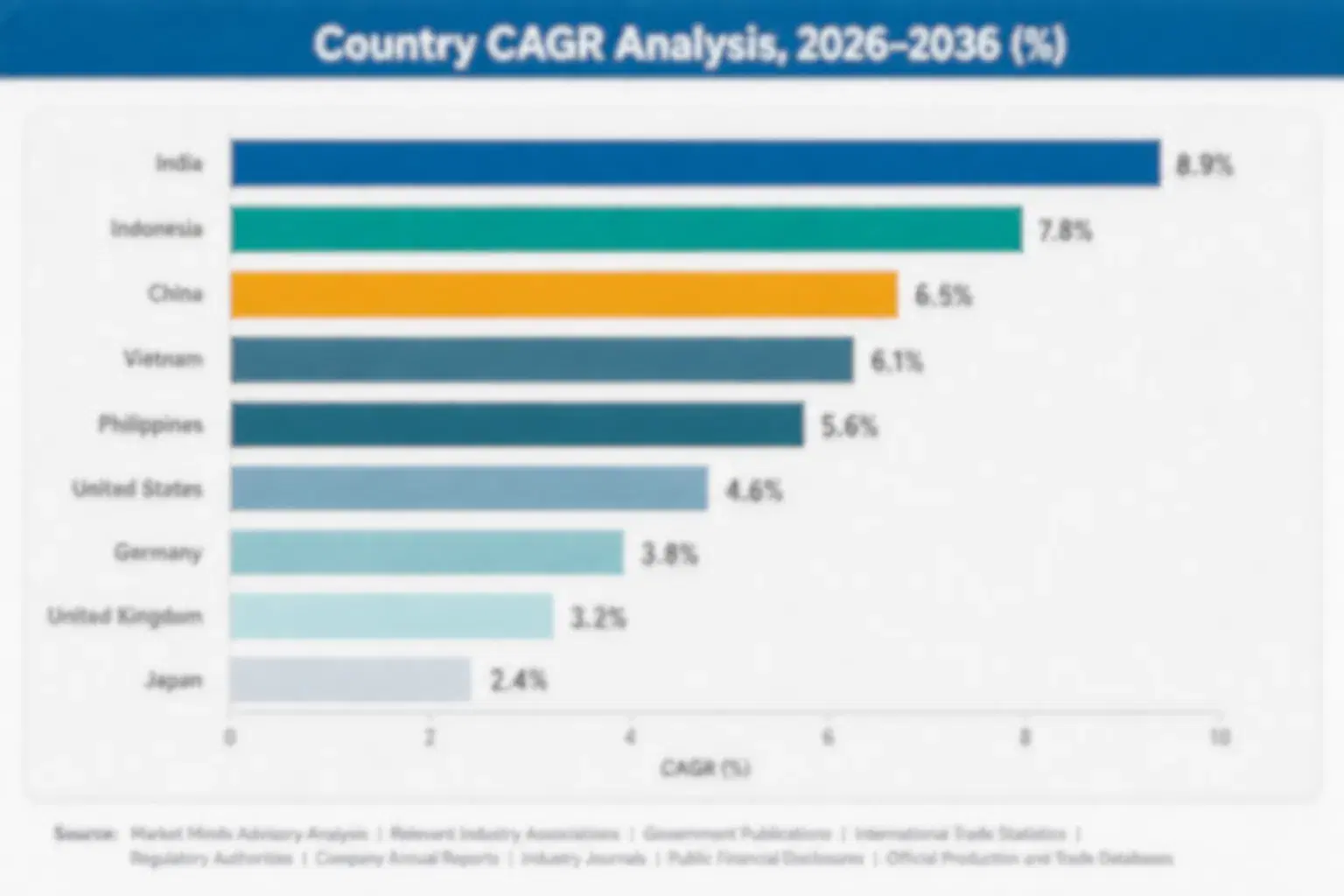
North America leads on branded innovation and retail depth, East Asia is closing the volume gap through private-label manufacturing scale, and South Asia and Pacific is growing fastest off a small base as gym culture and protein awareness expand rapidly across urban consumers nationwide this decade.

North America

US brands built this category, and North America still captures the largest share of branded revenue because Hershey, Conagra, and Simply Good Foods run national distribution networks that smaller entrants cannot match quickly. Whole Foods, Kroger, and Target dedicate meaningful shelf space to high-protein snacks following a multi-year expansion of the functional snacking set, and gym and travel retail channels add incremental volume that grocery alone would not generate. Canada trails the US on brand depth but is adopting US-formulated products through cross-border co-packing rather than developing distinct domestic brands, keeping regional formulation largely unified. Private label growth from Kroger and Costco's Kirkland Signature line is the fastest-growing sub-channel within the region, narrowing but not closing the branded price premium.
Share: 30% | CAGR: 12.5% (2026 to 2036)

Western Europe

Regulatory clarity around protein content claims gives Western European brands a cleaner path to market than the shifting US labeling standard, and UK, German, and French retailers have each added dedicated high-protein snack sets since 2023. Growth trails North America because fortified salty snacks compete against an already dense functional-bar category that established consumer habits earlier, leaving less unclaimed shelf space for a new entrant format. Germany's discount grocery channel, led by Aldi and Lidl private label, has moved faster into protein popcorn than branded UK retailers, compressing achievable margins for branded entrants earlier in the category life cycle. Nordic markets show the highest per-capita trial rates in the region despite their small absolute size.
Share: 21% | CAGR: 10.3% (2026 to 2036)
Regional intelligence for 5 additional markets available in the complete report: East Asia, South Asia and Pacific, Latin America, Middle East and Africa, Eastern Europe. Contact sales@marketmindsadvisory.com.
protein-popcorn-market-country-cagr-analysis-1790358165735

Premiumization and Channel Diversification Playbook

Category economics reward brands that can defend a protein-per-dollar price premium while expanding beyond grocery into higher-margin channels. Four levers determine whether a manufacturer captures outsized returns as the category scales: format innovation, ingredient sourcing control, channel expansion beyond traditional retail, and defensible process intellectual property that private label cannot copy quickly or cheaply.

Building Proprietary Protein Coating Process Capability

Manufacturers investing in proprietary spray-coating or binder technology that improves isolate adhesion and reduces aftertaste are capturing a defensible edge private label cannot replicate through standard co-packer relationships. LesserEvil's shift to a dedicated protein-coating line in 2024 let it hold pricing roughly twelve percent above category average without losing shelf velocity, evidence that process differentiation converts into sustainable premium rather than a temporary launch bump. Co-packers offering this capability to multiple brands dilute the advantage over time, so the durable version of this lever requires in-house equipment rather than shared contract manufacturing capacity.
Market Impact: Sustains a 10 to 12 point price premium

Foodservice and Travel Retail Channel Expansion

Airline, gym, and campus dining channels carry list prices thirty to fifty percent above grocery, and brands that build dedicated foodservice sales teams rather than relying on grocery brokers to open these accounts are capturing a disproportionate share of the category's highest-margin volume. Quest Nutrition's early move into gym vending in 2023 gave it a channel foothold competitors are still working to replicate, and the channel now represents a meaningfully higher share of its protein popcorn revenue than the category average, illustrating how first-mover foodservice relationships compound rather than commoditize quickly the way grocery listings tend to over time.
Market Impact: Adds a 30 to 50 percent price premium

Diversifying Plant Protein Isolate Sourcing Strategy

Shifting isolate sourcing away from whey and single-origin pea protein toward blended pea, pumpkin seed, and rice protein reduces exposure to any single ingredient price spike and opens allergen-friendly positioning that whey-based competitors cannot claim. Brands running blended isolate formulations reported roughly six percent lower input cost volatility over the 2023 to 2025 period compared to single-source whey formulations, based on company-disclosed procurement data, a meaningful stability advantage when isolate spot prices can move sharply within a single quarter. This lever also opens shelf space in vegan and allergen-free retail sets that whey-based products cannot access at all.
Market Impact: Cuts input cost volatility roughly 6 percentage points

Private Label Partnership Instead of Pure Defense

Rather than treating private label purely as a margin threat, several branded manufacturers are supplying retailer-owned lines directly as co-manufacturers, converting a competitive threat into incremental contracted volume with more predictable demand than branded retail listings that face annual review. Utz Brands' co-manufacturing agreements with regional grocery chains added meaningful incremental case volume in 2024 without requiring new brand marketing spend, illustrating how manufacturing capacity utilization can improve even as branded unit share erodes. This approach works best for manufacturers with excess coating-line capacity, since private label contracts typically carry thinner per-unit margins than branded product does.
Market Impact: Adds incremental case volume near 8 percent capacity

Who Controls the Margin Pool

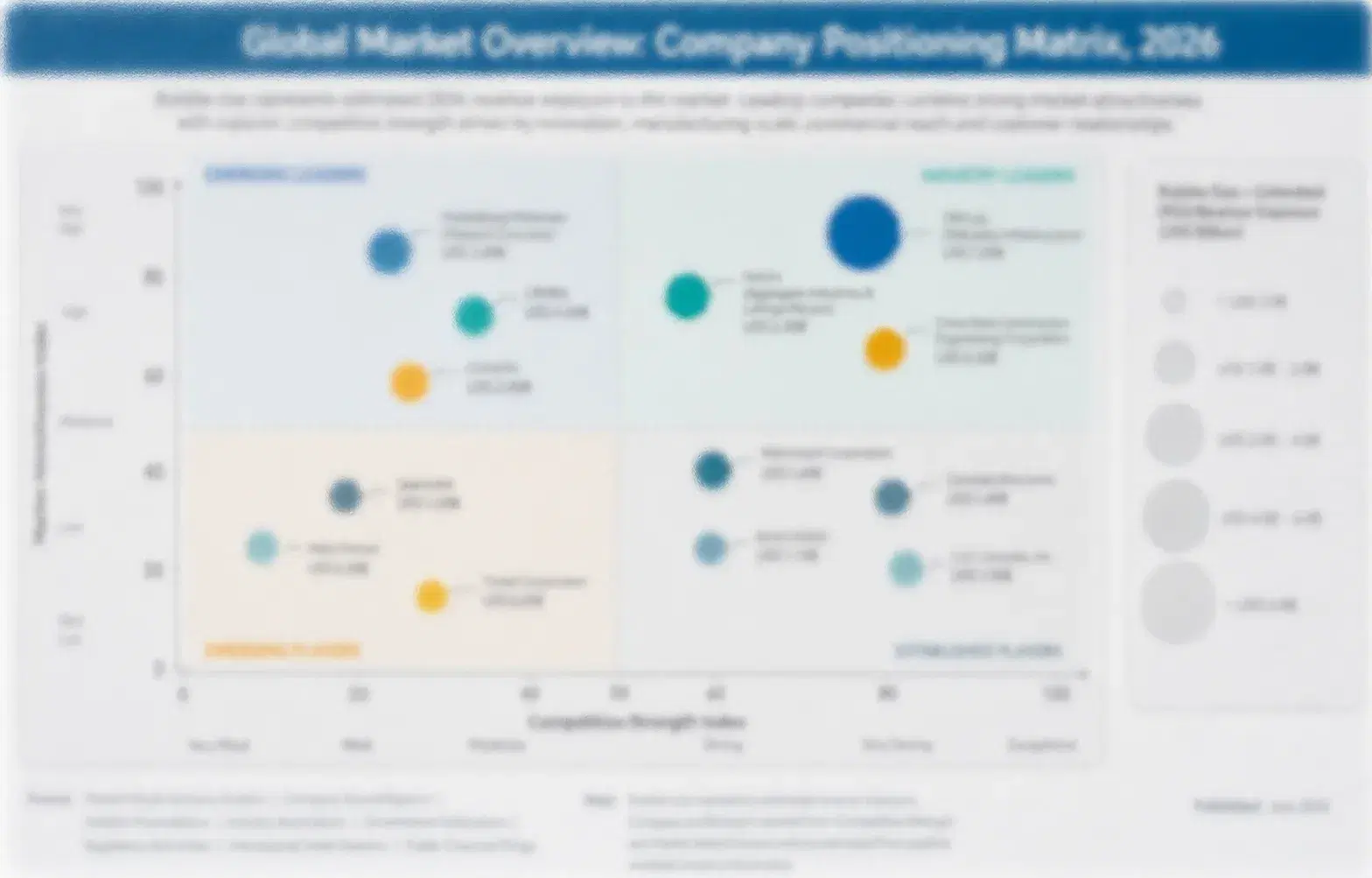
Five companies hold roughly thirty-eight percent of branded category revenue, a moderate concentration that leaves room for challengers but still gives Hershey and Conagra enough scale to outspend smaller entrants on trade promotion and shelf fees. The gap between the top two and the next three key players is wide enough that most competitive activity happens beneath the leader tier rather than at the very top.
Current competitive activity centers on three fronts: national retail listing expansion by incumbents defending shelf space, ingredient reformulation toward cleaner-label plant isolates ahead of tightening labeling scrutiny, and foodservice channel entry by mid-sized challengers seeking margin pools that grocery competition has compressed. Private label expansion by Kroger, Costco, and Aldi adds pricing pressure without directly threatening branded leaders' core distribution relationships.

Pressure is building from two directions: co-packers offering white-label protein-coating capability to any retailer willing to pay, which lowers entry barriers for new private-label competitors, and smaller natural-food brands like LesserEvil using proprietary process technology to defend premium positioning against incumbents and private label at once. Rankings could shift meaningfully if isolate cost inflation forces smaller players to exit before the category matures further.
protein-popcorn-market-company-positioning-matrix-1790358166062

Competitive Moat and Risk Dimensions

THE HERSHEY COMPANY

Moat: National distribution and scale

Hershey's SkinnyPop platform runs through grocery, club, and convenience distribution relationships built over decades of confectionery category management, giving protein line extensions instant shelf access that smaller brands spend years negotiating store by store. That reach lets Hershey roll out new protein SKUs nationally within a single planning cycle rather than the multi-year regional expansion smaller competitors require.
THE HERSHEY COMPANY

Risk: Portfolio-wide margin dilution risk

Protein popcorn remains a small piece of Hershey's overall confectionery and snacking portfolio, meaning category-specific investment competes internally against higher-volume chocolate lines for marketing dollars and manufacturing capacity. If the category underdelivers relative to core confectionery returns, Hershey has less strategic reason than a pure-play snack company to keep investing in coating-line capacity or formulation research at the same pace.
CONAGRA BRANDS INC.

Moat: Multi-brand snack shelf density

Conagra's Angie's Boomchickapop sits inside a broader snack portfolio that gives the company leverage in trade promotion negotiations and category-captain relationships with major grocery chains, letting protein line extensions ride existing retailer relationships rather than negotiating shelf space from scratch. This multi-brand density is difficult for single-brand challengers to replicate quickly, even with a strong standalone product.
CONAGRA BRANDS INC.

Risk: Private label pricing exposure

Conagra's retail relationships also expose it directly to the same chains' growing private-label protein snack programs, creating an internal tension between supplying category-captain insights that help retailers develop competing store brands and protecting its own branded shelf share from exactly that same competition over time.

Players Tracked

Prominent Players

The Hershey Company
Conagra Brands Inc.
The Simply Good Foods Company
LesserEvil LLC
Utz Brands Inc.

Other Key Players

Weaver Popcorn Company
Wyandot Snacks
Popcornopolis LLC
G.H. Cretors Food Company
Pipsnacks Inc.
BjornQorn LLC
Way Better Snacks
B&G Foods Inc.
Whole Earth Brands Inc.
Torn Ranch LLC
Proper Good Inc.
The Kroger Co.
Aldi Inc.
Costco Wholesale Corporation
Trader Joe's Company

Recent Developments

MARCH 2025

SkinnyPop Launches National Protein Popcorn Line

Hershey's SkinnyPop brand rolled out a protein-fortified line across major US grocery chains in March 2025, using pea protein isolate to reach ten grams of protein per serving while retaining the brand's existing air-popped recipe, targeting incremental trial from existing buyers rather than net-new entrants.
Signal: Signals incumbent confectionery players see protein snacking as durable enough to justify a national flagship-brand line extension.
SEPTEMBER 2024

Conagra Expands Angie's Boomchickapop Protein SKUs

Conagra broadened its Angie's Boomchickapop protein range into club channel distribution through Costco in September 2024, following a regional grocery pilot, adding a larger bag format sized for the warehouse club shopper and positioning the SKU alongside the retailer's existing protein bar and snack assortment.
Signal: Shows category-captain incumbents are using club channel scale to build volume ahead of smaller natural-food challengers.
JUNE 2025

LesserEvil Opens Dedicated Protein Coating Line

LesserEvil completed an organic capacity expansion in June 2025, commissioning a dedicated protein-isolate coating line at its Connecticut facility to reduce reliance on shared co-packer capacity and support faster new-flavor rollout without competing for coating-line production time against other customers' orders during peak seasonal demand each quarter.
Signal: Indicates smaller natural-food brands are investing directly in process capability rather than depending on shared manufacturing capacity.

Isolate Sourcing Sets the Category Cost Floor

Protein isolate, whether whey, pea, or pumpkin seed, represents roughly thirty-one percent of cost of goods sold for a typical protein popcorn SKU, above the seasoning and packaging cost share found in standard popcorn. Most whey isolate is sourced from US and European dairy processors, while pea protein isolate increasingly comes from domestic North American and French suppliers as regional capacity scales.
Pea protein isolate prices rose sharply through 2022 as global demand from the broader plant-protein category outpaced new capacity, a volatility event documented in USDA agricultural commodity reporting, before easing as Roquette and Ingredion capacity additions came online through 2024. That price spike forced several smaller manufacturers to temporarily reformulate toward whey isolate or reduce protein claims on pack, illustrating how directly upstream ingredient volatility flows through to finished formulation and marketing claims across the category.

Smaller regional manufacturers carry disproportionate exposure because they lack the volume to negotiate forward-purchase contracts that Hershey and Conagra secure through existing procurement relationships. Branded scale players can also absorb short-term isolate cost spikes without immediately raising shelf price, protecting share during volatility windows, while smaller natural-food brands pass costs through quickly, risking their price-sensitive buyer base.
protein-popcorn-market-cost-volatility-analysis-1790358166396

Forward Contracting with Regional Isolate Suppliers

Manufacturers are locking multi-quarter pricing agreements directly with Roquette and Ingredion as North American pea protein capacity has scaled, reducing spot-market exposure and giving procurement teams cost visibility roughly two to three quarters ahead rather than negotiating shipment by shipment, a meaningful planning advantage given the category's thin promotional pricing margins across most retail channels today.

Blended Isolate Formulation to Reduce Single-Source Risk

Shifting recipes toward blended pea, rice, and pumpkin seed isolate rather than a single protein source spreads price risk across multiple, only partially correlated commodity markets, so a spike in any one input has a smaller effect on total formulation cost than reliance on a single isolate source would produce for a smaller manufacturer.

Domestic Sourcing to Cut Freight and Lead-Time Risk

Shifting isolate procurement from imported French and Chinese sources toward newer North American capacity cuts shipping lead times from roughly twelve weeks to under four, reducing exposure to ocean freight rate volatility that added meaningful landed cost during the 2021 to 2022 shipping disruption period across the broader global food ingredient supply sector overall.

Portfolio Architecture for Margin Defence

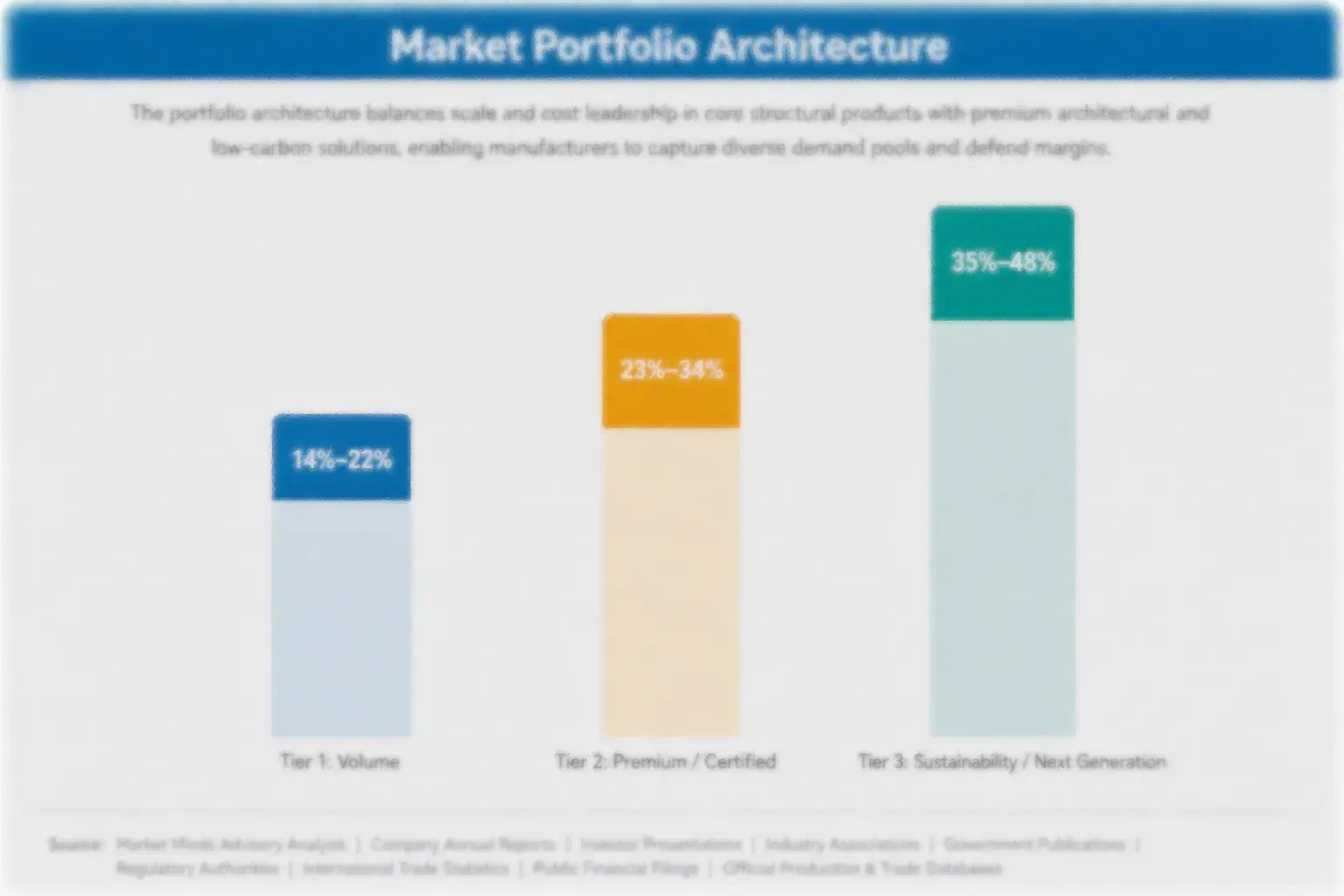
The category organizes into three commercial tiers. Volume and commodity-adjacent products compete on price and carry the thinnest margins, premium and certified formulations command shelf premiums tied to clean-label and non-GMO certification, and a smaller sustainability and next-generation tier built around novel plant isolates and regenerative sourcing claims commands the highest per-unit margin but the smallest current volume base across the category as a whole today.
Retailers are widening shelf allocation for the premium certified tier faster than the volume tier is shrinking, reflecting a category-wide shift toward protein-per-dollar value rather than pure price competition, though volume-tier products still anchor total unit sales and remain the primary vehicle for new-buyer trial before an eventual upgrade to premium formats over time as household discretionary snacking budgets allow for it.

High-value margin pools concentrate in the sustainability and next-generation tier, where novel isolate sourcing and regenerative agriculture claims support the strongest pricing power, and in foodservice and travel retail channels within the premium tier, where list prices run well above standard grocery regardless of underlying formulation tier used, rewarding brands able to serve both channels credibly at once.

Volume / Commodity-Adjacent Tier

Standard bagged protein popcorn using single-source whey or basic pea isolate, competing primarily on price and available broadly across mass grocery and club channels with minimal certification claims attached to the packaging.
Gross Margin: 18-24%

Premium / Certified Tier

Non-GMO, clean-label formulations using higher-purity isolates, typically carrying third-party certification and merchandised in natural-food and specialty grocery sections at a meaningful, sustained price premium over standard bagged formats sold through mass grocery.
Gross Margin: 32-40%

Sustainability / Regulatory / Next-Generation Tier

Novel plant isolate sourcing, regenerative agriculture claims, and allergen-free formulations aimed at the fastest-growing buyer segment, commanding the category's highest per-unit margin despite representing a still-small share of total volume.
Gross Margin: 42-50%
protein-popcorn-market-portfolio-architecture-1790358166736

High-value Sub-segments and Strategic Watch-out

Trail Mix and Protein Cluster Formats

This high-value, high-growth format commands bar-adjacent pricing while carrying lower production complexity than full coating lines, and retailers are expanding shelf space for it faster than for any other format in the category, making it the clearest near-term margin opportunity for manufacturers with cluster-binding capability today.
Gross Margin: 38-46%

Foodservice and Travel Retail Channel

High-value but moderate-growth today, this channel carries list prices thirty to fifty percent above grocery and is expanding steadily as airlines and gym operators add protein-forward snack programs, though total volume remains small relative to grocery and will likely stay a margin enhancer rather than a volume driver.
Gross Margin: 35-44%

Standard Bagged Grocery Format

The volume core of the category, standard bagged protein popcorn anchors total unit sales across mass grocery and remains the primary trial vehicle for new buyers, even as its relative margin contribution shrinks as premium and cluster formats capture a growing share of category revenue growth each year.
Gross Margin: 18-24%

Private Label Protein Popcorn

The strategic watch-out segment, retailer-owned protein popcorn lines from Kroger, Costco, and Aldi are growing faster than branded volume in several channels, and their continued expansion could compress branded pricing power meaningfully if manufacturers cannot sustain a clear formulation or process differentiation over the next several years of category growth.
Gross Margin: 22-28%

Repeat Purchase Built on Habit Formation

Protein popcorn behaves less like an impulse snack and more like an annuity product once a buyer adopts it as a regular post-workout or between-meal habit, since repeat purchase frequency for engaged buyers runs meaningfully higher than for standard flavored popcorn, giving brands a more predictable revenue base than a typical new snack launch would generate in its first two years on shelf across most retail channels.
Adoption depth varies sharply by end-use vertical: gym and fitness-adjacent buyers show the deepest habit formation and highest repeat rates, office and workplace snacking buyers adopt it as one rotation option among several rather than a dedicated habit, and family grocery buyers purchase it inconsistently, usually triggered by a specific health goal rather than becoming a permanent pantry staple the way chips or crackers often do.

Younger buyers entering the category through gym culture and social media fitness content are replacing an older generation who associate popcorn primarily with movie-night snacking rather than functional nutrition, a generational shift in purchase occasion that is reshaping how brands position flavor, packaging, and marketing channels toward performance and recovery occasions rather than entertainment ones.
protein-popcorn-market-end-use-penetration-index-1790358167025

Where MMA Sees the Real Opportunity

These are among the four positions where our research anticipates prominent divergence between winners and laggards over the coming forecast period. Each is grounded in the demand model, the regulatory perimeter, and the announced capacity pipeline.
01 / FORMAT INNOVATION PRIORITY

Invest in cluster and trail-mix format capability first

Trail mix and cluster formats are growing fastest because they solve the isolate-adhesion problem that limits loose-kernel coated popcorn, and manufacturers that build binding capability now will hold a durable cost and quality advantage as the format's share of category revenue keeps expanding. Co-packer capacity for this format remains limited relative to demand, meaning early movers can lock favorable manufacturing terms before capacity constraints push costs higher for latecomers. Brands without cluster capability by 2028 risk losing the category's highest-margin growth pool to competitors who moved first.
02 / INGREDIENT RISK MANAGEMENT

Diversify isolate sourcing before the next price spike

Pea protein isolate pricing has already shown it can spike sharply when demand outpaces new capacity, and manufacturers relying on a single isolate source carry meaningfully more formulation and margin risk than those running blended pea, rice, and pumpkin seed formulations today. Forward contracting with scaled domestic suppliers offers near-term protection, but blended sourcing provides the more durable hedge against any single supplier relationship failing. Manufacturers that wait until the next spike to diversify will pay a reformulation cost precisely when margins are under pressure.
03 / CHANNEL EXPANSION TIMING

Move into foodservice and travel retail ahead of peers

Foodservice and travel retail channels currently carry list prices thirty to fifty percent above grocery, and first movers into gym vending, airline snack programs, and campus dining are building relationships that later entrants will find harder to displace once incumbent supply agreements are in place. Quest Nutrition's early gym-channel push shows how a foodservice foothold can become a durable revenue stream distinct from grocery competition entirely. Brands still focused exclusively on grocery listings are ceding this higher-margin channel to competitors willing to build a dedicated foodservice sales function now.
04 / PRIVATE LABEL RESPONSE STRATEGY

Decide now whether to compete with or supply retailers

Private label protein popcorn is growing faster than branded volume in several channels, and manufacturers with underutilized coating-line capacity have a real choice between defending branded share through process differentiation or converting private label into a profitable secondary revenue stream through direct co-manufacturing agreements. Utz Brands' retailer co-manufacturing relationships show the latter path can add volume without cannibalizing existing branded distribution meaningfully. Manufacturers that delay this decision risk losing the choice entirely once retailers secure supply from a competitor instead.

Engagement Snapshot From the Field

A live engagement with an industry participant carrying material or product regulatory and market exposure ahead of a defining policy shift, showing how our research translates into a defensible multi-year portfolio strategy.
MARKET MINDS ADVISORY · CLIENT ENGAGEMENT SUMMARY
Protein Popcorn Producer Strategic Portfolio Review and Transition Roadmap 2026·Investment Scenario on Protein Popcorn Exposure Evaluation 2025-26
CLIENT PROFILE
The client is a mid-sized North American natural snack manufacturer with existing distribution in the premium bagged snack aisle, reporting roughly 85 million dollars in annual revenue (client-reported, unverified by MMA) concentrated in traditional popcorn and puffed snack lines. The company approached MMA seeking an independent assessment of whether to enter the protein-fortified segment as isolate costs and formulation complexity were unfamiliar relative to its existing range.
STRATEGIC CHALLENGE
Leadership was uncertain whether protein fortification represented a durable category shift worth a seven-figure capital investment in dedicated coating equipment, or a shorter-lived trend better served through a lower-commitment co-packing arrangement. The client also needed to determine which isolate source and format would differentiate its entry against incumbents already commanding national distribution, without cannibalizing its existing traditional popcorn line's retailer relationships.
MMA APPROACH
MMA's team combined the primary survey dataset with retailer buyer interviews to size realistic sell-through for a mid-sized entrant, modeled input cost exposure under three isolate-sourcing scenarios, and benchmarked coating-line capital costs against the client's projected volume ramp. The engagement produced a format and channel entry sequence designed to build proof points with regional retailers before requesting national distribution commitments from larger chains.
KEY FINDINGS
  1. Regional retailers offered faster listing decisions and lower slotting fees than national chains, making them a more capital-efficient proof point before a national launch attempt.
  2. Blended pea and pumpkin seed isolate tested better on repeat purchase intent than single-source whey in the client's own consumer panel, despite a modest cost premium.
  3. Co-packing rather than owned coating equipment reduced upfront capital risk meaningfully while still allowing the client to reach regional shelf within two quarters of the decision.
  4. Cluster and trail-mix formats scored highest on differentiation versus incumbent bagged offerings already crowding the client's target grocery category review process at most chains.
CLIENT PROFILE
The client is a mid-sized North American natural snack manufacturer with existing distribution in the premium bagged snack aisle, reporting roughly 85 million dollars in annual revenue (client-reported, unverified by MMA) concentrated in traditional popcorn and puffed snack lines. The company approached MMA seeking an independent assessment of whether to enter the protein-fortified segment as isolate costs and formulation complexity were unfamiliar relative to its existing range.
STRATEGIC CHALLENGE
Leadership was uncertain whether protein fortification represented a durable category shift worth a seven-figure capital investment in dedicated coating equipment, or a shorter-lived trend better served through a lower-commitment co-packing arrangement. The client also needed to determine which isolate source and format would differentiate its entry against incumbents already commanding national distribution, without cannibalizing its existing traditional popcorn line's retailer relationships.
MMA APPROACH
MMA's team combined the primary survey dataset with retailer buyer interviews to size realistic sell-through for a mid-sized entrant, modeled input cost exposure under three isolate-sourcing scenarios, and benchmarked coating-line capital costs against the client's projected volume ramp. The engagement produced a format and channel entry sequence designed to build proof points with regional retailers before requesting national distribution commitments from larger chains.
KEY FINDINGS
  1. Regional retailers offered faster listing decisions and lower slotting fees than national chains, making them a more capital-efficient proof point before a national launch attempt.
  2. Blended pea and pumpkin seed isolate tested better on repeat purchase intent than single-source whey in the client's own consumer panel, despite a modest cost premium.
  3. Co-packing rather than owned coating equipment reduced upfront capital risk meaningfully while still allowing the client to reach regional shelf within two quarters of the decision.
  4. Cluster and trail-mix formats scored highest on differentiation versus incumbent bagged offerings already crowding the client's target grocery category review process at most chains.
RECOMMENDED STRATEGY
Phase 1: Phase 1 (Months 1 to 4): Launch a blended-isolate cluster format through co-packing with two regional grocery chains to validate demand before committing capital. Phase 2: Phase 2 (Months 5 to 10): Expand distribution to a third regional chain and begin evaluating dedicated coating-line economics based on actual sell-through data. Phase 3: Phase 3 (Months 11 to 18): Pursue national distribution conversations only after regional sell-through and margin data support the capital case for owned capacity.
OUTCOME
Within the first two quarters of regional launch, the client's protein cluster SKU reportedly reached sell-through rates roughly twenty percent above the retailer's category average for new snack items (client-reported, unverified by MMA), supporting a decision to move forward with dedicated coating-line investment ahead of the original eighteen-month timeline MMA had modeled as the base case.

Frequently Asked Questions

Foundational context covering the market sizes, CAGR, scope, country, region and competition that inform every finding below. This section is provided to cover basics and most often pre-purchase conversations, answered from the MMA Primary Research Dataset.

What is the current size of the Protein Popcorn Market?

The global protein popcorn market reached approximately 1.9 billion dollars in 2025. Growth has been driven by isolate technology improvements and expanding retail distribution across grocery, club, and foodservice channels.

How large will the Protein Popcorn Market be by 2036?

MMA projects the market will reach roughly 6.4 billion dollars by 2036. Growth is supported by format innovation and expanding foodservice and travel retail channels.

What is the CAGR for the Protein Popcorn Market 2026 to 2036?

The market is projected to grow at an 11.8 percent compound annual rate between 2026 and 2036. This reflects continued mainstream retail adoption beyond the category's original fitness-focused buyer base.

Which segment is growing fastest?

Protein popcorn trail mix and cluster formats are growing fastest, at roughly a 13.5 percent CAGR. These formats solve isolate-adhesion problems that limit standard coated popcorn formulations.

Who are the major companies in the Protein Popcorn Market?

The Hershey Company, Conagra Brands, The Simply Good Foods Company, LesserEvil, and Utz Brands lead the branded segment. Private label programs from Kroger and Costco are expanding quickly alongside them.

Which country is growing fastest?

India is the fastest-growing country market, driven by rapid gym membership growth and expanding protein-supplement culture in major metro areas. Domestic pea protein sourcing is helping keep formulation costs competitive.

Report Segmentation Architecture

The full report scope spans multiple orthogonal segmentation dimensions, with cross-tabulated demand data provided for each dimension pair. Coverage extends further to regional breakdowns, trend trajectories, and the competitive detail needed to support segment-level decision-making.

By Product Format

  • Ready-to-Eat Bagged
  • Microwaveable
  • Trail Mix and Clusters
  • Flavored Coated
  • Savory
  • Bulk and Foodservice

By End-Use Industry

  • Retail Grocery
  • Club and Warehouse
  • Convenience and Travel Retail
  • Foodservice and Institutional
  • E-Commerce

By Commercial Dimension

  • Branded
  • Private Label
  • Direct-to-Consumer
  • Bulk Ingredient Supply

By Region

  • North America
  • Western Europe
  • East Asia
  • South Asia and Pacific
  • Latin America
  • Middle East and Africa
  • Eastern Europe

Scope, Methodology, and Coverage

Every figure in this report is reproducible from documented input assumptions. The scope below maps the historical period, the forecast horizon, the segmentation dimensions, and the countries covered, alongside the underlying primary and qualitative methodology.
Historical Period
2020 to 2025
Forecast Period
2026 to 2036
Base Year
2025 (USD billions; MMA Primary Research Dataset, September 2026)
Market Definition
The protein popcorn market covers ready-to-eat and microwaveable popcorn products fortified with added whey, pea, or plant-based protein isolates and marketed against a stated protein claim per serving. It excludes standard unfortified popcorn, extruded corn puffs without a protein claim, and protein bars, shakes, or powders that do not use popcorn as their base ingredient.
Quantitative Units
USD billions (current prices); metric tons for volume where disclosed
Segmentation Dimensions
By Product Format; By End-Use Industry; By Commercial Dimension; By Region
Regions Covered
North America, Western Europe, East Asia, South Asia and Pacific, Latin America, Middle East and Africa, Eastern Europe
Countries Covered
USA, China, Germany, France, UK, Japan, South Korea, India, Australia, Canada, Brazil, Mexico, Indonesia, Vietnam, Thailand, Malaysia, UAE, Saudi Arabia, South Africa, Nigeria, Turkey, Poland, Netherlands, Italy, Spain, Sweden, Switzerland, Argentina, Colombia, Singapore, and additional markets relevant to this sector
Key Companies Profiled
The Hershey Company, Conagra Brands Inc., The Simply Good Foods Company, LesserEvil LLC, Utz Brands Inc., Weaver Popcorn Company, Wyandot Snacks, Popcornopolis LLC, G.H. Cretors Food Company, Pipsnacks Inc., BjornQorn LLC, Way Better Snacks, B&G Foods Inc., Whole Earth Brands Inc., Torn Ranch LLC, Proper Good Inc., The Kroger Co., Aldi Inc., Costco Wholesale Corporation, Trader Joe's Company
Quantitative Methodology
Primary survey, n=3,800 respondents, Q4 2025, six countries; demand-side model with trade association cross-validation
Qualitative Methodology
47 expert interviews, Q4 2025; applied to validate demand model assumptions, identify emerging dynamics, and assess competitive positioning
Report Format
PDF and XLSX data workbook (Word format preview document)
Publisher
Market Minds Advisory
Report Code
MMA-2026-AGR-201
Published
September 2026
Contact
sales@marketmindsadvisory.com | www.marketmindsadvisory.com

Purchase the full Protein Popcorn Market Report (2026 to 2036).

The full report delivers a complete quantitative and qualitative assessment of the global protein popcorn market, including ten-year forecasts by product format, region, and commercial channel through 2036. It profiles twenty companies across the branded and private-label competitive set, with detailed moat and risk analysis for the two category leaders. The report includes primary survey data from 3,800 respondents across six countries and 47 expert interviews conducted in the fourth quarter of 2025, alongside input cost modeling and channel-specific revenue lever analysis. Buyers receive segmentation data, regional demand architecture, and a strategic verdict section designed to support entry and portfolio decisions.
Ten-year market forecasts by format and region
Competitive profiles of twenty branded and private-label companies
Primary survey data from 3,800 respondents across six countries
Isolate input cost modeling and mitigation strategy analysis
Revenue lever analysis across four commercial growth strategies
Regional demand architecture covering all seven global regions

Built For The People Who Decide

From boardroom strategy to bench-side execution, this report is read cover-to-cover by leaders shaping the next decade of their industry, turning demand scenarios, market dynamics and valuation benchmarks into decisions.
CXOs/ Presidents/ VPs/ Managers
M&A and Corporate Development
Strategy Teams and R&D Heads
Procurement and Product Directors
Regulatory and Compliance Leaders
Investor Relations and Equity Analysts