Progressive Multifocal Leukoencephalopathy Treatment Market
Progressive Multifocal Leukoencephalopathy Treatment Market: Immune Reconstitution, T-Cell Therapy and a Disease With No Approved Drug
No drug is approved anywhere for progressive multifocal leukoencephalopathy, so treatment means restoring the immune system that let the virus in and hoping the brain damage stops before it kills.
2025 MARKET VALUE$0.2BMarket Size 2025
2036 FORECAST VALUE$0.8BBase Case , 2026 to 2036
CAGR 2026 TO 203613.5 %Bull 14.9% / Bear 12.1%
INCREMENTAL OPPORTUNITY$0.6BNet 10- year value creation
EXPANSION MULTIPLE3.55x2036 value over 2026 base
Strategic Levers
M&A Pipeline
Regional Outlook
Country Rankings
Competitive Intelligence
Segmental Deep-dive
Executive Snapshot and Market Trajectory
Progressive multifocal leukoencephalopathy has no approved treatment anywhere. What exists is a set of interventions aimed at restoring the immune function that let the JC virus into the brain, and the outcome depends almost entirely on how quickly that happens. Nothing on the market attacks the virus itself.
Adoptive virus-specific T-cell therapy compounds at 20.25%, exactly 1.50 times the market, because it is the only approach that targets JC virus directly rather than waiting for a recovering immune system to do it. North America holds 31% of spend on natalizumab-treated multiple sclerosis populations and on the antibody index testing that identifies risk. Spend and case burden sit in entirely different places, and the gap is widest across sub-Saharan Africa.
Five companies hold 43%, which is low and reflects that nobody owns an approved product. Positions rest on adjacent assets: the biologic causing the risk, the checkpoint inhibitor used off label, the T-cell platform still in trials. Diagnosis speed still decides survival more than any available therapy does. Whoever converts compassionate-use experience into registrational evidence first will reset the entire field. Nobody has managed that yet.
Market Definition
The market covers therapeutics and clinical interventions used specifically to manage progressive multifocal leukoencephalopathy, spanning immune reconstitution management, plasma exchange and drug clearance interventions, checkpoint inhibitor immunotherapy, adoptive virus-specific T-cell therapy, antiviral and repurposed small molecules, and supportive and symptomatic management. JC virus serological and polymerase chain reaction diagnostics, the immunosuppressive biologics whose use creates the risk, and general antiretroviral therapy for HIV are excluded.
Base Year Value
$0.2B in 2025 (MMA Primary Research Dataset, August 2026)
Forecast Period
2026 to 2036, eleven discrete annual values
CAGR
13.5% base case. Bull 14.9%. Bear 12.1%.
Fastest Growth Segment
Adoptive Virus-Specific T-Cell Therapy: 20.2% CAGR
Fastest Growth Country
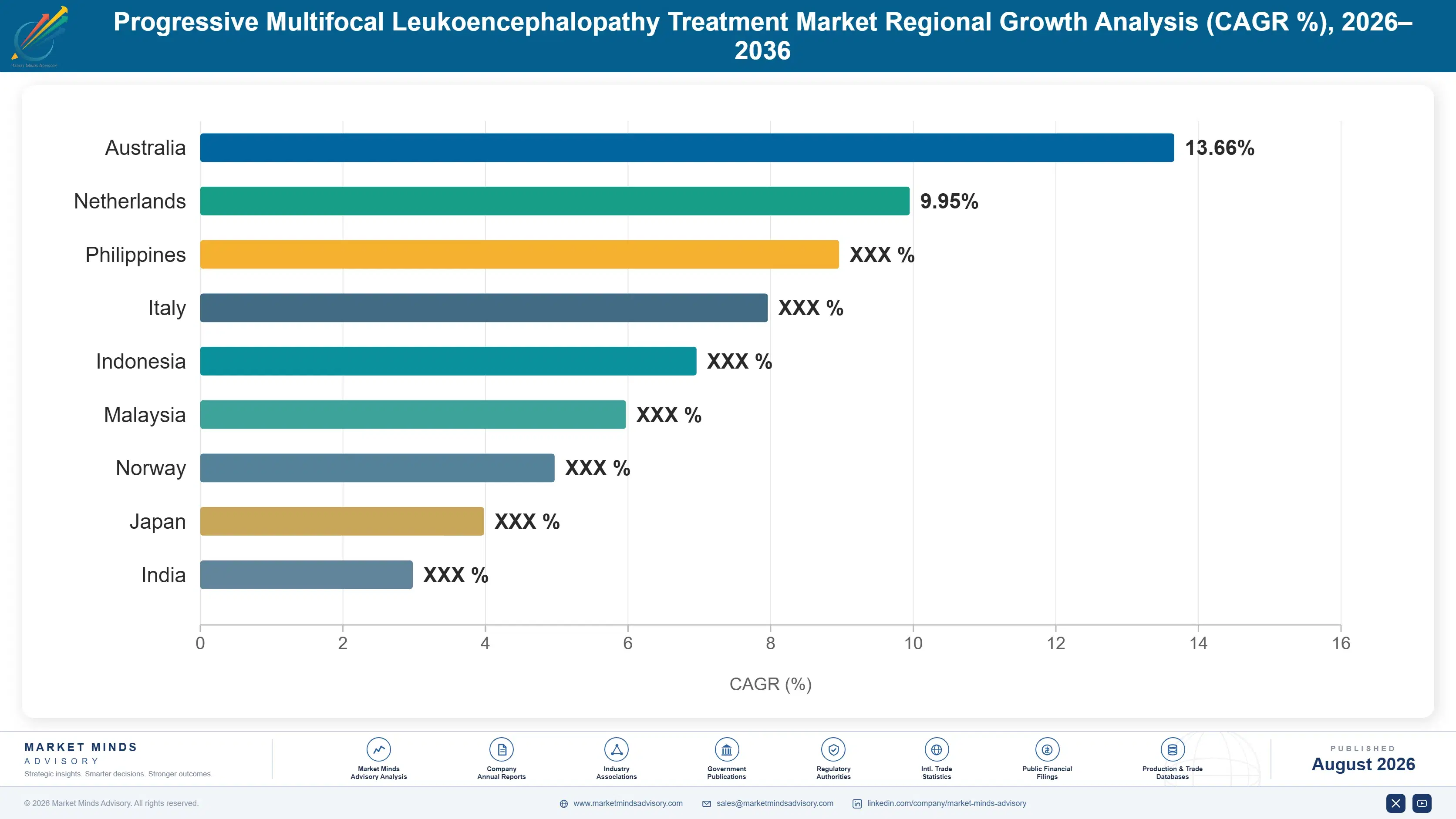
India: 15.9% CAGR
Fastest Growth Region
South Asia and Pacific: 15.6% CAGR
Largest Region
North America: 31% of 2025 global value
Market Leaders
Biogen, Merck & Co, Atara Biotherapeutics, Bristol Myers Squibb, Gilead Sciences. Source: MMA Analysis based on company annual reports.
Primary Survey
n=3,800 procurement and R&D decision-makers, Q4 2025, six countries
Methodology
Demand-side build-up, cross-validated against public data, 47 expert interviews
Progressive Multifocal Leukoencephalopathy Treatment Market Forecast Scenarios

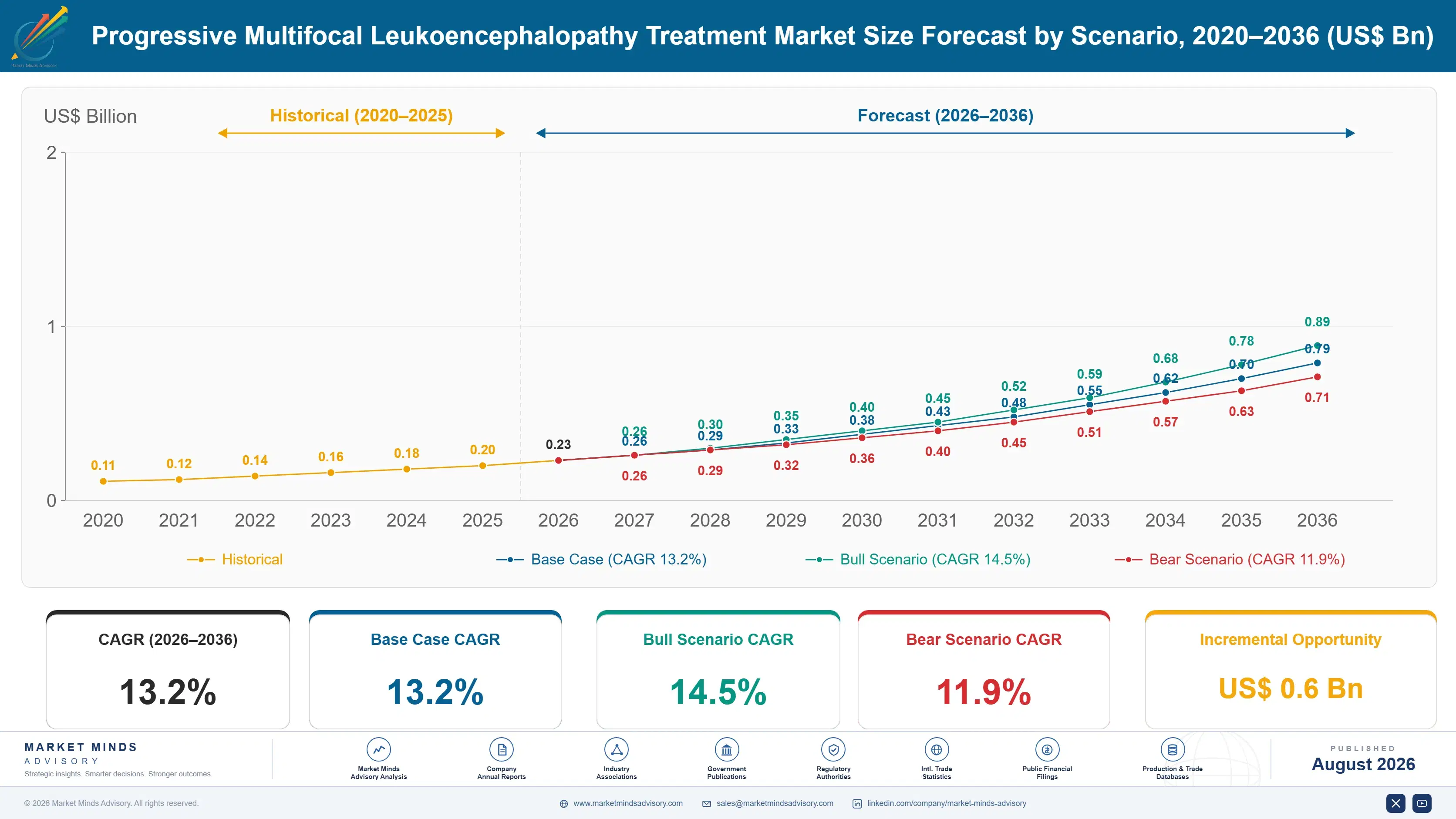
Growth of 11.8% across 2020 to 2025 came from three unrelated places and none of them was a drug approval. Checkpoint inhibitor use spread through case series rather than trials. Allogeneic virus-specific T cells moved from single-patient compassionate use into small expanded access cohorts. And natalizumab risk stratification improved enough that cases were caught earlier, when intervention still had a chance of changing the outcome.
The base case of 13.2% rests on three mechanisms. Virus-specific T-cell manufacturing is scaling from single-donor batches toward banked allogeneic products, which converts a research procedure into something a hospital can order. Checkpoint inhibitor use continues expanding on accumulated case series, with no trial likely ever to be large enough to settle it. And earlier diagnosis through cerebrospinal fluid polymerase chain reaction testing widens the window in which any intervention is worth attempting at all.
The bull case of 14.5% assumes an allogeneic T-cell product reaches conditional approval in at least one major system, which would convert compassionate supply into reimbursed therapy overnight. The bear case of 11.9% reflects the mundane risk that payers keep refusing unlicensed therapy for a disease treating fewer than five thousand patients annually, leaving supportive care as the standard.
The base case of 13.2% rests on three mechanisms. Virus-specific T-cell manufacturing is scaling from single-donor batches toward banked allogeneic products, which converts a research procedure into something a hospital can order. Checkpoint inhibitor use continues expanding on accumulated case series, with no trial likely ever to be large enough to settle it. And earlier diagnosis through cerebrospinal fluid polymerase chain reaction testing widens the window in which any intervention is worth attempting at all.
The bull case of 14.5% assumes an allogeneic T-cell product reaches conditional approval in at least one major system, which would convert compassionate supply into reimbursed therapy overnight. The bear case of 11.9% reflects the mundane risk that payers keep refusing unlicensed therapy for a disease treating fewer than five thousand patients annually, leaving supportive care as the standard.
Treating a Disease Nobody Has a Drug For
This is a market defined by absence. JC virus lives harmlessly in most adults and only becomes lethal when cellular immunity fails, so the disease appears in people already being treated for something else: multiple sclerosis on natalizumab, transplant recipients, haematological malignancy patients, advanced HIV. There is no approved antiviral. Treatment means removing the cause of the immunosuppression and waiting.
TOP FIVE CONCENTRATION43%Combined share held by the five largest participating companies
MEDIAN SURVIVAL UNTREATED4 monthsSurvival after diagnosis where immune function cannot be restored
NATALIZUMAB RISK RATE1 in 90Incidence among high antibody index patients on prolonged therapy
DIAGNOSIS TO INTERVENTION31 daysTypical interval from imaging suspicion to any active treatment
IMMUNE RECONSTITUTION RESPONSE58%Proportion achieving disease stabilisation where immune reconstitution succeeds
SPECIALIST CENTRE ACCESS12% of patientsShare reaching a centre offering investigational cell therapy
That waiting is the problem. Median survival without restored immune function is around four months, and the interval from the first suspicious magnetic resonance image to any active intervention averages 31 days. Where reconstitution succeeds, roughly 58% of patients stabilise. Where it cannot be achieved, because the underlying malignancy or transplant makes immunosuppression unavoidable, there is currently very little to offer.
Adoptive virus-specific T-cell therapy is the first approach that attacks the virus rather than the immunosuppression, and it compounds at 20.25%. Allogeneic banked products matched on partial human leukocyte antigen typing can be given within days rather than manufactured per patient. Only about 12% of patients reach a centre offering them, which is the binding constraint rather than manufacturing capacity. Institutional readiness decides who gets treated.
"We spend enormous effort stratifying natalizumab patients by antibody index and then lose a month between the first abnormal scan and doing anything at all. The stratification is excellent. The response is not."
Market Trends
Allogeneic virus-specific T cells directed against JC virus antigens have been given under compassionate access at a handful of academic centres, with published case series showing viral clearance in patients who had no other option. Banked partial-match products can be infused within days rather than manufactured individually, which matters when median untreated survival is around four months. The approach compounds at 20.25% against a market at 13.5%, and it is the only route currently attacking the virus rather than the immunosuppression behind it. Every dose so far has been given under expanded access.
Market Impact: Risk reaching 1 in 90 patients
Checkpoint Inhibition Spreads Through Case Series Not Labels
Programmed death receptor blockade with pembrolizumab or nivolumab restores exhausted T-cell function, and published case series report stabilisation in some patients where immune reconstitution alone had failed. Response is inconsistent and the mechanism carries genuine risk of inflammatory injury in an already damaged brain. Use has spread entirely through literature and clinician networks rather than through any regulatory label, which makes uptake unusually dependent on individual centre experience and on roughly 12% of patients reaching such a centre. Clinicians use it because the alternative is offering nothing at all. Cost per course is branded oncology pricing.
Market Impact: Stabilisation achieved in 58% of ca
Market Opportunities and Growth Drivers
Immunosuppressive Biologic Use Keeps Enlarging the At-Risk Population
Every expansion of biologic immunosuppression across neurology, rheumatology, gastroenterology and haematology adds patients whose cellular immunity may fail enough for JC virus to reactivate. Natalizumab carries the best characterised risk, reaching around one in 90 among high antibody index patients on prolonged therapy, but anti-CD20 agents, transplant regimens and several haematological therapies all contribute cases. The at-risk denominator grows faster than the therapeutic response to it develops, which is why case recognition drives this market more than treatment does. Recognition rather than treatment drives recorded market growth. The denominator is the market.
Market Impact: Zero approved products across 4 dec
Magnetic Resonance Surveillance Improves Case Recognition Substantially
Structured imaging surveillance in high-risk biologic populations catches lesions before clinical deterioration, and asymptomatic detection changes what any intervention can achieve. Earlier recognition shortens the interval to immune reconstitution, and reconstitution succeeds in roughly 58% of cases where it can be attempted at all. The counterintuitive commercial effect is that better surveillance increases recorded incidence while improving outcomes, so rising case numbers reflect detection rather than any genuine deterioration in patient safety. Surveillance intervals have tightened across several national neurology guidelines, which raises recorded incidence while improving outcomes and makes every incidence trend line difficult to read honestly.
Market Impact: Inflammatory syndrome in 1 in 5
Market Restraints and Challenges
No Approved Therapy Means No Reimbursement Pathway Exists
Every intervention used here is off-label, investigational or a procedure billed under something else, so there is no established reimbursement route for the disease itself. The root cause is straightforward: nobody has completed a registrational trial in a population this small and this heterogeneous. Participants mitigate by pursuing orphan and expanded-access designations, by building registry evidence across centres, and by designing trials with external control arms since randomising against supportive care alone raises real ethical objections. Four decades have produced no approved product at all. Orphan and expanded-access designation is the only route open.
Market Impact: Survival window under 4 months
Immune Reconstitution Itself Can Kill the Patient
Restoring immune function triggers inflammatory syndrome in a substantial minority, and inflammation inside an already damaged brain can be fatal faster than the virus would have been. The root cause is that the treatment and the pathology occupy the same tissue. Clinicians mitigate with corticosteroid protocols, staged reconstitution and imaging surveillance during recovery, and interest in T-cell therapy partly reflects the hope of clearing virus without the same inflammatory penalty. Roughly one patient in five develops inflammatory syndrome during recovery, and interest in cell therapy partly reflects the hope of clearing virus without paying that penalty.
Market Impact: Reaching only 12% of patients
3 additional market trends, 4 additional growth drivers, and 2 additional restraints and challenges are covered in the full report. Contact sales@marketmindsadvisory.com to access the complete intelligence.
Segment CAGR and Growth Architecture
Segmentation follows therapeutic approach, because each acts on a different point in the disease mechanism: the immunosuppression, the circulating drug causing it, the exhausted T-cell response, or the virus itself. A clinician choosing between reconstitution and cell therapy is choosing which of those to attack first. Six approaches sit in the hierarchy, separated by mechanism rather than by patient group.

Adoptive Virus-Specific T-Cell Therapy
Adoptive T-cell therapy compounds at 20.25%, exactly 1.50 times the market, and it is the only approach directed at JC virus rather than at the immunosuppression permitting it. Allogeneic banked products, selected for reactivity against viral antigens and matched on partial human leukocyte antigen typing, can be infused within days of a decision, which matters when untreated median survival runs near four months. Published compassionate-use series report viral clearance in patients with no remaining options, including those whose underlying malignancy makes immune reconstitution impossible. The constraint is access rather than manufacturing: only around 12% of patients reach a centre able to offer this, and no product has yet completed a registrational trial.
CAGR 20.2%
Checkpoint Inhibitor Immunotherapy
Checkpoint inhibition grows at 17.4% on programmed death receptor blockade restoring exhausted T-cell function against the virus. Pembrolizumab and nivolumab have both been used off label, and published series report stabilisation in a proportion of patients where reconstitution alone failed. Response is genuinely inconsistent, which the literature reflects honestly, and the mechanism carries a real risk of provoking inflammatory injury inside a brain already carrying demyelinating lesions. Adoption travels through case reports and clinician networks rather than through any label or guideline, so use concentrates at academic centres with prior experience. Cost per course is substantial and reimbursement depends entirely on individual payer decisions rather than on any established pathway.
CAGR 17.4%
Full segment breakdown across 6 segments available in the complete report.
Regional Architecture and Country Demand Map
Demand follows immunosuppressive biologic use and specialist neurology infrastructure rather than case burden, since diagnosis requires magnetic resonance imaging and viral polymerase chain reaction testing that much of the world cannot access routinely. Case burden and spend therefore sit in quite different places, and the gap is widest in Africa.
North America
North America accounts for 31% of spend, the largest regional share, and the reason is worth stating plainly rather than assuming: natalizumab-treated multiple sclerosis populations here are large and closely monitored, JC virus antibody index stratification is routine, and almost every centre offering investigational T-cell therapy sits in the United States. Case burden is not what drives this. Transplant and haematological malignancy populations add cases with the poorest prognosis, since immunosuppression frequently cannot be withdrawn. Growth of 13.2% reflects both wider biologic use and better recognition rather than any improvement in available therapy. Almost every centre offering investigational cell therapy sits within the region, which concentrates the highest-value interventions here regardless of where cases occur.
Share: 31% | CAGR: 13.2% (2026 to 2036)
Western Europe
Twenty-six percent of spend sits in Western Europe, growing at 12.0%, the slowest of the seven regions. Multiple sclerosis biologic prescribing is extensive and antibody index surveillance is embedded in national treatment protocols across Germany, France, the United Kingdom and the Nordic countries. Several academic centres have published the most detailed compassionate-use T-cell series available anywhere, which gives the region disproportionate influence on clinical practice relative to its spend. Growth is slow because at-risk population expansion has largely already happened and because reimbursement for off-label use is tightly controlled. Several centres here have published the most detailed compassionate-use experience available anywhere, which gives the region disproportionate influence over clinical practice worldwide.
Share: 26% | CAGR: 12.0% (2026 to 2036)
Regional intelligence for 5 additional markets available in the complete report: East Asia, South Asia and Pacific, Latin America, Middle East and Africa, Eastern Europe. Contact sales@marketmindsadvisory.com.

Building Value Without an Approval
Nobody holds an approved product here, so commercial position rests on adjacent assets, registry evidence and access to the small number of centres that treat these patients at all. Four positions qualify, none resembling conventional pharmaceutical commercialisation: two concern speed and access, and two concern building the evidence base that any eventual approval would require.
Compress the Interval From Imaging Suspicion to Intervention
The average 31 days between a suspicious magnetic resonance image and any active treatment is the single largest recoverable loss in this disease, given median untreated survival near four months. Companies and centres that build referral pathways, standing viral testing protocols and pre-agreed access routes convert weeks into days. That improves outcomes measurably and it also builds the registry evidence any future registrational filing will need, which makes the investment strategic rather than purely clinical. The delays are frequently administrative rather than diagnostic, which makes them cheap to remove once measured.
Market Impact: Interval cut from 31 days down to d
Extend Cell Therapy Access Beyond Academic Centres
Only around 12% of patients reach a centre able to offer investigational T-cell therapy, and that access constraint rather than manufacturing capacity limits the approach compounding at 20.25%. Banked allogeneic products need no per-patient manufacture, so the barrier is institutional readiness rather than supply. Companies that qualify regional centres in advance, with protocols and human leukocyte antigen matching arrangements agreed before a patient presents, expand the treatable population without expanding production at all. This is an unusually cheap route to growth in cell therapy, since the capital has already been committed.
Market Impact: Access rising from only 12% of all
Build Multi-Centre Registry Evidence Toward Registration
Randomising against supportive care in a disease with four month untreated survival raises real ethical objections, which is why no registrational trial has completed in four decades. Multi-centre registries capturing natural history, reconstitution outcomes and off-label responses create the external control arms that make a feasible trial design possible. Roughly 58% stabilisation under successful reconstitution is the benchmark any new therapy must beat, and nobody can demonstrate that without comparable historical data. Registry cost also spreads across every participating centre rather than falling on one sponsor. Every developer benefits from the same external control data.
Market Impact: Benchmark set at 58% stabilisation
Own the Risk Stratification Around Causative Biologics
Antibody index stratification identifies patients at roughly one in 90 risk on prolonged natalizumab therapy, and the companies marketing those biologics carry both the liability and the closest relationship with prescribing neurologists. Funding surveillance, rapid diagnosis and treatment access protects the underlying franchise far more cheaply than a safety signal costs. That makes the causative product's owner a natural investor in treatment infrastructure, which is an unusual alignment and a durable one. No other participant holds that combination of access and incentive. A safety signal costs far more than the surveillance does.
Market Impact: Stratifying risk at 1 in 90 treated
Who Controls the Margin Pool
Five companies hold 43% measured on revenue attributable to progressive multifocal leukoencephalopathy management, the basis applied throughout this section. Concentration is low because no approved product exists and every position is adjacent: Biogen owns the biologic generating most recognised cases, Merck and Bristol Myers Squibb own the checkpoint inhibitors used off label, Atara Biotherapeutics owns an allogeneic T-cell platform, and Gilead owns the antiretroviral franchise behind HIV-asso
Competition operates on three dimensions rather than on product performance. Access to the small number of treating centres decides who sees patients at all. Registry and natural history evidence decides who can design a feasible registrational trial. And relationships with prescribing neurologists, built around the biologics creating the risk, decide who is consulted when a case appears. Product performance decides nothing yet.
Two pressures will reset position entirely. An allogeneic T-cell approval inside the window would create the first priced therapy and reorder everything around it. Meanwhile safer immunosuppressive agents may reduce iatrogenic incidence faster than diagnosis improves. Rankings will shift toward whoever converts compassionate-use experience into registrational evidence first. The gap between leaders and challengers is narrow on evidence and very wide indeed on capital.

Competitive Moat and Risk Dimensions
Moat: Risk stratification franchise ownership
Biogen markets natalizumab, which carries the best characterised progressive multifocal leukoencephalopathy risk of any therapy, and it has built antibody index stratification, surveillance protocols and neurologist relationships around managing that risk. Nobody else has comparable access to the prescribing population or comparable incentive to fund faster diagnosis and treatment.
Risk: No therapeutic asset owned
Managing risk is not the same as treating disease, and Biogen holds no product directed at JC virus or at restoring antiviral immunity. If an allogeneic T-cell therapy reaches approval, the company that owns it takes the therapeutic relationship while Biogen retains only the liability that created the patient population in the first place.
Moat: Checkpoint inhibitor clinical experience
Pembrolizumab has accumulated more published progressive multifocal leukoencephalopathy case experience than any other agent, and that literature is what clinicians actually consult when a patient presents with failed immune reconstitution. The evidence sits outside any label, which paradoxically makes clinician familiarity rather than regulatory position the operative asset here.
Risk: Inconsistent published response rates
Reported responses to checkpoint blockade in this indication are genuinely variable, and the mechanism risks provoking inflammatory injury in an already damaged brain. A therapy directed at the virus itself, without that inflammatory penalty, would displace off-label checkpoint use quickly wherever centres could obtain it.
Players Tracked
Prominent Players
Biogen
Merck & Co
Atara Biotherapeutics
Bristol Myers Squibb
Gilead Sciences
Other Key Players
Roche
Novartis
ViiV Healthcare
Johnson & Johnson
Takeda Pharmaceutical
Sanofi
AlloVir
Marker Therapeutics
Tevogen Bio
Terumo BCT
Fresenius Medical Care
Asahi Kasei Medical
Kaneka Corporation
Miltenyi Biotec
Cellectis
Recent Developments
Multi-centre registry established for progressive multifocal leukoencephalopathy outcomes
Academic neurology centres across North America and Europe formalised a shared outcomes registry capturing natural history, reconstitution results and off-label responses. This was an investigator-led collaboration rather than any commercial transaction between the companies participating in the field. Participation covers the majority of confirmed cases in both regions.
Signal: Registry data creates the external control
Compassionate-use T-cell series reports viral clearance in refractory patients
Published case series described JC virus clearance following allogeneic virus-specific T-cell infusion in patients whose immunosuppression could not be withdrawn. This reflects investigator-initiated clinical experience rather than any regulatory approval or corporate development in the field. Several of those patients had underlying malignancy that ruled reconstitution out entirely.
Signal: Clearing the virus without withdrawing any
Antibody index surveillance protocols tightened in biologic prescribing guidance
Neurology treatment guidance across several national bodies tightened JC virus antibody index monitoring intervals for patients on prolonged natalizumab therapy. These were clinical guideline revisions rather than regulatory actions or commercial developments among therapeutic developers. Monitoring frequency rose for patients on prolonged therapy at high index values.
Signal: Tighter surveillance raises recorded incid
Cell Manufacture, Trials and Access
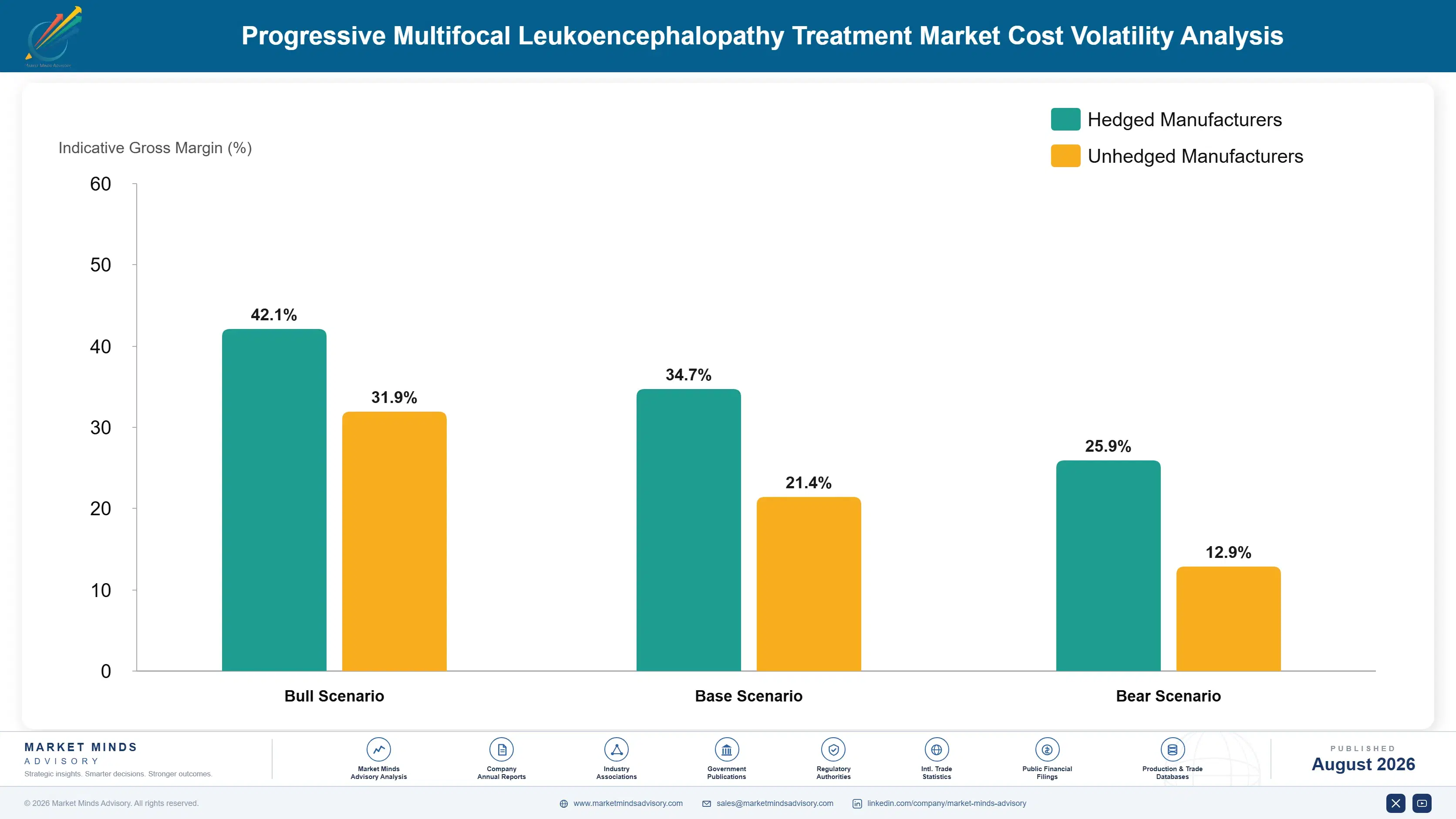
Allogeneic T-cell manufacture, banking and human leukocyte antigen characterisation account for roughly 46% of cost of goods for cell therapy participants, with cleanroom capacity and release testing dominating that figure. Checkpoint inhibitor cost is essentially the branded oncology price, since no indication-specific supply exists. Clinical development and registry infrastructure sit outside cost of goods and represent the larger cash requirement across the whole field.
Cell therapy manufacturing input costs rose through 2021 and 2023 as viral vector, cytokine and single-use consumable supply tightened across the whole cell and gene therapy sector. Company annual reports across the cell therapy developers disclose the resulting cost per dose pressure and programme delays. World Health Organization reporting on advanced therapy access documents the concentration of manufacturing capacity in a small number of countries.
Exposure divides by business model rather than by scale. Large pharmaceutical participants carry no indication-specific cost at all, since off-label use draws on existing oncology supply. Cell therapy developers carry the entire manufacturing and trial burden against a patient population small enough that per-patient cost recovery requires orphan pricing. That asymmetry shapes who can afford to pursue registration and who cannot.

Bank allogeneic doses against partial matching rather than per patient
Autologous manufacture cannot serve a disease where median untreated survival is four months and deterioration is measured in weeks. Banked allogeneic products selected for partial human leukocyte antigen matching remove manufacturing time from the clinical decision entirely, and they spread fixed cleanroom cost across many more patients than individualised production ever could. Time is the whole constraint here.
Share registry and natural history cost across participating centres
No single company can fund the natural history evidence a registrational filing needs in a population this small and this scattered. Multi-centre registries share that cost across academic participants and industry sponsors, and the resulting external control data serves every developer rather than only the one that paid for it, which is why collaboration holds here.
Pursue orphan designation before committing manufacturing capacity
Per-patient cost recovery in a population this small requires orphan pricing and the market exclusivity that accompanies designation. Securing that status before scaling cleanroom capacity avoids committing capital against a pricing assumption that may not hold, and it also opens the protocol assistance that shapes a feasible trial design. Doing it afterwards forfeits both advantages.
Portfolio Architecture for Margin Defence
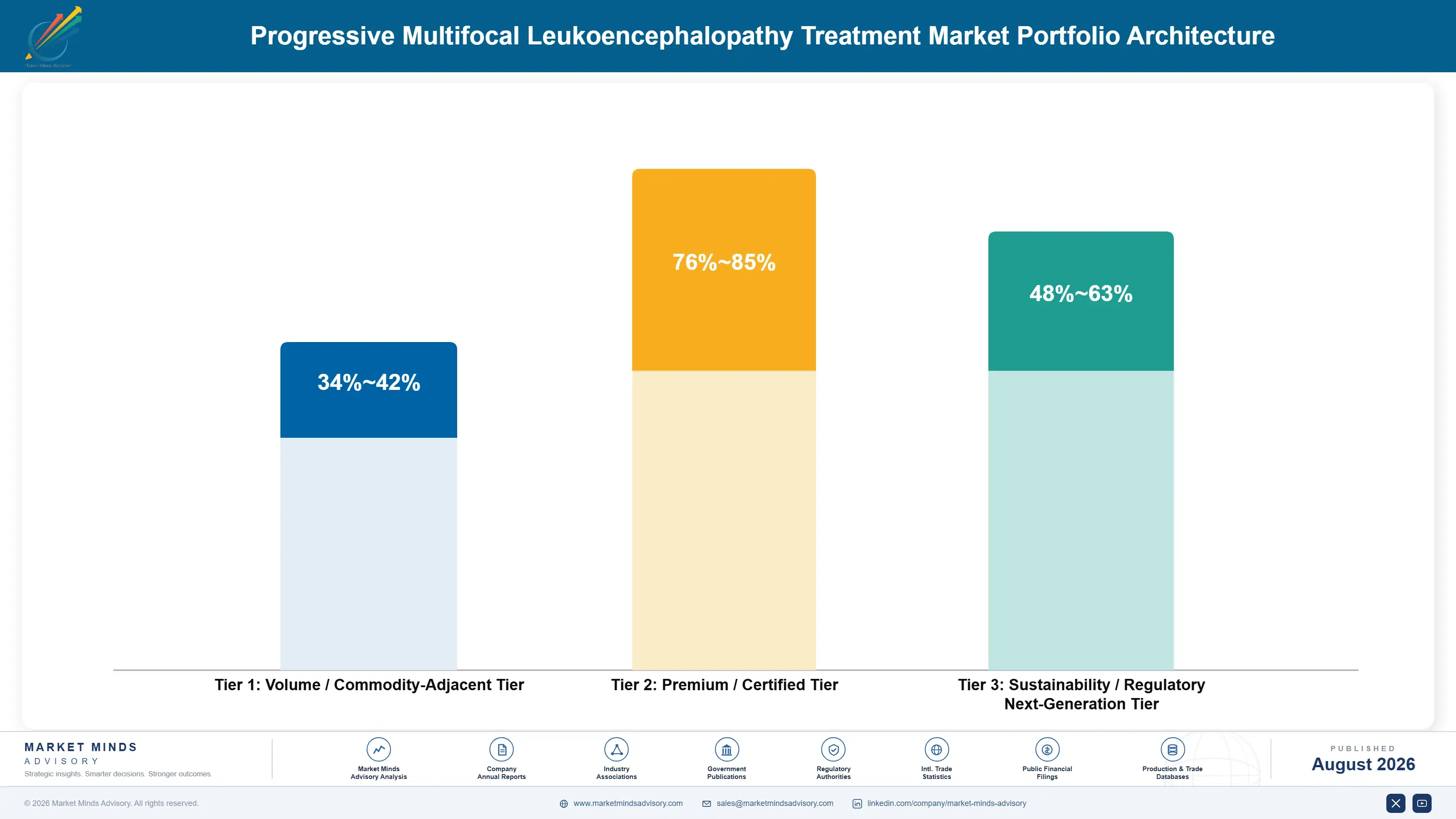
The portfolio separates on what each intervention attacks. Supportive management addresses symptoms only. Immune reconstitution and plasma exchange address the immunosuppression permitting viral replication. Checkpoint inhibition addresses the exhausted T-cell response. Adoptive T-cell therapy addresses the virus itself. Antiviral and repurposed small molecules have repeatedly failed to address anything, despite decades of trials. Mefloquine, mirtazapine, cytarabine and cidofovir have each been
The tension is between what is available now and what might work. Reconstitution and plasma exchange are accessible everywhere with diagnostic capability, and they fail entirely in patients whose immunosuppression cannot be withdrawn, which describes the worst prognosis group. Cell therapy addresses exactly those patients and reaches roughly 12% of them. Nobody can build a business on the second without the first sustaining clinical practice meanwhile.
High-value pools concentrate where nothing else works. Adoptive T-cell therapy for patients unable to reconstitute, checkpoint inhibition after reconstitution failure, and rapid diagnostic and referral infrastructure all qualify, and none of them has an established price. What they share is that the patient has run out of alternatives, which is the least comfortable basis for a commercial position and also the most defensible one in a disease this lethal.
Volume / Commodity-Adjacent Tier
Supportive and symptomatic management, including antiepileptic therapy, rehabilitation and palliative care. Available wherever the diagnosis is made, priced as general neurological care, and delivering no effect whatsoever on viral replication or disease trajectory.
Gross Margin: 8-16%
Premium / Certified Tier
Immune reconstitution management and plasma exchange to clear circulating biologic. Achieves stabilisation in around 58% of cases where reconstitution is possible, and offers nothing to patients whose immunosuppression cannot be withdrawn safely.
Gross Margin: 22-38%
Sustainability / Regulatory / Next-Generation Tier
Adoptive virus-specific T-cell therapy and checkpoint inhibitor immunotherapy addressing the antiviral immune response directly. The very wide margin range reflects investigational products with no established price alongside branded oncology agents used off label.
Gross Margin: 30-72%

High-value Sub-segments and Strategic Watch-out
Adoptive Virus-Specific T-Cell Therapy
Compounding at 20.25% as the only approach targeting JC virus rather than the immunosuppression behind it. Banked allogeneic dosing removes manufacturing delay, and access to roughly 12% of patients rather than supply is the binding constraint. No product has yet completed a registrational trial anywhere in the world.
Gross Margin: 40-72%
Checkpoint Inhibitor Immunotherapy
Growing at 17.4% through published case series rather than any label, restoring exhausted antiviral T-cell function. Response is genuinely inconsistent and the inflammatory risk in a damaged brain is real, which keeps use concentrated at experienced centres. Reimbursement rests entirely on individual payer decisions rather than any pathway.
Gross Margin: 34-58%
Immune Reconstitution Management
The clinical core, growing at 11.8% and available wherever diagnosis is possible, achieving stabilisation in around 58% of eligible patients. It offers nothing at all to those whose underlying disease makes withdrawing immunosuppression impossible. Transplant recipients and haematological malignancy patients are exactly that group of patients.
Gross Margin: 22-38%
Antiviral and Repurposed Small Molecules
The strategic watch-out and a long record of disappointment. Mefloquine, mirtazapine, cytarabine and cidofovir have all been trialled without convincing benefit, yet they continue to be prescribed because clinicians need something to offer. Prescribing continues regardless, because clinicians need something to be able to offer.
Gross Margin: 14-30%
Episodic Cases, Permanent Infrastructure
There is no annuity here in the usual sense. A patient presents once, is treated over weeks to months, and either stabilises or dies, so revenue arrives in discrete episodes rather than as recurring therapy. What is recurring is the infrastructure: antibody index surveillance across at-risk biologic populations, standing viral testing protocols, and referral pathways that only pay off when a case appears. That infrastructure is the durable commercial position. Cases arrive unpredictably and the
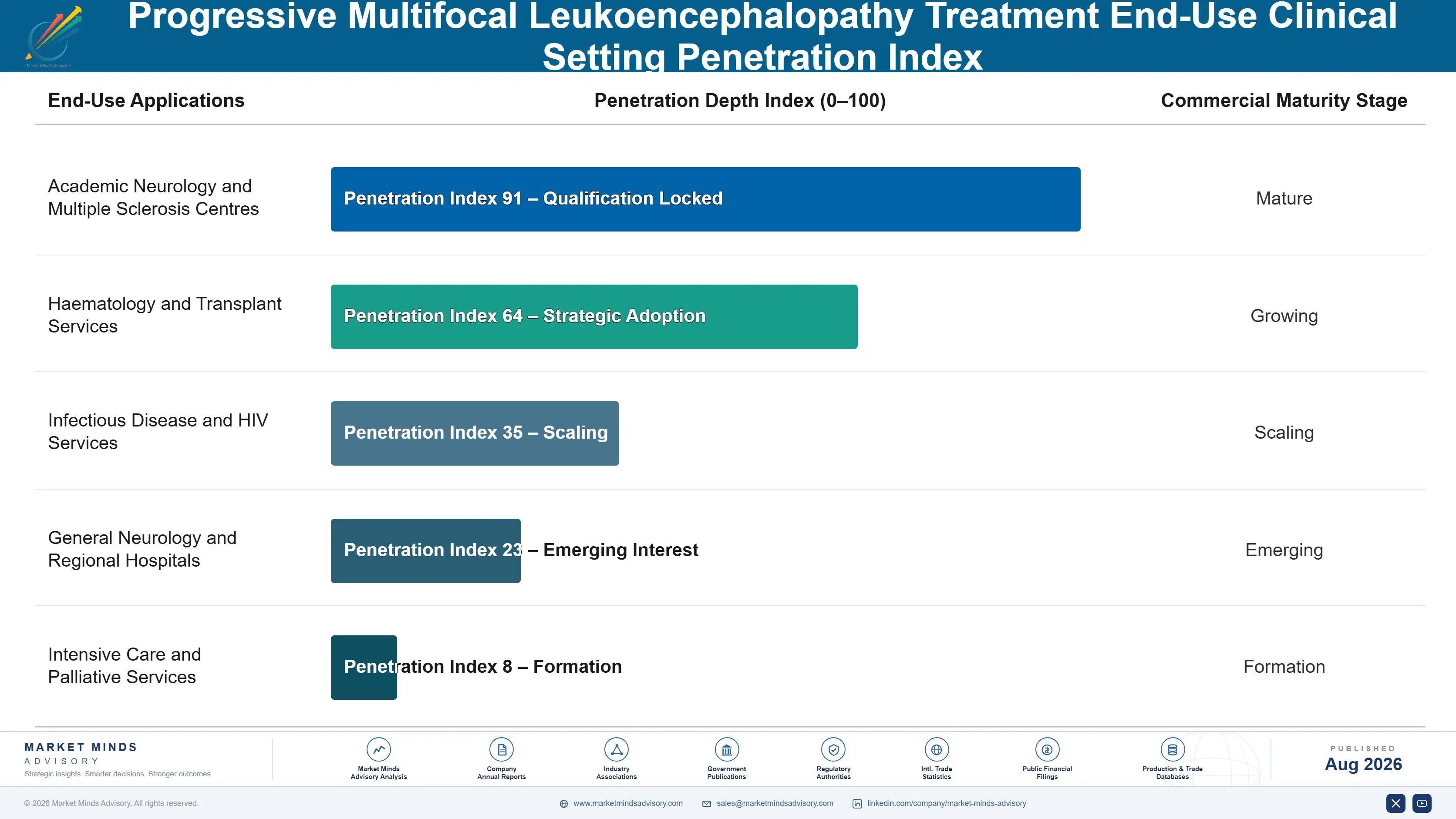
Depth varies sharply by whether immunosuppression can be withdrawn. Multiple sclerosis patients on natalizumab have the best prognosis, since the drug can be cleared and immunity recovers. Transplant recipients and haematological malignancy patients have the worst, because withdrawal risks graft loss or disease relapse, and they are the population cell therapy addresses. HIV-associated cases sit between, depending on antiretroviral response.
The deciding clinician differs by risk context. Neurologists manage the iatrogenic multiple sclerosis population and control antibody index surveillance. Haematologists and transplant physicians manage the poorest-prognosis cases and are considerably less familiar with the disease. Infectious disease specialists manage HIV-associated presentations. Reaching all three is a different exercise from reaching one specialty.

Where Participants Build Position
These are among the four positions where our research anticipates prominent divergence between winners and laggards over the coming forecast period. Each is grounded in the demand model, the regulatory perimeter, and the announced capacity pipeline.
A month between the scan and any action is the loss
The average 31 days from suspicious magnetic resonance imaging to active intervention is the largest recoverable loss in a disease with median untreated survival near four months. Standing testing protocols, pre-agreed access routes and defined referral pathways convert those weeks into days. The same infrastructure generates the registry evidence any future registrational filing will require, which makes the investment strategic rather than merely a clinical improvement, and the delays turn out to be administrative rather than diagnostic in most networks that measure them.
Twelve percent of patients can reach the only real therapy
Adoptive T-cell therapy compounds at 20.25% and reaches roughly 12% of patients, and the constraint is institutional readiness rather than manufacturing capacity since banked allogeneic doses need no per-patient production. Qualifying regional centres in advance, with protocols and human leukocyte antigen matching arrangements settled before any patient ever presents, expands the treatable population without expanding supply at all. That is an unusually cheap route to growth in cell therapy, because the capital behind the banked doses has already been committed and sits underused.
No registrational trial has finished in four decades
Randomising against supportive care where untreated survival is four months raises objections no ethics committee will overlook, which is why the field has no approved product. Multi-centre registries capturing natural history and reconstitution outcomes are what supply the external control arms that make any feasible trial design possible at all. Roughly 58% stabilisation under successful reconstitution is the benchmark, and no developer can demonstrate superiority without comparable historical data, which is why competitors have found it rational to fund a shared registry together.
The company creating the risk should fund the response
Antibody index stratification identifies patients at roughly one in 90 risk on prolonged natalizumab therapy, and the company marketing that biologic holds both the liability and the closest relationship with prescribing neurologists. Funding surveillance, rapid diagnosis and treatment access costs considerably less than a safety signal against the underlying franchise would. That alignment between franchise protection and patient outcome is unusual in rare disease and it is genuinely durable, since franchise protection and patient outcome point in the same direction for once.
Engagement Snapshot From the Field
A live engagement with an industry participant carrying material or product regulatory and market exposure ahead of a defining policy shift, showing how our research translates into a defensible multi-year portfolio strategy.
MARKET MINDS ADVISORY · CLIENT ENGAGEMENT SUMMARY
Progressive Multifocal Leukoencephalopathy Treatment Producer Strategic Portfolio Review and Transition Roadmap 2026·Investment Scenario on Progressive Multifocal Leukoencephalopathy Treatment Exposure Evaluation 2025-26
CLIENT PROFILE
A university hospital network of five neurology centres managing roughly 4,100 patients on immunosuppressive biologics, including 1,600 on natalizumab with antibody index surveillance in place (client-reported, unverified by MMA). Confirmed progressive multifocal leukoencephalopathy cases averaged eleven annually across the network, with outcomes the clinical leadership believed were worse than published series. Pathway timing had never been measured at all.
STRATEGIC CHALLENGE
Mortality across the network's cases ran materially above comparable published cohorts despite surveillance protocols the clinical leadership considered exemplary. Attention had focused on whether antibody index thresholds were set correctly. Nobody had measured the elapsed time between the first suspicious image and any active intervention, or where in that pathway the delays actually occurred.
MMA APPROACH
MMA reconstructed the full timeline for every confirmed case across four years, recording the interval from initial abnormal imaging to radiology reporting, to cerebrospinal fluid sampling, to viral polymerase chain reaction result, and to the first active intervention. Each interval was compared against outcome and against published cohort timelines. Referral practice for non-reconstitutable patients was reviewed separately.
KEY FINDINGS
- Median interval from first abnormal image to any active intervention was 38 days across the network, against 31 days in the comparable published cohorts and 19 days at the best-performing single centre.
- The largest single delay was not diagnostic but administrative: cerebrospinal fluid samples were batched for external viral testing, adding a median of nine days that no clinical requirement justified.
- Antibody index thresholds were appropriate and surveillance had correctly flagged every case, which eliminated the explanation the clinical leadership had been pursuing for two years.
- No patient in the network had been referred for investigational T-cell therapy, including four whose underlying disease made immunosuppression withdrawal impossible and who died within three months.
CLIENT PROFILE
A university hospital network of five neurology centres managing roughly 4,100 patients on immunosuppressive biologics, including 1,600 on natalizumab with antibody index surveillance in place (client-reported, unverified by MMA). Confirmed progressive multifocal leukoencephalopathy cases averaged eleven annually across the network, with outcomes the clinical leadership believed were worse than published series. Pathway timing had never been measured at all.
STRATEGIC CHALLENGE
Mortality across the network's cases ran materially above comparable published cohorts despite surveillance protocols the clinical leadership considered exemplary. Attention had focused on whether antibody index thresholds were set correctly. Nobody had measured the elapsed time between the first suspicious image and any active intervention, or where in that pathway the delays actually occurred.
MMA APPROACH
MMA reconstructed the full timeline for every confirmed case across four years, recording the interval from initial abnormal imaging to radiology reporting, to cerebrospinal fluid sampling, to viral polymerase chain reaction result, and to the first active intervention. Each interval was compared against outcome and against published cohort timelines. Referral practice for non-reconstitutable patients was reviewed separately.
KEY FINDINGS
- Median interval from first abnormal image to any active intervention was 38 days across the network, against 31 days in the comparable published cohorts and 19 days at the best-performing single centre.
- The largest single delay was not diagnostic but administrative: cerebrospinal fluid samples were batched for external viral testing, adding a median of nine days that no clinical requirement justified.
- Antibody index thresholds were appropriate and surveillance had correctly flagged every case, which eliminated the explanation the clinical leadership had been pursuing for two years.
- No patient in the network had been referred for investigational T-cell therapy, including four whose underlying disease made immunosuppression withdrawal impossible and who died within three months.
RECOMMENDED STRATEGY
Phase 1: Phase 1 (months 1 to 4): Establish same-day viral polymerase chain reaction testing locally rather than batching samples for external analysis. Phase 2: Phase 2 (months 4 to 10): Build a standing referral agreement with a centre offering investigational T-cell therapy for non-reconstitutable patients. Phase 3: Phase 3 (months 10 to 20): Enrol all five centres in the multi-centre outcomes registry and report pathway intervals alongside case outcomes.
OUTCOME
Median interval from abnormal imaging to intervention fell to 17 days within seven months of moving viral testing in house (client-reported, unverified by MMA). Two non-reconstitutable patients were referred for investigational cell therapy, both surviving beyond twelve months (client-reported, unverified by MMA). The network now reports pathway intervals as a standing quality measure alongside case outcomes.
Frequently Asked Questions
Foundational context covering the market sizes, CAGR, scope, country, region and competition that inform every finding below. This section is provided to cover basics and most often pre-purchase conversations, answered from the MMA Primary Research Dataset.
What is the current size of the Progressive Multifocal Leukoencephalopathy Treatment Market?
The global market was worth USD 0.21 billion in 2025, reaching USD 0.24 billion in 2026. North America holds the largest regional share at 31% of spend.
How large will the Progressive Multifocal Leukoencephalopathy Treatment Market be by 2036?
MMA forecasts USD 0.85 billion by 2036, an expansion multiple of 3.55 times the 2026 base. That represents roughly USD 0.61 billion of incremental value.
What is the CAGR for the Progressive Multifocal Leukoencephalopathy Treatment Market 2026 to 2036?
The base case compounds at 13.5% annually, with a bull case of 14.9% and a bear case of 12.1%. Historical growth from 2020 to 2025 ran at 12.2%.
Which segment is growing fastest?
Adoptive virus-specific T-cell therapy compounds at 20.25%, exactly 1.50 times the market rate. It is the only approach attacking JC virus rather than the immunosuppression behind it.
Who are the major companies in the Progressive Multifocal Leukoencephalopathy Treatment Market?
Biogen, Merck & Co, Atara Biotherapeutics, Bristol Myers Squibb and Gilead Sciences hold a combined 43%. Every position rests on adjacent assets rather than approved products.
Which country is growing fastest?
India compounds at 15.9%, ahead of every other national market. Widening biologic immunosuppression access and large transplant volumes together create newly recognised cases each year.
Report Segmentation Architecture
The full report scope spans multiple orthogonal segmentation dimensions, with cross-tabulated demand data provided for each dimension pair. Coverage extends further to regional breakdowns, trend trajectories, and the competitive detail needed to support segment-level decision-making.
By Therapeutic Approach
- Immune Reconstitution Management
- Plasma Exchange and Drug Clearance Interventions
- Checkpoint Inhibitor Immunotherapy
- Adoptive Virus-Specific T-Cell Therapy
- Antiviral and Repurposed Small Molecules
- Supportive and Symptomatic Management
By End-Use Industry
- Multiple Sclerosis Neurology Practice
- Haematology and Oncology Services
- Solid Organ Transplant Programmes
- HIV and Infectious Disease Services
- Rheumatology and Autoimmune Practice
By Commercial Dimension
- Academic and Tertiary Referral Centres
- Expanded Access and Compassionate Use Programmes
- Clinical Trial Site Networks
- Specialty Pharmacy and Distribution Channel
By Region
- North America
- Western Europe
- East Asia
- South Asia and Pacific
- Latin America
- Middle East and Africa
- Eastern Europe
Scope, Methodology, and Coverage
Every figure in this report is reproducible from documented input assumptions. The scope below maps the historical period, the forecast horizon, the segmentation dimensions, and the countries covered, alongside the underlying primary and qualitative methodology.
Historical Period
2020 to 2025
Forecast Period
2026 to 2036
Base Year
2025 (USD billions; MMA Primary Research Dataset, August 2026)
Market Definition
The market covers therapeutics and clinical interventions used specifically to manage progressive multifocal leukoencephalopathy, spanning immune reconstitution management, plasma exchange and drug clearance interventions, checkpoint inhibitor immunotherapy, adoptive virus-specific T-cell therapy, antiviral and repurposed small molecules, and supportive and symptomatic management. JC virus serological and polymerase chain reaction diagnostics, magnetic resonance imaging services, the immunosuppressive biologics whose use creates the underlying risk, general antiretroviral therapy for HIV, and treatment of the primary conditions requiring immunosuppression are excluded. Sizing is measured at manufacturer and provider revenue in current prices.
Quantitative Units
USD billions (current prices); treated patient counts and intervention intervals in days where applicable
Segmentation Dimensions
By Therapeutic Approach; By End-Use Industry; By Commercial Dimension; By Region
Regions Covered
North America, Western Europe, East Asia, South Asia and Pacific, Latin America, Middle East and Africa, Eastern Europe
Countries Covered
USA, Germany, France, UK, Italy, Spain, Canada, Japan, China, South Korea, India, Australia, Brazil, Mexico, Argentina, Colombia, Netherlands, Sweden, Denmark, Norway, Switzerland, Poland, Czech Republic, Hungary, Turkey, Israel, Saudi Arabia, UAE, South Africa, Kenya, and additional markets relevant to this sector
Key Companies Profiled
Biogen, Merck & Co, Atara Biotherapeutics, Bristol Myers Squibb, Gilead Sciences, Roche, Novartis, ViiV Healthcare, Johnson & Johnson, Takeda Pharmaceutical, Sanofi, AlloVir, Marker Therapeutics, Tevogen Bio, Terumo BCT, Fresenius Medical Care, Asahi Kasei Medical, Kaneka Corporation, Miltenyi Biotec, Cellectis
Quantitative Methodology
Primary survey, n=3,800 respondents, Q4 2025, six countries; demand-side model with trade association cross-validation
Qualitative Methodology
47 expert interviews, Q4 2025; applied to validate demand model assumptions, identify emerging dynamics, and assess competitive positioning
Report Format
PDF and XLSX data workbook (Word format preview document)
Publisher
Market Minds Advisory
Report Code
MMA-2026-HLT-885
Published
August 2026
Contact
sales@marketmindsadvisory.com | www.marketmindsadvisory.com
Purchase the full Progressive Multifocal Leukoencephalopathy Treatment Market Report (2026 to 2036).
The full report sizes progressive multifocal leukoencephalopathy treatment across six therapeutic approaches, three commercial dimensions and seven regions, with annual forecasts to 2036 under base, bull and bear scenarios. Treatment pathway intervals are measured from imaging suspicion through viral confirmation to intervention, which is where outcomes are actually determined. At-risk populations are quantified by causative immunosuppressive agent and antibody index stratum. Investigational cell therapy centre access is mapped by country against confirmed case incidence. Twenty participating companies are profiled on a consistent attributable revenue basis.
Treatment pathway intervals measured from imaging through to intervention
At-risk populations quantified by causative agent and index stratum
Investigational cell therapy centre access mapped against case incidence
Immune reconstitution outcomes compared by underlying disease context
Off-label checkpoint inhibitor response rates compiled from published series
Registrational trial design constraints assessed against registry evidence
Built For The People Who Decide
From boardroom strategy to bench-side execution, this report is read cover-to-cover by leaders shaping the next decade of their industry, turning demand scenarios, market dynamics and valuation benchmarks into decisions.
CXOs/ Presidents/ VPs/ Managers
M&A and Corporate Development
Strategy Teams and R&D Heads
Procurement and Product Directors
Regulatory and Compliance Leaders
Investor Relations and Equity Analysts