Market Minds Advisory
Probiotic & Postbiotic Bakery Market

Probiotic & Postbiotic Bakery Market: Probiotic & Postbiotic Bakery Market. Heat-Stable Strains, Gut Health Claims, and Asian Retail Demand Reshape Functional Bread and Pastry.

Baking kills most live cultures, so heat-stable spores, postbiotic fractions, and post-bake delivery decide which functional breads and pastries earn gut health claims, regulatory approval, and retailer premiums in Asia and beyond.

Lead Analyst

Published

September 2026

Make Smarter Decisions with Customized Research Insights

Request a free sample report and evaluate market opportunities, growth trends, and competitive dynamics relevant to your business needs.

2025 MARKET VALUE$2.6BMarket Size 2025
2036 FORECAST VALUE$8.5BBase Case , 2026 to 2036
CAGR 2026 TO 203611.4 %Bull 12.7% / Bear 10.1%
INCREMENTAL OPPORTUNITY$5.6BNet 10- year value creation
EXPANSION MULTIPLE2.94x2036 value over 2026 base
Strategic Levers
M&A Pipeline
Regional Outlook
Country Rankings
Competitive Intelligence
Segmental Deep-dive
Call-Us : 91 93563 13602

Executive Snapshot and Market Trajectory.

Live bacteria rarely survive a bread oven. That single problem has redirected the whole category toward spores that tolerate heat, inactivated postbiotic fractions, and cultures added after baking, and it explains why claims here depend on evidence more than on marketing.
Postbiotic-fortified bakery grows fastest, because inactivated cells and metabolites survive baking and face lighter regulatory burdens than live-culture claims. East Asia holds the largest share, since Japan, South Korea, and China have long consumer familiarity with functional fermented foods and permissive claim systems, while North America and Western Europe follow through supermarket wellness ranges. South Korea leads country growth. Retailers give shelf space to products that show clinical evidence. Processors invest ahead of demand quickly.
Competition mixes strain suppliers, bakery groups, and ingredient houses. Chr. Hansen and Novonesis, IFF, Kerry, Lallemand, and Ganeden supply cultures, while bakers such as Grupo Bimbo, Yamazaki, and Paris Baguette build branded ranges. Regulation matters most: European Union health claim rules, Japanese FOSHU and Foods with Function Claims schemes, and United States labelling law decide what can be said on pack. Supply stays tight. Retail buyers ask for proof before listing.
Market Definition
Probiotic and postbiotic bakery comprises bread, rolls, pastries, cakes, and biscuits formulated with live heat-stable probiotic strains, spore-forming cultures, or inactivated postbiotic ingredients and marketed for gut or immune benefit, sold through retail, bakery, and foodservice channels. The scope excludes probiotic yoghurt, beverages, supplements, and standard sourdough or yeast fermentation without a declared functional strain.
Base Year Value
$2.6B in 2025 (MMA Primary Research Dataset, September 2026)
Forecast Period
2026 to 2036, eleven discrete annual values
CAGR
11.4% base case. Bull 12.7%. Bear 10.1%.
Fastest Growth Segment
Postbiotic-Fortified Bakery: 17.0% CAGR
Fastest Growth Country
South Korea: 14.1% CAGR
Fastest Growth Region
South Asia and Pacific: 13.4% CAGR
Largest Region
East Asia: 34% of 2025 global value
Market Leaders
Novonesis, IFF, Kerry Group, Lallemand, Grupo Bimbo. Source: MMA Analysis, company annual reports.
Primary Survey
n=3,800 procurement and R&D decision-makers, Q4 2025, six countries
Methodology
Demand-side build-up, cross-validated against public data, 47 expert interviews

Probiotic & Postbiotic Bakery Market Forecast Scenarios

probiotic-and-postbiotic-bakery-market-size-forecast-scenario-1789778751500
Between 2020 and 2025, functional bakery moved from a niche experiment to a listed category. Spore-forming strains proved stable through baking, Asian retailers launched probiotic breads and pastries, and post-pandemic interest in immunity lifted trial. Growth averaged 10.2% a year, though clinical evidence gaps, claim rules, and higher ingredient costs slowed launches in Europe and left many products under-supported.
The base case assumes 11.4% annual growth through 2036, built on three named mechanisms: wider commercial use of Bacillus coagulans and Bacillus subtilis spore strains that survive oven temperatures, growth of postbiotic ingredients that avoid live-count claims, and retailer wellness sections in East Asia, North America, and Western Europe that give functional bread stable shelf space. Clinical studies reinforce each mechanism as buyers ask for proof. Retailers also fund category reviews that reward documented products.
The bull case, at 12.7%, needs clearer claim approvals and stronger clinical evidence for postbiotics, opening mass-market launches. The bear case, at 10.1%, reflects tighter claim enforcement, weak repeat purchase, and price resistance. Either path leaves the technology base intact, though category mix would differ. Analysts watch claim decisions in Japan, Korea, and the European Commission most closely, since one approval can move launch schedules.

Heat Stability and Claim Evidence Decide Functional Bakery Winners

Probiotic bakery depends on getting a beneficial organism through a 200 degree Celsius oven. Spore-forming Bacillus strains do it, because their protective coat tolerates heat and they germinate in the gut. Other producers add freeze-dried cultures after baking, in fillings and glazes, or use inactivated cells and fermentation metabolites called postbiotics, which need no live count to make a claim.
MARKET CONCENTRATION24% CR5Five strain and ingredient suppliers hold modest combined share
PRICE PREMIUM35% averageFunctional loaves sell well above standard equivalents at retail
SPORE SURVIVAL90%Share of Bacillus spores surviving typical bread baking
INGREDIENT SHARE OF COGS9%Culture and postbiotic ingredients add modest cost per loaf
ASIAN RETAIL SHARE41%Portion of value sold through East and South Asian retailers
REFORMULATION CYCLE14 monthsTypical time to validate a new strain in bread
Buyers use the products in several ways. Households buy functional bread and pastries for daily gut health, convenience stores sell single-serve pastries, cafes add probiotic muffins to wellness menus, and hospitals and care homes test enriched breads for older residents. Retailers place them beside wholegrain and high-fibre loaves, and pricing reflects both ingredient cost and claim credibility.
Suppliers sit at three levels. Strain houses such as Novonesis, IFF, Kerry, Lallemand, and Ganeden own the cultures and clinical data, bakery groups and premix makers formulate and bake, and retailers control shelf space and claim wording. Regulators decide what a pack may say, and clinical proof of survival and benefit is the price of entry in every major market. Supply stays tight. Retail buyers ask for proof before listing.
"A probiotic bread that cannot show live spores after baking is just an expensive loaf. The category will sort into brands with clinical data and brands with adjectives, and shoppers will notice within a year."
Practice Lead, Functional Bakery Practice · MMA Functional Bakery Practice · September 2026

Market Trends

Heat-Stable Bacillus Spore Strains Enter Mainstream Bread and Pastry Lines

Bakers are adopting Bacillus coagulans and Bacillus subtilis spore strains such as GanedenBC30 and other commercial cultures because the spores survive oven temperatures above 200 degrees Celsius and deliver counts of 500 million to two billion colony-forming units per serving. Ingredient cost adds 5 to 12 cents per loaf, and suppliers provide stability data across shelf lives of five to 10 days. Retailers and wellness brands prefer this route to post-bake addition, which needs cold storage and separate dosing. The difficulty is proving benefit in the finished bread, so leading suppliers fund clinical studies in bakery matrices.
Market Impact: 40% of adults seek gut benefits

Postbiotic Ingredients Offer Claim-Friendly Functional Bakery Without Live Counts

Postbiotics are inactivated microbial cells and metabolites, and the International Scientific Association for Probiotics and Prebiotics defined them in 2021 as preparations of inactivated microorganisms with a health benefit. Bakers add them at 0.1% to 1.0% of dough weight without concern for baking loss, and they need no cold chain. Japanese and Korean brands already sell heat-killed lactic acid bacteria in breads and pastries, and European suppliers such as Novonesis and Lallemand test similar ranges. Regulatory treatment varies by country, so claims rely on strain-specific studies, and buyers value the stable shelf life and easier labelling.
Market Impact: Japan FFC scheme dates from 2015

Market Opportunities and Growth Drivers

Rising Consumer Interest in Gut Health Drives Functional Bakery Trials

Surveys by MMA and by national food agencies show that more than 40% of adults in Japan, South Korea, and the United States say they seek gut health benefits in everyday foods. Bread is eaten daily by nearly all households, so it is an attractive carrier for functional ingredients compared with yoghurt or capsules. Retailers such as Lotte, Seven and i, and Whole Foods place functional bakery beside wholegrain ranges, and premium pricing of 30% to 50% supports trial. Repeat purchase depends on taste and evidence, and brands that publish clinical data report higher retention.
Market Impact: EU authorised 0 probiotic health claims

Asian Functional Food Regulation Creates Approved Claim Routes for Bakery

Japan's Foods with Function Claims scheme, introduced in 2015, lets companies notify claims for products backed by evidence, and Korea's Ministry of Food and Drug Safety recognises probiotic functional ingredients with defined counts. China's health food filing system adds pathways for approved strains. These routes let bakers such as Yamazaki, Paris Baguette, and Chinese bakery chains state benefits on pack, unlike the European Union, where probiotic claims are largely unauthorised. Approved claim routes raise consumer confidence and give investors clearer returns, and suppliers can sell documented strains in several Asian markets through repeatable dossiers.
Market Impact: viability losses reach 30-90% in baking

Market Restraints and Challenges

Claim Rules Limit Probiotic Marketing in Europe and North America

The European Commission has authorised almost no probiotic health claims, and the term probiotic is often barred from packs under Regulation 1924/2006, according to European Food Safety Authority opinions. The root cause is a requirement for strain-specific proof of benefit in the target population. In the United States, structure-function claims need substantiation and face Federal Trade Commission scrutiny. Brands respond with terms such as live cultures, ingredient callouts, or postbiotic and wellness positioning, and some fund human trials of 12 weeks or more, though these cost $500,000 to $2 million each and delay launches.
Market Impact: spores survive above 200 degrees Celsius

Viability Loss and Dose Uncertainty Undermine Evidence in Finished Bread

Live probiotic counts fall in baking, storage, and moisture changes, so finished bread often delivers fewer cells than the label suggests, according to peer-reviewed food microbiology studies. The root cause is heat and water activity stress on non-spore strains such as Lactobacillus and Bifidobacterium. Bakers respond with spore-formers, encapsulation, or post-bake addition, and postbiotics avoid the issue, but each route adds cost of 5% to 15% and complicates testing. Retailers increasingly require third-party count verification at end of shelf life, which raises quality assurance spend for smaller brands. Verification costs fall as suppliers share methods.
Market Impact: postbiotic dosing at 0.1-1.0% of dough
3 additional market trends, 2 additional growth drivers, and 3 additional restraints and challenges are covered in the full report. Contact sales@marketmindsadvisory.com to access the complete intelligence.

Segment CAGR and Growth Architecture

Probiotic and postbiotic bakery is segmented by functional ingredient system, because survival through baking, claim route, evidence burden, cost, and shelf life differ far more between spore-forming, conventional live-culture, postbiotic, prebiotic-synbiotic, post-bake dosed, and fermented functional products than they do by bakery format. Postbiotic and spore systems attract most investment. Regulatory acceptance differs by country.
probiotic-and-postbiotic-bakery-market-market-share-analysis-1789778751777

Postbiotic-Fortified Bakery

Postbiotic-fortified bakery is the fastest-growing segment, using inactivated lactic acid bacteria, Bacillus cell fractions, and fermentation metabolites added to dough or fillings. Because the cells are already inactivated, baking heat, long shelf life, and ambient storage cause no viability loss, and claim wording avoids live-count promises. Japanese and Korean bakers sell breads and pastries with heat-killed cultures at 30% to 45% premiums, and European suppliers are testing ranges. Success depends on strain-specific evidence, because retailers and regulators ask for documented benefit, and ingredient houses with immune or digestive studies win supplier status and repeat orders. Japanese suppliers such as Morinaga and Kikkoman Biochemifa also publish immune studies that bakers cite in notifications and retailer reviews.
CAGR 17.0%

Spore-Forming Probiotic Bakery

Spore-forming probiotic bakery is the second-fastest segment, built on Bacillus coagulans and Bacillus subtilis strains that survive baking and deliver live counts at consumption. Suppliers such as Ganeden, Novonesis, and Kerry provide stability data and clinical evidence, and bakers use the strains in bread, muffins, and biscuits. Ingredient cost adds a few cents per serving, and claims about digestive comfort or immune support appear in the United States and Asia. Growth depends on consumer trust in spore strains, as many shoppers associate probiotics with yoghurt, and on brands that explain the technology simply and show viable counts on pack. Bakers also report that spore strains keep counts stable for the full shelf life.
CAGR 14.6%
Full segment breakdown across 6 segments available in the complete report.

Regional Architecture and Country Demand Map

Functional bakery value follows consumer familiarity with fermented foods, claim regulation, and modern retail reach. East Asia leads through Japan, South Korea, and China, North America and Western Europe follow through wellness ranges, and South Korea is the fastest-growing country as postbiotic claims spread. Growth stays broad.

North America

North America holds 24% share, with the United States and Canada selling functional bread and pastries through natural grocers, mass retail, and online wellness brands. Ganeden, Kerry, Grupo Bimbo, Dave's Killer Bread parent Flowers Foods, and Canada Bread test spore-based ranges, and structure-function claims allow digestive messages if backed by evidence. Federal Trade Commission scrutiny, viability testing costs, and price resistance restrain returns, though growing gut health interest keeps growth near the global rate. Wellness cafes and meal-kit brands add trial volume, and retailer private labels are beginning to list probiotic loaves in bakery sections. Retailers now ask suppliers for third-party count verification before listing, and online grocers give small brands cheap reach.
Share: 24% | CAGR: 11.0% (2026 to 2036)

Western Europe

Western Europe holds 20% share, with Germany, France, the United Kingdom, Italy, and Scandinavia selling live-culture, fibre, and fermented breads under strict claim rules. Novonesis, Lallemand, Puratos, Lantmannen Unibake, and Barilla test functional ranges, but Regulation 1924/2006 bars most probiotic health claims, so brands rely on ingredient callouts and postbiotic positioning. Slow approvals and evidence costs hold growth below the global rate, though sourdough and gut-friendly wellness positioning support volume. Danish, Dutch, and Swiss retailers lead listings, and Spanish bakeries add cultured pastry lines each year. Retailers such as Tesco, Carrefour, and Edeka list cultured and fibre-enriched loaves in wellness aisles. Bakers therefore lean on ingredient callouts, and suppliers fund evidence dossiers that may support future claim applications.
Share: 20% | CAGR: 9.9% (2026 to 2036)
Regional intelligence for 5 additional markets available in the complete report: East Asia, South Asia and Pacific, Latin America, Middle East and Africa, Eastern Europe. Contact sales@marketmindsadvisory.com.
probiotic-and-postbiotic-bakery-market-country-cagr-analysis-1789778752117

Four Margin Routes for Functional Bakery Brands

Margin in functional bakery comes from proving benefit, not from adding a culture and raising price. Brands that fund clinical evidence, pick heat-stable systems, win retailer wellness listings, and build subscription and foodservice channels earn more per loaf than sellers that rely on packaging claims and promotions to shift a slow-moving premium product. Each route pays back quickly.

Funding Clinical Studies in Finished Bakery Matrices

A 12-week human study in a finished bread costs $500,000 to $2 million, yet it lets a brand use digestive or immune wording where allowed and defend a 30% to 50% price premium. Retailers give wellness shelf space to products with published data, and repeat purchase rates rise by 10 to 15 points once shoppers notice results. Suppliers such as Novonesis and Ganeden share strain evidence, which cuts study cost by a third for bakers. Evidence also supports listings in Japan, Korea, and China, where notified claims depend on documented benefit.
Market Impact: studies support 30-50% premiums; repeat rises 10-15 points

Switching to Postbiotic Systems to Cut Viability Losses

Postbiotic ingredients need no live count at end of shelf life, so bakers avoid testing and overdosing costs that add 5% to 15% to ingredient spend for live cultures. Dosing at 0.1% to 1.0% of dough weight supports 30% to 45% retail premiums in Japan and Korea, and ambient storage lengthens shelf life to 10 days or more. Bakers gain simpler labels and fewer complaints. Export becomes easier because no cold chain is needed, and a single formulation can serve several claim regimes with small wording changes. Retail complaints fall as well.
Market Impact: postbiotics cut testing cost 5-15% and support 30-45% premiums

Securing Retailer Wellness Section Listings and Private-Label Contracts

Retail wellness sections carry 15% to 25% higher gross margin than standard bread, so brands that win listings capture more value per loaf. Private-label contracts of one to three years supply 20 to 80 million loaves for a large chain and stabilise plant utilisation at 80% or more. Category reviews reward suppliers that provide shelf tags, evidence summaries, and staff training, and once a retailer builds a functional set around one supplier, replacing it means re-education of shoppers. Bakers should target two anchor retailers before broad distribution. Category managers reward that consistency.
Market Impact: wellness shelf listings add 15 to 25% gross margin

Building Subscription and Foodservice Channels for Repeat Consumption

Functional benefits need regular use, so subscription boxes and cafe supply lift purchase frequency from once a month to weekly. Direct channels earn gross margins of 45% to 60% against 25% to 35% at retail, and subscribers churn less than 6% a month when taste is consistent. Cafes and hospital catering add volume of 5,000 to 20,000 servings a month per contract. Bakers that pair fresh delivery with usage guidance build loyal households and gather data on satisfaction, which supports both product development and retailer negotiations. Churn data guides recipe changes.
Market Impact: direct subscription channels earn 45 to 60% gross margin

Who Controls the Margin Pool

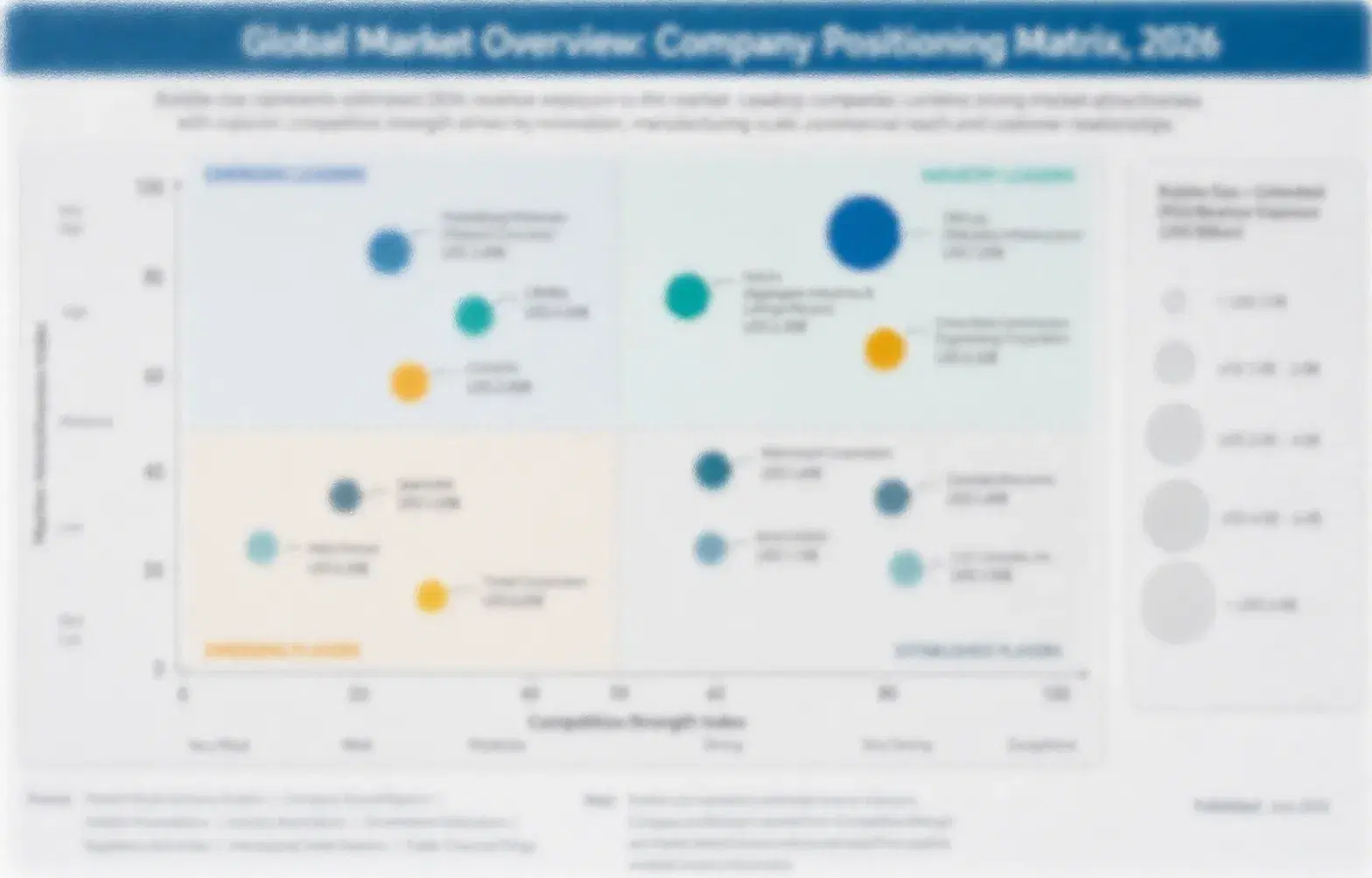
Functional bakery is fragmented at the bakery stage and concentrated at the culture stage, with the top five suppliers holding about 24% of global revenue, the basis used throughout this section. Novonesis, IFF, Kerry Group, Lallemand, and Grupo Bimbo lead through strain libraries, clinical data, and retail distribution, while regional bakers in Japan, Korea, and China hold local share through convenience store relationships and fast launch cycles.
Competition centers on three dimensions: strain evidence, measured by published human studies and viability data; supply reach, including technical support for bakery matrices; and channel access across supermarkets, convenience stores, cafes, and online brands. Leaders sign multi-year supply and co-development agreements with large bakers, while challengers compete on price, novel strains, or postbiotic claims that avoid live-count testing.

Emerging pressure comes from postbiotic specialists in Japan and Korea, from Chinese ingredient makers scaling spore production, and from regulators clarifying claim rules. Rankings shift where suppliers secure claim approvals, publish credible trials, or lose bakery customers to cheaper spore strains. Acquisitions of strain libraries will reorder positions faster than organic growth, particularly as large bakers seek single-source partners for global launches with consistent evidence.
probiotic-and-postbiotic-bakery-market-company-positioning-matrix-1789778752404

Competitive Moat and Risk Dimensions

NOVONESIS

Moat: Strain Library and Clinical Depth

Novonesis, formed from Novozymes and Chr. Hansen, holds one of the world's largest collections of probiotic and bakery cultures, with clinical studies and application labs that serve large bakers. Its scale in fermentation, regulatory dossiers, and customer support lets it develop strains for bakery matrices and defend premium pricing with evidence.
NOVONESIS

Risk: Claim Rules and Customer Concentration

Novonesis depends on regulatory approval of health claims, and European restrictions limit marketing of probiotic bakery. Large bakers can negotiate price, and postbiotic entrants may divert demand from live strains. Spore suppliers in Asia also offer comparable strains at lower cost, which may limit its pricing power in mature accounts.
KERRY GROUP

Moat: Bakery Ingredient Systems Integration

Kerry Group supplies enzymes, emulsifiers, cultures, and taste systems to bakers worldwide, and its ProActive Health portfolio includes probiotic strains such as BC30 heat-stable Bacillus coagulans. This lets Kerry sell probiotic systems alongside existing bakery ingredients, supported by application centers and global technical teams that help customers reformulate.
KERRY GROUP

Risk: Diversified Focus and Price Pressure

Kerry serves many food categories, so bakery probiotics compete for investment with other priorities. Specialist strain houses and Asian postbiotic suppliers can undercut on price or move faster on claims. Kerry's tender-driven customers also demand annual price reductions, which can erode margin on established bakery accounts over time.

Players Tracked

Prominent Players

Novonesis
IFF
Kerry Group
Lallemand
Grupo Bimbo

Other Key Players

Ganeden
Puratos
Yamazaki Baking
Paris Baguette
Lotte Confectionery
Morinaga Milk Industry
Yakult Honsha
Probi
BiOWiSH Technologies
Lantmannen Unibake
Goodman Fielder
Flowers Foods
Barilla
Kikkoman Biochemifa
Dawn Foods

Recent Developments

FEBRUARY 2026

Kerry Group Extends Heat-Stable Probiotic Supply Agreements With Bakers

Kerry Group signed supply agreements with several bakers to provide heat-stable Bacillus coagulans for bread and pastry ranges, including technical support and stability testing. The deals are commercial supply contracts. They extend Kerry's bakery reach, share development cost, and give customers documented viability through shelf life.
Signal: Shows ingredient houses now locking in bakery customers through multi-year supply and technical service agreements across regions.
NOVEMBER 2025

Yamazaki Baking Launches Postbiotic Bread Under Japanese Functional Claims

Yamazaki Baking launched bread containing heat-killed lactic acid bacteria under Japan's Foods with Function Claims scheme, notifying a gut and immune wellness claim based on studies. The launch is a product introduction. It tests premium demand for postbiotic bread and sets a reference for other Japanese bakers.
Signal: Confirms Japanese bakers now use notified functional claims to sell postbiotic bread at premiums in mainstream retail.
JUNE 2025

Novonesis Expands Bakery Culture Application Laboratory in Denmark

Novonesis expanded its bakery application laboratory in Denmark, adding pilot ovens, sensory panels, and viability testing to develop heat-stable cultures with customers. This is organic capacity expansion, not an acquisition. It shortens reformulation time, supports evidence generation, and helps large bakers validate strains in finished bread and pastry.
Signal: Shows suppliers now investing in bakery-specific testing capacity to shorten validation cycles for functional launches in Europe.

What Drives Functional Bakery Costs

Wheat flour accounts for about 38% of cost of goods, with wheat sourced from North America, Europe, and the Black Sea region, while culture and postbiotic ingredients add roughly 9%. Spore concentrates come mainly from fermentation plants in Denmark, the United States, China, and Japan. Packaging, labour, energy, clinical testing, and freight make up the rest, so ingredient price, viability testing, and flour cost together shape margin.
Wheat and gas prices spiked in 2022, according to the United States Department of Agriculture and the International Energy Agency, as Black Sea exports were disrupted and European gas prices surged, raising flour and oven energy costs by 15% to 30%. Functional bakers absorbed part of the increase because premium shoppers resist repricing. Culture suppliers with fermentation plants in Europe also raised prices as energy costs climbed.

The disadvantage falls on brands without scale. Large bakers with flour contracts and negotiated culture supply absorb shocks, while small brands buy spot flour, pay list price for cultures, and fund small-batch testing. Exposure varies by geography: Japanese and Korean bakers face imported wheat and yen or won weakness, European producers face energy, and postbiotic ranges pass costs through more easily than live-culture ones.
probiotic-and-postbiotic-bakery-market-cost-volatility-analysis-1789778752700

Contracting Cultures and Flour Under Multi-Year Agreements

Bakers sign annual and multi-year agreements with culture houses and millers, mixing fixed and index-linked prices to spread risk. Multi-year strain supply secures volume and technical support, and diversified wheat origins reduce exposure to a single shortage. Forward buying lets bakers plan launches without emergency purchases and helps meet retailer supply commitments through peak season.

Sharing Clinical and Stability Testing Costs With Suppliers

Culture suppliers often co-fund viability testing and human studies in bakery matrices, which cuts study cost for bakers by up to a third. Shared data also supports several brands using the same strain. Bakers that join supplier programs gain faster validation and stronger claim support, though they accept supply commitments that limit flexibility later. Terms usually run three years.

Moving Toward Postbiotic and Spore Systems With Simpler Logistics

Postbiotics and spores need no cold chain and lose few cells in baking, which cuts testing, overdosing, and storage costs. Bakers that switch reduce waste from failed counts and complaints. The cost is lower consumer awareness of postbiotics, so brands invest in explanation on pack and in-store, and larger chains support that education through category reviews.

Portfolio Architecture for Margin Defence

Margins run from thin returns on standard-plus fibre loaves with a simple culture callout to strong profits on clinically supported postbiotic and spore ranges sold to wellness retailers, with gross margin roughly doubling between the volume tier and the top tier. Evidence, claim approvals, and heat-stable technology create pricing power, and buyers pay more when a brand can show survival and benefit rather than only a label.
Volume and premium pull in different directions. Basic functional loaves sell in large lots to price-driven retailers at limited premiums and face rapid copying, while clinically supported ranges sell in smaller volumes at much higher margins but need studies, claim dossiers, and consistent bakery execution. Bakers must decide how much to spend on evidence before shelf space and consumer demand prove out, and how quickly to move.

High-value pools concentrate in postbiotic bakery with notified claims in Japan and Korea, spore-forming ranges with published studies in North America, and direct subscription channels for repeat use. These pools benefit from recurring purchase, documented evidence, and limited competition from generic bakers. Suppliers that combine strain libraries, application labs, and claim expertise hold advantages that rivals cannot copy quickly.

Volume / Commodity-Adjacent Tier

Standard bread and pastry with basic live-culture callouts or fibre claims, sold to price-driven retailers with limited evidence, thin margins, and constant copying by competitors and private labels, where consumers switch quickly to cheaper loaves.
Gross Margin: 16%-26%

Premium / Certified Tier

Spore-forming probiotic bread and pastry with published stability data, third-party count verification, and clear digestive wording, sold to natural grocers and wellness sections that require documented viable counts through the end of shelf life.
Gross Margin: 26%-40%

Sustainability / Regulatory / Next-Generation Tier

Postbiotic and strain-specific bakery with notified claims, human studies, and personalised gut health positioning, sold through subscription, pharmacy, and premium retail channels in Japan, Korea, China, and increasingly North America, supported by clinical partnerships.
Gross Margin: 38%-56%
probiotic-and-postbiotic-bakery-market-portfolio-architecture-1789778753042

High-value Sub-segments and Strategic Watch-out

Postbiotic-Fortified Bakery

Postbiotic-fortified bakery pairs the fastest growth with strong margins, since inactivated cultures survive baking and avoid live-count claims. Strain-specific studies and notified claims limit competition, and Japanese and Korean bakers already sell at large premiums. Evidence and taste consistency determine winners as regulators watch closely.
Gross Margin: 38%-56%

Spore-Forming Probiotic Bakery

Spore-forming probiotic bakery offers high value with solid growth, because Bacillus strains deliver live counts through baking and support digestive wording in the United States and Asia. Ingredient cost is modest, and published studies protect premiums. Consumer education remains the constraint, since many shoppers link probiotics to yoghurt alone.
Gross Margin: 28%-42%

Conventional Live-Culture Bakery

Conventional live-culture bakery forms the volume core, using lactic strains added post-bake or in fillings and sold at modest premiums to health-conscious households. Viability losses and testing costs squeeze margins, but steady demand and retailer familiarity support scale, and bakers with cold chain and verification hold cost advantages.
Gross Margin: 16%-28%

Synbiotic Functional Bakery

Synbiotic functional bakery combines probiotics with prebiotic fibre and is a strategic watch-out, valued for combined benefit claims but limited by formulation complexity, regulatory uncertainty, and taste trade-offs. Evidence for combined effects is still thin, so bakers should track studies and retailer demand before committing capital.
Gross Margin: 22%-38%

Why Shoppers Keep Buying Functional Bread

Functional bakery behaves like an annuity once a shopper sees results and likes the taste. Households buy the same loaf weekly, subscribers renew monthly, and retailers keep one or two functional brands in the set. Suppliers that hold an account for years earn steady volume, and renewals follow evidence updates rather than open tenders, because switching strains means new studies, new labels, and new risk for both parties.
Stickiness varies by vertical. Retail wellness sections with strong brands are deepest, since shoppers form habits around one loaf and retailers plan sets around it. Cafes and hospital catering are next, because menus and dietary plans lock in suppliers. Convenience store pastries are shallower, driven by promotions, and discount private labels rotate suppliers when a cheaper lot appears, so bakers must defend positions through evidence and taste.

Buyer profiles are shifting. Older shoppers rely on pharmacist and doctor advice, while younger urban buyers use social media, gut microbiome tests, and subscription apps. They compare strains, read study summaries, and switch quickly if taste disappoints, so brands that publish evidence, explain postbiotics simply, and keep texture close to standard bread hold loyalty across age groups and win larger shares of repeat purchase.
probiotic-and-postbiotic-bakery-market-end-use-penetration-index-1789778753369

MMA Verdict on Functional Bakery Strategy

These are among the four positions where our research anticipates prominent divergence between winners and laggards over the coming forecast period. Each is grounded in the demand model, the regulatory perimeter, and the announced capacity pipeline.
01 / CLINICAL EVIDENCE STRATEGY

Fund Finished-Bread Studies Before Competitors Flood Wellness Sections With Claims

A 12-week study in finished bread costs $500,000 to $2 million and supports a 30% to 50% premium. Repeat purchase rises 10 to 15 points with visible results. MMA recommends funding one human study per hero product within 18 months and sharing costs with a strain supplier, because retailers list few functional brands per section and reward the first supplier with credible published data over later rivals with marketing alone, and published data gives sales teams a credible answer on premium pricing.
02 / INGREDIENT SYSTEM STRATEGY

Shift Toward Postbiotic and Spore Systems Before Live-Culture Viability Costs Bite

Postbiotic-fortified bakery grows at 17.0% a year, about 1.49 times the market rate, and needs no live-count testing. Live cultures lose 30% to 90% of viability in baking. MMA advises moving two-thirds of new launches to postbiotic or spore systems within two years, because the change cuts testing and complaint costs, lengthens shelf life, and leaves brands compliant if claim rules tighten on live counts, while competitors still rely on live strains that often fail end-of-shelf-life verification and draw retailer complaints.
03 / ASIAN MARKET ENTRY STRATEGY

Enter Japan and Korea Through Notified Claims With Local Bakery Partners

East Asia holds 34% of value and Japan's Foods with Function Claims scheme lets brands notify evidence-backed benefits. Local convenience stores launch products within weeks. MMA recommends partnering with two established Japanese or Korean bakers and notifying one claim within 24 months, because local bakers hold retailer relationships and consumer trust, while foreign suppliers that supply strains and studies capture recurring ingredient revenue without building retail networks, provided that dossiers, translated labels, and local regulatory advisers are budgeted from the start.
04 / RETAIL CHANNEL STRATEGY

Anchor Two Wellness Retailers and Add Subscription Before Broad Distribution

Wellness listings carry 15% to 25% higher gross margin and direct channels earn 45% to 60%. Subscribers churn under 6% a month when taste holds. MMA advises securing two anchor retailers and launching subscription within 18 months, because concentrated distribution builds evidence of repeat purchase, supports negotiating power, and avoids the price promotions that damage premium positioning once a product is stocked across dozens of banners, and early anchor accounts also give suppliers cleaner data on which claims and flavours shoppers actually repurchase.

Engagement Snapshot From the Field

A live engagement with an industry participant carrying material or product regulatory and market exposure ahead of a defining policy shift, showing how our research translates into a defensible multi-year portfolio strategy.
MARKET MINDS ADVISORY · CLIENT ENGAGEMENT SUMMARY
Probiotic & Postbiotic Bakery Producer Strategic Portfolio Review and Transition Roadmap 2026·Investment Scenario on Probiotic & Postbiotic Bakery Exposure Evaluation 2025-26
CLIENT PROFILE
The client is a regional European bakery group with four plants and roughly $260 million in annual revenue (client-reported, unverified by MMA), selling sliced bread, rolls, and pastries to supermarkets and cafes. A functional range launched with live lactic cultures generated about 3% of sales and gross margin near 21% (client-reported, unverified by MMA). Plant utilisation sat near 78% (client-reported, unverified by MMA).
STRATEGIC CHALLENGE
Live counts fell below label claims by end of shelf life, European claim rules blocked the term probiotic, two retailers delisted the range after complaints, and competitors were testing spore and postbiotic systems. Leadership needed a plan that restored credibility, complied with claim rules, and lifted margin without a large increase in capital or testing spend.
MMA APPROACH
MMA reviewed viability data across the client's products, interviewed retailers, culture suppliers, and regulatory advisers, benchmarked eight Asian and European functional launches, and modeled economics for spore-forming and postbiotic systems under base, bull, and bear claim scenarios. Analysts also tested sensory scores and shelf-life data at two plants. Findings were validated with client managers.
KEY FINDINGS
  1. Live cultures lost about 70% of viability by day five (client-reported, unverified by MMA), so switching to spore strains would meet label counts without added cold chain.
  2. Postbiotic dosing would add about 6 cents per loaf and remove count testing, based on supplier quotes and pilot bakes at two plants.
  3. Retailers would restore listings if third-party count data and evidence summaries were provided at category reviews, according to buyer interviews at four chains.
  4. Ingredient callout wording without health claims fits European rules and would keep a 25% price premium in tests with 900 shoppers across two countries.
CLIENT PROFILE
The client is a regional European bakery group with four plants and roughly $260 million in annual revenue (client-reported, unverified by MMA), selling sliced bread, rolls, and pastries to supermarkets and cafes. A functional range launched with live lactic cultures generated about 3% of sales and gross margin near 21% (client-reported, unverified by MMA). Plant utilisation sat near 78% (client-reported, unverified by MMA).
STRATEGIC CHALLENGE
Live counts fell below label claims by end of shelf life, European claim rules blocked the term probiotic, two retailers delisted the range after complaints, and competitors were testing spore and postbiotic systems. Leadership needed a plan that restored credibility, complied with claim rules, and lifted margin without a large increase in capital or testing spend.
MMA APPROACH
MMA reviewed viability data across the client's products, interviewed retailers, culture suppliers, and regulatory advisers, benchmarked eight Asian and European functional launches, and modeled economics for spore-forming and postbiotic systems under base, bull, and bear claim scenarios. Analysts also tested sensory scores and shelf-life data at two plants. Findings were validated with client managers.
KEY FINDINGS
  1. Live cultures lost about 70% of viability by day five (client-reported, unverified by MMA), so switching to spore strains would meet label counts without added cold chain.
  2. Postbiotic dosing would add about 6 cents per loaf and remove count testing, based on supplier quotes and pilot bakes at two plants.
  3. Retailers would restore listings if third-party count data and evidence summaries were provided at category reviews, according to buyer interviews at four chains.
  4. Ingredient callout wording without health claims fits European rules and would keep a 25% price premium in tests with 900 shoppers across two countries.
RECOMMENDED STRATEGY
Phase 1: Phase 1 (Months 1-6): Switch the core loaf to a spore strain, commission third-party count testing, and rewrite pack wording to meet claim rules. Phase 2: Phase 2 (Months 7-18): Launch a postbiotic pastry range, co-fund one human study with the supplier, and present evidence to two retailers. Phase 3: Phase 3 (Months 19-30): Add a subscription channel, expand to cafes, and evaluate Asian export partnerships using notified claim routes.
OUTCOME
Within 30 months, spore and postbiotic ranges reached about 9% of sales and gross margin on functional lines rose from 21% to about 33% (client-reported, unverified by MMA). Both delisting retailers restored listings, complaints fell sharply, and the board approved a second postbiotic line for the following year.

Frequently Asked Questions

Foundational context covering the market sizes, CAGR, scope, country, region and competition that inform every finding below. This section is provided to cover basics and most often pre-purchase conversations, answered from the MMA Primary Research Dataset.

What is the current size of the Probiotic & Postbiotic Bakery Market?

The global probiotic and postbiotic bakery market was valued at $2.6 billion in 2025. This covers bread, pastries, cakes, and biscuits with heat-stable probiotic or postbiotic ingredients sold through retail, bakery, and foodservice channels.

How large will the Probiotic & Postbiotic Bakery Market be by 2036?

MMA projects the market will reach approximately $8.5 billion by 2036. This represents cumulative growth of roughly $5.6 billion over the full ten-year forecast window.

What is the CAGR for the Probiotic & Postbiotic Bakery Market 2026 to 2036?

The market is forecast to grow at an 11.4% compound annual rate between 2026 and 2036. The bull case reaches 12.7% while the bear case falls to 10.1%.

Which segment is growing fastest?

Postbiotic-Fortified Bakery is the fastest-growing segment at 17.0% CAGR, roughly 1.49 times the overall market rate. Spore-Forming Probiotic Bakery follows as the second-fastest segment at 14.6% CAGR each year.

Who are the major companies in the Probiotic & Postbiotic Bakery Market?

Leading companies include Novonesis, IFF, Kerry Group, Lallemand, and Grupo Bimbo. These five companies together hold an estimated 24% of total global market revenue, based on MMA analysis of company disclosures.

Which country is growing fastest?

South Korea is the fastest-growing major market, expanding at approximately 14.1% CAGR each year. Approved functional claim routes, convenience store launches, and consumer familiarity with fermented foods are driving this above-market growth.

Report Segmentation Architecture

The full report scope spans multiple orthogonal segmentation dimensions, with cross-tabulated demand data provided for each dimension pair. Coverage extends further to regional breakdowns, trend trajectories, and the competitive detail needed to support segment-level decision-making.

By Primary Market Dimension

  • Postbiotic-Fortified Bakery
  • Spore-Forming Probiotic Bakery
  • Conventional Live-Culture Bakery
  • Synbiotic Functional Bakery
  • Post-Bake Dosed Products
  • Fermented Functional Bakery

By End-Use Industry

  • Household Consumption
  • Cafes and Foodservice
  • Convenience Stores
  • Healthcare and Elderly Care
  • Sports and Wellness Nutrition

By Commercial Dimension

  • Supermarket and Wellness Retail
  • Private-Label Contracts
  • Subscription and Direct Sales
  • Pharmacy and Specialty Channels

By Region

  • North America
  • Western Europe
  • East Asia
  • South Asia and Pacific
  • Latin America
  • Middle East and Africa
  • Eastern Europe

Scope, Methodology, and Coverage

Every figure in this report is reproducible from documented input assumptions. The scope below maps the historical period, the forecast horizon, the segmentation dimensions, and the countries covered, alongside the underlying primary and qualitative methodology.
Historical Period
2020 to 2025
Forecast Period
2026 to 2036
Base Year
2025 (USD billions; MMA Primary Research Dataset, September 2026)
Market Definition
Probiotic and postbiotic bakery comprises bread, rolls, pastries, cakes, and biscuits formulated with live heat-stable probiotic strains, spore-forming cultures, or inactivated postbiotic ingredients and marketed for gut or immune benefit, sold through retail, bakery, and foodservice channels. The scope excludes probiotic yoghurt, beverages, supplements, and standard sourdough or yeast fermentation without a declared functional strain.
Quantitative Units
USD billions (current prices)
Segmentation Dimensions
By Functional Ingredient System; By End-Use Industry; By Commercial Dimension; By Region
Regions Covered
North America, Western Europe, East Asia, South Asia and Pacific, Latin America, Middle East and Africa, Eastern Europe
Countries Covered
USA, Canada, Mexico, Brazil, Argentina, Chile, UK, Germany, France, Italy, Denmark, Poland, Romania, Turkey, Israel, South Africa, Japan, South Korea, China, India, Australia, and additional markets relevant to this sector
Key Companies Profiled
Novonesis, IFF, Kerry Group, Lallemand, Grupo Bimbo, Ganeden, Puratos, Yamazaki Baking, Paris Baguette, Lotte Confectionery, Morinaga Milk Industry, Yakult Honsha, Probi, BiOWiSH Technologies, Lantmannen Unibake, Goodman Fielder, Flowers Foods, Barilla, Kikkoman Biochemifa, Dawn Foods
Quantitative Methodology
Primary survey, n=3,800 respondents, Q4 2025, six countries; demand-side model with trade association cross-validation
Qualitative Methodology
47 expert interviews, Q4 2025; applied to validate demand model assumptions, identify emerging dynamics, and assess competitive positioning
Report Format
PDF and XLSX data workbook (Word format preview document)
Publisher
Market Minds Advisory
Report Code
MMA-2026-AGR-340
Published
September 2026
Contact
sales@marketmindsadvisory.com | www.marketmindsadvisory.com

Purchase the full Probiotic & Postbiotic Bakery Market Report (2026 to 2036).

The full report delivers a detailed assessment of global probiotic and postbiotic bakery demand, ingredient systems, and competitive positioning through 2036. It includes segment forecasts by functional system, country-level data for all seven world regions, and profiles of the twenty companies most relevant to functional bakery supply. Analysts also receive input cost modeling and portfolio margin benchmarking built from MMA's primary research dataset. A scenario planning module lets subscribers stress-test bull and bear assumptions against claim rules, evidence costs, and consumer adoption. Quarterly updates keep the whole dataset current throughout the subscription year for every subscriber.
Ten-year segment and regional demand forecasts
Health claim regulation tracker across markets
Competitive benchmarking of top twenty suppliers
Strain viability and evidence review database
Regional demand mechanism comparative analysis included
Quarterly primary survey data update access

Built For The People Who Decide

From boardroom strategy to bench-side execution, this report is read cover-to-cover by leaders shaping the next decade of their industry, turning demand scenarios, market dynamics and valuation benchmarks into decisions.
CXOs/ Presidents/ VPs/ Managers
M&A and Corporate Development
Strategy Teams and R&D Heads
Procurement and Product Directors
Regulatory and Compliance Leaders
Investor Relations and Equity Analysts