Market Minds Advisory
Prinzmetal Angina Therapeutics Market

Prinzmetal Angina Therapeutics Market: A Disease Found Only Where Somebody Looks For It

Coronary spasm is transient, so a patient with chest pain and a clean angiogram is usually told nothing is wrong, and the countries that provoke the spasm deliberately find far more of it.

Lead Analyst

Published

September 2026

Make Smarter Decisions with Customized Research Insights

Request a free sample report and evaluate market opportunities, growth trends, and competitive dynamics relevant to your business needs.

2025 MARKET VALUE$1.2BMarket Size 2025
2036 FORECAST VALUE$2.3BBase Case , 2026 to 2036
CAGR 2026 TO 20366.2 %Bull 7.4% / Bear 5.0%
INCREMENTAL OPPORTUNITY$1.1BNet 10- year value creation
EXPANSION MULTIPLE1.83x2036 value over 2026 base
Strategic Levers
M&A Pipeline
Regional Outlook
Country Rankings
Competitive Intelligence
Segmental Deep-dive
Call-Us : 91 93563 13602

Executive Snapshot and Market Trajectory

Vasospastic angina is diagnosed where clinicians provoke it and missed where they do not. Japanese and Korean cardiology provokes routinely, Western practice rarely does, and the recorded prevalence gap is partly epidemiological and partly about who looked. Recorded prevalence follows the catheter lab.
East Asia takes 40% of value, far above every other region, because coronary spasm is genuinely more common in Japanese and Korean populations and because three of the drug classes used here were developed in Japan for exactly this indication. Rho-kinase inhibitors grow at 9.3%, half again the market rate of 6.2%, from a base confined almost entirely to Japanese prescribing. Approval exists nowhere else. Rates differ by roughly fourteen times between those two traditions.
Concentration is remarkably low at 22% because every drug in routine use has been generic for decades. There is no pharmaceutical economics in this market and consequently no development pipeline, which leaves the minority of patients who do not respond to calcium channel blockers with a therapeutic dead end and nobody with any commercial reason to address it. Around a fifth of patients fall into that group. Nothing is coming.
Market Definition
The market covers pharmaceutical therapies used to prevent and treat coronary vasospasm in Prinzmetal and variant angina, including dihydropyridine calcium channel blockers, non-dihydropyridine calcium channel blockers, long-acting nitrates, potassium channel openers, rho-kinase inhibitors, and adjunctive and combination therapies prescribed for this indication. Provocation testing agents, coronary stents and revascularisation procedures, implantable defibrillators, and therapies for obstructive coronary artery disease are excluded. Diagnostic cardiology services fall outside scope.
Base Year Value
$1.2B in 2025 (MMA Primary Research Dataset, August 2026)
Forecast Period
2026 to 2036, eleven discrete annual values
CAGR
6.2% base case. Bull 7.4%. Bear 5.0%.
Fastest Growth Segment
Rho-Kinase Inhibitors: 9.3% CAGR
Fastest Growth Country
India: 8.6% CAGR
Fastest Growth Region
South Asia and Pacific: 8.2% CAGR
Largest Region
East Asia: 40% of 2025 global value
Market Leaders
Teva Pharmaceutical Industries, Viatris, Sun Pharmaceutical Industries, Sandoz, Kyowa Kirin. Source: MMA Analysis based on disclosed cardiovascular pharmaceutical revenue, company annual reports 2025.
Primary Survey
n=3,800 procurement and R&D decision-makers, Q4 2025, six countries
Methodology
Demand-side build-up, cross-validated against public data, 47 expert interviews

Prinzmetal Angina Therapeutics Market Forecast Scenarios

prinzmetal-angina-therapeutics-market-size-forecast-scenario-1787686885474
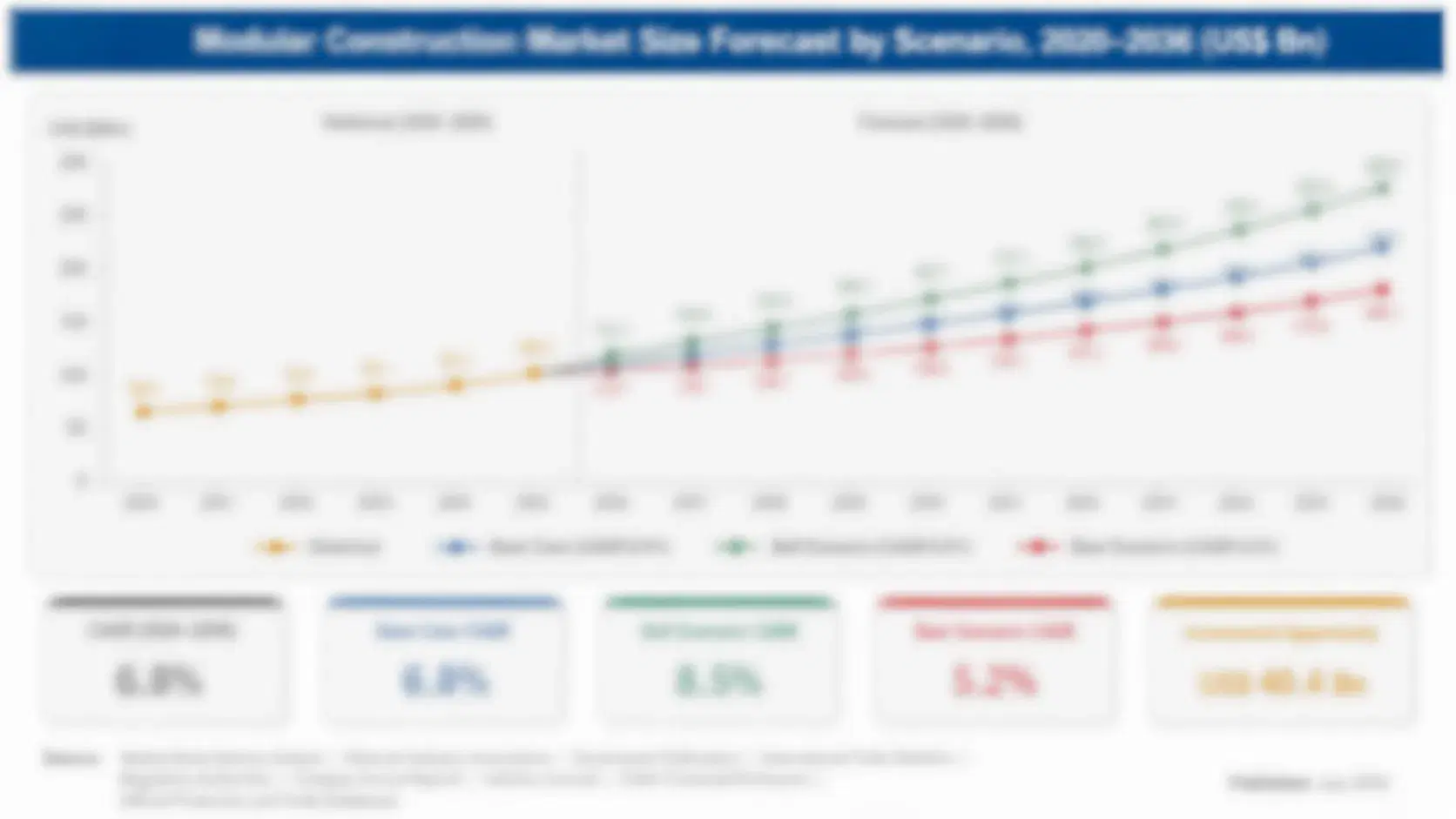
Growth from 2020 to 2025 ran at 5.2% and diagnostic recognition rather than any therapeutic advance produced most of it. Western cardiology began taking ischaemia with non-obstructive coronary arteries seriously, which brought vasospasm back into differential diagnosis after decades of being dismissed. Japanese prescribing was already established and grew with population ageing. Generic pricing declined steadily throughout and offset part of the volume gain.
The 6.2% base case rests on three mechanisms. Western recognition of non-obstructive ischaemia keeps expanding, and every patient correctly identified adds years of daily therapy from a base that has been artificially low. Provocation testing is spreading beyond Japanese and Korean centres, slowly and from very few sites. And East Asian populations are ageing into the decades where vasospastic presentations concentrate, which raises volume independently of any change in practice.
The bull case at 7.4% turns on provocation testing entering Western guidelines as a recommended step for unexplained angina, which would convert a diagnostic curiosity into routine practice. The bear case at 5.0% is continued generic price erosion outpacing volume growth, which has already happened in several markets where diagnosis rates rose and total spending did not.

Prevalence Follows The Catheter Lab

The defining feature of this condition is that it disappears between episodes. Spasm occurs at rest, often at night, resolves before anybody images it, and leaves an angiogram that looks entirely normal. A patient presenting that way in most Western hospitals is reassured and discharged. In Japan and Korea the same patient is likely to receive acetylcholine or ergonovine provocation during catheterisation. Testing rates differ by roughly fourteen times.
FIVE-FIRM CONCENTRATION22%Share of cardiovascular pharmaceutical revenue held by leading suppliers
ANNUAL THERAPY COST$186Typical yearly generic drug cost for one treated patient
TOP CONSUMING COUNTRYJapan 27%Japanese share of global vasospastic angina therapy consumption
PROVOCATION TESTING RATE14 timesJapanese testing frequency relative to typical Western cardiology practice
CALCIUM BLOCKER RESPONSE78%Patients achieving adequate symptom control on first line therapy
GENERIC MOLECULE SHARE97%Prescribed volume accounted for by molecules long out of patent
That difference explains a great deal of the apparent epidemiology. Coronary spasm genuinely is more common in East Asian populations, and Western prevalence is also understated because the diagnostic step that would find it is rarely performed. Renewed Western interest in ischaemia with non-obstructive coronary arteries has begun to change that, and each identified patient adds years of daily generic therapy.
Commercially this is a market without pharmaceutical economics. Roughly 97% of prescribed volume is molecules that went off patent long ago, annual therapy costs under two hundred dollars, and no company has any reason to develop anything new. Around 78% of patients respond adequately to calcium channel blockers. The remaining fifth face options that run out quickly.
"The drugs cost less than the catheter that finds the disease, which tells you exactly why nobody has developed anything new for the patients they do not work in."
Director, Cardiovascular Therapeutics Practice · MMA Healthcare Practice · August 2026

Market Trends

Western Cardiology Rediscovers Non-Obstructive Coronary Ischaemia

Patients with angina and unobstructed coronary arteries were treated as a diagnostic nuisance for decades, and renewed attention to that group has brought coronary spasm back into serious consideration across Western practice. Registries and dedicated clinics have followed. Every patient correctly identified moves onto daily therapy for years, from a base kept artificially low by the fact that nobody performed the test that finds the condition. The commercial effect is a volume increase in generic prescribing that will not show up in pharmaceutical revenue figures in any dramatic way. Volume rises and revenue barely moves.
Market Impact: Covers 27% of global consumption

Provocation Testing Spreads Beyond Japanese And Korean Centres

Acetylcholine and ergonovine provocation reproduces spasm during catheterisation and turns an unexplained presentation into a diagnosis with a treatment attached. Japanese centres perform it routinely; Western catheterisation laboratories perform it around fourteen times less often, largely from unfamiliarity and concern about inducing an event deliberately. Specialist Western centres have begun adopting the protocol, and each one converts a stream of previously undiagnosed patients into treated ones. Adoption is slow because it requires operator training rather than any equipment purchase, which nobody funds and no company sells. Training rather than equipment is the barrier.
Market Impact: Controls symptoms in 78% treated

Market Opportunities and Growth Drivers

East Asian Populations Age Into Peak Presentation Decades

Vasospastic angina presents most often between the fifth and seventh decades, and Japanese and Korean populations are moving through exactly those bands in enormous numbers. Japan alone accounts for roughly 27% of global therapy consumption, a share that reflects both genuine prevalence and a diagnostic culture that finds the condition reliably. Demographic change therefore raises volume without requiring any change in practice or recognition. That makes East Asian demand unusually predictable, which is rare in a therapeutic area where diagnosis rates determine so much else. Demography rather than recognition drives it.
Market Impact: Leaves 97% volume off patent

Guideline Attention To Unexplained Angina Keeps Increasing

Cardiology societies have progressively acknowledged that angina without obstructive disease is common, under-investigated and associated with genuine adverse outcomes rather than being a benign nuisance. Successive guidance documents have moved coronary function testing from a research technique toward a recommended investigation in selected patients. Each revision brings more centres into the diagnostic pathway. The therapeutic consequence is straightforward, since first line treatment is inexpensive and widely available, and roughly 78% of identified patients respond to it adequately without needing anything further at all. First line therapy is cheap and universally available.
Market Impact: Strands 22% of treated patients

Market Restraints and Challenges

Generic Economics Remove Any Development Incentive

Roughly 97% of prescribed volume is molecules long out of patent, and annual therapy costs under two hundred dollars per patient. Root cause is that the effective drugs were discovered decades ago and nothing has justified developing alternatives since. The commercial impact is a therapeutic area with no pipeline, which leaves the patients who fail calcium channel blockers with essentially nothing new to try. Mitigation would require regulatory incentives comparable to orphan designation, and vasospastic angina is neither rare enough nor commercially attractive enough to attract them. The economics simply do not support development.
Market Impact: Raises detection from 14 times lower

Refractory Patients Have Almost No Remaining Options

Around 78% of patients achieve adequate control on calcium channel blockers, and the remainder move through nitrates and potassium channel openers before running out of established choices. Root cause is that rho-kinase inhibition, the one mechanistically distinct option, is approved only in Japan and has never been developed for other markets. The commercial impact is limited, which is precisely the problem: a group with genuine unmet need and no market large enough to interest anybody. Mitigation depends on investigator-led work and off-label practice rather than any development programme. Nobody has a commercial reason to change that.
Market Impact: Adopted at 40 new centres
3 additional market trends, 4 additional growth drivers, and 2 additional restraints and challenges are covered in the full report. Contact sales@marketmindsadvisory.com to access the complete intelligence.

Segment CAGR and Growth Architecture

Segmentation follows pharmacological class: the mechanism by which each therapy prevents or relieves coronary spasm, rather than which patient group receives it or where it is prescribed. Six classes cover the market without overlap, from dihydropyridine calcium channel blockers through to adjunctive combinations. Care setting and payment route are treated separately here. Both cut across all six classes.
prinzmetal-angina-therapeutics-market-market-share-analysis-1787686885818

Rho-Kinase Inhibitors

Rho-kinase inhibition is the only mechanistically distinct approach available to patients whose spasm resists calcium channel blockade, and growth at 9.3%, half again the market rate of 6.2%, comes almost entirely from Japanese prescribing. Approval exists nowhere else, which limits the segment to one national market and makes its growth rate less impressive than it appears. The clinical case for wider availability is reasonable and the commercial case is absent, since developing the molecule for Western approval would cost more than the entire refractory population could ever generate in generic-adjacent pricing anywhere. The clinical case is reasonable and the commercial case has never existed. Western approval would cost more than the refractory population could ever generate.
CAGR 9.3%

Adjunctive and Combination Therapies

Combination prescribing grows at 7.8% because the patients who fail single agent therapy have nowhere obvious to go and clinicians layer mechanisms rather than switching between them. Calcium channel blockers with long-acting nitrates, statins added for endothelial effects, and occasional use of cilostazol or magnesium all appear in this category. Evidence is thinner than prescribing volume would suggest, since almost none of these combinations has been tested formally in vasospastic angina specifically. That gap is a direct consequence of generic economics: nobody funds trials of combinations that generate no proprietary revenue for anybody. Prescribing has run ahead of evidence here for years, and nobody has any commercial reason to close that particular gap. Academic funding fills it slowly.
CAGR 7.8%
Full segment breakdown across 6 segments available in the complete report.

Regional Architecture and Country Demand Map

Geography follows diagnostic practice as much as true prevalence, and the two are difficult to separate. East Asia dominates on both genuine epidemiology and routine provocation testing, while Western markets are growing from a base kept low by under-investigation. Recorded prevalence and true prevalence are not the same figure anywhere.

North America

American growth is the fastest among developed markets and comes almost entirely from recognition rather than from rising disease, since renewed attention to ischaemia with non-obstructive coronary arteries has brought vasospasm back into differential diagnosis. Specialist centres have begun performing provocation testing, though the practice remains uncommon relative to Japanese cardiology. Therapy itself is inexpensive and universally available, so the constraint is diagnosis rather than access. Canadian practice follows similar patterns with slower adoption of coronary function testing. Mexican cardiology diagnoses relatively few cases, and treated patients receive the same generic regimens used everywhere else. Growth here reflects doctors starting to look rather than more people falling ill, which is an unusual driver for any therapeutic market.
Share: 22% | CAGR: 7.4% (2026 to 2036)

Western Europe

European practice recognises vasospastic angina in guidance and investigates it inconsistently, with Dutch and German centres considerably more active in coronary function testing than most of the region. British cardiology has produced influential work on non-obstructive ischaemia that has raised awareness without yet changing routine catheterisation laboratory practice broadly. Italian and Spanish diagnosis rates are lower. Generic pricing across the region is among the lowest anywhere, which means rising diagnosis produces very little revenue growth. Regional value is therefore expanding more slowly than patient numbers, and that gap continues widening steadily. Rising diagnosis converts into very little additional spending, since generic pricing across the region is among the lowest recorded anywhere in the world.
Share: 18% | CAGR: 4.8% (2026 to 2036)
Regional intelligence for 5 additional markets available in the complete report: East Asia, South Asia and Pacific, Latin America, Middle East and Africa, Eastern Europe. Contact sales@marketmindsadvisory.com.
prinzmetal-angina-therapeutics-market-country-cagr-analysis-1787686886109

Value Where Drugs Earn Nothing

Roughly 97% of volume is off patent, annual therapy costs under two hundred dollars, and around 22% of treated patients have essentially nowhere left to go. Four levers work on diagnosis, geography and unmet need rather than on any pricing argument that generic economics would ever support. Generic economics rule out any pricing argument entirely.

Fund Provocation Testing Training In Western Centres

Western catheterisation laboratories perform provocation testing roughly fourteen times less often than Japanese ones, and the barrier is operator familiarity rather than equipment or cost. A company funding proctoring and protocol training converts undiagnosed patients into treated ones across an entire referral network. Generic pricing means the return per patient is small and the volume effect is real and cumulative, since each diagnosed patient takes daily therapy for years. Nobody currently funds this because no single product captures enough of the resulting prescribing to justify it individually. Roughly 97% of prescribing is off patent, so nobody captures enough.
Market Impact: Closes a 14 times diagnostic testing shortfall directly

Develop Rho-Kinase Inhibition For Markets Beyond Japan

Rho-kinase inhibition is the only mechanistically distinct option for the roughly 22% of patients who fail calcium channel blockade, and it is approved in exactly one country. Western development would serve a genuine unmet need in a population large enough to matter clinically and too small to matter commercially under current pricing. The realistic route is regulatory incentive rather than conventional development economics. A company that secured such designation would hold the only differentiated therapy in an area where nothing else is coming at all. Nothing else is in development anywhere.
Market Impact: Serves the entire 22% of refractory patients treated

Concentrate Commercial Effort On East Asian Volume

East Asia holds 40% of global value on genuine prevalence and routine diagnosis together, and Japan alone accounts for roughly 27% of consumption. That is where prescribing volume actually is, and where guidelines address the indication directly rather than in passing. Suppliers allocating cardiovascular generic effort by general market size consistently under-serve the region relative to what this specific indication represents. Correcting that costs nothing beyond reallocating existing commercial coverage, and it reaches the prescribing base that matters most for these particular molecules. Reallocation costs nothing beyond attention. Volume sits where the diagnosis happens.
Market Impact: Focuses effort on 40% of the global value

Build Evidence For Combinations Already Being Prescribed

Combination therapy grows at 7.8% because clinicians layer mechanisms when single agents fail, and almost none of those combinations has been tested formally in vasospastic angina. Investigator-led trials cost a fraction of registration programmes and produce guideline citations that shape prescribing for a decade. A generic manufacturer supporting that work influences which molecules appear in the recommended combination, which is the only differentiation available when every competitor sells the same compound at a similar price. Investigator-led work costs a fraction of a registration programme. Guideline citations then shape prescribing for a decade.
Market Impact: Supports the 7.8% growth in combination prescribing patterns

Who Controls the Margin Pool

Measured on disclosed cardiovascular pharmaceutical revenue, the five leading suppliers hold a CR5 of just 22%, which is very low and follows from an indication served entirely by generic molecules that dozens of manufacturers produce. Teva, Viatris and Sun hold the broadest generic cardiovascular portfolios, while Kyowa Kirin holds a genuinely differentiated position in Japan through molecules developed there specifically for this condition. Differentiation is almost entirely absent here.
Three contests define activity. Generic supply competes on tender pricing and manufacturing cost, where the molecule is identical and nothing else distinguishes anybody. Japanese branded therapy competes on guideline positioning and prescriber familiarity within one national market. Refractory treatment barely competes at all, since only one approved option exists and it is available in a single country. A supplier competing in one of those contests has no meaningful position in the others.

Pressure comes from Indian manufacturers whose cost position in cardiovascular generics is difficult for anybody to match, and from continued price erosion in every tendered market. Rankings shift on manufacturing efficiency rather than on anything clinical, which is unusual even by generic standards and reflects how little differentiation exists here. Clinical arguments carry no weight whatsoever.
prinzmetal-angina-therapeutics-market-company-positioning-matrix-1787686886393

Competitive Moat and Risk Dimensions

TEVA PHARMACEUTICAL INDUSTRIES

Moat: Cardiovascular Generic Portfolio Breadth

Teva supplies most cardiovascular generic molecules across most major markets, which means tender participation and formulary presence come as a portfolio rather than product by product. Health systems buying a basket of cardiovascular generics find breadth genuinely valuable. A single-molecule competitor with lower cost still has to reach tenders that are frequently awarded across whole categories at once.
TEVA PHARMACEUTICAL INDUSTRIES

Risk: Indian Cost Position Pressure

Indian manufacturers hold cardiovascular generic cost positions that established suppliers find difficult to match, and every tender cycle tests that difference directly. Portfolio breadth delays the effect and does not remove it. In an indication where the molecule is identical and price is the only variable, a durable cost disadvantage eventually decides the outcome regardless of relationship or scale.
KYOWA KIRIN

Moat: Japanese Indication Specific Position

Kyowa Kirin holds molecules developed in Japan specifically for vasospastic angina, in the one market where guidance addresses the indication in detail and prescribers are thoroughly familiar with it. That combination of local development history and guideline positioning is not something a generic competitor can replicate by copying a compound. Japanese prescribing is conservative and rewards exactly that familiarity.
KYOWA KIRIN

Risk: Single Market Concentration

A position resting on one national market carries every risk that market presents, including Japanese pricing revisions that have reduced pharmaceutical prices repeatedly. Extending those molecules internationally would require development economics that generic-adjacent pricing cannot support anywhere. The strength and the limitation are the same fact seen from two directions.

Players Tracked

Prominent Players

Teva Pharmaceutical Industries
Viatris
Sun Pharmaceutical Industries
Sandoz
Kyowa Kirin

Other Key Players

Asahi Kasei Pharma
Sawai Pharmaceutical
Towa Pharmaceutical
Nichi-Iko Pharmaceutical
Dr Reddys Laboratories
Zydus Lifesciences
Cipla
Hikma Pharmaceuticals
Aurobindo Pharma
Lupin
Sanofi
Pfizer
Bayer
Daiichi Sankyo
Takeda Pharmaceutical

Recent Developments

MARCH 2025

Cardiology society guidance recommends coronary function testing in selected patients

A cardiology society updated guidance to recommend coronary function testing including provocation in selected patients presenting with angina and unobstructed coronary arteries. This was clinical guidance rather than any regulatory or commercial event, and it moves a technique long confined to Japanese practice toward wider Western consideration.
Signal: Diagnosis rather than therapy is where this market changes, and guidance is the only mechanism that moves it.
JULY 2025

Investigator-led trial opens for combination therapy in refractory vasospasm

An investigator-led trial opened to evaluate combination therapy in patients whose vasospasm resists calcium channel blockade, funded through academic and charitable sources rather than by any pharmaceutical company. Generic economics leave no commercial sponsor with a reason to fund work in this population despite genuine unmet clinical need.
Signal: Evidence in this area now depends on academic funding, which means it accumulates slowly and unpredictably.
OCTOBER 2025

Japanese pricing revision reduces reimbursement across cardiovascular generics

A Japanese pricing revision reduced reimbursement across cardiovascular generic categories, a regulatory pricing decision rather than any corporate transaction. Japan accounts for roughly 27% of global consumption in this indication, so the revision affects reported market value considerably more than it affects prescribing volume. Volume and value diverge sharply.
Signal: Value in this market can fall while patient numbers rise, which makes revenue a poor measure of anything clinical.

What Generic Therapy Costs

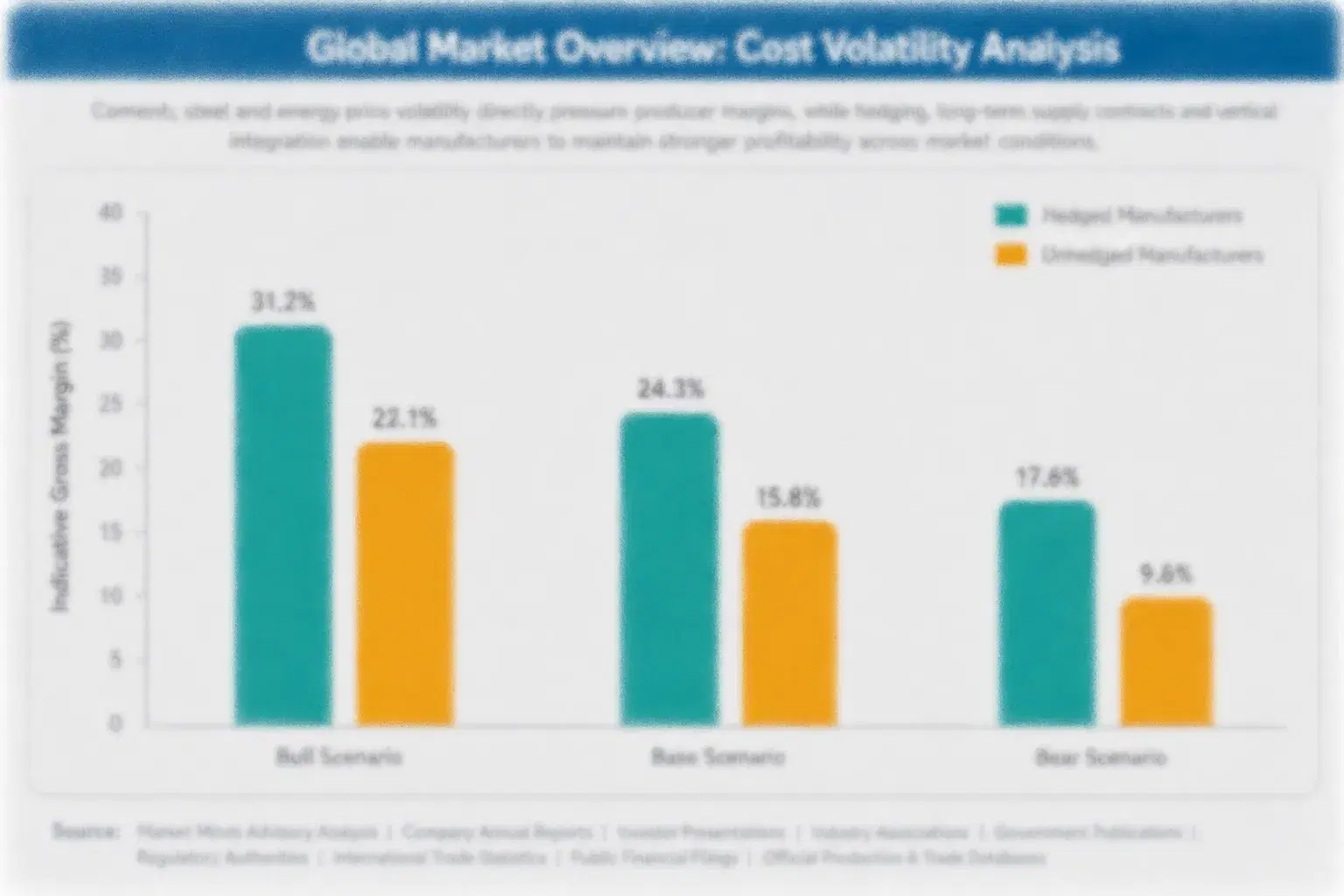
Active ingredient and formulation dominate what little cost there is. Bulk active pharmaceutical ingredient, excipients, tabletting and packaging together run 58 to 64% of the ex-factory price for a generic calcium channel blocker, which leaves very little margin between manufacturing and tender pricing. Regulatory maintenance and quality systems consume much of the remainder. Japanese branded molecules carry a different structure entirely, with pricing set administratively rather than competitively.
The volatility that matters is active ingredient supply concentration. Bulk cardiovascular actives are produced at a limited number of Chinese and Indian sites, and pricing moved sharply during environmental enforcement shutdowns and again during pandemic logistics disruption. Sun Pharmaceutical and Cipla annual reports describe active ingredient supply and cost pressures across those periods. Manufacturers with qualified second sources kept supplying. Single-site qualification produced supply failures carrying tender penalties.

Exposure divides by integration and market. Vertically integrated Indian manufacturers producing their own actives hold the strongest cost positions and face the least supply risk. Formulators buying actives externally carry both price and availability exposure. Japanese branded suppliers face administrative price revision rather than tender competition. Administrative price revision is a policy certainty rather than a commercial risk.
prinzmetal-angina-therapeutics-market-cost-volatility-analysis-1787686886717

Qualify multiple active ingredient sources per molecule

Bulk cardiovascular actives come from a limited number of Chinese and Indian sites, and enforcement shutdowns have removed supply without warning more than once. Second source qualification costs regulatory work and time and prevents supply failure that carries contractual penalties in public tenders. Losing a tender for non-supply usually means losing it for the full contract term as well.

Integrate active ingredient production where volumes justify it

Active ingredient and formulation together account for most of the ex-factory price, so a formulator buying actives externally carries somebody else's margin inside its own cost base. Backward integration is expensive and only justified at volume. Manufacturers who integrated hold cost positions that competitors cannot reach through efficiency improvements in formulation alone. Formulation efficiency cannot close that gap.

Model Japanese price revisions into portfolio planning

Japanese pharmaceutical pricing is revised administratively and moves in one direction, and Japan accounts for roughly 27% of consumption in this indication. Treating that as a commercial risk rather than a policy certainty produces plans that fail predictably. Suppliers modelling revision cycles into forecasts allocate capacity and commercial effort far more accurately than those treating each cut as a surprise.

Portfolio Architecture for Margin Defence

Margin here is thin almost everywhere and the exceptions are instructive. Generic calcium channel blockers and nitrates earn tender margins that manufacturing efficiency alone determines. Potassium channel openers earn slightly better where branded positions persist. Japanese indication-specific molecules earn considerably more and face administrative price revision instead of competition. Adjunctive combination prescribing earns nothing extra, since the components are all generic anyway.
The tension is between volume that pays little and differentiation that barely exists. A supplier can win enormous tender volume at margins that barely cover regulatory maintenance, or hold a differentiated position in one country subject to periodic price cuts. Neither is attractive. What makes this market worth understanding is not its own economics but what it reveals about how diagnostic practice, rather than therapeutic innovation, determines where a disease appears to exist.

The value that does exist sits in three places. Japanese indication-specific molecules with guideline positioning. Integrated manufacturing cost positions that survive continuous tender erosion. And any future differentiated therapy for the refractory group, which currently has no commercial sponsor and would face essentially no competition. That last opportunity has existed unaddressed for two decades.

Volume / Commodity-Adjacent

Generic dihydropyridine and non-dihydropyridine calcium channel blockers and long-acting nitrates supplied through tenders where the molecule is identical across suppliers. The 7-point range separates vertically integrated manufacturers producing their own actives from formulators buying them externally.
Gross Margin: 11-18%

Premium / Certified

Potassium channel openers and branded generic positions where prescriber familiarity and guideline citation still support differentiated pricing. The 7-point spread separates suppliers holding established brand recognition in specific national markets from those competing purely on generic tender pricing.
Gross Margin: 24-31%

Sustainability / Regulatory / Next-Generation

Japanese indication-specific molecules including rho-kinase inhibition, alongside any future differentiated refractory therapy. The 29-point range is very wide because current Japanese positions earn well under administrative pricing while a future refractory therapy would face no competition at all.
Gross Margin: 29-58%
prinzmetal-angina-therapeutics-market-portfolio-architecture-1787686887004

High-value Sub-segments and Strategic Watch-out

Japanese Indication Specific Molecules

Highest value in the market, resting on local development history and detailed guideline positioning in the one country that addresses this indication properly. The risk is administrative price revision, which reduces reimbursement periodically and moves in only one direction over time. Revisions are certain, not risks.
Gross Margin: 55-58%

Branded Generic Positions

Moderate value supported by prescriber familiarity in specific national markets where brand recognition survived patent expiry. The risk is that familiarity fades as prescribers turn over, and nothing replaces it because no supplier has any product argument left to make. Prescriber turnover erodes it. Nothing replaces it.
Gross Margin: 28-31%

Tendered Calcium Channel Blockers

The volume core, supplied through tenders where the molecule is identical and manufacturing cost decides everything. Suppliers hold the line because cardiovascular tenders are frequently awarded across whole categories, and absence from one molecule can cost participation across several others. Category tenders make exit costly.
Gross Margin: 12-15%

Refractory Patient Therapy

The strategic watch-out and an unusual one, since roughly 22% of treated patients have genuine unmet need and no commercial sponsor. The risk is that the opportunity remains permanently unaddressed, because development economics cannot work at generic-adjacent pricing anywhere. Twenty years suggests nobody will. Nobody has stepped forward.
Gross Margin: 29-32%

Therapy That Never Stops

A diagnosed patient takes calcium channel blockers daily and usually indefinitely, because stopping brings the spasm back and nobody is willing to test that. Each correct diagnosis therefore commits years of continuous prescribing at a cost of under two hundred dollars annually. The revenue per patient is trivial and the persistence is close to complete. Volume growth depends entirely on diagnosis.
Stickiness is high and unrelated to any supplier relationship. A patient stable on a regimen is rarely switched, since a change risks provoking symptoms that took time to control. Molecule choice persists for years while the manufacturer supplying that molecule can change at every tender cycle without the patient or prescriber noticing. That distinction matters commercially: the prescription is sticky and the supply contract behind it is not.

The decision maker sits in the catheterisation laboratory rather than in any pharmacy or formulary. Whether a patient ever reaches therapy depends on whether somebody performed provocation testing, and Western laboratories perform it roughly fourteen times less often than Japanese ones. No pharmaceutical commercial activity influences that step, which is why this market grows through guideline change and clinical training rather than through anything a supplier does.
prinzmetal-angina-therapeutics-market-end-use-penetration-index-1787686887290

Diagnosis Is The Whole Market

These are among the four positions where our research anticipates prominent divergence between winners and laggards over the coming forecast period. Each is grounded in the demand model, the regulatory perimeter, and the announced capacity pipeline.
01 / DIAGNOSTIC PATHWAY INVESTMENT

The bottleneck is the catheter lab, not therapy

Western catheterisation laboratories currently perform provocation testing roughly fourteen times less often than Japanese ones do, and the barrier there is operator familiarity rather than any question of equipment cost or drug availability. A company funding proctoring and protocol training would convert undiagnosed patients into treated ones across whole referral networks for years afterward. Nobody currently funds any of this, because generic pricing means that no single product captures enough of the resulting prescribing to justify the investment on its own.
02 / REFRACTORY NEED DEVELOPMENT

One country has the only differentiated option

Rho-kinase inhibition remains the only mechanistically distinct therapy available for roughly 22% of patients who fail calcium channel blockade, and that molecule holds regulatory approval in exactly one single country worldwide. Western development would address genuine unmet need in a population large enough to matter clinically and far too small to matter commercially at current generic-adjacent pricing levels. The realistic route runs through regulatory incentive rather than through conventional development economics, and whoever secured such a designation would face no competition whatsoever.
03 / EAST ASIAN VOLUME FOCUS

Forty percent of value sits in one region

East Asia holds fully 40% of global market value on genuine prevalence and routine provocation testing together, with Japan on its own accounting for roughly 27% of all worldwide consumption in this specific indication. That is where the prescribing volume actually sits, and where clinical guidance addresses vasospastic angina directly rather than mentioning it in passing. Suppliers allocating cardiovascular generic commercial effort by general market size consistently under-serve that region relative to what this specific indication genuinely represents to them.
04 / COMBINATION EVIDENCE SUPPORT

Fund the trials nobody has a reason to run

Combination prescribing is growing at 7.8% because clinicians layer mechanisms on top of each other when single agents fail, yet almost none of those combinations has ever been tested formally in vasospastic angina specifically. Investigator-led trials cost a very small fraction of registration programmes and produce guideline citations that shape prescribing patterns for a decade afterward. A generic manufacturer supporting that work influences which molecules appear in the recommended combinations, and that is the only differentiation available when every competitor sells identical compounds.

Engagement Snapshot From the Field

A live engagement with an industry participant carrying material or product regulatory and market exposure ahead of a defining policy shift, showing how our research translates into a defensible multi-year portfolio strategy.
MARKET MINDS ADVISORY · CLIENT ENGAGEMENT SUMMARY
Prinzmetal Angina Therapeutics Producer Strategic Portfolio Review and Transition Roadmap 2026·Investment Scenario on Prinzmetal Angina Therapeutics Exposure Evaluation 2025-26
CLIENT PROFILE
A generic pharmaceutical manufacturer supplying cardiovascular molecules across 34 markets, with cardiovascular revenue reported at 310 million dollars (client-reported, unverified by MMA). Calcium channel blockers and nitrates accounted for most of it, sold almost entirely through public tenders. The company had no visibility into which indications drove prescribing for its own molecules and treated the whole portfolio as one commodity category.
STRATEGIC CHALLENGE
Tender margins had eroded for five consecutive years and management was pursuing manufacturing cost reduction as the only available response. A proposal to exit several low-margin molecules was under consideration. Nobody had examined which indications those molecules served, or whether any of them had growth characteristics the tender data concealed entirely.
MMA APPROACH
MMA decomposed prescribing for the client's cardiovascular molecules by indication across nine major markets, which the company had never attempted. Twelve expert interviews with cardiologists established how vasospastic angina is diagnosed and treated in each market. The analysis tested whether indication-level dynamics differed from the commodity picture that aggregate tender data presented to management.
KEY FINDINGS
  1. Vasospastic angina prescribing grew considerably faster than the client's overall cardiovascular volume, and was entirely invisible in tender-level reporting. Aggregate reporting concealed it entirely.
  2. East Asian markets accounted for a disproportionate share of that prescribing, and the company's commercial coverage there was sized on general market size instead.
  3. Two molecules proposed for exit were disproportionately prescribed for this indication in markets where volume was rising rather than falling. The exit would have been a mistake.
  4. Reallocating commercial coverage toward East Asia modelled better returns than the manufacturing cost programme underway (client-reported, unverified by MMA). Cost reduction was the weaker option.
CLIENT PROFILE
A generic pharmaceutical manufacturer supplying cardiovascular molecules across 34 markets, with cardiovascular revenue reported at 310 million dollars (client-reported, unverified by MMA). Calcium channel blockers and nitrates accounted for most of it, sold almost entirely through public tenders. The company had no visibility into which indications drove prescribing for its own molecules and treated the whole portfolio as one commodity category.
STRATEGIC CHALLENGE
Tender margins had eroded for five consecutive years and management was pursuing manufacturing cost reduction as the only available response. A proposal to exit several low-margin molecules was under consideration. Nobody had examined which indications those molecules served, or whether any of them had growth characteristics the tender data concealed entirely.
MMA APPROACH
MMA decomposed prescribing for the client's cardiovascular molecules by indication across nine major markets, which the company had never attempted. Twelve expert interviews with cardiologists established how vasospastic angina is diagnosed and treated in each market. The analysis tested whether indication-level dynamics differed from the commodity picture that aggregate tender data presented to management.
KEY FINDINGS
  1. Vasospastic angina prescribing grew considerably faster than the client's overall cardiovascular volume, and was entirely invisible in tender-level reporting. Aggregate reporting concealed it entirely.
  2. East Asian markets accounted for a disproportionate share of that prescribing, and the company's commercial coverage there was sized on general market size instead.
  3. Two molecules proposed for exit were disproportionately prescribed for this indication in markets where volume was rising rather than falling. The exit would have been a mistake.
  4. Reallocating commercial coverage toward East Asia modelled better returns than the manufacturing cost programme underway (client-reported, unverified by MMA). Cost reduction was the weaker option.
RECOMMENDED STRATEGY
Phase 1: Phase one: halt the proposed exit of the two molecules until indication-level prescribing trends have been assessed properly in each affected market. Phase 2: Phase two: reallocate East Asian commercial coverage to reflect this indication's disproportionate regional concentration rather than general market size. Size the coverage to the indication. Phase 3: Phase three: support investigator-led combination work to influence which molecules appear in future guideline recommendations. Guideline citations shape prescribing for a decade afterward.
OUTCOME
Both molecules were retained and volume in East Asian markets grew ahead of the portfolio average. Commercial reallocation was completed within a year at no additional headcount cost (client-reported, unverified by MMA). Indication-level analysis has since been extended across the wider cardiovascular portfolio. Nothing about the products themselves changed.

Frequently Asked Questions

Foundational context covering the market sizes, CAGR, scope, country, region and competition that inform every finding below. This section is provided to cover basics and most often pre-purchase conversations, answered from the MMA Primary Research Dataset.

What is the current size of the Prinzmetal Angina Therapeutics Market?

The market was worth 1.2 billion dollars in 2025, covering calcium channel blockers, long-acting nitrates, potassium channel openers, rho-kinase inhibitors and adjunctive combinations. It reaches 1.27 billion dollars in 2026.

How large will the Prinzmetal Angina Therapeutics Market be by 2036?

MMA forecasts 2.33 billion dollars by 2036, an increase of 1.06 billion dollars over the 2026 base. That represents an expansion multiple of 1.83 times across the forecast period.

What is the CAGR for the Prinzmetal Angina Therapeutics Market 2026 to 2036?

The base case compounds at 6.2% annually. MMA's bull case reaches 7.4% if provocation testing enters Western guidelines, while the bear case sits at 5.0% on continued generic price erosion.

Which segment is growing fastest?

Rho-kinase inhibitors, at 9.3%, half again the market rate of 6.2%. Growth comes almost entirely from Japanese prescribing, since approval exists nowhere else in the world.

Who are the major companies in the Prinzmetal Angina Therapeutics Market?

Teva, Viatris, Sun Pharmaceutical Industries, Sandoz and Kyowa Kirin lead on disclosed cardiovascular pharmaceutical revenue. Asahi Kasei Pharma, Sawai, Dr Reddys and Hikma compete across generic supply.

Which country is growing fastest?

India at 8.6%, driven by expanding cardiology capacity and catheterisation access across private hospital networks. Japan remains by far the largest consuming market in this indication overall.

Report Segmentation Architecture

The full report scope spans multiple orthogonal segmentation dimensions, with cross-tabulated demand data provided for each dimension pair. Coverage extends further to regional breakdowns, trend trajectories, and the competitive detail needed to support segment-level decision-making.

By Pharmacological Class

  • Dihydropyridine Calcium Channel Blockers
  • Non-Dihydropyridine Calcium Channel Blockers
  • Long-Acting Nitrates
  • Potassium Channel Openers
  • Rho-Kinase Inhibitors
  • Adjunctive and Combination Therapies

By End-Use Industry

  • Hospital Cardiology Services
  • Outpatient Cardiology Clinics
  • Primary Care Prescribing
  • Academic Catheterisation Centres
  • Emergency Departments
  • Clinical Research Sites

By Commercial Dimension

  • Public Tender Supply
  • Retail Pharmacy Dispensing
  • Hospital Formulary Purchase
  • Branded Generic Prescribing
  • National Reimbursement Listing
  • Self-Funded Patient Access

By Region

  • North America
  • Western Europe
  • East Asia
  • South Asia and Pacific
  • Latin America
  • Middle East and Africa
  • Eastern Europe

Scope, Methodology, and Coverage

Every figure in this report is reproducible from documented input assumptions. The scope below maps the historical period, the forecast horizon, the segmentation dimensions, and the countries covered, alongside the underlying primary and qualitative methodology.
Historical Period
2020 to 2025
Forecast Period
2026 to 2036
Base Year
2025 (USD billions; MMA Primary Research Dataset, August 2026)
Market Definition
Scope covers pharmaceutical therapies prescribed to prevent and relieve coronary vasospasm in Prinzmetal and variant angina, spanning dihydropyridine calcium channel blockers, non-dihydropyridine calcium channel blockers, long-acting nitrates, potassium channel openers including nicorandil, rho-kinase inhibitors, and adjunctive and combination therapies used specifically for this indication. Provocation testing agents including acetylcholine and ergonovine, coronary stents and revascularisation procedures, implantable cardioverter defibrillators, and therapies directed at obstructive coronary artery disease or microvascular dysfunction without spasm are excluded. Diagnostic cardiology services and catheterisation laboratory equipment fall outside the boundary.
Quantitative Units
USD billions (current prices); patients treated; daily defined doses dispensed; provocation tests performed; diagnosis rate per population
Segmentation Dimensions
By Pharmacological Class; By End-Use Industry; By Commercial Dimension; By Region
Regions Covered
North America, Western Europe, East Asia, South Asia and Pacific, Latin America, Middle East and Africa, Eastern Europe
Countries Covered
Japan, South Korea, USA, China, Germany, India, Netherlands, UK, France, Italy, Brazil, Canada, Australia, Poland, Saudi Arabia
Key Companies Profiled
Teva Pharmaceutical Industries, Viatris, Sun Pharmaceutical Industries, Sandoz, Kyowa Kirin, Asahi Kasei Pharma, Sawai Pharmaceutical, Towa Pharmaceutical, Nichi-Iko Pharmaceutical, Dr Reddys Laboratories, Zydus Lifesciences, Cipla, Hikma Pharmaceuticals, Aurobindo Pharma, Lupin, Sanofi, Pfizer, Bayer, Daiichi Sankyo, Takeda Pharmaceutical
Quantitative Methodology
Primary survey, n=3,800 respondents, Q4 2025, six countries; demand-side model with trade association cross-validation
Qualitative Methodology
47 expert interviews, Q4 2025; applied to validate demand model assumptions, identify emerging dynamics, and assess competitive positioning
Report Format
PDF and XLSX data workbook (Word format preview document)
Publisher
Market Minds Advisory
Report Code
MMA-2026-HLT-136
Published
August 2026
Contact
sales@marketmindsadvisory.com | www.marketmindsadvisory.com

Purchase the full Prinzmetal Angina Therapeutics Market Report (2026 to 2036).

The full report runs to 150 pages and covers all six pharmacological class segments, seven regions and 20 profiled companies in detail. It includes the complete segment CAGR set, regional diagnosis rate and prescribing volume data, and provocation testing practice analysis across fifteen national markets. Company profiles carry evaluation on disclosed cardiovascular pharmaceutical revenue, with moat and risk assessment for the top five suppliers. The competitive section extends to 12 tracked corporate and regulatory developments across 2024 and 2025, each with commercial interpretation. Primary research inputs include a quantitative survey of 3,800 respondents and 47 expert interviews conducted in Q4 2025.
Six pharmacological class segments with individual CAGR forecasts
Seven regional markets with diagnosis rate and prescribing data
Twenty company profiles on consistent revenue evaluation basis
Twelve tracked corporate and regulatory developments with interpretation notes
Provocation testing practice analysis across fifteen national markets
Refractory patient population sizing by region and therapy line

Built For The People Who Decide

From boardroom strategy to bench-side execution, this report is read cover-to-cover by leaders shaping the next decade of their industry, turning demand scenarios, market dynamics and valuation benchmarks into decisions.
CXOs/ Presidents/ VPs/ Managers
M&A and Corporate Development
Strategy Teams and R&D Heads
Procurement and Product Directors
Regulatory and Compliance Leaders
Investor Relations and Equity Analysts