

Market Minds Advisory
Pressure Sensitive Tapes and Labels Market

Pressure Sensitive Tapes and Labels Market: The Liner Nobody Talks About

Every self-adhesive label arrives on a silicone-coated liner that gets thrown away immediately, and that discarded carrier weighs roughly as much as the label the customer actually wanted to buy.

Lead Analyst

Published

September 2026

Make Smarter Decisions with Customized Research Insights

Request a free sample report and evaluate market opportunities, growth trends, and competitive dynamics relevant to your business needs.

2025 MARKET VALUE$82.0BMarket Size 2025
2036 FORECAST VALUE$191.2BBase Case , 2026 to 2036
CAGR 2026 TO 20368.0 %Bull 9.2% / Bear 6.8%
INCREMENTAL OPPORTUNITY$102.6BNet 10- year value creation
EXPANSION MULTIPLE2.16x2036 value over 2026 base
Strategic Levers
M&A Pipeline
Regional Outlook
Country Rankings
Competitive Intelligence
Segmental Deep-dive
Call-Us : 91 93563 13602

Executive Snapshot and Market Trajectory

Every self-adhesive label ships on a silicone-coated release liner that is peeled off and discarded, and that liner weighs roughly as much as the label itself. It is the largest waste stream this industry produces and the reason linerless construction grows faster than anything else here. Nobody reports it.
East Asia takes 35% of value because Chinese converting capacity and consumption both exceed any other region by a wide margin, and domestic producers supply facestock, adhesive and liner across the whole chain. Linerless and liner-free systems grow at 12.0%, half again the market rate of 8.0%, though adoption depends on dispensing equipment rather than on material availability. Adoption depends on dispensing heads rather than on the material.
Concentration is low at 33% across a category that is really two businesses sharing a material science. Labels are specified by print buyers and brand teams, tapes are bought by procurement, and the constructions overlap almost entirely. Companies holding both halves reliably serve whichever one their heritage came from and underserve the other. The constructions overlap almost entirely and the customers share nothing. Heritage rather than capability decides which half a company serves properly.
Market Definition
The market covers pressure sensitive adhesive tapes and labels supplied as converted or roll-form materials, including carton sealing and packaging tapes, specialty industrial and electrical tapes, prime and brand labels, variable information and logistics labels, linerless and liner-free label systems, and functional and smart label constructions. Water-activated gummed tapes, shrink sleeves and wet-glue labels, in-mould labels, adhesives sold in bulk, and label printing or application equipment are excluded. Contract printing services fall outside scope.
Base Year Value
$82.0B in 2025 (MMA Primary Research Dataset, August 2026)
Forecast Period
2026 to 2036, eleven discrete annual values
CAGR
8.0% base case. Bull 9.2%. Bear 6.8%.
Fastest Growth Segment
Linerless and Liner-Free Label Systems: 12.0% CAGR
Fastest Growth Country
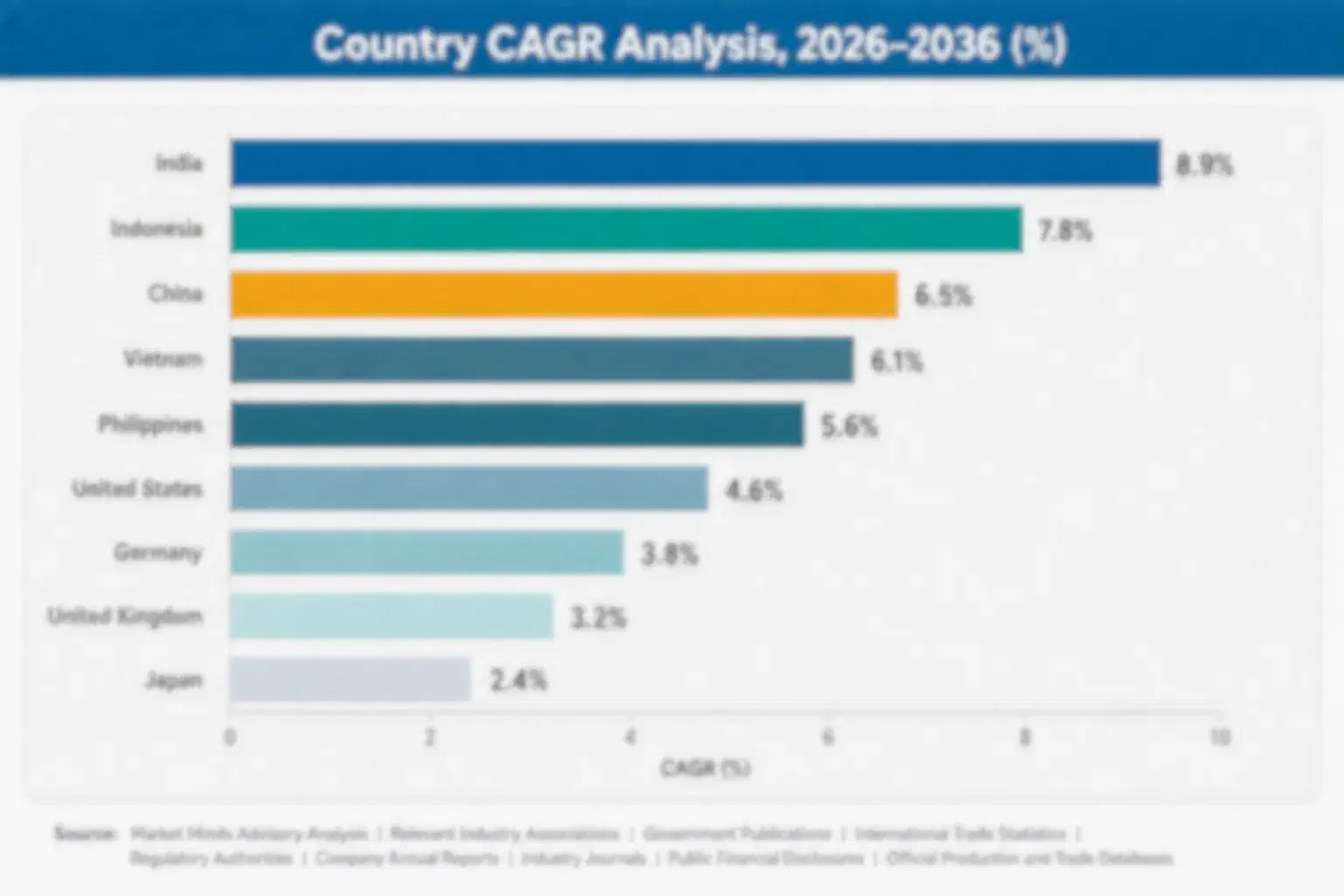
India: 10.2% CAGR
Fastest Growth Region
South Asia and Pacific: 10.0% CAGR
Largest Region
East Asia: 35% of 2025 global value
Market Leaders
3M, Avery Dennison, tesa SE, Nitto Denko, UPM Raflatac. Source: MMA Analysis based on disclosed adhesive tape and label materials revenue, company annual reports 2025.
Primary Survey
n=3,800 procurement and R&D decision-makers, Q4 2025, six countries
Methodology
Demand-side build-up, cross-validated against public data, 47 expert interviews

Pressure Sensitive Tapes and Labels Market Forecast Scenarios

pressure-sensitive-tapes-and-labels-market-2025-size-forecast-scenario-1787696173419
Growth from 2020 to 2025 ran at 7.0% and parcel volumes moved it more than brand activity did. Logistics label demand rose sharply with online order growth and then settled above where it started, while prime label demand followed consumer goods cycles. Silicone release coating supply tightened severely during 2021 when Chinese production was curtailed, and label production stopped in places for reasons almost nobody outside the industry understood.
The 8.0% base case rests on three mechanisms. Recyclability requirements keep tightening, which pushes adhesive specification toward wash-off chemistry and pushes construction toward linerless where dispensing allows it. Logistics label volume keeps rising with parcel counts, which is a demand shape entirely disconnected from brand marketing cycles. And Asian converting capacity keeps expanding alongside the consumer goods and electronics manufacturing it serves directly. Each mechanism operates independently of the other two entirely.
The bull case at 9.2% turns on linerless dispensing equipment reaching enough installed base to remove the capital barrier, which would convert a material advantage into volume. The bear case at 6.8% is another silicone release coating disruption, since the industry depends on a narrow supply base that has already failed once and has not been meaningfully diversified since.

Two Businesses, One Material Science

Start with the material nobody buys on purpose. A self-adhesive label is supplied on a silicone-coated release liner that the applicator peels away and discards, and that liner accounts for roughly 48% of the material shipped. It is the largest waste stream this industry produces, it is difficult to recycle because of the silicone coating, and it is invisible in most sustainability reporting because it never reaches the consumer. Linerless construction removes it entirely.
FIVE-FIRM CONCENTRATION33%Share of tape and label materials revenue held by leaders
LABEL STOCK PRICE$1.28 per square metreTypical selling price for standard self adhesive label stock
TOP PRODUCING COUNTRYChina 31%Chinese share of global pressure sensitive material converting output
LINER WASTE PROPORTION48%Share of supplied material discarded as release carrier
LINERLESS DISPENSER COST$4,600Typical price of a dispensing head enabling liner free application
WASH-OFF ADHESIVE PREMIUM22%Price uplift for adhesives releasing cleanly during recycling wash
The obstacle to linerless is equipment rather than material. Applying a label with adhesive on one face and release coating on the other requires dispensing heads costing around 4,600 dollars each, and an operation running forty applicators faces a capital decision before it can buy any material. Adoption therefore tracks dispenser placement rather than material pricing.
Recyclability is decided in the adhesive rather than in the facestock. A conventional pressure sensitive label on a plastic bottle contaminates recyclate unless the adhesive releases cleanly under wash conditions, and wash-off chemistry carries roughly a 22% premium. The specification comes from recyclate quality requirements set by material reprocessors and brand commitments rather than from anything the label buyer wants.
"Half of what this industry ships gets binned before the product reaches a shelf. Everybody knows it, nobody reports it, and the fix needs a dispenser rather than a new adhesive."
Director, Adhesive Materials and Labelling Practice · MMA Packaging Practice · August 2026

Market Trends

Linerless Construction Removes Half The Shipped Material

A release liner accounts for roughly 48% of what a label supplier ships and is discarded before the product reaches anybody, which makes it the largest waste stream in the category and the hardest to defend. Linerless construction eliminates it and reduces freight, storage and disposal cost simultaneously. Growth at 12.0% follows that logic. Adoption is limited by dispensing heads costing around 4,600 dollars per applicator rather than by any material shortcoming, which converts a material decision into a capital one nobody budgeted. Capital approval blocks a sound operating case.
Market Impact: Applies 3 labels per parcel

Recyclate Quality Requirements Reach Into Adhesive Choice

A pressure sensitive label on a plastic container contaminates recyclate unless its adhesive releases cleanly during the wash stage, and reprocessors increasingly specify what they will accept. Wash-off chemistry carries around a 22% premium and is now written into brand packaging specifications rather than requested by label buyers. Growth at 10.4% in functional constructions reflects that alongside other performance requirements. The commercially awkward part is that the specification originates with reprocessors who buy nothing from anybody in this industry. Reprocessors buy nothing from anybody here. That is an awkward specification route.
Market Impact: Converts 31% of global output

Market Opportunities and Growth Drivers

Parcel Volumes Drive Labels Independent Of Brands

Every parcel carries at least one variable information label and frequently several across sortation, returns and last mile, which ties that demand directly to shipment counts rather than to any consumer goods marketing cycle. Growth at 8.6% in logistics labels therefore continues through periods when brand label demand is flat. That decoupling matters commercially, since the two halves of the label business now respond to entirely unrelated drivers and forecasting them together produces numbers that describe neither accurately. Forecasting the two halves together describes neither accurately. The drivers are entirely unrelated.
Market Impact: Halted output across 4 regions

Chinese Converting Capacity Serves Its Own Manufacturing

China accounts for roughly 31% of global pressure sensitive converting output, supplying facestock, adhesive coating and liner across an integrated domestic chain that serves consumer goods, electronics and logistics manufacturing in the same country. Capacity locates beside consumption because converted roll stock ships poorly relative to its value. Regional growth compounds as manufacturing expands, and domestic producers compete on price against imported material in categories where technical requirements are modest rather than demanding. Roll stock ships poorly relative to value, so capacity locates beside the factories consuming it. Growth compounds regionally.
Market Impact: Requires 4,600 dollars per applicator

Market Restraints and Challenges

Silicone Release Supply Is A Single Point Of Failure

Every conventional self-adhesive product depends on silicone release coating, and supply tightened severely during 2021 when Chinese production was curtailed, stopping label output in several regions. Root cause is a narrow silicone supply base that the industry has not meaningfully diversified since. The commercial impact is a dependency almost nobody outside the industry recognises, sitting underneath roughly half of everything shipped. Mitigation runs through liner recycling, alternative release chemistry and linerless construction, none of which is yet at the scale required. Half of everything shipped depends on it. Scale is still lacking.
Market Impact: Removes 48% of shipped material

Linerless Adoption Needs Equipment Buyers Did Not Budget

Dispensing heads for liner-free application cost around 4,600 dollars each, so an operation running many applicators faces a capital approval before it can purchase any material at all. Root cause is that material and equipment are bought through different processes with different thresholds. The commercial impact is stalled conversion where the material case is entirely sound, which is precisely the pattern that limited water-activated tape for years. Mitigation involves placement, leasing or cost-per-label contracting, which very few material suppliers currently offer. Placement or leasing is the only route through. Very few suppliers offer either.
Market Impact: Carries a 22% adhesive premium
3 additional market trends, 4 additional growth drivers, and 2 additional restraints and challenges are covered in the full report. Contact sales@marketmindsadvisory.com to access the complete intelligence.

Segment CAGR and Growth Architecture

Segmentation follows product construction: what the material is made of and how it is applied, rather than which industry uses it or through which channel it is sold. Six constructions cover the market without overlap, from carton sealing tapes through to functional label systems. End-use industry and commercial arrangement are treated separately here. Both cut across all six.
pressure-sensitive-tapes-and-labels-market-2025-market-share-analysis-1787696173727

Linerless and Liner-Free Label Systems

Removing the release liner eliminates roughly 48% of the material a label supplier ships, along with the freight, storage and disposal that carrier generates on the way to being discarded. Growth at 12.0%, half again the market rate of 8.0%, follows that arithmetic rather than any adhesive advance. The constraint is dispensing equipment at around 4,600 dollars per applicator, which turns a material decision into a capital approval and stalls conversions where the operating case is entirely sound. Suppliers who place or lease dispensers convert accounts that competitors quoting material alone never reach at all. Freight, storage and disposal all fall with the liner. Placement is the whole commercial question here, and quoting material alone reaches nobody.
CAGR 12.0%

Functional and Smart Label Constructions

Wash-off adhesives, tamper evidence, temperature indication and radio frequency identification inlays all sit in this construction group, and what unites them commercially is that somebody other than the label buyer specifies them. Recyclate quality requirements come from reprocessors, tamper evidence from brand protection and temperature indication from logistics. Growth at 10.4% therefore depends on reaching functions that purchase no labels themselves. Wash-off chemistry alone carries roughly a 22% premium, which a procurement buyer will resist and a packaging compliance lead will simply require. Suppliers reaching only procurement lose these constructions before the conversation starts. Procurement resists what compliance simply requires, and the two conversations rarely meet inside a customer. Nobody bridges them.
CAGR 10.4%
Full segment breakdown across 6 segments available in the complete report.

Regional Architecture and Country Demand Map

Geography follows converting capacity and downstream manufacturing, which locate together because converted roll stock ships poorly relative to its value. East Asia leads on both, North America and Western Europe hold technical positions, and South Asia grows fastest. Consumption and converting coincide unusually closely here.

North America

American demand splits between logistics labelling driven by parcel volumes and prime labelling serving consumer goods, and those two halves now move on entirely unrelated cycles. Converting capacity is regionally distributed because roll stock ships poorly relative to value. Linerless adoption is furthest advanced among large fulfilment operators who calculated the material and freight saving across enormous volumes. Recyclability specification comes through brand commitments rather than regulation in most states. Canadian demand follows similar patterns, and Mexican converting has expanded with manufacturing relocation into the region. Linerless adoption is furthest advanced among fulfilment operators who calculated material and freight savings across genuinely enormous parcel volumes. The saving is visible at that scale.
Share: 22% | CAGR: 7.2% (2026 to 2036)

Western Europe

European recyclability regulation and producer responsibility fees push adhesive specification toward wash-off chemistry more firmly than anywhere, which makes construction decisions compliance-led rather than performance-led across much of the region. German, Italian and Finnish suppliers hold strong technical positions in facestock and coating. Energy costs weigh on coating operations and have compressed converter margins since 2022. Linerless interest is high and adoption is limited by the same dispensing equipment barrier found elsewhere. Regional pricing is disciplined and tender-driven across both label and tape categories. Energy costs weigh on coating operations and have compressed converter margins since 2022, while recyclability requirements push construction decisions toward compliance rather than performance. Coating is energy intensive here.
Share: 20% | CAGR: 6.4% (2026 to 2036)
Regional intelligence for 5 additional markets available in the complete report: East Asia, South Asia and Pacific, Latin America, Middle East and Africa, Eastern Europe. Contact sales@marketmindsadvisory.com.
pressure-sensitive-tapes-and-labels-market-2025-country-cagr-analysis-1787696174053

Selling Around The Liner Itself

Liner accounts for roughly 48% of shipped material, dispensing equipment costs about 4,600 dollars per applicator, and wash-off specification comes from parties buying nothing. Four levers work on equipment placement, specification routes and supply dependency rather than on adhesive performance, which competitors match readily. Adhesive performance is matched immediately by everybody. Placement decides everything here.

Place Dispensers Rather Than Quote Linerless Material

Liner-free application needs dispensing heads at around 4,600 dollars per applicator, and an operation running many stations faces capital approval before buying any material at all. Suppliers who place, lease or fund that equipment remove the barrier and hold the account for as long as the heads remain installed. Competitors quoting material into an installed base they did not equip are bidding on a decision already settled. The investment is working capital rather than any material development. Around 48% of shipped material disappears with the liner, which is the operating case nobody is currently making properly.
Market Impact: Removes the 4,600 dollar per applicator capital barrier

Reach Reprocessors And Compliance Not Procurement

Wash-off adhesive carries roughly a 22% premium and is specified by material reprocessors setting recyclate quality requirements and by brand packaging compliance leads, neither of whom purchases labels. A procurement buyer resists the premium; a compliance lead simply requires the construction. Suppliers reaching those functions get the chemistry written into brand packaging specifications, which converts a rejected price increase into a mandatory requirement the converter must then satisfy for them. Around 22% more is simply what the construction costs. Compliance leads accept that where procurement never will. The two functions rarely speak.
Market Impact: Justifies the whole 22% wash-off adhesive chemistry premium

Quantify Liner Disposal In Total Material Cost

Roughly 48% of shipped material is discarded as liner, carrying freight, storage and disposal cost that never appears in a price per square metre comparison. Suppliers building that total cost from a customer's own volume and waste handling arrangements reframe a material quotation into an operating cost argument. Sustainability reporting rarely captures liner because it never reaches a consumer, so the figure is genuinely new information to most buyers rather than a familiar argument they have already dismissed. Buyers have not heard this argument before. Sustainability reporting misses it entirely.
Market Impact: Exposes the 48% of hidden shipped material waste

Diversify Release Chemistry Ahead Of The Next Disruption

Silicone release coating supply tightened severely during 2021 when Chinese production was curtailed, halting label output across several regions, and the industry has not meaningfully diversified since. Qualifying alternative release chemistry or securing multi-region silicone supply costs validation work and inventory. It also prevents the specific failure that stops production entirely, which no commercial response addresses afterward and which customers remember for years when choosing who to rely upon. Roughly 4 regions lost output during that disruption, and nothing has changed since. Customers remember who kept supplying. Validation work and inventory are the whole cost.
Market Impact: Protects against a 4 region production shutdown recurring

Who Controls the Margin Pool

Measured on disclosed adhesive tape and label materials revenue, the five leading suppliers hold a CR5 of 33%, which is low and reflects a category spanning technically demanding industrial tapes and near-commodity label stock. 3M and Nitto lead specialty industrial constructions, Avery Dennison and UPM Raflatac lead label materials, and Chinese converters dominate volume within their own enormous domestic market. Technical and commodity constructions coexist under one category heading.
Three contests define activity. Standard label stock and carton sealing tape compete on price within regional supply radii, where converters are broadly interchangeable. Specialty industrial and electronic tapes compete on technical qualification into products where failure is expensive. Functional and linerless constructions compete on reaching specifiers who purchase nothing themselves. A supplier strong in one of those three contests frequently competes in none of the others, since the buyer, the evidence and the pricing basis all differ substantially.

Pressure comes from Chinese converters moving upward from commodity constructions into technical ones while European coating operations carry energy costs that compress margins. Rankings shift where recyclability specification enters brand packaging requirements, since that reallocates volume toward suppliers holding qualified wash-off chemistry. Wash-off qualification reallocates that volume.
pressure-sensitive-tapes-and-labels-market-2025-company-positioning-matrix-1787696174358

Competitive Moat and Risk Dimensions

3M

Moat: Industrial Tape Qualification Depth

3M holds qualification into industrial, electronic and automotive applications built through decades of testing across substrates, temperatures and service conditions that competitors cannot assemble quickly. Engineers specifying a tape into a product where failure is expensive buy that evidence rather than the adhesive. A competitor with equivalent performance still faces a specification written around somebody else's documented qualification history.
3M

Risk: Label Materials Position Gap

Label materials are a different business reaching print converters and brand specifiers rather than product engineers, and industrial tape qualification confers no advantage there whatsoever. The faster growing constructions in this category are label-side, particularly linerless and functional formats. Technical depth in tapes provides no natural entry into the half of the market that is growing more quickly.
AVERY DENNISON

Moat: Label Converter Network Reach

Avery Dennison supplies label stock through a converter network built across decades, and converters standardise on materials they have run reliably at speed through their own presses. That relationship depends on consistent web behaviour rather than on any published specification. A competitor must persuade a converter to risk press time proving it, which they resist.
AVERY DENNISON

Risk: Liner Waste Exposure

A business built on lined label stock carries direct exposure to the growing recognition that roughly 48% of shipped material is discarded, and linerless construction removes that revenue rather than merely reshaping it. Volume conversion to liner-free formats reduces material shipped per label applied. Leading the transition means shrinking the tonnage the current business is built upon.

Players Tracked

Prominent Players

3M
Avery Dennison
tesa SE
Nitto Denko
UPM Raflatac

Other Key Players

Lintec
Intertape Polymer Group
Shurtape Technologies
CCL Industries
Multi-Color Corporation
Fedrigoni
Herma
Mactac
Sekisui Chemical
Scapa Group
Berry Global
Coveris
Constantia Flexibles
Achem Technology
Yongguan Adhesive

Recent Developments

FEBRUARY 2025

Fulfilment operator converts labelling network to linerless application

A large fulfilment operator converted its labelling network to liner-free application, a capital and operations decision rather than any supplier partnership. Material and freight savings across enormous parcel volumes justified the dispensing equipment investment, and liner disposal cost had become visible in the operator's own waste handling contracts.
Signal: Liner waste becomes visible at scale, which is exactly where conversion economics finally work for the buyer.
JUNE 2025

Brand owner specifies wash-off adhesive across plastic container range

A consumer goods brand owner specified wash-off adhesive labels across its plastic container range, a packaging compliance decision rather than any commercial transaction. Material reprocessors had raised recyclate contamination from conventional pressure sensitive adhesives, and the requirement was written into packaging specifications rather than requested by procurement.
Signal: Specification is moving toward compliance functions entirely, and procurement resistance to any premium becomes irrelevant afterward.
OCTOBER 2025

Coater qualifies alternative release chemistry for liner production

A release liner producer qualified alternative release chemistry alongside conventional silicone, an internal development rather than any acquisition. Silicone supply curtailment during 2021 had stopped label production across several regions, and the industry had not meaningfully diversified its dependency in the years since. Nothing had changed since.
Signal: A single point of failure sits under half this industry's output and is only now being addressed.

What The Materials Cost

Facestock, adhesive and liner together dominate. Paper or film facestock, adhesive polymer and the silicone-coated release liner run 58 to 66% of label stock cost, with the liner alone a substantial share despite being discarded. Tape constructions carry backing film and adhesive without the liner burden. Coating energy and solvent recovery account for most of the remainder, and both are considerably higher in Europe than in Asia.
The volatility that matters is silicone and polymer feedstock. Silicone release coating supply tightened severely during 2021 when Chinese production was curtailed, stopping label production in several regions entirely, and polymer facestock pricing moved with petrochemical and energy costs through 2022. IEA industrial energy data documents the European increases involved. Suppliers holding contracted silicone and multi-region sourcing continued producing while others simply could not coat liner at all.

Exposure divides by construction and coating location. Lined label producers carry silicone dependency and liner material cost that linerless constructions avoid entirely. European coaters carry energy-intensive drying and solvent recovery that Asian competitors do not. Converters buying coated stock rather than coating it themselves carry price risk without any offsetting position, which is most of the industry by number if not by tonnage.
pressure-sensitive-tapes-and-labels-market-2025-cost-volatility-analysis-1787696174685

Contract silicone supply across more than one region

Silicone release coating supply curtailment during 2021 stopped label production across several regions, and the dependency has not been meaningfully diversified since then. Multi-region contracted supply costs commitment and inventory and prevents an interruption that halts output entirely. Customers remember which suppliers kept producing during that period and factor it into sourcing decisions years afterward.

Price liner as a cost line rather than bundling it

Liner is roughly half the material shipped and disappears inside a price per square metre that customers compare without understanding what they are buying. Pricing it visibly reveals the waste and supports the linerless argument commercially. Suppliers bundling it hide the strongest case they have for the construction that is growing fastest across the whole category.

Hedge coating energy across European operations

Adhesive coating and drying consume energy continuously and European industrial pricing rose sharply from 2022, compressing converter margins against Asian producers with materially different cost positions. Hedged supply costs flexibility and protects margin on constructions that already compete against imports. Coaters exposed to spot energy have watched technical work earn commodity returns for reasons unrelated to materials.

Portfolio Architecture for Margin Defence

Margin follows qualification difficulty rather than material sophistication. Carton sealing tape and standard label stock are comparable, regionally supplied and thin. Prime label materials earn better on converter relationships and press performance. Specialty industrial and electronic tapes earn considerably more on qualification into products where failure is expensive. Functional and linerless constructions earn most, and both are specified by people who buy nothing themselves.
The tension is that the fastest growing construction reduces the tonnage the industry currently sells. Linerless removes roughly 48% of shipped material, which is excellent for the customer and directly reduces revenue per label applied for a supplier whose business is built on lined stock. Leading that transition means shrinking your own volume deliberately, and the companies that hesitate will watch entrants do it instead.

High-value pools sit in three places. Linerless systems supported by placed dispensing equipment. Wash-off and functional constructions specified into brand packaging requirements by compliance functions. And qualified industrial and electronic tapes, where testing history rather than adhesive performance holds the position. Two of the three require reaching specifiers who purchase nothing, which is the commercial capability this industry least commonly holds anywhere.

Volume / Commodity-Adjacent

Carton sealing tapes and standard label stock supplied within regional radii against broadly interchangeable competitor materials. The 7-point range separates suppliers with integrated coating and contracted silicone from converters buying coated stock and carrying full input price exposure themselves.
Gross Margin: 18-25%

Premium / Certified

Prime and brand label materials and variable information constructions where press performance and web consistency genuinely differentiate. The 7-point spread separates suppliers with established converter relationships and proven runnability from those competing on published specification without that track record.
Gross Margin: 31-38%

Sustainability / Regulatory / Next-Generation

Linerless systems, wash-off adhesives and functional label constructions. The 24-point range is wide because specialty industrial tapes carry qualification-protected pricing while linerless competes partly against the tonnage it replaces within a supplier's own portfolio.
Gross Margin: 34-58%
pressure-sensitive-tapes-and-labels-market-2025-portfolio-architecture-1787696174960

High-value Sub-segments and Strategic Watch-out

Qualified Industrial And Electronic Tapes

Highest value here, protected by qualification into products where adhesive failure is expensive and testing histories that competitors cannot assemble quickly at all. The risk is Chinese converters moving upward from commodity constructions into technical ones, which is happening steadily across several application areas. Upward movement continues.
Gross Margin: 55-58%

Linerless With Placed Dispensers

Fastest growth at 12.0% with the dispenser placement creating an account position competitors cannot quote into afterward. The risk is cannibalisation, since removing roughly 48% of shipped material reduces the tonnage a lined stock business was built on entirely. Tonnage falls deliberately. Somebody will do it regardless.
Gross Margin: 44-47%

Standard Label Stock

The volume core, supplied regionally where converters are broadly interchangeable and price decides most orders placed. Suppliers hold the line because this tonnage carries the converter relationships through which prime and functional constructions subsequently reach the same presses. Access justifies the margin. Presses standardise slowly.
Gross Margin: 19-22%

Silicone Dependent Constructions

The strategic watch-out. Roughly half of everything shipped depends on silicone release coating from a narrow supply base that failed once in 2021 and has not been diversified since. The risk is a repeat disruption halting output entirely with no commercial response available. Diversification has not happened.
Gross Margin: 23-26%

Consumed With Every Unit

Tapes and labels are consumed with every carton sealed and every product labelled, which ties demand directly to a customer's throughput rather than to any purchasing decision revisited periodically. A packing line running two shifts consumes rolls continuously and reorders without anybody considering it. That is the most reliable annuity in packaging materials, and it is why suppliers defend converter relationships at margins that look unattractive when examined on their own.
Stickiness depends on how much qualification sat behind the choice. An industrial tape specified into a product after substrate and service testing changes only when the product does. Prime label stock holds through converter familiarity with how a web runs at press speed. Standard label stock and carton tape move whenever a nearby supplier quotes lower, which is continuously, and relationships delay rather than prevent that.

The specifier has moved away from the buyer across the growing constructions. Recyclability requirements come from reprocessors and packaging compliance leads, tamper evidence from brand protection, temperature indication from logistics, and none of those functions purchases label material. Suppliers whose commercial organisation calls on converters and procurement are absent from the conversations that determine which constructions get specified at all.
pressure-sensitive-tapes-and-labels-market-2025-end-use-penetration-index-1787696175318

Where The Material Actually Goes

These are among the four positions where our research anticipates prominent divergence between winners and laggards over the coming forecast period. Each is grounded in the demand model, the regulatory perimeter, and the announced capacity pipeline.
01 / DISPENSER PLACEMENT STRATEGY

Linerless needs equipment before it needs material

Liner-free application requires dispensing heads costing around 4,600 dollars per applicator, so an operation running many stations faces a capital approval process before it can purchase any material whatsoever. Suppliers who place, lease or fund that equipment remove the barrier entirely and then hold the account for as long as those heads remain installed on the customer's lines. Competitors quoting material into an installed base they never equipped are effectively bidding on a decision that had already been settled beforehand.
02 / SPECIFIER ROUTE TARGETING

The premium is required, not negotiated

Wash-off adhesive carries roughly a 22% premium and gets specified by material reprocessors setting recyclate quality requirements and by brand packaging compliance leads, neither of whom purchases any label material at all. A procurement buyer resists that premium almost as a matter of course, while a packaging compliance lead simply requires the construction outright. Suppliers who reach those functions get the chemistry written directly into brand packaging specifications, which converts a rejected price increase into a mandatory requirement the converter must satisfy.
03 / TOTAL MATERIAL ACCOUNTING

Half of what ships is thrown away immediately

Roughly 48% of shipped material is release liner that gets peeled off and discarded, carrying freight, storage and disposal costs that never appear in any price per square metre comparison a buyer makes. Suppliers building that total cost from a customer's own volumes and waste handling arrangements reframe a material quotation into an operating cost argument. Sustainability reporting rarely captures liner at all because it never reaches a consumer, so the figure is genuinely new information rather than a familiar argument.
04 / RELEASE SUPPLY DIVERSIFICATION

One chemistry sits under half the industry

Silicone release coating supply tightened severely during 2021 when Chinese production was curtailed, halting label output across several regions entirely, and this industry has not meaningfully diversified that dependency in any of the years since it happened. Qualifying an alternative release chemistry or securing genuinely multi-region silicone supply costs validation work and carried inventory across the quiet periods. It prevents the specific failure that stops production entirely, and customers remember for years afterward which suppliers kept producing throughout that disruption.

Engagement Snapshot From the Field

A live engagement with an industry participant carrying material or product regulatory and market exposure ahead of a defining policy shift, showing how our research translates into a defensible multi-year portfolio strategy.
MARKET MINDS ADVISORY · CLIENT ENGAGEMENT SUMMARY
Pressure Sensitive Tapes and Labels Producer Strategic Portfolio Review and Transition Roadmap 2026·Investment Scenario on Pressure Sensitive Tapes and Labels Exposure Evaluation 2025-26
CLIENT PROFILE
A European label materials producer supplying coated self-adhesive stock to converters across 24 markets, with reported revenue of 340 million euros (client-reported, unverified by MMA). Roughly 82% came from conventional lined stock sold by the square metre through converter relationships. A linerless range had been developed two years earlier and promoted on sustainability messaging, and no dispensing equipment had been placed with any customer.
STRATEGIC CHALLENGE
Linerless volume had remained negligible despite considerable marketing investment, and wash-off adhesive quotations were being rejected on price by converter procurement. Management assumed both products were priced too high. Nobody had established whether customers could physically apply linerless material, or who was actually specifying wash-off chemistry. Neither assumption was ever checked.
MMA APPROACH
MMA contacted prospects who had declined linerless quotations directly rather than relying on internal sales reporting, which the company had never done. Fourteen expert interviews with converters, brand packaging compliance leads and material reprocessors established who specifies what and when. The analysis tested whether the barrier was price, equipment or specification route, which management had assumed was price throughout.
KEY FINDINGS
  1. Prospects declining linerless had no dispensing equipment and no approved capital to buy any, so the material quotation was irrelevant at any price offered.
  2. Wash-off adhesive was being quoted to converter procurement, while brand packaging compliance leads described requiring the chemistry regardless of its premium. Procurement never required it.
  3. Sustainability messaging produced agreement without action, while no supplier had ever quantified liner disposal cost for a specific customer's operation. Nobody had built the calculation.
  4. Placing dispensers and reaching compliance functions modelled better returns than any pricing change would deliver (client-reported, unverified by MMA). Price had never been the barrier.
CLIENT PROFILE
A European label materials producer supplying coated self-adhesive stock to converters across 24 markets, with reported revenue of 340 million euros (client-reported, unverified by MMA). Roughly 82% came from conventional lined stock sold by the square metre through converter relationships. A linerless range had been developed two years earlier and promoted on sustainability messaging, and no dispensing equipment had been placed with any customer.
STRATEGIC CHALLENGE
Linerless volume had remained negligible despite considerable marketing investment, and wash-off adhesive quotations were being rejected on price by converter procurement. Management assumed both products were priced too high. Nobody had established whether customers could physically apply linerless material, or who was actually specifying wash-off chemistry. Neither assumption was ever checked.
MMA APPROACH
MMA contacted prospects who had declined linerless quotations directly rather than relying on internal sales reporting, which the company had never done. Fourteen expert interviews with converters, brand packaging compliance leads and material reprocessors established who specifies what and when. The analysis tested whether the barrier was price, equipment or specification route, which management had assumed was price throughout.
KEY FINDINGS
  1. Prospects declining linerless had no dispensing equipment and no approved capital to buy any, so the material quotation was irrelevant at any price offered.
  2. Wash-off adhesive was being quoted to converter procurement, while brand packaging compliance leads described requiring the chemistry regardless of its premium. Procurement never required it.
  3. Sustainability messaging produced agreement without action, while no supplier had ever quantified liner disposal cost for a specific customer's operation. Nobody had built the calculation.
  4. Placing dispensers and reaching compliance functions modelled better returns than any pricing change would deliver (client-reported, unverified by MMA). Price had never been the barrier.
RECOMMENDED STRATEGY
Phase 1: Phase one: build a leased dispenser placement programme, since customers cannot apply linerless material without equipment nobody has offered them. Phase 2: Phase two: take wash-off chemistry to brand packaging compliance leads rather than converter procurement, who resist premiums they do not require. Phase 3: Phase three: quantify liner disposal cost from each customer's own volumes, replacing sustainability messaging with an operating cost calculation. Messaging changes nothing alone.
OUTCOME
Dispenser placement began in three markets and linerless volume grew from almost nothing within a year. Wash-off chemistry entered two brand packaging specifications after compliance engagement (client-reported, unverified by MMA). Liner cost calculations replaced sustainability messaging in quotations and materially improved conversion on the linerless range.

Frequently Asked Questions

Foundational context covering the market sizes, CAGR, scope, country, region and competition that inform every finding below. This section is provided to cover basics and most often pre-purchase conversations, answered from the MMA Primary Research Dataset.

What is the current size of the Pressure Sensitive Tapes and Labels Market?

The market was worth 82.0 billion dollars in 2025, covering carton sealing and specialty tapes, prime and variable information labels, linerless systems and functional constructions. It reaches 88.56 billion dollars in 2026.

How large will the Pressure Sensitive Tapes and Labels Market be by 2036?

MMA forecasts 191.19 billion dollars by 2036, an increase of 102.63 billion dollars over the 2026 base. That represents an expansion multiple of 2.16 times across the forecast period.

What is the CAGR for the Pressure Sensitive Tapes and Labels Market 2026 to 2036?

The base case compounds at 8.0% annually. MMA's bull case reaches 9.2% if linerless dispensing equipment reaches scale, while the bear case sits at 6.8% on another silicone release supply disruption.

Which segment is growing fastest?

Linerless and liner-free label systems, at 12.0%, half again the market rate of 8.0%. Removing the release liner eliminates roughly 48% of the material a supplier ships.

Who are the major companies in the Pressure Sensitive Tapes and Labels Market?

3M, Avery Dennison, tesa SE, Nitto Denko and UPM Raflatac lead on disclosed adhesive tape and label materials revenue. Lintec, CCL Industries, Fedrigoni and Herma hold strong positions in specific constructions.

Which country is growing fastest?

India at 10.2%, driven by organised retail, logistics networks and consumer goods manufacturing expanding simultaneously. China remains by far the largest producer and consumer of these materials overall.

Report Segmentation Architecture

The full report scope spans multiple orthogonal segmentation dimensions, with cross-tabulated demand data provided for each dimension pair. Coverage extends further to regional breakdowns, trend trajectories, and the competitive detail needed to support segment-level decision-making.

By Product Construction

  • Carton Sealing and Packaging Tapes
  • Specialty Industrial and Electrical Tapes
  • Prime and Brand Labels
  • Variable Information and Logistics Labels
  • Linerless and Liner-Free Label Systems
  • Functional and Smart Label Constructions

By End-Use Industry

  • Logistics and Parcel Handling
  • Food and Beverage Packaging
  • Consumer Goods and Personal Care
  • Electronics Manufacturing
  • Automotive and Industrial Assembly
  • Pharmaceutical and Healthcare

By Commercial Dimension

  • Converter Supplied Material
  • Direct End User Contract
  • Placed Dispenser Programme
  • Distributor Supplied Volume
  • Brand Specified Construction
  • Spot and Transactional Supply

By Region

  • North America
  • Western Europe
  • East Asia
  • South Asia and Pacific
  • Latin America
  • Middle East and Africa
  • Eastern Europe

Scope, Methodology, and Coverage

Every figure in this report is reproducible from documented input assumptions. The scope below maps the historical period, the forecast horizon, the segmentation dimensions, and the countries covered, alongside the underlying primary and qualitative methodology.
Historical Period
2020 to 2025
Forecast Period
2026 to 2036
Base Year
2025 (USD billions; MMA Primary Research Dataset, August 2026)
Market Definition
Scope covers pressure sensitive adhesive tapes and labels supplied as coated roll stock or converted product, spanning carton sealing and packaging tapes, specialty industrial and electrical tapes, prime and brand label materials, variable information and logistics label materials, linerless and liner-free label systems, and functional and smart label constructions including wash-off adhesives, tamper evidence, temperature indication and radio frequency inlays. Water-activated gummed tapes, shrink sleeves, wet-glue and in-mould labels, adhesives sold in bulk form, release liner sold as a standalone product, and label printing, converting or application equipment are excluded. Contract printing and decoration services fall outside the boundary.
Quantitative Units
USD billions (current prices); square metres supplied; tonnes converted; liner waste proportion; dispensers placed
Segmentation Dimensions
By Product Construction; By End-Use Industry; By Commercial Dimension; By Region
Regions Covered
North America, Western Europe, East Asia, South Asia and Pacific, Latin America, Middle East and Africa, Eastern Europe
Countries Covered
China, USA, Japan, Germany, India, Italy, France, South Korea, UK, Brazil, Finland, Vietnam, Mexico, Poland, Saudi Arabia
Key Companies Profiled
3M, Avery Dennison, tesa SE, Nitto Denko, UPM Raflatac, Lintec, Intertape Polymer Group, Shurtape Technologies, CCL Industries, Multi-Color Corporation, Fedrigoni, Herma, Mactac, Sekisui Chemical, Scapa Group, Berry Global, Coveris, Constantia Flexibles, Achem Technology, Yongguan Adhesive
Quantitative Methodology
Primary survey, n=3,800 respondents, Q4 2025, six countries; demand-side model with trade association cross-validation
Qualitative Methodology
47 expert interviews, Q4 2025; applied to validate demand model assumptions, identify emerging dynamics, and assess competitive positioning
Report Format
PDF and XLSX data workbook (Word format preview document)
Publisher
Market Minds Advisory
Report Code
MMA-2026-PAC-104
Published
August 2026
Contact
sales@marketmindsadvisory.com | www.marketmindsadvisory.com

Purchase the full Pressure Sensitive Tapes and Labels Market Report (2026 to 2036).

The full report runs to 180 pages and covers all six product construction segments, seven regions and 20 profiled companies in detail. It includes the complete segment CAGR set, regional converting output and consumption data, and total material cost modelling including liner waste and disposal. Company profiles carry evaluation on disclosed adhesive tape and label materials revenue, with moat and risk assessment for the top five suppliers. The competitive section extends to 16 tracked corporate developments across 2024 and 2025, each with commercial interpretation. Primary research inputs include a quantitative survey of 3,800 respondents and 47 expert interviews conducted in Q4 2025.
Six product construction segments with individual CAGR forecasts
Seven regional markets with converting output and consumption data
Twenty company profiles on consistent revenue evaluation basis
Sixteen tracked corporate developments with commercial interpretation notes
Total material cost modelling including liner waste and disposal
Specification route mapping across compliance, brand and procurement functions

Built For The People Who Decide

From boardroom strategy to bench-side execution, this report is read cover-to-cover by leaders shaping the next decade of their industry, turning demand scenarios, market dynamics and valuation benchmarks into decisions.
CXOs/ Presidents/ VPs/ Managers
M&A and Corporate Development
Strategy Teams and R&D Heads
Procurement and Product Directors
Regulatory and Compliance Leaders
Investor Relations and Equity Analysts