Market Minds Advisory
Precision Ruminant Minerals Market

Precision Ruminant Minerals Market: Precision Ruminant Minerals Market. Rumen-Protected Trace Minerals, Feed Metal Limits, and Beef and Dairy Herd Economics Shape Global Supply.

Global precision ruminant mineral supply spans rumen-protected trace minerals, amino acid chelated minerals, hydroxy trace minerals, organic selenium, and inorganic sulphate and oxide minerals, sold to dairy, beef, sheep, and goat feed makers from plants

Lead Analyst

Published

September 2026

Make Smarter Decisions with Customized Research Insights

Request a free sample report and evaluate market opportunities, growth trends, and competitive dynamics relevant to your business needs.

2025 MARKET VALUE$1.6BMarket Size 2025
2036 FORECAST VALUE$3.2BBase Case , 2026 to 2036
CAGR 2026 TO 20366.5 %Bull 7.7% / Bear 5.3%
INCREMENTAL OPPORTUNITY$1.5BNet 10- year value creation
EXPANSION MULTIPLE1.88x2036 value over 2026 base
Strategic Levers
M&A Pipeline
Regional Outlook
Country Rankings
Competitive Intelligence
Segmental Deep-dive
Call-Us : 91 93563 13602

Executive Snapshot and Market Trajectory.

Precision ruminant minerals are trace elements such as zinc, copper, manganese, selenium, and cobalt, supplied in forms that survive the rumen and are absorbed at lower doses. Feed metal limits, environmental rules, and herd margins push dairy and beef producers from cheap sulphates toward organic and protected forms.
Rumen-Protected and Bypass Trace Minerals grow fastest as dairy and feedlot producers seek higher absorption at lower feed inclusion, while chelated minerals add volume in transition cow programmes. Latin America holds the largest share because Brazil's beef herd is the world's largest commercial herd and mineral premixes are standard practice, and North America follows through dairy and feedlots. Absorption sets value. Feed limits set direction.
Competition is concentrated: a US trace mineral specialist, a US animal nutrition company, a Dutch animal nutrition group, a US biosciences company, and a US agribusiness compete, measured here on estimated mineral production capacity, while regional premix makers supply inorganic minerals. Buyers judge absorption data, bioavailability trials, and regulatory status before any contract, so trial records decide rankings more than price, and field evidence matters most. Buyers review suppliers every season. Supply contracts decide renewal.
Market Definition
The market covers global sales of trace minerals formulated for ruminant nutrition, valued at producer level, including rumen-protected and bypass minerals, amino acid and organic chelated minerals, hydroxy trace minerals, organic selenium, and inorganic sulphate and oxide minerals sold to dairy, beef, sheep, and goat feed makers. The scope excludes macro minerals, mineral supplements for other species, vitamins and general feed additives, and finished compound feed.
Base Year Value
$1.6B in 2025 (MMA Primary Research Dataset, September 2026)
Forecast Period
2026 to 2036, eleven discrete annual values
CAGR
6.5% base case. Bull 7.7%. Bear 5.3%.
Fastest Growth Segment
Rumen-Protected and Bypass Trace Minerals: 10.4% CAGR
Fastest Growth Country
India: 8.9% CAGR
Fastest Growth Region
South Asia and Pacific: 8.8% CAGR
Largest Region
Latin America: 26% of 2025 global value
Market Leaders
Zinpro, Novus International, Nutreco, Alltech, Cargill. Source: MMA Analysis, company annual reports.
Primary Survey
n=3,800 procurement and R&D decision-makers, Q4 2025, six countries
Methodology
Demand-side build-up, cross-validated against public data, 47 expert interviews

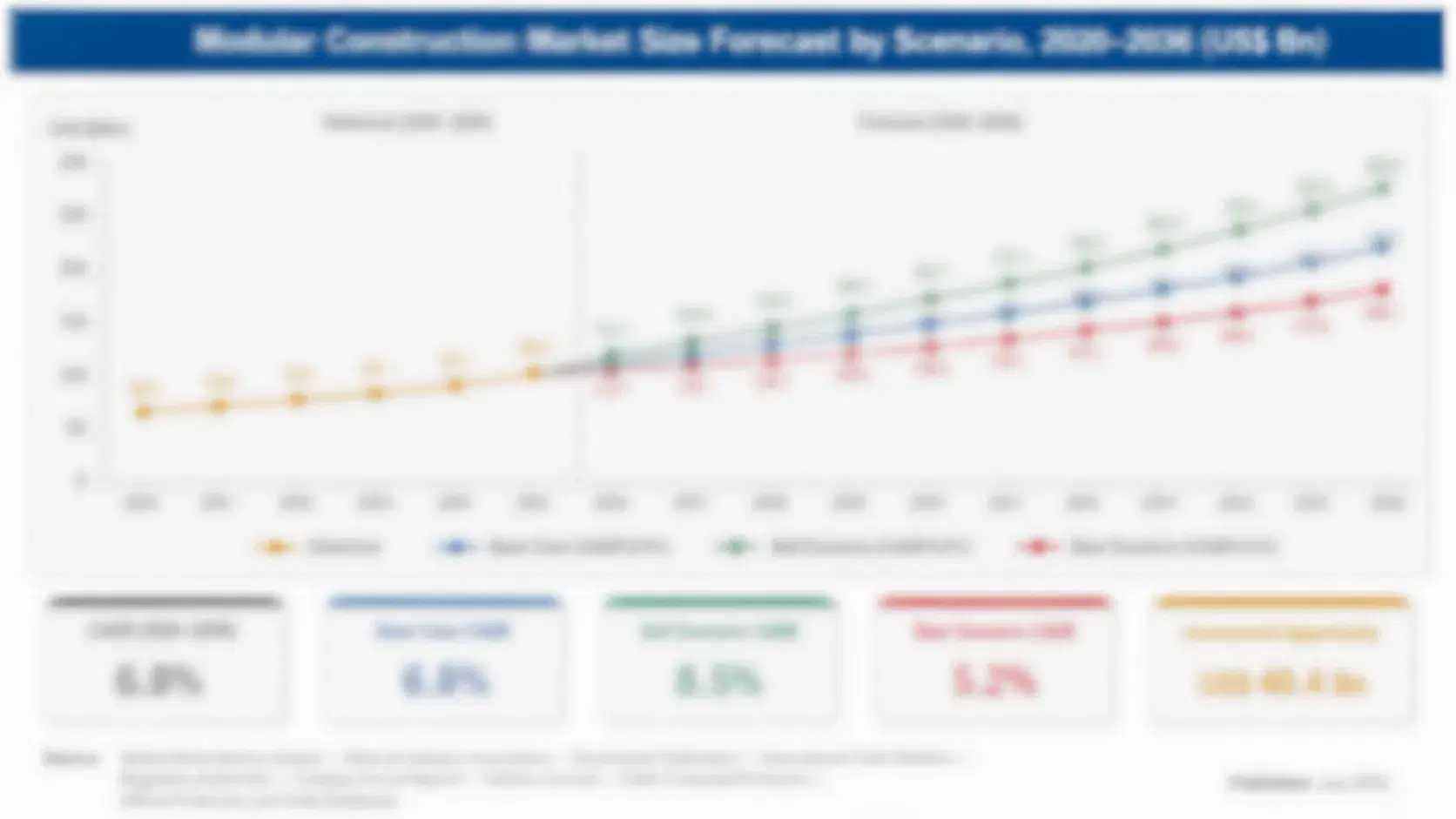
Precision Ruminant Minerals Market Forecast Scenarios

precision-ruminant-minerals-market-size-forecast-scenario-1789898257891
Between 2020 and 2025, precision ruminant mineral demand grew steadily as dairy producers pursued fertility and hoof health gains, feedlots sought performance under tight margins, and European limits on zinc and copper in feed took effect. Metal prices spiked in 2022, and several buyers signed longer contracts with mineral suppliers. Delivery reliability decides supplier rankings. Margins follow sourcing discipline.
The base case rests on three commercial mechanisms. First, feed metal limits and environmental rules push producers toward lower-dose organic and protected minerals. Second, dairy herd expansion in Asia and Latin America adds precision programmes. Third, beef feedlots use minerals to defend gain and carcass quality. Suppliers plan trial networks, plant capacity, and registrations around all three. Batch records protect future sales. Cost control separates leaders from followers. Clear specifications build buyer trust.
The bull case needs stricter feed metal limits and clearer trial evidence, which would lift volumes and margins. The bear case is a cattle price drop combined with metal salt price spikes, which would squeeze producer budgets. Small buyers feel every input swing. Technical reach compounds over time. Audits repeat every year. Buyers review suppliers every season.

Feed Metal Limits, Absorption Evidence, and Herd Margins Set Ruminant Mineral Outcomes

Precision ruminant minerals start with metal salts, mainly zinc, copper, manganese, and cobalt sulphates and oxides, and selenium sources. Producers react them with amino acids, proteins, or hydroxy groups in reactors to form chelates and hydroxy minerals, or coat them with fat to protect them in the rumen, then dry, mill, and blend the product, and supply powders and granules in bags and totes with defined metal content.
MARKET CONCENTRATION47% CR5Leading five suppliers hold a high combined share
DAIRY USE SHARE44%Portion of global value sold into dairy cattle feed
METAL FEEDSTOCK SHARE40%Portion of goods cost taken by metal salts and ligands
TYPICAL ZINC DOSE20-60 mg/kgUsual organic zinc level in finished ruminant feed
ABSORPTION GAIN10-40%Typical bioavailability gain of organic versus inorganic minerals
ORGANIC PRICE PREMIUM2-5xTypical price gap between organic and inorganic minerals
Metal content, bioavailability data, particle size, and heavy metal purity decide value. Buyers run trials and stability checks, and organic and protected grades earn premiums of two to five times inorganic minerals. American and Dutch suppliers win on trial evidence and records, while Chinese suppliers win on cost. Metal prices swing, so contract terms matter. Audits repeat yearly. Supply contracts decide renewal.
Buyers judge ruminant minerals on trial-proven absorption and performance, metal content, stability in premix, registration status, supply reliability, and price stability. Dairy producers want fertility and hoof health, beef feedlots want gain and carcass quality, and premix makers want stability. Price sensitivity varies sharply by grade. Trial reports and registrations decide shortlists. Delivery reliability decides supplier rankings. Margins follow sourcing discipline.
"A trace mineral is bought by the milligram and judged by the calf. The commodity buyer wants the cheapest sulphate, while the dairy nutritionist wants proof that a lower dose still lifts fertility. Suppliers who run their own trials and hold the registrations hold the best margins."
Senior Analyst, Animal Nutrition and Feed Additives Practice · MMA Precision Ruminant Minerals Practice · September 2026

Market Trends

Rumen-Protected Minerals Deliver Absorption Gains at Lower Feed Inclusion Rates

Suppliers coat trace minerals or bind them so they resist rumen antagonists such as sulphur and molybdenum, and dairy and feedlot producers pay for higher absorption at lower doses. Rumen-Protected and Bypass Trace Minerals grow about 10.4% a year from a small base, and gross margins run 34% to 48% against 14% to 24% for inorganic sulphates. The trend needs coating capacity, trial data, and dependable metal supply. Batch records protect future sales. Cost control separates leaders from followers. Clear specifications build buyer trust. Small buyers feel every input swing. Technical reach compounds over time.
Market Impact: Europe feeds about 80 million cattle

Chelated Minerals Support Transition Cow Health and Fertility Programmes

Dairy nutritionists use amino acid chelated zinc, copper, and manganese around calving to support hoof integrity, udder health, and conception rates, and trial evidence backs the premium. Amino Acid and Organic Chelated Minerals grow about 8.2% a year. The trend needs published trials, consistent chelation quality, and dependable supply, and it rewards suppliers with nutritionist networks and long relationships with dairy producers. Audits repeat every year. Buyers review suppliers every season. Supply contracts decide renewal. Delivery reliability decides supplier rankings. Margins follow sourcing discipline. Batch records protect future sales. Cost control separates leaders from followers.
Market Impact: global milk output grows 2% yearly

Market Opportunities and Growth Drivers

Feed Metal Limits and Environmental Rules Favour Precision Minerals

The European Union cut permitted zinc and copper levels in feed, and many countries limit manure metal loads. Lower-dose organic and protected minerals meet limits while holding performance. Europe alone feeds about 80 million cattle. The driver sustains steady volume growth and rewards suppliers with trial evidence, registrations, and dependable supply. Clear specifications build buyer trust. Small buyers feel every input swing. Technical reach compounds over time. Audits repeat every year. Buyers review suppliers every season. Supply contracts decide renewal. Delivery reliability decides supplier rankings. Margins follow sourcing discipline. Batch records protect future sales.
Market Impact: trials cost $0.3-1.5 million

Dairy Herd Expansion and Feedlot Margin Pressure Widen Mineral Use

Dairy herds grow in India, China, and Brazil, and feedlots seek every gain under tight margins, so producers pay for mineral programmes with proven returns. Global milk output grows about 2% a year. The driver widens use across herds and rewards suppliers with nutritionist networks, return-on-investment data, and technical service that shorten the path from sample to ration. Cost control separates leaders from followers. Clear specifications build buyer trust. Small buyers feel every input swing. Technical reach compounds over time. Audits repeat every year. Buyers review suppliers every season. Supply contracts decide renewal.
Market Impact: metal prices moved 20-45%

Market Restraints and Challenges

Variable Trial Results and Cheap Sulphates Restrain Precision Adoption

Trials on organic and protected minerals often show modest, variable gains, and inorganic sulphates cost a fraction of the price. The root cause is variable diets and short trials. Suppliers respond with larger commercial trials and return-on-investment models, though trials cost $0.3 million to $1.5 million and producers in low-margin herds still choose the cheapest option. Delivery reliability decides supplier rankings. Margins follow sourcing discipline. Batch records protect future sales. Cost control separates leaders from followers. Clear specifications build buyer trust. Small buyers feel every input swing. Technical reach compounds over time.
Market Impact: protected minerals grow 10.4% yearly

Metal Price Swings and Cattle Cycles Squeeze Mineral Supplier Margins

Zinc, copper, and cobalt prices swing with smelter output and energy, and cattle prices cycle with herd rebuilding. The root cause is commodity exposure. Suppliers respond with long contracts and indexed pricing, though metal prices moved 20% to 45% in recent years and lagged pass-through cut margins for suppliers and premix makers without contracts. Audits repeat every year. Buyers review suppliers every season. Supply contracts decide renewal. Delivery reliability decides supplier rankings. Margins follow sourcing discipline. Batch records protect future sales. Cost control separates leaders from followers. Clear specifications build buyer trust.
Market Impact: chelated minerals grow 8.2% yearly
3 additional market trends, 2 additional growth drivers, and 4 additional restraints and challenges are covered in the full report. Contact sales@marketmindsadvisory.com to access the complete intelligence.

Segment CAGR and Growth Architecture

The global precision ruminant minerals market is segmented by mineral form and protection, which shows where trial evidence, chelation know-how, and registrations create pricing power in a concentrated market. Five segments cover rumen-protected minerals, chelated minerals, hydroxy minerals, organic selenium, and inorganic sulphates and oxides. Protected and chelated forms grow fastest as feed limits tighten.
precision-ruminant-minerals-market-market-share-analysis-1789898258164

Rumen-Protected and Bypass Trace Minerals

Rumen-Protected and Bypass Trace Minerals is the fastest-growing segment at 10.4% a year, about 1.60 times the overall market rate, from a small base. Dairy and feedlot producers pay for higher absorption at lower doses, so gross margins of 34% to 48% against 14% to 24% for inorganic sulphates support coating investment. Trial cost and capital are the main constraints. Suppliers with trial networks win. Small buyers feel every input swing. Technical reach compounds over time. Audits repeat every year. Buyers review suppliers every season. Supply contracts decide renewal. Delivery reliability decides supplier rankings. Margins follow sourcing discipline. Batch records protect future sales. Cost control separates leaders from followers. Clear specifications build buyer trust.
CAGR 10.4%

Amino Acid and Organic Chelated Minerals

Amino Acid and Organic Chelated Minerals grows at 8.2% a year, about 1.26 times the overall market rate, because dairy nutritionists use chelates in transition and fertility programmes with published evidence, and suppliers accept gross margins of 28% to 42% for consistent chelation quality. Metal salt supply and trial records shape cost. Suppliers with nutritionist networks hold price better than sulphate sellers. Small buyers feel every input swing. Technical reach compounds over time. Audits repeat every year. Buyers review suppliers every season. Supply contracts decide renewal. Delivery reliability decides supplier rankings. Margins follow sourcing discipline. Batch records protect future sales. Cost control separates leaders from followers. Clear specifications build buyer trust. Small buyers feel every input swing.
CAGR 8.2%
Full segment breakdown across 5 segments available in the complete report.

Regional Architecture and Country Demand Map

Latin America leads at 26% because Brazil has the world's largest commercial beef herd and mineral supplementation is standard practice. North America follows at 24% through dairy and feedlots, Western Europe adds organic mineral suppliers under strict metal limits, and South Asia and Pacific grows fastest as Indian dairy

Latin America

Latin America holds 26% share, above its 5% to 9% band, and leads because Brazil has the world's largest commercial beef herd, mineral supplementation through premixes is standard practice, and Argentina and Colombia add large grazing herds and growing dairy sectors. The lead reflects where cattle sit. Growth runs above the global rate. Currency swings and pasture variability restrain margins. Technical reach compounds over time. Audits repeat every year. Buyers review suppliers every season. Supply contracts decide renewal. Delivery reliability decides supplier rankings. Margins follow sourcing discipline. Batch records protect future sales. Cost control separates leaders from followers. Clear specifications build buyer trust. Small buyers feel every input swing. Technical reach compounds over time.
Share: 26% | CAGR: 6.9% (2026 to 2036)

North America

In North America, 24% of value comes from the United States and Canada, where large dairy herds and feedlots use organic and protected minerals through Zinpro, Novus, and Alltech and nutritionists influence rations closely. Growth runs slightly below the global rate. Cattle price cycles, metal costs, and retailer sustainability rules restrain margins for smaller suppliers. Audits repeat every year. Buyers review suppliers every season. Supply contracts decide renewal. Delivery reliability decides supplier rankings. Margins follow sourcing discipline. Batch records protect future sales. Cost control separates leaders from followers. Clear specifications build buyer trust. Small buyers feel every input swing. Technical reach compounds over time. Audits repeat every year. Buyers review suppliers every season.
Share: 24% | CAGR: 6.2% (2026 to 2036)
Regional intelligence for 5 additional markets available in the complete report: Western Europe, East Asia, South Asia and Pacific, Middle East and Africa, Eastern Europe. Contact sales@marketmindsadvisory.com.
precision-ruminant-minerals-market-country-cagr-analysis-1789898258469

Four Margin Routes for Ruminant Mineral Suppliers

Margin in precision ruminant minerals comes from protected and chelated grades, trial evidence, metal security, and nutritionist support rather than inorganic sulphate volume. The routes below apply to trace mineral specialists, nutrition groups, and regional premix makers, and each can start inside one planning cycle, with clear measures in gross margin points, cost per tonne.

Shifting Volume Into Rumen-Protected and Chelated Mineral Grades

Protected and chelated grades earn gross margins of 28% to 48% against 14% to 24% for inorganic sulphates, so suppliers that add coating lines, chelation reactors, and trial networks to shift 10% of volume into these grades report gross margin gains of 4 to 8 points on the mix. Conversion programmes cost $8 million to $30 million. Pilots with five customers confirm demand. Clear specifications build buyer trust. Small buyers feel every input swing. Technical reach compounds over time. Audits repeat every year. Buyers review suppliers every season. Supply contracts decide renewal.
Market Impact: premium mix shift lifts gross margin by 4-8 points

Winning Dairy and Feedlot Producers With Return-on-Investment Trial Data

Producers need proof of return, so suppliers that run commercial-scale trials, publish fertility, hoof, and gain data, and offer ration tools win multi-year programmes and lift sales per customer by 10% to 18%. Trial programmes cost $0.3 million to $1.5 million per species. Suppliers should target large dairies and feedlots in Brazil, India, and the United States first. Delivery reliability decides supplier rankings. Margins follow sourcing discipline. Batch records protect future sales. Cost control separates leaders from followers. Clear specifications build buyer trust. Small buyers feel every input swing. Technical reach compounds over time.
Market Impact: trial proof lifts sales per customer by 10-18%

Securing Multi-Source Metal Salt Supply Ahead of Price Swings

Metal salts and ligands take about 40% of cost and prices moved 20% to 45% in recent years, so suppliers that contract zinc and copper producers, hold metal stock, integrate amino acid supply, and index selling prices cut margin swings. Contracts cut unpriced exposure by 30% to 50%. Suppliers should share price formulas openly and hold regional stock. Audits repeat every year. Buyers review suppliers every season. Supply contracts decide renewal. Delivery reliability decides supplier rankings. Margins follow sourcing discipline. Batch records protect future sales. Cost control separates leaders from followers. Clear specifications build buyer trust.
Market Impact: secured supply cuts margin swings by 15-25% yearly

Building Nutritionist Networks and Digital Ration Tools in Growth Regions

Nutritionists shape mineral choices, so suppliers that train advisers, offer digital ration tools, and open field teams in India, Brazil, and China win accounts and cut customer formulation effort. Programme development costs $2 million to $8 million. Suppliers should validate any programme with customers early, plan documentation carefully, and use adviser networks to lift volume and margin. Small buyers feel every input swing. Technical reach compounds over time. Audits repeat every year. Buyers review suppliers every season. Supply contracts decide renewal. Delivery reliability decides supplier rankings. Margins follow sourcing discipline. Batch records protect future sales.
Market Impact: adviser networks lift new account wins by 8-14% annually

Who Controls the Margin Pool

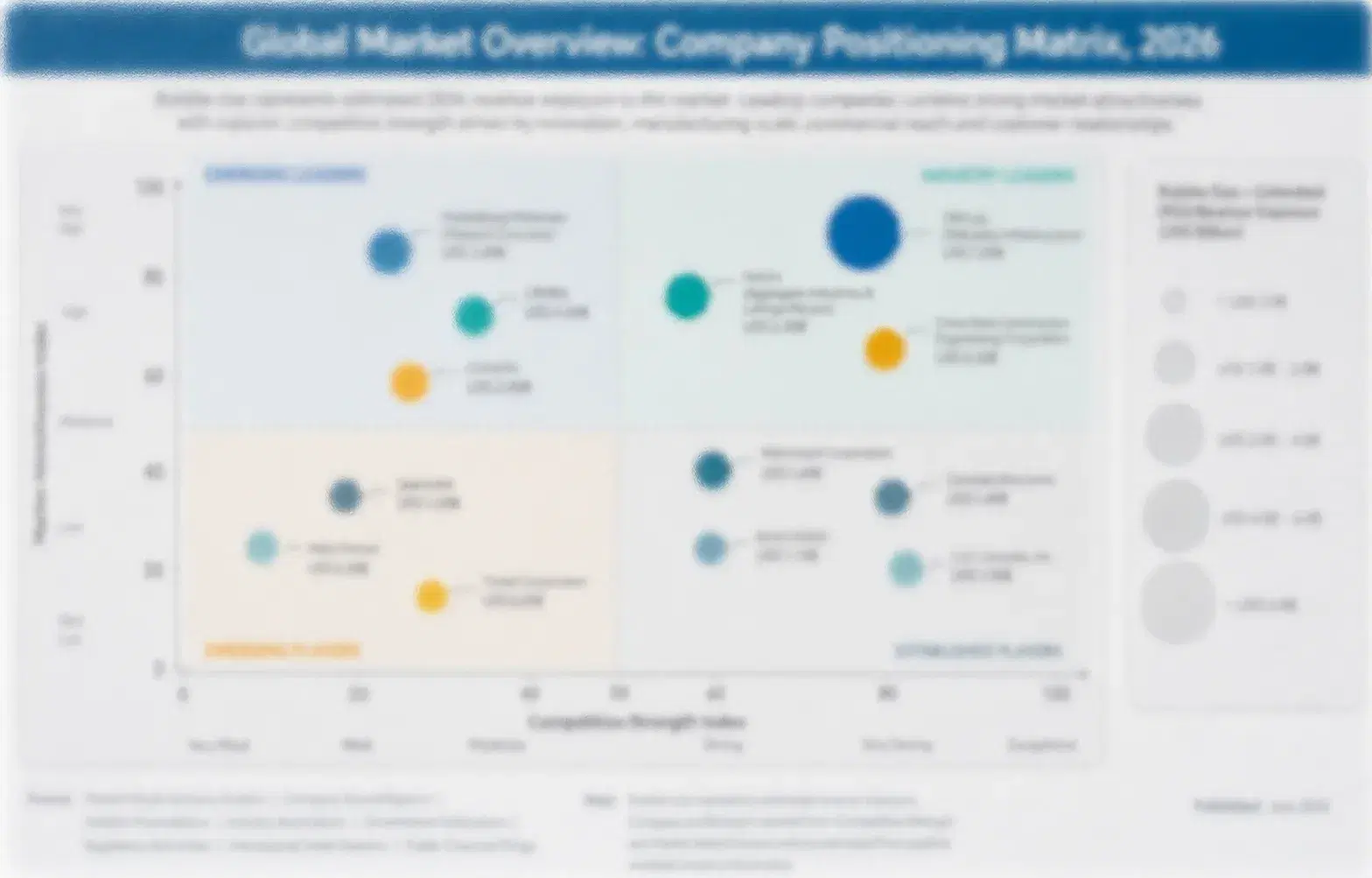
The global precision ruminant minerals market is concentrated, with a CR5 of 47%, and many smaller premix makers, regional mineral suppliers, and traders sit outside the leading five. This assessment measures participants on estimated mineral production capacity, held constant across all players. Zinpro leads through trial evidence and nutritionist reach, while Novus International, Nutreco, Alltech, and Cargill follow, with a modest gap between the leader and the challengers.
Competition runs on four dimensions today: trial evidence, chelation and protection technology, metal supply, and advisory reach. American and Dutch suppliers win on evidence and records, Chinese suppliers win on cost, and premix groups win on distribution. Imitators copy inorganic and simple chelates quickly, so premiums outside protected and specialty chelated grades erode within a price cycle. Cost control separates leaders from followers. Clear specifications build buyer trust.

Emerging pressure comes from stricter metal limits, new Asian chelate entrants, and metal price swings. Rankings shift where a supplier publishes strong trial data, scales protected minerals, or wins a dairy programme. Challengers can move up quickly when they pass audits, since trial records and metal access can outweigh scale. Small buyers feel every input swing.
precision-ruminant-minerals-market-company-positioning-matrix-1789898258777

Competitive Moat and Risk Dimensions

ZINPRO

Moat: Trial Evidence and Nutritionist Reach

Zinpro, a US trace mineral specialist, develops and sells organic and protected minerals to dairy, beef, and other livestock customers worldwide with trial networks, registrations, and technical support. Its trial evidence, nutritionist reach, and customer relationships give it credibility with producers, and its position supports premium pricing for documented programmes and long-term contracts.
ZINPRO

Risk: Narrow Product Portfolio Focus

Zinpro focuses on trace minerals and performance products, so margin depends on the mineral market. Diversified rivals can bundle minerals with other additives. Technical reach compounds over time. Audits repeat every year. Buyers review suppliers every season. Supply contracts decide renewal. Delivery reliability decides supplier rankings. Margins follow sourcing discipline.
NOVUS INTERNATIONAL

Moat: Global Reach and Methionine Chelation

Novus International, a US animal nutrition company, sells mineral and methionine-based additives and supplies feed, dairy, and poultry customers worldwide with trial data, registrations, and technical support. Its global reach, amino acid chelation know-how, and customer relationships give it credibility with buyers, and its position supports competitive pricing and long-term supply agreements.
NOVUS INTERNATIONAL

Risk: Methionine Cost Dependence

Novus International relies on methionine chemistry for chelates, so margin depends on amino acid costs. Rivals with alternative ligands can undercut it in chelated grades. Batch records protect future sales. Cost control separates leaders from followers. Clear specifications build buyer trust. Small buyers feel every input swing.

Players Tracked

Prominent Players

Zinpro
Novus International
Nutreco
Alltech
Cargill

Other Key Players

Adisseo
Kemin Industries
DSM-Firmenich
Phibro Animal Health
Balchem
Archer Daniels Midland
Orffa
Nutriad
Zoetis
Jefo
Micronutrients USA
Vetagro
Ridley Corporation
Innovad
Biochem Zusatzstoffe

Recent Developments

JANUARY 2026

Zinpro Announces Expanded Rumen-Protected Mineral Production Capacity for Dairy and Beef Customers

Zinpro announced expanded rumen-protected mineral production capacity for dairy and beef customers, according to company communications. It is an organic capacity expansion, not an acquisition, and it tests demand for protected minerals. Investment terms were not disclosed. Technical reach compounds over time. Audits repeat every year.
Signal: Suggests suppliers are scaling protected minerals as producers seek higher absorption at lower feed inclusion for dairy and feedlot use.
FEBRUARY 2026

Alltech Expands Organic Trace Mineral Range for Beef Feedlots and Grazing Herds in Brazil

Alltech expanded its organic trace mineral range for beef feedlots and grazing herds in Brazil, according to company communications. It is a product range extension, not an acquisition, and it tests demand for precision minerals. Commercial terms were not disclosed. Buyers review suppliers every season. Supply contracts decide renewal.
Signal: Indicates nutrition groups are widening organic mineral ranges, which could tighten competition for inorganic premix sellers and smaller regional suppliers.
MARCH 2026

Nutreco Publishes Multi-Farm Trial Data on Chelated Minerals and Dairy Fertility Outcomes

Nutreco published multi-farm trial data on chelated minerals and dairy fertility outcomes, according to company communications. It is an evidence programme, not a product launch, and it tests whether data supports premium pricing. Costs were not disclosed. Delivery reliability decides supplier rankings. Margins follow sourcing discipline.
Signal: Confirms large suppliers are investing in trial evidence to defend chelated grades against low-cost generic mineral supply.

What Drives Ruminant Mineral Production Costs

Metal salts, mainly zinc, copper, manganese, and cobalt, and ligands account for roughly 40% of cost of goods, amino acids and coating materials about 20%, energy for reaction, drying, and milling about 10%, and labour, trials, registration, and logistics about 30%. Metals come from smelters in China, Europe, and South America. Clear specifications build buyer trust. Small buyers feel every input swing.
The clearest recent shock came from metal and energy prices. Zinc and copper prices spiked in 2021 and 2022, as the IMF commodity price data showed, and European smelter output fell after gas prices surged, as the IEA reported. Suppliers raised prices by 12% to 30% and buyers moved to longer contracts. Technical reach compounds over time. Audits repeat every year. Buyers review suppliers every season. Supply contracts decide renewal.

The competitive disadvantage falls on small premix makers without metal contracts or trial evidence, which cannot pass costs on quickly or hold dairy accounts. Large groups own reactors, run several sources, and spread cost across many additives. Exposure also varies by segment, since protected and chelated grades carry higher margins that absorb cost swings better than inorganic sulphates.
precision-ruminant-minerals-market-cost-volatility-analysis-1789898259077

Multi-Source Metal Contracts and Buffer Stock

Suppliers sign multi-season contracts with metal producers in several regions, hold buffer stock, and index selling prices to metal costs. Contracts cut unpriced exposure by roughly half and reduce margin swings by 10% to 20%. The main challenge is commodity volatility, so suppliers split volumes across origins and time. Delivery reliability decides supplier rankings. Margins follow sourcing discipline.

Mix Shift Toward Protected and Chelated Grades

Suppliers shift capacity toward protected and chelated grades that carry higher margins and absorb cost swings. A shift of 10% of volume lifts gross margin by 4 to 8 points. The main challenge is trial time, so suppliers run commercial trials early and keep inorganic minerals for core customers. Batch records protect future sales. Clear specifications build buyer trust.

Reaction Yield and Coating Efficiency Programmes

Suppliers improve reaction yield and coating efficiency to cut metal loss and waste per tonne. Programmes cut cost by 5% to 10% per tonne. The main challenge is capital and time, so suppliers phase investment, share equipment with partners, and use public grants where available for upgrade work. Small buyers feel every input swing. Technical reach compounds over time.

Portfolio Architecture for Margin Defence

Margins run from moderate returns on inorganic sulphates and oxides sold under annual contracts to stronger returns on protected and chelated minerals sold with trial records. Three tiers separate volume products, certified premium lines, and next-generation formats, and each tier draws on different customer groups, metal positions, and plant platforms in a concentrated market. Supply contracts decide renewal. Delivery reliability decides supplier rankings.
The tension between volume and premium is sharp. Inorganic minerals fill mixers and serve cost-led premix buyers but face metal cycles and environmental limits, while protected and chelated grades earn higher margins on smaller volumes and depend on trials, chelation, and buyer trust. Suppliers that run only inorganic minerals struggle when limits tighten, while suppliers that run only premium lose scale. Margins follow sourcing discipline. Batch records protect future sales.

High-value pools concentrate in rumen-protected minerals sold to large dairies and feedlots and in chelated minerals sold to transition cow programmes. They gather where buyers pay for absorption and proven return rather than tonnes. Hydroxy minerals and organic selenium add a steady middle pool. Cost control separates leaders from followers. Clear specifications build buyer trust. Small buyers feel every input swing.

Volume / Commodity-Adjacent Tier

Inorganic sulphate and oxide minerals sold in bulk to premix makers and cost-led feed buyers under annual contracts at moderate margins, with price formulas. Technical reach compounds over time. Audits repeat every year.
Gross Margin: 14%-24%

Premium / Certified Tier

Hydroxy trace minerals and organic selenium with defined metal content, registration certificates, and audit records, sold to feed makers that require consistent quality. Buyers review suppliers every season. Supply contracts decide renewal. Delivery reliability decides supplier rankings.
Gross Margin: 22%-36%

Sustainability / Regulatory / Next-Generation Tier

Rumen-protected and chelated minerals with trial data, absorption evidence, and technical service, sold to buyers that pay for lower dose and proven returns. Margins follow sourcing discipline. Batch records protect future sales. Cost control separates leaders from followers.
Gross Margin: 28%-48%
precision-ruminant-minerals-market-portfolio-architecture-1789898259362

High-value Sub-segments and Strategic Watch-out

Rumen-Protected and Bypass Trace Minerals

Rumen-protected and bypass trace minerals combine the fastest growth with strong pricing, since dairy and feedlot producers pay for higher absorption at lower doses at gross margins of 34% to 48%. Trial cost and coating capital limit competition, and suppliers with trial networks win. Repeat supply builds through long
Gross Margin: 34%-48%

Amino Acid and Organic Chelated Minerals

Amino acid and organic chelated minerals deliver firm growth and pricing, since dairy nutritionists use chelates in transition and fertility programmes with published evidence at gross margins of 28% to 42%. Metal salt supply and trial records form the entry barrier, and suppliers with nutritionist networks win.
Gross Margin: 28%-42%

Hydroxy Trace Minerals

Hydroxy trace minerals are the volume core for beef and dairy premixes. Value grows about 7.0% a year, and metal cost, plant scale, and delivery reliability decide profit. Suppliers anchor sales on long relationships with premix makers and feed mills across several regions. Clear specifications build buyer trust.
Gross Margin: 18%-30%

Inorganic Sulphate and Oxide Minerals

Inorganic sulphate and oxide minerals are the strategic watch-out, since growth of about 3.6% a year trails the protected segment, feed metal limits cap inclusion, and Chinese suppliers compete on price. Suppliers should manage this line selectively and steer capacity toward protected and chelated grades. Audits repeat every year.
Gross Margin: 10%-18%

Why Dairies and Feedlots Reorder Minerals

Precision mineral demand behaves like an annuity attached to approved rations and nutritionist programmes. Once a dairy or feedlot qualifies a supplier whose absorption data, metal content, and documentation it trusts, it repeats the order every month, and switching means new ration changes, performance monitoring, and possible herd risk. Buyers use last year's herd results to fix renewals, so suppliers with clean records earn steadier volume than sellers
Adoption stickiness differs by end-use vertical. Large dairies are the deepest, since the mineral is written into the ration and changes only when herd results fail. Beef feedlots follow trial data. Grazing beef herds are moderate and switch on cost, while small farms are shallow and buy on price. Buyers review suppliers every season. Supply contracts decide renewal. Delivery reliability decides supplier rankings.

Buyer profiles are shifting between generations. Older producers bought minerals on price and long supplier relationships, while younger herd managers ask for digital ration tools, return-on-investment data, environmental metal footprints, and dual sourcing. Regulators add a third group that sets metal limits. Suppliers that publish trial data win younger producers and keep them. Buyers review suppliers every season.
precision-ruminant-minerals-market-end-use-penetration-index-1789898259662

MMA Verdict on Ruminant Mineral Strategy

These are among the four positions where our research anticipates prominent divergence between winners and laggards over the coming forecast period. Each is grounded in the demand model, the regulatory perimeter, and the announced capacity pipeline.
01 / PROTECTED MINERAL CONVERSION STRATEGY

Convert Capacity to Protected Grades Before Rivals Lock Dairy and Feedlot Programmes

Rumen-Protected and Bypass Trace Minerals grows at 10.4% a year, about 1.60 times the overall market rate, and gross margins of 34% to 48% compare with 14% to 24% for inorganic sulphates. Suppliers should commit $8 million to $30 million to coating lines, chelation reactors, and trial networks, and shift 10% of volume into protected and chelated grades, lifting gross margin by 4 to 8 points. Those that stay in inorganic minerals will lose dairy accounts, while early protected suppliers keep records and long-term premiums.
02 / CHELATED MINERAL EVIDENCE STRATEGY

Secure Trial Evidence and Adviser Networks Before Dairies Choose Rival Chelates

Amino Acid and Organic Chelated Minerals grows at 8.2% a year, about 1.26 times the overall market rate, and published evidence earns firm premiums because dairy nutritionists need fertility and hoof gains at lower dose. Suppliers should invest $0.3 million to $1.5 million per species in trials, publish results, target large dairies and transition cow programmes first, and lift sales per customer by 10% to 18%. Those without records will lose programmes, and early movers hold premiums for many years across programme renewals and audits.
03 / METAL SUPPLY SECURITY STRATEGY

Secure Multi-Source Metal Salts Before Price Swings Erase Ruminant Mineral Margins

Metal salts and ligands take about 40% of cost, prices moved 20% to 45% in recent years, and lagged pass-through cut margins for suppliers without contracts or alternative sources. Suppliers should contract zinc and copper producers, hold metal stock, integrate amino acid supply, index selling prices, hold regional stock, and cut unpriced exposure by 30% to 50%. Those that stay unhedged will absorb every swing, while secured suppliers will hold margin, volume, and buyer confidence through the next cycle of metal shocks and annual price resets.
04 / FEED LIMIT COMPLIANCE STRATEGY

Build Registration Files Before Regulators Tighten Feed Metal Limits Further

Feed metal limits differ by region, environmental rules cap manure loads, and one new limit can remove a product from rations for years. Suppliers should invest $0.5 million to $2 million per product in registration files and low-dose trials, add regional regulatory reviews, publish absorption data, and lift contract renewals by 8% to 15%. Those that ignore limits will lose accounts, while compliant suppliers hold buyer relationships for many years and defend their pricing in every regional market and every annual renewal round.

Engagement Snapshot From the Field

A live engagement with an industry participant carrying material or product regulatory and market exposure ahead of a defining policy shift, showing how our research translates into a defensible multi-year portfolio strategy.
MARKET MINDS ADVISORY · CLIENT ENGAGEMENT SUMMARY
Precision Ruminant Minerals Producer Strategic Portfolio Review and Transition Roadmap 2026·Investment Scenario on Precision Ruminant Minerals Exposure Evaluation 2025-26
CLIENT PROFILE
The client is a large Brazilian beef feedlot group with annual sales near $1.2 billion (client-reported, unverified by MMA), finishing about 900,000 head a year across nine feedlots. It used inorganic sulphate premixes from two suppliers, held 30 days of stock, and had faced one supply squeeze during the 2022 metal price spike and one 24% price rise.
STRATEGIC CHALLENGE
Margins were thin, gain varied between lots, metal prices rose, and export customers asked for lower environmental metal loads. Management needed to decide whether to switch to protected minerals, add chelates only for high-value lots, or keep sulphates, with limited trial capacity and a feeding season start. Supply contracts decide renewal. Delivery reliability decides supplier rankings.
MMA APPROACH
MMA analysed ration, gain, and cost data across 40 lots, interviewed eight feedlot nutrition and procurement experts and four mineral suppliers, and ran a producer survey on mineral requirements across three countries. It modelled cost by programme scenario, tested performance and price cases, and ranked options by payback and execution risk. Margins follow sourcing discipline.
KEY FINDINGS
  1. A protected mineral programme would add about $0.80 per head but lift average daily gain by about 2% (client-reported, unverified by MMA). Batch records protect future sales.
  2. A 2% gain improvement was worth about $6 per head at current prices, a return of about seven to one. Cost control separates leaders from followers.
  3. Export customers rated lower manure metal load highly, and accepted a small price premium on certified lots. Clear specifications build buyer trust. Small buyers feel every input swing.
  4. Holding 45 days of mineral stock would add about 1% to cost but cover most supply squeezes. Technical reach compounds over time. Audits repeat every year.
CLIENT PROFILE
The client is a large Brazilian beef feedlot group with annual sales near $1.2 billion (client-reported, unverified by MMA), finishing about 900,000 head a year across nine feedlots. It used inorganic sulphate premixes from two suppliers, held 30 days of stock, and had faced one supply squeeze during the 2022 metal price spike and one 24% price rise.
STRATEGIC CHALLENGE
Margins were thin, gain varied between lots, metal prices rose, and export customers asked for lower environmental metal loads. Management needed to decide whether to switch to protected minerals, add chelates only for high-value lots, or keep sulphates, with limited trial capacity and a feeding season start. Supply contracts decide renewal. Delivery reliability decides supplier rankings.
MMA APPROACH
MMA analysed ration, gain, and cost data across 40 lots, interviewed eight feedlot nutrition and procurement experts and four mineral suppliers, and ran a producer survey on mineral requirements across three countries. It modelled cost by programme scenario, tested performance and price cases, and ranked options by payback and execution risk. Margins follow sourcing discipline.
KEY FINDINGS
  1. A protected mineral programme would add about $0.80 per head but lift average daily gain by about 2% (client-reported, unverified by MMA). Batch records protect future sales.
  2. A 2% gain improvement was worth about $6 per head at current prices, a return of about seven to one. Cost control separates leaders from followers.
  3. Export customers rated lower manure metal load highly, and accepted a small price premium on certified lots. Clear specifications build buyer trust. Small buyers feel every input swing.
  4. Holding 45 days of mineral stock would add about 1% to cost but cover most supply squeezes. Technical reach compounds over time. Audits repeat every year.
RECOMMENDED STRATEGY
Phase 1: Phase 1 (Months 1-6): Trial a protected mineral programme on three feedlots and agree indexed pricing. Buyers review suppliers every season. Phase 2: Phase 2 (Months 7-24): Roll out to all high-value lots and sign multi-year contracts with two suppliers. Supply contracts decide renewal. Phase 3: Phase 3 (Months 25-42): Audit suppliers yearly, review gain data quarterly, and hold 45 days of stock. Delivery reliability decides supplier rankings.
OUTCOME
Within 42 months, all feedlots used protected minerals on high-value lots, average daily gain rose by 1.8%, and export audits were passed (client-reported, unverified by MMA). Net margin per head rose by about $4.50, and supply held through one metal price spike. Margins follow sourcing discipline. Batch records protect future sales.

Frequently Asked Questions

Foundational context covering the market sizes, CAGR, scope, country, region and competition that inform every finding below. This section is provided to cover basics and most often pre-purchase conversations, answered from the MMA Primary Research Dataset.

What is the current size of the Precision Ruminant Minerals Market?

The global precision ruminant minerals market was valued at $1.60 billion in 2025 on a producer-value basis. Growth is supported by feed metal limits and dairy and beef herd economics, offset by cheap sulphates and metal price swings.

How large will the Precision Ruminant Minerals Market be by 2036?

The market is projected to reach $3.20 billion by 2036, up from $1.70 billion in 2026. The increase of $1.49 billion reflects protected minerals, chelated minerals, and dairy volumes.

What is the CAGR for the Precision Ruminant Minerals Market 2026 to 2036?

The market is forecast to grow at a 6.5% CAGR from 2026 to 2036. The bull case reaches 7.7% and the bear case 5.3%, depending on feed metal limits, trial evidence, and metal costs.

Which segment is growing fastest?

Rumen-Protected and Bypass Trace Minerals is the fastest-growing segment at 10.4% CAGR, roughly 1.60 times the overall market rate. Amino Acid and Organic Chelated Minerals follows at 8.2% CAGR each year.

Who are the major companies in the Precision Ruminant Minerals Market?

Major companies include Zinpro, Novus International, Nutreco, Alltech, and Cargill. Adisseo, Kemin Industries, DSM-Firmenich, Phibro Animal Health, and Balchem also hold meaningful positions in ruminant minerals.

Which country is growing fastest?

India is growing fastest at about 8.9% CAGR, because dairy cooperatives and private dairies are adopting mineral programmes. Pakistan and Vietnam follow as herds intensify.

Report Segmentation Architecture

The full report scope spans multiple orthogonal segmentation dimensions, with cross-tabulated demand data provided for each dimension pair. Coverage extends further to regional breakdowns, trend trajectories, and the competitive detail needed to support segment-level decision-making.

By Primary Market Dimension

  • Rumen-Protected and Bypass Trace Minerals
  • Amino Acid and Organic Chelated Minerals
  • Hydroxy Trace Minerals
  • Organic Selenium
  • Inorganic Sulphate and Oxide Minerals

By End-Use Industry

  • Dairy Cattle
  • Beef Cattle and Feedlots
  • Sheep and Goats
  • Calves and Young Stock
  • Buffalo and Other Ruminants

By Commercial Dimension

  • Direct Supply Contracts
  • Premix Manufacturer Supply
  • Feed Additive Distributors
  • Private Label Supply
  • Toll Processing Services

By Region

  • Latin America
  • North America
  • Western Europe
  • East Asia
  • South Asia and Pacific
  • Middle East and Africa
  • Eastern Europe

Scope, Methodology, and Coverage

Every figure in this report is reproducible from documented input assumptions. The scope below maps the historical period, the forecast horizon, the segmentation dimensions, and the countries covered, alongside the underlying primary and qualitative methodology.
Historical Period
2020 to 2025
Forecast Period
2026 to 2036
Base Year
2025 (USD billions; MMA Primary Research Dataset, September 2026)
Market Definition
The market covers global sales of trace minerals formulated for ruminant nutrition, valued at producer level, including rumen-protected and bypass minerals, amino acid and organic chelated minerals, hydroxy trace minerals, organic selenium, and inorganic sulphate and oxide minerals sold to dairy, beef, sheep, and goat feed makers. The scope excludes macro minerals, mineral supplements for other species, vitamins and general feed additives, and finished compound feed.
Quantitative Units
USD billions (producer value); tonnes for volume references
Segmentation Dimensions
By Mineral Form and Protection; By End-Use Species; By Commercial Dimension; By Region
Regions Covered
Latin America, North America, Western Europe, East Asia, South Asia and Pacific, Middle East and Africa, Eastern Europe
Countries Covered
United States, Canada, Mexico, Netherlands, Germany, France, Ireland, United Kingdom, Poland, Ukraine, China, Japan, South Korea, India, Pakistan, Vietnam, Australia, New Zealand, Brazil, Argentina, Colombia, Egypt, Saudi Arabia, South Africa, and additional markets relevant to this sector
Key Companies Profiled
Zinpro, Novus International, Nutreco, Alltech, Cargill, Adisseo, Kemin Industries, DSM-Firmenich, Phibro Animal Health, Balchem, Archer Daniels Midland, Orffa, Nutriad, Zoetis, Jefo, Micronutrients USA, Vetagro, Ridley Corporation, Innovad, Biochem Zusatzstoffe
Quantitative Methodology
Primary survey, n=3,800 respondents, Q4 2025, six countries; demand-side model with trade association cross-validation
Qualitative Methodology
47 expert interviews, Q4 2025; applied to validate demand model assumptions, identify emerging dynamics, and assess competitive positioning
Report Format
PDF and XLSX data workbook (Word format preview document)
Publisher
Market Minds Advisory
Report Code
MMA-2026-AGR-819
Published
September 2026
Contact
sales@marketmindsadvisory.com | www.marketmindsadvisory.com

Purchase the full Precision Ruminant Minerals Market Report (2026 to 2036).

The full report delivers a detailed assessment of the global precision ruminant minerals market through 2036, covering mineral form, species, and regional forecasts, competitive benchmarking of leading suppliers, and input cost analysis. It combines MMA primary research, including a six-country survey of 3,800 respondents and 47 expert interviews, with public statistical and company data. Analysts also model metal price scenarios, feed limit paths, and protected mineral adoption. Clients receive segment margin ranges, plant location maps, and a case study on feedlot mineral strategy. Supplier programme and contract frameworks are also included for planning.
Ten-year form and species demand forecasts
Metal salt, ligand, and energy cost tracking
Competitive benchmarking of top twenty suppliers
Feed metal limit and registration rule tracker
Regional market comparative analysis and forecasts included
Quarterly primary survey data update access

Built For The People Who Decide

From boardroom strategy to bench-side execution, this report is read cover-to-cover by leaders shaping the next decade of their industry, turning demand scenarios, market dynamics and valuation benchmarks into decisions.
CXOs/ Presidents/ VPs/ Managers
M&A and Corporate Development
Strategy Teams and R&D Heads
Procurement and Product Directors
Regulatory and Compliance Leaders
Investor Relations and Equity Analysts