

Market Minds Advisory
Precision Fermentation Casein Protein Ingredients Market

Precision Fermentation Casein Protein Ingredients Market: Precision Fermentation Casein Protein Ingredients Market. Animal-Free Casein, Micelle Assembly and Cheese Analogue Functionality

Precision fermentation casein promises animal-free stretch, melt and gel for cheese analogues, but fermenter capacity, micelle assembly cost and uneven national regulatory approvals now decide which developers reach commercial volume first.

Lead Analyst

Published

September 2026

Make Smarter Decisions with Customized Research Insights

Request a free sample report and evaluate market opportunities, growth trends, and competitive dynamics relevant to your business needs.

2025 MARKET VALUE$0.3BMarket Size 2025
2036 FORECAST VALUE$1.8BBase Case , 2026 to 2036
CAGR 2026 TO 203616.0 %Bull 17.3% / Bear 14.7%
INCREMENTAL OPPORTUNITY$1.4BNet 10- year value creation
EXPANSION MULTIPLE4.41x2036 value over 2026 base
Strategic Levers
M&A Pipeline
Regional Outlook
Country Rankings
Competitive Intelligence
Segmental Deep-dive
Call-Us : 91 93563 13602

Executive Snapshot and Market Trajectory.

Precision fermentation casein uses engineered microbes to produce the milk protein that gives cheese its stretch, melt and gel, without cows. Developers aim at cheese analogues first, because plant proteins fail to melt and stretch, and casein is the missing functional ingredient. Cost per kilogram remains the main barrier.
Casein Ingredients for Cheese Analogues grow fastest as makers of mozzarella, cream cheese and processed slices test animal-free casein alongside plant bases, while yogurt and nutrition uses remain smaller. North America holds the largest share because United States developers, GRAS pathways and venture funding concentrate there, with Western Europe second. Gross margins run 30% to 52% at pilot scale, and fermenter capacity limits volume.
Five developers hold about 52% of value, led by New Culture, Standing Ovation, Those Vegan Cowboys, Bon Vivant and Perfect Day, so the market is concentrated among a few funded start-ups and their dairy partners. FDA GRAS notices, Singapore Food Agency approvals, European Union novel food applications and allergen labelling for milk proteins govern entry, and buyers audit purity, host cell residues, allergen status and batch consistency before commercial trials. Pilot runs decide advancement.
Market Definition
The market covers global sales of casein proteins produced by precision fermentation, defined as recombinant casein proteins made by engineered microbial hosts and purified for use as ingredients in cheese analogues, yogurts, beverages, nutrition products and confectionery, sold to food manufacturers and foodservice. It excludes dairy casein, plant proteins, recombinant whey proteins, cell-cultured milk and cheese, biomass fermentation proteins and finished consumer dairy analogue products beyond the ingredient value.
Base Year Value
$0.3B in 2025 (MMA Primary Research Dataset, September 2026)
Forecast Period
2026 to 2036, eleven discrete annual values
CAGR
16.0% base case. Bull 17.3%. Bear 14.7%.
Fastest Growth Segment
Casein Ingredients for Cheese Analogues: 22.4% CAGR
Fastest Growth Country
Singapore: 19.5% CAGR
Fastest Growth Region
South Asia and Pacific: 18.0% CAGR
Largest Region
North America: 42% of 2025 global value
Market Leaders
New Culture, Standing Ovation, Those Vegan Cowboys, Bon Vivant, Perfect Day. Source: MMA Analysis, company annual reports.
Primary Survey
n=3,800 procurement and R&D decision-makers, Q4 2025, six countries
Methodology
Demand-side build-up, cross-validated against public data, 47 expert interviews

Precision Fermentation Casein Protein Ingredients Market Forecast Scenarios

precision-fermentation-casein-protein-ingredients--size-forecast-scenario-1789971732736
From 2020 to 2025 precision fermentation casein grew at about 14.5% a year from a very small base. Start-ups moved from laboratory expression to pilot plants, first tasting events and regulatory submissions. Growth slowed in 2023 as funding tightened, several developers cut staff, and commercial launches were pushed back, although partnerships with dairy groups and cheese makers kept the technology in view.
The base case of 16.0% rests on three named mechanisms. Regulators clear more casein products, with FDA GRAS letters, Singapore approvals and European Union novel food opinions opening large markets. Contract fermentation capacity expands, which lowers cost per kilogram and lets developers avoid building plants. Dairy and cheese groups sign supply and licence deals to secure animal-free supply for hybrid and vegan cheeses. Each mechanism is visible in filings, capacity plans and partnership announcements.
The bull case reaches 17.3% if approvals arrive faster, casein cost falls toward $20 per kilogram and cheese makers adopt blends at scale. The bear case falls to 14.7% if funding dries up, regulators delay decisions and plant-based cheese improves enough to avoid casein. Both cases assume stable supply of sugar feedstock and fermenter capacity.

Fermenter Capacity, Micelle Assembly and Regulatory Approvals Set Precision Casein Returns

Casein makes up about 80% of the protein in cow's milk, and its micelle structure gives cheese its stretch, melt and gel. Precision fermentation inserts the genes for bovine casein proteins into microbes such as yeast or filamentous fungi, ferments them in tanks on sugar, then separates, purifies and dries the protein. Micelle assembly with calcium and phosphate is the key functional step.
MARKET CONCENTRATION52% CR5Top five developers hold over half of category sales
PROTEIN PURITY85-95%Typical purity range of recombinant casein ingredients after downstream processing
COST PER KILOGRAM$40-120Estimated production cost range for recombinant casein at current scale
CHEESE ANALOGUE SHARE58%Portion of category sales used in cheese analogue applications
FEEDSTOCK AND MEDIA SHARE22% of COGSSugar and nutrient media within total production cost
APPROVAL TIMELINE18-36 monthsTypical duration from regulatory submission to commercial clearance
Value concentrates in three places. Casein for cheese analogues carries the largest and fastest-growing sales, used to add melt and stretch to plant bases. Yogurt and fermented analogues add a second pool, where casein improves gel and body. Nutrition, sports and beverage uses add a smaller pool, where protein quality and animal-free claims justify premium prices.
Supply is concentrated among a few developers and contract fermenters. Pilot and demonstration plants in the United States, the Netherlands, France, Germany and Singapore make most volume, contract capacity comes from biotech and dairy partners, and sugar feedstock arrives from large processors. Developers hold two to three months of stock, and qualification of a new customer takes six to 12 months of functional trials, safety documents and pilot cheese runs.
"Precision fermentation casein has the right science and the wrong cost curve, and both are moving. The developers that will survive are not the ones with the best micelle, they are the ones who found a cheese maker willing to pay for melt before the cash ran out."
Senior Analyst, Fermentation and Dairy Alternatives Practice · MMA Precision Fermentation Casein Protein Ingredients Practice · September 2026

Market Trends

Cheese Makers Test Animal-Free Casein for Mozzarella and Cream Cheese

Plant-based cheese lacks the protein network that gives dairy cheese its stretch and melt, so developers supply recombinant casein that assembles into micelles and binds with plant fats. Casein Ingredients for Cheese Analogues grow about 22.4% a year, and gross margins run 32% to 52%. The trend needs micelle assembly control, consistent melt behaviour and food safety clearance, and it rewards developers with cheese-making know-how and dairy partners, while cost per kilogram limits inclusion to 2% to 10% of formulas and blends of casein with plant proteins are common. Pilot cheese runs decide which suppliers advance.
Market Impact: casein inclusion runs 2-10% of formulas

Contract Fermentation Capacity Expansion Lowers Entry Cost for Casein Developers

Building fermenters costs $50 million to $300 million, so developers increasingly rely on contract manufacturers and shared facilities, with new capacity from Liberation Labs, dairy groups and biotech partners. Added capacity of about 200,000 litres of fermenter volume over the decade could lower cost per kilogram by 30% to 50%. The trend rewards developers with strong strains and partnerships, while contract capacity is still scarce, scale-up from pilot to commercial tank fails often, and lenders demand offtake contracts before releasing capital to young companies. Several developers now share plant space to avoid duplicated capital costs.
Market Impact: 65% of adults show lactose intolerance

Market Opportunities and Growth Drivers

Plant-Based Cheese Functionality Gap Creates Demand for Animal-Free Milk Proteins

Plant-based cheese sales have grown slowly, mostly because products melt, stretch and taste poorly compared with dairy cheese, and starch-and-oil formulas have reached their limits. Casein is the protein responsible for melt and stretch, so it is the natural fix. The driver rewards developers that can show cheese makers a clear melt improvement at low inclusion, and it supports licensing and supply deals with dairy groups, while cheese makers weigh cost against functional gain in pilot batches before committing to commercial contracts of any size or duration. Trials repeat every quarter.
Market Impact: cost runs $40-120 per kilogram

Lactose-Free and Animal-Free Dairy Demand Supports Premium Recombinant Proteins

About 65% of adults worldwide have some degree of lactose intolerance, and many consumers also avoid animal products for ethics, allergy or climate reasons. Recombinant casein is lactose-free and animal-free while matching dairy protein structure, which suits premium clean-label claims. The driver rewards developers with clear labelling, allergen statements and life cycle data showing lower emissions, while the presence of milk protein means cow's milk allergy warnings still apply, and regulators require labels that avoid misleading shoppers about the source of the protein. Life cycle studies from developers show lower emissions, though results vary by energy source.
Market Impact: approvals take 18-36 months

Market Restraints and Challenges

High Cost Per Kilogram and Scarce Fermenters Restrict Commercial Scale

Recombinant casein costs an estimated $40 to $120 per kilogram at current scale against $10 to $15 for dairy casein, and commercial fermenters are scarce. The root cause is low expression yields, costly downstream purification and small production volumes. Cheese makers limit use to premium products and pilot runs, and revenue stays small. Developers respond with better strains, contract capacity, higher-titre hosts and blends with plant proteins, though scale-up failures delay timelines and lenders demand contracts before releasing capital. Buyers also compare each price quote against dairy casein and plant proteins, which keeps orders small and trial-based.
Market Impact: cheese analogue casein grows 22.4% yearly

Regulatory Approval Delays and Milk Allergen Rules Slow Market Entry

Approvals differ by country, with FDA GRAS notices, Singapore Food Agency clearance and European Union novel food applications each taking 18 to 36 months and $1 million to $5 million in documentation. The root cause is thorough assessment of new production hosts, residues and allergenicity. Products cannot be sold in Europe until authorised, and allergen labelling still requires milk warnings. Developers respond with shared safety data, early regulator meetings and staged launches, though timelines remain uncertain and rules on naming vary. Some regulators also ask for long-term feeding data, which extends dossiers further for new hosts.
Market Impact: new capacity adds 200,000 litres
3 additional market trends, 2 additional growth drivers, and 4 additional restraints and challenges are covered in the full report. Contact sales@marketmindsadvisory.com to access the complete intelligence.

Segment CAGR and Growth Architecture

The global precision fermentation casein ingredient market is segmented by application, which shows where functionality, price tolerance and approval timelines differ. Five segments cover cheese analogues, yogurt and fermented analogues, nutrition and sports beverages, ice cream and frozen desserts, and bakery and confectionery. Cheese and yogurt applications grow fastest, while cheese analogues carry the largest sales.
precision-fermentation-casein-protein-ingredients--market-share-analysis-1789971733007

Casein Ingredients for Cheese Analogues

Casein Ingredients for Cheese Analogues is the fastest-growing segment at 22.4% a year, about 1.40 times the overall market rate. Developers supply recombinant casein that assembles into micelles and binds plant fats and starches, restoring stretch, melt and browning that plant cheese lacks. Gross margins of 32% to 52% reward developers with cheese-making know-how, dairy partners and micelle assembly control. Growth depends on cost per kilogram falling, approvals in major markets and inclusion rates of 2% to 10%, while cheese makers run pilot batches before commercial contracts. Suppliers with consistent melt data and safety documents win the largest trials from mozzarella and cream cheese producers. Several dairy partners run parallel blind tastings.
CAGR 22.4%

Casein Ingredients for Yogurt and Fermented Analogues

Casein Ingredients for Yogurt and Fermented Analogues grows at 19.2% a year, about 1.20 times the overall market rate, because recombinant casein improves gel strength, body and mouthfeel in plant-based yogurts, skyr and cream cheese-style spreads that struggle with thin, grainy texture. Gross margins of 30% to 48% support development, though cost per kilogram limits inclusion to premium products. Growth depends on approvals, cost reduction and formulation know-how, and makers must handle milk allergen labelling carefully. Developers with fermentation partnerships, culture compatibility data and stable supply hold the strongest positions with dairy alternative groups running yogurt lines. Retailers watch results from pilot yogurts closely, and successful lines can expand quickly once approvals and cost targets are met.
CAGR 19.2%
Full segment breakdown across 5 segments available in the complete report.

Regional Architecture and Country Demand Map

North America leads at 42% because United States developers, GRAS pathways and venture funding concentrate there, while Western Europe holds 24% through Dutch, French and German developers awaiting approvals. South Asia and Pacific grows fastest as Singapore leads. East Asia and Latin America sit below their bands.

North America

North America holds 42% share, above its band, which justifies the out-of-band share: United States developers such as New Culture and Perfect Day lead the category, the FDA GRAS pathway allows commercial launch without pre-market approval, and venture funding, contract fermenters and cheese groups such as Leprino sit close together. Growth runs at the global rate of 16.0%. Canadian and Mexican demand is smaller, and Mexico is counted in Latin America. American cheese makers test animal-free casein in mozzarella and cream cheese, milk allergen labelling under FDA rules applies, and buyers audit purity, host residues and batch consistency before trials. Funding tightened after 2023, which slowed several projects. Reviews occur yearly.
Share: 42% | CAGR: 16.0% (2026 to 2036)

Western Europe

Western Europe holds 24% share, inside its band, with growth of 14.5%. Because North America and Western Europe take the top two slots, the commercial reason is that both host developers, dairy partners and fermentation expertise, while the region's large cheese industry provides a natural buyer base. Standing Ovation and Bon Vivant in France, Those Vegan Cowboys and Vivici in the Netherlands and Formo in Germany lead development, with Bel Group, Danone and FrieslandCampina as partners. European Union novel food rules delay commercial sales, and no casein product had full authorisation at the time of writing, so growth trails the global rate until approvals arrive across Europe. Partner reviews occur every year.
Share: 24% | CAGR: 14.5% (2026 to 2036)
Regional intelligence for 5 additional markets available in the complete report: East Asia, South Asia and Pacific, Latin America, Middle East and Africa, Eastern Europe. Contact sales@marketmindsadvisory.com.
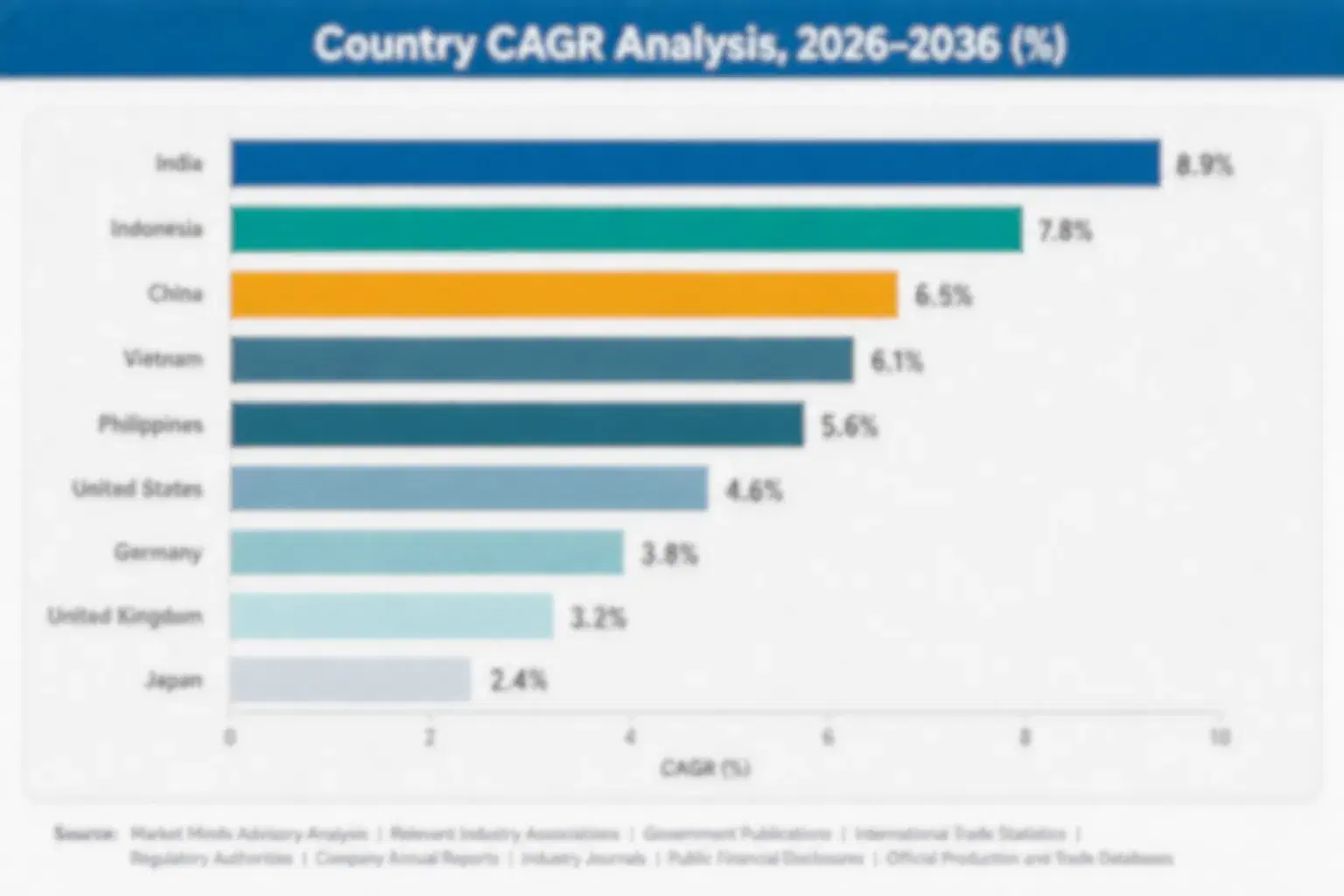
precision-fermentation-casein-protein-ingredients--country-cagr-analysis-1789971733289

Four Margin Routes for Precision Casein Developers

Margin in precision fermentation casein comes from lower cost per kilogram, functional proof in cheese, regulatory readiness and partnership structure rather than volume alone. The routes below apply to developers, contract fermenters and dairy partners, and each can start inside one planning cycle, with clear measures in gross margin points, cost per kilogram and approval time.

Raising Expression Yield and Downstream Efficiency to Cut Cost

Recombinant casein costs an estimated $40 to $120 per kilogram, so developers that raise expression titres, improve purification and increase fermenter uptime cut cost by 30% to 50% and open larger cheese applications. Strain and process work costs $5 million to $30 million per programme. Developers should set annual cost targets, share data with contract fermenters and test scale-up early, since failed scale-up delays commercial revenue by 12 to 24 months, and cheese makers rarely commit to volume before cost per kilogram approaches a level that fits their formula economics.
Market Impact: yield gains cut cost per kilogram by 30-50%

Proving Melt and Stretch in Pilot Cheese Runs With Partners

Cheese makers buy performance, so developers that run joint pilot batches with dairy partners and publish melt, stretch and browning data win supply agreements worth 10% to 20% of category volume. Pilot programmes cost $0.5 million to $3 million. Developers should focus on mozzarella and cream cheese first, offer trial lots at low inclusion rates and document allergen and safety status, since cheese makers qualify few suppliers and expect clear functional gains before changing formulas, and dairy partners bring distribution and quality systems that developers lack. Dairy partners also share sensory panels with technical teams.
Market Impact: pilot runs win agreements worth 10-20% of volume

Securing Regulatory Approvals in Sequence Across Lead Markets

Approval is the gating factor for revenue, so developers that file in the United States, Singapore and the European Union in a planned sequence, share safety data and meet regulators early cut time to market by six to 12 months. Dossiers cost $1 million to $5 million each. Developers should invest in host characterisation, residue testing and allergenicity data, and align labels with allergen rules, since regulators judge each product individually, and delays cost more in lost partner confidence than the dossier itself in a market where funding is selective.
Market Impact: planned filings cut time to market by 6-12 months

Structuring Licence Deals With Dairy Groups to Share Capital Risk

Fermenters cost $50 million to $300 million, so developers that sign licence, offtake and co-investment deals with dairy groups and contract fermenters avoid heavy capital spending and secure customers. Deals can lift secured revenue by 15% to 30% of planned output. Developers should protect strain intellectual property, agree minimum volumes and align regulatory responsibilities, since partners expect exclusivity in some markets, and terms that give away too much value can limit later margin expansion when volumes grow and cost per kilogram falls. Partners also bring cheese formulation expertise that developers cannot build quickly alone.
Market Impact: partner deals secure 15-30% of planned annual output

Who Controls the Margin Pool

The global precision fermentation casein market is highly concentrated, with a CR5 of 52%, because only a handful of funded developers hold strains, safety data and dairy partnerships at meaningful scale. This assessment measures participants on estimated recombinant casein ingredient sales value, held constant across all players. New Culture and Standing Ovation lead on technology and partnerships, Those Vegan Cowboys, Bon Vivant and Perfect Day follow, and the gap between the leader and the fifth player is narrow, as volumes remain small.
Competition runs on four dimensions today: cost per kilogram, micelle functionality, regulatory status and dairy partnerships. Developers win on strain performance, fermentation partners win on capacity, and dairy groups win on distribution and cheese know-how. Buyers compare melt, stretch and price, and a failed pilot or delayed approval can move a cheese maker to a rival supplier within one trial cycle.

Emerging pressure comes from dairy groups building their own recombinant programmes, from large ingredient companies entering the field and from Asian fermentation capacity offering lower cost. Rankings shift where a developer wins an approval, closes a large partnership or fails to raise capital, and consolidation continues as funding tightens and buyers favour proven suppliers.
precision-fermentation-casein-protein-ingredients--company-positioning-matrix-1789971733625

Competitive Moat and Risk Dimensions

NEW CULTURE

Moat: Casein Focus and Cheese Know-How

New Culture, the American developer, focuses on animal-free casein for mozzarella and other cheeses and has built a process for micelle assembly and cheese-making data. Its narrow focus on casein, its pilot cheese runs and its partnerships with dairy and ingredient groups give it functional credibility in the most demanding cheese application.
NEW CULTURE

Risk: Capital Needs and Timeline Risk

New Culture needs substantial capital to reach commercial fermenter scale and regulatory clearance in several markets. Funding conditions for food biotechnology tightened after 2023, delays would extend cash needs, and cheese makers may switch to rival suppliers or plant-only solutions if cost and approval timelines slip.
STANDING OVATION

Moat: Dairy Partnerships and European Base

Standing Ovation, the French precision fermentation start-up, develops recombinant casein with a partnership from Bel Group, the cheese maker behind brands such as The Laughing Cow. Its access to a large cheese group's expertise, trials and distribution gives it a route to market that many start-ups lack, and its European base suits early regulatory dialogue.
STANDING OVATION

Risk: Approval Dependence and Scale-Up

Standing Ovation relies on European Union novel food approval before selling in its home market, and timelines remain uncertain. Scale-up from pilot to commercial fermentation requires capital and partners, and heavy dependence on one dairy partner limits flexibility if strategic priorities shift. Investors expect visible progress on approvals.

Players Tracked

Prominent Players

New Culture
Standing Ovation
Those Vegan Cowboys
Bon Vivant
Perfect Day

Other Key Players

Vivici
Remilk
Imagindairy
Formo
Bel Group
Leprino Foods
Fonterra
Danone
DSM-Firmenich
Novonesis
Ginkgo Bioworks
Liberation Labs
ADM
Cargill
FrieslandCampina

Recent Developments

JANUARY 2026

New Culture Announces Pilot Mozzarella Production Run With Animal-Free Casein for United States Foodservice Partner

New Culture announced a pilot mozzarella production run with animal-free casein for a United States foodservice partner, according to company communications. It is a pilot programme, not an acquisition, and it tests commercial functionality. The run covers melt and stretch performance. Financial terms were not disclosed.
Signal: Confirms casein developers are moving from laboratory samples to foodservice trials because cheese makers need melt data at scale.
FEBRUARY 2026

Standing Ovation and Bel Group Announce Progress in Regulatory Dialogue for Recombinant Casein in Europe

Standing Ovation and Bel Group announced progress in regulatory dialogue for recombinant casein in Europe, according to company communications. It is a regulatory update, not an approval, and it tests timeline expectations. The dialogue covers safety data and labelling. Approval timing was not disclosed. Timing remains open.
Signal: Indicates European developers are engaging regulators early because novel food authorisation gates all commercial sales in the region.
MARCH 2026

Liberation Labs Announces Contract Fermentation Capacity Milestone for Precision Fermentation Proteins in Indiana

Liberation Labs announced a contract fermentation capacity milestone for precision fermentation proteins in Indiana, according to company communications. It is an organic capacity programme, not an acquisition, and it tests scale-up economics. The milestone covers commissioning and validation. Investment terms were not disclosed. Timing remains open.
Signal: Suggests contract capacity is starting to arrive because developers cannot afford to build their own commercial fermenters.

Feedstock, Purification and Energy Costs

Sugar feedstock and nutrient media account for roughly 22% of production cost, downstream purification and filtration about 26%, energy for fermentation, cooling and drying about 16%, fermenter capacity charges and depreciation about 20%, and labour and overheads about 16%. Sugar comes from Brazil, the United States and Europe, nutrients and enzymes from specialist suppliers, and contract capacity from biotech and dairy partners.
The clearest recent shock came in 2022. FAO Food Price Index data show sugar prices at multi-year highs, while EIA data show industrial power and natural gas costs surging in Europe after the war in Ukraine. Developers absorbed part of the increase because supply and pilot contracts repriced only at renewal, and contract fermenters passed energy surcharges through, which compressed margins in early commercial programmes.

The disadvantage falls on developers without contract capacity agreements or energy contracts, because they cannot pass through swings on fixed price pilot deals and pay premium spot rates for tanks. Exposure varies by player type: developers with dairy partners share risk, contract fermenters pass through energy costs, and stand-alone start-ups carry the full burden with limited cash buffers.
precision-fermentation-casein-protein-ingredients--cost-volatility-analysis-1789971733924

Long-Term Contract Fermentation Agreements

Developers sign multi-year contracts for tank capacity with fixed uptime and price collars, cutting exposure to spot rate spikes of 20% to 40%. The main challenge is volume commitment before demand is proven, so developers stage commitments and share forecasts with partners. Audits confirm capacity each year, and contracts are reviewed annually. Sampling occurs every batch.

Feedstock Contracts and Alternative Carbon Sources

Developers sign sugar contracts with price collars and test alternative carbon sources such as molasses and cereal hydrolysates to cut exposure to spikes of 15% to 30%. The main challenge is host strain performance on new feedstocks, so developers validate each source with small trials before commitment. Reviews occur every year. Suppliers sign annual declarations.

Downstream Process Innovation

Developers invest in membrane filtration, better precipitation and spray drying to raise recovery and cut purification cost per kilogram by 15% to 30%. The main challenge is validation, since every change needs safety and functionality checks, so developers test changes at pilot scale first. Payback usually arrives within four years, and audits confirm results.

Portfolio Architecture for Margin Defence

Margins run from thin returns on blended casein products sold at trial prices to strong returns on high-purity casein sold with functional data and dairy partnerships. Three tiers separate volume products, premium certified lines and next-generation solutions, and each draws on different strain performance, purification depth and regulatory status in a market where cost per kilogram still limits volume. Margin gaps between tiers run to 16 points.
The tension between volume and premium is sharp. Blended lower-purity casein for plant cheese trials fills early orders at modest prices and faces constant cost pressure, while high-purity certified casein earns higher margins on smaller volumes and depends on approvals, functional proof and partner trust. Developers that chase volume before cost falls burn cash, while those that stay premium-only struggle to reach the scale needed for cheese makers.

High-value pools concentrate in casein for cheese analogues in approved markets and in yogurt applications where gel strength commands premium prices. They gather where buyers pay for functional proof, regulatory clearance and secure supply, not for the animal-free claim alone. Nutrition and beverage uses add a smaller pool, and strong developers hold more than one, though each needs different partners and approvals.

Volume / Commodity-Adjacent

Lower-purity or blended casein preparations sold to cheese analogue makers for pilot and early commercial batches. Buyers focus on cost per kilogram and melt improvement, contracts follow trials, and technical differentiation depends on strain yield and downstream efficiency.
Gross Margin: 24%-38%

Premium / Certified

High-purity recombinant casein with GRAS or equivalent clearance, allergen documentation and consistent micelle assembly, sold to cheese and yogurt makers. Buyers value functional data, safety files and batch consistency, and contracts run for one to two years with volume bands.
Gross Margin: 36%-50%

Sustainability / Regulatory / Next-Generation

Micelle-ready casein complexes, low-carbon ingredients with life cycle data and co-developed formulations for partner cheeses. Contracts run for several years, depend on approvals in several markets and rely on licence and offtake structures with dairy groups.
Gross Margin: 40%-56%
precision-fermentation-casein-protein-ingredients--portfolio-architecture-1789971734214

High-value Sub-segments and Strategic Watch-out

Casein Ingredients for Cheese Analogues

Casein for cheese analogues combines the fastest growth with strong pricing, since cheese makers accept gross margins of 32% to 52% for melt and stretch that plant proteins cannot deliver. Micelle assembly control, dairy partnerships and approvals form the entry barrier, and pilot cheese data wins trials.
Gross Margin: 32%-52%

Casein Ingredients for Yogurt and Fermented Analogues

Casein for yogurt and fermented analogues delivers strong growth with firm pricing, since makers accept gross margins of 30% to 48% for body and gel strength. Culture compatibility, cost per kilogram and allergen labelling limit competition, though plant proteins compete on price. Reviews occur each year. Prices stay firm.
Gross Margin: 30%-48%

Casein Ingredients for Nutrition and Sports Beverages

Casein for nutrition and sports beverages is a smaller pool, with value growing about 14.0% a year. Protein quality, slow digestion claims and premium animal-free positioning decide profit, and cost per kilogram limits volume. Customers pilot small lots before committing, and pricing varies widely by brand.
Gross Margin: 28%-44%

Casein Ingredients for Bakery and Confectionery

Casein for bakery and confectionery is the strategic watch-out, since growth of about 10.0% a year trails the market, functional benefits are modest and cost per kilogram is hard to justify against dairy and plant proteins. Developers should manage the line selectively and steer investment toward cheese and yogurt applications.
Gross Margin: 20%-36%

Why Cheese Makers Stay With Casein

Precision casein demand behaves like an annuity attached to recipes, safety files and cheese specifications. Once a cheese maker qualifies a casein through pilot batches, safety reviews and shelf life tests, reorders follow every month, and switching means new trials, label changes and approval questions. Buyers set annual volume plans around production schedules, so suppliers with approved status and consistent lots earn steady volume and priority. Trust, once earned, takes years to lose.
Adoption stickiness differs by end-use vertical. Cheese analogue makers are the deepest, since melt and stretch are built into product identity and reformulation is costly. Yogurt and fermented analogue makers are moderately sticky, driven by texture gains and cost. Nutrition and confectionery buyers are more fluid, changing proteins when a cheaper or better alternative appears, though qualified suppliers with proven safety files hold contracts for several years.

Buyer profiles are shifting between generations. Older purchasing teams saw animal-free dairy as a novelty, while newer teams ask for cost per kilogram, approval status, carbon footprint and allergen labels. Regulators and retailers add a third group that sets safety and labelling expectations. Developers that publish safety data and life cycle results win newer buyers.
precision-fermentation-casein-protein-ingredients--end-use-penetration-index-1789971734518

MMA Verdict on Precision Casein Strategy

These are among the four positions where our research anticipates prominent divergence between winners and laggards over the coming forecast period. Each is grounded in the demand model, the regulatory perimeter, and the announced capacity pipeline.
01 / COST REDUCTION STRATEGY

Raise Expression Yield and Uptime Before Funding Runs Out

Casein Ingredients for Cheese Analogues grow at 22.4% a year, about 1.40 times the overall market rate, but cost of $40 to $120 per kilogram limits use. Developers should invest $5 million to $30 million in strain and process work, raise titres and cut cost by 30% to 50%. Those that delay will lose cheese partners over the next two years, while early movers hold lower cost, stronger negotiating positions and lasting supplier status across every pilot run and annual contract review.
02 / FUNCTIONAL PROOF STRATEGY

Run Joint Pilot Cheese Batches With Dairy Partners Before Rivals Win Formulations

Cheese makers buy performance, and joint pilot runs with published melt, stretch and browning data win supply agreements worth 10% to 20% of category volume. Developers should invest $0.5 million to $3 million per programme, focus on mozzarella and cream cheese and offer trial lots at low inclusion rates. Those that delay will lose formulation slots over the next two years, while early movers hold approvals, lasting partner trust and repeat volume across every trial round, audit and annual supplier review.
03 / REGULATORY SEQUENCING STRATEGY

File Approvals in Sequence Across Lead Markets Before Competitors Claim Clearance First

Approval is the gating factor for revenue, and planned filings in the United States, Singapore and the European Union cut time to market by six to 12 months. Developers should invest $1 million to $5 million per dossier, characterise hosts thoroughly and align labels with allergen rules. Those that delay will miss launch windows over the next two years, while early movers hold clearance, lasting credibility and investor confidence across every funding round, regulator review, audit and annual partner planning cycle.
04 / PARTNERSHIP STRUCTURING STRATEGY

Structure Licence Deals With Dairy Groups Before Capital Needs Force Weak Terms

Fermenters cost $50 million to $300 million, and licence and co-investment deals secure 15% to 30% of planned output while cutting capital risk. Developers should protect strain rights, agree minimum volumes and align regulatory duties and review terms yearly. Those that delay will accept weaker terms and lower margins over the next two years, while early movers hold funding, lasting partner support and stronger margins across every scale-up phase, partner review and annual budget cycle, particularly if fermenter capacity remains scarce.

Engagement Snapshot From the Field

A live engagement with an industry participant carrying material or product regulatory and market exposure ahead of a defining policy shift, showing how our research translates into a defensible multi-year portfolio strategy.
MARKET MINDS ADVISORY · CLIENT ENGAGEMENT SUMMARY
Precision Fermentation Casein Protein Ingredients Producer Strategic Portfolio Review and Transition Roadmap 2026·Investment Scenario on Precision Fermentation Casein Protein Ingredients Exposure Evaluation 2025-26
CLIENT PROFILE
The client is a European dairy cooperative with annual sales near $2.4 billion (client-reported, unverified by MMA), producing cheese, milk powder and butter for retail and food manufacturing. About 40% of revenue came from cheese, plant-based competitors were growing in some markets, and management wanted a plan to secure animal-free casein without building its own fermentation plant.
STRATEGIC CHALLENGE
Plant-based cheese was taking about 3% of category volume in key markets (client-reported, unverified by MMA), recombinant casein cost about eight times dairy casein, and approvals remained uncertain. Management had to decide whether to invest in a start-up, sign a licence with a developer or wait for cost to fall, with limited appetite for capital risk. Board approval was needed within nine months.
MMA APPROACH
MMA analysed sales, cost and category data across 12 cheese lines, interviewed 14 developers, regulators, cheese makers and fermentation experts, and ran a buyer survey on melt, price and allergen labelling across three countries. It modelled returns by option and scenario, compared equity, licence and wait options by payback and execution risk, and tested each against cost and approval scenarios.
KEY FINDINGS
  1. A minority equity stake with an offtake right would cost about $25 million and secure early access to about 15% of a developer's output (client-reported, unverified by MMA).
  2. A licence and pilot batch programme would cost about $4 million and test casein at 5% inclusion in three cheese lines (client-reported, unverified by MMA).
  3. Waiting for cost parity would avoid capital risk but risk losing about 2% of category volume to plant-based rivals (client-reported, unverified by MMA).
  4. European approval timelines of 24 to 36 months would delay commercial sales even if pilot results proved strong (client-reported, unverified by MMA).
CLIENT PROFILE
The client is a European dairy cooperative with annual sales near $2.4 billion (client-reported, unverified by MMA), producing cheese, milk powder and butter for retail and food manufacturing. About 40% of revenue came from cheese, plant-based competitors were growing in some markets, and management wanted a plan to secure animal-free casein without building its own fermentation plant.
STRATEGIC CHALLENGE
Plant-based cheese was taking about 3% of category volume in key markets (client-reported, unverified by MMA), recombinant casein cost about eight times dairy casein, and approvals remained uncertain. Management had to decide whether to invest in a start-up, sign a licence with a developer or wait for cost to fall, with limited appetite for capital risk. Board approval was needed within nine months.
MMA APPROACH
MMA analysed sales, cost and category data across 12 cheese lines, interviewed 14 developers, regulators, cheese makers and fermentation experts, and ran a buyer survey on melt, price and allergen labelling across three countries. It modelled returns by option and scenario, compared equity, licence and wait options by payback and execution risk, and tested each against cost and approval scenarios.
KEY FINDINGS
  1. A minority equity stake with an offtake right would cost about $25 million and secure early access to about 15% of a developer's output (client-reported, unverified by MMA).
  2. A licence and pilot batch programme would cost about $4 million and test casein at 5% inclusion in three cheese lines (client-reported, unverified by MMA).
  3. Waiting for cost parity would avoid capital risk but risk losing about 2% of category volume to plant-based rivals (client-reported, unverified by MMA).
  4. European approval timelines of 24 to 36 months would delay commercial sales even if pilot results proved strong (client-reported, unverified by MMA).
RECOMMENDED STRATEGY
Phase 1: Phase 1 (Months 1-9): Sign a licence and pilot batch agreement with one developer, run melt and stretch trials and open regulatory dialogue. Phase 2: Phase 2 (Months 10-24): Take a minority equity stake with offtake rights and test blended hybrid cheeses with two retail partners. Phase 3: Phase 3 (Months 25-42): Prepare commercial launch tied to approval, review cost and licence terms yearly and decide on expanded capacity partnerships.
OUTCOME
Within 42 months, the cooperative held offtake rights to about 12% of a developer's output and had tested hybrid cheeses in two markets (client-reported, unverified by MMA). Pilot melt scores reached near parity, regulatory dialogue progressed, and the client avoided building its own fermentation capacity.

Frequently Asked Questions

Foundational context covering the market sizes, CAGR, scope, country, region and competition that inform every finding below. This section is provided to cover basics and most often pre-purchase conversations, answered from the MMA Primary Research Dataset.

What is the current size of the Precision Fermentation Casein Protein Ingredients Market?

The global precision fermentation casein ingredient market was valued at $0.35 billion in 2025 on an ingredient sales basis. Growth reflects cheese analogue demand and approvals progress, offset by high cost per kilogram and limited fermenter capacity.

How large will the Precision Fermentation Casein Protein Ingredients Market be by 2036?

The market is projected to reach $1.79 billion by 2036, up from $0.41 billion in 2026. The increase of $1.39 billion reflects cheese analogues, yogurt uses and contract capacity growth.

What is the CAGR for the Precision Fermentation Casein Protein Ingredients Market 2026 to 2036?

The market is forecast to grow at a 16.0% CAGR from 2026 to 2036. The bull case reaches 17.3% and the bear case 14.7%, depending on approvals, cost per kilogram and funding conditions.

Which segment is growing fastest?

Casein Ingredients for Cheese Analogues is the fastest-growing segment at 22.4% CAGR, roughly 1.40 times the overall market rate. Casein Ingredients for Yogurt and Fermented Analogues follows at 19.2% CAGR.

Who are the major companies in the Precision Fermentation Casein Protein Ingredients Market?

Major companies include New Culture, Standing Ovation, Those Vegan Cowboys, Bon Vivant and Perfect Day. Vivici, Remilk, Imagindairy, Formo and Bel Group also hold meaningful positions in specific regions.

Which country is growing fastest?

Singapore is growing fastest at about 19.5% CAGR, because early regulatory approvals, pilot plants and government support expand together. Israel and the Netherlands follow as development hubs.

Report Segmentation Architecture

The full report scope spans multiple orthogonal segmentation dimensions, with cross-tabulated demand data provided for each dimension pair. Coverage extends further to regional breakdowns, trend trajectories, and the competitive detail needed to support segment-level decision-making.

By Primary Market Dimension

  • Casein Ingredients for Cheese Analogues
  • Casein Ingredients for Yogurt and Fermented Analogues
  • Casein Ingredients for Nutrition and Sports Beverages
  • Casein Ingredients for Ice Cream and Frozen Desserts
  • Casein Ingredients for Bakery and Confectionery

By End-Use Industry

  • Dairy Alternative Manufacturers
  • Cheese and Dairy Processors
  • Sports and Clinical Nutrition Brands
  • Foodservice Suppliers

By Commercial Dimension

  • Direct Ingredient Supply
  • Licence and Co-Development Agreements
  • Contract Manufacturing Supply
  • Distributor Sales
  • Pilot and Trial Programmes

By Region

  • North America
  • Western Europe
  • East Asia
  • South Asia and Pacific
  • Latin America
  • Middle East and Africa
  • Eastern Europe

Scope, Methodology, and Coverage

Every figure in this report is reproducible from documented input assumptions. The scope below maps the historical period, the forecast horizon, the segmentation dimensions, and the countries covered, alongside the underlying primary and qualitative methodology.
Historical Period
2020 to 2025
Forecast Period
2026 to 2036
Base Year
2025 (USD billions; MMA Primary Research Dataset, September 2026)
Market Definition
The market covers global sales of casein proteins produced by precision fermentation, defined as recombinant casein proteins made by engineered microbial hosts and purified for use as ingredients in cheese analogues, yogurts, beverages, nutrition products and confectionery, sold to food manufacturers and foodservice. It excludes dairy casein, plant proteins, recombinant whey proteins, cell-cultured milk and cheese, biomass fermentation proteins and finished consumer dairy analogue products beyond the ingredient value.
Quantitative Units
USD billions (ingredient sales revenue); tonnes of casein protein for volume references
Segmentation Dimensions
By Application; By End-Use Industry; By Commercial Dimension; By Region
Regions Covered
North America, Western Europe, East Asia, South Asia and Pacific, Latin America, Middle East and Africa, Eastern Europe
Countries Covered
United States, Canada, Mexico, France, Netherlands, Germany, United Kingdom, Denmark, Poland, Czechia, Japan, China, South Korea, Singapore, Australia, New Zealand, India, Brazil, Israel, Turkey, United Arab Emirates, and additional markets relevant to this sector
Key Companies Profiled
New Culture, Standing Ovation, Those Vegan Cowboys, Bon Vivant, Perfect Day, Vivici, Remilk, Imagindairy, Formo, Bel Group, Leprino Foods, Fonterra, Danone, DSM-Firmenich, Novonesis, Ginkgo Bioworks, Liberation Labs, ADM, Cargill, FrieslandCampina
Quantitative Methodology
Primary survey, n=3,800 respondents, Q4 2025, six countries; demand-side model with trade association cross-validation
Qualitative Methodology
47 expert interviews, Q4 2025; applied to validate demand model assumptions, identify emerging dynamics, and assess competitive positioning
Report Format
PDF and XLSX data workbook (Word format preview document)
Publisher
Market Minds Advisory
Report Code
MMA-2026-AGR-204
Published
September 2026
Contact
sales@marketmindsadvisory.com | www.marketmindsadvisory.com

Purchase the full Precision Fermentation Casein Protein Ingredients Market Report (2026 to 2036).

The full report delivers a detailed assessment of the precision fermentation casein ingredient market through 2036, covering application, end-use and regional forecasts, competitive benchmarking of leading developers, dairy partners and contract fermenters, and input cost analysis. It combines MMA primary research, including a six-country survey of 3,800 respondents and 47 expert interviews, with public statistical and company data. Analysts also model approval timelines, fermenter capacity additions and cost curve scenarios. Clients receive application margin ranges, capacity maps and a case study on partnership strategy. Licence and contract frameworks are also included.
Ten-year application and regional demand forecasts
Feedstock, energy, and capacity cost tracking
Competitive benchmarking of leading casein developers
GRAS and novel food approval tracker
Regional market comparative analysis and forecasts included
Quarterly primary survey data update access

Built For The People Who Decide

From boardroom strategy to bench-side execution, this report is read cover-to-cover by leaders shaping the next decade of their industry, turning demand scenarios, market dynamics and valuation benchmarks into decisions.
CXOs/ Presidents/ VPs/ Managers
M&A and Corporate Development
Strategy Teams and R&D Heads
Procurement and Product Directors
Regulatory and Compliance Leaders
Investor Relations and Equity Analysts