Market Minds Advisory
Potato Granules Market

Potato Granules Market: Potato Granules Market. Clean-Label Reformulation and Gluten-Free Baking Reshape Dehydrated Potato Demand.

Potato granules are shifting from instant mash staples into gluten-free, clean-label, and fabricated snack ingredients, while drying energy costs, crop yield swings, and acrylamide rules decide which processors hold margin and contracts with food makers.

Lead Analyst

Published

September 2026

Make Smarter Decisions with Customized Research Insights

Request a free sample report and evaluate market opportunities, growth trends, and competitive dynamics relevant to your business needs.

2025 MARKET VALUE$2.4BMarket Size 2025
2036 FORECAST VALUE$3.9BBase Case , 2026 to 2036
CAGR 2026 TO 20364.5 %Bull 5.8% / Bear 3.2%
INCREMENTAL OPPORTUNITY$1.4BNet 10- year value creation
EXPANSION MULTIPLE1.55x2036 value over 2026 base
Strategic Levers
M&A Pipeline
Regional Outlook
Country Rankings
Competitive Intelligence
Segmental Deep-dive
Call-Us : 91 93563 13602

Executive Snapshot and Market Trajectory.

Potato granules are a mature product being pulled in a new direction. Instant mash anchors volume, but the growth now comes from food makers using granules as a gluten-free binder, a clean-label thickener, and a base for fabricated snacks, which turns a commodity staple into a formulation ingredient.
Organic and non-GMO grades are growing fastest, helped by retailer clean-label programs and gluten-free baking, while foodservice and institutional buyers keep the base volume steady. Western Europe holds the largest share because Germany, the Netherlands, and Poland host the most drying capacity, and North America follows through Idaho and Pacific Northwest production and large foodservice demand. Eastern Europe and India are adding plants near abundant potato crops, which shortens supply routes and lowers energy cost.
Competition rests on crop contracts, drying efficiency, and consistent granule texture rather than brand. A few vertically integrated processors control supply, while smaller regional plants serve local food makers. Regulation shapes the field through acrylamide limits in the European Union and labeling rules on non-GMO and organic claims, which reward suppliers with certified supply chains and documented quality systems. Buyers reward documented quality systems and consistent texture.
Market Definition
Potato granules are dehydrated potato particles made by the add-back process, in which cooked potato is mixed with dried material and milled into free-flowing granules, sold to food manufacturers, foodservice operators, and retailers for mashed potato, baking, snack, and binder uses. The scope excludes potato flakes, potato starch, frozen potato products, fresh potatoes, and finished consumer meals.
Base Year Value
$2.4B in 2025 (MMA Primary Research Dataset, September 2026)
Forecast Period
2026 to 2036, eleven discrete annual values
CAGR
4.5% base case. Bull 5.8%. Bear 3.2%.
Fastest Growth Segment
Organic and Non-GMO Granules: 8.0% CAGR
Fastest Growth Country
India: 8.5% CAGR
Fastest Growth Region
South Asia and Pacific: 6.7% CAGR
Largest Region
Western Europe: 28% of 2025 global value
Market Leaders
Idahoan Foods, Basic American Foods, Emsland Group, Agrana Group, J.R. Simplot Company. Source: MMA Analysis, company annual reports.
Primary Survey
n=3,800 procurement and R&D decision-makers, Q4 2025, six countries
Methodology
Demand-side build-up, cross-validated against public data, 47 expert interviews

Potato Granules Market Forecast Scenarios

potato-granules-market-size-forecast-scenario-1789752428628
Between 2020 and 2025, potato granules grew steadily, with pandemic-era pantry stocking and foodservice recovery lifting volume, followed by moderation as inflation squeezed private label and institutional budgets. Energy costs and the 2022 European harvest shortfall pushed prices up, and growth averaged 4.0% a year, with organic and gluten-free grades outpacing standard add-back product throughout the period.
The base case assumes 4.5% annual growth through 2036, built on three named mechanisms: expanded use of granules in gluten-free bakery and snack formulations, retailer and manufacturer conversion to clean-label and non-GMO ingredients, and steady institutional demand in schools, hospitals, and military catering where shelf life and portion control matter. Capacity additions in India and Eastern Europe supply new demand without disrupting mature markets. Each mechanism reinforces the others, and none depends on a single region.
The bull case, at 5.8%, needs faster gluten-free adoption and stable potato harvests, along with wider snack reformulation. The bear case, at 3.2%, reflects another energy price spike, weak potato yields, and substitution toward cheaper rice, corn, and cassava starch ingredients in binder and snack uses. Either scenario leaves the underlying demand base intact, though pricing and mix would differ noticeably from the base path.

Crop Contracts and Drying Energy Set Granule Margins

Potato granules are made by cooking, mashing, and partially drying potato, then blending it with dried material and milling it into fine, free-flowing particles. That process gives granules a mealy texture, high absorption, and long shelf life. Because raw potatoes are bulky and perishable, plants sit close to growing regions, and long-term grower contracts decide access to consistent crop quality.
MARKET CONCENTRATION33% CR5Leading five processors hold a moderate share of volume
AVERAGE SELLING PRICE$2,400 per tonneOrganic grades sell well above standard add-back granules
TOP PRODUCING COUNTRY21% shareThe leading producer supplies about one fifth of world output
POTATO COST SHARE46% of COGSRaw potato dominates cost, so harvest yields drive margins
DRYING ENERGY SHARE17% of COGSNatural gas and electricity for drying add substantial cost
SHELF LIFE12 monthsSealed granules keep quality far longer than fresh potatoes
Food makers use granules well beyond instant mashed potatoes. They thicken soups and sauces, bind meat and vegetable patties, add body to gluten-free bread, and form the dough base for fabricated chips and crisps. Buyers specify granule size, moisture, and color, and they increasingly ask for organic, non-GMO, or low-acrylamide grades, which push suppliers to invest in cleaner processing and traceable potato sourcing.
The industry is mature but not static. Large North American and European processors run integrated drying plants and contract farms, while smaller regional producers serve local bakers and snack makers. Energy costs, yield swings, and retailer demands on labeling drive investment, and capacity additions in India and Poland show that new supply is emerging where potato crops are abundant and drying costs are competitive.
"Potato granules look like a boring staple until you notice that gluten-free bakers and snack makers now compete with the mash buyers for the same tonnes. The processors who hear that shift first will set the next decade's prices."
Practice Lead, Food Ingredients and Processed Potato Products Practice · MMA Food Ingredients and Processed Potato Products Practice · September 2026

Market Trends

Gluten-Free Bakery and Snack Reformulation Pulls Granules Into New Uses

Bakers and snack makers are turning to potato granules as a gluten-free base, using them to add structure, moisture retention, and mild flavor to breads, tortillas, crackers, and fabricated crisps. Gluten-free bakery has grown in double digits across Europe and North America, and granules give formulators a cheaper alternative to rice flour blends. Suppliers now offer tailored granule sizes and water absorption profiles, and manufacturers run reformulation programs that lock in annual volume commitments. Manufacturers report granule-based doughs cost 8% to 12% less than rice flour blends, which moved several bakery brands to test potato in flagship lines.
Market Impact: contracts run 2 to 3 years
Retailer Clean-Label and Non-GMO Programs Raise Certified Granule Demand

Retailers and food companies are removing genetically modified and synthetic ingredients from product lines, and potato granules made from non-GMO or organic crops fit these programs. Certification requires audited grower contracts, identity preservation, and separate processing lines, which raises cost but earns premiums of 15% to 25%. Processors in Europe and North America expand certified acreage, while buyers sign multi-year agreements to secure limited organic potato supply. Retail programs from major European and American chains now specify non-GMO status for private label ingredients, and food makers face procurement audits that reward documented identity preservation at every stage.
Market Impact: benchmark levels apply to 20 categories

Market Opportunities and Growth Drivers

Institutional Catering Contracts Provide Steady Base Volume for Granules

Institutional catering buyers in schools, hospitals, care homes, and armed forces value granules because they store for a year, need no peeling, and deliver consistent portion cost. Public procurement budgets are rising with inflation adjustments, and many programs specify potato products as a staple vegetable serving. Contracts run for two or three years, which gives processors visibility and supports steady base volume even when consumer retail volumes fluctuate. Demand also benefits from rising school meal enrollment and aging populations in care homes, and buyers value the fixed cost per portion that granules provide during periods of food price inflation.
Market Impact: energy reaches 17% of cost

Acrylamide Rules Raise Compliance Barriers for Small Processors

The European Union's acrylamide regulation sets benchmark levels and requires food business operators to apply mitigation measures, and granule producers respond by selecting low-sugar potato varieties, controlling drying temperature, and testing each batch. These controls raise cost but also create barriers to entry for small processors. Buyers value documented compliance, which supports supplier loyalty and helps established producers hold pricing against imports from lower-cost regions. Producers also gain from tighter regulation elsewhere, since Canadian and Asian buyers increasingly ask for the same documentation, and that spreads compliance costs across a wider volume base while excluding weaker competitors from export contracts.
Market Impact: 2022 yields fell 10% in Europe

Market Restraints and Challenges

Drying Energy Price Spikes Compress Processor Margins Across Europe

Drying potato requires large amounts of heat, and natural gas and electricity prices spiked sharply in Europe during 2022, according to European Commission energy market data. The root cause is dependence on gas-fired dryers and exposure to volatile wholesale prices. Energy can reach 17% of cost, so a doubling of gas prices cuts margins by several points. Mitigation includes heat recovery, electric heat pumps, and multi-year gas hedges. Small plants without heat recovery are most exposed, and some idled lines during peak price weeks, which lost customer orders that larger rivals with hedged contracts were able to serve.
Market Impact: gluten-free demand up 12% annually

Drought-Driven Potato Yield Swings Disrupt Raw Material Supply

Potato yields fall in hot, dry seasons, and the 2022 European drought cut crop volumes by roughly 10% in several producing countries, according to Eurostat figures. The root cause is limited irrigation on contract acreage and rising summer heat. Lower yields raise raw potato prices and reduce supply to granule plants. Processors respond with drought-tolerant varieties, irrigation investment, and multi-region grower contracts. Growers hold yield risk on contract acreage, and processors often share losses, so drought years squeeze margins twice, through higher potato prices and lower plant utilization, while buyers resist surcharges and demand guaranteed volume.
Market Impact: certified grades earn 15-25% premiums
3 additional market trends, 4 additional growth drivers, and 3 additional restraints and challenges are covered in the full report. Contact sales@marketmindsadvisory.com to access the complete intelligence.

Segment CAGR and Growth Architecture

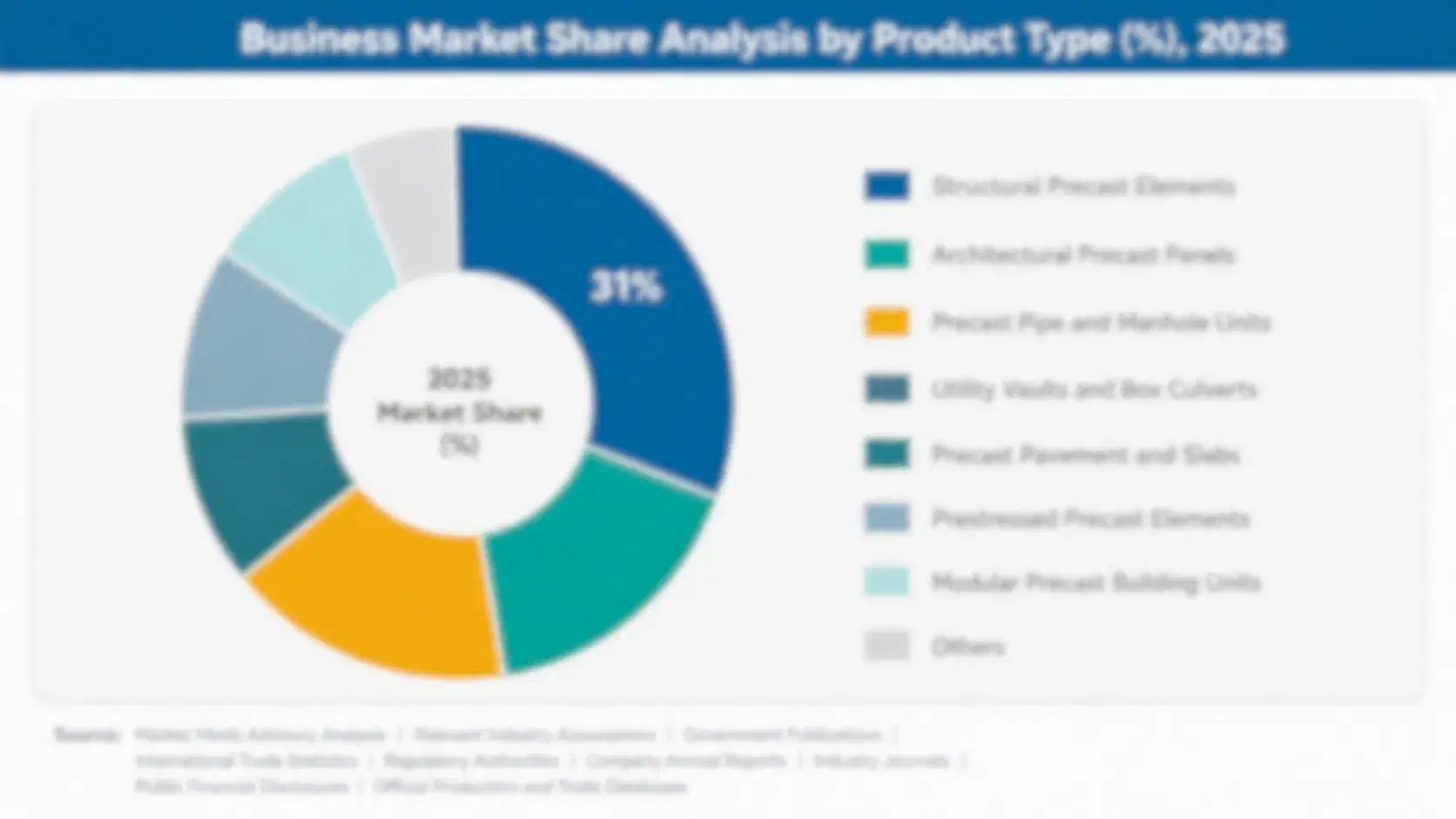
Potato granules are segmented by product grade and processing specification, because certification status, functional performance, and nutrition profile determine price and buyer type more directly than pack size does. Organic and non-GMO grades attract the most new investment as retailers and food makers convert clean-label programs into purchase specifications across bakery, snack, and prepared meal categories.
potato-granules-market-market-share-analysis-1789752428800

Organic and Non-GMO Granules

Organic and non-GMO granules are the fastest-growing segment, covering product made from certified organic potatoes or identity-preserved non-genetically modified crops, and sold to food makers that need clean-label ingredients. Buyers pay premiums of 15% to 25% and sign annual contracts to secure limited acreage. Processors need separate storage, audited grower networks, and certified cleaning procedures, so capacity is scarce, and suppliers that lock in organic growers early gain a lasting advantage in negotiations. Pricing follows the certification cost, and processors say organic potatoes cost roughly twice as much as conventional crop. Retail chains in Germany, the United Kingdom, and the United States drive most demand, and buyers increasingly ask for full lot traceability back to the field.
CAGR 8.0%

Gluten-Free Functional Granules

Gluten-free functional granules are the second-fastest segment, tailored for bakers and snack makers who use potato to replace wheat structure. Producers adjust particle size, water absorption, and starch damage to match specific formulations, and food makers run trials before approving a supplier. Once a recipe is validated, switching costs are high, so volumes recur. Demand is strongest in Europe and North America, where gluten-free bread and cracker sales continue to expand. Prices sit 10% to 18% above standard grades, and bakers typically approve one or two suppliers per recipe. Producers with pilot bakeries win trials faster, and sales teams that speak the language of bakers outperform those that sell on price alone, especially in premium bread and cracker categories.
CAGR 7.0%
Full segment breakdown across 6 segments available in the complete report.

Regional Architecture and Country Demand Map

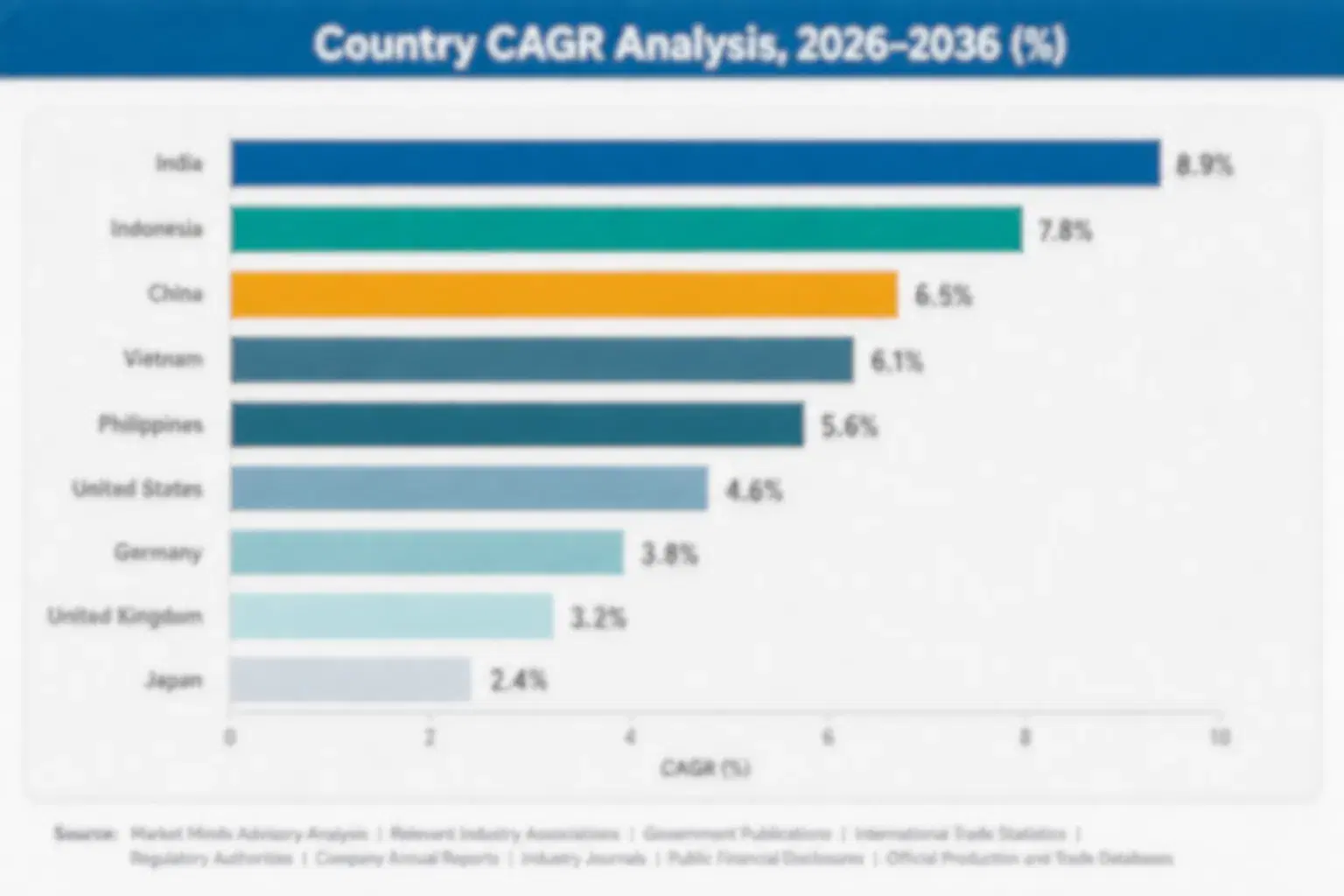
Granule value follows potato geography and drying capacity. Western Europe leads because crop, plants, and buyers cluster there, North America follows through Idaho supply and foodservice scale, and India is the fastest-growing consumer of new capacity in Asia Pacific. Emerging capacity sits near abundant crops.

North America

North America holds 26% share, anchored by Idaho, Washington, and Oregon potato growers and processors that supply foodservice, retail mash brands, and snack makers. Large restaurant chains and institutional caterers drive base volume, while gluten-free bakery and fabricated chip producers add growth. Suppliers benefit from integrated farm and plant networks, though rising labor costs, freight, and natural gas prices keep margins under review, and Canadian processors in Alberta and Manitoba supply cross-border customers. Retail private label programs and quick-service restaurant chains buy large volumes under annual contracts, and snack makers in the Midwest use granules for fabricated crisps. Water availability in Idaho is a growing concern for growers, so processors invest in irrigation and long-term water rights.
Share: 26% | CAGR: 4.5% (2026 to 2036)

Western Europe

Western Europe holds 28% share, above its usual band, because Germany, the Netherlands, Belgium, and France combine the world's densest potato growing regions with the largest granule drying capacity, and food makers such as bakers and convenience meal producers sit next door. Value sits where crop, plants, and buyers meet, so the region leads by industrial geography. Energy prices and acrylamide rules squeeze margins, yet certified grades hold premiums. Bakeries in Germany and the United Kingdom lead gluten-free demand, and French and Dutch convenience meal producers buy granules for chilled and shelf-stable dishes. Retailers' organic and sustainability targets are stricter than elsewhere, so certified grades carry the highest premiums, and processors face pressure to cut carbon intensity of drying.
Share: 28% | CAGR: 3.0% (2026 to 2036)
Regional intelligence for 5 additional markets available in the complete report: East Asia, South Asia and Pacific, Latin America, Middle East and Africa, Eastern Europe. Contact sales@marketmindsadvisory.com.
potato-granules-market-country-cagr-analysis-1789752428979

Four Margin Levers for Potato Granule Processors

Margin in potato granules comes from moving beyond standard add-back mash toward certified, functional, and tailored grades that food makers cannot easily replace. Processors that lock in organic acreage, cut drying energy, tune granules for gluten-free baking, and supply private label programs earn more per tonne than those that compete only on price. Each route needs different capital.

Securing Organic Acreage Through Multi-Year Grower Contracts

Organic and non-GMO granules earn premiums of 15% to 25% over standard add-back grades, but supply depends on scarce certified acreage. Processors that sign five-year grower contracts and pay conversion support lock in raw material before rivals, and buyers reward that certainty with annual agreements. The approach requires working capital and audited traceability, yet it protects margin when organic potato prices rise and demand grows faster than supply. Buyers commonly share crop forecasts with processors, which helps both sides plan storage and drying schedules, and growers accept modest price discounts in return for certainty across five seasons.
Market Impact: organic grades earn 15% to 25% premiums per tonne

Cutting Drying Energy Cost Through Heat Recovery Investment

Drying can consume 17% of cost of goods, so heat recovery, improved dryers, and electric heat pumps deliver direct margin gains. Plants that recover exhaust heat report energy savings of 15% to 25%, and lower emissions support customer sustainability targets. Payback runs three to five years, shorter when gas prices are high, and processors with strong balance sheets use these projects to widen cost advantages over smaller rivals. Some plants also switch to biogas from potato peel waste, which cuts fuel purchases further and gives processors a credible sustainability story when retailers request emissions data from suppliers each year.
Market Impact: heat recovery saves 15% to 25% of drying energy

Developing Tailored Granules for Gluten-Free Bakery Customers

Gluten-free bakers and snack makers pay 10% to 18% more per tonne for granules tuned to particle size, water absorption, and starch damage, because performance decides bread quality. Suppliers with application laboratories and pilot bakeries shorten customer trials and win recurring volume. The investment is modest compared with a new dryer, yet it builds switching costs, since food makers rarely reformulate after a recipe is approved. Trials typically last six to eight weeks and involve sample runs on the customer's own lines, so suppliers with dedicated pilot equipment can respond within days and secure approvals ahead of slower rivals.
Market Impact: tailored grades earn 10% to 18% higher prices

Expanding Private Label and Foodservice Programs for Volume

Retail private label and foodservice programs absorb steady volume that keeps plants running at 85% to 90% utilization, which lowers fixed cost per tonne. Margins are thinner than in certified segments, but multi-year contracts reduce sales cost and stabilize cash flow. Processors that combine private label volume with branded and certified lines can balance capacity use and profitability across harvest cycles and demand swings. Multi-year contracts also give processors bargaining power with growers, since guaranteed volume lets them commit acreage early, and reduced sales cost per tonne offsets thinner margins, provided that plant scheduling avoids frequent grade changeovers.
Market Impact: private label programs lift utilization to 85% to 90%

Who Controls the Margin Pool

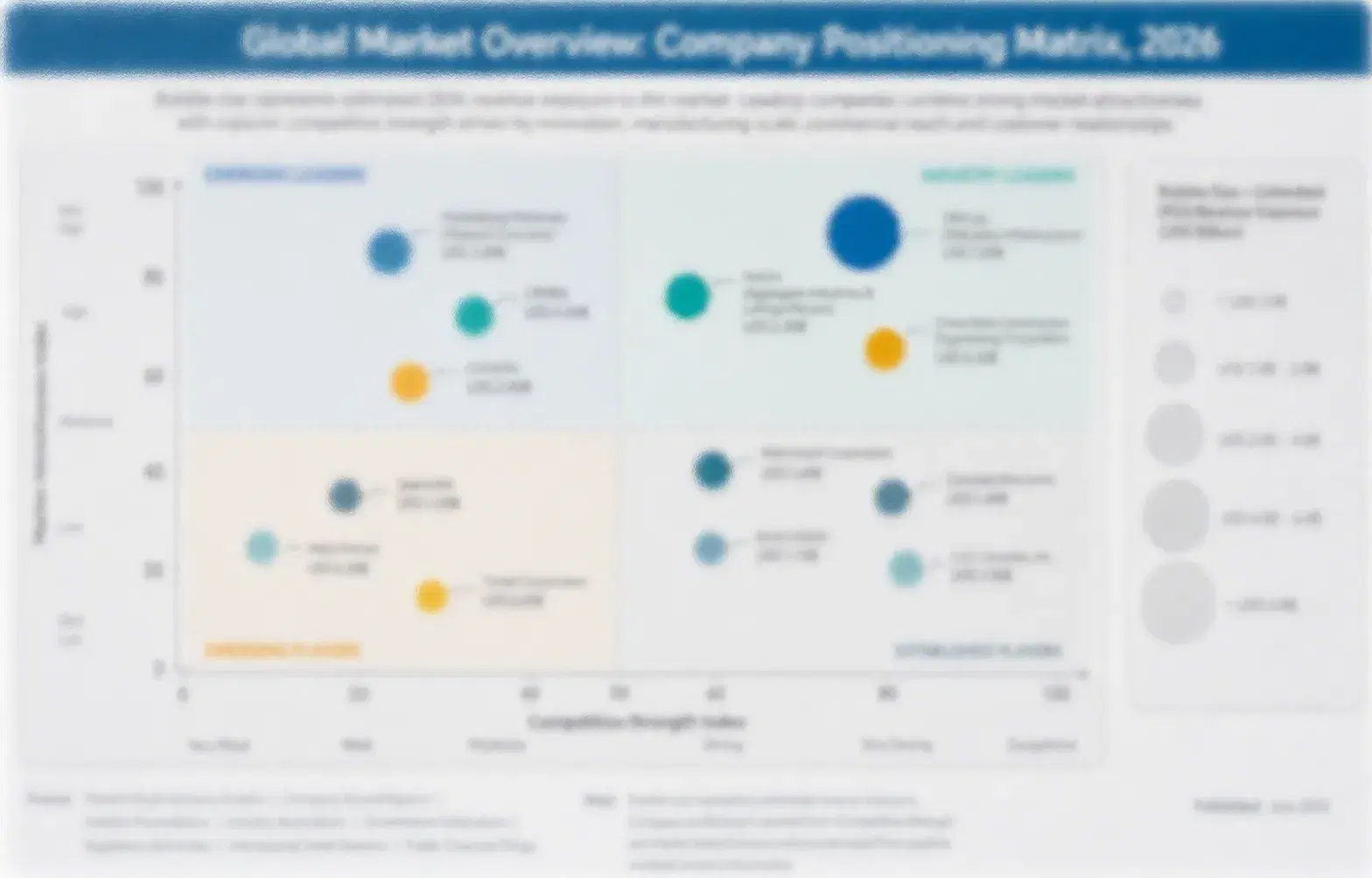
The potato granule industry is moderately concentrated, with the top five processors holding about 33% of global production capacity, the basis used throughout this section. Idahoan Foods, Basic American Foods, Emsland Group, Agrana Group, and J.R. Simplot Company lead through integrated farm and plant networks, while a long tail of regional plants serves local bakers, snack makers, and institutional buyers. The gap between leaders and challengers is moderate.
Competition centers on three dimensions: secure access to potato acreage and storage, drying efficiency and energy cost, and technical service for food makers that need consistent texture and absorption. Leaders sign multi-year contracts with foodservice chains and retailers, while challengers compete on price and flexible order sizes. Certifications for organic, non-GMO, and low-acrylamide grades add another layer of differentiation.

Emerging pressure comes from Indian and Polish capacity additions, from cheaper rice and cassava starch substitutes, and from food makers integrating backward into potato processing. Rankings shift where processors win gluten-free contracts, secure organic acreage, or suffer energy cost shocks. Acquisitions of regional drying plants and joint ventures with growers will reorder positions faster than organic capacity growth in mature markets.
potato-granules-market-company-positioning-matrix-1789752429158

Competitive Moat and Risk Dimensions

IDAHOAN FOODS

Moat: Idaho Grower Network and Brand

Idahoan Foods draws on long-standing grower relationships in Idaho and a recognizable retail and foodservice brand, giving it access to consistent potato quality and shelf presence. Its integrated processing and packaging network allows it to serve large retailers and food makers with reliable delivery, and its scale supports investment in dryers and quality testing that smaller rivals cannot easily match.
IDAHOAN FOODS

Risk: Regional Crop Concentration Risk

Heavy reliance on Idaho and Pacific Northwest crops leaves Idahoan exposed to regional weather, water restrictions, and labor costs. A poor harvest can cut raw material supply or lift costs sharply, and buyers seeking multi-region security may split orders with European or Indian suppliers, reducing volume and pricing power in contract negotiations.
EMSLAND GROUP

Moat: European Crop and Processing Integration

Emsland Group operates integrated potato processing in Germany, combining grower cooperatives, starch and flake production, and drying capacity that gives it scale and cost control across Europe. Its relationships with food manufacturers, bakeries, and retail brands support recurring contracts, and its technical teams help customers adjust granule specifications for gluten-free and clean-label formulations.
EMSLAND GROUP

Risk: Energy Cost Exposure in Europe

European gas and electricity prices spiked in 2022, and Emsland's German plants carry high drying energy exposure. Competitors in regions with cheaper energy can undercut prices on standard grades, and acrylamide compliance adds cost. Emsland must keep investing in heat recovery and premium grades to defend margins against imports and volatile input costs.

Players Tracked

Prominent Players

Idahoan Foods
Basic American Foods
Emsland Group
Agrana Group
J.R. Simplot Company

Other Key Players

Lamb Weston
McCain Foods
Aviko
Farm Frites
Cavendish Farms
Mydibel
Clarebout Potatoes
Agristo
Pizzoli
Nestle
Unilever
Kraft Heinz
General Mills
Ajinomoto
Bunge

Recent Developments

MARCH 2026

Emsland Group Adds Heat Recovery to Granule Drying Lines

Emsland Group completed an organic capacity and efficiency upgrade at a German plant, installing heat recovery equipment and electric heat pumps on granule drying lines. The project is internal capital spending, not an acquisition. It lowers gas use per tonne, and reduces exposure to European wholesale energy price swings.
Signal: Shows European processors investing in efficiency to protect margins against volatile natural gas and electricity prices.
OCTOBER 2025

Basic American Foods Signs Organic Potato Grower Agreements

Basic American Foods signed multi-year agreements with organic potato growers to secure certified raw material. The deals are supply contracts, not equity stakes. They provide growers with price certainty, give the company access to scarce acreage, and support its plan to expand organic and non-GMO product lines.
Signal: Confirms processors are locking in certified acreage early as organic granule demand outpaces raw material supply.
JANUARY 2026

Agrana Group Acquires Eastern European Potato Drying Plant

Agrana Group completed the acquisition of a potato drying plant in Poland, adding granule capacity close to growing regions and Western European customers. The purchase gives Agrana access to lower-cost energy and labor and grower contracts. Management said the plant will follow Agrana quality systems and add non-GMO lines.
Signal: Reflects leading processors buying Eastern European capacity to gain cost advantage and shorten supply routes to customers.

What Drives Granule Production Costs

Raw potatoes account for roughly 46% of cost of goods, sourced from contract growers in Idaho, Germany, the Netherlands, Poland, and India. Drying energy adds about 17%, with packaging, labor, and freight making up most of the remainder, so crop yield and gas prices together determine unit cost and gross margin for most producers. Both costs vary by season.
Natural gas and electricity prices spiked across Europe in 2022, according to European Commission energy market reports, and the same year's drought cut potato harvests in several producing countries, according to Eurostat. Processors reported sharply higher energy bills and raw potato prices, and many added surcharges to contracts, while some scaled back drying lines during peak price weeks to protect margins and cash flow. Some contracts allowed pass-through of energy surcharges.

Exposure varies by player type and geography. Integrated processors with contract farms and heat recovery absorb shocks better than independent drying plants that buy spot potatoes and fuel. North American producers face lower gas prices than European rivals, while Indian plants gain from low labor cost but carry quality and traceability risks that premium buyers penalize when they audit suppliers.
potato-granules-market-cost-volatility-analysis-1789752429344

Installing Heat Recovery and Electric Heat Pumps

Heat exchangers, better insulation, and electric heat pumps reduce gas consumption per tonne of granules, and some plants add solar or biogas supply to stabilize costs. Savings of 15% to 25% are common, and lower emissions support customer sustainability reporting. Capital cost is meaningful, but payback usually arrives within a few years when energy prices remain elevated.

Signing Multi-Region Grower Contracts and Irrigation Support

Processors contract with growers across several regions and fund irrigation and drought-tolerant varieties to protect yields. Multi-region sourcing spreads weather risk and keeps plants running through local shortages, though it raises logistics and quality control cost. Buyers gain confidence in supply continuity, and processors can keep premium certified programs running even during regional crop failures.

Hedging Energy Through Long-Term Gas and Power Contracts

Producers negotiate fixed-price or capped energy contracts and add renewable generation to reduce exposure to spot market spikes. Contracts protect margins during shortages but lock in higher costs when prices fall, and renewable investments need capital and space. Larger processors benefit most because they can commit to volumes that justify long-term supplier agreements and financing.

Portfolio Architecture for Margin Defence

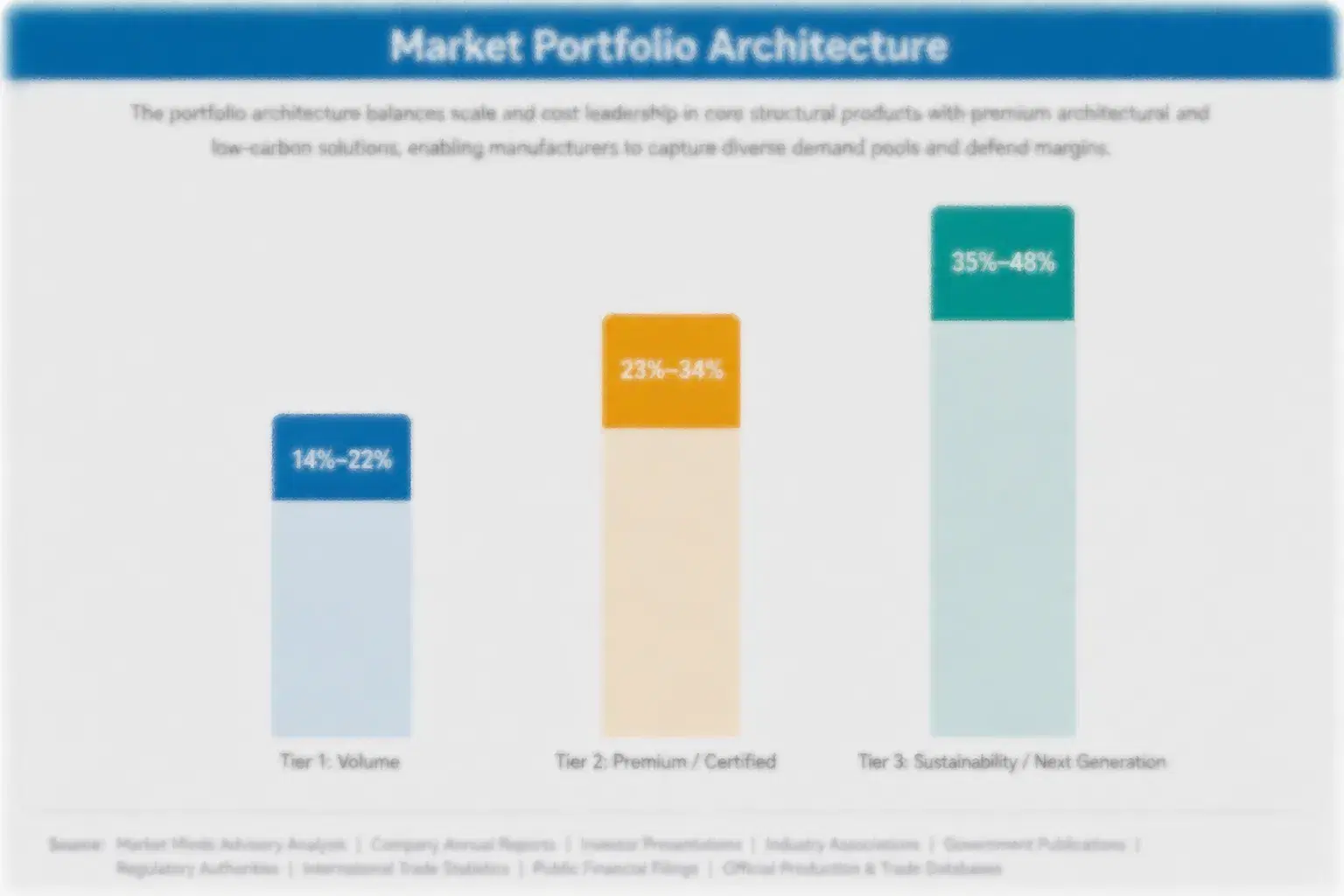
Margins run from modest returns on standard add-back granules to strong profits on organic, gluten-free, and low-acrylamide grades, with gross margin roughly doubling between the volume tier and the top tier. Certification, technical service, and tailored particle profiles add pricing power over the same potato base, and buyers pay for consistency because a bad batch can ruin a full bakery run or snack line. Certification also cushions margin during harvest shocks.
Volume and premium pull in different directions. Standard granules sell in large lots to institutional and retail mash buyers at thin margins and face constant price pressure from regional competitors. Certified and functional grades sell in smaller lots at much higher margins but need separate lines, audited acreage, and application support, so processors must choose how much capital to commit to premium positioning.

High-value pools concentrate in organic and non-GMO granules for retailer clean-label programs, gluten-free functional grades for bakers and snack makers, and fortified granules for nutrition-focused brands. These segments benefit from recurring orders, documented specifications, and limited competition from small plants. Processors combining crop security, drying efficiency, and application laboratories hold advantages that are difficult to copy quickly.

Volume / Commodity-Adjacent Tier

Standard add-back granules for instant mash, soups, and institutional catering, sold on price through distributors and foodservice contracts, with thin margins, high energy exposure, and competition from regional plants worldwide.
Gross Margin: 12%-20%

Premium / Certified Tier

Organic and non-GMO granules with audited grower networks and identity preservation, sold under annual contracts to retailers and food makers that require documented traceability, consistent color, and reliable supply throughout the year.
Gross Margin: 22%-32%

Sustainability / Regulatory / Next-Generation Tier

Gluten-free functional, low-acrylamide, and fortified granules with tailored particle profiles and application support, positioned for regulatory compliance, clean-label demand, and new snack and bakery formulations across developed and emerging markets.
Gross Margin: 28%-40%
potato-granules-market-portfolio-architecture-1789752429536

High-value Sub-segments and Strategic Watch-out

Organic and Non-GMO Granules

Organic and non-GMO granules combine the fastest growth with strong pricing, as retailers convert clean-label programs into purchase specifications. Acreage is scarce and certification costly, which protects margins, though suppliers must lock in growers early and maintain audited traceability to honor annual contracts and keep premium customers.
Gross Margin: 28%-40%

Gluten-Free Functional Granules

Gluten-free functional granules offer solid growth and healthy premiums, because bakers and snack makers tune recipes to specific particle sizes and absorption. Application laboratories and pilot trials build switching costs, while competition from rice and cassava starch keeps pressure on pricing, so suppliers need constant technical support to keep customers.
Gross Margin: 25%-35%

Standard Add-Back Granules

Standard add-back granules remain the volume core, moving the largest tonnage to instant mash and institutional buyers at modest prices. Margins depend on energy efficiency, crop contracts, and utilization, and buyers negotiate hard, so returns rely on cost discipline and scale rather than differentiation or premium product features.
Gross Margin: 12%-20%

Substitute Starch Ingredients

Rice, corn, and cassava starch ingredients are the main strategic watch-out, since they target the same binder and snack uses at lower cost and with established supply. If potato prices spike again or energy costs surge, food makers may switch, slowing granule growth and pressuring processor pricing in some categories.
Gross Margin: n/a (substitution risk)

Why Food Makers Stay With Suppliers

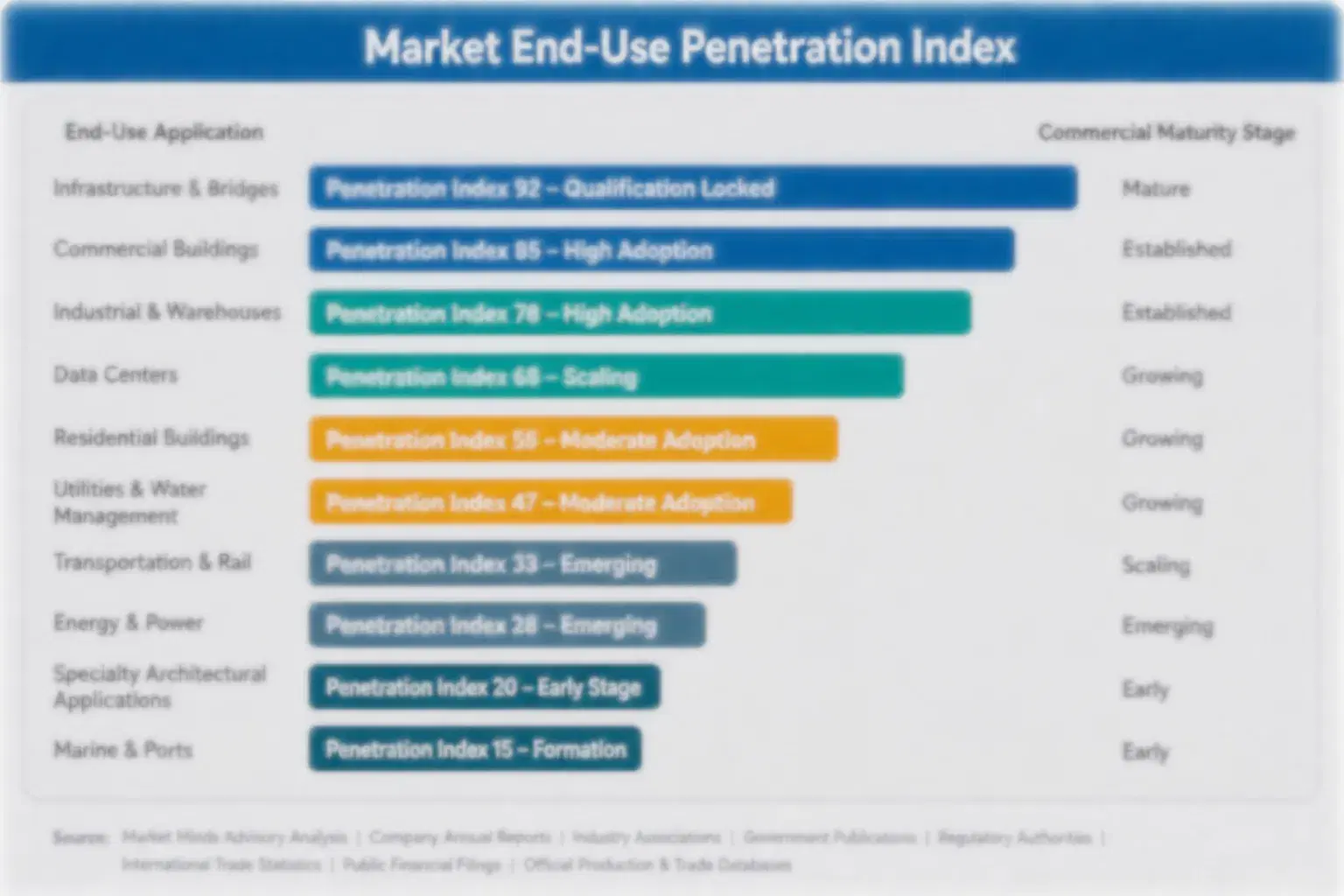
Potato granule demand behaves like an annuity once a food maker approves a supplier. Texture, absorption, color, and flavor are tied to a specific granule profile, so switching means new trials, possible line adjustments, and risk of consumer complaints. Annual agreements reinforce repeat orders, and buyers often accept modest price increases to protect supply continuity and consistent product quality across production runs. Quality drift is a bigger fear than price.
Stickiness varies by end-use vertical. Snack and gluten-free bakery makers show the deepest loyalty because recipes depend on tuned particle specifications. Institutional caterers and instant mash brands switch more often, since price and delivery dominate, though contracts of two or three years limit churn. Retail private label buyers rebid frequently, making that group the most price sensitive and least attractive for long-term capacity planning.

Buyer profiles are changing. Younger product developers and retailer buyers emphasize clean labels, non-GMO claims, and allergen-free positioning, and they favor suppliers that document traceability and sustainability. Older buyers anchor on price and long relationships. Suppliers must serve both groups, but growth concentrates among brands seeking gluten-free and plant-forward products that meet health and sustainability commitments.
potato-granules-market-end-use-penetration-index-1789752429719

MMA Verdict on Potato Granule Strategy

These are among the four positions where our research anticipates prominent divergence between winners and laggards over the coming forecast period. Each is grounded in the demand model, the regulatory perimeter, and the announced capacity pipeline.
01 / ORGANIC ACREAGE SECURITY

Lock In Certified Potato Acreage Before Rivals Do

Organic and non-GMO granules grow about 1.78 times faster than the market and earn premiums of 15% to 25% per tonne, but supply depends on scarce certified acreage. Processors that sign five-year grower contracts now will hold pricing power as retailers convert clean-label programs into purchase specifications. MMA recommends committing within the next 18 months, before competitors secure the best growers and premiums become harder to defend, because rivals are already approaching the same growers with longer agreements and better terms.
02 / DRYING ENERGY EFFICIENCY

Invest in Heat Recovery to Defend Margin Against Gas Volatility

Drying energy can reach 17% of cost of goods, and European gas prices spiked sharply in 2022, compressing margins for exposed plants. Heat recovery and electric heat pumps cut energy use by 15% to 25% and pay back within three to five years. MMA advises prioritizing efficiency projects at plants with the highest gas exposure, because savings compound each year and strengthen contract negotiations, since every year of delay leaves margin exposed to the next European price spike or supply disruption elsewhere.
03 / BAKERY APPLICATION DEVELOPMENT

Build Application Labs for Gluten-Free Bakery Customers

Gluten-free functional granules earn 10% to 18% higher prices when tuned to particle size and absorption, and once a recipe is approved, food makers rarely reformulate. Application laboratories and pilot bakeries shorten customer trials and create switching costs that protect volume. MMA recommends starting with two anchor bakery customers, then extending the range as performance data builds and reference recipes attract further inquiries, and the laboratory investment is small next to a new dryer while protecting volume that competitors would otherwise attack.
04 / REGIONAL CAPACITY EXPANSION

Add Indian and Polish Capacity Near Growing Regions

Indian and Polish capacity additions already show that low-cost potato growing regions can supply drying plants competitively, and buyers value shorter supply routes and local grower contracts. Processors that expand there gain lower energy and labor costs and access to fast-growing consumer markets. MMA advises phasing investments with anchor customer commitments, while maintaining quality controls that premium buyers require during audits, since new plants near crops give access to fast-growing consumers and cheaper energy than legacy European sites can offer today.

Engagement Snapshot From the Field

A live engagement with an industry participant carrying material or product regulatory and market exposure ahead of a defining policy shift, showing how our research translates into a defensible multi-year portfolio strategy.
MARKET MINDS ADVISORY · CLIENT ENGAGEMENT SUMMARY
Potato Granules Producer Strategic Portfolio Review and Transition Roadmap 2026·Investment Scenario on Potato Granules Exposure Evaluation 2025-26
CLIENT PROFILE
The client is a mid-sized European potato granule processor with two plants and roughly $140 million in annual revenue (client-reported, unverified by MMA), selling standard add-back granules to instant mash brands, distributors, and institutional caterers. About 85% of volume was standard grade, gross margin sat near 14% (client-reported, unverified by MMA), and drying energy was its largest controllable cost.
STRATEGIC CHALLENGE
Energy prices and weaker harvests had compressed margins, while retailers began asking for organic and non-GMO product and bakers asked for gluten-free grades the client could not supply. Leadership needed a plan that cut drying cost, moved volume toward certified and functional grades, and secured raw material without overextending capital. The board wanted a decision within a year.
MMA APPROACH
MMA benchmarked 10 processors on cost structure and grade mix, interviewed retailer buyers, gluten-free bakers, and snack makers about specifications and price points, and modeled the economics of heat recovery, an organic line, and an application laboratory under bull, base, and bear energy and harvest scenarios. The work covered plants in four countries.
KEY FINDINGS
  1. Heat recovery on both plants could cut drying energy by about 20% and pay back within four years at current European gas prices.
  2. Organic granules sold at premiums of about 20% and three retailers indicated they would sign annual contracts if acreage was secured, provided delivery was reliable.
  3. Gluten-free bakers would pay roughly 14% more for tuned granules and required an application laboratory to qualify a new supplier, according to interviews.
  4. Standard granule volume would remain necessary to fill plants, so the client should keep private label contracts at 55% of volume, to protect plant utilization.
CLIENT PROFILE
The client is a mid-sized European potato granule processor with two plants and roughly $140 million in annual revenue (client-reported, unverified by MMA), selling standard add-back granules to instant mash brands, distributors, and institutional caterers. About 85% of volume was standard grade, gross margin sat near 14% (client-reported, unverified by MMA), and drying energy was its largest controllable cost.
STRATEGIC CHALLENGE
Energy prices and weaker harvests had compressed margins, while retailers began asking for organic and non-GMO product and bakers asked for gluten-free grades the client could not supply. Leadership needed a plan that cut drying cost, moved volume toward certified and functional grades, and secured raw material without overextending capital. The board wanted a decision within a year.
MMA APPROACH
MMA benchmarked 10 processors on cost structure and grade mix, interviewed retailer buyers, gluten-free bakers, and snack makers about specifications and price points, and modeled the economics of heat recovery, an organic line, and an application laboratory under bull, base, and bear energy and harvest scenarios. The work covered plants in four countries.
KEY FINDINGS
  1. Heat recovery on both plants could cut drying energy by about 20% and pay back within four years at current European gas prices.
  2. Organic granules sold at premiums of about 20% and three retailers indicated they would sign annual contracts if acreage was secured, provided delivery was reliable.
  3. Gluten-free bakers would pay roughly 14% more for tuned granules and required an application laboratory to qualify a new supplier, according to interviews.
  4. Standard granule volume would remain necessary to fill plants, so the client should keep private label contracts at 55% of volume, to protect plant utilization.
RECOMMENDED STRATEGY
Phase 1: Phase 1 (Months 1-6): Install heat recovery at both plants and sign organic grower contracts covering 800 hectares, with progress reviewed monthly. Phase 2: Phase 2 (Months 7-15): Commission a certified organic line and qualify granules with three retailers and two gluten-free bakers, with contracts signed. Phase 3: Phase 3 (Months 16-30): Launch an application laboratory and tailored gluten-free grades to bakery and snack customers across Europe using tailored technical service.
OUTCOME
Within 30 months, the client moved about 30% of volume into organic and functional grades and raised gross margin from 14% to an estimated 22% (client-reported, unverified by MMA). Drying energy cost fell 19%, three retailer contracts were signed, and revenue reached roughly $168 million (client-reported, unverified by MMA) without adding a third plant.

Frequently Asked Questions

Foundational context covering the market sizes, CAGR, scope, country, region and competition that inform every finding below. This section is provided to cover basics and most often pre-purchase conversations, answered from the MMA Primary Research Dataset.

What is the current size of the Potato Granules Market?

The global potato granules market was valued at $2.4 billion in 2025. This covers dehydrated add-back potato granules sold to food makers, foodservice operators, and retailers.

How large will the Potato Granules Market be by 2036?

MMA projects the market will reach approximately $3.9 billion by 2036. This represents cumulative growth of roughly $1.4 billion over the full ten-year forecast window.

What is the CAGR for the Potato Granules Market 2026 to 2036?

The market is forecast to grow at a 4.5% compound annual rate between 2026 and 2036. The bull case reaches 5.8% while the bear case falls to 3.2%.

Which segment is growing fastest?

Organic and Non-GMO Granules is the fastest-growing segment at 8.0% CAGR, roughly 1.78 times the overall market rate. Gluten-Free Functional Granules follows as the second-fastest segment at 7.0%.

Who are the major companies in the Potato Granules Market?

Leading companies include Idahoan Foods, Basic American Foods, Emsland Group, Agrana Group, and JR Simplot Company. These five processors together hold an estimated 33% of global production capacity.

Which country is growing fastest?

India is the fastest-growing major market, expanding at approximately 8.5% CAGR each year. Rising snack and quick-service restaurant demand and new domestic drying capacity are driving this above-market growth.

Report Segmentation Architecture

The full report scope spans multiple orthogonal segmentation dimensions, with cross-tabulated demand data provided for each dimension pair. Coverage extends further to regional breakdowns, trend trajectories, and the competitive detail needed to support segment-level decision-making.

By Primary Market Dimension

  • Standard Add-Back Granules
  • Organic and Non-GMO Granules
  • Gluten-Free Functional Granules
  • Fortified and Protein-Enriched Granules
  • Coloured and Specialty Variety Granules
  • Low-Acrylamide Process Granules

By End-Use Industry

  • Instant Mashed Potato and Prepared Meals
  • Bakery and Gluten-Free Foods
  • Snacks and Fabricated Crisps
  • Soups, Sauces, and Binders
  • Institutional and Foodservice Catering

By Commercial Dimension

  • Direct Food Manufacturer Contracts
  • Foodservice Distributor Channels
  • Retail Private Label Programs
  • Export Trade Channels

By Region

  • North America
  • Western Europe
  • East Asia
  • South Asia and Pacific
  • Latin America
  • Middle East and Africa
  • Eastern Europe

Scope, Methodology, and Coverage

Every figure in this report is reproducible from documented input assumptions. The scope below maps the historical period, the forecast horizon, the segmentation dimensions, and the countries covered, alongside the underlying primary and qualitative methodology.
Historical Period
2020 to 2025
Forecast Period
2026 to 2036
Base Year
2025 (USD billions; MMA Primary Research Dataset, September 2026)
Market Definition
Potato granules are dehydrated potato particles made by the add-back process, in which cooked potato is mixed with dried material and milled into free-flowing granules, sold to food manufacturers, foodservice operators, and retailers for mashed potato, baking, snack, and binder uses. The scope excludes potato flakes, potato starch, frozen potato products, fresh potatoes, and finished consumer meals.
Quantitative Units
USD billions (current prices); metric tons for volume references
Segmentation Dimensions
By Product Grade and Specification; By End-Use Industry; By Commercial Dimension; By Region
Regions Covered
North America, Western Europe, East Asia, South Asia and Pacific, Latin America, Middle East and Africa, Eastern Europe
Countries Covered
USA, Canada, Germany, Netherlands, Belgium, France, UK, Poland, Ukraine, Japan, China, South Korea, India, Australia, Brazil, Mexico, Argentina, UAE, Saudi Arabia, Turkey, Egypt, South Africa, Italy, Spain, Ireland, Switzerland, Singapore, Thailand, Indonesia, Vietnam, and additional markets relevant to this sector
Key Companies Profiled
Idahoan Foods, Basic American Foods, Emsland Group, Agrana Group, J.R. Simplot Company, Lamb Weston, McCain Foods, Aviko, Farm Frites, Cavendish Farms, Mydibel, Clarebout Potatoes, Agristo, Pizzoli, Nestle, Unilever, Kraft Heinz, General Mills, Ajinomoto, Bunge
Quantitative Methodology
Primary survey, n=3,800 respondents, Q4 2025, six countries; demand-side model with trade association cross-validation
Qualitative Methodology
47 expert interviews, Q4 2025; applied to validate demand model assumptions, identify emerging dynamics, and assess competitive positioning
Report Format
PDF and XLSX data workbook (Word format preview document)
Publisher
Market Minds Advisory
Report Code
MMA-2026-AGR-246
Published
September 2026
Contact
sales@marketmindsadvisory.com | www.marketmindsadvisory.com

Purchase the full Potato Granules Market Report (2026 to 2036).

The full report delivers a detailed assessment of global potato granule production, grade mix, and competitive positioning through 2036. It includes segment forecasts by product grade and specification, country-level data for all seven world regions, and profiles of the twenty companies most relevant to processing and ingredient supply. Analysts also receive input cost modeling and portfolio margin benchmarking built from MMA's primary research dataset. A scenario planning module lets subscribers stress-test bull and bear assumptions against energy and harvest outcomes. Quarterly updates keep the whole dataset current throughout.
Ten-year segment and regional demand forecasts
Potato acreage and drying capacity tracking
Competitive benchmarking of top twenty processors
Energy and harvest cost sensitivity modeling tools
Regional demand mechanism comparative analysis included
Quarterly primary survey data update access

Built For The People Who Decide

From boardroom strategy to bench-side execution, this report is read cover-to-cover by leaders shaping the next decade of their industry, turning demand scenarios, market dynamics and valuation benchmarks into decisions.
CXOs/ Presidents/ VPs/ Managers
M&A and Corporate Development
Strategy Teams and R&D Heads
Procurement and Product Directors
Regulatory and Compliance Leaders
Investor Relations and Equity Analysts