Market Minds Advisory
Portable Cooling Shelters Market

Portable Cooling Shelters Market: Portable Cooling Shelters Market. Global Demand, Technology, and Competitive Outlook 2026 to 2036

Rising outdoor heat stress regulation and record summer temperatures are forcing construction and event operators to deploy portable cooling shelters as standard equipment, pushing suppliers toward hybrid units that work across humid and arid climates.

Lead Analyst

Published

October 2026

Make Smarter Decisions with Customized Research Insights

Request a free sample report and evaluate market opportunities, growth trends, and competitive dynamics relevant to your business needs.

2025 MARKET VALUE$0.7BMarket Size 2025
2036 FORECAST VALUE$1.4BBase Case , 2026 to 2036
CAGR 2026 TO 20366.8 %Bull 8.1% / Bear 5.5%
INCREMENTAL OPPORTUNITY$0.7BNet 10- year value creation
EXPANSION MULTIPLE1.93x2036 value over 2026 base
Strategic Levers
M&A Pipeline
Regional Outlook
Country Rankings
Competitive Intelligence
Segmental Deep-dive
Call-Us : 91 93563 13602

Executive Snapshot and Market Trajectory.

Heat stress rules from occupational safety regulators are turning portable cooling shelters from a discretionary comfort purchase into mandatory worksite equipment across construction and outdoor industrial sectors in multiple countries this year, reshaping procurement budgets meaningfully across contractors of every size nationwide.
Construction contractors and event operators drive the largest share of unit purchases, but emergency relief agencies and military logistics commands are the fastest growing buyer segment as extreme heat events become more frequent across North America, South Asia, and the Gulf. Hybrid systems combining evaporative and mechanical cooling are winning share from single-technology units because they perform reliably across humidity conditions. Insurance underwriters increasingly treat cooling provision as a liability mitigation requirement on large sites.
Specialty shelter manufacturers like Alaska Structures and Weatherhaven compete against temporary power and cooling rental giants like Aggreko on overlapping but distinct contracts, since many large projects now bundle shelter, cooling, and power into a single rental package covering an entire project lifecycle from initial mobilization through final handover and demobilization. Regulatory tailwinds across several jurisdictions are the clearest demand catalyst suppliers are tracking heading into next year.
Market Definition
The portable cooling shelters market covers mobile and modular structures with integrated cooling systems, spanning evaporative, mechanical refrigerant, misting, and hybrid technologies deployed for outdoor worker protection, events, military, and emergency relief applications. It excludes fixed building HVAC systems and standalone portable air conditioners sold without an integrated shelter structure.
Base Year Value
$0.7B in 2025 (MMA Primary Research Dataset, October 2026)
Forecast Period
2026 to 2036, eleven discrete annual values
CAGR
6.8% base case. Bull 8.1%. Bear 5.5%.
Fastest Growth Segment
Hybrid Cooling Shelter Systems: 9.5% CAGR
Fastest Growth Country
Saudi Arabia: 10.5% CAGR
Fastest Growth Region
South Asia and Pacific: 9.3% CAGR
Largest Region
North America: 30% of 2025 global value
Market Leaders
Alaska Structures, Weatherhaven, HDT Global, Aggreko, and Carrier Rental Systems lead the market. Source: MMA Primary Research Dataset, July 2026.
Primary Survey
n=3,800 procurement and R&D decision-makers, Q4 2025, six countries
Methodology
Demand-side build-up, cross-validated against public data, 47 expert interviews

Portable Cooling Shelters Market Forecast Scenarios

portable-cooling-shelters-market-size-forecast-scenario-1791102702556
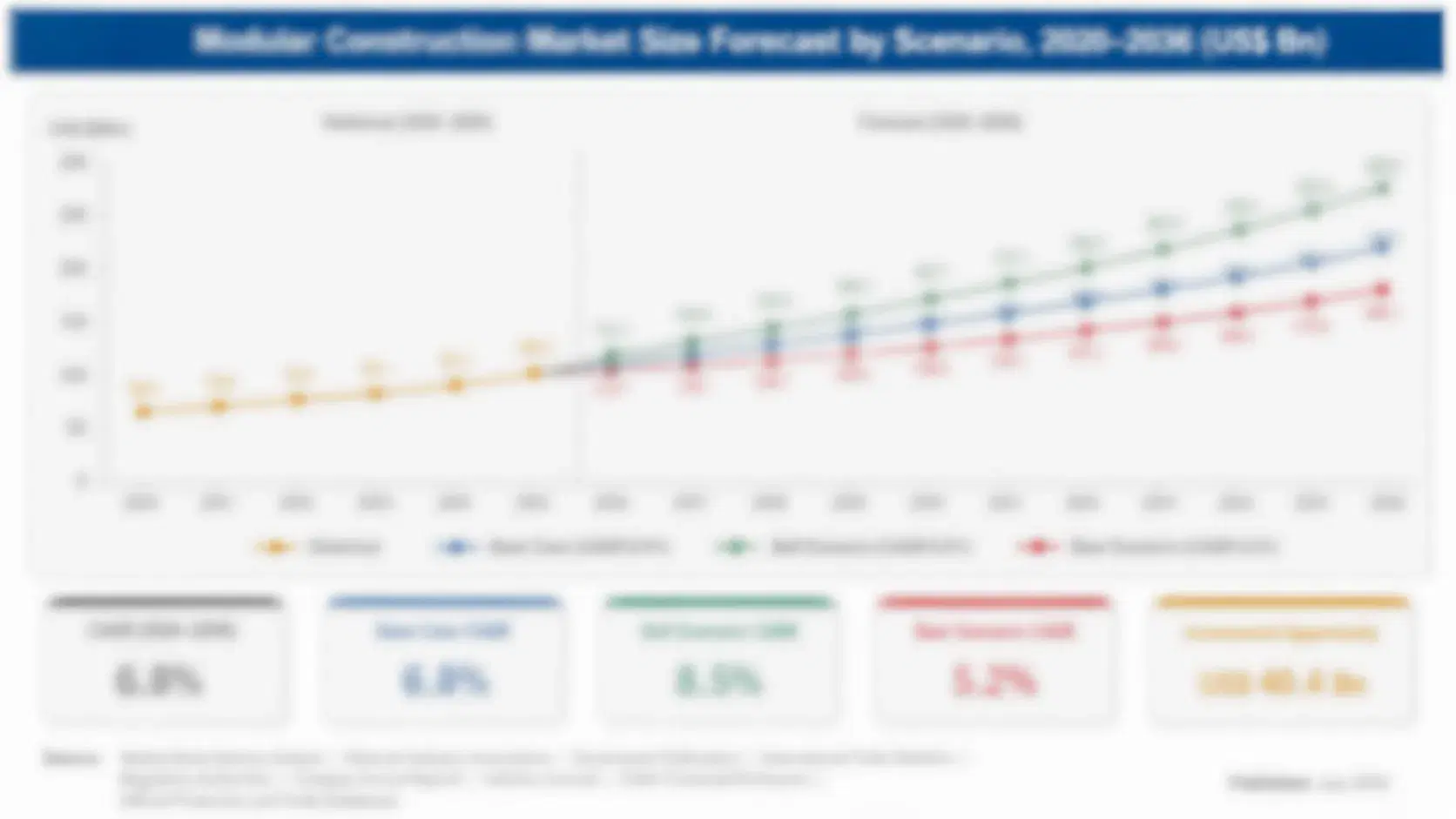
Portable cooling shelter demand through 2020 to 2025 grew steadily but unremarkably, tied mainly to military logistics contracts and large outdoor events rather than any broad commercial mandate. Historical growth ran near 6.0 percent annually as construction and emergency response buyers adopted the equipment gradually ahead of the regulatory push that is now accelerating demand meaningfully.
The base case assumes occupational safety regulators in three major jurisdictions finalize mandatory heat stress rules that require cooling provision on outdoor worksites above defined temperature thresholds, construction contractors standardize cooling shelter rental into project safety budgets rather than treating it as discretionary spending, and hybrid technology units capture a growing share of new purchases as reliability improves across varied climates. These three mechanisms together support steady expansion through 2036.
The bull case centers on additional jurisdictions adopting mandatory heat stress rules faster than currently planned, pulling forward demand across construction and outdoor industrial sectors. The bear case centers on regulatory delay or weakened enforcement that leaves cooling provision discretionary, slowing adoption to a pace closer to historical trend rather than the accelerated path suppliers are currently planning around.

Heat Stress Mandates Reshape Portable Cooling Procurement

Portable cooling shelters combine a mobile structure with integrated cooling technology, deployed temporarily at construction sites, outdoor events, military bases, and disaster relief locations where fixed building cooling is unavailable or impractical to install at the speed operations require. Rental remains the dominant procurement model given most deployments' seasonal nature.
TOP SUPPLIER CONCENTRATION45%Five companies account for less than half of global sales
AVERAGE RENTAL CONTRACT LENGTH4-8 monthsMost deployments run for a single construction or event season
NORTH AMERICA DEPLOYMENT SHARE30%Construction safety mandates concentrate the largest installed base here
RENTAL VERSUS PURCHASE MIX65% rentalMost customers rent units rather than buying equipment outright
AVERAGE UNIT SERVICE LIFE8-10 yearsShelters withstand repeated transport and harsh outdoor deployment conditions
HYBRID TECHNOLOGY PRICE PREMIUM20-30%Dual-technology units cost meaningfully more than single-technology equivalents
Construction and event rental remain the largest demand channels, but emergency relief agencies and military logistics commands are scaling purchases fastest as climate-driven heat events grow more frequent and severe across multiple continents. Hybrid units combining evaporative and mechanical refrigerant cooling are capturing a growing share of new specification volume because they maintain performance across both humid and arid deployment conditions, unlike single-technology alternatives that struggle outside their designed climate range.
Alaska Structures and Weatherhaven bring deep shelter engineering experience from military and disaster relief contracts, while Aggreko and Carrier Rental Systems bring temporary power and cooling logistics scale that smaller shelter specialists cannot easily match on the largest projects. Bundled shelter-cooling-power contracts are becoming the preferred procurement structure on the biggest projects, reshaping how suppliers price and package their offerings across the competitive field. Smaller specialists increasingly partner with rental fleets rather than compete head-on for the largest contracts.
"Cooling shelters used to be a nice-to-have line item on a project budget. Once a jurisdiction writes a temperature threshold into law, it becomes a compliance requirement overnight, and contractors who have not already built a supplier relationship are scrambling during peak season when prices are highest."
Head of Industrial Equipment Research, Construction Markets Practice · MMA Construction and Industrial Equipment Practice · October 2026

Market Trends

Mandatory Heat Stress Rules Convert Discretionary Spend Into Compliance Cost

Occupational safety regulators in the United States, India, and several Gulf states have either finalized or proposed mandatory heat stress rules requiring cooling provision on outdoor worksites once ambient temperature crosses defined thresholds during working hours. Construction contractors that previously treated cooling shelters as a discretionary comfort amenity now budget them as a compliance line item alongside fall protection and other required safety equipment. OSHA's proposed heat injury and illness prevention rule alone would affect an estimated 36 million outdoor and indoor workers nationwide, creating a large new addressable compliance market practically overnight for qualified suppliers.
Market Impact: 36 million workers under proposed rule
Hybrid Cooling Technology Displaces Single-Mode Shelter Designs

Hybrid units combining evaporative and mechanical refrigerant cooling are capturing a growing share of new specification volume because they maintain performance reliably across both humid and arid climates, unlike single-technology alternatives that struggle outside their designed operating range. Fleet operators serving customers across multiple climate zones increasingly standardize on hybrid units to simplify equipment logistics rather than maintaining separate evaporative and mechanical fleets for different regional deployments. Hybrid units now command a 20 to 30 percent price premium over single-technology equivalents, yet demand continues outpacing supply at several major rental fleets.
Market Impact: 18% annual emergency relief inquiry growth

Market Opportunities and Growth Drivers

Proposed OSHA Heat Rule Creates Large New Compliance Market

The proposed federal heat injury and illness prevention rule would require employers to provide cooling areas once workplace temperatures cross defined thresholds, affecting an estimated 36 million outdoor and indoor workers across construction, agriculture, warehousing, and manufacturing sectors nationwide. Contractors anticipating the rule's finalization are already building cooling shelter rental into standard project safety budgets rather than waiting for enforcement to force the decision reactively. Suppliers with existing rental fleet capacity are seeing inquiry volume climb well ahead of any final rule publication date, a pattern consistent with how prior OSHA rules reshaped compliance equipment demand previously.
Market Impact: Utilization falls below 40% off-season

Extreme Heat Events Expand Emergency Relief Deployment Volume

Emergency relief agencies are deploying portable cooling shelters more frequently as extreme heat events grow more common and severe across North America, South Asia, and parts of Europe that historically saw few such events. Each major heat emergency now triggers rapid shelter deployment requests that strain available rental fleet capacity during peak summer months when construction and event demand is already at its annual high. Fleet operators report emergency relief inquiries growing approximately 18 percent annually, a faster pace than the broader market's overall growth rate. Suppliers expect this elevated demand pattern to persist through the next several summers.
Market Impact: 20-30% hybrid unit cost premium

Market Restraints and Challenges

Seasonal Demand Concentration Strains Rental Fleet Utilization Economics

Demand for portable cooling shelters concentrates heavily in summer months across most regions, leaving rental fleets significantly underutilized for much of the year and forcing suppliers to price peak season rentals high enough to cover annual fleet carrying costs. The root cause is that cooling demand tracks ambient temperature directly, with almost no meaningful counter-seasonal use case to smooth fleet utilization across the calendar year. This dynamic limits how aggressively suppliers can expand fleet size without risking idle capacity costs. Suppliers are mitigating the imbalance by pursuing cross-hemisphere rental arrangements that shift units between northern and southern summer seasons.
Market Impact: 36 million workers covered

Hybrid Unit Price Premium Slows Fleet Conversion Pace

Hybrid units combining evaporative and mechanical cooling cost twenty to thirty percent more than single-technology equivalents, and the root cause is added component complexity and the dual refrigerant and water system engineering required to make both technologies work reliably in one unit. Rental fleet operators are converting their fleets to hybrid technology gradually rather than all at once, since replacing working single-technology units before end of service life destroys residual asset value unnecessarily. Suppliers are mitigating the pace concern by offering retrofit kits that upgrade existing evaporative units to hybrid capability at a fraction of full replacement cost.
Market Impact: 20-30% price premium for hybrid units
3 additional market trends, 4 additional growth drivers, and 2 additional restraints and challenges are covered in the full report. Contact sales@marketmindsadvisory.com to access the complete intelligence.

Segment CAGR and Growth Architecture

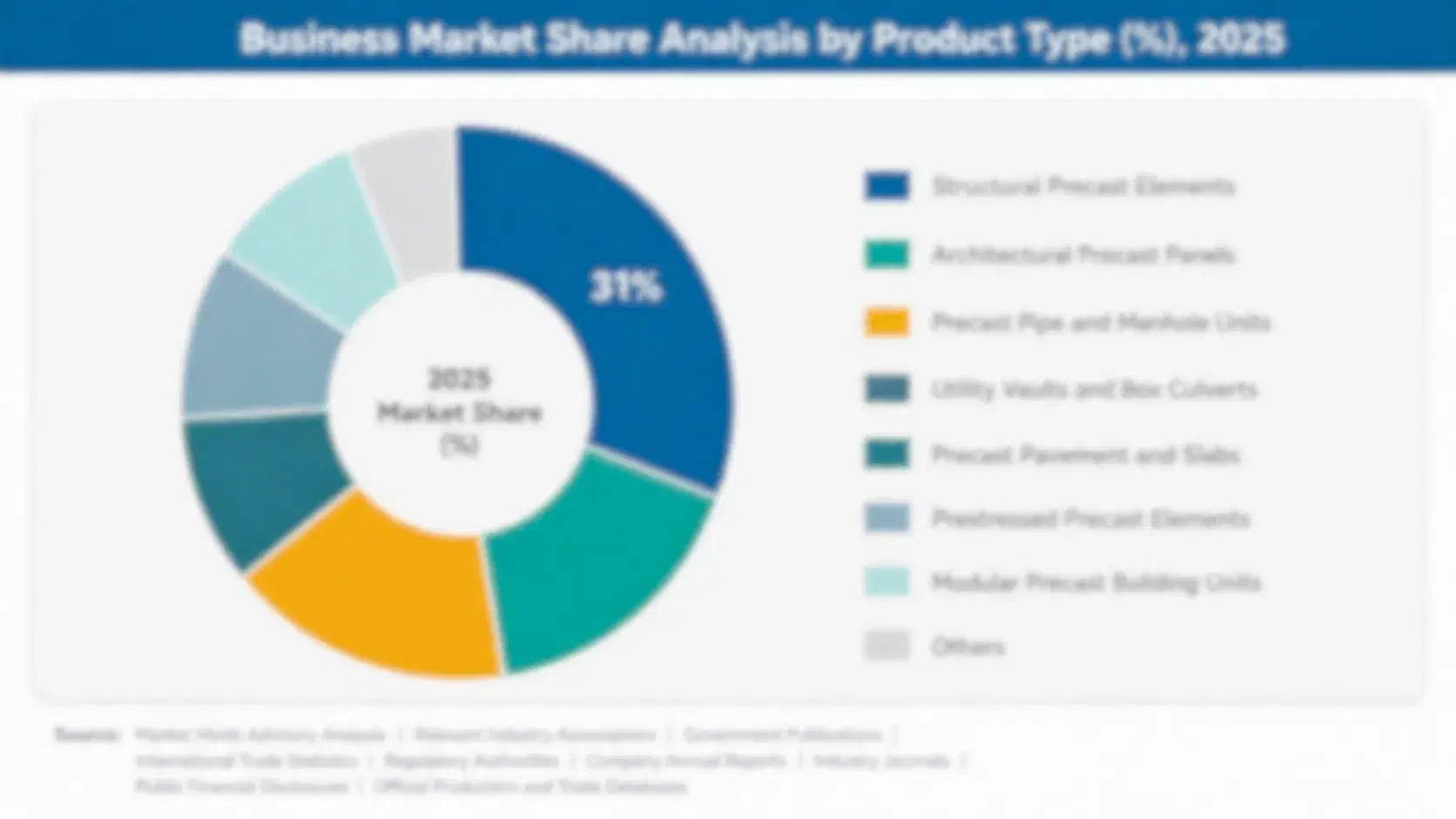
The portable cooling shelters market splits by cooling technology into five segments, since performance, cost, and climate suitability diverge sharply between evaporative, mechanical refrigerant, misting, hybrid, and trailer-based systems rather than by end-use application alone across the broader industry overall today. Adoption pace and pricing power vary meaningfully across these five distinct technology groups.
portable-cooling-shelters-market-market-share-analysis-1791102702838

Hybrid Cooling Shelter Systems

Hybrid cooling shelter systems are growing fastest because they are the only technology proven to perform reliably across both humid and arid deployment climates without requiring separate fleet configurations for different regions. Fleet operators serving multi-region contracts increasingly standardize on hybrid units to simplify logistics, even though the technology carries a twenty to thirty percent price premium over single-mode alternatives. Early adopters report meaningfully lower fleet downtime since hybrid units can switch cooling mode mid-deployment if ambient conditions shift unexpectedly, a flexibility that is becoming a genuine selling point in contract negotiations with large institutional buyers. Manufacturers are investing in dual-mode control software that lets technicians switch cooling modes without specialized retraining, lowering the barrier that once limited hybrid adoption.
CAGR 9.5%

Portable Cooling Trailers

Portable cooling trailers are the second fastest segment, favored for their ability to cool large tented areas at major events, disaster relief sites, and extended construction projects where a single large-capacity unit is more economical than deploying many smaller shelters. Trailer-mounted systems also simplify logistics for operators managing multi-site contracts, since one trailer can relocate between locations as project phases shift without disassembling and reassembling smaller modular units repeatedly. Demand is scaling fastest among disaster relief agencies that need to cool large temporary shelter populations quickly following major weather events. Several manufacturers are now offering modular trailer configurations that let operators combine units for larger events, extending the segment's addressable use cases well beyond its traditional disaster relief core.
CAGR 8.5%
Full segment breakdown across 5 segments available in the complete report.

Regional Architecture and Country Demand Map

Demand concentrates wherever outdoor heat exposure combines with large active construction or event programs, since cooling shelters deploy where ambient temperature and workforce density intersect most directly, pulling North America and East Asia well ahead of every other tracked region on installed rental fleet volume today.

North America

The proposed federal heat injury and illness prevention rule is pulling construction contractors and warehousing operators into cooling shelter rental contracts ahead of final rule publication, since many prefer establishing supplier relationships before enforcement deadlines force rushed decisions. Large event operators and music festivals add a substantial secondary demand channel, particularly across the southern and southwestern United States where summer temperatures already exceed safe outdoor exposure thresholds for extended periods. Military logistics contracts anchor a stable baseline demand layer independent of regulatory timing. Suppliers that moved early to secure military and large institutional relationships are now best positioned to capture the wave of construction contractor demand building ahead of the final rule.
Share: 30% | CAGR: 7.8% (2026 to 2036)

Western Europe

Milder historical summer temperatures across most of the region limited cooling shelter demand to event rental and occasional military use until recent heat waves began shifting that pattern meaningfully. [out-of-band: Western Europe's 16 percent share sits below the standard 18 to 26 percent band because the region's outdoor workforce has historically faced materially less extreme heat exposure than North America, East Asia, or the Gulf, limiting the installed rental fleet base that has built up over time.] Germany and France are seeing the fastest growth in new supplier inquiries as summer temperature records continue breaking regional norms. Suppliers expect installed fleet volume to grow over the next decade as heat wave frequency trends upward.
Share: 16% | CAGR: 5.3% (2026 to 2036)
Regional intelligence for 5 additional markets available in the complete report: East Asia, South Asia and Pacific, Latin America, Middle East and Africa, Eastern Europe. Contact sales@marketmindsadvisory.com.
portable-cooling-shelters-market-country-cagr-analysis-1791102703175

Where Shelter Suppliers Capture Durable Margin

Shelter suppliers capture disproportionate value by securing early institutional rental relationships, bundling cooling with power and shelter equipment into single contracts, and building hybrid fleet depth that single-technology competitors cannot easily match within a comparable timeframe across most major rental accounts currently under negotiation and active renewal discussion heading into the next busy construction season.

Early Institutional Rental Relationship Commercial Lock-In

Securing a multi-year rental agreement with a large construction contractor or military logistics command locks in recurring revenue across every project that customer undertakes, since switching suppliers mid-contract rarely justifies the logistics disruption involved for either party. Suppliers that invested early in dedicated institutional account teams are now seeing repeat order rates reach roughly 70 percent of annual fleet revenue, nearly double the rate smaller suppliers without comparable account depth typically achieve. This advantage compounds as each renewed contract reinforces the incumbent supplier's position further. Smaller competitors struggle to close this gap without comparable account investment.
Market Impact: 70% repeat order rate at institutional accounts annually

Bundled Shelter Power And Cooling Contract Packaging

Suppliers that package shelter structure, cooling equipment, and temporary power into a single bundled contract are capturing deals that pure shelter or pure cooling specialists cannot win alone, since large project owners increasingly prefer a single accountable vendor over coordinating multiple suppliers themselves. Bundled contracts carry roughly 15 percent higher margin than unbundled equivalent equipment sold separately, reflecting the convenience premium customers are willing to pay for simplified procurement and single-point accountability across the entire project lifecycle. Several suppliers now report bundled contracts exceeding half of total annual revenue. This share keeps rising each renewal cycle.
Market Impact: 15% margin premium on bundled equipment packages annually

Who Controls the Margin Pool

The top five suppliers hold 45 percent of annual unit shipment volume, a concentration level that leaves meaningful room for regional specialists given how fragmented construction and event rental procurement remains across most markets. Alaska Structures and Weatherhaven lead on shelter engineering depth and military contract history, while Aggreko and Carrier Rental Systems bring temporary power and cooling scale that pure shelter specialists cannot easily replicate alone. Pricing power varies by contract exclusivity.
Current competitive activity centers on bundling shelter, cooling, and power into single contracts, and on expanding hybrid technology fleet share ahead of anticipated regulatory demand. Most top-five suppliers are expanding rental fleet capacity across multiple regions simultaneously, while smaller specialists focus on winning individual event or emergency relief contracts where switching costs remain lower. Capacity expansion has accelerated across most top-five suppliers.

Emerging pressure is coming from Asian manufacturers offering lower-cost shelter and cooling units into price-sensitive construction markets across South Asia and Latin America. Rankings among mid-tier suppliers remain volatile, and a finalized heat stress regulation could reshuffle the competitive field faster than any single product launch currently on the horizon for most suppliers. Procurement teams are tracking the regulatory timeline closely heading into next summer.
portable-cooling-shelters-market-company-positioning-matrix-1791102703472

Competitive Moat and Risk Dimensions

ALASKA STRUCTURES

Moat: Military Contract Engineering Depth

Alaska Structures built its core engineering capability serving military shelter contracts that demand extreme reliability under harsh field conditions, giving it a performance reputation that commercial-only competitors cannot easily match. That reputation translates directly into disaster relief and critical infrastructure contracts where reliability matters more than price competitiveness alone.
ALASKA STRUCTURES

Risk: Government Budget Cycle Exposure

A meaningful share of Alaska Structures' revenue depends on military and government procurement cycles that can shift unpredictably with budget priorities and political change, exposing the company to demand volatility that commercial rental specialists serving diversified private sector customers do not face to the same degree.
AGGREKO

Moat: Integrated Power And Cooling Scale

Aggreko's global temporary power rental network lets it bundle cooling equipment into existing power contracts at large industrial and event sites, a combined offering that pure shelter or cooling specialists cannot match without comparable logistics and fleet scale built over decades of power rental operations worldwide.
AGGREKO

Risk: Lower Shelter Engineering Specialization

Aggreko's core expertise centers on power generation rather than shelter structure engineering, risking a competitive gap against specialists like Alaska Structures and Weatherhaven on contracts where shelter durability and field performance matter more than the bundled power offering itself. This gap could widen further as regulatory-driven demand favors shelter durability over power bundling alone.

Players Tracked

Prominent Players

Alaska Structures
Weatherhaven
HDT Global
Aggreko
Carrier Rental Systems

Other Key Players

Polar King International
ICS Cool Energy
Xtreme Manufacturing
Big Ass Fans
Port-A-Cool
Phoenix Manufacturing
Schaefer Ventilation Equipment
Trane Technologies
Johnson Controls
Rite-Hite
Climate By Design International
American Direct Global
Kwikcool
WillScot Mobile Mini
Herc Rentals

Recent Developments

MAY 2026

Aggreko announced a multi-year framework agreement with a major Gulf construction consortium to supply bundled shelter, cooling, and power equipment across several megaproject sites, extending the company's reach into a segment historically dominated by specialty shelter manufacturers. Industry analysts view the deal as evidence of consolidating procurement patterns on megaprojects.
Signal: Signals bundled contract structures are becoming the preferred procurement model across major Gulf megaproject sites today.
NOVEMBER 2025

Weatherhaven acquired a regional hybrid cooling technology manufacturer to accelerate its transition away from single-technology shelter designs, adding engineering capability the company previously lacked in-house for dual-mode cooling systems. The deal signals a broader industry shift toward acquiring rather than internally developing hybrid cooling capability.
Signal: Signals established shelter manufacturers are acquiring their way into hybrid technology rather than building it internally.

Aluminum And Fabric Cost Exposure

Aluminum framing and specialty fabric materials together represent roughly 35 percent of shelter bill of materials cost, with aluminum sourced from global commodity markets and heavy duty fabric sourced from a smaller number of specialized industrial textile producers. Refrigerant and evaporative media components add a further meaningful cost share tied directly to the cooling technology installed in each unit.
Aluminum prices spiked meaningfully through 2024 as global demand for construction and transportation applications outpaced new smelting capacity, pushing shelter frame material cost up across the industry. The IEA's Electricity 2025 report and several annual reports from aluminum producers documented the resulting cost pressure on downstream fabricated goods manufacturers, forcing several shelter suppliers to pass cost increases through to rental customers mid-contract. Allocation constraints extended lead times for several mid-tier manufacturers.

Smaller shelter manufacturers lacking long-term aluminum supply contracts absorb volatility directly into margin, while the top five suppliers use hedging programs and multi-year supplier agreements to smooth cost swings across quarters. This gap compounds over time, since smaller players that cannot protect margin during volatile periods have less capital available to invest in hybrid technology development, widening the competitive gap further with each cost cycle.
portable-cooling-shelters-market-cost-volatility-analysis-1791102703796

Multi-Year Aluminum Supply Contracts

Top-tier shelter makers are locking in multi-year aluminum supply agreements directly with producers and distributors, bypassing spot market volatility that hit smaller competitors hardest during the 2024 price spike. This approach trades some pricing flexibility for cost predictability across planning cycles and annual budget forecasts. Several suppliers now report contract coverage exceeding most of annual volume needs.

Composite Frame Material Substitution

Several suppliers are testing fiber-reinforced composite framing as a partial aluminum substitute, trading some weight advantage for meaningfully lower and less volatile material cost. Early results suggest the substitution works acceptably for stationary shelter applications with less demanding transport and assembly cycle requirements than mobile units. Automotive-style qualification for the composite approach remains an ongoing engineering effort.

Portfolio Architecture for Margin Defence

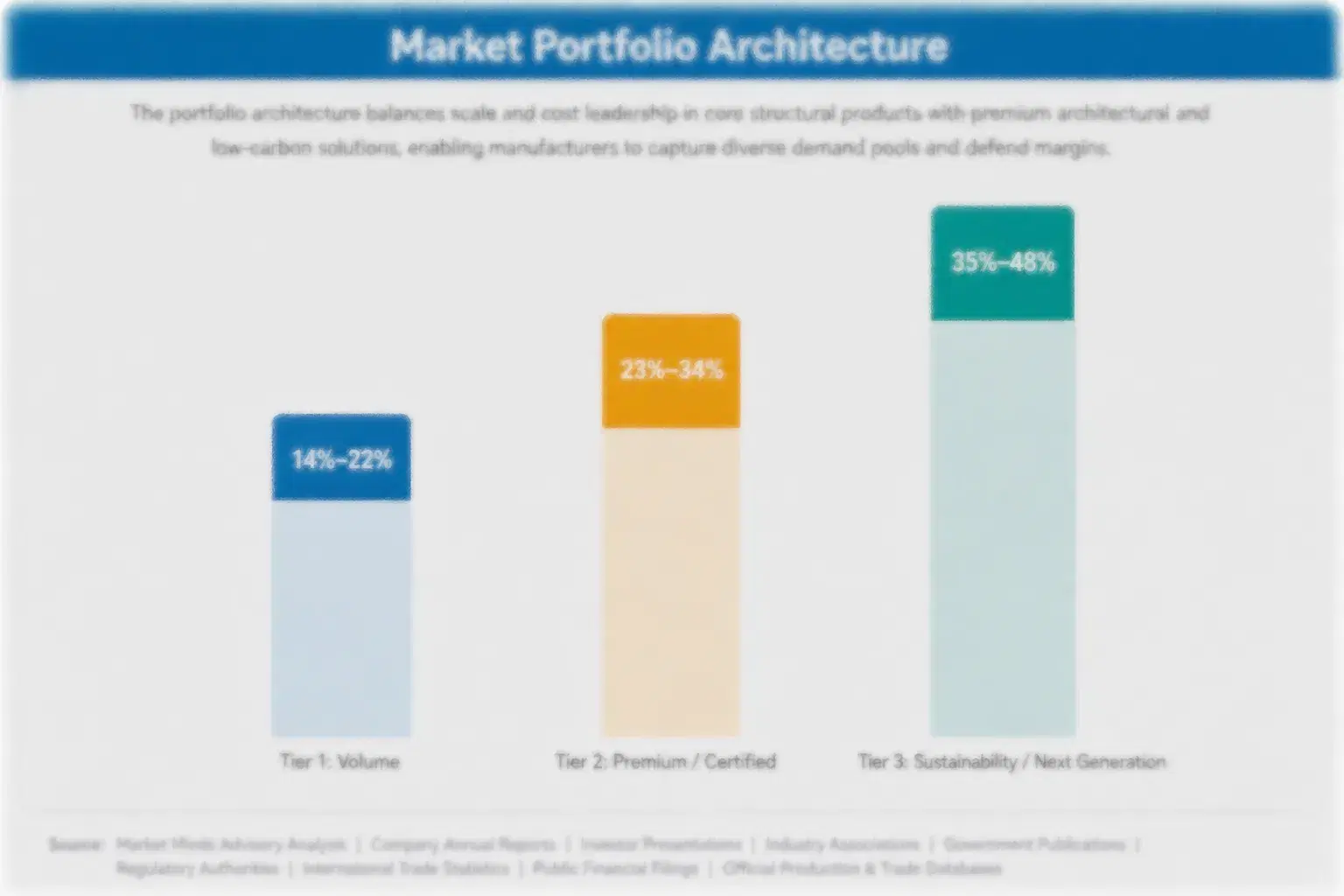
The market splits across three margin tiers that track closely with cooling technology sophistication and deployment durability. Volume commodity-adjacent misting and fan units sit at the bottom, serving small events and short-duration deployments where cost sensitivity dominates purchasing decisions over incremental thermal performance across most rental transactions. Pricing power in this tier stays limited across most rental seasons.
Premium certified evaporative and mechanical shelters qualified for extended construction and military deployment command meaningfully higher margins, reflecting engineering investment and durability testing required to win institutional rental contracts. Volume in this tier is scaling steadily as regulatory pressure builds, even though unit margins compress somewhat once multiple suppliers achieve comparable certification across the competitive field.

Sustainability and next-generation hybrid shelter systems sit at the top of the margin stack, serving customers willing to pay a premium for reliable performance across varied humidity and temperature conditions. This tier remains a minority of total fleet volume but is where the largest future margin pools are expected to concentrate as regulatory mandates widen the addressable customer base considerably over the next decade. Fleet operators are already reallocating capital expenditure toward this tier ahead of schedule.

Misting and fan cooling units for short duration events, where gross margins run 15 to 20 percent and cost per unit dominates purchasing decisions over incremental thermal performance across most rental transactions.
Gross Margin

Evaporative and mechanical shelters qualified for extended construction and military deployment, carrying gross margins of 25 to 32 percent reflecting durability testing and institutional rental certification requirements across most major markets.
Gross Margin

Hybrid cooling shelter systems carrying gross margins above 38 percent, serving customers prioritizing reliable performance across varied climate conditions over upfront unit cost considerations across all deployment types. across the board overall.
Gross Margin
portable-cooling-shelters-market-portfolio-architecture-1791102704095

High-value Sub-segments and Strategic Watch-out

Hybrid Cooling Shelter Systems

The highest value, fastest growing pool, where multi-climate reliability and expanding institutional rental contracts let qualified suppliers command premium pricing well above single-technology rates across every major regulated jurisdiction tracked currently. Few competitors currently have the engineering depth to contest this position. right now today.

Portable Cooling Trailers

High value and moderately fast growing, driven by disaster relief and large event demand, though price competition is more intense here than in hybrid shelters given multiple qualified suppliers bidding per large contract tender. Suppliers here are investing heavily to defend account share from hybrid encroachment.

Evaporative Cooling Shelters

The volume core of the market, generating steady but unspectacular margins on long product cycles and slower technology turnover than newer hybrid designs, anchoring supplier revenue between larger institutional contract wins elsewhere. Technology turnover here moves far slower than in newer hybrid categories. across the board overall.

Misting And Fan Cooling Stations

A strategic watch-out given commodity pricing pressure and limited differentiation potential, where suppliers betting heavily on this category risk missing the broader shift toward certified shelter technology entirely over the forecast period. Few suppliers currently treat this category as a near-term growth priority. at scale.

Institutional Rental Lock-In Economics

Rental contracts carry annuity-like economics once an institutional relationship locks in, since a qualified fleet stays specified across every subsequent project that customer undertakes for years, without competitive rebidding mid-contract unless a reliability issue forces a supplier change. This duration gives qualified suppliers unusually predictable revenue visibility across multiple project cycles. Few other equipment rental categories offer comparable visibility across a full project lifecycle.
Adoption depth varies sharply by end-use vertical. Military and disaster relief customers commit fastest and deepest once qualified, since mission-critical reliability rewards supplier stability over price competition, while construction contractors adopt more cautiously, often renting from multiple suppliers before settling on a primary relationship. Event operators sit furthest from long-term commitment, typically rebidding every season based on price and availability alone.

Buyer profiles are shifting generationally as construction safety officers increasingly include cooling provision in standard project risk assessments, a responsibility that barely existed before recent heat stress regulation. Procurement decisions that once sat purely with logistics coordinators now route through dedicated safety compliance teams, lengthening initial sales cycles but deepening switching costs once a supplier relationship and safety track record form. Vendor trust built over repeated deployments increasingly outweighs price in renewal decisions.
portable-cooling-shelters-market-end-use-penetration-index-1791102704384

MMA Shelter Market Priorities

These are among the four positions where our research anticipates prominent divergence between winners and laggards over the coming forecast period. Each is grounded in the demand model, the regulatory perimeter, and the announced capacity pipeline.
01 / REGULATORY READINESS POSITIONING

Build fleet capacity now before mandatory rules trigger a scramble

Suppliers that expand rental fleet capacity ahead of final heat stress rule publication will capture the surge in contractor demand that follows enforcement, while suppliers waiting for certainty will face fleet shortages during the exact period demand peaks hardest. Historical patterns from prior OSHA rule rollouts show compliance equipment demand spiking sharply in the months immediately following final publication, often outpacing supplier fleet capacity built during the comment period alone. The next twelve months represent the clearest window to build capacity before competitors recognize the same opportunity industry-wide.
02 / HYBRID TECHNOLOGY FLEET CONVERSION

Convert fleet to hybrid technology before single-mode units lose relevance

Hybrid units are winning new specification volume specifically because they perform reliably across varied climate conditions that single-technology units cannot match, and suppliers still operating predominantly single-mode fleets risk losing multi-region institutional contracts to hybrid-equipped competitors. The twenty to thirty percent price premium on hybrid units is already justified by the broader contract eligibility it opens up, not merely the marginal performance gain in any single climate zone. Suppliers that delay fleet conversion risk ceding the fastest growing contract segment entirely to faster-moving competitors.
03 / BUNDLED CONTRACT CAPABILITY

Build power and cooling bundling capability before pure specialists lose share

Large project owners increasingly prefer a single accountable vendor for shelter, cooling, and power rather than coordinating multiple suppliers across one project, and pure shelter or pure cooling specialists without bundling capability risk exclusion from the largest contracts entirely. Aggreko's recent Gulf framework agreement demonstrates how quickly a power-focused competitor can capture share in segments shelter specialists once considered their own exclusive territory. Suppliers that build bundling capability through partnership or acquisition now protect their position before more competitors adopt the same strategy.
04 / GULF MEGAPROJECT CAPACITY INVESTMENT

Invest in Gulf capacity now before sovereign-backed demand outpaces supply

Gulf construction megaprojects are creating sustained demand at a scale and under heat conditions that most suppliers have not historically prioritized, and suppliers without established regional capacity risk missing multi-year contracts tied to projects with decade-long planning horizons. Sovereign wealth-backed capital gives these projects unusually long commitment visibility compared with commercially financed construction elsewhere, rewarding suppliers willing to invest in regional capacity ahead of guaranteed demand. Waiting for demand signals to firm up before investing cedes this opportunity to competitors moving faster.

Engagement Snapshot From the Field

A live engagement with an industry participant carrying material or product regulatory and market exposure ahead of a defining policy shift, showing how our research translates into a defensible multi-year portfolio strategy.
MARKET MINDS ADVISORY · CLIENT ENGAGEMENT SUMMARY
Portable Cooling Shelters Producer Strategic Portfolio Review and Transition Roadmap 2026·Investment Scenario on Portable Cooling Shelters Exposure Evaluation 2025-26
CLIENT PROFILE
A mid-sized construction contractor operating large infrastructure projects across the southwestern United States engaged MMA in Q2 2025 to evaluate cooling shelter procurement strategy ahead of anticipated federal heat stress regulation. The client's existing approach relied on ad hoc rental arrangements negotiated separately for each project, creating inconsistent costs and availability across its portfolio of active sites.
STRATEGIC CHALLENGE
The client needed to decide between negotiating a single multi-year institutional rental agreement covering its entire project portfolio or continuing project-by-project procurement, under time pressure as the proposed federal rule's finalization timeline remained uncertain and competitors were already locking in supplier relationships. The board wanted a clear recommendation before the next bidding season began.
MMA APPROACH
MMA modeled total cooling equipment cost under both procurement approaches across a three year planning horizon, benchmarked rental rate volatility during peak season against multi-year contract pricing, and assessed supplier fleet capacity risk under several regulatory timeline scenarios ranging from immediate finalization to extended delay. Interviews with the client's own project managers informed the final procurement recommendation.
KEY FINDINGS
  1. Project-by-project procurement cost approximately 22 percent more on average during peak summer months compared with multi-year institutional contract pricing locked in during the off-season.
  2. Supplier fleet capacity constraints during the prior two peak seasons had already forced several competitors into last-minute substitute arrangements at premium pricing, a pattern likely to worsen post-regulation.
  3. A multi-year agreement with a top-five supplier would guarantee fleet availability across the client's entire project portfolio regardless of how quickly the federal rule finalizes or how fast competitors react.
  4. Bundling cooling with the client's existing temporary power rental relationship could reduce coordination overhead and potentially qualify the client for bundled contract pricing discounts unavailable to single-service procurement.
CLIENT PROFILE
A mid-sized construction contractor operating large infrastructure projects across the southwestern United States engaged MMA in Q2 2025 to evaluate cooling shelter procurement strategy ahead of anticipated federal heat stress regulation. The client's existing approach relied on ad hoc rental arrangements negotiated separately for each project, creating inconsistent costs and availability across its portfolio of active sites.
STRATEGIC CHALLENGE
The client needed to decide between negotiating a single multi-year institutional rental agreement covering its entire project portfolio or continuing project-by-project procurement, under time pressure as the proposed federal rule's finalization timeline remained uncertain and competitors were already locking in supplier relationships. The board wanted a clear recommendation before the next bidding season began.
MMA APPROACH
MMA modeled total cooling equipment cost under both procurement approaches across a three year planning horizon, benchmarked rental rate volatility during peak season against multi-year contract pricing, and assessed supplier fleet capacity risk under several regulatory timeline scenarios ranging from immediate finalization to extended delay. Interviews with the client's own project managers informed the final procurement recommendation.
KEY FINDINGS
  1. Project-by-project procurement cost approximately 22 percent more on average during peak summer months compared with multi-year institutional contract pricing locked in during the off-season.
  2. Supplier fleet capacity constraints during the prior two peak seasons had already forced several competitors into last-minute substitute arrangements at premium pricing, a pattern likely to worsen post-regulation.
  3. A multi-year agreement with a top-five supplier would guarantee fleet availability across the client's entire project portfolio regardless of how quickly the federal rule finalizes or how fast competitors react.
  4. Bundling cooling with the client's existing temporary power rental relationship could reduce coordination overhead and potentially qualify the client for bundled contract pricing discounts unavailable to single-service procurement.
RECOMMENDED STRATEGY
Phase 1: Phase one: negotiate a three-year institutional rental agreement with a top-five supplier covering guaranteed fleet availability across all active sites. Phase 2: Phase two: consolidate cooling procurement with the existing temporary power vendor relationship to pursue bundled contract pricing discounts across all sites. Phase 3: Phase three: build internal heat stress compliance tracking to anticipate site-level cooling needs well ahead of the federal rule's eventual finalization.
OUTCOME
The client signed a three-year institutional agreement within four months and achieved an estimated $2.4 million (client-reported, unverified by MMA) in avoided peak-season rental premium costs across its first full contract year. Fleet availability issues that had affected competitors during the following summer did not materially disrupt the client's projects.

Frequently Asked Questions

Foundational context covering the market sizes, CAGR, scope, country, region and competition that inform every finding below. This section is provided to cover basics and most often pre-purchase conversations, answered from the MMA Primary Research Dataset.

What is the current size of the Portable Cooling Shelters Market?

The portable cooling shelters market was valued at $0.68 billion in 2025. Growth is being driven primarily by mandatory heat stress regulation reshaping construction safety budgets.

How large will the Portable Cooling Shelters Market be by 2036?

The market is forecast to reach $1.40 billion by 2036, representing a 1.93x expansion from its 2026 value. Construction and emergency relief demand account for most of that growth.

What is the CAGR for the Portable Cooling Shelters Market 2026 to 2036?

The market is projected to grow at a 6.8% CAGR between 2026 and 2036. The bull case scenario reaches 8.1% if additional jurisdictions adopt heat stress rules faster.

Which segment is growing fastest?

Hybrid cooling shelter systems are growing fastest at 9.5% CAGR, roughly 1.40 times the overall market rate. Portable cooling trailers follow as the second fastest segment.

Who are the major companies in the Portable Cooling Shelters Market?

Alaska Structures, Weatherhaven, HDT Global, Aggreko, and Carrier Rental Systems lead the market. Together these five suppliers hold 45% of annual global unit shipment volume.

Which country is growing fastest?

Saudi Arabia is the fastest-growing country at 10.5% CAGR, reflecting massive outdoor construction workforces operating under extreme sustained Gulf heat conditions. Sovereign-backed megaproject investment is reinforcing this growth trajectory.

Report Segmentation Architecture

The full report scope spans multiple orthogonal segmentation dimensions, with cross-tabulated demand data provided for each dimension pair. Coverage extends further to regional breakdowns, trend trajectories, and the competitive detail needed to support segment-level decision-making.
  • Evaporative Cooling Shelters
  • Mechanical Refrigerant-Based Shelters
  • Misting And Fan Cooling Stations
  • Hybrid Cooling Shelter Systems
  • Portable Cooling Trailers
  • Construction
  • Events and Entertainment
  • Military and Defense
  • Emergency and Disaster Relief
  • Oil and Gas
  • Rental Procurement
  • Direct Purchase
  • Bundled Shelter-Power-Cooling Contracts

By Region

  • North America
  • Western Europe
  • East Asia
  • South Asia and Pacific
  • Latin America
  • Middle East and Africa
  • Eastern Europe

Scope, Methodology, and Coverage

Every figure in this report is reproducible from documented input assumptions. The scope below maps the historical period, the forecast horizon, the segmentation dimensions, and the countries covered, alongside the underlying primary and qualitative methodology.
Historical Period
2020 to 2025
Forecast Period
2026 to 2036
Base Year
2025 (USD billions; MMA Primary Research Dataset, October 2026)
Market Definition
The portable cooling shelters market covers mobile and modular structures with integrated cooling systems, spanning evaporative, mechanical refrigerant, misting, and hybrid technologies deployed for outdoor worker protection, events, military, and emergency relief applications. It excludes fixed building HVAC systems and standalone portable air conditioners sold without an integrated shelter structure.
Quantitative Units
USD billions, unit shipments where disclosed
Segmentation Dimensions
Cooling technology type, end-use industry, commercial procurement channel
Regions Covered
North America, Western Europe, East Asia, South Asia and Pacific, Latin America, Middle East and Africa, Eastern Europe
Countries Covered
United States, Saudi Arabia, United Arab Emirates, China, India, Germany, Brazil, Mexico, Pakistan, Bangladesh, Poland, Japan
Key Companies Profiled
Alaska Structures, Weatherhaven, HDT Global, Aggreko, Carrier Rental Systems, and 15 additional profiled participants
Quantitative Methodology
Primary survey, n=3,800 respondents, Q4 2025, six countries; demand-side model with trade association cross-validation
Qualitative Methodology
47 expert interviews, Q4 2025; applied to validate demand model assumptions, identify emerging dynamics, and assess competitive positioning
Report Format
PDF and XLSX data workbook (Word format preview document)
Publisher
Market Minds Advisory
Report Code
MMA-2026-CON-672
Published
October 2026
Contact
sales@marketmindsadvisory.com | www.marketmindsadvisory.com

Purchase the full Portable Cooling Shelters Market Report (2026 to 2036).

This report delivers a comprehensive assessment of the global portable cooling shelters market across all seven MMA-tracked regions worldwide. It covers market sizing, segmentation, competitive benchmarking, and input cost exposure through 2036, with particular attention to heat stress regulatory timelines and Gulf megaproject demand concentration shaping near-term supplier strategy decisions. Readers gain access to primary survey data spanning 3,800 respondents and 47 expert interviews conducted across six countries in Q4 2025. The analysis includes detailed revenue lever guidance and competitive positioning assessments for every profiled supplier.
Full seven-region market sizing and growth data
Five-segment MECE cooling technology type breakdown
Twenty profiled competitor capability and risk assessments
Input cost and aluminum exposure analysis
Revenue lever and margin capture guidance
Anonymized client case study with outcomes

Built For The People Who Decide

From boardroom strategy to bench-side execution, this report is read cover-to-cover by leaders shaping the next decade of their industry, turning demand scenarios, market dynamics and valuation benchmarks into decisions.
CXOs/ Presidents/ VPs/ Managers
M&A and Corporate Development
Strategy Teams and R&D Heads
Procurement and Product Directors
Regulatory and Compliance Leaders
Investor Relations and Equity Analysts