Market Minds Advisory
Polvorones Market

Polvorones Market: Polvorones Market. Almond Recipes, Christmas Gifting, and Plant-Fat Reformulation Reshape a Spanish Shortbread Category.

Polvorones crumble and sell in a rush before Christmas, but almond and fat costs, seasonal capacity, sugar rules, and vegan reformulation decide which bakers earn margin beyond the six weeks that carry the year.

Lead Analyst

Published

September 2026

Make Smarter Decisions with Customized Research Insights

Request a free sample report and evaluate market opportunities, growth trends, and competitive dynamics relevant to your business needs.

2025 MARKET VALUE$1.2BMarket Size 2025
2036 FORECAST VALUE$2.0BBase Case , 2026 to 2036
CAGR 2026 TO 20364.6 %Bull 5.9% / Bear 3.3%
INCREMENTAL OPPORTUNITY$0.7BNet 10- year value creation
EXPANSION MULTIPLE1.57x2036 value over 2026 base
Strategic Levers
M&A Pipeline
Regional Outlook
Country Rankings
Competitive Intelligence
Segmental Deep-dive
Call-Us : 91 93563 13602

Executive Snapshot and Market Trajectory.

Polvorones sell most of their year between November and early January. Spanish families buy them by the tray for Christmas tables, and the producers who last are the ones who learned to fill ovens in September and empty warehouses by Epiphany without a single unsold pallet.
Vegan and plant-fat polvorones grow fastest, because retailers and younger buyers want the crumbly texture without lard or butter, while gluten-free ranges follow as allergen labelling tightens. Western Europe holds the largest share, since the recipe, the Christmas calendar, and the Andalusian bakery cluster all sit in Spain, with Latin America and North America following through diaspora demand. The Philippines leads country growth. Boxes matter. Timing decides everything.
The industry is moderately concentrated, with a few Spanish confectioners, regional bakeries, and retailer private labels competing on almond content, gift packaging, and shelf placement. Protected geographical indication rules in Estepa, sugar and saturated fat scrutiny, and almond price swings shape recipes and margins, while small workshops struggle to fund seasonal working capital. Large groups buy almonds early. Retail listings close in summer. Reliable delivery beats headline price. Small workshops feel it first.
Market Definition
Polvorones comprise crumbly shortbread-style cookies of Spanish origin made from flour toasted before mixing, fat, sugar, and ground almonds or other nuts, including traditional lard-based, butter-based, vegan and plant-fat, gluten-free, reduced-sugar and wholegrain, and filled and flavoured polvorones and mantecados, sold through retail, gift, and online channels. The scope excludes turron, marzipan, plain shortbread without a polvoron identity, and confectionery sold as an ingredient.
Base Year Value
$1.2B in 2025 (MMA Primary Research Dataset, September 2026)
Forecast Period
2026 to 2036, eleven discrete annual values
CAGR
4.6% base case. Bull 5.9%. Bear 3.3%.
Fastest Growth Segment
Vegan and Plant-Fat Polvorones: 8.4% CAGR
Fastest Growth Country
Philippines: 7.6% CAGR
Fastest Growth Region
South Asia and Pacific: 6.6% CAGR
Largest Region
Western Europe: 58% of 2025 global value
Market Leaders
El Almendro, Delaviuda, Turrones Vicens, Gullon, La Estepena. Source: MMA Analysis, company annual reports.
Primary Survey
n=3,800 procurement and R&D decision-makers, Q4 2025, six countries
Methodology
Demand-side build-up, cross-validated against public data, 47 expert interviews

Polvorones Market Forecast Scenarios

polvorones-market-size-forecast-scenario-1789788728310
From 2020 to 2025, polvorones moved slowly from a purely traditional Christmas sweet toward a broader gifting and online category. Pandemic limits on family gatherings hurt 2020 volume, then a strong Christmas rebound and rising almond costs lifted value faster than tonnage. Growth ran slightly below today's pace, because most demand still came from the same Spanish households buying the same recipes each year.
The base case rests on three commercial mechanisms. First, retailers keep expanding vegan, gluten-free, and reduced-sugar ranges that replace shrinking lard-based sales with higher-priced lines. Second, export listings grow in Latin America, North America, and Asia through diaspora grocers and online platforms. Third, producers spread sales beyond Christmas through smaller packs and coffee-shop pairings. Each mechanism compounds slowly, and none needs a breakout year. Producers plan capacity around all three drivers.
The bull case needs year-round consumption to take hold in Spain and abroad, led by single-serve packs and cafe partnerships that flatten the Christmas peak. The bear case is an almond price spike combined with weaker Spanish household spending, which pushes buyers toward cheaper mantecados and generic shortbread and forces producers to shrink trays. Buyers react quickly.

Almond Content and Christmas Timing Decide Polvorones Winners

Polvorones depend on flour toasted before mixing, fat, sugar, and ground almonds, and each input behaves differently. Toasting gives the crumbly texture and the nutty taste, lard or butter binds it, and almonds set both cost and prestige. Traditional recipes use pork lard, which is cheap and stable, while premium recipes use butter or plant fat, and almond share moves price sharply. Recipe secrets stay inside families.
MARKET CONCENTRATION33% CR5Leading five producers hold a moderate combined share
CHRISTMAS SEASON SHARE68%Portion of annual sales made between November and January
ALMOND COST SHARE24%Portion of ingredient cost taken by almonds and other nuts
LARD RECIPE SHARE55%Portion of volume still made with traditional pork lard
GIFT TRAY PREMIUM45%Boxed polvorones sell above loose bakery weight per kilogram
SHELF LIFE90 daysTypical shelf life of packaged polvorones under ambient storage
Seasonality shapes everything. Workshops in Estepa, Antequera, and Tarragona bake from September, store finished trays, and ship through November, so working capital peaks before revenue arrives. Industrial makers use continuous ovens and wrapping lines to hold consistent quality and win supermarket contracts, while small workshops rely on local shops and cooperative outlets that trust the family name. Storage fills before the first order ships.
Retail buyers judge polvorones on freshness, almond content, wrapper quality, and price per tray. Supermarkets set Christmas ranges by summer, so producers must quote before they know almond prices. Late entrants find the best gondola positions taken, and reorders during December are rare because factories have stopped baking by then. Buyers remember missed deliveries for years.
"Polvorones are a working capital business that happens to sell biscuits. The producer who buys almonds well in the summer and ships an accurate order book in November will beat the one with the better recipe, because Christmas tables forgive a plain tray far more readily than a late one."
Practice Lead, Traditional Bakery and Confectionery Practice · MMA Traditional Festive Cookies and Confectionery Practice · September 2026

Market Trends

Vegan and Plant-Fat Reformulation Replaces Lard in Mainstream Ranges

Spanish producers and retailers now sell polvorones made with sunflower, palm-free vegetable fat, or olive oil in place of pork lard, and vegan claims appear on packs beside almond and cinnamon flavours. Plant-fat lines sell at 20% to 40% above lard-based trays, and younger shoppers and vegetarian households buy them for Christmas gifting. Texture is the challenge, since plant fats melt differently, so bakers adjust toasting time and almond fineness. Retailers such as Mercadona and El Corte Ingles list vegan trays beside traditional ones, which lifts trial across supermarkets. Trial rises every year.
Market Impact: Christmas carries 68% of annual sales

Online Gifting and Export Listings Extend Christmas Reach Beyond Spain

Producers now sell decorated gift boxes through online storefronts, Spanish specialty grocers abroad, and airline duty-free programmes, reaching diaspora families in Latin America, North America, and the United Kingdom. Boxes of 12 to 24 pieces sell at 40% to 70% above supermarket trays, and courier partners guarantee delivery before Christmas Eve. Exporters also use modified atmosphere packs to extend shelf life beyond 90 days. Export listings remain small next to domestic volume, though they carry higher margins and less exposure to Spanish retail price wars. Airline duty-free shops add impulse gifting.
Market Impact: 10 million overseas Filipinos buy polvoron

Market Opportunities and Growth Drivers

Christmas Tradition and Protected Origin Rules Sustain Domestic Volume

Spanish families eat polvorones and mantecados at Christmas each year, and Estepa's protected geographical indication covers local recipes and production rules. Christmas baskets from employers and cooperatives add corporate volume, and supermarkets give the category prime gondola space from October. The tradition passes from parents to children, so demand is stable even when household budgets tighten. Producers with IGP status can defend prices against cheap imitations, and they use the label to justify premiums in export markets and specialty gift retail. Cooperatives and unions also buy hampers in bulk, which secures early orders for workshops.
Market Impact: almonds take 24% of ingredient cost

Diaspora Communities and Philippine Polvoron Habits Widen the Buyer Base

Spanish and Latin American communities in the Americas, Europe, and Australia buy polvorones for Christmas, and Mexican and Argentine polvorones follow similar recipes. In the Philippines, polvoron milk-flour confections remain popular gifts, and local makers sell in supermarkets, sari-sari stores, and online. More than 10 million Filipinos live abroad and buy the treat in ethnic grocers. Exporters and local brands benefit from steady demand, and they can add flavours such as ube, chocolate, and pinipig to lift price per pack. Ethnic grocers stock imported trays from October, and online sellers ship gift boxes overseas.
Market Impact: recipes carry 25-30% fat by weight

Market Restraints and Challenges

Almond and Fat Costs Squeeze Margins Under Fixed Retail Contracts

Almonds take about 24% of ingredient cost in premium trays, and prices move with Spanish and Californian harvests and drought. Lard, butter, and sugar costs also change with pork, dairy, and sugar markets. Supermarkets fix Christmas prices in summer, so producers cannot pass through a 20% almond rise before shipping. The root cause is the mismatch between annual harvest cycles and pre-set retail contracts. Mitigations include forward almond buying, blending almond with other nuts, and partial price clauses, though small workshops rarely have the capital. Retail buyers rarely accept mid-season price changes.
Market Impact: plant-fat lines sell 20-40% above lard

Sugar and Saturated Fat Scrutiny Limits Growth in Traditional Recipes

Polvorones contain 25% to 35% sugar and 25% to 30% fat, so health campaigns and school nutrition rules challenge traditional recipes. Spain's nutrition labelling and Nutri-Score debates put pressure on retailers to favour lighter products. The root cause is the recipe itself, since fat and sugar create the crumbly texture. Producers respond with reduced-sugar and plant-fat versions, smaller pieces, and whole grain flours, though each change alters taste and can disappoint older buyers who expect the familiar bite. Older buyers may resist change, while younger buyers ask for lower sugar and plant fats, so producers must serve both.
Market Impact: gift boxes sell 40-70% above trays
3 additional market trends, 2 additional growth drivers, and 3 additional restraints and challenges are covered in the full report. Contact sales@marketmindsadvisory.com to access the complete intelligence.

Segment CAGR and Growth Architecture

Polvorones are segmented by formulation, which sets ingredient cost, price position, and regulatory exposure. Six segments cover traditional lard-based, butter-based premium, vegan and plant-fat, gluten-free, reduced-sugar and wholegrain, and filled and flavoured polvorones. Two segments grow fastest, and each depends on a different driver, either ethical and dietary choice or allergen-driven demand. Each depends on different buyers.
polvorones-market-market-share-analysis-1789788728579

Vegan and Plant-Fat Polvorones

Vegan and plant-fat polvorones are the fastest-growing segment, at 8.4% a year, about 1.83 times the overall market rate. Younger shoppers, vegetarian households, and retailers seeking lower saturated fat push demand, and producers switch from pork lard to sunflower, olive, or vegetable fat blends. Prices run 20% to 40% above lard-based trays. Texture is the main constraint, since plant fats melt differently, so bakers adjust toasting time and almond fineness. Retailers list vegan trays beside traditional ones, and brands with clear vegan certification win listings in supermarkets and online grocers across Spain and export markets. Online grocers add vegan filters to Christmas pages, and food bloggers test recipes each autumn, which lifts trial before shoppers reach shelves.
CAGR 8.4%

Gluten-Free Polvorones

Gluten-free polvorones grow at 7.4% a year, because coeliac disease, wheat sensitivity, and lifestyle avoidance widen the buyer base beyond diagnosed patients. Producers use rice, corn, and almond flours on dedicated lines, and prices run 40% to 70% above wheat-based trays. Retailers add gluten-free Christmas shelves, and online stores sell certified boxes across Europe. Texture is the main obstacle, since wheat toasting gives the classic crumble, so bakers blend starches and finer almond meal. Allergen certification protects trust, and brands with audited facilities win listings in health retailers and supermarkets. Airline and hotel buyers request certified boxes for guests, and parents of allergic children reorder the same brand each month through winter.
CAGR 7.4%
Full segment breakdown across 6 segments available in the complete report.

Regional Architecture and Country Demand Map

Polvorones value sits where the recipe, the Christmas calendar, and the bakery cluster already exist. Western Europe dominates through Spain and Portugal, while Latin America, North America, and South Asia and Pacific follow through diaspora demand and the Philippine polvoron habit. Diaspora demand fills the gaps.

North America

North America holds 12% share, below its usual band, because polvorones are a diaspora and specialty purchase rather than a mainstream biscuit in the United States and Canada. Mexican, Cuban, Puerto Rican, Argentine, and Spanish communities in Florida, Texas, California, New York, and Ontario buy trays for Christmas from Hispanic supermarkets and online bakeries. Walmart and regional Latino grocers add mainstream reach, and imports from Spain fill premium shelves. Growth tracks above the global rate as second-generation buyers seek convenient packs. Freight, tariffs, and shelf life restrain exports, and label rules add cost. Costco lists seasonal Spanish trays in Florida and Texas, and online bakeries ship priority parcels within three days.
Share: 12% | CAGR: 5.2% (2026 to 2036)

Western Europe

Western Europe holds 58% share, above its usual band, because polvorones and mantecados are a Spanish and Portuguese Christmas staple and the recipe, the festive calendar, and the Andalusian and Catalan bakery clusters all sit here. Spain accounts for most value through Estepa, Antequera, and Tarragona producers, while Portugal, France, and the United Kingdom add smaller volumes through Spanish delicatessens and Christmas markets. El Almendro, Delaviuda, and Turrones Vicens lead. Growth stays below the global rate because the base is mature, though vegan and gluten-free lines lift value beyond volume in a saturated home market. Mercadona, Carrefour, and El Corte Ingles run large Christmas ranges from October, and Portuguese supermarkets stock imported Spanish trays.
Share: 58% | CAGR: 3.5% (2026 to 2036)
Regional intelligence for 5 additional markets available in the complete report: East Asia, South Asia and Pacific, Latin America, Middle East and Africa, Eastern Europe. Contact sales@marketmindsadvisory.com.
polvorones-market-country-cagr-analysis-1789788728854

Four Margin Routes for Polvorones Producers

Margin in polvorones comes from almond sourcing, plant-fat and gluten-free ranges, gift packaging, and calendar spread rather than volume alone. The routes below apply to Spanish confectioners, regional workshops, and export brands, and each can be started inside one planning cycle, with clear measures in gross margin points, price per kilogram, and oven utilisation across the calendar year.

Selling Vegan and Plant-Fat Trays Beside Traditional Ranges

Vegan and plant-fat polvorones sell at 20% to 40% above lard-based trays, and supermarkets give them shelf space next to traditional ranges rather than in a separate aisle. Producers that certify vegan status, tune toasting time for plant fats, and price at premium tray levels report margin gains of 3 to 6 points on those lines. Younger and vegetarian households buy them for Christmas gifting, while retailers reward category growth with better positions and longer listing periods across the season. Retail buyers also value plant-fat lines because they reach shoppers who skipped the category before.
Market Impact: plant-fat lines lift blended margin 3 to 6 points

Building Online Gift Boxes for Diaspora Families and Corporate Buyers

Decorated gift boxes of 12 to 24 pieces sell at 40% to 70% above supermarket trays, and online storefronts reach Spanish and Latin American families abroad and corporate buyers at home. Producers that guarantee delivery before Christmas Eve, print personalised sleeves, and offer employer basket programmes report online sales growing 15% to 25% a year. Packaging and courier costs add four to six points to cost of goods, but net margin still improves by two to four points on those orders. Repeat orders each December keep the customer base steady for producers.
Market Impact: gift boxes add 2-4 points of net margin

Buying Almonds Forward and Blending Nuts to Hold Prices

Almonds take about 24% of ingredient cost and prices can move 20% to 40% between harvests, so forward contracts protect margin more than tray price increases do. Producers that buy from Spanish and Californian growers before summer, fix volumes for 12 months, and blend hazelnut or peanut flour into lower tiers reduce cost swings by roughly half. Small workshops can join cooperatives that pool purchases, which lowers unit cost by 5% to 8% and holds gross margin near 30% to 36%. Cooperatives also share storage costs, which reduces spoilage and financing needs.
Market Impact: forward buying halves swings and holds 30-36% margin

Adding Single-Serve Packs to Spread Sales Beyond Christmas

Single-serve packs of two to four pieces sell through cafes, airport shops, and convenience stores at 30% to 50% above tray prices, and they lift oven utilisation from about 30% outside the season toward 45%. Producers that add these formats keep the recipe unchanged, so reformulation risk stays low, and coffee-shop partnerships give small brands a route to market. Packaging adds three points to cost of goods, though steadier labour planning lifts net margin by two to three points. Cafes also value the format because it fits coffee orders and lifts average ticket size.
Market Impact: single-serve packs lift oven utilisation by 15 points

Who Controls the Margin Pool

The polvorones industry is moderately concentrated, with a CR5 of 33%, and many regional workshops and retailer private labels sit outside the leading five. This assessment measures participants on estimated polvorones and mantecados sales, held constant across all players. El Almendro leads through brand recognition and national distribution, while Delaviuda, Turrones Vicens, Gullon, and La Estepena follow with a clear gap between the leader and the challengers.
Competition runs on four dimensions today: almond content, gift tray design, delivery before retail deadlines, and supermarket gondola placement. Large producers win on consistency and national contracts, while regional workshops win on protected origin and family recipes. Private labels at large Spanish supermarkets copy popular trays within a season, so premiums outside plant-fat and gluten-free ranges erode quickly and price wars appear in November.

Emerging pressure comes from retailer plant-fat ranges, export brands in Latin America, and online gift platforms that sell directly to consumers. Rankings shift where a producer secures almond supply, builds gluten-free capacity, or signs long retail contracts. Regional producers in Estepa can move up quickly, since protected origin and local taste knowledge matter more than national advertising scale.
polvorones-market-company-positioning-matrix-1789788729196

Competitive Moat and Risk Dimensions

EL ALMENDRO

Moat: National Christmas Brand Recognition

El Almendro is one of the best-known Spanish Christmas confectionery brands, selling turron, polvorones, and mantecados through supermarkets, hypermarkets, and gift channels nationwide. Its long advertising history, national distribution, and consistent quality give it shelf priority every autumn, and retailers depend on its trays to anchor Christmas ranges.
EL ALMENDRO

Risk: Seasonal Cash Flow, Almond Costs

El Almendro carries heavy working capital before Christmas, and almond price swings compress margins under fixed retail contracts. Its dependence on Spanish supermarkets exposes it to private label competition, while plant-fat and vegan brands attract younger buyers who no longer see traditional trays as essential.
DELAVIUDA

Moat: Premium Turron and Polvoron Portfolio

Delaviuda produces turron, polvorones, and Christmas sweets from a long-established Spanish base, and it sells through supermarkets, department stores, and export distributors. Its premium positioning and broad Christmas range allow it to serve gift and household buyers, and its export links in Latin America and Europe support volume beyond Spain.
DELAVIUDA

Risk: Retail Concentration and Price Pressure

Delaviuda depends on a small number of large retailers that set Christmas prices in summer, so margins suffer when almond costs rise. Private labels copy its premium trays quickly, and the company must fund seasonal stock while investing heavily in plant-fat and gluten-free ranges each year.

Players Tracked

Prominent Players

El Almendro
Delaviuda
Turrones Vicens
Gullon
La Estepena

Other Key Players

Cuetara
Grupo Siro
Lotus Bakeries
Mondelez International
Grupo Bimbo
Arcor
Nestle
Ferrero
Lindt & Sprungli
Bahlsen
Barilla
Mars
Kellanova
Mercadona
Alicorp

Recent Developments

SEPTEMBER 2025

El Almendro Extends Vegan Polvorones Range Ahead of Spanish Christmas Season

El Almendro announced an extended vegan polvorones range made with plant fat and almond, timed for supermarket Christmas listings in Spain. It is a product range extension, and it tests whether mainstream buyers will pay premiums for vegan trays beside traditional lard-based ones. Sales volumes were not disclosed.
Signal: Confirms leading Spanish producers now reformulate flagship Christmas ranges for vegan buyers rather than leaving the segment to niche brands.
OCTOBER 2025

Delaviuda Adds Gluten-Free Polvorones Line for Export and Domestic Retail

Delaviuda launched a gluten-free polvorones line made on a dedicated line, aimed at Spanish supermarkets and export distributors in Europe and Latin America. It is a product launch, and it tests whether certified gluten-free Christmas trays can win premium prices beyond coeliac shoppers at Christmas time.
Signal: Shows established producers now invest in dedicated allergen-safe lines to reach export buyers who require certification.
NOVEMBER 2025

Turrones Vicens Expands Online Gift Box Sales to Latin American Households

Turrones Vicens expanded online gift box sales of polvorones and turron to households in Mexico, Argentina, and Chile through a courier partnership that guarantees delivery before Christmas Eve. It is a distribution agreement, not an acquisition, and it tests demand among diaspora families willing to pay premium freight.
Signal: Indicates Spanish brands are testing direct export routes rather than relying on importers who dilute margins and control shelf placement.

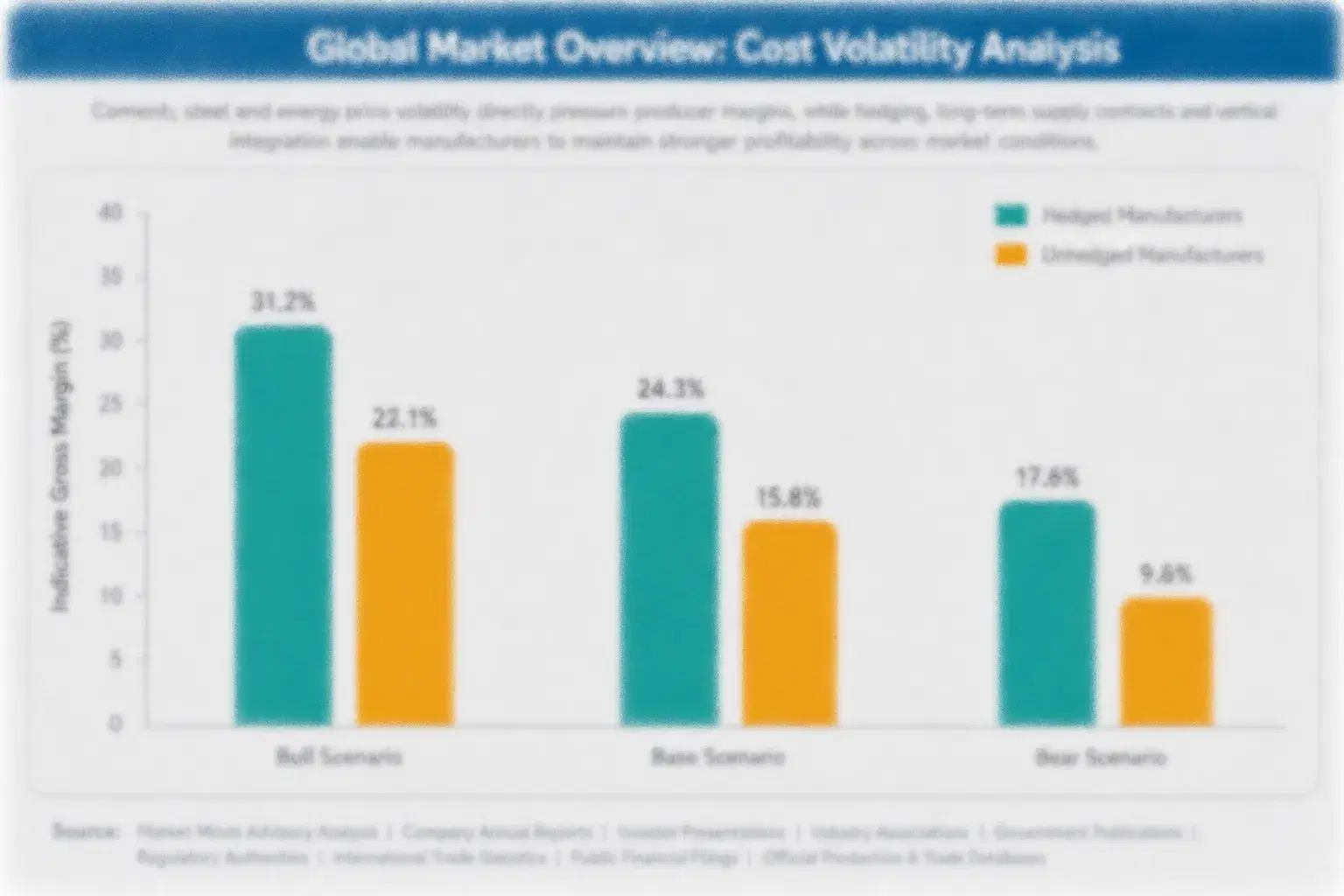
What Drives Polvorones Ingredient Costs

Almonds and other nuts account for roughly 24% of cost of goods, wheat flour about 18%, fats such as lard, butter, and plant oils 16%, and sugar 12%. Packaging takes 18% because gift trays and wrappers are costly, and energy about eight percent. Almonds come from Spain and California, flour from European mills, and sugar from beet processors in France, Germany, and Spain.
The clearest recent shock came from almonds. Spanish Ministry of Agriculture price data showed almond prices rising sharply after drought cut the 2023 harvest in southern Spain, while Californian supply also tightened. Producers raised tray prices by 8% to 15%, blended other nuts into lower tiers, and cut piece counts per tray, which squeezed gross margin by two to four points through the following Christmas season and beyond.

The competitive disadvantage falls on small workshops, which buy almonds in small lots at spot prices and cannot reprice after retailers fix Christmas contracts. Large producers sign forward contracts and spread costs across many lines, while private labels pass costs to suppliers. Exposure also varies by geography, since Estepa workshops buy local almonds and export brands pay freight and duty on finished trays.
polvorones-market-cost-volatility-analysis-1789788729402

Contracting Almonds and Sugar Ahead of the Christmas Season

Producers sign forward agreements for almonds, sugar, and flour before summer, fixing volumes and price bands before Christmas ranges are quoted. Dual sourcing from Spain and California reduces disruption risk. Forward contracts cut cost swings by roughly half, though they need working capital that only larger producers and cooperatives usually provide. Terms usually run one season.

Blending Hazelnut and Peanut Flours Into Lower Price Tiers

Bakers replace part of the almond content with hazelnut and other nut flours in lower-tier trays, keeping high almond content for premium boxes. Blending cuts filling cost by 10% to 20% per kilogram. The main risk is customer perception, so brands label clearly, test recipes with sensory panels, and keep premium lines separate. Sales data guides the mix.

Standardising Tray and Wrapper Formats Across Christmas Ranges

Brands standardise tray sizes, wrappers, and outer cartons across ranges to cut packaging cost, and buy in larger runs before the season. Standardisation saves one to two points of cost of goods on tray lines. Retailers accept standard trays when branding is printed clearly, though gift buyers still ask for decorated boxes. Buyers approve early.

Portfolio Architecture for Margin Defence

Margins run from thin returns on lard-based trays sold to supermarkets and private label programmes to strong returns on vegan, gluten-free, and butter-based gift boxes sold through department stores, online storefronts, and export distributors. Three tiers separate volume products, certified premium lines, and next-generation formats, and each tier draws on different buyer groups, fat systems, and packaging terms.
The tension between volume and premium is sharp. Volume lines protect oven utilisation and retailer relationships but face constant price pressure from private labels and generic shortbread, while premium lines earn higher margins on smaller volumes and depend on almond supply, gift design, and delivery timing. Producers that run only volume struggle to fund new ranges, while producers that run only premium lack the volume to hold shelf space through November.

High-value pools concentrate in vegan and plant-fat trays, gluten-free boxes, and butter-based gift sets sold online and through department stores. They gather where buyers pay for dietary fit, prestige, or convenience rather than weight of product. Latin American diaspora grocers, corporate basket programmes, and airline duty-free shops add further value, since these buyers care about presentation, freshness, and certification more than price and reorder every Christmas.

Volume / Commodity-Adjacent Tier

Traditional lard-based polvorones and mantecados sold in bulk to supermarkets and private label programmes, with thin margins, flour and almond cost exposure, and constant price competition from generic shortbread, where shoppers switch on price, promotion, and habit across Christmas seasons.
Gross Margin: 20%-30%

Premium / Certified Tier

Butter-based and protected origin polvorones in decorated trays with consistent almond content, allergen controls, and printed branding, sold through department stores, delicatessens, and export distributors that require documented sourcing, reliable delivery, and stable quality.
Gross Margin: 30%-42%

Sustainability / Regulatory / Next-Generation Tier

Vegan, gluten-free, and reduced-sugar polvorones made with plant fats and certified lines, sold through supermarkets, online stores, and health retailers to buyers who pay premiums for dietary fit, provenance, and transparent labelling across Christmas and year-round channels.
Gross Margin: 34%-50%
polvorones-market-portfolio-architecture-1789788729594

High-value Sub-segments and Strategic Watch-out

Vegan and Plant-Fat Polvorones

Vegan and plant-fat polvorones combine the fastest growth with strong pricing, since younger and vegetarian buyers pay 20% to 40% premiums for familiar taste without lard. Recipe skill and certification limit competition, and brands with vegan labels win supermarket listings. Repeat purchase compounds. Prices hold firm.
Gross Margin: 34%-50%

Butter-Based Premium Polvorones

Butter-based premium polvorones deliver solid growth and healthy pricing, since gift buyers pay for richer taste, protected origin, and decorated trays. Almond supply and packaging design form the entry barrier, and brands with department store and online presence gain loyal Christmas buyers. Trials scale. Volumes follow.
Gross Margin: 30%-42%

Traditional Lard-Based Polvorones

Traditional lard-based polvorones form the volume core, sold through supermarkets and private label at thin margins. Growth is slow, at about 3.2% a year, as buyers shift toward plant-fat and gluten-free ranges. Almond cost, lard price, and oven scale decide profit, and retailers use them as Christmas traffic lines.
Gross Margin: 20%-30%

Filled and Flavoured Novelty Polvorones

Filled and flavoured novelty polvorones are the strategic watch-out, since chocolate, cream, and fruit fillings depend on fashion and shorten shelf life. Brands should test flavours with retailers before scaling, because filling cost, allergen labelling, and texture change can erode margin quickly. Evidence decides pace.
Gross Margin: 26%-38%

Why Polvorones Buyers Keep Ordering

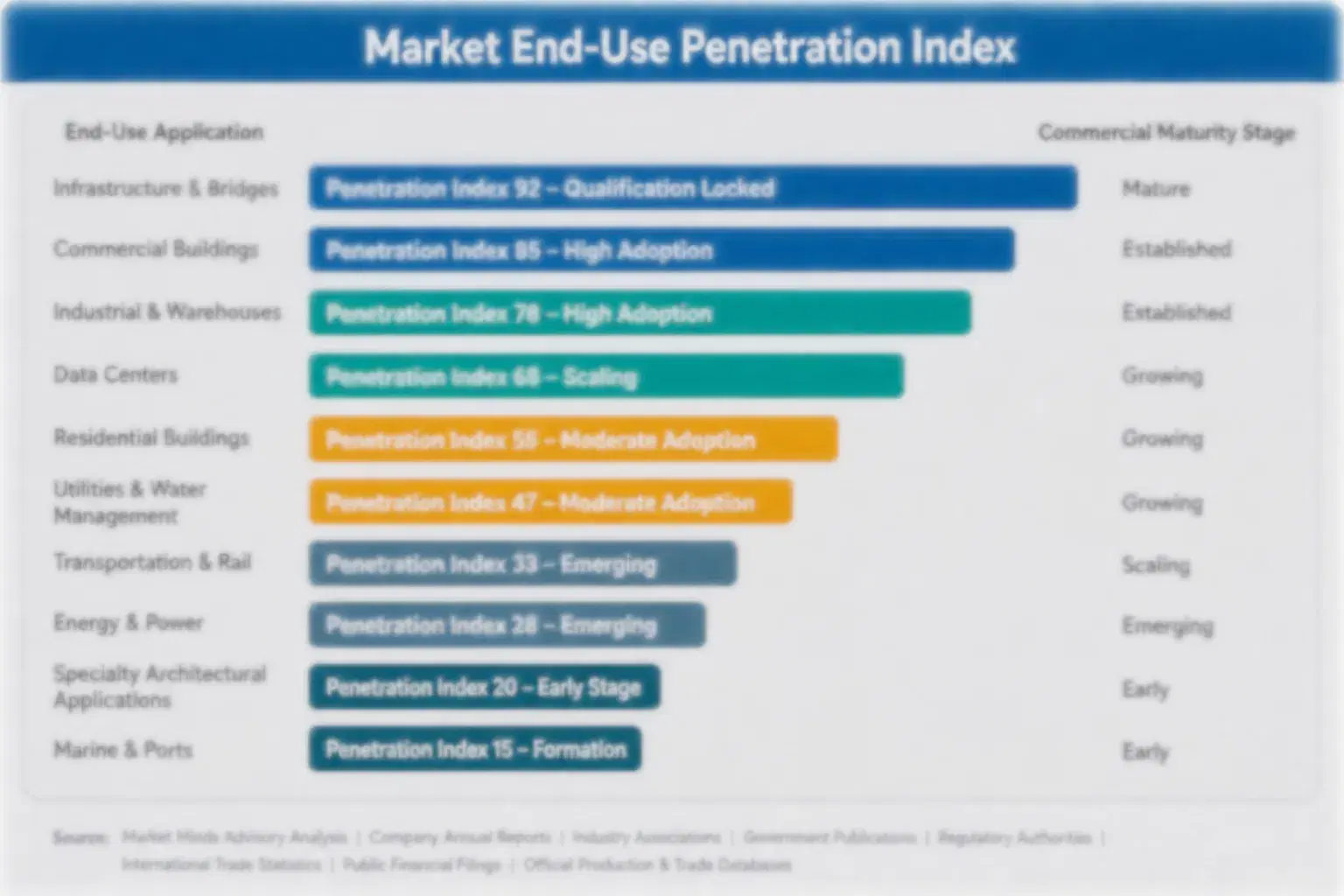
Polvorones demand behaves like an annuity tied to the Christmas calendar. Households buy every December, and a satisfied family typically stays with the same brand or bakery for years. Corporate baskets add predictability, and retailers use last season sales to fix shelf space and pre-book volumes by summer, so successful ranges earn steadier orders than launches driven by promotion alone.
Adoption stickiness differs by vertical. Household gifting and family tables are the deepest, since families buy the same trays for the same relatives each year and pass the habit to children. Corporate baskets are almost as loyal, because procurement teams reorder from approved suppliers without a tender. Export buyers and online shoppers are shallower but faster, since they rotate products and compare price across platforms.

Buyer profiles are shifting between generations. Older buyers want traditional lard recipes, protected origin, and a trusted brand, while younger buyers care about vegan claims, gluten-free options, and reduced-sugar recipes. Diaspora shoppers add a third group that wants convenient boxes with longer shelf life. Brands that publish ingredients, offer delivery windows, and use social media for gifting ideas win younger buyers and keep them as they age.
polvorones-market-end-use-penetration-index-1789788729778

MMA Verdict on Polvorones Strategy

These are among the four positions where our research anticipates prominent divergence between winners and laggards over the coming forecast period. Each is grounded in the demand model, the regulatory perimeter, and the announced capacity pipeline.
01 / PLANT-FAT RANGE STRATEGY

Launch Vegan Trays Before Retailers Fill Shelves With Private Label Copies

Vegan and plant-fat polvorones grow at 8.4% a year, about 1.83 times the market rate, and they carry price premiums of 20% to 40%, so early reformulation pays back inside roughly three seasons on most contracts. Winners certify vegan status, tune toasting time for plant fats, and secure supermarket listings before Christmas ranges are quoted to retailers in summer. Producers that wait will find shelves allocated and private labels already copying formats at lower price points for the entire Christmas season ahead.
02 / ALLERGEN LINE STRATEGY

Certify Dedicated Gluten-Free Lines to Reach Export and Health Retail Buyers

Gluten-free polvorones grow at 7.4% a year and sell at 40% to 70% above wheat-based trays in supermarkets, but buyers only list suppliers that can prove cross-contact controls and consistent texture in every batch. A dedicated line costs a few million euros of capital and pays back in roughly four years at moderate utilisation levels. Producers that delay certification will lose export distributors, hotel buyers, and health retailers to rivals that already hold audited facilities and trusted supply records with buyers.
03 / ALMOND SOURCING STRATEGY

Buy Almonds Forward and Pool Purchases to Protect Christmas Margin

Almonds take about 24% of ingredient cost and prices can move 20% to 40% between harvests, so unhedged producers lose several margin points when retail prices are already fixed in summer. Producers should sign forward contracts, blend hazelnut into lower tiers, and join cooperatives that pool volume and storage across all members and seasons. Those that delay will absorb cost spikes, shrink trays, or lose retailer trust before the next Christmas range review arrives in spring and competitors already hold stable supply.
04 / CALENDAR SPREAD STRATEGY

Add Single-Serve Packs and Online Boxes to Flatten the Christmas Peak

Christmas carries about 68% of annual sales, so ovens sit idle for most of the year and skilled staff leave and working capital peaks before revenue arrives. Single-serve packs sold through cafes, airports, and convenience stores lift utilisation from about 30% toward 45%, while online gift boxes reach diaspora buyers who pay 40% to 70% above tray prices each year. Producers that stay tied to the Christmas calendar will remain exposed to almond swings and retailer contract pressure at every renewal.

Engagement Snapshot From the Field

A live engagement with an industry participant carrying material or product regulatory and market exposure ahead of a defining policy shift, showing how our research translates into a defensible multi-year portfolio strategy.
MARKET MINDS ADVISORY · CLIENT ENGAGEMENT SUMMARY
Polvorones Producer Strategic Portfolio Review and Transition Roadmap 2026·Investment Scenario on Polvorones Exposure Evaluation 2025-26
CLIENT PROFILE
The client is a mid-sized Spanish confectionery manufacturer with annual sales near EUR 70 million (client-reported, unverified by MMA), two regional plants, and a portfolio led by traditional lard-based polvorones and mantecados in trays sold through supermarkets and its own outlets. It had no vegan line, only one export market, and heavy seasonal dependence on Christmas orders.
STRATEGIC CHALLENGE
Christmas accounted for about 72% of annual sales, ovens ran near 30% utilisation outside the season, and almond price spikes cut margins on the few premium trays it offered. Management needed to decide whether to invest in vegan trays, gluten-free capacity, or online gift boxes, with limited working capital and one plant able to run new formats.
MMA APPROACH
MMA analysed sales and cost data across 60 products, interviewed 12 retail buyers, eight export distributors, and six ingredient suppliers, and ran a shopper survey on vegan and gifting preferences across three countries. It modelled margin by product and channel, tested almond sourcing options against competitor benchmarks, and ranked investments by payback and execution risk.
KEY FINDINGS
  1. Vegan and plant-fat trays could reach 13% of sales within two years at margins 8 points above the core range (client-reported, unverified by MMA).
  2. Online gift boxes for diaspora families could add 6% of sales within three years at prices 55% above supermarket trays, using existing recipes and packaging.
  3. Traditional lard-based sales to supermarkets earned thin margins, and forward almond buying and pooled purchasing would protect about three margin points in a price spike.
  4. Single-serve packs could lift utilisation outside the season from 30% to 42% and open two cafe chain accounts within 18 months of launch across Spain.
CLIENT PROFILE
The client is a mid-sized Spanish confectionery manufacturer with annual sales near EUR 70 million (client-reported, unverified by MMA), two regional plants, and a portfolio led by traditional lard-based polvorones and mantecados in trays sold through supermarkets and its own outlets. It had no vegan line, only one export market, and heavy seasonal dependence on Christmas orders.
STRATEGIC CHALLENGE
Christmas accounted for about 72% of annual sales, ovens ran near 30% utilisation outside the season, and almond price spikes cut margins on the few premium trays it offered. Management needed to decide whether to invest in vegan trays, gluten-free capacity, or online gift boxes, with limited working capital and one plant able to run new formats.
MMA APPROACH
MMA analysed sales and cost data across 60 products, interviewed 12 retail buyers, eight export distributors, and six ingredient suppliers, and ran a shopper survey on vegan and gifting preferences across three countries. It modelled margin by product and channel, tested almond sourcing options against competitor benchmarks, and ranked investments by payback and execution risk.
KEY FINDINGS
  1. Vegan and plant-fat trays could reach 13% of sales within two years at margins 8 points above the core range (client-reported, unverified by MMA).
  2. Online gift boxes for diaspora families could add 6% of sales within three years at prices 55% above supermarket trays, using existing recipes and packaging.
  3. Traditional lard-based sales to supermarkets earned thin margins, and forward almond buying and pooled purchasing would protect about three margin points in a price spike.
  4. Single-serve packs could lift utilisation outside the season from 30% to 42% and open two cafe chain accounts within 18 months of launch across Spain.
RECOMMENDED STRATEGY
Phase 1: Phase 1 (Months 1-6): Contract almonds forward, certify vegan recipes, and redesign gift boxes with printed sleeves before the next Christmas quotation round. Phase 2: Phase 2 (Months 7-18): Launch vegan trays and single-serve packs through supermarkets and cafes, and open an online storefront with courier delivery guarantees. Phase 3: Phase 3 (Months 19-30): Reduce low-margin private label volume, add gluten-free capacity, and sign export distribution in two Latin American markets.
OUTCOME
Within 30 months, vegan, gift, and single-serve products reached 21% of sales, utilisation outside Christmas rose by 13 points, and gross margin improved by five points (client-reported, unverified by MMA). The client secured listings with two additional retail chains and signed two export distributors, while supermarket buyers named it a preferred supplier for vegan polvorones.

Frequently Asked Questions

Foundational context covering the market sizes, CAGR, scope, country, region and competition that inform every finding below. This section is provided to cover basics and most often pre-purchase conversations, answered from the MMA Primary Research Dataset.

What is the current size of the Polvorones Market?

The global polvorones market was valued at $1.2 billion in 2025. Growth is supported by Christmas gifting, vegan and gluten-free reformulation, and diaspora demand across major markets.

How large will the Polvorones Market be by 2036?

The market is projected to reach $1.97 billion by 2036, up from $1.25 billion in 2026. The increase of $0.71 billion reflects plant-fat ranges, online gift boxes, and wider export listings.

What is the CAGR for the Polvorones Market 2026 to 2036?

The market is forecast to grow at a 4.6% CAGR from 2026 to 2036. The bull case reaches 5.9% and the bear case 3.3%, depending on almond costs and year-round consumption.

Which segment is growing fastest?

Vegan and Plant-Fat Polvorones is the fastest-growing segment at 8.4% CAGR, roughly 1.83 times the overall market rate. Gluten-Free Polvorones follows as the second-fastest segment at 7.4% CAGR each year.

Who are the major companies in the Polvorones Market?

Major companies include El Almendro, Delaviuda, Turrones Vicens, Gullon, and La Estepena. Cuetara, Grupo Siro, Mercadona, and private label suppliers also hold meaningful positions in Spain.

Which country is growing fastest?

The Philippines is the fastest-growing country at a 7.6% CAGR, driven by polvoron gifting habits, flavour innovation, and overseas Filipino demand. Mexico and Australia follow through diaspora and specialty retail growth.

Report Segmentation Architecture

The full report scope spans multiple orthogonal segmentation dimensions, with cross-tabulated demand data provided for each dimension pair. Coverage extends further to regional breakdowns, trend trajectories, and the competitive detail needed to support segment-level decision-making.

By Primary Market Dimension

  • Traditional Lard-Based Polvorones
  • Butter-Based Premium Polvorones
  • Vegan and Plant-Fat Polvorones
  • Gluten-Free Polvorones
  • Reduced-Sugar and Wholegrain Polvorones
  • Filled and Flavoured Novelty Polvorones

By End-Use Industry

  • Household and Christmas Gifting
  • Corporate and Employer Baskets
  • Cafes and Foodservice
  • Travel Retail and Duty Free
  • Diaspora Specialty Retail

By Commercial Dimension

  • Supermarkets and Hypermarkets
  • Department Stores and Delicatessens
  • Online and Gift Platforms
  • Private Label Programmes
  • Export and Wholesale Importers

By Region

  • North America
  • Western Europe
  • East Asia
  • South Asia and Pacific
  • Latin America
  • Middle East and Africa
  • Eastern Europe

Scope, Methodology, and Coverage

Every figure in this report is reproducible from documented input assumptions. The scope below maps the historical period, the forecast horizon, the segmentation dimensions, and the countries covered, alongside the underlying primary and qualitative methodology.
Historical Period
2020 to 2025
Forecast Period
2026 to 2036
Base Year
2025 (USD billions; MMA Primary Research Dataset, September 2026)
Market Definition
Polvorones comprise crumbly shortbread-style cookies of Spanish origin made from flour toasted before mixing, fat, sugar, and ground almonds or other nuts, including traditional lard-based, butter-based, vegan and plant-fat, gluten-free, reduced-sugar and wholegrain, and filled and flavoured polvorones and mantecados, sold through retail, gift, and online channels. The scope excludes turron, marzipan, plain shortbread without a polvoron identity, and confectionery sold as an ingredient.
Quantitative Units
USD billions (current prices); kilotonnes for volume references
Segmentation Dimensions
By Formulation; By End-Use Industry; By Commercial Dimension; By Region
Regions Covered
North America, Western Europe, East Asia, South Asia and Pacific, Latin America, Middle East and Africa, Eastern Europe
Countries Covered
Spain, Portugal, France, UK, Germany, Italy, Poland, Romania, USA, Canada, Mexico, Argentina, Chile, Peru, Colombia, Philippines, Australia, India, Japan, South Korea, UAE, Morocco, and additional markets relevant to this sector
Key Companies Profiled
El Almendro, Delaviuda, Turrones Vicens, Gullon, La Estepena, Cuetara, Grupo Siro, Lotus Bakeries, Mondelez International, Grupo Bimbo, Arcor, Nestle, Ferrero, Lindt & Sprungli, Bahlsen, Barilla, Mars, Kellanova, Mercadona, Alicorp
Quantitative Methodology
Primary survey, n=3,800 respondents, Q4 2025, six countries; demand-side model with trade association cross-validation
Qualitative Methodology
47 expert interviews, Q4 2025; applied to validate demand model assumptions, identify emerging dynamics, and assess competitive positioning
Report Format
PDF and XLSX data workbook (Word format preview document)
Publisher
Market Minds Advisory
Report Code
MMA-2026-AGR-373
Published
September 2026
Contact
sales@marketmindsadvisory.com | www.marketmindsadvisory.com

Purchase the full Polvorones Market Report (2026 to 2036).

The full report delivers a detailed assessment of global polvorones through 2036, covering segment, regional, and country forecasts, competitive benchmarking of leading producers, and input cost analysis. It combines MMA primary research, including a six-country survey of 3,800 respondents and 47 expert interviews, with public trade and company data. Analysts also model almond price scenarios, plant-fat adoption, and export shelf-life economics. Clients receive segment margin ranges, channel maps, and a case study on portfolio strategy. Supplier and retailer contact frameworks are also included for negotiation planning.
Ten-year segment and regional demand forecasts
Almond, fat, and sugar price tracking
Competitive benchmarking of top twenty producers
Protected origin and allergen rule tracker by country
Regional demand mechanism comparative analysis included
Quarterly primary survey data update access

Built For The People Who Decide

From boardroom strategy to bench-side execution, this report is read cover-to-cover by leaders shaping the next decade of their industry, turning demand scenarios, market dynamics and valuation benchmarks into decisions.
CXOs/ Presidents/ VPs/ Managers
M&A and Corporate Development
Strategy Teams and R&D Heads
Procurement and Product Directors
Regulatory and Compliance Leaders
Investor Relations and Equity Analysts