Market Minds Advisory
Plastic Surgery Recovery Nutrition Market

Plastic Surgery Recovery Nutrition Market: Plastic Surgery Recovery Nutrition Market. Surgeon Recommendation, Bleeding Risk Rules, and Medical Tourism Shape Recovery Product Returns.

Plastic surgery recovery nutrition turns on surgeon recommendation, bleeding and interaction rules for herbs and fish oil, arnica and bromelain evidence, medical tourism to Turkey and Korea, and clinic-bundled kits.

Lead Analyst

Published

September 2026

Make Smarter Decisions with Customized Research Insights

Request a free sample report and evaluate market opportunities, growth trends, and competitive dynamics relevant to your business needs.

2025 MARKET VALUE$1.2BMarket Size 2025
2036 FORECAST VALUE$3.3BBase Case , 2026 to 2036
CAGR 2026 TO 20369.5 %Bull 10.8% / Bear 8.2%
INCREMENTAL OPPORTUNITY$1.9BNet 10- year value creation
EXPANSION MULTIPLE2.48x2036 value over 2026 base
Strategic Levers
M&A Pipeline
Regional Outlook
Country Rankings
Competitive Intelligence
Segmental Deep-dive
Call-Us : 91 93563 13602

Executive Snapshot and Market Trajectory.

Plastic surgery recovery nutrition covers supplements, protein products and kits taken before and after aesthetic surgery to support healing, and value depends on surgeon recommendation, bleeding and interaction rules, evidence for bruising and swelling benefits, and clinic bundling. Patients judge safety and results before they reorder.
Clinic-Supplied Perioperative Recovery Kits grows fastest as surgeons and medical tourism providers bundle protein, vitamin C, zinc, arnica and bromelain into packages sold with procedures, while protein and collagen products and standalone arnica products still carry much of the value. East Asia holds the largest share because Korea, China and Japan run very large aesthetic surgery markets. Surgeons judge bleeding risk first, and patients follow their advice closely.
Competition is fragmented among consumer health groups, homeopathic makers and clinic brands: a French homeopathic group, a Swiss nutrition group, an American healthcare group, a British consumer health company and a German pharmaceutical group lead, measured here on estimated recovery nutrition sales value, while practitioner brands and clinic own labels fill gaps. Surgeon trust and interaction safety decide who wins. Clinic own-label kits add pressure, so safety files and reliable logistics protect share.
Market Definition
The market covers global sales of nutrition products marketed to support recovery from aesthetic and reconstructive plastic surgery, valued at brand and clinic kit level, including clinic-supplied perioperative recovery kits, protein and collagen recovery products, arnica and bromelain bruising support, vitamin C, zinc and micronutrient wound healing products, and anti-inflammatory botanical and omega-3 formulas, sold through clinics, pharmacies and online channels. The scope excludes prescription drugs, wound dressings, topical scar treatments and general sports recovery nutrition.
Base Year Value
$1.2B in 2025 (MMA Primary Research Dataset, September 2026)
Forecast Period
2026 to 2036, eleven discrete annual values
CAGR
9.5% base case. Bull 10.8%. Bear 8.2%.
Fastest Growth Segment
Clinic-Supplied Perioperative Recovery Kits: 13.3% CAGR
Fastest Growth Country
Turkey: 12.0% CAGR
Fastest Growth Region
South Asia and Pacific: 11.5% CAGR
Largest Region
East Asia: 32% of 2025 global value
Market Leaders
Boiron, Nestlé Health Science, Abbott, Haleon, Bayer. Source: MMA Analysis, company annual reports.
Primary Survey
n=3,800 procurement and R&D decision-makers, Q4 2025, six countries
Methodology
Demand-side build-up, cross-validated against public data, 47 expert interviews

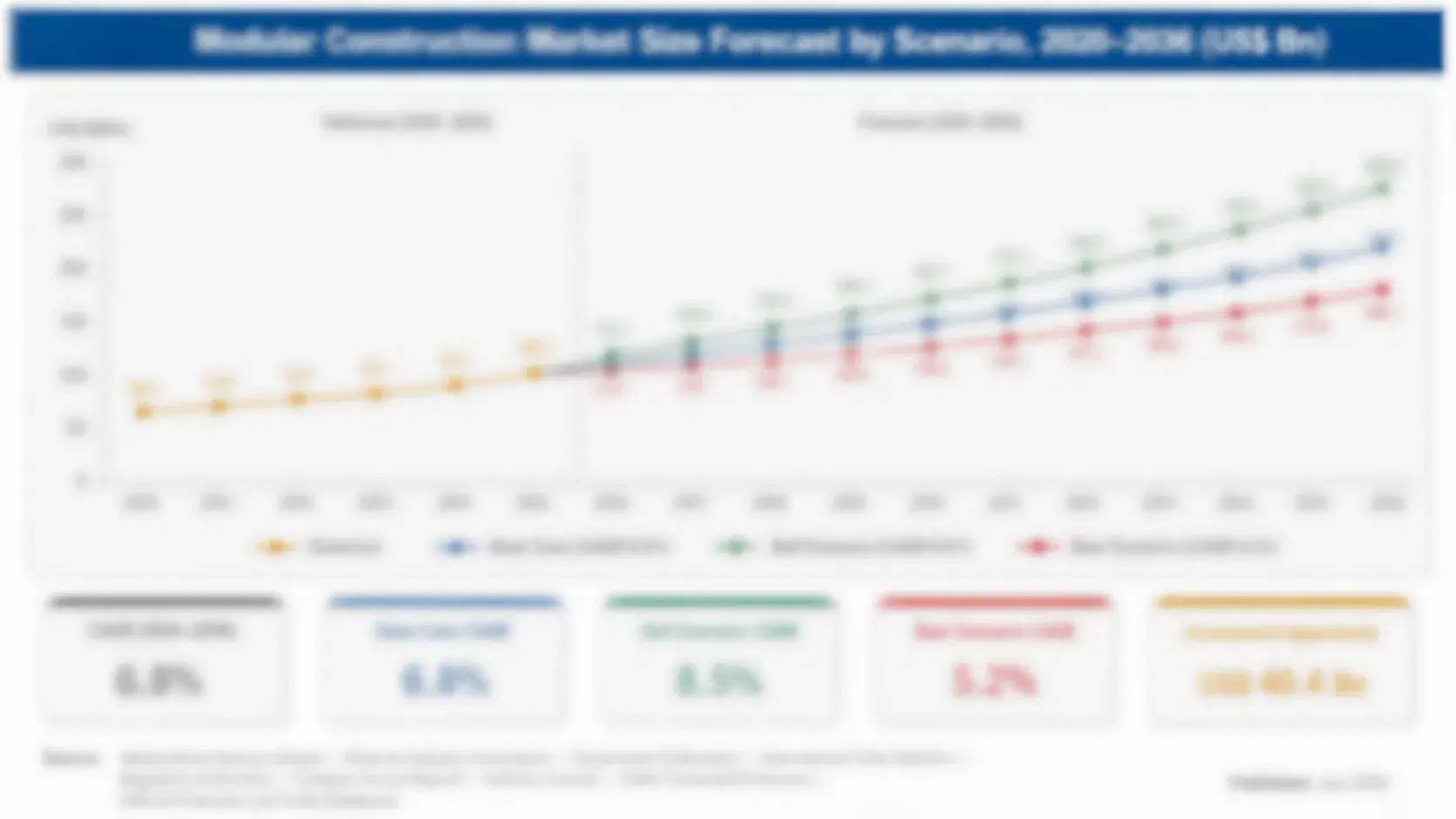
Plastic Surgery Recovery Nutrition Market Forecast Scenarios

plastic-surgery-recovery-nutrition-market-size-forecast-scenario-1789958029544
Between 2020 and 2025, recovery nutrition grew steadily as aesthetic procedures rebounded after the pandemic, medical tourism to Turkey, Korea and Mexico expanded, and surgeons began to recommend protein and vitamin protocols. Evidence for arnica and bromelain stayed mixed, so growth was firm but uneven across products and regions. Turkey and Korea became major destinations for foreign patients.
The base case rests on three commercial mechanisms. First, aesthetic surgery volumes keep growing, and patients seek products that reduce bruising, swelling and downtime. Second, clinics and medical tourism providers bundle kits with procedures, which lifts basket size and repeat use. Third, younger patients research recovery routines online and buy branded products. Suppliers plan surgeon partnerships, interaction safety files and kit design around these drivers, and buyers reward clear timing guidance.
The bull case needs credible trials that show reduced bruising or faster healing and clear surgeon guidelines that lift clinic recommendation. The bear case is safety criticism of popular herbs and fish oil and stricter rules on clinic sales, which would cut volumes and margins. Suppliers with surgeon-endorsed protocols, safety data and kit partnerships would be best placed for either outcome.

Surgeon Advice, Interaction Safety, and Clinic Bundling Set Recovery Nutrition Returns

Brands and clinics assemble protein powders, collagen, vitamin C, zinc, arnica, bromelain and anti-inflammatory botanicals into kits and single products, and sell them through clinics, pharmacies and online channels to patients before and after aesthetic surgery. Clinics supply about 38% of sales, patients are often advised 60 g to 100 g of protein a day, and some supplements must be stopped 7 to 14 days before surgery. Surgeon advice therefore sets returns.
MARKET CONCENTRATION22% CR5Top five suppliers hold a small combined market share
EAST ASIA SALES SHARE32%Portion of global sales made across China, Japan and Korea
CLINIC CHANNEL SHARE38%Portion of sales recommended or supplied by clinics and surgeons
TYPICAL PROTEIN ADVICE60-100 gDaily protein target often advised to patients after surgery
KIT PRICE PREMIUM2-4xPrice multiple of bundled kits over separate retail products
PRE-SURGERY STOP WINDOW7-14 daysTypical period surgeons ask patients to avoid blood-thinning supplements
Surgeon recommendation, safety, timing guidance, taste and price decide value. Patients judge trust and results, surgeons judge bleeding and interaction risk, pharmacists judge product quality, and regulators judge claims and supplement rules. Boiron wins on arnica heritage, Nestlé Health Science wins on protein credibility, and clinic brands win on tailored kits. Safety incidents move recommendation quickly.
Buyers judge recovery nutrition on surgeon advice, safety, expected bruising benefit, taste and price. Patients want less downtime, surgeons want no bleeding risk, and medical tourists want simple kits. Price sensitivity is moderate. Clinic staff, online forums and before-and-after posts decide shortlists, and many trial buyers stop when benefits are hard to see or when surgeons advise against a product.
"Patients buy recovery products because they want control over an uncontrollable process. The suppliers that win will be those that give surgeons a clear list of what is safe, when to start and when to stop, and that do not oversell arnica as a miracle."
Senior Analyst, Perioperative Nutrition and Aesthetic Health Practice · MMA Plastic Surgery Recovery Nutrition Practice · September 2026

Market Trends

Clinics and Medical Tourism Providers Bundle Recovery Kits With Surgery

Aesthetic clinics in Turkey, Korea, Mexico and the United States sell packages that include recovery kits with protein, vitamin C, zinc, arnica and probiotics, and patients accept higher prices for convenience. Clinic-Supplied Perioperative Recovery Kits grows about 13.3% a year, and gross margins run 42% to 56% against 28% to 36% for retail recovery products. The trend needs surgeon endorsement, clear timing cards and interaction safety files, and it rewards suppliers with kit design skill and reliable logistics. Kits usually include timing cards that tell patients what to start and stop.
Market Impact: 15 million surgical procedures yearly

Protein and Collagen Protocols Become Standard Surgeon Advice

Surgeons and dietitians increasingly advise 60 g to 100 g of protein a day before and after surgery, with collagen peptides, vitamin C and zinc to support tissue repair, and brands sell ready-to-drink and powder products for this use. Protein and Collagen Recovery Products grows about 11.4% a year, and gross margins run 38% to 50%. The trend needs taste and tolerance for patients with reduced appetite, and it draws medical nutrition groups and collagen suppliers into clinic partnerships. Dietitians add small frequent servings for patients with nausea, and clinics track intake in follow-up visits.
Market Impact: clinics supply 38% of sales

Market Opportunities and Growth Drivers

Growing Aesthetic Procedure Volumes Expand the Recovery Patient Base

Global surgeon societies report millions of aesthetic surgical procedures a year, led by the United States, Brazil, Japan, Mexico, Korea and Turkey, and volumes have grown steadily since 2021. Patients spend heavily on procedures and add recovery products to reduce downtime. The driver sustains a large, repeat-buying patient base and rewards brands that give clear instructions and surgeon-backed protocols. Non-surgical procedures add a much larger base of patients who use similar products for minor downtime, and repeat patients often return for further procedures, which supports recurring purchases and larger kits over time.
Market Impact: incidents cut recommendation 30-50%

Online Patient Communities and Clinic Marketing Spread Recovery Routines Quickly

Patients share recovery routines and product lists in forums, social media and clinic accounts, and influencers document bruising and swelling timelines. Clinics respond with branded kits and online stores. The driver widens awareness and speeds adoption of products that appear to help visible bruising, and it rewards brands with clear before-and-after evidence, though it also spreads misinformation that can conflict with surgeon advice. Clinic managers report that online reviews influence product choice as much as surgeon advice, so brands that provide clear guidance and shareable timelines gain organic promotion each month.
Market Impact: trials cost $0.5-2 million each

Market Restraints and Challenges

Bleeding and Interaction Risks Force Surgeons to Restrict Supplements

Fish oil, vitamin E, garlic, ginkgo, ginger and some herbal blends can raise bleeding risk, so surgeons ask patients to stop them 7 to 14 days before surgery. The root cause is effects on platelets and blood clotting. Brands respond with clear timing guidance and safer ingredient choices, though unclear labels can cause harm, and one safety incident can cut clinic recommendation by 30% to 50%. Surgeons publish approved and prohibited lists for patients, so brands not on the approved list lose sales, and sellers that ignore timing guidance risk legal claims.
Market Impact: clinic kits grow 13.3% yearly

Mixed Evidence for Arnica and Bromelain Limits Claims and Endorsement

Trials of arnica and bromelain for bruising and swelling show mixed results, and homeopathic arnica dilutions contain little active ingredient. The root cause is small studies and variable doses and preparations. Brands respond with standardised extracts and modest claims, though each trial costs $0.5 million to $2 million and surgeons prefer proven items such as protein, vitamin C and zinc. Homeopathic products face criticism in Europe and reimbursement has been cut in several countries, so brands invest in standardised extracts, while protein, vitamin C and zinc win more surgeon support.
Market Impact: protein products grow 11.4% yearly
3 additional market trends, 2 additional growth drivers, and 4 additional restraints and challenges are covered in the full report. Contact sales@marketmindsadvisory.com to access the complete intelligence.

Segment CAGR and Growth Architecture

The global plastic surgery recovery nutrition market is segmented by product type, which shows where surgeon trust and safety files create pricing power. Five segments cover clinic-supplied perioperative kits, protein and collagen recovery products, vitamin C, zinc and micronutrient wound healing products, arnica and bromelain bruising support, and anti-inflammatory botanical and omega-3 formulas. Kits and protein products grow fastest.
plastic-surgery-recovery-nutrition-market-market-share-analysis-1789958029719

Clinic-Supplied Perioperative Recovery Kits

Clinic-Supplied Perioperative Recovery Kits is the fastest-growing segment at 13.3% a year, about 1.40 times the overall market rate, from a small base. Clinics and medical tourism providers bundle protein, vitamin C, zinc, arnica and probiotics with procedures, so gross margins of 42% to 56% against 28% to 36% for retail recovery products support kit design and logistics. Surgeon endorsement and interaction safety are the main constraints, and suppliers that provide timing cards, batch records and reliable delivery to clinics win repeat contracts. Aesthetic chains in Korea, Turkey and Mexico adopt kits first, and suppliers that provide branded packaging, staff training and reliable delivery keep clinics loyal because switching requires new protocols and patient materials.
CAGR 13.3%

Protein and Collagen Recovery Products

Protein and Collagen Recovery Products grows at 11.4% a year, about 1.20 times the overall market rate, because surgeons advise higher protein intake and collagen peptides, vitamin C and zinc to support healing and brands accept gross margins of 38% to 50% for products that patients tolerate. Taste and reduced appetite shape entry. Brands with small servings, neutral flavours and dietitian support hold price better than general protein sellers. Whey, plant and collagen blends supply 60 g to 100 g of protein a day when combined with meals, and dietitians recommend small frequent servings for patients with nausea. Surgeons increasingly ask patients to start protein loading before surgery, which lifts pre-operative sales and gives brands two purchase windows.
CAGR 11.4%
Full segment breakdown across 5 segments available in the complete report.

Regional Architecture and Country Demand Map

East Asia leads at 32% because South Korea, China and Japan run very large aesthetic surgery and clinic sectors, with North America at 26% on clinic kits and online stores. South Asia and Pacific grows fastest as Indian and Thai clinics expand. Eastern Europe remains small.

North America

North America holds 26% share, inside its band, because American aesthetic surgery volumes are among the largest in the world, plastic surgeons and boutique clinics sell recovery kits and branded protein products, and online stores serve patients researching routines, while FTC and FDA rules limit claims. Growth runs at the global rate. Malpractice concerns, safety scrutiny and private label protein restrain premium returns. Board-certified surgeons and boutique clinics in California, Florida, Texas and New York sell recovery kits, and patients research routines on social media and forums. Online stores such as Amazon and clinic websites sell protein, collagen and arnica products, while surgeon societies publish supplement guidance and clinics face liability if patients suffer complications from products they recommend.
Share: 26% | CAGR: 9.5% (2026 to 2036)

Western Europe

Western Europe holds 16% share, below its band, because aesthetic surgery volumes per capita are lower than in Korea, Brazil or the United States, many patients travel to Turkey or Eastern Europe, and strict EU rules limit clinic sale of supplements, though Germany, Spain, Italy and France still sell arnica and protein products through pharmacies, which justifies the out-of-band share. Growth trails the global rate. Germany, Spain, Italy and France sell arnica and protein products through pharmacies, and surgeons advise patients on approved lists. Many Western European patients travel to Turkey, Poland or Hungary for lower prices, so recovery kits are often bought in the destination country, while EU advertising limits shape kit marketing.
Share: 16% | CAGR: 8.0% (2026 to 2036)
Regional intelligence for 5 additional markets available in the complete report: East Asia, South Asia and Pacific, Latin America, Middle East and Africa, Eastern Europe. Contact sales@marketmindsadvisory.com.
plastic-surgery-recovery-nutrition-market-country-cagr-analysis-1789958029897

Four Margin Routes for Recovery Nutrition Brands

Margin in plastic surgery recovery nutrition comes from clinic kits, surgeon-endorsed protein protocols, interaction safety files and reliable logistics rather than plain retail supplement volume. The routes below apply to consumer health groups, clinic brands and ingredient suppliers, and each can start inside one planning cycle, with clear measures in gross margin points, clinic accounts and repeat purchase.

Shifting Retail Supplement Volume Into Clinic-Supplied Perioperative Recovery Kits

Clinic-supplied recovery kits earn gross margins of 42% to 56% against 28% to 36% for retail recovery products, so suppliers that add timing cards, interaction-safe formulas and reliable logistics to shift 10% of volume into kits report gross margin gains of three to five points on the mix. Programmes cost $2 million to $8 million. Pilots with five clinics and two medical tourism providers confirm demand, and payback typically arrives within 24 months as procedure volumes grow. Clinics value kits that reduce staff workload and errors, which supports multi-year contracts with suppliers.
Market Impact: clinic kits lift gross margin by 3-5 points

Building Surgeon Endorsement Programmes and Safety Files for Every Ingredient

Surgeons restrict products with bleeding risk, so suppliers that publish interaction files, timing guidance and ingredient safety data and train clinic staff win accounts worth 10% to 16% of sales and avoid delistings. Programmes cost $0.3 million to $1.5 million a year. Suppliers should start with flagship kits, where recommendations drive most sales, and update files when new evidence appears so surgeons and patients receive consistent guidance across clinics and online channels. Files also shorten clinic approval, because surgeons reuse the same documents across patients and procedures, which cuts time to listing by several weeks.
Market Impact: safety files protect accounts worth 10-16% of sales

Designing Tolerable Protein and Collagen Products for Reduced Appetite

Patients often have nausea and reduced appetite after surgery, so brands that offer small servings, neutral flavours and dietitian guidance lift repeat purchase by 10 to 16 points and win clinic recommendation. Programmes cost $1 million to $4 million per range. Brands should test recipes with patient panels first, where feedback is most useful, and publish tolerance data so surgeons can recommend products with confidence and patients complete the recommended protein intake. Dietitians also value clear serving guidance and recipes that mix protein into meals, which helps patients reach targets without shakes.
Market Impact: tolerable formats lift repeat purchase by 10-16 points

Funding Trials That Support Realistic Bruising and Swelling Claims

Arnica and bromelain evidence is mixed, so suppliers that fund placebo-controlled studies of 60 to 120 patients and publish results within permitted wording support price premiums of 15% to 25% and keep listings when regulators or surgeons question claims. Studies cost $0.5 million to $2 million each. Suppliers should test standardised extracts first, where variation is smallest, and share results with surgeon societies and retail buyers across regions. Results also help pharmacists and surgeons discuss products honestly, and suppliers that publish negative or modest findings gain credibility with clinics that avoid overpromising to patients.
Market Impact: botanical trials support price premiums of 15-25% on flagships

Who Controls the Margin Pool

The global plastic surgery recovery nutrition market is fragmented, with a CR5 of 22%, and practitioner brands, clinic own labels and online sellers sit outside the leading five. This assessment measures participants on estimated recovery nutrition sales value, held constant across all players. Boiron leads through arnica heritage, while Nestlé Health Science, Abbott, Haleon and Bayer follow, with a narrow gap between the leader and the challengers.
Competition runs on four dimensions today: surgeon recommendation and safety, kit design and logistics, product tolerance and taste, and channel reach. Homeopathic makers win on arnica heritage, medical nutrition groups win on protein credibility, and clinic brands win on tailored kits. Imitators copy popular formats quickly, so premiums outside surgeon-endorsed and clearly labelled products erode within a year, and clinics weigh each supplier against own labels.

Emerging pressure comes from clinic own-label kits, online marketplaces, and regulators that police claims and interaction risks. Rankings shift where a supplier wins a clinic chain contract, publishes safety data or suffers an incident. Challengers can move up quickly when leaders face safety criticism or supply gaps, and rankings can move within a single planning cycle.
plastic-surgery-recovery-nutrition-market-company-positioning-matrix-1789958030076

Competitive Moat and Risk Dimensions

BOIRON

Moat: Arnica Heritage and Pharmacy Reach

Boiron, a French homeopathic group, sells Arnica gel, tablets and other homeopathic products through pharmacies in more than 50 countries, with a long heritage in arnica, strong pharmacist relationships and consumer recognition. Its heritage, pharmacy reach and brand strength give it a market advantage, and its position supports consistent sales of bruising products in mature pharmacy markets.
BOIRON

Risk: Homeopathy Evidence and Reimbursement Risk

Boiron depends on homeopathic products whose evidence is criticised, and France ended reimbursement of homeopathic medicines in 2021, which cut sales. Surgeons may prefer protein and vitamin protocols, and regulators can restrict claims, so growth depends on new formats and clinic partnerships. New formats and clinic partnerships remain unproven at scale.
NESTLÉ HEALTH SCIENCE

Moat: Medical Nutrition Credibility and Range

Nestlé Health Science, a Swiss nutrition business, sells protein, collagen and medical nutrition products through clinics, pharmacies and online channels, with strong clinical credibility, dietitian relationships and a broad range for reduced appetite. Its credibility, range and clinic reach give it a market advantage, and its position supports quick launches of perioperative products and partnerships with aesthetic clinics.
NESTLÉ HEALTH SCIENCE

Risk: Consumer Kit Competition

Nestlé Health Science competes with clinic own-label kits and smaller brands that offer tailored aesthetic packages, and its products may seem clinical to some patients. Clinics can choose lower-cost suppliers, and safety incidents linked to any range can reduce recommendation across the portfolio. Patients may also prefer branded clinic kits.

Players Tracked

Prominent Players

Boiron
Nestlé Health Science
Abbott
Haleon
Bayer

Other Key Players

Schwabe Group
Metagenics
Designs for Health
Thorne HealthTech
Pharmavite
Church & Dwight
Glanbia
Herbalife
Amway
Life Extension
Solgar
Kirin Holdings
Meiji Holdings
Amorepacific
Bioiberica

Recent Developments

JANUARY 2026

Nestlé Health Science Launches Perioperative Protein and Micronutrient Range With Surgeon Timing Guidance

Nestlé Health Science launched a perioperative protein and micronutrient range with surgeon timing guidance, according to company communications. It is a product launch, not an acquisition, and it tests demand for surgeon-endorsed recovery nutrition. The range targets aesthetic surgery patients and clinics. Sales terms were not disclosed.
Signal: Confirms leaders are designing perioperative products with surgeon guidance because interaction safety drives clinic recommendation strongly.
FEBRUARY 2026

Boiron Introduces Standardised Arnica Range With Clinic Packaging for Aesthetic Surgery Patients

Boiron introduced a standardised arnica range with clinic packaging for aesthetic surgery patients, according to company communications. It is a product launch, not an acquisition, and it tests clinic channel demand. The range includes gel and oral formats. Sales terms were not disclosed. Launch timing follows clinic demand.
Signal: Suggests homeopathic makers are targeting clinics because pharmacy demand for arnica has faced reimbursement and evidence pressure.
MARCH 2026

Amorepacific Signs Clinic Distribution Agreements for Collagen and Recovery Drinks Across Korean Aesthetic Chains

Amorepacific signed clinic distribution agreements for collagen and recovery drinks across Korean aesthetic chains, according to company communications. It is a distribution agreement, not an acquisition, and it tests clinic channel demand. The agreements cover several chains. Terms were not disclosed. The agreements run one year and renew.
Signal: Indicates Asian beauty groups are entering recovery nutrition because clinics already control patient access and product choice.

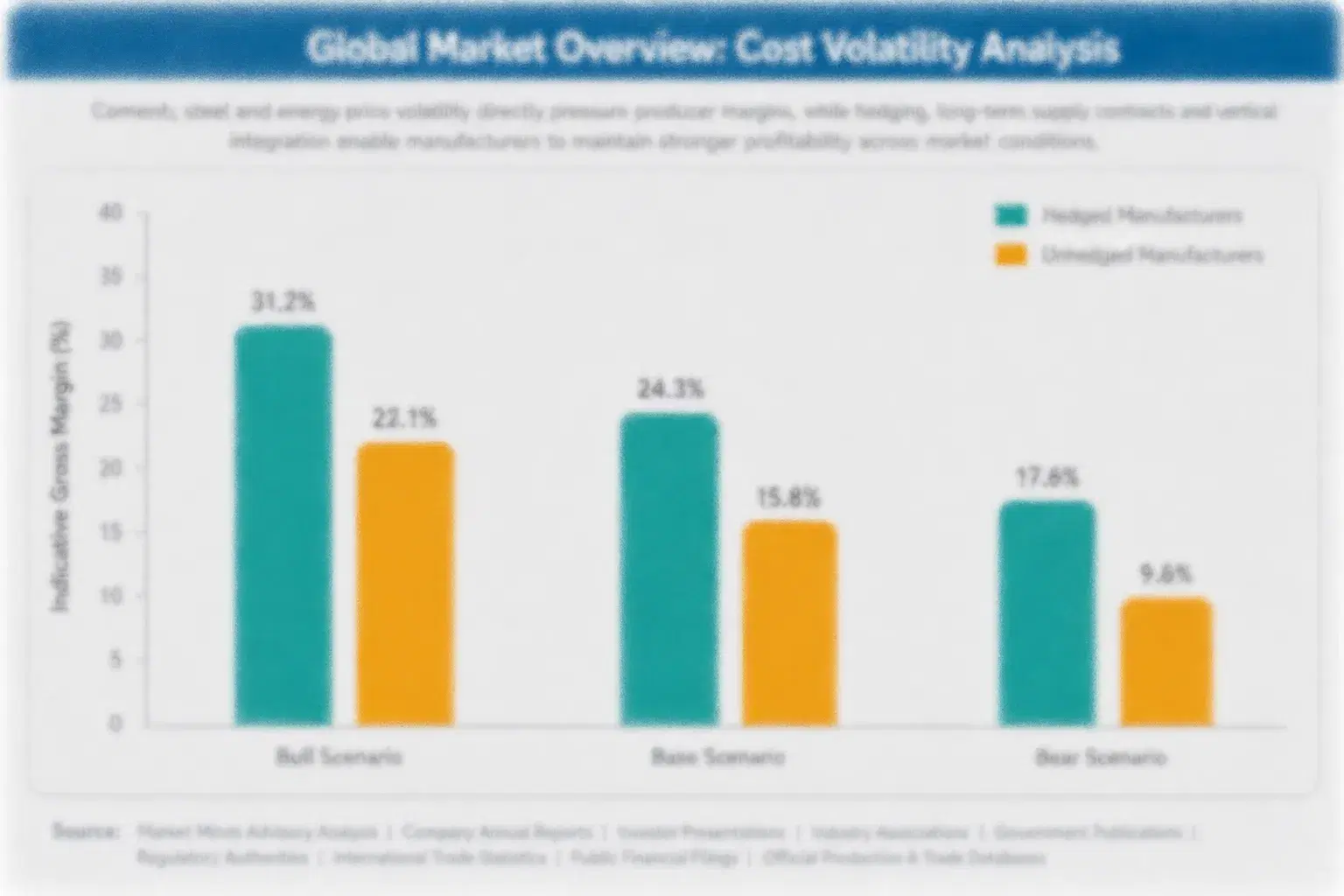
What Drives Recovery Nutrition Costs

Protein and collagen ingredients account for roughly 28% of product cost, vitamins, minerals and botanical extracts such as arnica and bromelain about 15%, packaging and kit assembly about 15%, testing and compliance about 6%, and distribution, clinic margin and marketing about 36%. Whey and collagen come mainly from the United States, Europe and Brazil, bromelain from Thailand and Southeast Asia, and arnica from Europe.
The clearest recent shock came from protein and botanical supply. MMA Estimate from expert interviews indicates that whey protein prices rose 30% to 50% as demand for protein products outran supply, and bromelain and arnica extract prices rose 15% to 30% after poor harvests, so brands raised prices by 5% to 10% and simplified kits. Boiron Annual Report 2024 also discussed the effect of regulatory and reimbursement changes on homeopathic sales.

The competitive disadvantage falls on small brands without ingredient contracts, clinic relationships or safety files, which cannot absorb cost swings or fund surgeon programmes. Large groups negotiate protein and botanical terms and own plants. Exposure also varies by geography, since Turkish and Korean clinics buy regional supply while Western brands import protein and botanicals and pay for freight, duty and registration.
plastic-surgery-recovery-nutrition-market-cost-volatility-analysis-1789958030262

Multi-Year Protein and Botanical Contracts

Brands sign multi-year contracts for whey, collagen, bromelain and arnica with two or three suppliers. Contracts cut exposure to price spikes of 15% to 50%. The main challenge is volume commitment, so larger brands lock terms first, while smaller brands buy through distributors at a premium and accept more price volatility. Contracts renew every year with price clauses.

Kit Standardisation and Clinic Logistics

Suppliers standardise kits and packaging, hold stock near clinic hubs and offer next-day delivery. Standard kits lower assembly cost and reduce errors. The main challenge is variation between clinics, so suppliers offer modular kits that clinics can adapt while keeping timing cards and safety guidance consistent. Suppliers also hold regional stock so clinics avoid delays.

Surgeon Guidelines and Interaction Safety Files

Suppliers publish interaction files, timing guidance and ingredient safety data and train clinic staff. Files protect accounts worth 10% to 16% of sales. The main challenge is keeping information current, so suppliers review files twice a year and update surgeons quickly when evidence changes. Regular reviews also help clinics update patient handouts and keep advice consistent across teams.

Portfolio Architecture for Margin Defence

Margins run from moderate returns on botanical and omega-3 products sold in volume to strong returns on clinic kits and protein and collagen recovery products sold with surgeon endorsement, safety files and tolerable formats. Three tiers separate volume products, premium certified lines and next-generation solutions, and each tier draws on different clinic access, safety documentation and protein sourcing in a fragmented market.
The tension between volume and premium is sharp. Botanical, arnica and omega-3 products fill large pharmacy and online orders and serve price-driven buyers but face evidence doubts and bleeding-risk warnings, while kits and protein products earn higher margins on smaller volumes and depend on surgeon trust, tolerance and safety files. Brands that run only volume struggle when surgeons restrict ingredients, while brands that run only premium lose early volume. Mix management decides which risk dominates.

High-value pools concentrate in clinic-supplied kits sold through aesthetic surgery chains and medical tourism providers and in protein and collagen products sold with dietitian support. They gather where buyers pay for surgeon advice and convenience rather than price alone. Micronutrient wound healing products add a stable pool, and strong brands can hold both premiums and steady volume.

Volume / Commodity-Adjacent Tier

Arnica, bromelain and omega-3 products sold in volume to pharmacies, online sellers and private label buyers. Buyers focus on price and availability, and contracts renew annually with limited technical service.
Gross Margin: 28%-36%

Premium / Certified Tier

Vitamin C, zinc and micronutrient wound healing products with third-party testing, timing guidance, clean labels and audit files, sold to clinics, pharmacies and online buyers. Buyers value certification and steady supply.
Gross Margin: 34%-46%

Sustainability / Regulatory / Next-Generation Tier

Clinic kits and protein and collagen recovery products with surgeon endorsement, interaction safety files, tolerance data and reliable logistics, sold through aesthetic surgery chains. Contracts run for several years. Volumes are growing quickly.
Gross Margin: 38%-56%
plastic-surgery-recovery-nutrition-market-portfolio-architecture-1789958030452

High-value Sub-segments and Strategic Watch-out

Clinic-Supplied Perioperative Recovery Kits

Clinic-supplied recovery kits combine the fastest growth with strong pricing, since clinics and medical tourism providers bundle protein, vitamin C, zinc and arnica with procedures at gross margins of 42% to 56%. Surgeon endorsement and safety files limit competition, and suppliers with reliable logistics win repeat clinic contracts.
Gross Margin: 42%-56%

Protein and Collagen Recovery Products

Protein and collagen recovery products deliver firm growth and pricing, since surgeons advise higher protein intake and collagen, vitamin C and zinc to support healing at gross margins of 38% to 50%. Tolerance and taste form the entry barrier, and brands with dietitian support win clinic recommendation.
Gross Margin: 38%-50%

Vitamin C, Zinc and Micronutrient Wound Healing Products

Vitamin C, zinc and micronutrient wound healing products are the volume core for brands with pharmacy reach and price discipline. Value grows about 8.5% a year, and ingredient cost, testing and delivery reliability decide profit. Brands anchor sales on long relationships with pharmacies and clinics, and customers renew yearly.
Gross Margin: 30%-40%

Anti-Inflammatory Botanical and Omega-3 Formulas

Anti-inflammatory botanical and omega-3 formulas are the strategic watch-out, since growth of about 7.0% a year trails the leaders, bleeding-risk warnings restrict use before surgery and evidence is mixed. Brands should manage these lines selectively and steer capacity toward kits and protein products. Returns need careful review.
Gross Margin: 26%-36%

Why Patients and Clinics Keep Reordering

Recovery nutrition demand behaves like a short annuity attached to procedure calendars, surgeon advice and trusted clinic relationships. Once a clinic finds a kit that surgeons approve and patients finish, it reorders with every procedure, and switching means new safety reviews, staff training and lost momentum. Clinics use last quarter's patient feedback to fix renewals, so suppliers with clean records earn steadier volume. Clinic contracts often run for one to two years.
Adoption stickiness differs by end-use vertical. Aesthetic surgery chains with standard protocols are the deepest, since kits are written into patient packages and change only when safety or delivery fails. Medical tourism providers follow logistics and price. Independent surgeons are moderate, while retail patients researching online are shallow. Repeat procedure patients buy again, while first-time patients need more guidance.

Buyer profiles are shifting between generations. Older patients chose recovery products on surgeon advice and pharmacy habits, while younger patients research routines online, follow creators and expect branded kits, subscription refills and clear timing cards. Regulators and surgeon societies add a third group that sets safety expectations. Suppliers that publish interaction files and tolerance data win newer patients and clinics.
plastic-surgery-recovery-nutrition-market-end-use-penetration-index-1789958030637

MMA Verdict on Recovery Nutrition Strategy

These are among the four positions where our research anticipates prominent divergence between winners and laggards over the coming forecast period. Each is grounded in the demand model, the regulatory perimeter, and the announced capacity pipeline.
01 / CLINIC KIT STRATEGY

Shift Volume Into Clinic Kits Before Own-Label Rivals Lock Aesthetic Surgery Chains

Clinic-Supplied Perioperative Recovery Kits grows at 13.3% a year, about 1.40 times the overall market rate, and gross margins of 42% to 56% compare with 28% to 36% for retail recovery products. Suppliers should commit $2 million to $8 million to timing cards, interaction-safe formulas and reliable logistics, and shift 10% of volume into kits to lift gross margin by three to five points. Those that stay in retail products will lose growth and pricing over the next two years, while early movers keep clinic contracts.
02 / SAFETY ASSURANCE STRATEGY

Publish Interaction Safety Files Before Surgeons Restrict Products and Clinics Delist Suppliers

Fish oil, vitamin E and several herbs can raise bleeding risk, surgeons restrict products without clear timing guidance, and one safety incident can cut recommendation by 30% to 50%. Suppliers should invest $0.3 million to $1.5 million a year in interaction files, timing guidance and staff training, start with flagship kits, and update files when evidence changes. Those that delay will lose accounts worth 10% to 16% of sales over the next two years, while prepared suppliers hold premium pricing, clinic trust and surgeon endorsement.
03 / TOLERANCE DESIGN STRATEGY

Design Tolerable Protein Products Before Patients With Reduced Appetite Abandon Recovery Regimens

Patients often have nausea and reduced appetite after surgery, surgeons advise 60 g to 100 g of protein a day, and brands without small servings and neutral flavours lose loyal buyers to gentler rivals. Brands should invest $1 million to $4 million per range in smaller servings, panel testing and dietitian guidance, test recipes with patients first, and lift repeat purchase by 10 to 16 points. Those that delay will lose customers and clinic recommendation over the next two years, while prepared brands hold pricing and surgeon confidence.
04 / BOTANICAL EVIDENCE STRATEGY

Fund Botanical Trials Before Surgeons Discount Unsupported Bruising and Swelling Claims

Arnica and bromelain evidence is mixed, surgeons prefer proven items such as protein, vitamin C and zinc, and suppliers without trials lose listings to better documented rivals. Suppliers should invest $0.5 million to $2 million per study of 60 to 120 patients, test standardised extracts first, publish results within permitted wording, and support price premiums of 15% to 25%. Those without evidence will lose credibility and shelf space over the next two years, while prepared suppliers hold premium pricing, loyalty and retailer confidence.

Engagement Snapshot From the Field

A live engagement with an industry participant carrying material or product regulatory and market exposure ahead of a defining policy shift, showing how our research translates into a defensible multi-year portfolio strategy.
MARKET MINDS ADVISORY · CLIENT ENGAGEMENT SUMMARY
Plastic Surgery Recovery Nutrition Producer Strategic Portfolio Review and Transition Roadmap 2026·Investment Scenario on Plastic Surgery Recovery Nutrition Exposure Evaluation 2025-26
CLIENT PROFILE
The client is a mid-sized European consumer health company with annual sales near $260 million (client-reported, unverified by MMA), selling arnica, vitamin and protein products through pharmacies and online channels. It offered no clinic kits, relied on retail pharmacy channels for 85% of recovery product sales, and had seen those sales fall 3% as clinics launched own-label kits. Clinics kept asking for tailored packages.
STRATEGIC CHALLENGE
Clinics and medical tourism providers asked for bundled kits with timing guidance, surgeons questioned some botanical products, and the client's retail arnica products faced evidence criticism. Management needed to decide whether to build a clinic kit range, fund safety files, or expand protein products, with limited capital and dependence on pharmacy retail. Clinic buyers wanted answers within six months.
MMA APPROACH
MMA analysed sales, cost and clinic data across 30 products, interviewed 10 surgeons, clinic managers and pharmacists, and ran a patient survey on advice, tolerance and price across three regions. It modelled margin by product and scenario and ranked options by payback and execution risk, and tested each option against safety and evidence risk.
KEY FINDINGS
  1. A clinic kit range would earn gross margins near 50% against 32% for retail products and cost about $4 million to launch (client-reported, unverified by MMA).
  2. Interaction safety files and surgeon training would cost about $0.6 million a year and protect accounts worth about 12% of sales. Surgeons reviewed the draft files.
  3. A tolerable protein range would cost about $2 million and lift repeat purchase by about 12 points among patients. Patient panels supported the recipes.
  4. A distribution partner in Turkey and Korea would cost about $1.5 million and open medical tourism accounts within 12 months. Partners were identified through clinic referrals.
CLIENT PROFILE
The client is a mid-sized European consumer health company with annual sales near $260 million (client-reported, unverified by MMA), selling arnica, vitamin and protein products through pharmacies and online channels. It offered no clinic kits, relied on retail pharmacy channels for 85% of recovery product sales, and had seen those sales fall 3% as clinics launched own-label kits. Clinics kept asking for tailored packages.
STRATEGIC CHALLENGE
Clinics and medical tourism providers asked for bundled kits with timing guidance, surgeons questioned some botanical products, and the client's retail arnica products faced evidence criticism. Management needed to decide whether to build a clinic kit range, fund safety files, or expand protein products, with limited capital and dependence on pharmacy retail. Clinic buyers wanted answers within six months.
MMA APPROACH
MMA analysed sales, cost and clinic data across 30 products, interviewed 10 surgeons, clinic managers and pharmacists, and ran a patient survey on advice, tolerance and price across three regions. It modelled margin by product and scenario and ranked options by payback and execution risk, and tested each option against safety and evidence risk.
KEY FINDINGS
  1. A clinic kit range would earn gross margins near 50% against 32% for retail products and cost about $4 million to launch (client-reported, unverified by MMA).
  2. Interaction safety files and surgeon training would cost about $0.6 million a year and protect accounts worth about 12% of sales. Surgeons reviewed the draft files.
  3. A tolerable protein range would cost about $2 million and lift repeat purchase by about 12 points among patients. Patient panels supported the recipes.
  4. A distribution partner in Turkey and Korea would cost about $1.5 million and open medical tourism accounts within 12 months. Partners were identified through clinic referrals.
RECOMMENDED STRATEGY
Phase 1: Phase 1 (Months 1-6): Publish safety files, train clinic staff and open talks with clinic chains and medical tourism providers. Phase 2: Phase 2 (Months 7-24): Launch the clinic kit range, add the tolerable protein range and sign a partner in Turkey and Korea. Phase 3: Phase 3 (Months 25-42): Grow clinic accounts, review safety files twice a year and cap any single clinic chain share.
OUTCOME
Within 42 months, clinic kits and protein products reached 30% of recovery sales, repeat purchase rose above 55%, and no safety incidents occurred (client-reported, unverified by MMA). Gross margin rose by four points, profit exceeded plan by about 3%, and five clinic chains signed multi-year supply agreements.

Frequently Asked Questions

Foundational context covering the market sizes, CAGR, scope, country, region and competition that inform every finding below. This section is provided to cover basics and most often pre-purchase conversations, answered from the MMA Primary Research Dataset.

What is the current size of the Plastic Surgery Recovery Nutrition Market?

The global plastic surgery recovery nutrition market was valued at $1.20 billion in 2025 on a brand and clinic kit revenue basis. Growth is supported by aesthetic procedure volumes and medical tourism, offset by bleeding-risk rules and mixed evidence.

How large will the Plastic Surgery Recovery Nutrition Market be by 2036?

The market is projected to reach $3.26 billion by 2036, up from $1.31 billion in 2026. The increase of $1.94 billion reflects clinic kits, protein products and Asian growth.

What is the CAGR for the Plastic Surgery Recovery Nutrition Market 2026 to 2036?

The market is forecast to grow at a 9.5% CAGR from 2026 to 2036. The bull case reaches 10.8% and the bear case 8.2%, depending on surgeon guidelines, safety findings and procedure volumes.

Which segment is growing fastest?

Clinic-Supplied Perioperative Recovery Kits is the fastest-growing segment at 13.3% CAGR, roughly 1.40 times the overall market rate. Protein and Collagen Recovery Products follows at 11.4% CAGR each year.

Who are the major companies in the Plastic Surgery Recovery Nutrition Market?

Major companies include Boiron, Nestlé Health Science, Abbott, Haleon and Bayer. Schwabe Group, Metagenics, Thorne HealthTech, Herbalife and Amorepacific also hold positions in recovery nutrition.

Which country is growing fastest?

Turkey is growing fastest at about 12.0% CAGR, because large aesthetic clinics, medical tourism packages and bundled recovery kits are widening product use. Korea and Thailand follow as clinic networks expand.

Report Segmentation Architecture

The full report scope spans multiple orthogonal segmentation dimensions, with cross-tabulated demand data provided for each dimension pair. Coverage extends further to regional breakdowns, trend trajectories, and the competitive detail needed to support segment-level decision-making.

By Primary Market Dimension

  • Clinic-Supplied Perioperative Recovery Kits
  • Protein and Collagen Recovery Products
  • Vitamin C, Zinc and Micronutrient Wound Healing Products
  • Arnica and Bromelain Bruising Support
  • Anti-Inflammatory Botanical and Omega-3 Formulas

By End-Use Industry

  • Facial and Body Aesthetic Surgery
  • Breast and Reconstructive Surgery
  • Body Contouring and Liposuction
  • Non-Surgical Aesthetic Procedures
  • Medical Tourism Packages

By Commercial Dimension

  • Aesthetic Clinics and Surgeons
  • Medical Tourism Providers
  • Pharmacies and Drugstores
  • Online and Subscription Sales
  • Direct Brand Stores

By Region

  • North America
  • Western Europe
  • East Asia
  • South Asia and Pacific
  • Latin America
  • Middle East and Africa
  • Eastern Europe

Scope, Methodology, and Coverage

Every figure in this report is reproducible from documented input assumptions. The scope below maps the historical period, the forecast horizon, the segmentation dimensions, and the countries covered, alongside the underlying primary and qualitative methodology.
Historical Period
2020 to 2025
Forecast Period
2026 to 2036
Base Year
2025 (USD billions; MMA Primary Research Dataset, September 2026)
Market Definition
The market covers global sales of nutrition products marketed to support recovery from aesthetic and reconstructive plastic surgery, valued at brand and clinic kit level, including clinic-supplied perioperative recovery kits, protein and collagen recovery products, arnica and bromelain bruising support, vitamin C, zinc and micronutrient wound healing products, and anti-inflammatory botanical and omega-3 formulas, sold through clinics, pharmacies and online channels. The scope excludes prescription drugs, wound dressings, topical scar treatments and general sports recovery nutrition.
Quantitative Units
USD billions (brand and clinic kit revenue); millions of kits for volume references
Segmentation Dimensions
By Product Type; By End-Use Industry; By Commercial Dimension; By Region
Regions Covered
North America, Western Europe, East Asia, South Asia and Pacific, Latin America, Middle East and Africa, Eastern Europe
Countries Covered
United States, Canada, United Kingdom, Germany, France, Spain, Italy, Japan, South Korea, China, India, Thailand, Australia, Brazil, Mexico, Colombia, Turkey, United Arab Emirates, Saudi Arabia, Poland, and additional markets relevant to this sector
Key Companies Profiled
Boiron, Nestlé Health Science, Abbott, Haleon, Bayer, Schwabe Group, Metagenics, Designs for Health, Thorne HealthTech, Pharmavite, Church & Dwight, Glanbia, Herbalife, Amway, Life Extension, Solgar, Kirin Holdings, Meiji Holdings, Amorepacific, Bioiberica
Quantitative Methodology
Primary survey, n=3,800 respondents, Q4 2025, six countries; demand-side model with trade association cross-validation
Qualitative Methodology
47 expert interviews, Q4 2025; applied to validate demand model assumptions, identify emerging dynamics, and assess competitive positioning
Report Format
PDF and XLSX data workbook (Word format preview document)
Publisher
Market Minds Advisory
Report Code
MMA-2026-HLT-162
Published
September 2026
Contact
sales@marketmindsadvisory.com | www.marketmindsadvisory.com

Purchase the full Plastic Surgery Recovery Nutrition Market Report (2026 to 2036).

The full report delivers a detailed assessment of the plastic surgery recovery nutrition market through 2036, covering product type, end-use and regional forecasts, competitive benchmarking of leading suppliers, and input cost analysis. It combines MMA primary research, including a six-country survey of 3,800 respondents and 47 expert interviews, with public statistical and company data. Analysts also model surgeon guideline scenarios, safety outcomes and medical tourism paths. Clients receive segment margin ranges, supply maps and a case study on clinic channel strategy. Supplier programme and contract frameworks are also included for planning.
Ten-year product type demand forecasts by region
Protein, botanical, and kit assembly cost tracking
Competitive benchmarking of leading recovery nutrition suppliers
Surgeon guideline and interaction rule tracker
Regional market comparative analysis and forecasts included
Quarterly primary survey data update access

Built For The People Who Decide

From boardroom strategy to bench-side execution, this report is read cover-to-cover by leaders shaping the next decade of their industry, turning demand scenarios, market dynamics and valuation benchmarks into decisions.
CXOs/ Presidents/ VPs/ Managers
M&A and Corporate Development
Strategy Teams and R&D Heads
Procurement and Product Directors
Regulatory and Compliance Leaders
Investor Relations and Equity Analysts