Market Minds Advisory
Plant Based Meals Market

Plant Based Meals Market: Plant Based Meals Market. Ready Meals, Meal Kits and Complete Vegan Dining at Home

Plant based meals move beyond meat substitutes into complete ready dishes, kits and bowls, but flavour fatigue, ultra-processed food scrutiny and cold chain costs now decide which brands hold freezer space and repeat purchase.

Lead Analyst

Published

September 2026

Make Smarter Decisions with Customized Research Insights

Request a free sample report and evaluate market opportunities, growth trends, and competitive dynamics relevant to your business needs.

2025 MARKET VALUE$8.4BMarket Size 2025
2036 FORECAST VALUE$19.6BBase Case , 2026 to 2036
CAGR 2026 TO 20368.0 %Bull 9.2% / Bear 6.8%
INCREMENTAL OPPORTUNITY$10.5BNet 10- year value creation
EXPANSION MULTIPLE2.16x2036 value over 2026 base
Strategic Levers
M&A Pipeline
Regional Outlook
Country Rankings
Competitive Intelligence
Segmental Deep-dive
Call-Us : 91 93563 13602

Executive Snapshot and Market Trajectory.

Plant based meals are complete dishes such as curries, pastas, bowls and pies made without meat, fish, dairy or eggs. Demand has shifted from single meat substitutes to full meals, but shoppers now judge flavour, price and ingredient lists as harshly as any mainstream ready meal. Price matters too.
Chilled Plant-Based Ready Meals grow fastest because supermarkets give fresh vegan dishes premium shelf space and commuters want convenient lunches, while frozen meals still carry the largest sales. Western Europe holds the largest share because the United Kingdom and Germany have the deepest retailer commitment to plant-based ranges, with North America close behind. Gross margins run 22% to 38%, depending on format and channel.
Five groups hold about 22% of value, led by Nestle, Conagra Brands, Amy's Kitchen, Vivera and Quorn, so the market stays fragmented across brands, private labels and meal kit companies. Vegan labelling standards, front-of-pack nutrition schemes such as Nutri-Score and UK traffic lights, and ultra-processed food debates govern positioning, while retailers audit allergen controls, sodium levels and cold chain compliance across every listing. Private-label ranges add price pressure at retail. Shoppers judge taste first.
Market Definition
The market covers global sales of packaged and prepared meals made without meat, fish, dairy or egg ingredients, including chilled and frozen ready meals, shelf-stable meals, meal kits and single-serve bowls, sold through retail, online and foodservice channels. It excludes single-ingredient meat and dairy alternatives sold as standalone products, plant-based snacks, vegetarian meals containing dairy or egg, plant-based beverages and restaurant meals prepared from scratch.
Base Year Value
$8.4B in 2025 (MMA Primary Research Dataset, September 2026)
Forecast Period
2026 to 2036, eleven discrete annual values
CAGR
8.0% base case. Bull 9.2%. Bear 6.8%.
Fastest Growth Segment
Chilled Plant-Based Ready Meals: 11.2% CAGR
Fastest Growth Country
India: 11.0% CAGR
Fastest Growth Region
South Asia and Pacific: 10.0% CAGR
Largest Region
Western Europe: 30% of 2025 global value
Market Leaders
Nestle, Conagra Brands, Amy's Kitchen, Vivera, Quorn. Source: MMA Analysis, company annual reports.
Primary Survey
n=3,800 procurement and R&D decision-makers, Q4 2025, six countries
Methodology
Demand-side build-up, cross-validated against public data, 47 expert interviews

Plant Based Meals Market Forecast Scenarios

plant-based-meals-market-size-forecast-scenario-1789971723077
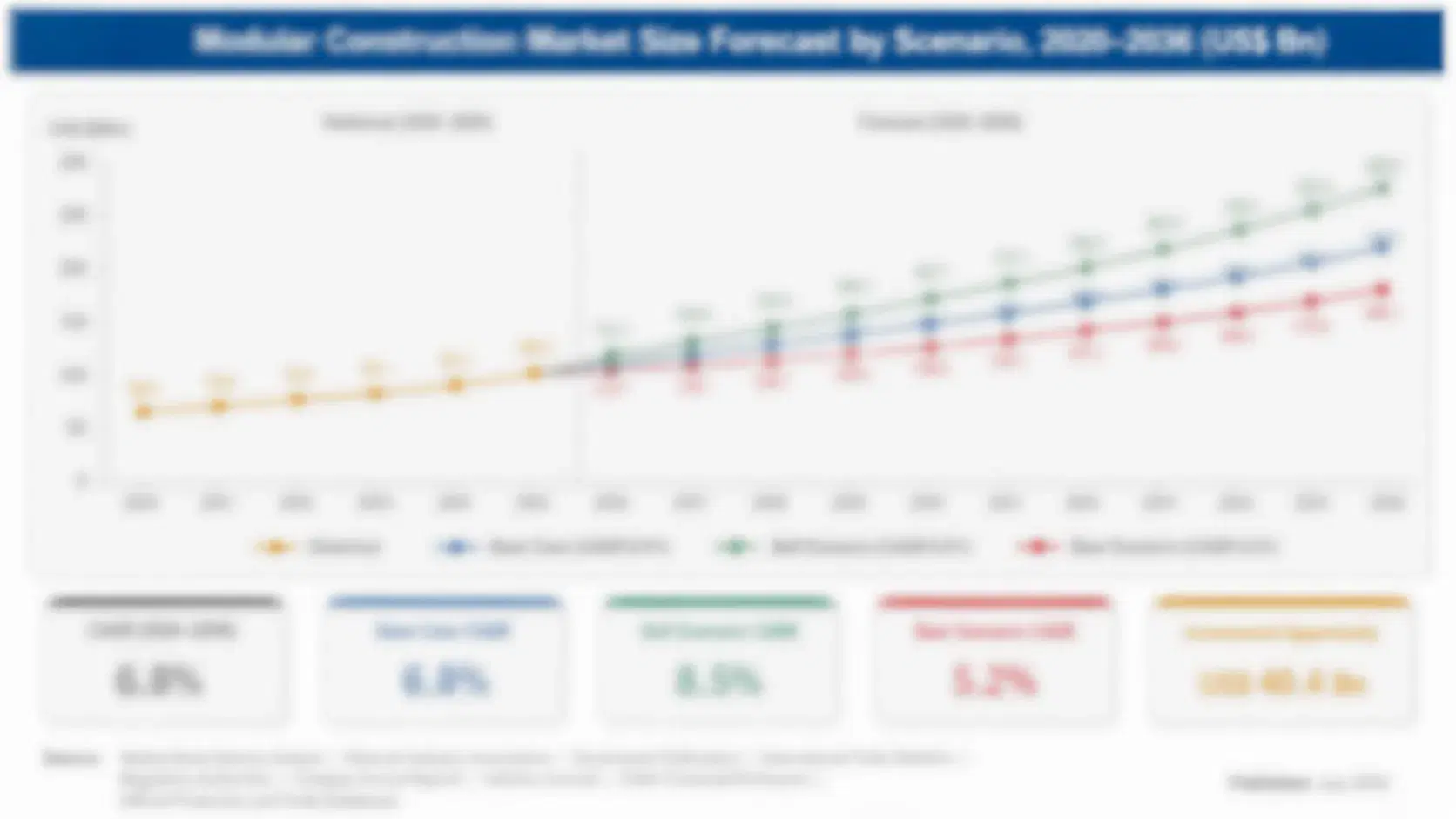
From 2020 to 2025 plant based meals grew at about 7.0% a year. Lockdown cooking and flexitarian interest lifted sales in 2020 and 2021, and supermarkets built dedicated vegan ranges. Growth cooled in 2023 as inflation pushed shoppers toward cheaper meals and criticism of highly processed vegan products spread through media, although chilled bowls and curries kept gaining space.
The base case of 8.0% rests on three named mechanisms. Retailers expand own-label vegan ranges, which lowers shelf prices and widens trial across mainstream households. Meal kit and delivery companies add plant-based menus that suit weekday cooking. Recipe improvements using legumes, grains and vegetables cut reliance on heavily processed proteins and answer health criticism. Each mechanism is visible in retailer range plans, subscription menus and recent launches. Together they support steady growth above 6%.
The bull case reaches 9.2% if price gaps to meat meals close, flexitarian eating spreads and school and workplace canteens adopt plant-based menus. The bear case falls to 6.8% if ultra-processed food concerns deepen, inflation persists and shoppers return to conventional ready meals. Both cases assume stable ingredient supply. Neither case assumes new food labelling rules.

Flavour Quality, Retailer Range Space and Ingredient Lists Set Plant Based Meal Returns

A plant based meal is a complete dish, not a single ingredient. Curries, lentil pies, grain bowls, pasta dishes and noodle pots are cooked, packed and chilled, frozen or heat treated to reach shoppers. Recipes rely on vegetables, legumes, grains, sauces and, in some products, textured plant proteins, and meal quality depends far more on seasoning and sauce than on the meat substitute itself.
MARKET CONCENTRATION22% CR5Top five groups hold about one fifth of category sales
OWN-LABEL SHARE38%Portion of category sales sold under retailer private brands
CHILLED CHANNEL SHARE31%Portion of sales made through refrigerated ready meal aisles
INGREDIENT COST SHARE36% of COGSVegetables, grains, legumes and proteins within total meal production cost
AVERAGE SHELF LIFE5-12 daysTypical usable period for chilled plant based ready meals
REPEAT PURCHASE RATE46%Portion of buyers who purchase again within one month
Value concentrates in three places. Frozen meals carry the largest sales, with long shelf life and lower waste. Chilled ready meals grow fastest, since supermarkets give them premium space and shoppers view fresh as healthier. Meal kits and subscription boxes add a distinct pool with higher prices per meal, where brands compete with mainstream kit companies such as HelloFresh, and where customer acquisition cost weighs heavily on margins.
Supply runs through food manufacturers with cooking and chilling lines close to retail hubs. Vegetables and legumes come from regional growers and traders, plant proteins from specialised processors, and packaging from converters. Chilled products need daily delivery, frozen meals need cold storage, and retailers hold two to three days of stock. Qualifying a new supplier takes six to nine months of audits and taste panels.
"Plant based meals stopped being a protein problem and became a cooking problem. Shoppers forgave a mediocre vegan burger once, but they will not forgive a bland curry twice. The winners are whoever hires real chefs and keeps the ingredient list short."
Senior Analyst, Prepared Foods and Alternative Proteins Practice · MMA Plant Based Meals Practice · September 2026

Market Trends

Chilled Vegan Meals Win Premium Supermarket Space With Chef Recipes

Supermarkets in the United Kingdom, Germany and the Netherlands now devote whole chilled bays to vegan dishes, led by curries, pasta and bowls developed with professional chefs. Chilled Plant-Based Ready Meals grow about 11.2% a year, and gross margins run 26% to 38%. The trend needs daily delivery, short shelf life management and consistent seasoning, and it rewards suppliers with cook-chill lines close to retail hubs, while food waste from short dates and margin pressure from private label limit profits for smaller brands seeking national listings across multiple regions. Buyers reorder weekly.
Market Impact: own-label holds 38% of sales

Legume and Grain Recipes Answer Ultra-Processed Food Criticism

Media and health bodies criticise long ingredient lists in meat substitutes, so meal makers now build dishes on lentils, chickpeas, beans, grains and vegetables with fewer than 10 ingredients. Such recipes cost 10% to 20% less than meat-analogue meals and score better on nutrition schemes. The trend rewards brands with clean labels and strong sauce technology, while shoppers still expect satisfying texture, and some legume-heavy products face sodium and flavour challenges that require repeated reformulation. Retailers use nutrition scores to allocate premium shelf space. Some retailers now display nutrition scores beside each meal.
Market Impact: 35% of consumers reduce meat

Market Opportunities and Growth Drivers

Retailer Own-Label Vegan Ranges Lower Prices and Widen Household Trial

Tesco, Sainsbury's, Lidl, Aldi, Carrefour and Kroger have built own-label plant-based meal ranges with targets to raise vegetarian and vegan sales, and own-label already holds about 38% of category sales. Lower shelf prices reduce the premium over meat meals from about 40% to 20% in some ranges. The driver rewards manufacturers that win private-label contracts and fill lines at scale, while branded players must defend premium positioning through flavour, provenance and clear health credentials that justify their higher shelf price to regular buyers. Retailers also promote vegan meals in meal deals to attract mainstream shoppers.
Market Impact: reformulation takes 6-12 months

Flexitarian Eating and Workplace Convenience Expand Plant Based Meal Occasions

Surveys show that about 35% of consumers in Western Europe and North America now try to reduce meat, and weekday lunch and dinner occasions favour convenient prepared meals. Plant based meals fit that behaviour for households that want variety without cooking from scratch. The driver rewards brands with strong flavour and simple preparation, and it supports repeat purchase through meal deals and subscription offers, while canteens and workplace catering adopt vegan days that expose new shoppers to product quality without any commitment to a diet. Delivery apps also feature vegan meals more prominently each year.
Market Impact: chilled shelf life lasts 5-12 days

Market Restraints and Challenges

Ultra-Processed Food Criticism and Flavour Fatigue Slow Repeat Purchase

Health researchers and media link some plant-based products to ultra-processing, and shoppers question long ingredient lists and sodium levels. The root cause is the use of isolates, gums and flavourings to imitate meat and dairy. Repeat purchase suffers when flavour fades, and sales of some categories fell in 2023. Makers respond with whole-food recipes, shorter labels, sodium reductions and chef partnerships, though reformulation costs $0.3 million to $1 million per range and takes six to 12 months, and shoppers judge results quickly. Some retailers now require sodium and ingredient count targets from vegan suppliers.
Market Impact: chilled meals grow 11.2% yearly

Cold Chain Costs, Short Life and Thin Margins Squeeze Profit

Chilled meals last only five to 12 days, so waste and daily distribution add cost, and frozen meals need storage and transport at low temperature. The root cause is high moisture, vegetable content and lack of preservatives in clean-label recipes. Retailers negotiate hard on private-label prices, and margins compress when volume falls. Makers respond with high pressure processing, modified atmosphere packaging and regional plants near retail hubs, though capital cost and retailer terms limit how fast smaller brands can invest. Retailers also expect near-perfect availability, so brands hold extra stock that expires before it sells.
Market Impact: recipes cost 10-20% less to make
3 additional market trends, 2 additional growth drivers, and 4 additional restraints and challenges are covered in the full report. Contact sales@marketmindsadvisory.com to access the complete intelligence.

Segment CAGR and Growth Architecture

The global plant based meal market is segmented by meal format, which shows where shelf life, cold chain cost and price tolerance differ. Five segments cover chilled ready meals, meal kits, frozen meals, single-serve bowls and shelf-stable meals. Chilled ready meals and meal kits grow fastest, while frozen meals still carry the largest sales through supermarkets and convenience stores.
plant-based-meals-market-market-share-analysis-1789971723369

Chilled Plant-Based Ready Meals

Chilled Plant-Based Ready Meals is the fastest-growing segment at 11.2% a year, about 1.40 times the overall market rate. Supermarkets give fresh vegan curries, pastas and bowls premium chilled bays, and shoppers accept higher prices for freshness and chef-led recipes. Gross margins of 26% to 38% reward makers with cook-chill lines close to retail hubs, daily delivery and consistent seasoning. Growth depends on managing waste from short dates, and retailers hold suppliers to strict service levels. Private-label ranges widen trial, while branded players defend positions through flavour, provenance and clean labels. Suppliers with reliable quality win the largest multi-year retailer contracts. Waste from expired stock remains the main risk to profit.
CAGR 11.2%

Plant-Based Meal Kits

Plant-Based Meal Kits grows at 9.6% a year, about 1.20 times the overall market rate, because subscription boxes and supermarket kits let households cook varied vegan dishes without planning or waste. Gross margins of 24% to 36% must cover customer acquisition, packaging and delivery cost, which is high. Companies such as Purple Carrot and mainstream kit providers add plant-based menus to reach flexitarian buyers. Growth depends on retention, since many subscribers leave within months, and on cost control in last-mile delivery. Suppliers with strong recipes, flexible plans and efficient logistics hold the strongest positions in the segment, and retailer-based kits offer a cheaper alternative. Discount chains now test low-cost kits in selected stores.
CAGR 9.6%
Full segment breakdown across 5 segments available in the complete report.

Regional Architecture and Country Demand Map

Western Europe leads at 30% because the United Kingdom and Germany have the deepest retailer commitment to plant-based meal ranges, with North America at 27%. South Asia and Pacific grows fastest on vegetarian heritage and modern trade. East Asia sits below its band on a smaller ready meal culture.

North America

North America holds 27% share, inside its band, with growth at the global rate of 8.0%. Conagra Brands with Gardein and Healthy Choice, Amy's Kitchen and Nestle's Sweet Earth compete in frozen aisles, while Kroger, Whole Foods and Target expand own-label vegan meals. Meal kit companies add plant-based menus for weekday cooking, and food delivery apps list vegan bowls. Flexitarian shoppers form the core, and ultra-processed food debates push brands toward whole-food recipes. Canada and Mexico add smaller volumes, although Mexico is counted in Latin America. Frozen meals carry the largest sales, and retailers review freezer space each year against sell-through data. Buyers audit allergen controls at every supplier plant each year.
Share: 27% | CAGR: 8.0% (2026 to 2036)

Western Europe

Western Europe holds 30% share, above its band, which justifies the out-of-band share: the United Kingdom and Germany have the highest plant-based penetration in the world, retailers such as Tesco, Sainsbury's, Lidl and Aldi carry dedicated vegan ranges, and vegan chilled meals are a mainstream category. Because North America and Western Europe take the top two slots, the commercial reason is that both hold mature chilled retail, strong own-label programmes and shoppers already trained to buy vegan products. Growth trails the global rate at 6.5% as the base matures. Nutri-Score, UK traffic lights and ultra-processed food scrutiny push reformulation, and private label holds a large share. Range reviews occur every year against sell-through and waste data.
Share: 30% | CAGR: 6.5% (2026 to 2036)
Regional intelligence for 5 additional markets available in the complete report: East Asia, South Asia and Pacific, Latin America, Middle East and Africa, Eastern Europe. Contact sales@marketmindsadvisory.com.
plant-based-meals-market-country-cagr-analysis-1789971723675

Four Margin Routes for Plant Based Meal Makers

Margin in plant based meals comes from flavour quality, private-label contracts, cold chain efficiency and clean-label recipes rather than volume alone. The routes below apply to branded makers, contract manufacturers and meal kit companies, and each can start inside one planning cycle, with clear measures in gross margin points, cost per meal and repeat purchase.

Rebuilding Recipes Around Whole Foods and Chef-Led Seasoning

Repeat purchase depends on flavour, so makers that rebuild recipes around legumes, grains and vegetables with fewer than 10 ingredients, and hire chefs to develop sauces and seasoning, lift repeat purchase by 15% to 25% and cut ingredient cost by 10% to 20%. Reformulation costs $0.3 million to $1 million per range. Makers should start with the five best-selling meals, test against mainstream ready meals in blind panels and monitor sodium levels, since shoppers judge taste first and retailers delist weak products within two range reviews. Results guide which recipes to scale first.
Market Impact: whole-food recipes lift repeat purchase by 15-25% among buyers

Winning Retailer Own-Label Contracts Through Scale Cook-Chill Capacity

Own-label holds about 38% of category sales, so contract manufacturers that build scale cook-chill and freezing lines near retail hubs win multi-year accounts worth 15% to 25% of output. Lines cost $10 million to $40 million. Makers should offer flexible pack formats, consistent quality audits and joint innovation with retailer category teams, since retailers qualify few suppliers and tender contracts each year, and utilisation above 75% is essential to protect thin margins in chilled operations where waste and daily delivery add cost quickly. Long-term contracts also give lenders confidence to finance new lines.
Market Impact: own-label contracts fill 15-25% of plant output capacity

Cutting Chilled Waste and Distribution Cost With Extended Shelf Life

Chilled meals last only five to 12 days, so makers that adopt high pressure processing, modified atmosphere packaging and better forecasting extend shelf life by 30% to 60% and cut waste by 20% to 35%. Technology costs $1 million to $8 million per plant. Makers should start with best-selling meals, share forecasts with retailers and test clean-label preservation methods, since waste directly reduces gross margin by two to four points and retailers penalise late deliveries and short dates in supplier scorecards across many contracts. Better forecasting also reduces overproduction on slow sales days.
Market Impact: shelf life technology cuts chilled waste by 20-35%

Growing Meal Kit and Subscription Channels With Retention Programmes

Meal kits carry higher prices per meal but high acquisition cost, so brands that build retention programmes, flexible plans and personalised menus lift subscriber lifetime value by 25% to 40% and cut churn. Programmes cost $0.5 million to $2 million to launch. Brands should start with recipes that score highest in repeat orders, offer skip and pause options and partner with supermarkets for pick-up kits, since many subscribers leave within months and last-mile delivery costs erode profit when order density is low. Supermarket pick-up partnerships also reduce delivery cost per order.
Market Impact: retention programmes lift subscriber lifetime value by 25-40%

Who Controls the Margin Pool

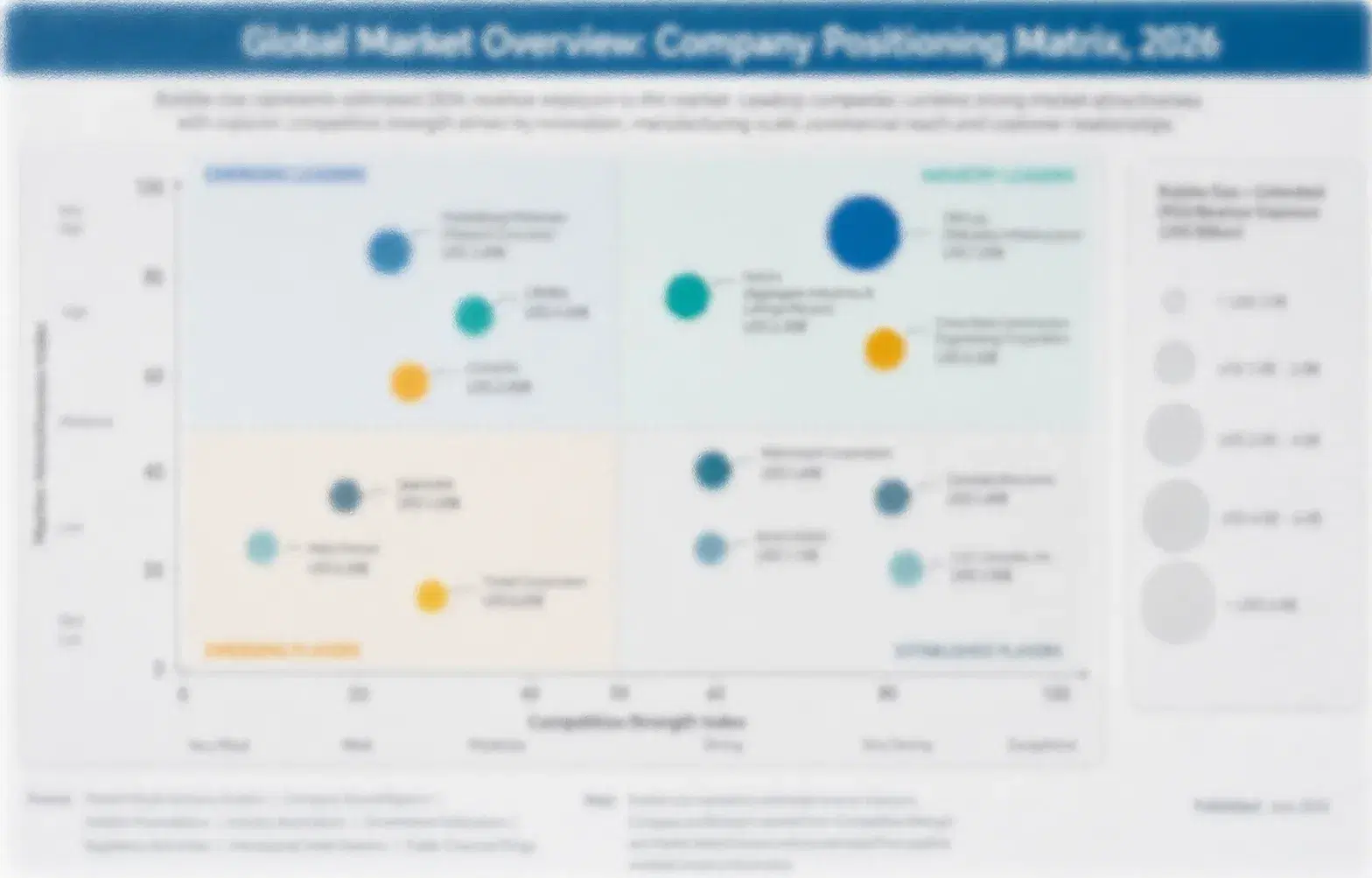
The global plant based meal market is fragmented, with a CR5 of 22%, because retailers, food manufacturers, start-ups and meal kit companies all compete for the same shopper. This assessment measures participants on estimated plant based meal sales value, held constant across all players. Nestle and Conagra Brands lead through brand and distribution, Amy's Kitchen, Vivera and Quorn follow, and the gap between the leader and the fifth player is moderate, as private label absorbs a large share of volume.
Competition runs on four dimensions today: flavour quality, retailer own-label contracts, cold chain reach and ingredient list simplicity. Large groups win on scale and distribution, specialist brands win on recipe credibility, and private-label makers win on price. Retailers compare sell-through per shelf metre and waste rates, and a weak recipe can lose its listing within two range reviews.

Emerging pressure comes from retailer own-label expansion, from meal kit companies adding vegan menus and from meat companies launching hybrid and vegan lines through existing chilled networks. Rankings shift where a maker wins a large private-label contract, reformulates a bestseller successfully or exits a weak category, and consolidation continues among small brands as funding tightens.
plant-based-meals-market-company-positioning-matrix-1789971723987

Competitive Moat and Risk Dimensions

NESTLE

Moat: Global Distribution and Food Science

Nestle sells plant-based meals under brands such as Garden Gourmet in Europe and Sweet Earth in North America, and holds one of the broadest chilled and frozen distribution networks in food. Its research base, ingredient sourcing scale and retailer relationships support reformulation and rapid rollout, and its size lets it absorb slow category growth while building ranges.
NESTLE

Risk: Portfolio Reshaping and Brand Focus

Nestle reviews underperforming food brands and has scaled back some plant-based lines after slower demand. Priorities may shift toward higher-margin categories, and private-label competition from retailers presses pricing, while ultra-processed food criticism can damage brands that rely on textured proteins. Investors also question the pace of return from new vegan launches.
CONAGRA BRANDS

Moat: Frozen Aisle Scale and Brands

Conagra Brands, the American packaged food group, owns Gardein, Healthy Choice, Marie Callender's and other frozen brands with strong supermarket presence across North America. Its frozen manufacturing scale, retailer relationships and brand portfolio give it reach for plant-based meals, and it can cross-promote vegan lines with mainstream frozen ranges.
CONAGRA BRANDS

Risk: Category Softness and Debt Load

Conagra Brands has faced soft plant-based demand and impairment charges on some brands, and its debt load limits room for aggressive innovation. Private-label frozen meals compete on price, and reformulation to whole-food recipes requires investment during a period of margin pressure. Investors expect debt reduction to come before new range spending.

Players Tracked

Prominent Players

Nestle
Conagra Brands
Amy's Kitchen
Vivera
Quorn

Other Key Players

Kraft Heinz
General Mills
Beyond Meat
Impossible Foods
Greencore
Daily Harvest
Purple Carrot
HelloFresh
Mindful Chef
Linda McCartney's
Dr. Oetker
Nomad Foods
Tofurky
Field Roast
Maple Leaf Foods

Recent Developments

JANUARY 2026

Greencore Expands Chilled Vegan Ready Meal Production Capacity for United Kingdom Supermarket Customers

Greencore expanded chilled vegan ready meal production capacity for United Kingdom supermarket customers, according to company communications. It is an organic capacity expansion, not an acquisition, and it tests own-label demand. The expansion covers cook-chill lines and packing. Investment terms were not disclosed. Timing remains open.
Signal: Confirms contract manufacturers are adding chilled capacity because retailers keep growing own-label vegan meal ranges each year.
FEBRUARY 2026

Conagra Brands Reformulates Frozen Plant-Based Meal Range With Shorter Ingredient Lists and Lower Sodium

Conagra Brands reformulated its frozen plant-based meal range with shorter ingredient lists and lower sodium, according to company communications. It is a product update, not an acquisition, and it tests shopper response to cleaner labels. The update covers selected recipes. Sales terms were not disclosed.
Signal: Shows major brands are answering ultra-processed food criticism because clean labels now influence repeat purchase and retailer listings.
MARCH 2026

HelloFresh Adds Plant-Based Menu Options Across European Markets to Retain Flexitarian Subscribers

HelloFresh added plant-based menu options across European markets to retain flexitarian subscribers, according to company communications. It is a menu expansion, not an acquisition, and it tests subscriber demand. The options cover weekday dinners. Financial terms were not disclosed. Timing remains open for further menu changes.
Signal: Indicates meal kit companies treat plant-based menus as retention tools because flexitarian households value variety without cooking from scratch.

Vegetables, Legumes and Cold Chain Costs

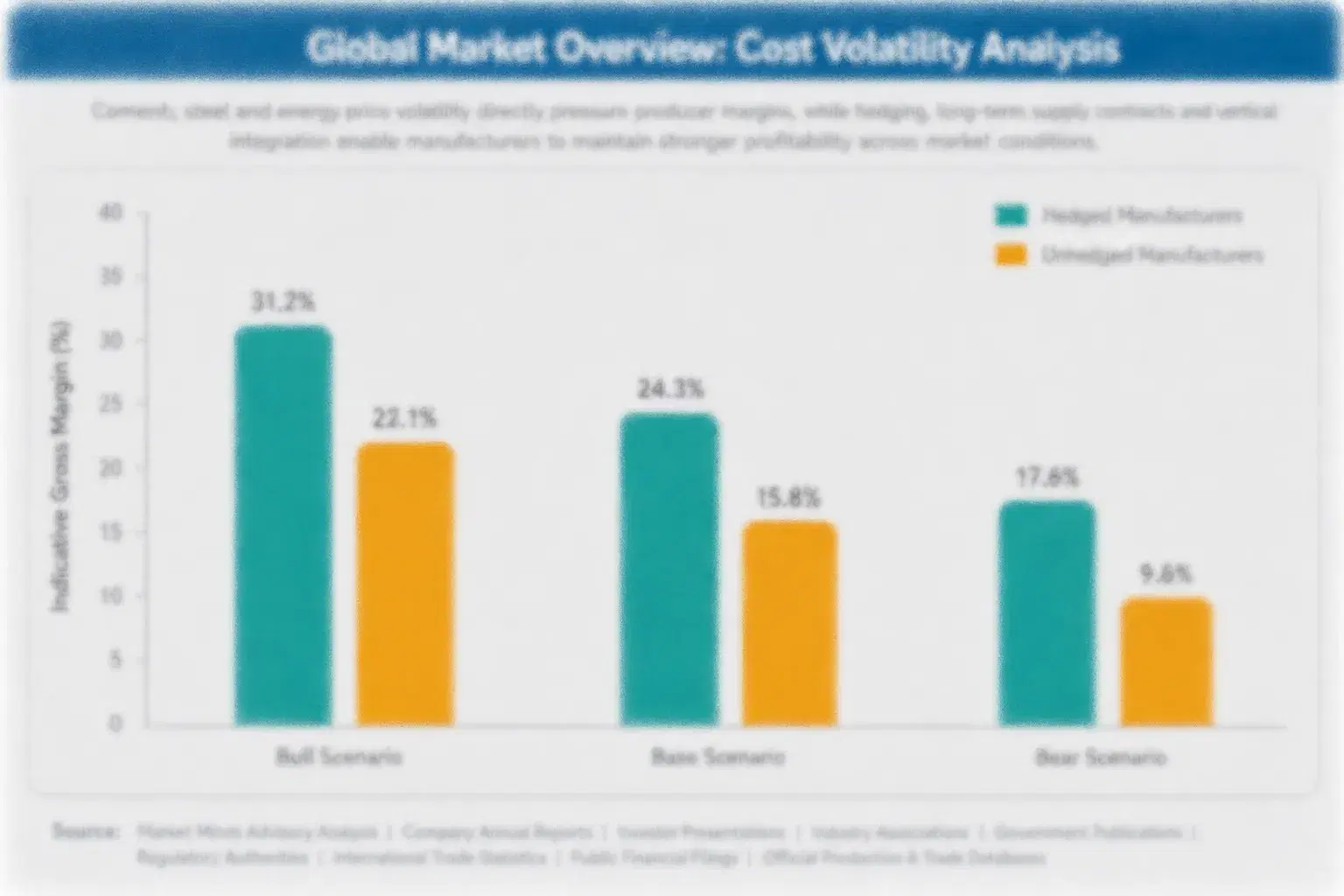
Vegetables, legumes, grains and plant proteins account for roughly 36% of production cost, sauces, oils and seasonings about 14%, packaging about 14%, energy and cold chain about 12%, and labour, distribution and overheads about 24%. Vegetables come from regional growers in Spain, the Netherlands and North America, legumes from Canada and Australia, and plant proteins from specialist processors in Europe and the United States.
The clearest recent shock came in 2022 and 2023. Eurostat data show food processing input prices rising by more than 20% across the European Union, while EIA data show industrial power and gas costs surging after the war in Ukraine, and USDA reports show vegetable oil and grain price spikes. Ready meal makers absorbed part of the increase because private-label contracts repriced only at annual resets, which compressed margins.

The disadvantage falls on makers without long-term ingredient contracts or scale, because they cannot pass through swings on annual retailer terms and pay more for small lots. Exposure varies by player type: large groups hedge and hold multi-origin supply, private-label makers face tight tender prices, and small brands depend on spot ingredient purchases with limited pricing power.
plant-based-meals-market-cost-volatility-analysis-1789971724300

Multi-Year Ingredient and Grower Contracts

Makers sign multi-year contracts with vegetable growers and legume suppliers, often with price collars linked to market indices, to cut exposure to spikes of 15% to 30%. The main challenge is volume commitment when demand shifts, so makers negotiate flexible ranges and review contract terms each year with key suppliers. Supplier audits repeat every year.

Energy Efficiency and Heat Recovery

Makers invest in efficient cooking, chilling and freezing equipment and heat recovery to cut energy cost per meal by 8% to 15%. The main challenge is capital cost and downtime for retrofits, so makers phase upgrades over several years and share expertise across plants. Payback usually arrives within four years. Utility audits confirm the savings each year.

Retailer Price Formulas and Pass-Through Clauses

Makers negotiate price formulas that link contracts to food and energy indices with a lag of one to two quarters, recovering 60% to 80% of cost increases. The main challenge is retailer resistance in tenders, so makers offer volume commitments and joint innovation in return for indexed terms. Contract terms are reviewed every half year.

Portfolio Architecture for Margin Defence

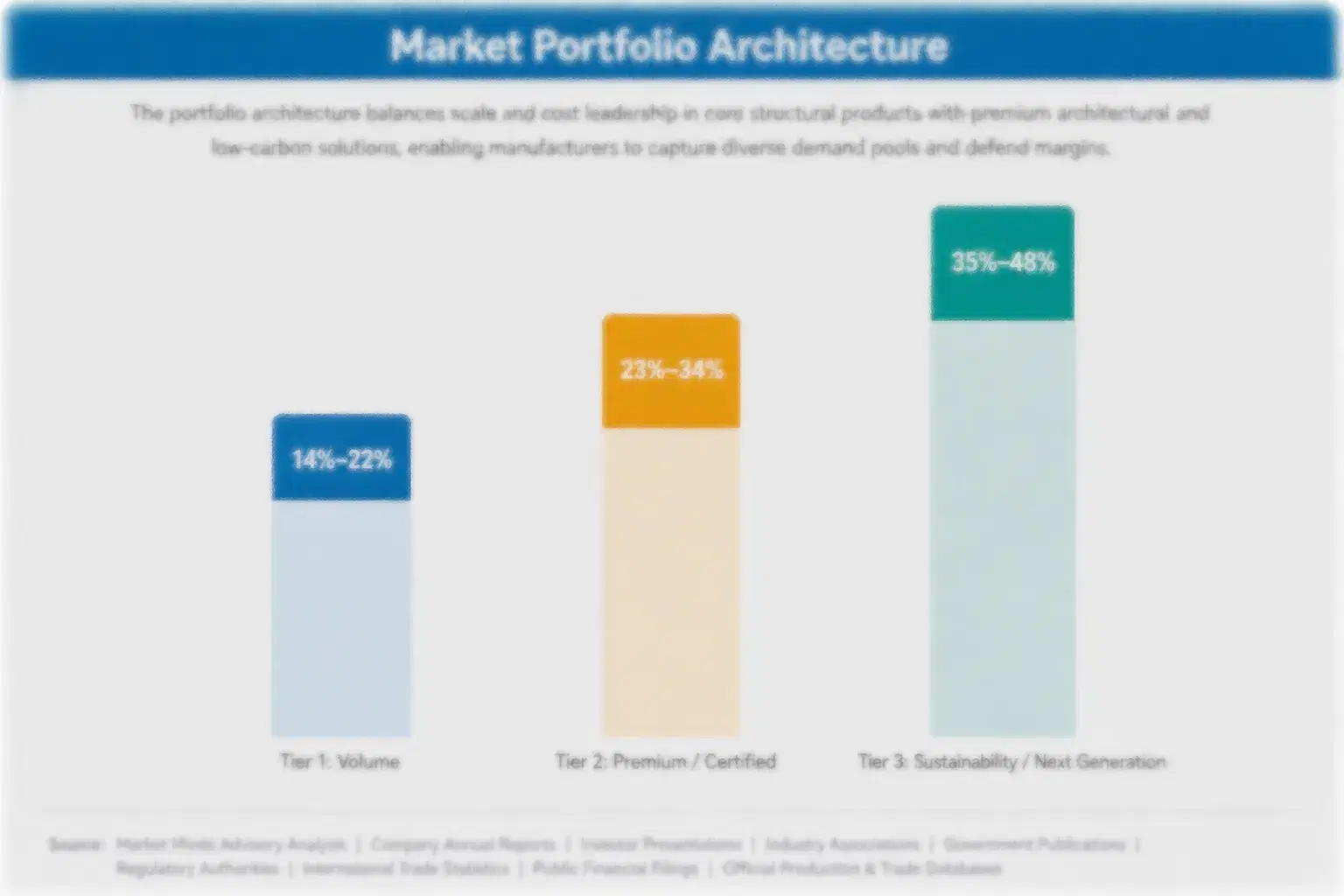
Margins run from thin returns on private-label frozen meals sold at retailer prices to strong returns on chilled chef-led meals and premium kits sold with brand support. Three tiers separate volume products, premium certified lines and next-generation solutions, and each draws on different ingredient sourcing, cold chain capability and retailer relationships in a market where private label holds a large share. Margin gaps between tiers run to 12 points.
The tension between volume and premium is sharp. Private-label and value frozen meals fill supermarket orders at low prices and face constant promotional pressure, while premium chilled and kit products earn higher margins on smaller volumes and depend on recipe quality, brand trust and delivery reliability. Makers that run only volume suffer when retailers push prices down, while premium-only makers struggle to fill lines and absorb waste.

High-value pools concentrate in chilled chef-led meals for supermarket premium ranges and in meal kits with strong retention. They gather where buyers pay for flavour, freshness and convenience, not for the plant-based label alone. Single-serve bowls add a growing pool for workplace and convenience channels, and strong makers hold more than one, though each needs different lines, cold chain capability and channel skills.

Volume / Commodity-Adjacent

Private-label and value frozen meals sold on price per meal to supermarkets and discount chains. Buyers focus on cost and promotions, contracts follow annual retailer tenders, and technical differentiation is limited by shared recipe formats.
Gross Margin: 18%-28%

Premium / Certified

Branded chilled and frozen meals with chef-led recipes, clean labels, vegan certification and good nutrition scores, sold through supermarkets and specialist retail. Buyers value taste, freshness and brand trust, and listings run for one to two years.
Gross Margin: 26%-36%

Sustainability / Regulatory / Next-Generation

Whole-food chilled meals, meal kits and low-carbon ranges with verified life cycle data and short ingredient lists, sold to leading retailers and subscription customers. Contracts depend on flavour, nutrition scores and consistent delivery performance.
Gross Margin: 28%-40%
plant-based-meals-market-portfolio-architecture-1789971724636

High-value Sub-segments and Strategic Watch-out

Chilled Plant-Based Ready Meals

Chilled ready meals combine the fastest growth with strong pricing, since supermarkets accept gross margins of 26% to 38% for chef-led recipes and freshness. Cook-chill lines near retail hubs, daily delivery and consistent seasoning form the entry barrier, and suppliers that manage waste hold the strongest positions.
Gross Margin: 26%-38%

Plant-Based Meal Kits

Plant-based meal kits deliver moderate growth with firm pricing, since subscribers accept gross margins of 24% to 36% for convenience and variety. Retention, last-mile efficiency and recipe quality limit competition, though acquisition costs remain high. Retention reviews occur each month. Prices stay firm. Margins vary sharply.
Gross Margin: 24%-36%

Frozen Plant-Based Meals

Frozen plant-based meals are the volume core, with value growing about 7.5% a year. Recipe cost, freezer placement and promotional discipline decide profit, and large groups and private-label makers hold most volume. Customers renew listings yearly at prices linked to competing conventional frozen meals. Utilisation stays critical.
Gross Margin: 18%-30%

Shelf-Stable and Pouch Meals

Shelf-stable and pouch meals are the strategic watch-out, since growth of about 6.0% a year trails the market, flavour quality is harder to protect after heat treatment and lentil and rice packs compete on price. Makers should manage it selectively and steer investment toward chilled and frozen ranges.
Gross Margin: 16%-28%

Why Households Keep Buying Vegan Meals

Plant based meal demand behaves like an annuity attached to weekly shopping lists, freezer habits and household routines. Once a household finds a curry or pasta dish it likes, purchases repeat every week or two, and switching means testing another recipe and risking disappointment. Retailers set annual range plans around sell-through per shelf metre, so brands with steady velocity earn priority space. Trust, once earned, takes years to lose.
Adoption stickiness differs by end-use vertical. Committed vegan and vegetarian households are the deepest, since they rely on prepared meals with reliable labelling. Flexitarian households are moderately sticky, driven by flavour, price and promotions. Canteen and workplace buyers are more fluid, changing suppliers when menus or budgets shift, though caterers with proven quality and delivery hold contracts for several years and expand menu use over time.

Buyer profiles are shifting between generations. Older buyers bought vegetarian meals for health or ethics and accepted limited choice, while younger buyers ask about ingredient lists, protein content, carbon footprint and taste comparable to mainstream meals. Retailers and health bodies add a third group that sets nutrition and labelling expectations. Makers that publish nutrition scores and life cycle data win newer buyers.
plant-based-meals-market-end-use-penetration-index-1789971724952

MMA Verdict on Plant Meal Strategy

These are among the four positions where our research anticipates prominent divergence between winners and laggards over the coming forecast period. Each is grounded in the demand model, the regulatory perimeter, and the announced capacity pipeline.
01 / RECIPE QUALITY STRATEGY

Rebuild Recipes Around Whole Foods and Chef Seasoning Before Shoppers Leave

Chilled Plant-Based Ready Meals grow at 11.2% a year, about 1.40 times the overall market rate, but repeat purchase depends on flavour. Makers should invest $0.3 million to $1 million per range, use legumes, grains and vegetables with fewer than 10 ingredients, and lift repeat purchase by 15% to 25%. Those that delay will lose listings over the next two years, while early movers hold repeat purchase, stronger margins and lasting shelf space across every range review and annual retailer tender.
02 / OWN-LABEL CONTRACT STRATEGY

Build Scale Cook-Chill Capacity Before Retailers Lock In Own-Label Suppliers

Own-label holds about 38% of category sales, and scale cook-chill lines near retail hubs win multi-year accounts worth 15% to 25% of output. Makers should invest $10 million to $40 million per line, offer flexible pack formats and run joint innovation with category teams. Those that delay will lose tenders over the next two years, while early movers hold volume, utilisation above 75% and stronger and lasting negotiating positions across every annual contract round and retailer audit cycle and quarterly volume review.
03 / WASTE REDUCTION TECHNOLOGY

Extend Chilled Shelf Life Before Waste and Short Dates Erase Category Margin

Chilled meals last only five to 12 days, and shelf life technology extends life by 30% to 60% while cutting waste by 20% to 35%. Makers should invest $1 million to $8 million per plant, start with best-selling meals and share forecasts with retailers. Those that delay will lose two to four margin points to waste over the next two years, while early movers hold better service scores, lower cost and preferred supplier status across every retailer scorecard and annual review.
04 / SUBSCRIPTION RETENTION STRATEGY

Build Meal Kit Retention Programmes Before Acquisition Costs Consume Subscriber Profit

Meal kits carry high acquisition cost, and retention programmes with flexible plans lift subscriber lifetime value by 25% to 40%. Brands should invest $0.5 million to $2 million per programme, start with recipes that score highest in repeat orders and offer skip and pause options. Those that delay will pay rising acquisition costs over the next two years, while early movers hold loyal long-term subscribers, stable revenue and stronger unit economics across every marketing cycle, product launch and annual planning review.

Engagement Snapshot From the Field

A live engagement with an industry participant carrying material or product regulatory and market exposure ahead of a defining policy shift, showing how our research translates into a defensible multi-year portfolio strategy.
MARKET MINDS ADVISORY · CLIENT ENGAGEMENT SUMMARY
Plant Based Meals Producer Strategic Portfolio Review and Transition Roadmap 2026·Investment Scenario on Plant Based Meals Exposure Evaluation 2025-26
CLIENT PROFILE
The client is a mid-sized European ready meal manufacturer with annual sales near $410 million (client-reported, unverified by MMA), producing chilled and frozen dishes for supermarket own-label and branded ranges. About 9% of sales came from vegetarian and vegan meals, two retailers had asked for larger vegan ranges with shorter ingredient lists, and management wanted a plan to grow without harming core margins.
STRATEGIC CHALLENGE
Vegan meal margins sat near 19% (client-reported, unverified by MMA), waste on chilled lines reached about 11% of output, and a first plant-protein range had missed volume targets. Management had to decide whether to rebuild recipes, add a dedicated cook-chill line or partner with a meal kit company, with limited capital and three plants. Key retailers wanted new ranges within 12 months.
MMA APPROACH
MMA analysed sales, cost and waste data across 45 products, interviewed 15 retail buyers, chefs and cold chain managers, and ran a shopper survey on flavour, ingredient lists and price across three countries. It modelled margin by recipe and channel, compared recipe rebuild, capacity and partnership options by payback and execution risk, and tested each against ingredient and energy scenarios.
KEY FINDINGS
  1. Whole-food recipes with fewer than 10 ingredients would cut ingredient cost by about 14% and lift repeat purchase by about 18% (client-reported, unverified by MMA).
  2. A dedicated cook-chill line would cost about $12 million and win own-label contracts worth about 15% of output (client-reported, unverified by MMA).
  3. High pressure processing would extend chilled shelf life by about 40% and cut waste from 11% to about seven percent (client-reported, unverified by MMA).
  4. A meal kit partnership would open subscriber sales worth about eight percent of vegan revenue but at lower margins (client-reported, unverified by MMA).
CLIENT PROFILE
The client is a mid-sized European ready meal manufacturer with annual sales near $410 million (client-reported, unverified by MMA), producing chilled and frozen dishes for supermarket own-label and branded ranges. About 9% of sales came from vegetarian and vegan meals, two retailers had asked for larger vegan ranges with shorter ingredient lists, and management wanted a plan to grow without harming core margins.
STRATEGIC CHALLENGE
Vegan meal margins sat near 19% (client-reported, unverified by MMA), waste on chilled lines reached about 11% of output, and a first plant-protein range had missed volume targets. Management had to decide whether to rebuild recipes, add a dedicated cook-chill line or partner with a meal kit company, with limited capital and three plants. Key retailers wanted new ranges within 12 months.
MMA APPROACH
MMA analysed sales, cost and waste data across 45 products, interviewed 15 retail buyers, chefs and cold chain managers, and ran a shopper survey on flavour, ingredient lists and price across three countries. It modelled margin by recipe and channel, compared recipe rebuild, capacity and partnership options by payback and execution risk, and tested each against ingredient and energy scenarios.
KEY FINDINGS
  1. Whole-food recipes with fewer than 10 ingredients would cut ingredient cost by about 14% and lift repeat purchase by about 18% (client-reported, unverified by MMA).
  2. A dedicated cook-chill line would cost about $12 million and win own-label contracts worth about 15% of output (client-reported, unverified by MMA).
  3. High pressure processing would extend chilled shelf life by about 40% and cut waste from 11% to about seven percent (client-reported, unverified by MMA).
  4. A meal kit partnership would open subscriber sales worth about eight percent of vegan revenue but at lower margins (client-reported, unverified by MMA).
RECOMMENDED STRATEGY
Phase 1: Phase 1 (Months 1-9): Rebuild the five best-selling vegan recipes with whole-food ingredients, hire two chefs and test against competitor meals with shopper panels. Phase 2: Phase 2 (Months 10-24): Install high pressure processing, build the cook-chill line and sign own-label contracts with two retailers for wider ranges. Phase 3: Phase 3 (Months 25-42): Extend whole-food recipes across the vegan range, pilot a meal kit partnership and review ingredient contracts and pricing yearly.
OUTCOME
Within 42 months, vegan meals reached 21% of sales, margins rose by about seven points and waste fell to about eight percent of chilled output (client-reported, unverified by MMA). Two retailers extended own-label ranges, repeat purchase improved by about 16%, and the cook-chill line reached planned utilisation.

Frequently Asked Questions

Foundational context covering the market sizes, CAGR, scope, country, region and competition that inform every finding below. This section is provided to cover basics and most often pre-purchase conversations, answered from the MMA Primary Research Dataset.

What is the current size of the Plant Based Meals Market?

The global plant based meal market was valued at $8.40 billion in 2025 on a retail and foodservice sales basis. Growth reflects flexitarian eating and retailer own-label ranges, offset by ultra-processed food concerns and cold chain costs.

How large will the Plant Based Meals Market be by 2036?

The market is projected to reach $19.59 billion by 2036, up from $9.07 billion in 2026. The increase of $10.51 billion reflects chilled meals, meal kits and Asian growth.

What is the CAGR for the Plant Based Meals Market 2026 to 2036?

The market is forecast to grow at an 8.0% CAGR from 2026 to 2036. The bull case reaches 9.2% and the bear case 6.8%, depending on price gaps, flavour quality and consumer sentiment.

Which segment is growing fastest?

Chilled Plant-Based Ready Meals is the fastest-growing segment at 11.2% CAGR, roughly 1.40 times the overall market rate. Plant-Based Meal Kits follows at 9.6% CAGR each year.

Who are the major companies in the Plant Based Meals Market?

Major companies include Nestle, Conagra Brands, Amy's Kitchen, Vivera and Quorn. Kraft Heinz, General Mills, Greencore, Nomad Foods and HelloFresh also hold meaningful positions in specific channels.

Which country is growing fastest?

India is growing fastest at about 11.0% CAGR, because vegetarian heritage, packaged food growth and modern retail expand together. China and Australia follow as urban shoppers seek convenient meals.

Report Segmentation Architecture

The full report scope spans multiple orthogonal segmentation dimensions, with cross-tabulated demand data provided for each dimension pair. Coverage extends further to regional breakdowns, trend trajectories, and the competitive detail needed to support segment-level decision-making.

By Primary Market Dimension

  • Chilled Plant-Based Ready Meals
  • Frozen Plant-Based Meals
  • Plant-Based Meal Kits
  • Plant-Based Single-Serve Bowls
  • Shelf-Stable and Pouch Meals

By End-Use Industry

  • Household Retail
  • Workplace and Canteen Catering
  • Convenience and Travel Retail
  • Online Meal Delivery

By Commercial Dimension

  • Branded Retail Sales
  • Retailer Own-Label Supply
  • Subscription and Meal Kit Sales
  • Foodservice Contracts
  • Online Direct Sales

By Region

  • North America
  • Western Europe
  • East Asia
  • South Asia and Pacific
  • Latin America
  • Middle East and Africa
  • Eastern Europe

Scope, Methodology, and Coverage

Every figure in this report is reproducible from documented input assumptions. The scope below maps the historical period, the forecast horizon, the segmentation dimensions, and the countries covered, alongside the underlying primary and qualitative methodology.
Historical Period
2020 to 2025
Forecast Period
2026 to 2036
Base Year
2025 (USD billions; MMA Primary Research Dataset, September 2026)
Market Definition
The market covers global sales of packaged and prepared meals made without meat, fish, dairy or egg ingredients, including chilled and frozen ready meals, shelf-stable meals, meal kits and single-serve bowls, sold through retail, online and foodservice channels. It excludes single-ingredient meat and dairy alternatives sold as standalone products, plant-based snacks, vegetarian meals containing dairy or egg, plant-based beverages and restaurant meals prepared from scratch.
Quantitative Units
USD billions (retail and foodservice sales revenue); units and meals for volume references
Segmentation Dimensions
By Meal Format; By End-Use Channel; By Commercial Dimension; By Region
Regions Covered
North America, Western Europe, East Asia, South Asia and Pacific, Latin America, Middle East and Africa, Eastern Europe
Countries Covered
United States, Canada, Mexico, United Kingdom, Germany, France, Netherlands, Spain, Italy, Poland, Japan, China, South Korea, India, Australia, Singapore, Brazil, Chile, United Arab Emirates, South Africa, and additional markets relevant to this sector
Key Companies Profiled
Nestle, Conagra Brands, Amy's Kitchen, Vivera, Quorn, Kraft Heinz, General Mills, Beyond Meat, Impossible Foods, Greencore, Daily Harvest, Purple Carrot, HelloFresh, Mindful Chef, Linda McCartney's, Dr. Oetker, Nomad Foods, Tofurky, Field Roast, Maple Leaf Foods
Quantitative Methodology
Primary survey, n=3,800 respondents, Q4 2025, six countries; demand-side model with trade association cross-validation
Qualitative Methodology
47 expert interviews, Q4 2025; applied to validate demand model assumptions, identify emerging dynamics, and assess competitive positioning
Report Format
PDF and XLSX data workbook (Word format preview document)
Publisher
Market Minds Advisory
Report Code
MMA-2026-AGR-200
Published
September 2026
Contact
sales@marketmindsadvisory.com | www.marketmindsadvisory.com

Purchase the full Plant Based Meals Market Report (2026 to 2036).

The full report delivers a detailed assessment of the plant based meal market through 2036, covering meal format, channel and regional forecasts, competitive benchmarking of leading food groups, own-label suppliers and meal kit companies, and input cost analysis. It combines MMA primary research, including a six-country survey of 3,800 respondents and 47 expert interviews, with public statistical and company data. Analysts also model ingredient price paths, retailer range scenarios and cold chain capacity timelines. Clients receive format margin ranges, channel maps and a case study on growth strategy. Retailer programme and contract frameworks are also included.
Ten-year format and channel demand forecasts
Ingredient, energy, and packaging cost tracking
Competitive benchmarking of leading plant based meal makers
Vegan labelling and nutrition scheme rule tracker
Regional market comparative analysis and forecasts included
Quarterly primary survey data update access

Built For The People Who Decide

From boardroom strategy to bench-side execution, this report is read cover-to-cover by leaders shaping the next decade of their industry, turning demand scenarios, market dynamics and valuation benchmarks into decisions.
CXOs/ Presidents/ VPs/ Managers
M&A and Corporate Development
Strategy Teams and R&D Heads
Procurement and Product Directors
Regulatory and Compliance Leaders
Investor Relations and Equity Analysts