Market Minds Advisory
Pillow Pack Packaging Market

Pillow Pack Packaging Market Insights 2026-2036: Demand and Share

Snack food and confectionery brand owners across North America are shifting pillow pack specification toward recyclable mono-material films well ahead of volume growth in standard multi-layer laminate pouches across most other retail categories nationwide.

Lead Analyst

Bilal Shaikh

Published

November 2026

Make Smarter Decisions with Customized Research Insights

Request a free sample report and evaluate market opportunities, growth trends, and competitive dynamics relevant to your business needs.

2025 MARKET VALUE$8.5BMarket Size 2025
2036 FORECAST VALUE$15.3BBase Case , 2026 to 2036
CAGR 2026 TO 20365.5 %Bull 6.7% / Bear 4.3%
INCREMENTAL OPPORTUNITY$6.3BNet 10- year value creation
EXPANSION MULTIPLE1.71x2036 value over 2026 base
Strategic Levers
M&A Pipeline
Regional Outlook
Country Rankings
Competitive Intelligence
Segmental Deep-dive
Call-Us : 91 93563 13602

Pillow Pack Packaging Market Outlook

Recyclable mono-material pillow packs are gaining share from standard multi-layer laminate pouches as North American snack food and confectionery brand owners respond to tightening recyclability mandates faster than any other flexible packaging buyer segment today, a shift expected to broaden further, reshaping purchase priorities across the installed packaging base nationwide.
Converters are racing to add high-speed form-fill-seal compatible mono-material films and recyclable sealant layer technology as snack, confectionery, and bakery brand owners shift pouch specification away from multi-layer laminates, concentrating demand gains most heavily across North American production hubs and Indian snack manufacturing growth serving both commercial retail and export-oriented contract packaging simultaneously across multiple categories, while legacy laminate pouches continue exiting the installed packaging base at a steady pace nationwide.
Competitive intensity centers on a moderately concentrated base of specialty film and converting makers now facing tightening recyclability certification standards and rising resin costs, pressures that favor larger converters able to absorb certification cost across multiple product lines, while a parallel shift toward mono-material pillow packs reshapes which suppliers brand owners consider for contracts nationally, reinforced by growing demand for documentation across most national markets.
Market Definition
The Pillow Pack Packaging Market covers flat, horizontally or vertically formed flexible pouches sealed on both ends, commonly used for snack foods, confectionery, and baked goods. It excludes stand-up pouches, gusseted bags, form-fill-seal machinery, and the base packaging film materials sold separately as substrate. For scale, MMA values the flat-pack packaging market at USD 14.2 billion in 2025 and expects it to reach USD 25.9 billion by 2036.
Base Year Value
$8.5B in 2025 (MMA Primary Research Dataset, October 2026)
Forecast Period
2026 to 2036, eleven discrete annual values
CAGR
5.5% base case. Bull 6.7%. Bear 4.3%.
Fastest Growth Segment
Recyclable Mono-Material Pillow Packs: 9.3% CAGR
Fastest Growth Country
India: 8.2% CAGR
Fastest Growth Region
South Asia and Pacific: 7.5% CAGR
Largest Region
North America: 27% of 2025 global value
Market Leaders
Amcor plc, Mondi Group, Constantia Flexibles, ProAmpac Holdings, Huhtamaki Oyj. Source: MMA Primary Research, July 2026.
Primary Survey
n=3,800 procurement and R&D decision-makers, Q4 2025, six countries
Methodology
Demand-side build-up, cross-validated against public data, 47 expert interviews

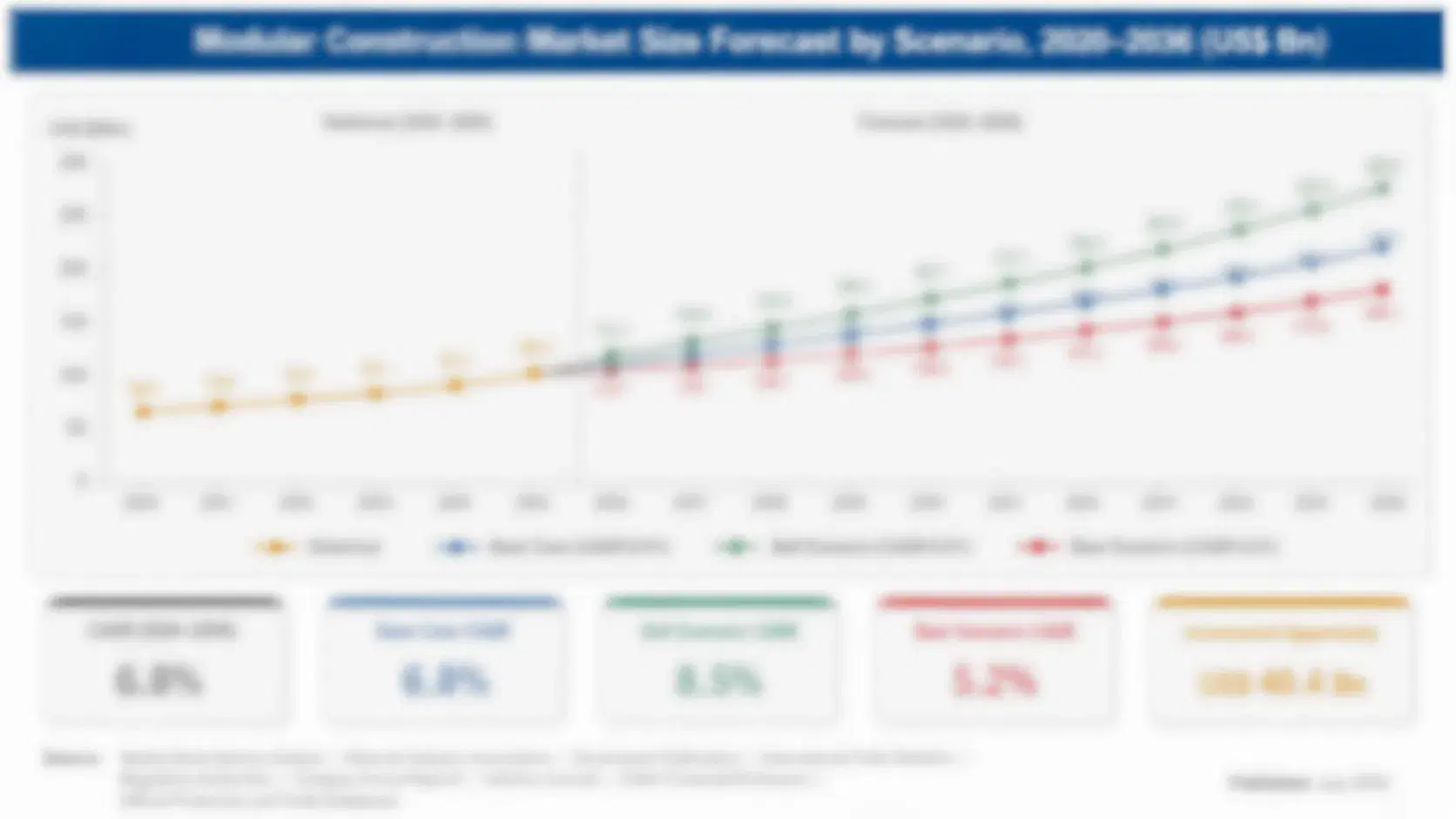
Pillow Pack Packaging Growth Scenarios to 2036

pillow-pack-packaging-market-size-forecast-scenario-1791355284905
Demand for pillow pack packaging grew steadily between 2020 and 2025 as snack food and confectionery manufacturers expanded production capacity across North American and Indian markets, with converters gradually adding mono-material film capacity alongside legacy laminate lines to meet shifting brand owner specification requirements across a widening set of retail categories throughout this entire historical period consistently.
The base case assumes continued expansion of snack food consumption, broadening recyclable mono-material adoption across North America and India's export-oriented packaging sector, and rising demand for high-speed form-fill-seal compatible films that favor converters with proven sealant formulation capability already built into current product lineups, three mechanisms that together sustain demand through the 2026 to 2036 forecast window at a steady pace across most retail categories tracked today, even as mature categories see slower growth.
A bull scenario assumes faster global recyclability enforcement lifting mono-material pillow pack volumes meaningfully above base case expectations across most tracked categories nationwide. The bear risk is prolonged resin input cost inflation squeezing smaller regional converters out of competitive bidding on new brand owner contracts across price sensitive mass retail channels, accelerating consolidation pressure across the converter base over the decade.

Pillow Pack Specification Shifting Toward Mono-Material

Pillow pack specification is shifting away from standard multi-layer laminate films toward recyclable mono-material structures as national packaging recyclability targets tighten across snack food, confectionery, and bakery secondary packaging categories, reshaping converter investment priorities across both film formulation and sealant layer sourcing operations simultaneously, with the pace of change varying by how quickly each brand owner's own sustainability commitments take effect across its product lines. MMA expects the related packaging materials market to be worth USD 681.6 billion by 2036.
MARKET CONCENTRATIONCR5 36%Top five converters hold roughly one third domestic pouch supply
AVERAGE SELLING PRICE$0.018/unit pouchReflects recyclability certification and sealant layer cost premium
TOP PRODUCING REGION SHAREMidwest US 19%Domestic converter base concentrated near major snack manufacturing hubs
CAPACITY UTILIZATION77%Form-fill-seal compatible film lines running near full rated output
TRADE INTENSITY20% cross-borderPouches shipped regionally to serve multinational brand owner contracts
RESIN COST SHARE33%Virgin polyolefin resin remains largest single cost component nationally
Converters serving this market increasingly compete on recyclability certification capability rather than price alone, since brand owners now require documented mono-material compliance before awarding multi-year supply contracts, a shift that favors larger specialty film producers with dedicated sustainability engineering teams over smaller regional converters lacking comparable resources, and the gap between certified and non-certified suppliers is widening further each procurement cycle as retailers adopt similar standards.
Resin cost volatility remains the single largest margin pressure facing converters, compounding the capital cost of adding mono-material film production lines. Smaller regional converters without captive resin supply or scale to absorb certification costs face mounting pressure to consolidate or exit higher compliance tier segments of this market entirely across the country, a dynamic likely to accelerate industry consolidation over the coming decade as certification becomes table stakes.
"Recyclability certification has become the real battleground in this market, not price. Converters that treated mono-material compliance as a cost center rather than a capability are already losing shelf-ready contracts to rivals who built sustainability credentials into their core process."
Senior Analyst, Packaging Materials Practice · MMA Packaging Practice · October 2026

What Is Changing in Pillow Pack Packaging

Recyclable Mono-Material Films Spreading Across Snack Packaging

Recyclable mono-material films that once applied mainly to pilot sustainability programs are now spreading across mainstream snack food and confectionery retail packaging, forcing converters to redesign sealant chemistry and film gauge specifications. Brand owners are consolidating purchase orders toward suppliers who can certify recyclability compliance across multiple product lines at once rather than maintaining separate specifications per category, concentrating volume toward larger specialty film producers with dedicated sustainability engineering staff and shortening qualification cycles for new mono-material pillow pack grades entering commercial production this year, a transition most visible among the largest snack food converters today. Measured on its own, the snack food packaging market is valued by MMA at USD 38.0 billion in 2025, heading to USD 72.9 billion by 2036.
Market Impact: Adds 8 percent regional pouch demand
High-Speed Form-Fill-Seal Compatibility Becoming Standard Requirement

High-speed form-fill-seal compatibility, originally a secondary consideration behind unit cost, is becoming a primary procurement specification as snack manufacturers scrutinize line speed and downtime across global production operations. Converters are investing in film formulations that maximize sealing consistency without compromising recyclability credentials, and manufacturers increasingly favor suppliers already proven on comparable high-speed production lines. This is reshaping capital allocation across the converter base, pushing smaller suppliers toward partnership or exit from premium compliance tiers while larger converters expand film development capacity at multiple plants simultaneously, a pattern most pronounced across the largest multinational snack manufacturer fleets. Adjacent demand is captured in the stick pack packaging machine market, which MMA expects to grow from USD 0.4 billion in 2025 to USD 0.92 billion by 2036.
Market Impact: Adds 6 percent certified supplier share

Where the Pillow Pack Packaging Opportunity Lies

Expanding Snack Food Consumption Across North America and India

Snack food and confectionery consumption continues to expand across North America and India even as growth plateaus across most mature packaged food economies, sustaining underlying demand for pillow pack pouches at new production lines. Brand owners in these markets are scaling capacity to serve rising consumer demand for convenient, single-serve snack formats, and this volume growth is occurring precisely in categories now also adopting stricter recyclability requirements, meaning converters serving these segments must expand both unit volume and compliance capability simultaneously, a dynamic reinforced by steadily rising demand for convenient single-serve formats nationwide.
Market Impact: Adds 5 percent input cost volatility

Brand Owners Consolidating Supplier Base Around Certified Converters

Major snack food and confectionery brand owners are consolidating their packaging supplier base around a smaller number of converters capable of guaranteeing consistent recyclability compliance across every product category they produce, reducing the number of regional qualification relationships they must manage. This consolidation is reinforced by growing retailer scrutiny tied to sustainability claims reaching store shelves, which makes brand owners more willing to pay a premium for suppliers with proven multi-category certification track records rather than split volume, a pattern already visible in recent multi-year supply contract renewals announced across the sector recently.
Market Impact: Adds 4 percent qualification cost

What Holds Back Pillow Pack Packaging Growth

Resin Price Volatility Squeezing Converter Margins Industry-Wide

Virgin polyolefin resin price volatility remains the primary friction point facing pillow pack converters, since resin represents the largest single input cost and supply is concentrated among a small number of global producers subject to their own cyclical capacity swings. The root cause traces to constrained global resin capacity additions relative to demand growth across multiple film-consuming industries competing for the same feedstock base. Smaller converters without long-term supply contracts face the sharpest margin compression and risk losing price-sensitive volume. Some converters are mitigating exposure through recycled resin blending and multi-year supply agreements.
Market Impact: Adds 10 percent mono-material pouch volume

Fragmented National Recyclability Standards Raising Qualification Cost

Mono-material recyclability standards differ meaningfully by country in testing protocol and certification criteria, forcing converters serving multiple markets to maintain separate qualification files and sometimes separate film formulations for each jurisdiction. The root cause is the absence of a single harmonized global standard, since each regulator has developed requirements independently over the past decade. This raises qualification cost and slows time to market for new compliant grades, particularly for mid-sized converters. Some industry participants are now lobbying regional trade bodies to pursue mutual recognition agreements that would reduce duplicate certification burden.
Market Impact: Adds 8 percent high-speed compatible share
3 additional market trends, 2 additional growth drivers, and 4 additional restraints and challenges are covered in the full report. Contact sales@marketmindsadvisory.com to access the complete intelligence.

Pillow Pack Packaging Segment Growth Rates

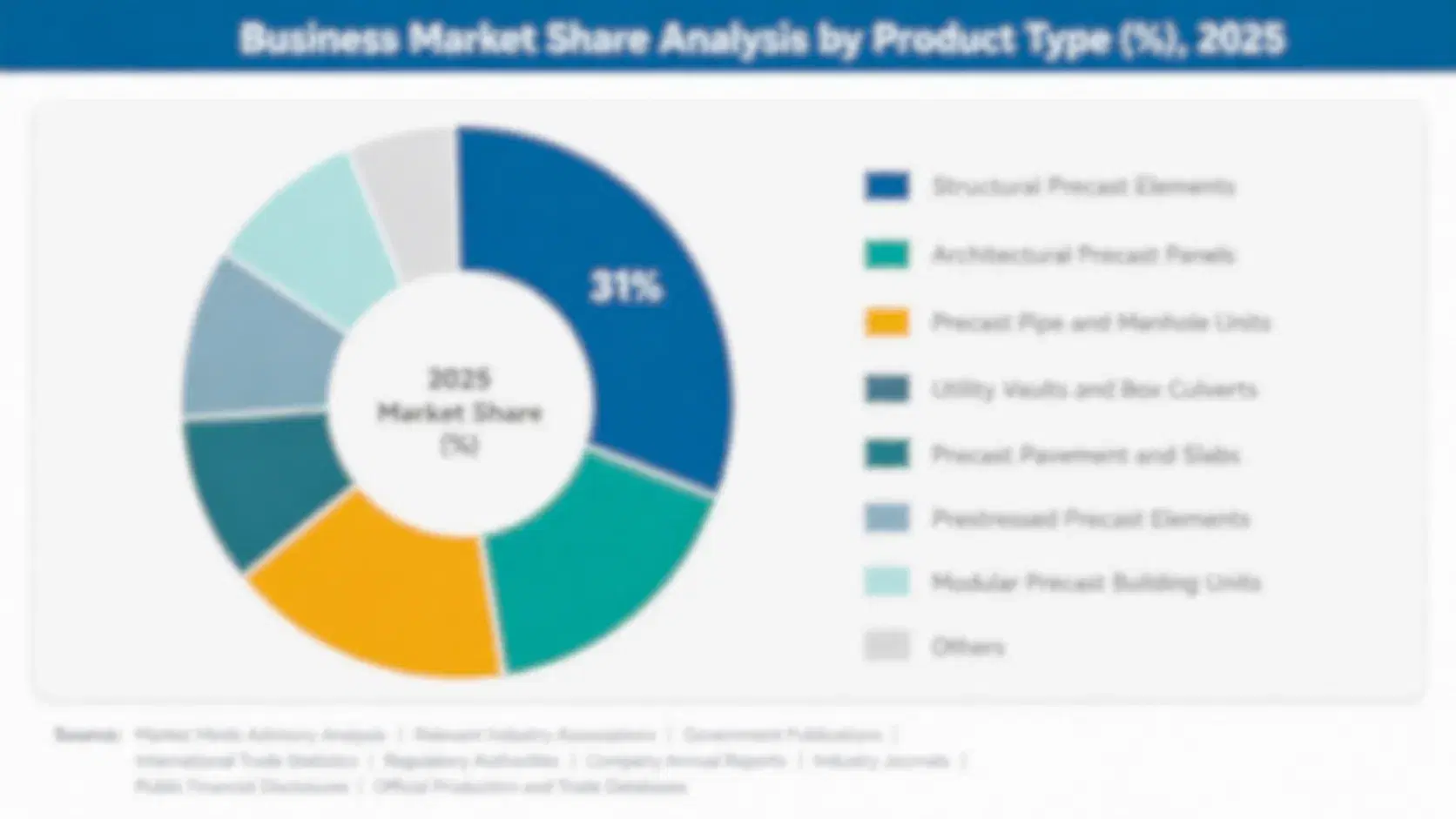
Pillow pack demand splits across five MECE segments by film construction type, spanning standard laminate, metallized, high-barrier, and emerging mono-material formulations used across snack food, confectionery, and bakery secondary packaging categories, with recyclable mono-material pillow packs now gaining disproportionate share as regulatory mandates tighten, with standard laminate pillow packs the largest segment by volume while compliance formats expand fastest.
pillow-pack-packaging-market-market-share-analysis-1791355285195

Recyclable Mono-Material Pillow Packs

Recyclable mono-material pillow packs are the fastest growing segment in this market as regulators across the United States, Canada, and India finalize recyclability standards that require single-material packaging structures capable of maintaining oxygen and moisture barrier performance without multi-layer lamination. Converters are investing heavily in sealant chemistry and film gauge precision to qualify grades against each jurisdiction's specific recyclability threshold, and qualification timelines are compressing as more regulators adopt frameworks modeled on earlier adopter markets. Brand owners are consolidating purchases toward converters already certified in multiple jurisdictions, accelerating share gains for mono-material pouches relative to standard laminate volume. This dynamic is most visible in the United States, where state-level recyclability enforcement is already reshaping procurement decisions.
CAGR 9.3%

High-Barrier Metallized Pillow Packs

High-barrier metallized pillow packs are the second fastest growing segment, driven by brand owner demand for extended shelf life packaging that maintains freshness for oil-sensitive and moisture-sensitive snack products without requiring foil lamination. Converters are adding specialized vapor-deposition metallization and sealant layer bonding systems to meet these requirements, and this segment increasingly overlaps with mono-material formats as converters develop combined formulations that support both metallization and recyclability. Smaller converters without metallization capability are losing qualification bids to larger suppliers who can offer both barrier and recyclability compliance in one product line India is emerging as a notable secondary growth front as regional snack manufacturers expand metallized packaging adoption further nationwide.
CAGR 7.0%
Full segment breakdown across 7 segments available in the complete report.

Pillow Pack Packaging Regional and Country Demand

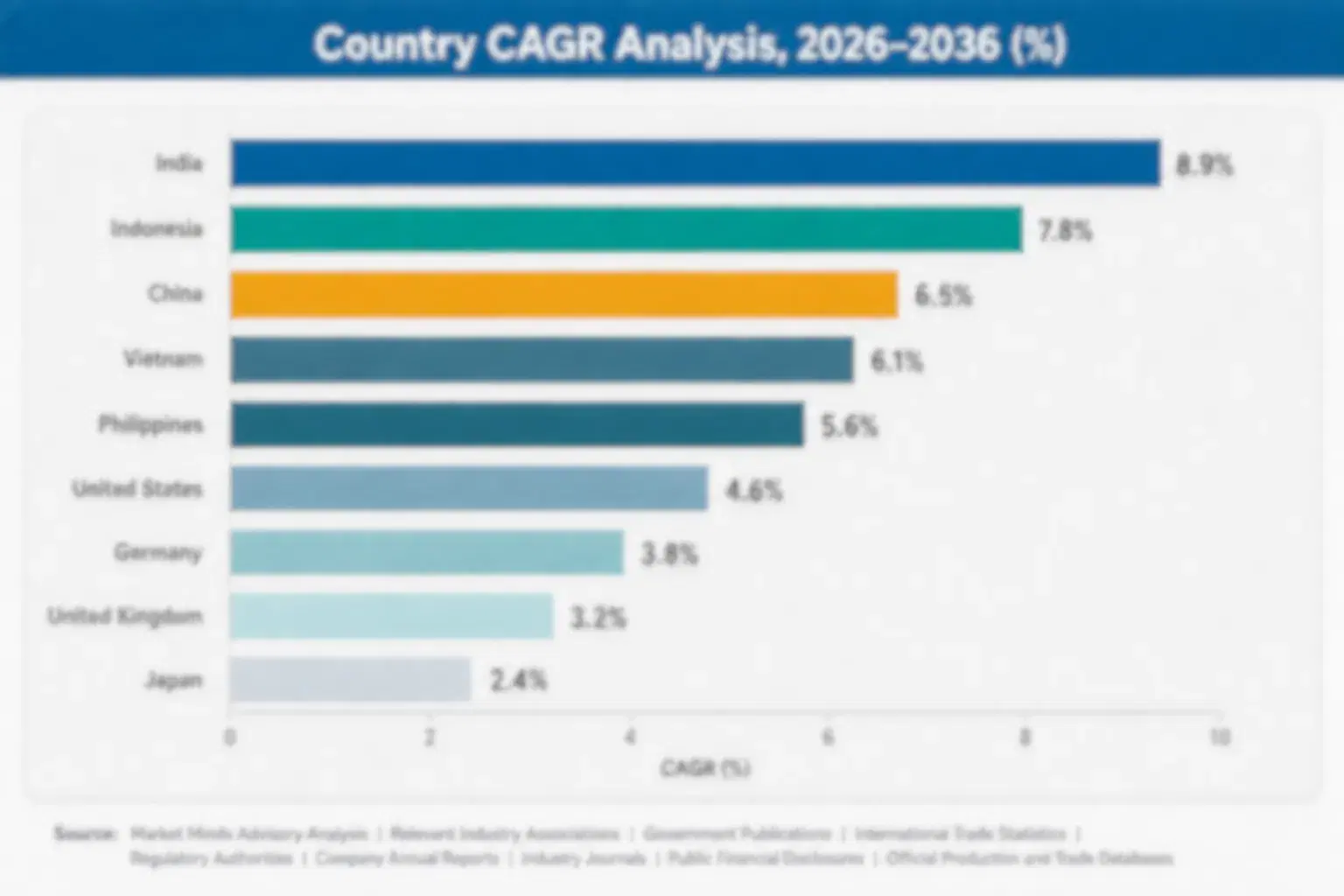
North America leads global pillow pack demand on its established snack food and confectionery packaging culture, while South Asia and Pacific posts the fastest regional growth as India's snack manufacturing expands, driven by packaging culture scale and the fastest combined manufacturing and mandate growth respectively.

North America

The United States snack food and confectionery industry anchors regional demand for pillow pack packaging at a scale no other market approaches, with major snack manufacturers increasingly favoring mono-material recyclable films over traditional laminate structures to meet state-level extended producer responsibility requirements. Canadian manufacturers contribute smaller but stable demand, concentrated in similar snack categories rather than the broader confectionery volume that characterizes the United States market. Converters here increasingly position recyclability certification as a retail differentiator ahead of upcoming state packaging regulations taking effect across multiple jurisdictions, reinforcing the United States position as the single most important national market tracked anywhere in this report nationally and consistently today across the broader market.
Share: 27% | CAGR: 6.5% (2026 to 2036)

East Asia

China's enormous snack food and confectionery manufacturing base anchors regional demand for pillow pack packaging at a scale no other country in the region approaches, with domestic converters supplying the bulk of volume directly to serve both domestic retail and export-oriented contract packaging. China's own emerging packaging recyclability pilot programs are pushing local converters toward mono-material formats ahead of many export markets elsewhere. Japan and South Korea contribute substantial additional volume, concentrated in premium confectionery and bakery packaging rather than high-volume commodity snack packaging, reflecting mature, specialized manufacturing structures in both countries, and this China-driven demand pattern is increasingly shaping capital investment decisions at major converter facilities across the region.
Share: 25% | CAGR: 6.3% (2026 to 2036)
Regional intelligence for 5 additional markets available in the complete report: Western Europe, South Asia and Pacific, Latin America, Middle East and Africa, Eastern Europe. Contact sales@marketmindsadvisory.com.
pillow-pack-packaging-market-country-cagr-analysis-1791355285493

Where Converters Can Build Margin

Converters selling standard laminate pillow packs alone face thinning margins as recyclability becomes table stakes nationwide. Two levers stand out for capturing disproportionate value as mono-material and metallized formats expand across the largest snack packaging categories tracked in this report, rewarding early movers, particularly for suppliers positioned to serve the most demanding retail accounts first.

Building Out Multi-Category Recyclability Certification Capability

Converters that build multi-category recyclability certification into a single production platform can serve brand owners expanding across several packaging categories at once rather than requalifying separately for each product line, cutting qualification cycle time meaningfully. This capability is becoming a prerequisite for winning multi-year supply contracts with the largest snack food and confectionery manufacturers, who increasingly prefer to consolidate purchasing with fewer, more capable suppliers. Early movers in this space are already commanding premium pricing of roughly 9 to 14 percent over standard laminate pillow packs across most major packaging categories tracked here.
Market Impact: Lifts realized pricing by 9 to 14 percent

Bundling Out High-Speed Form-Fill-Seal Compatible Films

High-speed form-fill-seal compatible film bundles let converters bid for high-volume snack contracts that command a meaningful price premium over standard mono-material formats, without requiring an entirely separate production line. Converters who move first into this capability are capturing outsized share of new contract awards as more brand owners prioritize both line speed and recyclability simultaneously. Industry data suggests high-speed compatible contracts are running roughly 10 to 15 percent above equivalent standard volume, a gap expected to persist across most national retail categories today across most national snack food markets tracked here.
Market Impact: Lifts realized pricing by 10 to 15 percent

Pillow Pack Packaging Pricing and Margins

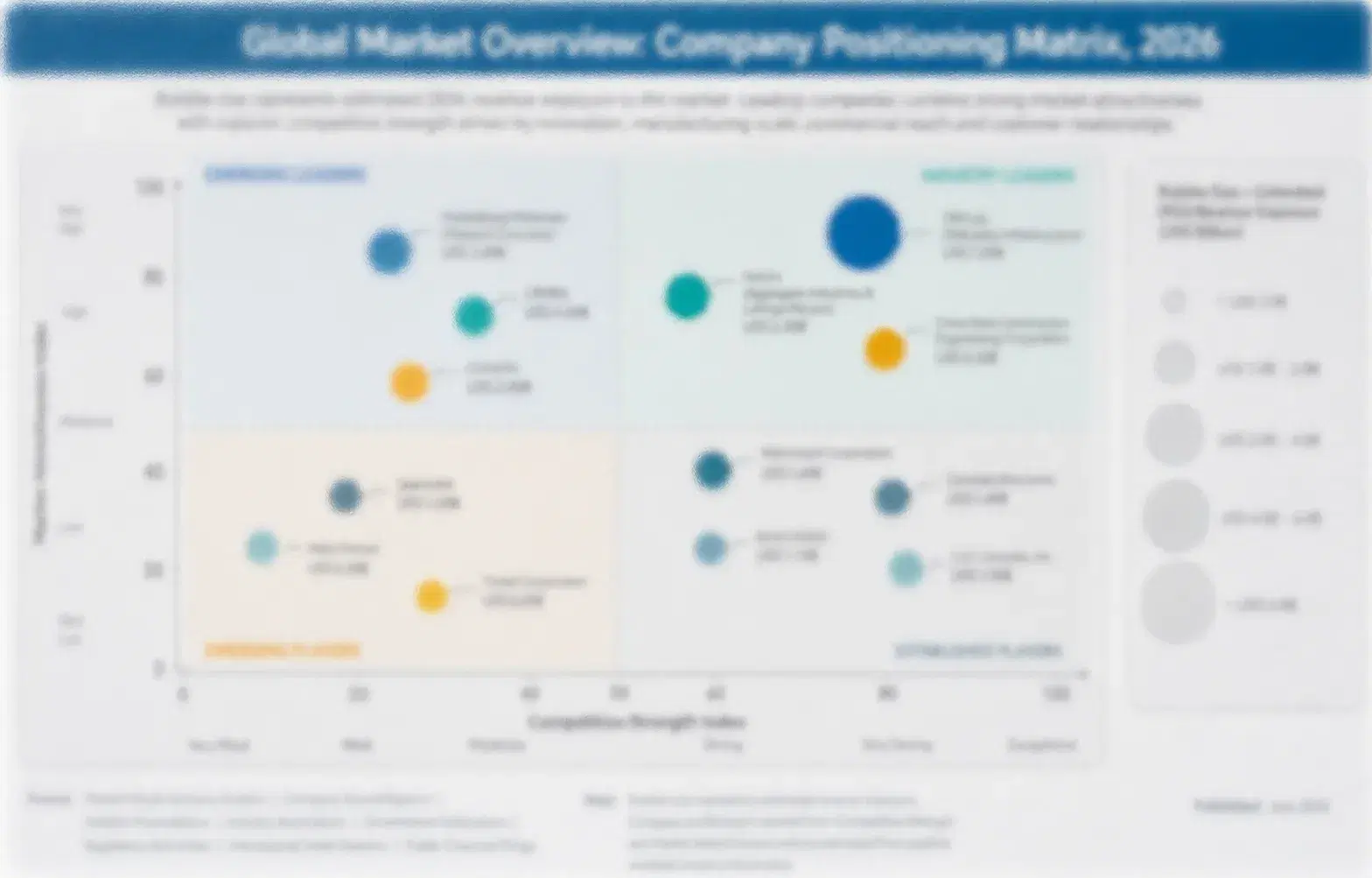
Pillow pack packaging supply is fragmented, with the top five converters holding roughly 36 percent of global revenue on a consolidated supply-revenue basis. The gap between leaders and mid-tier challengers is widening as recyclability certification capability becomes the primary basis of competition, a gap that has widened steadily over the past three years as certification cost has climbed.
Current competitive activity centers on three dimensions: adding mono-material film production capacity, qualifying high-speed form-fill-seal compatible formats across multiple retail categories simultaneously, and securing long-term resin supply agreements to insulate margins from input cost volatility. Converters without captive resin sourcing are increasingly partnering with resin producers directly to lock in multi-year volume commitments at fixed pricing terms, a trend reshaping which suppliers brand owners consider viable.

Emerging pressure comes from regional converters in India building recyclability capability faster than expected, threatening to erode the premium historically commanded by established North American suppliers. Rankings are most likely to shift where a challenger secures a multi-year contract with a major snack food or confectionery brand owner, since such contracts tend to lock in volume and reference customer status for several years.
pillow-pack-packaging-market-company-positioning-matrix-1791355285843

Pillow Pack Packaging Competitive Moats

AMCOR PLC

Moat: Multi-Jurisdiction Certification Scale

The company's global footprint across North America, Europe, and Asia lets it qualify mono-material pillow pack grades against multiple national standards from a shared technical platform, reducing duplicate engineering cost per jurisdiction relative to smaller regional rivals competing market by market, a capability smaller single-region suppliers cannot replicate without years of additional investment.
AMCOR PLC

Risk: Resin Cost Pass-Through Lag

Long-term customer contracts sometimes delay the company's ability to pass through sudden resin price spikes, compressing margin in the near term until contract renewal windows allow pricing to catch up with input cost reality, a recurring exposure the company has partially offset through diversified feedstock sourcing nationally.
MONDI GROUP

Moat: Specialty Film Engineering Depth

Decades of specialty film engineering give the company an edge in developing thinner, more efficient mono-material structures that meet recyclability requirements while reducing material cost per unit, a combination competitors with less fiber science depth struggle to match quickly, especially on premium snack-grade product lines.
MONDI GROUP

Risk: Smaller Scale Than Global Rivals

Relative to the largest diversified packaging material suppliers, the company's narrower product scope limits its ability to bundle pillow pack contracts with adjacent flexible packaging categories, occasionally putting it at a disadvantage in broad multi-category brand owner sourcing negotiations, a gap more pronounced as large buyers consolidate purchasing.

Players Tracked

Prominent Players

Amcor plc
Mondi Group
Constantia Flexibles
ProAmpac Holdings
Huhtamaki Oyj

Other Key Players

Sealed Air Corporation
Sonoco Products Company
Berry Global Group
Winpak Ltd
Taghleef Industries
Innovia Films
Klockner Pentaplast
Uflex Limited
Cosmo Films
Jindal Poly Films
Treofan Group
Novolex Holdings
Printpack Inc
Transcontinental Inc
Coveris Holdings

Recent Developments

FEBRUARY 2026

Amcor Expands Mono-Material Film Capacity in United States

The company announced capacity expansion at its United States facility to add mono-material film production lines for recyclable pillow packs, aimed at meeting rising brand owner demand for single-stream recyclable packaging across snack food and confectionery categories, a key step ahead of tightening state recyclability targets.
Signal: Signals leading converters are front-running North American recyclability rollout rather than waiting for mandates across other large emerging packaging markets.
SEPTEMBER 2025

Mondi Signs Multi-Year Resin Supply Agreement

Mondi Group signed a multi-year fixed-volume resin supply agreement with a major North American petrochemical producer, intended to stabilize input costs for its specialty film lines against ongoing global resin price volatility, a move following two years of unusually sharp swings in benchmark resin pricing.
Signal: Signals leading converters are prioritizing input cost certainty over spot market flexibility currently as benchmark resin pricing swings persist.

Resin Price Exposure Across Converters

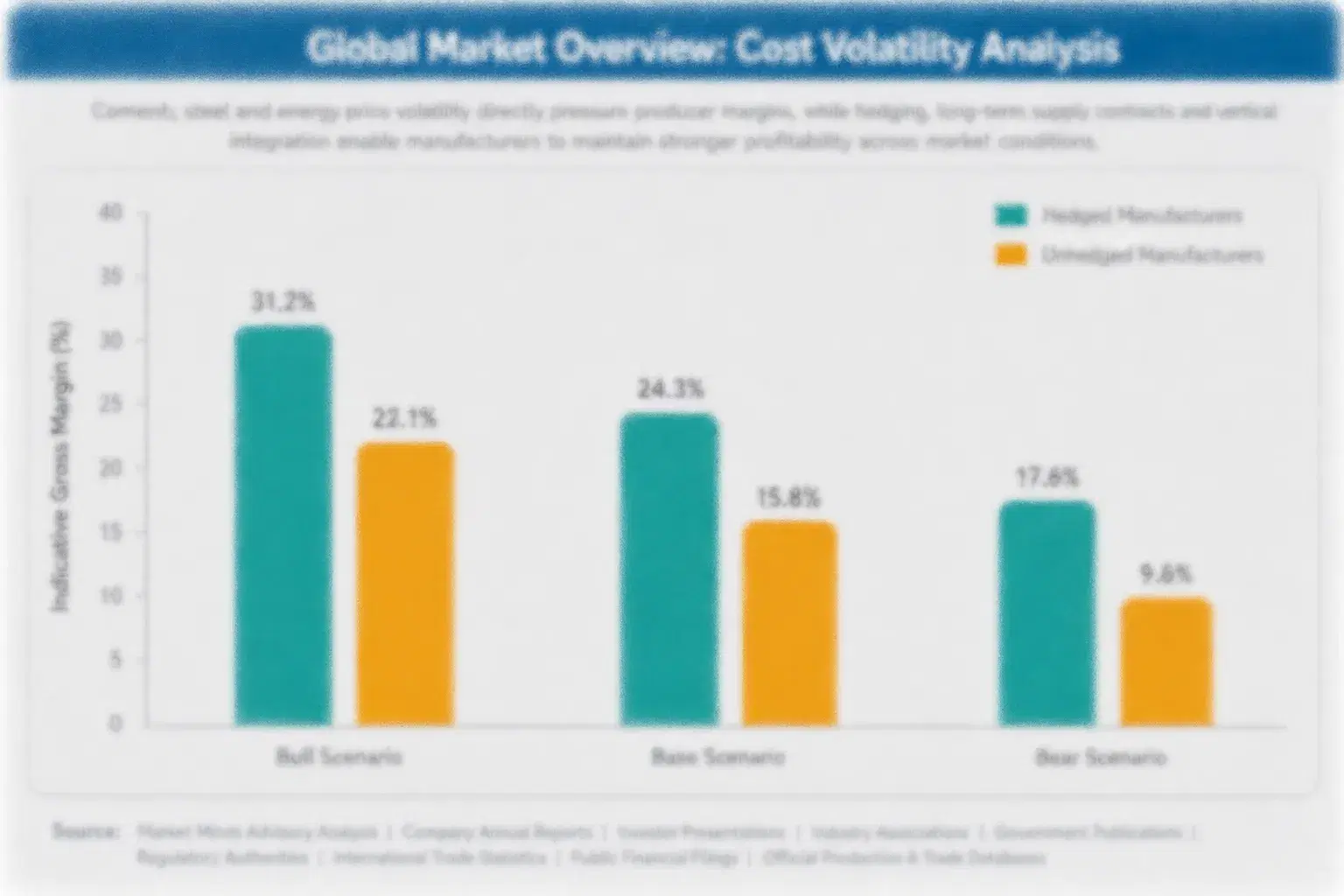
Virgin polyolefin resin represents roughly 33 percent of converter cost of goods sold for pillow pack materials, sourced predominantly from North American and Middle Eastern petrochemical producers. Sealant layer coating and film gauge control equipment amortization add a further 19 percent, with the remainder split across energy, labor, and testing consumables across most converter operations today, and diversified sourcing helps weather regional disruptions.
Benchmark polyolefin resin pricing rose roughly 19 percent between late 2023 and mid-2025 according to the International Energy Agency's petrochemicals tracking data, driven by constrained North American ethylene cracker output and competing demand from automotive and construction film industries globally. Converters without long-term supply contracts absorbed most of this increase directly into margin, a lag most pronounced among those on fixed-price annual contracts signed before the price run-up began.

Exposure varies significantly by player type. Large converters with captive resin supply or long-term fixed-price contracts absorbed the recent spike with minimal margin disruption, while smaller regional converters reliant on spot market purchasing saw margin compression of several percentage points, widening the gap between the largest and smallest industry participants over successive procurement cycles, reinforcing scale as a durable advantage.
pillow-pack-packaging-market-cost-volatility-analysis-1791355286150

Multi-Year Fixed-Price Resin Supply Contracts

Converters are locking in multi-year fixed-price agreements directly with North American and Middle Eastern petrochemical producers to insulate margin from spot market volatility, trading some pricing flexibility for predictable input cost planning across multi-year brand owner supply commitments, helping finance teams plan capital spending confidently even when spot prices move sharply in either direction across cycles.

Recycled Resin Blending for Standard Grades

Blending recycled polyolefin into standard, non-premium pouch grades reduces virgin resin dependence for lower-tier volume, freeing up contracted virgin resin allocation for premium mono-material and metallized grades where barrier performance and sealant integrity requirements remain strict across most retail segments where brand owners demand both qualities simultaneously across most national export markets tracked today.

Portfolio Architecture for Margin Defence

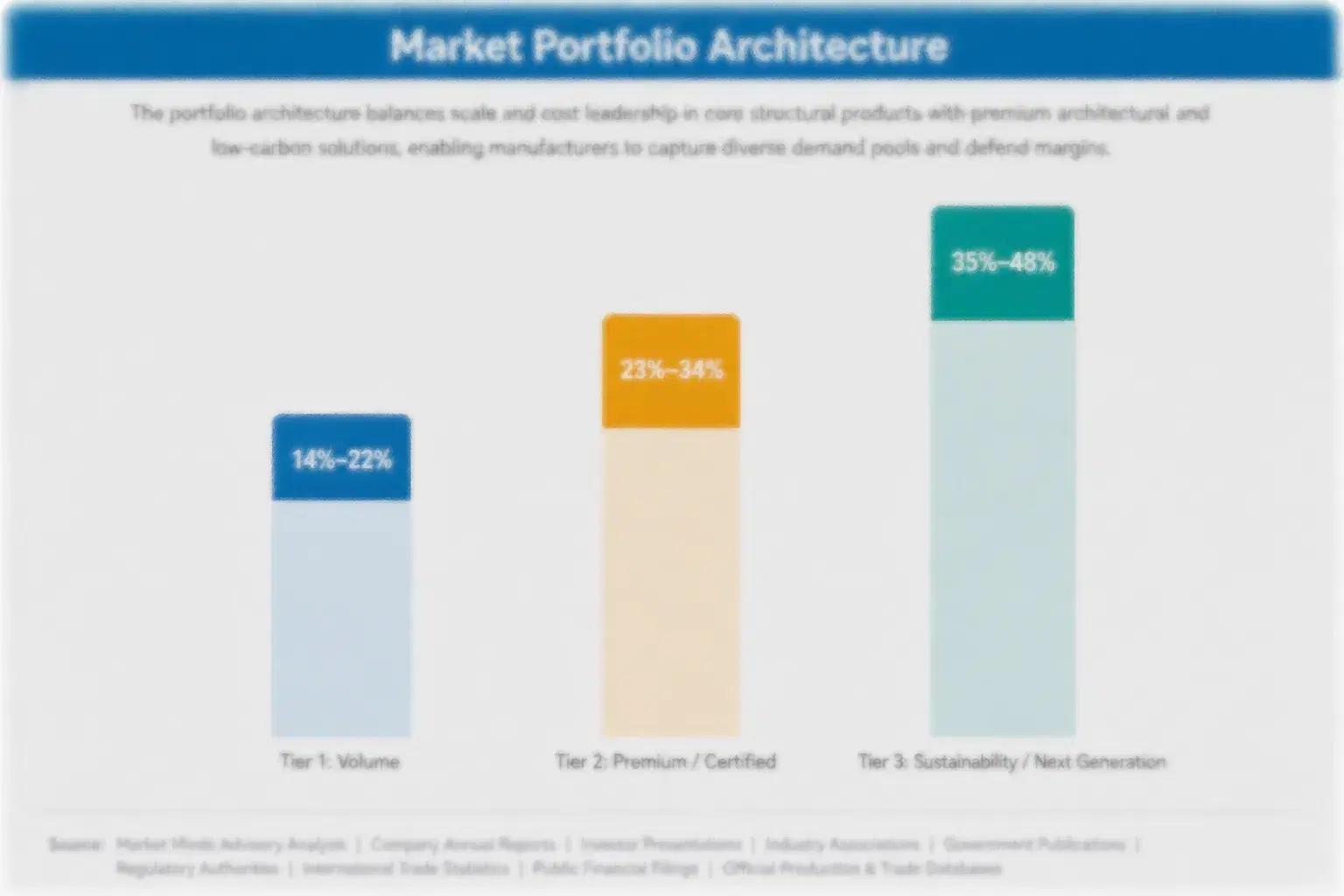
This market's portfolio architecture splits into three margin tiers: volume commodity-adjacent laminate pillow packs carrying the thinnest margins, premium certified mono-material and metallized formats commanding a meaningful compliance premium, and a smaller sustainability and next-generation tier capturing the highest margins as bio-based and compostable formats expand across more snack packaging categories, a tiering more pronounced each year as compliance timelines advance across jurisdictions.
Converters face a persistent tension between chasing volume on standard laminate pillow packs, where competition is fiercest and margins thinnest, and investing capital into certification capability that serves a smaller but faster growing, higher margin compliance tier instead, a choice that increasingly determines which suppliers brand owners consider for new multi-year contracts, and the decision is hardest for mid-sized converters without the balance sheet to pursue both strategies entirely, forcing a choice.

High-value margin pools concentrate overwhelmingly in mono-material and metallized pillow packs, where certification barriers limit competition and brand owners pay a premium for guaranteed recyclability compliance that reduces their own sustainability risk exposure across retail categories, a concentration likely to deepen as more brand owners consolidate purchasing toward fewer, fully certified strategic suppliers across the largest snack packaging economies tracked throughout this report.

Volume / Commodity-Adjacent

Standard laminate pillow packs sold on long-standing relationships and price competitiveness, serving categories that have not yet adopted recyclability or mono-material mandates, with margins under continuous pressure from resin cost inflation.
Gross Margin: 9-15%

Premium / Certified

Mono-material and high-barrier metallized pillow packs qualified against specific national recyclability standards, commanding a durable pricing premium tied directly to certification cost and film engineering complexity, and demand continues to broaden.
Gross Margin: 19-27%

Sustainability / Regulatory / Next-Generation

Emerging bio-based film formulations and compostable sealant alternatives aligned with tightening packaging waste regulation in North America and parts of Asia, still a small volume base but carrying the highest margin potential.
Gross Margin: 23-33%
pillow-pack-packaging-market-portfolio-architecture-1791355286485

High-value Sub-segments and Strategic Watch-out

Recyclable Mono-Material Pillow Packs

The fastest growing, highest margin segment in this market, driven by expanding regulatory mandates across the United States, Canada, and India. Converters with multi-category certification already in place are capturing disproportionate share of new contract awards, and this lead should widen as more retailers finalize sourcing standards.
Gross Margin: 21-29%

High-Barrier Metallized Pillow Packs

A high-value segment growing steadily as extended shelf life requirements spread, commanding meaningful pricing premium though slightly more moderate growth than mono-material pouches given its earlier adoption curve, and brand owners increasingly bundle both requirements into single supplier qualification processes processes consistently across the industry today.
Gross Margin: 18-26%

Standard Laminate Pillow Packs

The volume core of this market, generating the bulk of converter revenue on thinner margins. Scale and distribution network reach matter more here than certification capability, favoring the largest established suppliers with captive resin supply across most major production regions with captive resin sourcing already in place.
Gross Margin: 11-17%

Printed Specialty Pillow Packs

A strategic watch-out segment facing a gradual shift toward digital printing alternatives even in general specialty applications, offset partially by continued demand where traditional printing remains the more cost-effective choice, especially among smaller independent brand owners facing budget constraints facing budget constraints on packaging redesign spending.
Gross Margin: 9-14%

Recurring Volume Behind Shifting Compliance

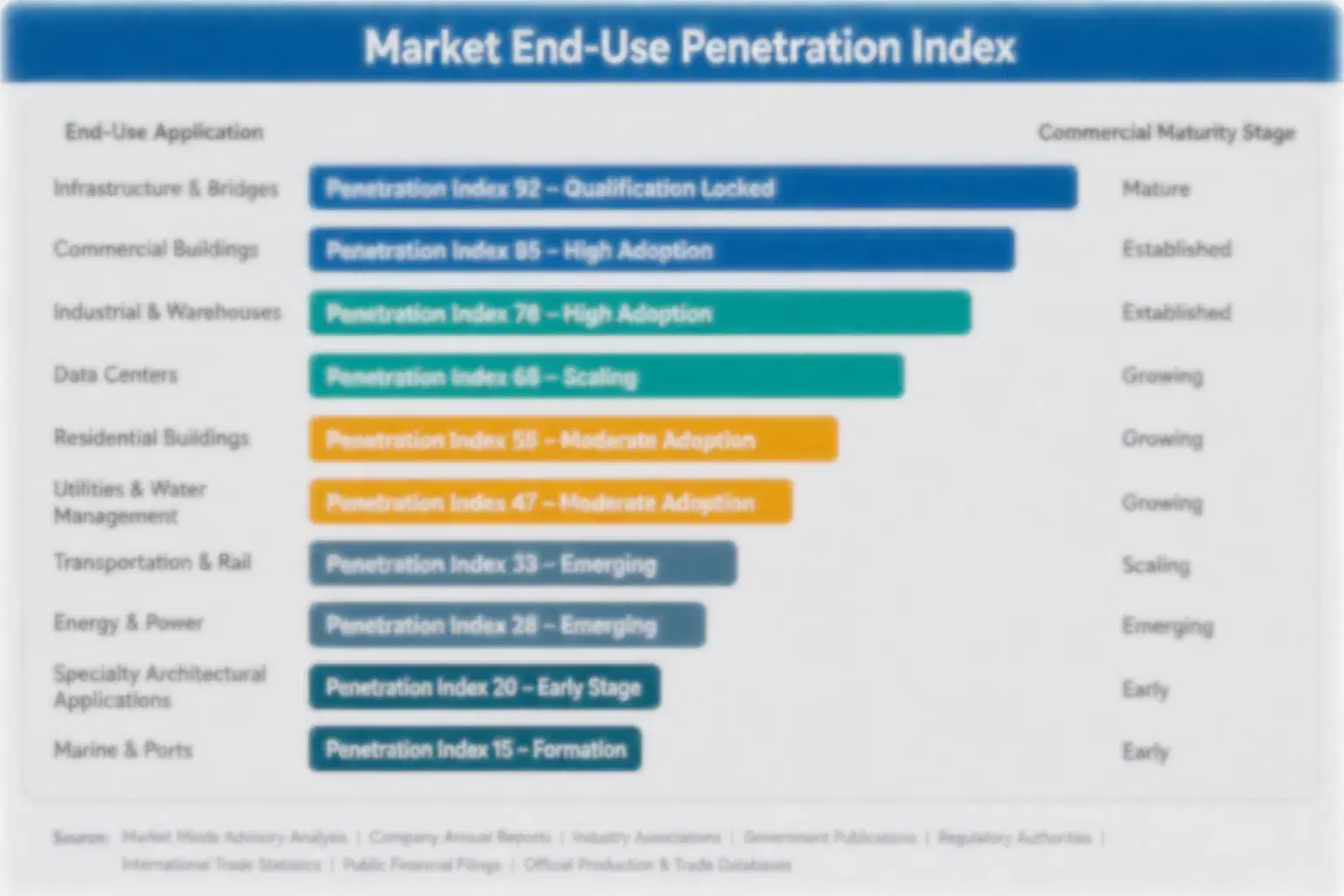
Pillow pack demand behaves more like an annuity than a cyclical order book, since snack food and confectionery manufacturers must repurchase packaging material for every production run regardless of broader economic conditions, giving converters with established brand owner relationships unusually predictable multi-year revenue visibility once a supply contract is secured and renewed, unlike most discretionary categories.
Adoption depth varies by vertical within this market. Large multinational and domestic snack manufacturers move fastest toward full recyclability compliance, qualifying mono-material grades well ahead of smaller independent confectionery and regional manufacturers, who often delay investment until retailer mandates take binding effect, creating a persistent two-speed adoption pattern across the broader customer base expected to persist until enforcement deadlines force the slower-moving tier to catch up.

A generational shift in buyer profiles is underway as procurement teams increasingly include sourcing and sustainability specialists alongside traditional packaging buyers, changing how supply contracts get evaluated. These newer buyers weight certification track record and multi-category capability more heavily than legacy price-only negotiation criteria did. This shift is gradually raising the bar for what counts as an acceptable supplier relationship across the broader converter base.
pillow-pack-packaging-market-end-use-penetration-index-1791355286773

Where MMA Sees the Decade Ahead

These are among the four positions where our research anticipates prominent divergence between winners and laggards over the coming forecast period. Each is grounded in the demand model, the regulatory perimeter, and the announced capacity pipeline.
01 / COMPLIANCE INVESTMENT PRIORITY

Certification capability now outweighs price in contract awards

Brand owners across North America are consolidating volume toward converters that can certify mono-material recyclability compliance across multiple product categories from a single production platform. This shift rewards early movers who invested in sustainability engineering well ahead of retailer mandate deadlines rather than waiting passively for enforcement to begin across their served categories. Converters still competing primarily on price today risk losing premium contract awards entirely as certification becomes the dominant qualification criterion across nearly every major brand owner relationship in this industry today.
02 / REGIONAL GROWTH CONCENTRATION

South Asia and Pacific offers the clearest volume growth runway

India's expanding snack food manufacturing combines with a growing export-oriented packaging segment that increasingly mirrors international mono-material standards to create the fastest regional growth trajectory tracked anywhere in this report. Converters with established regional relationships and mono-material capability already built out are best positioned to capture this growth consistently over the coming decade across multiple product categories. Those without a regional foothold face a steep catch-up curve against entrenched domestic suppliers who already maintain working relationships with major retailers and procurement teams nationally.
03 / INPUT COST MANAGEMENT

Resin sourcing strategy will separate margin winners from laggards

Converters locking in multi-year fixed-price resin supply agreements are successfully insulating margin from benchmark price swings that have hit smaller spot-market buyers hard across recent procurement cycles. This gap will widen further still as global petrochemical markets remain persistently tight relative to demand from several competing resin-consuming industries across the world today. Sourcing sophistication and sheer scale, not certification capability alone, increasingly separate durable margin performers from the smallest, most exposed regional converters still reliant entirely on spot market purchasing decisions.
04 / PORTFOLIO TIER REBALANCING

Capital should rotate toward compliance tiers ahead of mandate waves

Converters still weighted heavily toward standard commodity laminate volume face a steadily narrowing margin runway as compliance tiers expand and capture disproportionate pricing power across most major markets tracked here. Reallocating capital toward film formulation chemistry and multi-category certification ahead of mandate deadlines, rather than reacting only after they take effect, positions suppliers to win premium contracts first across the broadest set of markets. Competitors that wait too long will find the best long-term contracts already claimed by faster-moving rivals.

Engagement Snapshot From the Field

A live engagement with an industry participant carrying material or product regulatory and market exposure ahead of a defining policy shift, showing how our research translates into a defensible multi-year portfolio strategy.
MARKET MINDS ADVISORY · CLIENT ENGAGEMENT SUMMARY
Pillow Pack Packaging Producer Strategic Portfolio Review and Transition Roadmap 2026·Investment Scenario on Pillow Pack Packaging Exposure Evaluation 2025-26
CLIENT PROFILE
The client is a mid-size snack food manufacturer serving retail and e-commerce channels across two North American markets, with annual revenue of approximately 135 million dollars (client-reported, unverified by MMA). The company had built a loyal customer base using standard laminate pillow packs but had not yet invested in mono-material capability ahead of state-level extended producer responsibility requirements.
STRATEGIC CHALLENGE
Two of the client's largest state markets announced extended producer responsibility fees taking effect within twelve months, with reduced fee rates for recyclable packaging formats, and the client lacked both the film formulation expertise and capital allocation plan needed to requalify its pouches in time. Continuing with standard laminates would mean absorbing higher compliance fees indefinitely.
MMA APPROACH
MMA conducted a rapid competitive benchmarking exercise against four snack manufacturers already operating mono-material pillow pack lines, assessed the client's existing film specifications against each state's technical sourcing standard, and modeled the capital investment required for conversion against the compliance fee savings at risk if conversion was delayed nationally nationwide.
KEY FINDINGS
  1. Conversion cost for mono-material pillow packs was roughly 24 percent lower than the client's initial internal estimate (client-reported, unverified by MMA) entirely.
  2. Compliance fee exposure for standard laminates was projected to exceed conversion cost within three years under proposed state fee schedules nationwide across both markets.
  3. Regional competitors with earlier mono-material investment were already commanding reduced compliance fees at comparable production cost levels nationally today across comparable production facilities.
  4. A phased conversion approach could meet the earlier of the two state deadlines without requiring a full production line shutdown at any point.
CLIENT PROFILE
The client is a mid-size snack food manufacturer serving retail and e-commerce channels across two North American markets, with annual revenue of approximately 135 million dollars (client-reported, unverified by MMA). The company had built a loyal customer base using standard laminate pillow packs but had not yet invested in mono-material capability ahead of state-level extended producer responsibility requirements.
STRATEGIC CHALLENGE
Two of the client's largest state markets announced extended producer responsibility fees taking effect within twelve months, with reduced fee rates for recyclable packaging formats, and the client lacked both the film formulation expertise and capital allocation plan needed to requalify its pouches in time. Continuing with standard laminates would mean absorbing higher compliance fees indefinitely.
MMA APPROACH
MMA conducted a rapid competitive benchmarking exercise against four snack manufacturers already operating mono-material pillow pack lines, assessed the client's existing film specifications against each state's technical sourcing standard, and modeled the capital investment required for conversion against the compliance fee savings at risk if conversion was delayed nationally nationwide.
KEY FINDINGS
  1. Conversion cost for mono-material pillow packs was roughly 24 percent lower than the client's initial internal estimate (client-reported, unverified by MMA) entirely.
  2. Compliance fee exposure for standard laminates was projected to exceed conversion cost within three years under proposed state fee schedules nationwide across both markets.
  3. Regional competitors with earlier mono-material investment were already commanding reduced compliance fees at comparable production cost levels nationally today across comparable production facilities.
  4. A phased conversion approach could meet the earlier of the two state deadlines without requiring a full production line shutdown at any point.
RECOMMENDED STRATEGY
Phase 1: Phase 1 (Months 1 to 3): Complete technical gap assessment and select film formulation vendor based on fastest certification timeline. Phase 2: Phase 2 (Months 4 to 8): Convert and qualify mono-material pillow packs on one production line while maintaining standard output elsewhere. Phase 3: Phase 3 (Months 9 to 12): Scale certified capacity to remaining lines and proactively renegotiate retailer placement agreements well in advance.
OUTCOME
The client completed certification on its first production line two months ahead of the earlier state deadline and reduced its compliance fee exposure across both markets through the transition (client-reported, unverified by MMA). Compliant volume commanded a pricing premium that the client estimated at roughly 7 percent over standard laminates within the first year.

Frequently Asked Questions

Foundational context covering the market sizes, CAGR, scope, country, region and competition that inform every finding below. This section is provided to cover basics and most often pre-purchase conversations, answered from the MMA Primary Research Dataset.

What is the current size of the Pillow Pack Packaging Market?

The Pillow Pack Packaging Market reached 8.50 billion dollars in 2025 on a global basis. Standard laminate pillow packs remain the largest single segment by volume.

How large will the Pillow Pack Packaging Market be by 2036?

The market is projected to reach approximately 15.32 billion dollars by 2036. Growth is concentrated disproportionately in mono-material and metallized segments nationwide nationally today across most markets.

What is the CAGR for the Pillow Pack Packaging Market 2026 to 2036?

The market is forecast to grow at a 5.5 percent compound annual growth rate through 2036. This reflects rising snack food consumption across most tracked regions.

Which segment is growing fastest?

Recyclable mono-material pillow packs are the fastest growing segment, expanding at a 9.3 percent CAGR. That pace is roughly 1.7 times the overall market's growth rate.

Who are the major companies in the Pillow Pack Packaging Market?

Leading suppliers include Amcor plc, Mondi Group, Constantia Flexibles, ProAmpac Holdings, and Huhtamaki Oyj. These five hold roughly 36 percent of global supply worldwide today.

Which country is growing fastest?

India is the fastest growing national market, expanding at an 8.2 percent CAGR. Snack food manufacturing volume and recyclability mandates drive this pace nationally today.

How the Pillow Pack Packaging Market Is Segmented

The full report scope spans multiple orthogonal segmentation dimensions, with cross-tabulated demand data provided for each dimension pair. Coverage extends further to regional breakdowns, trend trajectories, and the competitive detail needed to support segment-level decision-making.

By Primary Market Dimension

  • Standard Laminate Pillow Packs
  • Clear Film Pillow Packs
  • Printed Specialty Pillow Packs
  • High-Barrier Metallized Pillow Packs
  • Recyclable Mono-Material Pillow Packs

By End-Use Industry

  • Snack Food Packaging
  • Confectionery Packaging
  • Bakery Packaging
  • Dried Food and Ingredient Packaging
  • Pet Food and Treats Packaging

By Commercial Dimension

  • Direct Brand Owner Supply
  • Contract Converting Services
  • Distributor and Trading Channel
  • Recyclability Certification Services

By Region

  • North America
  • East Asia
  • Western Europe
  • South Asia and Pacific
  • Latin America
  • Middle East and Africa
  • Eastern Europe

Scope, Methodology, and Coverage

Every figure in this report is reproducible from documented input assumptions. The scope below maps the historical period, the forecast horizon, the segmentation dimensions, and the countries covered, alongside the underlying primary and qualitative methodology.
Historical Period
2020 to 2025
Forecast Period
2026 to 2036
Base Year
2025 (USD billions; MMA Primary Research Dataset, October 2026)
Market Definition
The Pillow Pack Packaging Market covers flat, horizontally or vertically formed flexible pouches sealed on both ends, commonly used for snack foods, confectionery, and baked goods. It excludes stand-up pouches, gusseted bags, form-fill-seal machinery, and the base packaging film materials sold separately as substrate.
Quantitative Units
USD billions (current prices); number of pouches produced
Segmentation Dimensions
By Primary Market Dimension; By End-Use Industry; By Commercial Dimension; By Region
Regions Covered
North America, East Asia, Western Europe, South Asia and Pacific, Latin America, Middle East and Africa, Eastern Europe
Countries Covered
USA, China, Germany, France, UK, Japan, South Korea, India, Australia, Canada, Brazil, Mexico, Indonesia, Vietnam, Thailand, Malaysia, UAE, Saudi Arabia, South Africa, Nigeria, Turkey, Poland, Netherlands, Italy, Spain, Sweden, Switzerland, Argentina, Colombia, Singapore, and additional markets relevant to this sector
Key Companies Profiled
Amcor plc, Mondi Group, Constantia Flexibles, ProAmpac Holdings, Huhtamaki Oyj, Sealed Air Corporation, Sonoco Products Company, Berry Global Group, Winpak Ltd, Taghleef Industries, Innovia Films, Klockner Pentaplast, Uflex Limited, Cosmo Films, Jindal Poly Films, Treofan Group, Novolex Holdings, Printpack Inc, Transcontinental Inc, Coveris Holdings
Quantitative Methodology
Primary survey, n=3,800 respondents, Q4 2025, six countries; demand-side model with trade association cross-validation
Qualitative Methodology
47 expert interviews, Q4 2025; applied to validate demand model assumptions, identify emerging dynamics, and assess competitive positioning
Report Format
PDF and XLSX data workbook (Word format preview document)
Publisher
Market Minds Advisory
Report Code
MMA-2026-PAC-386
Published
October 2026
Contact
sales@marketmindsadvisory.com | www.marketmindsadvisory.com

Purchase the full Pillow Pack Packaging Market Report (2026 to 2036).

The full report delivers a comprehensive sizing and forecast model for the Pillow Pack Packaging Market across all seven tracked regions and five MECE segments through 2036. It includes detailed competitive profiles of the top five suppliers plus fifteen additional participants, assessed on a consolidated revenue basis. The report quantifies resin cost exposure and margin economics across three portfolio tiers, and maps recyclability compliance timelines across major retail categories. A dedicated case study illustrates practical conversion investment decision-making for mid-size manufacturers Findings are grounded in primary survey data and expert interviews conducted in Q4 2025.
Seven-region sizing and ten-year forecast model
Competitive profiles of twenty market participants
Resin cost and margin tier analysis
Recyclability compliance timeline mapping by country
Segment-level growth rates across five categories
Anonymized recyclability investment decision case study

Built For The People Who Decide

From boardroom strategy to bench-side execution, this report is read cover-to-cover by leaders shaping the next decade of their industry, turning demand scenarios, market dynamics and valuation benchmarks into decisions.
CXOs/ Presidents/ VPs/ Managers
M&A and Corporate Development
Strategy Teams and R&D Heads
Procurement and Product Directors
Regulatory and Compliance Leaders
Investor Relations and Equity Analysts