
Market Minds Advisory
Pharmaceutical Track and Trace Systems Market

Pharmaceutical Track and Trace Systems Market Forecast 2026-2036

Pharmaceutical serialization mandates are converging across the United States, European Union, China, and India as generics manufacturing volume keeps climbing, forcing manufacturers to treat track and trace systems as compliance infrastructure, not a one-time project.

Lead Analyst

Bilal Shaikh

Published

November 2026

Make Smarter Decisions with Customized Research Insights

Request a free sample report and evaluate market opportunities, growth trends, and competitive dynamics relevant to your business needs.

2025 MARKET VALUE$5.2BMarket Size 2025
2036 FORECAST VALUE$14.2BBase Case , 2026 to 2036
CAGR 2026 TO 20369.6 %Bull 10.9% / Bear 8.3%
INCREMENTAL OPPORTUNITY$8.6BNet 10- year value creation
EXPANSION MULTIPLE2.50x2036 value over 2026 base
Strategic Levers
M&A Pipeline
Regional Outlook
Country Rankings
Competitive Intelligence
Segmental Deep-dive
Call-Us : 91 93563 13602

Pharmaceutical Track and Trace Systems Market Snapshot

Serialization software that once lived inside a single compliance project is becoming permanent pharmaceutical infrastructure, as manufacturers realize that unit-level tracking data has value well beyond satisfying regulators, feeding recall response and counterfeit detection across global, increasingly complex multi-country supply chains at once.
Commercial urgency comes from regulatory convergence: the US Drug Supply Chain Security Act's full interoperability phase, the EU Falsified Medicines Directive's unique-identifier mandate, and newer serialization rules in China and India are all tightening around the same multi-year window, forcing multinational manufacturers to run several region-specific systems simultaneously rather than sequentially. Blockchain verification platforms are the fastest-growing of six tracked system types, concentrated among manufacturers seeking tamper-proof, cross-border verification centralized databases cannot offer now.
Competitively, cloud-network specialists with large existing trading-partner bases are defending share against vertically integrated hardware-and-software platforms built through acquisition. Regulatory tailwinds keep building: expanding serialization mandates in emerging generics-manufacturing hubs, growing counterfeit-drug enforcement activity, and payer systems increasingly demanding transparency data beyond the regulatory minimum manufacturers currently file, a gap that is widening fastest in therapy categories where counterfeit risk and patient-safety exposure are both highest industry-wide today.
Market Definition
The pharmaceutical track and trace systems market covers serialization software, aggregation and vision-inspection hardware, verification platforms, and compliance reporting services used to assign, apply, and verify unique identifiers on pharmaceutical products across the supply chain. It excludes the pharmaceutical products themselves and generic enterprise resource planning software not purpose-built for serialization compliance.
Base Year Value
$5.2B in 2025 (MMA Primary Research Dataset, October 2026)
Forecast Period
2026 to 2036, eleven discrete annual values
CAGR
9.6% base case. Bull 10.9%. Bear 8.3%.
Fastest Growth Segment
Blockchain and Distributed Ledger Verification Platforms: 14.5% CAGR
Fastest Growth Country
India: 12.8% CAGR
Fastest Growth Region
South Asia and Pacific: 11.8% CAGR
Largest Region
East Asia: 29% of 2025 global value
Market Leaders
TraceLink Inc., Systech International, Antares Vision Group, Körber Pharma, Adents International. Source: MMA Analysis based on company annual reports.
Primary Survey
n=3,800 procurement and R&D decision-makers, Q4 2025, six countries
Methodology
Demand-side build-up, cross-validated against public data, 47 expert interviews

Pharmaceutical Track and Trace Systems Revenue Scenarios

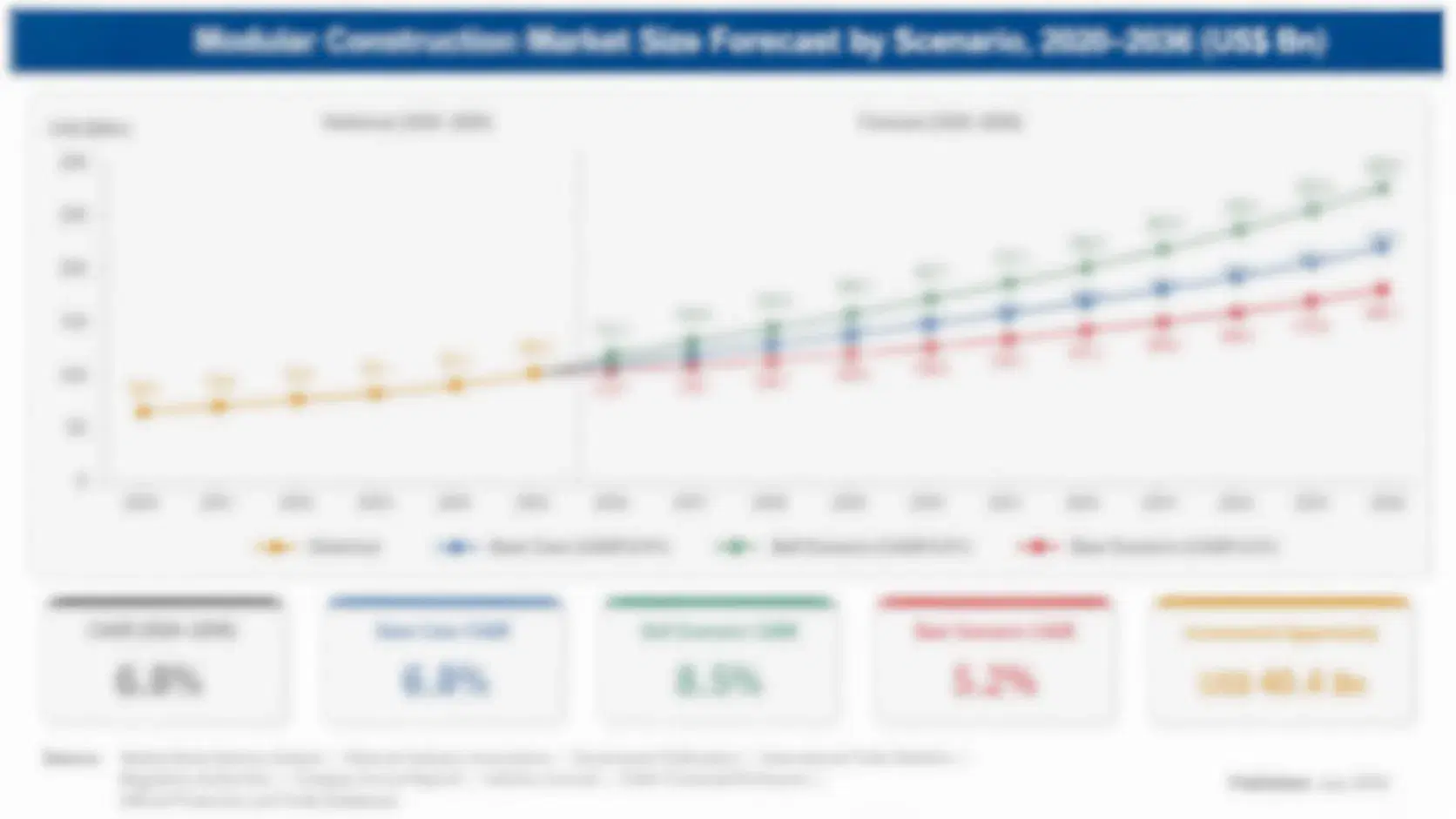
pharmaceutical-track-and-trace-systems-market-size-forecast-scenario-1791557188543
Between 2020 and 2025, pharmaceutical track and trace systems grew steadily as the US Drug Supply Chain Security Act's phased requirements and the EU Falsified Medicines Directive both moved through implementation deadlines, pushing manufacturers to deploy baseline serialization capability even where enforcement remained uneven across smaller markets and trading partners, leaving considerable headroom for the acceleration that followed.
The base case assumes three mechanisms hold through 2036: full interoperability requirements under the US DSCSA keep tightening data-exchange standards, China and India keep expanding their own serialization mandates alongside rapidly growing generics manufacturing volume, and manufacturers increasingly treat track and trace data as a commercial asset rather than a pure compliance cost. Together these push spending from one-time projects toward recurring platform subscriptions across most major manufacturers within the forecast window.
The bull case assumes a major counterfeit-drug incident accelerates enforcement and verification requirements industry-wide within three years, pulling blockchain-based verification adoption sharply higher. The bear case assumes regulatory harmonization stalls and manufacturers continue running fragmented, region-specific systems indefinitely, limiting the efficiency gains that would otherwise justify migrating toward unified cloud-based platforms, a split that would leave considerable value uncaptured industry-wide.

Why Compliance Infrastructure Is Becoming Permanent

Pharmaceutical track and trace systems sit downstream of three converging forces: regulatory deadlines tightening simultaneously across the United States, European Union, China, and India, generics manufacturing volume climbing fastest in exactly the markets with the newest mandates, and manufacturers increasingly viewing serialization data as a commercial asset rather than pure compliance overhead. Vendors that once sold standalone software are now building cloud-network capability legacy vendors never needed. Linked demand sits in the anatomic pathology track and trace solution market, projected by MMA to reach USD 3.9 billion by 2036 on a 9.8% CAGR.
TOP PRODUCING COUNTRY SHARE24%China anchors the largest share of serialized volume
MARKET CONCENTRATION (CR5)42%Leading five vendors hold under half of volume
AVERAGE SELLING PRICE$0.012 per unitPer-unit serialization cost keeps falling steadily each year
CAPACITY UTILIZATION68%Vision-inspection lines run below typical packaging utilization levels
FEEDSTOCK SHARE OF COGS29%Software licensing and hardware dominate total implementation spend
TRADE INTENSITY54% cross-borderMany serialized shipments cross borders before final distribution
Commercially, this remains a platform-and-network market rather than a pure software-license one. A handful of large network and systems-integration vendors dominate qualified volume, while hardware vendors increasingly bundle vision-inspection and aggregation equipment directly into broader platform contracts. Average selling prices per serialized unit keep falling each year, pushing vendors to find margin in data-exchange services and compliance reporting rather than the base serialization transaction itself.
Over the next decade, expect track and trace spending to shift from one-time implementation projects toward recurring platform subscriptions, as manufacturers consolidate toward fewer vendors managing multiple regional mandates simultaneously. Regulatory convergence between US, EU, Chinese, and Indian serialization requirements will likely standardize data-exchange formats faster than manufacturers currently expect, reducing the fragmentation that has defined this market since its earliest implementation years.
"Every manufacturer we talk to says the same thing: they didn't budget for this to be a permanent line item, and now it is one of the largest recurring technology costs outside the ERP system itself."
Director, Pharmaceutical Supply Chain Technology Practice · MMA Pharmaceutical Supply Chain Technology Practice · October 2026

Pharmaceutical Track and Trace Systems Adoption Trends

Blockchain Verification Platforms Gain Pharma Traction

Several large pharmaceutical manufacturers and wholesalers have begun piloting blockchain and distributed ledger platforms for cross-border verification, seeking a tamper-evident record that multiple trading partners can trust without each maintaining a separate centralized database. Early pilots have focused on high-value biologics and controlled substances where counterfeit risk and regulatory scrutiny both justify the additional implementation cost over standard serialization software alone. Participating manufacturers report that distributed verification reduces reconciliation disputes between trading partners significantly, since every party references the same shared record rather than separately maintained logs that can drift out of sync during high-volume periods.
Market Impact: Forces upgrades across 100% of partners
China and India Expand Serialization Mandates Fast

China's drug regulatory authority and India's Ministry of Commerce have both expanded serialization and track-and-trace requirements over the past several years, extending mandates that once applied mainly to export-bound pharmaceuticals toward larger shares of domestic production as well. This is pulling enormous incremental serialization volume into the market given the sheer scale of generics manufacturing in both countries, far exceeding the unit volume added by any single Western market expanding its own requirements. Vendors with established local relationships are capturing a disproportionate share of this scaling work This dynamic is intensifying as both countries keep broadening mandate scope.
Market Impact: Cuts counterfeit incidents by 20%

Where the Pharmaceutical Track and Trace Systems Opportunity Lies

DSCSA Interoperability Phase Drives System Upgrades

The US Drug Supply Chain Security Act's full interoperability requirements, phased in through late 2024, require manufacturers, wholesalers, and dispensers to exchange serialized data electronically across the entire supply chain rather than relying on paper-based transaction histories permitted under earlier phases. This has forced a wave of system upgrades across trading partners who had deployed only baseline serialization capability under earlier compliance deadlines, since interoperability requires active data exchange rather than passive record-keeping alone. Vendors offering network connectivity, not just internal software, are capturing the bulk of this upgrade cycle.
Market Impact: Adds cost across 4 regional standards

Counterfeit Drug Enforcement Activity Keeps Rising

Counterfeit and diverted pharmaceutical seizures reported by national customs and drug-enforcement authorities have risen across several major markets over the past few years, prompting manufacturers of high-value biologics and controlled substances to adopt verification capability beyond the regulatory minimum. This enforcement pressure is pulling blockchain and advanced verification platform adoption forward among manufacturers who might otherwise have waited for mandates to force the investment, treating counterfeit protection as a brand and patient-safety issue rather than pure compliance. Manufacturers facing documented counterfeit exposure on flagship products are moving faster than the broader market average on this specific investment.
Market Impact: Raises per-unit cost by 40%

What Holds Back Pharmaceutical Track and Trace Systems Growth

Fragmented Regional Standards Raise Implementation Cost

Manufacturers selling into the United States, European Union, China, and India currently must qualify against four substantially different serialization data standards, forcing multinational manufacturers to run multiple parallel systems rather than one global implementation. The root cause is that each major market developed its serialization requirements independently and on different timelines, without anticipating the operational burden of maintaining several non-interoperable systems simultaneously across a single manufacturer's global network. This adds meaningful cost relative to a single global standard. Industry groups including GS1 are pushing toward harmonization, though manufacturers are not waiting.
Market Impact: Cuts reconciliation disputes by 30%

Smaller Manufacturers Struggle With Implementation Cost

Smaller pharmaceutical manufacturers and generics producers, particularly in emerging markets facing new mandates for the first time, struggle to absorb serialization implementation costs that larger manufacturers can spread across much greater production volume. The underlying cause is fixed-cost structure: much of the implementation cost, including line integration and trading-partner connectivity, does not scale down proportionally with smaller production volumes, leaving smaller manufacturers paying a higher effective per-unit cost than larger competitors. This is pushing some smaller manufacturers toward shared contract-manufacturing serialization services rather than building in-house capability, trading some control for meaningfully lower upfront cost during their mandate-compliance transition period.
Market Impact: Adds volume across 2 major markets
3 additional market trends, 4 additional growth drivers, and 2 additional restraints and challenges are covered in the full report. Contact sales@marketmindsadvisory.com to access the complete intelligence.

Pharmaceutical Track and Trace Systems Segment Growth Rates

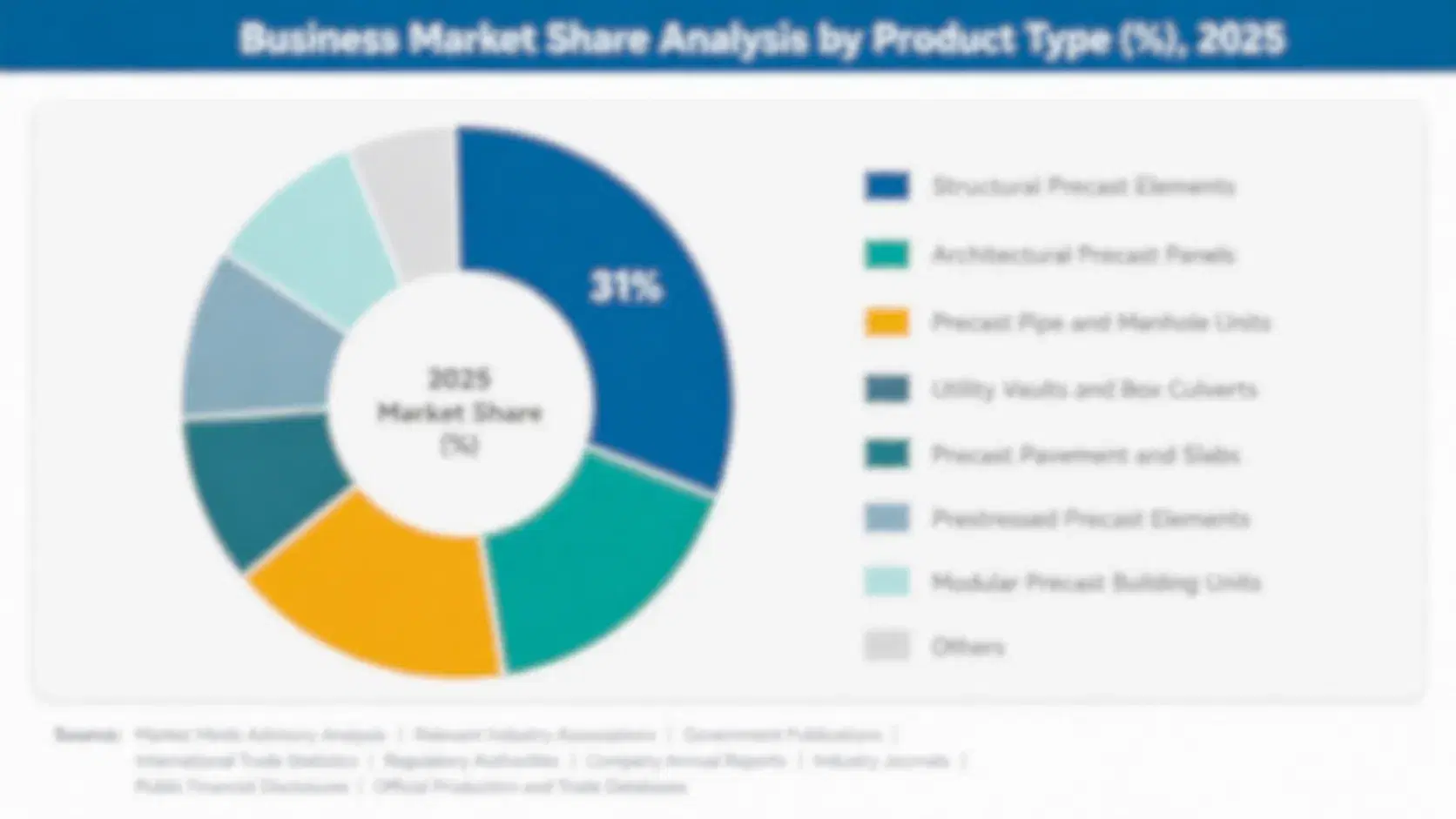
MMA segments the pharmaceutical track and trace systems market by system and component type rather than by therapy class, since the same serialization, aggregation, and verification technologies apply across small-molecule, biologic, and generic manufacturing once a compliance architecture is chosen. Six types are tracked; blockchain platforms and cloud exchange networks grow fastest across the full compliance landscape industry-wide.
pharmaceutical-track-and-trace-systems-market-market-share-analysis-1791557188839

Blockchain and Distributed Ledger Verification Platforms

Blockchain and distributed ledger verification platforms create a shared, tamper-evident record that multiple trading partners can reference without each maintaining a separate centralized database, addressing a reconciliation problem that has persisted since early serialization implementations. Demand concentrates among manufacturers of high-value biologics and controlled substances, where counterfeit risk and regulatory scrutiny both justify the added implementation cost over standard serialization software alone. Growth runs well ahead of every other tracked system type as cross-border verification needs intensify alongside rising counterfeit-enforcement activity, a rare combination pulling investment from both commercial and regulatory directions simultaneously. Vendors who integrate distributed verification directly into existing infrastructure are winning the largest platform contracts as pilots scale into production.
CAGR 14.5%

Cloud-Based Track and Trace Data Exchange Networks

Cloud-based data exchange networks connect manufacturers, wholesalers, and dispensers on a shared platform that automates the electronic data exchange required under full interoperability mandates, replacing the point-to-point integrations many manufacturers built during earlier, less demanding compliance phases. Demand concentrates among manufacturers needing to connect with hundreds or thousands of trading partners simultaneously, where a shared network is far more efficient than maintaining individual integrations with every partner separately. Growth trails blockchain platforms only slightly and remains well above the category average as interoperability deadlines force manufacturers who delayed network adoption to finally commit. Vendors with the largest existing networks are winning new accounts since joining one beats building from scratch.
CAGR 12.0%
Full segment breakdown across 6 segments available in the complete report.

Pharmaceutical Track and Trace Systems Regional Outlook

Demand concentrates where serialization mandates and generics manufacturing volume both scale. East Asia leads on serialized unit volume tied to generics manufacturing, North America and Western Europe follow on mature compliance-driven platform spending, and South Asia and Pacific is expanding fastest as India's own mandates broaden alongside its manufacturing base.

North America

The United States drives the large majority of North American demand, reflecting both the earliest comprehensive federal serialization mandate anywhere in the world and the most demanding interoperability requirements now moving through their full implementation phase. Manufacturers, wholesalers, and dispensers across the US pharmaceutical supply chain are all simultaneously upgrading systems to support electronic data exchange, creating sustained platform-subscription demand well beyond the initial serialization implementation most completed years earlier. Canada's contribution is smaller but growing through its own evolving track-and-trace requirements, generally following specifications similar to the US given closely integrated pharmaceutical supply chains. Vendors with proven DSCSA interoperability track records are winning the bulk of new platform contracts across this market.
Share: 27% | CAGR: 9.8% (2026 to 2036)

Western Europe

Regulatory maturity, more than new-mandate volume growth, defines Western Europe's position in this market. Germany and France host the largest concentration of pharmaceutical manufacturing and distribution infrastructure managing EU Falsified Medicines Directive compliance, which has been fully implemented longer than most other major markets' equivalent mandates. The United Kingdom's separate post-Brexit falsified-medicines framework adds a further specification layer manufacturers selling into both markets must accommodate within their platform architecture. Growth here trails East Asia and North America because the compliance infrastructure is already largely built, with spending increasingly shifting toward incremental data-exchange and verification upgrades rather than new system implementation from scratch across the region that other markets eventually reference as they mature.
Share: 21% | CAGR: 8.0% (2026 to 2036)
Regional intelligence for 5 additional markets available in the complete report: East Asia, South Asia and Pacific, Latin America, Middle East and Africa, Eastern Europe. Contact sales@marketmindsadvisory.com.
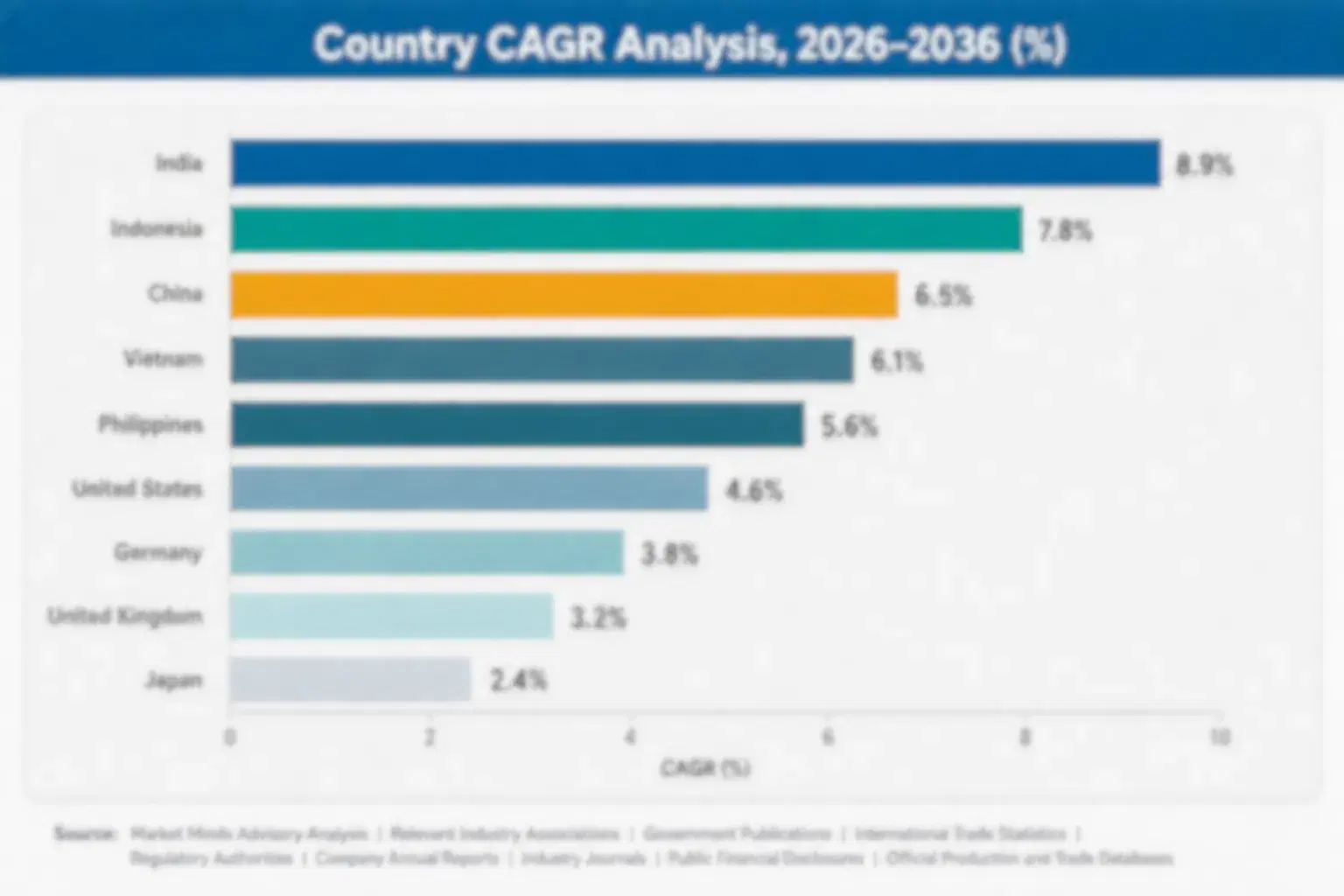
pharmaceutical-track-and-trace-systems-market-country-cagr-analysis-1791557189118

Where Track and Trace Vendors Capture Margin

Vendors compete on network reach and qualification speed more than on license price, which opens several routes to margin above the category average. The clearest paths run through cross-border verification, bundled reporting, multi-region qualification, and shared serialization services, each commanding a premium customers will pay to simplify compliance across an increasingly competitive vendor landscape overall each cycle.

Operate the Trading Partner Data Exchange Network

Vendors that operate the shared network connecting manufacturers, wholesalers, and dispensers capture recurring transaction and subscription revenue that standalone software vendors cannot access, since network value compounds as more trading partners join an already-established platform rather than building individual integrations from scratch. This network-operator position typically prices at 2 to 3 times the revenue of standalone serialization software alone, reflecting the switching cost new entrants face when manufacturers are already connected to an established network with hundreds of existing trading partners. Vendors who built the largest networks earliest are capturing most new accounts as a result.
Market Impact: Prices network position at roughly 2 to 3x

Bundle Blockchain Verification Into Core Platforms

Vendors that integrate blockchain or distributed ledger verification directly into existing serialization platforms, rather than selling it as a separate parallel system, capture margin on what manufacturers increasingly want to buy as one combined specification rather than two separately managed systems. This combined approach prices at roughly 35% above standard serialization platforms alone, reflecting both the engineering value of integration and the operational savings manufacturers realize from managing one vendor instead of two for functionally related compliance needs. Manufacturers consolidating toward fewer vendors prioritize providers who already deliver this combined specification.
Market Impact: Prices platform roughly 35% above the standard rate

Offer Shared Serialization Services for Smaller Manufacturers

Smaller manufacturers who cannot justify in-house implementation cost increasingly outsource serialization entirely to shared-service providers who spread fixed implementation cost across many client manufacturers simultaneously, capturing volume that standalone software vendors selling only licenses cannot reach cost-effectively. This shared-service model prices modestly above per-unit costs larger manufacturers achieve running systems in-house, roughly 15 to 20% higher, but remains far cheaper than a smaller manufacturer building standalone capability independently from scratch. Vendors who standardized this shared-service model early are now the default choice for smaller manufacturers facing new mandates for the first time.
Market Impact: Prices shared services 15 to 20% above cost

Build Multi Region Qualification Capability Early

Manufacturers selling into the United States, European Union, China, and India currently need to qualify against four distinct serialization data standards, and vendors who can qualify all four on shared platform architecture save multinational manufacturers a meaningful share of what would otherwise be duplicated implementation cost across separate vendor relationships. This capability currently commands a premium of roughly 20% over single-region specialists, since multinational manufacturers avoid managing four separate vendor relationships for functionally related compliance needs across their global footprint. Vendors who move first on harmonized multi-region qualification are winning the largest multinational contracts smaller specialists cannot bid on.
Market Impact: Commands roughly a 20% premium right now today

Who Captures Pharmaceutical Track and Trace Systems Value

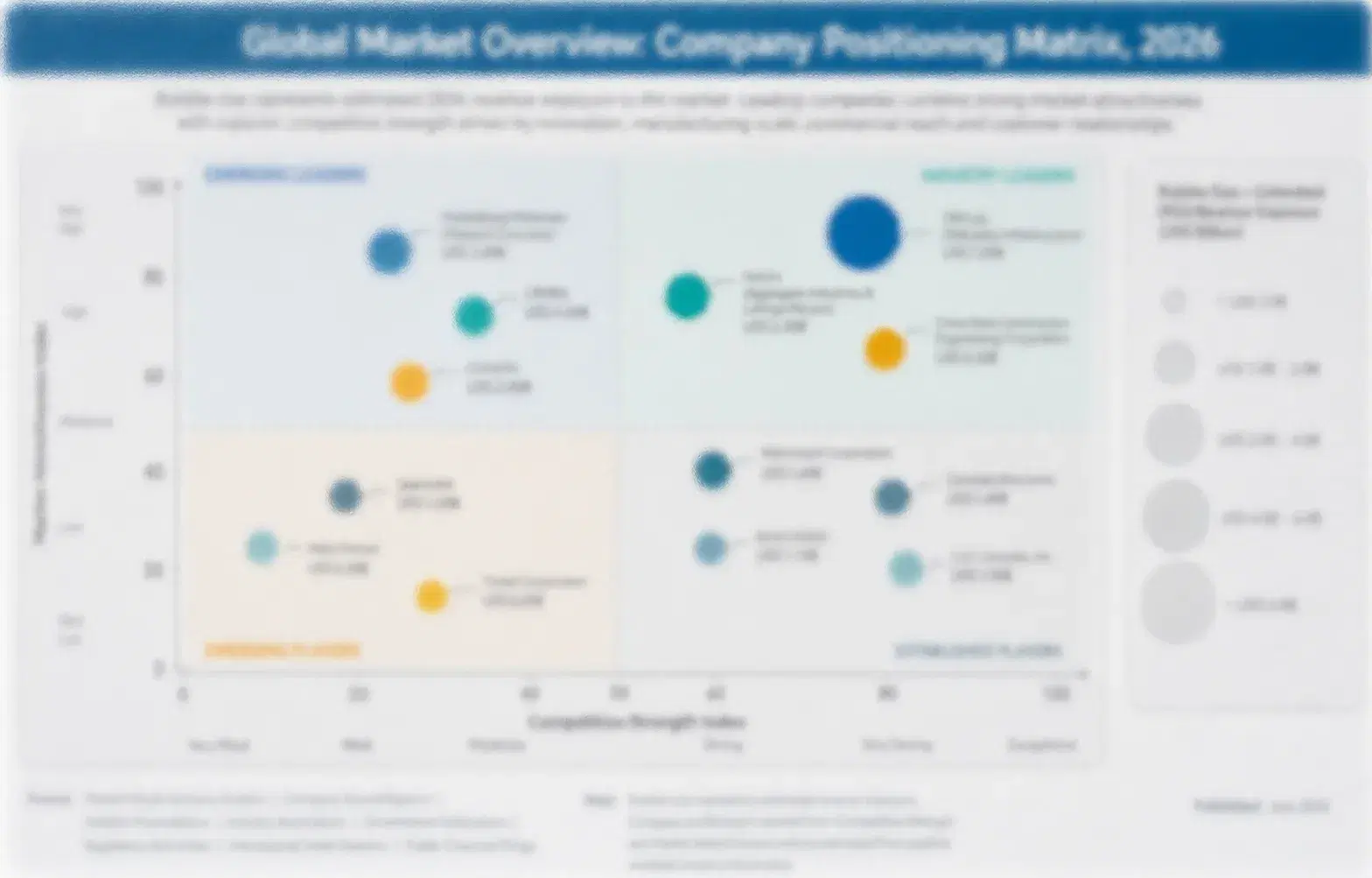
The competitive set is moderately fragmented relative to many technology categories. CR5 sits at 42%, with TraceLink and Antares Vision Group holding the leading positions across network operation and integrated hardware-software platforms respectively, while a long tail of regional systems integrators compete for remaining implementation volume. The gap between the leaders and the next tier is widening as trading-partner network scale becomes as important as core serialization software capability.
Current competitive activity centers on three fronts: trading-partner network expansion that converts vendors into default infrastructure, blockchain verification bundling directly into core serialization platforms, and shared-service offerings targeting smaller manufacturers facing new mandates for the first time. Several mid-size vendors have also begun offering multi-region regulatory qualification as a standalone capability, treating harmonized compliance across four major jurisdictions as a competitive differentiator rather than a back-office cost center.

Emerging pressure comes from enterprise software platforms expanding into pharmaceutical-specific serialization, competing against specialist vendors adding broader supply-chain software capability from the other direction. Expect consolidation over the next several years as these approaches converge, rather than either side building the other's core competency from scratch on a timeline neither can afford.
pharmaceutical-track-and-trace-systems-market-company-positioning-matrix-1791557189438

How Pharmaceutical Track and Trace Systems Suppliers Compete

TRACELINK INC.

Moat: Network Effect Across Trading Partners

TraceLink's cloud-based network already connects a large share of pharmaceutical manufacturers, wholesalers, and dispensers across the United States, creating a network effect where joining an established platform is faster and cheaper for a new manufacturer than building individual trading-partner integrations independently. This scale advantage compounds steadily as more partners join, making it hard for new entrants to replicate.
TRACELINK INC.

Risk: Dependent on Continued DSCSA Scope

A substantial share of TraceLink's installed base and revenue ties directly to US Drug Supply Chain Security Act compliance requirements, leaving it more exposed than diversified competitors if future regulatory simplification reduced the scope of mandated electronic data exchange across US trading partners unexpectedly across its core US business specifically.
ANTARES VISION GROUP

Moat: Vertically Integrated Hardware Platform

Antares Vision Group has built a vertically integrated platform spanning vision-inspection hardware, serialization software, and verification services through a series of acquisitions, letting it offer manufacturers a single accountable vendor across what competitors often sell as separate hardware and software components. This integration is difficult for software-only or hardware-only specialists to replicate quickly.
ANTARES VISION GROUP

Risk: Integration Risk From Rapid M&A

Antares Vision's rapid acquisition pace has brought multiple previously independent platforms under one roof, creating integration risk as the company works to unify disparate software architectures and customer-support systems inherited from several separate acquired businesses within a relatively short period, a risk management has flagged as a near-term integration priority.

Players Tracked

Prominent Players

TraceLink Inc.
Systech International
Antares Vision Group
Körber Pharma
Adents International

Other Key Players

OPTEL Group
SEA Vision S.r.l.
Mettler-Toledo International Inc.
Domino Printing Sciences plc
Videojet Technologies Inc.
Zebra Technologies Corporation
Honeywell International Inc.
SAP SE
Siemens Digital Industries Software
IBM Corporation
Tjoapack
Marchesini Group S.p.A.
Multivac Group
Covectra Inc.
Advanced Track & Trace SA

Recent Developments

MAY 2025

TraceLink Expands Network Into Chinese Serialization Market

TraceLink announced expanded network connectivity supporting China's evolving serialization requirements, letting manufacturers already using its US-focused platform extend coverage into Chinese regulatory compliance without onboarding an entirely separate regional vendor. The expansion followed growing manufacturer requests for one platform spanning multiple jurisdictions across multiple existing manufacturer accounts.
Signal: Signals that trading-partner networks are beginning to compete on global jurisdictional coverage rather than single-region depth alone.
DECEMBER 2024

Antares Vision Group Acquires Blockchain Verification Specialist

Antares Vision Group acquired a specialist blockchain verification provider, adding distributed ledger capability directly onto its existing vision-inspection and serialization software platform rather than partnering with an external provider. The acquisition brought several qualified biologics-manufacturer accounts already piloting blockchain verification into its broader portfolio spanning several therapy categories.
Signal: Signals that integrated platform vendors are acquiring verification technology rather than ceding it to specialist blockchain firms.
AUGUST 2025

India Expands Domestic Serialization Mandate Scope

India's Ministry of Commerce expanded serialization requirements to cover a larger share of domestically consumed pharmaceutical products, beyond the export-focused mandate that previously applied to most Indian generics manufacturers. Several vendors are competing for qualification across the newly covered domestic manufacturing volume ahead of the expanded compliance deadline.
Signal: Signals that emerging-market mandates are broadening from export-only scope toward full domestic manufacturing coverage over time.

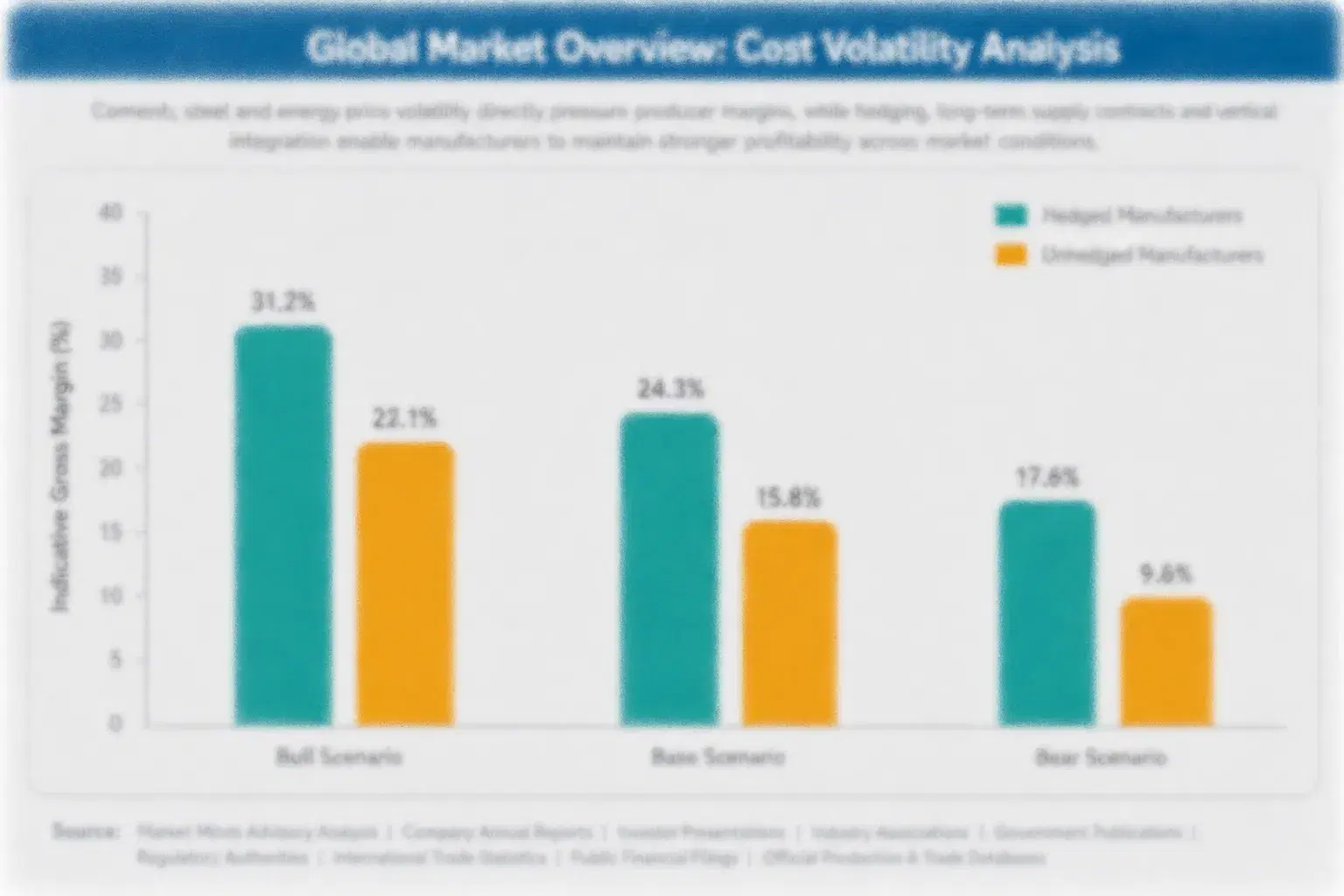
Software and Hardware Costs Drive Margin

Software licensing and vision-inspection hardware together account for roughly 29% of total implementation cost, with serialization software typically licensed from a handful of major platform vendors and hardware sourced from specialized vision-inspection and print-and-apply equipment manufacturers concentrated in Europe and North America. Trading-partner network and data-exchange fees remain a secondary but growing input as interoperability requirements expand the volume of electronic transactions manufacturers must process and pay for.
Implementation costs fell meaningfully over the past several years as vendors standardized integration approaches and cloud-based deployment reduced the custom-engineering work earlier implementations required, a trend reflected in falling per-line implementation timelines several manufacturers have disclosed recently in investor communications. Manufacturers who standardized on fewer platform vendors captured outsized cost benefit relative to manufacturers still running fragmented, region-specific systems that each require separate maintenance contracts.

Smaller manufacturers without dedicated in-house implementation teams face a meaningful cost disadvantage, since they typically rely on systems integrators or shared-service providers at a markup larger manufacturers avoid through direct vendor relationships. This gap is most pronounced for manufacturers in emerging markets facing new mandates for the first time, where thinner margins leave less room to absorb integrator markup than established manufacturers in mature markets can tolerate.
pharmaceutical-track-and-trace-systems-market-cost-volatility-analysis-1791557189850

Standardize on a Single Global Platform Vendor

Manufacturers are increasingly standardizing on a single platform vendor across their global manufacturing network rather than running separate regional systems, consolidating maintenance and support costs that would otherwise be duplicated across multiple vendor relationships. This has preserved margin for manufacturers who committed early relative to those still running fragmented regional systems with separate support contracts.

Negotiate Multi-Region Contracts With Shared Vendors

Several manufacturers are negotiating multi-region implementation contracts with vendors who can serve multiple jurisdictions, capturing volume-based pricing that would not be available negotiating separately with different regional vendors for each major market their products reach across global supply chains Several multinational manufacturers have already adopted this approach successfully across every major jurisdiction their products currently reach.

Use Shared Serialization Services to Lower Fixed Costs

Smaller manufacturers are increasingly using shared serialization services that spread fixed implementation cost across many client manufacturers simultaneously, lowering the effective per-unit cost burden relative to building standalone in-house implementation capability independently from scratch for a single smaller-volume manufacturer This has already helped several smaller manufacturers meet new mandate deadlines This has already helped several smaller manufacturers meet deadlines.

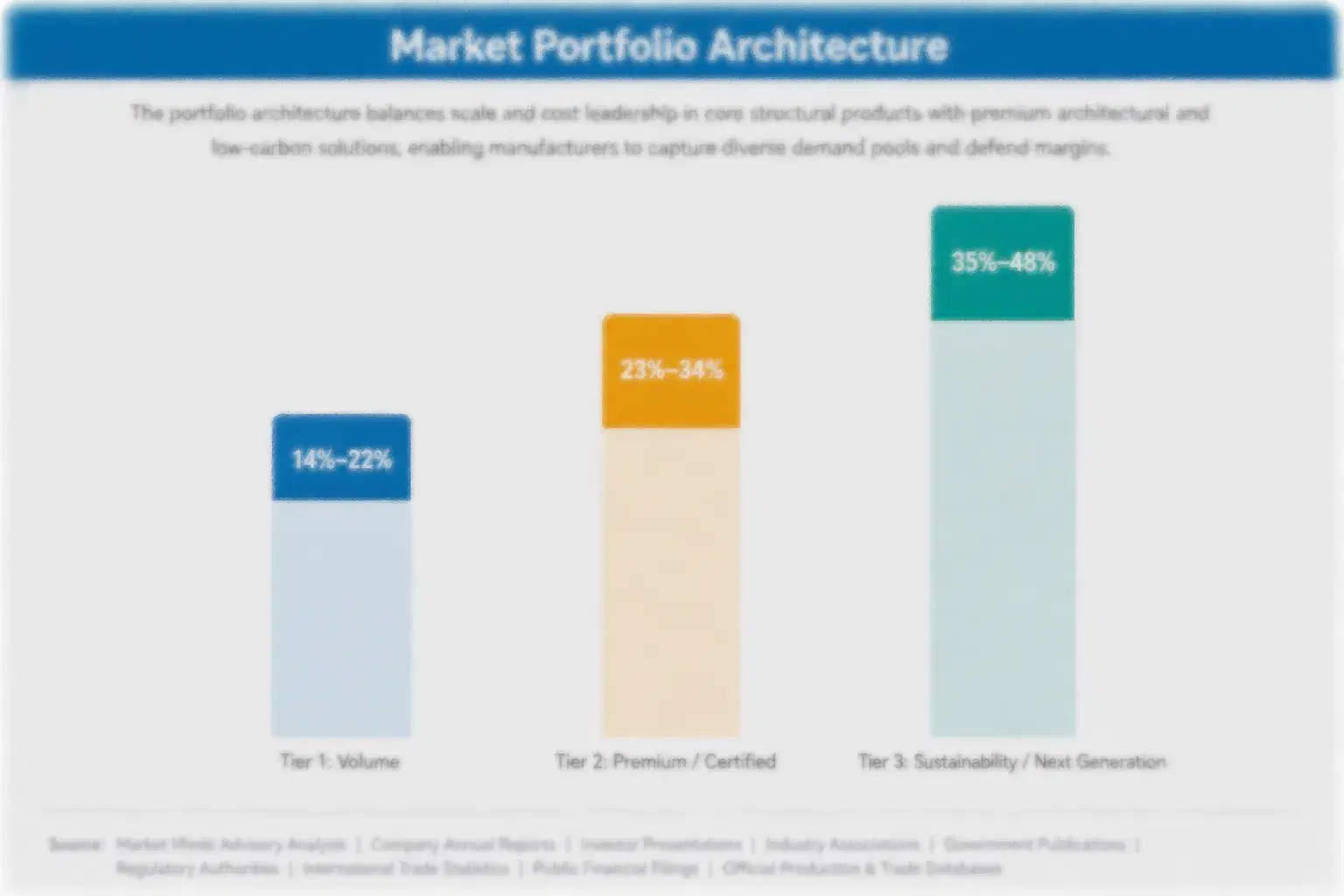
Portfolio Architecture for Margin Defence

Pharmaceutical track and trace systems split into three commercial tiers with sharply different margin profiles. Volume commodity-adjacent systems, standard serialization software without network or verification capability, carry margins typical of mature enterprise software. Premium certified platforms, covering trading-partner network operation and blockchain verification, command gross margins several multiples above that. Sustainability and next-generation platforms, including combined verification-and-compliance-reporting services, sit at the top of the margin range as manufacturers pay for integration rather than separate components.
The tension running through this architecture is capacity allocation. Vendors that invested early in network operation and verification capability can redirect resources toward premium accounts paying several multiples the standard margin, while generalist software vendors remain confined to the lower-margin licensing tier competing primarily on price. Several mid-size vendors are shrinking their standalone-software book to free resources for premium work.

High-value margin pools concentrate in trading-partner network operation and blockchain verification platforms, both growing faster than the category average. Vendors positioned in both pools simultaneously, rather than just one, are capturing the largest share of new premium contract wins as manufacturers consolidate toward fewer, more capable compliance technology partners overall.

Volume / Commodity-Adjacent Tier

Standard serialization software without network or verification capability, sold primarily on license price with minimal differentiation, serving smaller manufacturers where buyers compete mainly on cost and basic regulatory compliance rather than added features.
Gross Margin: 20-25%

Premium / Certified Tier

Trading-partner network operation and blockchain verification platforms serving manufacturers needing cross-border and interoperability capability, where network reach and regulatory qualification, not price, determine which vendors win and retain the account.
Gross Margin: 40-46%

Sustainability / Regulatory / Next-Generation Tier

Combined verification-and-compliance-reporting platforms delivering continuous, audit-ready documentation as a managed service, commanding the highest margins as manufacturers increasingly prefer one accountable partner over separately sourced components across their global compliance footprint.
Gross Margin: 46-52%
pharmaceutical-track-and-trace-systems-market-portfolio-architecture-1791557190146

High-value Sub-segments and Strategic Watch-out

Blockchain Verification for High-Value Biologics

Blockchain and distributed ledger verification platforms for high-value biologics and controlled substances are both the highest-margin and fastest-growing segment tracked, as counterfeit-enforcement pressure and cross-border verification needs intensify simultaneously, pulling investment from both commercial and regulatory directions across the forecast period industry-wide this cycle this cycle across most major accounts.
Gross Margin: 44-50%

Multi-Region Compliance Reporting Services

Compliance reporting services spanning multiple regulatory jurisdictions carry strong margin from harmonized qualification overhead, but unit-volume growth is moderate relative to blockchain platforms because multi-region reporting adoption depends on manufacturers first consolidating their underlying serialization infrastructure across most manufacturer accounts currently evaluating options across most manufacturer accounts evaluating options.
Gross Margin: 36-42%

Standard Standalone Serialization Software

The largest implementation-volume segment by far, serving smaller manufacturers and basic compliance needs on thin, price-competitive margins, remains the revenue base most vendors depend on even as they reinvest proceeds into higher-margin network and verification categories as smaller manufacturers continue facing new mandates each year.
Gross Margin: 20-25%

Single-Region Vendors Without Network Reach

Vendors still offering only single-region serialization capability face a slow-motion competitive squeeze as multinational manufacturers increasingly favor multi-region vendors who can serve several jurisdictions from one shared platform architecture as multinational manufacturers increasingly consolidate toward fewer vendors overall as multinational manufacturers continue consolidating toward fewer vendors.
Gross Margin: 24-30%

Why Compliance Contracts Rarely Get Rebid

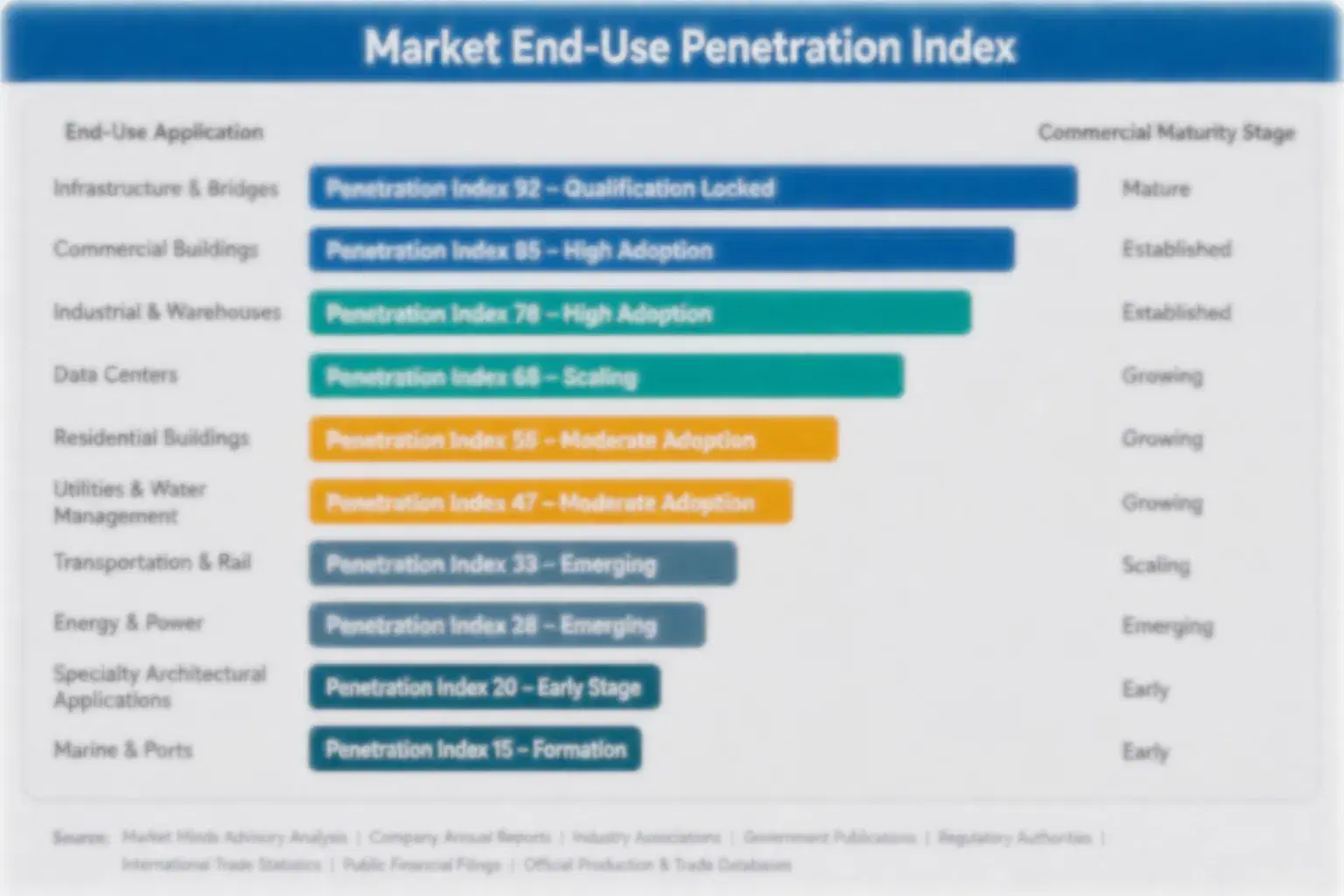
Once a vendor wins implementation on a manufacturer's serialization architecture, the relationship behaves like an annuity rather than a one-time sale. Switching vendors mid-compliance-cycle carries regulatory and supply-continuity risk manufacturers rarely accept once a system is running in full production, so the incumbent vendor captures recurring platform and transaction revenue across many years without needing to rebid the business.
Depth of adoption varies sharply by manufacturer size and therapy category. Large manufacturers of high-value biologics lock in the deepest vendor relationships because verification and network requirements are most demanding there, while smaller generics manufacturers see more frequent price-driven vendor evaluation on basic serialization licensing where switching cost is comparatively low. Mid-size manufacturers sit in between, with growing interoperability needs but budget constraints that slow full platform conversion.

Buyer profiles are shifting as compliance-technology decisions move earlier into manufacturing network planning. A decade ago, serialization was a late-stage regulatory checkbox; today, compliance-technology architecture increasingly factors into decisions about where to site new manufacturing capacity, giving vendors with proven multi-region capability a seat earlier than pure compliance software vendors traditionally occupied in these conversations across most multinational manufacturing networks planning new capacity today.
pharmaceutical-track-and-trace-systems-market-end-use-penetration-index-1791557190427

Where to Place Bets Now

These are among the four positions where our research anticipates prominent divergence between winners and laggards over the coming forecast period. Each is grounded in the demand model, the regulatory perimeter, and the announced capacity pipeline.
01 / NETWORK OPERATION PRIORITY

Build trading-partner network scale before rivals lock it in

Trading-partner network effects are compounding quickly, and vendors without an established network are losing larger manufacturer accounts to competitors who already connect hundreds of existing trading partners. The pricing premium for network-operator positioning is wide enough that leading vendors have priced it at two to three times standalone serialization software revenue. Waiting until networks consolidate further risks ceding this position permanently to vendors who already hold manufacturer trust and established trading-partner relationships across major markets, a trust advantage proving difficult for later entrants to close quickly.
02 / BLOCKCHAIN INTEGRATION BET

Integrate blockchain verification into core platforms now

Counterfeit-enforcement pressure and cross-border verification needs are intensifying simultaneously, and vendors without integrated blockchain capability cannot bid on high-value biologics accounts at all today. Vendors who have already built this combined capability are pricing it at a meaningful premium over standard serialization platforms alone, capturing margin that non-integrated competitors cannot access. This advantage should widen as manufacturers continue consolidating toward fewer, more capable compliance technology vendors overall, and that advantage should persist as counterfeit-enforcement pressure continues building across major markets over the next several years.
03 / SHARED SERVICE EXPANSION

Expand shared serialization services for smaller manufacturers

Smaller manufacturers facing new mandates for the first time cannot justify in-house implementation cost and are increasingly outsourcing serialization entirely to shared-service providers who spread fixed cost across many clients simultaneously, lowering their effective per-unit compliance burden considerably. Vendors who standardized this shared-service model early are now the default choice for smaller manufacturers across emerging markets facing serialization requirements for the first time. Vendors who wait risk losing this broader base to competitors who already offer a lower-friction path to compliance for cost-sensitive manufacturers everywhere.
04 / CROSS REGION QUALIFICATION PUSH

Qualify across all four major jurisdictions on one platform

Multinational manufacturers increasingly prefer vendors who can serve the United States, European Union, China, and India from one qualified platform architecture rather than managing four separate vendor relationships for functionally related compliance needs. Vendors who complete this qualification now are commanding a meaningful pricing premium over single-region specialists facing exactly this limitation today. Waiting for regulatory harmonization before investing risks missing multinational contracts already being awarded well ahead of any formal global standard, a window that narrows once broader regulatory harmonization efforts eventually succeed.

Engagement Snapshot From the Field

A live engagement with an industry participant carrying material or product regulatory and market exposure ahead of a defining policy shift, showing how our research translates into a defensible multi-year portfolio strategy.
MARKET MINDS ADVISORY · CLIENT ENGAGEMENT SUMMARY
Pharmaceutical Track and Trace Systems Producer Strategic Portfolio Review and Transition Roadmap 2026·Investment Scenario on Pharmaceutical Track and Trace Systems Exposure Evaluation 2025-26
CLIENT PROFILE
The client is a multinational generics manufacturer with production facilities across North America, Europe, and Asia, reporting approximately $2.1 billion in annual revenue (client-reported, unverified by MMA). The client had accumulated four separate regional serialization systems over a decade of incremental compliance investment and sought an independent assessment of whether consolidating onto a single global platform could reduce both cost and operational complexity ahead of upcoming interoperability deadlines.
STRATEGIC CHALLENGE
The client needed to consolidate four regionally fragmented serialization systems onto a single platform without disrupting ongoing production across any facility, while ensuring the chosen vendor could meet all four major jurisdictions' distinct regulatory requirements within an eighteen-month migration window ahead of a critical compliance deadline, a sequencing challenge common to large multi-facility consolidations.
MMA APPROACH
MMA conducted a structured vendor assessment benchmarking multi-region qualification capability, migration risk, and total cost of ownership across four qualified platform vendors, producing a phased consolidation sequence prioritizing the client's highest-risk regulatory deadline first while preserving production continuity at every facility throughout the transition, giving the client's leadership a clear basis for board approval.
KEY FINDINGS
  1. Only two of the four vendors assessed had proven qualification across all four jurisdictions, narrowing the realistic shortlist considerably despite broader marketing claims from the others.
  2. Consolidating onto a single platform was projected to reduce total annual support and maintenance cost by roughly 35% relative to maintaining four separate regional systems indefinitely.
  3. Migration risk was highest at the client's largest European facility, where legacy system dependencies required a longer transition buffer than originally planned.
  4. The client's original cost estimate understated multi-region licensing fees by roughly 18%, a gap the assessment surfaced before the vendor contract was finalized.
RECOMMENDED STRATEGY
Phase 1: Phase 1 (Months 1 to 4): Migrate the client's highest-deadline-risk facility first, validating interoperability compliance ahead of its renewal date. Phase 2: Phase 2 (Months 5 to 12): Migrate remaining facilities in descending order of regulatory deadline urgency, validating each against production continuity. Phase 3: Phase 3 (Month 13 onward): Decommission legacy regional systems entirely once all facilities confirm stable operation on the consolidated platform.
OUTCOME
The client completed migration of its highest-risk facility ahead of its compliance deadline and consolidated the remaining three facilities within the planned eighteen-month window. Projected support-cost savings came in within 5% of MMA's estimate, and the client reported no interoperability compliance gaps during its first post-migration regulatory audit (client-reported, unverified by MMA).

Frequently Asked Questions

Foundational context covering the market sizes, CAGR, scope, country, region and competition that inform every finding below. This section is provided to cover basics and most often pre-purchase conversations, answered from the MMA Primary Research Dataset.

What is the current size of the Pharmaceutical Track and Trace Systems Market?

The global market was valued at approximately $5.2 billion in 2025. This reflects serialization software, aggregation and vision-inspection hardware, verification platforms, and compliance reporting services sold to pharmaceutical manufacturers worldwide.

How large will the Pharmaceutical Track and Trace Systems Market be by 2036?

MMA projects the market will reach approximately $14.3 billion by 2036. Growth is driven by regulatory convergence across major markets and rising counterfeit-enforcement activity, nearly tripling its 2025 starting base.

What is the CAGR for the Pharmaceutical Track and Trace Systems Market 2026 to 2036?

The market is projected to grow at a compound annual growth rate of 9.6% between 2026 and 2036. Bull and bear scenarios range from roughly 8.3% to 10.9%.

Which segment is growing fastest?

Blockchain and distributed ledger verification platforms are the fastest-growing segment, expanding at approximately 14.5% annually, well above the category average. This reflects rising cross-border verification and counterfeit-enforcement pressure.

Who are the major companies in the Pharmaceutical Track and Trace Systems Market?

Leading companies include TraceLink, Systech International, Antares Vision Group, Körber Pharma, and Adents International. These five vendors hold the leading qualified positions in the category.

Which country is growing fastest?

India is the fastest-growing major country, expanding at approximately 12.8% annually as domestic serialization mandates broaden alongside its manufacturing base. Export-focused rules are extending toward full domestic coverage.

Pharmaceutical Track and Trace Systems Segments Covered

The full report scope spans multiple orthogonal segmentation dimensions, with cross-tabulated demand data provided for each dimension pair. Coverage extends further to regional breakdowns, trend trajectories, and the competitive detail needed to support segment-level decision-making.

By System and Component Type

  • Serialization and Unique Identifier Software
  • Aggregation and Vision-Inspection Hardware
  • Blockchain and Distributed Ledger Verification Platforms
  • Cloud-Based Track and Trace Data Exchange Networks
  • Label and Print-and-Apply Equipment
  • Compliance Reporting and Regulatory Audit Services

By End-Use Manufacturer Type

  • Branded Pharmaceutical Manufacturers
  • Generics Manufacturers
  • Biologics and Biosimilar Manufacturers
  • Contract Manufacturing Organizations
  • Wholesalers and Distributors

By Commercial Dimension

  • Direct Platform Licensing
  • Trading-Partner Network Subscription
  • Shared Serialization Services
  • Systems Integration and Consulting

By Region

  • North America
  • Western Europe
  • East Asia
  • South Asia and Pacific
  • Latin America
  • Middle East and Africa
  • Eastern Europe

Scope, Methodology, and Coverage

Every figure in this report is reproducible from documented input assumptions. The scope below maps the historical period, the forecast horizon, the segmentation dimensions, and the countries covered, alongside the underlying primary and qualitative methodology.
Historical Period
2020 to 2025
Forecast Period
2026 to 2036
Base Year
2025 (USD billions; MMA Primary Research Dataset, October 2026)
Market Definition
The pharmaceutical track and trace systems market covers serialization software, aggregation and vision-inspection hardware, verification platforms, and compliance reporting services used to assign, apply, and verify unique identifiers on pharmaceutical products across the supply chain. It excludes the pharmaceutical products themselves and generic enterprise resource planning software not purpose-built for serialization compliance.
Quantitative Units
USD billions (current prices); unit volumes in billion serialized units where cited
Segmentation Dimensions
By System and Component Type; By End-Use Manufacturer Type; By Commercial Dimension; By Region
Regions Covered
North America, Western Europe, East Asia, South Asia and Pacific, Latin America, Middle East and Africa, Eastern Europe
Countries Covered
USA, China, Germany, France, UK, Japan, South Korea, India, Australia, Canada, Brazil, Mexico, Indonesia, Vietnam, Thailand, Malaysia, UAE, Saudi Arabia, South Africa, Nigeria, Turkey, Poland, Netherlands, Italy, Spain, Sweden, Switzerland, Argentina, Colombia, Singapore, and additional markets relevant to this sector
Key Companies Profiled
TraceLink Inc., Systech International, Antares Vision Group, Körber Pharma, Adents International, OPTEL Group, SEA Vision S.r.l., Mettler-Toledo International Inc., Domino Printing Sciences plc, Videojet Technologies Inc., Zebra Technologies Corporation, Honeywell International Inc., SAP SE, Siemens Digital Industries Software, IBM Corporation, Tjoapack, Marchesini Group S.p.A., Multivac Group, Covectra Inc., Advanced Track & Trace SA
Quantitative Methodology
Primary survey, n=3,800 respondents, Q4 2025, six countries; demand-side model with trade association cross-validation
Qualitative Methodology
47 expert interviews, Q4 2025; applied to validate demand model assumptions, identify emerging dynamics, and assess competitive positioning
Report Format
PDF and XLSX data workbook (Word format preview document)
Publisher
Market Minds Advisory
Report Code
MMA-2026-TEC-105
Published
October 2026
Contact
sales@marketmindsadvisory.com | www.marketmindsadvisory.com

Purchase the full Pharmaceutical Track and Trace Systems Market Report (2026 to 2036).

The full report delivers a complete market model spanning 2020 to 2036, with segment-level and regional revenue breakdowns across all seven tracked geographies. It includes detailed profiles of twenty companies, competitive benchmarking on a revenue basis, and an independent assessment of moat durability and risk exposure for the two leading vendors. Buyers receive the complete regional dataset beyond the two regions shown in this summary, along with extended commentary on software and hardware cost exposure and mitigation strategies. A dedicated appendix covers multi-region qualification pathways, blockchain verification case examples, and trading-partner network benchmarking across the competitive set. Custom segment cuts and company-specific data extensions are available on request.
Twenty-company competitive benchmarking on a consistent basis
Full seven-region revenue and CAGR dataset
Segment-level margin and growth analysis across six system types
Software and hardware cost exposure and mitigation appendix
Multi-region qualification and network benchmarking data
Custom segment and company-specific data extensions available

Built For The People Who Decide

From boardroom strategy to bench-side execution, this report is read cover-to-cover by leaders shaping the next decade of their industry, turning demand scenarios, market dynamics and valuation benchmarks into decisions.
CXOs/ Presidents/ VPs/ Managers
M&A and Corporate Development
Strategy Teams and R&D Heads
Procurement and Product Directors
Regulatory and Compliance Leaders
Investor Relations and Equity Analysts