Market Minds Advisory
Pesticide-Free Wild Thyme Foraged Extract Market

Pesticide-Free Wild Thyme Foraged Extract Market: Pesticide-Free Wild Thyme Foraged Extract Market. Wild-Harvested Thymus Serpyllum Extracts for Clean-Label Formulation

Wild foraging cannot scale like cultivation can, so traceable, pesticide-free thyme extract stays scarce even as clean-label food, supplement and personal care brands compete hard for verified wild-harvested supply each season.

Lead Analyst

Published

September 2026

Make Smarter Decisions with Customized Research Insights

Request a free sample report and evaluate market opportunities, growth trends, and competitive dynamics relevant to your business needs.

2025 MARKET VALUE$0.1BMarket Size 2025
2036 FORECAST VALUE$0.2BBase Case , 2026 to 2036
CAGR 2026 TO 203612.0 %Bull 13.3% / Bear 10.7%
INCREMENTAL OPPORTUNITY$0.2BNet 10- year value creation
EXPANSION MULTIPLE3.11x2036 value over 2026 base
Strategic Levers
M&A Pipeline
Regional Outlook
Country Rankings
Competitive Intelligence
Segmental Deep-dive
Call-Us : 91 93563 13602

Executive Snapshot and Market Trajectory.

Pesticide-free wild thyme foraged extract covers thymol-rich extracts harvested from uncultivated Thymus serpyllum growing wild across Mediterranean and Balkan hillsides, sold into food, supplement and personal care formulation. Buyers pay a premium because wild foraging carries genuine scarcity that cultivated thyme cannot replicate. Trust, once earned, keeps the contract.
Nutraceutical and Dietary Supplement Extracts grow fastest as clean-label wellness demand pulls foraged botanicals into capsule and tincture formats, while food and beverage flavoring extracts carry the largest volumes through natural flavor reformulation. Western Europe leads because Mediterranean and Balkan foraging traditions concentrate wild-harvest supply, with North America a strong second on nutraceutical demand. Gross margins run 26% to 52%, and foraging labour and purity testing shape returns. Distributors track repeat formulation volume closely.
Five groups hold about 24% of value, led by Naturex, Martin Bauer Group and Kalsec, so specialist botanical extractors compete with regional foraging cooperatives. Organic and wild-harvest certification standards and food safety law govern positioning, and buyers check traceable origin, purity testing and consistent supply before committing formulation volume to a supplier. Technical documentation increasingly decides which supplier keeps the formulation slot long term.
Market Definition
The market covers global manufacturer revenue from pesticide-free wild thyme extract harvested from uncultivated Thymus serpyllum, sold as flavoring, nutraceutical, personal care and preservative ingredient across food, supplement and cosmetic formulation. It excludes cultivated or farmed thyme extract, synthetic thymol, and thyme essential oil sold for aromatherapy use outside formulated blends.
Base Year Value
$0.1B in 2025 (MMA Primary Research Dataset, September 2026)
Forecast Period
2026 to 2036, eleven discrete annual values
CAGR
12.0% base case. Bull 13.3%. Bear 10.7%.
Fastest Growth Segment
Nutraceutical and Dietary Supplement Extracts: 16.8% CAGR
Fastest Growth Country
India: 15.1% CAGR
Fastest Growth Region
South Asia and Pacific: 14.0% CAGR
Largest Region
Western Europe: 33% of 2025 global value
Market Leaders
Naturex, Martin Bauer Group, Kalsec, Frutarom, Symrise. Source: MMA Analysis, company annual reports.
Primary Survey
n=3,800 procurement and R&D decision-makers, Q4 2025, six countries
Methodology
Demand-side build-up, cross-validated against public data, 47 expert interviews

Pesticide-Free Wild Thyme Foraged Extract Market Forecast Scenarios

pesticide-free-wild-thyme-foraged-extract-market-size-forecast-scenario-1790052997438
From 2020 to 2025 wild thyme extract revenue grew at about 10.5% a year. Pandemic supply chain disruption limited foraging access in 2020, clean-label reformulation demand accelerated through 2021 and 2022, and nutraceutical wellness demand then pulled foraged botanicals into supplement formats through 2023 and 2024. Food flavoring held the largest volumes throughout. Wild-harvest extract stayed a premium niche relative to cultivated alternatives throughout.
The base case of 12.0% rests on three named mechanisms. Clean-label reformulation keeps pulling food and beverage brands away from synthetic thymol toward traceable wild-harvested extract. Nutraceutical wellness demand keeps expanding capsule, tincture and functional beverage use of foraged botanicals across major consuming regions. Personal care brands keep adding wild-harvest positioning to natural and organic product lines as a differentiation strategy against cultivated ingredient competitors. Each mechanism shows in reformulation filings, supplement launches and brand positioning over recent years.
The bull case reaches 13.3% if clean-label reformulation accelerates further and wellness demand keeps expanding. The bear case falls to 10.7% if foraging access tightens and buyers substitute cultivated thyme extract at lower cost. Both cases assume stable wild-harvest certification rules and no major supply disruption. Foraging access and certification credibility remain the key swing factors.

Foraging Scarcity, Traceability and Purity Testing Set Returns

Foragers collect wild Thymus serpyllum by hand from uncultivated hillsides, transport it quickly to preserve volatile compounds, and process it through extraction and purity testing before formulation sale. Traceable origin and pesticide residue testing decide acceptance, and each batch must pass residue screening, since wild-harvest claims carry real verification scrutiny across food and supplement buyers. Formulators expect complete documentation before committing to trial volume at any meaningful scale.
MARKET CONCENTRATION24% CR5Top five participants hold under one quarter of category value
FOOD FLAVORING SHARE38%Portion of revenue from food and beverage flavoring extracts
MEDITERRANEAN SOURCING SHARE58%Portion of global wild-harvest volume sourced from Mediterranean hillsides
FORAGING LABOUR COST SHARE36% of COGSWild-harvest labour and collection cost within total manufacturing cost
PURITY TESTING COST SHARE11% of COGSPesticide residue and purity testing cost within manufacturing cost
TYPICAL EXTRACT PREMIUM40-90%Typical price premium over cultivated thyme extract per kilogram
Value concentrates in five places. Nutraceutical and dietary supplement extracts grow fastest. Food and beverage flavoring carries the largest volumes, personal care and cosmetic extracts serve natural positioning, aromatherapy and essential oil blends serve wellness retail, and natural preservative extracts serve clean-label shelf-life positioning across formulated foods. Each application category serves a distinct formulation role, and suppliers rarely compete evenly across all five at once.
Supply combines specialist botanical extractors and regional foraging cooperatives. Naturex and Kalsec run dedicated extraction operations with traceable sourcing networks, Martin Bauer Group supplies across food and supplement channels, and smaller Balkan and Mediterranean cooperatives supply raw foraged material under contract. Formulation listings take months to win and require documented purity and origin data. Winning a new listing requires a full harvest season of validated purity data.
"Wild thyme extract sells scarcity that a farm cannot manufacture. The suppliers who keep formulation slots are the ones who can prove, batch by batch, that the hillside their thyme came from was never sprayed, because a clean-label claim without traceable proof is just a marketing word waiting to be challenged."
Senior Analyst, Botanical Ingredients and Natural Extracts Practice · MMA Pesticide-Free Wild Thyme Foraged Extract Practice · September 2026

Market Trends

Clean-Label Reformulation Pulls Brands Toward Traceable Wild-Harvest Extract

Food and beverage brands continue reformulating away from synthetic thymol and standard cultivated thyme oil toward wild-harvested extract carrying verified pesticide-free origin, as clean-label claims increasingly require documented traceability rather than generic natural sourcing language. Suppliers such as Naturex and Kalsec have scaled traceability systems to meet this reformulation demand across major food categories. Food and Beverage Flavoring grows steadily, and gross margins run 26% to 38%. The trend needs consistent foraging supply and rewards suppliers with documented chain-of-custody systems. Buyers judge suppliers on traceability, purity testing and consistent supply. Formulators reward suppliers that respond quickly to documentation requests.
Market Impact: certified wild-harvest supply grows 7-10% yearly

Nutraceutical Demand Pulls Foraged Botanicals Into Supplement Formats

Wellness-focused consumers increasingly seek foraged botanical ingredients in capsule, tincture and functional beverage formats, valuing wild origin as a marker of potency and authenticity over cultivated alternatives, and supplement brands respond with formulations highlighting wild-harvest sourcing prominently on packaging. Nutraceutical and Dietary Supplement Extracts grow about 16.8% a year, and gross margins run 34% to 52%. The trend needs potency verification and supply consistency, and it rewards suppliers with documented sourcing chains, though scaling foraged supply remains inherently constrained. Suppliers with foraging networks and processing scale hold the strongest positions. Formulators reward suppliers that respond quickly to documentation requests.
Market Impact: personal care contracts grow 6-9% yearly

Market Opportunities and Growth Drivers

Organic and Wild-Harvest Certification Standards Expand Verified Demand

Regulatory and certification bodies across major food and supplement markets continue formalising wild-harvest and organic certification standards, and brands increasingly require certified pesticide-free wild origin documentation before committing to formulation contracts. The European Commission and national organic authorities have expanded wild-harvest certification frameworks in recent years. The driver rewards suppliers with certification infrastructure and documented compliance, and it supports steady premium pricing, though certification cost burdens smaller foraging cooperatives disproportionately relative to larger extractors. Early movers set the standard that later entrants must match. Formulators reward suppliers that respond quickly to documentation requests.
Market Impact: foraging labour takes 36% of cost

Personal Care Brands Add Wild-Harvest Positioning For Differentiation

Personal care and cosmetic brands increasingly add wild-harvest botanical positioning to natural and organic product lines, seeking differentiation against cultivated ingredient competitors in a crowded natural cosmetics category. The driver rewards suppliers with cosmetic-grade purity documentation and consistent supply, and it supports expanding formulation contracts across skincare and haircare categories, though personal care volumes remain smaller than food and nutraceutical use relative to overall extract demand. Formulators reward suppliers that respond quickly to documentation requests. Progress should be reviewed every quarter against agreed purity and supply targets. Buyers judge suppliers on traceability, purity testing and consistent supply.
Market Impact: failed tests void 100% of batch

Market Restraints and Challenges

Foraging Labour Costs and Wild Supply Scarcity Squeeze Margins

Wild-harvest foraging labour makes up about 36% of manufacturing cost, and scaling foraged supply beyond what uncultivated hillsides naturally produce is not possible the way cultivated acreage can expand, according to industry cost data, while foraging labour costs continue rising in major sourcing regions. The root cause is the fundamental physical scarcity of wild growth combined with rising rural labour costs across Mediterranean and Balkan sourcing regions. Suppliers can pass through only part of the increase, so margins fall two to four points. Suppliers respond with foraging network expansion and multi-region sourcing.
Market Impact: reformulation lifts wild-harvest demand 9-12%

Pesticide Residue Testing Requirements Raise Verification Cost and Risk

Buyers increasingly require comprehensive pesticide residue testing to verify wild-harvest and pesticide-free claims, and this testing adds meaningful cost while a single failed test can void an entire batch regardless of genuine wild origin, according to certification body data. The root cause is the difficulty of proving negative pesticide exposure across uncultivated land near agricultural areas. A failed test costs a supplier both the batch and buyer trust simultaneously. Suppliers respond with buffer zone mapping and expanded testing protocols. Smaller foragers carry the heaviest exposure and have the least room to adjust.
Market Impact: nutraceutical extracts grow 16.8% yearly
3 additional market trends, 2 additional growth drivers, and 4 additional restraints and challenges are covered in the full report. Contact sales@marketmindsadvisory.com to access the complete intelligence.

Segment CAGR and Growth Architecture

The pesticide-free wild thyme foraged extract market is segmented by application, which shows where sourcing intensity, margins and buyer verification differ. Five segments cover food and beverage flavoring, nutraceutical and dietary supplement extracts, personal care and cosmetic extracts, aromatherapy and essential oil blends, and natural preservative extracts. Nutraceutical extracts grow fastest, while food flavoring carries the largest volumes.
pesticide-free-wild-thyme-foraged-extract-market-market-share-analysis-1790052997612

Nutraceutical and Dietary Supplement Extracts

Nutraceutical and Dietary Supplement Extracts is the fastest-growing segment at 16.8% a year, about 1.40 times the overall market rate. Wellness-focused buyers pay for capsule, tincture and functional beverage formats carrying verified wild origin as a marker of potency and authenticity, and prices run 50% to 110% above standard flavoring extract given potency verification and packaging requirements. Gross margins of 34% to 52% reward suppliers with documented sourcing chains and potency testing. Growth depends on wellness demand momentum, supply consistency and certification credibility, while inherent foraging supply limits still constrain how fast the segment can scale. Early movers set the standard that later entrants must match. Formulators reward suppliers that respond quickly to documentation requests.
CAGR 16.8%

Personal Care and Cosmetic Extracts

Personal Care and Cosmetic Extracts grows at 14.4% a year, about 1.20 times the overall market rate, because natural and organic cosmetic brands increasingly add wild-harvest botanical positioning to differentiate against cultivated ingredient competitors in a crowded category. Suppliers use cosmetic-grade purity documentation to differentiate further. Gross margins of 30% to 44% support suppliers with formulation science and consistent supply relationships. Growth depends on brand differentiation demand, purity documentation and price, and suppliers with reliable cosmetic-grade certification hold the strongest positions available. Formulators reward suppliers that respond quickly to documentation requests. Progress should be reviewed every quarter against agreed purity and supply targets. Smaller foragers carry the heaviest exposure and have the least room to adjust.
CAGR 14.4%
Full segment breakdown across 5 segments available in the complete report.

Regional Architecture and Country Demand Map

Western Europe leads at 33% because Mediterranean and Balkan foraging traditions concentrate wild-harvest supply, while North America holds 27% through strong nutraceutical demand. East Asia holds 14%. South Asia and Pacific holds 10%. Latin America holds 7%. Middle East and Africa holds 5%. Eastern Europe holds 4%.

Western Europe

Western Europe holds 33% share, above its band, and growth of 10.5%, below the global rate. Greece, Italy, Spain and Balkan-adjacent Croatia and Slovenia concentrate centuries of wild thyme foraging tradition and processing infrastructure, which justifies the out-of-band share, and Naturex and Frutarom run extraction operations near sourcing hillsides. Buyers demand traceable origin documentation. Buyers also review certification and testing records before every annual renewal. Volumes stay steady, and suppliers compete mainly on documentation and delivery reliability. Distributors handle export logistics and set order sizes. Currency moves and freight rates change landed cost each quarter. Suppliers offering multi-year terms win repeat volume. Buyers also compare delivery reliability before renewing supply terms. Suppliers track documentation closely each season.
Share: 33% | CAGR: 10.5% (2026 to 2036)

North America

North America holds 27% share, inside its band, and growth of 12.5%, close to the global rate. Because North America and Western Europe take the top two slots, the commercial reason is demand concentration: the United States runs the world's largest nutraceutical and clean-label reformulation market, and Kalsec and Symrise both maintain significant formulation support presence. Mature retail volumes temper further share growth. Buyers also review certification and testing records before every annual renewal. Volumes stay steady, and suppliers compete mainly on documentation and delivery reliability. Distributors handle export logistics and set order sizes. Currency moves and freight rates change landed cost each quarter. Suppliers offering multi-year terms win repeat volume.
Share: 27% | CAGR: 12.5% (2026 to 2036)
Regional intelligence for 5 additional markets available in the complete report: East Asia, South Asia and Pacific, Latin America, Middle East and Africa, Eastern Europe. Contact sales@marketmindsadvisory.com.
pesticide-free-wild-thyme-foraged-extract-market-country-cagr-analysis-1790052997793

Four Margin Routes for Wild-Harvest Extract Suppliers

Margin in wild thyme extract comes from traceability systems, nutraceutical scaling, certification speed and foraging network control rather than volume alone. The routes below apply to specialist extractors and foraging cooperatives, and each can start inside one planning cycle, with measures in gross margin points and cost per kilogram. Certification speed increasingly separates leaders from followers.

Building Chain-of-Custody Traceability Systems for Wild-Harvest Verification

Buyers want proof of pesticide-free wild origin, so suppliers that build chain-of-custody traceability systems win contracts worth 10% to 17% of revenue at gross margins of 30% to 44%. Programmes cost $1 million to $6 million. Suppliers should invest in traceability technology, document foraging locations and secure certification audits, since unverifiable origin claims lose formulation contracts to documented rivals quickly. Management should assign one owner to each programme from the start. Early results also help persuade sceptical buyers. Costs are recovered faster with larger sourcing volumes. Payback runs about three years.
Market Impact: traceability systems win contracts worth 10-17% of revenue

Scaling Nutraceutical-Grade Extract Production for Wellness Demand

Wellness brands want potency-verified wild-harvest extract, so suppliers that scale nutraceutical-grade production with documented potency testing win contracts worth 9% to 15% of revenue at gross margins of 34% to 52%. Programmes cost $1 million to $5 million. Suppliers should fund potency testing, secure consistent foraging supply and validate formats, since inconsistent potency data loses supplement brand trust rapidly and permanently. Early results also help persuade sceptical buyers. Costs are recovered faster with larger sourcing volumes. Payback runs about three years. Management should assign one owner to each programme from the start.
Market Impact: nutraceutical scaling wins contracts worth 9-15% of revenue

Expanding Foraging Networks Across Multiple Sourcing Regions

Supply scarcity limits growth, so suppliers that expand foraging networks across Mediterranean, Balkan and adjacent regions cut supply risk and win volume worth 8% to 14% of revenue at stable pricing. Programmes cost $0.5 million to $4 million. Suppliers should recruit forager cooperatives, train collection standards and audit regional compliance, since a single-region network cannot meet growing formulation demand reliably. Costs are recovered faster with larger sourcing volumes. Payback runs about three years. Management should assign one owner to each programme from the start. Early results also help persuade sceptical buyers.
Market Impact: network expansion wins volume worth 8-14% of revenue

Accelerating Certification Audits to Secure Formulation Contracts First

Buyers want certified pesticide-free documentation before committing, so suppliers that accelerate certification audits win first-mover contracts worth 6% to 11% of revenue at premiums of 15% to 35%. Programmes cost $0.3 million to $2 million. Suppliers should engage certifiers early, prepare documentation packages and complete residue testing promptly, since delayed certification loses contracts to already-certified rivals every season. Payback runs about three years. Management should assign one owner to each programme from the start. Early results also help persuade sceptical buyers. Costs are recovered faster with larger sourcing volumes. Early filings also build reputation with major buyers.
Market Impact: faster certification wins contracts worth 6-11% of revenue

Who Controls the Margin Pool

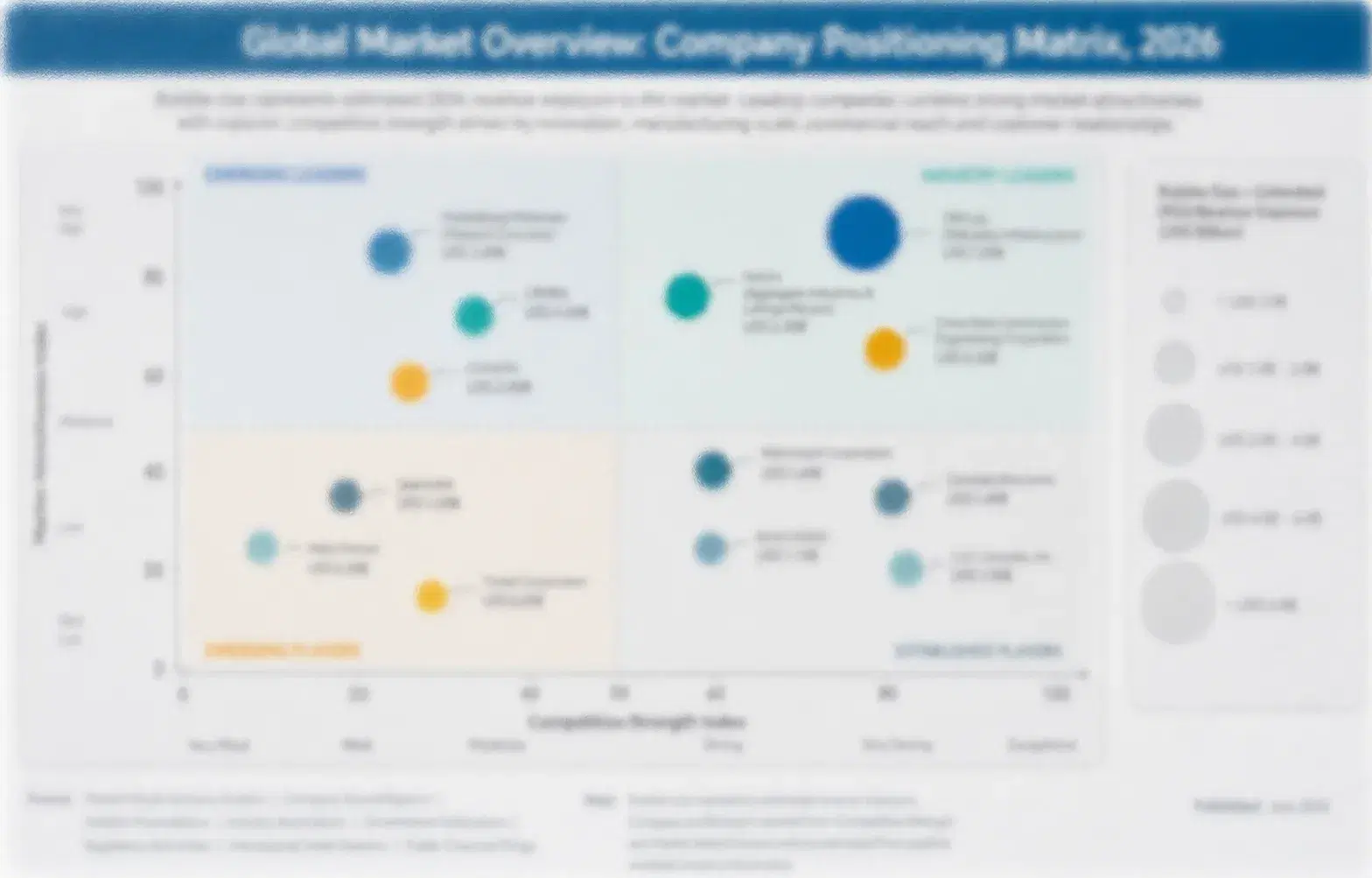
The pesticide-free wild thyme foraged extract market is fragmented, with a CR5 of 24%, because specialist botanical extractors compete with regional foraging cooperatives across many sourcing regions and application categories. This assessment measures participants on estimated wild-harvest extract revenue, held constant across all players. Naturex and Martin Bauer Group lead through extraction scale and traceability systems, Kalsec, Frutarom and Symrise follow, and the gap to the sixth player is moderate.
Competition runs on four dimensions today: traceable origin documentation, pesticide residue testing rigor, foraging network reach, and application-specific formulation support. Specialist extractors win on traceability systems and testing infrastructure, foraging cooperatives win on raw material access and cost, and global flavor houses win on distribution and formulation science. Buyers compare origin documentation, purity records and supply consistency.

Emerging pressure comes from nutraceutical demand pulling foraged botanicals into new formats, from certification standards raising the bar for verified claims, and from foraging scarcity that favours suppliers with diversified sourcing networks. Rankings shift where a supplier secures new foraging regions, wins certification credibility faster or builds deeper nutraceutical formulation relationships, and consolidation continues as small cooperatives face testing and certification costs.
pesticide-free-wild-thyme-foraged-extract-market-company-positioning-matrix-1790052997974

Competitive Moat and Risk Dimensions

NATUREX

Moat: Traceability Systems and Scale

Naturex built extensive chain-of-custody traceability systems across its Mediterranean sourcing network, giving it verification credibility that smaller foraging cooperatives cannot match independently. Its traceability infrastructure, extraction scale and formulation support give it strong access to food, supplement and cosmetic buyers, and its systems support continued expansion into new certified sourcing regions.
NATUREX

Risk: Foraging Supply Ceiling Risk

Naturex depends on wild foraging supply that cannot expand the way cultivated acreage can, which caps volume growth regardless of demand strength or certification investment. Labour costs squeeze margins, regional cooperatives compete on cost, and residue testing failures can void entire batches. Investors expect steady returns despite these supply constraints.
MARTIN BAUER GROUP

Moat: Formulation Reach and Channels

Martin Bauer Group supplies across food, beverage and supplement channels with established formulation relationships, giving it distribution reach that narrower botanical specialists lack. Its channel breadth, formulation support and sourcing relationships give it strong access to buyers across multiple application categories, and its reach supports continued cross-category expansion.
MARTIN BAUER GROUP

Risk: Sourcing Dependence on Third Parties

Martin Bauer Group depends partly on third-party foraging cooperatives for wild-harvest material, creating sourcing risk it does not fully control end to end. Foraging costs squeeze margins, vertically integrated rivals compete on traceability control, and certification changes can shift demand quickly. Investors expect steady returns and disciplined capital use.

Players Tracked

Prominent Players

Naturex
Martin Bauer Group
Kalsec
Frutarom
Symrise

Other Key Players

Robertet Group
Givaudan
Indena
Euromed
Vitiva
Flavex Naturextrakte
Alfa Chemistry
Berje Inc
Plantextrakt
Aromatic Plant Research Center
Natex Prozesstechnologie
Herbstreith and Fox
Cropking Botanicals
Pharmachem Laboratories
Balchem Natural

Recent Developments

JANUARY 2026

Botanical Extractor Expands Foraging Network Into New Balkan Sourcing Regions

A botanical extractor expanded its foraging network into new Balkan sourcing regions to diversify wild thyme supply, according to company communications. It is an organic network expansion, not an acquisition, and it tests regional sourcing readiness. The expansion adds several forager cooperatives. Financial terms were not disclosed.
Signal: Confirms suppliers are diversifying foraging regions because single-region wild supply cannot meet rising formulation demand. Buyers watch this closely.
FEBRUARY 2026

Supplement Brand Signs Multi-Year Supply Agreement With Certified Wild-Harvest Extractor

A supplement brand signed a multi-year supply agreement with a certified wild-harvest extractor for nutraceutical-grade thyme extract, according to company communications. It is a supply agreement, not an acquisition, and it tests long-term commercial commitment. The agreement covers multiple product lines. Financial terms were not disclosed.
Signal: Shows supplement brands are locking in certified supply because wellness demand for verified wild origin keeps rising.
MARCH 2026

Certification Body Publishes Updated Wild-Harvest Pesticide-Free Verification Standard

A certification body published an updated pesticide-free verification standard for wild-harvest botanical extracts, according to public announcements. It is a standards publication, not a commercial deal, and it tests certification rigor. The standard covers residue testing thresholds. Adoption timing across extractors remains open. Rollout follows certification review.
Signal: Indicates certification bodies are tightening verification standards because unproven pesticide-free claims face growing buyer scrutiny. Buyers watch this closely.

Foraging Labour, Testing and Processing Cost Exposure

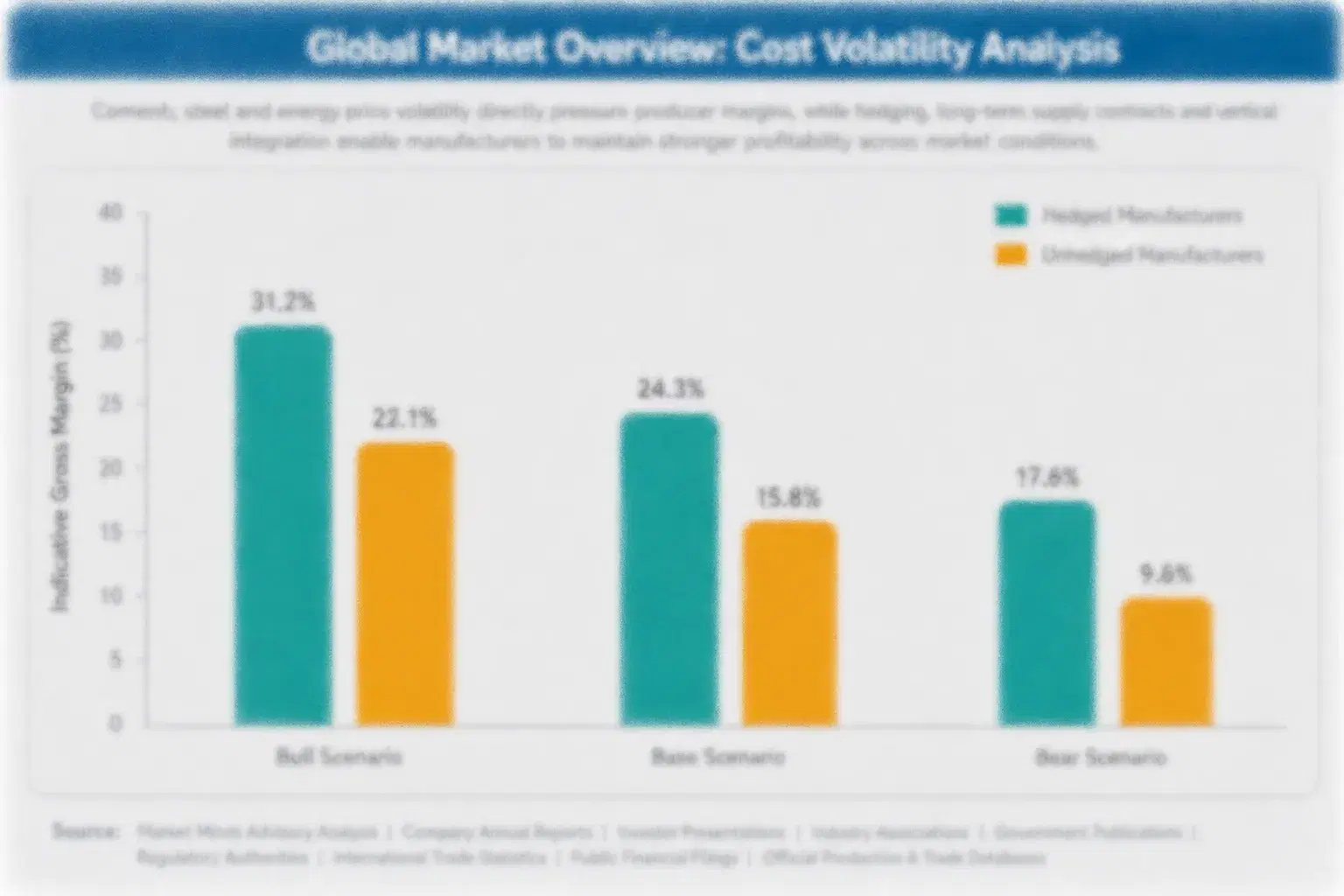
Wild-harvest foraging labour accounts for roughly 36% of manufacturing cost, extraction and processing energy about 17%, packaging and logistics about 13%, pesticide residue and purity testing about 11%, and labour and overheads elsewhere about 15%, with the remainder split across certification and quality assurance. Foraging labour comes mainly from Greece, Croatia and Albania, and processing capacity concentrates in France and Germany.
The clearest recent shock came in 2022 and 2023. European Commission agricultural labour data show rural wage inflation rising sharply across Mediterranean and Balkan sourcing regions, and IEA data show energy costs spiking, which lifted extraction processing costs together. Suppliers absorbed part of the increase, raised extract prices in stages and expanded foraging networks, which compressed margins through the period. Some relief came in 2024 and 2025 as labour markets stabilised.

The disadvantage falls on smaller foraging cooperatives without processing scale, testing infrastructure or diversified sourcing regions, because they pay more per kilogram collected and cannot spread fixed certification cost. Exposure varies by player type: integrated extractors hold processing scale and diversified sourcing, regional cooperatives depend on single-region labour costs, and new entrants depend on limited forager relationships. Certification credibility decides who captures premium pricing.
pesticide-free-wild-thyme-foraged-extract-market-cost-volatility-analysis-1790052998161

Multi-Region Foraging Network Diversification

Suppliers diversify foraging networks across Mediterranean and Balkan regions to cut labour cost and supply swings of 10% to 20% per year. The main challenge is coordinating quality standards across dispersed forager cooperatives, so suppliers train collection protocols early. Field teams verify quality weekly against standards. Reviews happen on a fixed schedule. Teams document results for future audits.

Shared Testing Infrastructure Across Extraction Facilities

Suppliers share pesticide residue testing infrastructure across multiple extraction facilities to cut testing cost per batch by 12% to 22%. The main challenge is coordinating testing schedules across dispersed sourcing regions, so suppliers plan collection and testing jointly. Quality teams verify results weekly and report findings. Teams document results for future audits. Costs are tracked against budget monthly.

Forager Training and Collection Standardisation Programmes

Suppliers run forager training programmes to standardise collection timing and handling, cutting spoilage and quality rejection rates by 8% to 15%. The main challenge is reaching dispersed independent foragers consistently, so suppliers build direct relationships early. Field supervisors verify collection standards seasonally. Costs are tracked against budget monthly. Suppliers are re-evaluated on a fixed cycle.

Portfolio Architecture for Margin Defence

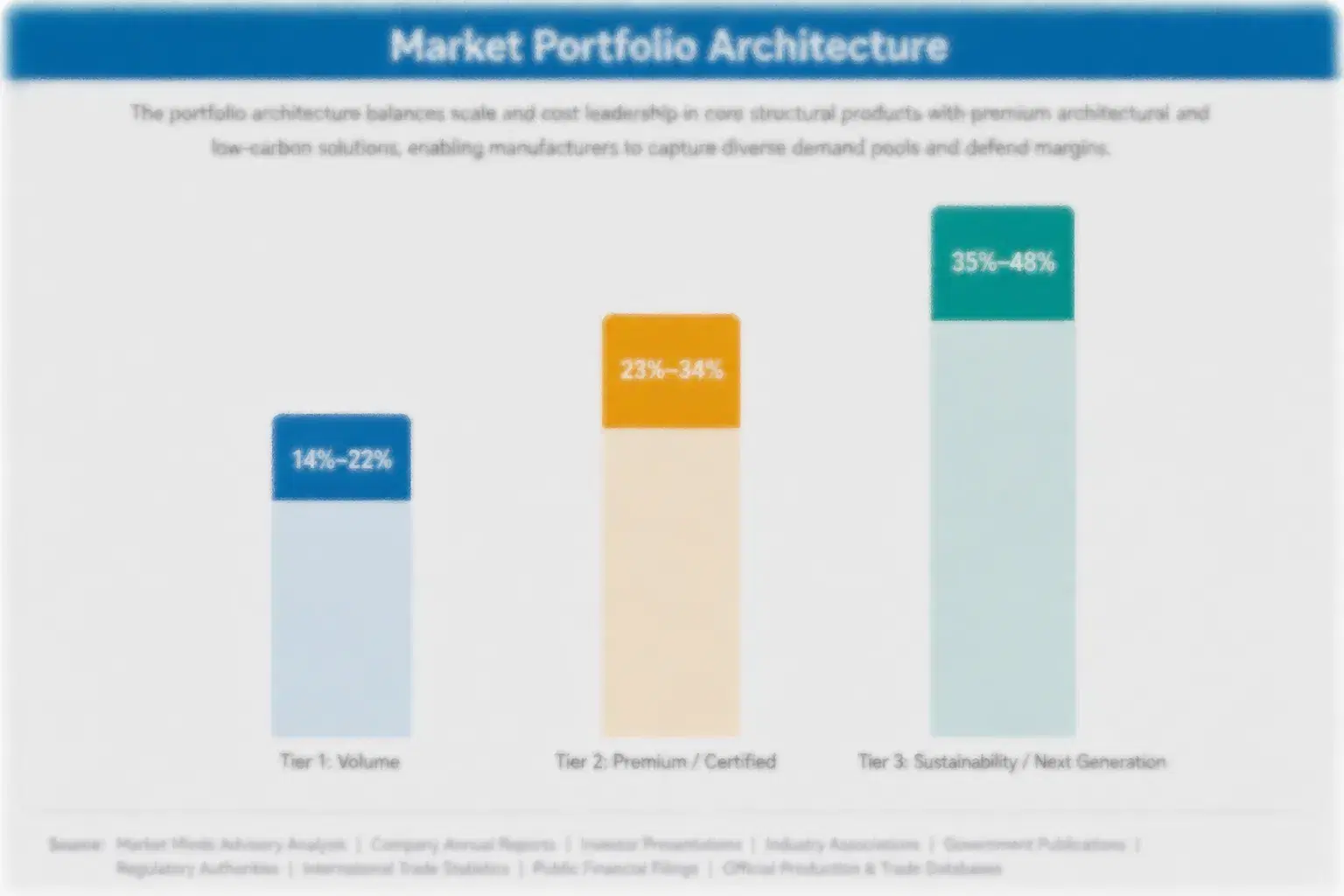
Margins run from moderate returns on standard flavoring extract to strong returns on nutraceutical-grade and cosmetic-grade extract sold with full traceability documentation. Three tiers separate volume products, premium certified products and next-generation solutions, and each draws on different foraging network reach, testing capability and certification depth in a fragmented market. Margin gaps between tiers run to 26 points.
The tension between volume and premium is sharp. Standard food flavoring extract fills processing capacity at moderate prices and faces foraging labour cost swings, while nutraceutical and cosmetic-grade extract earn higher margins on smaller volumes and depend on potency verification, certification and traceability documentation. Suppliers that run only standard volume suffer when labour costs rise, while premium-only suppliers struggle to fund broad foraging network coverage.

High-value pools concentrate in nutraceutical and dietary supplement extracts and in personal care extracts sold through verified traceability programmes to wellness and premium cosmetics buyers. They gather where buyers pay for verified wild origin and potency, not for volume alone. Natural preservative extracts add a smaller specialty pool, and strong suppliers hold more than one, though each needs different testing and certification skills.

Volume / Commodity-Adjacent

Standard food and beverage flavoring extract sold on cost per kilogram through established formulation contracts. Buyers focus on cost and consistent supply, contracts follow annual reviews, and differentiation is limited by shared foraging and extraction processes.
Gross Margin: 26%-38%

Premium / Certified

Cosmetic-grade and aromatherapy extract with documented purity and traceability sold through specialty formulation relationships. Buyers value proof of pesticide-free origin and consistent supply, and contracts run for one or more years with regular audits.
Gross Margin: 30%-44%

Sustainability / Regulatory / Next-Generation

Nutraceutical-grade extract sold to wellness brands demanding full traceability, potency verification and certified pesticide-free wild origin across supplement categories. Sales depend on documentation depth and supply consistency, and suppliers must show reliable foraging networks and clean testing records.
Gross Margin: 34%-52%
pesticide-free-wild-thyme-foraged-extract-market-portfolio-architecture-1790052998351

High-value Sub-segments and Strategic Watch-out

Nutraceutical and Dietary Supplement Extracts

Nutraceutical extracts combine the fastest growth with the strongest pricing, since wellness buyers accept gross margins of 34% to 52% for documented wild origin with verified potency. Traceability depth and foraging supply consistency form the entry barrier, and suppliers with credible data lead. Contracts renew each year.
Gross Margin: 34%-52%

Personal Care and Cosmetic Extracts

Personal care extracts deliver solid growth with premium pricing, since cosmetic brands support gross margins of 30% to 44% for documented wild-harvest positioning that differentiates against cultivated rivals. Purity documentation and formulation support limit competition, though volumes stay modest. Reviews occur each season. Contracts renew each year.
Gross Margin: 30%-44%

Food and Beverage Flavoring

Food and beverage flavoring is the volume core, with value growing about 8.6% a year. Foraging labour cost, processing consistency and reformulation timing decide profit, and specialist extractors hold most sales. Buyers renew contracts yearly at prices linked to competing bids and labour indices. Contracts renew each year.
Gross Margin: 26%-38%

Aromatherapy and Essential Oil Blends

Aromatherapy and essential oil blends are the strategic watch-out, since growth of about 7.2% a year trails the leaders, wellness retail competition increasingly compresses baseline pricing and synthetic thymol substitution adds persistent margin risk. Suppliers should manage exposure selectively and steer investment toward nutraceutical and personal care lines.

Why Formulators Keep Sourcing Wild Thyme

Wild thyme extract demand behaves like an annuity attached to every reformulation cycle, reinforced by the ingredient's direct link to clean-label claims that brands cannot easily substitute. Once a formulator validates a supplier's traceability documentation, purchases repeat every production run, and switching means re-verifying an entirely new supply chain. Buyers set specifications around proven origin, and long-term contracts lock in scarce volume.
Adoption stickiness differs by buyer vertical. Nutraceutical brands running wellness-focused product lines are the deepest, since the purchase is grounded in potency claims that require continuous verified sourcing. Personal care brands are moderately sticky, driven by differentiation positioning and periodic formulation refresh cycles. Food and beverage brands are more fluid, buying on reformulation timing and switching suppliers when cultivated alternatives cost less, though documented wild origin still holds repeat purchase for extended periods.

Buyer profiles are shifting across generations of formulators. Older formulators relied on established supplier relationships and simple cost comparison, while younger formulators demand granular traceability data, digital chain-of-custody records and sustainability documentation. Certification bodies and wellness retailers add a third group shaping sourcing criteria. Suppliers with clear data win these buyers.
pesticide-free-wild-thyme-foraged-extract-market-end-use-penetration-index-1790052998535

MMA Verdict: Wild-Harvest Extract Strategy

These are among the four positions where our research anticipates prominent divergence between winners and laggards over the coming forecast period. Each is grounded in the demand model, the regulatory perimeter, and the announced capacity pipeline.
01 / TRACEABILITY SYSTEMS STRATEGY

Build Chain-of-Custody Systems Before Buyers Demand Proof You Cannot Supply

Buyers want proof of pesticide-free wild origin, and suppliers that build chain-of-custody traceability systems win contracts worth 10% to 17% of revenue at gross margins of 30% to 44%. Suppliers should invest $1 million to $6 million, invest steadily in traceability technology and document every foraging location precisely. Those that delay will lose formulation contracts and buyer trust over the next two years, while early movers hold clearly higher prices and durably stronger margins across every renewal and annual audit cycle.
02 / NUTRACEUTICAL SCALING STRATEGY

Scale Nutraceutical-Grade Production Before Wellness Demand Outpaces Wild Supply

Wellness brands want potency-verified wild-harvest extract, and suppliers that scale nutraceutical-grade production with documented potency testing win contracts worth 9% to 15% of revenue at gross margins of 34% to 52%. Suppliers should invest $1 million to $5 million, fund thorough potency testing and secure consistent, diversified foraging supply. Those that delay will lose category momentum and shelf presence over the next two years, while early movers hold much stronger brand ties, formulation credibility and better margins across every renewal cycle.
03 / FORAGING NETWORK STRATEGY

Expand Foraging Networks Before Supply Scarcity Caps Achievable Growth Entirely

Supply scarcity limits growth, and suppliers that expand foraging networks across Mediterranean, Balkan and adjacent regions cut supply risk and win volume worth 8% to 14% of revenue at stable pricing. Suppliers should invest $0.5 million to $4 million, recruit forager cooperatives widely and train rigorous collection standards across regions. Those that delay will lose volume and reliability over the next two years, while early movers hold clearly stronger supply security, forager relationships and better margins across every sourcing region.
04 / CERTIFICATION SPEED STRATEGY

Accelerate Certification Audits Before Rivals Lock In Formulation Contracts First

Buyers want certified pesticide-free documentation before committing, and suppliers that accelerate certification audits win first-mover contracts worth 6% to 11% of revenue at premiums of 15% to 35%. Suppliers should invest $0.3 million to $2 million, engage certifiers early and prepare complete, well-organised documentation packages. Those that delay will lose contracts to certified rivals over the next two years, while early movers hold durable pricing power, faster market access and much stronger positions across every major formulation market and region.

Engagement Snapshot From the Field

A live engagement with an industry participant carrying material or product regulatory and market exposure ahead of a defining policy shift, showing how our research translates into a defensible multi-year portfolio strategy.
MARKET MINDS ADVISORY · CLIENT ENGAGEMENT SUMMARY
Pesticide-Free Wild Thyme Foraged Extract Producer Strategic Portfolio Review and Transition Roadmap 2026·Investment Scenario on Pesticide-Free Wild Thyme Foraged Extract Exposure Evaluation 2025-26
CLIENT PROFILE
The client is a European wild-harvest botanical ingredient cooperative with annual revenue near $42 million (client-reported, unverified by MMA), supplying wild thyme and adjacent botanical extracts to food and supplement formulators, facing pressure to formalise traceability documentation as buyers demanded stronger pesticide-free verification ahead of contract renewals. The cooperative has coordinated forager relationships across three countries for more than a decade.
STRATEGIC CHALLENGE
Major food and supplement buyers required formal chain-of-custody traceability documentation within a 12-month window before renewing formulation contracts (client-reported, unverified by MMA), the cooperative's existing forager network lacked digital tracking systems, and management had to decide between building systems internally or partnering with a certification technology provider. The board wanted a clear recommendation before the next contract negotiation cycle began.
MMA APPROACH
MMA analysed traceability system options and certification cost trade-offs across three implementation scenarios, interviewed 14 formulators, certifiers and forager representatives, and modelled cost and timeline trade-offs between internal systems and partnership across five sourcing regions. It compared options against contract renewal deadlines and cost targets. Findings were validated against comparable certification scale-up cases from adjacent botanical categories.
KEY FINDINGS
  1. Digital chain-of-custody tracking would satisfy buyer documentation requirements faster than paper-based systems within the renewal window (client-reported, unverified by MMA). This finding shaped the technology vendor selection process.
  2. Two major food formulators confirmed they would renew contracts once traceability documentation was verified and complete (client-reported, unverified by MMA). This finding shaped the sequencing of the pilot rollout plan.
  3. Partnering with a certification technology provider would cost less than building tracking systems entirely in-house (client-reported, unverified by MMA). This finding informed the budget approved for phase one.
  4. Forager training on digital collection logging significantly improved data completeness and reduced documentation gaps identified during pilot testing (client-reported, unverified by MMA).
CLIENT PROFILE
The client is a European wild-harvest botanical ingredient cooperative with annual revenue near $42 million (client-reported, unverified by MMA), supplying wild thyme and adjacent botanical extracts to food and supplement formulators, facing pressure to formalise traceability documentation as buyers demanded stronger pesticide-free verification ahead of contract renewals. The cooperative has coordinated forager relationships across three countries for more than a decade.
STRATEGIC CHALLENGE
Major food and supplement buyers required formal chain-of-custody traceability documentation within a 12-month window before renewing formulation contracts (client-reported, unverified by MMA), the cooperative's existing forager network lacked digital tracking systems, and management had to decide between building systems internally or partnering with a certification technology provider. The board wanted a clear recommendation before the next contract negotiation cycle began.
MMA APPROACH
MMA analysed traceability system options and certification cost trade-offs across three implementation scenarios, interviewed 14 formulators, certifiers and forager representatives, and modelled cost and timeline trade-offs between internal systems and partnership across five sourcing regions. It compared options against contract renewal deadlines and cost targets. Findings were validated against comparable certification scale-up cases from adjacent botanical categories.
KEY FINDINGS
  1. Digital chain-of-custody tracking would satisfy buyer documentation requirements faster than paper-based systems within the renewal window (client-reported, unverified by MMA). This finding shaped the technology vendor selection process.
  2. Two major food formulators confirmed they would renew contracts once traceability documentation was verified and complete (client-reported, unverified by MMA). This finding shaped the sequencing of the pilot rollout plan.
  3. Partnering with a certification technology provider would cost less than building tracking systems entirely in-house (client-reported, unverified by MMA). This finding informed the budget approved for phase one.
  4. Forager training on digital collection logging significantly improved data completeness and reduced documentation gaps identified during pilot testing (client-reported, unverified by MMA).
RECOMMENDED STRATEGY
Phase 1: Phase 1 (Months 1-4): Partner with a certification technology provider and train forager cooperatives on digital collection logging. Initial training covered collection timing and handling standards. Phase 2: Phase 2 (Months 5-8): Pilot traceability documentation with the two confirmed food formulator accounts. Feedback shaped adjustments before wider rollout began. Phase 3: Phase 3 (Months 9-12): Extend digital tracking across all sourcing regions and renew remaining formulation contracts. Documentation was reviewed continuously throughout the final phase.
OUTCOME
Within 12 months, the cooperative renewed both target formulation contracts and secured one new supplement brand relationship through its verified traceability system (client-reported, unverified by MMA). Management credited the documentation investment with protecting formulation revenue during renewal negotiations. Certification credibility strengthened further as documented traceability reassured buyers across the portfolio.

Frequently Asked Questions

Foundational context covering the market sizes, CAGR, scope, country, region and competition that inform every finding below. This section is provided to cover basics and most often pre-purchase conversations, answered from the MMA Primary Research Dataset.

What is the current size of the Pesticide-Free Wild Thyme Foraged Extract Market?

The global pesticide-free wild thyme foraged extract market was valued at $65 million in 2025 on a manufacturer revenue basis. Growth comes from clean-label reformulation and nutraceutical wellness demand, and faces foraging scarcity and testing cost constraints.

How large will the Pesticide-Free Wild Thyme Foraged Extract Market be by 2036?

The market is projected to reach $0.227 billion by 2036, up from $0.073 billion in 2026. The increase reflects nutraceutical demand, certification standards and expanding foraging networks.

What is the CAGR for the Pesticide-Free Wild Thyme Foraged Extract Market 2026 to 2036?

The market is forecast to grow at a 12.0% CAGR from 2026 to 2036. The bull case reaches 13.3% and the bear case 10.7%, depending on reformulation pace, wellness demand and foraging access.

Which segment is growing fastest?

Nutraceutical and Dietary Supplement Extracts is the fastest-growing segment at 16.8% CAGR, roughly 1.40 times the overall market rate. Personal Care and Cosmetic Extracts follows at 14.4% CAGR.

Who are the major companies in the Pesticide-Free Wild Thyme Foraged Extract Market?

Major companies include Naturex, Martin Bauer Group, Kalsec, Frutarom and Symrise, alongside Robertet Group, Givaudan, Indena and Euromed, which also hold meaningful positions across major sourcing regions.

Which country is growing fastest?

India is growing fastest at about 15.1% CAGR, because rising nutraceutical demand and expanding clean-label reformulation reinforce each other. China and Brazil follow through similar wellness-driven growth.

Report Segmentation Architecture

The full report scope spans multiple orthogonal segmentation dimensions, with cross-tabulated demand data provided for each dimension pair. Coverage extends further to regional breakdowns, trend trajectories, and the competitive detail needed to support segment-level decision-making.

By Primary Market Dimension

  • Food and Beverage Flavoring Extracts
  • Nutraceutical and Dietary Supplement Extracts
  • Personal Care and Cosmetic Extracts
  • Aromatherapy and Essential Oil Blends
  • Natural Preservative and Antimicrobial Extracts

By End-Use Industry

  • Food and Beverage Manufacturing
  • Dietary Supplement Manufacturing
  • Personal Care and Cosmetics Manufacturing
  • Wellness and Aromatherapy Retail

By Commercial Dimension

  • Direct Formulator Supply Contracts
  • Distributor and Trader Channels
  • Certified Organic Retail Channels
  • Private Label Supplement Brands

By Region

  • North America
  • Western Europe
  • East Asia
  • South Asia and Pacific
  • Latin America
  • Middle East and Africa
  • Eastern Europe

Scope, Methodology, and Coverage

Every figure in this report is reproducible from documented input assumptions. The scope below maps the historical period, the forecast horizon, the segmentation dimensions, and the countries covered, alongside the underlying primary and qualitative methodology.
Historical Period
2020 to 2025
Forecast Period
2026 to 2036
Base Year
2025 (USD billions; MMA Primary Research Dataset, September 2026)
Market Definition
The market covers global manufacturer revenue from pesticide-free wild thyme extract harvested from uncultivated Thymus serpyllum, sold as flavoring, nutraceutical, personal care and preservative ingredient across food, supplement and cosmetic formulation. It excludes cultivated or farmed thyme extract, synthetic thymol, and thyme essential oil sold for aromatherapy use outside formulated blends.
Quantitative Units
USD millions (manufacturer revenue); metric tonnes for volume references
Segmentation Dimensions
By Application; By End-Use Industry; By Commercial Dimension; By Region
Regions Covered
North America, Western Europe, East Asia, South Asia and Pacific, Latin America, Middle East and Africa, Eastern Europe
Countries Covered
Greece, Italy, Spain, Croatia, Slovenia, Romania, Bulgaria, Albania, France, Germany, United States, Canada, China, Japan, India, Australia, Brazil, Mexico, Argentina, Saudi Arabia, United Arab Emirates, Morocco, and additional markets relevant to this sector
Key Companies Profiled
Naturex, Martin Bauer Group, Kalsec, Frutarom, Symrise, Robertet Group, Givaudan, Indena, Euromed, Vitiva, Flavex Naturextrakte, Alfa Chemistry, Berje Inc, Plantextrakt, Aromatic Plant Research Center, Natex Prozesstechnologie, Herbstreith and Fox, Cropking Botanicals, Pharmachem Laboratories, Balchem Natural
Quantitative Methodology
Primary survey, n=3,800 respondents, Q4 2025, six countries; demand-side model with trade association cross-validation
Qualitative Methodology
47 expert interviews, Q4 2025; applied to validate demand model assumptions, identify emerging dynamics, and assess competitive positioning
Report Format
PDF and XLSX data workbook (Word format preview document)
Publisher
Market Minds Advisory
Report Code
MMA-2026-CHM-374
Published
September 2026
Contact
sales@marketmindsadvisory.com | www.marketmindsadvisory.com

Purchase the full Pesticide-Free Wild Thyme Foraged Extract Market Report (2026 to 2036).

The full report delivers a detailed assessment of the global pesticide-free wild thyme foraged extract market through 2036, covering application, end-use and regional forecasts, competitive benchmarking of leading botanical extractors and foraging cooperatives, and input cost analysis. It combines MMA primary research, including a six-country survey of 3,800 respondents and 47 expert interviews, with public statistical and company data. Analysts also model foraging labour, testing and processing cost scenarios. Clients receive segment margin ranges, certification trackers and a case study on traceability strategy. Buyer negotiation frameworks and forager network maps round out the deliverable.
Ten-year application and end-use demand forecasts
Foraging labour, testing and processing cost tracking
Competitive benchmarking of leading botanical extractors
Wild-harvest and organic certification standards tracker
Regional comparative analysis and forecasts included
Quarterly primary survey data update access

Built For The People Who Decide

From boardroom strategy to bench-side execution, this report is read cover-to-cover by leaders shaping the next decade of their industry, turning demand scenarios, market dynamics and valuation benchmarks into decisions.
CXOs/ Presidents/ VPs/ Managers
M&A and Corporate Development
Strategy Teams and R&D Heads
Procurement and Product Directors
Regulatory and Compliance Leaders
Investor Relations and Equity Analysts