Market Minds Advisory
Peripheral Micro Catheters Market

Peripheral Micro Catheters Market: Chosen By Feel, Paid For By Reimbursement

Operators select these catheters by tactile preference they cannot articulate and will not compromise, which makes clinical evidence close to irrelevant and hands-on proctoring the only sales tool that actually works.

Lead Analyst

Published

September 2026

Make Smarter Decisions with Customized Research Insights

Request a free sample report and evaluate market opportunities, growth trends, and competitive dynamics relevant to your business needs.

2025 MARKET VALUE$0.9BMarket Size 2025
2036 FORECAST VALUE$2.2BBase Case , 2026 to 2036
CAGR 2026 TO 20368.8 %Bull 10.0% / Bear 7.6%
INCREMENTAL OPPORTUNITY$1.2BNet 10- year value creation
EXPANSION MULTIPLE2.31x2036 value over 2026 base
Strategic Levers
M&A Pipeline
Regional Outlook
Country Rankings
Competitive Intelligence
Segmental Deep-dive
Call-Us : 91 93563 13602

Executive Snapshot and Market Trajectory

Microcatheter selection happens through the operator's hands. Tip shape, pushability and how the shaft transmits torque decide preference, and interventionalists who have found a catheter that behaves the way they expect will not change it for a trial result or a price concession. Comparative trials barely exist.
North America takes 32% because American reimbursement pays physicians to perform peripheral intervention in outpatient labs they own, which created a consumption engine that exists nowhere else. Steerable microcatheters grow at 13.2%, half again the market rate of 8.8%, since a deflectable tip reaches vessels that previously required exchanging shaped catheters. East Asia at 27% supplies much of the world's shaft engineering regardless of where procedures happen.
Concentration is moderate at 58% and the manufacturing base beneath it is far tighter, since a handful of Japanese producers hold braiding and polymer processing capability that several Western brands quietly depend upon. Embolization is where growth now sits, as interventional radiologists treat knee arthritis and prostate enlargement in patients who would previously have seen a surgeon instead. That turf shift is the most device-intensive growth available in peripheral intervention today.
Market Definition
The market covers microcatheters used in peripheral vascular and non-coronary interventional procedures, including support and exchange microcatheters, crossing microcatheters for chronic occlusions, embolization microcatheters, steerable and deflectable microcatheters, infusion and thrombolysis microcatheters, and balloon occlusion microcatheters. Coronary microcatheters, neurovascular microcatheters, guidewires, guiding catheters, sheaths and embolic agents are excluded. Atherectomy devices, stents and drug-coated balloons fall outside scope.
Base Year Value
$0.9B in 2025 (MMA Primary Research Dataset, August 2026)
Forecast Period
2026 to 2036, eleven discrete annual values
CAGR
8.8% base case. Bull 10.0%. Bear 7.6%.
Fastest Growth Segment
Steerable and Deflectable Microcatheters: 13.2% CAGR
Fastest Growth Country
China: 11.8% CAGR
Fastest Growth Region
South Asia and Pacific: 11.0% CAGR
Largest Region
North America: 32% of 2025 global value
Market Leaders
Terumo, Boston Scientific, Merit Medical Systems, Medtronic, Cook Medical. Source: MMA Analysis based on disclosed peripheral vascular and interventional device revenue, company annual reports 2025.
Primary Survey
n=3,800 procurement and R&D decision-makers, Q4 2025, six countries
Methodology
Demand-side build-up, cross-validated against public data, 47 expert interviews

Peripheral Micro Catheters Market Forecast Scenarios

peripheral-micro-catheters-market-2-size-forecast-scenario-1787683796215
Growth from 2020 to 2025 ran at 7.6% and procedure setting shifted more than technology did. American office-based labs expanded quickly through the period as reimbursement made outpatient peripheral intervention economically attractive for physicians who owned the facility. Embolization procedures for benign conditions grew from a small base and drew patients away from surgical pathways. Elective volumes were disrupted through 2020 and recovered within eighteen months.
The 8.8% base case rests on three mechanisms. Embolization for benign disease keeps expanding, with genicular and prostatic artery procedures moving patients from operating theatres into interventional suites. Deflectable tip technology reduces catheter exchanges per case while commanding higher unit prices, which shifts value rather than volume. And Asian interventional radiology capacity is expanding quickly, with China installing angiography suites at a pace that outstrips physician training. Each mechanism works independently of the other two.
The bull case at 10.0% turns on embolization for musculoskeletal pain reaching broad reimbursement, which would open an enormous population currently managed with injections and surgery. The bear case at 7.6% is American reimbursement reform targeting office-based peripheral intervention, where utilisation concerns have been raised repeatedly and a payment change would reduce device consumption immediately.

Why The Payment Model Built This Market

American peripheral intervention moved out of hospitals because reimbursement made it profitable to do so. Roughly 47% of procedures now happen in office-based labs, many owned by the physicians performing them. Clinical judgement and facility economics sit in the same hands. Device consumption per patient is higher in that setting. Whether that reflects appropriate care or the payment structure is argued vigorously, and the market grew regardless.
FIVE-FIRM CONCENTRATION58%Share of peripheral interventional device revenue held by leaders
AVERAGE CATHETER PRICE$310Typical selling price for a peripheral embolization microcatheter
TOP CONSUMING COUNTRYUSA 29%American share of global peripheral microcatheter units consumed
OFFICE LAB PROCEDURE SHARE47%Share of American peripheral interventions performed outside hospital settings
CATHETERS PER CASE2.4Average microcatheters consumed during a complex embolization procedure
JAPANESE SHAFT SUPPLY63%Braided shaft production originating from a few Japanese manufacturers
Selection itself is tactile and largely evidence-proof. An interventionalist reaching a small tortuous vessel judges a microcatheter by how the tip tracks, how the shaft transmits rotation and whether it kinks under load. Those judgements form during training and rarely move. The only sales tool that works is putting the catheter in somebody's hands during a case, which makes clinical support headcount the real commercial investment.
Underneath the brands sits a much narrower manufacturing base. Around 63% of braided microcatheter shaft production originates with a small number of Japanese manufacturers whose wire-braiding and polymer processing capability nobody else has replicated at scale, and several Western brands are supplying product built there. That concentration is invisible to buyers and matters enormously to anybody modelling supply risk or cost position in this category.
"Half the argument about this market is really an argument about who owns the lab. The catheters themselves get chosen the way somebody picks a golf club, and no amount of clinical data changes that."
Director, Peripheral Intervention and Interventional Radiology Practice · MMA Medical Devices Practice · August 2026

Market Trends

Embolization Moves Benign Disease Away From Surgeons

Genicular artery embolization for knee osteoarthritis and prostatic artery embolization for benign enlargement treat conditions that previously reached orthopaedic and urological surgeons instead. Interventional radiologists perform them in a day, through a small puncture, on patients who want to avoid an operation. The clinical evidence is developing and patient demand has run ahead of it noticeably. Each procedure consumes multiple microcatheters and often a steerable one, which makes this the most device-intensive growth available in peripheral intervention and the reason embolization outpaces everything else in the category. Patient demand has outpaced the evidence noticeably.
Market Impact: Covers 47% of American procedures
Deflectable Tips Replace Shaped Catheter Exchanges

Reaching a target vessel traditionally meant selecting a preshaped catheter, and when the shape proved wrong, exchanging it for another. A deflectable tip lets one catheter find several angles, which shortens procedures, reduces contrast and radiation, and consumes fewer devices per case. Manufacturers therefore sell fewer units at considerably higher prices, which grows revenue at 13.2% while unit volumes barely move. Operators who adopt steerable catheters rarely revert, since the time saved in a difficult case is immediately obvious and the cost sits with the facility rather than with them.
Market Impact: Adds 1,900 new suites annually

Market Opportunities and Growth Drivers

Office Based Lab Economics Drive American Consumption

Roughly 47% of American peripheral interventions now happen outside hospitals, frequently in laboratories owned by the physicians performing the procedures, because reimbursement makes that setting economically attractive. Device consumption per patient runs higher there than in hospital practice. Suppliers selling into these facilities deal with an owner-operator who makes clinical and purchasing decisions simultaneously, which is a very different conversation from a hospital value analysis committee. That structure built the largest peripheral device market in the world and it rests entirely on a payment policy. Policy rather than clinical need built it.
Market Impact: Exposes 47% of American volume

Asian Interventional Capacity Expands Faster Than Training

Chinese hospitals are installing angiography suites faster than interventional radiologists can be trained to staff them, which creates equipment capacity waiting for operators. Regional training programmes and proctoring arrangements have become the constraint on procedure growth rather than any shortage of patients or facilities. Suppliers who invest in physician education reach procedures that would otherwise not happen at all, and they reach them before any competitor establishes tactile preference. That is an unusual opportunity, since preference in this category normally forms during training and never moves afterward. Training investment reaches procedures that otherwise never happen.
Market Impact: Concentrates 63% of shaft supply

Market Restraints and Challenges

Reimbursement Scrutiny Threatens Office Based Volume

Utilisation patterns in physician-owned peripheral laboratories have drawn repeated attention, particularly where device-intensive procedures are performed on patients whose indications are debatable. Root cause is a payment structure that rewards the physician for the facility as well as the procedure, which creates an incentive nobody designed deliberately. The commercial impact is that roughly 47% of American procedure volume depends on a policy that could change with a single rulemaking. Mitigation involves diversifying toward hospital and international business, which several suppliers have pursued more urgently since 2023. The exposure is real and largely unmanaged.
Market Impact: Consumes 2.4 catheters per case

Japanese Shaft Supply Concentration Creates Real Fragility

Around 63% of braided microcatheter shafts originate with a handful of Japanese manufacturers, and several Western brands sell product built entirely there. Root cause is that wire braiding at these dimensions combined with the required polymer processing is genuinely difficult and nobody else has replicated it at commercial scale. The commercial impact is that a disruption at one facility affects competing brands simultaneously, which buyers do not realise. Mitigation runs through second-source qualification and domestic capability investment, both of which take years and neither of which is widespread. Buyers remain unaware of the concentration entirely.
Market Impact: Replaces 3 catheter exchanges
4 additional market trends, 3 additional growth drivers, and 2 additional restraints and challenges are covered in the full report. Contact sales@marketmindsadvisory.com to access the complete intelligence.

Segment CAGR and Growth Architecture

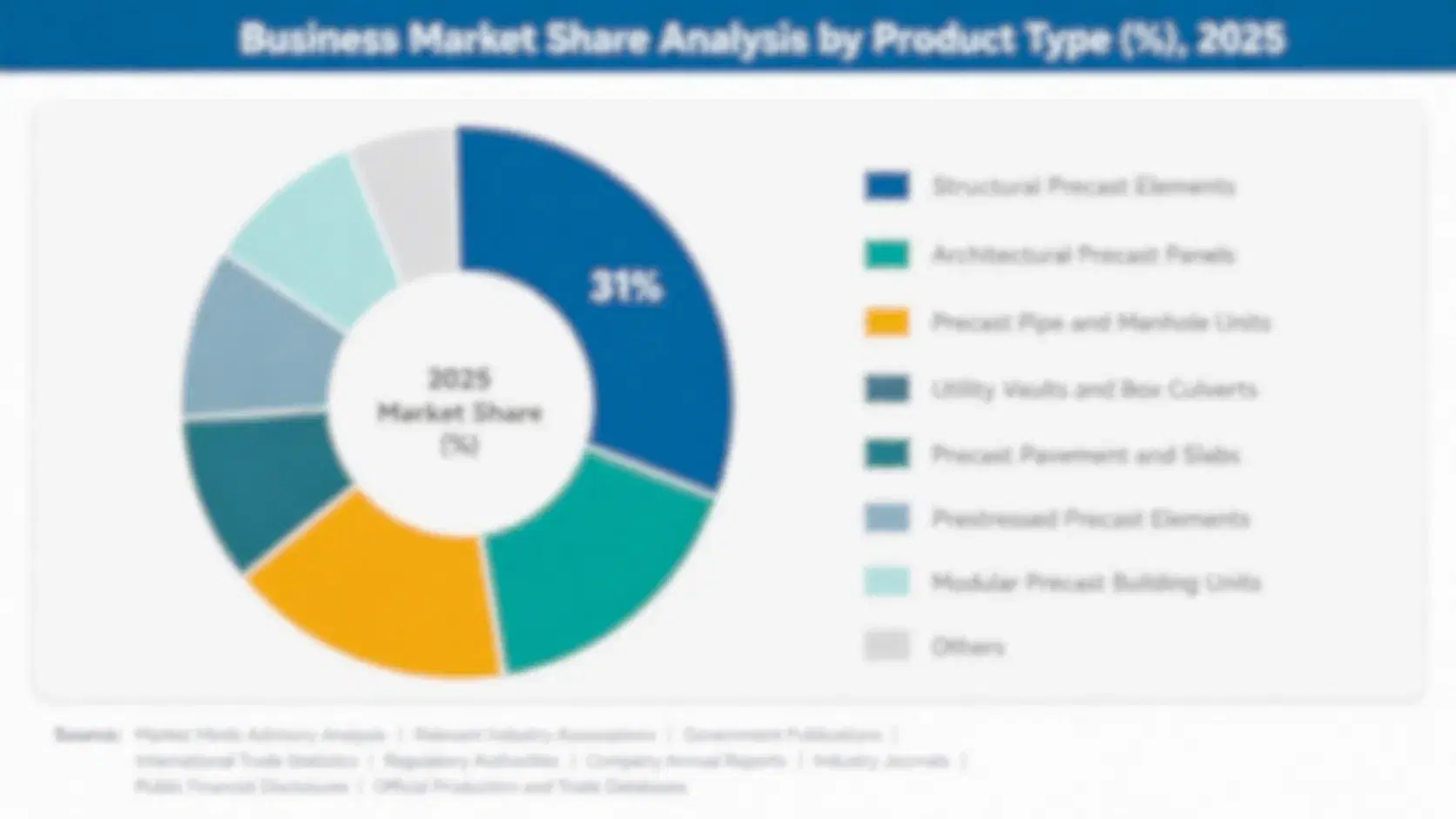
Segmentation follows catheter function: what the device is designed to do inside the vessel, rather than which disease is treated or where the procedure happens. Six functions cover the market without overlap, from support catheters through to balloon occlusion designs. Clinical application and care setting are treated separately, since both cut across every function here.
peripheral-micro-catheters-market-2-market-share-analysis-1787683796388

Steerable and Deflectable Microcatheters

A deflectable tip lets one catheter address several vessel angles that would otherwise require exchanging preshaped devices repeatedly, which shortens procedures and reduces contrast and radiation exposure for everybody in the room. Growth at 13.2%, half again the market rate of 8.8%, comes almost entirely from price rather than from units, since the technology replaces roughly three exchanges with one device costing considerably more. Operators who adopt these rarely go back, because the time saved during a difficult case is immediately obvious to them while the additional cost sits with the facility. That split between who benefits and who pays is the segment's whole commercial dynamic. Manufacturers measured on unit shipments find it uncomfortable.
CAGR 13.2%

Embolization Microcatheters

Embolization is where peripheral intervention is growing, driven by procedures for benign conditions that previously reached surgeons rather than interventional radiologists. Genicular artery embolization for knee arthritis and prostatic artery embolization both consume multiple microcatheters per case and frequently a steerable one alongside. Growth at 11.6% reflects procedure expansion rather than any price movement. What distinguishes this segment commercially is that its growth depends on a turf shift between specialties, which advances through patient demand and physician advocacy rather than through the comparative evidence that normally governs how procedures spread between disciplines. Patient demand and physician advocacy carry these procedures forward, while comparative evidence arrives afterward if it arrives at all. That sequence is normal in intervention.
CAGR 11.6%
Full segment breakdown across 6 segments available in the complete report.

Regional Architecture and Country Demand Map

Geography follows payment structure and interventional capacity rather than disease prevalence, which is remarkably similar everywhere. North America leads on outpatient reimbursement economics, East Asia supplies most shaft engineering, and South Asia and Pacific grows fastest on capacity expansion. Disease prevalence explains almost none of the geographic pattern here.

North America

American consumption sits at the top of the default band because reimbursement pays physicians to perform peripheral intervention in outpatient laboratories many of them own, and roughly 47% of procedures now happen that way. Device use per patient runs higher in that setting than in hospital practice, which sustained scrutiny has noted repeatedly. Suppliers sell to owner-operators who decide clinically and commercially at once, which is a faster conversation than any hospital committee. Canadian practice is hospital-based with provincial funding and considerably lower device intensity. Mexican intervention concentrates in private metropolitan centres serving patients who fund treatment directly. Bundled contracting across a broad portfolio strengthens supplier positions considerably in that channel, which favours the largest companies.
Share: 32% | CAGR: 8.0% (2026 to 2036)

Western Europe

European peripheral intervention runs almost entirely through hospitals, with device selection passing through procurement processes that constrain pricing more tightly than American practice does. German interventional radiology is high volume and technically sophisticated, with embolization for benign disease adopted earlier than in most of the region. French and Italian practice follows closely with strong academic participation. British provision is constrained by interventional radiology staffing shortages that have persisted for years. Dutch and Nordic systems apply strict indication criteria before funding intervention, which limits the device-intensive procedure growth seen elsewhere. Procurement processes rather than operator preference constrain pricing here, which limits steerable catheter adoption to centres that can argue for procedure time savings. Device intensity runs well below American levels.
Share: 22% | CAGR: 7.2% (2026 to 2036)
Regional intelligence for 5 additional markets available in the complete report: East Asia, South Asia and Pacific, Latin America, Middle East and Africa, Eastern Europe. Contact sales@marketmindsadvisory.com.
peripheral-micro-catheters-market-2-country-cagr-analysis-1787683796568

Winning Hands Rather Than Tenders

Selection is tactile and forms during training, comparative evidence barely exists, and a large share of American volume depends on a payment policy that could change. Four levers work on preference formation, supply position and procedure creation rather than on any product claim a competitor could contest. Product claims do very little work in this category.

Reach Operators Before Their Preference Forms

Tactile preference forms during training and almost never changes afterward, which means the commercially decisive moment happens years before a physician controls any purchasing. Chinese hospitals are installing roughly 1,900 angiography suites annually and cannot staff them, making training the binding constraint on procedure growth. A supplier funding proctoring and fellowship programmes reaches operators at exactly the point preference is set. The investment is clinical education headcount rather than product development, and it buys a position competitors cannot subsequently displace with evidence or discounting. Nothing else in this category compounds that way.
Market Impact: Reaches around 1,900 of the new suites installed annually

Create Procedures Rather Than Compete For Them

Genicular and prostatic artery embolization moved patients from surgical pathways into interventional suites, and each case consumes around 2.4 microcatheters plus frequently a steerable device. Supporting the physician advocacy, registry building and training that establishes a new procedure grows the whole category rather than any single share position. Suppliers who funded early embolization programmes now hold the accounts performing them at volume. Competing for share in established procedures is far more expensive than helping create procedures that did not previously exist anywhere. The economics of the two approaches are not close.
Market Impact: Generates around 2.4 catheters in each new procedure

Secure Shaft Supply Against Concentrated Japanese Capacity

Roughly 63% of braided shaft production originates with a handful of Japanese manufacturers, which means competing brands frequently share a supply base neither their customers nor their own commercial teams recognise. A disruption affects several suppliers simultaneously. Qualifying second sources or investing in domestic braiding capability costs years and considerable money, and it converts a shared fragility into a genuine differentiator during any shortage. Suppliers who did this before the 2021 disruptions supplied customers whose alternative brands could not deliver anything at all. Customers never see the concentration until it bites.
Market Impact: Addresses a 63% concentrated braided shaft supply base

Diversify Away From Office Based Reimbursement Dependency

Roughly 47% of American procedure volume happens in physician-owned outpatient laboratories under a payment structure that has drawn repeated scrutiny and could change through a single rulemaking. Suppliers heavily weighted toward that channel carry policy risk they did not choose and cannot influence meaningfully. Building hospital and international business is slower, lower margin and considerably more durable. Companies that began diversifying after 2023 are better positioned than those still enjoying the easiest selling conditions available anywhere in medical devices. Easy selling conditions rarely last, and this one has been questioned for years already.
Market Impact: Reduces exposure to a 47% single revenue concentration

Who Controls the Margin Pool

Measured on disclosed peripheral vascular and interventional device revenue, the five leading suppliers hold a CR5 of 58%, which describes a moderately competitive brand landscape sitting above a far tighter manufacturing base. Terumo leads on shaft engineering depth and Boston Scientific on peripheral portfolio breadth. Around 63% of braided shaft production originates from a handful of Japanese facilities that several competing brands share without their customers knowing.
Three contests define activity. Support and crossing catheters compete on tactile performance and operator familiarity, where preference formed in training decides almost everything. Embolization competes on procedure development and physician advocacy rather than on device specification. Steerable catheters compete on time saved during difficult cases, which the operator values and the facility pays for. The operator values that time and the facility pays for it, which is an awkward split. Nobody has resolved it.

Pressure comes from domestic Chinese manufacturers whose support and embolization catheters have improved considerably while pricing well below imports. Rankings shift wherever a new procedure category establishes itself, since preference in an unfamiliar procedure has not yet formed and is available to whoever supports the operators learning it. Preference has not yet formed in unfamiliar procedures.
peripheral-micro-catheters-market-2-company-positioning-matrix-1787683796746

Competitive Moat and Risk Dimensions

TERUMO

Moat: Shaft Engineering And Manufacturing Depth

Terumo holds braiding and polymer processing capability developed over decades that competitors have not replicated at commercial scale, which is why several Western brands source shafts from Japanese facilities rather than building their own. The manufacturing barrier is real and expensive. A brand competing on marketing still depends on somebody else's ability to actually build the shaft it sells.
TERUMO

Risk: Domestic Chinese Price Competition

Chinese manufacturers have improved support and embolization catheter quality considerably while pricing well below imported product, and Chinese procurement increasingly favours domestic supply as a matter of policy. Engineering superiority earns less in categories where adequate performance is achievable. Defending share means competing on price in the market growing fastest, which suits an incumbent poorly.
BOSTON SCIENTIFIC

Moat: Peripheral Portfolio And Access

Boston Scientific reaches peripheral interventionalists across a broad portfolio spanning wires, balloons, stents and embolic agents, which means microcatheters travel with products the operator already uses daily. Bundled contracting in office-based laboratories strengthens that considerably. A specialist competitor with a better catheter still competes against a supplier already present for every other part of the case.
BOSTON SCIENTIFIC

Risk: Office Lab Reimbursement Concentration

A large share of American peripheral device revenue flows through physician-owned outpatient laboratories operating under a payment structure that faces sustained utilisation scrutiny. Roughly 47% of procedures happen in that setting. A reimbursement change would reduce consumption immediately and affect broad-portfolio suppliers most, since they sell the most devices into each case.

Players Tracked

Prominent Players

Terumo
Boston Scientific
Merit Medical Systems
Medtronic
Cook Medical

Other Key Players

Asahi Intecc
Teleflex
Penumbra
Cordis
Balt
Embolx
Nipro
Kaneka Medix
Stryker
AngioDynamics
Becton Dickinson
Argon Medical Devices
Optimed
Biotronik
MicroVention

Recent Developments

FEBRUARY 2025

Steerable microcatheter receives expanded peripheral embolization clearance

A steerable microcatheter received expanded regulatory clearance covering peripheral embolization indications, a regulatory decision rather than any corporate transaction. The submission emphasised reduced catheter exchanges and shorter procedure times, which are operator-facing benefits rather than patient outcome claims, and that framing reflects how these devices are actually selected.
Signal: Manufacturers are now making time and workflow arguments openly, because outcome claims never drove selection anyway.
JUNE 2025

Multicentre registry opens for genicular artery embolization outcomes

A multicentre registry opened to collect genicular artery embolization outcomes for knee osteoarthritis, an investigator-led research initiative rather than a commercial agreement. Device manufacturers provided support, and the registry addresses the evidence gap that has followed a procedure whose patient demand ran well ahead of published data.
Signal: Evidence is being built after adoption rather than before it, which is how interventional procedures typically spread.
SEPTEMBER 2025

Chinese manufacturer expands microcatheter production capacity domestically

A Chinese medical device manufacturer expanded domestic microcatheter production capacity, an organic capital investment rather than any acquisition or partnership. The expansion targets support and embolization categories where domestic quality has improved, and it responds to procurement policy that increasingly favours locally manufactured devices. Import brands feel it directly.
Signal: Domestic supply is being built where quality gaps have closed, leaving imports defending only the hardest categories.

What A Microcatheter Costs

The shaft dominates. Braided reinforcement wire, the polymer layers around it and the process controlling wall thickness at these dimensions together run 38 to 44% of manufacturing cost, with most of that capability concentrated in Japanese facilities supplying roughly 63% of global shaft production. Hydrophilic coating, marker bands and tip forming carry most of what remains. Sterilisation and packaging are modest by comparison.
The volatility that matters is capacity rather than commodity. Japanese shaft production disruptions through 2021 constrained supply for several competing brands simultaneously, because those brands shared facilities their customers were unaware of. Terumo annual report disclosures describe manufacturing capacity investment across this period explicitly. Suppliers holding qualified second sources continued delivering. Those who did not lost placements to competitors who could ship, and several of those placements never came back.

Exposure divides by manufacturing position. Vertically integrated Japanese manufacturers control cost and capacity directly and carry currency exposure on export pricing. Western brands sourcing shafts carry supply risk they cannot influence and margin compression they cannot engineer around. Chinese domestic manufacturers building their own braiding capability carry investment cost now and will carry considerably less dependency afterward, which is the point of the exercise.
peripheral-micro-catheters-market-2-cost-volatility-analysis-1787683796932

Qualify second-source shaft supply before disruption

Roughly 63% of braided shaft production sits with a handful of Japanese facilities, and brands sharing them discover the concentration only during a shortage. Qualifying a second source costs validation effort and time and it buys the ability to ship when competitors cannot. Placements lost during a shortage frequently never return, which makes the qualification cost look small in retrospect.

Design tip geometry for manufacturing yield

Complex tip shapes and transitions improve tactile performance and reduce yield at the same time, and yield at these dimensions moves unit cost substantially. Design decisions taken during development set that permanently, since changing geometry afterward requires regulatory submission and revalidation. Manufacturers who involved process engineering early hold cost positions competitors cannot reach by improving assembly later.

Price steerable devices on procedure time saved

A deflectable catheter replaces around three exchanges and shortens difficult cases materially, and pricing it against a conventional microcatheter surrenders most of that value. Facilities buy time in the angiography suite, not catheters. Suppliers who built the time argument properly hold pricing that competitors comparing unit costs against conventional devices cannot sustain against them.

Portfolio Architecture for Margin Defence

Margin follows how difficult the device is to build and how clearly the operator perceives its benefit. Support catheters are comparable, widely sourced and priced accordingly, with Chinese domestic manufacturers pressing hard. Crossing and embolization catheters earn more on tactile performance that operators genuinely distinguish. Steerable devices earn most, because they replace several exchanges and the time saved in a difficult case is immediately visible to whoever is holding them.
The tension is that the highest-margin devices reduce unit consumption. A steerable catheter replacing three exchanges grows revenue per case and shrinks units per case, which is uncomfortable for organisations measured on volume and for manufacturing plants sized around it. Suppliers who managed that transition deliberately have held margin. Those who resisted it protected unit shipments while competitors captured the procedure time argument and the pricing that comes with it.

High-value pools sit in three places. Steerable devices priced against procedure time rather than against conventional catheters. New embolization procedures where preference has not yet formed and is available to whoever supports the operators learning. And integrated shaft manufacturing, which controls cost and supply in a category where most brands control neither.

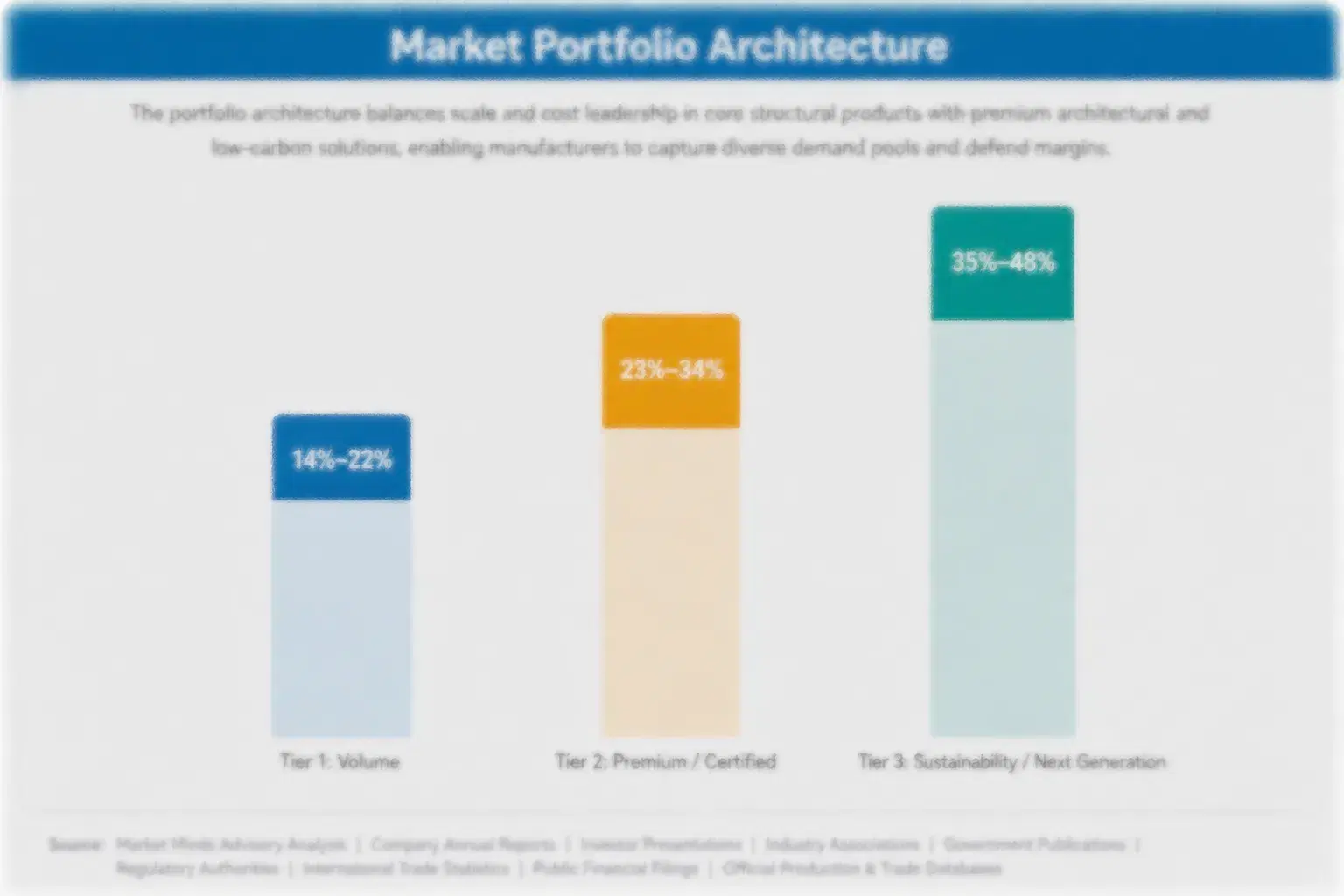
Volume / Commodity-Adjacent

Support and exchange microcatheters and standard infusion designs available from many suppliers with adequate tactile performance. The 7-point range separates integrated manufacturers from brands sourcing shafts externally and carrying somebody else's margin inside their own cost base.
Gross Margin: 44-51%

Premium / Certified

Crossing microcatheters for chronic occlusions and embolization designs where tactile performance is genuinely distinguishable by experienced operators. The 7-point spread separates suppliers with proprietary braiding and tip forming from those assembling purchased components to comparable specifications.
Gross Margin: 58-65%

Sustainability / Regulatory / Next-Generation

Steerable and deflectable microcatheters and balloon occlusion designs priced against procedure time rather than unit comparison. The 8-point range separates suppliers who built the time-saving argument properly from those pricing against conventional catheters and surrendering most of the available value.
Gross Margin: 66-74%
peripheral-micro-catheters-market-2-portfolio-architecture-1787683797122

High-value Sub-segments and Strategic Watch-out

Steerable Devices Priced On Time

Highest value and fastest growth, replacing around three catheter exchanges while commanding several times the price of a conventional device. The risk is that these devices reduce units per case, which unsettles organisations measured on shipment volume and plants sized for it. Volume incentives fight this.
Gross Margin: 71-74%

New Embolization Procedures

High value with strong growth, where operator preference has not yet formed and remains available to whoever supports the physicians learning the technique. The risk is evidence, since procedures adopted ahead of published outcome data can lose reimbursement as quickly as they gained it. Reimbursement can reverse quickly.
Gross Margin: 62-65%

Support And Exchange Catheters

The volume core, widely available with adequate performance from many suppliers and increasingly priced against Chinese domestic manufacturers. Suppliers hold the line because these devices maintain daily presence with operators who select the higher value catheters alongside them. Daily presence is what these devices buy. Price alone decides selection here.
Gross Margin: 45-48%

Office Lab Dependent Revenue

The strategic watch-out. Roughly 47% of American procedure volume runs through physician-owned outpatient laboratories under a payment structure facing sustained utilisation scrutiny. The risk is a reimbursement change that reduces device consumption immediately and hits broad-portfolio suppliers hardest of all. A single rulemaking could change it.
Gross Margin: 56-59%

Preference Formed During Training

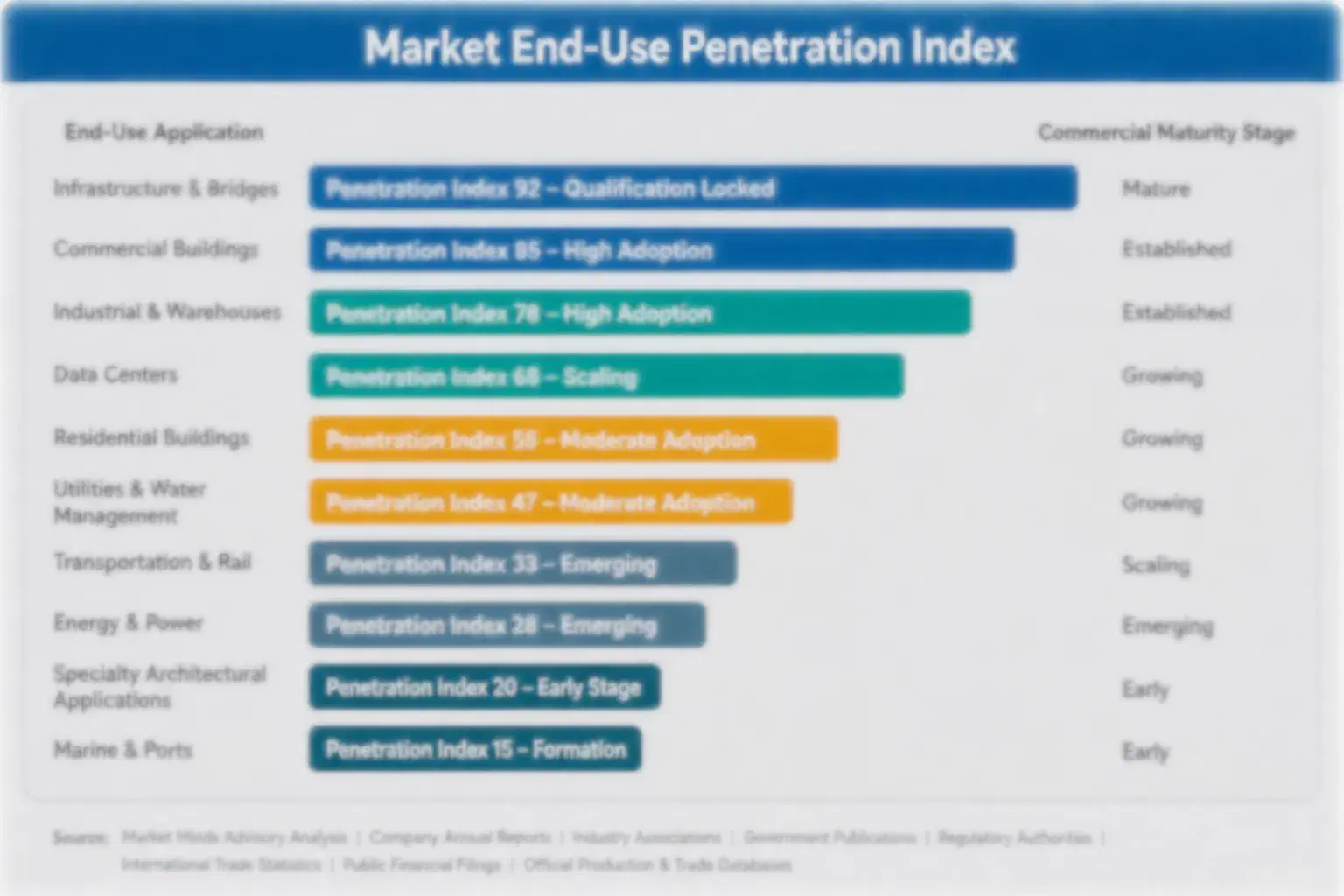
Consumption here is genuinely recurring, since every case consumes devices that are discarded afterward and a busy operator works through thousands across a career. What makes it an annuity rather than a series of transactions is that selection is tactile and forms during fellowship, then holds for decades. A supplier present during training holds the account for a career, uncontracted and largely price-insensitive.
Stickiness varies by how distinguishable performance actually is. Crossing catheters used in difficult occlusions are chosen with real conviction and defended stubbornly, since an operator who has been let down by a device remembers it precisely. Steerable catheters hold once adopted, because reverting means accepting longer procedures. Support catheters move on price, as adequate performance is widely available. Embolization selection sits between, depending heavily on the specific vessel bed involved.

The buyer profile has split in a way few suppliers handle well. An American office-based laboratory owner decides clinically and commercially in the same conversation and buys quickly. A European hospital procurement committee runs a formal process with pricing pressure attached. A Chinese hospital installing new capacity has operators still forming preferences.. Three commercial models are required and most organisations run one.
peripheral-micro-catheters-market-2-end-use-penetration-index-1787683797306

Where Preference Is Actually Won

These are among the four positions where our research anticipates prominent divergence between winners and laggards over the coming forecast period. Each is grounded in the demand model, the regulatory perimeter, and the announced capacity pipeline.
01 / TRAINING STAGE PRESENCE

Reach operators years before they buy anything

Tactile preference forms during fellowship and holds for decades afterward, which means the decisive commercial moment happens long before a physician controls any purchasing budget at all. Chinese hospitals are installing roughly 1,900 angiography suites each year and cannot staff them, so training rather than equipment is the binding constraint on procedure growth. Funding proctoring and fellowship programmes reaches those operators exactly at the point where preference is set, and it buys a position that no competitor subsequently displaces through evidence or through discounting.
02 / PROCEDURE CATEGORY CREATION

Build new procedures instead of contesting old ones

Genicular and prostatic artery embolization moved patients out of surgical pathways into interventional suites, and each case consumes around 2.4 microcatheters plus frequently a steerable device alongside them. Supporting the advocacy, registry building and training that establishes a new procedure grows the entire category rather than any single share position within it. Suppliers who funded the early embolization programmes now hold the accounts performing them at volume, and that cost far less than contesting share inside established procedures ever would have.
03 / SHAFT SUPPLY CONTROL

Most brands do not control their own product

Roughly 63% of braided microcatheter shaft production originates with a handful of Japanese facilities, which means competing brands routinely share a supply base that neither their customers nor their own commercial teams properly recognise. A single manufacturing disruption at one facility therefore affects several competing suppliers simultaneously and quite unpredictably. Qualifying second sources or investing in domestic braiding capability costs several years and real money, and it converts a shared industry fragility into a genuine commercial differentiator during any period of shortage.
04 / PAYMENT POLICY EXPOSURE

Half of American volume rests on one rule

Roughly 47% of American peripheral procedure volume happens in physician-owned outpatient laboratories under a payment structure that has drawn sustained utilisation scrutiny for several years now. Suppliers weighted heavily toward that single channel carry a policy risk they never chose and cannot influence in any meaningful way at all. Building hospital and international business is slower, lower margin and considerably more durable, and companies that started after 2023 are better positioned than those still enjoying the easiest selling conditions available in devices.

Engagement Snapshot From the Field

A live engagement with an industry participant carrying material or product regulatory and market exposure ahead of a defining policy shift, showing how our research translates into a defensible multi-year portfolio strategy.
MARKET MINDS ADVISORY · CLIENT ENGAGEMENT SUMMARY
Peripheral Micro Catheters Producer Strategic Portfolio Review and Transition Roadmap 2026·Investment Scenario on Peripheral Micro Catheters Exposure Evaluation 2025-26
CLIENT PROFILE
An interventional device manufacturer supplying peripheral microcatheters across North America and Europe, with reported revenue of 196 million dollars (client-reported, unverified by MMA). Roughly 68% came from American office-based laboratories, and support catheters accounted for most units shipped. The company sourced braided shafts from a single Japanese supplier under an arrangement that had run without incident for eleven years.
STRATEGIC CHALLENGE
Growth had been strong and management wanted to accelerate investment behind the office-based channel that had produced it. The board asked for an independent view of concentration risk before committing. Nobody had examined how much revenue depended on a single reimbursement policy, or how many competitors shared the same shaft supplier.
MMA APPROACH
MMA mapped revenue against reimbursement dependency and traced shaft supply arrangements across the competitive set, which the company had never investigated. Thirteen expert interviews with interventionalists and laboratory owners established how purchasing decisions are actually made in each setting. The analysis treated policy and supply concentration as commercial exposures rather than as operational details.
KEY FINDINGS
  1. Roughly 68% of revenue depended on a single American payment policy that has drawn documented utilisation scrutiny across multiple review cycles. Nobody had measured it.
  2. Four competing brands sourced shafts from the same Japanese facility, meaning a disruption would remove most alternative supply from the client's own customers simultaneously.
  3. Steerable catheter share was minimal because the sales organisation priced against conventional devices rather than against angiography suite time saved. The pricing argument was never made.
  4. European hospital business carried lower margins and modelled far greater revenue stability across any plausible reimbursement scenario (client-reported, unverified by MMA). Stability was worth more than margin here.
CLIENT PROFILE
An interventional device manufacturer supplying peripheral microcatheters across North America and Europe, with reported revenue of 196 million dollars (client-reported, unverified by MMA). Roughly 68% came from American office-based laboratories, and support catheters accounted for most units shipped. The company sourced braided shafts from a single Japanese supplier under an arrangement that had run without incident for eleven years.
STRATEGIC CHALLENGE
Growth had been strong and management wanted to accelerate investment behind the office-based channel that had produced it. The board asked for an independent view of concentration risk before committing. Nobody had examined how much revenue depended on a single reimbursement policy, or how many competitors shared the same shaft supplier.
MMA APPROACH
MMA mapped revenue against reimbursement dependency and traced shaft supply arrangements across the competitive set, which the company had never investigated. Thirteen expert interviews with interventionalists and laboratory owners established how purchasing decisions are actually made in each setting. The analysis treated policy and supply concentration as commercial exposures rather than as operational details.
KEY FINDINGS
  1. Roughly 68% of revenue depended on a single American payment policy that has drawn documented utilisation scrutiny across multiple review cycles. Nobody had measured it.
  2. Four competing brands sourced shafts from the same Japanese facility, meaning a disruption would remove most alternative supply from the client's own customers simultaneously.
  3. Steerable catheter share was minimal because the sales organisation priced against conventional devices rather than against angiography suite time saved. The pricing argument was never made.
  4. European hospital business carried lower margins and modelled far greater revenue stability across any plausible reimbursement scenario (client-reported, unverified by MMA). Stability was worth more than margin here.
RECOMMENDED STRATEGY
Phase 1: Phase one: qualify a second shaft source immediately, accepting validation cost as insurance against a concentration nobody had previously measured. Phase 2: Phase two: reprice steerable devices against procedure time rather than unit comparison, and retrain the commercial organisation accordingly. The argument was never built. Phase 3: Phase three: build European hospital and Asian training presence deliberately, accepting lower margins for materially reduced policy exposure. Policy exposure falls accordingly.
OUTCOME
Second-source qualification completed within fourteen months and proved useful during a subsequent supply interruption. Steerable device pricing was rebuilt around procedure time and average selling prices rose materially (client-reported, unverified by MMA). European hospital revenue grew from a small base and reduced American policy dependency by several percentage points.

Frequently Asked Questions

Foundational context covering the market sizes, CAGR, scope, country, region and competition that inform every finding below. This section is provided to cover basics and most often pre-purchase conversations, answered from the MMA Primary Research Dataset.

What is the current size of the Peripheral Micro Catheters Market?

The market was worth 0.86 billion dollars in 2025, covering support, crossing, embolization, steerable, infusion and balloon occlusion microcatheters. It reaches 0.94 billion dollars in 2026.

How large will the Peripheral Micro Catheters Market be by 2036?

MMA forecasts 2.17 billion dollars by 2036, an increase of 1.23 billion dollars over the 2026 base. That represents an expansion multiple of 2.31 times across the forecast period.

What is the CAGR for the Peripheral Micro Catheters Market 2026 to 2036?

The base case compounds at 8.8% annually. MMA's bull case reaches 10.0% if musculoskeletal embolization gains broad reimbursement, while the bear case sits at 7.6% on American payment reform.

Which segment is growing fastest?

Steerable and deflectable microcatheters, at 13.2%, half again the market rate of 8.8%. Growth comes from price rather than units, since one device replaces around three exchanges.

Who are the major companies in the Peripheral Micro Catheters Market?

Terumo, Boston Scientific, Merit Medical Systems, Medtronic and Cook Medical lead on disclosed peripheral vascular and interventional device revenue. Asahi Intecc, Penumbra, Balt and Embolx compete in specific functions.

Which country is growing fastest?

China at 11.8%, driven by angiography suite installation outpacing operator training and by domestic manufacturers expanding production. India follows closely on private hospital embolization adoption across its metropolitan networks.

Report Segmentation Architecture

The full report scope spans multiple orthogonal segmentation dimensions, with cross-tabulated demand data provided for each dimension pair. Coverage extends further to regional breakdowns, trend trajectories, and the competitive detail needed to support segment-level decision-making.

By Catheter Function

  • Support and Exchange Microcatheters
  • Crossing Microcatheters for Chronic Occlusions
  • Embolization Microcatheters
  • Steerable and Deflectable Microcatheters
  • Infusion and Thrombolysis Microcatheters
  • Balloon Occlusion Microcatheters

By End-Use Industry

  • Hospital Interventional Radiology
  • Office Based Laboratories
  • Ambulatory Surgical Centres
  • Vascular Surgery Services
  • Interventional Oncology Units
  • Clinical Research and Trial Sites

By Commercial Dimension

  • Direct Hospital Contract
  • Physician Owned Facility Purchase
  • Group Purchasing Agreement
  • Distributor Supplied Market
  • Public Tender Procurement
  • Training Programme Placement

By Region

  • North America
  • Western Europe
  • East Asia
  • South Asia and Pacific
  • Latin America
  • Middle East and Africa
  • Eastern Europe

Scope, Methodology, and Coverage

Every figure in this report is reproducible from documented input assumptions. The scope below maps the historical period, the forecast horizon, the segmentation dimensions, and the countries covered, alongside the underlying primary and qualitative methodology.
Historical Period
2020 to 2025
Forecast Period
2026 to 2036
Base Year
2025 (USD billions; MMA Primary Research Dataset, August 2026)
Market Definition
Scope covers microcatheters used in peripheral vascular and non-coronary interventional procedures, spanning support and exchange microcatheters, crossing microcatheters designed for chronic total occlusions, embolization microcatheters, steerable and deflectable designs, infusion and thrombolysis microcatheters, and balloon occlusion microcatheters. Coronary microcatheters, neurovascular and neurointerventional microcatheters, guidewires, guiding catheters, introducer sheaths and embolic agents including coils and particles are excluded. Atherectomy devices, peripheral stents, drug-coated balloons and imaging catheters fall outside the boundary.
Quantitative Units
USD billions (current prices); catheter units consumed; procedures performed; catheters per case; angiography suites installed
Segmentation Dimensions
By Catheter Function; By End-Use Industry; By Commercial Dimension; By Region
Regions Covered
North America, Western Europe, East Asia, South Asia and Pacific, Latin America, Middle East and Africa, Eastern Europe
Countries Covered
USA, China, Japan, Germany, France, UK, South Korea, India, Brazil, Italy, Spain, Australia, Canada, Poland, Saudi Arabia
Key Companies Profiled
Terumo, Boston Scientific, Merit Medical Systems, Medtronic, Cook Medical, Asahi Intecc, Teleflex, Penumbra, Cordis, Balt, Embolx, Nipro, Kaneka Medix, Stryker, AngioDynamics, Becton Dickinson, Argon Medical Devices, Optimed, Biotronik, MicroVention
Quantitative Methodology
Primary survey, n=3,800 respondents, Q4 2025, six countries; demand-side model with trade association cross-validation
Qualitative Methodology
47 expert interviews, Q4 2025; applied to validate demand model assumptions, identify emerging dynamics, and assess competitive positioning
Report Format
PDF and XLSX data workbook (Word format preview document)
Publisher
Market Minds Advisory
Report Code
MMA-2026-MED-148
Published
August 2026
Contact
sales@marketmindsadvisory.com | www.marketmindsadvisory.com

Purchase the full Peripheral Micro Catheters Market Report (2026 to 2036).

The full report runs to 165 pages and covers all six catheter function segments, seven regions and 20 profiled companies in detail. It includes the complete segment CAGR set, regional procedure volume and care setting data, and shaft supply concentration analysis across the competitive set. Company profiles carry evaluation on disclosed peripheral vascular and interventional device revenue, with moat and risk assessment for the top five suppliers. The competitive section extends to 15 tracked corporate developments across 2024 and 2025, each with commercial interpretation. Primary research inputs include a quantitative survey of 3,800 respondents and 47 expert interviews conducted in Q4 2025.
Six catheter function segments with individual CAGR forecasts
Seven regional markets with procedure volume and setting data
Twenty company profiles on consistent revenue evaluation basis
Fifteen tracked corporate developments with commercial interpretation notes
Shaft supply concentration analysis across the full competitive set
Reimbursement dependency mapping by care setting and geography

Built For The People Who Decide

From boardroom strategy to bench-side execution, this report is read cover-to-cover by leaders shaping the next decade of their industry, turning demand scenarios, market dynamics and valuation benchmarks into decisions.
CXOs/ Presidents/ VPs/ Managers
M&A and Corporate Development
Strategy Teams and R&D Heads
Procurement and Product Directors
Regulatory and Compliance Leaders
Investor Relations and Equity Analysts